Os chocolates podem ser pequenos, mas eles são notoriamente sensíveis ao calor e à umidade. Sem um processo de resfriamento controlado, manteiga de cacau derrete e recristaliza, açúcar absorve umidade, e sua guloseima antes brilhante desenvolve uma flor branca desagradável. O mercado global de chocolate ultrapassou US$ 1,11 trilhão em 2023, e os consumidores esperam cada vez mais qualidade premium entregue diretamente na sua porta. Neste guia você aprenderá como resfriamento de chocolate refrigerado – a prática de manter o chocolate dentro de uma faixa precisa de temperatura e umidade durante o armazenamento e transporte – protege o sabor, textura e lucros. Baseamo-nos em pesquisas recentes, diretrizes industriais e os mais recentes 2025 tendências para lhe dar conselhos práticos.

O que é resfriamento de chocolate refrigerado e por que isso é importante? Aprenda sobre a emulsão de manteiga de cacau e açúcar e por que o controle de temperatura evita o aparecimento de gordura e açúcar.
Como manter a temperatura e a umidade ideais? Descubra as gamas recomendadas (12–20°C e ≤50% de umidade relativa) e veja como diferentes tipos de chocolate reagem.
Quais soluções de embalagem e refrigeração funcionam melhor? Compare o isolamento passivo, materiais de mudança de fase e refrigeração ativa.
Quais tecnologias estão moldando a logística da cadeia de frio em 2025? Entenda como a IA, Sensores IoT e análises preditivas melhoram o controle de temperatura.
Quais são as últimas tendências do mercado? Explore o rápido crescimento do setor da cadeia de frio e as mudanças nas preferências dos consumidores.
O que é resfriamento de chocolate refrigerado e por que isso é importante?
Resfriamento de chocolate refrigerado refere-se à manutenção do chocolate dentro de uma faixa estreita de temperatura e umidade durante o armazenamento, envio e exibição para preservar sua qualidade. O chocolate é uma emulsão de manteiga de cacau, açúcar e sólidos de leite; quando as temperaturas sobem ou descem fora da sua zona de conforto, esses componentes se separam e se recombinam de maneira desigual. O calor faz com que a manteiga de cacau amoleça e migre para a superfície, criando flor gorda; umidade excessiva dissolve o açúcar, que recristaliza como flor de açúcar. Bloom não apenas embota a aparência, mas também altera a textura e o sabor, gerando reclamações de clientes.
Por que isso importa: UM 2001 estudo sobre chocolate amargo recheado descobriu que o armazenamento de amostras a 18°C evitou o florescimento por oito semanas, Considerando que o armazenamento a 30°C causou rápida migração de gordura e florescimento em três semanas. Além da estética, Bloom reduz a qualidade percebida e leva a devoluções ou vendas com desconto. Quando os clientes do comércio eletrônico gastam preços premium, um acabamento brilhante e frescor nítido do sinal instantâneo. Controlando as condições de resfriamento, produtores mantêm a confiança do cliente, minimizar o desperdício e proteger as margens de lucro.
A ciência por trás da sensibilidade ao chocolate
O chocolate começa a amolecer muito antes de derreter completamente; manteiga de cacau começa a derreter por volta de 86–90°F (30–32 ° C.). Mesmo um único pico de calor pode perturbar as estruturas cristalinas, e retemperar uma barra florida raramente é viável durante a distribuição. Diferentes tipos de chocolate têm tolerâncias ligeiramente diferentes: chocolate amargo contém mais manteiga de cacau e pode suportar o limite inferior da faixa, Considerando que o chocolate ao leite e o chocolate branco com adição de gordura láctea e menor teor de sólidos de cacau exigem um controlo mais rigoroso.
| Tipo Chocolate | Temperatura Ideal | Limite de umidade | Implicação prática |
| Chocolate escuro | 12–20 ° C. | ≤50% | O alto teor de cacau permite tolerar condições mais frias. |
| Chocolate ao leite | 12–20 ° C. | ≤50% | Os sólidos de leite adicionados tornam-no sensível às oscilações de temperatura. |
| Chocolate Branco | 12–20 ° C. | ≤50% | Baixo teor de sólidos de cacau significa que as gorduras se separam rapidamente. |
| Chocolates recheados/cremosos | 12–20 ° C. | ≤50% | Propenso a rachaduras e dissolução de enchimento quando as condições flutuam. |
Por que a temperatura e a umidade são importantes
Manter um microclima estável evita a condensação e o florescimento. As diretrizes da pesquisa e da indústria concordam que os chocolates devem ser mantidos entre 54–68°F (12–20 ° C.) com umidade relativa abaixo 50 %. O chocolate amargo pode tolerar a extremidade inferior, enquanto o leite e o chocolate branco requerem calor médio. O pré-resfriamento de produtos e embalagens a 18–20°C estabiliza a umidade interna e evita a condensação quando produtos resfriados são colocados em caixas isoladas.
Como manter a temperatura e a umidade ideais?
Atenha-se ao intervalo: Mantenha o chocolate entre 12–20°C e umidade relativa abaixo de 50%. Use termômetros e higrômetros calibrados para monitorar as condições dentro de salas de armazenamento e contêineres de transporte. Flutuações de temperatura de apenas alguns graus podem provocar florescimento ou rachaduras.
Controle a umidade: A umidade se torna problemática quando o ar atinge seu ponto de orvalho e se forma condensação na superfície do chocolate. Incorporar dessecantes ou forros absorventes de umidade dentro da embalagem para absorver a umidade. Evite armazenar chocolate perto de produtos com alta umidade, como produtos frescos.
Permitir fluxo de ar: O chocolate absorve facilmente os odores. Certifique-se de que haja espaço ao redor das caixas de armazenamento e dos veículos para a circulação do ar. Utilize paletes ou estantes para evitar o contacto direto com o chão do armazém.
Escudo da luz: A luz solar direta ou a iluminação forte do armazém podem aquecer o chocolate e causar fotooxidação. Use embalagens ou caixas opacas para proteger contra a luz.
Pré-resfriar e condicionar: Antes do envio, resfrie os chocolates e os materiais de embalagem a 18–20°C. Colocar embalagens quentes ao redor do chocolate frio estimula a condensação. O pré-condicionamento reduz os gradientes de temperatura e estabiliza a umidade.
Escolhendo a embalagem e o refrigerante corretos
A embalagem é a sua primeira linha de defesa contra o calor e a umidade. De acordo com especialistas em embalagens da cadeia de frio, a maioria dos chocolates prefere 60–70°F (15–21ºC). O isolamento retarda a transferência de calor, enquanto os refrigerantes absorvem ou liberam energia para manter a temperatura desejada.
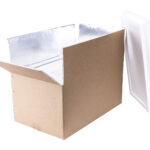
Materiais de isolamento: As opções comuns incluem poliestireno expandido (EPS) espuma, forros de fibra de algodão, espumas à base de amido, plástico bolha e papel reciclado. Alternativas de alto desempenho como Clima Cell® oferecem excelente desempenho térmico com maior sustentabilidade e são facilmente recicláveis.
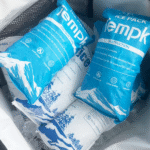
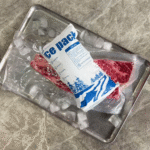
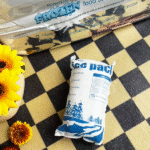
Refrigerantes: Pacotes de gel, dry ice and materiais de mudança de fase (PCMs) ajudar a manter a temperatura. Pacotes de gel à base de água são eficazes em torno de 0°C, mas menos em temperaturas mais altas; PCMs especializados podem manter 15–20°C por períodos mais longos. Escolha refrigerantes apropriados para as condições ambientais e duração do transporte. No verão, você pode precisar de um isolamento mais espesso e mais pacotes de PCM; no inverno, forros mais leves podem ser suficientes. PCMs devem ser pré-condicionados (congelado ou refrigerado) antes de embalar e carregar rapidamente para evitar picos de temperatura.
Embalagem primária: Caixas ou latas de chocolate resistentes fornecem suporte estrutural e protegem contra esmagamento. Inclui um invólucro interno resistente à umidade para evitar que a condensação atinja o chocolate.
Embale dicas:
Calcular dimensões da caixa: Deixe um espaço vazio mínimo dentro da caixa de remessa. Um pacote mais denso melhora a eficiência do isolamento.
Use compressas frias corretamente: Coloque compressas frias no fundo da caixa, embrulhado para evitar condensação. Pacotes de gel à prova de suor reduzem a umidade.
Adapte-se à sazonalidade: Aumente a espessura do isolamento e a quantidade de refrigerante para remessas de verão; reduza para evitar congelamento no inverno【672121496036534†L164-L170】. Planeje remessas no início da semana para evitar atrasos no fim de semana.
Cenários práticos e estudos de caso
Presentes em pequenos lotes: Para presentes gourmet enviados em julho, usar serviços noturnos, PCMs pré-condicionados e sachês dessecantes. Evite enviar nos fins de semana para evitar que os pacotes fiquem em armazéns quentes.
Pedidos corporativos: Grandes pedidos de presentes corporativos se beneficiam de soluções híbridas: caixas isoladas com pacotes PCM mais refrigeração ativa mínima. O registro de dados em tempo real ajuda as equipes a responder rapidamente aos desvios de temperatura.
Assinaturas: Os serviços de assinatura mensal devem ajustar os níveis de embalagem e refrigerante sazonalmente e fornecer aos clientes instruções de armazenamento. Forneça sensores dentro das embalagens que indiquem visualmente se as temperaturas oscilaram.
Exemplo do mundo real: Uma empresa de logística que envia trufas gourmet através dos continentes sofreu 15% de rejeição de produtos devido ao florescimento do açúcar no verão. Depois de adicionar sensores e mudar para embalagens passivas isoladas, as taxas de rejeição caíram para 2%.
Soluções de embalagem e resfriamento: Passivo versus. Ativo
Comparando Isolamento, PCMs e Refrigeração Ativa
| Solução | Características principais | Aprox.. Duração | Benefícios |
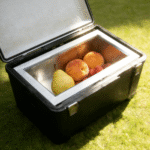
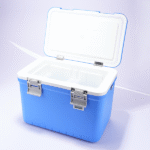
| Caixas isoladas | Materiais multicamadas (poliestireno, papel, algodão) transferência lenta de calor. | 24–72 horas | Leve, barato, personalizável; ideal para remessas curtas. |
| Materiais de mudança de fase | Pacotes de gel ou PCMs avançados absorvem e liberam calor durante as mudanças de fase. | 24–96 horas | Mantenha temperaturas estáveis em faixas mais amplas; reutilizável e mais duradouro. |
| Contêineres ativos | Unidades de refrigeração motorizadas oferecem controle preciso de temperatura. | 72 horas+ | Adequado para remessas de alto valor ou de longo curso; mais caro. |
| Soluções híbridas | Combine isolamento, PCMs e resfriamento ativo mínimo. | 48–96 horas | Equilibre custo e desempenho para remessas de média distância. |
Escolhendo a opção certa: Combine a espessura e o material do isolamento com o clima e a duração do transporte. Para remessas com menos de 72 horas em temperaturas moderadas, caixas isoladas e PCMs geralmente são suficientes. Para viagens mais longas ou de alto risco, sistemas ativos ou híbridos proporcionam segurança adicional. Sempre integre registradores de dados para monitorar condições e permitir ações corretivas.
Práticas de embalagens sustentáveis
A sustentabilidade é cada vez mais importante em 2025. Substituir plásticos descartáveis por materiais biodegradáveis ou recicláveis—como forros de papel, espumas de raiz de cogumelo ou painéis à base de amido – reduz o desperdício enquanto mantém o desempenho. Os contêineres reutilizáveis amortizam os custos de várias remessas e apoiam cadeias de abastecimento circulares. Ao selecionar a embalagem, equilibrar a espessura e o peso do isolamento; isolamento mais pesado melhora o desempenho, mas aumenta os custos de envio e a pegada ambiental. Pré-condicione os PCMs à temperatura desejada e marque claramente as embalagens “Keep Cool” para incentivar o manuseio adequado.
Como a tecnologia melhora o resfriamento do chocolate refrigerado
Ferramentas digitais transformaram a logística da cadeia de frio. Sensores IoT medem continuamente a temperatura, umidade e localização, oferecendo visibilidade e alertas em tempo real quando as condições divergem. A análise preditiva usa dados de sensores para prever falhas de equipamentos ou interrupções de rotas, reduzindo o tempo de inatividade não planejado em até 50 % e reduzindo os custos de reparo 10–20%. A análise de energia rastreia o uso de energia em unidades de refrigeração, otimizando o consumo e economizando de 10 a 30% nos custos de energia.
Otimização de rota: IA analisa padrões de tráfego, previsões meteorológicas e janelas de entrega para minimizar o tempo de viagem e o consumo de combustível. Algoritmos podem redirecionar veículos em torno de áreas congestionadas ou prever atrasos devido ao calor extremo, permitindo que os despachantes ajustem os cronogramas e protejam a qualidade do produto.
Blockchain para rastreabilidade: Blockchain fornece registros à prova de adulteração de leituras de temperatura e transferências de custódia, criando responsabilidade em toda a cadeia de abastecimento. Quando combinado com sensores IoT, garante que qualquer variação de temperatura seja rastreável até um local ou horário específico.
Manutenção preditiva: Algoritmos inteligentes monitoram as vibrações do compressor, pressões do refrigerante e consumo de energia. Prevendo falhas de equipamentos antes que elas ocorram, os operadores podem agendar a manutenção de forma proativa, evitando avarias dispendiosas.
Gêmeos digitais: Emergindo em 2025, gêmeos digitais replicam sistemas refrigerados inteiros virtualmente. Eles simulam o desempenho de diferentes materiais de embalagem ou estratégias de resfriamento sob diversas condições, permitindo que as empresas testem e otimizem as remessas antes de enviar produtos reais.
2025 Últimos Desenvolvimentos e Tendências de Mercado
Crescimento e perspectivas do mercado
O mercado de logística da cadeia de frio está em franca expansão. De acordo com a Pesquisa de Precedência, o tamanho do mercado global de logística da cadeia de frio foi US$ 436,30 bilhões em 2025 e prevê-se que suba para US$ 1.359,78 bilhões por 2034, refletindo uma taxa composta de crescimento anual (Cagr) de 13.46 %. Espera-se que a região Ásia-Pacífico registre o maior CAGR de 14,3%, impulsionado pela urbanização, aumento da renda disponível e expansão dos canais de compras on-line. Somente as instalações de pré-resfriamento foram avaliadas em US$ 204,4 bilhões em 2024, e a tecnologia de gelo seco detinha mais de 55% do segmento de equipamentos de refrigeração.
Os chocolates se beneficiam desse crescimento porque exigem resfriamento preciso, mas não podem ser congelados. Muitas startups que produzem chocolates veganos ou funcionais carecem de experiência em logística e, portanto, fazem parceria com fornecedores especializados de cadeia de frio. Alimentos à base de plantas podem ser responsáveis por 7.7 % do mercado global de proteínas por 2030, impulsionando a demanda por soluções de cadeia de frio de médio porte que mantenham temperaturas de 12 a 20 °C sem congelamento.
Tendências e inovações emergentes
Otimização de rotas orientada por IA e manutenção preditiva: IA não é mais uma palavra da moda; é uma ferramenta prática na gestão da cadeia de frio. Analisando dados históricos e em tempo real, IA otimiza rotas de entrega, prevê falhas de equipamentos e prevê a demanda. Isso reduz o uso de energia e a deterioração, garantindo que os chocolates cheguem mais rápido.
IoT e monitoramento em tempo real: Dispositivos IoT, como sensores inteligentes e rastreadores GPS, fornecem visibilidade completa em toda a cadeia de frio. Em 2022, hardware para rastreamento da cadeia de frio manteve mais de 76 % da participação de mercado, sinalizando adoção generalizada. Para remessas de chocolate, A IoT garante a segurança do produto e gera registros verificáveis para conformidade regulatória.
Sustentabilidade e atualizações de instalações: Muitas instalações frigoríficas construídas há décadas estão sendo atualizadas com automação, melhor visibilidade e baixo PAG (potencial de aquecimento global) refrigerantes. Os sistemas alimentados por energia solar e o isolamento avançado reduzem as pegadas de carbono, ao mesmo tempo que cumprem regulamentações ambientais mais rigorosas.
Influências Geopolíticas e Resiliência: Perturbações comerciais globais, congestionamento portuário e novas tarifas afetam a capacidade da cadeia de frio. Apesar dessas pressões, o mercado permanece resiliente. Os fornecedores de logística integrada que conseguem navegar na alfândega e gerir interrupções são cada vez mais valiosos.
Proximidade com os Consumidores: Para encurtar os tempos de trânsito e reduzir as variações de temperatura, empresas investem em centrado no porto e centrado na produção armazenamento refrigerado próximo aos centros de transporte e aos principais mercados. Esta tendência beneficia o chocolate porque viagens mais curtas reduzem o risco de florescer.
Preferências do Consumidor: Demanda por veganos, chocolates funcionais e de origem ética estão aumentando. Esses produtos geralmente possuem ingredientes exclusivos e perfis de fusão, necessitando de estratégias de resfriamento personalizadas.
Dicas práticas para se adaptar às tendências
Invista em monitoramento em tempo real: Adicione sensores IoT e registradores de dados a cada remessa. Alertas em tempo real permitem que você intervenha antes que ocorra o florescimento.
Adote análises preditivas: Use software para prever falhas de equipamentos e planejar a manutenção, reduzindo o tempo de inatividade.
Atualizar isolamento: Considere materiais de alto desempenho como papel reciclado ou espumas biodegradáveis, que oferecem desempenho térmico e sustentabilidade.
Diversificar a distribuição: Posicione os armazéns perto dos locais de produção e dos centros de clientes para reduzir os tempos de trânsito e os custos.
Eduque os clientes: Forneça instruções claras sobre as condições de armazenamento e desembalagem para garantir que a qualidade permaneça quando os produtos chegarem.
Perguntas frequentes
Em que temperatura o chocolate deve ser armazenado?
Armazene o chocolate entre 54–68°F (12–20 ° C.) com umidade relativa abaixo 50 %. O chocolate amargo tolera o final mais frio; variedades de leite e brancas requerem temperaturas médias mais estáveis.
Devo refrigerar chocolate em casa?
Na maioria dos casos, não. As geladeiras costumam ser muito frias e úmidas, o que pode causar condensação e florescimento de açúcar. Se a temperatura ambiente exceder regularmente 70°F (21 ° c), coloque o chocolate em um recipiente fechado dentro de um refrigerador de vinho (45–67°F).
O que é flor gorda vs. flor de açúcar?
O florescimento de gordura ocorre quando a manteiga de cacau derrete e cristaliza novamente na superfície devido às altas temperaturas (acima de ~80–90°F). O florescimento do açúcar acontece quando a umidade dissolve o açúcar, que então cristaliza à medida que o chocolate seca. Ambos causam manchas esbranquiçadas e opacidade.
Por quanto tempo o chocolate pode ser armazenado?
Quando armazenado corretamente entre 12–20°C e ≤50% de umidade, chocolate sólido pode durar até dois anos, embora tenha um gosto melhor no primeiro ano. Chocolates recheados têm vida útil mais curta por causa de seus recheios à base de água.
Qual embalagem mantém o chocolate frio durante o transporte?
Use caixas isoladas combinadas com pacotes de material de mudança de fase ou pacotes de gel. Para remessas acima de 72 horas ou em climas extremos, considere sistemas de refrigeração híbridos ou ativos.
Por que a umidade é tão importante?
A alta umidade faz com que o açúcar se dissolva e cristalize, levando ao florescimento do açúcar. Baixa umidade abaixo de 10% pode secar os materiais de embalagem. Objetivo para 15–50% umidade relativa.
Como a IA ajuda na logística da cadeia de frio?
IA analisa dados de sensores para otimizar rotas, prever a demanda e detectar falhas de equipamentos, reduzindo a deterioração e melhorando a eficiência.
O que são materiais de mudança de fase (PCMs)?
PCMs são substâncias que absorvem ou liberam calor quando mudam de fase (sólido para líquido ou vice-versa). PCMs especializados podem manter temperaturas amigáveis ao chocolate (15–20 ° C.) por períodos mais longos do que os pacotes de gel padrão. Eles são reutilizáveis e mais sustentáveis.
Resumo e recomendações
O resfriamento do chocolate refrigerado é essencial para preservar o acabamento brilhante, estalo crocante e sabor rico que os amantes de chocolate esperam. Pesquisas mostram que armazenar chocolate em 18 ° c evita o florescimento enquanto temperaturas mais altas causam rápida degradação. As diretrizes da indústria recomendam manter 12–20 ° C. e ≤50% umidade relativa. Escolha embalagens que combinem materiais de isolamento e mudança de fase, adaptar a quantidade de refrigerante à estação, e pré-condicionar produtos e embalagens antes do envio. Aproveite os sensores IoT, Otimização de rotas com IA e manutenção preditiva para obter visibilidade em tempo real e reduzir desperdícios. Ao adotar embalagens sustentáveis e logística eficiente, você protegerá a qualidade e contribuirá para uma cadeia de suprimentos mais ecológica.
ACTO ACEDIVO PRÓXIMO PASSOS
Audite seu processo atual de cadeia de frio. Meça temperaturas e umidade em cada ponto, desde a produção até a entrega. Identifique onde ocorrem as excursões.
Atualizar embalagem. Selecione caixas isoladas de alto desempenho e PCMs adaptados ao comprimento e clima da sua rota. Use barreiras contra umidade e embalagens primárias resistentes.
Implementar tecnologia de monitoramento. Instale sensores IoT e registradores de dados em cada remessa. Use um painel para receber alertas e análises em tempo real.
Treine sua equipe. Educar a equipe sobre o pré-condicionamento adequado, embalar técnicas e manuseio para evitar picos de calor.
Planeje a sazonalidade. Ajuste as quantidades de isolamento e refrigerante com base na temperatura ambiente, e programar entregas para minimizar a exposição ao calor.
Comunique-se com os clientes. Forneça instruções claras sobre como armazenar e saborear seus chocolates em casa.
Explore opções sustentáveis. Invista em forros recicláveis, espumas biodegradáveis e recipientes reutilizáveis para reduzir o impacto ambiental.
Sobre Tempk
A Tempk é especializada em soluções de embalagem para cadeia de frio projetadas para manter temperaturas precisas para produtos sensíveis. Nossa abordagem orientada à pesquisa produziu caixas isoladas, Sistemas de monitoramento habilitados para PCMs e IoT que mantêm chocolates e outros produtos perecíveis dentro do 12–20 ° C. ponto ideal. Priorizamos a sustentabilidade utilizando materiais recicláveis e desenvolvendo recipientes reutilizáveis. Com décadas de experiência, nós entregar confiável, embalagens eficientes e ecológicas que ajudam nossos parceiros a reduzir o desperdício e a melhorar a satisfação do cliente.
Próximo passo: Entre em contato com a equipe Tempk para discutir soluções customizadas para suas remessas de chocolate. Nossos especialistas podem ajudá-lo a projetar um pacote que equilibre o desempenho, custo e sustentabilidade, mantendo seus produtos perfeitos.