Como usar Pacotes de gelo seco da Luna para envio em 24 a 72 horas
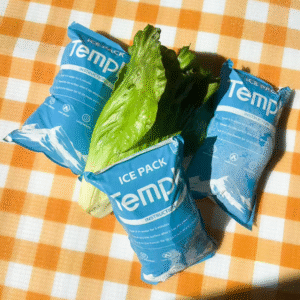
Pacotes de gelo seco Luna ajudá-lo a enviar alimentos congelados e produtos sensíveis sem a bagunça ou os perigos do CO₂ sólido. Com o isolamento e embalagem certos, eles ficam frios por 24–72 horas e simplifique a conformidade aérea e terrestre quando você não estiver usando gelo seco real. Este guia fornece regras claras de dimensionamento, listas de verificação de transporte aéreo, e 2025 tendências para que você possa enviar com confiança.
-
Escolha a fonte de frio certa para comida congelada, −20°C produtos biológicos, ou vacinas de 2–8°C (Pacotes de gelo seco Luna vs gelo seco)
-
Dimensione seu refrigerante rápido com uma calculadora prática (Calculadora de tamanho de bolsas de gelo seco Luna)
-
Voe em conformidade com gelo seco usando uma lista de verificação de uma página (Aqui está Pi 954 lista de verificação de gelo seco 2025)
-
Valide seus pacotes com testes simples (ISTA 7D/7E e USP <1079> noções básicas)
O que são Pacotes de gelo seco Luna e quando você deve usá-los?
Resposta curta: Os pacotes de gelo seco Luna são folhas de gel/PCM reutilizáveis, CO₂ não sólido. Eles congelam em um freezer padrão e atuam como massa térmica, manter os pacotes frios por 24 a 72 horas quando combinado com um bom isolamento. Use-os quando quiser limpar, remessas de baixo risco sem documentação de gelo seco.
Por que isso importa para você: Pense na sua caixa como uma garrafa térmica. Luna embala suavemente o ganho de calor, evitando os extremos −78,5°C do gelo seco. Para a maioria Alimentos congelados e muitos medicamentos refrigerados, Os pacotes Luna reduzem o manuseio, custo, e risco, mantendo-se eficaz em faixas de 24 a 72 horas. Para necessidades ultracongeladas, adicione −26°C PCM ou cubra com uma pequena quantidade de gelo seco e siga PI 954 regras.
Pacotes de gelo seco Luna vs gelo seco: qual se adapta à sua pista?
Use gelo seco quando realmente precisar -78,5 ° C. ou voos muito longos. Escolher Pacotes de gelo seco Luna quando você deseja frio para vários dias com manuseio mais fácil, papelada mínima, e retornos simples. Para abaixo de −20°C produtos biológicos, Os tijolos PCM a −26°C muitas vezes substituem o gelo seco sem emissão de CO₂. Sempre combine o refrigerante com as declarações do rótulo e o risco da pista.
| Opção de refrigerante | Ponto de fase | Uso típico | O que isso significa para você |
|---|---|---|---|
| CO₂ sólido (gelo seco) | -78,5 ° C. | Cargas ultracongeladas, vôos longos | Resfriado mais forte; requer marcas UN1845, ventilação, Aula 9 Etiqueta para o ar. |
| Tijolos PCM de −26°C | −26°C | Produtos biológicos congelados abaixo de −20°C | Alternativa de gelo seco; aceitação mais simples; sem gás CO₂ para gerenciar. |
| Pacotes de gelo seco Luna (gel/pcm) | ~ 0 ° C. | Alimentos congelados, kits de refeições | Limpar, reutilizável, fácil de congelar; 24–72 h com bom isolamento. |
| +5 ° C PCM | +5 ° c | Vacinas a 2–8°C | Mantém o alcance da geladeira sem congelar; ideal para produtos CRT/CCT. |
Dicas rápidas:
-
Para Alimentos congelados, comece com Pacotes de gelo seco Luna, em seguida, adicione uma pequena cobertura de gelo seco apenas para ondas de calor ou >72 h pistas.
-
Para produtos biológicos abaixo de 20°C, preferir −26°CPCM.
-
Para 2–8°C vacinas, usar +5 ° C PCM; não co-embale com gelo seco na mesma cavidade.
Caso do mundo real: Uma marca de kits de refeição substituiu gelo solto por Pacotes de gelo seco Luna além de forros mais grossos. Os vazamentos desapareceram e a temperatura central permaneceu abaixo de -10°C nas pistas de 48 horas, com gelo seco mantido apenas para raros picos de calor.
Quantos Pacotes de gelo seco Luna você precisa por 24 a 72 horas?
Resposta curta: Perfile a pista → escolha o isolamento → dimensione a massa do pacote. Comece com 25–35% do peso da carga útil em Pacotes de gelo seco Luna para comida congelada, então valide com um logger. Adicionar +10–20% para pistas quentes ou grandes vazios. Tela com ISTA 7D/7E antes de dimensionar.
Caminho prático: Trate “ambiente + tempo” conforme sua carga de calor. Escolha um remetente classificado para o seu pior período de 24 horas, e empilhe o suficiente Pacotes de gelo seco Luna para amortecer toda a jornada. Execute um teste de bancada em uma sala quente para confirmar. Para pistas de parcelamento, ISTA 7D/7E oferece oscilações realistas de verão e inverno.
Calculadora de tamanho de bolsas de gelo seco Luna (Regra -of -Thumb)
Use esta linha de base rápida, então valide.
| Carga útil | Faixa | Massa inicial de Pacotes de gelo seco Luna | Para você |
|---|---|---|---|
| 5 kg de entradas congeladas | 48 h verão | 1.5–2.0kg | Espere núcleo ≤-10°C se os vazios forem minimizados. |
| 10 kg de carnes congeladas | 72 h misturado | 3.0–3.5kg | Adicionar camada superior; considere uma pequena cobertura de gelo seco para pontas. |
| 2 kg de chocolate | 48 h verão | 0.6–0,8kg | Use um saco de barreira para evitar florescimento e condensação. |
Dicas práticas de embalagem
-
Eliminar vazios: O ar é um aquecedor; preencher >25% espaço vazio ou adicione +10% massa do pacote.
-
Camada inteligente: Pias frias; lugar Pacotes de gelo seco Luna na parte superior e nas laterais.
-
Condição prévia: Congelar os pacotes totalmente; pré-resfrie o remetente para que o frio vá para o produto.
-
Registre com sabedoria: Um registrador no núcleo, um perto de um canto para pegar pontos quentes.
Resultado real: Um transportador de frutos do mar adicionou um revestimento reflexivo fino para Pacotes de gelo seco Luna. Estabilidade do núcleo melhorada por >10 horas em testes ISTA 7D de 48 horas, removendo o uso rotineiro de gelo seco.
Como embalar caixas e voar com gelo seco embaixo Aqui está Pi 954?
Resposta curta: Para o solo, mantenha-o apertado, isolado, e ventilado para umidade. Para o ar com gelo seco, seguir Pi 954: Nomenclatura UN1845 (“Dióxido de carbono, sólido "ou" gelo seco "), peso líquido de gelo seco por pacote, embalagem ventilada, e a Aula 9 rótulo. Os limites da operadora podem ser mais rígidos. Se você usar apenas bolsas de gelo seco Luna, etapas de materiais perigosos normalmente não se aplicam.
2025 Pi 954 Lista de verificação de aceitação (uma página que você pode treinar)
-
Em Waybill: UN1845, Nome adequado, NET KG, contagem de pacotes.
-
Quantidade: ≤200kg de gelo seco por pacote (verifique variações de operadora).
-
Pacote: Exterior rígido, ventilado para liberar CO₂, sem vazamento.
-
Marcas/etiquetas: UN1845 + Peso líquido + Aula 9; remover rótulos irrelevantes.
-
Overpack: Repetir marcas/rótulos e mostrar o peso líquido total do gelo seco.
-
Sem gelo seco? Pacotes de gelo seco Luna sozinho geralmente evita esses itens perigosos.
| Item | Deve ter | Por que isso protege você |
|---|---|---|
| UN1845 + Nome adequado | Limpar ID do perigo | Acelera a aceitação; evita recusas. |
| Peso líquido na embalagem | Contabilidade de CO₂ | Evita o excesso de armazenamento em aeronaves. |
| Embalagem ventilada | Liberação de gás | Segurança; evita aumento de pressão. |
Pode Pacotes de gelo seco Luna apoiar vacinas ou produtos biológicos?
Resposta curta: Sim para 2–8 ° C. remessas quando combinadas com +5 ° C PCM e pacotes apertados. Para abaixo de −20°C produtos biológicos ou plasma, usar −26°CPCM ou gelo seco por rótulo. Evite co-colocar gelo seco com cargas úteis de 2–8°C, a menos que seja permitido.
O que fazer: Construa uma mini “geladeira portátil” em torno do seu produto. Cerque com o PCM certo, controlar vazios, e monitorar continuamente. O gelo seco é poderoso, mas pode esfriar demais; Pacotes de gelo seco Luna fornecer perfis mais estáveis para medicamentos que não devem congelar.
2Remessas de –8°C: quando não usar gelo seco
-
Não co-embalar gelo seco na mesma cavidade que os produtos de 2–8°C, a menos que o rótulo permita.
-
Usar +5 ° C PCM e adicione uma barreira para evitar pontos frios.
-
Incluir um registrador; siga o kit de ferramentas de armazenamento e manuseio do seu programa.
Noções básicas de qualificação: ISTA 7D/7E e USP <1079> com Pacotes de gelo seco Luna
Resposta curta: Execute um simples tela ISTA de três execuções (verão/inverno/ombro) expor pacotes fracos antecipadamente. Documente os POPs em USP <1079>, e usar Mkt por USP <1079.2> ao julgar excursões breves.
Sua lista de verificação: Definir limites de produto, layout do transportador e do refrigerante, Critérios de aceitação, e posicionamento do registrador. Mantenha os resultados com registros de treinamento para satisfazer auditorias e controle de qualidade do cliente. Pacotes de gelo seco Luna integrar-se de forma limpa a esses protocolos para rotas alimentícias e farmacêuticas.
O que capturar em seu protocolo
-
Limites do produto: Tolerância de alcance e excursão.
-
Remetente + refrigerante: Tamanho da caixa, isolamento, Pacotes de gelo seco Luna contagem/colocação.
-
Perfil: Ciclos ISTA, durações, Critérios de aceitação.
-
Monitoramento: Locais do registrador, regras de início/parada, Cálculo MKT.
Custo e sustentabilidade: Pacotes de gelo seco Luna vs gelo seco vs −26°C PCM
Resumindo: Pacotes de gelo seco Luna reduzir o manuseio de materiais perigosos, agilizar devoluções, e cortar a bagunça de umidade. O gelo seco fornece o poder mais frio por kg, mas adiciona rótulos, ventilação, e etapas de aceitação. −26°CPCM preenche a lacuna para faixas abaixo de 20°C sem gás CO₂. Escolha a menor ferramenta que atinja sua pista de maneira confiável.
2025 desenvolvimentos e tendências da cadeia de frio
O que há de novo: As companhias aéreas continuam a aplicar 66ª edição IATA listas de verificação de aceitação de gelo seco. USP <1079.2> esclarece Mkt para decisões de excursão. As orientações sobre o manuseamento de vacinas permanecem ancoradas em kits de ferramentas nacionais. −26°CPCM opções são difundidas como alternativas de gelo seco, e os transportadores reservam cada vez mais gelo seco para rotas extremas. Pacotes de gelo seco Luna ajustar-se a esta mudança para um ambiente mais seguro, resfriamento reutilizável.
Último progresso em um olhar
-
Pi 954 clareza: Marcas consistentes, Peso líquido, ventilação, e classe 9 expectativas do rótulo.
-
MKT prático: Melhores regras para julgar excursões curtas durante a validação.
-
Mudança operacional: Alimentos congelados de rotina mudando para Pacotes de gelo seco Luna ou −26°C PCM para reduzir materiais perigosos.
Insight de mercado: Muitas equipes agora têm como alvo <−10°C na chegada para alimentos congelados usando Pacotes de gelo seco Luna e revestimentos melhorados. Eles retêm gelo seco apenas durante as semanas mais quentes ou >72 h rotas, permitindo menor custo e aceitação mais simples.
Perguntas frequentes
Q1: Os pacotes de gelo seco Luna são iguais ao gelo seco??
Não. São pacotes de gel/PCM que você congela em um freezer padrão. Eles são comercializados para “transporte de gelo seco”, mas não são CO₂ sólidos.
Q2: Por quanto tempo as bolsas de gelo seco Luna mantêm as coisas frias?
Até 72 horas em um remetente bem isolado, dependendo da quantidade e da pista. Sempre valide sua configuração exata.
Q3: Posso voar com bolsas de gelo seco Luna e sem gelo seco?
Geralmente sim; pacotes de gel/PCM normalmente não são perigosos. Se você adicionar gelo seco, seguir Pi 954 Marcas, ventilação, e regras de rótulo.
Q4: Os PCMs a -26°C são um substituto legal do gelo seco para produtos biológicos??
Sim. Eles são comuns para abaixo de 20 °C pistas e evitar a emissão de CO₂. Validar para perfis ISTA.
Q5: Como documentar a conformidade?
Tela com ISTA 7D/7E, escrever SOPs por USP <1079>, e aplicar Mkt por <1079.2> para excursões.
Resumo e próximos passos
Takeaways -chave: Pacotes de gelo seco Luna entregar limpo, frio reutilizável para 24–72 horas. Comece em 25–35% da massa da embalagem vs carga útil para alimentos congelados, escala para calor ou vazios, e validar com ISTA 7D/7E. Usar −26°CPCM para pistas abaixo de 20°C e siga Pi 954 somente ao enviar gelo seco real.
Plano de ação:
-
Definir pista (24/48/72 h; verão/inverno).
-
Escolha o remetente e Pacotes de gelo seco Luna massa.
-
Execute uma tela ISTA com dois registradores; registrar regras de MKT.
-
Para o ar + gelo seco, implementar o PI 954 lista de verificação e treinar manipuladores.
-
Mantenha um plano de pico de verão (−26°C PCM ou cobertura de gelo seco).
Sobre Tempk
Projetamos e validamos embalagens com temperatura controlada que chegam às vias de 24 a 72 horas com menos surpresas. Nosso par de kits de remessa Pacotes de gelo seco Luna, PCMs, e revestimentos de alto desempenho, apoiado por dados ISTA e modelos SOP que sua equipe de controle de qualidade pode adotar rapidamente. Se você precisar de dimensionamento específico de pista, orientação de aceitação aérea, ou suporte de validação, estamos prontos para ajudar.
CTA: Agende uma consulta de 30 minutos para obter uma contagem personalizada de pacotes Luna, um detetive particular 954 Lista de verificação, e um modelo de validação pronto para uso.