Manter a cadeia de frio em 2025: Garantindo o controle e a conformidade da temperatura
Manter a cadeia de frio integridade é mais do que apenas manter os produtos frios – trata-se controlando a temperatura durante toda a viagem desde a produção até a entrega. Em 2025 o mercado global de logística da cadeia de frio é avaliado em mais de USD 436 bilhão e crescendo rapidamente. Como a demanda por vacinas, surtos de produtos biológicos e alimentos frescos, você precisa de estratégias claras para manter os produtos seguros e prontos para regulamentação. Este guia abrangente responde às questões críticas sobre manutenção da cadeia de frio condições usando tecnologias modernas, estruturas de conformidade e práticas sustentáveis.

O que significa manter uma cadeia de frio e por que é vital 2025?
Como a IoT pode, IA e gêmeos digitais melhoram o gerenciamento da cadeia de frio?
Que regulamentos e normas regem as operações da cadeia de frio em 2025?
Como você escolhe soluções de embalagem e transporte para diferentes faixas de temperatura?
Quais são os maiores pontos problemáticos e como você pode superá-los?
Quais práticas de sustentabilidade e eficiência energética reduzem custos e emissões?
O que significa manter uma cadeia de frio e por que isso é vital 2025?
Maintaining the cadeia de frio means protecting temperaturesensitive products by controlling temperature, umidade e manuseio desde a origem até a entrega. Sem controle rigoroso, vacinas estragam, produtos frescos apodrecem e produtos biológicos perdem potência. Em 2025 espera-se que o mercado de logística da cadeia de frio cresça de cerca de USD 436.3 bilhão para USD 1.36 trilhão por 2034, impulsionado pela globalização, demanda do consumidor por alimentos frescos e orgânicos, e aumento da produção de produtos biológicos. Essa expansão amplifica riscos, tornando a manutenção adequada essencial para a segurança, conformidade regulatória e confiança do cliente.
Por que o controle de temperatura é importante
O controle preciso da temperatura evita o crescimento microbiano e a degradação química. As vacinas geralmente requerem 2–8 °C, enquanto os produtos biológicos podem precisar de –20 °C ou mesmo condições ultrafrias até –70 °C. Uma única violação pode inutilizar produtos. A manutenção das condições da cadeia de frio garante a estabilidade e a conformidade com as regulamentações globais como a Lei de Modernização da Segurança Alimentar dos Estados Unidos (FSMA) e a Lei de Segurança da Cadeia de Abastecimento de Medicamentos (DSCSA). Estas regras exigem registros rigorosos de temperatura e rastreabilidade; o DSCSA exige rastreamento eletrônico em nível de pacote por Poderia 27 2025 para fabricantes. Na Europa, o Acordo ATP estabelece padrões para equipamentos utilizados no transporte de mercadorias perecíveis, garantindo classes de desempenho térmico para diversos produtos.
Cadeia de frio vs.. Cadeias de Abastecimento Tradicionais
Sensibilidade do produto: Os produtos da cadeia de frio são altamente perecíveis (vacinas, Biologics, comida fresca). As cadeias de abastecimento tradicionais lidam com bens duráveis.
Controle de temperatura: Embalagem especializada, dispositivos de armazenamento refrigerado e monitoramento de temperatura mantêm faixas específicas. As cadeias de abastecimento tradicionais raramente exigem esse controle.
Supervisão regulatória: As remessas da cadeia de frio devem cumprir padrões rigorosos como o GDP (Boas Práticas de Distribuição) e haccp (Análise de Perigos e Pontos Críticos de Controle). As cadeias tradicionais enfrentam menos regulamentações específicas de temperatura.
Key Elements of a WellMaintained cadeia de frio
| Elemento | Descrição | Como isso ajuda você |
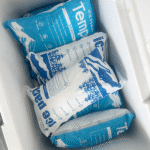
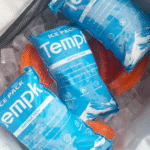
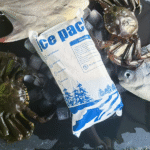
| Embalagem com temperatura controlada | Remetentes isolados, pacotes de gel, gelo seco e materiais de mudança de fase mantêm temperaturas estáveis durante o trânsito. | Protege produtos sensíveis e reduz o risco de deterioração. |
| Instalações de armazenamento a frio | Armazéns e centros de distribuição equipados com sistemas de refrigeração e monitoramento. | Garante que os produtos permaneçam dentro das faixas de temperatura especificadas enquanto aguardam o envio. |
| Transporte refrigerado | Caminhões, contêineres e aeronaves usando refrigeração mecânica ou sistemas criogênicos. | Mantém condições consistentes durante transporte de longa distância e entrega lastmile. |
| Monitoramento e rastreabilidade | Sensores de IoT, registradores de dados e blockchain para rastreamento em tempo real de temperatura e localização. | Fornece transparência, permite uma intervenção rápida e satisfaz os requisitos regulamentares. |
| Conformidade e controle de qualidade | Adesão à FSMA, DSCSA, ATP, PIB e HACCP. | Minimiza o risco de multas, recalls de produtos e danos à reputação. |
| Software e análise | Sistemas de gestão da cadeia de frio e gêmeos digitais que agregam dados e otimizam rotas. | Melhora a tomada de decisões, reduz custos e aumenta a sustentabilidade. |
Como a IoT pode, IA e gêmeos digitais melhoram o gerenciamento da cadeia de frio?
Smart technology transforms cadeia de frio operations by providing realtime data, insights preditivos e automação. Em 2025 Dispositivos IoT monitoram a temperatura, umidade, choque e aberturas de portas em armazenamento e transporte. Algoritmos de IA analisam esses fluxos de dados para otimizar rotas, agendar manutenção e prever demanda. Plataformas gêmeas digitais criam réplicas virtuais de ativos físicos, permitindo simulação e avaliação de risco antes que problemas ocorram.
Monitoramento em tempo real e análise preditiva
Sensores IoT colocados dentro de paletes, contêineres ou veículos relatam continuamente temperatura e localização. Se um caminhão se desviar da faixa de 2–8 °C, um alerta desencadeia uma ação corretiva imediata. Análise preditiva, alimentado por IA, identifica padrões que indicam possíveis falhas – como aberturas frequentes de portas ou aumento do consumo de energia – permitindo manutenção preventiva e ajustes de rota. De acordo com relatórios do setor, 80 % dos armazéns ainda carecem de automação; investir em sensores e análises pode reduzir drasticamente o desperdício e os custos de mão de obra.
Gêmeos Digitais: Réplicas virtuais da cadeia de frio
A tecnologia de gêmeo digital cria modelos virtuais de ativos físicos, processos e cadeias de suprimentos. Esses modelos integram dados em tempo real de sensores e sistemas empresariais para simular cenários e prever resultados. Um gêmeo digital pode, por exemplo, simular uma rota de navegação durante uma onda de calor para determinar se bolsas de gelo ou é necessária uma operadora diferente. Um artigo recente destaca que os gêmeos digitais incorpore inteligência de dados e permita a colaboração de parceiros, ajudando as empresas a evitar interrupções e melhorar a tomada de decisões.
Benefícios dos gêmeos digitais
| Beneficiar | O que isso significa | Como isso ajuda você |
| Visibilidade de ponta a ponta | Agrega dados de sensores, armazéns e transportes. | Fornece uma única fonte de verdade sobre o status e a localização do produto. |
| Modelagem preditiva | Simula vários cenários (por exemplo, mudanças de rota, falhas de equipamento). | Ajuda você a planejar o estoque, ajustar cronogramas e alocar recursos de forma eficiente. |
| Mitigação de riscos | Identifica possíveis gargalos e vulnerabilidades. | Permite intervenção proativa para evitar desvios ou atrasos de temperatura. |
| Colaboração de parceiros | Compartilha insights de gêmeos digitais com fornecedores, operadoras e reguladores. | Melhora a comunicação e acelera a resolução de problemas. |
Estudo de caso: Previsão de demanda orientada por IA
Numa rede de cadeia de frio do Médio Oriente, Algoritmos de IA analisaram o histórico de vendas e tendências sazonais para prever a demanda durante o Ramadã. A previsão preditiva de demanda permitiu que os gestores preposicionassem produtos perecíveis, ajustar os cronogramas de entrega e alocar caminhões refrigerados de acordo. O resultado: rupturas de estoque reduzidas, taxas de deterioração mais baixas e uma estimativa redução de custos de 15 %. Este exemplo mostra como a IA pode alinhar a oferta com a demanda do consumidor, preservando ao mesmo tempo a integridade da cadeia de frio.
Quais regulamentos e padrões regem as operações da cadeia de frio em 2025?
A conformidade regulatória garante segurança e qualidade em diversos setores. Em 2025 várias estruturas importantes moldam as práticas da cadeia de frio em todo o mundo. Compreender e atender a esses requisitos protege sua empresa contra penalidades e aumenta a confiança do cliente.
Requisitos FSMA e Rastreabilidade
O Lei de Modernização da Segurança Alimentar (FSMA) é um EUA. lei com foco em controles preventivos. Para produtos alimentares no Lista de rastreabilidade da FDA, as empresas devem registrar dados críticos e fornecê-los dentro 24 horas mediante solicitação. Embora a data de conformidade original fosse janeiro 2026, propostas pretendem estendê-lo a Julho 20 2028, dando às empresas mais tempo para se prepararem. A FSMA exige:
Análise de perigos e controles preventivos baseados em riscos (HARPC): Identificar perigos e implementar medidas preventivas para operações da cadeia de frio.
Manutenção de registros e rastreabilidade: Use sistemas digitais para capturar dados de temperatura e movimento do produto, permitindo recalls rápidos.
Treinamento e verificação: Garantir que os funcionários entendam os procedimentos de manuseio e calibrem os equipamentos regularmente.
DSCSA: Rastreamento Eletrônico de Medicamentos
O Lei de Segurança da Cadeia de Abastecimento de Medicamentos (DSCSA) determina a rastreabilidade de ponta a ponta de medicamentos prescritos no nível de pacote. Os fabricantes devem aplicar rastreamento eletrônico por Poderia 27 2025, atacadistas por Agosto 27 2025, e dispensadores por novembro 27 2025. Isto significa que para vacinas e produtos biológicos, você deve:
Implementar números de série ou códigos de barras em cada unidade.
Trocar informações de transações eletrônicas com parceiros comerciais.
Investigue e denuncie produtos suspeitos dentro de 24 horas.
Manter a integridade da cadeia de frio para garantir a viabilidade e conformidade do produto.
Acordo ATP: Transporte Internacional de Perecíveis
O Acordo das Nações Unidas sobre o Transporte de Alimentos Perecíveis (ATP) estabelece padrões para veículos e contêineres que transportam mercadorias sensíveis à temperatura. Assinado por 48 países, classifica os equipamentos em classes de desempenho térmico (por exemplo, Classe A em +7 °C, Classe B a –10 °C, Classe C a –20 °C). Para remessas que cruzam fronteiras ou duram mais de 80 quilômetros em certos países, você deve usar veículos refrigerados certificados. A conformidade garante padrões harmonizados e evita deterioração durante o comércio internacional.
Boas Práticas de Distribuição (PIB) e haccp
As diretrizes do PIB garantem que os medicamentos sejam armazenados, transportado e manuseado em condições que evitem contaminação, confusões e excursões de temperatura. PIB enfatiza:
Sistemas de gestão da qualidade com procedimentos documentados.
Equipamento calibrado de monitoramento de temperatura e alarmes.
Treinamento e qualificação de pessoal.
Documentação adequada para auditorias e inspeções.
HACCP (Análise de Perigos e Pontos Críticos de Controle) é uma abordagem preventiva usada nas indústrias alimentícia e farmacêutica. Ele identifica pontos críticos onde a temperatura pode variar e define ações corretivas. A conformidade HACCP melhora a segurança do produto e reduz a responsabilidade.
Padrões de Certificação: SQF e BRC versus. MAS
Os operadores da cadeia de frio adoptam cada vez mais sistemas de certificação rigorosos, como Alimentos Seguros de Qualidade (SQF) e Consórcio de varejo britânico (BRC). Esses sistemas excedem as auditorias AIB/ASI mais antigas, exigindo controle avançado de temperatura, rastreabilidade robusta e gerenciamento de riscos. Uma recente visão geral da indústria observa que as empresas estão mudando de ASI para SQF/BRC para atender às demandas dos clientes e varejistas. Alcançar essas certificações sinaliza altos padrões de segurança, potencialmente atraindo novos clientes.
Como você escolhe soluções de embalagem e transporte para diferentes faixas de temperatura?
Escolher os métodos corretos de embalagem e transporte é crucial para manter a integridade da cadeia de frio. Diferentes produtos exigem faixas de temperatura e níveis de proteção exclusivos, então sua escolha deve considerar a sensibilidade do produto, duração do transporte e eficiência de custos.
Faixas de temperatura e opções de embalagem
Vacinas, produtos biológicos e alimentos frescos se enquadram em várias faixas de temperatura, cada um com soluções de embalagem preferidas. Abaixo está uma matriz de decisão simplificada.
| Faixa de temperatura | Embalagem adequada | Impacto em suas operações |
| 2–8 ° C. (Refrigerado) | Remetentes isolados com pacotes de gel ou materiais de mudança de fase. | Adequado para a maioria das vacinas e produtos biológicos; simples de manusear e econômico. |
| –20 °C (Congelado) | Pacotes de gelo seco, painéis de isolamento a vácuo e refrigeração mecânica. | Usado para carne, frutos do mar e alguns produtos biológicos; requer manuseio cuidadoso de gelo seco e ventilação. |
| –70 °C (Ultrafrio) | Congeladores criogênicos, nitrogênio líquido ou materiais avançados de mudança de fase. | Necessário para vacinas de mRNA e terapias genéticas; altamente regulamentado com janelas de transporte limitadas. |
Escolhendo modos de transporte
Caminhões refrigerados (frigoríficos): Comum para entrega de curto e médio porte. Verifique a certificação FRC (compatível com ATP) e manter as vedações das portas para evitar perda de temperatura.
Contêineres intermodais: Para transporte de longa distância, use contêineres refrigerados com geradores e monitores integrados.
Frete aéreo: Essencial para remessas ultrafrias ou entregas urgentes. Escolha transportadoras com experiência no manuseio de gelo seco e coordene com os prestadores de serviço em terra para evitar atrasos.
Entrega de última milha: Considere vans refrigeradas menores ou caixas isoladas para entregas urbanas. Em muitas regiões há escassez de caminhões frigoríficos e câmaras frigoríficas urbanas; planejar com antecedência para garantir capacidade.
Tendências do mercado de embalagens
O farmacêutico embalagem da cadeia de frio mercado está projetado para subir de USD 20.6 bilhão em 2025 para USD 83.2 bilhão por 2035 (Cagr 15 %). Caixas pequenas (44.1 % compartilhar) dominar devido à versatilidade, enquanto sistemas passivos (sem energia) segurar 72.5 % Quota de mercado. As inovações incluem materiais de mudança de fase que mantêm temperaturas precisas e painéis de isolamento a vácuo que reduzem o peso e prolongam a vida útil. Use essas tecnologias para estender os tempos de trânsito sem depender de refrigeração ativa.
Dicas Práticas para Embalagem e Transporte
Garantindo a integridade do pacote começa com correto pré -condicionamento. Pacotes de gel e materiais de mudança de fase devem ser congelados ou resfriados à temperatura necessária antes de serem embalados. Coloque os produtos no centro do expedidor e monitore a temperatura interna com um sensor calibrado. Para remessas com mais de 24 horas, considere adicionar isolamento extra ou mudar para refrigeração ativa. Tampas e costuras seguras para evitar vazamentos e infiltração de umidade. Finalmente, procedimentos de embalagem de documentos para verificar a conformidade durante auditorias.
Estudo de caso: Um fabricante de biossimilares que enviava para clínicas rurais usava caixas isoladas com embalagens de gel para produtos refrigerados. Sensores IoT em tempo real detectaram um aumento de temperatura depois que um caminhão foi atrasado pelo trânsito. A equipe de logística redirecionou o veículo para um armazenamento refrigerado próximo e substituiu os pacotes de gel. Esta rápida intervenção evitou a deterioração do produto e economizou milhares de doses, demonstrando o valor de combinar as melhores práticas de embalagem com monitoramento em tempo real.
Quais são os maiores pontos problemáticos e como você pode superá-los?
As operações da cadeia de frio enfrentam inúmeros desafios, desde a manutenção de condições precisas até o gerenciamento de custos e documentação. Identificar esses pontos problemáticos ajuda a implementar soluções direcionadas.
Principais pontos problemáticos
Desvios de temperatura: Eventos inesperados, como atrasos no trânsito, falhas de equipamento ou aberturas frequentes de portas podem causar variações de temperatura.
Falta de visibilidade em tempo real: Sem monitoramento contínuo, desvios podem passar despercebidos até que seja tarde demais.
Conformidade regulatória e documentação: Acompanhar a evolução das regras e manter registros pode ser assustador.
Restrições de infraestrutura: O armazenamento refrigerado limitado e a escassez de veículos refrigerados dificultam o dimensionamento.
Ferramentas úteis de decisão
Verifique os detalhes antes de escolher a embalagem
Essas ferramentas rápidas podem ajudá-lo a comparar o risco da rota, necessidades de dimensionamento, escolhas de refrigerante, e detalhes da embalagem antes de solicitar um orçamento.
Seletor de embalagens
Compare opções de embalagens isoladas por produto, rota, e necessidade de temperatura.
Encontre embalagensReferência de material de isolamento
Compare as opções de materiais de isolamento para diferentes necessidades de embalagens da cadeia de frio.
Compare materiaisForro de caixa & Dimensionamento da cobertura de paletes
Verifique a lógica de dimensionamento do forro da caixa e da tampa do palete para projetos de embalagens isoladas.
Dimensionamento estimadoCustos crescentes: Preços da energia, combustível e embalagens especializadas aumentam despesas operacionais.
Logística lastmile complexa: Entregar em diversos locais com temperaturas e horários variados é um desafio.
Sobrecarga de dados: A integração de dados de diferentes sistemas e dispositivos leva à complexidade e a potenciais riscos de segurança cibernética.
Preocupações ambientais: A logística da cadeia de frio é responsável por aproximadamente 2 % das emissões globais de CO₂.
Estratégias para superar os pontos problemáticos
Implemente sensores e análises de IoT: Instale sensores de temperatura e umidade em todas as remessas. Use painéis e alertas móveis para monitorar condições e responder rapidamente. Algoritmos de IA podem prever desvios e programar ações preventivas.
Integre sistemas com blockchain: A tecnologia Blockchain fornece segurança, registros invioláveis de dados de temperatura e cadeia de custódia. Contratos inteligentes podem automatizar relatórios de conformidade, reduzindo a carga administrativa.
Invista em automação: Sistemas automatizados de armazenamento e recuperação (AS/RS) e a robótica reduzem o erro humano, manter temperaturas consistentes e reduzir custos de mão de obra. Os relatórios observam que em volta 80 % dos armazéns permanecem não automatizados, apresentando uma oportunidade significativa de melhoria.
Adote gêmeos digitais: Modelos virtuais ajudam você a testar rotas, cenários de embalagem e estoque, permitindo planejamento proativo e mitigação de riscos.
Expanda a infraestrutura fria: Para atender à demanda, investir em armazenamento refrigerado modular e explorar parcerias com fornecedores de logística terceirizados. Microarmazéns urbanos podem reduzir os desafios do lastmile, enquanto a logística colaborativa (agrupando cargas) reduz custos e emissões.
Soluções de energia sustentável: Utilize painéis solares, armazenamento de bateria e refrigeração com eficiência energética. A energia solar pode custar tão baixo quanto 3.2–15,5 centavos por kWh comparado com o 13.1 média de centavos taxa comercial. Instalações de armazenamento a frio pode salvar $20,000–$ 50.000 anualmente enquanto reduz as emissões. Algumas instalações geram 2.5 milhões de kWh de energia limpa a cada ano.
Otimize a entrega lastmile: Use algoritmos de otimização de rota, armários refrigerados e entregas programadas. Fornecer instruções claras aos motoristas sobre procedimentos de manuseio e protocolos de emergência.
Melhorar o treinamento e a cultura da equipe: Educar os funcionários sobre os requisitos da cadeia de frio, manuseio adequado e procedimentos de emergência. Promova uma cultura de responsabilidade e melhoria contínua.
Lista de verificação de autoavaliação (Ferramenta interativa)
Use a lista de verificação a seguir para avaliar a prontidão da sua cadeia de frio. Pontue cada item de 1 (baixo) para 5 (alto). Some o total de pontos para avaliar sua preparação.
| Pergunta | 1 | 2 | 3 | 4 | 5 |
| Você monitora a temperatura em tempo real em todas as remessas?? | ○ | ○ | ○ | ○ | ○ |
| Os materiais de embalagem são adequados às necessidades de temperatura do produto?? | ○ | ○ | ○ | ○ | ○ |
| Você mantém registros digitais que atendem aos requisitos da FSMA e DSCSA?? | ○ | ○ | ○ | ○ | ○ |
| Você implementou IA ou gêmeos digitais para planejamento? | ○ | ○ | ○ | ○ | ○ |
| Você usa energia renovável ou refrigeração energeticamente eficiente em armazéns? | ○ | ○ | ○ | ○ | ○ |
| A equipe é treinada no manuseio da cadeia de frio e procedimentos de emergência?? | ○ | ○ | ○ | ○ | ○ |
| Você tem planos de contingência para falhas ou atrasos nos equipamentos? | ○ | ○ | ○ | ○ | ○ |
| Pontuação total |
Interpretação: 0–15 pontos = Alto risco; 16–30 pontos = Precisa de melhorias; 31–40 pontos = Bom; 41–50 pontos = Excelente. Use esta ferramenta para identificar lacunas e priorizar melhorias.
Quais práticas de sustentabilidade e eficiência energética reduzem custos e emissões?
A logística da cadeia de frio é uso intensivo de energia, com sistemas de refrigeração consumindo até 70 % de energia da instalação. Adotar práticas sustentáveis reduz custos e impacto ambiental, alinhando suas operações com as metas globais de descarbonização.
Refrigeração e energia solar com eficiência energética
Tecnologias energeticamente eficientes como compressores de alta eficiência, drives de velocidade variável e isolamento avançado podem reduzir o consumo de energia 20 % ou mais. Painéis solares e armazenamento de baterias fornecem energia renovável em 3.2–15,5 centavos por kWh, significativamente menos do que a eletricidade da rede. Por exemplo, o Projeto Solar de Armazenamento Frio Jessup gera 2.5 milhões de kWh anualmente, redução de custos e emissões de carbono.
Alteração dos pontos de ajuste de temperatura
Uma abordagem que está ganhando força é aumentando as temperaturas de armazenamento congelado de –18 °C para –15 °C. A pesquisa mostra que este pequeno aumento não compromete a segurança do produto, mas reduz o consumo de energia e as emissões de carbono. Vários países europeus estão a explorar esta mudança para cumprir as metas de sustentabilidade.
Refrigerantes e embalagens ecologicamente corretos
Refrigerantes tradicionais como o R404A têm alto potencial de aquecimento global. Novos refrigerantes de baixo GWP (por exemplo, Co₂, misturas de amônia e HFO) minimizar o impacto ambiental. De forma similar, reutilizável recipientes isolados e pacotes de gel biodegradáveis reduzir o desperdício. Sistemas de embalagem passiva dominados por isolamento a vácuo e materiais de mudança de fase também são mais sustentáveis.
Logística Colaborativa e Load Pooling
Compartilhar veículos refrigerados e espaço de armazenamento com parceiros reduz quilômetros vazios e desperdício de energia. Redes logísticas colaborativas coordenam cargas para otimizar a capacidade. Esta abordagem não só reduz as emissões, mas também reduz os custos e expande o alcance do serviço.
Incentivos regulatórios e certificações verdes
Governos e grupos industriais oferecem incentivos para cadeias de frio sustentáveis, como créditos fiscais para instalação de energia solar, descontos para equipamentos de alta eficiência e subsídios para auditorias energéticas. Obtenção certificações verdes ou participando de programas como o Iniciativa de Metas Baseadas na Ciência sinaliza compromisso com a sustentabilidade, atraindo clientes ambientalmente conscientes.
2025 Desenvolvimentos e tendências que moldam a logística da cadeia de frio
O cenário da cadeia de frio evolui rapidamente. Esses últimas tendências e insights de mercado ajudá-lo a antecipar mudanças e permanecer competitivo.
Cadeias de frio inteligentes e automatizadas
O futuro é inteligente e automatizado. Sensores IoT monitoram a temperatura, umidade, exposição à luz e aberturas de portas em tempo real. Sistemas automatizados de armazenamento e recuperação (AS/RS), a robótica e o aprendizado de máquina reduzem os custos de mão de obra e mantêm condições estáveis. Embora 80 % dos armazéns ainda carecem de automação, o investimento está acelerando. Em algumas instalações, paletizadores robóticos e drones fazem inventário, eliminando erros manuais.
Armazéns Modulares e Resilientes ao Clima
As alterações climáticas aumentam o risco de ondas de calor, inundações e condições meteorológicas extremas. Armazéns modulares construídos em plataformas elevadas podem ser realocados ou ampliados rapidamente. As redes distribuídas de armazenamento frio garantem que, se um site for interrompido, outros podem compensar.
Tomada de decisão baseada em dados
A inteligência artificial e os gêmeos digitais permitem tomada de decisão baseada em dados. Eles otimizam rotas, prever a demanda e identificar riscos. Análises avançadas combinam dados meteorológicos, padrões de tráfego e custos de energia para escolher os melhores horários de transporte e configurações de embalagem.
Aumento de produtos sensíveis à temperatura
Demanda por Biologics, terapias genéticas e alimentos frescos continua a aumentar. Sobre 20 % dos novos produtos farmacêuticos exigem armazenamento ultrafrio. Com as tendências de consumo mudando para alimentos à base de plantas e kits de refeição, categorias de refrigerados e congelados expandem rapidamente. Este crescimento impulsiona o investimento em infraestrutura fria e entrega lastmile.
Aperto Regulatório e Rastreabilidade
Os governos reforçam as regulamentações em torno da rastreabilidade e da integridade dos dados. Os prazos do DSCSA em 2025 requer rastreamento em nível de pacote, enquanto o Regulamento Geral de Proteção de Dados da Europa (GDPR) exige tratamento seguro de dados pessoais associados a remessas. Blockchain e embalagens inteligentes facilitar a conformidade, fornecendo registros imutáveis e autenticação.
Mandatos de Sustentabilidade
Com a logística da cadeia de frio responsável por sobre 2 % das emissões globais de CO₂, descarbonização é prioridade. Empresas comprometem-se a reduzir emissões através da eficiência energética, energia renovável e temperaturas de armazenamento otimizadas. Políticas como o Acordo Verde Europeu e os EUA. A Lei de Redução da Inflação oferece incentivos para adoção.
Crescimento do mercado e investimento
A Pesquisa de Precedência relata que o mercado global de logística da cadeia de frio alcançará USD 1.36 trilhão por 2034, com a Ásia-Pacífico crescendo a um ritmo CAGR de 14.3 %. O crescimento é alimentado pela globalização, comércio eletrônico, regulamentações de segurança alimentar e a expansão de produtos farmacêuticos e supermercados. A cadeia de frio alimentar da América do Norte, por si só, deverá atingir USD 86.67 bilhão por 2025, impulsionado pelo crescimento populacional e dietas baseadas em vegetais. O mercado de embalagens da cadeia de frio também está crescendo, previsto para atingir USD 64.49 bilhão por 2032.
Expectativas do consumidor e comércio eletrônico
Os consumidores esperam fresco, produtos de alta qualidade entregue rapidamente. Plataformas de comércio eletrônico oferecem kits de refeição por assinatura, mantimentos e produtos biológicos direto aos consumidores. Meeting these expectations requires robust cadeia de frios with sameday or nextday delivery. As empresas adotam centros de microcumprimento e armários refrigerados para garantir a confiabilidade lastmile.
Perguntas frequentes
Qual é o principal objetivo de manter uma cadeia de frio?
Maintaining a cadeia de frio protects temperaturesensitive products by controlling temperature, umidade e manuseio desde a origem até o consumo. Garante que as vacinas, Biologics, carnes e laticínios permanecem seguros, potente e compatível com os padrões regulatórios.
Como os sensores IoT ajudam na logística da cadeia de frio?
Sensores IoT monitoram a temperatura, umidade e localização em tempo real. Eles acionam alertas quando ocorrem desvios e fornecem dados para algoritmos de IA otimizarem rotas, agende a manutenção e evite deterioração.
Quais são os requisitos de conformidade da FSMA para cadeia de frio?
FSMA exige análise de perigo, controles preventivos, manutenção de registros e treinamento. As empresas devem manter registros digitais de temperatura e dados de rastreabilidade para produtos na lista de rastreabilidade da FDA e estar preparadas para fornecer informações dentro 24 horas.
Por que os sistemas de embalagem passiva são tão populares?
Sistemas de embalagem passiva, como caixas isoladas com materiais de mudança de fase, manter temperaturas sem energia externa. Eles são econômicos, leve e adequado para pequenas remessas. Eles seguram aproximadamente 72.5 % Quota de mercado em cadeia de frio farmacêutica embalagem.
Como a logística da cadeia de frio pode reduzir os custos de energia?
Instale sistemas de refrigeração energeticamente eficientes, aumentar ligeiramente as temperaturas de armazenamento congelado (por exemplo, –18 °C a –15 °C), adotar painéis solares e armazenamento de bateria, e otimizar o isolamento do armazém. Muitas instalações que utilizam energia solar geram energia em 3.2–15,5 centavos por kWh versus a média 13.1 centavos.
O blockchain é necessário para todas as cadeias de frio??
Blockchain não é obrigatório, mas oferece grandes benefícios: ele cria registros invioláveis de temperatura e custódia, simplifica os relatórios de conformidade e aumenta a confiança entre as partes interessadas. Os casos de uso incluem produtos biológicos de alto valor e remessas internacionais.
O que devo fazer se minha remessa sofrer uma variação de temperatura?
Tome medidas corretivas imediatas: mover o produto para um local de armazenamento refrigerado, documente o evento e consulte sua equipe de garantia de qualidade para determinar a disposição do produto. Use dados de sensores para validar se o produto permanece dentro dos limites aceitáveis.
Resumo e recomendações
Manter uma cadeia de frio em 2025 requer estratégias integradas, combinando tecnologia, conformidade e sustentabilidade. As principais conclusões incluem:
Entenda as necessidades de temperatura dos seus produtos e combiná-los com embalagem e transporte apropriados.
Invista em sensores IoT, IA e gêmeos digitais para monitorar as condições, prever problemas e otimizar rotas.
Fique compatível com FSMA, DSCSA, Regulamentos ATP e PIB; manter registros digitais detalhados para rastreabilidade.
Plano para operações sustentáveis adotando refrigeração com eficiência energética, energia solar e Embalagens ecológicas.
Aborde os pontos problemáticos como desvios de temperatura e restrições de infraestrutura por meio da automação, logística colaborativa e treinamento de pessoal.
Monitore as tendências do setor como automação, resiliência climática e aperto regulatório para permanecer competitivo.
Seguindo estas diretrizes, você não apenas protegerá seus produtos e cumprirá as regulamentações, mas também aumentará sua reputação e lucratividade
Plano de ação: PRÓXIMOS PASSOS
Avalie a sua preparação atual para a cadeia de frio usando a lista de verificação de autoavaliação acima. Identifique lacunas e priorize melhorias.
Soluções piloto de IoT e análise, começando com remessas de alto risco. Use dados para justificar investimentos adicionais.
Revise os cronogramas regulatórios (por exemplo, Prazos DSCSA em 2025) e desenvolver um roteiro de conformidade.
Explore soluções de energia sustentável, como energia solar no telhado e armazenamento de bateria, para reduzir custos operacionais.
Treine sua equipe no manuseio da cadeia de frio, procedimentos de emergência e segurança de dados.
Crie planos de contingência por falha de equipamento, condições climáticas extremas e interrupções na cadeia de abastecimento.
Envolva-se com parceiros e clientes alinhar expectativas, compartilhar dados e desenvolver estratégias logísticas colaborativas.
A implementação dessas etapas ajudará você a construir um ambiente resiliente, operação eficiente e sustentável da cadeia de frio.
Sobre Tempk
A Tempk é líder global em soluções logísticas com temperatura controlada. Projetamos e fabricamos equipamentos de alto desempenho embalagem isolada, fornecer plataformas de monitoramento de IoT e oferecer serviços de consultoria para ajudar as empresas a navegar em cenários regulatórios complexos. Nossos produtos mantêm os produtos farmacêuticos, produtos biológicos e alimentos na temperatura certa, reduzindo o desperdício e garantindo a segurança do paciente. Com décadas de experiência e compromisso com a inovação, capacitamos nossos clientes a manter a cadeia de frio com confiança.
Chamado à ação
Pronto para levar sua cadeia de frio para o próximo nível? Contate a Tempk hoje para uma consulta gratuita. Nossos especialistas analisarão suas operações, recomendar soluções personalizadas e ajudá-lo a implementar tecnologia e práticas recomendadas que atendam aos padrões regulatórios e às metas de sustentabilidade.