Fabricante de bolsa de gelo seco para envio de alimentos: Uma estrutura de sourcing pronta para rota
O fabricante certo pacote de gelo seco para envio de alimentos não é a planilha com a reivindicação de duração mais ousada. É o componente que se ajusta a uma carga útil definida, pacote isolado, rota, processo operacional, e decisão de aceitação, com evidências que permanecem válidas em escala de produção. Os compradores devem separar as folhas de hidratação do dióxido de carbono sólido, proteger contra aquecimento e resfriamento excessivo, e aprovar o sistema completo em vez do refrigerante isoladamente.
Esta estrutura foi projetada para uma marca de alimentos, produtor de refeições, remetente de comércio eletrônico, distribuidor, ou engenheiro de embalagens que precisa passar do termo de pesquisa para a compra controlada. Combina o ajuste do produto, projeto térmico, qualidade dos materiais, governança de fornecedores, qualificação, operações, e custo total entregue. O resultado é uma especificação e um pacote que podem ser defendidos, ensinado, repetido, e melhorado.
Escreva primeiro o requisito do produto e da rota
Uma decisão sólida de fornecimento separa três questões que muitas vezes são misturadas: que condição a carga requer, que meio de resfriamento pode suportar essa condição, e quais evidências comprovam a embalagem montada na rota pretendida. Começar com o nome de um produto inverte essa lógica. Começar com a carga útil e os critérios de decisão torna a comparação de fornecedores útil.
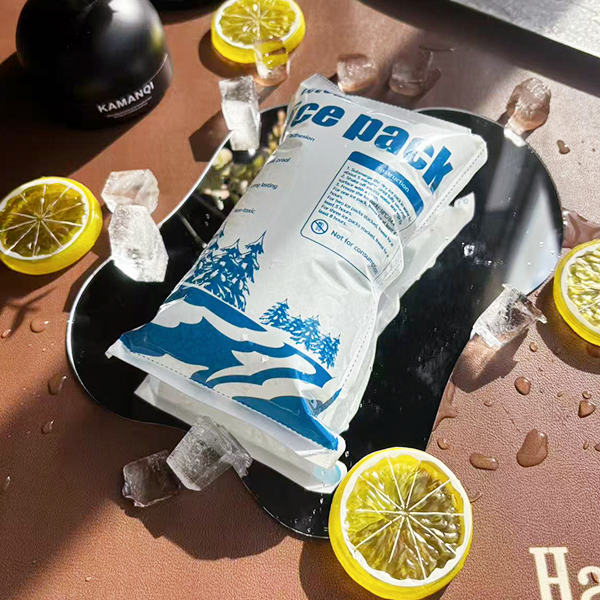
Uma bolsa de gelo seco para hidratação é uma camada de células ativadas por água que é congelada antes do uso. Pode fornecer ampla, resfriamento flexível em torno dos alimentos, mas continua sendo um componente do sistema de envio. Não deve ser tratado como dióxido de carbono sólido, como um expedidor qualificado por si só, ou como evidência de uma duração universal. O objetivo é manter o produto dentro das condições exigidas de segurança ou qualidade ao longo de uma rota que pode incluir docas., centros de classificação, veículos, e entrega sem supervisão.
A seleção final deve conectar a composição, comportamento térmico, integridade material, isolamento, geometria da carga útil, condicionamento, exposição da rota, monitoramento, e controle operacional. Quando o dióxido de carbono sólido real é proposto, seus requisitos separados de segurança e transporte entram no plano. Quando uma folha à base de água é proposta, classificar e aprovar esse produto a partir de sua própria documentação.
O transporte de alimentos não é um problema térmico. Uma entrada congelada, uma refeição gelada pronta para comer, um item de padaria com recheio sensível ao calor, e um produto com estabilidade de armazenamento pode viajar em embalagens externas idênticas, exigindo controles completamente diferentes. A conversa do fabricante deve começar com o perigo do produto, especificação do produto, rota, e geometria da carga útil. Só então uma placa de refrigeração ativada por água pode ser dimensionada e posicionada como parte de um pacote isolado defensável.
Escreva um requisito de remessa de uma página antes de entrar em contato com os fornecedores. Incluir identidade e condição do produto, pacote primário, dimensões e massa da carga útil, temperatura de expedição, limites de aceitação superior e inferior, rota e transferências, exposição sazonal, isolamento, processo de recebimento, decisão de monitorização, volume planejado, e requisitos de qualidade ou de mercado aplicáveis. Marcar incógnitas para o piloto.
Separe os limites de segurança do produto das preferências de qualidade e dos limites de danos à embalagem. Eles podem levar a diferentes posições e ações do sensor. O receptor deve saber qual observação ou conjunto de dados desencadeia a aceitação, segurar, investigação, ou disposição. Um projeto térmico não pode ser otimizado até que a regra de decisão seja clara.
Selecione uma estratégia de resfriamento, Não é um nome de produto
Compare as tecnologias com os requisitos. Lençóis de hidratação oferecem armazenamento plano de pré-ativação, ampla cobertura de superfície, e geometria celular flexível. Pacotes de gel pode ser mais fácil de implantar em alguns pacotes refrigerados. PCM pode ser selecionado em torno de uma condição de mudança de fase mais restrita. O dióxido de carbono sólido suporta usos apropriados de ultracongelamento, mas tem controles distintos de manuseio e transporte. Equipamento ativo pode ser justificado em vias complexas de alto risco.
Dentro da comida, casos de produtos e rotas ainda precisam de segmentação. A tabela mostra por que não se pode presumir que um único SKU de catálogo atenda a todos os casos.
| Caso de produto ou rota | Exposição ou falha principal | Resposta de design útil | Suposição para evitar |
|---|---|---|---|
| Alimentos preparados refrigerados | Segurança microbiana, integridade do selo, e pequenos atrasos na entrega | Use a faixa de transporte definida do produto e um layout de refrigeração com buffer | Não presuma que a embalagem mais fria é a embalagem mais segura |
| Alimentos congelados | Descongelando nos cantos, longa permanência, e isolamento insuficiente | Avalie um pacote congelado no perfil de rota completo | Uma folha à base de água não é equivalente a dióxido de carbono sólido |
| Alimentos de padaria e confeitaria | Deformação térmica, migração de gordura, e condensação | Proteção de qualidade alvo e controle de umidade | O resfriamento profundo pode criar um novo problema de qualidade |
| Kits de refeição e pedidos mistos | Ingredientes diferentes compartilham um pacote | Separar, buffer, ou redesenhar o sortimento em torno do componente mais sensível | Uma temperatura média pode ocultar o risco no nível do SKU |
Escolha a tecnologia mais simples que crie um ambiente adequado, margem demonstrada sem introduzir um lado frio maior, umidade, manuseio, ou risco de conformidade. Se duas opções parecerem viáveis, compará-los através da mesma carga útil, perfil, regra de aceitação, e limite de custo total.
Construa o pacote em torno da geometria e da exposição
Construa a arquitetura de fora para dentro: caixa externa ou recipiente reutilizável, isolamento, forro ou controle de vapor quando necessário, localização do refrigerante, buffer, suporte de carga, pacotes de produtos, gerenciamento de headspace, posições dos sensores, encerramento, e etiquetas. Cada camada deve ter um trabalho. Remover ou mover uma camada após a qualificação é uma alteração de design, não é uma preferência de embalagem inofensiva.
A análise da rota deve desafiar explicitamente a seleção do refrigerante a partir de um rótulo genérico de alimento, em vez de uma análise de perigo do produto, testando uma caixa vazia em vez da carga real e do headspace, colocar cada sensor no centro, ignorando cantos quentes e pontos de contato frios, permitindo que a hidratação e a carga do freezer variem de acordo com o turno, e assumindo que a transportadora fornecerá controle de temperatura, a menos que seja realmente especificado e acordado. Use alternativas como isolamento sem refrigeração para produtos estáveis em rotas suaves, embalagens de gel refrigerado para produtos que não devem congelar, um material de mudança de fase escolhido para uma condição alvo restrita, e dióxido de carbono sólido para produtos que realmente requerem transporte ultracongelado e uma embalagem ventilada compatível, onde resolvem a exposição de forma mais direta. Por exemplo, um melhor controle do veículo pode ser mais eficaz em uma rota densa, enquanto uma rede de encomendas pode precisar de proteção passiva mais forte em paredes e transferências.
As considerações técnicas específicas da aplicação incluem A carga térmica combina a condução através do isolamento, troca de ar nas aberturas, radiação, componentes de embalagem quente, e a massa térmica do alimento., A água congelada em uma folha de hidrato absorve energia à medida que aquece e muda de fase, mas a duração útil depende do condicionamento, massa, colocação, isolamento, e exposição ambiental., A geometria da célula ajuda uma folha a envolver uma carga útil e interceptar o calor em uma área ampla, enquanto as costuras e o filme devem tolerar dobras repetidas e manuseio congelado., O ponto medido mais frio pode ser tão importante quanto o ponto mais quente quando os alimentos resfriados podem ser danificados pelo congelamento., e adequação para contato com alimentos, controle de vazamento, odor, limpeza, e a rastreabilidade são questões de aquisição mesmo quando a folha toca apenas na embalagem secundária. Converta cada consideração de material em um recurso de desenho, controle de fornecedores, etapa operacional, inspeção, ou variável de protocolo. Caso contrário, continua a ser uma observação que não pode proteger as remessas de rotina.
Fabricantes selecionados com evidências
Use portas de decisão para comparar fabricantes. Isso evita que a aquisição seja concedida com base no preço unitário antes da composição, evidência, controle de produção, e a escala foram revisadas.
| Portão de decisão | Condição de aprovação | Sinal de alerta |
|---|---|---|
| Ajuste da aplicação | O fornecedor pergunta sobre comida, carga útil, rota, isolamento, e limites de aceitação | Uma contagem de pacotes é oferecida apenas com base na palavra-chave ou no tamanho da caixa |
| Especificação | Dimensões, materiais, ativação, tolerâncias, e o uso pretendido estão escritos | A amostra é tratada como toda a especificação |
| Evidência | As condições de teste e os limites do sistema são divulgados | As reivindicações dos componentes são apresentadas como desempenho do pacote universal |
| Controle de qualidade | Rastreabilidade de lote, inspeção, não conformidade, e notificação de mudança são definidos | A substituição é permitida sem revisão do comprador |
| Escala | Capacidade, embalagem de papelão, suposições de prazo de entrega, e planejamento de pico são discutidos | Apenas a produção mensal nominal é discutida |
| Apoiar | Amostras representativas da produção e um plano de teste de rota estão disponíveis | O comprador é incentivado a pular o piloto |
Após a tela inicial, solicitar amostras representativas da produção e uma especificação por escrito. Revise as tolerâncias propostas pelo fabricante, métodos de teste, identificação do lote, tratamento de não conformidade, amostras retidas, resposta à reclamação, e período de aviso para alteração. Defina quem possui as ferramentas, obra de arte, e aprovação de padrões de células ou embalagens personalizadas.
Os termos comerciais devem tornar as suposições visíveis. Confirmar unidade de cotação, condição seca ou ativada, quantidade da caixa, paletização, pedido mínimo, base de prazo de entrega, estado da amostra, prazo de frete, documentação, e capacidade máxima sem transformar qualquer valor não verificado em uma promessa de desempenho. Compare os custos de entrega e operacionais sob o mesmo escopo.
Qualificar, Documento, e controle o pacote
A qualificação começa com um protocolo aprovado e termina com um relatório controlado, desenho, especificação, e instrução de trabalho. Teste a carga pretendida ou um substituto justificado, isolamento e refrigerante reais, condicionamento definido, variação de montagem, um perfil ambiental representativo ou baseado em risco, duração apropriada, e critérios de aceitação pré-acordados. Incluir inspeção física e comportamento de recebimento.
Ferramentas úteis de decisão
Verifique os detalhes antes de escolher a embalagem
Essas ferramentas rápidas podem ajudá-lo a comparar o risco da rota, necessidades de dimensionamento, escolhas de refrigerante, e detalhes da embalagem antes de solicitar um orçamento.
Calculadora de gelo seco
Estime as necessidades de gelo seco para remessas congeladas ou ultrafrias antes de embalar.
Estimar gelo secoAvaliador de risco da rota
Revise as condições da pista antes de selecionar a embalagem para requisitos operacionais reais.
Verificar risco da rotaReferência de material de isolamento
Compare as opções de materiais de isolamento para diferentes necessidades de embalagens da cadeia de frio.
Compare materiaisColoque os registradores em locais com risco de calor e frio esperados. Um mapa somente central pode perder o calor da parede e o contato congelado. Definir precisão, status de calibração, intervalo, sincronização, lógica de iniciar e parar, propriedade de dados, e tratamento de anomalias. Repita o teste o suficiente para compreender a variação do sistema em vez de selecionar uma execução favorável.
Operacionalize esses controles: Defina quem hidrata, drenos, congela, conta, e libera os lençóis., Confirme a capacidade do freezer no pico do volume de expedição, incluindo a recuperação após a abertura das portas., Use verificações visuais ou documentadas para que folhas parcialmente congeladas não entrem em uma embalagem validada., Proteja os alimentos e os rótulos da umidade livre, bordas congeladas afiadas, e refrigerante em movimento., e Incluir instruções do receptor quando a refrigeração imediata, congelando, ou inspeção é necessária. O treinamento deve incluir prevenção de componentes errados, verificações de status de congelamento, rejeição de folhas danificadas, seleção de variante de rota, e escalada de desvio. Observe os operadores reais durante o lançamento; a ambigüidade geralmente aparece apenas na velocidade de produção.
Aplique também os limites de reivindicação relevantes. A regra de Transporte Sanitário da FDA nos Estados Unidos aborda práticas como refrigeração adequada, equipamento limpável, e proteção contra contaminação, mas as responsabilidades dependem da operação e dos acordos entre as partes., Um expedidor e um transportador podem usar um mecanismo acordado para demonstrar o controle de temperatura para alimentos que o exijam; o método prático deve corresponder ao risco do produto e aos registros necessários., e As regras do transportador e do destino devem ser verificadas separadamente se for utilizado dióxido de carbono sólido real. Uma folha ativada por água deve ser classificada pela sua composição real e não pelo seu nome comercial. Quando o produto, carga útil, refrigerante, isolamento, condicionamento, rota, operadora, temporada, site, registrador, ou alterações materiais do fornecedor, deixe a equipe de qualidade determinar se a revisão do documento, teste de confirmação, ou é necessária requalificação.
Use o custo total entregue para orientar a otimização
Calcule o custo por remessa bem-sucedida, não é preço por folha seca. Inclui frete de entrada e cubo, armazenar, água de hidratação, trabalho, drenagem, energia e capacidade do freezer, prateleiras, buffers, isolamento, tempo de montagem, monitoramento, rejeita, vazamento, danos ao produto, atendimento ao Cliente, disposição, retorna, e o custo de uma entrega falhada ou atrasada. Indique quais itens são mensurados e quais são premissas.
O armazenamento plano antes da hidratação pode reduzir o armazenamento e o cubo de transporte de entrada.
O cálculo também deve incluir água, energia do congelador, evitar produtos danificados, massa da caixa e do forro, rotas de descarte, e qualquer movimento de retorno.
Um pacote sazonal específico para a rota pode evitar o excesso de embalagem automático, desde que a mudança seja controlada e apoiada por evidências.
Otimize em etapas controladas. Remova o excesso de espaço livre, melhorar o ajuste do isolamento, ajustar o posicionamento do refrigerante, criar variantes sazonais qualificadas, simplificar os movimentos do operador, ou melhorar o tempo de recepção antes de reduzir a margem térmica sem evidências. Acompanhe a aceitação do produto, excursões, dano, reclamações, perda de pacote, trabalho, e energia por rota família.
Um programa estável não significa um design congelado. Significa que as mudanças são propostas com um motivo, avaliado em relação ao limite do sistema, testado quando necessário, aprovado, documentado, treinado, e rastreado. Essa disciplina permite a melhoria dos custos e da sustentabilidade sem transformar a rede de distribuição em tempo real numa experiência descontrolada..
Perguntas frequentes
O que é uma bolsa de gelo seco de hidratação para envio de alimentos?
É uma folha celular ativada por água que é embebida, congelado, e usado como refrigerante dentro de um pacote isolado. Pode ser vendido com o nome de bolsa de gelo seco, mas não é necessariamente dióxido de carbono sólido. Confirme a composição e o uso pretendido antes de planejar o desempenho ou a classificação de transporte.
Uma embalagem pode funcionar para cada produto alimentar??
Geralmente não. Perigos para a segurança alimentar, sensibilidade de congelamento, geometria do pacote, massa térmica, duração da rota, e as condições de recebimento variam amplamente. Um sistema que funciona para uma refeição congelada pode resfriar demais um molho resfriado ou fornecer complexidade desnecessária para um produto de panificação estável.
Como o tempo de espera é confirmado?
O tempo de espera deve ser demonstrado com a carga útil proposta, isolamento, condicionamento de refrigerante, arranjo de pacote, perfil ambiente, mapa de sensores, e critérios de aceitação. Uma duração impressa em uma página de componente não substitui a evidência no sistema de remessa montado.
O que uma análise de amostra do fabricante deve incluir?
Revisar dimensões, absorção de água, resistência a vazamentos, resistência da costura, odor, manuseio, comportamento de congelamento, identificação do lote, e caber dentro da caixa ou forro pretendido. Em seguida, teste o pacote montado sob um perfil de pior caso representativo ou justificado.
O nome de um produto de gelo seco aciona regras de transporte aéreo?
As regras aplicáveis dependem do material real. O dióxido de carbono sólido usado como refrigerante é tratado como gelo seco e tem embalagem, marcação, rotulagem, e requisitos de documentação para transporte aéreo. Um refrigerante diferente deve ser avaliado a partir de sua composição e requisitos de suporte.
Aprovar um sistema controlado, Não é uma reivindicação isolada
O melhor resultado de sourcing vincula seis decisões: o requisito de carga útil, tecnologia de resfriamento, arquitetura de pacote, controles do fabricante, evidência de qualificação, e processo operacional. Se algum link estiver faltando, o comprador está confiando em uma suposição que pode falhar em escala ou em uma rota diferente.
Para comida, o próximo passo prático é documentar o produto, rota, carga útil, isolamento, condições de envio e recebimento, exposição sazonal, e necessidades de evidências. Use esse resumo para comparar amostras de produção e projetar um teste. Só então congele a especificação comercial e o plano de implementação.
Sobre Tempk
Tempk fornece folhas de células ativadas por água e produtos relacionados embalagem da cadeia de frio apoio à alimentação, frutos do mar, amostras médicas, e outras remessas sensíveis à temperatura. Para comida, Tempk pode revisar entradas de carga e rota, propor formatos de planilha e célula, discutir opções de material e impressão, e preparar amostras para testes de embalagem. A configuração final de envio deve ser aprovada a partir dos requisitos do produto do cliente e das evidências do sistema isolado completo, com controles de produção e mudança alinhados antes da expansão.
Envie à Tempk o resumo de sua remessa de alimentos e a escala de pedido esperada para discutir as opções de folha de refrigerante, geometria de célula personalizada, amostras de produção, e uma revisão de pacote baseada em rota.