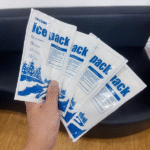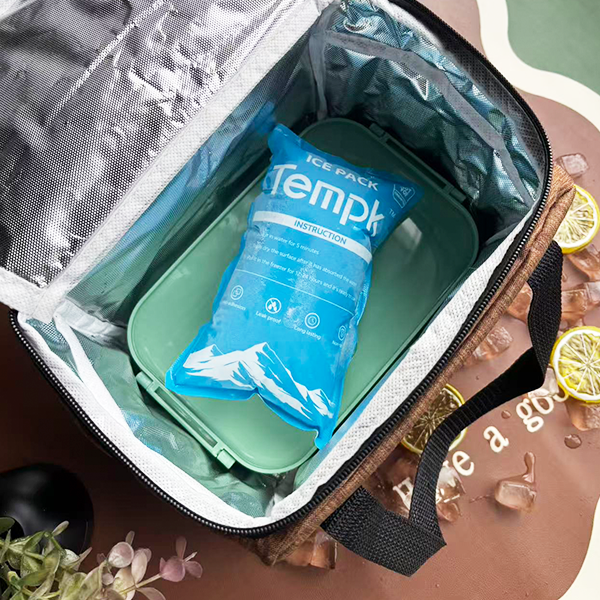
Como obter uma bolsa de gelo seco do fabricante para administração de insulina
O melhor fabricante gelo seco embalagem para entrega de insulina não é selecionada por temperatura de catálogo ou preço da embalagem. É selecionado através de uma cadeia controlada de decisões. O rótulo da insulina define o alvo térmico. A rota define o desafio. O refrigerante e o isolamento criam um pacote. A qualificação define onde esse pacote pode ser usado. Os controles de produção evitam que isso mude despercebido. Esta ordem é importante porque o gelo seco comum é muito mais frio do que a faixa de armazenamento indicada em muitos rótulos de insulina., que também alertam contra o congelamento. Uma equipe de compras deve estar disposta a encerrar o projeto com um gel, PCM, ativo, ou solução de remessa separada.
Use portões de aprovação em vez de uma longa lista de desejos
Os pedidos tradicionais de cotação muitas vezes combinam todas as preferências num único documento: longo tempo de espera, preço baixo, tamanho compacto, impressão personalizada, “grau médico,”E conformidade global. O fornecedor pode responder a esses itens enquanto a questão central permanece sem solução: a carga útil definida permanecerá dentro das condições permitidas?
Um processo de portão torna cada decisão condicionada a evidências.
| Portão de aprovação | Pergunta que deve ser respondida | Evidência mínima útil | Motivo para pausar |
|---|---|---|---|
| Definição do produto | Quais condições se aplicam a esta insulina exata e status de envio? | Etiqueta aprovada, mercado, apresentação, gama e processo de excursão aprovados pela qualidade | Requisito genérico como “manter frio” |
| Identidade do refrigerante | Qual é a “bolsa de gelo seco” proposta? | Composição, descrição técnica, informações de segurança, preparação, classificação de transporte | O fornecedor não consegue distinguir o dióxido de carbono sólido do gel, PCM, ou folha hidratada |
| Projeto do sistema | Que arranjo completo protege a carga útil? | Lista de materiais, desenho de carga útil utilizável, pacote fixo, proteção de contato, encerramento | Componentes soltos sem configuração reproduzível |
| Evidência térmica | Em que condições o sistema passou? | Protocolo, perfil ambiente, carga mínima/máxima, estado do refrigerante, mapa de sensores, traços completos, critérios | Declaração de duração sem contexto de teste |
| Prontidão operacional | A equipe pode reproduzir, enviar, receber, e investigue isso? | Instrução de trabalho, teste de treinamento, monitorar fluxo de trabalho, processo de contingência e quarentena | O sucesso depende de um especialista improvisando cada caixa |
| Controle de produção | As unidades comerciais corresponderão às amostras aprovadas?? | Especificações críticas, controles de lote, inspeção, rastreabilidade, notificação de alteração | Substituições de materiais podem ocorrer sem revisão |
A tabela é intencionalmente sequencial. Uma equipe não deve negociar arte personalizada no portão de controle de produção se não tiver estabelecido a identidade do refrigerante no segundo portão. Cada pausa evita que o trabalho posterior crie falsa confiança.
Portão um: transformar o rótulo da insulina em um requisito de transporte
Comece com um registro exato do produto, não a palavra “insulina”. Capture a marca ou nome não proprietário, conforme aplicável, força, apresentação em recipiente ou caneta, status fechado ou em uso, mercado, e revisão de rotulagem aprovada. Confirme quem possui a avaliação de estabilidade e disposição de excursão.
Muitos produtos de insulina fechados trazem instruções de armazenamento refrigerado em torno de 2°C a 8°C e linguagem explícita de “não congelar”. EUA atuais. A rotulagem Humalog é um exemplo. A FDA também alerta que a insulina exposta ao congelamento não deve ser usada e aconselha evitar o congelamento quando o gelo for usado em caso de emergência.. Estas são fortes razões para não tornar o gelo seco comum o padrão. Eles não têm permissão para presumir que toda insulina tem tempo de armazenamento idêntico, tolerância de temperatura ambiente, ou condições de transporte.
O requisito de aprovação de qualidade deve responder:
Qual intervalo deve ser mantido durante a distribuição normal?
A condição permitida difere para unidades fechadas e em uso??
Alguma excursão é suportada, e quem pode avaliá-los?
O produto deve permanecer em sua embalagem original?
Quais registros de monitoramento são necessários?
Qual é o menor pedido e o pedido mais pesado?
Quanto tempo de contingência justificado está incluído?
Trate cuidadosamente um período de temperatura ambiente permitido. Pode estar vinculado às instruções de uso de um produto e à data final de descarte. Não converte automaticamente uma via comercial em transporte ambiental não controlado. A equipe de qualidade deve decidir como os dados aprovados de rotulagem e estabilidade se aplicam.
Este portão deve produzir um curto, entrada de design assinada. Sem isso, o fornecedor da embalagem está sendo solicitado a tomar uma decisão sobre um medicamento fora de sua função adequada.
Portão dois: substitua o nome de vendas por uma identidade material
“Bolsa de gelo seco” não é uma especificação de material confiável. A área de aquisição deve obter informações suficientes para colocar o componente proposto em uma das quatro categorias.
Gelo seco comum é dióxido de carbono sólido. Cria uma fonte de temperatura muito baixa, sublima em gás, requer um pacote que libere gás, e pode desencadear requisitos de mercadorias perigosas para o transporte aéreo. Normalmente está associado a cargas congeladas ou profundamente congeladas, embora projetos especializados de múltiplas zonas possam usá-lo com compartimentos isolados.
Um componente projetado compatível com gelo seco é um filme, bolsa, inserir, divisor, bandeja, ou outro elemento concebido para condições que envolvam gelo seco comum. A compatibilidade deve estar vinculada a um material definido, temperatura, função mecânica, e teste. O termo não significa que o componente gere gelo seco ou que torne segura uma zona refrigerada de insulina..
vamos, hidratado, ou pacote PCM armazena energia térmica em material à base de água ou outro material de mudança de fase. Algumas folhas de polímero hidratado são comercializadas como Pacotes de gelo seco porque são compactos antes da ativação ou secos para manusear. Eles não são dióxido de carbono sólido. Sua preparação, comportamento de vazamento, transição de fase, e o status do envio são diferentes.
Um sistema passivo qualificado é o completo expedidor isolado e embalagem controlada apoiada por evidências térmicas. Pode conter um dos tipos de refrigerante acima. A qualificação pertence à configuração e condições testadas, não a todos os componentes soltos com o mesmo logotipo.
Solicitar os dados de segurança e ficha técnica adequados ao produto real. Se o fornecedor considerar uma composição proprietária, ainda pode indicar a classe do material funcional, perigos relevantes, classificação de transporte, comportamento de fase necessário para uso, e limites de compatibilidade. “Fórmula secreta” não é uma resposta adequada a uma questão de segurança ou classificação.
Portão três: projetar um envelope térmico ao redor da rota
Uma rota é uma sequência de tempo e temperatura. Mapeie desde a preparação do refrigerante até a aceitação do destinatário.
Na origem, incluem encenação fora da geladeira, tempo de embalagem, correio espere, e perdi a coleta. Em trânsito, incluir classificação, cross-docking, alfândega, quando aplicável, veículos não condicionados, e diferentes orientações de parcelas. No destino, incluir retenção de depósito, exposição do veículo na última milha, falha na entrega, hora da porta, e o período antes de a encomenda chegar ao armazenamento controlado.
Próximo, definir o envelope de carga útil. A parcela mais leve enfrenta frequentemente maior risco do lado frio porque tem menos massa térmica. A embalagem mais cheia pode reduzir os canais de ar, mas colocar o produto mais próximo das paredes ou deixar menos espaço para refrigeração. Use desenhos internos mostrando dimensões de carga útil após cada embalagem, divisor, monitor, e a restrição está instalada. A dimensão externa da caixa ou o volume bruto da cavidade não são suficientes.
O pacote deve controlar fisicamente:
Quantidade e localização do refrigerante
Localização e orientação da insulina
Separação de superfícies congeladas
Movimento após manuseio normal
Espaço vazio e preenchimento permitido
Posicionamento do monitor
Sequência de tampa e fechamento
Etiquetas e identificação da remessa
Se o gelo seco comum permanecer sob consideração, o projeto deve gerenciar dois limites adicionais. Deve evitar que a zona de insulina caia abaixo do limite permitido, e deve permitir que o gás dióxido de carbono escape sem criar pressão. Uma embalagem externa totalmente selada não é segura. Os materiais próximos ao refrigerante também devem ser avaliados quanto à fragilidade em baixa temperatura, rachaduras, falha adesiva, e perda de amortecimento.
Para a maioria das avaliações de insulina refrigerada, é sensato testar um gel apropriado ou arquitetura PCM antes de aceitar a complexidade de um sistema isolado de gelo seco. Essa é uma prioridade de design, não é uma regra universal. A escolha correta vem da rota e das evidências.
Portão quatro: faça o relatório de teste responder à decisão de compra
Um bom relatório térmico informa ao revisor o que foi construído, como foi desafiado, o que aconteceu, e que conclusão é justificada. Uma imagem de certificado ou um único número de duração não podem fazer isso.
Solicite estes elementos do relatório:
Identificação do remetente exato, isolamento, refrigerante, separadores, câmara de carga, encerramento, e revisões de componentes
Registros de preparação de refrigerante, incluindo o estado definido no carregamento
Descrição da carga útil ou do simulador, configuração de carga, e pré-condicionamento
Perfil da câmara ambiente e a justificativa para aquecimento, frio, e atrasar desafios
Ferramentas úteis de decisão
Verifique os detalhes antes de escolher a embalagem
Essas ferramentas rápidas podem ajudá-lo a comparar o risco da rota, necessidades de dimensionamento, escolhas de refrigerante, e detalhes da embalagem antes de solicitar um orçamento.
Seletor de embalagens
Compare opções de embalagens isoladas por produto, rota, e necessidade de temperatura.
Encontre embalagensResistência à queda de material de isolamento
Revise a resistência à queda e os fatores de manuseio antes de escolher materiais de isolamento.
Verifique a resistênciaGerador de lista de verificação de conformidade
Crie uma lista de verificação prática para revisão de embalagens, envio, e documentação.
Lista de verificação de construçãoModelo de sensor, status de calibração, intervalo de gravação, e mapa de posicionamento
Critérios de aceitação superiores e inferiores predeterminados
Tempo de embalagem, definição de início de teste, orientação, e desvios registrados
Traços completos de tempo-temperatura e a localização de quaisquer extremos
Uma conclusão limitada ao sistema testado e à faixa de uso aprovada
Padrão ISTA 20 descreve um processo de qualificação estruturado para contêineres isolados, e o ISTA 7E inclui perfis desenvolvidos para testes térmicos de entrega de encomendas. Fazer referência a esses padrões pode tornar o método do fornecedor mais fácil de avaliar. Não elimina a necessidade de examinar a relevância da faixa, cargas representativas, desempenho do lado frio, e execução.
A colocação do sensor merece um exame especial. O ar próximo à tampa pode responder rapidamente às mudanças ambientais. Um sensor tocando o líquido refrigerante pode mostrar um frio extremo que não é representativo da caixa. Um sensor central pode perder um canto congelado. A qualificação deve usar locais suficientes para mapear o espaço de carga útil e identificar prováveis pontos quentes e frios. O monitor comercial pode então ser colocado usando esse conhecimento.
Desafie ambas as direções sazonais. Um perfil quente testa a capacidade contra a entrada de calor. Um perfil frio pode revelar que o design esfria demais, especialmente com uma carga pequena ou embalagens recém-condicionadas. Se uma mudança de design fixa uma direção, repita o outro desafio relevante; mais resistência térmica ao redor da carga útil também pode reduzir o resfriamento posterior em uma viagem quente.
Portão cinco: provar que a estação de embalagem pode reproduzir o laboratório
A equipe do laboratório tende a seguir um protocolo cuidadosamente. Operações comerciais enfrentam interrupções, turnos diferentes, espaço apertado, geada, condensação, notas manuscritas, e uma fila de encomendas. A qualificação operacional preenche essa lacuna.
Convide empacotadores representativos que não desenvolveram o sistema. Dê a eles a instrução de trabalho proposta, componentes, e ferramentas normais. Observar em vez de treinar. Procure orientação de embalagem ambígua, estados de refrigerante de aparência semelhante, um divisor que pode ser omitido, uma maneira fácil de fechar a tampa incorretamente, e etapas que exigem um tempo impraticável.
O condicionamento costuma ser o ponto fraco. A instrução deve indicar como as embalagens são dispostas no freezer ou equipamento de condicionamento, como a prontidão é estabelecida, o que acontece após a remoção, e quando um pacote não deve ser usado. Para lençóis hidratados, definir exposição à água, drenagem, verificações de massa ou dimensões, se relevante, arranjo de congelamento, e inspeção de vazamento. Para PCM, confirme o estado de fase pretendido em vez de confiar na sensação da superfície.
O fluxo de trabalho do monitor comercial também deve ser ensaiado. Decida quem inicia o dispositivo, confirma ativação, associa seu número de série ao pacote, recupera ou visualiza o resultado, e atua em um alarme. Um monitor é uma evidência, não refrigeração. Uma leitura aceitável não pode reparar um pacote inconsistente, e um alarme deve desencadear quarentena e investigação, em vez de uma suposição automática de que a insulina é inutilizável ou aceitável.
O recebimento de instruções deve cobrir danos ao pacote, umidade, componentes deslocados, rótulos faltando, e monitorar resultados. Se ocorrer uma excursão, preservar a remessa, dados, e muitas informações. Uma função de qualidade designada deve usar informações de estabilidade aprovadas e, onde apropriado, a entrada do fabricante da insulina para determinar a disposição.
Portão seis: revisar o gelo seco comum como um perigo para o transporte
Se o sistema selecionado contiver dióxido de carbono sólido real, a aquisição precisa de análise de mercadorias perigosas e de segurança no local de trabalho, além de aprovação térmica.
O gelo seco é identificado como “dióxido de carbono, sólido," E 1845 para transporte aéreo. Os atuais critérios de aceitação da IATA exigem embalagens que permitam a liberação de gás e marcação aplicável com a ONU 1845 e o nome do transporte de gelo seco. A quantidade líquida, rótulo, documentação, operador, aeronave, e os requisitos estaduais dependem da remessa e das regras atuais. Confirme-as com o pessoal qualificado para mercadorias perigosas e com a transportadora, em vez de copiar as instruções de uma página web antiga.
A área de trabalho também precisa de ventilação adequada e controles de manuseio. O dióxido de carbono é incolor e inodoro, pode acumular-se onde a ventilação é fraca, e pode deslocar o oxigênio. O contato direto com gelo seco pode causar queimaduras. Treinamento, equipamento de proteção, armazenar, gerenciamento de quantidade, resposta de emergência, e o controle de acesso devem corresponder à operação.
Não aplique toda esta estrutura a uma embalagem à base de água apenas porque o nome do produto contém “gelo seco”. A classificação segue a substância. Por outro lado, não reclassifique o dióxido de carbono sólido real como um “pacote de resfriamento” para evitar as regras.
Portão sete: proteger o projeto aprovado durante a ampliação
A passagem da amostra para a produção é uma transferência controlada, não é uma compra repetida.
Crie uma especificação de componente aprovada ou amostra mestre para características que podem afetar o desempenho: material, massa recheada, comportamento de hidratação, geometria do selo, dimensões, grau de refrigerante, densidade de isolamento ou construção, espessura do espaçador, encerramento, e localização da etiqueta, conforme aplicável. A lista deve vir de uma avaliação de risco e histórico de testes.
Concordar com os controles de entrada e em processo. O fabricante pode inspecionar a identidade da matéria-prima, integridade do selo, preenchimento ou massa do componente, dimensões, aparência, e codificação de lote, dependendo do produto. O comprador deve definir verificações de recebimento e amostragem apropriadas ao seu sistema de qualidade. Uma verificação visual por si só pode deixar escapar uma formulação ou mudança de isolamento.
A notificação de alteração deve incluir alterações na composição do líquido refrigerante, filme, processo de vedação, fonte de isolamento, ferramentas, dimensões, caixa externa, site do fornecedor, e método de teste quando esses recursos puderem afetar o uso aprovado. Nem toda mudança exige requalificação total, mas cada mudança relevante merece uma avaliação de impacto documentada.
Traceability connects a complaint or excursion to a component lot and packout record. Capture enough information to investigate without burdening operators with unusable paperwork. Supplier batch, shipment identifier, preparação de refrigerante, packout date, monitorar identidade, and receiving result are common data relationships to consider.
Commercial terms come after technical scope is stable. Compare minimum order, tempo de espera, personalização, armazenar, eficiência de paletes, disposal or return, and freight based on confirmed supplier information. Include pack preparation labor, conditioning equipment capacity, peso de envio, monitoramento, dangerous-goods services, and potential rework in the cost model.
Exemplo prático: an RFQ that changes direction
Imagine a home-delivery company issues an RFQ for a dry ice pack because summer parcels have arrived warm. Three suppliers respond. One offers ordinary dry ice. One offers a water-activated sheet marketed under the same phrase. Propõe-se um conjunto PCM dentro de um carregador isolado.
Em vez de comparar preços de pacotes, a empresa administra os portões.
Na definição do produto, a qualidade confirma que as unidades de insulina fechadas pretendidas possuem rótulos refrigerados e não devem ser congeladas. Na identidade material, procurement classifica as três propostas corretamente. No mapeamento de rotas, a equipe encontra dois riscos diferentes: altas temperaturas dos veículos à tarde e pequenos pacotes deixados na porta. Ele também descobre que a estação de embalagem não pode suportar com segurança o armazenamento rotineiro de gelo seco sem novos controles.
A proposta comum de gelo seco não é automaticamente rejeitada, mas agora traz isolamento térmico adicional, ventilação, mercadorias perigosas, segurança, e requisitos de treinamento. A proposta da folha hidratada precisa de um método repetível de absorção e condicionamento de água. O sistema PCM oferece uma rota de preparação potencialmente mais simples, mas sua carga útil é menor e seu relatório de teste ainda não cobre o pedido mínimo.
A empresa pede aos restantes fornecedores que testem as cargas mínimas e máximas definidas em relação aos perfis quentes e frios aprovados, usando o pacote comercial proposto e as posições dos sensores mapeadas. Em seguida, executa um piloto do operador e analisa os controles de mudança de produção. A seleção final pode ser PCM, gel condicionado, ou outro sistema. A redação original da RFQ não determina mais o resultado.
Este exemplo não tem nenhum resultado de cliente reivindicado. Seu valor é a sequência de decisão: identificar, vinculado, teste, operar, e controle.
Três resultados válidos que os compradores devem manter abertos
Resultado um: um sistema passivo refrigerado. O líquido refrigerante em gel ou PCM dentro de um pacote isolado qualificado atende à faixa e rota definidas. This is often the most straightforward direction for freeze-sensitive refrigerated insulin, provided cold-side risk is controlled.
Outcome two: a specialized dry-ice architecture. Ordinary dry ice is justified by the overall shipment, while tested isolation protects a separate insulin zone. This outcome carries added material, ventilação, mercadorias perigosas, and operational controls.
Outcome three: a different logistics plan. Insulin and frozen goods travel in separate packages, a refrigerated vehicle or active container is used, the service time is shortened, or delivery conditions change. Packaging selection should be allowed to improve the route instead of compensating for every avoidable risk.
An approval process is stronger when “none of the proposed packs” is an acceptable interim decision.
Perguntas frequentes
What should be in an initial manufacturer brief?
Include the exact insulin presentation and market, approved temperature requirement, status da remessa, carga útil mínima e máxima, usable-space needs, origem e destino, seasonal route profile, planned duration plus delay allowance, modo de transporte, monitorando expectativas, and requested evidence. Ask the supplier to identify coolant chemistry and propose a complete packout rather than quote a loose component.
How do I verify that a dry ice pack is not ordinary dry ice?
Request the technical datasheet, composition or material class, informações de segurança, instruções de preparação, e classificação de transporte. A pack that is hydrated with water and frozen is not solid carbon dioxide. Product naming alone is insufficient. If the answer remains ambiguous, do not approve shipping or handling instructions until classification is resolved.
Can the manufacturer choose the insulin temperature range?
Não. The required conditions come from the approved product labeling and the medicine owner's quality and stability assessment. A packaging manufacturer can design and test against a stated range, explain limitations, and supply evidence. It should not invent a generic insulin range or make the final product-disposition decision after an excursion.
When should minimum-load testing be required?
Whenever the commercial program permits a small payload, it should be represented or scientifically justified. A light load can respond faster to nearby coolant and may move more easily, increasing freeze risk. The heaviest load also matters because it changes usable space, fluxo de ar, and cooling demand. Qualification should bound the intended configurations.
Is an air shipment compliant if the box is vented?
A ventilação é necessária quando gelo seco comum é usado, mas não é o único requisito. Marcas atuais, rótulos, quantidade líquida, documentação, aceitação da transportadora, Variações do operador, limitações da aeronave, e podem ser aplicadas regras nacionais. Um profissional qualificado em mercadorias perigosas deve revisar a remessa exata. A qualificação térmica e a conformidade de transporte são decisões separadas.
Com que frequência um pacote qualificado deve ser revisado?
Use uma revisão baseada em riscos vinculada a mudanças e desempenho. Material, formulação, fornecedor, ferramentas, dimensão, rota, carga útil, condicionamento, equipamento, monitor, ou alterações nas instruções podem desencadear uma avaliação de impacto. Excursões, reclamações, e os dados de tendências também podem justificar a revisão. Evite prometer um intervalo universal fixo sem considerar o sistema de qualidade aplicável e o mercado.
Qual é a função de um registrador de dados de temperatura?
Um registrador cria um registro de tempo-temperatura para qualificação, monitoramento, ou investigação. Não esfria a insulina. Selecione sua precisão, intervalo, faixa, calibração, resposta, colocação, e acesso a dados em torno da decisão que você precisa tomar. Define who reviews the record and what happens when it indicates an excursion.
The sourcing result is a controlled lane, not a cold pack
An insulin-delivery program is ready to scale when six relationships are clear: label to temperature target, route to ambient challenge, coolant to thermal behavior, packout to qualification, operator to work instruction, and production lot to change control. Ordinary dry ice, a low-temperature-compatible component, a gel or PCM pack, and a qualified passive system are different objects within those relationships.
Use the keyword to find candidates, then leave the keyword behind. The final specification should name materials, configurações, testes, responsabilidades, and limitations precisely enough that purchasing, qualidade, operações, and the manufacturer are approving the same thing.
Sobre Tempk
Tempk is a Shanghai Tempk Industrial Co., Ltda. brand offering ice packs, sacos isolados e caixas, portadores de temperatura de insulina, e embalagens personalizadas de controle de temperatura. Podemos usar a gama de produtos de um comprador, carga útil, rota, e objetivos de empacotamento para enquadrar uma discussão sobre componentes e exemplos. Nós não tratamos um pacote de refrigerante por si só como prova de proteção insulínica; a configuração selecionada ainda precisa de revisão específica do produto, evidência térmica relevante, instruções operacionais, e aprovação dentro do sistema de qualidade do comprador.
Envie à Tempk suas informações de projeto e evidências de qualificação preferidas para comparar instruções adequadas de refrigerante e embalagem isolada antes de se comprometer com a produção em massa.