Atualizado em: Junho 8, 2026
Fabricante de gelo seco para embalagem de leite: Um guia prático de fornecedores para compradores B2B
A manufacturer dry ice pack for milk packaging can help protect temperature-sensitive goods, mas não deve ser tratado como um atalho para as especificações do produto, teste de embalagem, ou verificação de fornecedor. For milk packaging, a melhor decisão geralmente é um equilíbrio controlado: resfriamento suficiente para proteger a carga útil, buffer suficiente para evitar resfriamento excessivo, e documentação suficiente para tornar confiáveis os pedidos repetidos.
O que isso significa para o comprador
Você não está apenas escolhendo uma fonte fria. Você está escolhendo um tipo de pacote, um método de isolamento, um mapa de carregamento, um processo de fornecedor, and a documentation level that must fit milk, bebidas lácteas, chilled dairy ingredients, sample cartons, and retail dairy shipments. The right manufacturer dry ice pack for milk packaging is the one that controls the route risk without damaging the payload or creating a compliance gap.
Esclareça o refrigerante antes de aprovar o orçamento
A frase "pacote de gelo seco" é usado de mais de uma maneira no sourcing B2B. Alguns compradores querem dizer gelo seco real, que é dióxido de carbono sólido. Outros significam um pacote reutilizável tipo gelo seco, um pacote hidratado, ou um pacote PCM de baixa temperatura que é congelado antes do uso. Esses produtos não são automaticamente os mesmos de um transporte, segurança, ou perspectiva de documentação. O verdadeiro gelo seco é extremamente frio, libera gás dióxido de carbono à medida que sublima, e requer verificações de ventilação e transporte. Uma embalagem reutilizável pode evitar a sublimação do dióxido de carbono, mas ainda precisa ser compatível com o produto, isolamento, e rota.
Para leite, bebidas lácteas, chilled dairy ingredients, sample cartons, and retail dairy shipments, a distinção é importante porque o modo de falha da remessa nem sempre é o simples aquecimento. The risk may be warming, congelamento acidental, inchaço da caixa, condensação, dano na etiqueta, vazamento, e receber disputas. Uma embalagem mais fria do que o necessário pode criar condensação ou danos sensíveis ao congelamento. Uma embalagem muito fraca pode proteger a caixa na primeira entrega, mas falhar durante a entrega final. Um fornecedor deve ser capaz de explicar claramente os limites do produto, não apenas dizer que o pacote é "frio" ou "duradouro."
A linguagem de compra mais segura é específica. Pergunte se o produto é dióxido de carbono sólido real, um pacote hidratado de gelo seco, um pacote de gel, ou um pacote PCM. Pergunte como está congelado ou condicionado. Pergunte se o fornecedor está recomendando o pacote sozinho ou um pacote completo com um remetente, separador, forro, Carton, carregando mapa, e plano de monitoramento. Isso evita um erro de compra comum: comparando dois nomes de pacotes enquanto ignora o sistema ao seu redor.
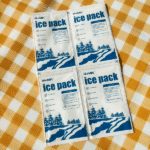
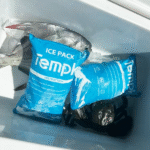
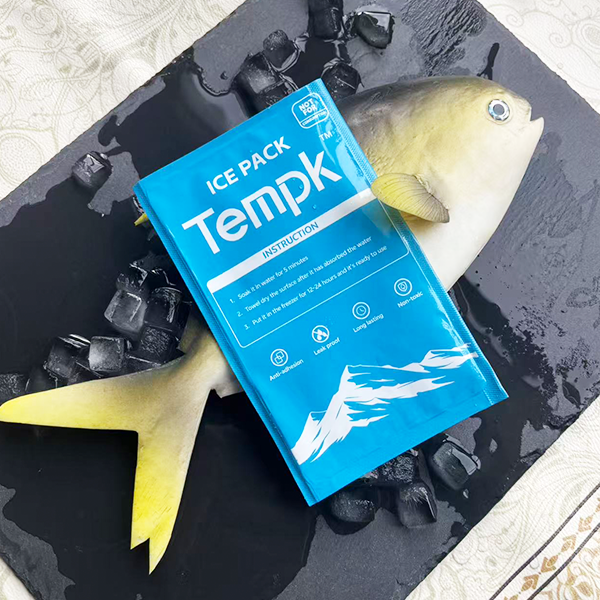
Neste tópico, Posições de informações públicas sobre produtos da Tempk hidratar bolsas de gelo seco como reutilizável pacotes de resfriamento para remessas de cadeia de frio e as descreve como embalagens à base de PCM que absorvem água e são congeladas antes do uso. Esse limite do produto é útil para compradores que desejam uma fonte fria que seja mais fácil de manusear do que gelo solto, mas não elimina a necessidade de verificar a temperatura alvo, layout de carga útil, perfil de rota, e critérios de aceitação.
Comece com a condição do produto, não é o nome do pacote
The key decision for milk packaging is the product condition that must be protected at arrival. Se o produto estiver congelado, a embalagem deve limitar o descongelamento. Se for refrigerado, a embalagem deve evitar aquecimento e congelamento. Se for estável em armazenamento, mas sensível ao calor, o objetivo pode ser a proteção da qualidade em vez do cumprimento estrito da cadeia de frio. Essas distinções mudam a escolha certa do pacote.
FDA food storage guidance references refrigeration at or below 40°F. Dairy brands should still define their own transport specification and receiving criteria.
É por isso que um comprador deve descrever a carga útil antes de perguntar o preço. Incluir o tipo de produto, tamanho do pacote, condição aceitável na entrega, Duração da remessa, temporada, rota, e processo de recebimento. Um bom fornecedor pode então discutir a fonte fria, isolamento, separador, Carton, e evidências. Um fornecedor fraco irá cotar o pacote sozinho e deixará o risco com você.
Pontos de revisão do fabricante para produção repetível
Uma revisão do fabricante deve abranger o material, vedação, método de hidratação ou condicionamento, embalagem de papelão, consistência do lote, limites de personalização, e comunicação de controle de mudanças.
Comece com a amostra. Uma amostra só é útil se representar oferta de produção. Confirme o material da embalagem, estrutura de preenchimento ou hidratação, método de vedação, instrução de congelamento, caixa de embalagem, e qualquer personalização antes de aprovar a amostra. Se a versão de produção usar filmes diferentes, geometria celular diferente, material absorvente diferente, ou quantidade diferente da caixa externa, o resultado do seu teste pode não representar remessas posteriores.
Em seguida, revise o manuseio. A equipe do armazém deve saber por quanto tempo congelar ou condicionar a embalagem, como identificar um pacote totalmente preparado, onde colocá-lo na caixa, se pode tocar a carga útil, e como lidar com devoluções ou descarte. Um fornecedor que fornece apenas um preço unitário deixa o comprador resolver esses detalhes operacionais sozinho.
Finalmente, revisar evidências. Para rotas de alimentos ou doces de baixo risco, você pode precisar de um teste de amostra simples e uma lista de verificação de recebimento. Para rotas médicas ou farmacêuticas, você pode precisar de qualificação controlada, dados do registrador de temperatura, disciplina de controle de mudanças, e aprovação da equipe de qualidade. O fornecedor da embalagem não substitui o seu processo de qualidade, mas um fornecedor capaz torna esse processo mais fácil de executar.
| Pergunta do comprador | Por que isso importa | Boa resposta do fornecedor |
|---|---|---|
| Qual é exatamente o tipo de pacote? | Evita confundir gelo seco sólido com hidratado, gel, or PCM packs. | Limites claros do produto e instruções de manuseio. |
| Como deve ser acondicionada a embalagem? | O desempenho térmico depende do congelamento ou pré-condicionamento. | Instruções escritas para preparação, armazenar, e carregando. |
| O pacote pode tocar a carga útil? | O contato direto pode resfriar demais ou danificar produtos sensíveis. | Separador específico ou recomendação de layout. |
| O que muda da amostra para o pedido em massa? | Pequenas alterações podem invalidar um teste de amostra. | Controles de consistência de material e produção. |
| Que documentação pode apoiar a reivindicação? | Evidências são necessárias antes da escala de faixas de maior risco. | Ficha de dados, dados de teste de amostra, ou suporte de qualificação conforme apropriado. |
Separe as regras reais de gelo seco da seleção de pacotes de estilo de gelo seco
O gelo seco real é dióxido de carbono sólido. É extremamente frio e muda diretamente de sólido para gasoso. É por isso que uma embalagem com gelo seco verdadeiro não deve ser hermética, e por que o transporte aéreo exige marcação de gelo seco e etapas de documentação. Uma embalagem tipo gelo seco hidratado ou uma embalagem tipo PCM não se comporta da mesma maneira, mas ainda precisa de avaliação térmica.
Esta distinção pode evitar erros de conformidade e erros de desempenho. Se você usar gelo seco de verdade, verifique a aceitação da transportadora, ventilação do pacote, marcação de peso líquido, e classe 9 requisitos para ar. Se você usar um pacote reutilizável de gelo seco, verifique as instruções de congelamento, colocação do pacote, risco de contato de carga útil, e se o pacote é forte o suficiente para a rota. O trabalho do comprador é esclarecer o tipo de produto antes de aprovar qualquer solução.
Ferramentas úteis de decisão
Verifique os detalhes antes de escolher a embalagem
Essas ferramentas rápidas podem ajudá-lo a comparar o risco da rota, necessidades de dimensionamento, escolhas de refrigerante, e detalhes da embalagem antes de solicitar um orçamento.
Forro de caixa & Dimensionamento da cobertura de paletes
Verifique a lógica de dimensionamento do forro da caixa e da tampa do palete para projetos de embalagens isoladas.
Dimensionamento estimadoCalculadora de gelo seco
Estime as necessidades de gelo seco para remessas congeladas ou ultrafrias antes de embalar.
Estimar gelo secoAvaliador de risco da rota
Revise as condições da pista antes de selecionar a embalagem para requisitos operacionais reais.
Verificar risco da rotaNão deixe nomear atalho na revisão. Um produto comercializado como bolsa de gelo seco pode não ser apropriado para todas as remessas congeladas, e pode estar muito frio para muitos produtos refrigerados ou sensíveis à qualidade. A base de aprovação deve ser a rota, carga útil, evidência, e processo de manuseio.
Um problema típico de rota para resolver antes de fazer o pedido
A dairy buyer may ask for a colder pack after several summer delivery complaints. The issue may not be pack temperature alone. It can be carton stacking, long dock dwell time, insufficient insulation, or no separation between frozen packs and liquid products.
Naquela situação, o comprador deve construir a embalagem em torno do ponto de entrega mais vulnerável. Pode ser uma doca de armazém quente, um porão de aeroporto, uma van de correio, ou o atraso de recebimento após a entrega. For a dairy lane, a embalagem deve proteger o produto durante a pior exposição realista, não apenas durante o tempo médio em trânsito mostrado no site da transportadora.
Um teste prático de amostra deve registrar como a embalagem foi preparada, como a caixa foi carregada, onde o registrador foi colocado, quais eram as condições ambientais, e como a remessa foi inspecionada na chegada. Se o teste for repetido mais tarde, os mesmos detalhes devem ser repetíveis. Esta é a diferença entre um teste útil para o comprador e uma demonstração única que não pode apoiar decisões de compra.
Quando o resultado da amostra é misturado, não adicione imediatamente mais resfriamento. Primeiro verifique se o problema era o isolamento, espaço vazio, pré-resfriamento do produto, localização do pacote, disciplina de carregamento, ou atraso no recebimento. Mais fonte fria pode resolver o aquecimento, mas também pode criar resfriamento excessivo. Para muitos produtos, melhor armazenamento em buffer e um mapa de carregamento mais claro fazem mais do que simplesmente aumentar a quantidade de pacotes.
Lista de verificação de aprovação antes da compra em volume
| Item de aprovação | O que confirmar | Por que isso importa |
|---|---|---|
| Identidade do pacote | Gelo seco real, pacote hidratado, Pacote de gel, ou pacote estilo PCM. | Determina o manuseio, Regras de transporte, e comportamento térmico. |
| Ajuste do produto | Temperatura ou faixa de qualidade aceitável do proprietário do produto. | Evita o resfriamento excessivo e reclamações não suportadas. |
| Mapa de embalagem | Localização exata do pacote, separador, forro, e arranjo de carga útil. | Torna o carregamento do armazém repetível. |
| Evidência | Teste de amostra, Ficha de dados, ou dados de qualificação correspondentes ao risco da rota. | Suporta compras e revisão de qualidade. |
| Controle de escala | Consistência da amostra até a produção e comunicação de mudanças. | Protege pedidos repetidos contra alterações ocultas na construção. |
Erros comuns que aumentam o custo após o lançamento
O primeiro erro é comprar pela contagem do pacote em vez do desempenho do pacote. Dois fornecedores podem recomendar o mesmo número de embalagens, mas um projeto pode usar melhor isolamento, menos espaço vazio, e separação mais clara. O resultado de chegada pode ser diferente mesmo quando o pedido de compra for semelhante.
O segundo erro é testar uma amostra perfeita, mas lançar um processo de armazém confuso. Se a equipe não conseguir identificar a condição correta da embalagem ou carregar a caixa de forma consistente, a rota se torna instável. Instruções escritas, fotos do mapa de carregamento, e uma breve lista de verificação de recebimento são controles simples que muitas vezes evitam disputas.
O terceiro erro é ignorar as diferenças de produtos dentro de uma categoria. Nem todos os doces se comportam como chocolate. Nem todas as vacinas são refrigeradas. Nem todos os produtos lácteos toleram a mesma exposição ao frio. Nem todas as remessas farmacêuticas exigem ou permitem o mesmo refrigerante. Um fornecedor deve ajudá-lo a restringir a recomendação em vez de tratar a categoria como um problema genérico da cadeia de frio.
Perguntas frequentes
Is a manufacturer dry ice pack for milk packaging the same as real dry ice?
Nem sempre. Alguns fornecedores usam a frase para o verdadeiro dióxido de carbono sólido, enquanto outros o usam para hidratação, gel, ou pacotes estilo PCM que são congelados antes do uso. A diferença afeta o manuseio, rotulagem, aceitação da transportadora, e segurança. Peça ao fornecedor para definir claramente o tipo de embalagem antes de aprovar uma amostra ou comparar preços.
A embalagem pode tocar o produto diretamente?
O contato direto não deve ser considerado seguro. Para leite, bebidas lácteas, chilled dairy ingredients, sample cartons, and retail dairy shipments, contato pode criar super-resfriamento local, condensação, danos superficiais, ou marcas de embalagem. Use um separador, forro, buffer, ou carregando mapa quando o produto é sensível. O fornecedor deve explicar a colocação pretendida, não apenas fornece o tamanho do pacote.
Como devo comparar as reclamações dos fornecedores sobre o tempo de espera?
Compare as condições de teste por trás da reivindicação. Pergunte o tamanho do remetente, carga útil, quantidade do pacote, perfil ambiente, localização do registrador, Critérios de aceitação, e se o resultado foi um teste de laboratório ou uma verificação real da remessa. O tempo de espera sem contexto não é um parâmetro de compra confiável.
Preciso de um registrador de dados de temperatura?
Um registrador de dados é recomendado quando o valor da remessa, sensibilidade do produto, exigência do cliente, ou procedimento de qualidade requer evidência. O registrador não controla a temperatura; ele registra o que aconteceu. Para rotas de alimentos ou doces de menor risco, um teste de amostra e uma lista de verificação de recebimento podem ser suficientes. Para rotas médicas e farmacêuticas, as expectativas de documentação são geralmente maiores.
Está mais frio sempre melhor para remessas de alimentos ou confeitos?
Não. Mais resfriamento pode reduzir a exposição ao calor, mas também pode criar congelamento, condensação, perda de textura, ou danos no pacote de varejo. A melhor embalagem mantém o produto dentro da faixa de qualidade aceitável para a rota real, não simplesmente na temperatura mais baixa possível.
Conclusão
A manufacturer dry ice pack for milk packaging is useful when it is selected as part of a complete packout rather than as a stand-alone answer. As decisões mais importantes são a gama de produtos, exposição da rota, layout de carga útil, isolamento, condicionamento de embalagem, evidência do fornecedor, e recebendo inspeção. Se algum deles estiver faltando, um compressa fria pode criar uma falsa sensação de proteção.
For milk packaging, comece com a condição aceitável do produto, em seguida, trabalhe de trás para frente até o pacote. Confirme se você está usando gelo seco verdadeiro ou um pacote reutilizável tipo gelo seco. Defina o mapa de embalagem. Teste a amostra de uma forma que possa ser repetida. Antes de comprar volume, certifique-se de que o fornecedor pode apoiar a mesma construção, documentação, e instruções de manuseio que sua equipe aprovou.
Sobre Tempk
Tempk é o embalagem da cadeia de frio marca da Shanghai Tempk Industrial Co., Ltda. For milk packaging, ajudamos os compradores a comparar opções de fontes frias, embalagem isolada, e layout da embalagem com base no tipo de produto, condição alvo, exposição da rota, e estágio de compra. Nossa linha de produtos públicos inclui bolsas de gelo em gel, bolsas de gelo cheias de água, hidratar bolsas de gelo seco, tijolos de gelo, forros isolados, sacos isolados, EPP e Caixa VIP opções, e materiais de embalagem de cadeia de frio relacionados. O ponto de partida útil é simples: compartilhar a carga útil, rota, faixa alvo, e lidar com restrições para que a recomendação possa corresponder à remessa em vez de apenas à palavra-chave.
Compartilhe seu tipo de produto, faixa de temperatura alvo, carga útil, rota, and transit time with Tempk to compare suitable options before ordering a manufacturer dry ice pack for milk packaging in volume.