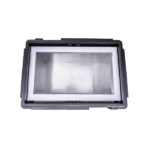
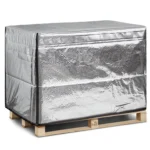
Como um fabricante de caixas de gelo médicas mantém as vacinas seguras?
Sua decisão de enviar vacinas, insulina ou medicamentos biológicos dependem de uma questão: como você mantém uma faixa estrita de temperatura durante o transporte? Um especializado fabricante de caixa de gelo médica responde a isso combinando isolamento de última geração, monitoramento preciso da temperatura e controle de qualidade rigoroso. Em 2026 prevê-se que o mercado global da cadeia de frio farmacêutica salte de cerca de USD 17.5 bilhão em 2024 para USD 71.6 bilhão por 2034, ressaltando a necessidade de caixas frigoríficas confiáveis. Este guia desmistifica a tecnologia por trás Caixas de gelo médico, explica como escolher o contêiner certo e oferece dicas práticas para manter sua carga crítica segura.
Funções principais das caixas de gelo médicas: o que eles fazem, como eles mantêm a faixa de 2–8 °C e por que os transportadores de vacinas podem manter essa temperatura por 12 horas.
Isolamento VIP vs convencional: por que os painéis isolados a vácuo oferecem tempos de espera de 7 a 10 dias e liberam mais espaço de carga útil.
Selecionando a caixa de gelo certa: um método passo a passo para combinar recipientes com o perfil térmico do seu produto.
Escolhendo um fabricante: critérios para avaliar a qualidade do produto, materiais, certificações e suporte.
Mais recente 2026 tendências: crescimento do mercado, sustentabilidade, Monitoramento habilitado para IoT e embalagens reutilizáveis.
Perguntas frequentes: respostas rápidas sobre conformidade com a cadeia de frio, materiais de isolamento, tempos de espera e impactos ambientais.
Quais são as principais funções das caixas de gelo médicas?
Resposta direta: Uma caixa de gelo médica protege vacinas e amostras biológicas mantendo um ambiente estrito de 2–8 °C—às vezes até temperaturas ultrabaixas de até –70 °C — usando isolamento de alto desempenho e materiais de mudança de fase (PCMs). Portadores de vacinas com quatro condicionados bolsas de gelo pode segurar +2 °C a +8 °C por até 12 horas se a tampa permanecer fechada, enquanto comercial Caixas VIP emparelhado com PCMs mantém temperaturas estáveis para 7–10 dias. As principais funções são isolamento, monitoramento de temperatura e proteção do produto.
Explicação expandida: Uma caixa de gelo medicinal é mais do que um refrigerador; é um sistema de refrigeração passiva projetado para manter produtos sensíveis potentes durante o transporte. No porta-vacinas mais simples, quatro bolsas de gelo condicionadas cercam a carga útil e retardam a transferência de calor para que o interior permaneça entre 2 °C e 8 °C. Projetos avançados incorporam painéis isolados a vácuo (VIPs)-afinar, painéis de sílica evacuados – juntamente com PCMs para proporcionar um tempo de espera muito mais longo. As caixas VIP alcançam condutividades térmicas ao redor 5 mW/m·K, muito inferior ao poliestireno expandido ou espuma de poliuretano. Junto, a casca externa, a camada de isolamento e o refrigerante interno criam um microclima controlado que protege as vacinas contra variações de temperatura, vibração e contaminação. Registradores de dados integrados ou sensores IoT monitoram a temperatura em tempo real e alertam os operadores se ocorrer um desvio. Conformidade com Boas Práticas de Distribuição (PIB) as diretrizes exigem a verificação de que cada caixa mantém as temperaturas dentro dos intervalos especificados (2–8 °C para a maioria das vacinas, –50 °C a –15 °C para determinados produtos congelados). Os fabricantes de caixas de gelo médicas integram esses requisitos no design e validação do produto.
Camadas e materiais de design
Painéis isolados a vácuo oferecem desempenho superior porque removem o ar – o principal condutor de calor – do isolamento. O núcleo consiste em sílica pirogênica ou fibra de vidro, selado dentro de uma película protetora e evacuado para criar um quase vácuo. Este design reduz a condutividade térmica para 0.002–0,004 W · m⁻¹ · K⁻¹, sobre 1/10 de espumas tradicionais; núcleos de fibra de vidro podem alcançar 0.0015 W · m⁻¹ · K⁻¹. Em comparação, poliestireno expandido (EPS) exposições ao redor 36 mW/m·K, poliuretano (Pur) aproximadamente 22 mW/m·K e VIPs sobre 5 mW/m·K.
| Material de isolamento | Condutividade Térmica (aprox.) | Tempo de espera típico | Significado prático |
| Poliestireno Expandido (EPS) | ~36 mW/m·K | 2–3 dias | Baixo custo, volumoso; adequado para viagens curtas ou mercadorias de baixo valor |
| Poliuretano (Pur) | ~22 mW/m·K | 3–5 dias | Custo moderado; adequado para remessas de média distância |
| Painéis isolados a vácuo (VIP) | ≈5mW/m·K | 7–10 dias | Alto desempenho; paredes mais finas, peso mais leve e maior volume de carga útil |
| Quadro VIP (fibra de vidro) | 0.0015 S/m·K | Até 10 dias | Condutividade ultrabaixa; usado para produtos farmacêuticos de alto valor |
Dicas e conselhos orientados ao usuário
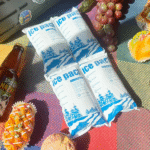
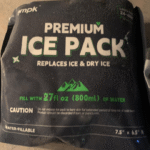
Pré-condicione suas bolsas de gelo: Sempre use bolsas de gelo condicionadas em vez de blocos congelados. O condicionamento garante que o gelo esteja em 0 °C e evita que vacinas sensíveis ao congelamento sejam danificadas.
Monitore a temperatura continuamente: Use um registrador de dados digital (DDL) com Precisão de ±0,5 °C, função de alarme e calibração regular. Coloque a sonda entre os frascos para registrar as temperaturas reais do produto.
Mantenha a tampa fechada: Cada vez que a tampa abre, o ar frio escapa e o tempo de espera diminui. Planeje sua rota e minimize as aberturas para preservar o 12 desempenho por hora dos transportadores de vacinas.
Caso real: Durante uma campanha de vacinação em massa em 2024, trabalhadores de campo usaram transportadores de vacinas recomendados pela OMS carregados com quatro bolsas de gelo condicionado. Mantendo a tampa fechada entre as sessões, eles mantiveram +2 °C a +8 ° C para 12 horas e entregou com sucesso todas as doses sem deterioração.
Por que escolher caixas de gelo isoladas a vácuo em vez de refrigeradores convencionais?
Resposta direta: Painel isolado a vácuo (VIP) caixas de gelo superam os refrigeradores de espuma tradicionais estendendo os tempos de espera para sete a dez dias, aumentando o volume interno e reduzindo o peso do transporte. Eles conseguem isso usando painéis finos de sílica evacuada com condutividade térmica em torno 5 mW/m·K—cerca de sete vezes menor que a espuma de poliuretano. Para vacinas e produtos biológicos de alto valor, esse tempo extra reduz a deterioração e garante a conformidade durante longos trânsitos ou atrasos alfandegários.
Explicação expandida: Os resfriadores convencionais dependem do ar preso nas espumas para retardar a transferência de calor. Porque o ar ainda é um condutor relativamente bom, paredes de espuma devem ser grossas; isso reduz o espaço utilizável e requer mais líquido refrigerante. As caixas VIP removem totalmente o ar: o núcleo poroso é evacuado, deixando apenas uma matriz sólida que mal conduz calor. Isto permite paredes tão finas quanto 10–15mm mantendo a temperatura durante 7–10 dias. Em uma tabela comparativa, Os refrigeradores EPS com paredes de 30–40 mm duram 2–3 dias, Os refrigeradores PUR com paredes de 25–35 mm duram de 3 a 5 dias, e refrigeradores VIP com paredes de 10 a 15 mm duram de 7 a 10 dias. As caixas VIP liberam volume interno e reduzem o peso dos materiais de mudança de fase; um cálculo mostra a substituição de um 20 mm refrigerador EPS com um 10 mm VIP reduz o peso do PCM de 4 kg para 1.5 kg. A desvantagem é maior custo e fragilidade, mas muitas empresas justificam isso reduzindo desperdícios e taxas de frete.
Comparando tempos de espera e usos
Para fazer uma escolha informada, considere o tempo de espera necessário e o valor do produto. As caixas VIP são excelentes no envio de produtos biológicos de alto valor que exigem proteção de vários dias ou quando há probabilidade de atrasos. Para rotas curtas dentro de algumas horas, um transportador de vacina padrão é suficiente. A tabela abaixo resume casos de uso típicos:
| Tipo de produto | Faixa de temperatura necessária | Recipiente recomendado | Justificativa |
| Vacinas de rotina | +2 °C a +8 °C | Porta-vacinas com quatro bolsas de gelo condicionado | Mantém a temperatura até 12 horas sem aberturas. Ideal para sessões de divulgação ou distribuição no mesmo dia. |
| Produtos biológicos de alto valor & terapias celulares | +2 °C a +8 °C ou –70 °C | Caixa VIP com PCM | Mantém temperaturas estáveis por 7 a 10 dias; protege contra atrasos no trânsito. |
| Vacinas congeladas & Remessas a granel | –50 °C a –15 °C | VIP Híbrido + gelo seco ou resfriamento ativo | Quando combinado com PCMs apropriados ou gelo seco, Caixas VIP lidam com condições ultrafrias. |
| Transporte de curta distância de mercadorias de baixo valor | +2 °C a +8 °C | Resfriador de espuma EPS ou PUR | Econômico; 2–Tempos de espera de 5 dias são suficientes para entregas locais. |
Dicas e conselhos orientados ao usuário
Calcular o custo total de propriedade: As caixas VIP custam mais antecipadamente, mas podem ser reutilizadas e economizar no frete devido ao peso mais leve e menos deterioração. Analise os números em várias remessas para ver se as embalagens reutilizáveis oferecem economia.
Combine o PCM com a faixa de temperatura: Para remessas de 2–8 °C, usar pacotes de gel; para remessas a –20 °C, escolha gelo seco ou PCMs com pontos de fusão mais baixos. Misturar PCMs sem compreender seus pontos de fusão pode levar a temperaturas instáveis.
Proteja os painéis: Porque os painéis VIP são frágeis, escolha caixas com revestimento externo rígido e planeje um manuseio cuidadoso. Evite perfurações ou compressão, o que pode comprometer o vácuo.
Exemplo real: Uma empresa farmacêutica que envia produtos biológicos através dos continentes selecionou caixas VIP reutilizáveis combinadas com PCM e sensores em tempo real. Os contêineres mantidos 2–8 °C para 72 horas e transmitiu dados de localização e temperatura para que os operadores pudessem intervir se uma excursão fosse iminente.
Como selecionar a caixa de gelo médica certa para suas necessidades?
Resposta direta: A seleção de uma caixa de gelo médica envolve avaliando o perfil térmico do seu produto, duração do trânsito, condições ambientais e requisitos regulamentares. Escolha contêineres com tempos de espera que correspondam ou excedam a viagem esperada, garantir a compatibilidade com a faixa de temperatura exigida e verificar as certificações. Se você envia produtos biológicos de alto valor por longas distâncias, uma caixa VIP reutilizável com registro de dados pode oferecer a melhor proteção.
Explicação expandida: Para fazer uma escolha informada, comece com a faixa de temperatura do seu produto: a maioria das vacinas precisa 2–8 ° C., alguns requerem congelamento em –20 °C, e novas terapias celulares ou genéticas podem precisar –70 °C. Estime a duração do trânsito e considere possíveis atrasos devido à alfândega ou ao clima. Caixas VIP passivas suportam durações moderadas de até uma semana; para condições mais longas ou extremas, sistemas híbridos com refrigeração ativa ou unidades autoalimentadas podem ser necessários. Combine o material de mudança de fase com a temperatura alvo (pacotes de gel para 2–8 °C, gelo seco para –20 °C e PCMs proprietários para condições ultrafrias). Finalmente, revisar diretrizes regulatórias, como PIB e Recomendações do CDC—verifique se o recipiente mantém 2–8 °C para refrigeradores e –50 °C a –15 °C para freezers. Peça aos fabricantes dados de validação, certificados de calibração e evidências de conformidade.
Guia de seleção passo a passo
Defina seu perfil térmico: Identifique a faixa de temperatura necessária e a duração. Por exemplo, necessidade de vacinas de rotina 2–8 ° C. para até 48 horas, enquanto produtos biológicos congelados podem exigir –20 °C por vários dias.
Avalie as condições de trânsito: Considere a distância, possíveis atrasos e temperaturas ambientes. Para locais remotos ou climas adversos, escolha caixas com tempos de espera mais longos e isolamento robusto.
Par PCM e tipo de refrigerante: Combine PCMs com sua faixa-alvo: pacotes de gel para 2–8 °C, gelo seco para remessas congeladas, PCMs proprietários para condições ultrafrias. Garanta massa de PCM suficiente para cobrir toda a viagem.
Calcular o tamanho da caixa: Selecione o volume interno com base no produto e no refrigerante. Caixas VIP com paredes finas maximizam o espaço útil, mas evitam sobredimensionamento; ar extra aumenta a carga térmica.
Verifique a conformidade: Solicite relatórios de validação mostrando que a caixa mantém as temperaturas exigidas nas piores condições e atende às diretrizes GDP/GMP. Verifique se há certificados de calibração para registradores de temperatura.
Planeje a reutilização: Se você envia regularmente, considere sistemas VIP reutilizáveis. O mercado de embalagens reutilizáveis da cadeia de frio deverá crescer a partir de USD 4.97 bilhão em 2025 para USD 9.13 bilhão por 2034, refletindo a mudança da indústria em direção a modelos circulares.
Ferramentas úteis de decisão
Verifique os detalhes antes de escolher a embalagem
Essas ferramentas rápidas podem ajudá-lo a comparar o risco da rota, necessidades de dimensionamento, escolhas de refrigerante, e detalhes da embalagem antes de solicitar um orçamento.
Calculadora de gelo seco
Estime as necessidades de gelo seco para remessas congeladas ou ultrafrias antes de embalar.
Estimar gelo secoReferência de material de isolamento
Compare as opções de materiais de isolamento para diferentes necessidades de embalagens da cadeia de frio.
Compare materiaisResistência à queda de material de isolamento
Revise a resistência à queda e os fatores de manuseio antes de escolher materiais de isolamento.
Verifique a resistênciaDicas e conselhos práticos
Use ferramentas de autoavaliação: Crie uma lista de verificação ou questionário simples para ajudar os usuários a avaliar seus requisitos de cadeia de frio: número de frascos, faixa de temperatura, duração, ambiente regulatório e orçamento. Este elemento interativo aumenta o envolvimento do usuário e reduz as taxas de rejeição.
Equipe de trem cruzado: Embalagem e carregamento adequados são cruciais. Treine a equipe para pré-condicionar PCMs, minimize as aberturas da tampa e use amortecimento para evitar a quebra do frasco.
Aproveite os dados: Incorpore registradores habilitados para IoT ou caixas inteligentes que enviam alertas em tempo real quando as temperaturas saem da faixa segura. Esta abordagem proativa reduz a deterioração e aumenta a confiança do usuário.
Caso real: Ao enviar vacinas contra varicela que exigem –20 °C, uma empresa de logística utilizou caixas VIP com gelo seco e embalagens validadas. Eles seguiram uma lista de verificação (faixa de temperatura, Quantidade de PCM, Tamanho da caixa) e alcançou excursões de temperatura zero em 100 Remessas, economizando milhares de dólares na substituição de produtos.
O que diferencia um fabricante confiável de caixas de gelo médicas?
Resposta direta: Um fabricante confiável de caixas de gelo médicas demonstra experiência em engenharia de cadeia de frio, utiliza materiais certificados, fornece dados de validação transparentes e oferece suporte pós-compra. Eles integram sistemas de gestão da qualidade, como ISO 9001 e conformidade com o PIB, para garantir desempenho e segurança consistentes.
Explicação expandida: Em um mercado lotado, escolher o fabricante certo pode ser um desafio. Procure empresas com histórico em embalagens de cadeias de frio farmacêuticas e que entendam de tecnologias de refrigeração passiva e ativa. Fabricantes como Tempk (Xangai Huizhou Industrial Co., Ltda.), fundado em 2011, especializar-se em materiais de mudança de fase, Refrigeradores VIP, bolsas isoladas e sensores inteligentes; eles fornecem 24/7 suporte técnico e designs ecológicos. A validação transparente é crítica: solicite relatórios de teste mostrando tempos de espera sob condições controladas (por exemplo, tempo máximo de espera de 109 horas por um 49 Caixa L entre –30 °C e 25 °C). Fabricantes confiáveis usam materiais de alta qualidade, como placas VIP de fibra de vidro com condutividade térmica tão baixa quanto 0.0015 S/m·K e incorporar conchas protetoras para suportar manuseio brusco. Eles também projetam para a sustentabilidade, oferecendo recipientes reutilizáveis e participando de programas de reciclagem – a reciclagem de núcleos VIP pode reduzir o impacto ecológico ao 95 %.
Lista de verificação de avaliação
| Critério | O que procurar | Por que é importante |
| Validação térmica | Dados de testes independentes mostrando tempos de espera em diversas temperaturas e durações | Garante que a caixa atenda aos seus requisitos específicos de cadeia de frio. |
| Qualidade dos materiais | Núcleos VIP com condutividade ultrabaixa (0.002–0,004 W/m·K) e revestimentos externos duráveis | Fornece isolamento e protege contra perfurações. |
| Certificações | ISO 9001, ISO 14001, Conformidade com PIB/GMP; calibrações rastreáveis ao NIST | Demonstra gerenciamento de qualidade, responsabilidade ambiental e adesão regulatória. |
| Design reutilizável | Contêineres classificados para múltiplos ciclos e compatíveis com logística reversa | Reduz o custo total de propriedade e apoia a sustentabilidade. |
| Serviços de suporte | Treinamento técnico, manuais do usuário, ferramentas on-line e 24/7 suporte técnico | Ajuda você a fazer as malas, monitorar e solucionar problemas de remessas. |
Dicas e conselhos orientados ao usuário
Solicite amostras de produtos: Antes de se comprometer com grandes volumes, solicitar contêineres de amostras e realizar remessas de teste nos piores cenários. Analise os tempos de espera e meça as temperaturas reais dentro dos frascos usando sondas calibradas.
Verifique a transparência da cadeia de abastecimento: Fabricantes respeitáveis compartilham as fontes de suas matérias-primas e seus processos de controle de qualidade. Essa transparência sinaliza integridade e ajuda a atender auditorias regulatórias.
Avalie contratos de serviço: Procure garantias, políticas de substituição e programas de reciclagem. Avalie se a empresa pode fornecer treinamento no local ou suporte remoto durante emergências.
Caso real: Uma ONG de saúde avaliou três fabricantes realizando testes paralelos usando vacinas sensíveis ao calor. O fabricante que forneceu dados de validação abrangentes e suporte técnico entregou o único recipiente que mantinha as vacinas dentro 2–8 °C para a viagem completa, garantir o contrato.
Como o design da caixa de gelo médica apoia a conformidade da ColdChain?
Resposta direta: As caixas de gelo médicas são projetadas para atender aos limites rígidos de temperatura definidos pelas autoridades de saúde. Para vacinas de rotina, refrigeradores e transportadores devem manter 2–8 ° C.; freezers para certas vacinas devem conter –50 °C a –15 °C; e os transportadores de vacinas especificados pela OMS mantêm +2 °C a +8 ° C para 12 horas. Dispositivos integrados de monitoramento de temperatura garantem que essas condições sejam sustentadas durante o transporte.
Explicação expandida: A conformidade começa com materiais apropriados. Geladeiras geladas em centros de saúde primários mantêm +2 °C a +8 °C com tempos de espera de até 20 horas em 43 °C temperatura ambiente, enquanto os freezers mantêm –15 °C a –25 °C por pelo menos 2 h 30 min. Os transportadores de vacinas usam paredes isoladas e quatro bolsas de gelo condicionadas para manter +2 °C a +8 ° C para 12 horas; almofadas de espuma evitam o contato direto entre os frascos e o gelo. Caixas modernas integram registradores de dados digitais (DDLs) que registram temperaturas mínimas e máximas e têm ±0,5 °C de incerteza. Muitos fabricantes agora incorporam sensores IoT e módulos GPS, permitindo visibilidade em tempo real e notificações de alarme. A conformidade também implica procedimentos de embalagem adequados: recipientes pré-resfriados, distribuir uniformemente PCMs, evite lacunas de ar e prenda a tampa. Treinar a equipe nesses procedimentos reduz o risco de variações de temperatura e garante que as vacinas permaneçam potentes.
Faixas de temperatura e tempos de espera
| Equipamento de armazenamento | Faixa de temperatura | Tempo de espera | Aplicativo |
| Frigorífico (CDC) | +2 °C a +8 °C | Constante; use registradores de dados digitais | Armazenamento de vacinas de rotina em clínicas e farmácias. |
| Freezer (CDC) | –50 °C a –15 °C | Constante; requer monitoramento frequente | Armazenamento de varicela e outras vacinas congeladas. |
| Congelador ultrafrio | –90 °C a –60 °C | Constante; equipamento dedicado | Vacinas de mRNA e terapias celulares. |
| Porta-vacinas com bolsas de gelo | +2 °C a +8 °C | Até 12 horas quando fechado | Sessões de vacinação de extensão, entrega de última milha. |
| Caixa de gelo médica VIP | 2 °C a –70 °C | 7–10 dias com PCM adequado | Transporte de longa distância de produtos biológicos, insulina, tecidos. |
Dicas e conselhos orientados ao usuário
Siga os protocolos de embalagem: Sempre coloque bolsas de gelo condicionado nas laterais do transportador e mantenha os frascos no centro, embrulhado em papel para evitar contato direto. Use almofadas de espuma na parte superior para minimizar as flutuações de temperatura.
Monitore certificados de calibração: Garantir que os dispositivos de monitoramento de temperatura tenham certificados válidos de calibração e rastreabilidade de acordo com os padrões nacionais. Programe a recalibração a cada 2–3 anos ou após o impacto.
Planeje contingências: Desenvolver procedimentos de emergência para falhas de energia, atrasos nas estradas ou mau funcionamento do equipamento. Mantenha PCMs e transportadores sobressalentes disponíveis e estabeleça canais de comunicação para uma intervenção rápida.
Caso real: Durante uma onda de calor, a geladeira de uma clínica falhou e as vacinas foram transferidas para uma caixa fria pré-condicionada. Porque a instalação tinha um contêiner VIP de backup com um registrador de dados digital, as vacinas permaneceram dentro 2–8 ° C. até que uma unidade de substituição chegasse, evitando a perda de estoque caro.
2026 Últimos desenvolvimentos e tendências em embalagens médicas ColdChain
Visão geral da tendência: A indústria da cadeia de frio médica está evoluindo rapidamente. Analistas relatam global caixa térmica mercado valia dólares 4.7 bilhão em 2024 e está projetado para crescer a um ritmo 11.3 % CAGR de 2024 para 2031, impulsionado por recreação ao ar livre e logística farmacêutica. Simultaneamente, o Prevê-se que o mercado farmacêutico da cadeia de frio suba para USD 71.6 bilhão por 2034, com a tecnologia VIP como um facilitador chave. Sustentabilidade, monitoramento digital, sistemas reutilizáveis e refrigeradores híbridos dominam o 2026 paisagem.
Último progresso em um olhar
Crescimento de embalagens reutilizáveis: Espera-se que o mercado de embalagens reutilizáveis da cadeia de frio se expanda de USD 4.97 bilhão em 2025 para USD 9.13 bilhão por 2034, indicando uma mudança em direção a modelos de economia circular. Os clientes agora priorizam contêineres projetados para múltiplos ciclos com baixo impacto ambiental.
Integração de IoT e sensores inteligentes: Caixas VIP modernas incorporam GPS, sensores de temperatura e conectividade sem fio, permitindo rastreamento e alertas em tempo real. Esta tecnologia reduz a deterioração, permitindo intervenções proativas.
Sistemas híbridos e ativos: Os coolers híbridos combinam isolamento VIP passivo com resfriamento ativo (por exemplo, Módulos Peltier ou designs auto-refrigerados), estendendo os tempos de espera além 72 horas e proporcionando controle preciso da temperatura. Caixas auto-refrigeradas como a Ember Cube mantêm 2–8 °C durante pelo menos 72 horas usando refrigeração embutida e são reutilizáveis.
Materiais sustentáveis e reciclagem: Fabricantes estão adotando plásticos reciclados, isolamento biodegradável e programas de reciclagem VIP. A reciclagem do núcleo de sílica dos painéis VIP pode reduzir o impacto ecológico ao 95 %.
Diversificação de mercado: Além das vacinas, caixas frias agora transportam canetas de insulina, terapias genéticas e até alimentos de precisão. A premiumização continua à medida que os consumidores investem em coolers duráveis com recursos inteligentes.
Insights de mercado: Mudanças no estilo de vida e a explosão do comércio eletrônico impulsionam a demanda por refrigeração portátil. Recreação ao ar livre, pesca e camping impulsionam vendas de refrigeradores ao consumidor, enquanto a logística farmacêutica exige caixas confiáveis para entrega lastmile e distribuição remota. Os consumidores preferem o premium, refrigeradores rotomoldados ou VIP que oferecem isolamento superior e retenção prolongada de gelo. Sustentabilidade agora é um diferencial: fabricantes que incorporam materiais reciclados e oferecem programas de logística reversa ganham vantagem competitiva. Reguladores enfatizam registro de dados e rastreabilidade, estimulando a adoção de embalagens inteligentes e IoT. Essas tendências moldam coletivamente 2026 estratégias de cadeia de frio.
Perguntas frequentes
Q1: Por quanto tempo uma caixa médica isolada a vácuo pode manter os medicamentos frios?
A maioria dos camarotes VIP mantém as temperaturas exigidas para 7–10 dias quando combinado com materiais de mudança de fase apropriados. Projetos híbridos com PCMs mais finos proporcionam controle preciso para cerca de 72 horas, e caixas auto-refrigeradas podem sustentar 2–8 °C por pelo menos 72 horas.
Q2: As caixas isoladas a vácuo são reutilizáveis?
Sim. Muitos contêineres VIP são projetados para múltiplas remessas. O mercado de embalagens reutilizáveis da cadeia de frio está crescendo rapidamente – desde USD 4.97 bilhão em 2025 para USD 9.13 bilhão por 2034—refletindo uma mudança em direção à sustentabilidade. Limpeza adequada, inspeção e revalidação são essenciais entre usos.
Q3: O que acontece se a temperatura subir acima +8 °C?
Uma excursão de temperatura acima +8 °C (ou abaixo +2 °C) pode reduzir a potência da vacina. De acordo com o CDC, refrigeradores devem permanecer dentro 2–8 ° C.. Se ocorrer uma excursão, colocar em quarentena as vacinas afetadas, entre em contato com seu programa de imunização e consulte o fabricante da vacina antes de usar.
Q4: Como faço para condicionar bolsas de gelo corretamente?
Remova as bolsas de gelo congeladas do freezer e deixe-as derreter até que a água fique visível dentro. Agite para ouvir o movimento do gelo; isso indica condicionamento. Bolsas de gelo não condicionadas podem danificar vacinas sensíveis ao congelamento.
Q5: Qual é o impacto ambiental dos camarotes VIP?
A produção de sílica pirogênica requer energia significativa. No entanto, reciclar núcleos VIP pode reduzir o impacto ecológico ao 95 %. Escolher caixas reutilizáveis e participar em programas de reciclagem ajuda a mitigar as emissões de carbono.
Resumo e recomendações
Takeaways -chave: Um fabricante de caixas térmicas médicas garante a segurança das vacinas combinando isolamento de alto desempenho, controle de temperatura confiável e monitoramento robusto. Os porta-vacinas com bolsas de gelo condicionado mantêm as doses entre +2 °C e +8 ° C para 12 horas, enquanto camarotes VIP estendem a proteção para 7–10 dias e reduzir peso e volume. Escolher a caixa certa requer avaliar o perfil térmico do seu produto, duração e requisitos regulatórios e parceria com um fabricante que oferece produtos validados, soluções reutilizáveis. O 2026 paisagem enfatiza sustentabilidade, Monitoramento habilitado para IoT, sistemas híbridos e economias circulares.
Orientação de ação: Comece por mapeando suas necessidades de cadeia de frio—faixa de temperatura, tempo de viagem e valor da carga. Use ferramentas de avaliação interativas para escolher entre portadores de vacinas, refrigeradores de espuma, Caixas VIP ou sistemas híbridos. Invista em registro de dados e monitoramento habilitado para IoT para capturar excursões antecipadamente e reduzir desperdícios. Trabalhe com um fabricante confiável que fornece relatórios de validação, recipientes reutilizáveis e programas de reciclagem. Finalmente, mantenha-se informado sobre as tendências do mercado e tecnologias emergentes para preparar sua estratégia de cadeia de frio para o futuro. Entre em contato hoje mesmo com um especialista em cadeia de frio para discutir soluções personalizadas de caixas de gelo que se alinhem com suas metas de sustentabilidade e obrigações de conformidade.
Sobre Tempk
Perfil de companhia: Tempk (Xangai Huizhou Industrial Co., Ltda.) é uma empresa de alta tecnologia estabelecida em 2011 especializada em produtos de embalagem de cadeia de frio e soluções de controle de temperatura. Operando várias fábricas na China, Tempk produz materiais de mudança de fase, Refrigeradores VIP, sacos isolados, bolsas de gelo e sensores inteligentes. Seus produtos contam com a confiança dos principais grupos farmacêuticos e serviços de entrega de alimentos para proteger produtos sensíveis à temperatura. A empresa está comprometida com a inovação, sustentabilidade e qualidade, oferta 24/7 suporte técnico, rastreamento em tempo real e designs ecológicos.
Chamado à ação: Se você precisa de soluções confiáveis de cadeia de frio, consulte os especialistas da Tempk para caixas isoladas a vácuo personalizadas, opções de embalagens reutilizáveis ou um estratégia abrangente de cadeia de frio. Com experiência comprovada e compromisso com a sustentabilidade, Tempk ajuda você a fornecer vacinas que salvam vidas com segurança e eficiência.