Medication embalagem de envio must protect the specific medicine through the entire delivery process, including the time after the carrier leaves the package at its destination. The first question is not whether to add bolsas de gelo. It is what the medicine's approved labeling and supporting stability information require, what exposures must be avoided, and how the dispensing organization will control packing, entrega, recibo, e exceções.
Os EUA. Food and Drug Administration explanation of expiration dates and storage conditions notes that a medicine's stability and expiration dating depend on storage according to labeled conditions. That principle does not create one universal shipping temperature. It means the shipper should build the delivery method from the product-specific requirement and the applicable market rules.
Takeaways -chave
- Base the shipping category on the exact medication's approved requirements and stability information.
- Include carrier transit, atrasos, unattended dwell, falha na entrega, and recipient capability in the last-mile design.
- Combine a qualified packout with clear receiving instructions, responsabilidades de monitoramento, and an authorized excursion workflow.
Classify the Medication Before Selecting Packaging
Some medicines can be shipped in ordinary parcel packaging with protection from crushing, umidade, luz, or excessive heat. Others require refrigerated, congelado, or otherwise controlled conditions. Some are freeze sensitive even though they need protection from heat. Reconstituted or opened products may have different time limits from unopened stock. The approved package insert, manufacturer information, dados de estabilidade, pharmacy procedure, and quality authorization should determine the shipping category.
If the requirement is unclear, do not infer it from dosage form, brand familiarity, or another product in the same therapeutic class. Ask the responsible pharmacist, quality unit, fabricante, or market authorization holder to define the accepted transport condition and the procedure for evaluating an excursion.
Design for the Real Last Mile
Direct-to-patient and clinic deliveries have exposures that are easy to omit from a warehouse-focused plan. Packages may ride in a hot or cold delivery vehicle, wait on a porch, enter an apartment mailroom, be redirected, or arrive when the recipient is unavailable. The thermal duration should therefore include packing and staging, coleção de transportadora, network transit, entrega local, and a justified receiving window. It should also include an operating plan for delay and failed delivery.
| Risco da última milha | Packaging or process response | Evidence or control |
|---|---|---|
| Atraso na entrega | Include a justified delay allowance or use a service and ship day that avoids predictable holds. | Dados da pista, desempenho da operadora, perfil sazonal, and escalation rule. |
| Doorstep or mailroom dwell | Define the maximum unattended window and use delivery notification or signature controls when appropriate. | Receiving agreement, notification record, and thermal evidence covering the dwell assumption. |
| Medicamento sensível ao congelamento | Prevent direct contact with frozen coolant and use a tested barrier, espaçamento, or suitable PCM strategy. | Packout qualification with cold-location sensors and defined conditioning. |
| Recipient confusion | Provide clear opening, armazenar, and contact instructions without exposing unnecessary product information externally. | Approved label and patient or clinic receiving instructions. |
| Logger or indicator alarm | Quarantine and escalate; do not instruct the recipient to make an unsupported release decision. | Written excursion workflow and authorized technical contact. |
| Return or redelivery | Define whether the product can be returned, re-shipped, or must remain quarantined pending assessment. | Chain-of-custody record and evidence-based disposition procedure. |
Choose Components as a Packout
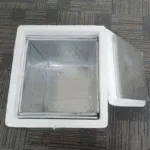
The shipping carton provides handling protection and a surface for required labels. Insulation slows heat exchange. Coolant supplies thermal capacity. Barriers and dividers control product position and contact. Absorbent or leak-containment materials may be needed for certain presentations. A tamper-evident closure may support the distribution process. Each component should have a defined function, and the assembled system should be tested in the exact arrangement used for delivery.
Do not treat a gel pack as a temperature specification
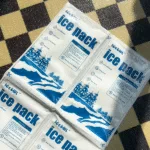
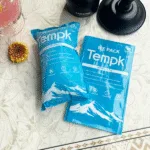
Adding a frozen Pacote de gel can make a package colder without making it suitable. It may create a freezing hazard near the product and still provide insufficient duration at the warmest location. Tipo de refrigerante, quantidade, condicionamento, colocação, and separation should be established by the packout design. Operators should not improvise by adding extra packs during hot weather unless that alternate configuration has an approved basis.
Keep patient and clinic handling simple
The recipient should be able to identify that prompt attention is required, open the package without damaging the medicine, transfer the product to the correct storage location, and contact a qualified person if the package is late, danificado, esquentar, congelado, molhado, or accompanied by an alarm. Instructions should be concise and product specific. They should not ask a patient to interpret raw temperature data or decide whether an excursion is acceptable.
Ferramentas úteis de decisão
Verifique os detalhes antes de escolher a embalagem
Essas ferramentas rápidas podem ajudá-lo a comparar o risco da rota, necessidades de dimensionamento, escolhas de refrigerante, e detalhes da embalagem antes de solicitar um orçamento.
Calculadora de acumuladores de frio
Estime a quantidade de bolsas de gelo em gel para remessas refrigeradas e planejamento prático de rotas.
Estimar bolsas de geloReferência de material de isolamento
Compare as opções de materiais de isolamento para diferentes necessidades de embalagens da cadeia de frio.
Compare materiaisSeletor de embalagens
Compare opções de embalagens isoladas por produto, rota, e necessidade de temperatura.
Encontre embalagensQualify the Delivery Configuration
Thermal evidence should cover the defined product load, pacote, processo de condicionamento, duração da rota, desafio ambiental, and receiving assumption. Minimum and maximum loads may both need evaluation because a small payload can respond differently from a full case. Sensor locations should be chosen to reveal likely warm and cold positions, not placed only where convenient.
For refrigerated vaccines in the United States, the CDC Vaccine Storage and Handling Toolkit published in July 2026 is a product-category-specific example of why direct transfer to appropriate storage, qualified containers and packouts, Monitoramento de temperatura, and manufacturer guidance matter. It also distinguishes short provider transport from commercial shipping. These vaccine instructions should not be generalized to all medications, but the distinction between product guidance, qualificação de pacote, and operational handling is broadly useful.
Qualification should lead to an approved packout instruction, not just a report. The instruction should show the components, condicionamento de refrigerante, sequência de carregamento, posição do produto, colocação de barreira, encerramento, rótulos, logger or indicator placement when used, and the maximum time allowed for assembly and staging. Staff training should cover both the normal process and the stop-work conditions.
Create a Closed Loop for Monitoring and Excursions
Monitoring should answer a defined quality question. A single-use indicator may show whether a threshold was crossed. A data logger may show time and temperature history at one sensing location. Neither device determines product disposition by itself. The organization should define which shipments are monitored, how devices are started and placed, who retrieves the data, what triggers quarantine, and who is authorized to evaluate an excursion.
A useful jurisdiction-specific reference is Health Canada's guidance for drug storage and transportation, which says excursion decisions should be assessed and documented using evidence and technical justification, and describes prompt receiving checks and transfer to appropriate controlled storage. Organizations outside Canada should use their own applicable rules, but the closed-loop process remains a sound design principle.
Build the Operating Checklist
- Confirm the exact medication, apresentação, quantidade, and approved shipping category.
- Verify the destination, horas de recebimento, responsible recipient, notification method, and controlled storage availability.
- Select the approved packout version for the payload and season or route condition.
- Verify coolant conditioning and assemble the packout in the documented sequence.
- Apply required handling, armazenar, segurança, and carrier labels without disclosing unnecessary information.
- Record the packout, hora do navio, serviço de transportadora, and monitoring device identification when used.
- Track delivery and escalate delays before the qualified duration or receiving window is exceeded.
- No recebimento, inspecionar, transferência para armazenamento controlado, document alarms or damage, and quarantine when required.
Avoid Common Failure Patterns
- Using the same refrigerated packout for every medication without checking the product-specific requirement
- Shipping late in the week without an approved weekend or failed-delivery plan
- Treating carrier transit time as the full thermal duration
- Allowing frozen coolant to touch freeze-sensitive product
- Reusing a shipper or coolant without a defined inspection, condicionamento, and requalification basis
- Giving the patient no clear action when the package is late, danificado, or outside expectations
- Assuming a logger provides protection rather than evidence
When the product requirement, janela de entrega, recipient capability, or excursion process cannot be controlled, the correct decision may be to use a different service, deliver to a staffed healthcare location, or postpone shipment. Packaging cannot compensate for an undefined or unmanaged delivery process.
Prepare the Information Needed for a Delivery Packout
Provide the approved storage and transport condition, sensibilidade de congelamento, faixa de carga útil, origem e destino, serviço de transportadora, risco sazonal, delivery and receiving window, monitoring expectation, and excursion workflow. These inputs allow the packaging configuration to be tested against a real delivery model.
Referências
The links below support the regulatory and technical boundaries discussed in this article. Local requirements and product-specific instructions still take precedence.
- FDA Expiration Dates Questions and Answers
- Kit de ferramentas para armazenamento e manuseio de vacinas do CDC 2026
- Health Canada Drug Storage and Transportation Guidance