Atualizado em: Poderia 26, 2026
Nestable Plastic Container Maker for Agricultural Export: Como escolher com menos risco
Uma equipe de compras não procura recipiente de plástico encaixável maker for agricultural export because it wants another generic box; it looks for a container that can survive real agricultural export work. The practical decision is whether the plastic container fits the payload, trabalhadores, rotina de limpeza, ciclo de retorno, e expectativas de documentação. Uma boa escolha deve tornar o carregamento mais rápido e seguro, sem criar riscos ocultos em termos de higiene., exposição à temperatura, manuseio molhado, ou revisão alfandegária.
Resposta prática
A nestable plastic container maker for agricultural export is suitable when the proposed container and supplier process support the payload, rota, processo de devolução, método de limpeza, and documentation expectations for agricultural export. Não deve ser aprovado apenas porque o recurso parece relevante. A compra mais segura é aquela apoiada por testes de amostra, respostas claras do fornecedor, e uma visão realista de onde o contêiner para e onde começa o processo operacional.
A verdadeira decisão de compra por trás desta pesquisa
A rota também determina o perfil de abuso. Um armazém limpo precisa de prioridades diferentes de uma doca molhada, um pool de retorno misto, ou uma rota de exportação transfronteiriça. Antes de pedir um orçamento, liste o pior dia comum em vez do melhor dia possível. Isso significa a espera mais longa, o elevador mais difícil, o chão mais molhado, a palete mais lotada, e o manipulador menos experiente que ainda usará o contêiner corretamente.
Uma especificação útil descreve como o contêiner se move pelo sistema. Será levantado manualmente ou empurrado em um carrinho? Ele entra em uma área de lavagem? Os rótulos serão digitalizados enquanto o contêiner estiver aninhado, empilhado, ou fechado? As unidades carregadas estão expostas ao sol, condensação em câmara fria, gelo derreter, ou vibração do veículo? Esses detalhes decidem se o design aninhado ajuda na operação ou simplesmente parece eficiente na imagem de um produto.
A escolha do contêiner deve começar com a pista. Mapa onde a carga útil é preenchida, onde espera, quem toca, como é carregado, e onde o destinatário toma uma decisão de aceitação. Isso transforma uma solicitação vaga de produto em um conjunto de condições operacionais. For agricultural export, os momentos importantes são muitas vezes transferências: um palete fica em uma doca, um trabalhador classifica retornos, uma transportadora muda de veículo, ou um receptor abre uma carga antes de movê-la para armazenamento controlado.
A decisão final do fornecedor deve ser escrita como uma suposição operacional: este contêiner transportará esta carga útil, nesta rota, sob estas regras de limpeza, com esses rótulos, tratado por essas pessoas, e aceito sob esses cheques de recebimento. Quando a suposição é escrita, as lacunas tornam-se visíveis. Se se espera que o contêiner faça mais do que seu design suporta, mudar o desenho, o processo, ou a expectativa antes de fazer um pedido em grandes quantidades.
Ajustar o contêiner à carga útil, Rota, e Fluxo de Retorno
Nesta aplicação, the container has to help teams protect produce quality through airflow, gerenciamento de umidade, packhouse handling, container returns, and export documentation without overpacking or trapping condensation. Agricultural cargo often suffers from small handling gaps: a hot loading dock, fluxo de ar deficiente, excessive compression, or a wet container returned without proper cleaning.
As decisões de design mais fortes são geralmente pequenas. Cantos internos suaves aceleram a limpeza. Um exterior texturizado pode ajudar na aderência, mas pode reter sujeira se a textura for muito agressiva. O código de cores suporta a segregação, mas precisa de uma disciplina de ordenação. Painéis de etiquetas moldados ajudam na rastreabilidade, mas devem permanecer legíveis quando os recipientes são empilhados, aninhado, ou embrulhado em um palete.
Um comprador também deve considerar como os trabalhadores se comportam sob pressão de tempo. Se um recipiente for difícil de abrir, atolamentos quando vazio, ou requer um movimento de dobramento preciso, as pessoas encontrarão atalhos. Atalhos tornam-se riscos de qualidade. Um design prático deve ser fácil de usar corretamente durante os turnos mais movimentados, não apenas durante uma análise de amostra em uma sala de reunião.
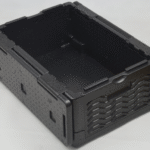
O valor prático de um projeto aninhado é que ele resolve um problema operacional sem criar outro.. Nesta aplicação, deve suportar menor pressão de volume de retorno, preparação mais fácil de contêineres vazios, e rotação mais limpa entre zonas de enchimento e lavagem. Esses benefícios só aparecem quando a parede lateral, aro, base, encerramento, e as áreas de rótulo correspondem à carga útil real. Um contêiner que é excelente para uma rota pode ser estranho em outra se o método de manuseio mudar.
As principais verificações de recursos para esta pesquisa são costelas anti-encravamento, força do aro, volume interno utilizável após recursos de aninhamento, estabilidade de empilhamento quando carregado, rotular áreas que permanecem visíveis em loops de retorno. Estes não são detalhes decorativos. Eles afetam a velocidade de carregamento, confiança na limpeza, comportamento da palete, aprovação de amostra, e se o contêiner pode ser usado repetidamente sem criar pontos de falha ocultos.
O que verificar antes de aprovar uma amostra
Uma avaliação prática do comprador deve traduzir a frase de cauda longa em perguntas mensuráveis. A tabela abaixo mantém a discussão fundamentada sem inventar números universais de desempenho. Use-o como um exemplo de lista de verificação de aprovação e ajuste-o para seu sistema de qualidade interno.
| Ponto de verificação do comprador | O que confirmar | Por que isso importa |
|---|---|---|
| Ajuste de carga útil | Confirm whether the plastic container fits packed produce, cartons of fruits or vegetables, harvest totes, returnable crates, and export staging loads without crushing, headspace excessivo, ou levantamento estranho. | O ajuste do produto evita danos e carregamento lento. |
| Ajuste de recurso | Verifique as costelas anti-encravamento, força do aro, volume interno utilizável após recursos de aninhamento. | O design aninhado deve resolver um problema real de fluxo de trabalho, não apenas adicionar um recurso de catálogo. |
| Limpeza e reutilização | Definir lavagem, secagem, inspeção, segregação, e regras de aposentadoria. | As embalagens reutilizáveis tornam-se arriscadas quando o ciclo de retorno não é controlado. |
| Limite da documentação | Identifique se os alimentos, químico, médico, Biotech, frutos do mar, exportar, ou registros de temperatura são necessários. | Um recipiente de plástico suporta registros, mas não os substitui. |
| Prontidão do fornecedor | Peça amostras, dimensões, informações materiais, abordagem de controle de mudanças, e consistência do pedido em massa. | A disciplina do fornecedor faz parte do desempenho do produto. |
A tabela é deliberadamente estruturada em torno de verificações e não de promessas. Isso é importante porque o mesmo contêiner pode ter um bom desempenho em uma rota e um mau desempenho em outra.. Depois que um fornecedor responde a essas perguntas, o comprador pode decidir se um modelo padrão é suficiente ou se dimensões personalizadas, inserções, rotulagem, isolamento, ou outra família de embalagens é necessária.
Uma lista prática tem três níveis. Primeiro, remover fornecedores que não conseguem explicar as dimensões básicas, informações materiais, e controles de amostra. Segundo, testar amostras em relação à sua rota de manuseio real. Terceiro, revisar a documentação e a estabilidade comercial antes de escalar. Esta sequência evita um problema comum: aprovar uma amostra bonita e descobrir depois que as unidades de produção, documentos, ou prazos de entrega não suportam o programa.
Quando o recipiente de plástico não é suficiente
A compatibilidade deve ser verificada em relação ao produto real. As embalagens de alimentos precisam de uma revisão correta do uso pretendido. Os programas químicos precisam de SDS e revisão de compatibilidade de materiais. Os programas de laboratório e biotecnologia precisam de segregação e revisão do sistema de qualidade. Os fluxos de trabalho de frutos do mar e carne precisam de verificações de higiene e manuseio úmido. Uma declaração de contêiner universal não é suficiente para nenhum desses ambientes.
A limpeza não é uma questão cosmética. Um recipiente reutilizável que não pode ser limpo e seco de forma consistente torna-se uma fonte de odor, resíduo, risco microbiano, falha no rótulo, ou preocupação de contato cruzado. Pergunte se o fornecedor pode descrever métodos de limpeza aceitáveis, expectativas de secagem, limites de temperatura para lavagem, e pontos de inspeção após reutilização. Quando essas respostas são vagas, o risco passa para sua operação.
Para carga regulamentada ou sensível à segurança, documentos são importantes. Os compradores podem precisar de informações SDS, revisão de contato com alimentos, procedimentos de transporte sanitário, Registros HACCP, regras de liberação de qualidade, registros de temperatura, ou documentação do mercado de destino, dependendo do produto. O contêiner deve facilitar a aplicação desses controles: rótulos claros, separação de lote visível, superfícies limpas, fechamentos previsíveis, e cargas estáveis.
A proteção de temperatura é frequentemente mal compreendida. Um isolado ou recipiente térmico retarda a transferência de calor, mas o resultado final depende da temperatura inicial da carga útil, o refrigerante ou plano PCM, o espaço livre, o fechamento, a exposição ambiental, e o tempo fora do armazenamento controlado. Um recipiente ventilado ou à prova d'água pode resolver o fluxo de ar ou o manuseio úmido, mas não deve ser descrito como com temperatura controlada, a menos que a embalagem completa seja definida.
Para muitos compradores, a pergunta mais útil é: que decisão o destinatário tomará quando a remessa chegar? Se o receptor verificar apenas as condições externas, a evidência da embalagem é limitada. Se o receptor verificar a temperatura do produto, registros do registrador de dados, integridade do rótulo, e condição da caixa, o contêiner precisa suportar essas verificações sem retardar o descarregamento.
As orientações oficiais e os procedimentos internos de qualidade devem ser usados como condições limite e não como alegações de marketing. Os requisitos variam de acordo com o produto, rota, modo de transporte, e mercado, portanto, o comprador deve verificar as regras específicas antes de transformar um recurso de contêiner em uma declaração de conformidade.
Ferramentas úteis de decisão
Verifique os detalhes antes de escolher a embalagem
Essas ferramentas rápidas podem ajudá-lo a comparar o risco da rota, necessidades de dimensionamento, escolhas de refrigerante, e detalhes da embalagem antes de solicitar um orçamento.
Gerador de lista de verificação de conformidade
Crie uma lista de verificação prática para revisão de embalagens, envio, e documentação.
Lista de verificação de construçãoSeletor de embalagens
Compare opções de embalagens isoladas por produto, rota, e necessidade de temperatura.
Encontre embalagensVerificador de risco de rota
Revise as condições da pista antes de selecionar a embalagem para requisitos operacionais reais.
Verifique o risco da rotaRevisão de fornecedores para pedidos em massa ou personalizados
A prova do fornecedor deve corresponder ao nível de risco. Para movimentação normal em armazém, uma folha de dados e inspeção de amostra podem ser suficientes. Para contato com alimentos, químico, médico, Biotech, ou uso sensível à temperatura, você pode precisar de mais documentação. Isso pode incluir declarações materiais, orientação de limpeza, Revisão de compatibilidade relacionada ao SDS, resumos de testes, ou evidência de qualificação de embalagem, Dependendo do aplicativo.
Para pedidos em massa ou personalizados, A consistência da amostra até a produção é importante. Um protótipo pode ser produzido cuidadosamente, enquanto a produção em massa depende do controle de ferramentas, consistência de resina, tempo de resfriamento, tolerância dimensional, e inspeção final. Os compradores devem manter uma amostra aprovada, definir dimensões críticas, posições de etiqueta de fotografia, e concordar sobre como as substituições ou alterações de design serão comunicadas antes da produção.
Tempo de espera, Quantidade mínima, e customização devem ser discutidos como riscos operacionais, não apenas termos comerciais. Uma ordem urgente que muda a resina, corante, projeto de dobradiça, ajuste da tampa, ou a espessura da parede pode criar um recipiente diferente da amostra. Quando o contêiner suporta um processo de qualidade ou exportação, o controle de mudanças faz parte da disciplina de compras.
O artigo final mais seguro para um comprador não é aquele que diz que um recipiente específico é sempre melhor. É aquele que mostra onde o produto se encaixa e onde o processo deve carregar o risco restante. Para cadeia de frio e logística sensível, esta distinção protege o comprador de comprar em excesso, subespecificação, ou pedir um recipiente de plástico para resolver problemas que necessitam de design de embalagem, monitoramento, ou controle de rota.
Antes de aprovar um fabricante, peça ao fornecedor para confirmar o uso pretendido, declaração de materiais, desenho ou folha de dimensões, método de embalagem para entrega, prazo de entrega da amostra, prazo de produção, Pontos de verificação de controle de qualidade, e como as unidades não conformes são tratadas. For agricultural export, add application-specific questions around exporters should confirm destination phytosanitary, contato com alimentos, limpeza, and transport requirements rather than treating a plastic container as proof of compliance.
Exemplo prático: Building a Safer Agricultural Export Workflow
Em uma remessa comum, o contêiner é apenas uma parte da decisão de aceitação. O receptor olha para a etiqueta, selo, condição externa, registro de temperatura, se usado, aparência do produto, e se a carga ficou separada de itens incompatíveis. É por isso que a especificação do contêiner deve ser escrita junto com a lista de verificação de recebimento.
Imagine um comprador comparando duas amostras. Um tem paredes mais grossas e um preço mais alto; o outro aninha-se melhor e economiza espaço de retorno. A amostra mais barata pode ser melhor se a logística vazia dominar o custo. A amostra mais forte pode ser melhor se as reclamações de danos, manuseio brusco, ou empilhamento de exportação são o principal risco. A decisão certa não é o menor preço unitário; é a opção que reduz o atrito operacional total.
Um cenário típico começa com uma reclamação de qualidade: mercadorias chegam molhadas, rótulos são ilegíveis, recipientes são difíceis de limpar, ou pilhas de paletes inclinadas durante a preparação. A equipe de compras pode ficar tentada a trocar de fornecedor imediatamente. Um primeiro passo melhor é documentar o ponto de falha. Se o problema for condensação, uma caixa impermeável selada pode piorar a situação. Se o problema for fluxo de ar, um design ventilado pode ajudar. Se o problema for o tempo de permanência, O planejamento do isolamento e da refrigeração pode ser mais importante do que o formato do recipiente.
O exemplo mostra por que uma especificação de contêiner não deve ser isolada da lista de verificação de recebimento. Se a equipe não puder descrever como a carga é inspecionada, como as unidades reutilizáveis são limpas, e quais evidências apoiam uma decisão de temperatura ou segurança, o fornecedor não pode resolver o problema sozinho.
Notas de aquisição para projetos em massa ou personalizados
A compra em massa deve definir o que não pode mudar. For a nestable plastic container maker for agricultural export, que pode incluir dimensões externas, espaço útil interno, design de tampa, comportamento de aninhamento ou empilhamento, cor, área do rótulo, família material, e contagem de embalagens por caixa ou palete. Quando esses itens são tratados como preferências em vez de requisitos controlados, um novo pedido pode lentamente se afastar da amostra aprovada.
Projetos personalizados devem começar com um desenho ou exigência por escrito, não apenas uma foto. Se o recipiente de plástico precisar caber em um palete específico, prateleira, sala refrigerada, Rota para Caminhões, ou etapa de inspeção, escreva essas restrições na RFQ. Se o projeto envolver isolamento, aberturas, juntas, dobradiças, ou drenagem especial, confirmar como esses elementos são inspecionados após a produção.
For agricultural export, a decisão comercial deve incluir regras de retorno e aposentadoria. Os contêineres reutilizáveis precisam de um método para contar ativos, separando retornos sujos, identificando unidades danificadas, e decidir quando retirar uma unidade de serviço. Sem essa disciplina, o comprador pode economizar em embalagens descartáveis, mas perder o controle de qualidade e rastreabilidade.
Uma cotação final deve identificar o que está incluído e o que não está incluído. O recipiente pode não incluir refrigerante, forros, registradores de dados, Tampas de paletes, rótulos, documentação de exportação, ou qualificação de rota, a menos que esses itens façam parte especificamente do pedido. O escopo claro protege tanto o comprador quanto o fornecedor de mal-entendidos posteriores.
Perguntas frequentes
O que devo perguntar a um fabricante antes de solicitar amostras?
Peça dimensões, volume utilizável, informações materiais, orientação de carga, detalhes de fechamento, recomendações de limpeza, opções de rotulagem, controles da amostra até a produção, e quaisquer documentos específicos da aplicação. Se o produto for comida, químico, médico, Biotech, frutos do mar, ou sensível à temperatura, adicione perguntas sobre compatibilidade, documentação, e evidências de teste que correspondam à rota pretendida.
Devo escolher um tamanho personalizado ou um modelo padrão?
Os modelos padrão são geralmente mais fáceis de amostrar, reordenar, e substitua. O dimensionamento personalizado faz sentido quando a carga útil, pegada de palete, manuseio automatizado, layout do refrigerante, ou o requisito de marca não pode ser resolvido com uma opção padrão. Antes de personalizar, confirmar as dimensões críticas e como as alterações serão controladas durante a produção.
Que documentação é importante para remessas sensíveis?
A documentação depende da carga. Os programas alimentares podem necessitar de registos de contacto com alimentos e de limpeza. Programas químicos podem exigir revisão de FDS e mercadorias perigosas. Médico, laboratório, e remessas de biotecnologia podem precisar de faixa de temperatura, monitoramento, e registros do sistema de qualidade. Programas de frutos do mar e carne podem exigir higiene, HACCP, inspeção, ou documentação do mercado de exportação.
Is a nestable plastic container enough for agricultural export?
Não por si só. Pode suportar o manuseio, proteção, eficiência de retorno, fluxo de ar, isolamento, ou controle de umidade dependendo do design, mas o processo completo ainda precisa de definição de carga útil, regras de limpeza, recebendo cheques, e quaisquer controles de temperatura ou documentação necessários. Para produtos regulamentados, a equipe de qualidade ou conformidade deve confirmar os requisitos finais.
Como comparo o preço unitário com o custo operacional total?
Olhe além do preço do contêiner. Inclui frete de retorno, mercadorias danificadas, tempo de limpeza, rótulos perdidos, estabilidade da palete, velocidade do trabalhador, espaço de armazenamento, e cargas rejeitadas. Uma unidade mais cara pode ser mais barata na prática se reduzir falhas de manuseio. Uma unidade de custo mais baixo pode ser adequada quando a rota é simples e o risco é baixo.
Conclusão
A nestable plastic container maker for agricultural export should be chosen only after the route, carga útil, rotina de limpeza, prova do fornecedor, e os limites da documentação são claros. The nestable design can add real value for agricultural export, especialmente quando suporta menor pressão de volume de retorno, preparação mais fácil de contêineres vazios, rotação mais limpa entre zonas de enchimento e lavagem. Não é um substituto para requisitos específicos do produto, planejamento de temperatura, SDS ou revisão de segurança alimentar, ou decisões de lançamento de qualidade. A melhor próxima etapa é escrever uma breve especificação de caso de uso, testar amostras em condições reais de manuseio, e confirme quais evidências são necessárias antes do pedido em massa.
Sobre Tempk
Suprimentos temporários embalagem da cadeia de frio produtos e planejamento de apoio para entrega de alimentos, remessa de amostras farmacêuticas e de laboratório, frutos do mar e exportação congelada, e programas de frete paletizado. When a buyer is considering a nestable plastic container maker for agricultural export, nosso papel é ajudar a esclarecer a parte da cadeia de frio da decisão: isolamento, mídia de resfriamento, exposição da rota, proteção de paletes, revisão de amostra, e requisitos de embalagem a granel ou personalizada. Isso mantém a discussão sobre contêineres conectada às condições reais de embarque.
If you are comparing suppliers for a nestable plastic container maker for agricultural export, peça à Tempk para revisar o contexto da remessa, sensibilidade à temperatura, e processo de manuseio antes de aprovar amostras ou dimensionar para um pedido em massa.