


Pacote de gelo seco no atacado para especificação de transporte de doces
Pacote de gelo seco no atacado para especificação de transporte de doces
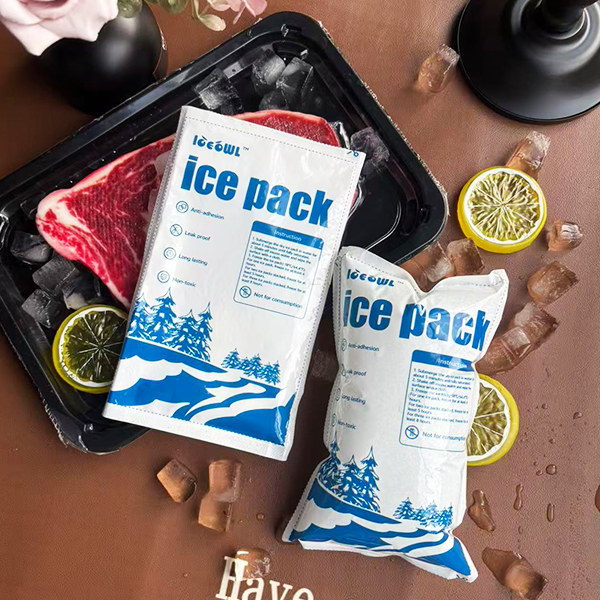
How to Specify a Wholesale Dry Ice Pack for Candy Transport
A melted bar is an obvious failure. A glossy assortment that arrives cold but develops sugar bloom the next day is harder to diagnose. Both outcomes can begin with the wrong wholesale dry ice pack for candy transport specification. The phrase itself is the first risk: it may mean solid carbon dioxide, a hydrated cooling sheet, um pacote de gel, or a phase-change pack. These materials do not share the same temperature, perigos, condicionamento, or transport status. A professional specification therefore starts with the candy’s acceptable condition and ends with a controlled shipping system. The pack is one component between those two points.
Write a Product Condition Statement
Before choosing insulation or coolant, write a one-page condition statement for each candy family. It should say what must be protected and how success will be judged. This prevents procurement from turning “keep cool” into an arbitrary low temperature.
For a plain chocolate bar, the concern may be shape, lustro, florescer, foto, odor, and wrapper release. A filled bonbon may add center stability and a shorter handling window. A gummy assortment can be sensitive to tackiness and deformation. A hard-candy product may tolerate normal ambient temperatures but need strong moisture protection. A cream-filled or otherwise perishable confection can have safety controls established by the producer’s food-safety plan.
Include these elements:
- Product name and formulation family.
- Primary and secondary packaging.
- Approved dispatch condition.
- Acceptable temperature or product-condition limits.
- Visual, textura, and food-safety failure criteria.
- Maximum planned time from packing to controlled receipt.
- Any acclimation or receiving instruction.
- Quality authority responsible for excursion disposition.
Do not copy a temperature from a generic chocolate article into this statement. Pure chocolate guidance can inform development, but the exact formulation, enchimento, geometria, and shelf-life evidence govern the commercial product. If the team cannot define the acceptable condition, it cannot determine whether a test passes.
Resolve the Coolant Identity Before Comparing Prices
Solid carbon dioxide is true dry ice. It is about minus 78.5 degrees Celsius at atmospheric pressure and sublimates into gas. It can create severe local cold exposure and requires a package that releases gas. Depending on transport mode and jurisdiction, dangerous-goods marking, informações de quantidade, documentação, treinamento, and carrier acceptance can apply. It should not be placed in direct contact with candy or enclosed in an airtight container.
A hydrate sheet is commonly supplied dry, absorve água, and is then frozen. A gel pack contains a sealed water-based or formulated filling. A PCM pack contains a material selected for a defined phase transition. These reusable or potentially reusable products are not solid carbon dioxide. Their commercial names should not drive classification or performance assumptions.
For most heat-sensitive candy, begin by evaluating an appropriately conditioned water-based or PCM coolant in an insulated shipper. Actual dry ice is a specialized option for a payload genuinely approved for frozen transport, not an upgrade for ordinary chocolate. If a sales quotation simply says “dry ice pack,” require the supplier to state composition, ativação, condicionamento, classificação de transporte, and safety instructions in plain terms.
This identity check also prevents an operational error. Workers who believe a frozen gel sheet is dry ice may use unnecessary hazardous-material procedures; workers who mistake solid carbon dioxide for a reusable pack may seal it dangerously or handle it without protection.
Convert the Route Into a Thermal Challenge
Route duration is only one input. Record where the package waits, whether it is consolidated, how often it changes hands, and what happens at delivery. The challenge should include realistic hot and cold exposure, assembly delay, variação de carga útil, e condições de recebimento.
Consider a premium chocolate parcel shipped from a controlled warehouse. It waits near an open dock, travels in a line-haul trailer, passes through a hub, enters a local van, and may remain on a doorstep. The doorstep is visually dramatic, but the dock or van may be the dominant heat event. Na chegada, a cold product is opened in humid air and develops condensation. A test that stops when the carrier scan says “delivered” misses the final quality risk.
Create a route worksheet with:
| Route element | Evidências para coletar | Design implication |
|---|---|---|
| Preparação de origem | Tempo, temperatura, exposição solar, configuração de paletes | Assembly limit and outbound insulation |
| Carrier network | Modo, habitar, classificação, orientação, extremos sazonais | External profile and pack restraint |
| Payload variation | Minimum and maximum order family | Coolant mass and air-space control |
| Destino | Prazo de entrega, sombra, receiving capacity, umidade | Last-mile margin and acclimation instruction |
| Exceções | Weekends, alfândega, entrega perdida, refrigeration loss | Contingency duration and monitoring decision |
The worksheet turns vague “summer shipping” into testable conditions. It also reveals when a carrier or process change needs review, even though the box and coolant have not changed.
Design Against Both Hot Spots and Cold Spots
Insulation slows environmental heat. Coolant absorbs it. Product and packaging add thermal mass. Their arrangement creates gradients, so average air temperature can conceal both a hot corner and an overcooled contact face.
Place cooling components to intercept likely heat paths, but keep them from pressing on delicate display cartons. Use defined dividers or sleeves when direct contact can cause cold damage, abrasão, or wetting. Control headspace because free air can circulate and because different order fills alter thermal capacity. Restrain packs so vibration does not change the evaluated geometry.
Conditioning must be a production process. Specify the equipment setting, padrão de carregamento, tempo mínimo, transfer limit, and any controlled tempering step. Para folhas hidratadas, define water quality if relevant, método de imersão, drenagem, target hydrated condition, e inspeção. Para PCM, identify the correct formulation and how workers verify conditioning state. Para pacotes de gel, specify rejection of leaks, inchaço, delaminação, or contaminated surfaces.
Moisture control crosses every layer. Use suitable primary wrappers, protect presentation cartons from pack condensation, and maintain closure integrity. If the product owner approves acclimation in the sealed wrapper, include it in receiving instructions. Never use warm holding as a casual remedy for a confection that requires refrigeration for safety.
Qualify the Configuration, Not the Component
A supplier’s “hours of cooling” claim cannot be transferred to a different box. Qualification should identify the complete bill of materials, carga útil, pacote, condicionamento, desafio externo, logger method, e critérios de aceitação.
Use representative commercial product or a justified surrogate. Include the correct primary and secondary cartons because they influence heat flow and moisture. Test low and high payload configurations when both will be shipped. Place sensors at risk-based locations: near suspected hot corners, near coolant contact faces, and at representative product positions. Document probe attachment because a sensor in air reports a different event from one coupled to the product.
Review the trace rather than only the pass/fail label. An initially low reading may reveal insufficient tempering. A late rapid rise can show that the coolant is exhausted. Repeated spikes may correspond to chamber cycling or door events. Compare repeats to understand packout and material variability.
Standard thermal profiles can support development and cross-design comparison. Lane qualification adds route-specific evidence. Neither means the candy will remain saleable after any delay, nor does it excuse the quality team from setting disposition rules. A data logger records conditions; não protege o produto.
The approved report should be connected to drawings, fotografias, work instructions, treinamento, and a change-control list. A test is valuable only if production can reproduce the tested system.
Make the Wholesale Contract Protect Consistency
Price negotiations should happen after functional requirements are explicit. A robust purchase specification covers:
- Plano, preenchido, hidratado, and frozen dimensions as applicable.
- Coolant or absorbent fill tolerance.
- Filme, barrier structure, e construção de vedação.
- Cell pattern, válvula, encerramento, e impressão.
- Lot coding and production records.
- Leak and visual inspection methods.
- Packaging and storage before use.
- Conditioning and activation instructions.
- Material declarations for the intended contact scenario.
- Change notification for formula, filme, dimensões, processo, or site.
- Nonconformance, reclamação, e processo de ação corretiva.
Request samples from normal production and compare them with later lots. Conduct an incoming inspection that focuses on functional risk instead of cosmetic measurements alone. Por exemplo, seam placement and frozen thickness may matter more to a divider fit than minor print variation.
Se a reutilização for planejada, assign responsibility for cleaning, inspeção, quarentena, e aposentadoria. The supplier may design a durable pack, but only the operator controls what happens after the first trip. Avoid putting an unverified cycle count in the contract. Define condition-based acceptance and collect operational data during the program.
Bulk purchasing also affects freezer and labor capacity. Calculate the space needed for conditioned packs, the time to rotate inventory, and the effect of peak orders. A compact hydration sheet may reduce storage before activation but shifts work to soaking, drenando, congelando, e inspeção. A filled brick consumes more inbound volume yet may be simpler to condition consistently. Total operating cost is more useful than unit cost.
Put Sustainability and Customer Experience on the Same Scorecard
An oversized box with excessive coolant can prevent some heat exposure, but it increases material, frete, energia de condicionamento, e carga de descarte. An underbuilt packout increases damaged product and reshipment. The goal is a right-sized system that delivers saleable candy reliably.
Compare options per successful delivery. Count the insulated shipper, refrigerante, caixa externa, energia de condicionamento, movimento de retorno, lavar, perda, and damaged candy. For a closed local route, durable reusable packs and containers may perform well because returns are predictable. For scattered one-way ecommerce deliveries, return logistics can be impractical, and a compact or locally manageable component may be preferable.
Customer experience belongs in the assessment. The package should identify reusable frozen coolant accurately, contain any moisture, evite odores fortes, and provide clear handling or disposal instructions. Solid carbon dioxide requires specific warnings and must not be presented as an ordinary reusable accessory.
Continuous improvement should use claims, registros de temperatura, receiving photographs, and pack recovery data. Do not react to one melted parcel by adding coolant everywhere. Determine whether the cause was warm product, a late collection, wrong pack conditioning, a closure error, extreme exposure, or an unsuitable design. The corrective action should address the actual failure.
Perguntas frequentes
What is the best first sample for a wholesale candy program?
Choose a sample that fits the planned carton and represents a feasible conditioning process. Ask for material identity, dimensions in the used state, tolerância de preenchimento, instruções de ativação, seal information, and a production-origin sample. Then build a representative packout rather than testing the pack alone. One sample cannot establish seasonal performance, but it can quickly reveal fit, manuseio, condensação, and quality concerns.
Can I specify a fixed number of packs per kilogram of candy?
Not safely as a universal rule. Área de superfície, isolamento, espaço vazio, temperatura inicial, geometria do pacote, exposição ambiental, e a aceitação limita toda a matéria. A ratio may be derived for one qualified family of boxes, but it should stay within that family’s approved payload and route conditions. Retest before applying it to a new shipper or assortment.
Should the coolant touch the candy carton?
Only if the evaluated configuration allows it. Direct contact increases heat transfer and may create a cold spot, condensação, abrasão, or crushing. A controlled divider or air gap is often useful for delicate chocolate. The correct arrangement depends on the coolant temperature, invólucro, sensibilidade do produto, and thermal test results.
What happens if a supplier changes the gel formulation?
The change may alter phase behavior, viscosidade, resposta a vazamentos, peso, e desempenho térmico. Your agreement should require notification and technical assessment before implementation. Depending on the significance and existing evidence, verificações dimensionais, material review, or repeat thermal testing may be appropriate. Document the decision before accepting production lots.
Is actual dry ice prohibited for candy?
Not categorically. It can be used when the candy or related frozen dessert product is approved for that condition and the package meets safety and transport requirements. It is usually an unnecessarily extreme choice for ordinary chocolate and sugar confectionery. Product compatibility and a qualified, vented packout must drive the decision.
Conclusão
A dependable specification links seven things: condição do produto, identidade do refrigerante, desafio de rota, geometria do pacote, evidência de teste, controle de produção, and receiving practice. Miss any one and a cold pack can still deliver poor candy. Treat solid carbon dioxide as a distinct hazardous refrigerant, not as a synonym for reusable frozen packs. Buy components by their documented composition and repeatability, then approve them only in a shipping configuration that protects heat-sensitive confectionery without causing cold or moisture damage.
Sobre Tempk
Tempk supplies several cooling and insulated-packaging component formats that can be considered for confectionery distribution, including water-activated cellular sheets, pacotes de gel, tijolos de gelo, sacos isolados, e caixas. A useful supplier discussion begins with the candy family, dimensões do expedidor, capacidade de condicionamento, rota, and quality limits. Tempk can help narrow component choices and prepare samples for evaluation, while qualification and release decisions remain tied to the buyer’s complete packout and product evidence.
Send Tempk your draft condition statement and route worksheet to discuss a sample-to-production review for a wholesale candy cooling program.
Pacote de gelo seco do fornecedor para plano de logística de vegetais
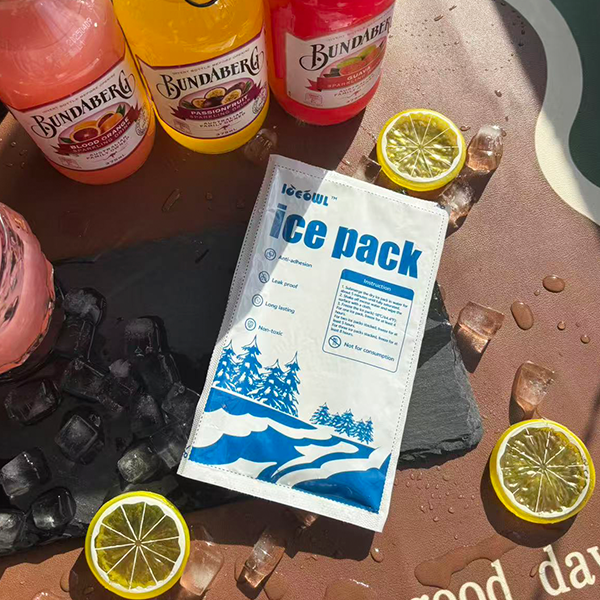
A Procurement Plan for Supplier Dry Ice Pack for Vegetable Logistics
The purchasing brief “keep vegetables cold” is incomplete and sometimes dangerous. It ignores the crop’s lower temperature limit, humidity need, respiração, ethylene response, precooling history, and carton ventilation. It also leaves a supplier dry ice pack for vegetable logistics undefined. The product could be actual solid carbon dioxide, a water-activated cooling sheet, uma bolsa de gel, an ice brick, or a PCM. A publish-ready commercial specification must resolve those uncertainties and connect the crop’s operating envelope to a reproducible supplier component, pacote, e rota. The objective is not the most cooling. It is the least complicated system that reliably delivers saleable, safe produce within defined boundaries.
Create a Crop-and-Route Dossier
Build the dossier before requesting samples. It should identify the crop, cultivar or commercial type, maturidade, harvest conditions, intact or fresh-cut status, embalagem primária, dimensões da caixa, padrão de ventilação, faixa de carga útil, precooling method, and approved dispatch condition.
Add the physiological boundaries:
- Recommended temperature range and maximum duration.
- Freezing and chilling sensitivity.
- Relative-humidity need and free-water intolerance.
- Respiration behavior.
- Ethylene production and sensitivity.
- Ventilation or atmosphere requirements.
- Hematomas, compressão, and vibration sensitivity.
- Quality defects and food-safety controls.
Use crop-specific postharvest guidance. Near-freezing management may be appropriate for broccoli, while cucumbers can suffer chilling damage and winter squash is handled warmer with a different humidity approach. Do not average incompatible crops into one target.
Map the route from harvest through receiving. Include time before precooling, cooling completion, cold-store dwell, embalagem, preparação de doca, transferências de operadora, eventos de abertura, border or airport delays, última milha, and destination capability. Record hot and cold seasons and low or high payload.
State the decision owner. A cooling-pack supplier can support component selection and testing; the grower, processador, empacotador, or distributor’s qualified team defines product acceptance and excursion disposition. If temperature control is required for food safety, connect the dossier to the food-safety plan and applicable sanitary transportation responsibilities.
The dossier prevents a common category error: treating a passive parcel pack as a substitute for harvest shade, pré-resfriamento, refrigeração ativa, saneamento, ou recebendo disciplina.
It should also define compatibility rules for mixed orders. A shared target temperature is not enough if one crop produces ethylene, another is highly sensitive to it, and a third needs a drier atmosphere. Record which products may share a box, which need separate primary packaging, and which require a different route family. This turns assortment planning into a controlled input rather than a last-minute packing decision.
Add a responsibility map for handovers. The farm may own field heat removal, a consolidator may verify precooled condition, a fulfillment center may condition packs, the carrier may control vehicle practices, and the receiver may assess arrival. When ownership is vague, the passive pack is often blamed for a gap it could never correct. Named responsibilities also make deviation investigations faster.
Establish Both a Warm Limit and a Cold Limit
An effective system holds produce between two failure regions. Above the warm limit, respiração, perda de água, senescence, amolecimento, amarelecimento, and microbial processes can accelerate. Below the cold limit, freezing or chilling injury can occur. The lower limit varies far more across vegetables than generic cold-chain language suggests.
O gelo seco real é dióxido de carbono sólido em torno de menos 78.5 graus Celsius. It should not be placed near ordinary fresh vegetables. It can freeze tissues rapidly, libera gás, must not be sealed airtight, and adds worker and transport obligations. It is relevant only to products intentionally specified as frozen and protected in a suitable system.
Water-based gel or hydration packs are not actual dry ice, but they can start below a crop’s safe range. Refrigerated-range PCM may reduce the temperature difference when properly selected and conditioned. A divider or controlled air space can limit direct conduction. Insulation reduces environmental heat. The design should use these elements to maintain both margins.
| Boundary risk | Causa provável | Controle preventivo | Evidência |
|---|---|---|---|
| Warm produce at center | Inadequate precooling or high respiration | Confirm pulp condition before packing | Dispatch record and representative product probe |
| Chilling at sidewall | Frozen coolant contact or wrong grade | Seleção PCM, têmpera, and defined separator | Cold-location thermal test and quality observation |
| Warm corner | Insulation joint, vazio, or shifted pack | Controlled geometry and restraint | Hot-location probe and handling challenge |
| Wilted leaves | Low humidity or excessive ventilation | Suitable primary pack and humidity strategy | Mass loss and quality evaluation |
| Wet or decayed surface | Condensação, vazamento, or trapped water | Drenagem, barreira, controle de vazamento, and vent design | Moisture inspection after route simulation |
| Harmful atmosphere | Blocked vents or uncontrolled CO2 | Preserve gas exchange and avoid dry-ice assumptions | Package-atmosphere assessment when relevant |
The table helps procurement understand that performance has several dimensions. A supplier’s lowest temperature or longest-duration claim addresses none of them without context.
Preserve ventilation deliberately. Carton holes, bag perforations, pallet channels, and tote openings may support forced-air cooling or gas exchange. A flexible sheet that folds over those openings can change both temperature uniformity and atmosphere. Document the allowable coolant footprint and orientation so the evaluated airflow path survives production packing.
Qualify the Component Inside the Commercial Packout
Ask suppliers for exact material identity, instruções de condicionamento, dimensões, fill tolerances, phase data for PCM, film and seal construction, documentação de contato com alimentos, rastreabilidade de lote, e alterar controles. Then test normal-production samples in the planned system.
Write a protocol before the chamber run or lane pilot. Especificar:
- Crop, pacote, maturidade, e condição inicial.
- Caixa externa, isolamento, aberturas, divisor, e fechamento.
- Coolant product code, muito, contar, condicionamento, colocação, e contenção.
- Carga mínima e máxima.
- Ambient temperature and handling profile.
- Sensor range, precisão, calibração, intervalo, and locations.
- Product temperature and quality acceptance criteria.
- Repeat strategy and deviation handling.
Use representative produce. A water bottle can help compare early concepts but does not reproduce respiration, transpiration, gas exchange, geometria, or delayed chilling injury. Se um substituto for usado, justify which properties it represents and what subsequent product testing is required.
Place development probes near suspected warm walls, tampas, cold contacts, and representative product centers. State whether each measures air, packaging surface, or tissue. Review full traces rather than only start and finish.
After exposure, assess crop-relevant quality. Include firmness, murchando, mass loss, amarelecimento, corrosão, descoloração, água, decadência, odor, contusões, and package condition as appropriate. Chilling-sensitive vegetables may need observation after rewarming. Fresh-cut products may require additional shelf-life or microbiological evaluation under the processor’s program.
Standard thermal profiles can provide consistent comparison for parcel packaging. Route trials incorporate actual operations. Neither authorizes substitution or unlimited delay. The report should define the evaluated boundaries and connect them to a bill of materials, fotografias, condicionamento, e instruções de embalagem.
Convert Qualification Into a Supplier Contract and Work System
The purchasing specification should protect every attribute that the approved design uses. Depending on format, define dry, ativado, e dimensões congeladas; coolant or absorbed-water mass; padrão de célula; filme; selo; válvula; phase formulation; rótulo; limpeza; odor; e armazenamento.
The supplier agreement should address:
- Lot release and traceability.
- Critical inspection methods and tolerances.
- Documents supplied with each lot.
- Nonconformance and quarantine.
- Complaint investigation and corrective action.
- Advance notice for material, fórmula, dimensões, ferramentas, site, processo, or sub-supplier changes.
- Reference or retention samples when justified.
- Business continuity and approved alternatives.
Solicite amostras de produção normal, not only prototypes. Inspect them after activation and conditioning. A swollen hydration sheet may cover vents; a rigid brick may no longer fit the divider; a seam can become brittle when frozen.
Commercial evaluation should include minimum order, tempo de espera, quantidade de caixas, armazenamento de entrada, water and labor for activation, Espaço no congelador, encenação, velocidade da linha, identificação personalizada, e tratamento de devolução. Unknown figures remain supplier questions. Compare total controlled cost per commercial packout.
Translate the approved design into an unambiguous work system. Use component codes, status labels, fotografias, pack kits, and segregated areas for dry, condicionamento, preparar, voltou, em quarentena, and rejected material. Similar PCMs should not rely on color alone.
Define the maximum time from precooling release to pack closure and from coolant removal to use. Map conditioning equipment under representative loading if required by the operation. Do not use a pack to cool down warm vegetables or add coolant outside the approved matrix.
Receiving completes the system. Inspect temperature or indicator status where used, caixas, aberturas, umidade, vazamentos, odor, dano físico, and crop-specific defects. Maintain shipment and produce-lot traceability. Hold uncertain product and follow the approved disposition process.
Create a short receiving decision tree before launch. It should distinguish obvious physical rejection, an acceptable monitored shipment, missing or unreadable data, and a temperature event requiring technical review. For chilling-sensitive crops, the procedure may place representative units under observation because damage can appear after rewarming. For fresh-cut products, the processor’s food-safety program may require a more immediate and conservative response. The receiver should never improvise a universal rule from how cold the carton feels.
Training should include why each step exists. Packers are more likely to preserve a divider when they understand that it prevents a cold contact point, and receivers are more likely to protect vented cartons when they understand their role in airflow. Record training and retrain after meaningful changes. A visually simple packout can still fail when a small unrecognized substitution changes the thermal circuit.
Improve Cost and Sustainability Without Losing Margin
The correct comparison is cost per saleable delivery, não custa por pacote. Include product loss, embalagem, refrigerante, trabalho, pré-resfriamento, energia de condicionamento, frete, retorna, lavar, inspeção, e manuseio de resíduos.
A dry hydrate sheet may reduce inbound volume but adds activation water and process steps. A rigid reusable PCM can offer many rotations on a closed lane but adds mass and tracking. A one-way insulated parcel can be practical for dispersed customers but may face limited material recovery. Actual dry ice cannot be reused and brings hazards that are hard to justify for fresh produce.
Measure sustainability with the same functional boundary. Produce loss has a footprint, but that fact should not excuse an oversized system. Use data to reduce unnecessary material while protecting the same crop and route requirement.
Start improvements with operations:
- Shorten time from harvest to precooling.
- Keep product shaded.
- Improve precooling completion checks.
- Align carton and pallet vents.
- Coordinate carrier pickup.
- Reduce dock dwell.
- Group compatible crops.
- Select among approved seasonal configurations.
Then test packaging changes one at a time. A thinner liner, smaller pack, different film, or revised divider can change both warm and cold margins. Enter changes through risk assessment and qualification.
Para programas reutilizáveis, calculate actual rotations. Perda de rastreamento, dano, limpeza, distância de retorno, e desempenho térmico. Use condition-based retirement for leaks, delaminação, contaminação, deformação, or identification loss. A reusable claim without a return system is only a material characteristic.
Continuous improvement requires integrated data. Combine temperature traces, recebendo inspeções, reivindicações, crop waste, conditioning records, morada da transportadora, e desvios de fornecedores. Investigate cause before changing coolant count. Warm arrivals may start in the field; cold injury may start at the sidewall; condensation may start in the packing room.
Perguntas frequentes
What should a supplier proposal include before pricing?
It should identify coolant composition, ativação e condicionamento, dimensions and mass tolerances, film and seals, phase data where relevant, intended contact documentation, controles de lote, available test context, notificação de alteração, pacote de casos, and commercial assumptions. A proposed packout should state the crop, carga útil, isolamento, colocação, and route boundaries.
Can a hydrate sheet be cut to fit a vented carton?
Only if the product design and supplier instructions allow cutting at defined seams without damaging cells or seals. Cutting can change mass, cobertura, risco de vazamento, e fluxo de ar. Standardize the final shape and count, then test that commercial arrangement rather than letting each operator improvise. Train operators on the approved cut pattern.
Is the vegetable pulp temperature the same as package air?
Não. Product tissue changes more slowly and can differ by position, tamanho, e entre em contato. Air sensors respond quickly to door openings and coolants. Development testing may use both air and product-coupled probes. Routine measurement should follow the evidence and the operation’s receiving procedure. Use the measurement method defined by the protocol.
How should chilling injury be included in acceptance?
Use crop-specific symptoms and an appropriate observation period. Some injury appears after the vegetable returns to warmer conditions. Temperature limits should be supported by postharvest guidance and the product program. Inspect representative produce, not only the logger trace. Record recovery conditions and delayed symptoms during qualification.
Does food-contact documentation qualify the thermal system?
Não. Material documentation addresses suitability for an intended exposure. Thermal qualification evaluates temperature and quality performance. Saneamento, dangerous-goods classification, and route compliance are separate. A complete program maintains evidence for each relevant function. The buyer must approve each evidence stream separately for its intended purpose and market.
Conclusão
A robust vegetable-cooling purchase connects a crop-and-route dossier to two thermal boundaries, a qualified commercial packout, a controlled supplier, and reproducible daily work. It identifies solid carbon dioxide separately from reusable frozen packs and never uses passive coolant as a substitute for precooling. Cost and sustainability improvements then proceed from real delivery data, with crop compatibility, fluxo de ar, umidade, and delayed chilling injury kept inside the decision.
Sobre Tempk
Tempk supplies water-activated hydrate cooling sheets, pacotes de gel, tijolos de gelo, PCM formats, sacos isolados, e caixas isoladas. These components can be evaluated against crop physiology, ventos de papelão, exposição da rota, geometria do pacote, capacidade de condicionamento, e modelo de recuperação. Tempk can provide product information and production samples for testing, while the grower, processador, or distributor establishes postharvest and food-safety requirements and approves commercial use.
Send Tempk your crop-and-route dossier and draft packout to plan a sample review that covers fit, condicionamento, separação, e controles de fornecedores.
Pacote de gelo seco do fornecedor para entrega de frutos do mar: Especificação

Como especificar um pacote de gelo seco de fornecedor para entrega de frutos do mar
Escreva a decisão de recebimento antes de escrever a especificação do refrigerante. That single step keeps a supplier dry ice pack for seafood delivery connected to the seafood rather than to a generic duration claim. O comprador deve saber quais condições são aceitáveis na chegada, como será verificado, e o que acontece depois de um desvio. Só então a equipe poderá escolher entre uma folha congelada hidratada, Pacote de gel, PCM, gelo molhado, refrigeração ativa, ou dióxido de carbono sólido real. Essas fontes de frio não são intercambiáveis, e nenhum substitui o sistema completo de embalagem e segurança alimentar.
Projete para trás desde o recebimento
Um receptor não pode avaliar “frio o suficiente”. O contrato de entrega deve definir o produto, estado obrigatório, inspeção, registros, e autoridade para disposição.
Comece com espécies, formulário do produto, estado de processamento, e pacote primário. Informe se os frutos do mar são refrigerados, congelado, cozido, pronto para comer, embalado com oxigênio reduzido, ou viver. O plano HACCP e os requisitos aplicáveis determinam os perigos e controles relevantes. Orientação sobre frutos do mar da FDA, por exemplo, aborda o abuso de tempo e temperatura em relação ao crescimento de patógenos e à formação de histamina para produtos suscetíveis. A orientação do Codex distingue frutos do mar resfriados perto de condições de derretimento do gelo de produtos congelados.
Defina a temperatura e condição do produto no envio. Embalagens passivas projetadas para manter um estado estabelecido não devem ser solicitadas a remover campo não controlado ou calor de processo. Registre quanto tempo o produto pode permanecer na bancada de embalagem e na área de preparação.
No recebimento, os cheques podem incluir a identidade da remessa, segurança, integridade do pacote, vazamento, hora de chegada, temperatura de acordo com o método aprovado, status do registrador onde usado, e evidência de congelamento ou descongelamento. Atributos de qualidade, como textura, pingar, esmalte, odor, e a aparência da embalagem também podem ser importantes. Os critérios exatos devem ser específicos do produto.
A disposição deve seguir um processo documentado. Uma única leitura de sensor, pacote congelado restante, ou a observação do condutor não é uma decisão de segurança universal. O pessoal autorizado de segurança alimentar ou qualidade deve avaliar o histórico de tempo-temperatura, produto, embalagem, Plano HACCP, e outras evidências.
Uma vez que as necessidades do receptor estejam claras, mapa para trás através da morada da porta, última milha de, depósito, transferência aérea ou rodoviária, alfândega, transporte de linha, escolher, e encenação. Isto revela onde o pacote passivo precisa de margem e onde uma solução operacional pode ser melhor.
Torne explícita a decisão sobre o refrigerante
A frase “bolsa de gelo seco” deve ser substituída por uma identidade técnica na especificação.
Uma folha de hidrato é ativada com água e congelada. Ele pode se adaptar a uma carga útil e reduzir a massa de armazenamento de entrada antes da hidratação. Sua massa acabada, dimensões, e o comportamento do resfriamento dependem do processo de ativação e condicionamento.
Um pacote de gel pré-preenchido chega pronto para condicionamento e oferece um preenchimento controlado, mas ocupa o armazenamento de entrada e adiciona massa de transporte. Seu comportamento de fase depende da formulação.
Um pacote PCM projetado usa um meio de mudança de fase formulado. Pode ser selecionado para suportar um design térmico definido, mas seu ponto de transição não é igual à temperatura da carga útil e deve ser condicionado conforme especificado.
O dióxido de carbono sólido é na verdade gelo seco. À pressão atmosférica, sublima a cerca de -78,5°C e libera gás. Pode ser adequado para alguns sistemas congelados, mas pode congelar frutos do mar resfriados, danificar materiais, ferir trabalhadores, e criar acumulação perigosa de dióxido de carbono. Os pacotes devem ventilar, e a carga aérea podem ser regulamentadas pela ONU 1845.
Gelo úmido ou refrigeração ativa podem continuar apropriados em algumas cadeias de frutos do mar. A aquisição não deve forçar todas as rotas para uma solução de embalagem congelada apenas porque essa é a categoria que está sendo adquirida.
| Questão de decisão | Se a resposta não estiver clara | Próxima ação necessária |
|---|---|---|
| Os frutos do mar são resfriados, congelado, ao vivo, ou de outra forma controlada? | O refrigerante não pode ser selecionado de forma responsável | Retornar às especificações do produto e ao proprietário do HACCP |
| A “bolsa de gelo seco” é dióxido de carbono sólido? | O escopo de segurança e transporte é desconhecido | Obtenha informações de composição e classificação |
| A embalagem pode entrar em contato com a embalagem primária do alimento? | Frio, abrasão, e o risco material é desconhecido | Defina uma barreira e revise a documentação de contato |
| As operações podem reproduzir o condicionamento? | Os resultados dos testes podem não ser transferidos para a produção | Desenvolva e verifique o processo do freezer e da estação de embalagem |
| A rota inclui entrega de encomendas em circuito aberto? | As suposições de reutilização e atraso podem ser irrealistas | Modelo falhou no recebimento e no manuseio do fim da vida útil |
| A evidência corresponde à caixa e à carga proposta?? | A reivindicação de tempo de espera não é aplicável | Execute testes representativos do sistema |
Esta tabela de decisão transforma a incerteza em trabalho, em vez de permitir que ela se torne uma afirmação não comprovada no pedido de compra..
Bloqueie a arquitetura do pacote e prove isso
O pacote completo necessita de, umidade, térmico, e funções de comunicação. Atribua cada um deliberadamente.
A embalagem primária de frutos do mar deve conter o produto e o líquido esperado sob manuseio. A contenção secundária e os absorventes podem proteger o isolamento e as embalagens externas contra gotejamento, condensação, gelo derreter, ou um vazamento de refrigerante. O isolamento retarda o fluxo de calor. O refrigerante absorve calor. Os espaçadores controlam o contato frio e a abrasão. O tratamento vazio limita o movimento e a circulação de ar não intencional. A embalagem externa fornece força, encerramento, rótulos, e tratamento de informações.
Cada camada muda o comportamento térmico. Um separador espesso reduz o frio direto, mas também retarda o movimento do calor em direção ao líquido refrigerante. Um revestimento à prova d'água pode conter líquido, mas pode reter ar ou obstruir a drenagem pretendida. Uma almofada absorvente pode se deslocar durante o transporte. Esses detalhes pertencem ao desenho e teste da embalagem.
Os testes de desenvolvimento devem usar vários sensores para encontrar extremos de calor e frio. Teste perto da tampa, paredes, cantos, interfaces de refrigeração, e centro de carga útil baseado na geometria. Observe a condensação, resistência da caixa, vazamento, movimento, condição do rótulo, e qualidade dos frutos do mar junto com a temperatura.
Formal testing should identify the exact insulated container, modelo e contagem do refrigerante, condicionamento, carga útil ou simulador justificado, estado inicial do produto, preenchimento mínimo e máximo, sequência de pacotes, encerramento, perfil ambiente, duração, mapa de sensores, e critérios de aceitação. Um perfil de parcela padrão como o ISTA 7E pode apoiar a avaliação estruturada, mas o risco da rota pode justificar desafios sazonais ou de pista adicionais.
Para gelo seco real, a qualificação deve estabelecer a quantidade e a colocação sem depender de uma taxa de sublimação universal. Forma, isolamento, exposição ambiental, vazamento de pacote, vazios, e abrindo tudo afeta o consumo. A embalagem deve liberar gás e permanecer estruturalmente estável à medida que o refrigerante desaparece.
O bracketing merece um raciocínio cuidadoso. Um pedido mínimo pode aquecer mais rápido porque tem menos massa térmica. Um pedido máximo pode restringir a colocação de refrigerante. Diferentes embalagens de frutos do mar podem ter áreas de contato diferentes, mesmo com a mesma massa. Documente por que as cargas de teste selecionadas representam a faixa operacional.
Aprovar o fornecedor para produção, Não apenas amostras
Uma excelente amostra feita à mão não demonstra consistência a granel. A aprovação do fornecedor deve vincular o item avaliado à produção controlada.
Solicite uma especificação ou desenho com código do produto, categoria de refrigerante, dimensões, massa e tolerâncias, padrão de célula quando relevante, construção de filme ou concha, projeto de vedação, condicionamento, armazenar, e manuseio. Obtenha informações sobre materiais e contato com alimentos apropriadas ao mercado pretendido e ao cenário de contato. A formulação ampla de “segurança alimentar” não deve substituir uma revisão de documentos.
Para folhas hidratadas, o arquivo deve explicar a ativação, drenagem, condição finalizada, e se o corte é permitido. Para embalagens reutilizáveis, deve abordar a inspeção, compatibilidade de limpeza, armazenar, e aposentadoria. Para gelo seco sólido, deve fornecer informações de segurança e classificação, deixando a preparação do envio para as partes competentes.
Avalie os controles de fabricação relevantes para o risco: identidade material, dosagem de enchimento ou absorvente, vedação, inspeção em processo, critérios de vazamento, codificação de lote, liberar, não conformidade, e rastreabilidade. O comprador pode não precisar de todos os detalhes do processo proprietário, mas precisa de confiança para que as unidades de produção permaneçam comparáveis às unidades testadas.
Crie uma verificação da amostra até a produção. Mantenha uma referência, desenho, fotografias, dimensões principais, e massa condicionada ou outras medições críticas. Compare lotes a granel iniciais e defina a inspeção de entrada. As reclamações devem ser rastreáveis tanto ao fornecedor quanto aos lotes de remessa.
O contrato de fornecimento deve abordar a notificação de alterações. Filme, formulação, absorvente, padrão de selo, dimensões, ferramentas, processo, método de teste, ou local de fabricação pode afetar o projeto qualificado. As próprias alterações do comprador na caixa, forro, carga útil, rota, ou colocação de embalagens precisam da mesma disciplina.
Tópicos comerciais - MOQ, tempo de espera, previsão, paletização, impressão personalizada, continuidade de fornecimento, e fontes alternativas - devem ser resolvidas após identificação técnica. Um suplente deve passar por uma revisão de equivalência documentada em vez de uma substituição automática.
Opere o sistema e melhore-o com evidências
A embalagem deve sobreviver a um turno movimentado. Converta o design qualificado em uma instrução de trabalho visual mostrando a contagem exata de embalagens, orientação, separadores, colocação de frutos do mar, controle de vazio, encerramento, e etiquetas. Use instruções separadas para tamanhos de caixa ou cargas úteis materialmente diferentes.
O condicionamento é uma etapa controlada. Defina hidratação quando aplicável, arranjo de rack de freezer, carregamento em lote, orientação, prontidão, tempo de exposição durante a montagem, e rejeição. Um display de ar do freezer não prova que uma pilha densa de embalagens esteja congelada uniformemente. Monitorar ou verificar o processo em um nível justificado pelo risco.
Treine a equipe para reconhecer os poucos erros que mais importam: usando o pacote errado, células dobráveis, omitindo um separador, colocando um pacote com vazamento, carregando frutos do mar quentes, e substituindo uma caixa não aprovada. Forneça a eles um caminho de quarentena claro para que o material rejeitado não retorne ao estoque.
Para loops reutilizáveis, ativos separados devolvidos e liberados. Limpe ou higienize conforme apropriado, seco, inspecionar, recondicionar, e registrar aposentadoria. Verifique o odor, manchas, perfurações, danos na costura, tijolos distorcidos, e fechamento de contêiner. Meça o retorno e a perda reais.
Dados de rotina devem melhorar a rota. Vincule os resultados da remessa à versão do pacote, produto, carga útil, lote de componentes onde for útil, operadora, e estação. Investigue locais quentes recorrentes, condensação, dano frio, e erros de embalagem antes de aumentar o refrigerante. Um fechamento mais forte, permanência mais curta na doca, ou melhor carga do freezer pode resolver o problema com menos material.
A sustentabilidade deve ser avaliada com base no desempenho completo da entrega. Folhas de hidrato trocam massa de entrada por água local, congelando, e trabalho. Embalagens reutilizáveis trocam suprimentos descartáveis por devoluções, limpeza, e perda. O gelo seco evita o degelo, mas requer produção, Sublelimates, e adiciona controles de segurança. Compare sistemas que atendem aos mesmos requisitos de produto e relate, não teórico, reutilização e desperdício.
A conformidade aplicável permanece mais ampla do que a embalagem. Nos Estados Unidos, Os requisitos de HACCP e transporte sanitário de frutos do mar podem reger partes da operação dependendo da função e do produto. Outros mercados têm sua própria comida, transporte, segurança do trabalhador, material, e regras de resíduos. O fornecedor fornece um componente; a empresa alimentar controla o sistema.
Perguntas frequentes
O que deve constar na primeira consulta do fornecedor?
Incluir espécies ou categorias de frutos do mar, estado do produto, pacote primário, condição de envio, faixa de carga útil, caixa isolada, rota e transferências, atraso credível, critérios de recebimento, equipamento de condicionamento, arranjo de contato, e modelo pretendido de uso único ou retornável. Solicite um código exato do produto e uma lista de documentos. Identifique também o volume esperado de pedidos, tempo de espera, e necessidades de notificação de alterações.
Uma folha hidratada pode substituir o gelo úmido em uma caixa de peixe refrigerada?
Possivelmente, mas os sistemas se comportam de maneira diferente em contato, umidade, transferência de calor, e manuseio. O HACCP e os requisitos do produto, drenagem, materiais de embalagem, colocação de refrigerante, e a rota devem ser avaliadas. Teste a substituição pretendida em vez de assumir que massa igual fornece proteção igual. A comparação também deve considerar os procedimentos de manuseio e descarte do receptor.
Como os danos causados pelo frio podem ser detectados durante a qualificação?
Coloque os sensores perto de prováveis interfaces de refrigeração, bem como de pontos quentes, em seguida, inspecione frutos do mar representativos para congelamento, mudança de textura, pingar, descoloração, ou danos na embalagem sob um método aprovado. Alguns efeitos de qualidade podem tornar-se mais claros após um período de recuperação definido. Documente os critérios de avaliação antes do teste para que os resultados sejam interpretados de forma consistente.
Quando o gelo seco real é a escolha errada?
É inadequado quando o produto ou embalagem não tolera o frio, quando o gás não pode ser ventilado com segurança, quando os trabalhadores ou receptores não conseguem gerenciá-lo, quando as regras da transportadora não podem ser cumpridas, ou quando um sistema menos exigente pode satisfazer o requisito verificado. A decisão deve ser documentada.
Os dados de teste do fornecedor eliminam a necessidade de uma avaliação do comprador??
Não, a menos que cubra a configuração exata aprovada pelo comprador e seja aceita sob o processo de qualidade do comprador. Os dados do fornecedor são valiosos para triagem e design. Diferenças na caixa, carga útil, condicionamento, rota, colocação do sensor, ou critérios geralmente exigem confirmação representativa. O comprador deve registrar a justificativa para qualquer reivindicação de equivalência aceita.
Conclusão
A melhor embalagem de frutos do mar começa no recebimento e vai de trás para frente. Defina a condição aceitável do produto, identifique o refrigerante sem nomes ambíguos, design para calor e umidade, e comprove a arquitetura completa. Em seguida, preserve-o através de controles de fornecedores, condicionamento, work instructions, monitoramento, e gerenciamento de mudanças.
Este método evita dois erros comuns: tratando cada produto de frutos do mar como carga congelada e tratando cada folha congelada como gelo seco. Também cria uma base prática para decisões de custos e sustentabilidade porque todos os candidatos devem realizar o mesmo trabalho de entrega definido.
Sobre Tempk
Tempk publicly supplies hydrate dry ice packs, pacotes de gel, tijolos de gelo, and insulated packaging formats used in seafood logistics. Essa linha oferece aos compradores diversas geometrias e modelos operacionais para avaliar, mantendo ao mesmo tempo uma distinção clara entre refrigerantes reutilizáveis ou hidratados e dióxido de carbono sólido.. Tempk pode oferecer suporte à identificação do produto, amostras, e discussão em massa; a aprovação da embalagem permanece vinculada ao HACCP do negócio de frutos do mar, rota, e programa de teste.
Envie ao Tempk a especificação do led de recebimento, incluindo estado de frutos do mar, carga útil, caixa, rota, condicionamento, controles de umidade, e método de aceitação. Solicite os documentos exatos do produto e um lote de amostra rastreável antes de definir o pedido de compra de produção.
Pacote de gelo seco do fornecedor para plano de embalagem de queijo
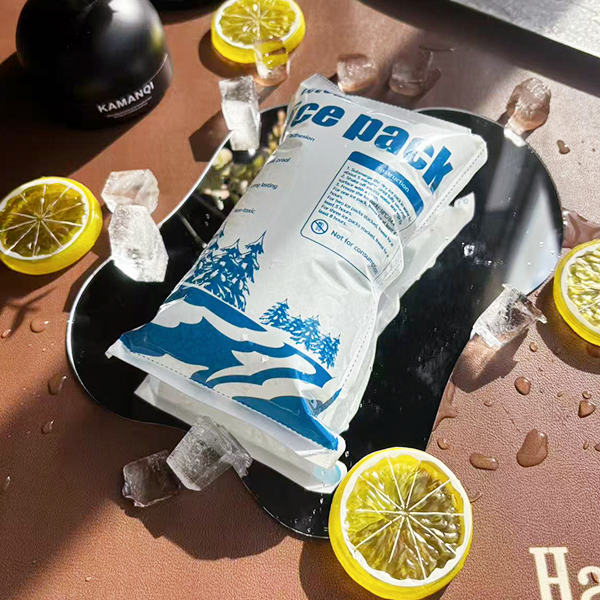
Um plano de aquisição para pacotes de gelo seco de fornecedores para embalagens de queijo
O melhor pacote de resfriamento não é aquele que permanece congelado por mais tempo. É aquele que sua equipe consegue identificar, doença, lugar, documento, e se reproduzem dentro de uma embalagem que protege o queijo específico. A procurement search for a supplier dry ice pack for cheese packaging should therefore begin with a short technical brief, não é uma solicitação de preço. O brief também deve remover uma armadilha de nomenclatura: o gelo seco de dióxido de carbono sólido é um refrigerante extremo que libera gás, enquanto folhas de hidratação, pacotes de gel, e PCMs são refrigerantes reutilizáveis ou com capacidade reutilizável com comportamento diferente. Uma vez que esse limite esteja claro, compras podem comparar fornecedores com base em evidências, controle de produção, ajuste operacional, e qualidade total entregue.
Crie o resumo técnico
Prepare um resumo do queijo e do roteiro
Crie um briefing para cada família de produtos significativa. Deve ser conciso o suficiente para um fornecedor entender, mas detalhado o suficiente para evitar uma cotação genérica.
Identifique o tipo de queijo, categoria de umidade e maturação, formato de varejo, embalagem primária, dimensões da caixa, faixa de massa de carga útil, condição de envio, requisito de transporte aprovado, rota esperada, tempo máximo avaliado, e processo de recebimento. Adicione os defeitos que importam: exposição insegura à temperatura, congelando, desmoronando, purga, lubrificação, danos na casca, vazamento de pacote, falha no rótulo, transferência de odor, condensação, ou apresentação esmagada.
Use o plano de segurança alimentar do produtor, rótulo, e evidência de prazo de validade. As orientações gerais de transporte muitas vezes colocam o queijo em uma área refrigerada e alertam contra o calor e o congelamento, mas as variedades diferem. O queijo duro adequadamente curado pode ter um perfil de segurança e qualidade diferente do queijo fresco ou de pasta mole.. O proprietário do produto deve classificar cada SKU.
Mapeie a rota além do tempo de transporte da linha. Incluir a colheita em câmaras frigoríficas, conjunto, preparação de doca, coleção de transportadora, cross-dock, transições de veículos ou aeronaves, alfândega, se relevante, entrega, e tratamento do destinatário. Identifique cargas úteis baixas e altas. Um pedido pequeno em uma caixa grande pode ser um caso térmico mais difícil do que um pedido completo.
O resumo deve indicar quem aprova as excursões. Um fornecedor de embalagens pode apoiar o desenvolvimento térmico, mas não deve decidir se um queijo exposto à temperatura é seguro ou vendável.
Faça da identidade do refrigerante uma questão de aprovação ou reprovação
Se o fornecedor chamar um produto de bolsa de gelo seco, exigem uma identidade em linguagem simples.
O gelo seco real é dióxido de carbono sólido em torno de menos 78.5 graus Celsius à pressão atmosférica. Ele sublima em gás e não pode ser fechado em uma embalagem hermética. Pode congelar queijo resfriado, alterar textura, materiais frágeis, e criar perigos de dióxido de carbono. O transporte aéreo pode exigir da ONU 1845 marcação, informações de quantidade, documentação, treinamento, e aceitação da transportadora de acordo com as regras atuais.
Uma folha de hidrato é ativada com água e congelada. Um pacote de gel contém um refrigerante selado. Uma embalagem de PCM contém uma formulação com uma região de transição de fase definida. Esses produtos não são automaticamente mercadorias perigosas e não são gelo seco real, embora a sua composição ainda deva ser revista. No entanto, eles podem causar congelamento local se usados diretamente de um freezer sem a separação ou têmpera exigida pelo projeto testado.
Pedir:
- Identidade do material e do refrigerante.
- Informações de segurança e uso pretendido.
- Dados de transição de fase para PCM.
- Procedimento de ativação e condicionamento.
- Dimensões e massa no estado usado.
- Filme, costuras, válvulas, e fechamentos.
- Cenário de contato pretendido e declarações relevantes.
- Classificação de transporte baseada na composição.
- Instruções de reutilização e inspeção suportadas.
Rejeite frases como “qualidade alimentar," "duradouro,” ou “qualidade farmacêutica” quando aparecem sem evidência definida. Nenhum estabelece desempenho em um expedidor de queijo.
Projete um pacote com duas margens
Uma embalagem útil tem uma margem contra o aquecimento e uma margem contra o congelamento. As margens não são visíveis apenas pela contagem do líquido refrigerante.
O isolamento resiste ao calor ambiental. O refrigerante absorve energia. Queijo e embalagem acrescentam massa térmica. Os divisores retardam a condução local do frio. O espaço aéreo permite movimento e convecção. As costuras e cantos da tampa podem se tornar pontes quentes. O contato direto entre um tijolo congelado e uma bolsa de vácuo fina pode se tornar o frio extremo.
Disponha o sistema em um desenho controlado. Identifique cada camada, desde a embalagem externa até o queijo. Corrija a localização e a retenção do líquido refrigerante. Evite que embalagens pesadas pressionem banheiras ou caixas de presente. Use um divisor ou buffer definido quando o contato direto não for compatível. Controle vazios para cargas baixas com um encarte qualificado em vez de papel aleatório.
O condicionamento precisa de uma receita escrita. Equipamento estatal, padrão de carga, faixa de temperatura, tempo mínimo, têmpera, se aplicável, verificação de estado pronto, e limite de preparação. Para lençóis de hidratação, definir adição de água, mergulhar, drenagem, peso ou condição expandida, congelando, e inspeção. Uma folha seca compacta pode ser eficiente no armazenamento, mas somente se a ativação for repetível.
Umidade e odor devem ser insumos do projeto. Mantenha a condensação da embalagem longe das etiquetas, divisores de papel, e superfícies expostas. Use embalagem primária adequada para a troca de gases e umidade pretendida do produto. Avalie o isolamento, tintas, gel, filmes, adesivos, e agentes de limpeza para odor desagradável. Em caixas de presente mistas, biscoitos separados, chocolate, ou frutas quando suas necessidades de umidade são diferentes.
Faça relatórios de teste, as perguntas que o marketing deixa de fora
“Mantém frio por dois dias” tem pouco valor sem um método de teste. Pergunte qual caixa externa, isolamento, quantidade de refrigerante, condicionamento, carga útil, perfil ambiente, sensores, e faixa de aceitação produziram o resultado. Confirme se os componentes vieram da produção normal e se o teste foi repetido.
Para seu teste de aprovação, predefinir:
| Elemento de protocolo | Por que isso importa |
|---|---|
| Critérios de aceitação do produto | Determina se o rastreio e a condição do produto são aprovados |
| Carga mínima e máxima | Captura massa diferente, vazio, e condições de contato |
| Perfis externos quentes e frios | Desafia os riscos de aquecimento e congelamento |
| Locais e fixação do sensor | Encontra extremos locais em vez de uma média enganosa |
| Lotes de componentes e condicionamento | Conecta desempenho a materiais e processos controlados |
| Inspeção de qualidade após exposição | Captura textura, purga, lubrificação, condensação, selo, e odor |
Use queijo e embalagem representativos ou justifique um substituto. Uma garrafa de água pode corresponder à massa, mas não à geometria, gordo, contato, ou comportamento do pacote. Coloque os sensores perto de cantos suspeitos de estarem quentes e pontos de contato do líquido refrigerante, bem como posições de produtos representativas. Indique se cada medição representa ar, superfície da embalagem, ou produto.
Perfis de lote padrão podem apoiar o desenvolvimento e a comparação. Um programa específico de pista deve incorporar transferências e exceções reais. Os resultados dos testes estabelecem o desempenho dentro dos limites definidos; eles não garantem uma viagem ilimitada ou todas as variedades de queijo.
Aprovar um relatório conectado a uma lista de materiais, desenhos, fotografias, instruções de condicionamento, e desvios. Se um componente mudar, avaliar se a evidência ainda se aplica.
Pontue o fornecedor sobre o que protege a produção
Depois que o ajuste técnico for estabelecido, compare fornecedores com um scorecard ponderado. Evite permitir que um preço unitário baixo esconda um fraco controle de lote ou alta mão de obra de ativação.
Avalie cinco áreas:
- Controle de materiais: formulação, filme, preencher, dimensões, selos, e dados de fase.
- Processo de qualidade: lançamento de lote, rastreabilidade, não conformidade, resposta à reclamação, e ação corretiva.
- Mudar disciplina: aviso prévio para fórmula, site, ferramentas, material, processo, e mudanças de subfornecedores.
- Ajuste operacional: armazenar, ativação, condicionamento, rotulagem, velocidade do pacote, e capacidade do freezer.
- Continuidade comercial: pedido mínimo, tempo de espera, quantidade de caixas, amostras, personalização, e fornecimento de backup.
Trate números comerciais desconhecidos como perguntas de fornecedores, não suposições. Solicite amostras de produção normal. Comparar apartamento, hidratado, e dimensões congeladas. Inspecione costuras e odores. Faça um teste de linha de embalagem antes do lançamento completo, porque um componente que cabe lentamente em uma bancada pode criar erros no volume sazonal.
Defina a inspeção recebida em torno do risco. Verifique a identidade e o lote, condição da embalagem, dimensões críticas ou massa, vazamento, limpeza, e documentos. Estabeleça quarentena e escalonamento para variações inexplicáveis. Retenha amostras de referência onde o sistema de qualidade encontre valor.
A notificação de alteração não é um detalhe administrativo. Uma mudança de filme pode alterar a resistência da vedação ou a flexibilidade a frio. Uma mudança de gel pode alterar o comportamento da fase. Um novo padrão de células pode alterar a cobertura e o ajuste da embalagem. O comprador deve decidir se a revisão, inspeção, teste de confirmação, ou requalificação é necessária.
Projete o trabalho de rotina antes da data de lançamento
Torne a configuração qualificada fácil de executar. Use códigos de produto inconfundíveis, fotografias, kits de componentes, e zonas de status. Líquidos refrigerantes de aparência semelhante devem ser segregados. Definir como os embaladores verificam o condicionamento e o que acontece com uma embalagem que aqueceu por muito tempo.
A instrução de trabalho deve incluir a condição inicial do queijo, faixa de carga útil, contagem e posição do refrigerante, divisor, posicionamento do registrador, encerramento, rótulos, e tempo máximo de montagem. Registrar o preenchimento da embalagem e a identidade da remessa de acordo com o programa de segurança e qualidade alimentar. Coordene a coleta para que o queijo embalado não espere desnecessariamente.
O recebimento de instruções deve cobrir danos externos, isolamento, vazamento, condição do pacote de queijo, temperatura ou status do indicador, e movimentação para armazenamento aprovado. Onde os alimentos requerem controle de temperatura para segurança, as responsabilidades de transporte sanitário aplicáveis podem incluir condições operacionais especificadas e avaliação no recebimento. Confirme as regras do mercado e funções.
Incerteza da quarentena. A cold pack remaining in the box does not prove the cheese stayed acceptable. Um único registrador aéreo não mostra todos os locais de contato. Siga o processo do produtor para variações de tempo-temperatura e danos físicos.
Para encomendas de clientes, explicar o manuseio do refrigerante em linguagem simples. Uma folha congelada reutilizável não deve ser descrita como gelo seco sólido perigoso. O gelo seco real precisa de avisos apropriados. Forneça um caminho de contato simples para que o destinatário não dependa do odor ou do sabor para avaliar a segurança.
Calcule o custo e a sustentabilidade por entrega bem-sucedida
O preço unitário exclui mão de obra de ativação, energia do congelador, armazenar, frete, retorna, limpeza, vazamento, e perda de queijo. Compare o custo total por entrega bem-sucedida para o mesmo produto e requisito de rota.
Uma folha ativada por água pode reduzir o volume de entrada, mas adiciona etapas de água e linha. Um tijolo preenchido pode ser simples de colocar, mas pesado. O PCM pode reduzir as oscilações de temperatura em um sistema projetado, mas pode custar mais e exigir um controle de teor mais rígido. Os contêineres reutilizáveis funcionam melhor quando as rotas de retorno são densas e os ativos completam rotações suficientes.
A sustentabilidade usa o mesmo limite do sistema. Incluir material, fabricação, condicionamento, lavar, viagem de volta, perda de componente, reciclando a realidade, e queijo rejeitado. O gelo seco real desaparece como gás, mas não é livre de impactos e não pode ser reutilizado como refrigerante. Uma embalagem reutilizável não é automaticamente preferível se for enviada de volta para longas distâncias ou perdida após um uso.
Sistemas piloto retornáveis. Rastrear recuperação, dano, tempo de limpeza, e desempenho térmico após pedalar. Use critérios de retirada baseados em condições para vazamentos, delaminação, contaminação, deformação, ou perda de rótulo. Não publique uma contagem de reutilização não suportada.
Dimensione cuidadosamente através de testes controlados. A remoção de um pacote pode reduzir o peso, mas expor um canto quente. Substituir a espuma pode alterar a resistência à umidade. Cada modificação deve entrar no mesmo processo de mudança e qualificação que protegeu o projeto original.
Perguntas frequentes
Qual é o primeiro documento a ser enviado a um fornecedor de embalagens térmicas?
Envie um resumo do produto e da rota informando a categoria do queijo, condição aprovada, pacote primário, faixa de carga útil, dimensões do expedidor, jornada, exceções, e falhas de qualidade. Dá ao fornecedor uma base para propor amostras. Não divulgue detalhes sensíveis da formulação além do necessário, mas forneça informações térmicas e de manuseio suficientes para evitar uma recomendação genérica.
Uma embalagem de substituição de gelo seco é sempre mais segura do que gelo seco?
Ele evita o comportamento específico de gases e temperaturas extremas do dióxido de carbono sólido se for realmente um pacote à base de água ou PCM. Ainda pode vazar, criar condensação, ou congele queijo por contato direto. Verifique a identidade e avalie-a dentro do pacote completo. A qualificação ainda é necessária para o uso escolhido.
Os queijos duros e moles devem compartilhar um remetente?
Só podem fazê-lo se o produtor confirmar condições compatíveis e o acordo qualificado proteger tanto. Queijo macio pode aumentar os requisitos de refrigeração, enquanto o queijo duro pode ser danificado pelo contato direto com o congelamento. Pacotes mistos também requerem umidade, odor, e separação física. Teste a variedade exata ou uma família justificada.
O que o “pacote de gel de qualidade alimentar” prova?
A frase por si só prova pouco. Solicite documentação material relevante para o cenário de contato pretendido, jurisdição, temperatura, e duração. Revise o filme, gel, impressão, e fechamentos conforme aplicável. A adequação do material ainda não demonstra duração térmica ou manuseio sanitário. Pergunte quais materiais e condições de exposição a documentação cobre.
Quando o pacote deve ser testado novamente?
Teste novamente ou realize uma avaliação técnica apropriada após alterações que possam afetar o fluxo de calor, capacidade, geometria, higiene, ou reprodução. Os exemplos incluem fórmula de refrigerante, massa, filme, dimensões, isolamento, divisor, carga útil, rota, equipamento de condicionamento, ou instruções de trabalho. O sistema de qualidade deve definir o escopo com base no risco.
Conclusão
A aquisição bem-sucedida de resfriamento de queijo segue uma sequência deliberada: definir produto e rota, identificar o refrigerante, projetar margens quentes e congeladas, exigir evidência de teste contextual, selecione um fornecedor repetível, e controlar o trabalho de rotina. O dióxido de carbono sólido deve ser tratado como um refrigerante perigoso separado, not a synonym for reusable cooling packs. O custo total e a sustentabilidade devem ser medidos por entrega vendável, com perda de queijo, trabalho, condicionamento, frete, e recuperação incluída.
Sobre Tempk
A Tempk fornece formatos de pacotes de resfriamento reutilizáveis e ativados por água, pacotes de gel, tijolos de gelo, e produtos isolados para transporte de alimentos. Esses componentes fornecem às empresas de queijo diversas geometrias e fluxos de trabalho de condicionamento para avaliar. Tempk pode discutir o resumo do produto e da rota, fornecer informações do componente, e preparar amostras para testes de embalagem. O produtor ou distribuidor de queijo continua responsável pela definição dos limites de segurança e qualidade, aprovação de critérios de teste, e liberando a remessa finalizada.
Compartilhe seu desenho de embalagem resumido e proposto com a Tempk para planejar uma revisão de amostra do fornecedor antes da expansão comercial.
Escolha um pacote de gelo seco do fabricante para envio de frutas
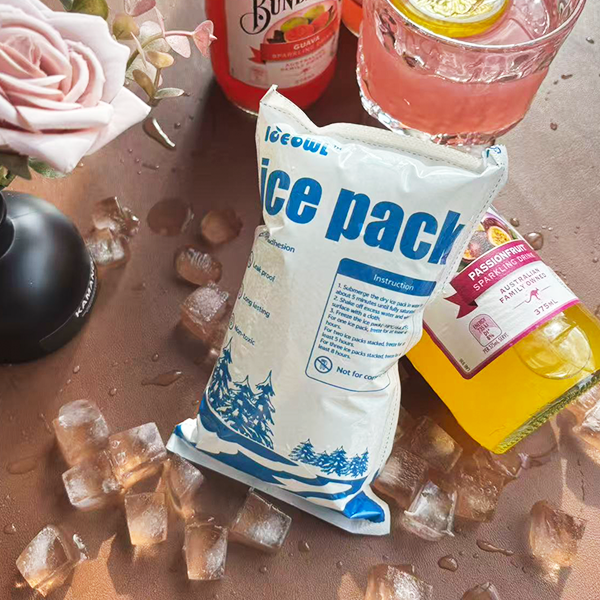
How to Choose a Manufacturer Dry Ice Pack for Fruit Shipping
Fruit-shipping damage often begins with a reasonable but incomplete instruction: “add more ice.” More refrigerant can extend cooling, yet it can also freeze outer fruit, trigger chilling injury, criar condensação, occupy airflow space, and add handling cost. Choosing a manufacturer dry ice pack for fruit shipping requires a more disciplined sequence. Define the commodity and route, identify whether the product is true solid-carbon-dioxide dry ice or a water-activated hydrate sheet, design the entire packout, and prove it with both temperature and fruit-quality evidence. Then lock the result to factory and packing-site controls so harvest-season volume behaves like the approved sample.
Establish the Commodity’s Safe Operating Window
Use the fruit owner’s specification and authoritative postharvest guidance to define the shipment condition. USDA Agriculture Handbook 66 provides individual commodity summaries because fruits vary in optimal temperature, umidade, sensibilidade ao frio, ethylene behavior, respiração, maturidade, and storage potential. Cultivar, harvest maturity, growing conditions, and destination can refine that guidance.
Describe the fruit in commercial terms as well as thermal ones. Record commodity and cultivar where relevant, whole or fresh-cut state, maturidade, pre-cooling method, pulp condition at dispatch, embalagem, case vents, massa de carga útil, and intended sale window. Identify unacceptable outcomes: congelando, corrosão, failure to ripen, shrivel, decadência, contusões, mudança de cor, caixas molhadas, or crushed retail packs.
Separate chilling from freezing. Some tropical and subtropical commodities suffer physiological injury at nonfreezing temperatures below their tolerance. Symptoms may not appear at receipt; they can emerge during ripening or warmer display. A qualification plan may therefore need a post-shipment holding assessment instead of judging fruit immediately.
Keep pre-cooling distinct from shipment maintenance. Commodity-appropriate pre-cooling removes field heat before the parcel is assembled. A passive shipper should generally begin with fruit at its approved dispatch condition. Using frozen packs to cool warm fruit can produce a cold exterior, warm center, condensação, and reduced endurance against the route.
Make the Supplier Name the Coolant
Actual dry ice is carbon dioxide, sólido. It is extremely cold and passes directly into gas as it warms. That combination can be inappropriate for fresh fruit unless a product-specific process justifies it. Direct contact can freeze tissue, and the gas must escape from the package. Handling requires cold protection and ventilation. Air transport can invoke UN 1845 Marcas, rótulos, quantity declarations, documentação, treinamento, and carrier checks.
A hydrate “dry ice pack” is not carbon dioxide. It is a flat sheet containing an absorbent structure, activated with water and conditioned in a freezer. The cells spread thermal mass and allow flexible placement. It does not create CO2 or inherit solid-dry-ice transport rules. It does introduce process needs: controlled hydration, drenagem, congelando, armazenamento limpo, and seam inspection.
Other candidates include pre-filled gel packs, rigid water packs, and formulated PCMs. Their fill, transition behavior, condicionamento, geometria, and film construction differ. Ask the manufacturer for technical identity and instructions instead of inferring performance from words such as ice, PCM, qualidade alimentar, or long-lasting.
| Questão de decisão | Strong supplier answer | Resposta fraca |
|---|---|---|
| What is the refrigerant? | Names solid CO2, water-based hydrate, gel, or defined PCM | “Advanced dry ice technology” |
| What determines duration? | Identifies coolant mass, isolamento, carga útil, perfil ambiente, e alcance | Gives one number for all boxes |
| Is it suitable for fruit? | Requests commodity limits and packout testing | Claims universal produce suitability |
| Is it food appropriate? | Provides documents for materials and intended contact scenario | Uses “food grade” without scope |
| Pode ser reutilizado? | Describes inspection, limpeza, and retirement boundaries | Promises unlimited refreezing |
| Is it qualified? | Identifies the exact system, protocolo, carregar, e critérios | Transfers a test logo to the component |
This early clarification protects both engineering and logistics. It avoids exposing chilling-sensitive fruit to unnecessarily cold CO2 and prevents teams from placing dangerous-goods labels on ordinary hydrate sheets.
Design the Thermal, Umidade, and Airflow Interfaces
The passive package is a connected assembly. The outer carton handles distribution loads. Insulation slows outside heat. Coolant absorbs energy. Fruit cases, aberturas, forros, almofadas, and dunnage manage airflow, umidade, movimento, e entre em contato. A change to one layer can alter the rest.
Map likely thermal bridges at lid joints, cantos, and compressed insulation. Distribute coolant to manage warm regions without placing a deeply conditioned surface against fruit. If a buffer is needed, define its material, grossura, e localização. Ensure it cannot collapse, mudança, or become saturated during handling.
Preserve intended produce ventilation. Blocking clamshell holes or case vents may change cooling, gas exchange, e condensação. Por outro lado, excessive open headspace can permit packs and fruit to move. Use fitted inserts that restrain the load while retaining the airflow path assumed in testing.
Plan water vapor. Cold packs can cause condensation when exposed to humid air. A liner may protect insulation and carton, while absorbent material can collect liquid. These layers can also trap moisture or alter heat flow. Test them with actual labels, bandejas, bolsas, and fruit rather than treating moisture control as a cosmetic add-on.
Mechanical and thermal effects should be challenged together. A rigid brick can bruise fruit or crush a clamshell. A thawed flexible sheet can slide after inversion. A damaged corner can create a heat leak. Distribution testing and route trials should confirm that the refrigerant remains in its mapped position.
Qualify for the Route, Not the Brochure
Write the route as a sequence of custody events: removal from cold storage, conjunto, closed-carton staging, escolher, veículo, sorting hub, transporte de linha, final mile, soleira da porta, e recebendo. Add credible delays, condições sazonais, dispatch-day risks, and any customs or inspection dwell.
Choose external challenges that represent this risk. ISTA 7E provides recognized temperature profiles for parcel-delivery thermal packaging and can support standardized comparison. Route profiling adds local information. One successful profile does not guarantee every climate, serviço, or commodity.
Build a controlled test packout with the production carton, isolamento, fruit package, modelo e contagem do refrigerante, buffer, forro, esteiras, encerramento, e localizações de registradores. Record fruit and coolant starting conditions. Limit packing time. Include minimum and maximum payload configurations that will actually be sold.
Map both warm and cold points with calibrated instruments. A probe in free air, a surface-attached sensor, and a pulp probe measure different things. State which one drives acceptance. Review individual sensor traces; an acceptable average cannot cancel a frozen edge or warm corner.
Add fruit-quality assessment. Score the producer’s relevant attributes at receipt and, onde necessário, after a defined holding or ripening period. Note condensation, dano ao pacote, movimento, and refrigerant leakage. A technically “cold” package that causes delayed pitting, contusões, or poor ripening is not qualified for the commercial purpose.
Use trial shipments to confirm real handling after controlled testing. Record route events and deviations. A trial without delay is evidence for that trip, not proof of contingency. Adjust the design or narrow its intended use when results do not meet criteria.
Convert the Approved Prototype Into Factory Supply
The purchase specification should identify model and revision, materiais, dimensões e tolerâncias, padrão de célula, fill or absorbent attributes, dry and activated criteria where relevant, seam and leak standards, instruções de preparação, armazenar, codificação de lote, e embalagem de papelão. Link the qualification report to this version.
Ask how the manufacturer controls attributes that influence performance. Seal settings affect seam integrity. Absorbent or fill dosing affects thermal mass. Cutting affects fit. Film changes may alter strength, permeability, or flexibility at low temperature. The manufacturer should be able to explain relevant inspection and traceability without making unsupported performance promises.
Connect sample approval to production. Request representative samples, inspect them using the intended plan, and activate hydrate sheets at the packing site. Verify that the production item fits the qualified arrangement. Agree on advance notice for changes in raw material, formulação, dimensões, padrão de costura, processo, site, ou instruções.
Seasonal supply planning reduces risky substitutions. Discuss forecast, quantidades do pedido, formato de embalagem, planejamento de tempo de entrega, lançamento de lote, and continuity before peak harvest. Qualify an alternate intentionally if one is needed. Matching external dimensions do not establish equivalent water uptake, massa térmica, or contact behavior.
Incoming inspection should be risk-based. Confirmar identidade, revisão, muito, condição da caixa, limpeza, selected dimensions or mass, seam appearance, e documentos. Quarantine mixed models, contaminação, or leakage. Trend issues by lot and share activation records and photos with the manufacturer.
Control Activation and Packing at Harvest Volume
Hydrate sheets shift inventory volume into site operations. Define clean water source, método de ativação, drenagem, tamanho do lote, arranjo de freezer, conditioning readiness, armazenamento condicionado, and maximum holding conditions. Measure process variation during a full-scale pilot, not only with a few sheets in an empty freezer.
Freezer airflow and recovery can change when racks are crowded. Packs may freeze together if not drained or separated. Different workers may interpret readiness differently. Use a measurable or clearly observable criterion established by the process, and segregate product by model and status.
At the packing bench, pre-stage components and keep fruit out of storage for a controlled period. Use visual layer instructions showing coolant count, orientação, buffer, case vents, esteiras, registrador, e fechamento. Prevent cold packs from resting on delicate retail packaging. Hold completed cartons under the condition assumed by route qualification while waiting for pickup.
Actual dry ice belongs in a separate trained process with cold-contact protection, ventilação, a package that releases gas, and verified transport documents. Do not let the similarity of product names mix solid CO2 with hydrate inventory or work instructions.
No recebimento, inspect time, dano, umidade, vazamento de embalagem, fruit condition, and the approved temperature measure. Move fruit to the correct environment quickly. An alarm or quality defect should trigger segregation and authorized review. A frozen or thawed pack alone does not determine disposition.
Reduce Environmental Impact Without Moving Risk
First prevent fruit loss. Then examine each packaging function and remove excess with evidence. Right-sized cartons can reduce insulation, refrigerante, cubo de frete, and empty space, but they must preserve commodity ventilation and buffer geometry. Develop controlled modules for common order sizes instead of an oversized universal box.
Hydrate sheets store flat before activation, which can reduce inbound and warehouse volume compared with a pre-filled pack of similar active size. The total environmental result also includes material, água, energia congelante, outbound mass, product protection, reutilizar, retorna, e descarte. Limit claims to the boundary supported by data.
Reuse is a route property as much as a product property. A closed grocery loop may recover most packs; an open consumer network may not. Returned units need quarantine, limpeza, inspection for puncture and contamination, recondicionamento, monitorando, e aposentadoria. Count actual successful uses. If return transport and losses are high, a right-sized single-use solution may perform better overall.
Ask the manufacturer for material identification and disposal instructions. Local recycling systems may not accept multilayer films or absorbent contents. Do not print a broad recyclable, compostável, or biodegradable claim without evidence for the full item and destination.
Measure site waste. Track damaged dry sheets, failed activation, unused conditioned packs, Espaço no congelador, packaging rejects, and fruit claims. These observations reveal improvements that a unit-level material comparison misses.
Perguntas frequentes
What is the first sample a fruit shipper should request?
Request the exact construction proposed for production in dimensions that fit the planned carton. Ask for its specification, instruções de ativação, documentos materiais, e muita identidade. Use it first for fit and preparation trials, then evaluate it in the complete packout under defined thermal and quality criteria.
Is solid dry ice appropriate for berries or tropical fruit?
Do not decide by category alone, but true dry ice creates an extremely cold boundary and a substantial local freezing risk for fresh fruit. Tropical fruit may also suffer nonfreezing chilling injury. Use product-specific postharvest requirements and testing; a milder coolant is often a more logical candidate for refrigerated fresh produce.
Can one ambient test cover the entire year?
Only if the selected profile and configuration are justified for both relevant heat and cold exposure. Many lanes need separate seasonal challenges or conditioning approaches. Route data, service changes, and delivery patterns should be reviewed over time, and changes may require reassessment. Review this decision annually.
What does “food grade” mean for a coolant sheet?
It should refer to defined materials and an intended contact scenario supported by relevant documentation. The sheet normally remains outside intact fruit packaging. Buyers should review outer materials, vazamentos, impressão, limpeza, and destination requirements rather than treating the phrase as universal permission for direct food contact.
How should a buyer compare total cost?
Measure unit price, inbound and storage volume, activation labor and water, capacidade e energia do freezer, rejeita, tempo de embalagem, outbound weight and box size, tratamento de devolução, disposição, and fruit claims. Use a pilot with the actual workflow rather than a supplier’s unverified savings percentage. Include quality-loss costs as well.
Conclusão
A manufacturer dry ice pack for fruit shipping is suitable only when its material, geometria, and preparation align with a specific commodity and route. Protect the fruit’s lower and upper limits, maintain ventilation and moisture balance, and include physical quality in qualification. Bind the approved design to factory specifications, controle de mudanças, peak-volume conditioning, e recebendo provas. Finalmente, improve environmental performance through right-sizing, measured reuse, efficient activation, and accurate end-of-life information. The objective is not maximum cold; it is maximum arrival quality within a controlled process.
Sobre Tempk
Tempk’s published hydrate-pack range consists of water-activated flexible coolant sheets supplied flat before preparation and frozen for use with insulated packouts. We can help a fruit shipper discuss cell layout, dimensões personalizadas, fluxo de trabalho de ativação, sample-to-order definition, and volume packing. Commodity temperature limits, evidência de rota, fruit-quality acceptance, and final qualification remain the responsibility of the producer and its quality partners.
Share the commodity brief, case and vent design, load matrix, perfil de rota, capacidade de condicionamento, and sustainability boundary with Tempk to request a targeted sample configuration.
Distribuidor de gelo seco para logística farmacêutica: Aprovação
How to Approve a Distributor Dry Ice Pack for Pharmaceutical Logistics
Approval should produce a traceable decision, not a preferred catalog item. For a distributor dry ice pack for pharmaceutical logistics, the file needs to show what the coolant is, which medicinal product and packout it supports, what evidence was reviewed, how supply is controlled, and who owns deviations and changes. That rigor begins with terminology: a hydrate or reusable “dry ice pack” may be a water, gel, or phase-change coolant. Actual dry ice is solid carbon dioxide at approximately −78.5°C, releases gas as it sublimes, and introduces additional safety and dangerous-goods requirements.
Establish the Intended Use in One Page
Before contacting distributors, create an intended-use brief. It prevents suppliers from solving different problems and makes technical responses comparable.
The brief should identify the medicinal product or product family, required transport conditions, known sensitivity to freezing or other exposure, pacote primário e secundário, faixa de carga útil, e dimensões do remetente. Those requirements should come from approved product information, conhecimento de estabilidade, and the quality organization—not from the coolant vendor.
Describe the route in operational terms. Include origin storage, encenação, conjunto, escolher, transferências, modos, alfândega, se relevante, entrega final, horas de recebimento, e atraso credível. State whether the lane is open loop or returnable, whether replenishment is permitted, and whether intervention is possible after an alarm.
List the applicable quality and regulatory framework at a high level. Orientação da OMS para o tempo- and temperature-sensitive pharmaceutical products and EU GDP principles emphasize maintaining required conditions through suitable equipment, qualificação, procedimentos, monitoramento, e responsabilidades. National rules and the product authorization can add or change obligations. The brief should direct bidders to provide information; it should not ask them to certify the buyer’s compliance.
Finalmente, define the requested supply role. Is the distributor stocking a component? Providing just-in-time conditioned packs? Supplying solid carbon dioxide? Managing a complete qualified shipper? The oversight depth changes with the service.
Use a Four-Part Product Identity Test
A buyer should be able to describe the proposed cold source without using the supplier’s marketing name.
Composition category. Determine whether it is a water-activated sheet, prefilled gel, engineered PCM, rigid cold brick, ou dióxido de carbono sólido. Confidential formulation details may remain proprietary, but the functional category and relevant hazards cannot be vague.
Physical behavior. Does it freeze and melt, warm through a phase region, or sublime into gas? What expansion, condensação, vazamento, or pressure considerations follow?
Operating state. What hydration, pré -condicionamento, arranjo de freezer, têmpera, or handling makes the component ready? How is that state verified at the packing bench?
Limite de evidência. Which facts describe the component, and which results apply only to a tested shipper? A material data sheet, component integrity test, and complete thermal qualification answer different questions.
This identity test quickly exposes a dangerous confusion. A hydrate pack marketed with the phrase “dry ice” is not UN 1845 solely because of its name. Por outro lado, solid carbon dioxide cannot be treated as a standard reusable pack merely because it arrives in a wrapped format.
Examine the Distributor and the Manufacturer as One Chain
O fabricante controla a formulação, materiais, ferramentas, vedação, and production tests. The distributor controls sourcing, recibo, identificação, armazenar, atendimento de pedidos, registros, and communication with the customer. Approval should show how information and product move across both organizations.
| Pergunta de controle | Manufacturer evidence | Distributor evidence |
|---|---|---|
| What is the product? | Controlled specification and drawing | Matching item master, cotação, and stock label |
| Como a consistência é mantida? | Process controls and release criteria | Receipt verification and status control |
| Can a lot be traced? | Production lot and material history | Inbound-to-outbound traceability |
| How are changes managed? | Formal change process | Contracted route for advance customer notice |
| How are failures investigated? | Technical analysis and corrective action | Complaint intake, quarentena, registros, e escalada |
| How is continuity handled? | Manufacturing contingency | Stock policy, previsão, and controlled alternate proposal |
If the distributor relabels, reembala, condições, or assembles products, those activities add controls to the assessment. A conditioned-pack service, por exemplo, needs qualified freezers, loading procedures, critérios de lançamento, equipment records, and controls against mix-ups. A solid-dry-ice service needs appropriate storage, segurança do trabalhador, gerenciamento de quantidade, and dangerous-goods competence.
Documents should be current and consistent. Check names, product codes, dimensões, massa, and revision dates across the technical sheet, desenho, informações de segurança, declarações materiais, and quotation. Resolve translations or unit conversions that could cause packing errors.
The contract or quality agreement should define records, reclamações, estoque não conforme, notification periods, and audit or review rights based on risk. It should also state that substitutions require customer assessment rather than quiet fulfillment with a “similar” item.
Prove the Complete Thermal Configuration
Component selection becomes meaningful only inside the shipper. The development program should consider insulation, colocação de refrigerante, carga útil, espaçadores, esteiras, encerramento, and external packaging as one thermal system.
Start with engineering trials to identify cold and warm risks. A coolant adjacent to the payload may create a cold spot. A lid, canto, costura, or air gap may create a warm spot. Flexible packs can conform to surfaces but may fold; rigid packs preserve geometry but can leave gaps. Multi-point mapping should guide the final sensor plan.
A protocol should define:
- product or justified simulant and its starting condition;
- minimum and maximum payload configurations;
- exact coolant model, quantidade, colocação, e condicionamento;
- insulation and all ancillary components;
- assembly sequence and maximum exposure time;
- ambient profile and test duration;
- tipo de sensor, status de calibração, e posições;
- acceptance criteria and treatment of measurement uncertainty;
- number of runs or rationale for the selected design space.
Standardized profiles such as ISTA 7E can support parcel thermal testing. They are controlled challenge tools, not promises about every route. Lane data, modo de transporte, product criticality, exposição sazonal, and delivery exceptions may justify supplementary work.
WHO technical supplements on shipping-container qualification reinforce the need to qualify the system and its components. A distributor’s test report can reduce development work only if its configuration and conditions are relevant. If the supplier tested another payload or carton, treat the report as design evidence, not customer-specific approval.
After formal testing, conduct an operational pilot. Use actual staff, freezers, pack benches, rótulos, transferências, e recuperação de dados. Observe whether operators can repeat the configuration and whether receivers complete the required steps. Qualification transferred poorly into routine work is not effective control.
Control Conditioning, Monitoramento, e recibo
Coolant conditioning is a process parameter. Specify freezer state, pack orientation and spacing, tamanho do lote, minimum process or readiness criteria, and allowed exposure during assembly. If a PCM requires tempering or another step, write it into the procedure and train staff to recognize completion.
Freezer mapping and equipment qualification may be required under the organization’s system and risk assessment. No mínimo, the equipment must demonstrably support the defined conditioning load. An empty freezer temperature display does not prove that a dense batch of newly loaded packs reaches a uniform state.
Monitoring should answer a decision question. Choose devices with suitable measurement capability, calibração, intervalo, memória, bateria, and data access. Position them based on thermal mapping. Define who configures and starts the logger, who stops and reads it, what happens if data are missing, and who assesses an excursion.
Alarm values do not automatically equal product rejection limits. Product disposition may require time-temperature history, informações de estabilidade, sensor uncertainty, package position, e outras evidências. Keep that judgment with authorized quality personnel.
Receiving closes the chain. Verify shipment identity, security seals where applicable, condição física, status do registrador, hora de chegada, and transfer to approved storage. For dry-ice systems, also follow safe opening and ventilation procedures. Preserve records in a form that can be linked to the batch and shipment.
Treat Solid Dry Ice as Its Own Workstream
Where the medicinal product requires a frozen or ultra-low environment and solid carbon dioxide is selected, create a dedicated workstream rather than adapting a gel-pack procedure.
Gelo seco sublima em gás dióxido de carbono. Packaging must permit gas release and avoid dangerous pressure buildup. Enclosed rooms, veículos, and storage areas require evaluation for gas accumulation. Personnel need hazard communication, appropriate cold-contact protection, and clear handling procedures.
Transport by air invokes current requirements for UN 1845 and may involve package marks, rótulos, documentação, quantity statements, and arrangements with the operator. Carrier variations and national rules can add conditions. A shipper should use trained dangerous-goods personnel and verify current rules for the exact consignment.
The payload must remain mechanically secure after the refrigerant disappears. Materials at the dry-ice interface should tolerate low temperature, and direct contact with pharmaceutical packaging should be justified. Reabastecimento, se permitido, needs a qualified procedure defining who performs it, how much is added, onde está colocado, and how the package is resealed.
Do not transfer passenger baggage allowances into commercial cargo procedures. Do not assume a distributor’s safety data sheet completes the classification or shipment documentation. The party offering the shipment retains responsibilities under the applicable rules.
Improve Resilience and Environmental Performance Together
Supply continuity and sustainability can reinforce each other when changes are controlled. Segmentação de rota, por exemplo, can prevent a short stable lane from using the heavy configuration needed for a long variable route. A closed loop can support reusable packs while giving the organization more control over inventory and condition.
Begin with measured facts: number of configurations, conditioning rejects, pacotes danificados, taxa de retorno, carga do congelador, parcel mass, desvios, and component consumption. These operational measures identify opportunities without relying on broad market claims.
For a hydrate sheet, evaluate inbound storage efficiency against local hydration, congelando, trabalho, e descarte. For a reusable PCM or gel pack, evaluate actual return distance, perda, limpeza, inspeção, and achieved use. Para gelo seco, account for production, sublimação, isolamento, transporte, and safety operations. Compare systems that meet the same product and route requirement.
An alternate material or lower-mass design still enters change control. Environmental benefit does not override thermal qualification, compatibilidade do produto, ou revisão de qualidade. A good improvement program designs the evidence plan alongside the packaging change so approval does not become an afterthought.
Perguntas frequentes
What is the minimum document set for distributor review?
It depends on risk, but buyers commonly need a controlled product specification or drawing, operating and conditioning instructions, relevant safety and material information, lot-traceability description, quality or change-control commitments, and applicable test evidence. The distributor’s own storage, manuseio, and complaint procedures may also require review.
Can a distributor precondition packs for the buyer?
Sim, if the service is defined and controlled. The assessment should cover conditioning equipment, carregando, mapping or qualification as appropriate, readiness criteria, handling after release, transport to the buyer, limites de tempo, identificação, e registros. Preconditioning changes the distributor’s role and oversight needs. Service records should link each released batch to the relevant shipment.
When is a component substitution low risk?
Only a documented assessment can decide. Similar dimensions may still hide differences in formulation, comportamento de fase, preencher massa, filme, selos, e condicionamento. Compare critical attributes and the effect on the qualified system. Focused testing or requalification may be required. The decision and supporting evidence should remain traceable to the approved configuration.
Should every shipment use a logger?
Monitoring strategy should be risk-based and consistent with product, faixa, qualificação, expectativas regulatórias, e procedimentos de qualidade. Some programs monitor each shipment; others use different approaches. Whatever strategy is selected needs justified device capability, colocação, calibração, revisão de dados, e tratamento de desvio. The rationale should also define when monitoring frequency must increase.
Is dry ice replenishment a simple carrier service?
Não. Replenishment changes the package configuration and involves solid-carbon-dioxide hazards and transport rules. It should be performed only by authorized, trained parties under a defined procedure that preserves payload placement, quantidade de refrigerante, documentação, e integridade do pacote. The shipper should also confirm carrier acceptance and responsibility at each handover.
Conclusão
Approval is strongest when each claim has an owner and a boundary. The manufacturer controls the product specification, the distributor preserves identity and records, the packaging team qualifies the system, operations reproduce it, and quality governs requirements, desvios, e mudar.
This structure prevents a “dry ice pack” label from hiding four different coolant categories or implying universal compliance. It also gives procurement a durable basis for comparing supply, resiliência, and environmental improvements without weakening the qualified state.
Sobre Tempk
Tempk publicly presents multiple passive-cooling formats and insulated packaging components for pharmaceutical logistics. That range can support a structured comparison among hydrate sheets, pacotes de gel, tijolos de gelo, and surrounding containers, but the selected component still needs exact identification and controlled documentation. Tempk can participate in the intended-use discussion and sample stage while the buyer and distributor establish the applicable quality framework.
Send Tempk the one-page intended-use brief described above and request a response tied to a specific product code. Use that response to build the distributor dossier, plano de teste, and supply agreement before approving routine orders.
Escolha um pacote de gelo seco de distribuidor para embalagens médicas
Como escolher uma bolsa de gelo seco para distribuidor para embalagens médicas
The costliest error in sourcing a distributor dry ice pack for medical packaging often occurs before a sample is opened: o comprador e o vendedor usam “bolsa de gelo seco” para significar materiais diferentes. Gelo seco genuíno é dióxido de carbono sólido. Muitos produtos vendidos sob a mesma frase são folhas de hidrato ativadas por água que são congeladas e usadas como refrigerantes flexíveis.. Pode-se adequar uma carga profundamente congelada e exigir controles de mercadorias perigosas; o outro pode suportar uma embalagem passiva resfriada ou congelada sem ser dióxido de carbono. Uma compra sólida passa por portas de decisão claras, começando com os requisitos do produto e terminando com o fornecimento de produção controlada.
Portão Um: Defina o que deve ser protegido
Comece com um requisito de usuário aprovado, não é um pedido genérico para “manter frio”. Identifique o produto médico ou amostra, condições de armazenamento e transporte rotuladas, sensibilidade ao congelamento, duração permitida, e processo de excursão autorizado. Se o produto tiver múltiplas configurações, observe as menores e maiores cargas térmicas. Se apenas um componente de um kit for sensível, descrever sua posição e embalagem secundária.
Em seguida, defina a jornada. Registre o tempo normal de porta em porta, atraso credível, modo de envio, exposição sazonal, transferências, risco de fim de semana, e horas de recebimento. Incluir os recursos de preparação da origem: tipo congelador, armazenamento mapeado, se aplicável, espaço de preparação, equipe treinada, e restrições de tempo de embalagem. Um projeto que exige procedimentos que o local não pode repetir é inadequado, mesmo que funcione em um laboratório especializado.
Separe as necessidades térmicas de outras necessidades de embalagens médicas. Uma amostra pode exigir contenção primária e secundária à prova de vazamentos. Um dispositivo estéril pode precisar de proteção de barreira. Um frasco de vidro precisa de choque e controle de contato. O líquido refrigerante não pode compensar um sistema de contenção inadequado, and an insulated box does not automatically meet biological-substance or dangerous-goods packing rules.
Conclua este portão com critérios de aceitação aprovados pelo proprietário da qualidade. Eles devem indicar qual temperatura é avaliada, onde é medido, como o tempo fora dos limites é tratado, e o que constitui um passe. O distribuidor de refrigerante pode então responder a uma necessidade definida em vez de inventar uma.
Portão Dois: Identifique o refrigerante sem termos de marketing
Solicite a identidade técnica por escrito. Se o material for dióxido de carbono, sólido, é verdadeiro gelo seco. Sob condições atmosféricas normais, sublima-se em gás e cria uma fonte extremamente fria.. Sua embalagem deve liberar gás, e manipuladores precisam de proteção e ventilação. Transporte aéreo invoca regras atuais para ONU 1845 marcação, rotulagem, quantidades, documentação, treinamento, e aceitação do operador, conforme aplicável.
Se o produto for uma folha hidratada, é fornecido seco, absorve água, e é congelado antes de usar. Uma estrutura absorvente retém a água através das células para que a folha possa dobrar-se em torno de uma carga útil ou de linhas de superfícies. Não gera dióxido de carbono e não deve ser tratado como ONU 1845. Requer seus próprios controles de preparação, incluindo ativação, drenagem, congelando, armazenamento limpo, e inspeção de danos.
Gel packs and purpose-formulated PCMs add further choices. Um pacote de gel pré-cheio pode simplificar a preparação, mas ocupa mais espaço na entrada e no freezer. A transição de fase de um PCM pode ser selecionada para uma região alvo, mas as instruções de formulação e condicionamento precisam de verificação. Nenhuma categoria é automaticamente melhor. O refrigerante correto absorve o calor esperado, evitando danos causados pelo frio.
| Se o fornecedor disser… | Esclareça este ponto | Não assuma… |
|---|---|---|
| “Bolsa de gelo seco” | Dióxido de carbono sólido ou uma folha de hidrato congelada? | O nome define a classificação de transporte |
| “Grau médico” | Qual material, qualidade, ou requisito de teste suporta a frase? | Adequação para cada medicamento ou amostra |
| "Duradouro" | Sob qual perfil de ambiente, carga útil, isolamento, e alcance? | Um tempo de espera universal |
| “Reutilizável” | Que inspeção, limpeza, armazenar, e o processo de aposentadoria se aplica? | Cada unidade devolvida pode voltar a entrar em serviço com segurança |
| “Validado” | Qual configuração e protocolo completos foram avaliados? | Um componente é qualificado para qualquer caixa ou pista |
Esta verificação de idioma é um controle de risco. Impede que regras de segurança para dióxido de carbono sólido sejam aplicadas erroneamente a uma folha de hidrato e evita que um nome comercial benigno oculte obrigações reais de gelo seco.
Portão Três: Projete em torno de pontos quentes e pontos frios
A passive shipper works by slowing outside heat and storing thermal energy in refrigerants and payload. O calor entra pelas faces de isolamento, articulações, lacunas na tampa, e troca de ar. A posição do refrigerante cria um gradiente de temperatura: a região que toca um pacote pode ser muito mais fria que o centro, enquanto um canto distante pode aquecer primeiro mais tarde no percurso.
Para mercadorias sensíveis ao congelamento, o contato direto merece atenção especial. Use um espaçador projetado, caixa secundária, ou buffer somente se estiver incluído no pacote testado. Não coloque papelão improvisado na bancada de embalagem. Para produtos congelados, garantir que o arranjo do líquido refrigerante suporte todos os lados expostos ao calor sem esmagar ou comprometer a embalagem do produto.
A massa da carga útil e o espaço vazio podem reverter as expectativas. Uma grande carga líquida pré-condicionada possui inércia térmica substancial. Uma caixa quase vazia pode conter mais ar em movimento e menos massa térmica. Extremos de carga de teste selecionados por avaliação de risco. Defina o suporte e a orientação para que um operador não possa colocar a carga contra a face errada.
O mapeamento deve incluir sensores calibrados suficientes para localizar prováveis posições quentes e frias. Acoplar sondas consistentemente ao meio que está sendo avaliado; a temperatura do ar e a temperatura que simula o produto não são a mesma medida. Registrar condições iniciais, tempo de embalagem, encerramento, perfil ambiente, e localização dos sensores. A seleção do registrador de dados é importante, mas um logger apenas observa o sistema. Não fornece resfriamento.
Portão Quatro: Converta uma amostra em evidência de qualificação
A triagem de banco pode eliminar ajustes inadequados, mas não deve ser apresentado como qualificação. Um estudo controlado vincula a lista exata de materiais a um protocolo com critérios predefinidos. A configuração de teste deve incluir o isolamento de produção, modelo e quantidade de refrigerante, camadas de buffer, configuração de carga útil, encerramento, rótulos se eles afetarem a montagem, e instruções de operação.
Utilize desafios externos justificados pelo processo de distribuição. O ISTA 7E fornece perfis térmicos reconhecidos para testes de entrega de encomendas e pode suportar comparações gerais. O perfil da rota pode adicionar evidências de pistas reais, incluindo padrões de permanência e sazonais. Nenhum dos dois elimina a necessidade de avaliar sua carga útil e processo.
O estudo deve desafiar variações credíveis: carga mínima e máxima, exposição sazonal relevante, variabilidade de embalagem, e atrasos quando apropriado. Cada declaração de desempenho deve permanecer anexada a estas condições. “Intervalo mantido para o perfil testado com esta configuração” é informativo. “Mantém os medicamentos seguros” não é.
A qualificação também se estende à execução. Treine empacotadores usando as instruções aprovadas e observe se as etapas estão claras. Confirme se a ativação e o condicionamento da folha hidratada podem ser repetidos sob carregamento rotineiro do freezer. Verifique se o gelo seco real pode ser obtido, pesado, manipulado, e documentado na janela de envio. Confirme se o receptor pode recuperar dados de monitoramento e mover o produto imediatamente.
Modelo de orientação da OMS para o tempo- e produtos farmacêuticos sensíveis à temperatura apoiam sistemas de remessa qualificados, reconhecimento de rota, monitoramento, e recibo documentado. A legislação local e as aprovações de produtos têm precedência, portanto, as equipes de qualidade e regulatórias devem determinar quais orientações e registros se aplicam a cada mercado.
Portão Cinco: Bloqueie o Distribuidor ao Produto Avaliado
A passagem de dados perde valor se as unidades de produção diferirem da amostra. A especificação de compra deve identificar o tipo de refrigerante, modelo, layout de célula ou geometria de contêiner, dimensões e tolerâncias, massa relevante, materiais, instruções de preparação, defeitos visuais, embalagem, armazenar, codificação de lote, e revisão. Para lençóis ativados por água, definir o método de ativação utilizado na qualificação e quais atributos são verificados na origem.
Concordar com a notificação de alteração. Mudanças no filme, meio absorvente, padrão de selo, preencher, dimensões, local de fabricação, ou orientação de preparação pode afetar o desempenho. Até mesmo uma mudança na embalagem pode influenciar o controle de contaminação ou a identificação do estoque. O distribuidor não deve substituir um produto de aparência semelhante sem revisão.
Defina controles de entrada proporcionais ao risco. Confirmar identidade, quantidade, muito, revisão, condição da caixa, limpeza, dimensões ou massa sob um plano de amostragem aprovado, e integridade da costura. Vazamentos de quarentena, modelos mistos, e documentos inesperados. Defeitos de tendência em vez de tratar cada evento como isolado.
Questões comerciais são importantes, mas eles devem seguir a definição técnica. Pergunte sobre a disponibilidade da amostra, embalagem de produção, quantidades do pedido, planejamento de tempo de entrega, comunicação de previsão, e opções de continuidade. Não aceite uma fonte alternativa apenas porque o tamanho da unidade corresponde. Cada alternativa deve ser avaliada em relação aos atributos críticos e, onde necessário, o pacote qualificado.
A propriedade de documentos é outro controle prático. Mantenha a especificação aprovada, instrução de embalagem, relatório de qualificação, diagrama de posicionamento do registrador, e procedimento de recebimento sob controle de revisão alinhado. Um armazém não deve continuar usando um diagrama de camadas antigo após a engenharia alterar um espaçador ou contagem de folhas. Conciliar periodicamente os documentos na estação de embalagem com as versões mantidas pela qualidade e compras. Se um distribuidor revisar suas orientações de preparação, avaliar a mudança antes de substituir instruções controladas. Esta simples verificação de documentos evita que um design tecnicamente sólido se desvie das fotocópias, treinamento informal, ou estoque misto.
Execute a remessa como um processo controlado
Na ativação, use a água especificada, tempo, drenagem, e orientação para folhas hidratadas. Congele-os em condições definidas com fluxo de ar e tempo suficientes para uma preparação consistente. Separe pacotes condicionados por modelo e status. Inspecione quanto a vazamentos, selos fracos, contaminação, e ativação incompleta antes de embalar.
No banco, conte cada componente e siga uma sequência visual de camadas. Revisão do pacote de registros, lote de refrigerante, se necessário, identidade do produto, identidade do registrador, horário de fechamento, e verificações de etiqueta do remetente. Limite o tempo que os materiais condicionados e a carga útil ficam expostos durante a montagem. Se gelo seco verdadeiro for usado, siga procedimentos treinados para equipamentos de proteção, ventilação, embalagem ventilada, e marcas e documentos de transporte aplicáveis.
No recebimento, inspecionar antes de desmontar. Registre o tempo de entrega, dano, umidade, condição do selo, monitorar status, e qualquer anomalia. Transfira a carga útil para armazenamento controlado. Um alarme deve acionar a quarentena e a revisão aprovada, não é uma decisão automática de liberação ou descarte. A função de qualidade autorizada utiliza a estabilidade do produto e dados completos de remessa para determinar a disposição.
Fechar o ciclo através da revisão periódica. Comparar atrasos, alarmes, dano, desvios de embalagem, e defeitos do fornecedor. A requalificação ou avaliação documentada pode ser necessária após mudanças na pista, carga útil, componente, fornecedor, ou processo. Um packout é uma estratégia de controle mantida, não é um projeto único.
Perguntas frequentes
Quais informações devem ser enviadas com uma solicitação de orçamento?
Forneça a descrição da carga útil, condição de temperatura aprovada, sensibilidade de congelamento, dimensões e massa da carga útil, isolamento ou remetente em consideração, rota e modo, duração normal e de contingência, condições sazonais, capacidade de condicionamento de origem, plano de monitoramento, padrão de pedido, e documentos exigidos do fornecedor. Detalhes confidenciais do produto podem permanecer controlados e, ao mesmo tempo, fornecer contexto de engenharia suficiente.
O gelo seco real é mais seguro porque é mais frio?
Não. Mais frio não é automaticamente mais seguro. O dióxido de carbono sólido pode suportar remessas congeladas adequadamente definidas, mas pode congelar ou danificar produtos destinados a condições refrigeradas. Também introduz contato frio, gás, ventilação, pressão, e considerações sobre regras de transporte. Use-o somente quando os requisitos do produto e o sistema qualificado justificarem.
Um distribuidor pode fornecer um pacote de refrigerante “compatível”?
Um distribuidor pode fornecer materiais controlados e informações de apoio, mas a conformidade pertence ao processo de envio e ao sistema de qualidade aplicável. Requisitos do produto, qualificação do sistema, embalagem treinada, documentação, monitoramento, regras da operadora, e receber controles, todos contribuem. Solicite evidências específicas em vez de uma reivindicação de conformidade ilimitada.
Quando uma folha de hidrato deve ser retirada da reutilização?
Siga o programa aprovado e informações do fornecedor. Sinais comuns de rejeição incluem punção, costuras vazando, contaminação, odor persistente, identificação danificada, inchaço anormal, ou uma forma que impeça a colocação qualificada. A reutilização deve incluir inspeção, limpeza, armazenar, recondicionamento, e rastreabilidade; a aparência por si só pode não resolver todas as preocupações.
Qual é a função de um registrador de temperatura?
Um registrador registra as condições no local do sensor e suporta recebimento baseado em evidências e revisão de excursão. Ele não protege a carga útil nem valida o pacote por si só. Selecione e coloque de acordo com o plano de monitoramento e dados de qualificação, manter o status de calibração, e definir como seus registros são recuperados e revisados.
Conclusão
A seleção de uma bolsa de gelo seco distribuidora para embalagens médicas é um processo de cinco portas: definir o produto e rota, identificar o verdadeiro refrigerante, design para gradientes térmicos, qualificar o sistema exato, e controlar o fornecimento de produção. A execução operacional e o recebimento mantêm as evidências intactas. Esta estrutura evita o erro de categoria comum entre dióxido de carbono sólido e folhas de refrigerante de hidrato, ao mesmo tempo que fornece informações de aquisição, engenharia, e equipes de qualidade uma base compartilhada para decisões. Também transforma promessas amplas em condições verificáveis.
Sobre Tempk
As folhas de refrigerante de hidrato da Tempk são descritas em seus materiais públicos como planas, produtos ativados por água que são congelados antes de serem colocados em embalagens isoladas de cadeia de frio. Podemos ajudar os compradores a discutir o layout das células, fluxo de trabalho de preparação, formato personalizado, fornecimento de amostra, e ajuste da embalagem, mantendo o limite da evidência claro. Critérios de produtos médicos, qualificação de rota, decisões sobre mercadorias perigosas, e a aprovação final da qualidade permanece com o remetente responsável e o proprietário do produto.
Forneça à Tempk os requisitos do usuário e o desenho de embalagem atual para solicitar uma recomendação de amostra focada e discussão sobre fornecimento de produção.
Escolha um pacote de gelo seco de distribuidor para logística de queijo
How to Choose a Distributor Dry Ice Pack for Cheese Logistics
A cheese shipment does not need the coldest refrigerant available. It needs a stable, repeatable environment that matches the producer’s specification without freezing the product, wetting its packaging, or creating avoidable handling risk. That principle should guide any search for a distributor dry ice pack for cheese logistics. First clarify the name: real dry ice is solid carbon dioxide, while a hydrate “dry ice pack” is a water-activated sheet that is frozen like another reusable coolant. Then evaluate the cheese, rota, isolamento, colocação do pacote, local de operação, e controles de fornecedores juntos. The complete packout, not the branded pack, determines the result.
Write a Cheese-and-Route Brief
Start with the cheese. Record the style, moisture level or relevant composition description, rind and maturation condition, formato de embalagem, dimensões da caixa, massa de carga útil, and susceptibility to freezing, esmagamento, odor, ou condensação. The manufacturer’s approved storage and transport condition should be the source of the temperature requirement. Fresco, macio, duro, shredded, and processed cheeses should not be assigned one universal setting.
Define the sales condition at arrival. Food safety is fundamental, but commercial quality includes texture, superfície, aroma, condição do rótulo, remaining shelf life, e apresentação de varejo. A packout that protects temperature while crushing tubs or soaking cartons has not met the user requirement.
Map the route from controlled storage to the receiver’s refrigerator or cold room. Include assembly time, preparação de doca, retirada da transportadora, centros, transporte de linha, inspection or customs, final mile, entrega autônoma, e desempacotando. Note normal duration, atrasos credíveis, exposição sazonal, modo de envio, e dias de envio. A predictable weekend hold may be better solved by scheduling than by adding refrigerant.
Document origin and destination capability. Can the packing site hydrate and freeze sheets consistently at peak volume? Does it have clean conditioned-pack storage? Can the receiver retrieve a logger and quarantine a questionable delivery? Packaging must be executable by the least-equipped site in the planned network.
Choose the Refrigerant by Failure Mode
True dry ice is solid CO2. It provides a very cold source and changes directly into gas. For cheese intended to remain refrigerated, that cold can create a serious lower-limit risk, particularly at direct contact points. Solid carbon dioxide also requires ventilation, gas release from the package, manuseio protetor, and applicable air-transport controls. It should be selected only when the cheese condition and tested system justify it.
A water-activated hydrate sheet arrives flat and dry, absorve água, and is frozen before packout. Multiple cells can distribute thermal mass and bend around product cases. This may be useful for parcel geometry and pre-use storage, but activation and conditioning introduce process variation. The word “dry ice” in the commercial name does not make the sheet CO2, define a hold time, or prove food suitability.
Pre-filled gel packs reduce activation steps, while rigid ice bricks offer fixed geometry. Purpose-formulated phase-change materials can target a defined transition region. Each format trades storage, trabalho, espaço de carga útil, área de contato, vazamento, and conditioning requirements. Compare them against likely failures:
| Likely failure | Design response to examine | Evidência necessária |
|---|---|---|
| Cheese warms at a lid corner | Better insulation joint or redistributed coolant | Temperature map under a justified ambient profile |
| Product freezes beside a pack | Milder coolant condition, buffer, or changed placement | Cold-point data using representative cheese packs |
| Labels and cartons become wet | Controle de vazamento, forro, camada absorvente, or condensation plan | Packout trial through packing and receipt |
| Soft units deform | Structural tray and coolant restraint | Mechanical handling check with full load |
| Packout varies by worker | Simpler count, orientação, and visual instruction | Repeated pack builds by routine operators |
| Delay exceeds thermal margin | Schedule change, mudança de rota, or qualified contingency | Route data and controlled extended challenge |
This failure-led method stops the team from treating coolant quantity as the only design lever. Sometimes a lid detail, dispatch schedule, or structural insert fixes the real problem with less material.
Engineer the Space Between Coolant and Cheese
Heat crosses the outer carton and insulation through broad faces, cantos, articulações, e aberturas. The refrigerant absorbs that energy, but it creates a gradient inside. The surfaces nearest a frozen pack are initially colder; locations near heat leaks become warmer later. Both extremes need to remain acceptable.
Direct contact increases conductive heat transfer. For a freeze-sensitive cheese, use a designed carton wall, espaçador, or buffer to separate refrigerant from the retail pack. Specify its material and position in the bill of materials. A loose sheet of cardboard added by one packer is not equivalent to a controlled spacer, particularly when moisture can soften it.
Headspace changes internal air movement and useful payload volume. Too much void may allow coolant to slide or require unnecessary thermal capacity. Overpacking can crush the cheese or block the intended arrangement. Develop fixed load patterns for common order sizes, including the lowest and highest payloads that will be offered.
Manage moisture without sealing a new problem into the box. Confirm pack seam integrity, protect corrugated structures from leakage, and consider condensation when cold products meet humid air. An absorbent pad can catch liquid but may also alter thermal contact. Test the actual retail labels, tecido, mangas, and dividers because presentation materials can behave differently when cold and damp.
Precondition cheese according to the approved process. A passive package should not be expected to pull a warm load down uniformly. Set a maximum packing-bench exposure and coordinate coolant retrieval so neither component waits unnecessarily.
Prove the Exact Configuration
Qualification begins with a controlled bill of materials and packing drawing. Identify carton, isolamento, forro, modelo e quantidade de refrigerante, buffer, divisor, esteiras, cheese load, registrador, e fechamento. Record the preparation state of the payload and each coolant. The test report should allow another trained person to rebuild the configuration.
Select ambient challenges that answer the route question. ISTA 7E profiles can be used for parcel thermal testing and comparison. Actual lane data may reveal local hub dwell, exposição à porta, or winter cold that a general profile does not capture. Explain the basis for each challenge and do not extend a pass to untested routes automatically.
Place calibrated sensors at likely warm and cold positions. A center-only probe can miss freezing beside a pack and warming near a lid. Specify whether a sensor measures air, a product surface, or a simulant. Review each location against the acceptance criteria; do not rely on an average that hides a local failure.
Evaluate realistic load extremes and operating variation. A nearly empty box has less thermal mass; a full box may change airflow. Different packers can hydrate, ralo, orient, and close the system differently. Pilot the procedure with routine operators and update the instruction when they encounter ambiguity.
Shipment trials can confirm handling and handoffs after controlled testing. Instrument them and document delays rather than calling an uneventful delivery proof. Qualification evidence remains linked to the exact components and process. A change in sheet, isolamento, carregar, buffer, or route should trigger documented assessment and, where risk requires, testes adicionais.
Turn Distributor Claims Into Purchasing Controls
The request for quotation should ask for a technical identity, not just a trade name. Specify whether the offered item is hydrate, gel, PCM, rigid ice, ou CO2 sólido. Request dimensions and tolerances, cell or container layout, massa relevante, materiais, activation and conditioning instructions, condições de armazenamento, visual defect criteria, codificação de lote, e embalagem de papelão.
Review material documentation for the intended food-use scenario and destination. Normally the coolant remains outside sealed cheese packaging, but leakage, impressão, and surface cleanliness still matter. A “food-grade” statement should be supported in a defined scope. It should not imply direct contact permission everywhere.
Connect samples to production orders. The quote and purchase code should identify the same revision used in testing. Ask how changes to film, meio absorvente, padrão de selo, preencher, dimensões, site, or preparation instructions are communicated. Establish incoming checks and a complaint process that captures model, muito, fotos, and activation records.
Commercial evaluation comes after configuration control. Discuss order quantities, amostras, previsão, embalagem de produção, planejamento de tempo de entrega, e continuidade. Calculate total site cost using measured inputs: preço unitário, inbound volume, trabalho de ativação, capacidade do congelador, tempo de embalagem, outbound box impact, perdas, retorna, e descarte. Avoid unsupported cost-saving percentages.
For alternate supply, compare critical attributes and test evidence. Two sheets of the same outer dimensions can absorb different water, bend differently, or create different contact. Emergency substitution should require technical and quality review.
Operate, Receber, and Improve
For hydrate packs, a work instruction should cover clean activation, drenagem, loading into the freezer, prontidão, segregação, e inspeção. Freezer airflow and batch size can affect consistency. Label conditioned inventory by model and status, and reject leakage, contaminação, costuras fracas, or abnormal cells.
Packing instructions should be visual and brief. Show each layer, orientação do refrigerante, contagem de produtos, spacer position, localização do registrador, e fechamento. Record the packout revision and any required lot information. If actual dry ice is used, keep its trained handling and transport documentation distinct from ordinary coolant-pack work.
No recebimento, inspect outer condition, umidade, selo, embalagem do produto, refrigerante, and monitoring status. Move cheese promptly into its defined storage. When criteria are not met, segregate the load and follow the approved food-safety and quality process. Whether a pack remains frozen is supporting observation, not a release decision.
Review delivery performance periodically. Trend warm alarms, cold-side quality defects, vazamentos, crushed packages, late routes, and packing deviations. A pattern near one corner may suggest a thermal bridge. Repeated label damage may require moisture management. Frequent late-Friday failures point to scheduling. Give the distributor lot-specific evidence when the coolant is suspected.
Environmental Claims Need a Complete Boundary
Right-sizing can reduce carton, isolamento, refrigerante, and empty space, but each load format needs tested spacing. Flat hydrate sheets can reduce inbound and warehouse volume before they are activated. That is a concrete logistics property, not proof of lower total environmental impact.
A fair comparison includes material production, frete de entrada, activation water, energia congelante, peso de saída, successful reuse, transporte de retorno, limpeza, dano, perda de produto, e fim de vida. Use operating data from the actual route. A theoretically reusable pack may be a poor choice in an open consumer network with few returns, while the same pack can work well in a controlled dairy-to-restaurant loop.
Design a reuse process before claiming the benefit. Quarantine returns, inspect for leakage and contamination, clean according to material instructions, seque e guarde-os, recondition them, and define retirement. Count successful uses rather than promised cycles. For single-use routes, seek the least material that still protects food and commercial quality.
Disposal and recycling claims should reflect local infrastructure and the full construction. Multilayer films and absorbent contents may not enter ordinary collection. Give users accurate material information and avoid a broad recyclable claim unsupported in the destination.
Perguntas frequentes
What should a cheese producer test first?
Begin with the most relevant load extremes and seasonal route challenge. Map warm and cold points using the actual retail packaging, isolamento, refrigerante, and spacers. Also inspect condensation, rótulos, esmagamento, e movimento. A thermal pass that damages saleable presentation is not a complete pass. Include routine packers in the trial.
Does a hydrate dry ice pack require dangerous-goods labels?
Not merely because of its name. E 1845 applies to carbon dioxide, sólido. Confirm the actual composition from the specification. If the refrigerant is true dry ice, follow applicable carrier and mode requirements; if it is a water-based hydrate sheet, use the safety and shipping information for that material.
Can one packout cover every cheese order size?
Possivelmente, mas não se deve presumir. Different payload masses and void volumes produce different thermal behavior and movement. Modular configurations can cover several order sizes if each defined load pattern is tested and operators can identify the correct version reliably. Keep each version clearly coded.
Should the temperature logger touch the cheese?
Placement depends on the monitoring objective and mapping data. A device may be attached to a representative product pack or placed at a mapped location, but direct contact can change response. Define the method, keep it consistent, and do not place the logger beside coolant merely because it is convenient.
Conclusão
Choosing a distributor dry ice pack for cheese logistics starts with the cheese maker’s limits and the route’s failure modes. Identify the refrigerant correctly, design the thermal and physical interfaces, qualify the exact configuration, and bind production supply to a controlled specification. A repeatable origin process and disciplined receiving routine preserve that evidence in daily operation. Environmental improvement then comes from measured right-sizing, compact pre-use storage, viable reuse, and honest end-of-life information rather than from a single material claim.
Sobre Tempk
Tempk describes its hydrate coolant-sheet range as water-activated, flat before preparation, and freezer-conditioned for use in insulated cold-chain packouts. We can help cheese logistics teams discuss cell layout, sheet fit, activation at scale, formato personalizado, manipulação de amostras, and repeat-order details. The cheese owner remains responsible for setting product criteria and proving the complete packaging and route under its food-safety and quality system.
Bring Tempk your cheese profile, order-size matrix, dados de rota, insulation drawing, and site workflow when requesting a sample configuration for controlled evaluation.
Pacote de gelo seco a granel para logística de vegetais: Especifique

How to Specify a Bulk Dry Ice Pack for Vegetable Logistics
The right bulk dry ice pack for vegetable logistics is not the one with the lowest advertised temperature. It is the pack that helps a defined vegetable load remain within its own acceptable conditions through a defined route, without creating cold injury, vazamento, unsafe gas accumulation, or an unrepeatable packing process. Reaching that decision requires three gates: identify the coolant correctly, establish what the crop can tolerate, and prove the complete packout under relevant exposure. Se algum portão estiver faltando, a low unit price or impressive duration claim has little procurement value.
Start by Defining Failure
“Keep it fresh” is not an acceptance criterion. A buyer should state which outcomes make the shipment unacceptable and how they will be detected.
For one crop, the main risk may be wilting after a warm final mile. Por outro, it may be pitting or discoloration caused by excessive cold. A third may be especially sensitive to condensation, physical crushing, or incompatible mixed loading. A temperatura é central, but produce quality also reflects maturity, condição inicial, tempo, umidade, atmosfera, fluxo de ar, and mechanical handling.
Use commodity-specific guidance rather than a single produce range. USDA Agriculture Handbook 66 organizes storage recommendations by commodity, while Codex and FAO materials emphasize temperature, umidade, ventilação, embalagem, and protection from injury. These sources establish an important principle: vegetables are not interchangeable thermal payloads.
The internal specification should therefore define:
- the exact commodity, variety or commercial category where relevant;
- condition and temperature at packout;
- acceptable temperature or product-quality boundaries approved by the responsible team;
- massa de carga útil, contagem de casos, and allowed fill variation;
- primary packaging and ventilation pattern;
- shipment duration and credible delay;
- receiving checks and disposition authority.
This information also reveals when the real corrective action is upstream. A passive pack is poor compensation for delayed precooling, encenação quente, damaged cases, or inconsistent loading. Fixing those controls may deliver more reliable quality than increasing coolant.
Resolve the Product Identity Before Comparing Quotations
“Dry ice pack” is an ambiguous commercial name. A water-activated sheet, pacote de gel reutilizável, engineered PCM pack, and solid carbon dioxide are not equivalent.
A hydrate sheet arrives dry, absorbs water into sealed cells, e é congelado antes de usar. A prefilled gel pack also changes temperature and may freeze or melt, but it has different inbound storage, massa, e manuseio. A PCM pack uses a formulated phase-change medium selected for particular thermal behavior. Actual dry ice is solid carbon dioxide at roughly −78.5°C under normal atmospheric pressure and changes directly to gas.
The distinction controls the rest of the decision. Hydrated and gel components do not require carbon dioxide venting simply because their product name includes “dry ice.” Solid carbon dioxide can create severe cold-contact risk, pressure in sealed packaging, and an asphyxiation hazard where gas accumulates. It may also be regulated as UN 1845 durante o transporte aéreo. Para legumes frescos, its intense cold and atmospheric effects make product compatibility a matter for specialized design and testing, não suposição.
Ask every bidder to complete a plain-language identity statement:
| Required statement | Why procurement needs it |
|---|---|
| Coolant or refrigerant category | Prevents confusion between hydrated sheets, gel, PCM, and solid carbon dioxide |
| Physical change in use | Clarifies whether the product melts, warms, or sublimes into gas |
| Método de condicionamento | Reveals freezer, hidratação, orientação, and time-control needs |
| Intended contact arrangement | Shows whether a barrier or spacer is required |
| Transport classification information | Supports the shipper’s own mode- and lane-specific review |
| Complete-system evidence available | Separates component data from qualified packout performance |
This short declaration makes technical comparisons far cleaner. It also prevents marketing language from becoming an accidental safety or compliance decision.
Build the Packout Around the Weakest Part of the Lane
Map product movement in clock time, but do not stop at the carrier’s promised transit. Include staging before pickup, carregando, transferência cross-dock, classificação, alfândega ou inspeção, descarregamento, entrega final, e resposta do receptor. Note where active refrigeration ends, portas abertas, packages sit on warm surfaces, or schedules cross weekends.
Ambient temperature is only one input. Solar exposure, vento, precipitação, fluxo de ar do veículo, neighboring freight, posição da palete, and repeated opening can change heat transfer. A route profile should be conservative enough for expected variation without pretending to cover every imaginable event.
The packaging design then assigns a job to each component:
- the outer carton provides structure and communication;
- insulation slows heat movement;
- the coolant absorbs part of the incoming and internal heat;
- spacers and liners manage contact, umidade, e geometria;
- the vegetable packaging supports protection and intended airflow;
- um registrador, when justified, records conditions but provides no cooling;
- labels and instructions support handling and traceability.
Coolant placement should control both extremes. Sensors near exterior walls or lids can reveal warm risk; sensors near coolant interfaces can reveal overcooling. The center of the load may respond slowly and cannot represent every unit. After the test, inspect the vegetables for quality effects, including symptoms that appear after recovery.
Representative qualification identifies the insulated container, component lots or specifications, contagem de refrigerante, condicionamento, carga útil ou simulador justificado, nível de preenchimento, colocação, encerramento, mapa de sensores, perfil ambiente, duração, e critérios de aceitação. An ISTA thermal profile may provide a structured parcel exposure, but it does not automatically qualify every real lane. Product and route risk determine whether further seasonal or lane-specific work is needed.
Turn the Approved Design into a Bulk Supply Control
Qualification proves a defined configuration. Procurement must keep production supply close enough to that configuration for the evidence to remain relevant.
For a hydrate sheet, critical attributes may include cell pattern, dimensões secas, conditioned dimensions, absorbent distribution, hydrated mass tolerance, integridade da costura, construção de filme, and cut-line behavior. For a prefilled pack, preencher massa, formulation identity, qualidade do selo, dimensões, and condition on receipt may matter. The buyer and supplier should agree which attributes are controlled and how they are checked.
Request documentation that matches the actual market and use. Material identification, food-contact information for the intended exposure, technical instructions, rastreabilidade de lote, and change notification are more useful than broad “safe” or “compliant” statements. If a pack will remain behind a primary produce package, document that configuration. If it could contact unpackaged product after damage, assess that foreseeable condition.
The bulk agreement should address sample-to-production consistency. Retain an approved reference, desenho, fotografias, and key measurements. Compare initial production lots and define incoming inspection. A visually similar replacement should not enter an approved packout without review.
Commercial terms still matter. Discutir MOQ, previsão, tempo de espera, configuração de paletes, continuidade de fornecimento, personalização, e resíduos de embalagens. No entanto, do not customize cell layout or film merely for branding without assessing its effect on fit, condicionamento, vedação, e comportamento térmico.
Change control is essential. A new film layer, absorvente, padrão de selo, plantar, ferramenta, or raw-material source may justify technical review. The same is true when the shipper changes the insulated box, vegetable mix, payload fill, operadora, ou rota. Nem toda mudança exige requalificação total, but every material change needs a documented decision.
Make the Packing Process Repeatable
Hydration and conditioning are part of the packout, not warehouse housekeeping. Write an operating procedure that a new packer can follow without interpreting thermal theory.
Para lençóis ativados por água, define how they are hydrated, drained, identificado, arranged in the freezer, and verified before use. Control batch size and freezer loading so air can circulate. Establish rejection criteria for underfilled cells, uneven freezing, vazamentos, perfurações, contaminação, or damaged seams.
No banco, use a visual sequence for each approved box size. Mostrar a camada inferior, lençóis laterais, separador, arranjo de produto, camada superior, void treatment, encerramento, e etiquetas. If partial loads are allowed, give them a tested configuration; do not tell operators simply to “add more ice.”
Training should explain the reason behind the two or three most consequential steps. Packers are more likely to maintain a separator when they understand that it prevents local freezing. They are more likely to reject a folded sheet when they understand that the fold changes cold distribution.
Routine verification can be risk-based. It may include pack condition checks, hydration or conditioning records, periodic temperature monitoring, packing audits, receiver feedback, e revisão de tendências. A deviation procedure should preserve the shipment record, identify the packout version and component lot, and route product disposition to authorized personnel.
Actual solid carbon dioxide requires a different procedure. Workers need suitable cold-contact protection and hazard training, embalagens devem liberar gás, and enclosed-space and transport controls need review. Never place dry ice in a rigid airtight package. Current carrier and jurisdiction requirements should be confirmed for each mode.
Reduce Waste Without Weakening Protection
The first sustainability objective is to deliver usable vegetables. Avoided product loss can be significant in practical terms, but it should not be used to excuse unnecessary coolant or difficult-to-recover packaging.
Compare options at system level. A dry hydrate sheet may be efficient to transport and store before activation, yet it uses local water, energia do congelador, e trabalho. A reusable pack may avoid repeated component purchases, but only if it survives handling and returns through a dependable network. A single-use format may be operationally appropriate for an open parcel lane, while a durable brick may make more sense in a closed tote pool.
Track actual outcomes: coolant consumption per shipment type, pack damage, taxa de retorno, carga do congelador, massa de embalagem, produce rejection, e desvios. These measures expose whether “eco” claims survive daily operations. Ask suppliers for clear material descriptions and realistic disposal guidance, then verify which recycling or waste routes exist locally.
Route segmentation often reduces both risk and material. A short local lane should not automatically inherit the packout used for a long, variable parcel route. Por outro lado, material reduction should be tested under the expected worst credible exposure before rollout.
Perguntas frequentes
What information should be sent with a sample request?
Send the vegetable type, product and package dimensions, faixa de carga útil, condição inicial, Recipiente isolado, rota e transferências, desired acceptance limits, and current conditioning equipment. State whether the program is single use or returnable. This allows the supplier to recommend a relevant format rather than a generic popular size.
Can a bulk order be approved from a supplier’s hold-time report?
Only after checking relevance. Review the tested box, isolamento, refrigerante, quantidade, layout, carga útil, nível de preenchimento, condicionamento, perfil ambiente, localizações dos sensores, duração, e critérios de aceitação. If those conditions differ from your operation, use the report as background and perform representative evaluation. The buyer should document gaps and close them before purchase approval.
Why is a separator sometimes needed between the pack and vegetables?
A separator can limit direct cold contact, distribute pressure, protect against abrasion, and manage condensation. Its material and thickness also add thermal resistance, so it must remain part of the tested configuration. Removing it at the packing bench can invalidate the intended design. Packing instructions should identify its exact position and orientation.
Are hydrated sheets automatically reusable?
Não necessariamente. Reuse depends on the exact construction, instruções do fornecedor, hygiene program, inspeção, exposição a danos, and return system. If reuse is permitted, define cleaning, renovando, identificação, and retirement rules rather than relying on appearance alone. Periodically review failure data to confirm that the retirement limit remains suitable.
Who decides whether vegetables exposed to a temperature deviation can be sold?
The organization’s authorized quality or food-safety personnel should decide under an established procedure, using commodity knowledge, dados de exposição, condição do pacote, and other relevant evidence. A pack supplier or carrier temperature reading alone is not a universal disposition rule. That team should also document the rationale and any required follow-up.
Conclusão
A strong specification makes five things explicit: the crop’s limits, the coolant’s true identity, the lane’s thermal challenge, the evidence for the complete packout, and the controls that preserve it at scale. It also acknowledges what the component cannot do. A frozen sheet cannot replace precooling, saneamento, active refrigeration where needed, ou julgamento de qualidade.
When those boundaries are clear, bulk purchasing becomes more predictable. Suppliers can quote the same technical item, operations can reproduce the test, and deviations can be investigated with useful records rather than assumptions.
Sobre Tempk
Tempk’s published portfolio covers hydrate dry ice packs and other coolant formats, together with insulated packaging components used in food logistics. That makes it possible to discuss the pack and its surrounding container as related design choices while keeping their evidence separate. Tempk pode oferecer suporte à identificação do produto, seleção de amostra, and bulk-format discussions; the final vegetable packout should be qualified for the buyer’s crop, carga útil, processo, e rota.
Send Tempk a concise route and packout brief, including vegetable category, caixa, variação de carga útil, limites de aceitação, e processo de condicionamento. Request exact product documentation and a controlled sample set before setting the production specification.
Pacote de gelo seco a granel para especificação de entrega de insulina
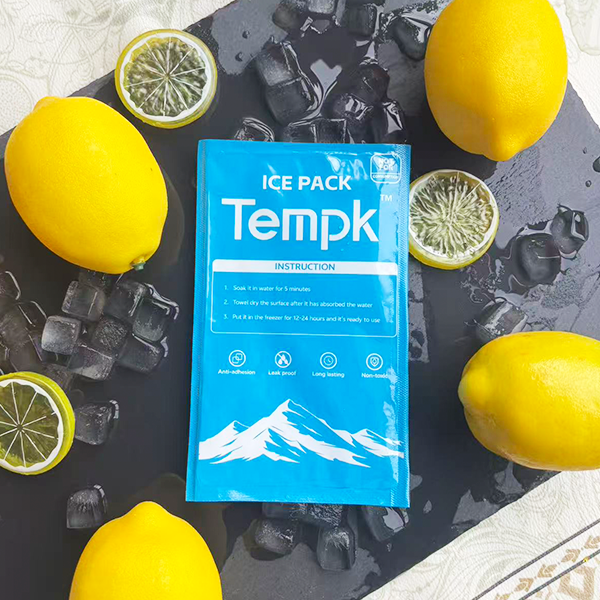
A Freeze-Risk-Aware Specification for Bulk Dry Ice Pack for Insulin Delivery
The phrase bulk dry ice pack for insulin delivery contains a hidden contradiction. If “dry ice” means solid carbon dioxide, its temperature is entirely unsuitable for direct contact with insulin that must not freeze. If it means a reusable frozen sheet or gel pack, the material may be useful, but its commercial name proves neither temperature control nor pharmaceutical suitability. A dependable procurement project resolves that ambiguity first. It then traces one line of evidence from the exact insulin label, through thermal design and qualification, to every lot of coolant and every packed parcel. The result is not a colder box. It is a reproducible system with a known freeze margin and a defined response when conditions are uncertain.
Product and Design Gates
Portão Um: Define the Product and the Decision Owner
No packaging team should work from “insulin” alone. Capture the exact proprietary or nonproprietary product, força, mercado, vial or pen presentation, quantidade do pacote, status fechado ou em uso, label revision, and approved storage statement. Many unopened insulin products are labeled for refrigeration around 2 degrees Celsius to 8 degrees Celsius and state that they must not be frozen, but in-use allowances and discard periods vary. The exact label remains authoritative.
Assign decision ownership before shipping begins. The pharmaceutical manufacturer, farmácia, distributor quality unit, or other authorized healthcare function should define:
- Transport acceptance range and any justified excursion process.
- Required monitoring and data retention.
- Liberar, quarentena, and disposition responsibility.
- Permitted product and payload configurations.
- Approved routes and contingency conditions.
- Change-control and requalification triggers.
The coolant supplier can provide material and test information. It cannot declare exposed insulin safe, invent a room-temperature allowance, or approve a universal transport condition. Keeping that responsibility clear prevents commercial urgency from overriding product-specific evidence.
The requirement should also distinguish safety and quality from service goals. A carrier commitment is not thermal qualification. A desire to deliver within one day does not eliminate a weekend-delay risk. Write the requirement for the maximum evaluated journey and define what the organization will do outside it.
Portão Dois: Classify the Proposed Coolant
Require the quotation to state what is inside the pack. The following names are not interchangeable:
- Dióxido de carbono sólido: gelo seco real, which sublimates near minus 78.5 graus Celsius, libera gás, and may be regulated as dangerous goods.
- Hydrate sheet: a dry cellular material activated with water and then frozen.
- Pacote de gel: a sealed water-based or formulated coolant pouch or brick.
- Phase-change pack: a controlled formulation selected for a defined transition region.
Actual dry ice should not be positioned next to insulin. A specially engineered, multilayer system using it at a remote thermal boundary would still need product-owner justification, freeze-risk analysis, ventilação, controles de manuseio, classificação de transporte, e qualificação. That is an exceptional engineering project, not a routine bulk purchase.
Reusable frozen packs avoid the carbon-dioxide gas hazard, but they can still be too cold. A water pack removed from a low-temperature freezer has a surface below the freezing point of water. If it touches a vial carton, a local freeze can occur before the average shipper temperature shows a problem. A PCM designed nearer the refrigerated range can reduce this gradient when properly conditioned, but grade identity and starting state must be controlled.
Obtain composition, phase data where relevant, informações de segurança, instruções de ativação, método de condicionamento, dimensões congeladas, mass tolerance, construção de vedação, e classificação de transporte. Confirm the latter through the responsible dangerous-goods or compliance function rather than through a trade name.
Portão Três: Design a Thermal Buffer, Not a Cold Pile
The design objective is to keep the warm boundary and cold boundary away from the product requirement. Insulation resists external heat. Coolants store thermal energy. Dividers add resistance between medicine and cold surfaces. Payload mass and air space influence response. A tampa, cantos, articulações, and contact faces create nonuniform conditions.
Build from a defined component stack. Specify outer carton, painéis de isolamento, coolant grade and count, divider material, payload carton, controle de vazio, registrador, encerramento, e etiquetas. Mark each part with an identifier. If operators can substitute “equivalent” corrugated or a similar blue PCM, the tested stack is not controlled.
Conditioning requires the same precision. State equipment range, pack loading, minimum conditioning period, tempering if required, ready-status verification, método de transferência, and maximum staging time. Para lençóis de hidratação, include activation water, processo de imersão, drenagem, inspeção, and expanded dimensions. Map or qualify the conditioning equipment as appropriate; a full freezer with blocked airflow may not reproduce development conditions.
| Packout risk | Como aparece | Design control | Verificação |
|---|---|---|---|
| Product freezes at pack face | Local conduction through thin carton | Controlled PCM state, separador, fixed spacing | Cold-location probes and representative product |
| Product warms near lid | Heat leak or missing coverage | Continuous insulation and defined top layer | Hot-location probe and closure check |
| Low payload shifts | Extra void and vibration | Qualified low-fill insert or separate configuration | Handling test plus low-load thermal run |
| Wrong PCM grade used | Similar appearance or label | Segregação, código, digitalizar, and line clearance | Batch record and pack check |
| Coolant underconditioned | Reduced thermal capacity | Controlled freezer load and ready-state check | Conditioning record and thermal run |
The table turns abstract risks into process controls. It also shows why adding more packs is not a general corrective action. Extra coolant may improve one hot location and worsen a freeze location.
Portão Quatro: Qualify the System and the Workflow
Qualification should demonstrate performance of the defined system under selected external challenges and routine variation. Establish a protocol before testing. Include product requirement, configuração, cargas úteis, lotes de componentes, condicionamento, perfil ambiente, sensores, Critérios de aceitação, repeat strategy, tratamento de desvios, e aprovação do relatório.
Use representative insulin cartons or a justified thermal surrogate with matching mass, geometria, and contact behavior. Test minimum and maximum payload if both will be commercial. Challenge hot and cold seasons because freeze-sensitive product can fail in a cold lane even when the coolant design was created for summer.
Place sensors through thermal-risk analysis. Include suspected warm positions and cold contact positions. State whether probes measure air, superfície, or product surrogate. Use devices with suitable accuracy, faixa, calibração, and interval. Review full traces. An acceptable center average cannot override a below-limit wall reading.
WHO technical guidance for time- and temperature-sensitive pharmaceuticals provides a useful qualification framework for shipping containers. ISTA thermal profiles can support standardized parcel testing. GDP principles may expect suitable equipment, controle documentado, e evidência de temperatura. Apply the standards and guidance relevant to the organization, produto, rota, e mercado; do not market a component as globally compliant because it appeared in one successful test.
Performance qualification or a controlled shipping pilot should demonstrate that trained operators can reproduce the packout with normal production materials and time pressures. Include carrier handoff and receiving where appropriate. The final report needs an approved bill of materials, desenho de embalagem, fotografias, procedimento de condicionamento, and boundaries of use.
Portão Cinco: Translate Evidence Into a Bulk Purchase Specification
Supplier quality has to preserve the characteristics that the qualification used. Define critical material attributes and acceptable tolerances. Depending on the coolant, these may include formulation identity, transition behavior, preencher massa, expanded dimensions, estrutura do filme, integridade do selo, valve performance, e durabilidade da impressão.
The quality agreement or purchasing terms should address:
- Lot coding and traceability.
- Production inspection and release.
- Documents supplied with each lot.
- Control of nonconforming product.
- Complaint investigation and corrective action.
- Advance notification of formula, filme, processo, ferramentas, site, or sub-supplier changes.
- Retention samples where justified.
- Audit or technical-review rights appropriate to risk.
- Armazenar, transporte, and shelf-status conditions.
- Business continuity and approved alternatives.
Evaluate normal-production samples, not only prototypes. Measure packs after hydration and conditioning if those states affect fit. Run incoming inspections based on functional risk. A beautiful print does not compensate for a narrow seal; a small dimensional drift can matter if it removes the qualified air gap around insulin.
Commercial planning should include freezer space, rotação de estoque, trabalho de ativação, pack staging, and seasonal volume. Bulk pricing can be misleading when a pack requires an operational step the facility cannot control. Compare total delivered and conditioned cost inside the qualified process.
Portão Seis: Make Every Shipment Traceable and Reviewable
Routine execution should create a concise record of what was packed. Include product and lot, coolant lot or status where required, packout configuration, operator or line, pack completion time, logger identity if used, transferência de operadora, e recibo. The depth of record depends on the quality system and distribution model.
Use visual work instructions and component kits. Clearly separate conditioned, têmpera, preparar, voltou, em quarentena, e refrigerante rejeitado. Verify count and position before closure. Avoid last-minute additions after a delay unless an approved procedure defines the response; an extra frozen pack can create an unassessed freeze risk.
Monitoring must have a purpose and a response. Confirm logger activation and location. No recebimento, link the record to the shipment, review status according to procedure, and store insulin promptly under the label condition. If data are missing or out of range, quarantine the product and escalate. Do not rely on remaining ice, a cool carton, or a carrier’s assurance.
For direct-to-patient shipments, simplify the recipient action. The patient should know how to identify package damage or an alert, where to store the insulin, and whom to call. Avoid asking the patient to interpret a complex trace or assess stability. Ensure coolant instructions accurately distinguish a reusable pack from actual dry ice.
Portão Sete: Control Change and Improve the Lane
Qualification evidence remains valid only while its assumptions remain reasonable. Define review triggers for coolant formulation, filme, dimensões, site do fornecedor, isolamento, Carton, carga útil, condição do rótulo, rota, operadora, temporada, equipamento de condicionamento, registrador, and pack procedure. A change can require document review, engineering analysis, confirmatory testing, or full requalification according to risk.
Collect operational data without confusing observation with approval. Trends in logger readings can reveal shrinking margins. Complaints can expose pack movement or unclear patient instructions. Freezer records can show conditioning bottlenecks. Supplier deviations can identify seam or fill drift.
When investigating a warm or cold event, reconstruct the timeline. Examine product starting condition, coolant ready status, component identity, fotos da embalagem, tempo de montagem, encerramento, varreduras de operadora, route weather, posição do registrador, e atraso no recebimento. Identify root cause before changing the system.
Sustainability improvements should enter through this same change process. Right-size insulation or coolant using evidence. Reusable components may fit closed pharmacy or clinic lanes, while recovery from homes may be inefficient. Compare equivalent successful deliveries, including conditioning energy, retorna, limpeza, perda, material, frete, and medicine waste. A lower-material proposal that reduces thermal margin is not equivalent.
Perguntas frequentes
What should a buyer reject immediately in a coolant quotation?
Reject ambiguity about composition, a universal hold-time claim without test context, or a statement that the pack is compliant for all pharmaceuticals. Also challenge an instruction to place frozen coolant directly against insulin without product-specific qualification. A credible quotation identifies the material, condicionamento, dimensões, documentação, and limits of available evidence.
Can I use the insulin carton as the only cold barrier?
Não presuma isso. A paperboard carton may offer some resistance, but its thickness, condição de umidade, área de contato, and product geometry vary. The qualified packout should establish whether a separate divider or controlled space is needed. Test cold-contact positions with representative packaging. Qualification should verify the actual barrier stack.
How many qualification repeats are required?
There is no single number that applies to every program. The protocol should justify repeat count based on risk, variabilidade, standard or internal requirements, faixa de carga útil, e uso pretendido. One pass usually provides limited evidence of reproducibility. Follow the organization’s quality system and relevant guidance.
Can remaining frozen coolant prove the insulin stayed acceptable?
Não. A partly frozen pack shows something about the pack’s state at receipt, not the complete product temperature history. Insulin may have warmed in another location or frozen at a contact point. Use approved monitoring and excursion procedures, along with package inspection and handling records.
When is a reusable pack no longer suitable?
Retire it according to defined condition criteria such as leakage, inchaço, delaminação, contaminação, loss of label, deformação permanente, or evidence of changed thermal behavior. Do not rely only on an unverified maximum cycle count. Track and inspect reusable assets within the approved process. Document why every unit is retired.
Conclusão
A freeze-risk-aware bulk specification is a chain of gates. Define the exact insulin and decision owner, classify the coolant, create a buffered packout, qualify both design and workflow, preserve critical attributes through supplier controls, document routine shipments, and reassess meaningful changes. Actual dry ice should not be treated as a direct insulin refrigerant. Reusable cooling packs become appropriate only when their material behavior and conditioning are controlled inside a system supported by evidence for both sides of the labeled range.
Sobre Tempk
Tempk supplies passive cold-chain components that include hydrate cooling sheets, pacotes de gel, Opções de PCM, and insulated shipping products. For a bulk insulin project, Tempk can help buyers compare component construction, condicionamento, dimensões, and sample availability against a draft packout. Requisitos específicos do produto, protocolos de qualificação, estratégia de monitoramento, and medicine disposition remain the responsibility of the authorized pharmaceutical or healthcare quality function.
Provide Tempk with your controlled bill of materials, faixa de carga útil, condição rotulada, and route challenge to discuss production samples for a freeze-risk evaluation.