


Protocolo de qualificação de embalagens térmicas e revisão de relatório
Protocolo de qualificação de embalagens térmicas e revisão de relatório
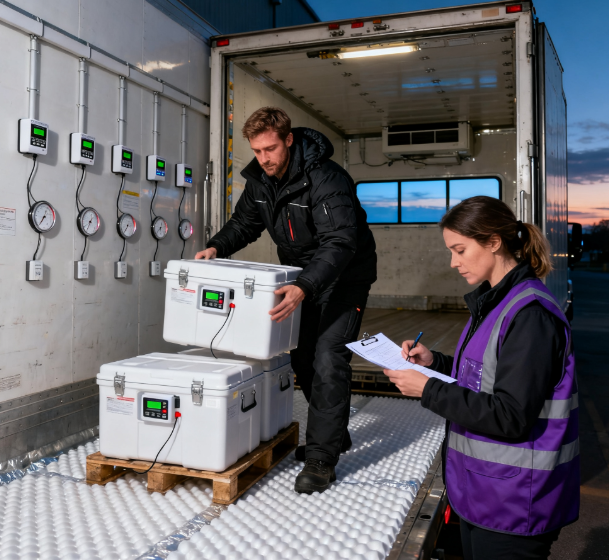
Protocolo de qualificação de embalagens térmicas e revisão de relatório
A qualificação de embalagem térmica fornece evidências documentadas de que uma configuração de envio especificada pode atender aos requisitos de temperatura definidos sob as condições avaliadas. O objeto qualificado é o pacote completo, incluindo isolamento, refrigerante, arranjo e preparação de carga útil. A conclusão é limitada pelo escopo do teste. Um relatório aprovado para uma configuração não estabelece adequação para cada carga útil, rota ou método de operação.
Para revisores de qualidade e compradores técnicos, a tarefa é conectar os requisitos às medições e depois ao uso rotineiro. O relatório deve tornar essa conexão visível. Se um revisor não conseguir identificar a configuração testada, limites ou bases relevantes para a exposição, uma declaração de tempo de espera é insuficiente para a decisão de aprovação pretendida.
Comece a revisão com a decisão que o relatório apoia
Determine se o trabalho é um teste de desenvolvimento, qualificação formal ou confirmação de campo. O desenvolvimento pode comparar projetos ou localizar um mecanismo de falha. A qualificação avalia uma configuração identificada em relação a critérios pré-aprovados. A evidência de campo aborda como o arranjo se comporta nas condições operacionais representadas. Cada atividade pode ser útil sem ser intercambiável.
Localize o documento e protocolo de requisitos. Eles devem identificar as condições do produto, limites de carga útil, temperatura inicial, intervalo de proteção e importantes restrições de manuseio. Confirme se os critérios de aceitação foram aprovados antes do teste. Os critérios introduzidos após os resultados serem conhecidos podem enfraquecer a base para a conclusão.
QUEM's shipping-container guidance describes design, qualificação operacional e de desempenho como etapas distintas. Sua abordagem adequada à finalidade é útil para estruturar a revisão. Terminology should also follow the organization's quality system and applicable requirements; testes de amostras informais não devem adquirir rótulos formais de aprovação apenas através da apresentação.
Pergunte se as evidências existentes do fornecedor podem apoiar parte da avaliação. A resposta pode ser sim quando seu escopo e configuração correspondem ao uso pretendido. Repetir o trabalho automaticamente pode desperdiçar recursos, embora aceitar um relatório sem comparar o seu âmbito pode deixar uma lacuna importante. Documente a comparação e as evidências restantes necessárias.
Estabeleça quem possui a aprovação final. Um fornecedor pode fornecer evidências laboratoriais e recomendações técnicas, enquanto o proprietário do produto determina a aceitação de sua aplicação. As aquisições e as operações devem contribuir com seus requisitos sem substituir a decisão de qualidade.
Identifique o pacote para que outra equipe possa reproduzi-lo
O relatório deve especificar o modelo do remetente, tampa, caixa externa, componentes de isolamento, refrigerante, separadores, arranjo e fechamento de carga útil. Incluir identidade e revisão do componente quando relevante. Uma fotografia é útil, mas pode não revelar a qualidade do material, dimensões, formulação do refrigerante ou estado de preparação.
Condicionamento de documentos separadamente do armazenamento de componentes. Um ponto de ajuste do equipamento por si só não prova que os componentes atingiram o estado pretendido. O procedimento deve identificar o método de preparação, abordagem de verificação e sequência de tratamento que os operadores precisam reproduzir. Onde a preparação afeta o desempenho, capturá-lo na especificação.
Defina a zona do produto e as dimensões da carga útil após a instalação dos componentes de resfriamento e proteção. O volume nominal é uma especificação incompleta. O arranjo qualificado pode reservar espaço para refrigerante, separadores e monitoramento, e pode permitir apenas determinados padrões de carregamento.
Descrever as condições iniciais e orientação da carga útil. Pequenas mudanças no posicionamento podem colocar um produto próximo a um limite mais quente ou a uma interface de refrigerante mais fria. Um diagrama de carga deve identificar o arranjo permitido, incluindo qualquer liberação necessária e material de gerenciamento de vazios. Não deixe que os operadores deduzam o arranjo a partir de um desenho de contêiner vazio.
Examine as alterações feitas durante o estudo. Um pacote substituído, separador extra ou fechamento revisado pertence ao registro de desvio. Se a configuração final for diferente daquela originalmente planejada, a conclusão deve identificar claramente qual acordo é apoiado pelas evidências.
Verifique se a exposição responde à pergunta pretendida
O desempenho térmico está condicionado à exposição externa tempo-temperatura. Revise o perfil usado, como foi selecionado e como se relaciona com a distribuição pretendida. Uma exposição constante pode responder a uma questão de desenvolvimento. Uma mudança de perfil pode representar outras condições. Nenhum dos dois merece uma reivindicação de desempenho universal.
ISTA identifica padrão 20 as a design and qualification process for insulated shipping containers and 7E as thermal profiles for parcel delivery systems. Os documentos têm funções relacionadas, mas distintas. Verifique o padrão ou procedimento preciso, revisão, perfil e base de certificação reivindicada em vez de aceitar uma referência ISTA inexplicável.
Perfis padronizados suportam uma base de testes consistente. Eles não são dados de pior caso personalizados automaticamente para uma pista específica. Se a rota real incluir um intervalo de liberação incomumente longo, um atraso de recebimento não suportado ou um modo de transporte diferente, avaliar se o perfil padrão é um desafio adequado para esse uso.
O relatório deve separar o desafio ambiental da duração do transporte. Duas exposições com a mesma duração podem produzir resultados diferentes. Preservar a sequência temporal e os detalhes do perfil ao comparar relatórios. Uma duração reivindicada mais longa sob uma exposição menos exigente pode não ser a melhor opção para a aplicação proposta.
Considere as intervenções pretendidas. Abertura, o reabastecimento de refrigerante ou a transferência para outro contêiner pode alterar o comportamento do sistema. Incluir uma versão aprovada do evento na avaliação se fizer parte do uso rotineiro. De outra forma, indique a restrição claramente. A evidência de uma embalagem selada não deve ser descrita como evidência de uma inspeção não controlada.
Avalie juntos os limites da carga útil e a relevância da medição
Identifique o produto ou substituto usado. Um substituto deve representar as características térmicas e geométricas relevantes para o estudo. Massa semelhante por si só não estabelece equivalência. Sua forma, embalagem, a temperatura e a posição inicial podem afetar a relação entre a resposta medida e o produto pretendido.
Revise a justificativa para selecionar configurações de carga útil. Cargas baixas e altas podem apresentar riscos diferentes, e a variação da ordem pode alterar o espaço interno e o contato com os componentes. Onde apenas um arranjo é testado, avaliar se o pedido deve ser restringido ou se são necessárias provas adicionais.
O mapeamento de temperatura examina diferenças entre posições relevantes. Verifique se os locais selecionados podem resolver os riscos do produto na configuração escolhida. Um sensor no centro geométrico pode ser útil, mas insuficiente para um produto limite próximo à tampa ou refrigerante. As medições de mapeamento e qualificação devem estar conectadas através de uma justificativa explícita.
Determine o que é realmente medido: ar, produto, substituto ou uma superfície próxima. Esses registros podem servir a propósitos diferentes. Um sensor diretamente adjacente ao líquido refrigerante não deve ser tratado silenciosamente como a temperatura de cada item de carga útil. O relatório precisa de um desenho de posicionamento e uma explicação da função de medição.
O equipamento de medição deve ter faixa e calibração apropriadas para as condições do estudo. Revise a amostragem, comportamento de resposta, capacidade da bateria, recuperação de memória e dados. Resolução é o incremento exibido, não é prova de precisão. Um registrador adequado para transporte refrigerado pode não ser adequado para aplicações em temperaturas muito mais baixas.
Use uma regra de decisão definida quando as medições se aproximarem de um limite. Considere a incerteza de medição relevante através do processo de qualidade aprovado. Não melhore o resultado arredondando para dentro ou alterando as configurações do alarme após o estudo. Um alarme operacional e um critério de aceitação de produto têm finalidades diferentes.
Revise execuções e desvios individuais antes do resumo
Comece com os históricos de temperatura, not the supplier's pass statement. Examine as posições relevantes em relação aos limites superior e inferior, onde ambos se aplicam. Identifique quando uma posição se aproxima primeiro de um limite e se o padrão se repete. Uma curva central ou média pode ocultar uma posição falhada.
A replicação deve seguir o protocolo aplicável, standards or guidance and the project's risk rationale. Uma única execução bem-sucedida pode ser uma evidência útil de desenvolvimento sem estabelecer um desempenho qualificado repetível. Se o relatório depender de replicação, os resultados individuais devem permanecer disponíveis para revisão.
Verifique o registro ambiental real, bem como o perfil programado. Um ponto de ajuste da câmara descreve o comando pretendido, enquanto o registro de exposição ajuda a estabelecer o que o artigo de teste experimentou. Diferenças inexplicáveis, interrupções ou intervalos ausentes precisam de avaliação antes de aceitar o resultado.
| Descoberta do relatório | Interpretação para investigar | Ação do revisor |
|---|---|---|
| Uma posição difere do centro | Variação na zona do produto ou problema de posicionamento | Revise o mapeamento e a relevância da posição |
| Uma corrida falha enquanto a média passa | A média esconde a variabilidade | Avalie a falha individual |
| Mudanças de temperatura após a abertura | Intervenção muda missão térmica | Verifique o âmbito de intervenção aprovado |
| Os dados param antes do endpoint | A proteção durante todo o intervalo não está comprovada | Avalie as evidências faltantes |
| Os componentes diferem do protocolo | Os resultados podem suportar outra configuração | Revise o desvio e a identidade de configuração |
Essas descobertas são avisos para investigação, em vez de diagnósticos automáticos. Um problema de sensor, erro de preparação e limitação de projeto requerem correções diferentes. O relatório deve mostrar como a equipe chegou à sua explicação e quais evidências apoiam a conclusão revisada.
Manter testes malsucedidos e condições excepcionais no registro. Um novo teste bem-sucedido não os apaga. Determinar se uma correção altera o sistema, o protocolo ou o uso permitido. A aprovação final deve descrever a configuração e os controles que realmente produziram as evidências aceitas.
Distinguir o desempenho do pacote da rota e aprovação do produto
Um relatório de qualificação de laboratório estabelece o desempenho dentro do seu escopo de teste. A avaliação da rota conecta esse escopo ao serviço real, transferências, condições de atraso e recebimento. Estas são etapas relacionadas, e um relatório de pacote não deve alegar ter avaliado transferências que nunca fizeram parte do estudo.
A disposição do produto é outro limite. Evidências de temperatura apoiam uma decisão de qualidade, mas um fornecedor de embalagens não cria licenças de estabilidade do produto. Onde ocorre uma excursão, o proprietário do produto deve avaliá-lo usando informações e procedimentos autorizados. Um retorno posterior à temperatura aceitável não resolve por si só a exposição anterior.
De forma similar, material, documentos de segurança e transporte servem seus próprios propósitos. Uma declaração de contato com alimentos não demonstra o tempo de espera. Um resultado de perfil térmico não estabelece aceitação de mercadorias perigosas. Uma certificação de laboratório não estende o relatório a configurações não testadas. Revise cada reivindicação em relação ao documento que pode apoiá-la.
Peça a um fornecedor que use o termo pré-qualificado para definir seu significado. Determinar a configuração, requisitos, perfis e condições abrangidas, e se a certificação é reivindicada. O termo pode referir-se a evidências valiosas existentes, mas o comprador precisa dessa evidência e não apenas do rótulo.
Onde a aplicação proposta difere do relatório, documentar a lacuna. As possíveis respostas incluem restringir o uso, obter evidências adicionais ou selecionar outro sistema. O objetivo é uma decisão explícita baseada na diferença, não é uma garantia ampla de que o pacote funcione porque funcionou noutros lugares.
Transfira as evidências para um processo de embalagem reproduzível
Converta a configuração aprovada em instruções operacionais claras. Incluir preparação, identificação de componentes, carregando, encerramento, monitoramento e tempo de despacho. Forneça à equipe um diagrama que corresponda ao arranjo testado e explique como reconhecer a versão correta.
Verifique se o local de embalagem pode realizar o processo. Equipamento de condicionamento, espaço de preparação, a carga de trabalho e o treinamento podem afetar a implementação das instruções do laboratório. Um local ilustrativo pode ter equipamento suficiente para preparação de amostras, mas capacidade insuficiente durante o pico de expedição. Resolva essa restrição antes de adotar o processo em escala.
Definir ações para cobrança atrasada, componentes danificados e pedidos fora do limite da carga útil. O operador precisa de um caminho de decisão em vez de uma instrução para manter o produto frio. A reembalagem ou componentes alternativos podem exigir revisão porque podem alterar a configuração suportada pelo relatório.
O monitoramento de rotina pode fornecer feedback sobre o desempenho e a execução. Revise resultados repetidos próximos ao limite, registros faltantes e desvios de preparação. Essas observações podem revelar um problema no processo antes que ocorra uma remessa fora do limite. O monitoramento complementa o sistema aprovado; um registrador não fornece capacidade de resfriamento.
As instruções de recebimento devem apoiar a transferência segura para armazenamento adequado, recuperação de dados e tratamento de exceções. Vincule a aceitação do produto ao processo de revisão autorizado. Um pacote que parece frio na chegada não substitui o registro de temperatura exigido.
Mantenha a configuração qualificada vinculada a compras e alterações
A especificação de compra deve fazer referência ao conjunto de componentes aprovado. Definir como as alterações nas dimensões, tampa, material, refrigerante, encerramento, carga útil ou preparação são avaliadas. Uma substituição com o mesmo peso nominal ou aparência semelhante ainda pode afetar o comportamento.
Para sistemas reutilizáveis, estabelecer critérios de inspeção e liberação alinhados com as instruções do fornecedor e o escopo de desempenho aprovado. Limpeza, armazenamento e substituição de componentes precisam de controle. Não interprete uma designação reutilizável como vida ilimitada ou presuma que um invólucro intacto confirma a condição de cada componente térmico.
Especifique a propriedade do relatório, acesso a evidências e o escopo comercial de testes adicionais. Alguns fornecedores fornecem resumos para triagem e documentação mais completa sob condições acordadas. É necessário resolver o acesso antes da aprovação para que a revisão não seja bloqueada no final da aquisição.
Tempk's public validation and packout-testing resources can help organize product conditions, suposições de rota e detalhes de preparação para uma discussão técnica. Confirme o escopo de teste específico do projeto, resultados e responsabilidades, em vez de inferi-los de uma página de serviço geral.
Use a qualificação de embalagem térmica para aprovar um sistema definido que possa ser reproduzido e mantido. Pegue os requisitos do produto, configurações de carga útil e lacunas de relatório na análise do fornecedor, em seguida, registre o uso apoiado e qualquer evidência adicional necessária antes da liberação de rotina.
Qualificação da rota da cadeia fria, desde a criação de perfil até a aprovação

Qualificação da rota da cadeia fria, desde a criação de perfil até a aprovação
Cold chain route qualification establishes documented confidence that a defined transport arrangement can protect the intended temperature-sensitive product under the conditions represented by the assessment. O acordo inclui o serviço de transportadora, equipamento de embalagem ou transporte, preparação, transferências, monitoramento e recebimento de controles. Uma origem e um destino não definem suficientemente esse acordo para apoiar uma conclusão de qualificação útil.
A decisão essencial é se a faixa proposta está pronta para uso rotineiro, pronto apenas dentro de restrições, ou ainda faltam evidências. Respondê-la requer uma conexão entre a exposição real, desempenho da zona do produto e capacidade operacional. Um traço de temperatura faz parte dessa evidência. O rastro se torna muito mais útil quando está vinculado aos acontecimentos e responsabilidades que o produziram.
Decida o que o estudo de rota deve provar
Begin with the product's approved transport conditions, a carga útil pretendida e o arranjo operacional planejado. Identifique quem aprovará o estudo e quem será o responsável pela disposição do produto. A equipe de logística não deveria ter que interpretar os limites de estabilidade do produto após a conclusão das remessas de campo.
Separe três atividades que costumam ser combinadas em uma conversa. A avaliação de riscos identifica perigos e suposições. O perfil da rota ambiental caracteriza a exposição externa encontrada na distribuição. A avaliação de desempenho em campo avalia o acordo de envio selecionado no ambiente operacional representado. Eles se informam, mas suas conclusões respondem a perguntas diferentes.
QUEM's transport-route profiling supplement explains that actual distribution temperature data can support representative ambient profiles. Isso torna o perfil uma contribuição para a avaliação do sistema de remessa. Não faz registro ambiental que comprove que o produto permaneceu protegido. As medições da zona do produto e os registros operacionais relevantes são necessários para essa questão separada.
Um estudo antecipado de rota pode ser necessário antes que um pacote final seja selecionado. Nesse caso, descrevê-lo como perfil ou caracterização de risco e usá-lo para desenvolver os requisitos de embalagem. Evidências posteriores podem avaliar o sistema selecionado. Evite um rótulo de qualificação amplo que oculte trabalhos inacabados.
Defina a via por meio da transferência final de armazenamento
Mapeie a sequência desde a preparação até o armazenamento de destino. Incluir preparação de despacho, coleção de transportadora, depósito de origem, transferências, autorização de fronteira, depósito de destino, última milha e recebendo. Registre se cada segmento tem controle de temperatura, quanto tempo normalmente leva e quais interrupções credíveis podem estendê-lo.
Identifique o serviço da operadora em vez de apenas o nome da operadora. Os serviços expresso e padrão podem usar redes diferentes. A mesma rota também pode mudar com o dia do envio, agendamento sazonal ou entrega subcontratada. A evidência de um serviço não deve autorizar silenciosamente outro.
Specify the study's time boundaries. Encerramento, coleta e partida são eventos diferentes. No destino, digitalização de entrega, desembalar e colocar em armazenamento adequado também são eventos diferentes. O intervalo de proteção relevante deve corresponder aos requisitos do produto e do sistema de transporte, com condições de preparação capturadas onde elas influenciam o desempenho.
Incluir informações que alteram o plano de recebimento: horas de trabalho, requisitos de nomeação, disponibilidade de freezer ou geladeira, restrições de acesso e a pessoa autorizada a aceitar a remessa. Uma via que seja satisfatória durante o horário normal de recebimento pode precisar de restrições nos finais de semana ou feriados.
| Segmento | Lacuna de evidências para investigar | Controle para atribuir |
|---|---|---|
| Fila de despacho | Quanto tempo passa após a preparação? | Tempo de liberação e resposta de coleta perdida |
| Facilidade de transferência | O armazenamento é controlado durante atrasos de conexão?? | Proprietário de acesso ao armazenamento e escalonamento |
| Alfândega | A liberação ou inspeção pode estender a exposição? | Preparação do documento e intervenção aprovada |
| Última milha | O serviço de rotina difere do teste? | Especificação de serviço e instruções da operadora local |
| Recebendo | O que acontece após a digitalização da entrega? | Transferência de armazenamento, recuperação de dados e revisão de aceitação |
A tabela ajuda a localizar onde são necessárias evidências adicionais. Não substitui um mapa de rotas ou um acordo operacional. O estudo deve usar a sequência real, incluindo qualquer segmento que a cotação de transporte omite.
Colete a exposição e a resposta do produto como evidências separadas
Um monitor ambiental caracteriza as condições fora do sistema de proteção de temperatura. Um monitor de zona de produto avalia condições relevantes para a carga útil. Positioning a sensor inside an insulated box and labeling its reading ambient would blur those roles. Documente cada posicionamento e a pergunta que ele responde.
Onde ambos os tipos de medição são coletados, vincule-os a um identificador de remessa comum e carimbos de data/hora consistentes. A diferença entre a exposição externa e a resposta interna pode explicar por que um pacote permanece dentro dos limites durante um evento, mas se aproxima do limite através de outro.. Nenhum dos registros deve ser interpretado sem sua posição e condições iniciais.
Escolha dispositivos com faixas de medição e calibração adequadas para as condições registradas. Defina o intervalo de registro para que possa resolver eventos relevantes para o estudo, ao mesmo tempo que permite memória e bateria suficientes para atrasos. Definir início, procedimentos de parada e recuperação. Verifique se o posicionamento escolhido não perturba a embalagem ou dá uma visão enganosa dos limites do produto.
Para transmitir monitores, distinguir uma lacuna de comunicação de uma lacuna de medição. Um dispositivo pode continuar a gravação local enquanto a conectividade estiver indisponível. Confirme como esses registros são recuperados e como a ausência de dados ativos afeta o plano de resposta. Não trate um upload bem-sucedido como evidência de posicionamento ou calibração corretos.
Colete informações de eventos junto com a temperatura. Registros relevantes incluem preparação, encerramento, escolher, partida, transferir, liberação, abertura, entrega e armazenamento. Os carimbos de data/hora da operadora e do corretor podem usar fusos horários diferentes; normalize-os cuidadosamente e retenha os registros originais. Isso evita que um evento de temperatura aparente seja combinado com a transferência errada.
Representar variação em vez de repetir remessas convenientes
O plano de amostragem deve refletir as condições que podem alterar a decisão. Considere o nível de serviço, dia de envio, caminho de transferência, temporada, instalações de origem e destino, arranjo de carga útil e restrições de recebimento. Incluir condições adversas credíveis através de um desenho de estudo justificado ou de uma avaliação complementar controlada.
Não compare o tamanho do conjunto de dados com representatividade. Muitas viagens em uma estação favorável podem deixar um risco de inverno sem resposta. Ensaios repetidos conduzidos por uma equipe de projeto especial podem não representar o envio de rotina. O relatório deve explicar o que os dados recolhidos cobrem e o que não podem estabelecer.
Não existe uma contagem universal de remessas que qualifique automaticamente cada rota. Determine o tamanho do estudo e a replicação por meio do protocolo aplicável, sistema de qualidade, orientação e justificativa de risco. Uma conclusão restrita pode ser apropriada quando os dados são limitados. O uso mais amplo precisa de evidências ou de uma justificativa documentada para ampliar o escopo.
Considere famílias de rotas onde isso possa reduzir duplicações desnecessárias. Uma família deve basear-se numa equivalência significativa na estrutura de serviço, exposição, duração, transferências e controles. O país de destino partilhado ou uma distância semelhante é insuficiente por si só. Registre a justificativa e identifique as condições que exigiriam uma avaliação individual da pista.
O planejamento também deve distinguir o uso rotineiro da interrupção previsível. Uma conexão perdida ou atraso na liberação pode precisar de consideração separada, mesmo que não ocorra durante as viagens amostradas. A ausência de um evento adverso num pequeno conjunto de dados de campo não estabelece que seja irrelevante.
Estabeleça regras de decisão antes do trabalho de campo
Aprovar os critérios do produto, escopo do estudo, regras de revisão de dados e tratamento de desvios antes dos ensaios. Identifique a versão exata da embalagem ou equipamento de transporte, limites de carga útil e procedimento de preparação. Determine o que constitui uma execução válida e quais evidências são necessárias para a aprovação pretendida.
Definir regras para medições faltantes, dispositivos perdidos, partidas atrasadas e movimento do sensor. Esses eventos podem deixar um resultado inconclusivo mesmo quando o rastreamento disponível parece aceitável. Um resultado inconclusivo não deve ser convertido em aprovação assumindo que o intervalo não registrado se assemelha ao registrado.
Considere a incerteza de medição onde as leituras se aproximam de um limite. A regra de decisão deve seguir o processo de qualidade aprovado e as capacidades do sistema de medição. Arredondar um valor limítrofe para dentro não é um substituto defensável para essa regra.
Separe a aceitação do produto dos gatilhos operacionais. Um marco perdido pode exigir intervenção antes que a temperatura atinja um limite. Um alarme de temperatura pode ser definido para fornecer tempo para uma resposta aprovada. Esses controles podem apoiar a pista, but their triggers should not be presented as the product's stability limits.
Definir como os desvios serão investigados e quem pode autorizar alterações. Testar novamente após uma ação corretiva pode demonstrar o processo revisado, enquanto a falha original permanece parte do registro. Um ensaio com embalagem ou serviço alterado deve ser identificado como evidência dessa alteração no arranjo.
Tornar as ações de recuperação parte do acordo avaliado
Mapeie a responsabilidade onde quer que uma remessa possa esperar. Uma transportadora, corretor e receptor podem ter, cada um, um procedimento interno claro, enquanto a responsabilidade pelo controle de temperatura entre eles permanece incerta. O plano de pista deve nomear o proprietário de cada transferência relevante e a pessoa que pode autorizar a intervenção.
Teste o caminho de comunicação entre fusos horários e horários fora do horário de trabalho. Identificar contatos de backup, as informações que recebem e as ações que podem tomar. Um alerta em tempo real não pode criar acesso a uma área de carga segura ou disponibilizar um freezer receptor. Confirme a capacidade física por trás da instrução de escalonamento.
Por exemplo, um corretor de destino pode conseguir liberar uma remessa ilustrativa, mas não pode fornecer armazenamento compatível com o produto. Um plano que diz entrar em contato com o corretor durante o atraso está incompleto. A resposta precisa de um recurso apoiado, outro serviço ou uma restrição de despacho que impeça a condição não suportada.
O reabastecimento e reembalagem de refrigerante requerem cuidados especiais. Podem alterar a embalagem aprovada e expor o produto durante o manuseio. Identifique pessoal treinado, disponibilidade de materiais, condições de trabalho adequadas e registros da ação. O procedimento de recuperação deve explicar o escopo de proteção resultante, em vez de assumir que o relógio térmico será reiniciado.
Se a inspeção for previsível, avaliar abertura e restauração. Uma embalagem qualificada enquanto selada não foi automaticamente demonstrada através de uma inspeção. Determinar se o sistema possui um método de intervenção aprovado ou se a inspeção requer escalonamento para o proprietário do produto.
Converta as descobertas em uma aprovação limitada
Review each shipment's full temperature history with its event record. Investigue se uma abordagem recorrente a um limite começa em um depósito específico, intervalo alfandegário ou fila de recebimento. Uma correção do processo pode ser mais eficaz do que adicionar isolamento, especialmente quando o principal problema é a espera descontrolada.
Retenha os resultados individuais. A temperatura média pode ocultar excursões, enquanto uma observação de ponto final pode perder uma exposição anterior. Onde diferentes posições de medição são usadas, examinar as diferenças em vez de combiná-las em uma única curva tranquilizadora. Indicar quais medições apoiam a avaliação do produto e quais caracterizam a exposição.
O relatório deve identificar o serviço aprovado, temporada ou escopo de exposição, carga útil, versão do pacote, preparação, condições de monitoramento e recebimento. Descrever desvios, restrições e questões não resolvidas. A conclusão deve dizer o que é apoiado: uso rotineiro dentro do escopo definido, uso restrito com controles declarados, ou trabalho adicional antes da aprovação.
Uma qualificação bem-sucedida não garante todas as remessas futuras. Os controles de rotina continuam necessários. Estabeleça quem revisa os registros de monitoramento, como as exceções são escalonadas e como uma remessa com evidências questionáveis é retida para descarte do produto. A confirmação de entrega da transportadora não deve substituir essa decisão de qualidade.
Reavaliar quando as premissas operacionais mudarem
Defina as mudanças que precisam de revisão, incluindo serviço de transportadora, centro de transferência, horário de trânsito, embalagem, refrigerante, carga útil, arranjos de preparação e recebimento. Uma revisão da mudança pode justificar o uso continuado, evidências adicionais focadas ou uma nova avaliação. A resposta deve seguir riscos e evidências, em vez de repetir automaticamente todos os estudos ou presumir que nenhum é necessário.
Use informações de rotina para detectar desvios. Filas mais longas, liberação tardia repetida, a recuperação de dados perdidos e o aumento dos resultados próximos ao limite podem indicar que as suposições originais não descrevem mais a pista. Revise as causas mesmo quando as remessas individuais permanecerem aceitáveis.
Incluir acesso a evidências no acordo contínuo com prestadores de serviços. Uma revisão de rota pode ser adiada se ocorrerem eventos no depósito, registros de intervenção ou detalhes do subcontratado não estão disponíveis. Especifique os registros necessários, o fornecedor responsável e como serão fornecidos. Isto transforma um compromisso geral de cooperação numa base prática para investigar alterações e manter o âmbito aprovado.
Manter o registro de aprovação com a versão operacional que abrange. A equipe deve ser capaz de identificar o serviço e o pacote permitidos sem reconstruir o projeto a partir de e-mails. Treinamento, registros e controle de alterações tornam o estudo utilizável no trabalho diário.
Tempk's public Route Risk Checker can help organize an initial lane screen, e distingue explicitamente essa tela da qualificação de pista certificada. Use o resultado para preparar a discussão do roteiro e identificar lacunas, ao mesmo tempo que confirma o escopo real do estudo e da documentação separadamente.
Comece a qualificação da rota da cadeia de frio com um mapa completo de rotas e critérios de produto. Pegue os dados de exposição, registros operacionais e controles de recuperação propostos à equipe de qualidade responsável para que a aprovação reflita o arranjo que realmente será usado.
Embalagem de remessa congelada construída de acordo com os requisitos de chegada
Embalagem de remessa congelada construída de acordo com os requisitos de chegada
Um pedido que chega em uma caixa fria ainda pode perder a especificação de congelado. A embalagem de transporte congelado deve ser selecionada de acordo com a condição exigida do produto e todo o período desde a embalagem até o recebimento do armazenamento. Isso requer um refrigerante compatível, um gabinete isolado, proteção física e contra umidade, e evidências para a montagem completa. Para compradores de alimentos e frutos do mar, o ponto de partida mais útil é um requisito de chegada mensurável seguido por um teste da carga útil real, processo de rota e embalagem.
Defina um padrão de recepção que possa ser testado
Substitua instruções como manter congelado por um requisito específico do produto. Identifique o limite de temperatura, variação permitida, verificações de qualidade e método usado para avaliar o recebimento. O limite deve vir do proprietário do produto e dos requisitos de mercado aplicáveis. Um fornecedor de embalagens pode ajudar a projetar proteção em torno delas, but should not invent the product's acceptance standard.
Para alimentos ultracongelados dentro do seu escopo, Codex descreve manutenção a -18°C ou menos, sujeito a tolerâncias permitidas. O código exclui sorvetes comestíveis, sorvete e leite. Não aplique essa referência sem verificar o escopo do produto ou trate-a como uma lei universal para cada destino. Material farmacêutico congelado, amostras de alimentos e laboratórios podem ter requisitos diferentes.
Registre a condição inicial junto com o requisito de recebimento. O produto que entra no expedidor mais quente do que o pretendido cria uma carga térmica diferente. As embalagens projetadas para manter produtos congelados não devem ser consideradas para completar um processo de congelamento durante o transporte, a menos que esse uso tenha sido especificamente avaliado e aceito.
Definir como a decisão de recebimento usará medições. Uma leitura do ar da caixa, a leitura da superfície do produto e a medição do núcleo do produto respondem a perguntas diferentes. Selecione o método apropriado ao produto e ao procedimento aprovado. Aparência, o líquido refrigerante restante e uma leitura do ponto de chegada podem contribuir para a inspeção, mas não estabelecem por si só o histórico completo da temperatura.
Concorde com o ponto final da proteção. A entrega em uma doca de carga ou porta pode preceder o movimento para armazenamento adequado. Se se espera que a embalagem preencha esse intervalo, incluí-lo no projeto e teste. Se o destinatário assumir a responsabilidade mais cedo, tornar explícito o requisito de manuseio e verificar se o acordo é prático.
Escolha o refrigerante por sua função e restrições
Bolsas de gelo à base de água, subzero phase change materials and dry ice should be compared as different options. A decisão depende da condição exigida do produto, exposição, compatibilidade, processo de preparação e aceitação da transportadora. A generic description such as frozen gel pack does not identify the temperature behavior needed for the shipment.
O derretimento do gelo de água perto de 0°C não pode fornecer o mesmo buffer de mudança de fase que um material selecionado para uma temperatura de congelamento mais baixa. Uma bolsa de água profundamente congelada pode absorver energia enquanto aquece, mas essa reserva inicial é finita. Não justifica uma afirmação geral de que as bolsas de gelo comuns mantêm qualquer necessidade de congelamento para uma determinada viagem.
Um PCM abaixo de zero pode ser adequado quando seu comportamento documentado e o sistema completo suportam a aplicação. Solicite os dados relevantes e instruções de preparação. Verifique qual freezer ou equipamento de condicionamento é necessário, como a prontidão é estabelecida e por quanto tempo os componentes preparados podem permanecer preparados antes do uso. Um ponto de fase nominal não substitui a evidência de desempenho de carga útil.
O gelo seco oferece outra abordagem para aplicações compatíveis. Torna-se gás dióxido de carbono, criando requisitos para liberação de gás e manuseio seguro. The FAA's guidance for US air shipments states that dry ice packaging must allow the gas to escape, e acordos específicos da transportadora também devem ser abordados. Confirme os modos de transporte, aceitação e obrigações de preparação aplicáveis antes de escolher a embalagem.
| Abordagem de refrigerante | Decisão que pode apoiar | Limitação para resolver |
|---|---|---|
| Bolsa de gelo comum à base de água | Aplicações suportadas pelo seu comportamento real de temperatura | Nenhum controle automático sustentado em um limite inferior de congelamento |
| PCM abaixo de zero | Faixa de congelamento definida em um sistema passivo avaliado | Formulação, as evidências de condicionamento e embalagem devem corresponder |
| Gelo seco | Requisitos compatíveis de transporte congelado ou mais frio | Aceitação da transportadora, liberação de gás, manuseio e compatibilidade do produto |
| Transporte com temperatura controlada e embalagem protetora | Rotas apoiadas por infraestrutura controlada adequada | A exposição de transferência e as contingências de serviço permanecem relevantes |
Faça uma lista de abordagens viáveis antes de perguntar qual é a mais barata. Um refrigerante barrado pelo arranjo de transporte não pode se tornar uma escolha viável através de um melhor isolamento. Por outro lado, um refrigerante permitido ainda precisa demonstrar proteção na caixa proposta com a carga real.
Projete o gabinete em torno da remessa carregada
Compare o espaço utilizável do produto após colocar o refrigerante, painéis, separadores e contenção. O volume nominal é uma medida de compra inadequada quando os componentes térmicos ocupam parte do gabinete. Forneça as dimensões do produto embalado e verifique fisicamente o layout concluído antes de aprovar um desenho.
Incluir massa e formato do produto. Uma carga pesada pode causar tensão na base e na caixa externa; embalagens irregulares podem interferir na tampa ou criar pontos de contato difíceis. Porções finas de produtos e embalagens densas podem responder de maneira diferente ao calor. O resumo da embalagem deve identificar essas diferenças em vez de fazer uma média delas em uma ordem não representativa.
Avalie o conjunto de isolamento oferecido em vez de julgar apenas o nome do material. A carton with an insulated liner, a rigid foam box and a protected vacuum-panel shipper can each be appropriate under supported conditions. Construção de parede, ajuste da tampa, articulações, fechamento e durabilidade no manuseio contribuem para o resultado. Pergunte quais evidências se aplicam à estrutura proposta real.
A folha reflexiva é um recurso dentro de um gabinete, não é prova de duração térmica ou resistência a vazamentos. Confirm the liner's full construction, costuras e fechamento na amostra. Se um fornecedor alterar o revestimento para cumprir um preço-alvo, avaliar o efeito em vez de assumir que uma superfície de aparência semelhante preserva o desempenho original.
Mantenha a movimentação do produto sob controle. Partições, separadores e gerenciamento de espaços vazios devem proteger as embalagens primárias e manter a disposição pretendida durante o manuseio. A compressão excessiva pode danificar uma bolsa ou impedir o fechamento correto. Os espaços vazios devem ser manuseados de acordo com o projeto avaliado, em vez de preenchidos com qualquer material disponível na linha.
Dê à contenção de frutos do mar uma tarefa separada
As embalagens de frutos do mar precisam considerar embalagens de produtos lacradas, bordas afiadas da casca, vidros, abrasão e possível liberação de fluido. Definir qual camada contém o produto e qual protege a embalagem. Um forro isolado, a almofada absorvente e a bolsa primária selada desempenham funções diferentes e não devem ser tratadas como intercambiáveis.
Inspecione as embalagens primárias após carregamento e manuseio representativo. Pacotes a vácuo ou sacos que cabem em repouso podem ser perfurados pelo movimento, cantos ou um componente congelado adjacente. Ajuste a proteção ou arranjo com base nos riscos observados, em seguida, reavalie a configuração completa se a alteração afetar o projeto térmico.
Especifique a contenção secundária e o material absorvente onde a avaliação do produto e do perigo assim o exigir. Mantenha o vazamento longe da embalagem externa e dos produtos vizinhos. Embalagens úmidas podem criar problemas de manuseio e resistência mesmo quando o resultado térmico é aceitável. O manejo da umidade deve ser avaliado durante o mesmo ensaio prático, não adicionado como uma reflexão tardia.
Para um sistema de gelo seco, garantir que a contenção do produto não retenha o gás em evolução em um compartimento selado. Retenção térmica, o controle de vazamento e a liberação de gás precisam trabalhar juntos na montagem aprovada. Use as instruções de embalagem aplicáveis e a avaliação do projeto do fornecedor em vez de improvisar um saco interno selado em torno de todo o conteúdo.
A adequação ao contato com alimentos também deve ser verificada para os materiais relevantes e as condições de contato pretendidas.. Solicite a documentação aplicável em vez de presumir que todos os componentes térmicos são adequados para contato direto. A embalagem deve preservar os controles de segurança alimentar, bem como a temperatura e a aparência.
Teste os padrões de ordem que poderiam falhar de forma diferente
Considere um programa hipotético de frutos do mar congelados com pequenos pedidos de reposição e caixas maiores no mesmo serviço de encomendas. A carga menor pode ter menos massa de produto frio; a carga maior pode obstruir o espaço de refrigeração ou complicar o fechamento. Nenhum dos padrões deve ser aprovado apenas a partir de um teste do outro.
Defina o envelope do pedido relevante, incluindo formatos de produtos e condições iniciais. Selecione configurações representativas e desafiadoras por meio de uma análise de riscos. Se uma carga substituta for usada, explique como ele representa as propriedades e o arranjo importantes para o resultado. Conteúdos de teste convenientes não são automaticamente representativos.
Aplique uma exposição externa apropriada ao uso pretendido e registre-a. Perfis térmicos de parcelas padronizados podem fornecer uma referência documentada, mas o procedimento específico e a relação com a pista devem ser claros. Adicionar testes de rota ou avaliações adicionais onde as condições pretendidas permanecerem sem suporte. Uma caixa testada sob uma exposição não tem duração universal para todos os programas de remessa.
Coloque sensores para investigar áreas de produtos prováveis vulneráveis. Explique se cada um registra o ar, uma superfície ou um local interno, e confirme se o equipamento é adequado para as temperaturas congeladas encontradas. Revise a calibração, intervalo de registro e incerteza de medição como parte do método. Do not place a sensor against coolant and then describe that record as every product unit's temperature.
Inspecione a condição física, bem como os resultados térmicos. Registrar vazamento, danos na bolsa, movimento, ajuste da tampa, umedecimento da caixa e facilidade de manuseio no recebimento. Um traço de temperatura satisfatório não pode compensar uma falha na contenção primária. O teste deve responder se a remessa finalizada atende aos critérios de aceitação acordados como um todo.
Torne a linha de embalagem capaz de repetir o resultado
Traduzir o projeto avaliado em instruções que identifiquem os componentes, preparação, ordem de carregamento, separadores, fechamento e colocação do monitor. Use uma lista de materiais e um código de revisão que a compra e o atendimento possam reconhecer. Fotografias ou desenhos do acordo aprovado podem ajudar a equipe a identificar as partidas sem depender da memória.
Verifique a prontidão do condicionamento antes de carregar. Um ponto de ajuste do freezer por si só não prova que uma pilha lotada de embalagens PCM atingiu o estado exigido. O procedimento deve definir verificações de preparação e prontidão para o equipamento real e carga de componentes. Combine a capacidade de condicionamento com a programação do pedido para que o envio urgente não incentive o uso prematuro.
Gerenciar a preparação do produto entre o armazenamento congelado e o fechamento da caixa. Prepare os materiais disponíveis antes de liberar o pedido, quando for prático, e medir o processo real durante um piloto. Quando um componente faltante, etiqueta atrasada ou linha interrompida altera a condição inicial, a equipe precisa de uma rota de escalonamento e uma ação aprovada.
Defina um procedimento de coleta perdida. Uma caixa concluída à espera de outra coleção já viveu parte de sua história planejada. Reimprimir sua etiqueta não zera a reserva térmica. Decida como o produto é segurado, revisado e reembalado quando necessário de acordo com o processo específico do produto.
Substituições de controle. Another coolant pack of similar size may have different thermal behavior; um revestimento de substituição pode ter costuras ou espessuras diferentes. Mesmo o líquido refrigerante adicional pode alterar o ajuste da carga útil, contato e peso. Exigir avaliação de mudanças relevantes em vez de tratar qualquer arranjo mais frio ou mais pesado como automaticamente melhor.
Compare o custo somente depois que o escopo for equivalente
Peça a cada fornecedor para cotar a montagem completa e identificar exclusões. Inclui refrigerante, separadores, contenção, rótulos, embalagem externa e recursos de preparação na comparação. Um preço baixo pode ocultar os custos necessários para entregar a configuração suportada.
Use external dimensions and actual packed weight with the chosen carrier's current charging rules. Avaliar mão de obra, espaço condicionado, reabastecimento, componentes danificados e devoluções quando aplicável. Esses custos operacionais podem alterar a decisão de compra mesmo quando duas amostras apresentam resultados térmicos semelhantes.
Para embalagens reutilizáveis, confirme quem retorna, limpa, inspeciona e prepara o sistema. Um programa de retorno precisa de equipamento utilizável suficiente disponível no momento do envio, não apenas unidades suficientes compradas. As declarações ambientais devem refletir o processo real de devolução e reutilização e as provas relevantes, em vez de uma suposição de que todo invólucro reutilizável é automaticamente preferível.
Envie um resumo de cotação que inclua os requisitos do produto, condição inicial, envelope de carga, rota, serviço, atrasar a exposição, arranjo de recebimento, riscos de vazamento, quantidade e prazo de amostra. Peça aos fornecedores que confirmem os termos comerciais e o escopo da evidência proposta. Separe o que está disponível agora do que exigiria desenvolvimento ou teste.
Tempk's published frozen food and seafood offering describes configuration discussions covering insulated shipper formats, layouts de refrigerante e contenção de frutos do mar. Estas opções fornecem um ponto de partida para uma consulta de amostra. A execução de um pedido individual ainda necessita do apoio da configuração identificada e de sua avaliação; uma descrição de serviço público não estabelece um tempo de espera universal.
A embalagem congelada para remessa está pronta para uso operacional quando o requisito de chegada, o processo de design e expedição carregado tem uma conexão defensável. Aprovar as configurações que as evidências suportam, definir como as exceções são tratadas e preservar a montagem através de pedidos repetidos.
Prepare o limite do seu produto, dimensões de carga útil, requisitos de rota e recebimento, então solicite um pacote de amostra completo. Use o teste para confirmar a proteção de temperatura, contenção e embalagem repetível antes de liberar a especificação de produção.
15–25°C Embalagem para envio e seleção de CRT

15–25°C Embalagem para envio e seleção de temperatura ambiente controlada
15–25°C shipping packaging is appropriate when the product's approved transport requirement calls for that range and the complete packout supports the expected journey. A embalagem com temperatura ambiente controlada deve ser selecionada de acordo com um requisito escrito do produto, rather than a supplier's category name. Para um comprador, a evidência decisiva conecta a carga útil, estabilizador térmico, gabinete isolado, método de preparação e exposição externa. Use essas conexões para determinar se um sistema proposto se adapta à remessa e se sua equipe pode operá-lo de maneira confiável.
Converta o requisito do produto em uma especificação de remessa
Comece com o proprietário do produto. Obtenha a faixa de temperatura permitida, condição inicial, informações relevantes sobre estabilidade e instruções para lidar com excursões. Distinguir os limites operacionais normais das permissões que se aplicam somente após uma avaliação da excursão. Uma exceção permitida não deve se tornar o objetivo padrão do design apenas porque torna a embalagem mais barata.
A terminologia precisa de cuidados. Material público da USP descreve temperatura ambiente controlada em torno de 20–25°C com excursões condicionais; esse conceito não deve ser reduzido a uma regra de transporte incondicional de 15–25°C. Diferentes referências e portfólios comerciais podem usar termos de temperatura ambiente de forma diferente. Confirme o padrão oficial aplicável e a rotulagem do produto com a equipe de qualidade antes de finalizar a especificação.
Para um produto com um requisito de envio explicitamente aprovado de 15–25°C, registre esse intervalo como critério de aceitação. Indique o que está sendo medido e em qual intervalo. Um limite para o produto durante o transporte é diferente de uma leitura feita na caixa no momento da entrega. Um relatório que utiliza um critério não pode apoiar silenciosamente o outro.
Descreva a carga como um envelope de configurações permitidas. Incluir dimensões do pacote de produtos, quantidade, massa embalada, temperatura inicial e o espaço disponível após a instalação dos componentes térmicos. Se sua empresa envia pedidos pequenos de reposição e caixas completas, tornar ambas as situações visíveis. O fornecedor precisa de informações suficientes para propor configurações que possam ser avaliadas de forma significativa.
Identifique também o ponto final da proteção. A transportadora's delivery confirmation may precede receiving inspection or placement into controlled storage. Os acordos sobre embalagens e serviços devem preencher o período durante o qual a proteção é realmente necessária. Atribua responsabilidade por qualquer intervalo fora desse período para que o plano não tenha transferência indefinida.
Diagnosticar onde a remessa pode se mover em direção a qualquer limite
Construa um mapa de exposição desde a embalagem até o recebimento. Considere a bancada de embalagem, fila de retirada, veículo de transporte, centro de transferência, processo aduaneiro, doca de destino e recebimento de armazenamento. Marque quais etapas possuem controle de temperatura verificado e quais dependem da embalagem. Use registros de rota sempre que possível; o clima externo por si só não descreve todos esses ambientes.
Para uma faixa com limite inferior e superior, avaliar o aquecimento e o resfriamento. O calor do verão é uma preocupação óbvia, mas a exposição ao inverno e os componentes muito frios também podem levar a carga fora de sua especificação. Um remetente's success under a warm profile does not answer the cold exposure question.
A fase de preparação merece especial atenção. Se o produto entrar na caixa fora de sua condição inicial aprovada, o sistema pode gastar parte de sua reserva corrigindo essa condição. Se um painel térmico estiver preparado incorretamente, o próprio painel pode introduzir exposição indesejada. Esses riscos exigem controles de preparação, não simplesmente uma caixa exterior mais forte.
Mapeie o tempo com tanto cuidado quanto a temperatura. Inicie a janela de proteção proposta no ponto documentado usado na avaliação, em seguida, adicione os intervalos reais de coleta e recebimento. Establish a delay allowance based on the route's credible failure modes. Evite escolher uma porcentagem arbitrária que não tenha relação com o processo de envio.
Quando etapas incertas dominam a jornada, considere alterar o serviço ou horário antes de aumentar o pacote. Um acordo de recebimento assistido, um dia de envio diferente ou armazenamento controlado verificado em um centro pode resolver a causa da exposição. A embalagem é uma parte do design da rota, e material adicional não pode tornar todos os atrasos aceitáveis.
Selecione um sistema que sua operação de despacho possa reproduzir
Um gabinete isolado reduz a troca de calor; um estabilizador térmico fornece uma capacidade definida para absorver ou liberar energia. Um sistema de transporte passivo combina esses componentes com um arranjo de carregamento específico. Um contêiner ativo usa regulação alimentada e requer suporte operacional próprio. Um registrador fornece um registro das condições e deve ser tratado separadamente do sistema de proteção.
Para um design CRT passivo, pergunte por que o estabilizador proposto é adequado ao requisito. Uma temperatura de transição PCM é uma informação técnica útil, mas não é um tempo de espera de carga útil. Quantidade, estado inicial, arranjo e gabinete determinam como o material contribui no transportador montado. Verifique as evidências relevantes do sistema em vez de classificar os produtos apenas por ponto de fase.
Ordinary frozen gel packs require particular caution. Substituí-los em um pacote CRT pode criar zonas de contato frio, mesmo quando a cavidade mais larga permanece dentro do alcance. Use apenas um líquido refrigerante e um método de preparação compatível com o projeto. Se o fornecedor propor um pacote alternativo, obter uma avaliação documentada antes de tratá-la como intercambiável.
Compare arquiteturas com a operação de despacho. Uma caixa e um forro podem se adequar a um fluxo de trabalho de pacote estabelecido se o conjunto testado atender à exposição. Um remetente reutilizável rígido pode caber em um ciclo de retorno gerenciado, mas requer recuperação, inspeção e recondicionamento. Painéis isolados a vácuo podem ajudar com restrições de espaço, ao mesmo tempo que introduz a necessidade de proteger os painéis e definir critérios de rejeição. Uma solução ativa pode ser adequada para determinados serviços logísticos controlados, desde que a infraestrutura e as contingências estejam disponíveis.
Peça à equipe do armazém que embale um pedido representativo antes da aprovação comercial. Observe a identificação, preparação de estabilizador, carregamento do produto, encerramento, rotulagem e posicionamento do monitor. Um teste que requer intervenção especializada em cada etapa expõe um problema de implantação, mesmo que o projeto de engenharia seja sólido. A configuração selecionada deverá ser utilizável por pessoal treinado com os recursos disponíveis em dias normais de despacho.
Pergunte o que o relatório de desempenho realmente cobre
Solicite o relatório da montagem e revisão exata oferecida. A evidência deve revelar a exposição externa, carga útil, preparação de componentes, posições dos sensores, limites de aceitação e duração. Revise os rastreamentos e exceções completos, em vez de uma declaração de passagem de título. Verifique se a configuração adquirida corresponde à ilustrada e descrita no relatório.
| Pergunta para o fornecedor | Evidências necessárias para a decisão |
|---|---|
| Qual montagem foi avaliada? | Identificadores de componentes, desenho, fechamento e revisão |
| Quais cargas de produtos foram representadas? | Carregar envelope, dimensões e condição inicial |
| Quais condições externas foram aplicadas? | Perfil nomeado ou exposição documentada com duração |
| Quais temperaturas foram registradas? | Finalidade do sensor, posição, calibração e traços completos |
| Como os componentes foram preparados? | Procedimento de condicionamento e registros de estado inicial |
| O que aconteceu fora das condições normais? | Desvios, falhas e limitações revisadas |
Use a tabela para identificar lacunas de evidências específicas. Por exemplo, um relatório cobrindo apenas uma carga completa não informa se um pedido pequeno está dentro do escopo. Uma referência à mesma família de caixas não estabelece que um tamanho diferente tenha um desempenho equivalente. Solicite a avaliação que falta ou restrinja o aplicativo proposto à configuração suportada.
A orientação de qualificação da OMS distingue os requisitos pretendidos, avaliação controlada e desempenho no ambiente operacional. QUALQUER's Standard 20 aborda um processo de design e qualificação, enquanto 7E fornece perfis térmicos de pacotes. Estas são estruturas de evidências úteis; neither a standard name nor a supplier's prequalified label removes the need to establish applicability to your product and route.
Defina a questão da medição antes de revisar os gráficos. Uma sonda no ar da cavidade, na superfície do produto ou dentro de um simulador mede coisas diferentes. Os testes de desenvolvimento podem precisar de várias posições para localizar áreas vulneráveis. O monitor de rotina deve então ser posicionado de acordo com a estratégia aprovada, com uma explicação clara do que seu registro representa.
Considere a instrumentação ao definir regras de aceitação e alarme. Review the monitor's working range, evidência de calibração, intervalo de amostragem e incerteza relevante. Evite interpretar uma leitura não qualificada do dispositivo como um histórico preciso do produto. Por outro lado, a ausência de alarmes não é informativa se as configurações do alarme não corresponderem aos requisitos da remessa.
Controle a preparação e a substituição tão cuidadosamente quanto o design
O condicionamento é uma etapa de produção com um resultado a ser verificado. As configurações do equipamento por si só não mostram que os componentes atingiram a temperatura e o estado de fase necessários. Peça instruções que abordem a disposição da carga, duração da preparação, verificações de prontidão e o período permitido antes do uso. Confirme se a capacidade de condicionamento corresponde ao volume de expedição planejado.
Estabeleça o que acontece quando um componente está atrasado, danificado ou incerto. A equipe precisa de uma decisão de parada definida e acesso a uma alternativa aprovada. Uma remessa urgente não deve levar à substituição improvisada de estabilizadores, remoção de separadores ou alteração do layout do produto sem avaliação. Essas ações podem alterar a base da reivindicação de desempenho.
Crie uma lista de materiais aprovada e instruções de embalagem com um identificador de revisão. Vincule os códigos de compra à montagem para que um novo pedido forneça os componentes pretendidos. Peça ao fornecedor para notificá-lo sobre alterações que afetam os materiais, dimensões, construção de painel, formulação do estabilizador ou instruções de operação. A equipe de qualidade pode então decidir se a evidência existente permanece aplicável.
Para um programa reutilizável, definir responsabilidades de recuperação e inspeção antes da implantação. Incluir componentes ausentes, limpeza, superfícies danificadas, decisões inadequadas de armazenamento e retirada. Acompanhe o pool disponível separadamente do número total adquirido; units in transit or awaiting preparation cannot support today's dispatch. Um sistema reutilizável só oferece os benefícios operacionais pretendidos quando esse ciclo funciona.
Manter registros de preparação e remessa em um nível proporcional ao produto e ao sistema de qualidade. Eles devem permitir uma investigação para reconstruir a montagem, estado do componente, organização do pedido e cronograma real. A rastreabilidade é mais útil quando explica o que aconteceu, em vez de adicionar campos que ninguém verifica.
Use uma decisão faseada para tamanhos e rotas de pedidos mistos
Considere um distribuidor hipotético cujo requisito de produto aprovado é de 15–25°C. O distribuidor envia pequenos pedidos de reposição e remessas maiores, com exposição sazonal em um hub intermediário. A decisão de compra deve separar as configurações de carga e as condições sazonais da rota antes de solicitar um único sistema para todo o programa.
Primeiro, estabelecer os envelopes de carga e exposição. Próximo, compare as evidências do fornecedor com cada envelope. Onde a evidência se encaixa, conduzir a revisão de implementação necessária e o teste controlado. Onde isso não acontece, selecionar uma alternativa avaliada ou limitar o uso até que uma avaliação adicional seja concluída. Isto torna visível a incerteza restante, em vez de espalhar um resultado bem-sucedido entre remessas não suportadas.
Um teste de produção deve examinar mais do que apenas o traço de temperatura. Capacidade de preparação de registros, hora da embalagem, identificação de materiais, ajuste de fechamento, carimbos de data/hora de remessa e comportamento de recebimento. Se o projeto térmico funcionar, mas a linha não conseguir prepará-lo de forma consistente, revisar o processo operacional ou reconsiderar a arquitetura. Adicionar estoque pode ajudar em uma restrição de capacidade, mas não corrigirá instruções pouco claras.
Compare o custo operacional total após a identificação das opções suportadas. Incluir o gabinete, estabilizadores, recursos de condicionamento, trabalho, frete, acordos de devolução e perdas de componentes. Use the carrier's actual commercial rules for external dimensions and packed weight. Mantenha as reivindicações de sustentabilidade específicas: a returnable box needs real return and reuse records before broad environmental benefits can be asserted.
Libere o programa em etapas definidas. Aprovar os destinos iniciais e configurações de carga, revisar os registros do piloto, em seguida, decida quais extensões precisam de evidências adicionais. Isso evita que uma implementação comercial se expanda mais rapidamente do que o envelope operacional suportado. Manter um registro das configurações aprovadas que a equipe possa consultar quando um novo pedido ou rota não corresponder ao padrão estabelecido.
Torne a decisão de recebimento parte da especificação
Enviar instruções de recebimento que identifiquem a condição de armazenamento esperada, etapas de inspeção, monitorar contato de recuperação e escalonamento. Combine como o produto será mantido pendente de revisão se os registros estiverem ausentes ou fora dos limites. A pessoa que descarrega a caixa não deveria ter que inventar uma decisão de disposição.
Uma leitura de chegada aceitável não prova que a história anterior era aceitável. Da mesma maneira, um registro de variação de temperatura não estabelece por si só o efeito no produto. A equipe de qualidade responsável deve revisar o histórico em relação às evidências específicas do produto e ao procedimento aprovado. Temperatura cinética média, quando aplicável, deve ser usado dentro da estrutura relevante; não desculpa automaticamente o congelamento ou todos os eventos fora do alcance.
Para embalagens de transporte entre 15 e 25°C, a decisão de compra mais forte conecta um requisito preciso a uma montagem repetível e a um envelope operacional suportado. Finalize esses links antes de fazer pedidos em grande escala, em seguida, preserve-os através da preparação, expedição, recebimento e controle de alterações.
Envie ao seu fornecedor o requisito de temperatura aprovado, envelope de carga útil, exposições de rota e recursos de condicionamento. Solicite uma embalagem identificada e as evidências necessárias para avaliar seu uso em seu programa de remessa.
Embalagem para cadeia fria de vacinas: Design seguro contra congelamento e prova de rota
Embalagem para cadeia fria de vacinas: Do rótulo da vacina à decisão de recebimento
The hardest part of vaccine cold chain packaging is often preventing a package from becoming muito frio mantendo-o frio o suficiente durante todo o percurso. Um refrigerante congelado posicionado perto de uma vacina sensível ao congelamento pode representar um risco tão sério quanto um atraso na entrega no verão. That is why a credible vaccine shipper is not simply an insulated box, e por que o tempo de espera anunciado por um fornecedor não é evidência suficiente para usá-lo.
Um sistema completo de envio de vacinas inclui o invólucro isolado, mídia térmica, carga útil definida, camadas de proteção contra congelamento, instruções de manuseio e processo de monitoramento. A sua adequação só pode ser avaliada em função dos requisitos específicos da vacina e da via em que será utilizada. Este guia explica como transformar esses requisitos em um pacote que pode ser testado, comprado e operado repetidamente sem confundir materiais, certificações de dispositivos e qualificação de remessa.
Comece com a condição autorizada da vacina – não uma afirmação universal de temperatura
Muitas vacinas refrigeradas comumente usadas são armazenadas na faixa de +2°C a +8°C, mas nem toda vacina viaja sob essa condição. Alguns produtos requerem manuseio congelado ou em temperatura ultrabaixa; outros têm períodos de uso descongelados específicos do produto, requisitos de proteção contra luz ou regras relativas a diluentes. As informações do produto autorizado e o programa de imunização aplicável determinam os limites de aceitação. Um requisito de temperatura no rótulo não é algo que o fornecedor da embalagem possa substituir por uma especificação genérica de “qualidade para vacina”.
Para fornecedores de vacinas nos Estados Unidos, o kit de ferramentas de armazenamento e manuseio de vacinas do CDC atualizado em julho 14, 2026, direciona os usuários à bula do fabricante para produtos aprovados pela FDA e à ficha informativa do fornecedor relevante para produtos autorizados sob um caminho de uso emergencial. Sétima edição das Diretrizes para Embalagem e Envio Internacional de Vacinas da OMS, publicado em julho 2025, fornece orientação para um contexto diferente: envio internacional, predominantemente por via aérea. Essas fontes são complementares dentro dos escopos pretendidos, não são substitutos intercambiáveis para as instruções da vacina específica.
O primeiro passo de um comprador é emitir um registro de condição do produto com o nome exato da vacina e apresentação, condições de transporte aprovadas, sensibilidade de congelamento, considerações leves, manipulação de diluentes, requisitos de monitoramento de temperatura e autoridade de liberação de recebimento. Se um distribuidor enviar várias vacinas juntas, sua equipe de qualidade deve determinar se seus requisitos realmente permitem uma carga compartilhada. Frascos de aparência semelhante não estabelecem temperaturas compatíveis ou necessidades de manuseio.
Por que a prevenção contra congelamento merece sua própria linha nas especificações
A orientação clínica do CDC identifica que as vacinas líquidas contendo adjuvantes de alumínio podem perder permanentemente a potência após o congelamento. Uma remessa refrigerada não pode ser declarada segura simplesmente porque seu registrador central nunca registrou uma excursão quente. Podem existir pontos frios perto das faces do refrigerante, cantos e caixas bem ajustadas. A questão relevante é se o produto de vacina está protegido de temperaturas fora da faixa permitida, inclusive no local de carga útil mais frio e plausível.
O uso de refrigerante congelado adicional pode melhorar a resistência ao calor do verão, mas pode aumentar o risco de congelamento. A redução do líquido refrigerante pode impedir o resfriamento profundo, mas encurtar a proteção durante o atraso. A engenharia tem que gerenciar os dois modos de falha juntos; uma única temperatura máxima ou mais gelo não é uma solução adequada.
Trate o remetente como um sistema controlado de seis partes
The insulated container, massa térmica e dispositivo de monitoramento fazem trabalhos diferentes. Manter suas funções separadas torna as cotações e os resultados dos testes mais significativos.
1. Concha isolada. EPS, PPE, caixas isoladas e conjuntos de painéis isolados a vácuo limitam a taxa de transferência de calor. Seu desempenho utilizável depende das paredes, cantos, juntas de tampa, fechamentos e estado de danos - não apenas em uma folha de dados de material. Um sistema VIP pode melhorar o isolamento em uma arquitetura adequada, mas aumenta a necessidade de controlar a integridade e o manuseio do painel.
2. Meio térmico. Pacotes de água congelada ou condicionada, pacotes de gel, rigid ice bricks and selected phase change materials absorb or release heat. Um PCM é escolhido por seu comportamento de mudança de fase definido; a generic gel ice pack should not be assumed to behave like a specific PCM. O desempenho do refrigerante está condicionado à sua formulação, massa, geometria e estado térmico inicial.
3. Estrutura de proteção contra congelamento. Espaçadores, um compartimento de carga bem projetado ou uma barreira projetada pode reduzir a exposição direta a embalagens congeladas. Uma barreira improvisada sem provas não é prova de que os frascos da vacina permanecem acima da temperatura mais baixa permitida.
4. Carga útil real. Dimensões da embalagem da vacina, quantidade, a massa e o arranjo de empilhamento influenciam o campo térmico. Uma declaração nominal de “10 L” ou outra declaração de volume não informa ao comprador quanta vacina cabe após o refrigerante, divisores, logger e camadas protetoras estão instaladas.
5. Equipamento de monitoramento. Um registrador de dados de temperatura registra as condições no local da sonda. Não pode arrefecer ou aquecer o produto e não pode decidir de forma independente se uma vacina permanece adequada para utilização. Posição do sensor, evidência de calibração, alarmes e recuperação de dados precisam ser definidos.
6. Procedimento controlado. Uma instrução do pacote define o condicionamento do líquido refrigerante, ordem de montagem, tempo aberto permitido, configuração de carga, encerramento, etiquetar e receber cheques. Sem execução repetível, um teste de câmara bem-sucedido pode não representar remessas de produção de rotina.
A categoria IMD-PQS E004 da OMS fornece uma distinção importante para compradores públicos de imunização. Diz respeito a caixas frigoríficas, transportadores de vacinas e outros dispositivos passivos utilizados no transporte de vacinas. Para um modelo que reivindica pré-qualificação da OMS, verifique o modelo exato e categoria aplicável, não é um design de aparência semelhante. Um refrigerador médico personalizado não deve herdar uma declaração de PQS de outro produto.
Escolha uma estratégia de refrigeração pelo risco em ambos os limites de temperatura
A questão relevante não é se um refrigerante pode esfriar; é se o sistema completo protege a vacina específica durante a exposição esperada. As orientações sobre dispositivos de cadeia de frio para vacinas da OMS distinguem embalagens de água congelada, properly conditioned ice packs, bolsas de água fria e transportadores especializados em prevenção de congelamento. A combinação correta depende do programa, produto e instruções exatas da transportadora.
Os transportadores de vacinas anticongelantes incluem uma barreira projetada entre o compartimento de armazenamento e as embalagens congeladas. A orientação da OMS explica que embalagens de água congelada compatíveis podem ser carregadas sem a etapa de condicionamento convencional projetos preventivos de congelamento especificados. Esta vantagem operacional não é transferida para as transportadoras convencionais. A geometria da barreira também pode reduzir o volume de armazenamento utilizável. Siga as instruções de carregamento verificadas da transportadora específica em vez de usar uma técnica emprestada de outro modelo.
Para um expedidor farmacêutico personalizado, aquisição deve pedir ao fornecedor para definir cada etapa de condicionamento: localização inicial e temperatura, verificação de prontidão, tempo de preparação permitido, orientação do pacote, exigência de separação e controle de mudança. A frase “usar embalagens pré-congeladas” é muito vaga para servir como uma instrução regulamentada sobre embalagens.
| Situação de envio | Preocupação técnica dominante | Pergunta de design ou verificação |
| Refrigerado, vacina sensível ao congelamento em uma rota curta de encomendas | Contato frio próximo a mídia congelada | As posições carregadas mais frias estão protegidas pelo SOP de embalagem aprovado?? |
| Vacina refrigerada através de uma transferência longa e quente | Entrada de calor e reserva térmica esgotada | O desafio ambiental inclui a permanência e o atraso credível? |
| Remessa refrigerada em uma pista fria de inverno | Sobreresfriamento ambiente e estado inicial do líquido refrigerante | Foi testado um perfil sazonal frio, não só de verão? |
| Imunização de campo com acesso repetido | Ganho de calor durante aberturas e possível contato direto com a embalagem | O dispositivo foi projetado e avaliado para um ciclo de uso de extensão? |
| Produto que requer manuseio congelado ou ultrabaixo | Arquitetura de temperatura incompatível | O expedidor e o modo de transporte específicos do produto foram avaliados separadamente?? |
Esta tabela é um mapa de decisão, não é uma receita de embalagem universal. As condições de temperatura e os métodos aceitáveis devem provir da vacina real e do programa responsável.
Definir a janela de exposição desde o fechamento final da embalagem até o armazenamento de recebimento controlado
Uma rota é mais que tempo de viagem. Para uma remessa aérea internacional, o intervalo protegido pode incluir montagem, escolher, armazém de exportação, carregando, voos, aeroportos de transferência, alfândega e instalação receptora. Para uma entrega clínica regional, inclui preparação de veículos, tentativas de entrega malsucedidas e os minutos antes da colocação em armazenamento aprovado. A exposição mais grave pode ocorrer durante uma breve transferência descontrolada, em vez da perna mais longa.
QUEM 2025 a orientação internacional para o envio de vacinas discute explicitamente os desafios de tamanho, peso, receber verificações e manter temperaturas durante o frete aéreo e movimentos terrestres relacionados. As diretrizes de boas práticas de distribuição da UE para medicamentos enfatizam igualmente o transporte baseado no risco, condições de temperatura definidas pelo produto, extremos ambientais previsíveis, armazenamento em trânsito e investigação de desvios dentro do seu âmbito de distribuição na UE.
Antes de selecionar um remetente, desenhe um mapa de transferência que nomeie cada parte responsável e instalação controlada. Registre quando o pacote pode sair do armazenamento protegido, a maior duração de trânsito credível, encerramentos de fim de semana, exposições ambientais quentes e frias esperadas, e contatos de ação quando uma rota falha. A duração da qualificação deve ser apoiada por um desafio definido e margem explícita, não apenas subtraindo a hora de partida da hora de chegada na melhor das hipóteses.
Considere um distribuidor hipotético que atende vários locais regionais de vacinação. Uma instalação recebe pacotes imediatamente; outro aceita entregas apenas durante horário comercial limitado. A mesma distância do veículo não cria a mesma janela protegida. Para o segundo destino, a mudança certa pode ser um acordo de transferência controlada ou um ajuste no cronograma de entrega, não é um pacote de gel mais pesado. A embalagem é uma parte do controle de risco da rota.
Quando a embalagem passiva não é a única resposta
Os sistemas passivos são atraentes quando a duração da exposição e o manuseio podem ser limitados e a embalagem pode ser condicionada e repetida de forma confiável. Eles não reabastecem ativamente a energia térmica após a partida. Longo, rotas incertas, condições de armazenamento de alta variabilidade ou grandes remessas podem exigir veículos refrigerados, espaços de carga controlados, contêineres motorizados ou pontos de transferência mais confiáveis. Um contêiner ativo não é automaticamente superior; traz equipamentos, poder, dependências de manutenção e custódia que também exigem gerenciamento.
O gelo seco é especialmente fácil de ser mal interpretado. O frete aéreo apropriado para vacinas em temperatura ultrabaixa pode usar gelo seco quando apoiado pelas instruções do produto aprovadas e pelas regras aplicáveis de companhias aéreas e mercadorias perigosas. Esse é um caso distinto do transporte clínico refrigerado de rotina. O CDC 2026 o kit de ferramentas do fornecedor alerta especificamente contra o gelo seco em suas orientações não emergenciais para o transporte de vacinas. Não transfira regras entre essas diferentes operações.
Leia as evidências de qualificação como um conjunto de condições, não é um certificado de desempenho universal
Um relatório térmico útil responde a uma pergunta restrita: um pacote identificado manteve uma carga útil representativa especificada dentro dos limites de aceitação declarados durante um desafio ambiental definido sob condições iniciais controladas? Isso acontece não provar automaticamente todas as temporadas, tipos de vacina, tamanhos de caixa ou variações de embalagem. O limite de decisão deve estar visível no relatório.
Um pacote de aprovação técnica deve incluir a lista de materiais e revisões, um pacote carregado dimensionado, o refrigerante escolhido e o procedimento de condicionamento, temperaturas iniciais, lógica de simulação de carga útil, posições dos sensores, perfil de teste ambiental, registros de tempo-temperatura, critérios de aceitação e observações. Se um relatório disser “proteção de 72 horas” sem essas condições, tratar a duração como uma alegação de marketing não verificada até que as evidências de apoio sejam revisadas.
Padrão ISTA 20 describes a process for designing and qualifying insulated shipping containers, e o ISTA 7E fornece perfis de exposição térmica para testes de envio de encomendas. Estas são ferramentas para avaliação; um teste usando um perfil ISTA não aprova por si só uma vacina para distribuição ou estabelece que um determinado produto permaneceu potente após uma excursão. Uma lista de dispositivos PQS da OMS e a qualificação de transporte de uma organização também são decisões diferentes.
Diferentes estados de carga também são importantes. Um remetente totalmente embalado tem massa térmica e distribuição de ar diferentes de um remetente quase vazio. Uma altura revisada da caixa pode alterar a folga da tampa ou aproximar os frascos da superfície do líquido refrigerante. Uma mudança de fornecedor de refrigerante ou formulação de gel pode alterar o estado inicial e o comportamento térmico. O pessoal da qualidade deve definir quais modificações podem ser superadas com evidências justificadas e quais exigem novos testes.
Uma revisão do projeto operacional também deve questionar a parte mais fria de uma caixa. Mapear apenas o ponto central mais quente pode ignorar um risco de congelamento local. Durante o desenvolvimento, vários sensores podem ajudar a identificar extremos térmicos e estabelecer uma posição justificada para monitoramento rotineiro de remessas. O plano de monitoramento final deve descrever com precisão o que o registrador de campo representa e o que não representa.
Planeje o recebimento e o manejo da excursão antes de comprar a primeira caixa
A etapa final na cadeia de temperatura controlada é a aceitação por um destinatário treinado. Um bom procedimento de recebimento especifica o que inspecionar antes de abrir, onde encontrar o registrador, como revisar seu rastreamento de tempo, a rapidez com que a vacina deve passar para o armazenamento aprovado, e quais registros são retidos. O procedimento deve cobrir vedações danificadas, etiquetas molhadas, sensores ausentes, contato inesperado com refrigerante e remessas atrasadas.
Uma leitura fora da faixa deve acionar o processo de qualidade e programa acordado, em vez de uma decisão rápida baseada em se os frascos ainda parecem aceitáveis. A orientação do CDC adverte contra o uso de vacinas expostas a condições fora das temperaturas recomendadas até que a adequação seja estabelecida através da autoridade apropriada ou da opinião do fabricante. O vendedor da embalagem não pode determinar a potência da vacina a partir de um modelo de caixa ou especificação de pacote de gel.
Embalagem reutilizável traz controles adicionais: inspeção de componentes, limpeza, verificações de selo, identificação do refrigerante, tratamento de devoluções e critérios de aposentadoria. Um expedidor só pode ser económico em ciclos repetidos se a logística inversa, danos e manutenção são considerados. A afirmação mais forte de uso repetido é aquela apoiada por inspeção controlada e evidências de desempenho dentro da vida útil definida.
Crie uma RFQ que force respostas comparáveis
Para comparar ofertas de forma justa, fornecer as seguintes informações em uma única especificação controlada:
- Condição do produto: vacina exata, limites de temperatura rotulados, sensibilidade de congelamento, instruções especiais de luz ou diluente, e liberar autoridade.
- Carregar envelope: caixas mínimas e máximas, dimensões reais, massa, apresentação e orientação aceitável.
- Envelope de transporte: duração porta a porta, todas as transferências, exposições sazonais quentes e frias, risco de atraso e recebimento de horas de operação.
- Arquitetura do sistema: dimensões externas aceitáveis, formatos de isolamento, opções de refrigerante, barreiras, necessidades de integração e reutilização do logger.
- Requisito de evidência: perfil térmico necessário, carga útil representativa, posições de pior caso, formato do relatório e revisão de qualidade aplicável.
- Controles de produção: lista de materiais, critérios de tolerância, rastreabilidade de componentes, notificação de alteração, amostragem e manuseio SOP.
Solicite que cada cotação identifique o configuração testada exata, capacidade utilizável da vacina, carga de condicionamento operacional, limitações conhecidas e o que está excluído. Comparação de preços deve incluir cubo de frete, espaço de condicionamento de refrigerante, trabalho de embalagem, monitoramento, substituições de danos e devoluções quando aplicável. A casca vazia mais barata pode ser a rota controlada mais cara.
A linha de produtos públicos da Tempk inclui meios de resfriamento em gel e de mudança de fase, tijolos de gelo, insulated bags and medical EPP/VIP packaging, junto com suporte para planejamento de embalagem. Estes são blocos de construção candidatos, não é uma afirmação de que qualquer conjunto específico seja automaticamente pré-qualificado pela OMS ou qualificado para cada vacina. Uma discussão útil sobre fornecedores começa com a exigência da vacina, mapa de transferência de rota, caixas representativas e as evidências de teste que sua equipe de qualidade precisa.
A decisão que importa
Good vaccine cold chain packaging is específico do produto, consciente do congelamento, qualificado para rota e repetível. Deve evitar o aquecimento inaceitável sem criar pontos frios inaceitáveis, e deve deixar ao receptor as evidências e o processo necessários para decidir o que acontecerá a seguir. Selecione o sistema completo e seus limites operacionais antes de se comprometer com um tipo de caixa ou refrigerante. Para desenvolver um pacote candidato com Tempk, compartilhe as condições do produto, desenho de carga útil, suposições de exposição de rota e abordagem de qualificação planejada; em seguida, avalie a amostra resultante em relação às condições declaradas.
Soluções de remessa com temperatura controlada: Uma estrutura de seleção
Soluções de remessa com temperatura controlada: Escolha o controle antes do contêiner
The best temperature controlled shipping solutions do not begin with a cooler box. Eles começam identificando onde o produto poderia deixar sua condição aprovada, qual parte da cadeia de transporte pode prevenir essa exposição, e quais evidências o receptor precisa. Um pacote isolado, um caminhão refrigerado, um contêiner de carga aérea motorizado e uma cobertura térmica para paletes podem ser úteis – mas resolvem diferentes partes do problema.
Uma remessa pode passar por um teste térmico de laboratório e falhar operacionalmente porque um pacote aguarda na alfândega, um armazém não condicionou corretamente o refrigerante, ou o local de recebimento não pode aceitar as mercadorias. Uma solução inclui, portanto, equipamentos, embalagem, projeto de rota, monitoramento, procedimentos e um plano de exceção. Os compradores devem selecionar o conjunto mínimo de controles que possam funcionar em conjunto para o produto real e a rede de distribuição.
Defina o contrato de condição do produto antes de escolher a tecnologia
O controle de temperatura é sempre específico do produto. Muitas vacinas refrigeradas e alguns produtos farmacêuticos utilizam a faixa de +2°C a +8°C, mas também há temperatura ambiente controlada, produtos congelados e de temperatura ultrabaixa, junto com alimentos e cosméticos que têm tolerâncias muito diferentes. A rotulagem aprovada do produto, informações de estabilidade, acordo de qualidade ou especificação de manuseio aplicável define o que é aceitável. O fornecedor da solução de remessa não pode substituir essa fonte por uma linha universal.
Comece com um registro de requisitos contendo o produto e a apresentação, limites de temperatura, quaisquer limites de tempo e exposição aprovados pelo proprietário do produto, proteção contra congelamento ou luz quando relevante, tamanho da carga útil, temperatura de carregamento, regra de destino e aceitação. Para cargas mistas, verificar se o conteúdo pode compartilhar uma condição de temperatura e se a separação física ou restrições de orientação criam outros conflitos.
Uma boa especificação também identifica o que conta como entrega bem-sucedida. A chegada dentro de um número planejado de horas não é suficiente se a instalação receptora não puder acessar os dados de temperatura, a carga está danificada, ou o produto está fora de sua condição aprovada. Defina quem pode liberar uma remessa e o que acontece após um alarme. Na distribuição de saúde, esta autoridade é normalmente mantida dentro da qualidade relevante, arranjos clínicos ou de programa, e não pelo vendedor da embalagem.
O relógio de rota deve continuar até que o produto retorne ao armazenamento apropriado ou ao uso controlado. Não deve parar na doca de carga do cliente só porque o sistema de rastreamento do transportador marca o pacote como entregue.
Mapeie a rota em controle, estágios protegidos e expostos
Desenhe a remessa real como uma sequência de etapas: inventário de origem, preparação, conjunto, encenação, coleção, classificação ou consolidação, transporte de linha, transferências, alfândega, se aplicável, distribuição e recebimento de última milha. Marque cada etapa controlado se a refrigeração ativa ou o armazenamento gerenciado adequado protegerem o produto, buffer se a carga depende de sua reserva de embalagem, ou expor se nenhum controle adequado for estabelecido.
O risco frequentemente se concentra nas interfaces. Uma longa viagem rodoviária refrigerada pode ser previsível, enquanto a descarga em um cross-dock quente não é. Um pacote aéreo bem embalado pode esperar muito mais tempo do que o previsto no desembaraço de importação. Um alerta de monitoramento de temperatura sobre o qual ninguém está autorizado a agir não resolve nenhum dos problemas.
Atribuir um proprietário e uma contingência para cada estágio exposto. A transferência pode ser encurtada? A carga pode entrar em uma sala condicionada? A partida poderia ser adiada para evitar um fechamento no fim de semana? Existe uma classe de correio mais confiável disponível? O redesenho da embalagem é apropriado quando o intervalo exposto permanece necessário; a melhoria do processo pode ser melhor quando a exposição é evitável.
Para distribuição de medicamentos na União Europeia, as diretrizes de Boas Práticas de Distribuição da UE enfatizam uma abordagem de transporte baseada no risco, condições de armazenamento definidas pelo produto, recipientes adequados e controles para desvios. Eles chamam a atenção para o descarregamento, recarga e armazenamento intermediário. Este é um quadro de qualidade específico do setor, não é um requisito legal universal para todos os alimentos, cosméticos e embalagens. No entanto, ilustra por que uma solução real de transporte marítimo deve ter responsabilidades operacionais nomeadas.
Escolha a arquitetura pelo que deve ser controlado
Quatro arquiteturas principais cobrem muitos casos de negócios. Eles devem ser comparados como sistemas operacionais em vez de itens de catálogo.
Embalagem passiva de pacotes usa isolamento e refrigerante pré-condicionado, como pacotes de gel, ice bricks or a specified PCM, para proteger uma remessa individual sem refrigeração alimentada a bordo. Ele pode ser adequado para rotas de correio limitadas ou transferências controladas de última milha quando o pacote é qualificado para sua carga útil e exposição. Sua reserva térmica finita, carga de trabalho condicionada e volume utilizável limitado devem ser considerados.
Veículos refrigerados e instalações de armazenamento controlar o ambiente em torno de muitos itens. Eles podem ser a espinha dorsal dos movimentos de paletes e centros de distribuição, mas eles ainda exigem carregamento apropriado, fluxo de ar, gestão de abertura de portas, monitoramento e contingência. A presença de uma unidade de refrigeração não comprova temperatura uniforme da carga em todas as posições.
Active temperature-controlled containers usam equipamentos elétricos de aquecimento ou resfriamento e podem atender rotas de carga selecionadas de alto valor ou desafiadoras. Eles adicionam reserva de equipamentos, energia, manutenção, cobertura de serviço, custódia e potenciais obrigações de retorno. Sem infraestrutura confiável, uma solução ativa pode introduzir um modo de falha diferente em vez de eliminar o risco.
Coberturas térmicas para paletes, cobertores e forros reduzir ou atrasar a influência ambiental no frete durante estágios especificados, como assistência em escala ou transferência controlada. Uma tampa de palete não é um refrigerador autônomo ou uma prova completa de que todas as caixas permaneceram dentro da faixa aceita. Seu papel deve ser definido por um estudo de exposição e pelo restante do processo de transporte.
| Desafio de remessa | Estratégia de controle provável | Prova chave para pedir |
| Encomendas individuais através de uma rede de correio padrão | Packout passivo qualificado com condicionamento controlado | Perfil térmico específico da carga útil, POP e recebimento de evidências |
| Paletes consolidadas entre depósitos gerenciados | Transporte refrigerado e estadiamento controlado | Adequação do equipamento, cobertura de temperatura de carga e plano de transferência |
| Carga aérea exigente com tempos de transferência incertos | Solução de carga passiva ou motorizada adequada, além de controles de hub | Itinerário completo, suposições ambientais, evidência de equipamento ou embalagem |
| Breve exposição durante a transferência de paletes | Melhoria de processos e, onde justificado, proteção térmica de paletes | Redução de exposição demonstrada e limites de proteção claros |
| Rota variável com exceções frequentes | Redesenho de serviço, armazenamento de contingência e proteção em camadas | Árvore de decisão documentada e capacidade de executar intervenções |
Um sistema em camadas costuma ser mais forte do que escolher uma tecnologia para fazer tudo. Por exemplo, uma rota tronco refrigerada pode transportar caixas passivas de última milha, de modo que essas caixas permaneçam armazenadas em buffer após a partida de um depósito controlado. O limite correto de cada tecnologia deve ser indicado no plano de rota.
A categoria do produto muda a aparência de “bom”
Farmacêuticos e biológicos pode exigir proteção rigorosa contra o aquecimento, congelamento ou ambos, junto com a história documentada e um processo formal de revisão de excursão. O PIB da UE fornece um quadro de distribuição relevante; os requisitos variam de acordo com o produto e a jurisdição. Os sistemas de monitoramento apoiam a rastreabilidade e a investigação, não liberação automática de produtos médicos.
Vacinas tem programa adicional- e restrições específicas do produto. As Diretrizes da OMS para Embalagem e Envio Internacional de Vacinas, sétima edição publicada em 2025, aborda a complexidade das remessas internacionais, incluindo casos de temperatura ultrabaixa. O kit de ferramentas para armazenamento e manuseio de vacinas do CDC foi atualizado em julho 2026 para contextos de fornecedores dos Estados Unidos e direciona os usuários para informações de produtos específicas do fabricante. Também distingue o transporte de rotina do fornecedor do transporte de emergência. Uma solução de gelo seco apropriada para uma remessa específica de vacina com teor ultrabaixo não deve ser generalizada para remessas clínicas refrigeradas comuns.
Fresco, alimentos refrigerados e congelados tem temperatura diversificada, higiene, necessidades de umidade e prazo de validade. Uma carga de exportação de frutos do mar congelados e um kit de refeições refrigeradas não devem compartilhar uma recomendação genérica de refrigerante. Alguns perigos são reduzidos pelo armazenamento e manuseio corretos; outros requerem isolamento e meios térmicos adequados. Os requisitos devem ser verificados em relação ao produto e aos regulamentos alimentares aplicáveis, não inferido de uma faixa de marketing.
Amostras clínicas, materiais de diagnóstico e pesquisa pode exigir embalagens especiais de segurança, contenção secundária, rastreabilidade e classificação de transporte além de controle de temperatura. A thermal shipper alone does not resolve dangerous-goods or biological-substance packing requirements where they apply.
Cosméticos e materiais especiais pode ser sensível ao calor excessivo e ao congelamento, sem necessariamente exigir refrigeração contínua. Para essas remessas, o design deve ter como alvo a exposição real permitida e o comportamento do produto. Adicionar embalagens profundamente congeladas a uma formulação sensível ao calor pode criar um problema desnecessário de baixa temperatura.
Avalie as evidências de qualificação no nível correto
Existem várias questões diferentes por trás de uma declaração de que uma remessa é “validada”. A primeira é se o condição do produto é definido por uma fonte autorizada. A segunda é se um componente tem características conhecidas. A terceira é se o sistema carregado completo atende a um desafio térmico específico. A quarta é se o processo operacional real pode reproduzir esse resultado. A quinta é se os registros reais da remessa apoiam uma decisão de recebimento.
Para um pacote passivo, solicite o gabinete exato, identidade e massa do refrigerante, etapas de condicionamento, carga útil mínima e máxima, desenho, perfil térmico, posições de medição, status do equipamento, critérios de aceitação e registros de teste. Para um contêiner ativo, avaliar o modo de operação controlado, distribuição carregada, arranjos de serviço e contingência se energia ou equipamento ficarem indisponíveis. Para um veículo refrigerado, revisar as condições de carga relevantes, padrão de carregamento, manuseio de portas e estratégia de monitoramento.
Padrão ISTA 20 fornece uma estrutura de processo para projeto e qualificação de contêineres isolados; ISTA 7E fornece perfis padronizados de exposição térmica de pacotes. A sua aplicabilidade depende do envio e do programa de testes aprovado. Um teste de perfil padrão bem-sucedido não é prova de desempenho universal, a usabilidade pós-excursão de um produto individual ou aprovação legal entre jurisdições.
Um perfil ambiental descreve o que o pacote experimentou fora. Um registrador de carga útil registra o que um sensor mediu dentro ou próximo à carga. Nenhum dos gráficos deve ser rotulado incorretamente. Durante o desenvolvimento, múltiplas posições podem ajudar a identificar as áreas mais quentes e mais frias; locais de monitoramento de rotina devem seguir uma lógica explícita. Um registrador eletrônico é uma ferramenta de evidência, não é um componente de controle de temperatura.
Uma qualificação tem limites. Novas dimensões da caixa, formulação de gel alterada, refrigerante adicional, uma sequência de operadores revisada, diferentes faixas sazonais ou um centro recém-terceirizado podem exigir avaliação. Definir um processo de controle de mudanças em vez de estender silenciosamente resultados de testes antigos para novos arranjos.
Transforme o monitoramento em um plano de ação
Um registro de temperatura só tem valor se alguém souber o que fazer com ele. O plano de monitoramento deve nomear a parte responsável, instrumento estatal, localização da sonda, como as leituras são coletadas, como os alarmes são escalados, e quem toma a decisão de disposição do produto. Para telemetria conectada, especificar a disponibilidade de comunicações e as ações viáveis durante o transporte. Uma notificação de uma aeronave ou de um contêiner lacrado que não pode ser acessado pode ter uma função operacional diferente de um alarme em um caminhão refrigerado cujo motorista pode tomar medidas corretivas.
No recebimento, a equipe deve verificar a integridade do pacote, identidade, condição do registrador, temperaturas registradas, quaisquer sinais de vazamento ou refrigerante danificado, e transferência imediata para armazenamento aceito. As excursões suspeitas devem seguir o processo de qualidade ou segurança específico do produto. Não trate a falta de um alarme de registro ou a sensação de frio remanescente de uma embalagem como prova universal de segurança do produto.
Para remessas entre vários contratantes, incluir condições operacionais no acordo de transporte: locais de manipulação permitidos, ambiente de armazenamento durante atrasos, transferência de documentação, cronogramas de relatórios e autoridade de disposição. Isso evita que um problema de temperatura se transforme em uma disputa de propriedade.
Compare o custo operacional total, não é preço do equipamento
Uma caixa passiva pode ter um custo de compra baixo, mas requer espaço significativo no freezer, condicionando o trabalho, estoque de refrigerante e volume de frete. Uma unidade de frete ativa pode custar mais antecipadamente, mas reduzir os consumíveis em uma rota específica, ao adicionar aluguel de equipamentos, obrigações de energia e serviço. A distribuição refrigerada pode se beneficiar da consolidação, mas os horários fixos dos veículos e a circulação em vazio afetam a sua economia. Tampas de paletes e recipientes reutilizáveis acrescentam limpeza, recuperação, questões sobre danos e inspeção, quando apropriado.
Usar custo por remessa aceita sob a condição exigida como uma métrica organizacional, em vez de assumir que o pacote menos caro é o mais econômico. Isso não requer a invenção de uma taxa de fracasso da indústria. Requer contabilização dos gastos reais com embalagens, transporte, trabalho, exceções e perdas nos próprios registros da empresa.
Considere uma hipotética rede de distribuição farmacêutica em dois estágios. Um depósito central envia caixas consolidadas em um veículo refrigerado para instalações regionais, que então entregam pedidos pequenos por meio de correios de encomendas. Uma solução elétrica de tamanho único pode não ser prática para encomendas de última milha, enquanto caixas desprotegidas podem falhar durante atrasos na porta. Um pacote passivo qualificado para o último estágio, emparelhado com armazenamento upstream controlado e equipe de recepção treinada, pode criar limites mais claros e menos suposições de transferência. Sua adequação ainda depende de evidências de produto e rota.
Escreva uma RFQ que crie propostas comparáveis
Solicite um formato de resposta comum de fornecedores e transportadoras. Deve documentar a condição do produto, mapa de rotas, exposição prevista ao pior caso, quantidade e formato da carga útil, arquitetura, modelo de componentes ou equipamentos, procedimento operacional, evidência de qualificação térmica ou de equipamento, estratégia de monitoramento, limitações de escopo, plano de contingência, mudanças de produção ou manutenção e premissas de custo operacional total.
Separar capacidade estabelecida de desenvolvimento proposto. O componente do catálogo de um fabricante pode ser candidato sem ser um sistema qualificado para sua rota. O serviço refrigerado anunciado por um transportador pode ser útil sem demonstrar que cada transferência é controlada. Uma proposta respeitável deve mostrar quais elementos já são apoiados por evidências e quais precisam de um plano piloto ou de validação.
Tempk publicly describes gel ice packs, Mídia PCM, sacos isolados, Resfriadores médicos EPP/VIP e proteção térmica de paletes, com suporte para planejamento de embalagem. Estas são peças potenciais de uma solução de remessa com temperatura controlada; sua aplicabilidade depende dos requisitos do produto e do restante do percurso. Um próximo passo focado é fornecer um resumo completo da remessa e solicitar uma arquitetura, configuração de amostra e plano de evidências de teste, em vez de uma promessa universal de duração do envio.
A decisão comercial
Selecione o controle de remessa que aborda o etapa menos controlada da rota real, em seguida, verifique a cadeia completa desde a preparação até o recebimento. Uma solução confiável define o que está protegido, por quanto tempo e em que condições, quem executa cada operação e o que acontece quando essas condições mudam. Isso é mais útil do que comprar um contêiner sofisticado e deixar a transferência, monitoramento e decisões de exceção não resolvidas.
Embalagem controlada por temperatura passiva: Design e Seleção
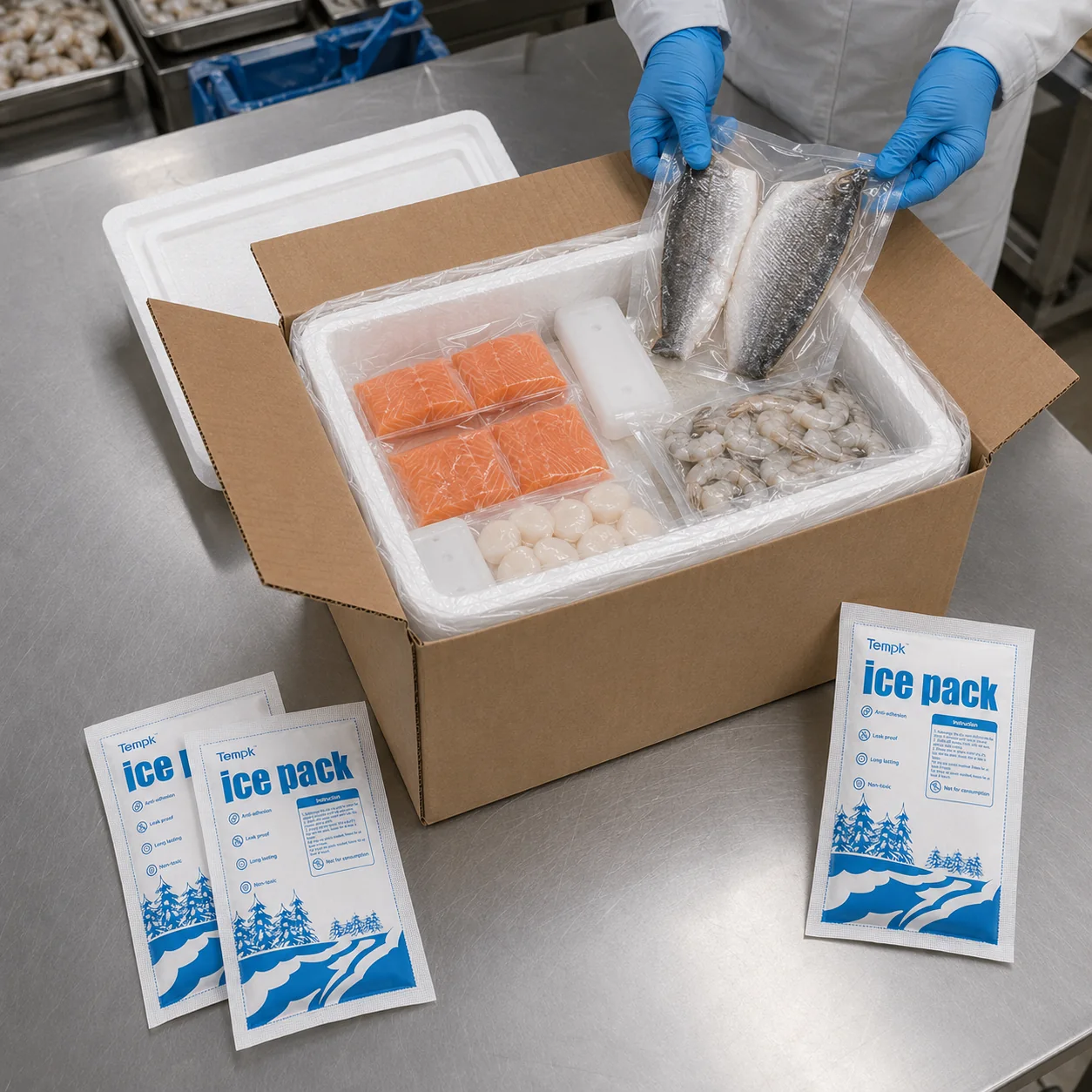
Embalagem controlada por temperatura passiva: Como selecionar um sistema de remessa verificável
Passive temperature controlled packaging protects a product for a período definido sem depender de uma unidade elétrica de resfriamento ou aquecimento dentro da embalagem de envio. Utiliza isolamento para retardar a transferência de calor e meios térmicos pré-condicionados para absorver ou liberar calor. Esse princípio simples suporta muitas parcelas, farmacêutico, remessas de diagnóstico e alimentos. Isso não significa que a caixa vazia tenha temperatura controlada, que o refrigerante seleciona automaticamente a temperatura correta, ou que um número declarado de horas se aplique a cada rota.
A maneira mais útil de escolher um remetente passivo é avaliar três questões interligadas: Que exposição ao calor ou ao frio a rota imporá? Qual embalagem totalmente carregada pode resistir a essa exposição? Quais evidências mostram que as pessoas podem reproduzir seu desempenho? As respostas determinam a escolha do isolamento, mídia térmica, capacidade utilizável, qualificação e custo operacional de forma mais confiável do que uma comparação de catálogo de materiais.
Decida se um sistema passivo se adapta ao processo de distribuição
Um sistema passivo transporta uma quantidade finita de energia térmica preparada antes do envio. Geralmente é um forte candidato quando a exposição ao transporte é limitada, a carga útil é compatível com um padrão de carregamento padronizado, e o armazém pode controlar o condicionamento do líquido refrigerante. Pacotes que se movem através de redes de operadoras sem fonte de alimentação contínua são um caso de uso óbvio, mas as soluções passivas não se limitam a distâncias curtas. Transportadores passivos devidamente projetados e qualificados podem ser considerados para rotas mais longas dentro de suas condições operacionais documentadas.
Equipamento ativo de controle de temperatura usa refrigeração ou aquecimento alimentado. Pode ser preferível quando os volumes de carga útil são grandes, a duração da viagem é altamente incerta ou a massa de refrigerante passiva necessária é impraticável. Sistemas ativos introduzem requisitos para fornecimento de energia, manutenção, custódia e manutenção de equipamentos. Um caminhão refrigerado transportando embalagens passivas isoladas é uma combinação de controle ambiental e proteção térmica local; it does not make every insulated box an active system.
A pallet thermal cover is another separate entity. Pode reduzir o ganho de calor ou a exposição durante determinados intervalos de manuseio, mas uma tampa por si só não pode demonstrar que cada caixa numa palete permanece numa faixa de temperatura especificada. Os dispositivos de monitoramento estão separados novamente: eles produzem evidências nos pontos de medição, mas não adicionam capacidade de resfriamento. Distinguir esses controles impede que RFQs solicitem um componente e esperem o desempenho de uma operação de transporte inteira.
Combine a arquitetura de isolamento com a geometria de envio e logística de devolução
O isolamento retarda o movimento do calor através do gabinete, mas o caminho térmico inclui as paredes, tampa, costuras, cantos, juntas e aberturas. Uma folha de dados de materiais não pode caracterizar todos esses caminhos. A pegada externa, espaço útil interno, o peso da carga útil e o manuseio da caixa também afetam qual arquitetura é prática.
Espuma EPS is a familiar rigid insulated container material that may suit one-way distribution where the chosen design and material handling process fit the application. Sua seleção deve considerar a durabilidade na rota de navegação, risco de quebra, qualidade do fechamento e opções de recuperação do destino. PPE é usado em recipientes moldados duráveis e pode ser adequado para operações retornáveis durante a limpeza, inspeção e logística reversa estão realmente disponíveis. Sua durabilidade estrutural não significa que o mesmo pacote permaneça automaticamente qualificado termicamente para sempre.
Painéis isolados a vácuo (VIPs) pode reduzir a transferência de calor através de áreas de painel bem integradas. No entanto, bordas, juntas e proteção estrutural continuam relevantes, e danos no painel podem comprometer o desempenho esperado. Um remetente aprimorado por VIP geralmente apresenta um equilíbrio diferente entre proteção térmica, volume utilizável, requisitos de custo e inspeção. Um comprador não deve comparar a condutividade térmica publicada de um VIP com o desempenho da caixa inteira de um sistema EPS e concluir diretamente a duração relativa da remessa.
Insulated bags and liners pode ser mais fácil de integrar em certos formatos de distribuição ou fluxos de retorno. Sua geometria flexível, linhas de dobra, método de fechamento e estrutura de suporte podem causar comportamento térmico diferente de uma caixa moldada rígida. Eles ainda precisam de testes completos do sistema para a carga útil e a rota propostas.
| Arquitetura de embalagem | Força de decisão | Limite para verificar |
| Caixa isolada EPS | Embalagem unidirecional rígida e simples | Danos mecânicos, manuseio de resíduos e resultados de testes de embalagem completa |
| Caixa isolada EPP | Formato durável para uma rede de reutilização controlada | Coleção, limpeza, condição de fechamento e inspeção após ciclos |
| Remetente com VIP aprimorado | Transferência de calor reduzida através de regiões de painel adequadas | Proteção do painel, perdas de borda, verificações de integridade e custos |
| Saco ou forro isolado | Integração flexível e logística compacta quando apropriado | Controle de forma, desempenho de costura e fechamento, perfil térmico carregado |
| Alternativa de transporte ativo ou controlado | Fornecimento de temperatura gerenciado para pistas exigentes selecionadas | Poder, manuseio, manutenção, processo de custódia e contingência |
A seleção da arquitetura é um problema de otimização. Um mais pesado, parede com melhor isolamento pode aumentar o custo do frete e reduzir a capacidade interna; um formato reutilizável pode economizar compras de embalagens e ainda adicionar despesas significativas de logística reversa. Avalie o custo e operacionalidade da remessa carregada, não apenas o gabinete adquirido.
Escolha a mídia térmica de acordo com os limites do produto, não a palavra “frio”
O meio térmico cria outra distinção importante. Pacote de gelo em gel, tijolos à base de água e outros formatos de refrigerante fornecem massa térmica útil, mas seu comportamento depende da formulação, condicionamento e colocação. Materiais de mudança de fase (PCMs) são escolhidos por seu comportamento enquanto mudam de fase dentro de uma região operacional específica. Nem toda formulação de gel é um PCM projetado para uma faixa bem definida, e um ponto de fase PCM nominal não é igual à temperatura em cada local do produto.
A especificação do produto estabelece limites superiores e inferiores. Um produto farmacêutico resfriado pode ser vulnerável ao congelamento, enquanto uma carga útil de alimentos congelados tem objetivos físicos e de qualidade diferentes. Alguns produtos cosméticos são prejudicados pelo excesso de calor e pelo congelamento. De acordo, selecionar um meio térmico apenas pela duração máxima de resfriamento pode aumentar um risco de falha diferente.
Uma comparação correta deve considerar a capacidade energética do refrigerante no estado relevante, condição inicial real, massa, área de superfície, posição, barreiras de contato e relação com a carga útil carregada. Mais massa congelada pode melhorar a resistência à exposição ao calor, mas aumenta o risco de frio local. Um PCM formulado pode simplificar uma estratégia de temperatura específica, mas exigir controles mais rígidos de fornecimento e condicionamento. Nenhuma decisão pode ser confirmada sem testar a configuração completa pretendida.
O condicionamento é uma etapa de fabricação, não é uma instrução vaga
Os sistemas passivos dependem da energia carregada no meio antes do envio. Isso requer infraestrutura e um procedimento reproduzível. Defina onde os pacotes são condicionados, seu critério de estado pronto, quanto tempo eles podem ficar sentados em uma área de preparação, como são identificados e o que acontece se um lote for preparado incorretamente. “Congelar durante a noite” não é uma especificação controlada porque o equipamento, a geometria e o carregamento da embalagem podem variar.
O expedidor e a carga útil também têm temperaturas iniciais. Um refrigerante pré-condicionado colocado em uma caixa quente ao redor de caixas quentes pode seguir uma trajetória inicial diferente do mesmo refrigerante usado com os componentes resfriados especificados. O tempo de montagem permitido e a exposição da tampa aberta devem, portanto, aparecer nas instruções de trabalho operacionais, não só no caderno de laboratório.
Em escala, capacidade de condicionamento torna-se um importante parâmetro de compra. Um armazém pode precisar de espaço suficiente na geladeira ou no freezer, circulação, locais de preparação e tempo da equipe para preparar o volume diário. A opção de refrigerante de menor preço pode custar mais em energia, mão de obra e remessas rejeitadas se sua preparação for difícil de controlar.
Projete em torno da carga utilizável real e seus pontos quentes e frios
O volume nominal de um contêiner isolado vazio não é a capacidade de transporte utilizável após o refrigerante, bandeja, separadores, monitor e amortecimento estão instalados. Os fornecedores devem fornecer desenhos do montagem carregada completa, com pegada externa, folgas internas e contagem prática de caixas. As restrições de peso e os requisitos de acesso também são importantes para o manuseio manual e a aceitação do transportador de encomendas.
Uma caixa cheia e uma caixa esparsa podem se comportar de maneira diferente. A massa da carga útil altera a resposta térmica do sistema; espaços de ar alteram o movimento do calor; área de contato com mudanças de mídia de resfriamento; e uma divisória interna pode mover uma caixa sensível para mais perto de uma tampa ou parede lateral. Se os tamanhos dos pedidos variarem, a qualificação deve considerar configurações mínimas e máximas justificadas. Em algumas operações, um pequeno número de tamanhos padronizados de envio oferece mais controle do que improvisar repetidamente materiais de enchimento em uma caixa superdimensionada.
Locais quentes e frios não coincidem necessariamente. Um canto da tampa pode atingir o limite superior primeiro em um desafio quente, enquanto uma caixa ao lado de um tijolo congelado pode atingir o limite inferior primeiro na inicialização. Um estudo de engenharia pode usar diversas sondagens para identificar esses locais e então determinar onde o monitoramento de rotina oferece evidências significativas.. Um único rastreamento de temperatura central não pode estabelecer que todas as interfaces na caixa tinham a mesma temperatura.
Esta distinção é particularmente importante para produtos médicos sensíveis ao congelamento. Uma parede isolada pode retardar muito bem o aquecimento externo, enquanto o contato direto com um refrigerante excessivamente frio cria uma excursão local de frio. Um melhor isolamento não cura automaticamente a escolha ou geometria incorreta do refrigerante.
Traduzir a faixa de transporte em um perfil de teste defensável
Inicie o relógio de rota quando a remessa ficar dependente de sua embalagem protetora, geralmente após montagem e fechamento, e interrompê-lo quando a carga entrar no armazenamento controlado adequado. Incluir preparação de origem, coleta de veículos, classificação, centros de transferência, alfândega quando relevante, entregas perdidas e atraso no recebimento. Uma rota descrita como “dia seguinte” pode impor uma janela de exposição substancialmente diferente do tempo nominal em movimento.
Desafios ambientais quentes e frios deve ser considerado separadamente. Uma pista de verão testa a reserva de resfriamento e a resistência à entrada de calor; uma pista de inverno pode desafiar as temperaturas mínimas, especialmente quando os refrigerantes começam mais frios que o produto. Para redes sazonais mistas, uma receita de embalagem pode precisar de uma variante sazonal documentada. Um traço de temperatura registrado na parede do recipiente ou na câmara é o desafio ambiental, não necessariamente a temperatura do produto.
Padrão ISTA 20 establishes a framework for insulated shipper qualification, e o ISTA Standard 7E fornece perfis térmicos padrão desenvolvidos para exposições de entrega de encomendas. Estas são ferramentas para testar um sistema de envio definido. Eles não fornecem uma duração segura universal para cada produto ou rota, nem estabelecem a aceitabilidade de um produto farmacêutico individual após um desvio. Um perfil específico da rota também pode ser justificado se a organização tiver evidências confiáveis da pista e um método de teste controlado.
Uma afirmação de desempenho significativa, portanto, parece condicional: o remetente especificado, refrigerante, a carga útil e as instruções de embalagem atenderam a uma condição declarada do produto durante um desafio térmico declarado. A frase “mantém a temperatura por 72 horas” sem condições de teste está incompleta, mesmo que um gráfico pareça reconfortante.
Revise as evidências desde o componente até a operação
A avaliação do fornecedor deve distinguir vários tipos de documentos que são comumente misturados em descrições de marketing.
UM ficha técnica do material pode descrever espuma, filme, características do gel ou painel. UM teste de componente pode estabelecer propriedades de um pacote ou painel individual. UM teste térmico de embalagem completa demonstra uma montagem específica sob um desafio específico. UM pacote de qualificação pode incluir a justificativa para a seleção do projeto e a cobertura representativa dos testes. UM registro de remessa mostra as temperaturas medidas nos locais dos instrumentos na distribuição de rotina. UM processo ou registro de qualidade mostra se os operadores seguiram um procedimento aprovado e o que aconteceu quando não o fizeram.
Nenhum desses artefatos substitui completamente os outros. Para distribuição regulamentada de medicamentos, as diretrizes do PIB da União Europeia exigem uma gestão de transporte consciente dos riscos e uma atenção cuidadosa às temperaturas definidas pelo produto, embalagem adequada, extremos de rota e excursões no âmbito relevante da UE. Uma afirmação genérica de “caixa aprovada pelo PIB” sem uma avaliação identificada e um contexto de sistema de qualidade deve ser contestada.
Uma solicitação de evidência útil contém a revisão da configuração, lista de materiais, desenho de ajuste carregado, especificação do refrigerante, POP de condicionamento, perfil térmico, justificativa de posicionamento do sensor, resultados medidos, critérios de aceitação e limitações de escopo. Os compradores devem perguntar quais mudanças desencadeariam uma revisão: nova densidade de espuma, mudou de fornecedor de PCM, altura da caixa revisada, massa de gel diferente, orientação alterada da embalagem ou um centro de distribuição adicional podem afetar o projeto aprovado.
Considere o verdadeiro custo de funcionamento do sistema
O custo por caixa vazia raramente é o custo por remessa aceita. Adicionar compra ou reabastecimento de refrigerante, energia de condicionamento, espaço de armazenamento, trabalho de embalagem, capacidade de carga perdida devido ao isolamento, peso e cubo do frete de saída, instrumentação de temperatura, inspeção e provável tratamento de exceções. Para embalagens reutilizáveis, inclui frete de retorno, limpeza, armazenar, perda, danos e o número de ciclos bem-sucedidos realmente alcançados.
As decisões ambientais também precisam de um limite completo do sistema. Um recipiente retornável pode reduzir o descarte em uma rede densa e fechada; o mesmo contêiner pode incorrer em transporte de retorno desnecessário quando a recuperação for difícil. “Reciclável” requer acesso local a infraestrutura de recuperação apropriada, enquanto “reutilizável” requer um ciclo prático de coleta e inspeção. Evite reivindicar economias universais de carbono sem um escopo e uma avaliação de apoio.
Considere dois modelos de distribuição hipotéticos. O primeiro envia pacotes refrigerados individuais para muitos clientes não relacionados. Pode favorecer uma solução compacta de uso único que pode ser embalada de forma consistente. O segundo entrega repetidamente entre os mesmos depósitos e tem retorno garantido. Pode justificar um sistema retornável EPP mesmo que o seu preço de compra seja mais elevado. Ambos ainda precisam de evidências térmicas para suas cargas úteis; a diferença é o modelo operacional, não é uma classificação universal de materiais.
Transforme a especificação em uma compra controlada
Para uma cotação útil, forneça os limites exatos do produto, dimensões e massa da carga útil, estados de preenchimento mínimo e máximo, cronograma de trânsito com atrasos, exposição ambiental sazonal, processo de aceitação de destino e modelo de reutilização de destino. Peça a cada fornecedor para devolver um desenho de pacote carregado, procedimento de condicionamento declarado e o envelope de teste apoiando sua afirmação. Exigir a divulgação do que não foi avaliado.
Os controles do fornecedor devem abordar revisões materiais, inspeção dimensional, identidade do refrigerante, rastreabilidade, consistência da amostra à produção, substitutos acordados e notificação de mudança. Um projeto aprovado durante um teste altamente supervisionado pode ser inadequado para um armazém de alto volume se o procedimento for muito fácil de ser mal interpretado.. Selecione um acordo que a equipe possa realmente executar sem depender de julgamentos não documentados.
Tempk oferece publicamente bolsas isoladas, Caixas médicas EPP/VIP, bolsas de gelo em gel, tijolos de gelo, Mídia relacionada ao PCM e suporte ao planejamento de embalagens personalizadas. Estes são possíveis blocos de construção; eles não são uma garantia de que cada combinação atenda às condições de temperatura de um produto ou aos requisitos formais de qualificação. Compartilhe as especificações de sua remessa e busque uma amostra e um plano de evidências vinculado à rota real.
A decisão do sistema passivo em uma frase
A embalagem correta com temperatura controlada passiva é a embalagem completa de menor complexidade que protege comprovadamente o produto definido através da janela de exposição definida e pode ser repetida sob instruções controladas. Quando a massa térmica necessária, espaço utilizável, incerteza ou carga de manuseio torna-se irracional, melhorar os controles de rota ou comparar alternativas ativas em vez de simplesmente adicionar mais gelo ou isolamento.
Projeto de embalagem de cadeia fria: Da geometria ao POP de embalagem
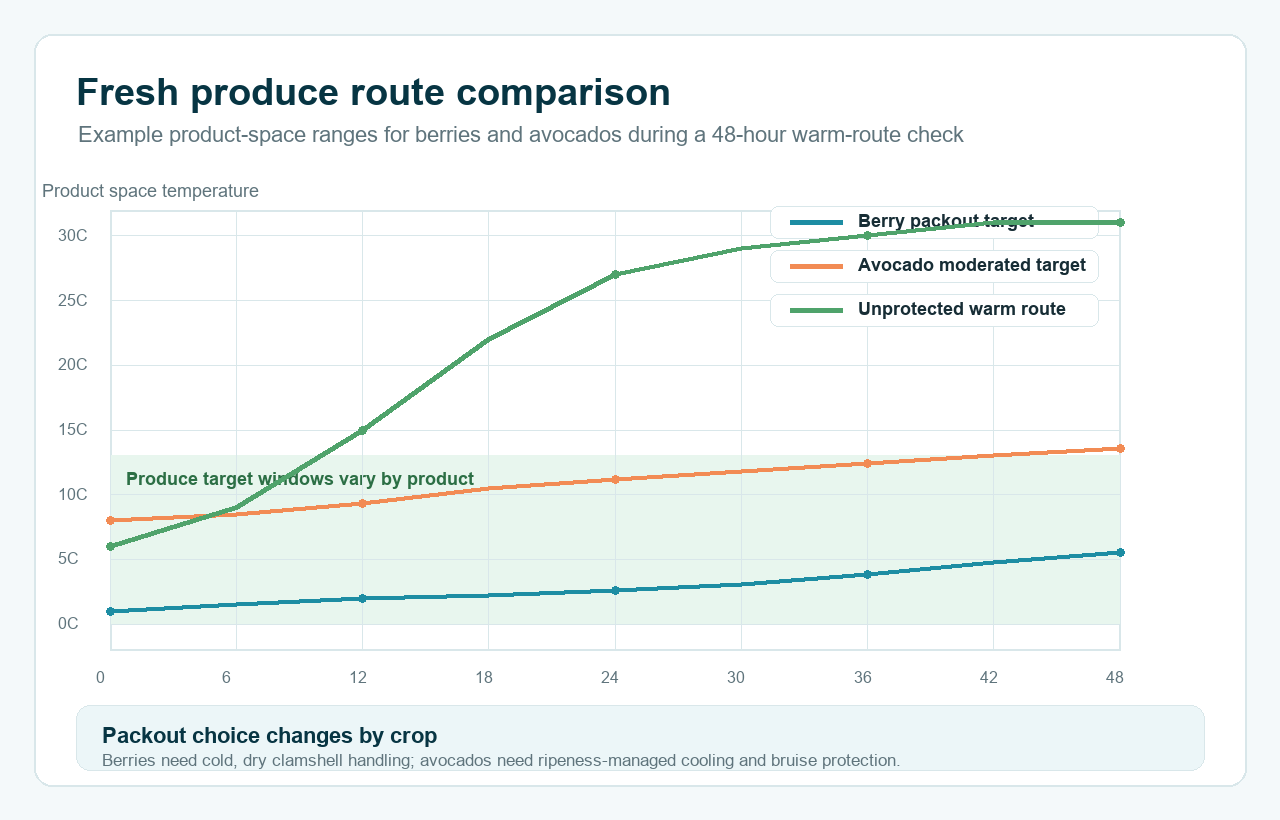
Projeto de embalagem de cadeia fria: Da geometria ao POP de embalagem
O design da embalagem da cadeia de frio define como o produto, refrigerante, isolamento, peças de proteção e equipamentos de monitoramento formam um conjunto de transporte reproduzível. Ele também define a preparação e a sequência de trabalho necessária para colocar essa montagem na condição inicial pretendida.
O design final é, portanto, mais do que um layout. É um conjunto conectado de especificações, desenhos, instruções e evidências de apoio. Um processo de design útil funciona da interface do produto para fora, verifica os limites da produção e embalagem normais, e libera apenas as configurações que a operação consegue identificar e reproduzir.
Desenhe três limites ao redor da remessa proposta
O primeiro limite é térmico. Estabeleça as condições de temperatura exigidas do produto, condição na embalagem e intervalo de proteção pretendido. Inclua as suposições relevantes de exposição externa e tratamento. Essas entradas vêm dos requisitos de produto e distribuição; eles não devem ser inferidos de uma descrição genérica, como refrigerador médico.
O segundo limite é espacial. Descreva a apresentação real do produto, orientação, quantidades de remessa e embalagens protetoras. Identifique o espaço utilizável do produto após a refrigeração, barreiras, retentores e equipamentos de monitoramento são instalados. O volume interno nominal não é igual à capacidade de carga útil.
O terceiro limite é operacional. Identifique o equipamento de preparação, encenação disponível, sequência de embalagem, tarefas do operador e arranjos de recebimento. Um projeto que depende de um processo que o local de expedição não pode executar não é um candidato adequado, mesmo quando seu conceito de laboratório é promissor.
Avalie esses limites juntos. Um layout compacto pode deixar pouca tolerância à variação da produção. Uma solução térmica pode necessitar de capacidade de preparação que o armazém não dispõe. Uma simples montagem pode não preservar a separação necessária para um produto sensível. O trade-off relevante é entre as alternativas completas, vantagens de componentes não isolados.
Registre suposições que ainda não foram resolvidas. Uma exposição de rota incerta, a apresentação não confirmada do produto ou a capacidade de preparação indefinida devem permanecer uma entrada de design aberta. Atribuir um proprietário e um método de fechamento em vez de permitir que uma suposição otimista se torne uma afirmação de desempenho oculta.
Defina também o que o design não cobre. Uma configuração de pacote fechado não deve ser tratada como adequada para aberturas repetidas, outra categoria de temperatura ou uma faixa irrestrita de cargas sem avaliação. Limites explícitos ajudam o sistema de pedidos a rejeitar combinações não suportadas antes que cheguem à bancada de embalagem.
Construa a definição física a partir da interface do produto para fora
Comece com a localização do produto e os relacionamentos que devem ser preservados. Identifique as superfícies com as quais o produto pode entrar em contato, a orientação que deve manter e o movimento que precisa ser evitado. Em seguida, defina as partes que estabelecem essas relações.
Onde a separação do líquido refrigerante é necessária, especificar como essa separação é alcançada e mantida. O material de uma barreira, geometria e posição podem ser importantes; uma instrução genérica para adicionar embalagens protetoras deixa essas variáveis sem controle. Não prescreva uma espessura de barreira universal ou colocação de refrigerante sem evidências para o sistema específico.
Escolha a restrição que atenda ao arranjo de carga real. A menor remessa pode precisar de um recurso de localização diferente da maior. O enchimento solto não deve ser usado como um substituto informal para um arranjo definido, especialmente onde o movimento pode criar um novo contato entre o produto e o refrigerante.
Localize o refrigerante de acordo com a função térmica pretendida e as evidências disponíveis. Massa igual de refrigerante não torna dois arranjos equivalentes: forma, área de contato, a distância e o estado de preparação podem diferir. Mais líquido refrigerante não é automaticamente mais seguro onde o resfriamento local excessivo é um risco relevante.
Continue para fora através do isolamento, articulações, tampa e proteção externa. Verifique como as peças internas afetam o fechamento. Um forro dobrado, inserção de altura excessiva ou cabo de instrumento pode impedir o encaixe pretendido da tampa. O projeto deve definir uma condição de fechamento normal em vez de depender de operadores forçando o fechamento da embalagem.
Revise a variação dimensional na pilha montada. Os componentes individualmente dentro de suas tolerâncias de compra ainda podem ser combinados em uma montagem com folga insuficiente ou compressão excessiva. Identifique as combinações importantes e verifique o ajuste resultante usando peças representativas ou uma análise dimensional justificada.
Um pedido hipotético de baixo preenchimento ilustra a decisão do projeto. A remoção de diversas caixas de um arranjo de carga total aprovado cria espaço livre e altera a restrição. A resposta é definir e avaliar o arranjo menor, não assumir que menos caixas tornam o design original automaticamente adequado. O exemplo identifica uma pergunta; não reivindica um resultado testado.
Use uma lista de materiais que chegue aos acessórios funcionais. Um espaçador ou localizador não deve desaparecer do controle de configuração porque custa menos que o gabinete. Seu papel na manutenção de uma interface importante determina o controle necessário.
Especifique o estado inicial tão cuidadosamente quanto o desenho
Um layout descreve para onde vão os componentes; a preparação determina o estado térmico em que chegam. Ambos pertencem à definição de packout. O mesmo conjunto físico pode se comportar de maneira diferente quando o produto ou líquido refrigerante entra nele sob condições diferentes.
Solicite o método de preparação associado ao sistema candidato. Identifique a capacidade relevante do equipamento, arranjo de carregamento, critérios de liberação e tratamento após a liberação. Temperaturas exatas, tempos e quantidades de refrigerante devem vir da especificação e avaliação do sistema aplicável, não de um exemplo não relacionado.
Distinguir a identidade do material do refrigerante da sua prontidão. O número de peça correto ainda pode ser inadequado para uso imediato quando sua preparação estiver incompleta ou seu histórico for incerto. Por outro lado, uma embalagem de aparência preparada com a formulação errada não é uma substituição aceitável apenas porque cabe no espaço designado.
Revise se os lotes de preparação de rotina representam o processo considerado durante o desenvolvimento. Carregando mais material no equipamento, alterar a separação entre pacotes ou introduzir outra etapa de transferência pode afetar a condição inicial. Avalie diferenças significativas em vez de tratar o ponto de ajuste do equipamento como uma descrição completa do processo.
Defina o fluxo de status entre preparação e montagem. Despreparado, em processo, componentes prontos e incertos devem permanecer distinguíveis à medida que se movem. A equipe de embalagem precisa de uma verificação de aceitação confiável, e a equipe de preparação precisa de um registro do que foi divulgado.
Incluir pausas e material não utilizado no método. Indique como é uma montagem atrasada, ciclo de preparação interrompido ou lote de refrigerante devolvido é manuseado. Não presuma que colocar o material de volta em uma área de condicionamento restaurará instantaneamente o estado necessário ou reiniciará um período permitido.
A preparação do produto merece atenção equivalente. Escolhendo, o preparo e o carregamento devem preservar a condição inicial pretendida. Uma embalagem projetada para manter uma condição de produto não deve ser presumida capaz de corrigir um produto que começa fora dessa condição..
Remova a dependência da memória, julgamento e correções invisíveis
Crie assembleias de candidatos com as pessoas que usarão as instruções. Observe onde eles hesitam, girar um componente repetidamente, pressione uma tampa no lugar ou peça a um especialista para confirmar uma escolha. Estas observações identificam questões de design que uma fotografia final pode ocultar.
Prefira localização física e identificação clara onde possam substituir julgamentos repetidos. Um retentor moldado pode estabelecer a posição; identificadores de componentes distintos podem evitar confundir refrigerantes semelhantes; um recurso de fechamento visível pode facilitar a detecção de assentos incompletos. Qualquer recurso retido precisa ser incluído na configuração avaliada.
Defina verificações no momento em que o recurso relevante ainda estiver visível. Uma barreira inferior deve ser verificada antes de ser coberta. Um registrador deve ser identificado e montado antes que a tampa bloqueie o acesso. A inspeção de final de linha por si só não pode estabelecer com segurança todos os detalhes ocultos da montagem.
Elabore as instruções para condições normais de trabalho. Considere luvas, condensação, espaço limitado na bancada e a necessidade de ler rótulos. Use visualizações e identificadores claros em vez de depender apenas da cor ou de um ângulo que oculte a diferença entre as peças.
Teste o reconhecimento de exceções, bem como a montagem normal. Apresentar exemplos de treinamento controlado de uma inserção ausente, uma quantidade não suportada ou um status de preparação incerto. O operador deve saber quando parar e qual responsável pela decisão contatar, em vez de se esperar que invente uma correção técnica.
Mantenha as observações de desenvolvimento honestas. Uma montagem bem-sucedida que exigiu repetidas intervenções de especialistas não documentados ainda não demonstrou que a instrução é suficiente. Revise o projeto ou procedimento, então observe a versão revisada sob condições representativas.
Considere receber usabilidade antes de congelar o candidato. A sequência de abertura deve permitir a remoção do produto e o acesso às informações de monitoramento sem perturbações evitáveis. Para sistemas reutilizáveis, identificar quais componentes retornam e como suas identidades permanecem reconhecíveis após desembalar.
Peça à evidência do protótipo para responder a questões específicas de design
Demonstrações de ajuste separadas, desenvolvimento térmico, lidar com avaliação e qualificação formal. Cada um tem um propósito diferente. Uma verificação de ajuste bem-sucedida não estabelece proteção de temperatura, e um traço de temperatura favorável não estabelece independentemente uma montagem repetível ou resistência ao manuseio relevante.
Use testes de desenvolvimento para desafiar os mecanismos propostos. Examine posições vulneráveis de produtos, disposições de carga útil relevantes, condições iniciais e a sequência de exposição. Incluir a possibilidade de que o tratamento altere uma interface. Selecionar o escopo necessário junto às equipes técnica e de qualidade e qualquer método adotado.
Identifique o que o sistema de medição realmente mede. Exposição externa, ar interno, superfície do produto e um substituto representativo do produto são quantidades diferentes. Selecione locais e características do dispositivo para responder à questão do design, em seguida, documente seu significado físico.
Garantir que a instrumentação não crie um pacote melhor ou pior do que o pretendido sem reconhecimento. Um cabo pode abrir um caminho de fechamento; um registrador grande pode deslocar uma caixa; um acessório de sonda pode restringir acidentalmente a carga. Registre e avalie diferenças inevitáveis entre montagens instrumentadas e comuns.
Preservar observações malsucedidas. Uma resposta local ao frio ou uma pastilha deslocada podem revelar por que uma relação de projeto precisa de um controle mais forte. Tais observações são pistas de investigação, não diagnósticos automáticos. Verifique a preparação, configuração e registros antes de decidir qual mudança aborda o mecanismo.
Quando o projeto estiver pronto para avaliação formal, congelar as revisões relevantes. A orientação de qualificação de contêineres da OMS conecta a avaliação com a montagem especificada. O requisito prático do projeto é que a configuração no relatório, os componentes encomendados e as instruções na bancada podem ser mostrados para corresponder.
Não estenda a evidência além do seu uso suportado. Uma carga alterada, refrigerante substituído ou processo de preparação revisado podem precisar de avaliação adicional. A resposta apropriada depende do relacionamento afetado e dos requisitos aplicáveis, não apenas se a camada externa parece inalterada.
Lance um pacote de design conectado, não separar arquivos que discordam
A entrega do projeto deve permitir que outra equipe qualificada entenda o que comprar, preparar, montar, inspecionar e avaliar. Deve também permitir que um operador identifique a configuração aplicável sem interpretar um relatório de engenharia na bancada de embalagem.
| Entrega controlada | O que deveria tornar inequívoco | Conexão para preservar |
| Definição de uso pretendido | Produto, operação e limites cobertos pelo projeto | Requisitos e escopo de aprovação |
| Lista de materiais | Identidade e especificação de componentes funcionais | Inspeção de compras e recebimento |
| Desenhos de montagem | Posição, orientação, interfaces e fechamento | Revisões aprovadas de componentes e desenhos |
| Guia de carga permitida | Arranjos de produtos, limites de quantidade e preenchimento | Seleção de pedidos e configurações avaliadas |
| Instruções de preparação | Estado inicial necessário e como é estabelecido | Processo de equipamento e registros de liberação |
| POP de embalagem | Sequência, verificações, condições de identificação e parada | Execução do operador e registro de embarque |
| Instrução de monitoramento | Finalidade do dispositivo, localização, ativação e recuperação | Evidência de medição e fluxo de trabalho de recebimento |
| Avaliação de apoio | O que foi avaliado e quais restrições permanecem | Lançado registro de design e controle de mudanças |
Esses documentos podem ser combinados onde isso melhorar a usabilidade. O ponto importante é a consistência, não contagem de arquivos. Uma única instrução controlada pode ser melhor que vários documentos desconectados, desde que contenha as definições e links necessários para o registro de apoio.
Verifique o pacote de lançamento em relação a uma compilação física. Use os componentes representativos da produção especificados e o arranjo de carga permitido. Registrar discrepâncias entre o desenho, passos escritos, lista de materiais e montagem real, então resolva-os antes do lançamento.
Definir a identificação da configuração no nível da remessa. Um nome de caixa comercial amplo é insuficiente quando vários arranjos internos compartilham o recinto. O registro deve permitir que um revisor posterior estabeleça qual revisão de projeto e arranjo permitido foram realmente utilizados.
Concordar com a notificação de mudança de fornecedor e os critérios de aceitação recebidos. O controle deve atingir os recursos que mantêm relacionamentos importantes, incluindo dimensões relevantes, materiais, características de retenção e preparação. A alegação de um fornecedor de que uma alternativa é equivalente deve ser avaliada quando afecta essas características.
Revise as alterações posteriores através dos relacionamentos que elas podem perturbar
Quando uma mudança é proposta, identificar seu caminho através do design. Uma nova embalagem de produto pode alterar a folga e a resposta térmica. Uma bolsa de refrigerante revisada pode afetar o ajuste e o contato. Outro local de preparação pode alterar o processo de estado inicial. Esses mecanismos são mais informativos do que rotular uma mudança como menor ou maior sem explicação.
Retenha evidências que permaneçam aplicáveis e identifique o que precisa de trabalho adicional. Dependendo dos requisitos e da incerteza, a resposta pode envolver revisão de documentos, avaliação direcionada, instruções revisadas ou uma nova configuração. Registre a justificativa e libere uma revisão identificável quando o projeto mudar.
Para sistemas reutilizáveis, inclua condição e reparo nesta revisão. Peças de reposição aprovadas, critérios de inspeção e manuseio de componentes incertos ajudam a preservar o arranjo avaliado. Não deixe que devoluções repetidas introduzam gradualmente versões mistas ou reparos não documentados.
O mesmo shell pode suportar vários pacotes??
Sim, potencialmente, mas cada configuração interna permitida precisa de uma identidade clara, regra de seleção e avaliação de apoio adequada. Dimensões externas compartilhadas não tornam os arranjos internos intercambiáveis. O benefício do inventário deve ser ponderado em relação à carga adicional de seleção e treinamento.
Caso uma remessa atrasada receba refrigerante extra?
Somente através de um procedimento especificamente avaliado e autorizado, quando apropriado. Adicionar refrigerante altera a configuração e pode alterar os riscos de temperatura local. Use o processo aprovado de resposta de atraso e qualidade do produto em vez de tratar o líquido refrigerante extra como um método de recuperação universal.
O design do pacote da cadeia fria está pronto para implementação quando a geometria, preparação, instruções e evidências descrevem o mesmo sistema. Forneça à Tempk a apresentação real do produto, variações de carga e recursos do local de embalagem para discutir uma configuração candidata, em seguida, confirme seu uso permitido através da análise técnica e de qualidade responsável.
Validação de embalagens da cadeia fria: Evidência para uso aprovado

Validação de embalagens da cadeia fria: Evidência para uso aprovado
The question behind cold chain packaging validation is not simply whether a package passed a test. É se as evidências disponíveis apoiam uma operação de transporte definida, e se essa operação pode continuar a reproduzir as condições de que depende a prova.
Um pacote de validação útil conecta os requisitos do produto, uma montagem especificada, desafios justificados, medições confiáveis e um escopo de uso autorizado. Quando uma conexão está faltando, a resposta pode ser documentação adicional, avaliação direcionada ou redesenho. Comprar outro teste sem identificar a conexão perdida pode aumentar o custo e deixar a incerteza original sem solução.
Decida exatamente o que a organização precisa aprovar
Comece com o uso proposto e não com a afirmação do fornecedor. Identifique a apresentação do produto, condições de temperatura necessárias, faixa de quantidade, locais de expedição, serviços de distribuição e processo de recebimento. Indique quando se espera que a proteção da embalagem comece e termine. Identifique também o manuseio fora desse intervalo que requer controle separado.
Separe o conjunto de transporte completo de suas peças. Uma especificação de isolamento diz respeito ao material ou construção do invólucro. Uma folha de dados de refrigerante diz respeito a um componente térmico. A evidência do sistema montado deve conectar essas peças à carga útil, preparação, restrição, arranjo de fechamento e monitoramento usado na avaliação.
Usar a terminologia de qualificação e validação de forma consistente dentro do sistema de qualidade aplicável. As orientações da OMS sobre contentores marítimos descrevem um quadro de qualificação faseado; a terminologia por si só não estabelece o escopo ou a adequação das evidências de um fornecedor específico. Pergunte o que o trabalho demonstrou, não apenas qual abreviatura aparece na capa.
Traduzir o uso pretendido em critérios de aceitação antes da execução formal. O proprietário do produto deve estabelecer os requisitos de temperatura relevantes e quaisquer tolerâncias justificadas específicas do produto. Proteção física, disponibilidade de dados e restrições operacionais também podem afetar a aprovação. Evite permitir que o fornecedor do teste infira esses requisitos a partir de uma solicitação genérica de embalagem farmacêutica.
Defina o limite de aprovação em linguagem prática. Por exemplo, a decisão pode dizer respeito a uma revisão específica da embalagem usada em locais identificados com arranjos de produtos permitidos e um método de preparação definido. Isso não deve implicar que todos os acessórios de carga dentro do mesmo casco sejam cobertos.
Um limite útil também indica exclusões. Abertura repetida, outra formulação de refrigerante ou um serviço de transporte não revisado pode estar fora do uso proposto. Exclusões claras são preferíveis a uma aprovação ampla que deixe o pessoal do armazém adivinhar onde as evidências param.
Classifique as evidências existentes em aceitação, trabalho adicional ou redesenho
Revise os relatórios existentes antes de comissionar um novo programa. Estudos de fornecedores, informações materiais, observações de desenvolvimento e registros operacionais podem, cada um, contribuir com algo diferente. A tarefa é determinar qual pergunta cada item responde e se ela se aplica à configuração em consideração..
Não trate a pré-qualificação como permissão para pular a revisão de aplicabilidade. Igualmente, não presuma que as evidências produzidas em outro lugar não têm valor. Obtenha informações suficientes para identificar o sistema testado, método, resultados medidos, exceções e restrições, em seguida, compare esse escopo com o uso proposto.
| Caminho de decisão | Quando o caminho pode ser apropriado | O que a revisão deve produzir |
| Aceite trabalhos existentes relevantes | A configuração e o escopo do estudo atendem comprovadamente ao requisito pretendido | Uma decisão de aplicabilidade documentada e responsabilidades restantes do usuário |
| Obtenha a documentação faltante | O trabalho subjacente parece relevante, mas os detalhes da identidade ou do método estão incompletos | Registros rastreáveis que fecham a incerteza específica |
| Realize avaliação direcionada | Uma carga definida, diferença de processo ou operação não é coberta | Um plano aprovado que aborde essa diferença e suas interações |
| Redesenhar antes da qualificação | A configuração ou procedimento proposto não pode atender a uma condição operacional necessária | Um projeto ou processo revisado adequado para avaliação formal |
| Restringir o uso pretendido | As evidências apoiam uma aplicação mais restrita do que a originalmente proposta | Limites explícitos que as operações podem impor |
Estes são os resultados da revisão, não isenções automáticas de um padrão ou requisito de qualidade adotado. A equipe responsável deve documentar sua justificativa e determinar o nível necessário de trabalho adicional. A similaridade comercial por si só não é evidência de equivalência técnica.
Use uma declaração de lacuna que possa ser respondida. “Mais testes são necessários” é muito vago. “A menor carga proposta utiliza um arranjo de restrição diferente da configuração avaliada” identifica uma questão específica de aplicabilidade. Também torna o método de fechamento proposto mais fácil de revisar e aprovar.
Resolva antecipadamente as limitações de acesso a documentos. Um certificado resumido pode identificar um resultado bem-sucedido sem revelar se a carga útil, posições de preparação ou medição eram relevantes. Concordar com o acesso às evidências necessárias antes que os compromissos de compra dependam de uma reclamação que o usuário não possa examinar adequadamente.
Escolha desafios que exponham os mecanismos de falha relevantes
Depois de identificar as questões não resolvidas, construir a estratégia de teste em torno deles. Considere como o sistema poderia falhar devido ao resfriamento excessivo interno, calor ou frio externo, duração excessiva, movimento de componentes, preparação incompleta ou montagem incorreta. As condições selecionadas devem se conectar a esses mecanismos.
Os limites da carga útil exigem mais do que um rótulo de preenchimento percentual. Defina os arranjos reais e explique como eles representam a massa térmica, geometria e posição do produto. Uma carga pequena pode ser sensível a uma superfície fria próxima; uma carga grande pode criar um problema de fechamento ou espaçamento. Uma apresentação intermediária pode introduzir uma geometria diferente que merece avaliação separada.
Definir condições iniciais para o produto e componentes de embalagem relevantes. As condições iniciais fazem parte do sistema avaliado, não informações básicas. Uma faixa de preparação permitida deve ser avaliada onde sua variação possa alterar a conclusão. Não confie em um ponto de ajuste do equipamento de condicionamento como a única evidência de prontidão do componente.
Escolha uma exposição externa com base explícita. Dados de rota, um perfil padronizado aplicável ou outra abordagem justificada pode informar o desafio. ISTA descreve o Padrão 7E como um padrão de exposição térmica para entrega de pacotes; o seu âmbito não deve ser alargado silenciosamente a todos os modos de transporte ou padrões de funcionamento.
A proteção física e térmica pode interagir. O manuseio pode mover uma barreira, afrouxar um fechamento ou danificar um gabinete. Determine a avaliação mecânica relevante e a sequência usando o produto, perigos de distribuição e métodos adotados. Um teste térmico sem perturbações não estabelece de forma independente o desempenho após cada evento de manuseio.
Definir requisitos de repetição e amostragem através do protocolo aprovado e metodologia aplicável. A repetição ajuda a caracterizar a consistência apenas quando as condições e medições são significativas. A repetição de uma carga não representativa não expande a gama de produtos que as evidências apoiam.
Manter o trabalho exploratório visivelmente separado da qualificação formal. Experimentos de desenvolvimento podem identificar variáveis influentes e melhorar um protótipo. Assim que o teste formal começar, a configuração, procedimentos e tratamento de desvios devem ser controlados. Uma série de iterações bem-sucedidas não é o mesmo que desempenho repetível de um design congelado.
Faça as medições capazes de apoiar a decisão
Antes de selecionar dispositivos, especificar o que deve ser medido. Distinguir exposição externa, ar interno, superfície do produto e uma representação justificada da temperatura do produto. O objetivo de medição deve determinar a localização e montagem do sensor, em vez de conveniência ou o lugar mais fácil para inserir um cabo.
Use raciocínio térmico e observações de desenvolvimento para identificar locais vulneráveis. Uma sonda colocada centralmente pode não revelar comportamento próximo a uma fonte fria ou a um fechamento fraco. Onde múltiplas medições são necessárias, registrar suas identidades e posições para que cada traço tenha um significado interpretável.
A especificação do instrumento deve apoiar a avaliação pretendida. Considere as informações de calibração, comportamento de resposta, resolução, intervalo de gravação e capacidade de dados. Essas características não são intercambiáveis. Incrementos finos exibidos não eliminam a incerteza de medição, e o registro frequente não faz com que um sensor lento responda instantaneamente.
Predefinir a regra de decisão para leituras próximas a um limite de aceitação. A regra pode precisar abordar a incerteza, correções ou outras condições dentro do sistema de qualidade. Não introduza arredondamentos ou médias favoráveis após o resultado ser conhecido. A base para a interpretação de um resultado limítrofe deve ser tão passível de revisão quanto os próprios dados de temperatura.
Preservar o registro real do desafio junto com as medidas da embalagem. Um programa de câmara indica qual equipamento foi instruído a fazer; as condições ambientais registradas mostram qual exposição ocorreu. Vincule ambos à montagem, transferir e tratar eventos através de uma referência de tempo consistente.
Planeje dados incompletos ou questionáveis. Um sensor com falha, deslocamento inexplicável do relógio ou intervalo crítico ausente cria um problema de evidência que precisa de uma disposição documentada. Outras medidas podem ajudar a explicar o evento, mas a sua disponibilidade não transforma automaticamente a observação em falta num resultado passageiro.
Revise o relatório sem confundir três decisões diferentes
A primeira decisão é se o estudo foi executado e interpretado de forma aceitável. Revise a identidade da configuração, registros de instrumentos, exposição real, desvios e aplicação de critérios pré-definidos. Preservar execuções malsucedidas ou interrompidas com suas explicações, em vez de apresentar apenas a parte favorável do histórico.
A segunda decisão é se os resultados apoiam o uso proposto da embalagem. Um estudo tecnicamente válido pode ser insuficiente para um arranjo ou operação de produto diferente. A conclusão da aprovação deve identificar a configuração suportada e as restrições, incluindo qualquer lacuna não resolvida que impeça uma utilização mais ampla.
A terceira decisão diz respeito a uma remessa ou produto individual após um evento. A aprovação da embalagem não autoriza a liberação de medicamentos expostos à temperatura. A disposição do produto depende de informações apropriadas sobre o produto e de avaliação de qualidade autorizada. Manter essas decisões separadas evita que uma declaração de desempenho térmico seja usada além de sua função adequada.
Considere uma análise de compra hipotética na qual um fornecedor fornece um estudo bem-sucedido para uma carga intimamente relacionada. O produto proposto utiliza outra bandeja protetora, e o local de expedição segue um processo de preparação diferente. Nenhuma falha é assumida. A revisão deve identificar quais relações mudaram e quais evidências adicionais estabeleceriam a aplicabilidade.
A decisão resultante poderia ser reter o trabalho relevante do fornecedor enquanto avalia as diferenças de bandeja e preparação. Também poderia ser alterar a operação proposta para que corresponda às condições apoiadas. Nem a aceitação automática nem a repetição completa são justificadas apenas pela existência de um relatório semelhante.
Torne a conclusão rastreável. Um revisor deve ser capaz de passar de um limite operacional aprovado para o requisito e as evidências que o apoiam. Onde uma avaliação de engenharia preenche uma diferença, registre as suposições e o escopo dessa avaliação em vez de deixar o raciocínio em uma troca de e-mail.
Converta a aprovação em controles que a equipe de expedição pode usar
Uma faixa operacional aprovada só se torna útil quando remessas comuns podem permanecer dentro dela. Transferir a configuração para uma lista de materiais controlada, instrução de embalagem, procedimento de preparação e guia de carga permitida. Mantenha seus identificadores de revisão conectados às evidências de apoio.
Definir condições de parada visíveis. A equipe precisa saber o que fazer quando a disponibilidade do líquido refrigerante for incerta, uma inserção necessária não está disponível, o produto não se enquadra no arranjo aprovado ou na coleta planejada muda. Uma instrução para manter a qualidade não é uma resposta acionável a uma exceção específica de embalagem.
Verifique o processo de recebimento antes do envio de rotina. O destinatário deve ser capaz de identificar a remessa, inspecionar sua condição, transferir o produto adequadamente e recuperar ou comunicar informações de monitoramento. A chegada a um endereço e a transferência para um local de armazenamento adequado são eventos operacionais distintos.
Observe a implementação nos locais pretendidos. Revise se os operadores precisam de assistência indocumentada, se os componentes preparados permanecem identificáveis e se o equipamento disponível suporta o processo aprovado em carga de trabalho normal. Um procedimento que funciona apenas sob supervisão especializada precisa de mais desenvolvimento antes de poder apoiar o uso rotineiro.
Mantenha a rastreabilidade no nível da remessa até a configuração realmente usada. Isto é particularmente importante quando vários pacotes compartilham um shell, quando existem variantes sazonais ou quando componentes reutilizáveis circulam entre locais. Uma investigação posterior não deveria ter que inferir a montagem a partir de um nome genérico de família de produtos.
Defina quem mantém cada controle após a conclusão do projeto. Compras, operações de armazém, a equipe técnica e a qualidade podem possuir diferentes partes do sistema. A atribuição de propriedade evita que uma alteração de componente do fornecedor chegue às operações sem que as pessoas responsáveis pela aprovação sejam informadas.
Reavaliar a aplicabilidade quando a base da aprovação mudar
O controle de alterações deve perguntar se a nova condição permanece dentro do uso suportado. Mudanças relevantes podem dizer respeito à apresentação do produto, especificação do componente, geometria de carga, equipamento de preparação, local de expedição, operação de transporte ou arranjos de recebimento. Avalie o mecanismo afetado em vez de confiar no tamanho comercial da mudança.
Use observações de rotina para identificar quando um processo aparentemente inalterado está à deriva. Tempos de transporte mais longos, intervenções de empacotamento mais frequentes ou dados faltantes recorrentes podem justificar a revisão mesmo antes de um resultado individual ultrapassar um limite crítico. A resposta deve refletir a importância e a confiabilidade das observações.
Para sistemas reutilizáveis, definir como a inspeção, reparo e substituição preservam a configuração avaliada. A aparência por si só pode não estabelecer a condição de cada componente. Especifique o que é inspecionado, o que pode ser reparado e quando uma unidade incerta é retirada de uso.
Não atribua um período de validade universal inventado ao arquivo de validação. Siga os requisitos aplicáveis e o programa de revisão da organização, levando em conta as mudanças e a aplicabilidade contínua das evidências. A revisão baseada em calendário pode fazer parte desse programa, mas uma data por si só não estabelece que o sistema continua adequado.
Um certificado de validação é suficiente para aprovação do fornecedor??
Pode fazer parte do registro, mas a sua utilidade depende da informação que contém e da decisão tomada. Solicite os detalhes necessários para estabelecer o escopo, identidade de configuração e aplicabilidade. A aprovação do fornecedor também envolve responsabilidades além do desempenho de uma montagem de expedição.
Uma mudança pode ser aprovada sem repetir todo o programa?
Potencialmente, quando os requisitos aplicáveis permitirem e uma avaliação documentada estabelecer que as evidências retidas mais qualquer trabalho direcionado são suficientes. A avaliação deve abordar as relações afetadas e a incerteza. Chamar um substituto equivalente sem essa base não é uma decisão de controle de alterações.
A validação útil conecta a evidência a uma operação que pode reproduzi-la. Discuta as cargas propostas e restrições operacionais com Tempk; reter a aprovação da configuração e as decisões de disposição do produto com a equipe de qualidade responsável.
2-8Embalagem de envio °C: Combine o sistema com a remessa

2-8Embalagem de envio °C: Combine o sistema com a remessa
Choose 2-8°C shipping packaging by the conditions it can demonstrably support, não pela maior duração impressa em uma folha de especificações. A unidade de compra é a configuração completa de envio: recinto, refrigerante, método de preparação, arranjo de carga útil, componentes de proteção e instruções de operação. Alterar um deles pode mudar o que as evidências apoiam.
A decisão tem duas partes. Primeiro, estabelecer se um sistema candidato se adapta ao produto e à exposição de distribuição pretendida. Em seguida, estabeleça se as pessoas que o utilizam podem reproduzir a preparação e montagem necessárias. Um pacote que passa na primeira revisão, mas falha na segunda, não está pronto para implantação de rotina.
Defina os limites que um candidato deve satisfazer
Comece com um requisito de produto aprovado. Use as informações aplicáveis do fabricante sobre o produto e as especificações de transporte da equipe de qualidade para confirmar as condições aceitáveis. A frase “medicamento refrigerado” não é suficiente para estabelecer uma regra universal de temperatura, e um fornecedor de embalagens não deve determinar limites de excursão específicos do produto.
Para uma remessa que requer 2-8°C, definir o que está sendo protegido e por qual intervalo. Grave a apresentação do produto, orientação permitida, tamanhos de pedido mínimo e máximo, condição de partida esperada e qualquer proteção física adicional. A faixa de temperatura pertence a esses detalhes, não em uma linha separada em uma solicitação de cotação.
Próximo, definir a exposição de distribuição. Identifique a rota normal, cenários de atraso plausíveis e o ponto em que o produto chega ao armazenamento de destino adequado. Distinguir o tempo antes do fechamento do pacote, tempo dentro do remetente lacrado e manuseio após a abertura. Cada intervalo precisa de um controle, even when only one is covered by the thermal packaging test.
Descreva o processo de preparação disponível com igual precisão. Liste os equipamentos de condicionamento e as práticas de trabalho que o local pode realmente sustentar. Pergunte se os materiais necessários podem ser preparados no pico da demanda, não apenas para uma única amostra de demonstração.
Uma declaração de limite útil parece uma descrição operacional: esta configuração destina-se a estas apresentações de produtos e tamanhos de pedidos, preparado por este processo, exposto a essas condições, e recebidos através deste procedimento. Elementos desconhecidos devem permanecer visíveis como lacunas a serem resolvidas. Eles não devem tornar-se silenciosamente suposições otimistas em uma comparação de fornecedores.
Esta abordagem também cria uma regra prática de rejeição. Remover um candidato da lista restrita quando a preparação exigida não puder ser apoiada, sua cavidade utilizável não pode conter a apresentação protegida do produto, ou a sua evidência exclui uma condição normal de envio. Há pouco valor em comparar preços para uma configuração que não atende ao uso pretendido.
Selecione uma arquitetura sem confundir componentes com sistemas
Um gabinete isolado retarda a troca de calor. Um refrigerante fornece um recurso térmico preparado. As restrições mantêm os componentes nos locais pretendidos. O monitoramento fornece informações sobre as condições. Essas funções são complementares; nenhum deve ser apresentado como substituto dos outros.
A embalagem passiva opera com capacidade térmica preparada finita. Equipamentos energizados usam controle ativo, mas dependem de energia apropriada, configurações, tratamento e arranjos de contingência. A escolha deve refletir a operação completa e não uma preferência por um rótulo tecnológico específico.
Dentro da embalagem passiva, avaliar o gabinete e o refrigerante juntos. Uma construção isolada a vácuo, molded foam box or lined carton can only be evaluated meaningfully when its configuration and intended use are known. As descrições dos materiais por si só não estabelecem a proteção da carga útil ou a duração permitida do transporte.
| Prioridade de seleção | O que comparar | O que não deve substituir a evidência |
| Ajuste do produto | Espaço de carga útil protegido com todos os componentes necessários instalados | Volume da caixa vazia ou dimensões externas |
| Adequação térmica | Configuração testada sob desafios relevantes | Massa de refrigerante ou tipo de isolamento sozinho |
| Viabilidade de preparação | Um processo repetível de condicionamento e montagem | Um ponto de ajuste do freezer sem critérios de prontidão |
| Lidando com a resiliência | Encerramento, retenção e proteção física no modo de distribuição pretendido | Uma amostra não danificada exibida em um showroom |
| Viabilidade de uso repetido | Retornar, arranjos de inspeção e recondicionamento | Uma etiqueta reutilizável sem controles de ciclo de vida |
| Adequação do sistema motorizado | Limites operacionais e continuidade do controle nas transferências | Um ponto de ajuste nominal do equipamento |
Use essas comparações para identificar o que a arquitetura proposta realmente resolve. Um sistema mais compacto pode ser valioso quando o volume de remessa é limitado, mas somente depois que seus requisitos de preparação e manuseio forem compreendidos. Uma configuração mais simples pode ser valiosa quando vários sites precisam usar as mesmas instruções, mas apenas dentro do seu escopo demonstrado.
A arquitetura selecionada deve deixar um caminho operacional confiável, não apenas uma lista de componentes atraente. Peça ao fornecedor para mostrar como as peças oferecidas se tornam um conjunto identificável que pode ser encomendado, inspecionado e reproduzido.
Avalie o resfriamento excessivo antes de adicionar uma margem de proteção térmica
Os produtos refrigerados podem ser expostos a temperaturas baixas e altas inadequadas.. O limite inferior merece, portanto, a sua própria revisão de design. Pacotes extra congelados não são uma medida de segurança irrestrita para remessas atrasadas.
Considere o início da jornada. O líquido refrigerante frio e um produto pré-condicionado trocam calor após a montagem. Um produto próximo a uma superfície fria pode se comportar de maneira diferente de um produto próximo ao centro, mesmo antes do calor externo se tornar o desafio dominante. Barreiras e espaçamento podem ajudar a gerenciar esse relacionamento, mas a sua concepção e colocação necessitam de provas de apoio.
A temperatura nominal de transição de um PCM não é a mesma que sua condição no empacotamento. Pergunte qual material é usado, como é preparado e como a prontidão é confirmada. As instruções de trabalho do fornecedor devem corresponder à preparação utilizada para os resultados térmicos relatados.
Revise também a exposição externa ao frio. O isolamento reduz a troca, mas não torna a embalagem imune a um ambiente frio prolongado. A configuração precisa abordar a direção relevante do fluxo de calor, não simplesmente demonstrar resistência a uma câmara quente.
Para operações de vacinas, manter um limite de aplicativo separado. O kit de ferramentas para armazenamento e manuseio de vacinas do CDC fornece instruções específicas para o transporte de rotina do fornecedor, including a warning against repacking refrigerated vaccines with frozen gel packs. Os projetos de remessa comercial e os procedimentos de embalagem do fornecedor não devem ser trocados sem a revisão responsável do produto e do programa.
A regra prática é perguntar qual é o mecanismo por trás de cada margem de segurança proposta. Mais refrigerante, um espaçador mais espesso e mais isolamento alteram relações diferentes. Selecione mudanças que abordem um risco identificado, então avalie a montagem revisada em vez de assumir que cada adição é protetora.
Faça relatórios concorrentes responderem à mesma pergunta
Antes de comparar reivindicações de tempo de espera, normalizar a base de comparação. Estabeleça os mesmos limites de produto, um envelope de carga útil relevante, um desafio externo definido, condições iniciais conhecidas e um ponto final equivalente. Um resultado mais longo sob um conjunto diferente de condições não é automaticamente um candidato melhor.
Solicite a identidade de configuração primeiro. O relatório deve conectar o gabinete testado, refrigerante, encartes e instruções de embalagem para os itens cotados. Onde as revisões diferem, pedir uma explicação sobre como a aplicabilidade foi avaliada.
Em seguida, examine as medidas. Identifique o que cada sensor representava, onde foi colocado e como foram selecionados locais de produtos potencialmente vulneráveis. Um gráfico de uma posição conveniente não é um mapa de toda a carga útil. Pergunte se a evidência aborda tanto o sobre-resfriamento precoce quanto o aquecimento posterior.
Verifique o desafio em vez de confiar no nome de um padrão. ISTA identifica 7E com exposição térmica na distribuição de entrega de encomendas. Um relatório que utilize esse perfil ainda precisa de uma análise de aplicabilidade para a rota proposta, carga útil e condições de operação; o rótulo não é uma aprovação independente da rota.
WHO’s Qualification of Shipping Containers, Suplemento Técnico 13, separa design, qualificação operacional e de desempenho. Essa distinção ajuda a explicar por que as evidências laboratoriais do fornecedor e as evidências da operação pretendida servem a propósitos diferentes. Definir quais trabalhos podem ser aceitos e o que resta ser demonstrado.
Uma comparação hipotética de cotações
Suponha que um comprador receba duas propostas para o mesmo produto refrigerado. Uma proposta anuncia uma duração mais longa, mas fornece apenas um gráfico de carga média. O outro fornece uma duração declarada mais curta com limites de carga claros, instruções de preparação e medições em locais de carga útil relevantes.
Não há informações suficientes para declarar nenhuma das propostas vencedora. O primeiro precisa de um pacote de evidências mais completo; o segundo necessita de confirmação de que as suas condições demonstradas cobrem a exposição exigida. O próximo passo correto é fechar essas lacunas específicas, não escolher o número maior ou equiparar mais documentação com capacidade térmica suficiente.
Depois que as lacunas forem resolvidas, compare os candidatos sob a declaração de limite acordada. Registre quaisquer restrições, como disposições de carga permitidas ou condições de expedição. Isso transforma uma comparação de vendas em uma decisão de seleção revisável sem inventar resultados de desempenho.
Verifique se a configuração sobrevive ao trabalho normal de embalagem
Um técnico de laboratório pode montar cuidadosamente um protótipo complicado. O cumprimento da rotina introduz mudanças de turno, substituições de estoque, carga do equipamento e pressão de tempo. Revise se as instruções propostas permanecem inequívocas nessas condições antes de se comprometer com a compra em volume.
Teste as instruções com as pessoas que irão usá-las. Observe a seleção de componentes, orientação, verificações de preparação, restrição de produto, ativação e fechamento do registrador. As questões levantadas durante este exercício revelam onde o procedimento depende de conhecimento não declarado.
Faça da menor remessa uma parte deliberada dessa revisão. Se um pedido com pouco preenchimento exigir material adicional, especifique o material e arranjo aprovados. Não deixe que os operadores inventem padrões de preenchimento para fazer um pedido parecer seguro. Revise também a maior carga, especialmente quando altera as folgas ou dificulta o fechamento.
Um processo de embalagem suportado deve tornar detectável uma montagem errada. Identificação distinta de componentes, um desenho claro e uma condição de parada definida podem ser mais úteis do que outro parágrafo dizendo à equipe para “embalar com cuidado”. Não estabeleça um critério visual improvisado onde é necessário um critério de preparação técnica.
Incluir interrupções de expedição. Decida o que acontece quando os materiais condicionados estão esperando, a montagem está pausada ou a transportadora perde a coleta. Uma embalagem selada colocada de volta na refrigeração não é automaticamente restaurada ao seu estado inicial qualificado. A recuperação ou reconstrução precisa de um processo aprovado.
Para equipamentos reutilizáveis, acompanhar uma unidade devolvida através de inspeção e preparação. Confirme que ele não pode entrar novamente no estoque de expedição com uma tampa não identificada, refrigerante ou inserto. O sistema reutilizável é o circuito controlado, não apenas o revestimento externo durável.
Avalie o custo entregue junto com o controle de configuração
Compare os recursos necessários para operar cada candidato aceitável. Inclui tamanho e massa montados, frete, armazenar, capacidade de condicionamento, tempo de embalagem, consumíveis, monitorar o trabalho e lidar com devoluções, quando aplicável. Use o padrão de pedido e a rede pretendidos, em vez de uma afirmação genérica de economia de porcentagem.
Considere o custo da variação. Diversas configurações podem melhorar o ajuste em uma ampla faixa de pedidos, mas também exigem mais identificação, inventário e treinamento. Um único arranjo pode simplificar o trabalho, mas deve suportar genuinamente as cargas e condições de exposição que lhe são atribuídas. O objetivo é uma cobertura gerenciável, nem o menor número de peças a qualquer custo.
Os controles do fornecedor influenciam esta comparação. Confirme como as especificações dos componentes são mantidas, como as peças recebidas podem ser identificadas e como as mudanças são comunicadas. Uma substituição de custo mais baixo não é equivalente apenas porque tem as mesmas dimensões externas ou chega sob o mesmo nome de produto comercial.
Solicitar continuidade da amostra até a produção. O desenho, a lista de componentes aprovados e as especificações de compra devem descrever o que foi revisado. Pergunte quais características o fornecedor verifica e quais inspeções a operação de recebimento deve realizar. Mantenha as responsabilidades explícitas para que os recursos críticos não fiquem entre as organizações.
Não trate a aprovação de aquisições como autoridade para liberação de produtos. A decisão de embalagem estabelece uma ferramenta aprovada e um escopo operacional. As decisões sobre um medicamento específico após uma excursão pertencem ao processo de qualidade designado, utilizando as informações relevantes do produto..
Lançar com um processo de recebimento, não apenas uma instrução de despacho
Antes do início das remessas de rotina, estabelecer como o destino irá lidar com eles. Confirme o horário de recebimento, prontidão de armazenamento, acesso aos dados de monitoramento e a pessoa responsável por uma preocupação de temperatura ou danos. Um pacote pode chegar ao endereço certo sem concluir a transferência de armazenamento pretendida.
Definir quais eventos devem acompanhar o registro de temperatura. Fechamento do pacote, expedição, entrega, abrir e transferir para armazenamento pode ajudar a explicar um traço. Escolha os eventos relevantes para a operação e evite campos de dados que ninguém possa registrar com segurança.
Uma leitura de chegada aceitável não reconstrói a viagem anterior. Preservar o registro de monitoramento necessário e investigar alarmes ou lacunas de dados através do processo aprovado. Não use a duração anunciada da embalagem para descartar evidências contraditórias de uma remessa real.
Revise a operação inicial em relação às premissas usadas para seleção. Procure por espera inesperada, dificuldades de montagem, combinações de carga ou comportamento de recebimento. Uma preocupação deve levar a uma decisão identificada: melhorar as instruções, revisar a rota, reunir mais evidências ou avaliar uma configuração diferente.
Mantenha o uso aprovado atualizado quando algo mudar. Um novo ponto de consolidação, uma apresentação diferente do produto ou um refrigerante revisado podem alterar a base original de seleção. Avalie o mecanismo afetado antes de decidir se as evidências existentes continuam suficientes.
Perguntas que permanecem após a seleção
O expedidor pode resfriar o produto na faixa especificada?
Somente quando essa função tiver sido explicitamente projetada e suportada para a carga pretendida. Um sistema destinado a manter uma carga útil refrigerada preparada não deve receber uma tarefa suspensa apenas porque contém líquido refrigerante congelado. Especifique a condição inicial do produto separadamente.
Uma configuração sazonal universal é sempre preferível?
Não. Um único arranjo pode reduzir erros de seleção, enquanto configurações separadas podem abordar exposições diferentes. Compare a evidência térmica e a capacidade de controlar a seleção de configuração. “Universal” deve descrever o escopo demonstrado, adequação não ilimitada.
A qualificação existente do fornecedor pode substituir todos os testes de usuários??
As evidências existentes podem apoiar partes da avaliação quando o seu escopo corresponde ao uso pretendido. A equipe de qualidade do usuário deve documentar a aplicabilidade e determinar quais evidências operacionais ou de rota adicionais são necessárias. Nem a aceitação automática nem a repetição automática são um bom padrão.
A embalagem de transporte correta de 2 a 8°C é uma configuração cujos limites são compreendidos e cuja preparação pode ser repetida. Envie à Tempk a apresentação do seu produto, intervalo de pedidos, restrições de rota e condicionamento para iniciar uma revisão de embalagem com base nessas condições.