


Preço do fornecedor da caixa térmica: Uma estrutura de fornecimento confiável
Preço do fornecedor da caixa térmica: Uma estrutura de fornecimento confiável

Preço do fornecedor da caixa térmica: Uma estrutura de fornecimento confiável
Preço do fornecedor da caixa térmica: Uma estrutura de fornecimento confiável
A compra mais defensável é aquela que pode ser rastreada desde a exigência do produto até o recebimento da evidência. Para o preço do fornecedor da caixa térmica, a questão prática é como transformar vários preços não equivalentes numa decisão de compra comparável. Isso requer uma visão de todo o sistema: o corpo isolado, refrigerante, separadores, arranjo de carga útil, encerramento, processo de manuseio, e qualquer dispositivo de monitoramento de temperatura. Este artigo foi escrito para compradores atacadistas e de projetos que solicitam propostas de fornecedores. Ele explica como tomar uma decisão para aquisição de refrigeradores comerciais sem depender de declarações vagas de tempo de espera, capacidade nominal, ou um preço de manchete que omite custos importantes.
Defina o sucesso no ponto de recebimento
Escreva um requisito de usuário de uma página antes de selecionar a caixa térmica. Deve identificar o produto e sua condição exigida, dimensões e massa da carga útil, etapas da rota, duração esperada mais política de atraso, exposição quente e fria, modos de transporte, manipulação de eventos, padrão de abertura, necessidades de monitoramento, processo de limpeza ou devolução, e recebendo decisão. Para aquisição de refrigeradores comerciais, dar atenção especial à integridade da RFQ, normalização de lances, aceitação de amostra, marcos de pagamento, e visibilidade do custo de entrega.
Separe os critérios de aceitação obrigatórios das preferências. Uma dimensão externa máxima pode ser obrigatória porque a caixa deve caber em um rack. Uma cor pode ser preferida. Uma faixa de temperatura do produto pode ser obrigatória, while a particular insulation material may be open to supplier proposal. Esta separação permite que os fornecedores melhorem o design sem enfraquecer o resultado. Também evita que uma cotação rica em recursos pareça compatível quando não atende ao requisito principal.
- Documente e confirme o código de configuração.
- Documente e confirme o desenho dimensional.
- Documente e confirme a lista de acessórios.
- Documente e confirme os critérios de aceitação de qualidade.
- Documente e confirme as suposições de custo no destino.
Isolamento de correspondência, Refrigerante, e carga útil
Selecione isolamento, refrigerante, separadores, forro, arranjo de carga útil, monitor, encerramento, e instruções como um sistema. As etiquetas dos materiais por si só não prevêem o resultado da montagem. EPS pode ser adequado para uma rota controlada de mão única; O EPP pode suportar manuseio e limpeza repetidos; Os sistemas baseados em VIP podem fornecer maior isolamento em espessuras de parede limitadas, mas requerem proteção do painel. A escolha deve seguir o risco da rota, valor da carga útil, manuseio, modelo de reutilização, e necessidades de evidências.
O líquido refrigerante deve ser condicionado e posicionado para o produto. Pacotes congelados podem criar risco de congelamento local; pouca capacidade de resfriamento armazenada pode reduzir a margem de atraso; refrigerante excessivo ocupa espaço de carga útil e adiciona massa. Use separadores justificados e geometria de empacotamento. Escreva instruções na ordem de trabalho dos operadores, com imagens ou codificação de cores, se isso reduzir erros. Observe a equipe real empacotando o sistema de teste em vez de assumir que um diagrama é autoexplicativo.
A carga útil merece sua própria aprovação. Carregue as caixas primárias reais ou manequins precisos com o líquido refrigerante completo e o conjunto de insertos. Verifique o fechamento, compressão, recuperação, rótulos, elevação, e ajuste do veículo. Para um produto nominal de 40 litros, por exemplo, o número não informa quanta carga útil resta. Para restauração, frutos do mar, ou carne, examinar forros, controle de líquidos, acesso de limpeza, e separação. Para medicina, revise a proteção contra congelamento e o posicionamento do monitor.
O que uma citação séria mostra
| Campo de cotação | O que solicitar | Por que isso muda a decisão |
|---|---|---|
| Configuração | Material, nota, dimensões, tampa, inserções, refrigerante, e acessórios | Evita que produtos diferentes sejam comparados como se fossem idênticos |
| Base comercial | Quantidade do pedido, ferramentas, embalagem, termo comercial, moeda, e validade | Mostra quais custos estão dentro ou fora do preço unitário |
| Evidência de desempenho | Perfil de teste, carga útil, pacote, faixa de aceitação, e relatar status | Revela se uma reivindicação se assemelha à rota pretendida |
| Controle de qualidade | Amostra aprovada, critérios de inspeção, notificação de alteração, e retenção de registros | Protege a consistência após o primeiro pedido |
| Logística | Dimensões da caixa mestre, unidades por caixa, pesos, e plano de carregamento | Suporta um cálculo realista do custo final |
Normalizar lances para uma moeda, quantidade do pedido, configuração, e ponto de entrega. Adicionar ferramentas, obra de arte, amostras, testes, caixas de exportação, frete, obrigação, e taxas de destino. Em seguida, crie uma visão operacional que inclua mão de obra de embalagem, preparação de refrigerante, armazenar, limpeza, transporte de retorno, perdas, dano, e peças de reposição. O menor preço unitário e o menor custo do programa podem ser ofertas diferentes.
O custo deve ser proporcional à consequência da falha. Os prováveis modos de falha aqui são comparações de tamanho nominal, peças incluídas pouco claras, desempenho sem suporte, e encargos logísticos surpresa. Um breve, a entrega controlada pode não precisar do pacote de construção ou qualificação mais elaborado. Uma remessa médica de alto valor ou uma rota de exportação imprevisível podem justificar evidências e reservas mais fortes. O objetivo não é a embalagem máxima; é adequado, proteção repetível com uma justificativa visível.
Uma planilha de normalização de lances para caixas térmicas
Aplique a estrutura de sourcing ao caso de uso real. Dê a cada fornecedor a mesma tabela de configuração e exija uma resposta de conformidade, desviar, ou não incluído. Capture dimensões internas, intrusão na tampa, material, acessórios, embalagem, quantidade, obra de arte, e destino em campos fixos.
Transforme esse risco em um processo controlado, movimento de moeda, curtos períodos de validade de preço, medidas de caixa não confirmadas, e obras de arte de última hora podem alterar o resultado final. As incógnitas devem ser modeladas como riscos em vez de tratadas como zero. Pontue a clareza comercial, bem como o preço. Um fornecedor que identifica suposições e desvios é mais fácil de gerenciar do que aquele que confirma tudo verbalmente, mas deixa a cotação vaga.
Em seguida, conecte as evidências ao dinheiro, requer um código de configuração citado, desenho, lista de acessórios, dados da caixa, base no lead time de produção, plano de inspeção, e status da amostra. Verifique as identidades de fábrica e de pagamento através de controles normais de aquisição antes do compromisso. Compare o preço unitário na mesma quantidade e prazo de negociação, em seguida, adicione ferramentas, amostras, inspeção, cubo de caixa mestre, frete, obrigação, entrega local, custo de pagamento, e prováveis peças de reposição. Mantenha as atualizações opcionais em linhas separadas.
No portão de decisão, prêmio com base no custo normalizado e no quadro de risco, com razões documentadas. Isto preserva a alavancagem da negociação e dá às operações uma explicação clara do que realmente foi adquirido.
Evidência que conecta a reivindicação à pista
Pergunte exatamente o que significa uma declaração de desempenho. Uma duração deve estar vinculada a um perfil de ambiente, carga útil, condição inicial, arranjo de refrigerante, posições dos sensores, e faixa de aceitação. Uma capacidade deve indicar se é volume interno bruto ou carga útil utilizável. Uma declaração reutilizável deve identificar o processo de inspeção e limpeza. Uma alegação de sustentabilidade deve explicar os limites do sistema e as suposições de fim de vida. Sem condições, um número é linguagem publicitária e não evidência de decisão.
Para medicamentos sensíveis à temperatura, A orientação da OMS enquadra a qualificação como evidência documentada controlada e vincula o desempenho do contêiner aos perfis de transporte e aos critérios de aceitação. Os padrões térmicos ISTA podem apoiar a avaliação estruturada do envio de encomendas. O PIB da UE e as práticas da IATA acrescentam expectativas em torno de equipamentos adequados, manuseio controlado, documentação, e requisitos atuais de carga aérea. As operações de alimentos devem alinhar o procedimento de embalagem e transporte com os procedimentos de transporte sanitário aplicáveis., HACCP, e controles específicos do produto. A equipe responsável pela qualidade ou segurança alimentar determina a aplicabilidade e a disposição.
O plano de monitoramento deve definir a precisão do dispositivo na faixa relevante, status de calibração, intervalo de gravação, método iniciar e parar, sincronização de tempo, colocação, acesso a dados, alarmes, retenção de registros, e resposta. Um registrador é uma evidência, não proteção. Coloque-o onde representa uma condição de carga informada sobre risco, e certifique-se de que o receptor saiba o que fazer com o registro.
Elimine o risco da decisão de produção
Aprovar a configuração e o processo que a torna. Mantenha desenhos controlados, especificações de materiais, listas de componentes, obra de arte, instruções de embalagem, detalhes da caixa mestra, e critérios de aceitação. Identifique as características que afetam o ajuste, encerramento, higiene, durabilidade, ou comportamento térmico. Pergunte como essas características são inspecionadas e registradas durante a produção.
Use um caminho preparado: amostra funcional, teste de engenharia ou embalagem, avaliação térmica ou de rota conforme necessário, piloto ou pré-produção, então aprovação em massa. Cada amostra precisa de uma revisão e propósito. Guarde uma referência aprovada quando for útil. Se o projeto for personalizado, liquidar propriedade de ferramentas, manutenção, direitos de modificação, e tratamento de final de projeto por escrito antes que a ferramenta se torne uma alavanca em uma disputa comercial.
Exigir notificação antes de alterações no material, geometria, refrigerante, inserções, local de fabricação ou processo, obra de arte, e embalagens de desempenho crítico. Decida quais mudanças precisam de revisão de documento, aprovação de amostra, ou requalificação. Isto é fundamental para os sistemas farmacêuticos e ainda valioso para programas de alimentos e atacado porque pequenas substituições podem afetar a adequação e o desempenho em campo.
Pilote todo o fluxo de trabalho
Use este cenário típico: a buyer compares two cooler boxes with the same listed liters but different wall geometry, espaço de carga útil, quantidade da caixa, e ferragens de tampa. Faça as malas sob pressão de tempo realista, prepare a caixa como a rota faz, expô-lo a condições representativas, e conclua o processo de recebimento. Registre o resultado térmico quando aplicável, hora da embalagem, ajuste de carga útil, manuseio de refrigerante, elevação, encerramento, vazamento ou condensação, dano, legibilidade do rótulo, limpeza, e etapas de retorno. O teste deve revelar pontos fracos do processo, bem como pontos fracos do produto.
Marcar uma reunião de revisão com compras, operações, qualidade ou segurança alimentar, e o fornecedor. Classifique as descobertas como segurança ou risco do produto, lacuna de desempenho, problema de usabilidade, oportunidade de custo, ou preferência. Revise os requisitos e a configuração do usuário uma vez, em seguida, repita apenas as verificações afetadas pela mudança sob um plano justificado. A iteração controlada é mais rápida do que aceitar um design fraco e corrigi-lo através de reclamações.
UM 2026 Visão da responsabilidade de reutilização e embalagem
Reusable packaging should be assessed as a loop: emitir, usar, retornar, inspecionar, limpar, seco, loja, reparar, e reeditar. Rastrear disponibilidade, perda, dano, inversão de marcha, e ciclos concluídos. Para sistemas unidirecionais, avaliar o uso de materiais, cubo de envio, opções de descarte, e proteção do produto. O Regulamento de Embalagens e Resíduos de Embalagens da UE geralmente se aplica a partir de agosto 2026 e reforça a necessidade de revisão atual da composição das embalagens, reutilizar, Reciclabalidade, rotulagem, e obrigações específicas do mercado. Não confie no slogan de um fornecedor como prova legal ou ambiental.
As decisões de design podem preservar opções. Tampas ou forros substituíveis, identificação de materiais, dados de composição controlada, inserções modulares, e rótulos de ativos duráveis podem prolongar a vida útil ou simplificar revisões futuras. No entanto, a complexidade adicional também cria mais peças para gerenciar. Selecione recursos porque eles suportam o modelo operacional, não porque pareçam voltados para o futuro.
Perguntas frequentes sobre aquisições
Que informações devo enviar ao solicitar o preço do fornecedor da caixa térmica?
Envie a exigência do produto, dimensões e massa da carga útil, etapas da rota, duração e subsídio de atraso, exposições quentes e frias, padrão de manuseio e abertura, preferência de refrigerante, se justificado, necessidades de monitoramento, quantidade, destino, termo comercial, modelo de limpeza ou devolução, e provas exigidas.
Como posso comparar relatórios de teste de fornecedores?
Comparar configuração, carga útil, perfil ambiente, condições iniciais, condicionamento de refrigerante, posições dos sensores, Critérios de aceitação, método de teste, desvios, e aprovação do relatório. Uma duração mais longa não é automaticamente melhor se as condições não representarem a sua rota.
Devo comprar uma caixa padrão ou desenvolver uma personalizada?
Use uma caixa padrão quando atender à carga útil, rota, manuseio, e necessidades de evidências com custo final aceitável. Considere o desenvolvimento personalizado quando adequado, utilização de carga útil, pacote repetível, limpeza, marca, ou a integração de veículos cria valor operacional suficiente para justificar engenharia e ferramentas.
O que deve ser bloqueado antes da produção em massa?
Bloquear a revisão do desenho, material, cores, inserções, refrigerante, rótulos, instruções de embalagem, caixa mestra, critérios de inspeção, status de amostra aprovada, e processo de notificação de alterações. Confirme o escopo comercial e a base de entrega ao mesmo tempo.
A decisão de fornecimento em uma única visão
| Portão de decisão | Pergunta para responder | Evidência ou resultado |
|---|---|---|
| Exigência | O que deve ser protegido, por qual caminho? | Requisito do usuário aprovado e critérios de aceitação |
| Projeto do sistema | O pacote completo pode ser carregado e repetido? | Lista de configurações, desenho, e instruções de embalagem |
| Desempenho | As evidências correspondem ao desafio pretendido? | Protocolo revisado, registro de teste ou piloto, e desvios |
| Fornecedor | A produção pode permanecer equivalente à amostra aprovada? | Controles de qualidade, plano de inspeção, e processo de mudança |
| Comercial | Qual é o custo de entrega e operacional? | Modelo normalizado de lance e custo |
| Aumento de escala | O fluxo de trabalho pode ser executado de forma confiável?? | Revisão piloto, treinamento, liberar, e feedback de desempenho |
Uma decisão segura sobre o preço do fornecedor da caixa térmica não é uma busca pela caixa mais grossa ou pelo número mais baixo. É uma correspondência documentada entre o produto, rota, pacote, evidência, controle de fornecedores, e custo. Quando esses seis portões estiverem limpos, a aquisição pode comparar alternativas de forma justa e as operações podem usar o sistema escolhido conforme pretendido.
Um primeiro controle 90 Dias
A primeira ordem de produção da caixa térmica deve ser tratada como o início da verificação operacional, não é o fim do desenvolvimento. Treinar empacotadores e receptores na configuração aprovada, identificar cada componente, e registrar problemas por revisão e lote quando for prático. Mantenha material de referência aprovado suficiente para investigar a adequação, encerramento, rotulagem, ou reclamações de desempenho sem adivinhar qual versão foi enviada.
Durante as primeiras semanas, revisar o tempo do pacote, disponibilidade de componentes, ajuste de carga útil, dados de temperatura, quando aplicável, lidar com danos, limpeza, exceções de entrega, e recebendo perguntas. Não espere por uma carga rejeitada para saber que as instruções são ambíguas. Uma breve revisão diária durante o lançamento pode se tornar semanal e depois mensal à medida que o processo se estabiliza. Atribua um proprietário para ações e feche-as por meio de atualizações controladas de documentos ou projetos.
Compare o custo real e operacional com as premissas usadas para aprovação. Cubo de frete, trabalho de refrigeração, taxa de retorno, Espaço de armazém, tampas de reposição, dano, e o tempo de resposta do fornecedor podem alterar o caso de negócio. Se o programa for reutilizável, reconciliar emitido, voltou, em quarentena, limpeza, e caixas prontas para uso. Se for unilateral, revise o feedback sobre descarte e danos à embalagem no destino.
Na revisão de 90 dias, decidir se o sistema está pronto para uma implantação mais ampla, precisa de uma melhoria controlada, ou deve permanecer limitado à faixa original. Capture o que foi aprendido na especificação, treinamento, e arquivo de fornecedor. Dimensionar um processo documentado é mais seguro do que dimensionar a memória da equipe do projeto.
Sobre Tempk
Tempk é a marca de embalagens para cadeia de frio da Shanghai Tempk Industrial Co., Ltda., estabelecido em 2011. A empresa desenvolve, produz, vende, e serviços de produtos da cadeia de frio, incluindo formatos de embalagens isoladas e componentes de refrigeração. Tempk pode apoiar discussões iniciais sobre a seleção de caixas térmicas, geometria da carga útil, arranjos de refrigeração, formatos reutilizáveis ou unilaterais, e fornecimento personalizado ou em massa. Qualquer configuração final deve ser revisada e, onde necessário, tested or qualified for the buyer's product, rota, procedimentos, e obrigações de mercado.
Forneça ao Tempk seu mapa de rotas, detalhes da carga útil, condição necessária do produto, quantidade, e as evidências precisam iniciar uma comparação de embalagens focada.
Custo do fornecedor da caixa térmica: Uma estrutura de fornecimento confiável
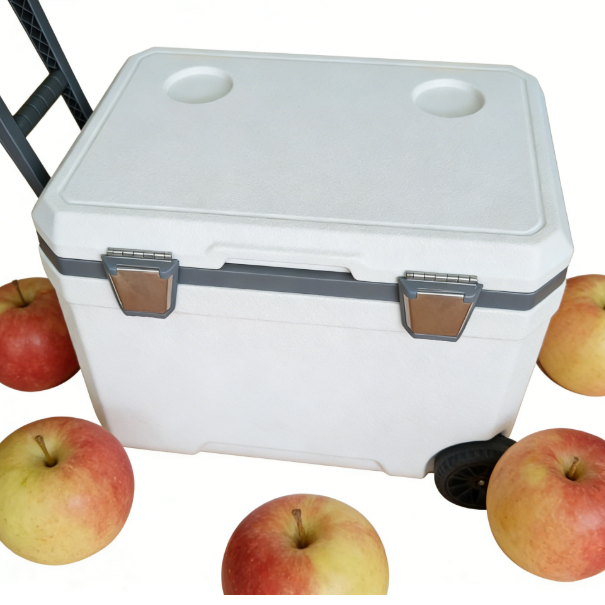
Custo do fornecedor da caixa térmica: Uma estrutura de fornecimento confiável
Custo do fornecedor da caixa térmica: Uma estrutura de fornecimento confiável
A compra mais defensável é aquela que pode ser rastreada desde a exigência do produto até o recebimento da evidência. Para custo do fornecedor da caixa térmica, a questão prática é quais fatores de custo criam um desempenho útil e quais apenas tornam as cotações difíceis de comparar. Isso requer uma visão de todo o sistema: o corpo isolado, refrigerante, separadores, arranjo de carga útil, encerramento, processo de manuseio, e qualquer dispositivo de monitoramento de temperatura. Este artigo foi escrito para gerentes de sourcing e engenheiros de custos. It explains how to make a decision for bulk insulated packaging procurement without relying on vague hold-time claims, capacidade nominal, ou um preço de manchete que omite custos importantes.
Defina o sucesso no ponto de recebimento
Escreva um requisito de usuário de uma página antes de selecionar a caixa térmica isolada. Deve identificar o produto e sua condição exigida, dimensões e massa da carga útil, etapas da rota, duração esperada mais política de atraso, exposição quente e fria, modos de transporte, manipulação de eventos, padrão de abertura, necessidades de monitoramento, processo de limpeza ou devolução, e recebendo decisão. Para aquisição de embalagens isoladas a granel, dê atenção especial às escolhas da lista de materiais, método de fabricação, quantidade do pedido, embalagem secundária, e evidências de qualidade.
Separe os critérios de aceitação obrigatórios das preferências. Uma dimensão externa máxima pode ser obrigatória porque a caixa deve caber em um rack. Uma cor pode ser preferida. Uma faixa de temperatura do produto pode ser obrigatória, while a particular insulation material may be open to supplier proposal. Esta separação permite que os fornecedores melhorem o design sem enfraquecer o resultado. Também evita que uma cotação rica em recursos pareça compatível quando não atende ao requisito principal.
- Documente e confirme a configuração orçamentada.
- Documente e confirme a propriedade das ferramentas.
- Documente e confirme a quantidade de embalagem por caixa.
- Documente e confirme o método de inspeção de qualidade.
- Documente e confirme as dimensões prontas para frete.
Compreendendo a pilha de custos do fornecedor
Aplique a estrutura de sourcing ao caso de uso real. Decida se o programa precisa de um remetente descartável, um corpo reutilizável durável, um conjunto de alto isolamento, ou um híbrido. Cada estrutura de custos aloca dinheiro de forma diferente entre resina ou espuma, ferramentas, trabalho, peças de proteção, e controle de qualidade.
Transforme esse risco em um processo controlado, uma cotação reutilizável pode ser enganosa se o comprador não tiver um ciclo de devolução e limpeza. Por outro lado, julgar um recipiente durável pelo preço unitário de uso único ignora o possível valor de ciclos controlados repetidos. Use uma revisão de engenharia de valor depois que o requisito funcional estiver estável. Remover recursos que não suportam carga útil, manuseio, higiene, durabilidade, ou uso da marca, mas não afine paredes ou simplifique fechamentos sem reavaliar o desempenho.
Em seguida, conecte as evidências ao dinheiro, peça ao fornecedor para identificar alterações de custos causadas pela quantidade, material, ferramentas, cor, impressão, inspeção, e embalagem. O preço transparente das opções é mais útil do que um número combinado que não pode ser redesenhado. Model the supplier's cost drivers without demanding confidential margins: volume de materiais, complexidade da peça, ciclo de moldagem, inserir montagem, decoração, inspeção, embalagem interna, caixas mestras, e padrão de pedido. Pequenas tiragens irregulares geralmente trazem resultados econômicos diferentes de uma previsão estável.
No portão de decisão, escolha a estrutura de custos que corresponda ao modelo operacional. Um custo menor por unidade só tem valor quando a caixa protege o produto, se encaixa no plano de frete, e pode ser fornecido de forma consistente.
Isolamento de correspondência, Refrigerante, e carga útil
Selecione isolamento, refrigerante, separadores, forro, arranjo de carga útil, monitor, encerramento, e instruções como um sistema. As etiquetas dos materiais por si só não prevêem o resultado da montagem. EPS pode ser adequado para uma rota controlada de mão única; O EPP pode suportar manuseio e limpeza repetidos; Os sistemas baseados em VIP podem fornecer maior isolamento em espessuras de parede limitadas, mas requerem proteção do painel. A escolha deve seguir o risco da rota, valor da carga útil, manuseio, modelo de reutilização, e necessidades de evidências.
O líquido refrigerante deve ser condicionado e posicionado para o produto. Pacotes congelados podem criar risco de congelamento local; pouca capacidade de resfriamento armazenada pode reduzir a margem de atraso; refrigerante excessivo ocupa espaço de carga útil e adiciona massa. Use separadores justificados e geometria de empacotamento. Escreva instruções na ordem de trabalho dos operadores, com imagens ou codificação de cores, se isso reduzir erros. Observe a equipe real empacotando o sistema de teste em vez de assumir que um diagrama é autoexplicativo.
A carga útil merece sua própria aprovação. Carregue as caixas primárias reais ou manequins precisos com o líquido refrigerante completo e o conjunto de insertos. Verifique o fechamento, compressão, recuperação, rótulos, elevação, e ajuste do veículo. Para um produto nominal de 40 litros, por exemplo, o número não informa quanta carga útil resta. Para restauração, frutos do mar, ou carne, examinar forros, controle de líquidos, acesso de limpeza, e separação. Para medicina, revise a proteção contra congelamento e o posicionamento do monitor.
O que uma citação séria mostra
| Campo de cotação | O que solicitar | Por que isso muda a decisão |
|---|---|---|
| Configuração | Material, nota, dimensões, tampa, inserções, refrigerante, e acessórios | Evita que produtos diferentes sejam comparados como se fossem idênticos |
| Base comercial | Quantidade do pedido, ferramentas, embalagem, termo comercial, moeda, e validade | Mostra quais custos estão dentro ou fora do preço unitário |
| Evidência de desempenho | Perfil de teste, carga útil, pacote, faixa de aceitação, e relatar status | Revela se uma reivindicação se assemelha à rota pretendida |
| Controle de qualidade | Amostra aprovada, critérios de inspeção, notificação de alteração, e retenção de registros | Protege a consistência após o primeiro pedido |
| Logística | Dimensões da caixa mestre, unidades por caixa, pesos, e plano de carregamento | Suporta um cálculo realista do custo final |
Normalizar lances para uma moeda, quantidade do pedido, configuração, e ponto de entrega. Adicionar ferramentas, obra de arte, amostras, testes, caixas de exportação, frete, obrigação, e taxas de destino. Em seguida, crie uma visão operacional que inclua mão de obra de embalagem, preparação de refrigerante, armazenar, limpeza, transporte de retorno, perdas, dano, e peças de reposição. O menor preço unitário e o menor custo do programa podem ser ofertas diferentes.
O custo deve ser proporcional à consequência da falha. Os prováveis modos de falha aqui são pagar pela capacidade não utilizada, escolhendo o material errado, ignorando o volume de frete, e aceitando reivindicações térmicas não suportadas. Um breve, a entrega controlada pode não precisar do pacote de construção ou qualificação mais elaborado. Uma remessa médica de alto valor ou uma rota de exportação imprevisível podem justificar evidências e reservas mais fortes. O objetivo não é a embalagem máxima; é adequado, proteção repetível com uma justificativa visível.
Evidência que conecta a reivindicação à pista
Pergunte exatamente o que significa uma declaração de desempenho. Uma duração deve estar vinculada a um perfil de ambiente, carga útil, condição inicial, arranjo de refrigerante, posições dos sensores, e faixa de aceitação. Uma capacidade deve indicar se é volume interno bruto ou carga útil utilizável. Uma declaração reutilizável deve identificar o processo de inspeção e limpeza. Uma alegação de sustentabilidade deve explicar os limites do sistema e as suposições de fim de vida. Sem condições, um número é linguagem publicitária e não evidência de decisão.
Para medicamentos sensíveis à temperatura, A orientação da OMS enquadra a qualificação como evidência documentada controlada e vincula o desempenho do contêiner aos perfis de transporte e aos critérios de aceitação. Os padrões térmicos ISTA podem apoiar a avaliação estruturada do envio de encomendas. O PIB da UE e as práticas da IATA acrescentam expectativas em torno de equipamentos adequados, manuseio controlado, documentação, e requisitos atuais de carga aérea. As operações de alimentos devem alinhar o procedimento de embalagem e transporte com os procedimentos de transporte sanitário aplicáveis., HACCP, e controles específicos do produto. A equipe responsável pela qualidade ou segurança alimentar determina a aplicabilidade e a disposição.
O plano de monitoramento deve definir a precisão do dispositivo na faixa relevante, status de calibração, intervalo de gravação, método iniciar e parar, sincronização de tempo, colocação, acesso a dados, alarmes, retenção de registros, e resposta. Um registrador é uma evidência, não proteção. Coloque-o onde representa uma condição de carga informada sobre risco, e certifique-se de que o receptor saiba o que fazer com o registro.
Elimine o risco da decisão de produção
Aprovar a configuração e o processo que a torna. Mantenha desenhos controlados, especificações de materiais, listas de componentes, obra de arte, instruções de embalagem, detalhes da caixa mestra, e critérios de aceitação. Identifique as características que afetam o ajuste, encerramento, higiene, durabilidade, ou comportamento térmico. Pergunte como essas características são inspecionadas e registradas durante a produção.
Use um caminho preparado: amostra funcional, teste de engenharia ou embalagem, avaliação térmica ou de rota conforme necessário, piloto ou pré-produção, então aprovação em massa. Cada amostra precisa de uma revisão e propósito. Guarde uma referência aprovada quando for útil. Se o projeto for personalizado, liquidar propriedade de ferramentas, manutenção, direitos de modificação, e tratamento de final de projeto por escrito antes que a ferramenta se torne uma alavanca em uma disputa comercial.
Exigir notificação antes de alterações no material, geometria, refrigerante, inserções, local de fabricação ou processo, obra de arte, e embalagens de desempenho crítico. Decida quais mudanças precisam de revisão de documento, aprovação de amostra, ou requalificação. Isto é fundamental para os sistemas farmacêuticos e ainda valioso para programas de alimentos e atacado porque pequenas substituições podem afetar a adequação e o desempenho em campo.
Pilote todo o fluxo de trabalho
Use este cenário típico: a buyer requests a reusable box but evaluates it against a single-use quotation without pricing cleaning, retorna, perda, ou tampas de reposição. Faça as malas sob pressão de tempo realista, prepare a caixa como a rota faz, expô-lo a condições representativas, e conclua o processo de recebimento. Registre o resultado térmico quando aplicável, hora da embalagem, ajuste de carga útil, manuseio de refrigerante, elevação, encerramento, vazamento ou condensação, dano, legibilidade do rótulo, limpeza, e etapas de retorno. O teste deve revelar pontos fracos do processo, bem como pontos fracos do produto.
Marcar uma reunião de revisão com compras, operações, qualidade ou segurança alimentar, e o fornecedor. Classifique as descobertas como segurança ou risco do produto, lacuna de desempenho, problema de usabilidade, oportunidade de custo, ou preferência. Revise os requisitos e a configuração do usuário uma vez, em seguida, repita apenas as verificações afetadas pela mudança sob um plano justificado. A iteração controlada é mais rápida do que aceitar um design fraco e corrigi-lo através de reclamações.
UM 2026 Visão da responsabilidade de reutilização e embalagem
Reusable packaging should be assessed as a loop: emitir, usar, retornar, inspecionar, limpar, seco, loja, reparar, e reeditar. Rastrear disponibilidade, perda, dano, inversão de marcha, e ciclos concluídos. Para sistemas unidirecionais, avaliar o uso de materiais, cubo de envio, opções de descarte, e proteção do produto. O Regulamento de Embalagens e Resíduos de Embalagens da UE geralmente se aplica a partir de agosto 2026 e reforça a necessidade de revisão atual da composição das embalagens, reutilizar, Reciclabalidade, rotulagem, e obrigações específicas do mercado. Não confie no slogan de um fornecedor como prova legal ou ambiental.
As decisões de design podem preservar opções. Tampas ou forros substituíveis, identificação de materiais, dados de composição controlada, inserções modulares, e rótulos de ativos duráveis podem prolongar a vida útil ou simplificar revisões futuras. No entanto, a complexidade adicional também cria mais peças para gerenciar. Selecione recursos porque eles suportam o modelo operacional, não porque pareçam voltados para o futuro.
Perguntas frequentes sobre aquisições
Que informações devo enviar ao solicitar o custo do fornecedor da caixa térmica?
Envie a exigência do produto, dimensões e massa da carga útil, etapas da rota, duração e subsídio de atraso, exposições quentes e frias, padrão de manuseio e abertura, preferência de refrigerante, se justificado, necessidades de monitoramento, quantidade, destino, termo comercial, modelo de limpeza ou devolução, e provas exigidas.
Como posso comparar relatórios de teste de fornecedores?
Comparar configuração, carga útil, perfil ambiente, condições iniciais, condicionamento de refrigerante, posições dos sensores, Critérios de aceitação, método de teste, desvios, e aprovação do relatório. Uma duração mais longa não é automaticamente melhor se as condições não representarem a sua rota.
Devo comprar uma caixa padrão ou desenvolver uma personalizada?
Use uma caixa padrão quando atender à carga útil, rota, manuseio, e necessidades de evidências com custo final aceitável. Considere o desenvolvimento personalizado quando adequado, utilização de carga útil, pacote repetível, limpeza, marca, ou a integração de veículos cria valor operacional suficiente para justificar engenharia e ferramentas.
O que deve ser bloqueado antes da produção em massa?
Bloquear a revisão do desenho, material, cores, inserções, refrigerante, rótulos, instruções de embalagem, caixa mestra, critérios de inspeção, status de amostra aprovada, e processo de notificação de alterações. Confirme o escopo comercial e a base de entrega ao mesmo tempo.
A decisão de fornecimento em uma única visão
| Portão de decisão | Pergunta para responder | Evidência ou resultado |
|---|---|---|
| Exigência | O que deve ser protegido, por qual caminho? | Requisito do usuário aprovado e critérios de aceitação |
| Projeto do sistema | O pacote completo pode ser carregado e repetido? | Lista de configurações, desenho, e instruções de embalagem |
| Desempenho | As evidências correspondem ao desafio pretendido? | Protocolo revisado, registro de teste ou piloto, e desvios |
| Fornecedor | A produção pode permanecer equivalente à amostra aprovada? | Controles de qualidade, plano de inspeção, e processo de mudança |
| Comercial | Qual é o custo de entrega e operacional? | Modelo normalizado de lance e custo |
| Aumento de escala | O fluxo de trabalho pode ser executado de forma confiável?? | Revisão piloto, treinamento, liberar, e feedback de desempenho |
Uma decisão segura sobre o custo do fornecedor de caixas térmicas não é uma busca pela caixa mais grossa ou pelo número mais baixo. É uma correspondência documentada entre o produto, rota, pacote, evidência, controle de fornecedores, e custo. Quando esses seis portões estiverem limpos, a aquisição pode comparar alternativas de forma justa e as operações podem usar o sistema escolhido conforme pretendido.
Um primeiro controle 90 Dias
A primeira ordem de produção da caixa térmica isolada deve ser tratada como o início da verificação operacional, não é o fim do desenvolvimento. Treinar empacotadores e receptores na configuração aprovada, identificar cada componente, e registrar problemas por revisão e lote quando for prático. Mantenha material de referência aprovado suficiente para investigar a adequação, encerramento, rotulagem, ou reclamações de desempenho sem adivinhar qual versão foi enviada.
Durante as primeiras semanas, revisar o tempo do pacote, disponibilidade de componentes, ajuste de carga útil, dados de temperatura, quando aplicável, lidar com danos, limpeza, exceções de entrega, e recebendo perguntas. Não espere por uma carga rejeitada para saber que as instruções são ambíguas. Uma breve revisão diária durante o lançamento pode se tornar semanal e depois mensal à medida que o processo se estabiliza. Atribua um proprietário para ações e feche-as por meio de atualizações controladas de documentos ou projetos.
Compare o custo real e operacional com as premissas usadas para aprovação. Cubo de frete, trabalho de refrigeração, taxa de retorno, Espaço de armazém, tampas de reposição, dano, e o tempo de resposta do fornecedor podem alterar o caso de negócio. Se o programa for reutilizável, reconciliar emitido, voltou, em quarentena, limpeza, e caixas prontas para uso. Se for unilateral, revise o feedback sobre descarte e danos à embalagem no destino.
Na revisão de 90 dias, decidir se o sistema está pronto para uma implantação mais ampla, precisa de uma melhoria controlada, ou deve permanecer limitado à faixa original. Capture o que foi aprendido na especificação, treinamento, e arquivo de fornecedor. Dimensionar um processo documentado é mais seguro do que dimensionar a memória da equipe do projeto.
Sobre Tempk
Tempk é a marca de embalagens para cadeia de frio da Shanghai Tempk Industrial Co., Ltda., estabelecido em 2011. A empresa desenvolve, produz, vende, e serviços de produtos da cadeia de frio, incluindo formatos de embalagens isoladas e componentes de refrigeração. Tempk pode apoiar discussões iniciais sobre a seleção de caixas térmicas isoladas, geometria da carga útil, arranjos de refrigeração, formatos reutilizáveis ou unilaterais, e fornecimento personalizado ou em massa. Qualquer configuração final deve ser revisada e, onde necessário, tested or qualified for the buyer's product, rota, procedimentos, e obrigações de mercado.
Forneça ao Tempk seu mapa de rotas, detalhes da carga útil, condição necessária do produto, quantidade, e as evidências precisam iniciar uma comparação de embalagens focada.
Preço do fornecedor da Cool Box: Uma estrutura de fornecimento confiável

Preço do fornecedor da Cool Box: Uma estrutura de fornecimento confiável
Preço do fornecedor da Cool Box: Uma estrutura de fornecimento confiável
A compra mais defensável é aquela que pode ser rastreada desde a exigência do produto até o recebimento da evidência. Para o preço do fornecedor da caixa térmica, a questão prática é se cotações aparentemente semelhantes abrangem o mesmo produto, serviço, controles de qualidade, e condições de entrega. Isso requer uma visão de todo o sistema: o corpo isolado, refrigerante, separadores, arranjo de carga útil, encerramento, processo de manuseio, e qualquer dispositivo de monitoramento de temperatura. Este artigo foi escrito para equipes de compras que comparam cotações de fornecedores. Explica como tomar uma decisão sobre alimentação, assistência médica, e compras gerais na cadeia de frio, sem depender de declarações vagas de tempo de espera, capacidade nominal, ou um preço de manchete que omite custos importantes.
Traduzir a rota em um requisito de caixa
Escreva um requisito de usuário de uma página antes de selecionar uma caixa térmica comercial. Deve identificar o produto e sua condição exigida, dimensões e massa da carga útil, etapas da rota, duração esperada mais política de atraso, exposição quente e fria, modos de transporte, manipulação de eventos, padrão de abertura, necessidades de monitoramento, processo de limpeza ou devolução, e recebendo decisão. Para comida, assistência médica, e compras gerais da cadeia de frio, dê atenção especial à normalização de cotações, controle de especificação, revisão de amostra, incoterms, e custo total no destino.
Separe os critérios de aceitação obrigatórios das preferências. Uma dimensão externa máxima pode ser obrigatória porque a caixa deve caber em um rack. Uma cor pode ser preferida. Uma faixa de temperatura do produto pode ser obrigatória, while a particular insulation material may be open to supplier proposal. Esta separação permite que os fornecedores melhorem o design sem enfraquecer o resultado. Também evita que uma cotação rica em recursos pareça compatível quando não atende ao requisito principal.
- Documente e confirme o material e a qualidade.
- Documente e confirme dimensões internas e externas.
- Documente e confirme os acessórios incluídos.
- Documente e confirme o prazo e o destino da negociação.
- Documente e confirme a consistência da amostra até a produção.
Selecione os componentes do sistema
Selecione isolamento, refrigerante, separadores, forro, arranjo de carga útil, monitor, encerramento, e instruções como um sistema. As etiquetas dos materiais por si só não prevêem o resultado da montagem. EPS pode ser adequado para uma rota controlada de mão única; O EPP pode suportar manuseio e limpeza repetidos; Os sistemas baseados em VIP podem fornecer maior isolamento em espessuras de parede limitadas, mas requerem proteção do painel. A escolha deve seguir o risco da rota, valor da carga útil, manuseio, modelo de reutilização, e necessidades de evidências.
O líquido refrigerante deve ser condicionado e posicionado para o produto. Pacotes congelados podem criar risco de congelamento local; pouca capacidade de resfriamento armazenada pode reduzir a margem de atraso; refrigerante excessivo ocupa espaço de carga útil e adiciona massa. Use separadores justificados e geometria de empacotamento. Escreva instruções na ordem de trabalho dos operadores, com imagens ou codificação de cores, se isso reduzir erros. Observe a equipe real empacotando o sistema de teste em vez de assumir que um diagrama é autoexplicativo.
A carga útil merece sua própria aprovação. Carregue as caixas primárias reais ou manequins precisos com o líquido refrigerante completo e o conjunto de insertos. Verifique o fechamento, compressão, recuperação, rótulos, elevação, e ajuste do veículo. Para um produto nominal de 40 litros, por exemplo, o número não informa quanta carga útil resta. Para restauração, frutos do mar, ou carne, examinar forros, controle de líquidos, acesso de limpeza, e separação. Para medicina, revise a proteção contra congelamento e o posicionamento do monitor.
Um modelo de custo que a aquisição pode defender
| Campo de cotação | O que solicitar | Por que isso muda a decisão |
|---|---|---|
| Configuração | Material, nota, dimensões, tampa, inserções, refrigerante, e acessórios | Evita que produtos diferentes sejam comparados como se fossem idênticos |
| Base comercial | Quantidade do pedido, ferramentas, embalagem, termo comercial, moeda, e validade | Mostra quais custos estão dentro ou fora do preço unitário |
| Evidência de desempenho | Perfil de teste, carga útil, pacote, faixa de aceitação, e relatar status | Revela se uma reivindicação se assemelha à rota pretendida |
| Controle de qualidade | Amostra aprovada, critérios de inspeção, notificação de alteração, e retenção de registros | Protege a consistência após o primeiro pedido |
| Logística | Dimensões da caixa mestre, unidades por caixa, pesos, e plano de carregamento | Suporta um cálculo realista do custo final |
Normalizar lances para uma moeda, quantidade do pedido, configuração, e ponto de entrega. Adicionar ferramentas, obra de arte, amostras, testes, caixas de exportação, frete, obrigação, e taxas de destino. Em seguida, crie uma visão operacional que inclua mão de obra de embalagem, preparação de refrigerante, armazenar, limpeza, transporte de retorno, perdas, dano, e peças de reposição. O menor preço unitário e o menor custo do programa podem ser ofertas diferentes.
O custo deve ser proporcional à consequência da falha. Os prováveis modos de falha aqui são preços baixos que escondem ferramentas, embalagem, frete, refrigerante, documentação, ou custos de substituição. Um breve, a entrega controlada pode não precisar do pacote de construção ou qualificação mais elaborado. Uma remessa médica de alto valor ou uma rota de exportação imprevisível podem justificar evidências e reservas mais fortes. O objetivo não é a embalagem máxima; é adequado, proteção repetível com uma justificativa visível.
Tornando os preços dos fornecedores comparáveis
Aplique a estrutura de sourcing ao caso de uso real. Emitir um formulário de licitação que fixe o tamanho nominal, dimensões utilizáveis, material, tampa, acessórios, obra de arte, quantidade do pedido, destino, e termo comercial. Permitir alternativas em uma coluna separada para que a inovação não destrua a comparação da linha de base.
Transforme esse risco em um processo controlado, os fornecedores podem usar a mesma etiqueta de capacidade para diferentes geometrias internas. Cantos arredondados, paredes cônicas, intrusão na tampa, e os recessos de refrigeração podem alterar o ajuste da carga útil mesmo quando os litros brutos parecem idênticos. Exigir um código de configuração na cotação, amostra, fatura proforma, registro de inspeção, e caixa de produção. Este pequeno controle ajuda a evitar que uma amostra de vendas e uma remessa a granel se tornem dois produtos sutilmente diferentes.
Em seguida, conecte as evidências ao dinheiro, solicite desenhos dimensionais, medidas da caixa mestre, tolerâncias de produção, declarações materiais, e uma lista clara de peças incluídas. As reivindicações térmicas precisam das condições que as produziram, não apenas uma duração em negrito. Divida o custo unitário recorrente de ferramentas únicas, placas de arte, amostras, trabalho de laboratório, e embalagens personalizadas. Em seguida, adicione o cubo de frete e as suposições de taxas; otherwise a low quote may simply move cost outside the vendor's line item.
No portão de decisão, classificar lances somente depois que exclusões e desvios estiverem visíveis. O fornecedor preferencial pode não ter o número de unidade mais baixo, mas deve oferecer a configuração controlada mais clara a um custo final defensável.
Evidência que conecta a reivindicação à pista
Pergunte exatamente o que significa uma declaração de desempenho. Uma duração deve estar vinculada a um perfil de ambiente, carga útil, condição inicial, arranjo de refrigerante, posições dos sensores, e faixa de aceitação. Uma capacidade deve indicar se é volume interno bruto ou carga útil utilizável. Uma declaração reutilizável deve identificar o processo de inspeção e limpeza. Uma alegação de sustentabilidade deve explicar os limites do sistema e as suposições de fim de vida. Sem condições, um número é linguagem publicitária e não evidência de decisão.
Para medicamentos sensíveis à temperatura, A orientação da OMS enquadra a qualificação como evidência documentada controlada e vincula o desempenho do contêiner aos perfis de transporte e aos critérios de aceitação. Os padrões térmicos ISTA podem apoiar a avaliação estruturada do envio de encomendas. O PIB da UE e as práticas da IATA acrescentam expectativas em torno de equipamentos adequados, manuseio controlado, documentação, e requisitos atuais de carga aérea. As operações de alimentos devem alinhar o procedimento de embalagem e transporte com os procedimentos de transporte sanitário aplicáveis., HACCP, e controles específicos do produto. A equipe responsável pela qualidade ou segurança alimentar determina a aplicabilidade e a disposição.
O plano de monitoramento deve definir a precisão do dispositivo na faixa relevante, status de calibração, intervalo de gravação, método iniciar e parar, sincronização de tempo, colocação, acesso a dados, alarmes, retenção de registros, e resposta. Um registrador é uma evidência, não proteção. Coloque-o onde representa uma condição de carga informada sobre risco, e certifique-se de que o receptor saiba o que fazer com o registro.
Evidências para controle da amostra até a produção
Aprovar a configuração e o processo que a torna. Mantenha desenhos controlados, especificações de materiais, listas de componentes, obra de arte, instruções de embalagem, detalhes da caixa mestra, e critérios de aceitação. Identifique as características que afetam o ajuste, encerramento, higiene, durabilidade, ou comportamento térmico. Pergunte como essas características são inspecionadas e registradas durante a produção.
Use um caminho preparado: amostra funcional, teste de engenharia ou embalagem, avaliação térmica ou de rota conforme necessário, piloto ou pré-produção, então aprovação em massa. Cada amostra precisa de uma revisão e propósito. Guarde uma referência aprovada quando for útil. Se o projeto for personalizado, liquidar propriedade de ferramentas, manutenção, direitos de modificação, e tratamento de final de projeto por escrito antes que a ferramenta se torne uma alavanca em uma disputa comercial.
Exigir notificação antes de alterações no material, geometria, refrigerante, inserções, local de fabricação ou processo, obra de arte, e embalagens de desempenho crítico. Decida quais mudanças precisam de revisão de documento, aprovação de amostra, ou requalificação. Isto é fundamental para os sistemas farmacêuticos e ainda valioso para programas de alimentos e atacado porque pequenas substituições podem afetar a adequação e o desempenho em campo.
Pilote todo o fluxo de trabalho
Use este cenário típico: três fornecedores citam o mesmo tamanho nominal, mas um preço exclui a tampa, usa-se uma densidade de espuma diferente, e um inclui embalagens de exportação. Faça as malas sob pressão de tempo realista, prepare a caixa como a rota faz, expô-lo a condições representativas, e conclua o processo de recebimento. Registre o resultado térmico quando aplicável, hora da embalagem, ajuste de carga útil, manuseio de refrigerante, elevação, encerramento, vazamento ou condensação, dano, legibilidade do rótulo, limpeza, e etapas de retorno. O teste deve revelar pontos fracos do processo, bem como pontos fracos do produto.
Marcar uma reunião de revisão com compras, operações, qualidade ou segurança alimentar, e o fornecedor. Classifique as descobertas como segurança ou risco do produto, lacuna de desempenho, problema de usabilidade, oportunidade de custo, ou preferência. Revise os requisitos e a configuração do usuário uma vez, em seguida, repita apenas as verificações afetadas pela mudança sob um plano justificado. A iteração controlada é mais rápida do que aceitar um design fraco e corrigi-lo através de reclamações.
UM 2026 Visão da responsabilidade de reutilização e embalagem
Reusable packaging should be assessed as a loop: emitir, usar, retornar, inspecionar, limpar, seco, loja, reparar, e reeditar. Rastrear disponibilidade, perda, dano, inversão de marcha, e ciclos concluídos. Para sistemas unidirecionais, avaliar o uso de materiais, cubo de envio, opções de descarte, e proteção do produto. O Regulamento de Embalagens e Resíduos de Embalagens da UE geralmente se aplica a partir de agosto 2026 e reforça a necessidade de revisão atual da composição das embalagens, reutilizar, Reciclabalidade, rotulagem, e obrigações específicas do mercado. Não confie no slogan de um fornecedor como prova legal ou ambiental.
As decisões de design podem preservar opções. Tampas ou forros substituíveis, identificação de materiais, dados de composição controlada, inserções modulares, e rótulos de ativos duráveis podem prolongar a vida útil ou simplificar revisões futuras. No entanto, a complexidade adicional também cria mais peças para gerenciar. Selecione recursos porque eles suportam o modelo operacional, não porque pareçam voltados para o futuro.
Perguntas frequentes sobre aquisições
Que informações devo enviar ao solicitar o preço do fornecedor da caixa térmica?
Envie a exigência do produto, dimensões e massa da carga útil, etapas da rota, duração e subsídio de atraso, exposições quentes e frias, padrão de manuseio e abertura, preferência de refrigerante, se justificado, necessidades de monitoramento, quantidade, destino, termo comercial, modelo de limpeza ou devolução, e provas exigidas.
Como posso comparar relatórios de teste de fornecedores?
Comparar configuração, carga útil, perfil ambiente, condições iniciais, condicionamento de refrigerante, posições dos sensores, Critérios de aceitação, método de teste, desvios, e aprovação do relatório. Uma duração mais longa não é automaticamente melhor se as condições não representarem a sua rota.
Devo comprar uma caixa padrão ou desenvolver uma personalizada?
Use uma caixa padrão quando atender à carga útil, rota, manuseio, e necessidades de evidências com custo final aceitável. Considere o desenvolvimento personalizado quando adequado, utilização de carga útil, pacote repetível, limpeza, marca, ou a integração de veículos cria valor operacional suficiente para justificar engenharia e ferramentas.
O que deve ser bloqueado antes da produção em massa?
Bloquear a revisão do desenho, material, cores, inserções, refrigerante, rótulos, instruções de embalagem, caixa mestra, critérios de inspeção, status de amostra aprovada, e processo de notificação de alterações. Confirme o escopo comercial e a base de entrega ao mesmo tempo.
A decisão de fornecimento em uma única visão
| Portão de decisão | Pergunta para responder | Evidência ou resultado |
|---|---|---|
| Exigência | O que deve ser protegido, por qual caminho? | Requisito do usuário aprovado e critérios de aceitação |
| Projeto do sistema | O pacote completo pode ser carregado e repetido? | Lista de configurações, desenho, e instruções de embalagem |
| Desempenho | As evidências correspondem ao desafio pretendido? | Protocolo revisado, registro de teste ou piloto, e desvios |
| Fornecedor | A produção pode permanecer equivalente à amostra aprovada? | Controles de qualidade, plano de inspeção, e processo de mudança |
| Comercial | Qual é o custo de entrega e operacional? | Modelo normalizado de lance e custo |
| Aumento de escala | O fluxo de trabalho pode ser executado de forma confiável?? | Revisão piloto, treinamento, liberar, e feedback de desempenho |
Uma decisão segura sobre o preço do fornecedor de caixas térmicas não é uma busca pela caixa mais grossa ou pelo número mais baixo. É uma correspondência documentada entre o produto, rota, pacote, evidência, controle de fornecedores, e custo. Quando esses seis portões estiverem limpos, a aquisição pode comparar alternativas de forma justa e as operações podem usar o sistema escolhido conforme pretendido.
Um primeiro controle 90 Dias
A primeira ordem de produção de refrigerador comercial deve ser tratada como o início da verificação operacional, não é o fim do desenvolvimento. Treinar empacotadores e receptores na configuração aprovada, identificar cada componente, e registrar problemas por revisão e lote quando for prático. Mantenha material de referência aprovado suficiente para investigar a adequação, encerramento, rotulagem, ou reclamações de desempenho sem adivinhar qual versão foi enviada.
Durante as primeiras semanas, revisar o tempo do pacote, disponibilidade de componentes, ajuste de carga útil, dados de temperatura, quando aplicável, lidar com danos, limpeza, exceções de entrega, e recebendo perguntas. Não espere por uma carga rejeitada para saber que as instruções são ambíguas. Uma breve revisão diária durante o lançamento pode se tornar semanal e depois mensal à medida que o processo se estabiliza. Atribua um proprietário para ações e feche-as por meio de atualizações controladas de documentos ou projetos.
Compare o custo real e operacional com as premissas usadas para aprovação. Cubo de frete, trabalho de refrigeração, taxa de retorno, Espaço de armazém, tampas de reposição, dano, e o tempo de resposta do fornecedor podem alterar o caso de negócio. Se o programa for reutilizável, reconciliar emitido, voltou, em quarentena, limpeza, e caixas prontas para uso. Se for unilateral, revise o feedback sobre descarte e danos à embalagem no destino.
Na revisão de 90 dias, decidir se o sistema está pronto para uma implantação mais ampla, precisa de uma melhoria controlada, ou deve permanecer limitado à faixa original. Capture o que foi aprendido na especificação, treinamento, e arquivo de fornecedor. Dimensionar um processo documentado é mais seguro do que dimensionar a memória da equipe do projeto.
Sobre Tempk
Tempk é a marca de embalagens para cadeia de frio da Shanghai Tempk Industrial Co., Ltda., estabelecido em 2011. A empresa desenvolve, produz, vende, e serviços de produtos da cadeia de frio, incluindo formatos de embalagens isoladas e componentes de refrigeração. Tempk pode apoiar discussões iniciais sobre a seleção de caixas térmicas comerciais, geometria da carga útil, arranjos de refrigeração, formatos reutilizáveis ou unilaterais, e fornecimento personalizado ou em massa. Qualquer configuração final deve ser revisada e, onde necessário, tested or qualified for the buyer's product, rota, procedimentos, e obrigações de mercado.
Forneça ao Tempk seu mapa de rotas, detalhes da carga útil, condição necessária do produto, quantidade, e as evidências precisam iniciar uma comparação de embalagens focada.
Preço do fornecedor de Cool Box: Uma estrutura de fornecimento confiável

Preço do fornecedor de Cool Box: Uma estrutura de fornecimento confiável
Preço do fornecedor de Cool Box: Uma estrutura de fornecimento confiável
A compra mais defensável é aquela que pode ser rastreada desde a exigência do produto até o recebimento da evidência. Para preço de fornecedor de caixa térmica, a questão prática é se o preço inclui a engenharia, documentação, reabastecimento, e suporte necessário após o pedido inicial. Isso requer uma visão de todo o sistema: o corpo isolado, refrigerante, separadores, arranjo de carga útil, encerramento, processo de manuseio, e qualquer dispositivo de monitoramento de temperatura. Este artigo foi escrito para compradores B2B que avaliam fornecedores em vez de um único produto. It explains how to make a decision for managed cold-chain packaging supply without relying on vague hold-time claims, capacidade nominal, ou um preço de manchete que omite custos importantes.
Defina o sucesso no ponto de recebimento
Escreva um requisito de usuário de uma página antes de selecionar a solução de caixa térmica. Deve identificar o produto e sua condição exigida, dimensões e massa da carga útil, etapas da rota, duração esperada mais política de atraso, exposição quente e fria, modos de transporte, manipulação de eventos, padrão de abertura, necessidades de monitoramento, processo de limpeza ou devolução, e recebendo decisão. Para fornecimento gerenciado de embalagens da cadeia de frio, dar atenção especial ao escopo do serviço, suporte de projeto, iterações de amostra, fornecimento de acessórios, notificação de alteração, e confiabilidade de entrega.
Separe os critérios de aceitação obrigatórios das preferências. Uma dimensão externa máxima pode ser obrigatória porque a caixa deve caber em um rack. Uma cor pode ser preferida. Uma faixa de temperatura do produto pode ser obrigatória, while a particular insulation material may be open to supplier proposal. Esta separação permite que os fornecedores melhorem o design sem enfraquecer o resultado. Também evita que uma cotação rica em recursos pareça compatível quando não atende ao requisito principal.
- Documente e confirme o escopo do fornecimento.
- Documente e confirme o limite do suporte técnico.
- Documente e confirme a continuidade dos componentes.
- Documente e confirme o processo de notificação de alterações.
- Documente e confirme o plano de novo pedido e substituição.
Isolamento de correspondência, Refrigerante, e carga útil
Selecione isolamento, refrigerante, separadores, forro, arranjo de carga útil, monitor, encerramento, e instruções como um sistema. As etiquetas dos materiais por si só não prevêem o resultado da montagem. EPS pode ser adequado para uma rota controlada de mão única; O EPP pode suportar manuseio e limpeza repetidos; Os sistemas baseados em VIP podem fornecer maior isolamento em espessuras de parede limitadas, mas requerem proteção do painel. A escolha deve seguir o risco da rota, valor da carga útil, manuseio, modelo de reutilização, e necessidades de evidências.
O líquido refrigerante deve ser condicionado e posicionado para o produto. Pacotes congelados podem criar risco de congelamento local; pouca capacidade de resfriamento armazenada pode reduzir a margem de atraso; refrigerante excessivo ocupa espaço de carga útil e adiciona massa. Use separadores justificados e geometria de empacotamento. Escreva instruções na ordem de trabalho dos operadores, com imagens ou codificação de cores, se isso reduzir erros. Observe a equipe real empacotando o sistema de teste em vez de assumir que um diagrama é autoexplicativo.
A carga útil merece sua própria aprovação. Carregue as caixas primárias reais ou manequins precisos com o líquido refrigerante completo e o conjunto de insertos. Verifique o fechamento, compressão, recuperação, rótulos, elevação, e ajuste do veículo. Para um produto nominal de 40 litros, por exemplo, o número não informa quanta carga útil resta. Para restauração, frutos do mar, ou carne, examinar forros, controle de líquidos, acesso de limpeza, e separação. Para medicina, revise a proteção contra congelamento e o posicionamento do monitor.
Pricing the Provider's Service Scope
Aplique a estrutura de sourcing ao caso de uso real. Definir se o fornecedor fornece apenas caixas ou também refrigerante, inserções, desenhos, desenvolvimento de pacotes, testes, instruções, reabastecimento, registros de qualidade, e suporte pós-lançamento. Diferentes limites de serviço não podem ser comparados apenas através de um preço unitário.
Transforme esse risco em um processo controlado, programas ficam frágeis quando a caixa, refrigerante, inserir, obra de arte, e as instruções vêm de fontes não relacionadas e sem proprietário de compatibilidade. A falta de componentes pode interromper a embalagem mesmo que os contêineres permaneçam em estoque. Atribua um proprietário de configuração de cada lado e defina uma cadência de revisão. O fornecedor deve consolidar as revisões dos componentes e o status do fornecimento, enquanto o comprador controla os requisitos, aprovações, previsões, e encaminhar feedback.
Em seguida, conecte as evidências ao dinheiro, revisar registros do projeto, continuidade do componente, notificação de alteração, resposta à reclamação, plano de substituição, and the provider's ability to support the requested market and delivery pattern. As reivindicações de serviço devem ser traduzidas em resultados nomeados e responsabilidades de resposta. Crie linhas separadas para produtos, engenharia, ferramentas, amostras, testando, documentação, armazenar, entregas canceladas, componentes de substituição, e suporte rápido. Um preço agrupado pode ser conveniente, mas os compradores devem saber quais serviços desaparecerão se o volume mudar.
No portão de decisão, pagar pelo suporte do fornecedor quando a coordenação e a continuidade controlada reduzirem o risco operacional genuíno. Se o requisito for uma caixa padrão estável, uma relação de fornecimento mais simples pode ser mais económica e mais fácil de governar.
O que uma citação séria mostra
| Campo de cotação | O que solicitar | Por que isso muda a decisão |
|---|---|---|
| Configuração | Material, nota, dimensões, tampa, inserções, refrigerante, e acessórios | Evita que produtos diferentes sejam comparados como se fossem idênticos |
| Base comercial | Quantidade do pedido, ferramentas, embalagem, termo comercial, moeda, e validade | Mostra quais custos estão dentro ou fora do preço unitário |
| Evidência de desempenho | Perfil de teste, carga útil, pacote, faixa de aceitação, e relatar status | Revela se uma reivindicação se assemelha à rota pretendida |
| Controle de qualidade | Amostra aprovada, critérios de inspeção, notificação de alteração, e retenção de registros | Protege a consistência após o primeiro pedido |
| Logística | Dimensões da caixa mestre, unidades por caixa, pesos, e plano de carregamento | Suporta um cálculo realista do custo final |
Normalizar lances para uma moeda, quantidade do pedido, configuração, e ponto de entrega. Adicionar ferramentas, obra de arte, amostras, testes, caixas de exportação, frete, obrigação, e taxas de destino. Em seguida, crie uma visão operacional que inclua mão de obra de embalagem, preparação de refrigerante, armazenar, limpeza, transporte de retorno, perdas, dano, e peças de reposição. O menor preço unitário e o menor custo do programa podem ser ofertas diferentes.
O custo deve ser proporcional à consequência da falha. Os prováveis modos de falha aqui são selecionar uma caixa sem disponibilidade de componentes, suporte de pacote, registros de qualidade, ou um plano de substituição estável. Um breve, a entrega controlada pode não precisar do pacote de construção ou qualificação mais elaborado. Uma remessa médica de alto valor ou uma rota de exportação imprevisível podem justificar evidências e reservas mais fortes. O objetivo não é a embalagem máxima; é adequado, proteção repetível com uma justificativa visível.
Evidência que conecta a reivindicação à pista
Pergunte exatamente o que significa uma declaração de desempenho. Uma duração deve estar vinculada a um perfil de ambiente, carga útil, condição inicial, arranjo de refrigerante, posições dos sensores, e faixa de aceitação. Uma capacidade deve indicar se é volume interno bruto ou carga útil utilizável. Uma declaração reutilizável deve identificar o processo de inspeção e limpeza. Uma alegação de sustentabilidade deve explicar os limites do sistema e as suposições de fim de vida. Sem condições, um número é linguagem publicitária e não evidência de decisão.
Para medicamentos sensíveis à temperatura, A orientação da OMS enquadra a qualificação como evidência documentada controlada e vincula o desempenho do contêiner aos perfis de transporte e aos critérios de aceitação. Os padrões térmicos ISTA podem apoiar a avaliação estruturada do envio de encomendas. O PIB da UE e as práticas da IATA acrescentam expectativas em torno de equipamentos adequados, manuseio controlado, documentação, e requisitos atuais de carga aérea. As operações de alimentos devem alinhar o procedimento de embalagem e transporte com os procedimentos de transporte sanitário aplicáveis., HACCP, e controles específicos do produto. A equipe responsável pela qualidade ou segurança alimentar determina a aplicabilidade e a disposição.
O plano de monitoramento deve definir a precisão do dispositivo na faixa relevante, status de calibração, intervalo de gravação, método iniciar e parar, sincronização de tempo, colocação, acesso a dados, alarmes, retenção de registros, e resposta. Um registrador é uma evidência, não proteção. Coloque-o onde representa uma condição de carga informada sobre risco, e certifique-se de que o receptor saiba o que fazer com o registro.
Elimine o risco da decisão de produção
Aprovar a configuração e o processo que a torna. Mantenha desenhos controlados, especificações de materiais, listas de componentes, obra de arte, instruções de embalagem, detalhes da caixa mestra, e critérios de aceitação. Identifique as características que afetam o ajuste, encerramento, higiene, durabilidade, ou comportamento térmico. Pergunte como essas características são inspecionadas e registradas durante a produção.
Use um caminho preparado: amostra funcional, teste de engenharia ou embalagem, avaliação térmica ou de rota conforme necessário, piloto ou pré-produção, então aprovação em massa. Cada amostra precisa de uma revisão e propósito. Guarde uma referência aprovada quando for útil. Se o projeto for personalizado, liquidar propriedade de ferramentas, manutenção, direitos de modificação, e tratamento de final de projeto por escrito antes que a ferramenta se torne uma alavanca em uma disputa comercial.
Exigir notificação antes de alterações no material, geometria, refrigerante, inserções, local de fabricação ou processo, obra de arte, e embalagens de desempenho crítico. Decida quais mudanças precisam de revisão de documento, aprovação de amostra, ou requalificação. Isto é fundamental para os sistemas farmacêuticos e ainda valioso para programas de alimentos e atacado porque pequenas substituições podem afetar a adequação e o desempenho em campo.
Pilote todo o fluxo de trabalho
Use este cenário típico: a regional distributor receives an attractive unit price but later discovers that coolant packs, inserções, instruções impressas, e componentes de reposição exigem fornecedores separados. Faça as malas sob pressão de tempo realista, prepare a caixa como a rota faz, expô-lo a condições representativas, e conclua o processo de recebimento. Registre o resultado térmico quando aplicável, hora da embalagem, ajuste de carga útil, manuseio de refrigerante, elevação, encerramento, vazamento ou condensação, dano, legibilidade do rótulo, limpeza, e etapas de retorno. O teste deve revelar pontos fracos do processo, bem como pontos fracos do produto.
Marcar uma reunião de revisão com compras, operações, qualidade ou segurança alimentar, e o fornecedor. Classifique as descobertas como segurança ou risco do produto, lacuna de desempenho, problema de usabilidade, oportunidade de custo, ou preferência. Revise os requisitos e a configuração do usuário uma vez, em seguida, repita apenas as verificações afetadas pela mudança sob um plano justificado. A iteração controlada é mais rápida do que aceitar um design fraco e corrigi-lo através de reclamações.
UM 2026 Visão da responsabilidade de reutilização e embalagem
Reusable packaging should be assessed as a loop: emitir, usar, retornar, inspecionar, limpar, seco, loja, reparar, e reeditar. Rastrear disponibilidade, perda, dano, inversão de marcha, e ciclos concluídos. Para sistemas unidirecionais, avaliar o uso de materiais, cubo de envio, opções de descarte, e proteção do produto. O Regulamento de Embalagens e Resíduos de Embalagens da UE geralmente se aplica a partir de agosto 2026 e reforça a necessidade de revisão atual da composição das embalagens, reutilizar, Reciclabalidade, rotulagem, e obrigações específicas do mercado. Não confie no slogan de um fornecedor como prova legal ou ambiental.
As decisões de design podem preservar opções. Tampas ou forros substituíveis, identificação de materiais, dados de composição controlada, inserções modulares, e rótulos de ativos duráveis podem prolongar a vida útil ou simplificar revisões futuras. No entanto, a complexidade adicional também cria mais peças para gerenciar. Selecione recursos porque eles suportam o modelo operacional, não porque pareçam voltados para o futuro.
Perguntas frequentes sobre aquisições
Que informações devo enviar ao solicitar o preço do fornecedor da caixa térmica?
Envie a exigência do produto, dimensões e massa da carga útil, etapas da rota, duração e subsídio de atraso, exposições quentes e frias, padrão de manuseio e abertura, preferência de refrigerante, se justificado, necessidades de monitoramento, quantidade, destino, termo comercial, modelo de limpeza ou devolução, e provas exigidas.
Como posso comparar relatórios de teste de fornecedores?
Comparar configuração, carga útil, perfil ambiente, condições iniciais, condicionamento de refrigerante, posições dos sensores, Critérios de aceitação, método de teste, desvios, e aprovação do relatório. Uma duração mais longa não é automaticamente melhor se as condições não representarem a sua rota.
Devo comprar uma caixa padrão ou desenvolver uma personalizada?
Use uma caixa padrão quando atender à carga útil, rota, manuseio, e necessidades de evidências com custo final aceitável. Considere o desenvolvimento personalizado quando adequado, utilização de carga útil, pacote repetível, limpeza, marca, ou a integração de veículos cria valor operacional suficiente para justificar engenharia e ferramentas.
O que deve ser bloqueado antes da produção em massa?
Bloquear a revisão do desenho, material, cores, inserções, refrigerante, rótulos, instruções de embalagem, caixa mestra, critérios de inspeção, status de amostra aprovada, e processo de notificação de alterações. Confirme o escopo comercial e a base de entrega ao mesmo tempo.
A decisão de fornecimento em uma única visão
| Portão de decisão | Pergunta para responder | Evidência ou resultado |
|---|---|---|
| Exigência | O que deve ser protegido, por qual caminho? | Requisito do usuário aprovado e critérios de aceitação |
| Projeto do sistema | O pacote completo pode ser carregado e repetido? | Lista de configurações, desenho, e instruções de embalagem |
| Desempenho | As evidências correspondem ao desafio pretendido? | Protocolo revisado, registro de teste ou piloto, e desvios |
| Fornecedor | A produção pode permanecer equivalente à amostra aprovada? | Controles de qualidade, plano de inspeção, e processo de mudança |
| Comercial | Qual é o custo de entrega e operacional? | Modelo normalizado de lance e custo |
| Aumento de escala | O fluxo de trabalho pode ser executado de forma confiável?? | Revisão piloto, treinamento, liberar, e feedback de desempenho |
Uma decisão segura sobre o preço do fornecedor de caixas térmicas não é uma busca pela caixa mais grossa ou pelo número mais baixo. É uma correspondência documentada entre o produto, rota, pacote, evidência, controle de fornecedores, e custo. Quando esses seis portões estiverem limpos, a aquisição pode comparar alternativas de forma justa e as operações podem usar o sistema escolhido conforme pretendido.
Um primeiro controle 90 Dias
A primeira ordem de produção da solução de caixa térmica deve ser tratada como o início da verificação operacional, não é o fim do desenvolvimento. Treinar empacotadores e receptores na configuração aprovada, identificar cada componente, e registrar problemas por revisão e lote quando for prático. Mantenha material de referência aprovado suficiente para investigar a adequação, encerramento, rotulagem, ou reclamações de desempenho sem adivinhar qual versão foi enviada.
Durante as primeiras semanas, revisar o tempo do pacote, disponibilidade de componentes, ajuste de carga útil, dados de temperatura, quando aplicável, lidar com danos, limpeza, exceções de entrega, e recebendo perguntas. Não espere por uma carga rejeitada para saber que as instruções são ambíguas. Uma breve revisão diária durante o lançamento pode se tornar semanal e depois mensal à medida que o processo se estabiliza. Atribua um proprietário para ações e feche-as por meio de atualizações controladas de documentos ou projetos.
Compare o custo real e operacional com as premissas usadas para aprovação. Cubo de frete, trabalho de refrigeração, taxa de retorno, Espaço de armazém, tampas de reposição, dano, e o tempo de resposta do fornecedor podem alterar o caso de negócio. Se o programa for reutilizável, reconciliar emitido, voltou, em quarentena, limpeza, e caixas prontas para uso. Se for unilateral, revise o feedback sobre descarte e danos à embalagem no destino.
Na revisão de 90 dias, decidir se o sistema está pronto para uma implantação mais ampla, precisa de uma melhoria controlada, ou deve permanecer limitado à faixa original. Capture o que foi aprendido na especificação, treinamento, e arquivo de fornecedor. Dimensionar um processo documentado é mais seguro do que dimensionar a memória da equipe do projeto.
Sobre Tempk
Tempk é a marca de embalagens para cadeia de frio da Shanghai Tempk Industrial Co., Ltda., estabelecido em 2011. A empresa desenvolve, produz, vende, e serviços de produtos da cadeia de frio, incluindo formatos de embalagens isoladas e componentes de refrigeração. Tempk pode apoiar discussões iniciais sobre a seleção de soluções de caixa térmica, geometria da carga útil, arranjos de refrigeração, formatos reutilizáveis ou unilaterais, e fornecimento personalizado ou em massa. Qualquer configuração final deve ser revisada e, onde necessário, tested or qualified for the buyer's product, rota, procedimentos, e obrigações de mercado.
Forneça ao Tempk seu mapa de rotas, detalhes da carga útil, condição necessária do produto, quantidade, e as evidências precisam iniciar uma comparação de embalagens focada.
Custo do fabricante da caixa térmica: Uma estrutura de fornecimento confiável
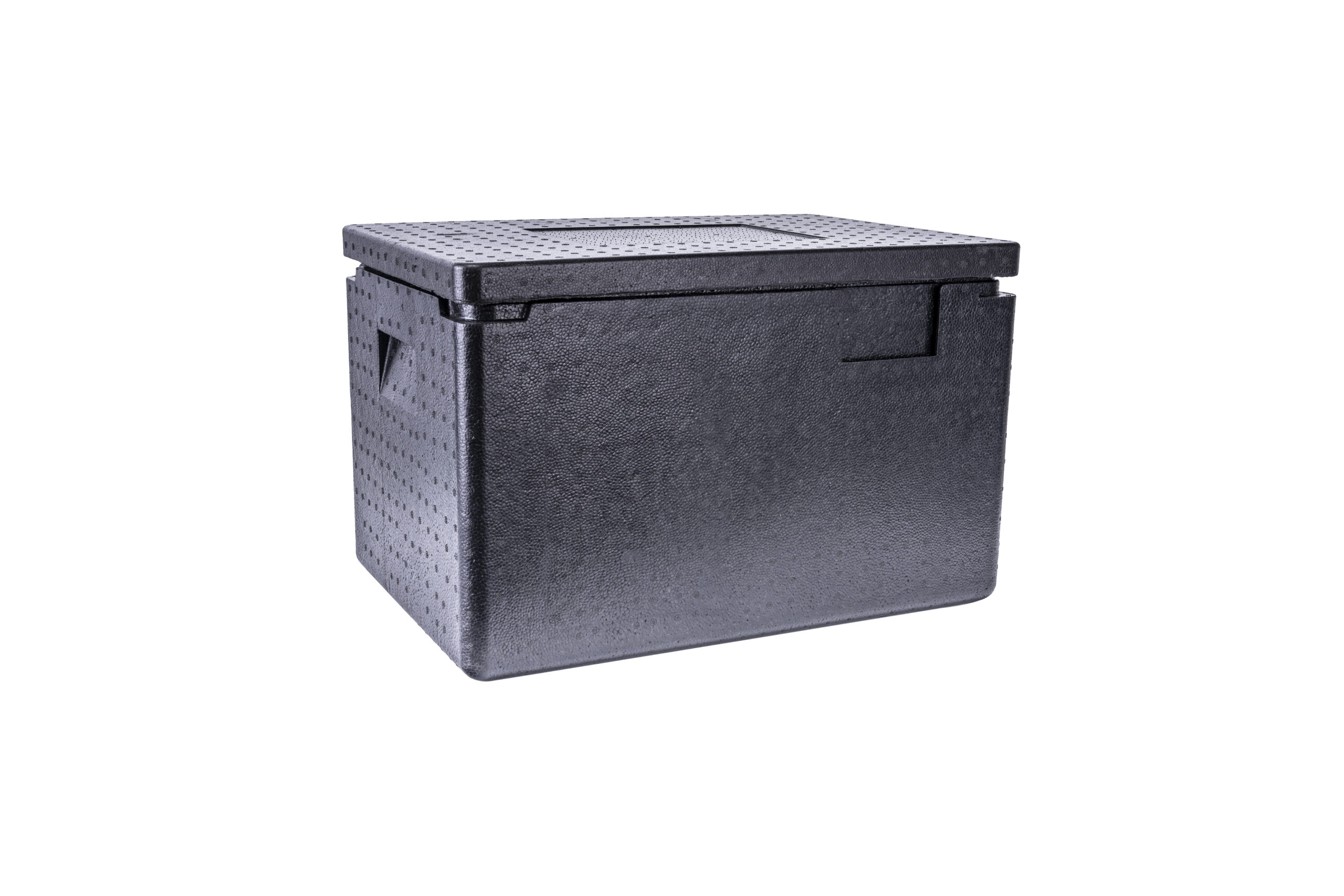
Custo do fabricante da caixa térmica: Uma estrutura de fornecimento confiável
Custo do fabricante da caixa térmica: Uma estrutura de fornecimento confiável
A compra mais defensável é aquela que pode ser rastreada desde a exigência do produto até o recebimento da evidência. Para custo do fabricante da caixa térmica, a questão prática é como o design, ferramentas, seleção de materiais, controle de processo, e a estrutura do pedido moldam uma cotação de fábrica defensável. Isso requer uma visão de todo o sistema: o corpo isolado, refrigerante, separadores, arranjo de carga útil, encerramento, processo de manuseio, e qualquer dispositivo de monitoramento de temperatura. Este artigo foi escrito para compradores OEM, gerentes de produto, e engenheiros de sourcing. It explains how to make a decision for factory-direct insulated box development without relying on vague hold-time claims, capacidade nominal, ou um preço de manchete que omite custos importantes.
Traduzir a rota em um requisito de caixa
Escreva um requisito de usuário de uma página antes de selecionar a caixa térmica fabricada. Deve identificar o produto e sua condição exigida, dimensões e massa da carga útil, etapas da rota, duração esperada mais política de atraso, exposição quente e fria, modos de transporte, manipulação de eventos, padrão de abertura, necessidades de monitoramento, processo de limpeza ou devolução, e recebendo decisão. Para desenvolvimento de caixa isolada direto da fábrica, dar especial atenção ao design para fabricação, estratégia de molde, rendimento de materiais, conjunto, inspeção, embalagem, e controle de mudanças de produção.
Separe os critérios de aceitação obrigatórios das preferências. Uma dimensão externa máxima pode ser obrigatória porque a caixa deve caber em um rack. Uma cor pode ser preferida. Uma faixa de temperatura do produto pode ser obrigatória, while a particular insulation material may be open to supplier proposal. Esta separação permite que os fornecedores melhorem o design sem enfraquecer o resultado. Também evita que uma cotação rica em recursos pareça compatível quando não atende ao requisito principal.
- Documente e confirme a revisão e tolerâncias do desenho.
- Documente e confirme o escopo e a propriedade das ferramentas.
- Documente e confirme a especificação do material aprovado.
- Documentar e confirmar a inspeção piloto.
- Documente e confirme o método de embalagem de produção.
Selecione os componentes do sistema
Selecione isolamento, refrigerante, separadores, forro, arranjo de carga útil, monitor, encerramento, e instruções como um sistema. As etiquetas dos materiais por si só não prevêem o resultado da montagem. EPS pode ser adequado para uma rota controlada de mão única; O EPP pode suportar manuseio e limpeza repetidos; Os sistemas baseados em VIP podem fornecer maior isolamento em espessuras de parede limitadas, mas requerem proteção do painel. A escolha deve seguir o risco da rota, valor da carga útil, manuseio, modelo de reutilização, e necessidades de evidências.
O líquido refrigerante deve ser condicionado e posicionado para o produto. Pacotes congelados podem criar risco de congelamento local; pouca capacidade de resfriamento armazenada pode reduzir a margem de atraso; refrigerante excessivo ocupa espaço de carga útil e adiciona massa. Use separadores justificados e geometria de empacotamento. Escreva instruções na ordem de trabalho dos operadores, com imagens ou codificação de cores, se isso reduzir erros. Observe a equipe real empacotando o sistema de teste em vez de assumir que um diagrama é autoexplicativo.
A carga útil merece sua própria aprovação. Carregue as caixas primárias reais ou manequins precisos com o líquido refrigerante completo e o conjunto de insertos. Verifique o fechamento, compressão, recuperação, rótulos, elevação, e ajuste do veículo. Para um produto nominal de 40 litros, por exemplo, o número não informa quanta carga útil resta. Para restauração, frutos do mar, ou carne, examinar forros, controle de líquidos, acesso de limpeza, e separação. Para medicina, revise a proteção contra congelamento e o posicionamento do monitor.
Decisões de custos de projeto para fabricação
Aplique a estrutura de sourcing ao caso de uso real. Congelar a geometria funcional antes do detalhamento cosmético: cavidade de carga útil, interfaces de parede e tampa, inserir locais, alças, recursos de pilha, necessidades de drenagem ou forro, e restrições externas. Mudanças tardias após a ferramentagem são caras e podem introduzir pontes térmicas não testadas.
Transforme esse risco em um processo controlado, protótipos acabados à mão podem ocultar o rascunho da produção, encolhimento, empenamento, marcas de portão, incompatibilidade da tampa, inserir variação, ou dificuldade de montagem. Um belo protótipo não é evidência de que o processo de fabricação seja capaz. Use análises de design, comentários de protótipo, testes de ferramentas, inspeção do primeiro artigo, e uma corrida piloto com desenhos controlados. Fechar questões dimensionais e funcionais antes de aceitar a ferramenta ou autorizar a produção em massa.
Em seguida, conecte as evidências ao dinheiro, solicitar um plano de tolerância, especificação de materiais, dados de teste da ferramenta, relatório de dimensão crítica, verificações funcionais, cor aprovada ou padrão de arte, e método de inspeção de produção. Vincule alterações posteriores aos testes e aprovações afetados. Discuta cavidades de ferramentas, ações de molde, tempo de ciclo, rendimento de materiais, inserções, montagem secundária, decoração, inspeção, sucata, embalagem, e volume de produção. Um projeto com menos peças nem sempre é mais barato se exigir uma ferramenta complexa ou criar um ciclo longo.
No portão de decisão, o melhor resultado de custo de fábrica vem de uma estabilidade, projeto fabricável com critérios de aceitação claros. Mudanças repetidas de engenharia e responsabilidades ambíguas em ferramentas geralmente custam mais do que desenvolvimento disciplinado.
Um modelo de custo que a aquisição pode defender
| Campo de cotação | O que solicitar | Por que isso muda a decisão |
|---|---|---|
| Configuração | Material, nota, dimensões, tampa, inserções, refrigerante, e acessórios | Evita que produtos diferentes sejam comparados como se fossem idênticos |
| Base comercial | Quantidade do pedido, ferramentas, embalagem, termo comercial, moeda, e validade | Mostra quais custos estão dentro ou fora do preço unitário |
| Evidência de desempenho | Perfil de teste, carga útil, pacote, faixa de aceitação, e relatar status | Revela se uma reivindicação se assemelha à rota pretendida |
| Controle de qualidade | Amostra aprovada, critérios de inspeção, notificação de alteração, e retenção de registros | Protege a consistência após o primeiro pedido |
| Logística | Dimensões da caixa mestre, unidades por caixa, pesos, e plano de carregamento | Suporta um cálculo realista do custo final |
Normalizar lances para uma moeda, quantidade do pedido, configuração, e ponto de entrega. Adicionar ferramentas, obra de arte, amostras, testes, caixas de exportação, frete, obrigação, e taxas de destino. Em seguida, crie uma visão operacional que inclua mão de obra de embalagem, preparação de refrigerante, armazenar, limpeza, transporte de retorno, perdas, dano, e peças de reposição. O menor preço unitário e o menor custo do programa podem ser ofertas diferentes.
O custo deve ser proporcional à consequência da falha. Os prováveis modos de falha aqui são a otimização do preço unitário e a criação de tampas frágeis, moldagem inconsistente, volume excessivo de carga, ou alterações caras e tardias no design. Um breve, a entrega controlada pode não precisar do pacote de construção ou qualificação mais elaborado. Uma remessa médica de alto valor ou uma rota de exportação imprevisível podem justificar evidências e reservas mais fortes. O objetivo não é a embalagem máxima; é adequado, proteção repetível com uma justificativa visível.
Evidência que conecta a reivindicação à pista
Pergunte exatamente o que significa uma declaração de desempenho. Uma duração deve estar vinculada a um perfil de ambiente, carga útil, condição inicial, arranjo de refrigerante, posições dos sensores, e faixa de aceitação. Uma capacidade deve indicar se é volume interno bruto ou carga útil utilizável. Uma declaração reutilizável deve identificar o processo de inspeção e limpeza. Uma alegação de sustentabilidade deve explicar os limites do sistema e as suposições de fim de vida. Sem condições, um número é linguagem publicitária e não evidência de decisão.
Para medicamentos sensíveis à temperatura, A orientação da OMS enquadra a qualificação como evidência documentada controlada e vincula o desempenho do contêiner aos perfis de transporte e aos critérios de aceitação. Os padrões térmicos ISTA podem apoiar a avaliação estruturada do envio de encomendas. O PIB da UE e as práticas da IATA acrescentam expectativas em torno de equipamentos adequados, manuseio controlado, documentação, e requisitos atuais de carga aérea. As operações de alimentos devem alinhar o procedimento de embalagem e transporte com os procedimentos de transporte sanitário aplicáveis., HACCP, e controles específicos do produto. A equipe responsável pela qualidade ou segurança alimentar determina a aplicabilidade e a disposição.
O plano de monitoramento deve definir a precisão do dispositivo na faixa relevante, status de calibração, intervalo de gravação, método iniciar e parar, sincronização de tempo, colocação, acesso a dados, alarmes, retenção de registros, e resposta. Um registrador é uma evidência, não proteção. Coloque-o onde representa uma condição de carga informada sobre risco, e certifique-se de que o receptor saiba o que fazer com o registro.
Evidências para controle da amostra até a produção
Aprovar a configuração e o processo que a torna. Mantenha desenhos controlados, especificações de materiais, listas de componentes, obra de arte, instruções de embalagem, detalhes da caixa mestra, e critérios de aceitação. Identifique as características que afetam o ajuste, encerramento, higiene, durabilidade, ou comportamento térmico. Pergunte como essas características são inspecionadas e registradas durante a produção.
Use um caminho preparado: amostra funcional, teste de engenharia ou embalagem, avaliação térmica ou de rota conforme necessário, piloto ou pré-produção, então aprovação em massa. Cada amostra precisa de uma revisão e propósito. Guarde uma referência aprovada quando for útil. Se o projeto for personalizado, liquidar propriedade de ferramentas, manutenção, direitos de modificação, e tratamento de final de projeto por escrito antes que a ferramenta se torne uma alavanca em uma disputa comercial.
Exigir notificação antes de alterações no material, geometria, refrigerante, inserções, local de fabricação ou processo, obra de arte, e embalagens de desempenho crítico. Decida quais mudanças precisam de revisão de documento, aprovação de amostra, ou requalificação. Isto é fundamental para os sistemas farmacêuticos e ainda valioso para programas de alimentos e atacado porque pequenas substituições podem afetar a adequação e o desempenho em campo.
Pilote todo o fluxo de trabalho
Use este cenário típico: um OEM aprova uma amostra de baixo custo feita com pastilhas acabadas à mão, então descobre que o método de produção em massa altera as dimensões e se ajusta. Faça as malas sob pressão de tempo realista, prepare a caixa como a rota faz, expô-lo a condições representativas, e conclua o processo de recebimento. Registre o resultado térmico quando aplicável, hora da embalagem, ajuste de carga útil, manuseio de refrigerante, elevação, encerramento, vazamento ou condensação, dano, legibilidade do rótulo, limpeza, e etapas de retorno. O teste deve revelar pontos fracos do processo, bem como pontos fracos do produto.
Marcar uma reunião de revisão com compras, operações, qualidade ou segurança alimentar, e o fornecedor. Classifique as descobertas como segurança ou risco do produto, lacuna de desempenho, problema de usabilidade, oportunidade de custo, ou preferência. Revise os requisitos e a configuração do usuário uma vez, em seguida, repita apenas as verificações afetadas pela mudança sob um plano justificado. A iteração controlada é mais rápida do que aceitar um design fraco e corrigi-lo através de reclamações.
UM 2026 Visão da responsabilidade de reutilização e embalagem
Reusable packaging should be assessed as a loop: emitir, usar, retornar, inspecionar, limpar, seco, loja, reparar, e reeditar. Rastrear disponibilidade, perda, dano, inversão de marcha, e ciclos concluídos. Para sistemas unidirecionais, avaliar o uso de materiais, cubo de envio, opções de descarte, e proteção do produto. O Regulamento de Embalagens e Resíduos de Embalagens da UE geralmente se aplica a partir de agosto 2026 e reforça a necessidade de revisão atual da composição das embalagens, reutilizar, Reciclabalidade, rotulagem, e obrigações específicas do mercado. Não confie no slogan de um fornecedor como prova legal ou ambiental.
As decisões de design podem preservar opções. Tampas ou forros substituíveis, identificação de materiais, dados de composição controlada, inserções modulares, e rótulos de ativos duráveis podem prolongar a vida útil ou simplificar revisões futuras. No entanto, a complexidade adicional também cria mais peças para gerenciar. Selecione recursos porque eles suportam o modelo operacional, não porque pareçam voltados para o futuro.
Perguntas frequentes sobre aquisições
Que informações devo enviar ao solicitar o custo do fabricante da caixa térmica?
Envie a exigência do produto, dimensões e massa da carga útil, etapas da rota, duração e subsídio de atraso, exposições quentes e frias, padrão de manuseio e abertura, preferência de refrigerante, se justificado, necessidades de monitoramento, quantidade, destino, termo comercial, modelo de limpeza ou devolução, e provas exigidas.
Como posso comparar relatórios de teste de fornecedores?
Comparar configuração, carga útil, perfil ambiente, condições iniciais, condicionamento de refrigerante, posições dos sensores, Critérios de aceitação, método de teste, desvios, e aprovação do relatório. Uma duração mais longa não é automaticamente melhor se as condições não representarem a sua rota.
Devo comprar uma caixa padrão ou desenvolver uma personalizada?
Use uma caixa padrão quando atender à carga útil, rota, manuseio, e necessidades de evidências com custo final aceitável. Considere o desenvolvimento personalizado quando adequado, utilização de carga útil, pacote repetível, limpeza, marca, ou a integração de veículos cria valor operacional suficiente para justificar engenharia e ferramentas.
O que deve ser bloqueado antes da produção em massa?
Bloquear a revisão do desenho, material, cores, inserções, refrigerante, rótulos, instruções de embalagem, caixa mestra, critérios de inspeção, status de amostra aprovada, e processo de notificação de alterações. Confirme o escopo comercial e a base de entrega ao mesmo tempo.
A decisão de fornecimento em uma única visão
| Portão de decisão | Pergunta para responder | Evidência ou resultado |
|---|---|---|
| Exigência | O que deve ser protegido, por qual caminho? | Requisito do usuário aprovado e critérios de aceitação |
| Projeto do sistema | O pacote completo pode ser carregado e repetido? | Lista de configurações, desenho, e instruções de embalagem |
| Desempenho | As evidências correspondem ao desafio pretendido? | Protocolo revisado, registro de teste ou piloto, e desvios |
| Fornecedor | A produção pode permanecer equivalente à amostra aprovada? | Controles de qualidade, plano de inspeção, e processo de mudança |
| Comercial | Qual é o custo de entrega e operacional? | Modelo normalizado de lance e custo |
| Aumento de escala | O fluxo de trabalho pode ser executado de forma confiável?? | Revisão piloto, treinamento, liberar, e feedback de desempenho |
Uma decisão segura quanto ao custo do fabricante da caixa térmica não é uma busca pela caixa mais grossa ou pelo número mais baixo. É uma correspondência documentada entre o produto, rota, pacote, evidência, controle de fornecedores, e custo. Quando esses seis portões estiverem limpos, a aquisição pode comparar alternativas de forma justa e as operações podem usar o sistema escolhido conforme pretendido.
Um primeiro controle 90 Dias
A primeira ordem de produção da caixa térmica fabricada deve ser tratada como o início da verificação operacional, não é o fim do desenvolvimento. Treinar empacotadores e receptores na configuração aprovada, identificar cada componente, e registrar problemas por revisão e lote quando for prático. Mantenha material de referência aprovado suficiente para investigar a adequação, encerramento, rotulagem, ou reclamações de desempenho sem adivinhar qual versão foi enviada.
Durante as primeiras semanas, revisar o tempo do pacote, disponibilidade de componentes, ajuste de carga útil, dados de temperatura, quando aplicável, lidar com danos, limpeza, exceções de entrega, e recebendo perguntas. Não espere por uma carga rejeitada para saber que as instruções são ambíguas. Uma breve revisão diária durante o lançamento pode se tornar semanal e depois mensal à medida que o processo se estabiliza. Atribua um proprietário para ações e feche-as por meio de atualizações controladas de documentos ou projetos.
Compare o custo real e operacional com as premissas usadas para aprovação. Cubo de frete, trabalho de refrigeração, taxa de retorno, Espaço de armazém, tampas de reposição, dano, e o tempo de resposta do fornecedor podem alterar o caso de negócio. Se o programa for reutilizável, reconciliar emitido, voltou, em quarentena, limpeza, e caixas prontas para uso. Se for unilateral, revise o feedback sobre descarte e danos à embalagem no destino.
Na revisão de 90 dias, decidir se o sistema está pronto para uma implantação mais ampla, precisa de uma melhoria controlada, ou deve permanecer limitado à faixa original. Capture o que foi aprendido na especificação, treinamento, e arquivo de fornecedor. Dimensionar um processo documentado é mais seguro do que dimensionar a memória da equipe do projeto.
Sobre Tempk
Tempk é a marca de embalagens para cadeia de frio da Shanghai Tempk Industrial Co., Ltda., estabelecido em 2011. A empresa desenvolve, produz, vende, e serviços de produtos da cadeia de frio, incluindo formatos de embalagens isoladas e componentes de refrigeração. Tempk pode apoiar discussões iniciais sobre a seleção de caixas térmicas fabricadas, geometria da carga útil, arranjos de refrigeração, formatos reutilizáveis ou unilaterais, e fornecimento personalizado ou em massa. Qualquer configuração final deve ser revisada e, onde necessário, tested or qualified for the buyer's product, rota, procedimentos, e obrigações de mercado.
Forneça ao Tempk seu mapa de rotas, detalhes da carga útil, condição necessária do produto, quantidade, e as evidências precisam iniciar uma comparação de embalagens focada.
Preço de fábrica da caixa térmica: Uma estrutura de fornecimento confiável
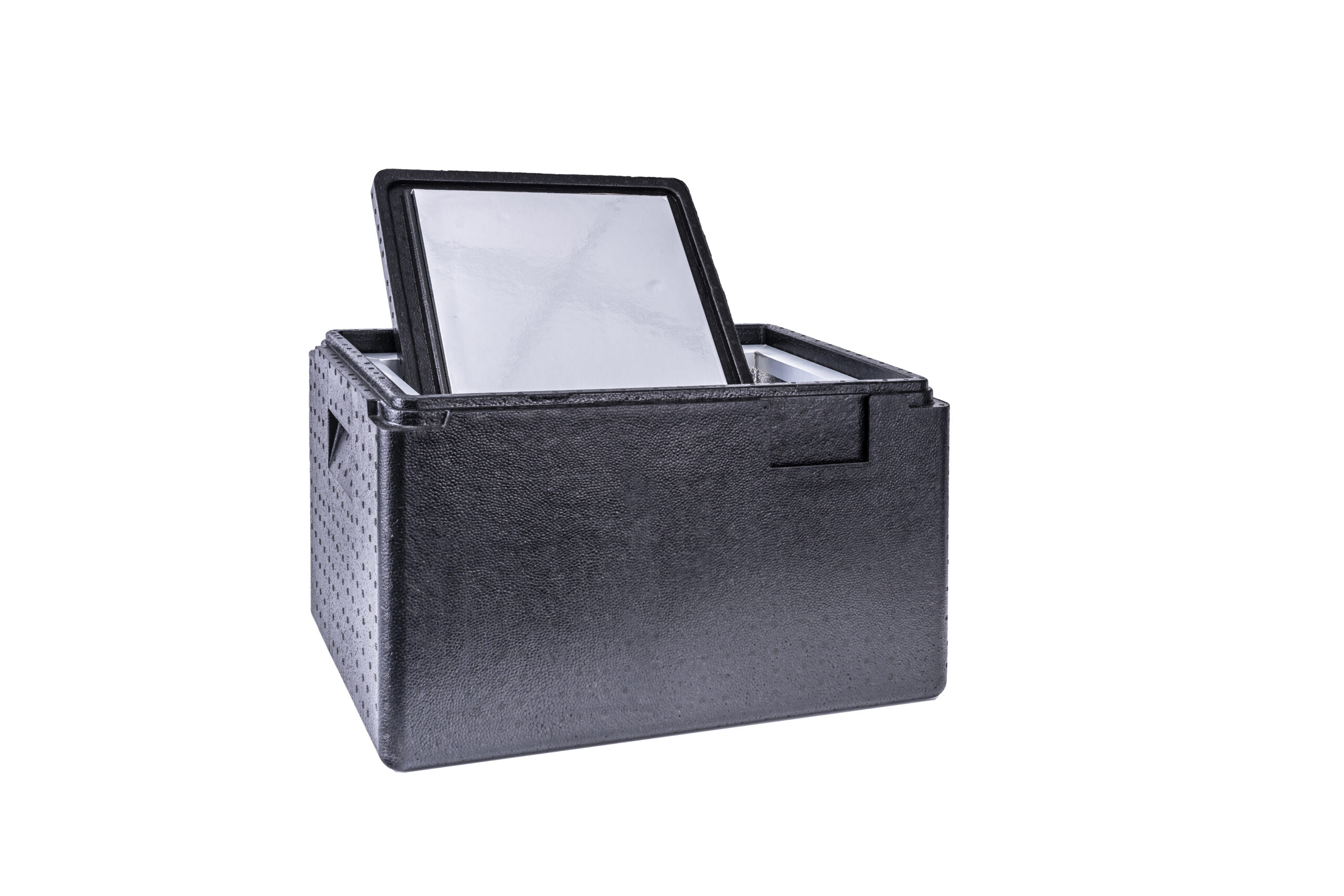
Preço de fábrica da caixa térmica: Uma estrutura de fornecimento confiável
Preço de fábrica da caixa térmica: Uma estrutura de fornecimento confiável
A compra mais defensável é aquela que pode ser rastreada desde a exigência do produto até o recebimento da evidência. For cool box factory price, the practical issue is what an ex-factory quote includes and how to protect quality and cost through production, embalagem de exportação, e entrega. Isso requer uma visão de todo o sistema: o corpo isolado, refrigerante, separadores, arranjo de carga útil, encerramento, processo de manuseio, e qualquer dispositivo de monitoramento de temperatura. This article is written for importers, distribuidores, e equipes de fornecimento de OEM. It explains how to make a decision for direct factory procurement without relying on vague hold-time claims, capacidade nominal, ou um preço de manchete que omite custos importantes.
Defina o sucesso no ponto de recebimento
Write a one-page user requirement before selecting factory-direct cool box. Deve identificar o produto e sua condição exigida, dimensões e massa da carga útil, etapas da rota, duração esperada mais política de atraso, exposição quente e fria, modos de transporte, manipulação de eventos, padrão de abertura, necessidades de monitoramento, processo de limpeza ou devolução, e recebendo decisão. For direct factory procurement, give particular attention to factory capability, configuration lock, plano de qualidade, embalagem de exportação, trade terms, inspeção pré-embarque, e logística.
Separe os critérios de aceitação obrigatórios das preferências. Uma dimensão externa máxima pode ser obrigatória porque a caixa deve caber em um rack. Uma cor pode ser preferida. Uma faixa de temperatura do produto pode ser obrigatória, while a particular insulation material may be open to supplier proposal. Esta separação permite que os fornecedores melhorem o design sem enfraquecer o resultado. Também evita que uma cotação rica em recursos pareça compatível quando não atende ao requisito principal.
- Document and confirm factory legal and production identity.
- Document and confirm approved sample and specification.
- Document and confirm trade term.
- Document and confirm export carton and loading plan.
- Document and confirm pre-shipment acceptance.
From Ex-Factory Quote to Delivered Cost
Aplique a estrutura de sourcing ao caso de uso real. Confirm the exact factory entity, local de produção, configuração aprovada, quantidade, embalagem de exportação, e termo comercial. Factory-direct sourcing works only when the buyer or appointed partner can manage the responsibilities not included in the factory price.
Transforme esse risco em um processo controlado, a low factory quote can be offset by weak cartons, inefficient cube, remessas divididas, storage at port, document errors, or rejected inspections. Material substitution may also appear after approval if specifications and change controls are vague. Lock artwork and configuration before the production window, conduct in-process or pre-shipment inspection according to risk, and verify carton marks, conta, medições, pesos, and loading condition before release.
Em seguida, conecte as evidências ao dinheiro, keep the signed specification, amostra aprovada, pedido de compra, plano de inspeção, production records requested by the buyer, lista de embalagem, dados da caixa, shipment documents, and corrective-action process aligned to one configuration. Bridge ex-factory price to inland pickup, manipulação de exportação, documentos alfandegários, frete, insurance where used, taxas de destino, duty and tax, customs brokerage, armazenar, inspeção, e entrega final. Include financing and delay risk where material.
No portão de decisão, compare factory-direct and provider-delivered models on total responsibility as well as money. Direct sourcing is valuable when the buyer has the capability and volume to manage quality and logistics without hidden gaps.
Isolamento de correspondência, Refrigerante, e carga útil
Selecione isolamento, refrigerante, separadores, forro, arranjo de carga útil, monitor, encerramento, e instruções como um sistema. As etiquetas dos materiais por si só não prevêem o resultado da montagem. EPS pode ser adequado para uma rota controlada de mão única; O EPP pode suportar manuseio e limpeza repetidos; Os sistemas baseados em VIP podem fornecer maior isolamento em espessuras de parede limitadas, mas requerem proteção do painel. A escolha deve seguir o risco da rota, valor da carga útil, manuseio, modelo de reutilização, e necessidades de evidências.
O líquido refrigerante deve ser condicionado e posicionado para o produto. Pacotes congelados podem criar risco de congelamento local; pouca capacidade de resfriamento armazenada pode reduzir a margem de atraso; refrigerante excessivo ocupa espaço de carga útil e adiciona massa. Use separadores justificados e geometria de empacotamento. Escreva instruções na ordem de trabalho dos operadores, com imagens ou codificação de cores, se isso reduzir erros. Observe a equipe real empacotando o sistema de teste em vez de assumir que um diagrama é autoexplicativo.
A carga útil merece sua própria aprovação. Carregue as caixas primárias reais ou manequins precisos com o líquido refrigerante completo e o conjunto de insertos. Verifique o fechamento, compressão, recuperação, rótulos, elevação, e ajuste do veículo. Para um produto nominal de 40 litros, por exemplo, o número não informa quanta carga útil resta. Para restauração, frutos do mar, ou carne, examinar forros, controle de líquidos, acesso de limpeza, e separação. Para medicina, revise a proteção contra congelamento e o posicionamento do monitor.
O que uma citação séria mostra
| Campo de cotação | O que solicitar | Por que isso muda a decisão |
|---|---|---|
| Configuração | Material, nota, dimensões, tampa, inserções, refrigerante, e acessórios | Evita que produtos diferentes sejam comparados como se fossem idênticos |
| Base comercial | Quantidade do pedido, ferramentas, embalagem, termo comercial, moeda, e validade | Mostra quais custos estão dentro ou fora do preço unitário |
| Evidência de desempenho | Perfil de teste, carga útil, pacote, faixa de aceitação, e relatar status | Revela se uma reivindicação se assemelha à rota pretendida |
| Controle de qualidade | Amostra aprovada, critérios de inspeção, notificação de alteração, e retenção de registros | Protege a consistência após o primeiro pedido |
| Logística | Dimensões da caixa mestre, unidades por caixa, pesos, e plano de carregamento | Suporta um cálculo realista do custo final |
Normalizar lances para uma moeda, quantidade do pedido, configuração, e ponto de entrega. Adicionar ferramentas, obra de arte, amostras, testes, caixas de exportação, frete, obrigação, e taxas de destino. Em seguida, crie uma visão operacional que inclua mão de obra de embalagem, preparação de refrigerante, armazenar, limpeza, transporte de retorno, perdas, dano, e peças de reposição. O menor preço unitário e o menor custo do programa podem ser ofertas diferentes.
O custo deve ser proporcional à consequência da falha. The likely failure modes here are confusing ex-factory and landed prices, incomplete export cartons, material substitution, weak inspections, and production delays after artwork changes. Um breve, a entrega controlada pode não precisar do pacote de construção ou qualificação mais elaborado. Uma remessa médica de alto valor ou uma rota de exportação imprevisível podem justificar evidências e reservas mais fortes. O objetivo não é a embalagem máxima; é adequado, proteção repetível com uma justificativa visível.
Evidência que conecta a reivindicação à pista
Pergunte exatamente o que significa uma declaração de desempenho. Uma duração deve estar vinculada a um perfil de ambiente, carga útil, condição inicial, arranjo de refrigerante, posições dos sensores, e faixa de aceitação. Uma capacidade deve indicar se é volume interno bruto ou carga útil utilizável. Uma declaração reutilizável deve identificar o processo de inspeção e limpeza. Uma alegação de sustentabilidade deve explicar os limites do sistema e as suposições de fim de vida. Sem condições, um número é linguagem publicitária e não evidência de decisão.
Para medicamentos sensíveis à temperatura, A orientação da OMS enquadra a qualificação como evidência documentada controlada e vincula o desempenho do contêiner aos perfis de transporte e aos critérios de aceitação. Os padrões térmicos ISTA podem apoiar a avaliação estruturada do envio de encomendas. O PIB da UE e as práticas da IATA acrescentam expectativas em torno de equipamentos adequados, manuseio controlado, documentação, e requisitos atuais de carga aérea. As operações de alimentos devem alinhar o procedimento de embalagem e transporte com os procedimentos de transporte sanitário aplicáveis., HACCP, e controles específicos do produto. A equipe responsável pela qualidade ou segurança alimentar determina a aplicabilidade e a disposição.
O plano de monitoramento deve definir a precisão do dispositivo na faixa relevante, status de calibração, intervalo de gravação, método iniciar e parar, sincronização de tempo, colocação, acesso a dados, alarmes, retenção de registros, e resposta. Um registrador é uma evidência, não proteção. Coloque-o onde representa uma condição de carga informada sobre risco, e certifique-se de que o receptor saiba o que fazer com o registro.
Elimine o risco da decisão de produção
Aprovar a configuração e o processo que a torna. Mantenha desenhos controlados, especificações de materiais, listas de componentes, obra de arte, instruções de embalagem, detalhes da caixa mestra, e critérios de aceitação. Identifique as características que afetam o ajuste, encerramento, higiene, durabilidade, ou comportamento térmico. Pergunte como essas características são inspecionadas e registradas durante a produção.
Use um caminho preparado: amostra funcional, teste de engenharia ou embalagem, avaliação térmica ou de rota conforme necessário, piloto ou pré-produção, então aprovação em massa. Cada amostra precisa de uma revisão e propósito. Guarde uma referência aprovada quando for útil. Se o projeto for personalizado, liquidar propriedade de ferramentas, manutenção, direitos de modificação, e tratamento de final de projeto por escrito antes que a ferramenta se torne uma alavanca em uma disputa comercial.
Exigir notificação antes de alterações no material, geometria, refrigerante, inserções, local de fabricação ou processo, obra de arte, e embalagens de desempenho crítico. Decida quais mudanças precisam de revisão de documento, aprovação de amostra, ou requalificação. Isto é fundamental para os sistemas farmacêuticos e ainda valioso para programas de alimentos e atacado porque pequenas substituições podem afetar a adequação e o desempenho em campo.
Pilote todo o fluxo de trabalho
Use este cenário típico: a buyer selects an ex-factory offer, then adds inland transport, manipulação de exportação, frete, obrigação, and destination delivery after the purchase decision. Faça as malas sob pressão de tempo realista, prepare a caixa como a rota faz, expô-lo a condições representativas, e conclua o processo de recebimento. Registre o resultado térmico quando aplicável, hora da embalagem, ajuste de carga útil, manuseio de refrigerante, elevação, encerramento, vazamento ou condensação, dano, legibilidade do rótulo, limpeza, e etapas de retorno. O teste deve revelar pontos fracos do processo, bem como pontos fracos do produto.
Marcar uma reunião de revisão com compras, operações, qualidade ou segurança alimentar, e o fornecedor. Classifique as descobertas como segurança ou risco do produto, lacuna de desempenho, problema de usabilidade, oportunidade de custo, ou preferência. Revise os requisitos e a configuração do usuário uma vez, em seguida, repita apenas as verificações afetadas pela mudança sob um plano justificado. A iteração controlada é mais rápida do que aceitar um design fraco e corrigi-lo através de reclamações.
UM 2026 Visão da responsabilidade de reutilização e embalagem
Reusable packaging should be assessed as a loop: emitir, usar, retornar, inspecionar, limpar, seco, loja, reparar, e reeditar. Rastrear disponibilidade, perda, dano, inversão de marcha, e ciclos concluídos. Para sistemas unidirecionais, avaliar o uso de materiais, cubo de envio, opções de descarte, e proteção do produto. O Regulamento de Embalagens e Resíduos de Embalagens da UE geralmente se aplica a partir de agosto 2026 e reforça a necessidade de revisão atual da composição das embalagens, reutilizar, Reciclabalidade, rotulagem, e obrigações específicas do mercado. Não confie no slogan de um fornecedor como prova legal ou ambiental.
As decisões de design podem preservar opções. Tampas ou forros substituíveis, identificação de materiais, dados de composição controlada, inserções modulares, e rótulos de ativos duráveis podem prolongar a vida útil ou simplificar revisões futuras. No entanto, a complexidade adicional também cria mais peças para gerenciar. Selecione recursos porque eles suportam o modelo operacional, não porque pareçam voltados para o futuro.
Perguntas frequentes sobre aquisições
What information should I send when requesting cool box factory price?
Envie a exigência do produto, dimensões e massa da carga útil, etapas da rota, duração e subsídio de atraso, exposições quentes e frias, padrão de manuseio e abertura, preferência de refrigerante, se justificado, necessidades de monitoramento, quantidade, destino, termo comercial, modelo de limpeza ou devolução, e provas exigidas.
Como posso comparar relatórios de teste de fornecedores?
Comparar configuração, carga útil, perfil ambiente, condições iniciais, condicionamento de refrigerante, posições dos sensores, Critérios de aceitação, método de teste, desvios, e aprovação do relatório. Uma duração mais longa não é automaticamente melhor se as condições não representarem a sua rota.
Devo comprar uma caixa padrão ou desenvolver uma personalizada?
Use uma caixa padrão quando atender à carga útil, rota, manuseio, e necessidades de evidências com custo final aceitável. Considere o desenvolvimento personalizado quando adequado, utilização de carga útil, pacote repetível, limpeza, marca, ou a integração de veículos cria valor operacional suficiente para justificar engenharia e ferramentas.
O que deve ser bloqueado antes da produção em massa?
Bloquear a revisão do desenho, material, cores, inserções, refrigerante, rótulos, instruções de embalagem, caixa mestra, critérios de inspeção, status de amostra aprovada, e processo de notificação de alterações. Confirme o escopo comercial e a base de entrega ao mesmo tempo.
A decisão de fornecimento em uma única visão
| Portão de decisão | Pergunta para responder | Evidência ou resultado |
|---|---|---|
| Exigência | O que deve ser protegido, por qual caminho? | Requisito do usuário aprovado e critérios de aceitação |
| Projeto do sistema | O pacote completo pode ser carregado e repetido? | Lista de configurações, desenho, e instruções de embalagem |
| Desempenho | As evidências correspondem ao desafio pretendido? | Protocolo revisado, registro de teste ou piloto, e desvios |
| Fornecedor | A produção pode permanecer equivalente à amostra aprovada? | Controles de qualidade, plano de inspeção, e processo de mudança |
| Comercial | Qual é o custo de entrega e operacional? | Modelo normalizado de lance e custo |
| Aumento de escala | O fluxo de trabalho pode ser executado de forma confiável?? | Revisão piloto, treinamento, liberar, e feedback de desempenho |
A confident decision for cool box factory price is not a search for the thickest box or lowest number. É uma correspondência documentada entre o produto, rota, pacote, evidência, controle de fornecedores, e custo. Quando esses seis portões estiverem limpos, a aquisição pode comparar alternativas de forma justa e as operações podem usar o sistema escolhido conforme pretendido.
Um primeiro controle 90 Dias
The first production order for factory-direct cool box should be treated as the beginning of operational verification, não é o fim do desenvolvimento. Treinar empacotadores e receptores na configuração aprovada, identificar cada componente, e registrar problemas por revisão e lote quando for prático. Mantenha material de referência aprovado suficiente para investigar a adequação, encerramento, rotulagem, ou reclamações de desempenho sem adivinhar qual versão foi enviada.
Durante as primeiras semanas, revisar o tempo do pacote, disponibilidade de componentes, ajuste de carga útil, dados de temperatura, quando aplicável, lidar com danos, limpeza, exceções de entrega, e recebendo perguntas. Não espere por uma carga rejeitada para saber que as instruções são ambíguas. Uma breve revisão diária durante o lançamento pode se tornar semanal e depois mensal à medida que o processo se estabiliza. Atribua um proprietário para ações e feche-as por meio de atualizações controladas de documentos ou projetos.
Compare o custo real e operacional com as premissas usadas para aprovação. Cubo de frete, trabalho de refrigeração, taxa de retorno, Espaço de armazém, tampas de reposição, dano, e o tempo de resposta do fornecedor podem alterar o caso de negócio. Se o programa for reutilizável, reconciliar emitido, voltou, em quarentena, limpeza, e caixas prontas para uso. Se for unilateral, revise o feedback sobre descarte e danos à embalagem no destino.
Na revisão de 90 dias, decidir se o sistema está pronto para uma implantação mais ampla, precisa de uma melhoria controlada, ou deve permanecer limitado à faixa original. Capture o que foi aprendido na especificação, treinamento, e arquivo de fornecedor. Dimensionar um processo documentado é mais seguro do que dimensionar a memória da equipe do projeto.
Sobre Tempk
Tempk é a marca de embalagens para cadeia de frio da Shanghai Tempk Industrial Co., Ltda., estabelecido em 2011. A empresa desenvolve, produz, vende, e serviços de produtos da cadeia de frio, incluindo formatos de embalagens isoladas e componentes de refrigeração. Tempk can support early discussions about factory-direct cool box selection, geometria da carga útil, arranjos de refrigeração, formatos reutilizáveis ou unilaterais, e fornecimento personalizado ou em massa. Qualquer configuração final deve ser revisada e, onde necessário, tested or qualified for the buyer's product, rota, procedimentos, e obrigações de mercado.
Forneça ao Tempk seu mapa de rotas, detalhes da carga útil, condição necessária do produto, quantidade, e as evidências precisam iniciar uma comparação de embalagens focada.
Custo da empresa Cool Box: Uma estrutura de fornecimento confiável
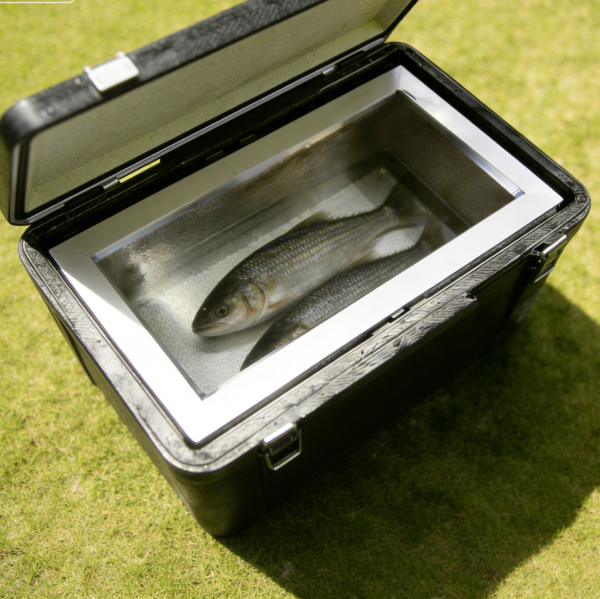
Custo da empresa Cool Box: Uma estrutura de fornecimento confiável
Custo da empresa Cool Box: Uma estrutura de fornecimento confiável
A compra mais defensável é aquela que pode ser rastreada desde a exigência do produto até o recebimento da evidência. Para custo da empresa de caixa térmica, a questão prática é como as aquisições, operações, qualidade, logística, limpeza, perda, e substituição combinam-se no custo real do programa. Isso requer uma visão de todo o sistema: o corpo isolado, refrigerante, separadores, arranjo de carga útil, encerramento, processo de manuseio, e qualquer dispositivo de monitoramento de temperatura. Este artigo foi escrito para empresas que estão orçamentando um programa recorrente de fornecimento de caixas térmicas. Ele explica como tomar uma decisão para operações contínuas de cadeia de frio sem depender de declarações vagas de tempo de espera, capacidade nominal, ou um preço de manchete que omite custos importantes.
Traduzir a rota em um requisito de caixa
Escreva um requisito de usuário de uma página antes de selecionar o programa cool box. Deve identificar o produto e sua condição exigida, dimensões e massa da carga útil, etapas da rota, duração esperada mais política de atraso, exposição quente e fria, modos de transporte, manipulação de eventos, padrão de abertura, necessidades de monitoramento, processo de limpeza ou devolução, e recebendo decisão. Para operações contínuas de cadeia de frio, dar especial atenção ao modelo de propriedade, trabalho operacional, loops de retorno, limpeza, armazenar, rastreamento de taxa de perda, e governança de fornecedores.
Separe os critérios de aceitação obrigatórios das preferências. Uma dimensão externa máxima pode ser obrigatória porque a caixa deve caber em um rack. Uma cor pode ser preferida. Uma faixa de temperatura do produto pode ser obrigatória, while a particular insulation material may be open to supplier proposal. Esta separação permite que os fornecedores melhorem o design sem enfraquecer o resultado. Também evita que uma cotação rica em recursos pareça compatível quando não atende ao requisito principal.
- Documente e confirme o proprietário do programa.
- Documente e confirme o fluxo de trabalho de uso e devolução.
- Documente e confirme a capacidade de limpeza.
- Documente e confirme a identificação do ativo.
- Documente e confirme a revisão mensal de custos e perdas.
Selecione os componentes do sistema
Selecione isolamento, refrigerante, separadores, forro, arranjo de carga útil, monitor, encerramento, e instruções como um sistema. As etiquetas dos materiais por si só não prevêem o resultado da montagem. EPS pode ser adequado para uma rota controlada de mão única; O EPP pode suportar manuseio e limpeza repetidos; Os sistemas baseados em VIP podem fornecer maior isolamento em espessuras de parede limitadas, mas requerem proteção do painel. A escolha deve seguir o risco da rota, valor da carga útil, manuseio, modelo de reutilização, e necessidades de evidências.
O líquido refrigerante deve ser condicionado e posicionado para o produto. Pacotes congelados podem criar risco de congelamento local; pouca capacidade de resfriamento armazenada pode reduzir a margem de atraso; refrigerante excessivo ocupa espaço de carga útil e adiciona massa. Use separadores justificados e geometria de empacotamento. Escreva instruções na ordem de trabalho dos operadores, com imagens ou codificação de cores, se isso reduzir erros. Observe a equipe real empacotando o sistema de teste em vez de assumir que um diagrama é autoexplicativo.
A carga útil merece sua própria aprovação. Carregue as caixas primárias reais ou manequins precisos com o líquido refrigerante completo e o conjunto de insertos. Verifique o fechamento, compressão, recuperação, rótulos, elevação, e ajuste do veículo. Para um produto nominal de 40 litros, por exemplo, o número não informa quanta carga útil resta. Para restauração, frutos do mar, ou carne, examinar forros, controle de líquidos, acesso de limpeza, e separação. Para medicina, revise a proteção contra congelamento e o posicionamento do monitor.
Um modelo de custo que a aquisição pode defender
| Campo de cotação | O que solicitar | Por que isso muda a decisão |
|---|---|---|
| Configuração | Material, nota, dimensões, tampa, inserções, refrigerante, e acessórios | Evita que produtos diferentes sejam comparados como se fossem idênticos |
| Base comercial | Quantidade do pedido, ferramentas, embalagem, termo comercial, moeda, e validade | Mostra quais custos estão dentro ou fora do preço unitário |
| Evidência de desempenho | Perfil de teste, carga útil, pacote, faixa de aceitação, e relatar status | Revela se uma reivindicação se assemelha à rota pretendida |
| Controle de qualidade | Amostra aprovada, critérios de inspeção, notificação de alteração, e retenção de registros | Protege a consistência após o primeiro pedido |
| Logística | Dimensões da caixa mestre, unidades por caixa, pesos, e plano de carregamento | Suporta um cálculo realista do custo final |
Normalizar lances para uma moeda, quantidade do pedido, configuração, e ponto de entrega. Adicionar ferramentas, obra de arte, amostras, testes, caixas de exportação, frete, obrigação, e taxas de destino. Em seguida, crie uma visão operacional que inclua mão de obra de embalagem, preparação de refrigerante, armazenar, limpeza, transporte de retorno, perdas, dano, e peças de reposição. O menor preço unitário e o menor custo do programa podem ser ofertas diferentes.
O custo deve ser proporcional à consequência da falha. Os prováveis modos de falha aqui são decisões departamento por departamento que minimizam o preço de compra, mas aumentam o tempo de manuseio., perdas, ou risco de envio. Um breve, a entrega controlada pode não precisar do pacote de construção ou qualificação mais elaborado. Uma remessa médica de alto valor ou uma rota de exportação imprevisível podem justificar evidências e reservas mais fortes. O objetivo não é a embalagem máxima; é adequado, proteção repetível com uma justificativa visível.
Construindo um modelo de custo no nível da empresa
Aplique a estrutura de sourcing ao caso de uso real. Atribuir propriedade em todas as compras, operações, qualidade ou segurança alimentar, transporte, limpeza, financiar, e a rede receptora. A empresa precisa de uma definição de programa mesmo quando vários departamentos pagam partes diferentes do custo.
Transforme esse risco em um processo controlado, um pool reutilizável geralmente falha devido a uma responsabilidade de devolução pouco clara, em vez de um isolamento quebrado. Caixas se acumulam nos clientes, filas de limpeza crescem, e a expedição compra substitutos de emergência que nunca entram no registro do ativo. Crie uma reconciliação mensal para ativos reutilizáveis: publicado, em trânsito, nos clientes, voltou, em quarentena, limpeza, reparar, preparar, e perdido. Para embalagens descartáveis, revisar o consumo, comentários sobre descarte, dano, e sucesso de envio por configuração.
Em seguida, conecte as evidências ao dinheiro, usar dados operacionais para comparar o caso de negócios com as premissas aprovadas na compra. Segmentar por rota e cliente porque um circuito fechado forte pode subsidiar uma rota aberta fraca e esconder onde ocorrem as perdas. Acompanhar aquisição, refrigerante, trabalho de embalagem, cubo de frete, limpeza, logística reversa, armazenar, monitorando, perda, dano, substituição, remessas rejeitadas, administração, e tratamento de fim de vida. Alocar custos compartilhados de forma consistente o suficiente para comparar locais e rotas.
No portão de decisão, escolha o modelo de propriedade antes do produto. Um programa de caixa padrão bem executado pode superar um programa de contêiner avançado que não possui retornos, capacidade de limpeza, controle de estoque, e gestores responsáveis.
Evidência que conecta a reivindicação à pista
Pergunte exatamente o que significa uma declaração de desempenho. Uma duração deve estar vinculada a um perfil de ambiente, carga útil, condição inicial, arranjo de refrigerante, posições dos sensores, e faixa de aceitação. Uma capacidade deve indicar se é volume interno bruto ou carga útil utilizável. Uma declaração reutilizável deve identificar o processo de inspeção e limpeza. Uma alegação de sustentabilidade deve explicar os limites do sistema e as suposições de fim de vida. Sem condições, um número é linguagem publicitária e não evidência de decisão.
Para medicamentos sensíveis à temperatura, A orientação da OMS enquadra a qualificação como evidência documentada controlada e vincula o desempenho do contêiner aos perfis de transporte e aos critérios de aceitação. Os padrões térmicos ISTA podem apoiar a avaliação estruturada do envio de encomendas. O PIB da UE e as práticas da IATA acrescentam expectativas em torno de equipamentos adequados, manuseio controlado, documentação, e requisitos atuais de carga aérea. As operações de alimentos devem alinhar o procedimento de embalagem e transporte com os procedimentos de transporte sanitário aplicáveis., HACCP, e controles específicos do produto. A equipe responsável pela qualidade ou segurança alimentar determina a aplicabilidade e a disposição.
O plano de monitoramento deve definir a precisão do dispositivo na faixa relevante, status de calibração, intervalo de gravação, método iniciar e parar, sincronização de tempo, colocação, acesso a dados, alarmes, retenção de registros, e resposta. Um registrador é uma evidência, não proteção. Coloque-o onde representa uma condição de carga informada sobre risco, e certifique-se de que o receptor saiba o que fazer com o registro.
Evidências para controle da amostra até a produção
Aprovar a configuração e o processo que a torna. Mantenha desenhos controlados, especificações de materiais, listas de componentes, obra de arte, instruções de embalagem, detalhes da caixa mestra, e critérios de aceitação. Identifique as características que afetam o ajuste, encerramento, higiene, durabilidade, ou comportamento térmico. Pergunte como essas características são inspecionadas e registradas durante a produção.
Use um caminho preparado: amostra funcional, teste de engenharia ou embalagem, avaliação térmica ou de rota conforme necessário, piloto ou pré-produção, então aprovação em massa. Cada amostra precisa de uma revisão e propósito. Guarde uma referência aprovada quando for útil. Se o projeto for personalizado, liquidar propriedade de ferramentas, manutenção, direitos de modificação, e tratamento de final de projeto por escrito antes que a ferramenta se torne uma alavanca em uma disputa comercial.
Exigir notificação antes de alterações no material, geometria, refrigerante, inserções, local de fabricação ou processo, obra de arte, e embalagens de desempenho crítico. Decida quais mudanças precisam de revisão de documento, aprovação de amostra, ou requalificação. Isto é fundamental para os sistemas farmacêuticos e ainda valioso para programas de alimentos e atacado porque pequenas substituições podem afetar a adequação e o desempenho em campo.
Pilote todo o fluxo de trabalho
Use este cenário típico: a company chooses reusable boxes without assigning return ownership, então as caixas se acumulam nos clientes e o pool se torna não confiável. Faça as malas sob pressão de tempo realista, prepare a caixa como a rota faz, expô-lo a condições representativas, e conclua o processo de recebimento. Registre o resultado térmico quando aplicável, hora da embalagem, ajuste de carga útil, manuseio de refrigerante, elevação, encerramento, vazamento ou condensação, dano, legibilidade do rótulo, limpeza, e etapas de retorno. O teste deve revelar pontos fracos do processo, bem como pontos fracos do produto.
Marcar uma reunião de revisão com compras, operações, qualidade ou segurança alimentar, e o fornecedor. Classifique as descobertas como segurança ou risco do produto, lacuna de desempenho, problema de usabilidade, oportunidade de custo, ou preferência. Revise os requisitos e a configuração do usuário uma vez, em seguida, repita apenas as verificações afetadas pela mudança sob um plano justificado. A iteração controlada é mais rápida do que aceitar um design fraco e corrigi-lo através de reclamações.
UM 2026 Visão da responsabilidade de reutilização e embalagem
Reusable packaging should be assessed as a loop: emitir, usar, retornar, inspecionar, limpar, seco, loja, reparar, e reeditar. Rastrear disponibilidade, perda, dano, inversão de marcha, e ciclos concluídos. Para sistemas unidirecionais, avaliar o uso de materiais, cubo de envio, opções de descarte, e proteção do produto. O Regulamento de Embalagens e Resíduos de Embalagens da UE geralmente se aplica a partir de agosto 2026 e reforça a necessidade de revisão atual da composição das embalagens, reutilizar, Reciclabalidade, rotulagem, e obrigações específicas do mercado. Não confie no slogan de um fornecedor como prova legal ou ambiental.
As decisões de design podem preservar opções. Tampas ou forros substituíveis, identificação de materiais, dados de composição controlada, inserções modulares, e rótulos de ativos duráveis podem prolongar a vida útil ou simplificar revisões futuras. No entanto, a complexidade adicional também cria mais peças para gerenciar. Selecione recursos porque eles suportam o modelo operacional, não porque pareçam voltados para o futuro.
Perguntas frequentes sobre aquisições
Que informações devo enviar ao solicitar o custo da empresa da caixa térmica?
Envie a exigência do produto, dimensões e massa da carga útil, etapas da rota, duração e subsídio de atraso, exposições quentes e frias, padrão de manuseio e abertura, preferência de refrigerante, se justificado, necessidades de monitoramento, quantidade, destino, termo comercial, modelo de limpeza ou devolução, e provas exigidas.
Como posso comparar relatórios de teste de fornecedores?
Comparar configuração, carga útil, perfil ambiente, condições iniciais, condicionamento de refrigerante, posições dos sensores, Critérios de aceitação, método de teste, desvios, e aprovação do relatório. Uma duração mais longa não é automaticamente melhor se as condições não representarem a sua rota.
Devo comprar uma caixa padrão ou desenvolver uma personalizada?
Use uma caixa padrão quando atender à carga útil, rota, manuseio, e necessidades de evidências com custo final aceitável. Considere o desenvolvimento personalizado quando adequado, utilização de carga útil, pacote repetível, limpeza, marca, ou a integração de veículos cria valor operacional suficiente para justificar engenharia e ferramentas.
O que deve ser bloqueado antes da produção em massa?
Bloquear a revisão do desenho, material, cores, inserções, refrigerante, rótulos, instruções de embalagem, caixa mestra, critérios de inspeção, status de amostra aprovada, e processo de notificação de alterações. Confirme o escopo comercial e a base de entrega ao mesmo tempo.
A decisão de fornecimento em uma única visão
| Portão de decisão | Pergunta para responder | Evidência ou resultado |
|---|---|---|
| Exigência | O que deve ser protegido, por qual caminho? | Requisito do usuário aprovado e critérios de aceitação |
| Projeto do sistema | O pacote completo pode ser carregado e repetido? | Lista de configurações, desenho, e instruções de embalagem |
| Desempenho | As evidências correspondem ao desafio pretendido? | Protocolo revisado, registro de teste ou piloto, e desvios |
| Fornecedor | A produção pode permanecer equivalente à amostra aprovada? | Controles de qualidade, plano de inspeção, e processo de mudança |
| Comercial | Qual é o custo de entrega e operacional? | Modelo normalizado de lance e custo |
| Aumento de escala | O fluxo de trabalho pode ser executado de forma confiável?? | Revisão piloto, treinamento, liberar, e feedback de desempenho |
Uma decisão segura sobre o custo da empresa de caixas térmicas não é uma busca pela caixa mais grossa ou pelo número mais baixo. É uma correspondência documentada entre o produto, rota, pacote, evidência, controle de fornecedores, e custo. Quando esses seis portões estiverem limpos, a aquisição pode comparar alternativas de forma justa e as operações podem usar o sistema escolhido conforme pretendido.
Um primeiro controle 90 Dias
A primeira ordem de produção do programa de caixas térmicas deve ser tratada como o início da verificação operacional, não é o fim do desenvolvimento. Treinar empacotadores e receptores na configuração aprovada, identificar cada componente, e registrar problemas por revisão e lote quando for prático. Mantenha material de referência aprovado suficiente para investigar a adequação, encerramento, rotulagem, ou reclamações de desempenho sem adivinhar qual versão foi enviada.
Durante as primeiras semanas, revisar o tempo do pacote, disponibilidade de componentes, ajuste de carga útil, dados de temperatura, quando aplicável, lidar com danos, limpeza, exceções de entrega, e recebendo perguntas. Não espere por uma carga rejeitada para saber que as instruções são ambíguas. Uma breve revisão diária durante o lançamento pode se tornar semanal e depois mensal à medida que o processo se estabiliza. Atribua um proprietário para ações e feche-as por meio de atualizações controladas de documentos ou projetos.
Compare o custo real e operacional com as premissas usadas para aprovação. Cubo de frete, trabalho de refrigeração, taxa de retorno, Espaço de armazém, tampas de reposição, dano, e o tempo de resposta do fornecedor podem alterar o caso de negócio. Se o programa for reutilizável, reconciliar emitido, voltou, em quarentena, limpeza, e caixas prontas para uso. Se for unilateral, revise o feedback sobre descarte e danos à embalagem no destino.
Na revisão de 90 dias, decidir se o sistema está pronto para uma implantação mais ampla, precisa de uma melhoria controlada, ou deve permanecer limitado à faixa original. Capture o que foi aprendido na especificação, treinamento, e arquivo de fornecedor. Dimensionar um processo documentado é mais seguro do que dimensionar a memória da equipe do projeto.
Sobre Tempk
Tempk é a marca de embalagens para cadeia de frio da Shanghai Tempk Industrial Co., Ltda., estabelecido em 2011. A empresa desenvolve, produz, vende, e serviços de produtos da cadeia de frio, incluindo formatos de embalagens isoladas e componentes de refrigeração. Tempk pode apoiar discussões iniciais sobre a seleção do programa cool box, geometria da carga útil, arranjos de refrigeração, formatos reutilizáveis ou unilaterais, e fornecimento personalizado ou em massa. Qualquer configuração final deve ser revisada e, onde necessário, tested or qualified for the buyer's product, rota, procedimentos, e obrigações de mercado.
Forneça ao Tempk seu mapa de rotas, detalhes da carga útil, condição necessária do produto, quantidade, e as evidências precisam iniciar uma comparação de embalagens focada.
Envio com temperatura controlada da caixa de gelo da cadeia fria: Uma estrutura de fornecimento confiável

Envio com temperatura controlada da caixa de gelo da cadeia fria: Uma estrutura de fornecimento confiável
Envio com temperatura controlada da caixa de gelo da cadeia fria: Uma estrutura de fornecimento confiável
A compra mais defensável é aquela que pode ser rastreada desde a exigência do produto até o recebimento da evidência. For cold chain ice box temperature controlled shipping, the practical issue is whether the complete packout can protect the payload through the real route rather than only looking insulated. Isso requer uma visão de todo o sistema: o corpo isolado, refrigerante, separadores, arranjo de carga útil, encerramento, processo de manuseio, e qualquer dispositivo de monitoramento de temperatura. This article is written for cold-chain managers, equipes de qualidade, e compradores de logística. It explains how to make a decision for multi-stage temperature-controlled distribution without relying on vague hold-time claims, capacidade nominal, ou um preço de manchete que omite custos importantes.
Defina primeiro os critérios de aceitação
Write a one-page user requirement before selecting cold-chain ice box system. Deve identificar o produto e sua condição exigida, dimensões e massa da carga útil, etapas da rota, duração esperada mais política de atraso, exposição quente e fria, modos de transporte, manipulação de eventos, padrão de abertura, necessidades de monitoramento, processo de limpeza ou devolução, e recebendo decisão. For multi-stage temperature-controlled distribution, give particular attention to route mapping, espaço de carga útil, layout do refrigerante, repetibilidade do pacote, e recebendo provas.
Separe os critérios de aceitação obrigatórios das preferências. Uma dimensão externa máxima pode ser obrigatória porque a caixa deve caber em um rack. Uma cor pode ser preferida. Uma faixa de temperatura do produto pode ser obrigatória, while a particular insulation material may be open to supplier proposal. Esta separação permite que os fornecedores melhorem o design sem enfraquecer o resultado. Também evita que uma cotação rica em recursos pareça compatível quando não atende ao requisito principal.
- Document and confirm defined product temperature requirement.
- Document and confirm route-specific ambient profile.
- Document and confirm coolant conditioning instructions.
- Document and confirm logger placement.
- Document and confirm documented sample test.
Construa o pacote completo
Selecione isolamento, refrigerante, separadores, forro, arranjo de carga útil, monitor, encerramento, e instruções como um sistema. As etiquetas dos materiais por si só não prevêem o resultado da montagem. EPS pode ser adequado para uma rota controlada de mão única; O EPP pode suportar manuseio e limpeza repetidos; Os sistemas baseados em VIP podem fornecer maior isolamento em espessuras de parede limitadas, mas requerem proteção do painel. A escolha deve seguir o risco da rota, valor da carga útil, manuseio, modelo de reutilização, e necessidades de evidências.
O líquido refrigerante deve ser condicionado e posicionado para o produto. Pacotes congelados podem criar risco de congelamento local; pouca capacidade de resfriamento armazenada pode reduzir a margem de atraso; refrigerante excessivo ocupa espaço de carga útil e adiciona massa. Use separadores justificados e geometria de empacotamento. Escreva instruções na ordem de trabalho dos operadores, com imagens ou codificação de cores, se isso reduzir erros. Observe a equipe real empacotando o sistema de teste em vez de assumir que um diagrama é autoexplicativo.
A carga útil merece sua própria aprovação. Carregue as caixas primárias reais ou manequins precisos com o líquido refrigerante completo e o conjunto de insertos. Verifique o fechamento, compressão, recuperação, rótulos, elevação, e ajuste do veículo. Para um produto nominal de 40 litros, por exemplo, o número não informa quanta carga útil resta. Para restauração, frutos do mar, ou carne, examinar forros, controle de líquidos, acesso de limpeza, e separação. Para medicina, revise a proteção contra congelamento e o posicionamento do monitor.
Designing Around Handover Risk
Aplique a estrutura de sourcing ao caso de uso real. Treat every depot, cross-dock, transferência de aeroporto, coleção de correio, and receiving queue as a separate exposure period. The route map should show where active refrigeration ends and the passive ice box becomes the only thermal protection.
Transforme esse risco em um processo controlado, mixed starting temperatures are a frequent hidden variable. Warm product placed into a passive shipper consumes cooling reserve intended for transport, while over-frozen coolant may threaten freeze-sensitive payload near the walls. Use a packout control sheet with component identities, estado de condicionamento, faixa de carga útil, closing time, seal number where needed, and logger start confirmation. The record should follow the shipment or remain traceable to it.
Em seguida, conecte as evidências ao dinheiro, review warm- and cold-side risk separately, then compare development mapping with live-lane data. A center logger can miss edge conditions, so sensor locations should come from mapping and the receiving decision. Price the coolant preparation capacity, trabalho de embalagem, manipulação de registrador, and emergency delay reserve alongside the container. A cheap body can create expensive congestion when packs cannot be conditioned fast enough for the daily dispatch volume.
No portão de decisão, the chosen system should tolerate the approved delay policy and still be simple enough for shift workers to pack consistently. If that balance cannot be shown, the route or operating model may need to change rather than only the box.
Compare preços em uma base comum
| Campo de cotação | O que solicitar | Por que isso muda a decisão |
|---|---|---|
| Configuração | Material, nota, dimensões, tampa, inserções, refrigerante, e acessórios | Evita que produtos diferentes sejam comparados como se fossem idênticos |
| Base comercial | Quantidade do pedido, ferramentas, embalagem, termo comercial, moeda, e validade | Mostra quais custos estão dentro ou fora do preço unitário |
| Evidência de desempenho | Perfil de teste, carga útil, pacote, faixa de aceitação, e relatar status | Revela se uma reivindicação se assemelha à rota pretendida |
| Controle de qualidade | Amostra aprovada, critérios de inspeção, notificação de alteração, e retenção de registros | Protege a consistência após o primeiro pedido |
| Logística | Dimensões da caixa mestre, unidades por caixa, pesos, e plano de carregamento | Suporta um cálculo realista do custo final |
Normalizar lances para uma moeda, quantidade do pedido, configuração, e ponto de entrega. Adicionar ferramentas, obra de arte, amostras, testes, caixas de exportação, frete, obrigação, e taxas de destino. Em seguida, crie uma visão operacional que inclua mão de obra de embalagem, preparação de refrigerante, armazenar, limpeza, transporte de retorno, perdas, dano, e peças de reposição. O menor preço unitário e o menor custo do programa podem ser ofertas diferentes.
O custo deve ser proporcional à consequência da falha. The likely failure modes here are temperature excursions at handovers, condicionamento incorreto do refrigerante, aberturas de tampa, and poor monitoring placement. Um breve, a entrega controlada pode não precisar do pacote de construção ou qualificação mais elaborado. Uma remessa médica de alto valor ou uma rota de exportação imprevisível podem justificar evidências e reservas mais fortes. O objetivo não é a embalagem máxima; é adequado, proteção repetível com uma justificativa visível.
Evidência que conecta a reivindicação à pista
Pergunte exatamente o que significa uma declaração de desempenho. Uma duração deve estar vinculada a um perfil de ambiente, carga útil, condição inicial, arranjo de refrigerante, posições dos sensores, e faixa de aceitação. Uma capacidade deve indicar se é volume interno bruto ou carga útil utilizável. Uma declaração reutilizável deve identificar o processo de inspeção e limpeza. Uma alegação de sustentabilidade deve explicar os limites do sistema e as suposições de fim de vida. Sem condições, um número é linguagem publicitária e não evidência de decisão.
Para medicamentos sensíveis à temperatura, A orientação da OMS enquadra a qualificação como evidência documentada controlada e vincula o desempenho do contêiner aos perfis de transporte e aos critérios de aceitação. Os padrões térmicos ISTA podem apoiar a avaliação estruturada do envio de encomendas. O PIB da UE e as práticas da IATA acrescentam expectativas em torno de equipamentos adequados, manuseio controlado, documentação, e requisitos atuais de carga aérea. As operações de alimentos devem alinhar o procedimento de embalagem e transporte com os procedimentos de transporte sanitário aplicáveis., HACCP, e controles específicos do produto. A equipe responsável pela qualidade ou segurança alimentar determina a aplicabilidade e a disposição.
O plano de monitoramento deve definir a precisão do dispositivo na faixa relevante, status de calibração, intervalo de gravação, método iniciar e parar, sincronização de tempo, colocação, acesso a dados, alarmes, retenção de registros, e resposta. Um registrador é uma evidência, não proteção. Coloque-o onde representa uma condição de carga informada sobre risco, e certifique-se de que o receptor saiba o que fazer com o registro.
Aprovar o Fornecedor, Não apenas a amostra
Aprovar a configuração e o processo que a torna. Mantenha desenhos controlados, especificações de materiais, listas de componentes, obra de arte, instruções de embalagem, detalhes da caixa mestra, e critérios de aceitação. Identifique as características que afetam o ajuste, encerramento, higiene, durabilidade, ou comportamento térmico. Pergunte como essas características são inspecionadas e registradas durante a produção.
Use um caminho preparado: amostra funcional, teste de engenharia ou embalagem, avaliação térmica ou de rota conforme necessário, piloto ou pré-produção, então aprovação em massa. Cada amostra precisa de uma revisão e propósito. Guarde uma referência aprovada quando for útil. Se o projeto for personalizado, liquidar propriedade de ferramentas, manutenção, direitos de modificação, e tratamento de final de projeto por escrito antes que a ferramenta se torne uma alavanca em uma disputa comercial.
Exigir notificação antes de alterações no material, geometria, refrigerante, inserções, local de fabricação ou processo, obra de arte, e embalagens de desempenho crítico. Decida quais mudanças precisam de revisão de documento, aprovação de amostra, ou requalificação. Isto é fundamental para os sistemas farmacêuticos e ainda valioso para programas de alimentos e atacado porque pequenas substituições podem afetar a adequação e o desempenho em campo.
Pilote todo o fluxo de trabalho
Use este cenário típico: a distributor moves chilled diagnostic products through a depot, a line-haul transfer, e entrega final, with waiting time at each handover. Faça as malas sob pressão de tempo realista, prepare a caixa como a rota faz, expô-lo a condições representativas, e conclua o processo de recebimento. Registre o resultado térmico quando aplicável, hora da embalagem, ajuste de carga útil, manuseio de refrigerante, elevação, encerramento, vazamento ou condensação, dano, legibilidade do rótulo, limpeza, e etapas de retorno. O teste deve revelar pontos fracos do processo, bem como pontos fracos do produto.
Marcar uma reunião de revisão com compras, operações, qualidade ou segurança alimentar, e o fornecedor. Classifique as descobertas como segurança ou risco do produto, lacuna de desempenho, problema de usabilidade, oportunidade de custo, ou preferência. Revise os requisitos e a configuração do usuário uma vez, em seguida, repita apenas as verificações afetadas pela mudança sob um plano justificado. A iteração controlada é mais rápida do que aceitar um design fraco e corrigi-lo através de reclamações.
UM 2026 Visão da responsabilidade de reutilização e embalagem
Reusable packaging should be assessed as a loop: emitir, usar, retornar, inspecionar, limpar, seco, loja, reparar, e reeditar. Rastrear disponibilidade, perda, dano, inversão de marcha, e ciclos concluídos. Para sistemas unidirecionais, avaliar o uso de materiais, cubo de envio, opções de descarte, e proteção do produto. O Regulamento de Embalagens e Resíduos de Embalagens da UE geralmente se aplica a partir de agosto 2026 e reforça a necessidade de revisão atual da composição das embalagens, reutilizar, Reciclabalidade, rotulagem, e obrigações específicas do mercado. Não confie no slogan de um fornecedor como prova legal ou ambiental.
As decisões de design podem preservar opções. Tampas ou forros substituíveis, identificação de materiais, dados de composição controlada, inserções modulares, e rótulos de ativos duráveis podem prolongar a vida útil ou simplificar revisões futuras. No entanto, a complexidade adicional também cria mais peças para gerenciar. Selecione recursos porque eles suportam o modelo operacional, não porque pareçam voltados para o futuro.
Perguntas frequentes sobre aquisições
What information should I send when requesting cold chain ice box temperature controlled shipping?
Envie a exigência do produto, dimensões e massa da carga útil, etapas da rota, duração e subsídio de atraso, exposições quentes e frias, padrão de manuseio e abertura, preferência de refrigerante, se justificado, necessidades de monitoramento, quantidade, destino, termo comercial, modelo de limpeza ou devolução, e provas exigidas.
Como posso comparar relatórios de teste de fornecedores?
Comparar configuração, carga útil, perfil ambiente, condições iniciais, condicionamento de refrigerante, posições dos sensores, Critérios de aceitação, método de teste, desvios, e aprovação do relatório. Uma duração mais longa não é automaticamente melhor se as condições não representarem a sua rota.
Devo comprar uma caixa padrão ou desenvolver uma personalizada?
Use uma caixa padrão quando atender à carga útil, rota, manuseio, e necessidades de evidências com custo final aceitável. Considere o desenvolvimento personalizado quando adequado, utilização de carga útil, pacote repetível, limpeza, marca, ou a integração de veículos cria valor operacional suficiente para justificar engenharia e ferramentas.
O que deve ser bloqueado antes da produção em massa?
Bloquear a revisão do desenho, material, cores, inserções, refrigerante, rótulos, instruções de embalagem, caixa mestra, critérios de inspeção, status de amostra aprovada, e processo de notificação de alterações. Confirme o escopo comercial e a base de entrega ao mesmo tempo.
A decisão de fornecimento em uma única visão
| Portão de decisão | Pergunta para responder | Evidência ou resultado |
|---|---|---|
| Exigência | O que deve ser protegido, por qual caminho? | Requisito do usuário aprovado e critérios de aceitação |
| Projeto do sistema | O pacote completo pode ser carregado e repetido? | Lista de configurações, desenho, e instruções de embalagem |
| Desempenho | As evidências correspondem ao desafio pretendido? | Protocolo revisado, registro de teste ou piloto, e desvios |
| Fornecedor | A produção pode permanecer equivalente à amostra aprovada? | Controles de qualidade, plano de inspeção, e processo de mudança |
| Comercial | Qual é o custo de entrega e operacional? | Modelo normalizado de lance e custo |
| Aumento de escala | O fluxo de trabalho pode ser executado de forma confiável?? | Revisão piloto, treinamento, liberar, e feedback de desempenho |
A confident decision for cold chain ice box temperature controlled shipping is not a search for the thickest box or lowest number. É uma correspondência documentada entre o produto, rota, pacote, evidência, controle de fornecedores, e custo. Quando esses seis portões estiverem limpos, a aquisição pode comparar alternativas de forma justa e as operações podem usar o sistema escolhido conforme pretendido.
Um primeiro controle 90 Dias
The first production order for cold-chain ice box system should be treated as the beginning of operational verification, não é o fim do desenvolvimento. Treinar empacotadores e receptores na configuração aprovada, identificar cada componente, e registrar problemas por revisão e lote quando for prático. Mantenha material de referência aprovado suficiente para investigar a adequação, encerramento, rotulagem, ou reclamações de desempenho sem adivinhar qual versão foi enviada.
Durante as primeiras semanas, revisar o tempo do pacote, disponibilidade de componentes, ajuste de carga útil, dados de temperatura, quando aplicável, lidar com danos, limpeza, exceções de entrega, e recebendo perguntas. Não espere por uma carga rejeitada para saber que as instruções são ambíguas. Uma breve revisão diária durante o lançamento pode se tornar semanal e depois mensal à medida que o processo se estabiliza. Atribua um proprietário para ações e feche-as por meio de atualizações controladas de documentos ou projetos.
Compare o custo real e operacional com as premissas usadas para aprovação. Cubo de frete, trabalho de refrigeração, taxa de retorno, Espaço de armazém, tampas de reposição, dano, e o tempo de resposta do fornecedor podem alterar o caso de negócio. Se o programa for reutilizável, reconciliar emitido, voltou, em quarentena, limpeza, e caixas prontas para uso. Se for unilateral, revise o feedback sobre descarte e danos à embalagem no destino.
Na revisão de 90 dias, decidir se o sistema está pronto para uma implantação mais ampla, precisa de uma melhoria controlada, ou deve permanecer limitado à faixa original. Capture o que foi aprendido na especificação, treinamento, e arquivo de fornecedor. Dimensionar um processo documentado é mais seguro do que dimensionar a memória da equipe do projeto.
Sobre Tempk
Tempk é a marca de embalagens para cadeia de frio da Shanghai Tempk Industrial Co., Ltda., estabelecido em 2011. A empresa desenvolve, produz, vende, e serviços de produtos da cadeia de frio, incluindo formatos de embalagens isoladas e componentes de refrigeração. Tempk can support early discussions about cold-chain ice box system selection, geometria da carga útil, arranjos de refrigeração, formatos reutilizáveis ou unilaterais, e fornecimento personalizado ou em massa. Qualquer configuração final deve ser revisada e, onde necessário, tested or qualified for the buyer's product, rota, procedimentos, e obrigações de mercado.
Forneça ao Tempk seu mapa de rotas, detalhes da carga útil, condição necessária do produto, quantidade, e as evidências precisam iniciar uma comparação de embalagens focada.
Fabricante de exportação de frutos do mar com caixa de gelo para cadeia fria: Uma estrutura de fornecimento confiável
Fabricante de exportação de frutos do mar com caixa de gelo para cadeia fria: Uma estrutura de fornecimento confiável
Fabricante de exportação de frutos do mar com caixa de gelo para cadeia fria: Uma estrutura de fornecimento confiável
A compra mais defensável é aquela que pode ser rastreada desde a exigência do produto até o recebimento da evidência. Para fabricante de exportação de frutos do mar de caixa de gelo de cadeia fria, a questão prática é se a caixa protege a qualidade do produto através do manuseio úmido, atrasos na exportação, transferências, and the destination's receiving controls. Isso requer uma visão de todo o sistema: o corpo isolado, refrigerante, separadores, arranjo de carga útil, encerramento, processo de manuseio, e qualquer dispositivo de monitoramento de temperatura. Este artigo foi escrito para processadores de frutos do mar, exportadores, e coordenadores da cadeia de frio. Explica como tomar uma decisão sobre a exportação de frutos do mar refrigerados ou congelados sem depender de declarações vagas de tempo de espera, capacidade nominal, ou um preço de manchete que omite custos importantes.
Comece com o risco do produto e da pista
Escreva um requisito de usuário de uma página antes de selecionar a caixa de gelo para exportação de frutos do mar. Deve identificar o produto e sua condição exigida, dimensões e massa da carga útil, etapas da rota, duração esperada mais política de atraso, exposição quente e fria, modos de transporte, manipulação de eventos, padrão de abertura, necessidades de monitoramento, processo de limpeza ou devolução, e recebendo decisão. Para exportação de frutos do mar refrigerados ou congelados, dê especial atenção ao pré-resfriamento, saneamento, drenagem, compatibilidade do revestimento, empilhamento, margem de atraso, rótulos, e recebendo inspeção.
Separe os critérios de aceitação obrigatórios das preferências. Uma dimensão externa máxima pode ser obrigatória porque a caixa deve caber em um rack. Uma cor pode ser preferida. Uma faixa de temperatura do produto pode ser obrigatória, while a particular insulation material may be open to supplier proposal. Esta separação permite que os fornecedores melhorem o design sem enfraquecer o resultado. Também evita que uma cotação rica em recursos pareça compatível quando não atende ao requisito principal.
- Documente e confirme o plano de perigo do produto e a condição alvo.
- Documente e confirme o gerenciamento de água e vazamentos.
- Documente e confirme a disposição do revestimento em contato com alimentos.
- Documente e confirme o perfil de atraso na exportação.
- Documentar e confirmar registros de lote e temperatura.
Design para embalagem repetível
Selecione isolamento, refrigerante, separadores, forro, arranjo de carga útil, monitor, encerramento, e instruções como um sistema. As etiquetas dos materiais por si só não prevêem o resultado da montagem. EPS pode ser adequado para uma rota controlada de mão única; O EPP pode suportar manuseio e limpeza repetidos; Os sistemas baseados em VIP podem fornecer maior isolamento em espessuras de parede limitadas, mas requerem proteção do painel. A escolha deve seguir o risco da rota, valor da carga útil, manuseio, modelo de reutilização, e necessidades de evidências.
O líquido refrigerante deve ser condicionado e posicionado para o produto. Pacotes congelados podem criar risco de congelamento local; pouca capacidade de resfriamento armazenada pode reduzir a margem de atraso; refrigerante excessivo ocupa espaço de carga útil e adiciona massa. Use separadores justificados e geometria de empacotamento. Escreva instruções na ordem de trabalho dos operadores, com imagens ou codificação de cores, se isso reduzir erros. Observe a equipe real empacotando o sistema de teste em vez de assumir que um diagrama é autoexplicativo.
A carga útil merece sua própria aprovação. Carregue as caixas primárias reais ou manequins precisos com o líquido refrigerante completo e o conjunto de insertos. Verifique o fechamento, compressão, recuperação, rótulos, elevação, e ajuste do veículo. Para um produto nominal de 40 litros, por exemplo, o número não informa quanta carga útil resta. Para restauração, frutos do mar, ou carne, examinar forros, controle de líquidos, acesso de limpeza, e separação. Para medicina, revise a proteção contra congelamento e o posicionamento do monitor.
Separe o preço de compra do custo do programa
| Campo de cotação | O que solicitar | Por que isso muda a decisão |
|---|---|---|
| Configuração | Material, nota, dimensões, tampa, inserções, refrigerante, e acessórios | Evita que produtos diferentes sejam comparados como se fossem idênticos |
| Base comercial | Quantidade do pedido, ferramentas, embalagem, termo comercial, moeda, e validade | Mostra quais custos estão dentro ou fora do preço unitário |
| Evidência de desempenho | Perfil de teste, carga útil, pacote, faixa de aceitação, e relatar status | Revela se uma reivindicação se assemelha à rota pretendida |
| Controle de qualidade | Amostra aprovada, critérios de inspeção, notificação de alteração, e retenção de registros | Protege a consistência após o primeiro pedido |
| Logística | Dimensões da caixa mestre, unidades por caixa, pesos, e plano de carregamento | Suporta um cálculo realista do custo final |
Normalizar lances para uma moeda, quantidade do pedido, configuração, e ponto de entrega. Adicionar ferramentas, obra de arte, amostras, testes, caixas de exportação, frete, obrigação, e taxas de destino. Em seguida, crie uma visão operacional que inclua mão de obra de embalagem, preparação de refrigerante, armazenar, limpeza, transporte de retorno, perdas, dano, e peças de reposição. O menor preço unitário e o menor custo do programa podem ser ofertas diferentes.
O custo deve ser proporcional à consequência da falha. Os prováveis modos de falha aqui são abuso de temperatura, vazamento de água derretida, retenção de odor, exposição ao sal, compressão, atraso alfandegário, e rastreabilidade incompleta. Um breve, a entrega controlada pode não precisar do pacote de construção ou qualificação mais elaborado. Uma remessa médica de alto valor ou uma rota de exportação imprevisível podem justificar evidências e reservas mais fortes. O objetivo não é a embalagem máxima; é adequado, proteção repetível com uma justificativa visível.
Atraso na exportação de frutos do mar, Água, e Rastreabilidade
Aplique a estrutura de sourcing ao caso de uso real. Definir espécie e forma do produto, condição refrigerada ou congelada, embalagem primária, pré-resfriamento, método de gelo ou refrigerante, rota de exportação, espera na fronteira, e critérios de recebimento. A caixa de gelo deve atender ao plano HACCP de frutos do mar e aos controles acordados entre o expedidor, operadora, e receptor.
Transforme esse risco em um processo controlado, sal, água, empilhamento bruto, punção, docas de carga quentes, voos perdidos, porões alfandegários, e filas de destino podem combinar. Odor retention and incomplete drying can make a reusable box unacceptable even when the structure remains intact. Mantenha a água derretida e o produto bruto líquido dentro de contenção primária ou secundária controlada. Estabelecer saneamento, identificação do lote, tempo de embalagem, verificações de selo ou fechamento, monitoramento de temperatura quando necessário, e uma resposta de recebimento para cargas atrasadas ou danificadas.
Em seguida, conecte as evidências ao dinheiro, use testes de rota ou perfis justificados que incluam manuseio realista em piso molhado, densidade de carga útil, pré-resfriamento, atrasos, e posições dos sensores. Inspecione a compactação, integridade do revestimento, vazamento, rótulos, e condição de recebimento juntamente com dados de temperatura. Risco de rejeição de modelo, dano por vazamento, materiais absorventes ou de forro, rotulagem, uso de palete ou caixa, cubo de frete aéreo, trabalho de inspeção, e descarte no destino. Uma proteção mais forte contra atrasos pode ser racional em rotas de exportação imprevisíveis, mesmo quando o seu custo unitário é mais elevado.
No portão de decisão, escolha um fabricante que entenda de embalagem para exportação e possa controlar as dimensões, gestão de água, empilhamento, rótulos, e consistência material. O corpo térmico é apenas um elemento de um carregamento de frutos do mar defensável.
Evidência que conecta a reivindicação à pista
Pergunte exatamente o que significa uma declaração de desempenho. Uma duração deve estar vinculada a um perfil de ambiente, carga útil, condição inicial, arranjo de refrigerante, posições dos sensores, e faixa de aceitação. Uma capacidade deve indicar se é volume interno bruto ou carga útil utilizável. Uma declaração reutilizável deve identificar o processo de inspeção e limpeza. Uma alegação de sustentabilidade deve explicar os limites do sistema e as suposições de fim de vida. Sem condições, um número é linguagem publicitária e não evidência de decisão.
Para medicamentos sensíveis à temperatura, A orientação da OMS enquadra a qualificação como evidência documentada controlada e vincula o desempenho do contêiner aos perfis de transporte e aos critérios de aceitação. Os padrões térmicos ISTA podem apoiar a avaliação estruturada do envio de encomendas. O PIB da UE e as práticas da IATA acrescentam expectativas em torno de equipamentos adequados, manuseio controlado, documentação, e requisitos atuais de carga aérea. As operações de alimentos devem alinhar o procedimento de embalagem e transporte com os procedimentos de transporte sanitário aplicáveis., HACCP, e controles específicos do produto. A equipe responsável pela qualidade ou segurança alimentar determina a aplicabilidade e a disposição.
O plano de monitoramento deve definir a precisão do dispositivo na faixa relevante, status de calibração, intervalo de gravação, método iniciar e parar, sincronização de tempo, colocação, acesso a dados, alarmes, retenção de registros, e resposta. Um registrador é uma evidência, não proteção. Coloque-o onde representa uma condição de carga informada sobre risco, e certifique-se de que o receptor saiba o que fazer com o registro.
Controle de fornecedores após aprovação
Aprovar a configuração e o processo que a torna. Mantenha desenhos controlados, especificações de materiais, listas de componentes, obra de arte, instruções de embalagem, detalhes da caixa mestra, e critérios de aceitação. Identifique as características que afetam o ajuste, encerramento, higiene, durabilidade, ou comportamento térmico. Pergunte como essas características são inspecionadas e registradas durante a produção.
Use um caminho preparado: amostra funcional, teste de engenharia ou embalagem, avaliação térmica ou de rota conforme necessário, piloto ou pré-produção, então aprovação em massa. Cada amostra precisa de uma revisão e propósito. Guarde uma referência aprovada quando for útil. Se o projeto for personalizado, liquidar propriedade de ferramentas, manutenção, direitos de modificação, e tratamento de final de projeto por escrito antes que a ferramenta se torne uma alavanca em uma disputa comercial.
Exigir notificação antes de alterações no material, geometria, refrigerante, inserções, local de fabricação ou processo, obra de arte, e embalagens de desempenho crítico. Decida quais mudanças precisam de revisão de documento, aprovação de amostra, ou requalificação. Isto é fundamental para os sistemas farmacêuticos e ainda valioso para programas de alimentos e atacado porque pequenas substituições podem afetar a adequação e o desempenho em campo.
Pilote todo o fluxo de trabalho
Use este cenário típico: um exportador de frutos do mar embala filés resfriados antes de uma conexão tardia de caminhão, então enfrenta uma espera alfandegária inesperada no aeroporto. Faça as malas sob pressão de tempo realista, prepare a caixa como a rota faz, expô-lo a condições representativas, e conclua o processo de recebimento. Registre o resultado térmico quando aplicável, hora da embalagem, ajuste de carga útil, manuseio de refrigerante, elevação, encerramento, vazamento ou condensação, dano, legibilidade do rótulo, limpeza, e etapas de retorno. O teste deve revelar pontos fracos do processo, bem como pontos fracos do produto.
Marcar uma reunião de revisão com compras, operações, qualidade ou segurança alimentar, e o fornecedor. Classifique as descobertas como segurança ou risco do produto, lacuna de desempenho, problema de usabilidade, oportunidade de custo, ou preferência. Revise os requisitos e a configuração do usuário uma vez, em seguida, repita apenas as verificações afetadas pela mudança sob um plano justificado. A iteração controlada é mais rápida do que aceitar um design fraco e corrigi-lo através de reclamações.
UM 2026 Visão da responsabilidade de reutilização e embalagem
Reusable packaging should be assessed as a loop: emitir, usar, retornar, inspecionar, limpar, seco, loja, reparar, e reeditar. Rastrear disponibilidade, perda, dano, inversão de marcha, e ciclos concluídos. Para sistemas unidirecionais, avaliar o uso de materiais, cubo de envio, opções de descarte, e proteção do produto. O Regulamento de Embalagens e Resíduos de Embalagens da UE geralmente se aplica a partir de agosto 2026 e reforça a necessidade de revisão atual da composição das embalagens, reutilizar, Reciclabalidade, rotulagem, e obrigações específicas do mercado. Não confie no slogan de um fornecedor como prova legal ou ambiental.
As decisões de design podem preservar opções. Tampas ou forros substituíveis, identificação de materiais, dados de composição controlada, inserções modulares, e rótulos de ativos duráveis podem prolongar a vida útil ou simplificar revisões futuras. No entanto, a complexidade adicional também cria mais peças para gerenciar. Selecione recursos porque eles suportam o modelo operacional, não porque pareçam voltados para o futuro.
Perguntas frequentes sobre aquisições
Que informações devo enviar ao solicitar fabricante de exportação de frutos do mar de caixa de gelo para cadeia de frio?
Envie a exigência do produto, dimensões e massa da carga útil, etapas da rota, duração e subsídio de atraso, exposições quentes e frias, padrão de manuseio e abertura, preferência de refrigerante, se justificado, necessidades de monitoramento, quantidade, destino, termo comercial, modelo de limpeza ou devolução, e provas exigidas.
Como posso comparar relatórios de teste de fornecedores?
Comparar configuração, carga útil, perfil ambiente, condições iniciais, condicionamento de refrigerante, posições dos sensores, Critérios de aceitação, método de teste, desvios, e aprovação do relatório. Uma duração mais longa não é automaticamente melhor se as condições não representarem a sua rota.
Devo comprar uma caixa padrão ou desenvolver uma personalizada?
Use uma caixa padrão quando atender à carga útil, rota, manuseio, e necessidades de evidências com custo final aceitável. Considere o desenvolvimento personalizado quando adequado, utilização de carga útil, pacote repetível, limpeza, marca, ou a integração de veículos cria valor operacional suficiente para justificar engenharia e ferramentas.
O que deve ser bloqueado antes da produção em massa?
Bloquear a revisão do desenho, material, cores, inserções, refrigerante, rótulos, instruções de embalagem, caixa mestra, critérios de inspeção, status de amostra aprovada, e processo de notificação de alterações. Confirme o escopo comercial e a base de entrega ao mesmo tempo.
A decisão de fornecimento em uma única visão
| Portão de decisão | Pergunta para responder | Evidência ou resultado |
|---|---|---|
| Exigência | O que deve ser protegido, por qual caminho? | Requisito do usuário aprovado e critérios de aceitação |
| Projeto do sistema | O pacote completo pode ser carregado e repetido? | Lista de configurações, desenho, e instruções de embalagem |
| Desempenho | As evidências correspondem ao desafio pretendido? | Protocolo revisado, registro de teste ou piloto, e desvios |
| Fornecedor | A produção pode permanecer equivalente à amostra aprovada? | Controles de qualidade, plano de inspeção, e processo de mudança |
| Comercial | Qual é o custo de entrega e operacional? | Modelo normalizado de lance e custo |
| Aumento de escala | O fluxo de trabalho pode ser executado de forma confiável?? | Revisão piloto, treinamento, liberar, e feedback de desempenho |
Uma decisão confiante para o fabricante de exportação de frutos do mar de caixas de gelo para cadeia de frio não é uma busca pela caixa mais grossa ou pelo número mais baixo. É uma correspondência documentada entre o produto, rota, pacote, evidência, controle de fornecedores, e custo. Quando esses seis portões estiverem limpos, a aquisição pode comparar alternativas de forma justa e as operações podem usar o sistema escolhido conforme pretendido.
Um primeiro controle 90 Dias
A primeira ordem de produção de caixa térmica para exportação de frutos do mar deve ser tratada como o início da verificação operacional, não é o fim do desenvolvimento. Treinar empacotadores e receptores na configuração aprovada, identificar cada componente, e registrar problemas por revisão e lote quando for prático. Mantenha material de referência aprovado suficiente para investigar a adequação, encerramento, rotulagem, ou reclamações de desempenho sem adivinhar qual versão foi enviada.
Durante as primeiras semanas, revisar o tempo do pacote, disponibilidade de componentes, ajuste de carga útil, dados de temperatura, quando aplicável, lidar com danos, limpeza, exceções de entrega, e recebendo perguntas. Não espere por uma carga rejeitada para saber que as instruções são ambíguas. Uma breve revisão diária durante o lançamento pode se tornar semanal e depois mensal à medida que o processo se estabiliza. Atribua um proprietário para ações e feche-as por meio de atualizações controladas de documentos ou projetos.
Compare o custo real e operacional com as premissas usadas para aprovação. Cubo de frete, trabalho de refrigeração, taxa de retorno, Espaço de armazém, tampas de reposição, dano, e o tempo de resposta do fornecedor podem alterar o caso de negócio. Se o programa for reutilizável, reconciliar emitido, voltou, em quarentena, limpeza, e caixas prontas para uso. Se for unilateral, revise o feedback sobre descarte e danos à embalagem no destino.
Na revisão de 90 dias, decidir se o sistema está pronto para uma implantação mais ampla, precisa de uma melhoria controlada, ou deve permanecer limitado à faixa original. Capture o que foi aprendido na especificação, treinamento, e arquivo de fornecedor. Dimensionar um processo documentado é mais seguro do que dimensionar a memória da equipe do projeto.
Sobre Tempk
Tempk é a marca de embalagens para cadeia de frio da Shanghai Tempk Industrial Co., Ltda., estabelecido em 2011. A empresa desenvolve, produz, vende, e serviços de produtos da cadeia de frio, incluindo formatos de embalagens isoladas e componentes de refrigeração. A Tempk pode apoiar as primeiras discussões sobre a seleção de caixas de gelo para exportação de frutos do mar, geometria da carga útil, arranjos de refrigeração, formatos reutilizáveis ou unilaterais, e fornecimento personalizado ou em massa. Qualquer configuração final deve ser revisada e, onde necessário, tested or qualified for the buyer's product, rota, procedimentos, e obrigações de mercado.
Forneça ao Tempk seu mapa de rotas, detalhes da carga útil, condição necessária do produto, quantidade, e as evidências precisam iniciar uma comparação de embalagens focada.
40 Fornecedor de caixa de gelo para cadeia fria de litro: Uma estrutura de fornecimento confiável
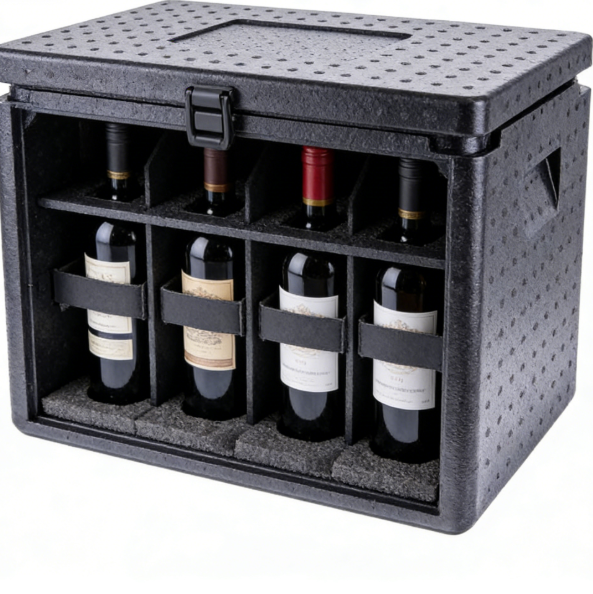
40 Fornecedor de caixa de gelo para cadeia fria de litro: Uma estrutura de fornecimento confiável
40 Fornecedor de caixa de gelo para cadeia fria de litro: Uma estrutura de fornecimento confiável
A compra mais defensável é aquela que pode ser rastreada desde a exigência do produto até o recebimento da evidência. Para 40 fornecedor de caixa de gelo para cadeia de frio de litro, a questão prática é se a capacidade declarada de 40 litros representa o volume interno bruto ou a carga útil prática após a instalação do líquido refrigerante e dos separadores. Isso requer uma visão de todo o sistema: o corpo isolado, refrigerante, separadores, arranjo de carga útil, encerramento, processo de manuseio, e qualquer dispositivo de monitoramento de temperatura. Este artigo foi escrito para médicos, comida, e compradores de distribuição de rotas. Explica como tomar uma decisão para o transporte de cadeia de frio de média capacidade sem depender de declarações vagas de tempo de espera, capacidade nominal, ou um preço de manchete que omite custos importantes.
Comece com o risco do produto e da pista
Escreva um requisito de usuário de uma página antes de selecionar uma caixa de gelo com cadeia de frio de 40 litros. Deve identificar o produto e sua condição exigida, dimensões e massa da carga útil, etapas da rota, duração esperada mais política de atraso, exposição quente e fria, modos de transporte, manipulação de eventos, padrão de abertura, necessidades de monitoramento, processo de limpeza ou devolução, e recebendo decisão. Para transporte em cadeia de frio de média capacidade, dê atenção especial à carga útil utilizável, pegada externa, massa carregada, design de alça, geometria do pacote, e empilhabilidade.
Separe os critérios de aceitação obrigatórios das preferências. Uma dimensão externa máxima pode ser obrigatória porque a caixa deve caber em um rack. Uma cor pode ser preferida. Uma faixa de temperatura do produto pode ser obrigatória, while a particular insulation material may be open to supplier proposal. Esta separação permite que os fornecedores melhorem o design sem enfraquecer o resultado. Também evita que uma cotação rica em recursos pareça compatível quando não atende ao requisito principal.
- Documente e confirme o volume bruto versus o volume utilizável.
- Documente e confirme as dimensões da carga útil.
- Documente e confirme o peso carregado e o método de levantamento.
- Documente e confirme o design da tampa e da junta.
- Documente e confirme o ajuste do veículo e do rack.
Design para embalagem repetível
Selecione isolamento, refrigerante, separadores, forro, arranjo de carga útil, monitor, encerramento, e instruções como um sistema. As etiquetas dos materiais por si só não prevêem o resultado da montagem. EPS pode ser adequado para uma rota controlada de mão única; O EPP pode suportar manuseio e limpeza repetidos; Os sistemas baseados em VIP podem fornecer maior isolamento em espessuras de parede limitadas, mas requerem proteção do painel. A escolha deve seguir o risco da rota, valor da carga útil, manuseio, modelo de reutilização, e necessidades de evidências.
O líquido refrigerante deve ser condicionado e posicionado para o produto. Pacotes congelados podem criar risco de congelamento local; pouca capacidade de resfriamento armazenada pode reduzir a margem de atraso; refrigerante excessivo ocupa espaço de carga útil e adiciona massa. Use separadores justificados e geometria de empacotamento. Escreva instruções na ordem de trabalho dos operadores, com imagens ou codificação de cores, se isso reduzir erros. Observe a equipe real empacotando o sistema de teste em vez de assumir que um diagrama é autoexplicativo.
A carga útil merece sua própria aprovação. Carregue as caixas primárias reais ou manequins precisos com o líquido refrigerante completo e o conjunto de insertos. Verifique o fechamento, compressão, recuperação, rótulos, elevação, e ajuste do veículo. Para um produto nominal de 40 litros, por exemplo, o número não informa quanta carga útil resta. Para restauração, frutos do mar, ou carne, examinar forros, controle de líquidos, acesso de limpeza, e separação. Para medicina, revise a proteção contra congelamento e o posicionamento do monitor.
A armadilha com capacidade de 40 litros
Aplique a estrutura de sourcing ao caso de uso real. Especifique as caixas de carga útil por comprimento, largura, altura, quantidade, e orientação. Peça ao fornecedor para distinguir o volume bruto da cavidade, volume de enchimento de água, se indicado, e carga útil útil após refrigerante, espaçadores, e monitoramento estão instalados.
Transforme esse risco em um processo controlado, o enchimento excessivo pode bloquear os espaços de ar pretendidos, distorcer a tampa, mover refrigerante, ou forçar o produto contra uma fronteira fria. O enchimento insuficiente também pode alterar o comportamento térmico porque a massa da carga útil e a distribuição interna do ar diferem da configuração testada. Realize um teste de carga física com o pacote completo. Verifique se a equipe consegue levantar a caixa carregada, segure as alças com luvas, feche a tampa sem comprimir o produto, e retire a primeira entrega sem atrapalhar o resto.
Em seguida, conecte as evidências ao dinheiro, solicitar desenhos internos e externos, massa vazia, cálculo de massa carregada esperada, manipular e empilhar informações, imagens de pacote, e qualquer relatório de desempenho para um intervalo de carga útil comparável. A capacidade por si só não é evidência de adequação da rota. Uma caixa externa maior pode aumentar o frete dimensional e reduzir a utilização do veículo ou rack. Um corpo menor pode exigir mais execuções de entrega. Compare a carga útil por cubo externo e por viagem carregada, não apenas o preço de compra por unidade nominal de 40 litros.
No portão de decisão, aprovar a caixa somente quando a carga útil for utilizável, elevação, ajuste do veículo, repetibilidade do pacote, e evidências térmicas ou operacionais se alinham. Se a carga necessária não couber, altere o tamanho ou a unidade de entrega em vez de forçar o funcionamento de uma etiqueta de 40 litros.
Separe o preço de compra do custo do programa
| Campo de cotação | O que solicitar | Por que isso muda a decisão |
|---|---|---|
| Configuração | Material, nota, dimensões, tampa, inserções, refrigerante, e acessórios | Evita que produtos diferentes sejam comparados como se fossem idênticos |
| Base comercial | Quantidade do pedido, ferramentas, embalagem, termo comercial, moeda, e validade | Mostra quais custos estão dentro ou fora do preço unitário |
| Evidência de desempenho | Perfil de teste, carga útil, pacote, faixa de aceitação, e relatar status | Revela se uma reivindicação se assemelha à rota pretendida |
| Controle de qualidade | Amostra aprovada, critérios de inspeção, notificação de alteração, e retenção de registros | Protege a consistência após o primeiro pedido |
| Logística | Dimensões da caixa mestre, unidades por caixa, pesos, e plano de carregamento | Suporta um cálculo realista do custo final |
Normalizar lances para uma moeda, quantidade do pedido, configuração, e ponto de entrega. Adicionar ferramentas, obra de arte, amostras, testes, caixas de exportação, frete, obrigação, e taxas de destino. Em seguida, crie uma visão operacional que inclua mão de obra de embalagem, preparação de refrigerante, armazenar, limpeza, transporte de retorno, perdas, dano, e peças de reposição. O menor preço unitário e o menor custo do programa podem ser ofertas diferentes.
O custo deve ser proporcional à consequência da falha. Os prováveis modos de falha aqui são aglomeração de carga útil, espaços aéreos bloqueados, refrigerante excessivo, ergonomia de elevação deficiente, e dimensões que não cabem em veículos ou racks. Um breve, a entrega controlada pode não precisar do pacote de construção ou qualificação mais elaborado. Uma remessa médica de alto valor ou uma rota de exportação imprevisível podem justificar evidências e reservas mais fortes. O objetivo não é a embalagem máxima; é adequado, proteção repetível com uma justificativa visível.
Evidência que conecta a reivindicação à pista
Pergunte exatamente o que significa uma declaração de desempenho. Uma duração deve estar vinculada a um perfil de ambiente, carga útil, condição inicial, arranjo de refrigerante, posições dos sensores, e faixa de aceitação. Uma capacidade deve indicar se é volume interno bruto ou carga útil utilizável. Uma declaração reutilizável deve identificar o processo de inspeção e limpeza. Uma alegação de sustentabilidade deve explicar os limites do sistema e as suposições de fim de vida. Sem condições, um número é linguagem publicitária e não evidência de decisão.
Para medicamentos sensíveis à temperatura, A orientação da OMS enquadra a qualificação como evidência documentada controlada e vincula o desempenho do contêiner aos perfis de transporte e aos critérios de aceitação. Os padrões térmicos ISTA podem apoiar a avaliação estruturada do envio de encomendas. O PIB da UE e as práticas da IATA acrescentam expectativas em torno de equipamentos adequados, manuseio controlado, documentação, e requisitos atuais de carga aérea. As operações de alimentos devem alinhar o procedimento de embalagem e transporte com os procedimentos de transporte sanitário aplicáveis., HACCP, e controles específicos do produto. A equipe responsável pela qualidade ou segurança alimentar determina a aplicabilidade e a disposição.
O plano de monitoramento deve definir a precisão do dispositivo na faixa relevante, status de calibração, intervalo de gravação, método iniciar e parar, sincronização de tempo, colocação, acesso a dados, alarmes, retenção de registros, e resposta. Um registrador é uma evidência, não proteção. Coloque-o onde representa uma condição de carga informada sobre risco, e certifique-se de que o receptor saiba o que fazer com o registro.
Controle de fornecedores após aprovação
Aprovar a configuração e o processo que a torna. Mantenha desenhos controlados, especificações de materiais, listas de componentes, obra de arte, instruções de embalagem, detalhes da caixa mestra, e critérios de aceitação. Identifique as características que afetam o ajuste, encerramento, higiene, durabilidade, ou comportamento térmico. Pergunte como essas características são inspecionadas e registradas durante a produção.
Use um caminho preparado: amostra funcional, teste de engenharia ou embalagem, avaliação térmica ou de rota conforme necessário, piloto ou pré-produção, então aprovação em massa. Cada amostra precisa de uma revisão e propósito. Guarde uma referência aprovada quando for útil. Se o projeto for personalizado, liquidar propriedade de ferramentas, manutenção, direitos de modificação, e tratamento de final de projeto por escrito antes que a ferramenta se torne uma alavanca em uma disputa comercial.
Exigir notificação antes de alterações no material, geometria, refrigerante, inserções, local de fabricação ou processo, obra de arte, e embalagens de desempenho crítico. Decida quais mudanças precisam de revisão de documento, aprovação de amostra, ou requalificação. Isto é fundamental para os sistemas farmacêuticos e ainda valioso para programas de alimentos e atacado porque pequenas substituições podem afetar a adequação e o desempenho em campo.
Pilote todo o fluxo de trabalho
Use este cenário típico: uma clínica precisa transportar caixas que pareçam caber em uma caixa nominal de 40 litros, mas os pacotes condicionados e os espaçadores de proteção reduzem o espaço de carga real. Faça as malas sob pressão de tempo realista, prepare a caixa como a rota faz, expô-lo a condições representativas, e conclua o processo de recebimento. Registre o resultado térmico quando aplicável, hora da embalagem, ajuste de carga útil, manuseio de refrigerante, elevação, encerramento, vazamento ou condensação, dano, legibilidade do rótulo, limpeza, e etapas de retorno. O teste deve revelar pontos fracos do processo, bem como pontos fracos do produto.
Marcar uma reunião de revisão com compras, operações, qualidade ou segurança alimentar, e o fornecedor. Classifique as descobertas como segurança ou risco do produto, lacuna de desempenho, problema de usabilidade, oportunidade de custo, ou preferência. Revise os requisitos e a configuração do usuário uma vez, em seguida, repita apenas as verificações afetadas pela mudança sob um plano justificado. A iteração controlada é mais rápida do que aceitar um design fraco e corrigi-lo através de reclamações.
UM 2026 Visão da responsabilidade de reutilização e embalagem
Reusable packaging should be assessed as a loop: emitir, usar, retornar, inspecionar, limpar, seco, loja, reparar, e reeditar. Rastrear disponibilidade, perda, dano, inversão de marcha, e ciclos concluídos. Para sistemas unidirecionais, avaliar o uso de materiais, cubo de envio, opções de descarte, e proteção do produto. O Regulamento de Embalagens e Resíduos de Embalagens da UE geralmente se aplica a partir de agosto 2026 e reforça a necessidade de revisão atual da composição das embalagens, reutilizar, Reciclabalidade, rotulagem, e obrigações específicas do mercado. Não confie no slogan de um fornecedor como prova legal ou ambiental.
As decisões de design podem preservar opções. Tampas ou forros substituíveis, identificação de materiais, dados de composição controlada, inserções modulares, e rótulos de ativos duráveis podem prolongar a vida útil ou simplificar revisões futuras. No entanto, a complexidade adicional também cria mais peças para gerenciar. Selecione recursos porque eles suportam o modelo operacional, não porque pareçam voltados para o futuro.
Perguntas frequentes sobre aquisições
Quais informações devo enviar ao solicitar 40 fornecedor de caixa de gelo para cadeia de frio de litro?
Envie a exigência do produto, dimensões e massa da carga útil, etapas da rota, duração e subsídio de atraso, exposições quentes e frias, padrão de manuseio e abertura, preferência de refrigerante, se justificado, necessidades de monitoramento, quantidade, destino, termo comercial, modelo de limpeza ou devolução, e provas exigidas.
Como posso comparar relatórios de teste de fornecedores?
Comparar configuração, carga útil, perfil ambiente, condições iniciais, condicionamento de refrigerante, posições dos sensores, Critérios de aceitação, método de teste, desvios, e aprovação do relatório. Uma duração mais longa não é automaticamente melhor se as condições não representarem a sua rota.
Devo comprar uma caixa padrão ou desenvolver uma personalizada?
Use uma caixa padrão quando atender à carga útil, rota, manuseio, e necessidades de evidências com custo final aceitável. Considere o desenvolvimento personalizado quando adequado, utilização de carga útil, pacote repetível, limpeza, marca, ou a integração de veículos cria valor operacional suficiente para justificar engenharia e ferramentas.
O que deve ser bloqueado antes da produção em massa?
Bloquear a revisão do desenho, material, cores, inserções, refrigerante, rótulos, instruções de embalagem, caixa mestra, critérios de inspeção, status de amostra aprovada, e processo de notificação de alterações. Confirme o escopo comercial e a base de entrega ao mesmo tempo.
A decisão de fornecimento em uma única visão
| Portão de decisão | Pergunta para responder | Evidência ou resultado |
|---|---|---|
| Exigência | O que deve ser protegido, por qual caminho? | Requisito do usuário aprovado e critérios de aceitação |
| Projeto do sistema | O pacote completo pode ser carregado e repetido? | Lista de configurações, desenho, e instruções de embalagem |
| Desempenho | As evidências correspondem ao desafio pretendido? | Protocolo revisado, registro de teste ou piloto, e desvios |
| Fornecedor | A produção pode permanecer equivalente à amostra aprovada? | Controles de qualidade, plano de inspeção, e processo de mudança |
| Comercial | Qual é o custo de entrega e operacional? | Modelo normalizado de lance e custo |
| Aumento de escala | O fluxo de trabalho pode ser executado de forma confiável?? | Revisão piloto, treinamento, liberar, e feedback de desempenho |
Uma decisão confiante para 40 fornecedor de caixa de gelo de cadeia fria de litro não é uma busca pela caixa mais grossa ou pelo número mais baixo. É uma correspondência documentada entre o produto, rota, pacote, evidência, controle de fornecedores, e custo. Quando esses seis portões estiverem limpos, a aquisição pode comparar alternativas de forma justa e as operações podem usar o sistema escolhido conforme pretendido.
Um primeiro controle 90 Dias
O primeiro pedido de produção de caixa de gelo para cadeia de frio de 40 litros deve ser tratado como o início da verificação operacional, não é o fim do desenvolvimento. Treinar empacotadores e receptores na configuração aprovada, identificar cada componente, e registrar problemas por revisão e lote quando for prático. Mantenha material de referência aprovado suficiente para investigar a adequação, encerramento, rotulagem, ou reclamações de desempenho sem adivinhar qual versão foi enviada.
Durante as primeiras semanas, revisar o tempo do pacote, disponibilidade de componentes, ajuste de carga útil, dados de temperatura, quando aplicável, lidar com danos, limpeza, exceções de entrega, e recebendo perguntas. Não espere por uma carga rejeitada para saber que as instruções são ambíguas. Uma breve revisão diária durante o lançamento pode se tornar semanal e depois mensal à medida que o processo se estabiliza. Atribua um proprietário para ações e feche-as por meio de atualizações controladas de documentos ou projetos.
Compare o custo real e operacional com as premissas usadas para aprovação. Cubo de frete, trabalho de refrigeração, taxa de retorno, Espaço de armazém, tampas de reposição, dano, e o tempo de resposta do fornecedor podem alterar o caso de negócio. Se o programa for reutilizável, reconciliar emitido, voltou, em quarentena, limpeza, e caixas prontas para uso. Se for unilateral, revise o feedback sobre descarte e danos à embalagem no destino.
Na revisão de 90 dias, decidir se o sistema está pronto para uma implantação mais ampla, precisa de uma melhoria controlada, ou deve permanecer limitado à faixa original. Capture o que foi aprendido na especificação, treinamento, e arquivo de fornecedor. Dimensionar um processo documentado é mais seguro do que dimensionar a memória da equipe do projeto.
Sobre Tempk
Tempk é a marca de embalagens para cadeia de frio da Shanghai Tempk Industrial Co., Ltda., estabelecido em 2011. A empresa desenvolve, produz, vende, e serviços de produtos da cadeia de frio, incluindo formatos de embalagens isoladas e componentes de refrigeração. A Tempk pode apoiar as primeiras discussões sobre a seleção de caixas de gelo para cadeia de frio de 40 litros, geometria da carga útil, arranjos de refrigeração, formatos reutilizáveis ou unilaterais, e fornecimento personalizado ou em massa. Qualquer configuração final deve ser revisada e, onde necessário, tested or qualified for the buyer's product, rota, procedimentos, e obrigações de mercado.
Forneça ao Tempk seu mapa de rotas, detalhes da carga útil, condição necessária do produto, quantidade, e as evidências precisam iniciar uma comparação de embalagens focada.