


Fornecedor de transporte de vacinas com caixa de gelo para vacinas: Da especificação à escala
Fornecedor de transporte de vacinas com caixa de gelo para vacinas: Da especificação à escala
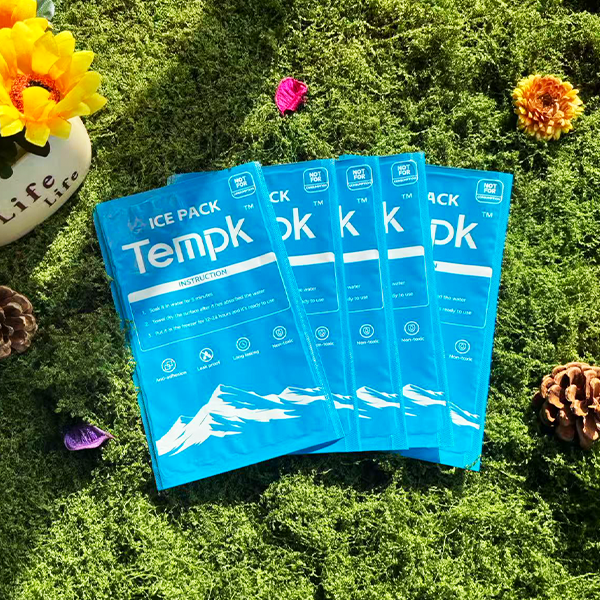
Fornecedor de transporte de vacinas com caixa de gelo para vacinas: Da especificação à escala
A sound decision on vaccine ice box vaccine transport supplier can be reduced to five linked questions: o que deve ser protegido, em qual rota, com qual configuração carregada, sob cujo controle operacional, e com que evidências.
O resultado é uma estrutura de seleção integrada. Combina educação de produto, julgamento de engenharia, risco de rota, qualificação de fornecedor, custo total, e sustentabilidade para que um comprador possa emitir uma solicitação mais clara, execute um teste significativo, e aprove uma configuração com menos surpresas.
Use cinco decisões para controlar a compra
Um projeto completo de caixa térmica para transporte de vacinas pode ser governado por meio de cinco decisões. Primeiro, definir o produto protegido e a condição de aceitação. Segundo, caracterizar a pista e suas transferências. Terceiro, projetar o pacote carregado, incluindo refrigerante, barreiras, monitoramento, e espaço utilizável. Quarto, qualificar o fornecedor e comprovar. Quinto, provar que as operações podem reproduzir, limpar, retornar, e manter a configuração.
A sequência é importante. As equipes criam retrabalho quando escolhem uma caixa, em seguida, tente encaixar o produto e direcioná-lo. Começar pelo produto e pela via permite que diversas arquiteturas sejam comparadas em termos iguais. Também torna a negociação de custos mais útil, porque a cotação descreve um trabalho definido em vez de um contêiner genérico.
A desvantagem central é que um kit pré-configurado pode reduzir a variabilidade da embalagem, enquanto um sistema modular pode acomodar mais rotas; modularidade precisa de instruções mais fortes e controle de configuração. A estrutura não remove compensações; isso os torna explícitos. A aquisição pode decidir quais consequências são aceitáveis, a engenharia pode documentar a base técnica, qualidade ou segurança alimentar podem estabelecer evidências, e as operações podem testar se o método é repetível.
Decisão 1 e 2: conectar os requisitos do produto à pista
Escreva um resumo de caso de uso de uma página para vacinas, diluentes, e equipamentos de monitoramento gerenciados de acordo com instruções específicas do produto. Incluir as instruções atuais do produto, condição inicial, quantidade, dimensões da caixa ou bandeja, sensibilidade ao congelamento, superaquecimento, luz, contaminação, impacto, ou atraso, e o processo de disposição para uma excursão. Evite importar uma linha comum da indústria para um produto que tenha instruções diferentes.
Então mapeie o despacho, transporte de veículos, encenação temporária, entregar, e recebimento sob um procedimento escrito de transporte de vacina. Registrar o tempo decorrido, condições externas sazonais, encenação, ambiente do veículo, abertura de porta, parar contagem, superfícies de transferência, mudanças de custódia, e recebendo armazenamento. Adicione um cenário normal e um desafio realista. O desafio pode ser uma doca quente, receptor atrasado, carga parcial, abertura repetida, ou transferência ao ar livre. Deve representar um dia operacional confiável, não é um pior caso artificial sem probabilidade ou resposta definida.
Atribua cada risco à embalagem, procedimento, equipamento, ou escalada. O isolamento e o líquido refrigerante podem amortecer a exposição ambiental. Um cronograma de rota pode reduzir o tempo de espera. Uma unidade ativa portátil pode ser mais apropriada para alguns movimentos de alto risco. Um compromisso de receptor pode remover uma transferência não controlada. Esta alocação evita que a caixa passiva seja solicitada a compensar cada fraqueza do processo.
Decisão 3: aprovar uma configuração carregada, não é uma caixa nominal
O design carregado deve resolver este problema de capacidade: o fornecedor deve indicar as dimensões internas e o arranjo de carga útil após o refrigerante, barreiras, caixas originais, e dispositivos de monitoramento estão incluídos. Crie um desenho e uma maquete física mostrando a orientação do produto, refrigerante, barreiras, monitoramento, divisores, tolerâncias, e liberação de fechamento. Calcule ou meça o peso embalado esperado. Confirmar veículo, prateleira, palete, carrinho, e porta ajustada com as maçanetas e a tampa em suas posições de operação.
Controle as temperaturas locais definindo a condição e o posicionamento do líquido refrigerante. O projeto deve evitar contato direto não intencional, lacunas de ar não controladas, e componentes que podem mudar. O trabalho de desenvolvimento pode precisar de vários sensores para mapear a carga, mas o monitoramento de rotina deve usar um local fixo que represente a decisão necessária do produto. Cargas parciais precisam de uma alternativa aprovada em vez de uma versão improvisada do pacote completo.
A construção deve suportar geometria de empacotamento repetível, isolamento, encerramento, retentores de refrigerante, barreiras do produto, áreas de rótulo, e componentes controlados são mais importantes do que uma aparência genérica de cooler. Revise a junta da tampa, pontes térmicas, hardware de alta carga, facilidade de limpeza, substituição de componentes, e compatibilidade com luz solar ou produtos químicos quando relevante. Nomes de materiais são entradas, não conclusões. A especificação aprovada deve definir a construção com detalhes suficientes para preservar a função durante a produção.
Decisão 4: qualificar o fornecedor e as evidências em conjunto
Estabelecer quem é o dono do projeto e quem controla a fábrica. A parte comercial pode ser um fabricante, exportador, distribuidor, ou integrador, mas o comprador precisa de um caminho claro para os desenhos, controles de materiais, inspeção, defeitos, e notificação de alteração. Pergunte quais componentes são críticos e como as unidades de produção são comparadas com a amostra aprovada.
A solicitação de cotação deverá abranger contêiner, refrigerante, barreiras, divisores, monitoramento de compatibilidade, pacote SOP, limpeza, rótulos, evidência, material de treinamento, peças de reposição, e controle de mudança. Normalize a lista de materiais incluída e as condições de entrega antes de comparar preços. Hardware separado, refrigerante, monitoramento, personalização, ferramentas, testando, documentação, embalagem, frete, e peças de reposição. Isso torna os direcionadores de custos visíveis e evita que um preço baixo de caixa vazia seja comparado com um kit pronto para processo.
Solicite desenhos atuais, lista de componentes, instruções de embalagem e condicionamento, documentação de teste, expectativas de calibração para monitoramento, orientação de limpeza, e notificação de alteração por escrito. Leia relatórios de teste para condições, não manchetes. Verifique a carga útil, temperatura inicial, refrigerante, perfil ambiente, duração, aberturas, posições dos sensores, Critérios de aceitação, e se a amostra representava a produção. Registre as lacunas entre essa evidência e a pista pretendida para que a equipe possa decidir que trabalho adicional é proporcional.
| Portão de aprovação | Produção mínima | Razão pela qual o portão existe |
|---|---|---|
| Produto e pista | Resumo do caso de uso com carga útil, doença, rota, exposição, e transferências | Impede que a caixa seja selecionada antes que o trabalho seja definido |
| Configuração carregada | Desenho, lista de componentes, refrigerante, barreiras, sensor, peso, e ajuste | Converte a capacidade nominal em um pacote reproduzível |
| Fornecedor e evidência | Especificação controlada, amostras, relatórios, e mudar regras | Conecta o fornecimento comercial ao projeto aprovado |
| Prontidão operacional | Sop, treinamento, limpeza, recebendo, retornar, e exceções | Mostra que as pessoas podem repetir e manter o método |
| Escala e ciclo de vida | Verificação do primeiro lote, implementação de rota, modelo de custo, rastreamento de ativos, revisar gatilhos | Protege o desempenho e o valor após o lançamento |
As portas de aprovação evitam que um projeto passe diretamente de uma amostra atraente para um pedido em massa. Cada portão cria uma saída tangível e fecha um risco diferente: caso de uso pouco claro, pacote não reproduzível, fornecimento descontrolado, operações fracas, ou um modelo de ciclo de vida não comprovado.
Use orientações regulatórias e técnicas sem reivindicar demais
Orientação confiável ajuda a definir expectativas de controle, mas não transforma uma caixa genérica num sistema aprovado. As instruções do produto e as regras locais aplicáveis permanecem decisivas. Um arquivo técnico deve indicar por que cada referência é relevante e onde testes específicos da rota ou revisão de qualidade ainda são necessários.
Para vacinas, a orientação atual do CDC enfatiza informações específicas sobre armazenamento e transporte do produto, refrigeradores de vacinas portáteis preferidos ou embalagens qualificadas para transporte não emergencial, monitoramento contínuo, exposição ambiental minimizada, e procedimentos treinados. Também rejeita a implicação de que o CDC ou o VFC validaram um produto do fornecedor por meio de termos de marketing de conformidade..
Para medicamentos, A orientação do PIB da UE espera que as condições de armazenamento exigidas sejam mantidas durante o transporte através de seleção baseada no risco, equipamento adequado, monitoramento, avaliação de rota, e qualificação quando necessário. Transporte aéreo pode adicionar horário IATA- e procedimentos de carga sensíveis à temperatura. Essas estruturas orientam evidências e responsabilidade; eles não criam adequação universal.
A decisão de aprovação deve identificar o envelope operacional testado e as condições que exigem escalonamento. Quando as evidências estão incompletas, converter o desconhecido em uma questão de verificação ou em um limite operacional, em vez de preencher a lacuna com uma afirmação de marketing confiável.
Decisão 5: provar que a organização pode repetir o método
Execute um piloto com os empacotadores reais, motoristas, receptores, pessoal de limpeza, e revisores de qualidade ou segurança alimentar. Observe a identificação do componente, preparação de refrigerante, carregando, monitor placement, encerramento, encenação, elevação, restrição, abertura, entregar, retornar, lavar, secagem, e inspeção. Registrar soluções alternativas; são evidências de que o projeto ou instrução precisa de correção.
O processo de devolução deve implementar este requisito de higiene: reutilização requer inspeção, secagem, e instruções de limpeza que não danificam o isolamento, selos, rótulos, ou embalagem. Separar sujo, limpar, reparar, quarentena, e situação de aposentado. Definir critérios objetivos de liberação e controlar peças removíveis. Meça o tempo de limpeza e o espaço de armazenamento para que a quantidade da frota reflita os ativos que estão genuinamente disponíveis, não apenas caixas compradas.
Prepare caminhos de exceção antes do lançamento. A equipe precisa saber o que fazer quando falta um componente de refrigeração, o monitor falha, uma tampa não fecha, uma caixa está danificada, um veículo está atrasado, o receptor está ausente, ou o rastreamento do produto mostra uma excursão. Um caminho curto de escalonamento protege o processo aprovado sob pressão de tempo.
Avalie o custo e a sustentabilidade no mesmo ciclo operacional
Crie o custo total a partir da configuração aprovada: hardware, ferramentas, amostras, refrigerante, monitoramento, rótulos, embalagem, frete, obrigações, trabalho, cubo de veículo, retornar, lavar, secagem, armazenar, reparar, perda, substituição, e manutenção de evidências. Informar o custo por viagem bem-sucedida por coorte de rotas. Isto evita uma decisão limitada sobre o preço unitário e uma afirmação não fundamentada de que a reutilização sempre economiza dinheiro.
A questão da sustentabilidade é o apoio do fornecedor para substituição de componentes, identificação de ativos, e a limpeza repetível pode ser tão importante quanto o material de base na construção de um programa de transporte de vacinas reutilizáveis. Circulação de pista, distância de retorno, perda, reparar, lavar recursos, utilização, e tratamento em fim de vida. Um sistema reutilizável cria valor quando a rede consegue mantê-lo em serviço controlado. Dimensionamento correto, componentes reparáveis, e o empilhamento de retorno eficiente podem ser tão importantes quanto o material de base.
A aprovação comercial pode incluir uma análise de sensibilidade. Examine como o resultado muda quando o retorno cai, dano aumenta, mudanças de demanda, ou uma rota precisa de um tamanho diferente. Isso não requer dados de mercado inventados. It uses the organization's own operating assumptions to identify where the proposal is robust and where a different packaging model should be retained.
Dimensione através de portas controladas e gatilhos de mudança
Portão 1 aprova o resumo do caso de uso e o desenho carregado. Portão 2 aprova amostras de intenção de produção e documentos de fornecedores. Portão 3 aprova térmica relevante, mecânico, limpeza, e evidências de rota. Portão 4 aprova o POP, treinamento, processo de exceção, e loop de retorno. Portão 5 libera produção após verificação do primeiro lote. Cada portão tem um proprietário e critérios de aceitação registrados.
Expandir por coortes de rotas semelhantes. Comece com uma via representativa e um desafio confiável, problemas corretos, em seguida, adicione sites que compartilhem carga útil e exposição. Não presuma que um piloto bem-sucedido cobre um veículo diferente, clima, padrão de parada, produto, ou processo de lavagem. Use uma comparação documentada para decidir se as evidências existentes podem ser estendidas.
Manter um registro de alterações após o lançamento. Caixas de produtos, refrigerante, massa de carga útil, sensor, tempo de rota, química de limpeza, material do fornecedor, selo, hardware, ou mudanças de fábrica podem afetar a linha de base. Atribua níveis de revisão para que pequenas atualizações administrativas não desencadeiem trabalho desnecessário, enquanto as mudanças funcionais recebem comparação ou requalificação apropriada.
Mantenha visíveis as principais não-suposições
Não presuma que a capacidade nominal é igual à capacidade de carga útil, esse isolamento cria a temperatura necessária do produto, que um registrador fornece proteção, ou que um teste sob condições diferentes comprove a pista. Não presuma que durabilidade é igual a adequação alimentar ou farmacêutica, or that one program's approval transfers to another. O risco específico aqui é aceitar reivindicações como conformidade com CDC, refrigerador de vacina universal, ou duração garantida sem produto, pacote, e contexto de teste.
Transforme cada não suposição em um controle. Use um desenho carregado para capacidade, um plano de refrigeração definido para controle térmico, uma posição fixa do sensor para evidências, uma comparação de rotas para transferibilidade, um processo de limpeza e segregação para higiene, e uma especificação controlada para consistência de produção. This makes the article's principles actionable in an RFQ and pilot.
Finalmente, preserve a incerteza honestamente. Quando um parâmetro não é suportado pelas instruções do produto, uma fonte técnica confiável, documentação do fornecedor, ou teste, peça ao fornecedor para confirmar ou planeje uma verificação. Remover um número não suportado é melhor engenharia e melhor aquisição do que apresentar uma precisão que a evidência não pode transmitir.
Perguntas sobre aquisições integradas
Quais informações devem ser enviadas primeiro a um fornecedor?
Envie o tipo de produto e condição necessária, dimensões da caixa ou da carga útil, quantidade, duração da rota, exposição sazonal, padrão de parada e abertura, restrições de veículo ou prateleira, preferência de refrigerante, necessidade de monitoramento, método de limpeza, plano de reutilização, personalização, e volume de pedidos. Marque quaisquer incógnitas para que se tornem questões do projeto em vez de suposições.
Como posso saber se a caixa proposta é muito grande ou muito pequena?
Crie o pacote completo e compare a contagem de carga útil, peso carregado, cubo externo, ajuste do veículo, comportamento de carga parcial, e manuseio. Uma caixa grande pode desperdiçar líquido refrigerante e espaço; um pequeno pode forçar a compressão ou viagens extras. Use perfis de pedidos reais e aprove faixas de carga.
Qual evidência é mais importante antes da produção?
A evidência deve corresponder aos riscos dominantes. No mínimo, dimensões de controle, materiais, componentes, ajuste carregado, manuseio, limpeza, e suposições térmicas relevantes. Cuidados de saúde ou rotas alimentares de alto risco também podem precisar de qualificação, monitoramento calibrado, estudos de rota, registros formais, e aprovação de qualidade ou segurança alimentar.
Como as cotações de custos devem ser comparadas?
Compare a mesma lista de materiais, dimensões, acessórios, refrigerante, monitoramento, personalização, testando, embalagem, quantidade do pedido, condições de entrega, suposições de frete, peças de reposição, e escopo de controle de mudanças. Então modele o trabalho, retornar, limpeza, perda, reparar, e viagens de sucesso. Um preço unitário vazio não é uma comparação completa.
O que deve desencadear a requalificação ou reavaliação?
Alterações nas instruções do produto, carga útil, Carton, refrigerante, sensor, rota, exposição ambiental, padrão de parada, limpeza, material, selo, hardware, processo, ou fábrica pode importar. Defina gatilhos baseados em risco para revisão de documentos, comparação de amostras, testes direcionados, trabalho de rota, ou requalificação total.
Decisão final
Tratar o fornecedor de transporte de vacinas em caixa térmica como uma decisão de sistema controlado. Defina o produto e a pista, aprovar o pacote carregado, qualificar controles e evidências de fornecedores, provar o processo operacional, e modelar custo e reutilização em viagens bem-sucedidas. Escale somente depois que amostras de intenção de produção e coortes de rota forem revisadas. Esta abordagem preserva as informações úteis da educação sobre o produto, engenharia, conformidade, operações, e sustentabilidade sem depender de reivindicações universais.
Sobre Tempk
Tempk é a marca de embalagens para cadeia de frio da Shanghai Tempk Industrial Co., Ltda. Seu portfólio público inclui embalagens de gel, tijolos de gelo, insulated bags and liners, EPP e outras caixas isoladas, Caixas de gelo médico, Tampas de paletes, e embalagens personalizadas para logística de alimentos e saúde. Os compradores podem fornecer geometria do produto, condição alvo, rota, refrigerante, monitoramento, manuseio, limpeza, identificação, e requisitos comerciais para que Tempk possa propor uma configuração para revisão de amostra, testando, e discussão da amostra até a produção.
Próxima etapa do projeto
Peça à Tempk para revisar seu projeto de fornecedores de caixas térmicas para transporte de vacinas usando a carga útil real, rota, pacote, controles operacionais, e suposições de fornecimento antes que uma cotação em massa seja finalizada.
Fabricante de distribuição da indústria alimentar de caixa de gelo para vacinas: Da especificação à escala
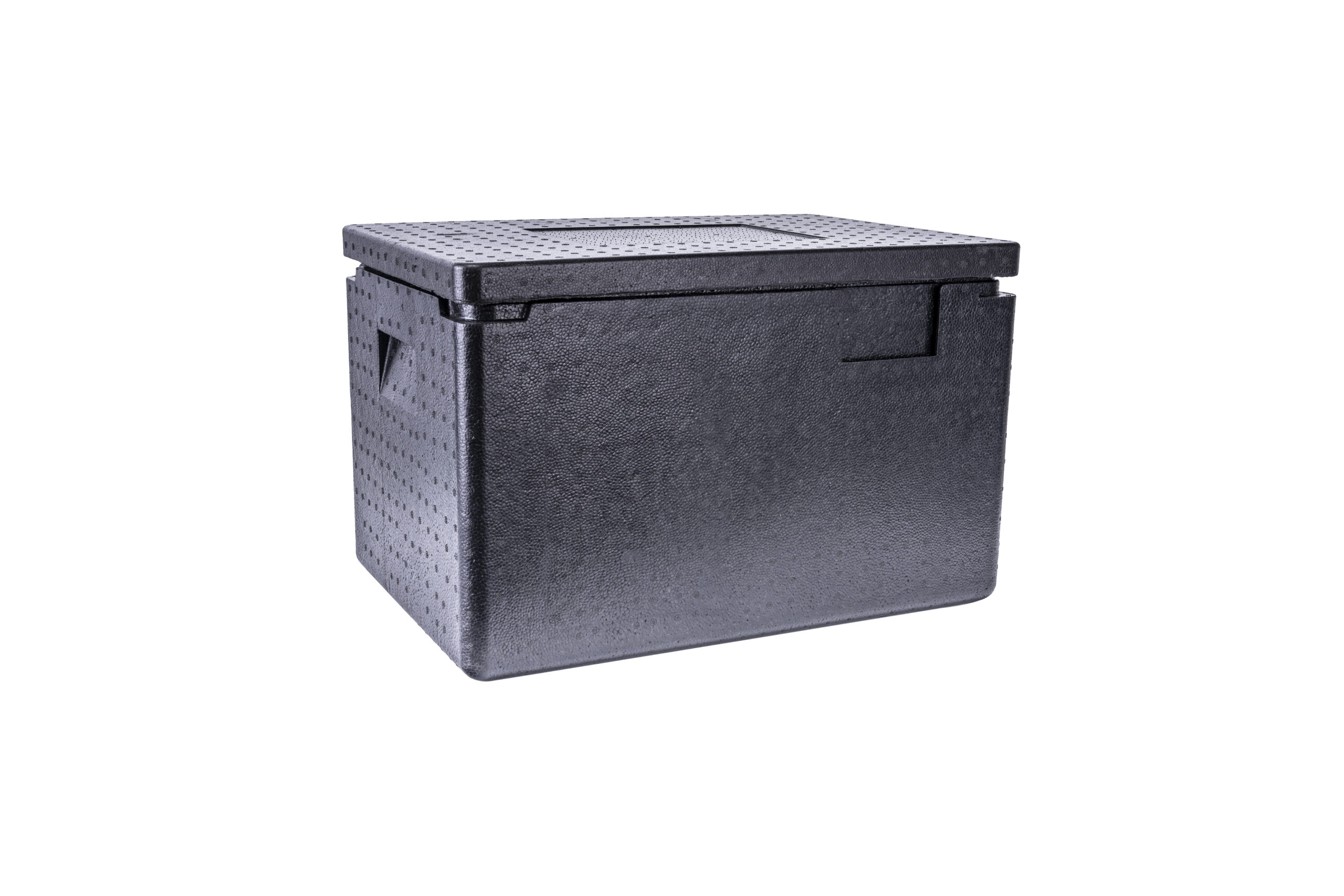
Fabricante de distribuição da indústria alimentar de caixa de gelo para vacinas: Da especificação à escala
A sound decision on vaccine ice box food industry distribution manufacturer can be reduced to five linked questions: o que deve ser protegido, em qual rota, com qual configuração carregada, sob cujo controle operacional, e com que evidências.
O resultado é uma estrutura de seleção integrada. Combina educação de produto, julgamento de engenharia, risco de rota, qualificação de fornecedor, custo total, e sustentabilidade para que um comprador possa emitir uma solicitação mais clara, execute um teste significativo, e aprove uma configuração com menos surpresas.
Use cinco decisões para controlar a compra
Um projeto completo de plataforma de caixa de gelo de distribuição isolada pode ser governado por meio de cinco decisões. Primeiro, definir o produto protegido e a condição de aceitação. Segundo, caracterizar a pista e suas transferências. Terceiro, projetar o pacote carregado, incluindo refrigerante, barreiras, monitoramento, e espaço utilizável. Quarto, qualificar o fornecedor e comprovar. Quinto, provar que as operações podem reproduzir, limpar, retornar, e manter a configuração.
A sequência é importante. As equipes criam retrabalho quando escolhem uma caixa, em seguida, tente encaixar o produto e direcioná-lo. Começar pelo produto e pela via permite que diversas arquiteturas sejam comparadas em termos iguais. Também torna a negociação de custos mais útil, porque a cotação descreve um trabalho definido em vez de um contêiner genérico.
A desvantagem central é que o hardware comum pode melhorar a escala e o gerenciamento de peças sobressalentes, mas cores dedicadas, inserções, instruções de embalagem, evidência, e os controles de limpeza aumentam a integridade do programa. A estrutura não remove compensações; isso os torna explícitos. A aquisição pode decidir quais consequências são aceitáveis, a engenharia pode documentar a base técnica, qualidade ou segurança alimentar podem estabelecer evidências, e as operações podem testar se o método é repetível.
Decisão 1 e 2: conectar os requisitos do produto à pista
Escreva um resumo de caso de uso de uma página para vacinas e diluentes em um programa, e alimentos refrigerados ou congelados em outro. Incluir as instruções atuais do produto, condição inicial, quantidade, dimensões da caixa ou bandeja, sensibilidade ao congelamento, superaquecimento, luz, contaminação, impacto, ou atraso, e o processo de disposição para uma excursão. Evite importar uma linha comum da indústria para um produto que tenha instruções diferentes.
Em seguida, mapeie a distribuição em vários locais com salas de embalagem distintas, veículos, transferências, recebendo cheques, e requisitos de limpeza. Registrar o tempo decorrido, condições externas sazonais, encenação, ambiente do veículo, abertura de porta, parar contagem, superfícies de transferência, mudanças de custódia, e recebendo armazenamento. Adicione um cenário normal e um desafio realista. O desafio pode ser uma doca quente, receptor atrasado, carga parcial, abertura repetida, ou transferência ao ar livre. Deve representar um dia operacional confiável, não é um pior caso artificial sem probabilidade ou resposta definida.
Atribua cada risco à embalagem, procedimento, equipamento, ou escalada. O isolamento e o líquido refrigerante podem amortecer a exposição ambiental. Um cronograma de rota pode reduzir o tempo de espera. Uma unidade ativa portátil pode ser mais apropriada para alguns movimentos de alto risco. Um compromisso de receptor pode remover uma transferência não controlada. Esta alocação evita que a caixa passiva seja solicitada a compensar cada fraqueza do processo.
Decisão 3: aprovar uma configuração carregada, não é uma caixa nominal
O design carregado deve resolver este problema de capacidade: a mesma caixa nominal pode ter espaço de carga útil muito diferente porque as barreiras da vacina, refrigerante condicionado, caixas originais, segregação alimentar, ou controle de derramamento alterar o layout interno. Crie um desenho e uma maquete física mostrando a orientação do produto, refrigerante, barreiras, monitoramento, divisores, tolerâncias, e liberação de fechamento. Calcule ou meça o peso embalado esperado. Confirmar veículo, prateleira, palete, carrinho, e porta ajustada com as maçanetas e a tampa em suas posições de operação.
Controle as temperaturas locais definindo a condição e o posicionamento do líquido refrigerante. O projeto deve evitar contato direto não intencional, lacunas de ar não controladas, e componentes que podem mudar. O trabalho de desenvolvimento pode precisar de vários sensores para mapear a carga, mas o monitoramento de rotina deve usar um local fixo que represente a decisão necessária do produto. Cargas parciais precisam de uma alternativa aprovada em vez de uma versão improvisada do pacote completo.
A construção deve suportar uma estrutura modular e a plataforma de isolamento pode suportar vários programas se for inserida, rótulos, selos, retentores de refrigerante, e listas de materiais controladas estão claramente separadas. Revise a junta da tampa, pontes térmicas, hardware de alta carga, facilidade de limpeza, substituição de componentes, e compatibilidade com luz solar ou produtos químicos quando relevante. Nomes de materiais são entradas, não conclusões. A especificação aprovada deve definir a construção com detalhes suficientes para preservar a função durante a produção.
Decisão 4: qualificar o fornecedor e as evidências em conjunto
Estabelecer quem é o dono do projeto e quem controla a fábrica. A parte comercial pode ser um fabricante, exportador, distribuidor, ou integrador, mas o comprador precisa de um caminho claro para os desenhos, controles de materiais, inspeção, defeitos, e notificação de alteração. Pergunte quais componentes são críticos e como as unidades de produção são comparadas com a amostra aprovada.
A solicitação de cotação deverá abranger a plataforma base, inserções e rótulos específicos do programa, refrigerante, limpeza, amostras, desenhos, escopo de teste, controles de segregação, regras de mudança de produção, e registros de aprovação separados. Normalize a lista de materiais incluída e as condições de entrega antes de comparar preços. Hardware separado, refrigerante, monitoramento, personalização, ferramentas, testando, documentação, embalagem, frete, e peças de reposição. Isso torna os direcionadores de custos visíveis e evita que um preço baixo de caixa vazia seja comparado com um kit pronto para processo.
Solicite especificações controladas separadas, segregação de componentes, controles de cores e rótulos, orientação de limpeza, instruções de embalagem, evidência por programa, e comunicação de mudança documentada. Leia relatórios de teste para condições, não manchetes. Verifique a carga útil, temperatura inicial, refrigerante, perfil ambiente, duração, aberturas, posições dos sensores, Critérios de aceitação, e se a amostra representava a produção. Registre as lacunas entre essa evidência e a pista pretendida para que a equipe possa decidir que trabalho adicional é proporcional.
| Portão de aprovação | Produção mínima | Razão pela qual o portão existe |
|---|---|---|
| Produto e pista | Resumo do caso de uso com carga útil, doença, rota, exposição, e transferências | Impede que a caixa seja selecionada antes que o trabalho seja definido |
| Configuração carregada | Desenho, lista de componentes, refrigerante, barreiras, sensor, peso, e ajuste | Converte a capacidade nominal em um pacote reproduzível |
| Fornecedor e evidência | Especificação controlada, amostras, relatórios, e mudar regras | Conecta o fornecimento comercial ao projeto aprovado |
| Prontidão operacional | Sop, treinamento, limpeza, recebendo, retornar, e exceções | Mostra que as pessoas podem repetir e manter o método |
| Escala e ciclo de vida | Verificação do primeiro lote, implementação de rota, modelo de custo, rastreamento de ativos, revisar gatilhos | Protege o desempenho e o valor após o lançamento |
As portas de aprovação evitam que um projeto passe diretamente de uma amostra atraente para um pedido em massa. Cada portão cria uma saída tangível e fecha um risco diferente: caso de uso pouco claro, pacote não reproduzível, fornecimento descontrolado, operações fracas, ou um modelo de ciclo de vida não comprovado.
Use orientações regulatórias e técnicas sem reivindicar demais
Orientação confiável ajuda a definir expectativas de controle, mas não transforma uma caixa genérica num sistema aprovado. As instruções do produto e as regras locais aplicáveis permanecem decisivas. Um arquivo técnico deve indicar por que cada referência é relevante e onde testes específicos da rota ou revisão de qualidade ainda são necessários.
Para vacinas, a orientação atual do CDC enfatiza informações específicas sobre armazenamento e transporte do produto, refrigeradores de vacinas portáteis preferidos ou embalagens qualificadas para transporte não emergencial, monitoramento contínuo, exposição ambiental minimizada, e procedimentos treinados. Também rejeita a implicação de que o CDC ou o VFC validaram um produto do fornecedor por meio de termos de marketing de conformidade..
Para distribuição de alimentos, Os princípios de transporte sanitário da FDA conectam o projeto do equipamento com o controle de temperatura necessário, facilidade de limpeza, e prevenção de contaminação. A caixa deve, portanto, ser revista dentro de toda a operação de segurança alimentar, incluindo separação de produtos, carregando, condições do veículo, recebendo, limpeza, e registros.
Para medicamentos, A orientação do PIB da UE espera que as condições de armazenamento exigidas sejam mantidas durante o transporte através de seleção baseada no risco, equipamento adequado, monitoramento, avaliação de rota, e qualificação quando necessário. Transporte aéreo pode adicionar horário IATA- e procedimentos de carga sensíveis à temperatura. Essas estruturas orientam evidências e responsabilidade; eles não criam adequação universal.
A decisão de aprovação deve identificar o envelope operacional testado e as condições que exigem escalonamento. Quando as evidências estão incompletas, converter o desconhecido em uma questão de verificação ou em um limite operacional, em vez de preencher a lacuna com uma afirmação de marketing confiável.
Decisão 5: provar que a organização pode repetir o método
Execute um piloto com os empacotadores reais, motoristas, receptores, pessoal de limpeza, e revisores de qualidade ou segurança alimentar. Observe a identificação do componente, preparação de refrigerante, carregando, monitor placement, encerramento, encenação, elevação, restrição, abertura, entregar, retornar, lavar, secagem, e inspeção. Registrar soluções alternativas; são evidências de que o projeto ou instrução precisa de correção.
O processo de devolução deve implementar este requisito de higiene: a fabricação compartilhada não justifica o uso de frota compartilhada; codificação de cores, IDs de ativos, validação de limpeza, e a propriedade dedicada do programa pode ser necessária para evitar confusões e contaminação. Separar sujo, limpar, reparar, quarentena, e situação de aposentado. Definir critérios objetivos de liberação e controlar peças removíveis. Meça o tempo de limpeza e o espaço de armazenamento para que a quantidade da frota reflita os ativos que estão genuinamente disponíveis, não apenas caixas compradas.
Prepare caminhos de exceção antes do lançamento. A equipe precisa saber o que fazer quando falta um componente de refrigeração, o monitor falha, uma tampa não fecha, uma caixa está danificada, um veículo está atrasado, o receptor está ausente, ou o rastreamento do produto mostra uma excursão. Um caminho curto de escalonamento protege o processo aprovado sob pressão de tempo.
Avalie o custo e a sustentabilidade no mesmo ciclo operacional
Crie o custo total a partir da configuração aprovada: hardware, ferramentas, amostras, refrigerante, monitoramento, rótulos, embalagem, frete, obrigações, trabalho, cubo de veículo, retornar, lavar, secagem, armazenar, reparar, perda, substituição, e manutenção de evidências. Informar o custo por viagem bem-sucedida por coorte de rotas. Isto evita uma decisão limitada sobre o preço unitário e uma afirmação não fundamentada de que a reutilização sempre economiza dinheiro.
A questão da sustentabilidade é que a uniformidade da plataforma pode simplificar a manutenção e a classificação do fim da vida útil, enquanto identificadores dedicados e reutilização controlada evitam que a meta ambiental crie riscos de qualidade. Circulação de pista, distância de retorno, perda, reparar, lavar recursos, utilização, e tratamento em fim de vida. Um sistema reutilizável cria valor quando a rede consegue mantê-lo em serviço controlado. Dimensionamento correto, componentes reparáveis, e o empilhamento de retorno eficiente podem ser tão importantes quanto o material de base.
A aprovação comercial pode incluir uma análise de sensibilidade. Examine como o resultado muda quando o retorno cai, dano aumenta, mudanças de demanda, ou uma rota precisa de um tamanho diferente. Isso não requer dados de mercado inventados. It uses the organization's own operating assumptions to identify where the proposal is robust and where a different packaging model should be retained.
Dimensione através de portas controladas e gatilhos de mudança
Portão 1 aprova o resumo do caso de uso e o desenho carregado. Portão 2 aprova amostras de intenção de produção e documentos de fornecedores. Portão 3 aprova térmica relevante, mecânico, limpeza, e evidências de rota. Portão 4 aprova o POP, treinamento, processo de exceção, e loop de retorno. Portão 5 libera produção após verificação do primeiro lote. Cada portão tem um proprietário e critérios de aceitação registrados.
Expandir por coortes de rotas semelhantes. Comece com uma via representativa e um desafio confiável, problemas corretos, em seguida, adicione sites que compartilhem carga útil e exposição. Não presuma que um piloto bem-sucedido cobre um veículo diferente, clima, padrão de parada, produto, ou processo de lavagem. Use uma comparação documentada para decidir se as evidências existentes podem ser estendidas.
Manter um registro de alterações após o lançamento. Caixas de produtos, refrigerante, massa de carga útil, sensor, tempo de rota, química de limpeza, material do fornecedor, selo, hardware, ou mudanças de fábrica podem afetar a linha de base. Atribua níveis de revisão para que pequenas atualizações administrativas não desencadeiem trabalho desnecessário, enquanto as mudanças funcionais recebem comparação ou requalificação apropriada.
Mantenha visíveis as principais não-suposições
Não presuma que a capacidade nominal é igual à capacidade de carga útil, esse isolamento cria a temperatura necessária do produto, que um registrador fornece proteção, ou que um teste sob condições diferentes comprove a pista. Não presuma que durabilidade é igual a adequação alimentar ou farmacêutica, or that one program's approval transfers to another. O risco específico aqui é usar uma especificação universal para reduzir SKUs e enfraquecer acidentalmente o controle de vacinas ou a higiene alimentar.
Transforme cada não suposição em um controle. Use um desenho carregado para capacidade, um plano de refrigeração definido para controle térmico, uma posição fixa do sensor para evidências, uma comparação de rotas para transferibilidade, um processo de limpeza e segregação para higiene, e uma especificação controlada para consistência de produção. This makes the article's principles actionable in an RFQ and pilot.
Finalmente, preserve a incerteza honestamente. Quando um parâmetro não é suportado pelas instruções do produto, uma fonte técnica confiável, documentação do fornecedor, ou teste, peça ao fornecedor para confirmar ou planeje uma verificação. Remover um número não suportado é melhor engenharia e melhor aquisição do que apresentar uma precisão que a evidência não pode transmitir.
Perguntas sobre aquisições integradas
Quais informações devem ser enviadas primeiro a um fornecedor?
Envie o tipo de produto e condição necessária, dimensões da caixa ou da carga útil, quantidade, duração da rota, exposição sazonal, padrão de parada e abertura, restrições de veículo ou prateleira, preferência de refrigerante, necessidade de monitoramento, método de limpeza, plano de reutilização, personalização, e volume de pedidos. Marque quaisquer incógnitas para que se tornem questões do projeto em vez de suposições.
Como posso saber se a caixa proposta é muito grande ou muito pequena?
Crie o pacote completo e compare a contagem de carga útil, peso carregado, cubo externo, ajuste do veículo, comportamento de carga parcial, e manuseio. Uma caixa grande pode desperdiçar líquido refrigerante e espaço; um pequeno pode forçar a compressão ou viagens extras. Use perfis de pedidos reais e aprove faixas de carga.
Qual evidência é mais importante antes da produção?
A evidência deve corresponder aos riscos dominantes. No mínimo, dimensões de controle, materiais, componentes, ajuste carregado, manuseio, limpeza, e suposições térmicas relevantes. Cuidados de saúde ou rotas alimentares de alto risco também podem precisar de qualificação, monitoramento calibrado, estudos de rota, registros formais, e aprovação de qualidade ou segurança alimentar.
Como as cotações de custos devem ser comparadas?
Compare a mesma lista de materiais, dimensões, acessórios, refrigerante, monitoramento, personalização, testando, embalagem, quantidade do pedido, condições de entrega, suposições de frete, peças de reposição, e escopo de controle de mudanças. Então modele o trabalho, retornar, limpeza, perda, reparar, e viagens de sucesso. Um preço unitário vazio não é uma comparação completa.
O que deve desencadear a requalificação ou reavaliação?
Alterações nas instruções do produto, carga útil, Carton, refrigerante, sensor, rota, exposição ambiental, padrão de parada, limpeza, material, selo, hardware, processo, ou fábrica pode importar. Defina gatilhos baseados em risco para revisão de documentos, comparação de amostras, testes direcionados, trabalho de rota, ou requalificação total.
Decisão final
Trate o fabricante de distribuição da indústria alimentícia de caixas de gelo para vacinas como uma decisão de sistema controlado. Defina o produto e a pista, aprovar o pacote carregado, qualificar controles e evidências de fornecedores, provar o processo operacional, e modelar custo e reutilização em viagens bem-sucedidas. Escale somente depois que amostras de intenção de produção e coortes de rota forem revisadas. Esta abordagem preserva as informações úteis da educação sobre o produto, engenharia, conformidade, operações, e sustentabilidade sem depender de reivindicações universais.
Sobre Tempk
Tempk é a marca de embalagens para cadeia de frio da Shanghai Tempk Industrial Co., Ltda. Seu portfólio público inclui embalagens de gel, tijolos de gelo, insulated bags and liners, EPP e outras caixas isoladas, Caixas de gelo médico, Tampas de paletes, e embalagens personalizadas para logística de alimentos e saúde. Os compradores podem fornecer geometria do produto, condição alvo, rota, refrigerante, monitoramento, manuseio, limpeza, identificação, e requisitos comerciais para que Tempk possa propor uma configuração para revisão de amostra, testando, e discussão da amostra até a produção.
Próxima etapa do projeto
Peça à Tempk para revisar seu projeto de fabricação de caixas térmicas para distribuição de vacinas e alimentos usando a carga útil real, rota, pacote, controles operacionais, e suposições de fornecimento antes que uma cotação em massa seja finalizada.
Logística da cadeia fria da caixa de gelo para vacinas: Uma estrutura baseada em rota
Logística da cadeia fria da caixa de gelo para vacinas: Uma estrutura baseada em rota
The best vaccine ice box cold chain logistics decision is rarely the box with the highest claimed performance or the lowest price. É o sistema que se adapta à carga útil, rota, operadores, necessidades de documentação, e modelo de retorno com o menor número de suposições não controladas.
O resultado é uma estrutura de seleção integrada. Combina educação de produto, julgamento de engenharia, risco de rota, qualificação de fornecedor, custo total, e sustentabilidade para que um comprador possa emitir uma solicitação mais clara, execute um teste significativo, e aprove uma configuração com menos surpresas.
Use cinco decisões para controlar a compra
Um projeto completo de caixa térmica para vacinas pode ser governado por meio de cinco decisões. Primeiro, definir o produto protegido e a condição de aceitação. Segundo, caracterizar a pista e suas transferências. Terceiro, projetar o pacote carregado, incluindo refrigerante, barreiras, monitoramento, e espaço utilizável. Quarto, qualificar o fornecedor e comprovar. Quinto, provar que as operações podem reproduzir, limpar, retornar, e manter a configuração.
A sequência é importante. As equipes criam retrabalho quando escolhem uma caixa, em seguida, tente encaixar o produto e direcioná-lo. Começar pelo produto e pela via permite que diversas arquiteturas sejam comparadas em termos iguais. Também torna a negociação de custos mais útil, porque a cotação descreve um trabalho definido em vez de um contêiner genérico.
A desvantagem central é que um pacote compacto pode ser mais fácil de manusear, mas espaçamento insuficiente ou líquido refrigerante mal colocado podem criar zonas locais quentes ou frias; mais refrigerante não é automaticamente mais seguro. A estrutura não remove compensações; isso os torna explícitos. A aquisição pode decidir quais consequências são aceitáveis, a engenharia pode documentar a base técnica, qualidade ou segurança alimentar podem estabelecer evidências, e as operações podem testar se o método é repetível.
Decisão 1 e 2: conectar os requisitos do produto à pista
Escreva um resumo de caso de uso de uma página para vacinas e diluentes associados com instruções específicas de armazenamento e transporte do produto. Incluir as instruções atuais do produto, condição inicial, quantidade, dimensões da caixa ou bandeja, sensibilidade ao congelamento, superaquecimento, luz, contaminação, impacto, ou atraso, e o processo de disposição para uma excursão. Evite importar uma linha comum da indústria para um produto que tenha instruções diferentes.
Em seguida, mapeie uma rota controlada que inclua embalagem, expedição, exposição do veículo, transferências, recibo, e retorno imediato ao armazenamento apropriado. Registrar o tempo decorrido, condições externas sazonais, encenação, ambiente do veículo, abertura de porta, parar contagem, superfícies de transferência, mudanças de custódia, e recebendo armazenamento. Adicione um cenário normal e um desafio realista. O desafio pode ser uma doca quente, receptor atrasado, carga parcial, abertura repetida, ou transferência ao ar livre. Deve representar um dia operacional confiável, não é um pior caso artificial sem probabilidade ou resposta definida.
Atribua cada risco à embalagem, procedimento, equipamento, ou escalada. O isolamento e o líquido refrigerante podem amortecer a exposição ambiental. Um cronograma de rota pode reduzir o tempo de espera. Uma unidade ativa portátil pode ser mais apropriada para alguns movimentos de alto risco. Um compromisso de receptor pode remover uma transferência não controlada. Esta alocação evita que a caixa passiva seja solicitada a compensar cada fraqueza do processo.
Decisão 3: aprovar uma configuração carregada, não é uma caixa nominal
O design carregado deve resolver este problema de capacidade: o espaço útil deve ser calculado após o refrigerante condicionado, barreiras, equipamento de monitoramento de temperatura, e embalagens são instaladas, com vacinas mantidas em suas embalagens originais quando necessário. Crie um desenho e uma maquete física mostrando a orientação do produto, refrigerante, barreiras, monitoramento, divisores, tolerâncias, e liberação de fechamento. Calcule ou meça o peso embalado esperado. Confirmar veículo, prateleira, palete, carrinho, e porta ajustada com as maçanetas e a tampa em suas posições de operação.
Controle as temperaturas locais definindo a condição e o posicionamento do líquido refrigerante. O projeto deve evitar contato direto não intencional, lacunas de ar não controladas, e componentes que podem mudar. O trabalho de desenvolvimento pode precisar de vários sensores para mapear a carga, mas o monitoramento de rotina deve usar um local fixo que represente a decisão necessária do produto. Cargas parciais precisam de uma alternativa aprovada em vez de uma versão improvisada do pacote completo.
A construção deve apoiar a continuidade do isolamento, fechamento seguro, posições de refrigeração repetíveis, barreiras que impedem o contato direto prejudicial, e um layout que mantém a sonda de monitoramento com a carga útil da vacina. Revise a junta da tampa, pontes térmicas, hardware de alta carga, facilidade de limpeza, substituição de componentes, e compatibilidade com luz solar ou produtos químicos quando relevante. Nomes de materiais são entradas, não conclusões. A especificação aprovada deve definir a construção com detalhes suficientes para preservar a função durante a produção.
Decisão 4: qualificar o fornecedor e as evidências em conjunto
Estabelecer quem é o dono do projeto e quem controla a fábrica. A parte comercial pode ser um fabricante, exportador, distribuidor, ou integrador, mas o comprador precisa de um caminho claro para os desenhos, controles de materiais, inspeção, defeitos, e notificação de alteração. Pergunte quais componentes são críticos e como as unidades de produção são comparadas com a amostra aprovada.
A solicitação de cotação deve abranger o tipo de contêiner aprovado, layout interno, especificação do refrigerante, barreiras, compatibilidade do registrador, instruções de embalagem, limpeza, identificação, pacote de evidências, e materiais de treinamento de pessoal. Normalize a lista de materiais incluída e as condições de entrega antes de comparar preços. Hardware separado, refrigerante, monitoramento, personalização, ferramentas, testando, documentação, embalagem, frete, e peças de reposição. Isso torna os direcionadores de custos visíveis e evita que um preço baixo de caixa vazia seja comparado com um kit pronto para processo.
Solicite instruções de embalagem, lista de componentes, desenhos, orientação de condicionamento de refrigerante, instruções de limpeza, posicionamento do registrador, documentação de teste ou qualificação, e especificações de produção controladas. Leia relatórios de teste para condições, não manchetes. Verifique a carga útil, temperatura inicial, refrigerante, perfil ambiente, duração, aberturas, posições dos sensores, Critérios de aceitação, e se a amostra representava a produção. Registre as lacunas entre essa evidência e a pista pretendida para que a equipe possa decidir que trabalho adicional é proporcional.
| Portão de aprovação | Produção mínima | Razão pela qual o portão existe |
|---|---|---|
| Produto e pista | Resumo do caso de uso com carga útil, doença, rota, exposição, e transferências | Impede que a caixa seja selecionada antes que o trabalho seja definido |
| Configuração carregada | Desenho, lista de componentes, refrigerante, barreiras, sensor, peso, e ajuste | Converte a capacidade nominal em um pacote reproduzível |
| Fornecedor e evidência | Especificação controlada, amostras, relatórios, e mudar regras | Conecta o fornecimento comercial ao projeto aprovado |
| Prontidão operacional | Sop, treinamento, limpeza, recebendo, retornar, e exceções | Mostra que as pessoas podem repetir e manter o método |
| Escala e ciclo de vida | Verificação do primeiro lote, implementação de rota, modelo de custo, rastreamento de ativos, revisar gatilhos | Protege o desempenho e o valor após o lançamento |
As portas de aprovação evitam que um projeto passe diretamente de uma amostra atraente para um pedido em massa. Cada portão cria uma saída tangível e fecha um risco diferente: caso de uso pouco claro, pacote não reproduzível, fornecimento descontrolado, operações fracas, ou um modelo de ciclo de vida não comprovado.
Use orientações regulatórias e técnicas sem reivindicar demais
Orientação confiável ajuda a definir expectativas de controle, mas não transforma uma caixa genérica num sistema aprovado. As instruções do produto e as regras locais aplicáveis permanecem decisivas. Um arquivo técnico deve indicar por que cada referência é relevante e onde testes específicos da rota ou revisão de qualidade ainda são necessários.
Para vacinas, a orientação atual do CDC enfatiza informações específicas sobre armazenamento e transporte do produto, refrigeradores de vacinas portáteis preferidos ou embalagens qualificadas para transporte não emergencial, monitoramento contínuo, exposição ambiental minimizada, e procedimentos treinados. Também rejeita a implicação de que o CDC ou o VFC validaram um produto do fornecedor por meio de termos de marketing de conformidade..
Para medicamentos, A orientação do PIB da UE espera que as condições de armazenamento exigidas sejam mantidas durante o transporte através de seleção baseada no risco, equipamento adequado, monitoramento, avaliação de rota, e qualificação quando necessário. Transporte aéreo pode adicionar horário IATA- e procedimentos de carga sensíveis à temperatura. Essas estruturas orientam evidências e responsabilidade; eles não criam adequação universal.
A decisão de aprovação deve identificar o envelope operacional testado e as condições que exigem escalonamento. Quando as evidências estão incompletas, converter o desconhecido em uma questão de verificação ou em um limite operacional, em vez de preencher a lacuna com uma afirmação de marketing confiável.
Decisão 5: provar que a organização pode repetir o método
Execute um piloto com os empacotadores reais, motoristas, receptores, pessoal de limpeza, e revisores de qualidade ou segurança alimentar. Observe a identificação do componente, preparação de refrigerante, carregando, monitor placement, encerramento, encenação, elevação, restrição, abertura, entregar, retornar, lavar, secagem, e inspeção. Registrar soluções alternativas; são evidências de que o projeto ou instrução precisa de correção.
O processo de devolução deve implementar este requisito de higiene: os procedimentos de limpeza e inspeção devem proteger a integridade da embalagem sem deixar resíduos ou umidade que possam afetar os rótulos, caixas, ou uso futuro. Separar sujo, limpar, reparar, quarentena, e situação de aposentado. Definir critérios objetivos de liberação e controlar peças removíveis. Meça o tempo de limpeza e o espaço de armazenamento para que a quantidade da frota reflita os ativos que estão genuinamente disponíveis, não apenas caixas compradas.
Prepare caminhos de exceção antes do lançamento. A equipe precisa saber o que fazer quando falta um componente de refrigeração, o monitor falha, uma tampa não fecha, uma caixa está danificada, um veículo está atrasado, o receptor está ausente, ou o rastreamento do produto mostra uma excursão. Um caminho curto de escalonamento protege o processo aprovado sob pressão de tempo.
Avalie o custo e a sustentabilidade no mesmo ciclo operacional
Crie o custo total a partir da configuração aprovada: hardware, ferramentas, amostras, refrigerante, monitoramento, rótulos, embalagem, frete, obrigações, trabalho, cubo de veículo, retornar, lavar, secagem, armazenar, reparar, perda, substituição, e manutenção de evidências. Informar o custo por viagem bem-sucedida por coorte de rotas. Isto evita uma decisão limitada sobre o preço unitário e uma afirmação não fundamentada de que a reutilização sempre economiza dinheiro.
A questão da sustentabilidade é que os recipientes de vacinas reutilizáveis podem reduzir o desperdício de materiais nos circuitos geridos, mas somente quando a inspeção, limpeza, controle de embalagem, retorno de ativos, e remoção de unidades danificadas são confiáveis. Circulação de pista, distância de retorno, perda, reparar, lavar recursos, utilização, e tratamento em fim de vida. Um sistema reutilizável cria valor quando a rede consegue mantê-lo em serviço controlado. Dimensionamento correto, componentes reparáveis, e o empilhamento de retorno eficiente podem ser tão importantes quanto o material de base.
A aprovação comercial pode incluir uma análise de sensibilidade. Examine como o resultado muda quando o retorno cai, dano aumenta, mudanças de demanda, ou uma rota precisa de um tamanho diferente. Isso não requer dados de mercado inventados. It uses the organization's own operating assumptions to identify where the proposal is robust and where a different packaging model should be retained.
Dimensione através de portas controladas e gatilhos de mudança
Portão 1 aprova o resumo do caso de uso e o desenho carregado. Portão 2 aprova amostras de intenção de produção e documentos de fornecedores. Portão 3 aprova térmica relevante, mecânico, limpeza, e evidências de rota. Portão 4 aprova o POP, treinamento, processo de exceção, e loop de retorno. Portão 5 libera produção após verificação do primeiro lote. Cada portão tem um proprietário e critérios de aceitação registrados.
Expandir por coortes de rotas semelhantes. Comece com uma via representativa e um desafio confiável, problemas corretos, em seguida, adicione sites que compartilhem carga útil e exposição. Não presuma que um piloto bem-sucedido cobre um veículo diferente, clima, padrão de parada, produto, ou processo de lavagem. Use uma comparação documentada para decidir se as evidências existentes podem ser estendidas.
Manter um registro de alterações após o lançamento. Caixas de produtos, refrigerante, massa de carga útil, sensor, tempo de rota, química de limpeza, material do fornecedor, selo, hardware, ou mudanças de fábrica podem afetar a linha de base. Atribua níveis de revisão para que pequenas atualizações administrativas não desencadeiem trabalho desnecessário, enquanto as mudanças funcionais recebem comparação ou requalificação apropriada.
Mantenha visíveis as principais não-suposições
Não presuma que a capacidade nominal é igual à capacidade de carga útil, esse isolamento cria a temperatura necessária do produto, que um registrador fornece proteção, ou que um teste sob condições diferentes comprove a pista. Não presuma que durabilidade é igual a adequação alimentar ou farmacêutica, or that one program's approval transfers to another. O risco específico aqui é usar um refrigerador comum para alimentos ou bebidas, embalagens congeladas não controladas, ou uma declaração genérica de tempo de espera para uma via de vacina sensível ao produto.
Transforme cada não suposição em um controle. Use um desenho carregado para capacidade, um plano de refrigeração definido para controle térmico, uma posição fixa do sensor para evidências, uma comparação de rotas para transferibilidade, um processo de limpeza e segregação para higiene, e uma especificação controlada para consistência de produção. This makes the article's principles actionable in an RFQ and pilot.
Finalmente, preserve a incerteza honestamente. Quando um parâmetro não é suportado pelas instruções do produto, uma fonte técnica confiável, documentação do fornecedor, ou teste, peça ao fornecedor para confirmar ou planeje uma verificação. Remover um número não suportado é melhor engenharia e melhor aquisição do que apresentar uma precisão que a evidência não pode transmitir.
Perguntas sobre aquisições integradas
Quais informações devem ser enviadas primeiro a um fornecedor?
Envie o tipo de produto e condição necessária, dimensões da caixa ou da carga útil, quantidade, duração da rota, exposição sazonal, padrão de parada e abertura, restrições de veículo ou prateleira, preferência de refrigerante, necessidade de monitoramento, método de limpeza, plano de reutilização, personalização, e volume de pedidos. Marque quaisquer incógnitas para que se tornem questões do projeto em vez de suposições.
Como posso saber se a caixa proposta é muito grande ou muito pequena?
Crie o pacote completo e compare a contagem de carga útil, peso carregado, cubo externo, ajuste do veículo, comportamento de carga parcial, e manuseio. Uma caixa grande pode desperdiçar líquido refrigerante e espaço; um pequeno pode forçar a compressão ou viagens extras. Use perfis de pedidos reais e aprove faixas de carga.
Qual evidência é mais importante antes da produção?
A evidência deve corresponder aos riscos dominantes. No mínimo, dimensões de controle, materiais, componentes, ajuste carregado, manuseio, limpeza, e suposições térmicas relevantes. Cuidados de saúde ou rotas alimentares de alto risco também podem precisar de qualificação, monitoramento calibrado, estudos de rota, registros formais, e aprovação de qualidade ou segurança alimentar.
Como as cotações de custos devem ser comparadas?
Compare a mesma lista de materiais, dimensões, acessórios, refrigerante, monitoramento, personalização, testando, embalagem, quantidade do pedido, condições de entrega, suposições de frete, peças de reposição, e escopo de controle de mudanças. Então modele o trabalho, retornar, limpeza, perda, reparar, e viagens de sucesso. Um preço unitário vazio não é uma comparação completa.
O que deve desencadear a requalificação ou reavaliação?
Alterações nas instruções do produto, carga útil, Carton, refrigerante, sensor, rota, exposição ambiental, padrão de parada, limpeza, material, selo, hardware, processo, ou fábrica pode importar. Defina gatilhos baseados em risco para revisão de documentos, comparação de amostras, testes direcionados, trabalho de rota, ou requalificação total.
Decisão final
Trate a logística da cadeia de frio da caixa de gelo para vacinas como uma decisão controlada do sistema. Defina o produto e a pista, aprovar o pacote carregado, qualificar controles e evidências de fornecedores, provar o processo operacional, e modelar custo e reutilização em viagens bem-sucedidas. Escale somente depois que amostras de intenção de produção e coortes de rota forem revisadas. Esta abordagem preserva as informações úteis da educação sobre o produto, engenharia, conformidade, operações, e sustentabilidade sem depender de reivindicações universais.
Sobre Tempk
Tempk é a marca de embalagens para cadeia de frio da Shanghai Tempk Industrial Co., Ltda. Seu portfólio público inclui embalagens de gel, tijolos de gelo, insulated bags and liners, EPP e outras caixas isoladas, Caixas de gelo médico, Tampas de paletes, e embalagens personalizadas para logística de alimentos e saúde. Os compradores podem fornecer geometria do produto, condição alvo, rota, refrigerante, monitoramento, manuseio, limpeza, identificação, e requisitos comerciais para que Tempk possa propor uma configuração para revisão de amostra, testando, e discussão da amostra até a produção.
Próxima etapa do projeto
Ask Tempk to review your vaccine ice boxes in cold-chain logistics project using the actual payload, rota, pacote, controles operacionais, e suposições de fornecimento antes que uma cotação em massa seja finalizada.
Fornecedor de caixa de gelo farmacêutica resistente a UV: Da especificação à escala

Fornecedor de caixa de gelo farmacêutica resistente a UV: Da especificação à escala
The best UV resistant pharmaceutical ice box supplier decision is rarely the box with the highest claimed performance or the lowest price. É o sistema que se adapta à carga útil, rota, operadores, necessidades de documentação, e modelo de retorno com o menor número de suposições não controladas.
O resultado é uma estrutura de seleção integrada. Combina educação de produto, julgamento de engenharia, risco de rota, qualificação de fornecedor, custo total, e sustentabilidade para que um comprador possa emitir uma solicitação mais clara, execute um teste significativo, e aprove uma configuração com menos surpresas.
Use cinco decisões para controlar a compra
A complete UV-resistant pharmaceutical ice box project can be governed through five decisions. Primeiro, definir o produto protegido e a condição de aceitação. Segundo, caracterizar a pista e suas transferências. Terceiro, projetar o pacote carregado, incluindo refrigerante, barreiras, monitoramento, e espaço utilizável. Quarto, qualificar o fornecedor e comprovar. Quinto, provar que as operações podem reproduzir, limpar, retornar, e manter a configuração.
A sequência é importante. As equipes criam retrabalho quando escolhem uma caixa, em seguida, tente encaixar o produto e direcioná-lo. Começar pelo produto e pela via permite que diversas arquiteturas sejam comparadas em termos iguais. Também torna a negociação de custos mais útil, porque a cotação descreve um trabalho definido em vez de um contêiner genérico.
The central tradeoff is UV stabilizers and darker pigments may improve weathering resistance, but color, thermal absorption, Reciclabalidade, aparência, and material compatibility must be balanced. A estrutura não remove compensações; isso os torna explícitos. A aquisição pode decidir quais consequências são aceitáveis, a engenharia pode documentar a base técnica, qualidade ou segurança alimentar podem estabelecer evidências, e as operações podem testar se o método é repetível.
Decisão 1 e 2: conectar os requisitos do produto à pista
Write a one-page use-case brief for medicines, Diagnóstico, materiais clínicos, or other products with defined temperature and light-protection requirements. Incluir as instruções atuais do produto, condição inicial, quantidade, dimensões da caixa ou bandeja, sensibilidade ao congelamento, superaquecimento, luz, contaminação, impacto, ou atraso, e o processo de disposição para uma excursão. Evite importar uma linha comum da indústria para um produto que tenha instruções diferentes.
Then map indoor storage, outdoor handoff, transporte de veículos, recebendo, limpeza, inspeção, e reutilização controlada. Registrar o tempo decorrido, condições externas sazonais, encenação, ambiente do veículo, abertura de porta, parar contagem, superfícies de transferência, mudanças de custódia, e recebendo armazenamento. Adicione um cenário normal e um desafio realista. O desafio pode ser uma doca quente, receptor atrasado, carga parcial, abertura repetida, ou transferência ao ar livre. Deve representar um dia operacional confiável, não é um pior caso artificial sem probabilidade ou resposta definida.
Atribua cada risco à embalagem, procedimento, equipamento, ou escalada. O isolamento e o líquido refrigerante podem amortecer a exposição ambiental. Um cronograma de rota pode reduzir o tempo de espera. Uma unidade ativa portátil pode ser mais apropriada para alguns movimentos de alto risco. Um compromisso de receptor pode remover uma transferência não controlada. Esta alocação evita que a caixa passiva seja solicitada a compensar cada fraqueza do processo.
Decisão 3: aprovar uma configuração carregada, não é uma caixa nominal
O design carregado deve resolver este problema de capacidade: gross liters and external dimensions must be reviewed with the insulation, refrigerante, payload packaging, and any light-protective secondary layers. Crie um desenho e uma maquete física mostrando a orientação do produto, refrigerante, barreiras, monitoramento, divisores, tolerâncias, e liberação de fechamento. Calcule ou meça o peso embalado esperado. Confirmar veículo, prateleira, palete, carrinho, e porta ajustada com as maçanetas e a tampa em suas posições de operação.
Controle as temperaturas locais definindo a condição e o posicionamento do líquido refrigerante. O projeto deve evitar contato direto não intencional, lacunas de ar não controladas, e componentes que podem mudar. O trabalho de desenvolvimento pode precisar de vários sensores para mapear a carga, mas o monitoramento de rotina deve usar um local fixo que represente a decisão necessária do produto. Cargas parciais precisam de uma alternativa aprovada em vez de uma versão improvisada do pacote completo.
Construction should support UV-stabilized resin or coating, pigment system, antioxidants, espessura da casca, seal and latch materials, proteção de isolamento, and component compatibility under weathering. Revise a junta da tampa, pontes térmicas, hardware de alta carga, facilidade de limpeza, substituição de componentes, e compatibilidade com luz solar ou produtos químicos quando relevante. Nomes de materiais são entradas, não conclusões. A especificação aprovada deve definir a construção com detalhes suficientes para preservar a função durante a produção.
Decisão 4: qualificar o fornecedor e as evidências em conjunto
Estabelecer quem é o dono do projeto e quem controla a fábrica. A parte comercial pode ser um fabricante, exportador, distribuidor, ou integrador, mas o comprador precisa de um caminho claro para os desenhos, controles de materiais, inspeção, defeitos, e notificação de alteração. Pergunte quais componentes são críticos e como as unidades de produção são comparadas com a amostra aprovada.
The request for quotation should cover resin or coating specification, weathering test method, color and gloss criteria, mechanical-property retention, component materials, sample age, compatibilidade de limpeza, e controle de mudança. Normalize a lista de materiais incluída e as condições de entrega antes de comparar preços. Hardware separado, refrigerante, monitoramento, personalização, ferramentas, testando, documentação, embalagem, frete, e peças de reposição. Isso torna os direcionadores de custos visíveis e evita que um preço baixo de caixa vazia seja comparado com um kit pronto para processo.
Solicitar declarações de materiais, recognized weathering test reports, retention criteria for color and mechanical properties, component-level review, compatibilidade de limpeza, and controlled resin or additive changes. Leia relatórios de teste para condições, não manchetes. Verifique a carga útil, temperatura inicial, refrigerante, perfil ambiente, duração, aberturas, posições dos sensores, Critérios de aceitação, e se a amostra representava a produção. Registre as lacunas entre essa evidência e a pista pretendida para que a equipe possa decidir que trabalho adicional é proporcional.
| Portão de aprovação | Produção mínima | Razão pela qual o portão existe |
|---|---|---|
| Produto e pista | Resumo do caso de uso com carga útil, doença, rota, exposição, e transferências | Impede que a caixa seja selecionada antes que o trabalho seja definido |
| Configuração carregada | Desenho, lista de componentes, refrigerante, barreiras, sensor, peso, e ajuste | Converte a capacidade nominal em um pacote reproduzível |
| Fornecedor e evidência | Especificação controlada, amostras, relatórios, e mudar regras | Conecta o fornecimento comercial ao projeto aprovado |
| Prontidão operacional | Sop, treinamento, limpeza, recebendo, retornar, e exceções | Mostra que as pessoas podem repetir e manter o método |
| Escala e ciclo de vida | Verificação do primeiro lote, implementação de rota, modelo de custo, rastreamento de ativos, revisar gatilhos | Protege o desempenho e o valor após o lançamento |
As portas de aprovação evitam que um projeto passe diretamente de uma amostra atraente para um pedido em massa. Cada portão cria uma saída tangível e fecha um risco diferente: caso de uso pouco claro, pacote não reproduzível, fornecimento descontrolado, operações fracas, ou um modelo de ciclo de vida não comprovado.
Use orientações regulatórias e técnicas sem reivindicar demais
Orientação confiável ajuda a definir expectativas de controle, mas não transforma uma caixa genérica num sistema aprovado. As instruções do produto e as regras locais aplicáveis permanecem decisivas. Um arquivo técnico deve indicar por que cada referência é relevante e onde testes específicos da rota ou revisão de qualidade ainda são necessários.
Para medicamentos, A orientação do PIB da UE espera que as condições de armazenamento exigidas sejam mantidas durante o transporte através de seleção baseada no risco, equipamento adequado, monitoramento, avaliação de rota, e qualificação quando necessário. Transporte aéreo pode adicionar horário IATA- e procedimentos de carga sensíveis à temperatura. Essas estruturas orientam evidências e responsabilidade; eles não criam adequação universal.
A decisão de aprovação deve identificar o envelope operacional testado e as condições que exigem escalonamento. Quando as evidências estão incompletas, converter o desconhecido em uma questão de verificação ou em um limite operacional, em vez de preencher a lacuna com uma afirmação de marketing confiável.
Decisão 5: provar que a organização pode repetir o método
Execute um piloto com os empacotadores reais, motoristas, receptores, pessoal de limpeza, e revisores de qualidade ou segurança alimentar. Observe a identificação do componente, preparação de refrigerante, carregando, monitor placement, encerramento, encenação, elevação, restrição, abertura, entregar, retornar, lavar, secagem, e inspeção. Registrar soluções alternativas; são evidências de que o projeto ou instrução precisa de correção.
O processo de devolução deve implementar este requisito de higiene: UV additives do not determine cleanability; the wash process, disinfectant compatibility, danos superficiais, and inspection criteria remain separate requirements. Separar sujo, limpar, reparar, quarentena, e situação de aposentado. Definir critérios objetivos de liberação e controlar peças removíveis. Meça o tempo de limpeza e o espaço de armazenamento para que a quantidade da frota reflita os ativos que estão genuinamente disponíveis, não apenas caixas compradas.
Prepare caminhos de exceção antes do lançamento. A equipe precisa saber o que fazer quando falta um componente de refrigeração, o monitor falha, uma tampa não fecha, uma caixa está danificada, um veículo está atrasado, o receptor está ausente, ou o rastreamento do produto mostra uma excursão. Um caminho curto de escalonamento protege o processo aprovado sob pressão de tempo.
Avalie o custo e a sustentabilidade no mesmo ciclo operacional
Crie o custo total a partir da configuração aprovada: hardware, ferramentas, amostras, refrigerante, monitoramento, rótulos, embalagem, frete, obrigações, trabalho, cubo de veículo, retornar, lavar, secagem, armazenar, reparar, perda, substituição, e manutenção de evidências. Informar o custo por viagem bem-sucedida por coorte de rotas. Isto evita uma decisão limitada sobre o preço unitário e uma afirmação não fundamentada de que a reutilização sempre economiza dinheiro.
The sustainability question is weather-resistant components may extend service life, but the environmental value depends on repairability, taxa de retorno, limpeza, and whether aging criteria remove boxes before performance becomes uncertain. Circulação de pista, distância de retorno, perda, reparar, lavar recursos, utilização, e tratamento em fim de vida. Um sistema reutilizável cria valor quando a rede consegue mantê-lo em serviço controlado. Dimensionamento correto, componentes reparáveis, e o empilhamento de retorno eficiente podem ser tão importantes quanto o material de base.
A aprovação comercial pode incluir uma análise de sensibilidade. Examine como o resultado muda quando o retorno cai, dano aumenta, mudanças de demanda, ou uma rota precisa de um tamanho diferente. Isso não requer dados de mercado inventados. It uses the organization's own operating assumptions to identify where the proposal is robust and where a different packaging model should be retained.
Dimensione através de portas controladas e gatilhos de mudança
Portão 1 aprova o resumo do caso de uso e o desenho carregado. Portão 2 aprova amostras de intenção de produção e documentos de fornecedores. Portão 3 aprova térmica relevante, mecânico, limpeza, e evidências de rota. Portão 4 aprova o POP, treinamento, processo de exceção, e loop de retorno. Portão 5 libera produção após verificação do primeiro lote. Cada portão tem um proprietário e critérios de aceitação registrados.
Expandir por coortes de rotas semelhantes. Comece com uma via representativa e um desafio confiável, problemas corretos, em seguida, adicione sites que compartilhem carga útil e exposição. Não presuma que um piloto bem-sucedido cobre um veículo diferente, clima, padrão de parada, produto, ou processo de lavagem. Use uma comparação documentada para decidir se as evidências existentes podem ser estendidas.
Manter um registro de alterações após o lançamento. Caixas de produtos, refrigerante, massa de carga útil, sensor, tempo de rota, química de limpeza, material do fornecedor, selo, hardware, ou mudanças de fábrica podem afetar a linha de base. Atribua níveis de revisão para que pequenas atualizações administrativas não desencadeiem trabalho desnecessário, enquanto as mudanças funcionais recebem comparação ou requalificação apropriada.
Mantenha visíveis as principais não-suposições
Não presuma que a capacidade nominal é igual à capacidade de carga útil, esse isolamento cria a temperatura necessária do produto, que um registrador fornece proteção, ou que um teste sob condições diferentes comprove a pista. Não presuma que durabilidade é igual a adequação alimentar ou farmacêutica, or that one program's approval transfers to another. The specific risk here is treating UV resistance as a universal lifetime claim or assuming that an opaque shell automatically satisfies a medicine’s light-protection requirement.
Transforme cada não suposição em um controle. Use um desenho carregado para capacidade, um plano de refrigeração definido para controle térmico, uma posição fixa do sensor para evidências, uma comparação de rotas para transferibilidade, um processo de limpeza e segregação para higiene, e uma especificação controlada para consistência de produção. This makes the article's principles actionable in an RFQ and pilot.
Finalmente, preserve a incerteza honestamente. Quando um parâmetro não é suportado pelas instruções do produto, uma fonte técnica confiável, documentação do fornecedor, ou teste, peça ao fornecedor para confirmar ou planeje uma verificação. Remover um número não suportado é melhor engenharia e melhor aquisição do que apresentar uma precisão que a evidência não pode transmitir.
Perguntas sobre aquisições integradas
Quais informações devem ser enviadas primeiro a um fornecedor?
Envie o tipo de produto e condição necessária, dimensões da caixa ou da carga útil, quantidade, duração da rota, exposição sazonal, padrão de parada e abertura, restrições de veículo ou prateleira, preferência de refrigerante, necessidade de monitoramento, método de limpeza, plano de reutilização, personalização, e volume de pedidos. Marque quaisquer incógnitas para que se tornem questões do projeto em vez de suposições.
Como posso saber se a caixa proposta é muito grande ou muito pequena?
Crie o pacote completo e compare a contagem de carga útil, peso carregado, cubo externo, ajuste do veículo, comportamento de carga parcial, e manuseio. Uma caixa grande pode desperdiçar líquido refrigerante e espaço; um pequeno pode forçar a compressão ou viagens extras. Use perfis de pedidos reais e aprove faixas de carga.
Qual evidência é mais importante antes da produção?
A evidência deve corresponder aos riscos dominantes. No mínimo, dimensões de controle, materiais, componentes, ajuste carregado, manuseio, limpeza, e suposições térmicas relevantes. Cuidados de saúde ou rotas alimentares de alto risco também podem precisar de qualificação, monitoramento calibrado, estudos de rota, registros formais, e aprovação de qualidade ou segurança alimentar.
Como as cotações de custos devem ser comparadas?
Compare a mesma lista de materiais, dimensões, acessórios, refrigerante, monitoramento, personalização, testando, embalagem, quantidade do pedido, condições de entrega, suposições de frete, peças de reposição, e escopo de controle de mudanças. Então modele o trabalho, retornar, limpeza, perda, reparar, e viagens de sucesso. Um preço unitário vazio não é uma comparação completa.
O que deve desencadear a requalificação ou reavaliação?
Alterações nas instruções do produto, carga útil, Carton, refrigerante, sensor, rota, exposição ambiental, padrão de parada, limpeza, material, selo, hardware, processo, ou fábrica pode importar. Defina gatilhos baseados em risco para revisão de documentos, comparação de amostras, testes direcionados, trabalho de rota, ou requalificação total.
Decisão final
Treat UV resistant pharmaceutical ice box supplier as a controlled system decision. Defina o produto e a pista, aprovar o pacote carregado, qualificar controles e evidências de fornecedores, provar o processo operacional, e modelar custo e reutilização em viagens bem-sucedidas. Escale somente depois que amostras de intenção de produção e coortes de rota forem revisadas. Esta abordagem preserva as informações úteis da educação sobre o produto, engenharia, conformidade, operações, e sustentabilidade sem depender de reivindicações universais.
Sobre Tempk
Tempk é a marca de embalagens para cadeia de frio da Shanghai Tempk Industrial Co., Ltda. Seu portfólio público inclui embalagens de gel, tijolos de gelo, insulated bags and liners, EPP e outras caixas isoladas, Caixas de gelo médico, Tampas de paletes, e embalagens personalizadas para logística de alimentos e saúde. Os compradores podem fornecer geometria do produto, condição alvo, rota, refrigerante, monitoramento, manuseio, limpeza, identificação, e requisitos comerciais para que Tempk possa propor uma configuração para revisão de amostra, testando, e discussão da amostra até a produção.
Próxima etapa do projeto
Ask Tempk to review your UV-resistant pharmaceutical ice boxes project using the actual payload, rota, pacote, controles operacionais, e suposições de fornecimento antes que uma cotação em massa seja finalizada.
Fabricante de distribuição da indústria alimentícia de caixa de gelo médico: Uma estrutura baseada em rota
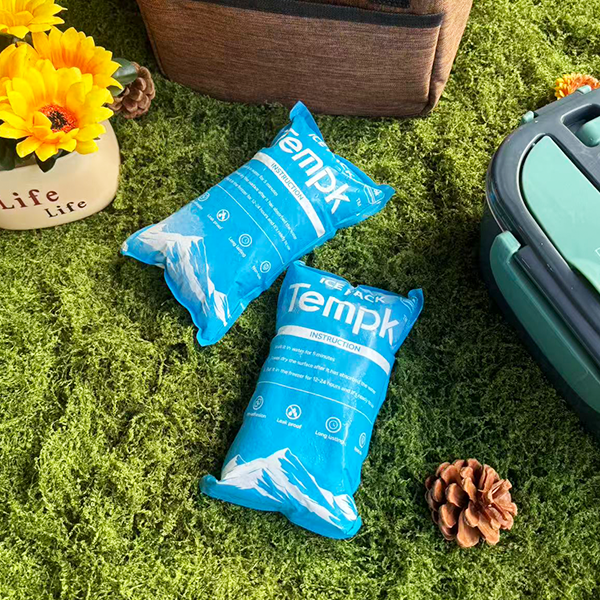
Fabricante de distribuição da indústria alimentícia de caixa de gelo médico: Uma estrutura baseada em rota
The best medical ice box food industry distribution manufacturer decision is rarely the box with the highest claimed performance or the lowest price. É o sistema que se adapta à carga útil, rota, operadores, necessidades de documentação, e modelo de retorno com o menor número de suposições não controladas.
O resultado é uma estrutura de seleção integrada. Combina educação de produto, julgamento de engenharia, risco de rota, qualificação de fornecedor, custo total, e sustentabilidade para que um comprador possa emitir uma solicitação mais clara, execute um teste significativo, e aprove uma configuração com menos surpresas.
Use cinco decisões para controlar a compra
A complete medical-style insulated ice box project can be governed through five decisions. Primeiro, definir o produto protegido e a condição de aceitação. Segundo, caracterizar a pista e suas transferências. Terceiro, projetar o pacote carregado, incluindo refrigerante, barreiras, monitoramento, e espaço utilizável. Quarto, qualificar o fornecedor e comprovar. Quinto, provar que as operações podem reproduzir, limpar, retornar, e manter a configuração.
A sequência é importante. As equipes criam retrabalho quando escolhem uma caixa, em seguida, tente encaixar o produto e direcioná-lo. Começar pelo produto e pela via permite que diversas arquiteturas sejam comparadas em termos iguais. Também torna a negociação de custos mais útil, porque a cotação descreve um trabalho definido em vez de um contêiner genérico.
A desvantagem central é que a padronização da plataforma pode simplificar as compras, mas a padronização excessiva pode esconder diferenças importantes na higiene, refrigerante, rotulagem, e documentação. A estrutura não remove compensações; isso os torna explícitos. A aquisição pode decidir quais consequências são aceitáveis, a engenharia pode documentar a base técnica, qualidade ou segurança alimentar podem estabelecer evidências, e as operações podem testar se o método é repetível.
Decisão 1 e 2: conectar os requisitos do produto à pista
Escreva um resumo de caso de uso de uma página para kits médicos, materiais de diagnóstico, ingredientes refrigerados, comida preparada, ou outras cargas específicas da rota. Incluir as instruções atuais do produto, condição inicial, quantidade, dimensões da caixa ou bandeja, sensibilidade ao congelamento, superaquecimento, luz, contaminação, impacto, ou atraso, e o processo de disposição para uma excursão. Evite importar uma linha comum da indústria para um produto que tenha instruções diferentes.
Em seguida, mapeie a distribuição em várias paradas de um local de embalagem até as clínicas, cozinhas, pontos de varejo, ou depósitos locais. Registrar o tempo decorrido, condições externas sazonais, encenação, ambiente do veículo, abertura de porta, parar contagem, superfícies de transferência, mudanças de custódia, e recebendo armazenamento. Adicione um cenário normal e um desafio realista. O desafio pode ser uma doca quente, receptor atrasado, carga parcial, abertura repetida, ou transferência ao ar livre. Deve representar um dia operacional confiável, não é um pior caso artificial sem probabilidade ou resposta definida.
Atribua cada risco à embalagem, procedimento, equipamento, ou escalada. O isolamento e o líquido refrigerante podem amortecer a exposição ambiental. Um cronograma de rota pode reduzir o tempo de espera. Uma unidade ativa portátil pode ser mais apropriada para alguns movimentos de alto risco. Um compromisso de receptor pode remover uma transferência não controlada. Esta alocação evita que a caixa passiva seja solicitada a compensar cada fraqueza do processo.
Decisão 3: aprovar uma configuração carregada, não é uma caixa nominal
O design carregado deve resolver este problema de capacidade: o volume declarado da caixa deve ser separado do espaço útil de carga deixado após o refrigerante, divisores, Dispositivos de monitoramento, e esteiras de proteção estão instaladas. Crie um desenho e uma maquete física mostrando a orientação do produto, refrigerante, barreiras, monitoramento, divisores, tolerâncias, e liberação de fechamento. Calcule ou meça o peso embalado esperado. Confirmar veículo, prateleira, palete, carrinho, e porta ajustada com as maçanetas e a tampa em suas posições de operação.
Controle as temperaturas locais definindo a condição e o posicionamento do líquido refrigerante. O projeto deve evitar contato direto não intencional, lacunas de ar não controladas, e componentes que podem mudar. O trabalho de desenvolvimento pode precisar de vários sensores para mapear a carga, mas o monitoramento de rotina deve usar um local fixo que represente a decisão necessária do produto. Cargas parciais precisam de uma alternativa aprovada em vez de uma versão improvisada do pacote completo.
A construção deve suportar uma casca dura e limpável, um sistema de isolamento adequado à rota, fechamentos seguros, peças substituíveis de alto desgaste sempre que for prático, e geometria que suporta carregamento repetível. Revise a junta da tampa, pontes térmicas, hardware de alta carga, facilidade de limpeza, substituição de componentes, e compatibilidade com luz solar ou produtos químicos quando relevante. Nomes de materiais são entradas, não conclusões. A especificação aprovada deve definir a construção com detalhes suficientes para preservar a função durante a produção.
Decisão 4: qualificar o fornecedor e as evidências em conjunto
Estabelecer quem é o dono do projeto e quem controla a fábrica. A parte comercial pode ser um fabricante, exportador, distribuidor, ou integrador, mas o comprador precisa de um caminho claro para os desenhos, controles de materiais, inspeção, defeitos, e notificação de alteração. Pergunte quais componentes são críticos e como as unidades de produção são comparadas com a amostra aprovada.
A solicitação de cotação deve abranger configurações separadas, codificação de cores, dimensões internas, estrutura de isolamento, tipo de fechamento, acessórios, plano de refrigeração, método de limpeza, quantidades de amostra, e controle de mudanças de produção. Normalize a lista de materiais incluída e as condições de entrega antes de comparar preços. Hardware separado, refrigerante, monitoramento, personalização, ferramentas, testando, documentação, embalagem, frete, e peças de reposição. Isso torna os direcionadores de custos visíveis e evita que um preço baixo de caixa vazia seja comparado com um kit pronto para processo.
Solicitar desenhos, declarações materiais quando relevante, controles da amostra até a produção, orientação de limpeza, instruções de montagem, e informações de teste para a configuração carregada proposta. Leia relatórios de teste para condições, não manchetes. Verifique a carga útil, temperatura inicial, refrigerante, perfil ambiente, duração, aberturas, posições dos sensores, Critérios de aceitação, e se a amostra representava a produção. Registre as lacunas entre essa evidência e a pista pretendida para que a equipe possa decidir que trabalho adicional é proporcional.
| Portão de aprovação | Produção mínima | Razão pela qual o portão existe |
|---|---|---|
| Produto e pista | Resumo do caso de uso com carga útil, doença, rota, exposição, e transferências | Impede que a caixa seja selecionada antes que o trabalho seja definido |
| Configuração carregada | Desenho, lista de componentes, refrigerante, barreiras, sensor, peso, e ajuste | Converte a capacidade nominal em um pacote reproduzível |
| Fornecedor e evidência | Especificação controlada, amostras, relatórios, e mudar regras | Conecta o fornecimento comercial ao projeto aprovado |
| Prontidão operacional | Sop, treinamento, limpeza, recebendo, retornar, e exceções | Mostra que as pessoas podem repetir e manter o método |
| Escala e ciclo de vida | Verificação do primeiro lote, implementação de rota, modelo de custo, rastreamento de ativos, revisar gatilhos | Protege o desempenho e o valor após o lançamento |
As portas de aprovação evitam que um projeto passe diretamente de uma amostra atraente para um pedido em massa. Cada portão cria uma saída tangível e fecha um risco diferente: caso de uso pouco claro, pacote não reproduzível, fornecimento descontrolado, operações fracas, ou um modelo de ciclo de vida não comprovado.
Use orientações regulatórias e técnicas sem reivindicar demais
Orientação confiável ajuda a definir expectativas de controle, mas não transforma uma caixa genérica num sistema aprovado. As instruções do produto e as regras locais aplicáveis permanecem decisivas. Um arquivo técnico deve indicar por que cada referência é relevante e onde testes específicos da rota ou revisão de qualidade ainda são necessários.
Para distribuição de alimentos, Os princípios de transporte sanitário da FDA conectam o projeto do equipamento com o controle de temperatura necessário, facilidade de limpeza, e prevenção de contaminação. A caixa deve, portanto, ser revista dentro de toda a operação de segurança alimentar, incluindo separação de produtos, carregando, condições do veículo, recebendo, limpeza, e registros.
Para medicamentos, A orientação do PIB da UE espera que as condições de armazenamento exigidas sejam mantidas durante o transporte através de seleção baseada no risco, equipamento adequado, monitoramento, avaliação de rota, e qualificação quando necessário. Transporte aéreo pode adicionar horário IATA- e procedimentos de carga sensíveis à temperatura. Essas estruturas orientam evidências e responsabilidade; eles não criam adequação universal.
A decisão de aprovação deve identificar o envelope operacional testado e as condições que exigem escalonamento. Quando as evidências estão incompletas, converter o desconhecido em uma questão de verificação ou em um limite operacional, em vez de preencher a lacuna com uma afirmação de marketing confiável.
Decisão 5: provar que a organização pode repetir o método
Execute um piloto com os empacotadores reais, motoristas, receptores, pessoal de limpeza, e revisores de qualidade ou segurança alimentar. Observe a identificação do componente, preparação de refrigerante, carregando, monitor placement, encerramento, encenação, elevação, restrição, abertura, entregar, retornar, lavar, secagem, e inspeção. Registrar soluções alternativas; são evidências de que o projeto ou instrução precisa de correção.
O processo de devolução deve implementar este requisito de higiene: programas médicos e alimentares devem ter regras de limpeza separadas, rotulagem, instruções de embalagem, e controles de contaminação mesmo quando a mesma plataforma básica de contêiner é considerada. Separar sujo, limpar, reparar, quarentena, e situação de aposentado. Definir critérios objetivos de liberação e controlar peças removíveis. Meça o tempo de limpeza e o espaço de armazenamento para que a quantidade da frota reflita os ativos que estão genuinamente disponíveis, não apenas caixas compradas.
Prepare caminhos de exceção antes do lançamento. A equipe precisa saber o que fazer quando falta um componente de refrigeração, o monitor falha, uma tampa não fecha, uma caixa está danificada, um veículo está atrasado, o receptor está ausente, ou o rastreamento do produto mostra uma excursão. Um caminho curto de escalonamento protege o processo aprovado sob pressão de tempo.
Avalie o custo e a sustentabilidade no mesmo ciclo operacional
Crie o custo total a partir da configuração aprovada: hardware, ferramentas, amostras, refrigerante, monitoramento, rótulos, embalagem, frete, obrigações, trabalho, cubo de veículo, retornar, lavar, secagem, armazenar, reparar, perda, substituição, e manutenção de evidências. Informar o custo por viagem bem-sucedida por coorte de rotas. Isto evita uma decisão limitada sobre o preço unitário e uma afirmação não fundamentada de que a reutilização sempre economiza dinheiro.
A questão da sustentabilidade é que uma plataforma de contêineres compartilhada pode reduzir a variedade de peças, mas apenas se a empresa mantiver os processos médicos e alimentares devidamente separados e puder recuperar, inspecionar, limpar, e reimplantar unidades. Circulação de pista, distância de retorno, perda, reparar, lavar recursos, utilização, e tratamento em fim de vida. Um sistema reutilizável cria valor quando a rede consegue mantê-lo em serviço controlado. Dimensionamento correto, componentes reparáveis, e o empilhamento de retorno eficiente podem ser tão importantes quanto o material de base.
A aprovação comercial pode incluir uma análise de sensibilidade. Examine como o resultado muda quando o retorno cai, dano aumenta, mudanças de demanda, ou uma rota precisa de um tamanho diferente. Isso não requer dados de mercado inventados. It uses the organization's own operating assumptions to identify where the proposal is robust and where a different packaging model should be retained.
Dimensione através de portas controladas e gatilhos de mudança
Portão 1 aprova o resumo do caso de uso e o desenho carregado. Portão 2 aprova amostras de intenção de produção e documentos de fornecedores. Portão 3 aprova térmica relevante, mecânico, limpeza, e evidências de rota. Portão 4 aprova o POP, treinamento, processo de exceção, e loop de retorno. Portão 5 libera produção após verificação do primeiro lote. Cada portão tem um proprietário e critérios de aceitação registrados.
Expandir por coortes de rotas semelhantes. Comece com uma via representativa e um desafio confiável, problemas corretos, em seguida, adicione sites que compartilhem carga útil e exposição. Não presuma que um piloto bem-sucedido cobre um veículo diferente, clima, padrão de parada, produto, ou processo de lavagem. Use uma comparação documentada para decidir se as evidências existentes podem ser estendidas.
Manter um registro de alterações após o lançamento. Caixas de produtos, refrigerante, massa de carga útil, sensor, tempo de rota, química de limpeza, material do fornecedor, selo, hardware, ou mudanças de fábrica podem afetar a linha de base. Atribua níveis de revisão para que pequenas atualizações administrativas não desencadeiem trabalho desnecessário, enquanto as mudanças funcionais recebem comparação ou requalificação apropriada.
Mantenha visíveis as principais não-suposições
Não presuma que a capacidade nominal é igual à capacidade de carga útil, esse isolamento cria a temperatura necessária do produto, que um registrador fornece proteção, ou que um teste sob condições diferentes comprove a pista. Não presuma que durabilidade é igual a adequação alimentar ou farmacêutica, or that one program's approval transfers to another. O risco específico aqui é assumir que uma caixa aceita para um setor é automaticamente adequada para o outro.
Transforme cada não suposição em um controle. Use um desenho carregado para capacidade, um plano de refrigeração definido para controle térmico, uma posição fixa do sensor para evidências, uma comparação de rotas para transferibilidade, um processo de limpeza e segregação para higiene, e uma especificação controlada para consistência de produção. This makes the article's principles actionable in an RFQ and pilot.
Finalmente, preserve a incerteza honestamente. Quando um parâmetro não é suportado pelas instruções do produto, uma fonte técnica confiável, documentação do fornecedor, ou teste, peça ao fornecedor para confirmar ou planeje uma verificação. Remover um número não suportado é melhor engenharia e melhor aquisição do que apresentar uma precisão que a evidência não pode transmitir.
Perguntas sobre aquisições integradas
Quais informações devem ser enviadas primeiro a um fornecedor?
Envie o tipo de produto e condição necessária, dimensões da caixa ou da carga útil, quantidade, duração da rota, exposição sazonal, padrão de parada e abertura, restrições de veículo ou prateleira, preferência de refrigerante, necessidade de monitoramento, método de limpeza, plano de reutilização, personalização, e volume de pedidos. Marque quaisquer incógnitas para que se tornem questões do projeto em vez de suposições.
Como posso saber se a caixa proposta é muito grande ou muito pequena?
Crie o pacote completo e compare a contagem de carga útil, peso carregado, cubo externo, ajuste do veículo, comportamento de carga parcial, e manuseio. Uma caixa grande pode desperdiçar líquido refrigerante e espaço; um pequeno pode forçar a compressão ou viagens extras. Use perfis de pedidos reais e aprove faixas de carga.
Qual evidência é mais importante antes da produção?
A evidência deve corresponder aos riscos dominantes. No mínimo, dimensões de controle, materiais, componentes, ajuste carregado, manuseio, limpeza, e suposições térmicas relevantes. Cuidados de saúde ou rotas alimentares de alto risco também podem precisar de qualificação, monitoramento calibrado, estudos de rota, registros formais, e aprovação de qualidade ou segurança alimentar.
Como as cotações de custos devem ser comparadas?
Compare a mesma lista de materiais, dimensões, acessórios, refrigerante, monitoramento, personalização, testando, embalagem, quantidade do pedido, condições de entrega, suposições de frete, peças de reposição, e escopo de controle de mudanças. Então modele o trabalho, retornar, limpeza, perda, reparar, e viagens de sucesso. Um preço unitário vazio não é uma comparação completa.
O que deve desencadear a requalificação ou reavaliação?
Alterações nas instruções do produto, carga útil, Carton, refrigerante, sensor, rota, exposição ambiental, padrão de parada, limpeza, material, selo, hardware, processo, ou fábrica pode importar. Defina gatilhos baseados em risco para revisão de documentos, comparação de amostras, testes direcionados, trabalho de rota, ou requalificação total.
Decisão final
Trate o fabricante de distribuição da indústria alimentícia de caixas de gelo médicas como uma decisão de sistema controlado. Defina o produto e a pista, aprovar o pacote carregado, qualificar controles e evidências de fornecedores, provar o processo operacional, e modelar custo e reutilização em viagens bem-sucedidas. Escale somente depois que amostras de intenção de produção e coortes de rota forem revisadas. Esta abordagem preserva as informações úteis da educação sobre o produto, engenharia, conformidade, operações, e sustentabilidade sem depender de reivindicações universais.
Sobre Tempk
Tempk é a marca de embalagens para cadeia de frio da Shanghai Tempk Industrial Co., Ltda. Seu portfólio público inclui embalagens de gel, tijolos de gelo, insulated bags and liners, EPP e outras caixas isoladas, Caixas de gelo médico, Tampas de paletes, e embalagens personalizadas para logística de alimentos e saúde. Os compradores podem fornecer geometria do produto, condição alvo, rota, refrigerante, monitoramento, manuseio, limpeza, identificação, e requisitos comerciais para que Tempk possa propor uma configuração para revisão de amostra, testando, e discussão da amostra até a produção.
Próxima etapa do projeto
Peça à Tempk para revisar seu projeto intersetorial de caixas de gelo para distribuição médica e de alimentos usando a carga útil real, rota, pacote, controles operacionais, e suposições de fornecimento antes que uma cotação em massa seja finalizada.
Entrega na última milha da caixa de gelo: Estratégia de Aquisição e Embalagem
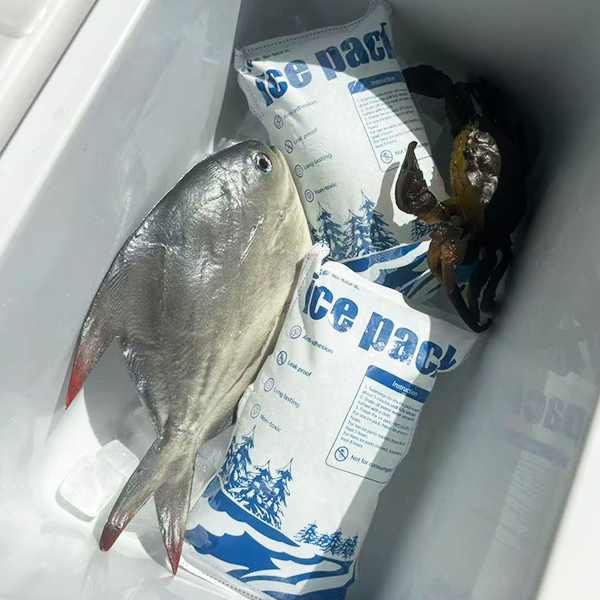
Entrega na última milha da caixa de gelo: Estratégia de Aquisição e Embalagem
Uma decisão acertada sobre a entrega da última milha da caixa de gelo pode ser reduzida a cinco perguntas interligadas: o que deve ser protegido, em qual rota, com qual configuração carregada, sob cujo controle operacional, e com que evidências.
O resultado é uma estrutura de seleção integrada. Combina educação de produto, julgamento de engenharia, risco de rota, qualificação de fornecedor, custo total, e sustentabilidade para que um comprador possa emitir uma solicitação mais clara, execute um teste significativo, e aprove uma configuração com menos surpresas.
Use cinco decisões para controlar a compra
Um projeto completo de caixa de gelo de última milha pode ser governado por meio de cinco decisões. Primeiro, definir o produto protegido e a condição de aceitação. Segundo, caracterizar a pista e suas transferências. Terceiro, projetar o pacote carregado, incluindo refrigerante, barreiras, monitoramento, e espaço utilizável. Quarto, qualificar o fornecedor e comprovar. Quinto, provar que as operações podem reproduzir, limpar, retornar, e manter a configuração.
A sequência é importante. As equipes criam retrabalho quando escolhem uma caixa, em seguida, tente encaixar o produto e direcioná-lo. Começar pelo produto e pela via permite que diversas arquiteturas sejam comparadas em termos iguais. Também torna a negociação de custos mais útil, porque a cotação descreve um trabalho definido em vez de um contêiner genérico.
A compensação central é que o acesso rápido melhora a velocidade de entrega, mas aumenta a troca térmica; uma compartimentação mais forte pode controlar a exposição, mas adiciona peças e trabalho de limpeza. A estrutura não remove compensações; isso os torna explícitos. A aquisição pode decidir quais consequências são aceitáveis, a engenharia pode documentar a base técnica, qualidade ou segurança alimentar podem estabelecer evidências, e as operações podem testar se o método é repetível.
Decisão 1 e 2: conectar os requisitos do produto à pista
Escreva um resumo de caso de uso de uma página para refrigerado, congelado, ou pedidos sensíveis à temperatura embalados para destinos individuais. Incluir as instruções atuais do produto, condição inicial, quantidade, dimensões da caixa ou bandeja, sensibilidade ao congelamento, superaquecimento, luz, contaminação, impacto, ou atraso, e o processo de disposição para uma excursão. Evite importar uma linha comum da indústria para um produto que tenha instruções diferentes.
Em seguida, mapeie o despacho por meio de uma rota de veículo com várias paradas, mão levar para o destinatário, comprovante de entrega, retornar, e limpeza. Registrar o tempo decorrido, condições externas sazonais, encenação, ambiente do veículo, abertura de porta, parar contagem, superfícies de transferência, mudanças de custódia, e recebendo armazenamento. Adicione um cenário normal e um desafio realista. O desafio pode ser uma doca quente, receptor atrasado, carga parcial, abertura repetida, ou transferência ao ar livre. Deve representar um dia operacional confiável, não é um pior caso artificial sem probabilidade ou resposta definida.
Atribua cada risco à embalagem, procedimento, equipamento, ou escalada. O isolamento e o líquido refrigerante podem amortecer a exposição ambiental. Um cronograma de rota pode reduzir o tempo de espera. Uma unidade ativa portátil pode ser mais apropriada para alguns movimentos de alto risco. Um compromisso de receptor pode remover uma transferência não controlada. Esta alocação evita que a caixa passiva seja solicitada a compensar cada fraqueza do processo.
Decisão 3: aprovar uma configuração carregada, não é uma caixa nominal
O design carregado deve resolver este problema de capacidade: o tamanho certo depende do perfil do pedido e da sequência de parada; baús superdimensionados criam ar vazio e problemas de manuseio, enquanto unidades subdimensionadas forçam excesso de embalagem ou pedidos mistos. Crie um desenho e uma maquete física mostrando a orientação do produto, refrigerante, barreiras, monitoramento, divisores, tolerâncias, e liberação de fechamento. Calcule ou meça o peso embalado esperado. Confirmar veículo, prateleira, palete, carrinho, e porta ajustada com as maçanetas e a tampa em suas posições de operação.
Controle as temperaturas locais definindo a condição e o posicionamento do líquido refrigerante. O projeto deve evitar contato direto não intencional, lacunas de ar não controladas, e componentes que podem mudar. O trabalho de desenvolvimento pode precisar de vários sensores para mapear a carga, mas o monitoramento de rotina deve usar um local fixo que represente a decisão necessária do produto. Cargas parciais precisam de uma alternativa aprovada em vez de uma versão improvisada do pacote completo.
A construção deve suportar o isolamento, encerramento, organização de acesso rápido, divisores de pedidos, alças, rodas ou carrinho em forma, empilhamento, rótulos, e as superfícies internas devem suportar o padrão de parada. Revise a junta da tampa, pontes térmicas, hardware de alta carga, facilidade de limpeza, substituição de componentes, e compatibilidade com luz solar ou produtos químicos quando relevante. Nomes de materiais são entradas, não conclusões. A especificação aprovada deve definir a construção com detalhes suficientes para preservar a função durante a produção.
Decisão 4: qualificar o fornecedor e as evidências em conjunto
Estabelecer quem é o dono do projeto e quem controla a fábrica. A parte comercial pode ser um fabricante, exportador, distribuidor, ou integrador, mas o comprador precisa de um caminho claro para os desenhos, controles de materiais, inspeção, defeitos, e notificação de alteração. Pergunte quais componentes são críticos e como as unidades de produção são comparadas com a amostra aprovada.
A solicitação de cotação deve cobrir a capacidade do pedido, sistema divisor, método de abertura, alças ou rodas, selos, rótulos, localização do registrador, limpeza, empilhamento de retorno, peças de reposição, e suposições de teste de rota. Normalize a lista de materiais incluída e as condições de entrega antes de comparar preços. Hardware separado, refrigerante, monitoramento, personalização, ferramentas, testando, documentação, embalagem, frete, e peças de reposição. Isso torna os direcionadores de custos visíveis e evita que um preço baixo de caixa vazia seja comparado com um kit pronto para processo.
Solicitar suposições de teste de rota carregada, desenhos de acesso e divisória, detalhes da alça e da roda, orientação de limpeza, opções de identificação, empilhamento de retorno, e controles da amostra até a produção. Leia relatórios de teste para condições, não manchetes. Verifique a carga útil, temperatura inicial, refrigerante, perfil ambiente, duração, aberturas, posições dos sensores, Critérios de aceitação, e se a amostra representava a produção. Registre as lacunas entre essa evidência e a pista pretendida para que a equipe possa decidir que trabalho adicional é proporcional.
| Portão de aprovação | Produção mínima | Razão pela qual o portão existe |
|---|---|---|
| Produto e pista | Resumo do caso de uso com carga útil, doença, rota, exposição, e transferências | Impede que a caixa seja selecionada antes que o trabalho seja definido |
| Configuração carregada | Desenho, lista de componentes, refrigerante, barreiras, sensor, peso, e ajuste | Converte a capacidade nominal em um pacote reproduzível |
| Fornecedor e evidência | Especificação controlada, amostras, relatórios, e mudar regras | Conecta o fornecimento comercial ao projeto aprovado |
| Prontidão operacional | Sop, treinamento, limpeza, recebendo, retornar, e exceções | Mostra que as pessoas podem repetir e manter o método |
| Escala e ciclo de vida | Verificação do primeiro lote, implementação de rota, modelo de custo, rastreamento de ativos, revisar gatilhos | Protege o desempenho e o valor após o lançamento |
As portas de aprovação evitam que um projeto passe diretamente de uma amostra atraente para um pedido em massa. Cada portão cria uma saída tangível e fecha um risco diferente: caso de uso pouco claro, pacote não reproduzível, fornecimento descontrolado, operações fracas, ou um modelo de ciclo de vida não comprovado.
Use orientações regulatórias e técnicas sem reivindicar demais
Orientação confiável ajuda a definir expectativas de controle, mas não transforma uma caixa genérica num sistema aprovado. As instruções do produto e as regras locais aplicáveis permanecem decisivas. Um arquivo técnico deve indicar por que cada referência é relevante e onde testes específicos da rota ou revisão de qualidade ainda são necessários.
Para distribuição de alimentos, Os princípios de transporte sanitário da FDA conectam o projeto do equipamento com o controle de temperatura necessário, facilidade de limpeza, e prevenção de contaminação. A caixa deve, portanto, ser revista dentro de toda a operação de segurança alimentar, incluindo separação de produtos, carregando, condições do veículo, recebendo, limpeza, e registros.
A decisão de aprovação deve identificar o envelope operacional testado e as condições que exigem escalonamento. Quando as evidências estão incompletas, converter o desconhecido em uma questão de verificação ou em um limite operacional, em vez de preencher a lacuna com uma afirmação de marketing confiável.
Decisão 5: provar que a organização pode repetir o método
Execute um piloto com os empacotadores reais, motoristas, receptores, pessoal de limpeza, e revisores de qualidade ou segurança alimentar. Observe a identificação do componente, preparação de refrigerante, carregando, monitor placement, encerramento, encenação, elevação, restrição, abertura, entregar, retornar, lavar, secagem, e inspeção. Registrar soluções alternativas; são evidências de que o projeto ou instrução precisa de correção.
O processo de devolução deve implementar este requisito de higiene: contêineres devolvidos precisam de uma inspeção definida, limpeza, secagem, e processo de quarentena antes de entrarem novamente na rota. Separar sujo, limpar, reparar, quarentena, e situação de aposentado. Definir critérios objetivos de liberação e controlar peças removíveis. Meça o tempo de limpeza e o espaço de armazenamento para que a quantidade da frota reflita os ativos que estão genuinamente disponíveis, não apenas caixas compradas.
Prepare caminhos de exceção antes do lançamento. A equipe precisa saber o que fazer quando falta um componente de refrigeração, o monitor falha, uma tampa não fecha, uma caixa está danificada, um veículo está atrasado, o receptor está ausente, ou o rastreamento do produto mostra uma excursão. Um caminho curto de escalonamento protege o processo aprovado sob pressão de tempo.
Avalie o custo e a sustentabilidade no mesmo ciclo operacional
Crie o custo total a partir da configuração aprovada: hardware, ferramentas, amostras, refrigerante, monitoramento, rótulos, embalagem, frete, obrigações, trabalho, cubo de veículo, retornar, lavar, secagem, armazenar, reparar, perda, substituição, e manutenção de evidências. Informar o custo por viagem bem-sucedida por coorte de rotas. Isto evita uma decisão limitada sobre o preço unitário e uma afirmação não fundamentada de que a reutilização sempre economiza dinheiro.
A questão da sustentabilidade é que os baús reutilizáveis de última milha podem reduzir o desperdício descartável, mas perdas, devoluções falhadas, emissões de milha reversa, lavar, e o armazenamento devem ser controlados para obter o benefício. Circulação de pista, distância de retorno, perda, reparar, lavar recursos, utilização, e tratamento em fim de vida. Um sistema reutilizável cria valor quando a rede consegue mantê-lo em serviço controlado. Dimensionamento correto, componentes reparáveis, e o empilhamento de retorno eficiente podem ser tão importantes quanto o material de base.
A aprovação comercial pode incluir uma análise de sensibilidade. Examine como o resultado muda quando o retorno cai, dano aumenta, mudanças de demanda, ou uma rota precisa de um tamanho diferente. Isso não requer dados de mercado inventados. It uses the organization's own operating assumptions to identify where the proposal is robust and where a different packaging model should be retained.
Dimensione através de portas controladas e gatilhos de mudança
Portão 1 aprova o resumo do caso de uso e o desenho carregado. Portão 2 aprova amostras de intenção de produção e documentos de fornecedores. Portão 3 aprova térmica relevante, mecânico, limpeza, e evidências de rota. Portão 4 aprova o POP, treinamento, processo de exceção, e loop de retorno. Portão 5 libera produção após verificação do primeiro lote. Cada portão tem um proprietário e critérios de aceitação registrados.
Expandir por coortes de rotas semelhantes. Comece com uma via representativa e um desafio confiável, problemas corretos, em seguida, adicione sites que compartilhem carga útil e exposição. Não presuma que um piloto bem-sucedido cobre um veículo diferente, clima, padrão de parada, produto, ou processo de lavagem. Use uma comparação documentada para decidir se as evidências existentes podem ser estendidas.
Manter um registro de alterações após o lançamento. Caixas de produtos, refrigerante, massa de carga útil, sensor, tempo de rota, química de limpeza, material do fornecedor, selo, hardware, ou mudanças de fábrica podem afetar a linha de base. Atribua níveis de revisão para que pequenas atualizações administrativas não desencadeiem trabalho desnecessário, enquanto as mudanças funcionais recebem comparação ou requalificação apropriada.
Mantenha visíveis as principais não-suposições
Não presuma que a capacidade nominal é igual à capacidade de carga útil, esse isolamento cria a temperatura necessária do produto, que um registrador fornece proteção, ou que um teste sob condições diferentes comprove a pista. Não presuma que durabilidade é igual a adequação alimentar ou farmacêutica, or that one program's approval transfers to another. O risco específico aqui é qualificar um fechado, tórax totalmente carregado em uma câmara e assumindo o mesmo desempenho em uma rota stop-and-open.
Transforme cada não suposição em um controle. Use um desenho carregado para capacidade, um plano de refrigeração definido para controle térmico, uma posição fixa do sensor para evidências, uma comparação de rotas para transferibilidade, um processo de limpeza e segregação para higiene, e uma especificação controlada para consistência de produção. This makes the article's principles actionable in an RFQ and pilot.
Finalmente, preserve a incerteza honestamente. Quando um parâmetro não é suportado pelas instruções do produto, uma fonte técnica confiável, documentação do fornecedor, ou teste, peça ao fornecedor para confirmar ou planeje uma verificação. Remover um número não suportado é melhor engenharia e melhor aquisição do que apresentar uma precisão que a evidência não pode transmitir.
Perguntas sobre aquisições integradas
Quais informações devem ser enviadas primeiro a um fornecedor?
Envie o tipo de produto e condição necessária, dimensões da caixa ou da carga útil, quantidade, duração da rota, exposição sazonal, padrão de parada e abertura, restrições de veículo ou prateleira, preferência de refrigerante, necessidade de monitoramento, método de limpeza, plano de reutilização, personalização, e volume de pedidos. Marque quaisquer incógnitas para que se tornem questões do projeto em vez de suposições.
Como posso saber se a caixa proposta é muito grande ou muito pequena?
Crie o pacote completo e compare a contagem de carga útil, peso carregado, cubo externo, ajuste do veículo, comportamento de carga parcial, e manuseio. Uma caixa grande pode desperdiçar líquido refrigerante e espaço; um pequeno pode forçar a compressão ou viagens extras. Use perfis de pedidos reais e aprove faixas de carga.
Qual evidência é mais importante antes da produção?
A evidência deve corresponder aos riscos dominantes. No mínimo, dimensões de controle, materiais, componentes, ajuste carregado, manuseio, limpeza, e suposições térmicas relevantes. Cuidados de saúde ou rotas alimentares de alto risco também podem precisar de qualificação, monitoramento calibrado, estudos de rota, registros formais, e aprovação de qualidade ou segurança alimentar.
Como as cotações de custos devem ser comparadas?
Compare a mesma lista de materiais, dimensões, acessórios, refrigerante, monitoramento, personalização, testando, embalagem, quantidade do pedido, condições de entrega, suposições de frete, peças de reposição, e escopo de controle de mudanças. Então modele o trabalho, retornar, limpeza, perda, reparar, e viagens de sucesso. Um preço unitário vazio não é uma comparação completa.
O que deve desencadear a requalificação ou reavaliação?
Alterações nas instruções do produto, carga útil, Carton, refrigerante, sensor, rota, exposição ambiental, padrão de parada, limpeza, material, selo, hardware, processo, ou fábrica pode importar. Defina gatilhos baseados em risco para revisão de documentos, comparação de amostras, testes direcionados, trabalho de rota, ou requalificação total.
Decisão final
Trate a entrega da última milha da caixa de gelo como uma decisão controlada do sistema. Defina o produto e a pista, aprovar o pacote carregado, qualificar controles e evidências de fornecedores, provar o processo operacional, e modelar custo e reutilização em viagens bem-sucedidas. Escale somente depois que amostras de intenção de produção e coortes de rota forem revisadas. Esta abordagem preserva as informações úteis da educação sobre o produto, engenharia, conformidade, operações, e sustentabilidade sem depender de reivindicações universais.
Sobre Tempk
Tempk é a marca de embalagens para cadeia de frio da Shanghai Tempk Industrial Co., Ltda. Seu portfólio público inclui embalagens de gel, tijolos de gelo, insulated bags and liners, EPP e outras caixas isoladas, Caixas de gelo médico, Tampas de paletes, e embalagens personalizadas para logística de alimentos e saúde. Os compradores podem fornecer geometria do produto, condição alvo, rota, refrigerante, monitoramento, manuseio, limpeza, identificação, e requisitos comerciais para que Tempk possa propor uma configuração para revisão de amostra, testando, e discussão da amostra até a produção.
Próxima etapa do projeto
Ask Tempk to review your ice chests for last-mile delivery project using the actual payload, rota, pacote, controles operacionais, e suposições de fornecimento antes que uma cotação em massa seja finalizada.
Fabricante de caixa de gelo para serviços pesados: Estratégia de Aquisição e Embalagem

Fabricante de caixa de gelo para serviços pesados: Estratégia de Aquisição e Embalagem
Buyers can avoid most cold-chain packaging errors by defining the loaded use case before selecting the container. For heavy duty ice chest manufacturer, isso significa conectar os requisitos do produto, exposição da rota, design de embalagem, manuseio, monitoramento, controles de fornecedores, e custo.
O resultado é uma estrutura de seleção integrada. Combina educação de produto, julgamento de engenharia, risco de rota, qualificação de fornecedor, custo total, e sustentabilidade para que um comprador possa emitir uma solicitação mais clara, execute um teste significativo, e aprove uma configuração com menos surpresas.
Use cinco decisões para controlar a compra
A complete heavy-duty ice chest project can be governed through five decisions. Primeiro, definir o produto protegido e a condição de aceitação. Segundo, caracterizar a pista e suas transferências. Terceiro, projetar o pacote carregado, incluindo refrigerante, barreiras, monitoramento, e espaço utilizável. Quarto, qualificar o fornecedor e comprovar. Quinto, provar que as operações podem reproduzir, limpar, retornar, e manter a configuração.
A sequência é importante. As equipes criam retrabalho quando escolhem uma caixa, em seguida, tente encaixar o produto e direcioná-lo. Começar pelo produto e pela via permite que diversas arquiteturas sejam comparadas em termos iguais. Também torna a negociação de custos mais útil, porque a cotação descreve um trabalho definido em vez de um contêiner genérico.
The central tradeoff is reinforcement can extend life but adds mass, cubo de frete, lifting risk, and material; the best design is strong where the route actually applies force. A estrutura não remove compensações; isso os torna explícitos. A aquisição pode decidir quais consequências são aceitáveis, a engenharia pode documentar a base técnica, qualidade ou segurança alimentar podem estabelecer evidências, e as operações podem testar se o método é repetível.
Decisão 1 e 2: conectar os requisitos do produto à pista
Write a one-page use-case brief for food, bebidas, amostras, tools with temperature limits, or cold-chain packs that need durable secondary protection. Incluir as instruções atuais do produto, condição inicial, quantidade, dimensões da caixa ou bandeja, sensibilidade ao congelamento, superaquecimento, luz, contaminação, impacto, ou atraso, e o processo de disposição para uma excursão. Evite importar uma linha comum da indústria para um produto que tenha instruções diferentes.
Then map warehouse, veículo, job site, evento, navio, or remote-location handling with limited control over surfaces and stacking. Registrar o tempo decorrido, condições externas sazonais, encenação, ambiente do veículo, abertura de porta, parar contagem, superfícies de transferência, mudanças de custódia, e recebendo armazenamento. Adicione um cenário normal e um desafio realista. O desafio pode ser uma doca quente, receptor atrasado, carga parcial, abertura repetida, ou transferência ao ar livre. Deve representar um dia operacional confiável, não é um pior caso artificial sem probabilidade ou resposta definida.
Atribua cada risco à embalagem, procedimento, equipamento, ou escalada. O isolamento e o líquido refrigerante podem amortecer a exposição ambiental. Um cronograma de rota pode reduzir o tempo de espera. Uma unidade ativa portátil pode ser mais apropriada para alguns movimentos de alto risco. Um compromisso de receptor pode remover uma transferência não controlada. Esta alocação evita que a caixa passiva seja solicitada a compensar cada fraqueza do processo.
Decisão 3: aprovar uma configuração carregada, não é uma caixa nominal
O design carregado deve resolver este problema de capacidade: capacity must be evaluated together with empty weight, elevador carregado, pegada, espessura da parede, and the space lost to reinforced features. Crie um desenho e uma maquete física mostrando a orientação do produto, refrigerante, barreiras, monitoramento, divisores, tolerâncias, e liberação de fechamento. Calcule ou meça o peso embalado esperado. Confirmar veículo, prateleira, palete, carrinho, e porta ajustada com as maçanetas e a tampa em suas posições de operação.
Controle as temperaturas locais definindo a condição e o posicionamento do líquido refrigerante. O projeto deve evitar contato direto não intencional, lacunas de ar não controladas, e componentes que podem mudar. O trabalho de desenvolvimento pode precisar de vários sensores para mapear a carga, mas o monitoramento de rotina deve usar um local fixo que represente a decisão necessária do produto. Cargas parciais precisam de uma alternativa aprovada em vez de uma versão improvisada do pacote completo.
Construction should support shell process, raios de canto, geometria da dobradiça, latch protection, handle load paths, compressão de vedação, projeto de drenagem, pés, skid areas, and replaceable hardware. Revise a junta da tampa, pontes térmicas, hardware de alta carga, facilidade de limpeza, substituição de componentes, e compatibilidade com luz solar ou produtos químicos quando relevante. Nomes de materiais são entradas, não conclusões. A especificação aprovada deve definir a construção com detalhes suficientes para preservar a função durante a produção.
Decisão 4: qualificar o fornecedor e as evidências em conjunto
Estabelecer quem é o dono do projeto e quem controla a fábrica. A parte comercial pode ser um fabricante, exportador, distribuidor, ou integrador, mas o comprador precisa de um caminho claro para os desenhos, controles de materiais, inspeção, defeitos, e notificação de alteração. Pergunte quais componentes são críticos e como as unidades de produção são comparadas com a amostra aprovada.
The request for quotation should cover construction process, resina, isolamento, hardware, peças de reposição, handle and tie-down limits, selo, ralo, stack design, métodos de teste, warranty scope, e inspeção de produção. Normalize a lista de materiais incluída e as condições de entrega antes de comparar preços. Hardware separado, refrigerante, monitoramento, personalização, ferramentas, testando, documentação, embalagem, frete, e peças de reposição. Isso torna os direcionadores de custos visíveis e evita que um preço baixo de caixa vazia seja comparado com um kit pronto para processo.
Request component drawings, especificações de materiais, hardware sources, structural test descriptions, replaceability, pontos de verificação de qualidade, and clear exclusions for misuse. Leia relatórios de teste para condições, não manchetes. Verifique a carga útil, temperatura inicial, refrigerante, perfil ambiente, duração, aberturas, posições dos sensores, Critérios de aceitação, e se a amostra representava a produção. Registre as lacunas entre essa evidência e a pista pretendida para que a equipe possa decidir que trabalho adicional é proporcional.
| Portão de aprovação | Produção mínima | Razão pela qual o portão existe |
|---|---|---|
| Produto e pista | Resumo do caso de uso com carga útil, doença, rota, exposição, e transferências | Impede que a caixa seja selecionada antes que o trabalho seja definido |
| Configuração carregada | Desenho, lista de componentes, refrigerante, barreiras, sensor, peso, e ajuste | Converte a capacidade nominal em um pacote reproduzível |
| Fornecedor e evidência | Especificação controlada, amostras, relatórios, e mudar regras | Conecta o fornecimento comercial ao projeto aprovado |
| Prontidão operacional | Sop, treinamento, limpeza, recebendo, retornar, e exceções | Mostra que as pessoas podem repetir e manter o método |
| Escala e ciclo de vida | Verificação do primeiro lote, implementação de rota, modelo de custo, rastreamento de ativos, revisar gatilhos | Protege o desempenho e o valor após o lançamento |
As portas de aprovação evitam que um projeto passe diretamente de uma amostra atraente para um pedido em massa. Cada portão cria uma saída tangível e fecha um risco diferente: caso de uso pouco claro, pacote não reproduzível, fornecimento descontrolado, operações fracas, ou um modelo de ciclo de vida não comprovado.
Use orientações regulatórias e técnicas sem reivindicar demais
Orientação confiável ajuda a definir expectativas de controle, mas não transforma uma caixa genérica num sistema aprovado. As instruções do produto e as regras locais aplicáveis permanecem decisivas. Um arquivo técnico deve indicar por que cada referência é relevante e onde testes específicos da rota ou revisão de qualidade ainda são necessários.
Para distribuição de alimentos, Os princípios de transporte sanitário da FDA conectam o projeto do equipamento com o controle de temperatura necessário, facilidade de limpeza, e prevenção de contaminação. A caixa deve, portanto, ser revista dentro de toda a operação de segurança alimentar, incluindo separação de produtos, carregando, condições do veículo, recebendo, limpeza, e registros.
A decisão de aprovação deve identificar o envelope operacional testado e as condições que exigem escalonamento. Quando as evidências estão incompletas, converter o desconhecido em uma questão de verificação ou em um limite operacional, em vez de preencher a lacuna com uma afirmação de marketing confiável.
Decisão 5: provar que a organização pode repetir o método
Execute um piloto com os empacotadores reais, motoristas, receptores, pessoal de limpeza, e revisores de qualidade ou segurança alimentar. Observe a identificação do componente, preparação de refrigerante, carregando, monitor placement, encerramento, encenação, elevação, restrição, abertura, entregar, retornar, lavar, secagem, e inspeção. Registrar soluções alternativas; são evidências de que o projeto ou instrução precisa de correção.
O processo de devolução deve implementar este requisito de higiene: durability does not excuse difficult cleaning; deep recesses, exposed fasteners, selos danificados, and retained water can create operational problems. Separar sujo, limpar, reparar, quarentena, e situação de aposentado. Definir critérios objetivos de liberação e controlar peças removíveis. Meça o tempo de limpeza e o espaço de armazenamento para que a quantidade da frota reflita os ativos que estão genuinamente disponíveis, não apenas caixas compradas.
Prepare caminhos de exceção antes do lançamento. A equipe precisa saber o que fazer quando falta um componente de refrigeração, o monitor falha, uma tampa não fecha, uma caixa está danificada, um veículo está atrasado, o receptor está ausente, ou o rastreamento do produto mostra uma excursão. Um caminho curto de escalonamento protege o processo aprovado sob pressão de tempo.
Avalie o custo e a sustentabilidade no mesmo ciclo operacional
Crie o custo total a partir da configuração aprovada: hardware, ferramentas, amostras, refrigerante, monitoramento, rótulos, embalagem, frete, obrigações, trabalho, cubo de veículo, retornar, lavar, secagem, armazenar, reparar, perda, substituição, e manutenção de evidências. Informar o custo por viagem bem-sucedida por coorte de rotas. Isto evita uma decisão limitada sobre o preço unitário e uma afirmação não fundamentada de que a reutilização sempre economiza dinheiro.
The sustainability question is a repairable chest with replaceable latches, dobradiças, alças, and seals can stay in service longer than a permanently assembled unit, provided the return and maintenance program exists. Circulação de pista, distância de retorno, perda, reparar, lavar recursos, utilização, e tratamento em fim de vida. Um sistema reutilizável cria valor quando a rede consegue mantê-lo em serviço controlado. Dimensionamento correto, componentes reparáveis, e o empilhamento de retorno eficiente podem ser tão importantes quanto o material de base.
A aprovação comercial pode incluir uma análise de sensibilidade. Examine como o resultado muda quando o retorno cai, dano aumenta, mudanças de demanda, ou uma rota precisa de um tamanho diferente. Isso não requer dados de mercado inventados. It uses the organization's own operating assumptions to identify where the proposal is robust and where a different packaging model should be retained.
Dimensione através de portas controladas e gatilhos de mudança
Portão 1 aprova o resumo do caso de uso e o desenho carregado. Portão 2 aprova amostras de intenção de produção e documentos de fornecedores. Portão 3 aprova térmica relevante, mecânico, limpeza, e evidências de rota. Portão 4 aprova o POP, treinamento, processo de exceção, e loop de retorno. Portão 5 libera produção após verificação do primeiro lote. Cada portão tem um proprietário e critérios de aceitação registrados.
Expandir por coortes de rotas semelhantes. Comece com uma via representativa e um desafio confiável, problemas corretos, em seguida, adicione sites que compartilhem carga útil e exposição. Não presuma que um piloto bem-sucedido cobre um veículo diferente, clima, padrão de parada, produto, ou processo de lavagem. Use uma comparação documentada para decidir se as evidências existentes podem ser estendidas.
Manter um registro de alterações após o lançamento. Caixas de produtos, refrigerante, massa de carga útil, sensor, tempo de rota, química de limpeza, material do fornecedor, selo, hardware, ou mudanças de fábrica podem afetar a linha de base. Atribua níveis de revisão para que pequenas atualizações administrativas não desencadeiem trabalho desnecessário, enquanto as mudanças funcionais recebem comparação ou requalificação apropriada.
Mantenha visíveis as principais não-suposições
Não presuma que a capacidade nominal é igual à capacidade de carga útil, esse isolamento cria a temperatura necessária do produto, que um registrador fornece proteção, ou que um teste sob condições diferentes comprove a pista. Não presuma que durabilidade é igual a adequação alimentar ou farmacêutica, or that one program's approval transfers to another. The specific risk here is treating thickness, peso, or an aggressive appearance as proof of durability without knowing how critical parts are loaded and tested.
Transforme cada não suposição em um controle. Use um desenho carregado para capacidade, um plano de refrigeração definido para controle térmico, uma posição fixa do sensor para evidências, uma comparação de rotas para transferibilidade, um processo de limpeza e segregação para higiene, e uma especificação controlada para consistência de produção. This makes the article's principles actionable in an RFQ and pilot.
Finalmente, preserve a incerteza honestamente. Quando um parâmetro não é suportado pelas instruções do produto, uma fonte técnica confiável, documentação do fornecedor, ou teste, peça ao fornecedor para confirmar ou planeje uma verificação. Remover um número não suportado é melhor engenharia e melhor aquisição do que apresentar uma precisão que a evidência não pode transmitir.
Perguntas sobre aquisições integradas
Quais informações devem ser enviadas primeiro a um fornecedor?
Envie o tipo de produto e condição necessária, dimensões da caixa ou da carga útil, quantidade, duração da rota, exposição sazonal, padrão de parada e abertura, restrições de veículo ou prateleira, preferência de refrigerante, necessidade de monitoramento, método de limpeza, plano de reutilização, personalização, e volume de pedidos. Marque quaisquer incógnitas para que se tornem questões do projeto em vez de suposições.
Como posso saber se a caixa proposta é muito grande ou muito pequena?
Crie o pacote completo e compare a contagem de carga útil, peso carregado, cubo externo, ajuste do veículo, comportamento de carga parcial, e manuseio. Uma caixa grande pode desperdiçar líquido refrigerante e espaço; um pequeno pode forçar a compressão ou viagens extras. Use perfis de pedidos reais e aprove faixas de carga.
Qual evidência é mais importante antes da produção?
A evidência deve corresponder aos riscos dominantes. No mínimo, dimensões de controle, materiais, componentes, ajuste carregado, manuseio, limpeza, e suposições térmicas relevantes. Cuidados de saúde ou rotas alimentares de alto risco também podem precisar de qualificação, monitoramento calibrado, estudos de rota, registros formais, e aprovação de qualidade ou segurança alimentar.
Como as cotações de custos devem ser comparadas?
Compare a mesma lista de materiais, dimensões, acessórios, refrigerante, monitoramento, personalização, testando, embalagem, quantidade do pedido, condições de entrega, suposições de frete, peças de reposição, e escopo de controle de mudanças. Então modele o trabalho, retornar, limpeza, perda, reparar, e viagens de sucesso. Um preço unitário vazio não é uma comparação completa.
O que deve desencadear a requalificação ou reavaliação?
Alterações nas instruções do produto, carga útil, Carton, refrigerante, sensor, rota, exposição ambiental, padrão de parada, limpeza, material, selo, hardware, processo, ou fábrica pode importar. Defina gatilhos baseados em risco para revisão de documentos, comparação de amostras, testes direcionados, trabalho de rota, ou requalificação total.
Decisão final
Treat heavy duty ice chest manufacturer as a controlled system decision. Defina o produto e a pista, aprovar o pacote carregado, qualificar controles e evidências de fornecedores, provar o processo operacional, e modelar custo e reutilização em viagens bem-sucedidas. Escale somente depois que amostras de intenção de produção e coortes de rota forem revisadas. Esta abordagem preserva as informações úteis da educação sobre o produto, engenharia, conformidade, operações, e sustentabilidade sem depender de reivindicações universais.
Sobre Tempk
Tempk é a marca de embalagens para cadeia de frio da Shanghai Tempk Industrial Co., Ltda. Seu portfólio público inclui embalagens de gel, tijolos de gelo, insulated bags and liners, EPP e outras caixas isoladas, Caixas de gelo médico, Tampas de paletes, e embalagens personalizadas para logística de alimentos e saúde. Os compradores podem fornecer geometria do produto, condição alvo, rota, refrigerante, monitoramento, manuseio, limpeza, identificação, e requisitos comerciais para que Tempk possa propor uma configuração para revisão de amostra, testando, e discussão da amostra até a produção.
Próxima etapa do projeto
Ask Tempk to review your heavy-duty ice chests project using the actual payload, rota, pacote, controles operacionais, e suposições de fornecimento antes que uma cotação em massa seja finalizada.
Vendedor de caixas térmicas: Estratégia de Aquisição e Embalagem

Vendedor de caixas térmicas: Estratégia de Aquisição e Embalagem
Buyers can avoid most cold-chain packaging errors by defining the loaded use case before selecting the container. For cool box vendor, isso significa conectar os requisitos do produto, exposição da rota, design de embalagem, manuseio, monitoramento, controles de fornecedores, e custo.
O resultado é uma estrutura de seleção integrada. Combina educação de produto, julgamento de engenharia, risco de rota, qualificação de fornecedor, custo total, e sustentabilidade para que um comprador possa emitir uma solicitação mais clara, execute um teste significativo, e aprove uma configuração com menos surpresas.
Use cinco decisões para controlar a compra
Um projeto completo de caixa térmica comercial pode ser governado por meio de cinco decisões. Primeiro, definir o produto protegido e a condição de aceitação. Segundo, caracterizar a pista e suas transferências. Terceiro, projetar o pacote carregado, incluindo refrigerante, barreiras, monitoramento, e espaço utilizável. Quarto, qualificar o fornecedor e comprovar. Quinto, provar que as operações podem reproduzir, limpar, retornar, e manter a configuração.
A sequência é importante. As equipes criam retrabalho quando escolhem uma caixa, em seguida, tente encaixar o produto e direcioná-lo. Começar pelo produto e pela via permite que diversas arquiteturas sejam comparadas em termos iguais. Também torna a negociação de custos mais útil, porque a cotação descreve um trabalho definido em vez de um contêiner genérico.
A compensação central é que um fornecedor comercial pode fornecer ampla escolha e consolidação, embora um fabricante possa oferecer uma personalização mais profunda; qualquer um dos modelos pode funcionar se a responsabilidade e as evidências forem claras. A estrutura não remove compensações; isso os torna explícitos. A aquisição pode decidir quais consequências são aceitáveis, a engenharia pode documentar a base técnica, qualidade ou segurança alimentar podem estabelecer evidências, e as operações podem testar se o método é repetível.
Decisão 1 e 2: conectar os requisitos do produto à pista
Escreva um resumo de caso de uso de uma página para produtos cuja temperatura, proteção, higiene, e as necessidades de manuseio são definidas pela rota. Incluir as instruções atuais do produto, condição inicial, quantidade, dimensões da caixa ou bandeja, sensibilidade ao congelamento, superaquecimento, luz, contaminação, impacto, ou atraso, e o processo de disposição para uma excursão. Evite importar uma linha comum da indústria para um produto que tenha instruções diferentes.
Em seguida, mapeie a oferta doméstica ou de exportação com amostragem, aprovação de produção, embalagem, remessa, e reabastecimento. Registrar o tempo decorrido, condições externas sazonais, encenação, ambiente do veículo, abertura de porta, parar contagem, superfícies de transferência, mudanças de custódia, e recebendo armazenamento. Adicione um cenário normal e um desafio realista. O desafio pode ser uma doca quente, receptor atrasado, carga parcial, abertura repetida, ou transferência ao ar livre. Deve representar um dia operacional confiável, não é um pior caso artificial sem probabilidade ou resposta definida.
Atribua cada risco à embalagem, procedimento, equipamento, ou escalada. O isolamento e o líquido refrigerante podem amortecer a exposição ambiental. Um cronograma de rota pode reduzir o tempo de espera. Uma unidade ativa portátil pode ser mais apropriada para alguns movimentos de alto risco. Um compromisso de receptor pode remover uma transferência não controlada. Esta alocação evita que a caixa passiva seja solicitada a compensar cada fraqueza do processo.
Decisão 3: aprovar uma configuração carregada, não é uma caixa nominal
O design carregado deve resolver este problema de capacidade: um fornecedor deve explicar as dimensões internas e o espaço útil carregado em vez de confiar apenas em litros nominais ou em uma fotografia externa do produto. Crie um desenho e uma maquete física mostrando a orientação do produto, refrigerante, barreiras, monitoramento, divisores, tolerâncias, e liberação de fechamento. Calcule ou meça o peso embalado esperado. Confirmar veículo, prateleira, palete, carrinho, e porta ajustada com as maçanetas e a tampa em suas posições de operação.
Controle as temperaturas locais definindo a condição e o posicionamento do líquido refrigerante. O projeto deve evitar contato direto não intencional, lacunas de ar não controladas, e componentes que podem mudar. O trabalho de desenvolvimento pode precisar de vários sensores para mapear a carga, mas o monitoramento de rotina deve usar um local fixo que represente a decisão necessária do produto. Cargas parciais precisam de uma alternativa aprovada em vez de uma versão improvisada do pacote completo.
A construção deve suportar a casca, isolamento, interface da tampa, selo, dobradiças, travas, alças, pés, recursos de empilhamento, e inserções opcionais devem ser descritas como um sistema. Revise a junta da tampa, pontes térmicas, hardware de alta carga, facilidade de limpeza, substituição de componentes, e compatibilidade com luz solar ou produtos químicos quando relevante. Nomes de materiais são entradas, não conclusões. A especificação aprovada deve definir a construção com detalhes suficientes para preservar a função durante a produção.
Decisão 4: qualificar o fornecedor e as evidências em conjunto
Estabelecer quem é o dono do projeto e quem controla a fábrica. A parte comercial pode ser um fabricante, exportador, distribuidor, ou integrador, mas o comprador precisa de um caminho claro para os desenhos, controles de materiais, inspeção, defeitos, e notificação de alteração. Pergunte quais componentes são críticos e como as unidades de produção são comparadas com a amostra aprovada.
A solicitação de cotação deve abranger a função do fornecedor, fonte de fábrica, controle de especificação, Quantidade mínima, tempo de espera, termos de amostra, personalização, inspeção de qualidade, embalagem, processo de garantia, e notificação de alteração. Normalize a lista de materiais incluída e as condições de entrega antes de comparar preços. Hardware separado, refrigerante, monitoramento, personalização, ferramentas, testando, documentação, embalagem, frete, e peças de reposição. Isso torna os direcionadores de custos visíveis e evita que um preço baixo de caixa vazia seja comparado com um kit pronto para processo.
Solicitar identidade de fábrica, desenhos controlados, pontos de inspeção de entrada e final, registros de aprovação de amostra, rastreabilidade de materiais quando necessário, e procedimentos escritos de notificação de alterações. Leia relatórios de teste para condições, não manchetes. Verifique a carga útil, temperatura inicial, refrigerante, perfil ambiente, duração, aberturas, posições dos sensores, Critérios de aceitação, e se a amostra representava a produção. Registre as lacunas entre essa evidência e a pista pretendida para que a equipe possa decidir que trabalho adicional é proporcional.
| Portão de aprovação | Produção mínima | Razão pela qual o portão existe |
|---|---|---|
| Produto e pista | Resumo do caso de uso com carga útil, doença, rota, exposição, e transferências | Impede que a caixa seja selecionada antes que o trabalho seja definido |
| Configuração carregada | Desenho, lista de componentes, refrigerante, barreiras, sensor, peso, e ajuste | Converte a capacidade nominal em um pacote reproduzível |
| Fornecedor e evidência | Especificação controlada, amostras, relatórios, e mudar regras | Conecta o fornecimento comercial ao projeto aprovado |
| Prontidão operacional | Sop, treinamento, limpeza, recebendo, retornar, e exceções | Mostra que as pessoas podem repetir e manter o método |
| Escala e ciclo de vida | Verificação do primeiro lote, implementação de rota, modelo de custo, rastreamento de ativos, revisar gatilhos | Protege o desempenho e o valor após o lançamento |
As portas de aprovação evitam que um projeto passe diretamente de uma amostra atraente para um pedido em massa. Cada portão cria uma saída tangível e fecha um risco diferente: caso de uso pouco claro, pacote não reproduzível, fornecimento descontrolado, operações fracas, ou um modelo de ciclo de vida não comprovado.
Use orientações regulatórias e técnicas sem reivindicar demais
Orientação confiável ajuda a definir expectativas de controle, mas não transforma uma caixa genérica num sistema aprovado. As instruções do produto e as regras locais aplicáveis permanecem decisivas. Um arquivo técnico deve indicar por que cada referência é relevante e onde testes específicos da rota ou revisão de qualidade ainda são necessários.
A decisão de aprovação deve identificar o envelope operacional testado e as condições que exigem escalonamento. Quando as evidências estão incompletas, converter o desconhecido em uma questão de verificação ou em um limite operacional, em vez de preencher a lacuna com uma afirmação de marketing confiável.
Decisão 5: provar que a organização pode repetir o método
Execute um piloto com os empacotadores reais, motoristas, receptores, pessoal de limpeza, e revisores de qualidade ou segurança alimentar. Observe a identificação do componente, preparação de refrigerante, carregando, monitor placement, encerramento, encenação, elevação, restrição, abertura, entregar, retornar, lavar, secagem, e inspeção. Registrar soluções alternativas; são evidências de que o projeto ou instrução precisa de correção.
O processo de devolução deve implementar este requisito de higiene: os compradores devem perguntar como as superfícies, selos, drenos, peças removíveis, e os rótulos respondem ao processo de lavagem e desinfecção pretendido. Separar sujo, limpar, reparar, quarentena, e situação de aposentado. Definir critérios objetivos de liberação e controlar peças removíveis. Meça o tempo de limpeza e o espaço de armazenamento para que a quantidade da frota reflita os ativos que estão genuinamente disponíveis, não apenas caixas compradas.
Prepare caminhos de exceção antes do lançamento. A equipe precisa saber o que fazer quando falta um componente de refrigeração, o monitor falha, uma tampa não fecha, uma caixa está danificada, um veículo está atrasado, o receptor está ausente, ou o rastreamento do produto mostra uma excursão. Um caminho curto de escalonamento protege o processo aprovado sob pressão de tempo.
Avalie o custo e a sustentabilidade no mesmo ciclo operacional
Crie o custo total a partir da configuração aprovada: hardware, ferramentas, amostras, refrigerante, monitoramento, rótulos, embalagem, frete, obrigações, trabalho, cubo de veículo, retornar, lavar, secagem, armazenar, reparar, perda, substituição, e manutenção de evidências. Informar o custo por viagem bem-sucedida por coorte de rotas. Isto evita uma decisão limitada sobre o preço unitário e uma afirmação não fundamentada de que a reutilização sempre economiza dinheiro.
A questão da sustentabilidade é que as reivindicações de sustentabilidade dos fornecedores devem ser traduzidas em escolhas materiais, opções de reparo, redução de embalagens, fluxo de trabalho de reutilização esperado, e tratamento no fim da vida, em vez de rótulos vagos. Circulação de pista, distância de retorno, perda, reparar, lavar recursos, utilização, e tratamento em fim de vida. Um sistema reutilizável cria valor quando a rede consegue mantê-lo em serviço controlado. Dimensionamento correto, componentes reparáveis, e o empilhamento de retorno eficiente podem ser tão importantes quanto o material de base.
A aprovação comercial pode incluir uma análise de sensibilidade. Examine como o resultado muda quando o retorno cai, dano aumenta, mudanças de demanda, ou uma rota precisa de um tamanho diferente. Isso não requer dados de mercado inventados. It uses the organization's own operating assumptions to identify where the proposal is robust and where a different packaging model should be retained.
Dimensione através de portas controladas e gatilhos de mudança
Portão 1 aprova o resumo do caso de uso e o desenho carregado. Portão 2 aprova amostras de intenção de produção e documentos de fornecedores. Portão 3 aprova térmica relevante, mecânico, limpeza, e evidências de rota. Portão 4 aprova o POP, treinamento, processo de exceção, e loop de retorno. Portão 5 libera produção após verificação do primeiro lote. Cada portão tem um proprietário e critérios de aceitação registrados.
Expandir por coortes de rotas semelhantes. Comece com uma via representativa e um desafio confiável, problemas corretos, em seguida, adicione sites que compartilhem carga útil e exposição. Não presuma que um piloto bem-sucedido cobre um veículo diferente, clima, padrão de parada, produto, ou processo de lavagem. Use uma comparação documentada para decidir se as evidências existentes podem ser estendidas.
Manter um registro de alterações após o lançamento. Caixas de produtos, refrigerante, massa de carga útil, sensor, tempo de rota, química de limpeza, material do fornecedor, selo, hardware, ou mudanças de fábrica podem afetar a linha de base. Atribua níveis de revisão para que pequenas atualizações administrativas não desencadeiem trabalho desnecessário, enquanto as mudanças funcionais recebem comparação ou requalificação apropriada.
Mantenha visíveis as principais não-suposições
Não presuma que a capacidade nominal é igual à capacidade de carga útil, esse isolamento cria a temperatura necessária do produto, que um registrador fornece proteção, ou que um teste sob condições diferentes comprove a pista. Não presuma que durabilidade é igual a adequação alimentar ou farmacêutica, or that one program's approval transfers to another. O risco específico aqui é selecionar um fornecedor com base nas fotos e no preço, deixando os desenhos, materiais, tolerâncias, aprovação de amostra, e controle de mudança indefinido.
Transforme cada não suposição em um controle. Use um desenho carregado para capacidade, um plano de refrigeração definido para controle térmico, uma posição fixa do sensor para evidências, uma comparação de rotas para transferibilidade, um processo de limpeza e segregação para higiene, e uma especificação controlada para consistência de produção. This makes the article's principles actionable in an RFQ and pilot.
Finalmente, preserve a incerteza honestamente. Quando um parâmetro não é suportado pelas instruções do produto, uma fonte técnica confiável, documentação do fornecedor, ou teste, peça ao fornecedor para confirmar ou planeje uma verificação. Remover um número não suportado é melhor engenharia e melhor aquisição do que apresentar uma precisão que a evidência não pode transmitir.
Perguntas sobre aquisições integradas
Quais informações devem ser enviadas primeiro a um fornecedor?
Envie o tipo de produto e condição necessária, dimensões da caixa ou da carga útil, quantidade, duração da rota, exposição sazonal, padrão de parada e abertura, restrições de veículo ou prateleira, preferência de refrigerante, necessidade de monitoramento, método de limpeza, plano de reutilização, personalização, e volume de pedidos. Marque quaisquer incógnitas para que se tornem questões do projeto em vez de suposições.
Como posso saber se a caixa proposta é muito grande ou muito pequena?
Crie o pacote completo e compare a contagem de carga útil, peso carregado, cubo externo, ajuste do veículo, comportamento de carga parcial, e manuseio. Uma caixa grande pode desperdiçar líquido refrigerante e espaço; um pequeno pode forçar a compressão ou viagens extras. Use perfis de pedidos reais e aprove faixas de carga.
Qual evidência é mais importante antes da produção?
A evidência deve corresponder aos riscos dominantes. No mínimo, dimensões de controle, materiais, componentes, ajuste carregado, manuseio, limpeza, e suposições térmicas relevantes. Cuidados de saúde ou rotas alimentares de alto risco também podem precisar de qualificação, monitoramento calibrado, estudos de rota, registros formais, e aprovação de qualidade ou segurança alimentar.
Como as cotações de custos devem ser comparadas?
Compare a mesma lista de materiais, dimensões, acessórios, refrigerante, monitoramento, personalização, testando, embalagem, quantidade do pedido, condições de entrega, suposições de frete, peças de reposição, e escopo de controle de mudanças. Então modele o trabalho, retornar, limpeza, perda, reparar, e viagens de sucesso. Um preço unitário vazio não é uma comparação completa.
O que deve desencadear a requalificação ou reavaliação?
Alterações nas instruções do produto, carga útil, Carton, refrigerante, sensor, rota, exposição ambiental, padrão de parada, limpeza, material, selo, hardware, processo, ou fábrica pode importar. Defina gatilhos baseados em risco para revisão de documentos, comparação de amostras, testes direcionados, trabalho de rota, ou requalificação total.
Decisão final
Trate o fornecedor da caixa térmica como uma decisão controlada do sistema. Defina o produto e a pista, aprovar o pacote carregado, qualificar controles e evidências de fornecedores, provar o processo operacional, e modelar custo e reutilização em viagens bem-sucedidas. Escale somente depois que amostras de intenção de produção e coortes de rota forem revisadas. Esta abordagem preserva as informações úteis da educação sobre o produto, engenharia, conformidade, operações, e sustentabilidade sem depender de reivindicações universais.
Sobre Tempk
Tempk é a marca de embalagens para cadeia de frio da Shanghai Tempk Industrial Co., Ltda. Seu portfólio público inclui embalagens de gel, tijolos de gelo, insulated bags and liners, EPP e outras caixas isoladas, Caixas de gelo médico, Tampas de paletes, e embalagens personalizadas para logística de alimentos e saúde. Os compradores podem fornecer geometria do produto, condição alvo, rota, refrigerante, monitoramento, manuseio, limpeza, identificação, e requisitos comerciais para que Tempk possa propor uma configuração para revisão de amostra, testando, e discussão da amostra até a produção.
Próxima etapa do projeto
Peça à Tempk para revisar seu projeto comercial de fornecedores de caixas térmicas usando a carga útil real, rota, pacote, controles operacionais, e suposições de fornecimento antes que uma cotação em massa seja finalizada.
Custo da caixa legal: Da especificação à escala
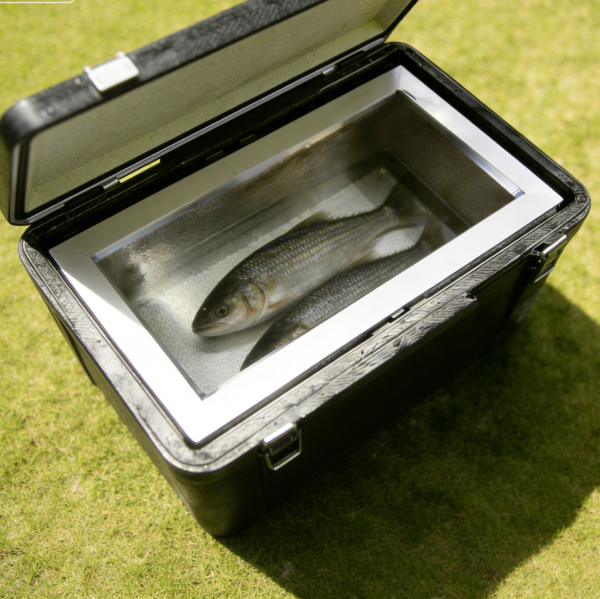
Custo da caixa legal: Da especificação à escala
A sound decision on cool box cost can be reduced to five linked questions: o que deve ser protegido, em qual rota, com qual configuração carregada, sob cujo controle operacional, e com que evidências.
O resultado é uma estrutura de seleção integrada. Combina educação de produto, julgamento de engenharia, risco de rota, qualificação de fornecedor, custo total, e sustentabilidade para que um comprador possa emitir uma solicitação mais clara, execute um teste significativo, e aprove uma configuração com menos surpresas.
Use cinco decisões para controlar a compra
Um projeto completo de caixa térmica comercial pode ser governado por meio de cinco decisões. Primeiro, definir o produto protegido e a condição de aceitação. Segundo, caracterizar a pista e suas transferências. Terceiro, projetar o pacote carregado, incluindo refrigerante, barreiras, monitoramento, e espaço utilizável. Quarto, qualificar o fornecedor e comprovar. Quinto, provar que as operações podem reproduzir, limpar, retornar, e manter a configuração.
A sequência é importante. As equipes criam retrabalho quando escolhem uma caixa, em seguida, tente encaixar o produto e direcioná-lo. Começar pelo produto e pela via permite que diversas arquiteturas sejam comparadas em termos iguais. Também torna a negociação de custos mais útil, porque a cotação descreve um trabalho definido em vez de um contêiner genérico.
A compensação central é uma opção descartável de baixo custo ou reutilizável básica pode ser correta para rotas abertas de mão única, enquanto um sistema premium durável precisa de ciclos de reutilização bem-sucedidos suficientes para se justificar. A estrutura não remove compensações; isso os torna explícitos. A aquisição pode decidir quais consequências são aceitáveis, a engenharia pode documentar a base técnica, qualidade ou segurança alimentar podem estabelecer evidências, e as operações podem testar se o método é repetível.
Decisão 1 e 2: conectar os requisitos do produto à pista
Escreva um resumo de caso de uso de uma página para produtos sensíveis à temperatura e refrigerantes específicos da rota, divisores, monitoramento, e rótulos necessários para movê-los. Incluir as instruções atuais do produto, condição inicial, quantidade, dimensões da caixa ou bandeja, sensibilidade ao congelamento, superaquecimento, luz, contaminação, impacto, ou atraso, e o processo de disposição para uma excursão. Evite importar uma linha comum da indústria para um produto que tenha instruções diferentes.
Em seguida, mapeie a amostragem inicial, compra de produção, distribuição de saída, retornar, limpeza, armazenar, reparar, e substituição. Registrar o tempo decorrido, condições externas sazonais, encenação, ambiente do veículo, abertura de porta, parar contagem, superfícies de transferência, mudanças de custódia, e recebendo armazenamento. Adicione um cenário normal e um desafio realista. O desafio pode ser uma doca quente, receptor atrasado, carga parcial, abertura repetida, ou transferência ao ar livre. Deve representar um dia operacional confiável, não é um pior caso artificial sem probabilidade ou resposta definida.
Atribua cada risco à embalagem, procedimento, equipamento, ou escalada. O isolamento e o líquido refrigerante podem amortecer a exposição ambiental. Um cronograma de rota pode reduzir o tempo de espera. Uma unidade ativa portátil pode ser mais apropriada para alguns movimentos de alto risco. Um compromisso de receptor pode remover uma transferência não controlada. Esta alocação evita que a caixa passiva seja solicitada a compensar cada fraqueza do processo.
Decisão 3: aprovar uma configuração carregada, não é uma caixa nominal
O design carregado deve resolver este problema de capacidade: custo por litro é enganoso, a menos que a capacidade nominal, carga útil utilizável, cubo externo, peso carregado, e a eficiência do transporte são normalizadas. Crie um desenho e uma maquete física mostrando a orientação do produto, refrigerante, barreiras, monitoramento, divisores, tolerâncias, e liberação de fechamento. Calcule ou meça o peso embalado esperado. Confirmar veículo, prateleira, palete, carrinho, e porta ajustada com as maçanetas e a tampa em suas posições de operação.
Controle as temperaturas locais definindo a condição e o posicionamento do líquido refrigerante. O projeto deve evitar contato direto não intencional, lacunas de ar não controladas, e componentes que podem mudar. O trabalho de desenvolvimento pode precisar de vários sensores para mapear a carga, mas o monitoramento de rotina deve usar um local fixo que represente a decisão necessária do produto. Cargas parciais precisam de uma alternativa aprovada em vez de uma versão improvisada do pacote completo.
A construção deve suportar material, processo de moldagem, isolamento, hardware, selos, inserções, terminar, personalização, ferramentas, e os requisitos de controle de qualidade moldam o custo de fabricação. Revise a junta da tampa, pontes térmicas, hardware de alta carga, facilidade de limpeza, substituição de componentes, e compatibilidade com luz solar ou produtos químicos quando relevante. Nomes de materiais são entradas, não conclusões. A especificação aprovada deve definir a construção com detalhes suficientes para preservar a função durante a produção.
Decisão 4: qualificar o fornecedor e as evidências em conjunto
Estabelecer quem é o dono do projeto e quem controla a fábrica. A parte comercial pode ser um fabricante, exportador, distribuidor, ou integrador, mas o comprador precisa de um caminho claro para os desenhos, controles de materiais, inspeção, defeitos, e notificação de alteração. Pergunte quais componentes são críticos e como as unidades de produção são comparadas com a amostra aprovada.
A solicitação de cotação deverá cobrir o preço unitário, ferramentas, amostras, acessórios, refrigerante, impressão personalizada, embalagem, frete, obrigações, testando, documentação, peças de reposição, garantia, e condições de pagamento. Normalize a lista de materiais incluída e as condições de entrega antes de comparar preços. Hardware separado, refrigerante, monitoramento, personalização, ferramentas, testando, documentação, embalagem, frete, e peças de reposição. Isso torna os direcionadores de custos visíveis e evita que um preço baixo de caixa vazia seja comparado com um kit pronto para processo.
Solicite uma cotação comercial completa, especificação, lista de componentes incluídos, método de embalagem, plano de amostra, suposições de evidências de desempenho, e termos de controle de alterações. Leia relatórios de teste para condições, não manchetes. Verifique a carga útil, temperatura inicial, refrigerante, perfil ambiente, duração, aberturas, posições dos sensores, Critérios de aceitação, e se a amostra representava a produção. Registre as lacunas entre essa evidência e a pista pretendida para que a equipe possa decidir que trabalho adicional é proporcional.
| Portão de aprovação | Produção mínima | Razão pela qual o portão existe |
|---|---|---|
| Produto e pista | Resumo do caso de uso com carga útil, doença, rota, exposição, e transferências | Impede que a caixa seja selecionada antes que o trabalho seja definido |
| Configuração carregada | Desenho, lista de componentes, refrigerante, barreiras, sensor, peso, e ajuste | Converte a capacidade nominal em um pacote reproduzível |
| Fornecedor e evidência | Especificação controlada, amostras, relatórios, e mudar regras | Conecta o fornecimento comercial ao projeto aprovado |
| Prontidão operacional | Sop, treinamento, limpeza, recebendo, retornar, e exceções | Mostra que as pessoas podem repetir e manter o método |
| Escala e ciclo de vida | Verificação do primeiro lote, implementação de rota, modelo de custo, rastreamento de ativos, revisar gatilhos | Protege o desempenho e o valor após o lançamento |
As portas de aprovação evitam que um projeto passe diretamente de uma amostra atraente para um pedido em massa. Cada portão cria uma saída tangível e fecha um risco diferente: caso de uso pouco claro, pacote não reproduzível, fornecimento descontrolado, operações fracas, ou um modelo de ciclo de vida não comprovado.
Use orientações regulatórias e técnicas sem reivindicar demais
Orientação confiável ajuda a definir expectativas de controle, mas não transforma uma caixa genérica num sistema aprovado. As instruções do produto e as regras locais aplicáveis permanecem decisivas. Um arquivo técnico deve indicar por que cada referência é relevante e onde testes específicos da rota ou revisão de qualidade ainda são necessários.
A decisão de aprovação deve identificar o envelope operacional testado e as condições que exigem escalonamento. Quando as evidências estão incompletas, converter o desconhecido em uma questão de verificação ou em um limite operacional, em vez de preencher a lacuna com uma afirmação de marketing confiável.
Decisão 5: provar que a organização pode repetir o método
Execute um piloto com os empacotadores reais, motoristas, receptores, pessoal de limpeza, e revisores de qualidade ou segurança alimentar. Observe a identificação do componente, preparação de refrigerante, carregando, monitor placement, encerramento, encenação, elevação, restrição, abertura, entregar, retornar, lavar, secagem, e inspeção. Registrar soluções alternativas; são evidências de que o projeto ou instrução precisa de correção.
O processo de devolução deve implementar este requisito de higiene: produtos químicos de limpeza, hora de lavar, espaço de secagem, substituição de vedação, e o tratamento de unidades danificadas pertencem ao orçamento. Separar sujo, limpar, reparar, quarentena, e situação de aposentado. Definir critérios objetivos de liberação e controlar peças removíveis. Meça o tempo de limpeza e o espaço de armazenamento para que a quantidade da frota reflita os ativos que estão genuinamente disponíveis, não apenas caixas compradas.
Prepare caminhos de exceção antes do lançamento. A equipe precisa saber o que fazer quando falta um componente de refrigeração, o monitor falha, uma tampa não fecha, uma caixa está danificada, um veículo está atrasado, o receptor está ausente, ou o rastreamento do produto mostra uma excursão. Um caminho curto de escalonamento protege o processo aprovado sob pressão de tempo.
Avalie o custo e a sustentabilidade no mesmo ciclo operacional
Crie o custo total a partir da configuração aprovada: hardware, ferramentas, amostras, refrigerante, monitoramento, rótulos, embalagem, frete, obrigações, trabalho, cubo de veículo, retornar, lavar, secagem, armazenar, reparar, perda, substituição, e manutenção de evidências. Informar o custo por viagem bem-sucedida por coorte de rotas. Isto evita uma decisão limitada sobre o preço unitário e uma afirmação não fundamentada de que a reutilização sempre economiza dinheiro.
A questão da sustentabilidade é que o custo e a sustentabilidade se encontram na utilização: a reusable box that circulates reliably can spread its material and purchase cost across trips, enquanto um ativo perdido ou ocioso não pode. Circulação de pista, distância de retorno, perda, reparar, lavar recursos, utilização, e tratamento em fim de vida. Um sistema reutilizável cria valor quando a rede consegue mantê-lo em serviço controlado. Dimensionamento correto, componentes reparáveis, e o empilhamento de retorno eficiente podem ser tão importantes quanto o material de base.
A aprovação comercial pode incluir uma análise de sensibilidade. Examine como o resultado muda quando o retorno cai, dano aumenta, mudanças de demanda, ou uma rota precisa de um tamanho diferente. Isso não requer dados de mercado inventados. It uses the organization's own operating assumptions to identify where the proposal is robust and where a different packaging model should be retained.
Dimensione através de portas controladas e gatilhos de mudança
Portão 1 aprova o resumo do caso de uso e o desenho carregado. Portão 2 aprova amostras de intenção de produção e documentos de fornecedores. Portão 3 aprova térmica relevante, mecânico, limpeza, e evidências de rota. Portão 4 aprova o POP, treinamento, processo de exceção, e loop de retorno. Portão 5 libera produção após verificação do primeiro lote. Cada portão tem um proprietário e critérios de aceitação registrados.
Expandir por coortes de rotas semelhantes. Comece com uma via representativa e um desafio confiável, problemas corretos, em seguida, adicione sites que compartilhem carga útil e exposição. Não presuma que um piloto bem-sucedido cobre um veículo diferente, clima, padrão de parada, produto, ou processo de lavagem. Use uma comparação documentada para decidir se as evidências existentes podem ser estendidas.
Manter um registro de alterações após o lançamento. Caixas de produtos, refrigerante, massa de carga útil, sensor, tempo de rota, química de limpeza, material do fornecedor, selo, hardware, ou mudanças de fábrica podem afetar a linha de base. Atribua níveis de revisão para que pequenas atualizações administrativas não desencadeiem trabalho desnecessário, enquanto as mudanças funcionais recebem comparação ou requalificação apropriada.
Mantenha visíveis as principais não-suposições
Não presuma que a capacidade nominal é igual à capacidade de carga útil, esse isolamento cria a temperatura necessária do produto, que um registrador fornece proteção, ou que um teste sob condições diferentes comprove a pista. Não presuma que durabilidade é igual a adequação alimentar ou farmacêutica, or that one program's approval transfers to another. O risco específico aqui é pedir a caixa mais barata antes de definir o que a caixa deve fazer e com que frequência será reutilizada.
Transforme cada não suposição em um controle. Use um desenho carregado para capacidade, um plano de refrigeração definido para controle térmico, uma posição fixa do sensor para evidências, uma comparação de rotas para transferibilidade, um processo de limpeza e segregação para higiene, e uma especificação controlada para consistência de produção. This makes the article's principles actionable in an RFQ and pilot.
Finalmente, preserve a incerteza honestamente. Quando um parâmetro não é suportado pelas instruções do produto, uma fonte técnica confiável, documentação do fornecedor, ou teste, peça ao fornecedor para confirmar ou planeje uma verificação. Remover um número não suportado é melhor engenharia e melhor aquisição do que apresentar uma precisão que a evidência não pode transmitir.
Perguntas sobre aquisições integradas
Quais informações devem ser enviadas primeiro a um fornecedor?
Envie o tipo de produto e condição necessária, dimensões da caixa ou da carga útil, quantidade, duração da rota, exposição sazonal, padrão de parada e abertura, restrições de veículo ou prateleira, preferência de refrigerante, necessidade de monitoramento, método de limpeza, plano de reutilização, personalização, e volume de pedidos. Marque quaisquer incógnitas para que se tornem questões do projeto em vez de suposições.
Como posso saber se a caixa proposta é muito grande ou muito pequena?
Crie o pacote completo e compare a contagem de carga útil, peso carregado, cubo externo, ajuste do veículo, comportamento de carga parcial, e manuseio. Uma caixa grande pode desperdiçar líquido refrigerante e espaço; um pequeno pode forçar a compressão ou viagens extras. Use perfis de pedidos reais e aprove faixas de carga.
Qual evidência é mais importante antes da produção?
A evidência deve corresponder aos riscos dominantes. No mínimo, dimensões de controle, materiais, componentes, ajuste carregado, manuseio, limpeza, e suposições térmicas relevantes. Cuidados de saúde ou rotas alimentares de alto risco também podem precisar de qualificação, monitoramento calibrado, estudos de rota, registros formais, e aprovação de qualidade ou segurança alimentar.
Como as cotações de custos devem ser comparadas?
Compare a mesma lista de materiais, dimensões, acessórios, refrigerante, monitoramento, personalização, testando, embalagem, quantidade do pedido, condições de entrega, suposições de frete, peças de reposição, e escopo de controle de mudanças. Então modele o trabalho, retornar, limpeza, perda, reparar, e viagens de sucesso. Um preço unitário vazio não é uma comparação completa.
O que deve desencadear a requalificação ou reavaliação?
Alterações nas instruções do produto, carga útil, Carton, refrigerante, sensor, rota, exposição ambiental, padrão de parada, limpeza, material, selo, hardware, processo, ou fábrica pode importar. Defina gatilhos baseados em risco para revisão de documentos, comparação de amostras, testes direcionados, trabalho de rota, ou requalificação total.
Decisão final
Trate o custo da caixa térmica como uma decisão controlada do sistema. Defina o produto e a pista, aprovar o pacote carregado, qualificar controles e evidências de fornecedores, provar o processo operacional, e modelar custo e reutilização em viagens bem-sucedidas. Escale somente depois que amostras de intenção de produção e coortes de rota forem revisadas. Esta abordagem preserva as informações úteis da educação sobre o produto, engenharia, conformidade, operações, e sustentabilidade sem depender de reivindicações universais.
Sobre Tempk
Tempk é a marca de embalagens para cadeia de frio da Shanghai Tempk Industrial Co., Ltda. Seu portfólio público inclui embalagens de gel, tijolos de gelo, insulated bags and liners, EPP e outras caixas isoladas, Caixas de gelo médico, Tampas de paletes, e embalagens personalizadas para logística de alimentos e saúde. Os compradores podem fornecer geometria do produto, condição alvo, rota, refrigerante, monitoramento, manuseio, limpeza, identificação, e requisitos comerciais para que Tempk possa propor uma configuração para revisão de amostra, testando, e discussão da amostra até a produção.
Próxima etapa do projeto
Peça à Tempk para revisar seu projeto de custo de caixa térmica comercial usando a carga útil real, rota, pacote, controles operacionais, e suposições de fornecimento antes que uma cotação em massa seja finalizada.
Fornecedor comercial de entrega de carne com caixa de gelo: Uma estrutura baseada em rota
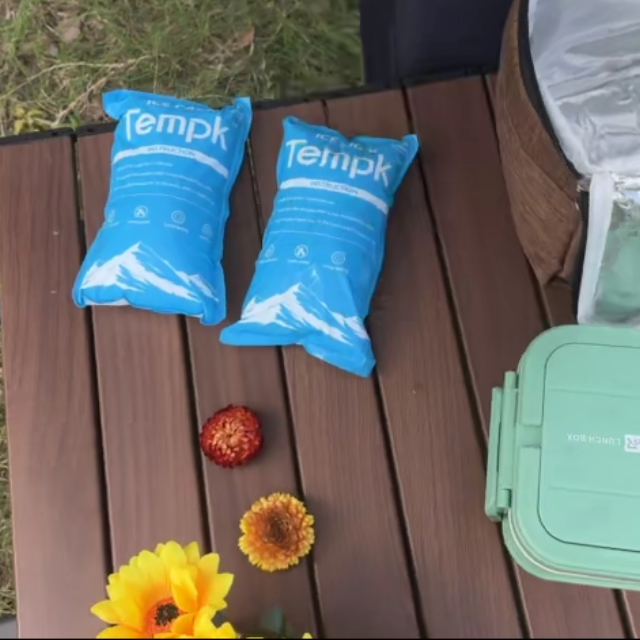
Fornecedor comercial de entrega de carne com caixa de gelo: Uma estrutura baseada em rota
The best commercial ice box meat delivery supplier decision is rarely the box with the highest claimed performance or the lowest price. É o sistema que se adapta à carga útil, rota, operadores, necessidades de documentação, e modelo de retorno com o menor número de suposições não controladas.
O resultado é uma estrutura de seleção integrada. Combina educação de produto, julgamento de engenharia, risco de rota, qualificação de fornecedor, custo total, e sustentabilidade para que um comprador possa emitir uma solicitação mais clara, execute um teste significativo, e aprove uma configuração com menos surpresas.
Use cinco decisões para controlar a compra
A complete commercial meat delivery ice box project can be governed through five decisions. Primeiro, definir o produto protegido e a condição de aceitação. Segundo, caracterizar a pista e suas transferências. Terceiro, projetar o pacote carregado, incluindo refrigerante, barreiras, monitoramento, e espaço utilizável. Quarto, qualificar o fornecedor e comprovar. Quinto, provar que as operações podem reproduzir, limpar, retornar, e manter a configuração.
A sequência é importante. As equipes criam retrabalho quando escolhem uma caixa, em seguida, tente encaixar o produto e direcioná-lo. Começar pelo produto e pela via permite que diversas arquiteturas sejam comparadas em termos iguais. Também torna a negociação de custos mais útil, porque a cotação descreve um trabalho definido em vez de um contêiner genérico.
The central tradeoff is a tighter seal and thicker insulation may support temperature control, while a design that is too heavy, lento para limpar, or difficult to open can undermine route operations. A estrutura não remove compensações; isso os torna explícitos. A aquisição pode decidir quais consequências são aceitáveis, a engenharia pode documentar a base técnica, qualidade ou segurança alimentar podem estabelecer evidências, e as operações podem testar se o método é repetível.
Decisão 1 e 2: conectar os requisitos do produto à pista
Write a one-page use-case brief for sealed cuts, bandejas, embalagens a vácuo, caixas, itens de carne preparados, or frozen products under a defined food-safety plan. Incluir as instruções atuais do produto, condição inicial, quantidade, dimensões da caixa ou bandeja, sensibilidade ao congelamento, superaquecimento, luz, contaminação, impacto, ou atraso, e o processo de disposição para uma excursão. Evite importar uma linha comum da indústria para um produto que tenha instruções diferentes.
Then map cold-room dispatch through loading, vehicle travel, múltiplas paradas, recebendo, retornar, limpeza, e secagem. Registrar o tempo decorrido, condições externas sazonais, encenação, ambiente do veículo, abertura de porta, parar contagem, superfícies de transferência, mudanças de custódia, e recebendo armazenamento. Adicione um cenário normal e um desafio realista. O desafio pode ser uma doca quente, receptor atrasado, carga parcial, abertura repetida, ou transferência ao ar livre. Deve representar um dia operacional confiável, não é um pior caso artificial sem probabilidade ou resposta definida.
Atribua cada risco à embalagem, procedimento, equipamento, ou escalada. O isolamento e o líquido refrigerante podem amortecer a exposição ambiental. Um cronograma de rota pode reduzir o tempo de espera. Uma unidade ativa portátil pode ser mais apropriada para alguns movimentos de alto risco. Um compromisso de receptor pode remover uma transferência não controlada. Esta alocação evita que a caixa passiva seja solicitada a compensar cada fraqueza do processo.
Decisão 3: aprovar uma configuração carregada, não é uma caixa nominal
O design carregado deve resolver este problema de capacidade: usable capacity depends on product carton dimensions, refrigerante, absorbent or separation materials, and the need to keep raw products away from ready-to-eat items. Crie um desenho e uma maquete física mostrando a orientação do produto, refrigerante, barreiras, monitoramento, divisores, tolerâncias, e liberação de fechamento. Calcule ou meça o peso embalado esperado. Confirmar veículo, prateleira, palete, carrinho, e porta ajustada com as maçanetas e a tampa em suas posições de operação.
Controle as temperaturas locais definindo a condição e o posicionamento do líquido refrigerante. O projeto deve evitar contato direto não intencional, lacunas de ar não controladas, e componentes que podem mudar. O trabalho de desenvolvimento pode precisar de vários sensores para mapear a carga, mas o monitoramento de rotina deve usar um local fixo que represente a decisão necessária do produto. Cargas parciais precisam de uma alternativa aprovada em vez de uma versão improvisada do pacote completo.
Construction should support cleanable interior surfaces, vedação da tampa, contenção de derramamento, robust handles, estabilidade da pilha, decisões de drenagem, and insulation that remains intact after washing and impact. Revise a junta da tampa, pontes térmicas, hardware de alta carga, facilidade de limpeza, substituição de componentes, e compatibilidade com luz solar ou produtos químicos quando relevante. Nomes de materiais são entradas, não conclusões. A especificação aprovada deve definir a construção com detalhes suficientes para preservar a função durante a produção.
Decisão 4: qualificar o fornecedor e as evidências em conjunto
Estabelecer quem é o dono do projeto e quem controla a fábrica. A parte comercial pode ser um fabricante, exportador, distribuidor, ou integrador, mas o comprador precisa de um caminho claro para os desenhos, controles de materiais, inspeção, defeitos, e notificação de alteração. Pergunte quais componentes são críticos e como as unidades de produção são comparadas com a amostra aprovada.
The request for quotation should cover food-contact and material information where relevant, dimensões, peso carregado, método de limpeza, drain and seal design, padrão de pilha, refrigerante, rótulos, codificação de cores, and spare components. Normalize a lista de materiais incluída e as condições de entrega antes de comparar preços. Hardware separado, refrigerante, monitoramento, personalização, ferramentas, testando, documentação, embalagem, frete, e peças de reposição. Isso torna os direcionadores de custos visíveis e evita que um preço baixo de caixa vazia seja comparado com um kit pronto para processo.
Request cleaning instructions, informações materiais, seal and drain details, loaded handling guidance, consistência da amostra, packout test conditions, e disponibilidade de peças de reposição. Leia relatórios de teste para condições, não manchetes. Verifique a carga útil, temperatura inicial, refrigerante, perfil ambiente, duração, aberturas, posições dos sensores, Critérios de aceitação, e se a amostra representava a produção. Registre as lacunas entre essa evidência e a pista pretendida para que a equipe possa decidir que trabalho adicional é proporcional.
| Portão de aprovação | Produção mínima | Razão pela qual o portão existe |
|---|---|---|
| Produto e pista | Resumo do caso de uso com carga útil, doença, rota, exposição, e transferências | Impede que a caixa seja selecionada antes que o trabalho seja definido |
| Configuração carregada | Desenho, lista de componentes, refrigerante, barreiras, sensor, peso, e ajuste | Converte a capacidade nominal em um pacote reproduzível |
| Fornecedor e evidência | Especificação controlada, amostras, relatórios, e mudar regras | Conecta o fornecimento comercial ao projeto aprovado |
| Prontidão operacional | Sop, treinamento, limpeza, recebendo, retornar, e exceções | Mostra que as pessoas podem repetir e manter o método |
| Escala e ciclo de vida | Verificação do primeiro lote, implementação de rota, modelo de custo, rastreamento de ativos, revisar gatilhos | Protege o desempenho e o valor após o lançamento |
As portas de aprovação evitam que um projeto passe diretamente de uma amostra atraente para um pedido em massa. Cada portão cria uma saída tangível e fecha um risco diferente: caso de uso pouco claro, pacote não reproduzível, fornecimento descontrolado, operações fracas, ou um modelo de ciclo de vida não comprovado.
Use orientações regulatórias e técnicas sem reivindicar demais
Orientação confiável ajuda a definir expectativas de controle, mas não transforma uma caixa genérica num sistema aprovado. As instruções do produto e as regras locais aplicáveis permanecem decisivas. Um arquivo técnico deve indicar por que cada referência é relevante e onde testes específicos da rota ou revisão de qualidade ainda são necessários.
Para distribuição de alimentos, Os princípios de transporte sanitário da FDA conectam o projeto do equipamento com o controle de temperatura necessário, facilidade de limpeza, e prevenção de contaminação. A caixa deve, portanto, ser revista dentro de toda a operação de segurança alimentar, incluindo separação de produtos, carregando, condições do veículo, recebendo, limpeza, e registros.
A decisão de aprovação deve identificar o envelope operacional testado e as condições que exigem escalonamento. Quando as evidências estão incompletas, converter o desconhecido em uma questão de verificação ou em um limite operacional, em vez de preencher a lacuna com uma afirmação de marketing confiável.
Decisão 5: provar que a organização pode repetir o método
Execute um piloto com os empacotadores reais, motoristas, receptores, pessoal de limpeza, e revisores de qualidade ou segurança alimentar. Observe a identificação do componente, preparação de refrigerante, carregando, monitor placement, encerramento, encenação, elevação, restrição, abertura, entregar, retornar, lavar, secagem, e inspeção. Registrar soluções alternativas; são evidências de que o projeto ou instrução precisa de correção.
O processo de devolução deve implementar este requisito de higiene: facilidade de limpeza, separação, secagem, controle de odor, visible inspection, and procedures between loads are central purchasing criteria, not after-sales details. Separar sujo, limpar, reparar, quarentena, e situação de aposentado. Definir critérios objetivos de liberação e controlar peças removíveis. Meça o tempo de limpeza e o espaço de armazenamento para que a quantidade da frota reflita os ativos que estão genuinamente disponíveis, não apenas caixas compradas.
Prepare caminhos de exceção antes do lançamento. A equipe precisa saber o que fazer quando falta um componente de refrigeração, o monitor falha, uma tampa não fecha, uma caixa está danificada, um veículo está atrasado, o receptor está ausente, ou o rastreamento do produto mostra uma excursão. Um caminho curto de escalonamento protege o processo aprovado sob pressão de tempo.
Avalie o custo e a sustentabilidade no mesmo ciclo operacional
Crie o custo total a partir da configuração aprovada: hardware, ferramentas, amostras, refrigerante, monitoramento, rótulos, embalagem, frete, obrigações, trabalho, cubo de veículo, retornar, lavar, secagem, armazenar, reparar, perda, substituição, e manutenção de evidências. Informar o custo por viagem bem-sucedida por coorte de rotas. Isto evita uma decisão limitada sobre o preço unitário e uma afirmação não fundamentada de que a reutilização sempre economiza dinheiro.
The sustainability question is reusable meat boxes can reduce disposable packaging on closed routes, but the wash process, water and energy use, transporte de retorno, dano, and loss must be included in the assessment. Circulação de pista, distância de retorno, perda, reparar, lavar recursos, utilização, e tratamento em fim de vida. Um sistema reutilizável cria valor quando a rede consegue mantê-lo em serviço controlado. Dimensionamento correto, componentes reparáveis, e o empilhamento de retorno eficiente podem ser tão importantes quanto o material de base.
A aprovação comercial pode incluir uma análise de sensibilidade. Examine como o resultado muda quando o retorno cai, dano aumenta, mudanças de demanda, ou uma rota precisa de um tamanho diferente. Isso não requer dados de mercado inventados. It uses the organization's own operating assumptions to identify where the proposal is robust and where a different packaging model should be retained.
Dimensione através de portas controladas e gatilhos de mudança
Portão 1 aprova o resumo do caso de uso e o desenho carregado. Portão 2 aprova amostras de intenção de produção e documentos de fornecedores. Portão 3 aprova térmica relevante, mecânico, limpeza, e evidências de rota. Portão 4 aprova o POP, treinamento, processo de exceção, e loop de retorno. Portão 5 libera produção após verificação do primeiro lote. Cada portão tem um proprietário e critérios de aceitação registrados.
Expandir por coortes de rotas semelhantes. Comece com uma via representativa e um desafio confiável, problemas corretos, em seguida, adicione sites que compartilhem carga útil e exposição. Não presuma que um piloto bem-sucedido cobre um veículo diferente, clima, padrão de parada, produto, ou processo de lavagem. Use uma comparação documentada para decidir se as evidências existentes podem ser estendidas.
Manter um registro de alterações após o lançamento. Caixas de produtos, refrigerante, massa de carga útil, sensor, tempo de rota, química de limpeza, material do fornecedor, selo, hardware, ou mudanças de fábrica podem afetar a linha de base. Atribua níveis de revisão para que pequenas atualizações administrativas não desencadeiem trabalho desnecessário, enquanto as mudanças funcionais recebem comparação ou requalificação apropriada.
Mantenha visíveis as principais não-suposições
Não presuma que a capacidade nominal é igual à capacidade de carga útil, esse isolamento cria a temperatura necessária do produto, que um registrador fornece proteção, ou que um teste sob condições diferentes comprove a pista. Não presuma que durabilidade é igual a adequação alimentar ou farmacêutica, or that one program's approval transfers to another. The specific risk here is using a box that holds cold air but cannot be cleaned, drained, segregado, or handled safely under real meat-delivery conditions.
Transforme cada não suposição em um controle. Use um desenho carregado para capacidade, um plano de refrigeração definido para controle térmico, uma posição fixa do sensor para evidências, uma comparação de rotas para transferibilidade, um processo de limpeza e segregação para higiene, e uma especificação controlada para consistência de produção. This makes the article's principles actionable in an RFQ and pilot.
Finalmente, preserve a incerteza honestamente. Quando um parâmetro não é suportado pelas instruções do produto, uma fonte técnica confiável, documentação do fornecedor, ou teste, peça ao fornecedor para confirmar ou planeje uma verificação. Remover um número não suportado é melhor engenharia e melhor aquisição do que apresentar uma precisão que a evidência não pode transmitir.
Perguntas sobre aquisições integradas
Quais informações devem ser enviadas primeiro a um fornecedor?
Envie o tipo de produto e condição necessária, dimensões da caixa ou da carga útil, quantidade, duração da rota, exposição sazonal, padrão de parada e abertura, restrições de veículo ou prateleira, preferência de refrigerante, necessidade de monitoramento, método de limpeza, plano de reutilização, personalização, e volume de pedidos. Marque quaisquer incógnitas para que se tornem questões do projeto em vez de suposições.
Como posso saber se a caixa proposta é muito grande ou muito pequena?
Crie o pacote completo e compare a contagem de carga útil, peso carregado, cubo externo, ajuste do veículo, comportamento de carga parcial, e manuseio. Uma caixa grande pode desperdiçar líquido refrigerante e espaço; um pequeno pode forçar a compressão ou viagens extras. Use perfis de pedidos reais e aprove faixas de carga.
Qual evidência é mais importante antes da produção?
A evidência deve corresponder aos riscos dominantes. No mínimo, dimensões de controle, materiais, componentes, ajuste carregado, manuseio, limpeza, e suposições térmicas relevantes. Cuidados de saúde ou rotas alimentares de alto risco também podem precisar de qualificação, monitoramento calibrado, estudos de rota, registros formais, e aprovação de qualidade ou segurança alimentar.
Como as cotações de custos devem ser comparadas?
Compare a mesma lista de materiais, dimensões, acessórios, refrigerante, monitoramento, personalização, testando, embalagem, quantidade do pedido, condições de entrega, suposições de frete, peças de reposição, e escopo de controle de mudanças. Então modele o trabalho, retornar, limpeza, perda, reparar, e viagens de sucesso. Um preço unitário vazio não é uma comparação completa.
O que deve desencadear a requalificação ou reavaliação?
Alterações nas instruções do produto, carga útil, Carton, refrigerante, sensor, rota, exposição ambiental, padrão de parada, limpeza, material, selo, hardware, processo, ou fábrica pode importar. Defina gatilhos baseados em risco para revisão de documentos, comparação de amostras, testes direcionados, trabalho de rota, ou requalificação total.
Decisão final
Treat commercial ice box meat delivery supplier as a controlled system decision. Defina o produto e a pista, aprovar o pacote carregado, qualificar controles e evidências de fornecedores, provar o processo operacional, e modelar custo e reutilização em viagens bem-sucedidas. Escale somente depois que amostras de intenção de produção e coortes de rota forem revisadas. Esta abordagem preserva as informações úteis da educação sobre o produto, engenharia, conformidade, operações, e sustentabilidade sem depender de reivindicações universais.
Sobre Tempk
Tempk é a marca de embalagens para cadeia de frio da Shanghai Tempk Industrial Co., Ltda. Seu portfólio público inclui embalagens de gel, tijolos de gelo, insulated bags and liners, EPP e outras caixas isoladas, Caixas de gelo médico, Tampas de paletes, e embalagens personalizadas para logística de alimentos e saúde. Os compradores podem fornecer geometria do produto, condição alvo, rota, refrigerante, monitoramento, manuseio, limpeza, identificação, e requisitos comerciais para que Tempk possa propor uma configuração para revisão de amostra, testando, e discussão da amostra até a produção.
Próxima etapa do projeto
Ask Tempk to review your commercial ice boxes for meat delivery project using the actual payload, rota, pacote, controles operacionais, e suposições de fornecimento antes que uma cotação em massa seja finalizada.