


Guia da melhor caixa isolada para tecidos biológicos para 2026
Guia da melhor caixa isolada para tecidos biológicos para 2026
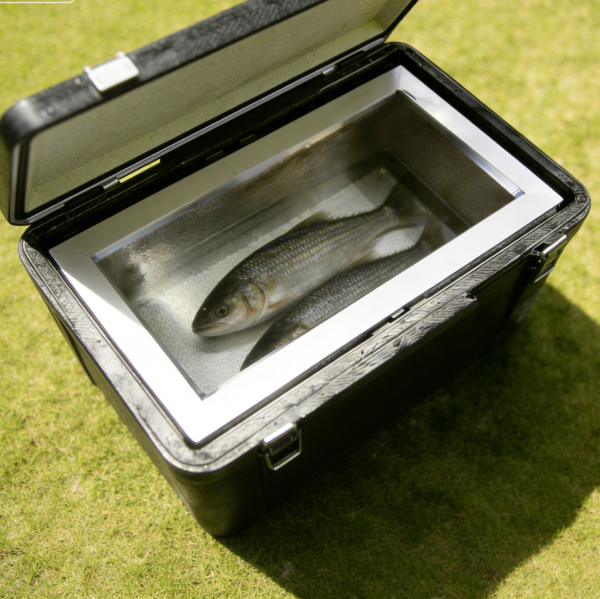
Canônico sugerido: /resources/insulated-box-wholesale-biological-tissues/
Páginas internas sugeridas:
- UN3373 packaging checklist
- How to document dry ice shipments
- Temperature excursion SOP for specimen transport
- Choosing passive packaging for tissue logistics
Guia da melhor caixa isolada para tecidos biológicos para 2026
If you are searching for insulated box wholesale biological tissues, você está realmente escolhendo um sistema de controle de temperatura, não apenas uma caixa. A qualified solution protects research tissues, biopsy samples, and clinical specimens, survives lab-to-lab, biobank distribution, and research supply networks, e dá à sua equipe um POP repetível em vez de um frágil ritual de embalagem. Em 2026, buyers also expect clearer sustainability claims, cleaner validation files, and faster decisions from suppliers.
Este artigo responderá:
- How to choose the best biological tissue insulated shipper setup for your lane, carga útil, e orçamento
- Quais verificações técnicas e regulatórias devem ser incluídas em cada decisão de compra
- Como alinhar a seleção de fornecedores, validação, e sustentabilidade em um único fluxo de trabalho
- O que 2026 mudanças de mercado significam para o seu próximo projeto de embalagem
Why does Insulated Box for Biological Tissues matter for biological tissue transport in 2026?
The best insulated box for biological tissues choice buys reliable temperature time, manuseio mais limpo, e menor atrito operacional. Muitas equipes comparam primeiro uma caixa isolada pela espessura da parede ou pelo preço da amostra. Em operações reais, what matters is whether the pack-out can protect research tissues, biopsy samples, and clinical specimens at 2–8°C, congelado, and dry ice shipments across lab-to-lab, biobank distribution, and research supply networks while still being fast to build and easy to receive. For biobanks, research suppliers, pathology logistics teams, and laboratory distributors, a caixa vencedora é aquela que sua equipe consegue repetir no dia mais movimentado sem improvisar.
É por isso que os compradores fortes começam com o perfil da rota, perfil do pedido, e comportamento de transferência. If your lane includes chain-of-custody gaps, temperature loss during handoffs, and labeling mistakes, o desempenho médio diário não é suficiente. Você precisa de um design que ainda funcione em uma tarde quente, uma entrega atrasada, ou uma doca de recepção lotada. Dimensionamento correto, colocação disciplinada de refrigerante, e uma sequência simples de empacotamento geralmente é mais importante do que adicionar mais material. Um fornecedor inteligente falará sobre ajuste de carga útil, POPs de embalagem, e testes sazonais antes de falar sobre reivindicações de catálogo.
How biological tissue insulated shipper turns into a repeatable operating standard
Pense na caixa como um cronômetro, não apenas uma concha. O cronômetro inicia no momento em que a carga sai do armazenamento controlado, e continua passando pela colheita, encenação, transporte, e recebimento final. Se você deixar muito ar vazio ao redor da carga útil, use a massa de refrigerante errada, ou deixe a equipe empacotar maneiras diferentes em turnos diferentes, esse cronômetro encurta rápido. Os melhores sistemas mantêm as regras simples o suficiente para que sua equipe de armazém possa executá-las de forma consistente, mesmo quando o volume aumenta..
| Perfil de rota | Estilo de caixa recomendado | Por que cabe | O que isso significa para você |
| Pista curta controlada | Caixa passiva compacta | Rota previsível e baixa variação | Bom para pedidos repetidos com embalagem disciplinada |
| Pista regional 24–48 horas | Sistema isolado de meia duração | Balanço sazonal moderado | Cria um equilíbrio prático entre custo e proteção |
| Pista longa crítica | Remetente qualificado de alto desempenho | Janela de alto valor ou longa exposição | Adiciona margem de segurança quando a falha é cara |
Dicas práticas que você pode usar
- Mapeie seus três comprimentos de pista mais comuns antes de comparar as cotações das caixas.
- Peça aos fornecedores uma sequência de embalagem que um novo operador possa seguir em uma sessão de treinamento.
- Separe os pacotes de pista curta e de pior caso, em vez de forçar um projeto a fazer mal cada trabalho.
Exemplo: A tissue network supplying academic labs standardized one refrigerated format and one dry-ice format with a documented packing sequence. Staff training improved, paperwork errors dropped, and sample handoff times became more predictable.
Which materials and coolant choices make the most sense for insulated box for biological tissues?
A escolha do material consiste em combinar a resistência térmica, durabilidade, e custo para a pista real em vez de escolher a opção mais avançada por padrão. EPS continua popular porque é econômico e amplamente disponível. EPP adiciona durabilidade e potencial de reutilização. Projetos à base de poliuretano ou poliisocianurato podem fornecer mais isolamento em menos espessura. Sistemas baseados em VIP impulsionam o desempenho ainda mais, mas custam mais e exigem um manuseio cuidadoso. A melhor resposta depende de quanto tempo dura o percurso, quão difícil é o manuseio, e quão caro seria o fracasso.
A escolha do refrigerante é igualmente importante. Os pacotes de gel são simples e flexíveis. Os materiais de mudança de fase proporcionam um controle mais rígido quando você precisa de um alvo mais estreito. O gelo seco suporta programas de congelamento e ultracongelamento, mas introduz rotulagem, segurança, e planejamento de esgotamento. Quando os compradores misturam bem o material e o refrigerante, eles reduzem o risco e o excesso de embalagem. Quando eles adivinham, muitas vezes acabam pagando por muito isolamento em pistas fáceis e pouca proteção em pistas difíceis.
O que os dados dos materiais significam em operações reais
Não compare materiais apenas pelas afirmações do folheto. Pergunte como eles se comportam após a vibração, compressão, exposição à umidade, e manuseio repetido. Um painel muito eficiente perde valor se o operador puder danificá-lo facilmente. Uma concha reutilizável só ganha seu sustento quando o ciclo de logística reversa é real. O material certo é aquele que ainda funciona após o seu padrão de manuseio real, não aquele com a história de laboratório mais impressionante.
| Material ou refrigerante | O que faz bem | O que assistir | O que isso significa para você |
| EPS + pacotes de gel | Forte valor em muitas pistas de rotina | Pode se tornar volumoso em rotas longas e quentes | Uma base prática para uma distribuição sensível aos custos |
| PPE + PCM reutilizável | Durável e adequado para uso repetido | Precisa de logística de devolução e controle de limpeza | Bom para circuitos fechados com curvas consistentes |
| PU/PIR + PCM | Maior desempenho em espaços mais apertados | Custo mais alto que a espuma básica | Útil quando o cubo é caro ou o tempo de espera é mais curto |
| VIP + PCM ou gelo seco | Desempenho de longa duração em dimensões compactas | Custo premium e cuidados de manuseio | Melhor quando o valor da carga útil justifica a proteção extra |
Dicas práticas que você pode usar
- Escolha o material depois de definir a pista e a carga útil, não antes.
- Compare materiais com dados térmicos e de trânsito do mesmo plano de teste sempre que possível.
- Proteja pastilhas de alto desempenho contra danos nas bordas durante o manuseio e armazenamento.
Exemplo: Duas caixas podem parecer semelhantes em uma mesa de amostra, mas se comportar de maneira muito diferente após a vibração, queda de canto, e atraso de preparação. A seleção de materiais só se torna significativa quando está vinculada à pista e ao método de teste.
How do you validate insulated box for biological tissues before you scale volume?
Se você não puder mostrar as condições de teste, resultados do registrador, e regras de aprovação ou reprovação, você ainda não possui um sistema de embalagem qualificado. A validação transforma um conceito de embalagem em um método operacional controlado. Você define as suposições de rota, condicionar as amostras, construa o pacote exatamente como está escrito, e medir a temperatura interna ao longo do tempo. Em seguida, você combina isso com testes de abuso no estilo de trânsito para que a caixa não seja apenas termicamente sólida, mas também fisicamente durável. É aqui que normas como ASTM D3103, ASTM D4169, ASTM D4332, e os perfis térmicos ISTA modernos tornam-se valiosos.
As equipes de saúde e de biotecnologia muitas vezes vão um passo além ao qualificar perfis de rotas, documentando a colocação do registrador, e bloquear pacotes sazonais sob controle de alterações. As equipes de alimentação devem fazer a mesma disciplina mesmo quando a linguagem é mais simples. O objetivo é sempre o mesmo: provar que a embalagem mantém o produto dentro do alcance para a rota pretendida, e provar que a operação pode ser repetida após o lançamento. Em 2026, os compradores esperam cada vez mais esta evidência antes de aprovarem um novo fornecedor.
What a clean validation file for biological tissue insulated shipper should include
No mínimo, mantenha o desenho do pacote, especificação de materiais, protocolo de teste, detalhes de condicionamento, instruções de embalagem, mapa do registrador, Critérios de aceitação, e relatório final. Se você alterar a espessura da parede, resina, tipo de refrigerante, geometria da carga útil, ou resistência externa da caixa, avaliar se a requalificação é necessária. Essa disciplina protege você contra desvios silenciosos de desempenho após mudanças de redução de custos ou substituições de matéria-prima.
| Elemento do arquivo de validação | O que isso prova | Quem usa | O que isso significa para você |
| Desenho de pacote e BOM | Exatamente o que foi testado | Compras, qualidade, fornecedores | Evita confusões posteriores sobre o que conta como aprovado |
| Relatório de teste térmico | Desempenho de tempo de espera em relação ao intervalo alvo | Qualidade e operações | Mostra se o pack-out funciona no papel e na prática |
| Relatório de durabilidade de trânsito | Resistência a quedas, vibração, e compressão | Operações e engenharia | Impede que o sucesso térmico seja desfeito ao lidar com danos |
Dicas práticas que você pode usar
- Teste pelo menos uma pista curta e uma pista de pior caso, em vez de confiar em um único perfil médio.
- Registre a colocação do registrador no protocolo para que testes futuros sejam comparáveis.
- Acione uma revisão sempre que o desenho, material, refrigerante, ou alterações na geometria da carga útil.
Exemplo: Um arquivo de validação formal geralmente acelera a compra em vez de retardá-la. Uma vez que a evidência existe, as equipes gastam menos tempo discutindo opiniões e mais tempo decidindo como lançar.
Quais padrões, regulamentos, and handling rules shape insulated box for biological tissues?
O conjunto de regras certo depende do que você envia, como você envia, e quais riscos a remessa cria se o controle falhar. É por isso que a conformidade deve ser definida no início do projeto, não depois que a embalagem já estiver selecionada. As remessas de alimentos precisam de transporte sanitário e lógica de controle de temperatura. Tecidos biológicos e muitas remessas de amostras podem exigir embalagem tripla, E 3373 marcação, e rotulagem de gelo seco quando relevante. Os fluxos médicos e biotecnológicos necessitam de sistemas qualificados que protejam a qualidade dos produtos e a rastreabilidade ao longo da cadeia de abastecimento.
Padrões e regulamentos também influenciam a documentação. Para algumas rotas, um relatório de trânsito e térmico pode ser suficiente. Para outros, você pode precisar de registros de classificação, POPS, arquivos de registro, etapas da cadeia de custódia, ou evidência de qualificação de rota. Bons fornecedores entendem onde o design da embalagem, rotulagem, e documentação se encontram. Eles ajudam você a criar uma solução que pode passar na revisão operacional, não apenas sobreviver a um teste de amostra.
How to match the rule set to biological tissue insulated shipper
Comece com a categoria do produto, o modo de envio, a meta de temperatura, e o mercado de destino. Em seguida, defina a construção mínima do pacote, rótulos, documentação, e monitoramento que você precisa. Quando as equipes pulam esta etapa, muitas vezes descobrem no final do projeto que a caixa escolhida não possui as evidências corretas ou não pode apoiar o processo exigido.
| Regra ou estrutura | O que governa | Implicação da embalagem | O que isso significa para você |
| E 3373 / Pi 650 | Classification and package construction | Embalagem tripla, clear markings, and content limits matter | |
| E 1845 quando gelo seco é usado | Coolant hazard communication | You need correct labeling and safe dry-ice planning | |
| Qualificação de rota | Proves the pack-out works on the real lane | Keeps quality, regulatório, and customer teams aligned |
Dicas práticas que você pode usar
- Escreva a classe do produto, modo de envio, e meta de temperatura no resumo da embalagem no primeiro dia.
- Peça aos fornecedores que indiquem quais padrões e métodos de teste seus relatórios realmente seguem.
- Rotulagem de tratamento, planejamento de gelo seco, e etapas da cadeia de custódia como parte do design da embalagem, não como papelada separada.
Exemplo: Erros de conformidade raramente são dramáticos no início. Eles geralmente parecem um rótulo faltando, um SOP pouco claro, ou um relatório com o método de teste errado. Capturar esses detalhes antecipadamente é muito mais barato do que corrigi-los após o lançamento.
Como a sustentabilidade pode fortalecer, não enfraquecer, insulated box for biological tissues performance?
As embalagens sustentáveis só funcionam quando a reivindicação ambiental é apoiada por um desempenho adequado à faixa de rodagem. Os compradores têm razão em pedir menos desperdício, menos espaço vazio, e reivindicações materiais mais confiáveis. Mas uma caixa isolada sustentável ainda precisa proteger primeiro o produto. Se um design de aparência mais ecológica causar mais falhas de temperatura, mais deterioração, ou mais pacotes de emergência, a pegada total geralmente piora. É por isso que as equipes inteligentes tratam a sustentabilidade como um problema de otimização de design, não é um exercício de branding.
Na prática, the biggest wins often come from lane-specific pack-outs to avoid unnecessary dry ice, reusable outer shells for closed networks, and clear material labeling. Essas mudanças reduzem o uso de materiais e a carga de frete sem exigir que o sistema térmico faça algo irrealista. Os reguladores e as equipes de compras também estão prestando mais atenção à vaga linguagem verde. Nos Estados Unidos, as afirmações de marketing ambiental precisam ser verdadeiras e bem fundamentadas, e na Europa as novas regras de embalagem estão a empurrar os designers para uma abordagem mais clara, escolhas de materiais mais defensáveis. Em 2026, isso significa que os compradores devem pedir provas, não slogans.
How to cut waste in biological tissue insulated shipper without creating new risk
Comece com dados de tamanho do pedido, dados de duração da pista, e dados de taxa de retorno. Esses três números indicam se o dimensionamento correto, reutilizar, ou a substituição material tem o retorno mais forte. Se você administra uma rede fechada com retornos consistentes, conchas reutilizáveis podem funcionar muito bem. Se o seu fluxo for um pacote unidirecional, cubo inferior e instruções de descarte mais claras podem ser mais importantes do que reutilização. O objetivo é reduzir o desperdício de uma forma que sua operação possa realmente sustentar.
| Movimento de sustentabilidade | Principal benefício | Vigilância principal | O que isso significa para você |
| Dimensione a caixa corretamente | Menos ar de carga e menos refrigerante | Precisa de dados reais sobre o tamanho do pedido | Geralmente a maneira mais rápida de reduzir custos e desperdícios juntos |
| Use reutilização apenas em loops verdadeiros | Menor desperdício por viagem quando as curvas permanecem altas | Falha se as taxas de retorno forem baixas | A reutilização funciona melhor quando você pode medir o retorno, limpeza, e perda |
| Qualifique as reivindicações ecológicas | Reduz o risco legal e de reputação | Requer evidências e redação clara | Alegações honestas geram confiança e sobrevivem à análise de compras |
Dicas práticas que você pode usar
- Meça a proporção de espaço vazio em seus principais tamanhos de pedido antes de alterar os materiais.
- Qualifique qualquer reivindicação de conteúdo reciclável ou reciclado com o texto exato que você pode apoiar.
- Use a reutilização somente quando as taxas de devolução, limpeza, e o rastreamento de ativos já são práticos.
Exemplo: As equipes geralmente obtêm mais valor com o dimensionamento correto e melhor disciplina na embalagem do que com a busca primeiro por uma mudança de material da moda. Essa ordem de operações protege o desempenho e a credibilidade.
2026 developments and trends for insulated boxes for biological tissues
Em 2026, insulated box for biological tissues projects are being shaped by three big changes: tighter documentation, more route-specific qualification, and rising pressure to cut waste without weakening protection. Healthcare air cargo programs continue to prioritize time- and temperature-sensitive handling, while buyers of passive boxes are asking for cleaner validation files, better chain-of-custody support, and stronger escalation plans for delays. The market is rewarding packaging systems that make audits easier, not just shipments colder.
Visão geral dos últimos turnos
- Route qualification and seasonal pack-outs are moving from a nice extra to a standard expectation.
- Digital logger data and cleaner deviation handling are becoming part of the buying conversation.
- Sustainable temperature-control solutions are gaining attention, but only when performance evidence is clear.
WHO guidance still points buyers toward qualified shipping containers and route profiling, while IATA and specialist healthcare cargo programs continue to emphasize clear time-and-temperature control. Para você, that means supplier conversations are becoming more evidence-led. If a supplier cannot explain their test logic, documentação, e controle de mudança, they will feel risky even if the sample box looks fine.
Perguntas frequentes
What temperature range should insulated box for biological tissues support?
That depends on the specimen or product, but the safe rule is to design the box around the labeled storage condition and the true worst-case route. Use a qualified pack-out for refrigerated, congelado, or dry-ice lanes instead of trying to stretch one setup across incompatible temperature targets.
Does insulated box for biological tissues need triple packaging?
For many specimen and tissue shipments, sim. Triple packaging is a core expectation for UN 3373 Category B moves, and the box has to support that system rather than replace it. Treat the insulated outer as part of the compliant package, not the whole compliance answer.
When should you use dry ice in insulated box for biological tissues?
Use dry ice when the product truly needs frozen or deep-frozen control and the route duration justifies it. Then plan labeling, ventilação, mass calculations, and delay buffer carefully. Dry ice can solve a thermal problem while creating a documentation problem if you do not manage it well.
How often should you requalify insulated box for biological tissues?
Review qualification whenever the route, box material, espessura da parede, tipo de refrigerante, geometria da carga útil, or outer-carton strength changes. A formal annual review is also smart on critical lanes, especially when summer and winter performance differs.
Resumo e recomendações
The strongest insulated box for biological tissues strategy is simple to explain and hard to misuse. Você define a rota, escolha o material e o sistema de refrigeração corretos, validar o pack-out, e comprar de um fornecedor que possa oferecer suporte à execução controlada ao longo do tempo. Quando essas peças se alinham, você reduz o dano, controlar melhor os custos, e tornar as avaliações de qualidade muito mais fáceis.
Seu próximo passo deve ser prático. Liste suas principais pistas, principais tamanhos de pedido, metas de temperatura, e as exceções que mais te machucam hoje. Em seguida, compare os fornecedores com esse briefing real, não é uma folha de catálogo genérica. Um breve piloto com regras claras de aprovação ou reprovação lhe dirá muito mais do que outra rodada de troca de amostras.
Sobre Tempk
E tempk, nos concentramos em embalagens passivas de cadeia de frio projetadas em torno de rotas reais, padrões reais de manuseio, e restrições operacionais reais. Trabalhamos em formatos de caixas isoladas, inserções personalizadas, e suporte de qualificação para que os compradores possam combinar o nível de proteção com a dificuldade da pista, em vez de comprar demais ou subproteger.
Traga o perfil da sua pista, tamanhos de pedido, e temperatura alvo para a conversa. Uma boa discussão sobre embalagens começa com sua realidade operacional, e essa é a maneira mais rápida de passar de caixas de amostras para um padrão de envio repetível.
Como comprar caixas com isolamento químico em 2026?

Como comprar caixas com isolamento químico em 2026?
Se você pesquisou 'produtos químicos para fornecedores de caixas isoladas', você quer um artigo que reúna educação sobre produtos, ciência térmica, conformidade, and practical buying advice. The best insulated box supplier for chemicals is never chosen by material alone. It must fit your product, faixa, temperatura alvo, documentation load, e metas de sustentabilidade. Em 2026, buyers also need better evidence: lógica de validação, packout control, and a sourcing brief that can stand up in operations, QA, and procurement meetings. This optimized guide gives you that complete view in one place.
Este artigo responderá
- How to choose the best temperature controlled chemical shipping box using buyer logic, route data, and product requirements.
- Which material and refrigerant combinations strengthen insulated box for reagents without overspending.
- What standards, etapas de validação, and documentation reduce risk for hazmat insulated packaging.
- How to build a sourcing plan that supports performance, controle de custos, and sustainability in 2026.
How do you define the right job for insulated box supplier for chemicals before you buy?
The best buying decision begins with a clear shipping definition. Before you compare materials or prices, define the product class, the allowed temperature band, the expected transit window, the delay margin, and the receiving action at destination. Isso parece simples, but it is the step that separates useful packaging programs from expensive guessing. When teams skip this definition, they usually overspend on easy lanes and still under-protect the hard ones.
For temperature-sensitive chemical logistics, your packaging brief should also capture payload mass, SKU mix, tempo de preparação, route handoffs, and how often the box will be opened before delivery. Those details change thermal behavior and labor effort at the same time. They also determine whether the best solution is a simple disposable shipper, a premium long-hold system, or a reusable loop. Good packaging starts with operational truth, não com uma página de catálogo.
Use a one-page packaging definition
A one-page definition should answer five things: what is being shipped, how cold or warm it must stay, how long the route can realistically take, what conditions make the shipment unacceptable, and what the receiver must do when it arrives. If you build your sourcing process around those five items, every later decision becomes easier. That is especially true for insulated box supplier chemicals, where the difference between a safe, economical packout and a wasteful one is often route definition rather than material alone.
| Decision input | Por que isso importa | If you ignore it | O que isso significa para você |
| Banda de temperatura | Sets the true thermal target | Wrong coolant or wrong wall design | You choose a system that matches product reality. |
| Route and delay margin | Defines required hold time | Tests that pass on paper but fail in transit | You buy resilience instead of optimism. |
| Payload mass and mix | Changes heat absorption and cavity fit | Inconsistent performance between SKUs | You keep results relevant after launch. |
| Receiving action | Protects the shipment after arrival | Good package left unopened too long | You preserve product quality beyond transit. |
Dicas práticas e recomendações
- Define pass/fail early: do not wait until after testing to decide what counts as success.
- Group similar lanes: fácil, moderado, and hard routes rarely need the same design.
- Include operations in the brief: the team packing the box knows where execution really varies.
Exemplo ilustrativo: The strongest buying teams treat packaging definition like a mini risk assessment. That one habit usually reduces rework later because suppliers respond to a clear problem instead of guessing what matters most.
Quais materiais, refrigerantes, and packout geometry create the safest thermal result?
An insulated shipper performs as a system. Wall material, internal fit, qualidade de fechamento, tipo de refrigerante, and payload mass all interact. That is why one material cannot be declared ‘best’ without context. Foam may be the practical answer on one lane, a reusable EPP system may win on another, and VIP or a hybrid design may make sense when product value or route uncertainty rises. The correct choice is the one that protects temperature with the least operational friction.
Coolant selection should follow the same logic. Os pacotes de gel são flexíveis. PCM packs help narrow the temperature band when conditioning is tightly controlled. Dry ice is powerful for frozen or deep-cold routes, but it raises handling and compliance needs. The packout layout also matters because uneven placement, grandes vazios, or poor lid sealing can undermine an otherwise good design. For insulated box supplier for chemicals, thermal science becomes practical when you translate it into three rules: reduce heat paths, balance coolant, and keep the build repeatable.
The best design is stable, not dramatic
Buyers are often impressed by boxes that feel colder or heavier during sampling, but those impressions do not always predict success in real routes. A stable design is one that keeps working when packing is slightly rushed, a handoff is delayed, or the receiver is slower than planned. That is the standard worth paying for. Na maioria das operações, a repeatable moderate design beats an extreme design that only works under perfect preparation.
| System element | Best question to ask | High-value signal | O que isso significa para você |
| Material de isolamento | What route and duration was it chosen for? | The supplier explains why this material fits your lane class | You avoid material decisions based on fashion or habit. |
| Tipo de refrigerante | What band and preparation method does it support? | There is a clear conditioning SOP | You protect temperature without adding chaos. |
| Packout geometry | How is headspace reduced and product stabilized? | The cavity design matches real SKU shapes | You gain performance without extra material. |
| Método de fechamento | How is sealing controlled during packing? | The closure pattern is simple and repeatable | You protect real-world hold time, not just lab performance. |
Dicas práticas e recomendações
- Test the build, não apenas a caixa: the same box can perform differently under different packout methods.
- Use realistic payloads: surrogate loads should behave like the products you actually ship.
- Balance thermal and labor goals: a technically good design that operators hate often fails later.
Exemplo ilustrativo: In route trials, the winning design is often the one with the best fit and the clearest packout sheet, not necessarily the one with the thickest wall or the most coolant.
How should you validate and monitor insulated box supplier for chemicals in daily operations?
A validação deve responder a uma pergunta: can this system protect the product on the real lane, with normal people using it? That means checking the route profile, the season or ambient stress, a carga útil, the refrigerant conditioning, and the packout steps together. Once the design passes, translate the result into an SOP and use targeted logger work to confirm that operations stay aligned. This is how technical confidence turns into operational confidence.
Not every organization needs a heavy validation framework, but every organization needs clear assumptions. Know what route class was represented, what pass range applies, who reviews the data, and what happens if a shipment falls outside that range. These basics matter in food, assistência médica, biospecimens, produtos químicos, and sustainable packaging projects alike because the box is only one part of a repeatable shipping system. The other part is disciplined execution.
Use data to improve, not just to archive
Loggers are most valuable on new lanes, seasonal changes, higher-risk SKUs, comparações de fornecedores, and investigations. Pair each logger trace with shipment facts such as packout version, carga útil, dispatch time, and unusual dwell. Quando você faz isso, the data becomes a decision tool. Quando você não, it becomes a graph that nobody fully trusts. For insulated box supplier chemicals, targeted monitoring often reveals where you can remove waste safely and where you need more margin.
| Validation layer | O que confirmar | Weak habit to avoid | O que isso significa para você |
| Qualificação de rota | Lane class, delay margin, e estresse ambiental | Approving one generic route for all shipments | You keep evidence tied to real business conditions. |
| Pacote SOP | Exact build sequence and coolant prep | Relying on memory or tribal knowledge | You protect consistency across shifts and sites. |
| Revisão de dados | Who checks results and what counts as a pass | Collecting data with no disposition rule | You turn monitoring into action. |
| Periodic review | Seasonal drift, new SKUs, and exception trends | Freezing the spec for years | You keep the package aligned with current operations. |
Dicas práticas e recomendações
- Validate the hardest realistic lane first: success there often covers easier routes.
- Give the SOP to operators early: a design is only approved when the team can repeat it.
- Use exceptions as design feedback: each issue can refine route segmentation or packout discipline.
Exemplo ilustrativo: The best packaging programs learn continuously. They do not treat qualification as a one-time event, but as the starting point for operational control.
What compliance framework should guide insulated box supplier for chemicals?
Compliance works best when it becomes a short packaging checklist. Para produtos químicos, you must start with the SDS and the product classification before you decide how much insulation to buy. Some products mainly need temperature control. Others also need chemical compatibility, spill containment, orientation control, or dangerous-goods documentation. That is why a good chemical packaging review looks at the primary container, the absorbent and secondary system, the refrigerant, and the external marks as one integrated safety package. Thermal performance is important, but it is only one layer of the risk picture.
The right framework depends on the product and route. Food teams care about safe temperature thresholds, saneamento, rotulagem, e rastreabilidade. Pharma and medical teams add route qualification and GDP-style documentation. Tissue and diagnostic shipments may also need pressure resistance, material absorvente, and Category B packaging logic. Chemical shipments can require compatibility review and dangerous-goods controls. Whatever the category, the practical goal is the same: build the rules into the shipper specification instead of bolting them on later.
A short compliance checklist beats a long policy file
Turn the rules that matter into daily questions. What temperature band applies? What packaging classification or material-compatibility rule applies? What labels or documents must travel with the shipment? What receiving action is required? When a supplier can answer those questions clearly for insulated box supplier chemicals, you are much closer to a box that will survive audits and daily handling alike. Clear compliance thinking also reduces internal friction because QA, Compras, and operations can work from the same page.
| Foco na conformidade | O que confirmar | Operational response | O que isso significa para você |
| Compatibilidade | Match the packaging to the chemical and the SDS | Using a standard cold box for every reagent | A thermally good box can still be chemically wrong. |
| Dangerous goods status | Check classification before planning air transport | Treating dry ice as the only compliance question | You avoid last-minute shipment rejection. |
| Contenção | Add absorbent and leak controls where required | Assuming rigid outer packaging is enough | You reduce cleanup, exposure, and disposal cost. |
| Rotulagem | Ensure hazard, orientação, and temperature instructions are consistent | Conflicting or incomplete marks | Clear labels speed acceptance and safe handling. |
Dicas práticas e recomendações
- Start with the product label or protocol: it defines the real packaging target.
- Build one-page checks into launch: if the team cannot use the rules daily, the rules are too abstract.
- Update the checklist yearly: regulamentos, clientes, and routes do not stay still.
Exemplo ilustrativo: The most reliable packaging decisions usually come from teams that convert regulations into practical launch checks rather than leaving compliance buried in separate documents.
How do you compare suppliers on cost, sustentabilidade, e execução?
A supplier should be judged on total program fit, not only on the quoted carton. You need to compare route logic, sample evidence, simplicidade da embalagem, QC discipline, tempo de espera, commercial flexibility, and sustainability credibility together. That broader view is important because the cheapest sample can become the most expensive rollout if the packout is slow, inconsistente, or weak on difficult lanes. Packaging value is created at dispatch and delivery, not just at purchase order approval.
Use a structured RFQ with the same route, carga útil, and pass criteria for every bidder. Then score the proposals on technical fit, daily usability, qualidade da documentação, e custo total no destino. Sustainability should be part of that score, but in a specific way: dimensionamento correto, lógica de reutilização, redução de resíduos, or precise material claims. That keeps the buying process honest and makes it easier to defend the final choice internally.
Procurement should reward evidence that operations can actually use
Suppliers earn trust when they explain failure modes clearly, provide simple packout steps, and show how production will stay aligned with the tested sample. If you are evaluating insulated box supplier for chemicals, ask what happens when the route runs late, when a new SKU enters the box, or when summer heat raises ambient stress. Those answers reveal whether you are buying a real shipping system or only a polished sample. Robust execution is usually the most undervalued part of packaging ROI.
| Supplier criterion | Strong answer looks like | Weak answer looks like | O que isso significa para você |
| Ajuste de rota | Explains why the design matches your lane class | Offers one generic hold-time claim | You see whether the shipper was built for your business. |
| Facilidade operacional | Provides a short, repeatable packout SOP | Requires many operator judgments | You lower execution drift at scale. |
| Controle de mudanças | Shows QC, rastreabilidade de lote, and revision discipline | Cannot explain how production stays consistent | You reduce mismatch between sample and mass production. |
| Credibilidade da sustentabilidade | Uses precise claims and route-aware waste logic | Uses broad green language with no evidence | You protect both brand trust and product integrity. |
Dicas práticas e recomendações
- Use weighted scoring: technical fit and operational ease deserve real weight, not token weight.
- Pilot before full rollout: a short real-world test reveals execution issues quickly.
- Review the reverse side of cost: embalagem mais lenta, reenvio, and storage are packaging costs too.
Exemplo ilustrativo: The best supplier decisions often come from mixed review teams, because procurement sees cost, QA sees evidence, and operations sees whether the packout will really survive peak workload.
Qual deve ser o seu 2026 action plan look like for insulated box supplier for chemicals?
The most effective 2026 strategy is disciplined simplicity. Para produtos químicos sensíveis à temperatura, the market is moving toward earlier screening of compatibility and transport class during sourcing. That is healthy because it prevents teams from buying a good thermal box that later turns out to be wrong for the chemistry or route. Operators also want more consistent parcel-ready systems for smaller high-value lab shipments, where a single leak or delay can create disproportionate cost. The result is a stronger connection between EH&S, Compras, and cold-chain packaging design.
Your action plan should include four steps. Reclassify the network into lane groups. Recheck the current packout against today’s product mix and customer expectations. Update the compliance and receiving checklist. Then compare suppliers using a route-specific RFQ rather than a price-only renewal. That sequence combines the strongest ideas from buyer guidance, ciência térmica, and operating strategy into one practical workflow. It is also the fastest way to improve performance without making the system harder to run.
A practical roadmap
If you do only one thing this quarter, review the routes that produce the most complaints, desvios, ou desperdício. That is where the packaging specification usually needs attention first. For insulated box supplier chemicals, the next big improvement is rarely hidden in a complicated innovation. It is more often found in better route fit, POPs mais claros, documentação mais limpa, and more honest supplier comparison.
Dicas práticas e recomendações
- Reclassify lanes by difficulty before renewing or redesigning the shipper.
- Refresh the packout SOP and receiving instructions at the same time as the box spec.
- Pilot sustainable or lower-cost changes on a few representative lanes first.
- Use route data and exception records as the main input to the next RFQ.
Exemplo ilustrativo: The teams that improve fastest are the ones that review packaging as a live operating system, not as a box specification that was solved once and never revisited.
Perguntas frequentes
What is the first thing to define before buying insulated box supplier chemicals?
Define the required temperature band, realistic route time, delay margin, carga útil, and receiving action. Those five inputs shape every later packaging decision.
How do you know whether a supplier’s test result is useful?
The result is useful when the payload, perfil ambiente, refrigerant conditioning, and pass criteria match your real lane. A generic hold-time claim is not enough.
Should one company use different packouts for different routes?
Geralmente sim. Segmenting easy, moderado, and hard lanes is one of the fastest ways to improve protection and lower overspecification at the same time.
How should you judge sustainability claims on insulated boxes?
Judge them by route fit, material definition, waste reduction logic, e realidade de descarte. Preciso, evidence-based claims are more valuable than broad green language.
What records make the packaging program stronger after launch?
Keep route class, packout version, coolant condition, notas de exceção, and any targeted logger results. Those records show whether the specification still fits the lane.
Qual é o melhor 2026 packaging improvement strategy?
Use a route-specific review that combines technical fit, conformidade, operating ease, e custo total no destino. The strongest packaging systems are the ones your team can prove and repeat.
Resumo e recomendações
The best answer for insulated box supplier for chemicals combines four ideas: define the route clearly, choose materials and coolant as a system, validate with practical evidence, and buy from suppliers who can support daily execution as well as thermal performance. That integrated approach improves protection, lowers unnecessary cost, and keeps compliance and sustainability discussions grounded in real operating data. It is the strongest path for a 2026 packaging program.
Use this guide as a working checklist. Reclassify your network, refresh your compliance and receiving SOP, and ask suppliers for route-specific evidence using one common RFQ template. That sequence will help you improve packaging performance quickly without making the system harder for your team to operate.
Sobre Tempk
E tempk, we focus on practical temperature-controlled packaging decisions rather than one-size-fits-all claims. We look at lane conditions, packout repeatability, sensibilidade do produto, and commercial fit so you can choose an insulated box system that works in real operations. Our approach emphasizes clear communication, route-aware configuration, and packaging options that can support food, assistência médica, laboratório, and industrial cold-chain needs.
Use your current lane data, requisitos de temperatura do produto, and packaging pain points as the basis for the next supplier conversation. When those inputs are clear, expert advice becomes far more useful and the resulting packout is usually faster to approve and easier to run.
Guia do melhor fornecedor de caixas isoladas para tecidos biológicos para 2026

Canônico sugerido: /resources/insulated-box-vendor-biological-tissues/
Páginas internas sugeridas:
- Selecting a biological sample packaging vendor
- Validation documents labs should request
- Dry ice and specimen labeling guide
- How to compare lane qualification reports
Guia do melhor fornecedor de caixas isoladas para tecidos biológicos para 2026
When buyers look for insulated box vendor biological tissues, the smart question is not simply price. It is whether the pack-out can protect value from pack bench to final handoff. A qualified solution protects human and animal tissue samples, biobank materials, and frozen research specimens, survives laboratory, hospital, pesquisar, and courier handoff networks, e dá à sua equipe um POP repetível em vez de um frágil ritual de embalagem. Em 2026, o mercado está recompensando os fornecedores que conseguem combinar dados térmicos com simplicidade operacional e declarações ambientais confiáveis.
Este artigo responderá:
- How to choose the best vendor for biological tissue shipping box setup for your lane, carga útil, e orçamento
- Quais verificações técnicas e regulatórias devem ser incluídas em cada decisão de compra
- Como alinhar a seleção de fornecedores, validação, e sustentabilidade em um único fluxo de trabalho
- O que 2026 mudanças de mercado significam para o seu próximo projeto de embalagem
Why does Insulated Box Vendor for Biological Tissues matter for biological tissue supply packaging in 2026?
The best insulated box vendor for biological tissues choice buys reliable temperature time, manuseio mais limpo, e menor atrito operacional. Muitas equipes comparam primeiro uma caixa isolada pela espessura da parede ou pelo preço da amostra. Em operações reais, what matters is whether the pack-out can protect human and animal tissue samples, biobank materials, and frozen research specimens at 2–8°C, congelado, and dry ice across laboratory, hospital, pesquisar, and courier handoff networks while still being fast to build and easy to receive. For lab managers, tissue-bank buyers, and specialist cold-chain procurement teams, a caixa vencedora é aquela que sua equipe consegue repetir no dia mais movimentado sem improvisar.
É por isso que os compradores fortes começam com o perfil da rota, perfil do pedido, e comportamento de transferência. If your lane includes package acceptance failure, logger blind spots, and chain-of-identity errors, o desempenho médio diário não é suficiente. Você precisa de um design que ainda funcione em uma tarde quente, uma entrega atrasada, ou uma doca de recepção lotada. Dimensionamento correto, colocação disciplinada de refrigerante, e uma sequência simples de empacotamento geralmente é mais importante do que adicionar mais material. Um fornecedor inteligente falará sobre ajuste de carga útil, POPs de embalagem, e testes sazonais antes de falar sobre reivindicações de catálogo.
How vendor for biological tissue shipping box turns into a repeatable operating standard
Pense na caixa como um cronômetro, não apenas uma concha. O cronômetro inicia no momento em que a carga sai do armazenamento controlado, e continua passando pela colheita, encenação, transporte, e recebimento final. Se você deixar muito ar vazio ao redor da carga útil, use a massa de refrigerante errada, ou deixe a equipe empacotar maneiras diferentes em turnos diferentes, esse cronômetro encurta rápido. Os melhores sistemas mantêm as regras simples o suficiente para que sua equipe de armazém possa executá-las de forma consistente, mesmo quando o volume aumenta..
| Perfil de rota | Estilo de caixa recomendado | Por que cabe | O que isso significa para você |
| Pista curta controlada | Caixa passiva compacta | Rota previsível e baixa variação | Bom para pedidos repetidos com embalagem disciplinada |
| Pista regional 24–48 horas | Sistema isolado de meia duração | Balanço sazonal moderado | Cria um equilíbrio prático entre custo e proteção |
| Pista longa crítica | Remetente qualificado de alto desempenho | Janela de alto valor ou longa exposição | Adiciona margem de segurança quando a falha é cara |
Dicas práticas que você pode usar
- Mapeie seus três comprimentos de pista mais comuns antes de comparar as cotações das caixas.
- Peça aos fornecedores uma sequência de embalagem que um novo operador possa seguir em uma sessão de treinamento.
- Separe os pacotes de pista curta e de pior caso, em vez de forçar um projeto a fazer mal cada trabalho.
Exemplo: A pathology network replaced multiple small-box suppliers with one vendor offering controlled drawings and documented pack-out SOPs. Training became easier, and receiving labs saw fewer damaged secondary packages.
Which materials and coolant choices make the most sense for insulated box vendor for biological tissues?
A escolha do material consiste em combinar a resistência térmica, durabilidade, e custo para a pista real em vez de escolher a opção mais avançada por padrão. EPS continua popular porque é econômico e amplamente disponível. EPP adiciona durabilidade e potencial de reutilização. Projetos à base de poliuretano ou poliisocianurato podem fornecer mais isolamento em menos espessura. Sistemas baseados em VIP impulsionam o desempenho ainda mais, mas custam mais e exigem um manuseio cuidadoso. A melhor resposta depende de quanto tempo dura o percurso, quão difícil é o manuseio, e quão caro seria o fracasso.
A escolha do refrigerante é igualmente importante. Os pacotes de gel são simples e flexíveis. Os materiais de mudança de fase proporcionam um controle mais rígido quando você precisa de um alvo mais estreito. O gelo seco suporta programas de congelamento e ultracongelamento, mas introduz rotulagem, segurança, e planejamento de esgotamento. Quando os compradores misturam bem o material e o refrigerante, eles reduzem o risco e o excesso de embalagem. Quando eles adivinham, muitas vezes acabam pagando por muito isolamento em pistas fáceis e pouca proteção em pistas difíceis.
O que os dados dos materiais significam em operações reais
Não compare materiais apenas pelas afirmações do folheto. Pergunte como eles se comportam após a vibração, compressão, exposição à umidade, e manuseio repetido. Um painel muito eficiente perde valor se o operador puder danificá-lo facilmente. Uma concha reutilizável só ganha seu sustento quando o ciclo de logística reversa é real. O material certo é aquele que ainda funciona após o seu padrão de manuseio real, não aquele com a história de laboratório mais impressionante.
| Material ou refrigerante | O que faz bem | O que assistir | O que isso significa para você |
| EPS + pacotes de gel | Forte valor em muitas pistas de rotina | Pode se tornar volumoso em rotas longas e quentes | Uma base prática para uma distribuição sensível aos custos |
| PPE + PCM reutilizável | Durável e adequado para uso repetido | Precisa de logística de devolução e controle de limpeza | Bom para circuitos fechados com curvas consistentes |
| PU/PIR + PCM | Maior desempenho em espaços mais apertados | Custo mais alto que a espuma básica | Útil quando o cubo é caro ou o tempo de espera é mais curto |
| VIP + PCM ou gelo seco | Desempenho de longa duração em dimensões compactas | Custo premium e cuidados de manuseio | Melhor quando o valor da carga útil justifica a proteção extra |
Dicas práticas que você pode usar
- Escolha o material depois de definir a pista e a carga útil, não antes.
- Compare materiais com dados térmicos e de trânsito do mesmo plano de teste sempre que possível.
- Proteja pastilhas de alto desempenho contra danos nas bordas durante o manuseio e armazenamento.
Exemplo: Duas caixas podem parecer semelhantes em uma mesa de amostra, mas se comportar de maneira muito diferente após a vibração, queda de canto, e atraso de preparação. A seleção de materiais só se torna significativa quando está vinculada à pista e ao método de teste.
How do you validate insulated box vendor for biological tissues before you scale volume?
Se você não puder mostrar as condições de teste, resultados do registrador, e regras de aprovação ou reprovação, você ainda não possui um sistema de embalagem qualificado. A validação transforma um conceito de embalagem em um método operacional controlado. Você define as suposições de rota, condicionar as amostras, construa o pacote exatamente como está escrito, e medir a temperatura interna ao longo do tempo. Em seguida, você combina isso com testes de abuso no estilo de trânsito para que a caixa não seja apenas termicamente sólida, mas também fisicamente durável. É aqui que normas como ASTM D3103, ASTM D4169, ASTM D4332, e os perfis térmicos ISTA modernos tornam-se valiosos.
As equipes de saúde e de biotecnologia muitas vezes vão um passo além ao qualificar perfis de rotas, documentando a colocação do registrador, e bloquear pacotes sazonais sob controle de alterações. As equipes de alimentação devem fazer a mesma disciplina mesmo quando a linguagem é mais simples. O objetivo é sempre o mesmo: provar que a embalagem mantém o produto dentro do alcance para a rota pretendida, e provar que a operação pode ser repetida após o lançamento. Em 2026, os compradores esperam cada vez mais esta evidência antes de aprovarem um novo fornecedor.
What a clean validation file for vendor for biological tissue shipping box should include
No mínimo, mantenha o desenho do pacote, especificação de materiais, protocolo de teste, detalhes de condicionamento, instruções de embalagem, mapa do registrador, Critérios de aceitação, e relatório final. Se você alterar a espessura da parede, resina, tipo de refrigerante, geometria da carga útil, ou resistência externa da caixa, avaliar se a requalificação é necessária. Essa disciplina protege você contra desvios silenciosos de desempenho após mudanças de redução de custos ou substituições de matéria-prima.
| Elemento do arquivo de validação | O que isso prova | Quem usa | O que isso significa para você |
| Desenho de pacote e BOM | Exatamente o que foi testado | Compras, qualidade, fornecedores | Evita confusões posteriores sobre o que conta como aprovado |
| Relatório de teste térmico | Desempenho de tempo de espera em relação ao intervalo alvo | Qualidade e operações | Mostra se o pack-out funciona no papel e na prática |
| Relatório de durabilidade de trânsito | Resistência a quedas, vibração, e compressão | Operações e engenharia | Impede que o sucesso térmico seja desfeito ao lidar com danos |
Dicas práticas que você pode usar
- Teste pelo menos uma pista curta e uma pista de pior caso, em vez de confiar em um único perfil médio.
- Registre a colocação do registrador no protocolo para que testes futuros sejam comparáveis.
- Acione uma revisão sempre que o desenho, material, refrigerante, ou alterações na geometria da carga útil.
Exemplo: Um arquivo de validação formal geralmente acelera a compra em vez de retardá-la. Uma vez que a evidência existe, as equipes gastam menos tempo discutindo opiniões e mais tempo decidindo como lançar.
Quais padrões, regulamentos, and handling rules shape insulated box vendor for biological tissues?
O conjunto de regras certo depende do que você envia, como você envia, e quais riscos a remessa cria se o controle falhar. É por isso que a conformidade deve ser definida no início do projeto, não depois que a embalagem já estiver selecionada. As remessas de alimentos precisam de transporte sanitário e lógica de controle de temperatura. Tecidos biológicos e muitas remessas de amostras podem exigir embalagem tripla, E 3373 marcação, e rotulagem de gelo seco quando relevante. Os fluxos médicos e biotecnológicos necessitam de sistemas qualificados que protejam a qualidade dos produtos e a rastreabilidade ao longo da cadeia de abastecimento.
Padrões e regulamentos também influenciam a documentação. Para algumas rotas, um relatório de trânsito e térmico pode ser suficiente. Para outros, você pode precisar de registros de classificação, POPS, arquivos de registro, etapas da cadeia de custódia, ou evidência de qualificação de rota. Bons fornecedores entendem onde o design da embalagem, rotulagem, e documentação se encontram. Eles ajudam você a criar uma solução que pode passar na revisão operacional, não apenas sobreviver a um teste de amostra.
How to match the rule set to vendor for biological tissue shipping box
Comece com a categoria do produto, o modo de envio, a meta de temperatura, e o mercado de destino. Em seguida, defina a construção mínima do pacote, rótulos, documentação, e monitoramento que você precisa. Quando as equipes pulam esta etapa, muitas vezes descobrem no final do projeto que a caixa escolhida não possui as evidências corretas ou não pode apoiar o processo exigido.
| Regra ou estrutura | O que governa | Implicação da embalagem | O que isso significa para você |
| E 3373 / Pi 650 | Classification and package construction | Embalagem tripla, clear markings, and content limits matter | |
| E 1845 quando gelo seco é usado | Coolant hazard communication | You need correct labeling and safe dry-ice planning | |
| Qualificação de rota | Proves the pack-out works on the real lane | Keeps quality, regulatório, and customer teams aligned |
Dicas práticas que você pode usar
- Escreva a classe do produto, modo de envio, e meta de temperatura no resumo da embalagem no primeiro dia.
- Peça aos fornecedores que indiquem quais padrões e métodos de teste seus relatórios realmente seguem.
- Rotulagem de tratamento, planejamento de gelo seco, e etapas da cadeia de custódia como parte do design da embalagem, não como papelada separada.
Exemplo: Erros de conformidade raramente são dramáticos no início. Eles geralmente parecem um rótulo faltando, um SOP pouco claro, ou um relatório com o método de teste errado. Capturar esses detalhes antecipadamente é muito mais barato do que corrigi-los após o lançamento.
Como a sustentabilidade pode fortalecer, não enfraquecer, insulated box vendor for biological tissues performance?
As embalagens sustentáveis só funcionam quando a reivindicação ambiental é apoiada por um desempenho adequado à faixa de rodagem. Os compradores têm razão em pedir menos desperdício, menos espaço vazio, e reivindicações materiais mais confiáveis. Mas uma caixa isolada sustentável ainda precisa proteger primeiro o produto. Se um design de aparência mais ecológica causar mais falhas de temperatura, mais deterioração, ou mais pacotes de emergência, a pegada total geralmente piora. É por isso que as equipes inteligentes tratam a sustentabilidade como um problema de otimização de design, não é um exercício de branding.
Na prática, the biggest wins often come from smaller qualified footprints, reuse within closed laboratory networks, and reduced coolant mass where validated. Essas mudanças reduzem o uso de materiais e a carga de frete sem exigir que o sistema térmico faça algo irrealista. Os reguladores e as equipes de compras também estão prestando mais atenção à vaga linguagem verde. Nos Estados Unidos, as afirmações de marketing ambiental precisam ser verdadeiras e bem fundamentadas, e na Europa as novas regras de embalagem estão a empurrar os designers para uma abordagem mais clara, escolhas de materiais mais defensáveis. Em 2026, isso significa que os compradores devem pedir provas, não slogans.
How to cut waste in vendor for biological tissue shipping box without creating new risk
Comece com dados de tamanho do pedido, dados de duração da pista, e dados de taxa de retorno. Esses três números indicam se o dimensionamento correto, reutilizar, ou a substituição material tem o retorno mais forte. Se você administra uma rede fechada com retornos consistentes, conchas reutilizáveis podem funcionar muito bem. Se o seu fluxo for um pacote unidirecional, cubo inferior e instruções de descarte mais claras podem ser mais importantes do que reutilização. O objetivo é reduzir o desperdício de uma forma que sua operação possa realmente sustentar.
| Movimento de sustentabilidade | Principal benefício | Vigilância principal | O que isso significa para você |
| Dimensione a caixa corretamente | Menos ar de carga e menos refrigerante | Precisa de dados reais sobre o tamanho do pedido | Geralmente a maneira mais rápida de reduzir custos e desperdícios juntos |
| Use reutilização apenas em loops verdadeiros | Menor desperdício por viagem quando as curvas permanecem altas | Falha se as taxas de retorno forem baixas | A reutilização funciona melhor quando você pode medir o retorno, limpeza, e perda |
| Qualifique as reivindicações ecológicas | Reduz o risco legal e de reputação | Requer evidências e redação clara | Alegações honestas geram confiança e sobrevivem à análise de compras |
Dicas práticas que você pode usar
- Meça a proporção de espaço vazio em seus principais tamanhos de pedido antes de alterar os materiais.
- Qualifique qualquer reivindicação de conteúdo reciclável ou reciclado com o texto exato que você pode apoiar.
- Use a reutilização somente quando as taxas de devolução, limpeza, e o rastreamento de ativos já são práticos.
Exemplo: As equipes geralmente obtêm mais valor com o dimensionamento correto e melhor disciplina na embalagem do que com a busca primeiro por uma mudança de material da moda. Essa ordem de operações protege o desempenho e a credibilidade.
2026 developments and trends for insulated box vendors for biological tissues
Em 2026, insulated box vendor for biological tissues projects are being shaped by three big changes: tighter documentation, more route-specific qualification, and rising pressure to cut waste without weakening protection. Healthcare air cargo programs continue to prioritize time- and temperature-sensitive handling, while buyers of passive boxes are asking for cleaner validation files, better chain-of-custody support, and stronger escalation plans for delays. The market is rewarding packaging systems that make audits easier, not just shipments colder.
Visão geral dos últimos turnos
- Route qualification and seasonal pack-outs are moving from a nice extra to a standard expectation.
- Digital logger data and cleaner deviation handling are becoming part of the buying conversation.
- Sustainable temperature-control solutions are gaining attention, but only when performance evidence is clear.
WHO guidance still points buyers toward qualified shipping containers and route profiling, while IATA and specialist healthcare cargo programs continue to emphasize clear time-and-temperature control. Para você, that means supplier conversations are becoming more evidence-led. If a supplier cannot explain their test logic, documentação, e controle de mudança, they will feel risky even if the sample box looks fine.
Perguntas frequentes
What temperature range should insulated box vendor for biological tissues support?
That depends on the specimen or product, but the safe rule is to design the box around the labeled storage condition and the true worst-case route. Use a qualified pack-out for refrigerated, congelado, or dry-ice lanes instead of trying to stretch one setup across incompatible temperature targets.
Does insulated box vendor for biological tissues need triple packaging?
For many specimen and tissue shipments, sim. Triple packaging is a core expectation for UN 3373 Category B moves, and the box has to support that system rather than replace it. Treat the insulated outer as part of the compliant package, not the whole compliance answer.
When should you use dry ice in insulated box vendor for biological tissues?
Use dry ice when the product truly needs frozen or deep-frozen control and the route duration justifies it. Then plan labeling, ventilação, mass calculations, and delay buffer carefully. Dry ice can solve a thermal problem while creating a documentation problem if you do not manage it well.
How often should you requalify insulated box vendor for biological tissues?
Review qualification whenever the route, box material, espessura da parede, tipo de refrigerante, geometria da carga útil, or outer-carton strength changes. A formal annual review is also smart on critical lanes, especially when summer and winter performance differs.
Resumo e recomendações
The strongest insulated box vendor for biological tissues strategy is simple to explain and hard to misuse. Você define a rota, escolha o material e o sistema de refrigeração corretos, validar o pack-out, e comprar de um fornecedor que possa oferecer suporte à execução controlada ao longo do tempo. Quando essas peças se alinham, você reduz o dano, controlar melhor os custos, e tornar as avaliações de qualidade muito mais fáceis.
Seu próximo passo deve ser prático. Liste suas principais pistas, principais tamanhos de pedido, metas de temperatura, e as exceções que mais te machucam hoje. Em seguida, compare os fornecedores com esse briefing real, não é uma folha de catálogo genérica. Um breve piloto com regras claras de aprovação ou reprovação lhe dirá muito mais do que outra rodada de troca de amostras.
Sobre Tempk
E tempk, nos concentramos em embalagens passivas de cadeia de frio projetadas em torno de rotas reais, padrões reais de manuseio, e restrições operacionais reais. Trabalhamos em formatos de caixas isoladas, inserções personalizadas, e suporte de qualificação para que os compradores possam combinar o nível de proteção com a dificuldade da pista, em vez de comprar demais ou subproteger.
Traga o perfil da sua pista, tamanhos de pedido, e temperatura alvo para a conversa. Uma boa discussão sobre embalagens começa com sua realidade operacional, e essa é a maneira mais rápida de passar de caixas de amostras para um padrão de envio repetível.
Guia do melhor produtor de caixas isoladas para frutos do mar para 2026

Canônico sugerido: /resources/insulated-box-producer-seafood/
Páginas internas sugeridas:
- How to manage meltwater in seafood packaging
- Seafood pack-out validation checklist
- Quando usar pacotes de gel, pasta de gelo, ou gelo seco
- Pallet loading for insulated seafood boxes
Guia do melhor produtor de caixas isoladas para frutos do mar para 2026
A strong insulated box producer seafood program is built around hold time, lidar com risco, e ajuste operacional, not foam thickness alone. A good system holds fresh fish fillets, marisco, and frozen seafood in range across dock to processor, processor to wholesaler, and direct shipment to retail or foodservice, stays practical for warehouse teams, and supports cleaner cost and quality control. Em 2026, o mercado está recompensando os fornecedores que conseguem combinar dados térmicos com simplicidade operacional e declarações ambientais confiáveis.
Este artigo responderá:
- How to choose the best seafood insulated shipping box setup for your lane, carga útil, e orçamento
- Quais verificações técnicas e regulatórias devem ser incluídas em cada decisão de compra
- Como alinhar a seleção de fornecedores, validação, e sustentabilidade em um único fluxo de trabalho
- O que 2026 mudanças de mercado significam para o seu próximo projeto de embalagem
Why does Insulated Box Producer for Seafood matter for seafood cold chain packaging in 2026?
The best insulated box producer for seafood choice buys reliable temperature time, manuseio mais limpo, e menor atrito operacional. Muitas equipes comparam primeiro uma caixa isolada pela espessura da parede ou pelo preço da amostra. Em operações reais, what matters is whether the pack-out can protect fresh fish fillets, marisco, and frozen seafood at near-ice chilled and frozen across dock to processor, processor to wholesaler, and direct shipment to retail or foodservice while still being fast to build and easy to receive. For seafood processors, aquaculture producers, exportadores, and cold-chain buyers, a caixa vencedora é aquela que sua equipe consegue repetir no dia mais movimentado sem improvisar.
É por isso que os compradores fortes começam com o perfil da rota, perfil do pedido, e comportamento de transferência. If your lane includes meltwater management, odor transfer, and compressive load in stacked transport, o desempenho médio diário não é suficiente. Você precisa de um design que ainda funcione em uma tarde quente, uma entrega atrasada, ou uma doca de recepção lotada. Dimensionamento correto, colocação disciplinada de refrigerante, e uma sequência simples de empacotamento geralmente é mais importante do que adicionar mais material. Um fornecedor inteligente falará sobre ajuste de carga útil, POPs de embalagem, e testes sazonais antes de falar sobre reivindicações de catálogo.
How seafood insulated shipping box turns into a repeatable operating standard
Pense na caixa como um cronômetro, não apenas uma concha. O cronômetro inicia no momento em que a carga sai do armazenamento controlado, e continua passando pela colheita, encenação, transporte, e recebimento final. Se você deixar muito ar vazio ao redor da carga útil, use a massa de refrigerante errada, ou deixe a equipe empacotar maneiras diferentes em turnos diferentes, esse cronômetro encurta rápido. Os melhores sistemas mantêm as regras simples o suficiente para que sua equipe de armazém possa executá-las de forma consistente, mesmo quando o volume aumenta..
| Perfil de rota | Estilo de caixa recomendado | Por que cabe | O que isso significa para você |
| Local chilled route | Cost-efficient insulated case | Fast turns and frequent handling | Keeps product stable without paying for unnecessary insulation |
| Regional 24–48 h | Mid-duration box with tuned coolant | Mixed dock time and road exposure | Balances food safety protection with freight cost |
| Premium or delay-prone lane | Higher-performance shipper | Longer dwell or export complexity | Protects shelf life when timing is less forgiving |
Dicas práticas que você pode usar
- Mapeie seus três comprimentos de pista mais comuns antes de comparar as cotações das caixas.
- Peça aos fornecedores uma sequência de embalagem que um novo operador possa seguir em uma sessão de treinamento.
- Separe os pacotes de pista curta e de pior caso, em vez de forçar um projeto a fazer mal cada trabalho.
Exemplo: A seafood producer revised its top-load layout and drain management around the liner. Fresh product arrived colder, cartons stayed cleaner, and customers reported a better receiving experience.
Which materials and coolant choices make the most sense for insulated box producer for seafood?
A escolha do material consiste em combinar a resistência térmica, durabilidade, e custo para a pista real em vez de escolher a opção mais avançada por padrão. EPS continua popular porque é econômico e amplamente disponível. EPP adiciona durabilidade e potencial de reutilização. Projetos à base de poliuretano ou poliisocianurato podem fornecer mais isolamento em menos espessura. Sistemas baseados em VIP impulsionam o desempenho ainda mais, mas custam mais e exigem um manuseio cuidadoso. A melhor resposta depende de quanto tempo dura o percurso, quão difícil é o manuseio, e quão caro seria o fracasso.
A escolha do refrigerante é igualmente importante. Os pacotes de gel são simples e flexíveis. Os materiais de mudança de fase proporcionam um controle mais rígido quando você precisa de um alvo mais estreito. O gelo seco suporta programas de congelamento e ultracongelamento, mas introduz rotulagem, segurança, e planejamento de esgotamento. Quando os compradores misturam bem o material e o refrigerante, eles reduzem o risco e o excesso de embalagem. Quando eles adivinham, muitas vezes acabam pagando por muito isolamento em pistas fáceis e pouca proteção em pistas difíceis.
O que os dados dos materiais significam em operações reais
Não compare materiais apenas pelas afirmações do folheto. Pergunte como eles se comportam após a vibração, compressão, exposição à umidade, e manuseio repetido. Um painel muito eficiente perde valor se o operador puder danificá-lo facilmente. Uma concha reutilizável só ganha seu sustento quando o ciclo de logística reversa é real. O material certo é aquele que ainda funciona após o seu padrão de manuseio real, não aquele com a história de laboratório mais impressionante.
| Material ou refrigerante | O que faz bem | O que assistir | O que isso significa para você |
| EPS + pacotes de gel | Forte valor em muitas pistas de rotina | Pode se tornar volumoso em rotas longas e quentes | Uma base prática para uma distribuição sensível aos custos |
| PPE + PCM reutilizável | Durável e adequado para uso repetido | Precisa de logística de devolução e controle de limpeza | Bom para circuitos fechados com curvas consistentes |
| PU/PIR + PCM | Maior desempenho em espaços mais apertados | Custo mais alto que a espuma básica | Útil quando o cubo é caro ou o tempo de espera é mais curto |
| VIP + PCM ou gelo seco | Desempenho de longa duração em dimensões compactas | Custo premium e cuidados de manuseio | Melhor quando o valor da carga útil justifica a proteção extra |
Dicas práticas que você pode usar
- Escolha o material depois de definir a pista e a carga útil, não antes.
- Compare materiais com dados térmicos e de trânsito do mesmo plano de teste sempre que possível.
- Proteja pastilhas de alto desempenho contra danos nas bordas durante o manuseio e armazenamento.
Exemplo: Duas caixas podem parecer semelhantes em uma mesa de amostra, mas se comportar de maneira muito diferente após a vibração, queda de canto, e atraso de preparação. A seleção de materiais só se torna significativa quando está vinculada à pista e ao método de teste.
How do you validate insulated box producer for seafood before you scale volume?
Se você não puder mostrar as condições de teste, resultados do registrador, e regras de aprovação ou reprovação, você ainda não possui um sistema de embalagem qualificado. A validação transforma um conceito de embalagem em um método operacional controlado. Você define as suposições de rota, condicionar as amostras, construa o pacote exatamente como está escrito, e medir a temperatura interna ao longo do tempo. Em seguida, você combina isso com testes de abuso no estilo de trânsito para que a caixa não seja apenas termicamente sólida, mas também fisicamente durável. É aqui que normas como ASTM D3103, ASTM D4169, ASTM D4332, e os perfis térmicos ISTA modernos tornam-se valiosos.
As equipes de saúde e de biotecnologia muitas vezes vão um passo além ao qualificar perfis de rotas, documentando a colocação do registrador, e bloquear pacotes sazonais sob controle de alterações. As equipes de alimentação devem fazer a mesma disciplina mesmo quando a linguagem é mais simples. O objetivo é sempre o mesmo: provar que a embalagem mantém o produto dentro do alcance para a rota pretendida, e provar que a operação pode ser repetida após o lançamento. Em 2026, os compradores esperam cada vez mais esta evidência antes de aprovarem um novo fornecedor.
What a clean validation file for seafood insulated shipping box should include
No mínimo, mantenha o desenho do pacote, especificação de materiais, protocolo de teste, detalhes de condicionamento, instruções de embalagem, mapa do registrador, Critérios de aceitação, e relatório final. Se você alterar a espessura da parede, resina, tipo de refrigerante, geometria da carga útil, ou resistência externa da caixa, avaliar se a requalificação é necessária. Essa disciplina protege você contra desvios silenciosos de desempenho após mudanças de redução de custos ou substituições de matéria-prima.
| Elemento do arquivo de validação | O que isso prova | Quem usa | O que isso significa para você |
| Desenho de pacote e BOM | Exatamente o que foi testado | Compras, qualidade, fornecedores | Evita confusões posteriores sobre o que conta como aprovado |
| Relatório de teste térmico | Desempenho de tempo de espera em relação ao intervalo alvo | Qualidade e operações | Mostra se o pack-out funciona no papel e na prática |
| Relatório de durabilidade de trânsito | Resistência a quedas, vibração, e compressão | Operações e engenharia | Impede que o sucesso térmico seja desfeito ao lidar com danos |
Dicas práticas que você pode usar
- Teste pelo menos uma pista curta e uma pista de pior caso, em vez de confiar em um único perfil médio.
- Registre a colocação do registrador no protocolo para que testes futuros sejam comparáveis.
- Acione uma revisão sempre que o desenho, material, refrigerante, ou alterações na geometria da carga útil.
Exemplo: Um arquivo de validação formal geralmente acelera a compra em vez de retardá-la. Uma vez que a evidência existe, as equipes gastam menos tempo discutindo opiniões e mais tempo decidindo como lançar.
Quais padrões, regulamentos, and handling rules shape insulated box producer for seafood?
O conjunto de regras certo depende do que você envia, como você envia, e quais riscos a remessa cria se o controle falhar. É por isso que a conformidade deve ser definida no início do projeto, não depois que a embalagem já estiver selecionada. As remessas de alimentos precisam de transporte sanitário e lógica de controle de temperatura. Tecidos biológicos e muitas remessas de amostras podem exigir embalagem tripla, E 3373 marcação, e rotulagem de gelo seco quando relevante. Os fluxos médicos e biotecnológicos necessitam de sistemas qualificados que protejam a qualidade dos produtos e a rastreabilidade ao longo da cadeia de abastecimento.
Padrões e regulamentos também influenciam a documentação. Para algumas rotas, um relatório de trânsito e térmico pode ser suficiente. Para outros, você pode precisar de registros de classificação, POPS, arquivos de registro, etapas da cadeia de custódia, ou evidência de qualificação de rota. Bons fornecedores entendem onde o design da embalagem, rotulagem, e documentação se encontram. Eles ajudam você a criar uma solução que pode passar na revisão operacional, não apenas sobreviver a um teste de amostra.
How to match the rule set to seafood insulated shipping box
Comece com a categoria do produto, o modo de envio, a meta de temperatura, e o mercado de destino. Em seguida, defina a construção mínima do pacote, rótulos, documentação, e monitoramento que você precisa. Quando as equipes pulam esta etapa, muitas vezes descobrem no final do projeto que a caixa escolhida não possui as evidências corretas ou não pode apoiar o processo exigido.
| Regra ou estrutura | O que governa | Implicação da embalagem | O que isso significa para você |
| Sanitary transportation | Clean equipment and temperature control | Protects food safety before the product reaches the customer | |
| HACCP or food safety plan alignment | Hazard control logic | Packaging must support, não enfraquecer, the safety program | |
| Transit and thermal testing | Distribution and temperature proof | Gives buyers evidence instead of promises |
Dicas práticas que você pode usar
- Escreva a classe do produto, modo de envio, e meta de temperatura no resumo da embalagem no primeiro dia.
- Peça aos fornecedores que indiquem quais padrões e métodos de teste seus relatórios realmente seguem.
- Rotulagem de tratamento, planejamento de gelo seco, e etapas da cadeia de custódia como parte do design da embalagem, não como papelada separada.
Exemplo: Erros de conformidade raramente são dramáticos no início. Eles geralmente parecem um rótulo faltando, um SOP pouco claro, ou um relatório com o método de teste errado. Capturar esses detalhes antecipadamente é muito mais barato do que corrigi-los após o lançamento.
Como a sustentabilidade pode fortalecer, não enfraquecer, insulated box producer for seafood performance?
As embalagens sustentáveis só funcionam quando a reivindicação ambiental é apoiada por um desempenho adequado à faixa de rodagem. Os compradores têm razão em pedir menos desperdício, menos espaço vazio, e reivindicações materiais mais confiáveis. Mas uma caixa isolada sustentável ainda precisa proteger primeiro o produto. Se um design de aparência mais ecológica causar mais falhas de temperatura, mais deterioração, ou mais pacotes de emergência, a pegada total geralmente piora. É por isso que as equipes inteligentes tratam a sustentabilidade como um problema de otimização de design, não é um exercício de branding.
Na prática, the biggest wins often come from less re-icing through better insulation, stronger boxes that reduce spoilage waste, and returnable formats on short routes. Essas mudanças reduzem o uso de materiais e a carga de frete sem exigir que o sistema térmico faça algo irrealista. Os reguladores e as equipes de compras também estão prestando mais atenção à vaga linguagem verde. Nos Estados Unidos, as afirmações de marketing ambiental precisam ser verdadeiras e bem fundamentadas, e na Europa as novas regras de embalagem estão a empurrar os designers para uma abordagem mais clara, escolhas de materiais mais defensáveis. Em 2026, isso significa que os compradores devem pedir provas, não slogans.
How to cut waste in seafood insulated shipping box without creating new risk
Comece com dados de tamanho do pedido, dados de duração da pista, e dados de taxa de retorno. Esses três números indicam se o dimensionamento correto, reutilizar, ou a substituição material tem o retorno mais forte. Se você administra uma rede fechada com retornos consistentes, conchas reutilizáveis podem funcionar muito bem. Se o seu fluxo for um pacote unidirecional, cubo inferior e instruções de descarte mais claras podem ser mais importantes do que reutilização. O objetivo é reduzir o desperdício de uma forma que sua operação possa realmente sustentar.
| Movimento de sustentabilidade | Principal benefício | Vigilância principal | O que isso significa para você |
| Dimensione a caixa corretamente | Menos ar de carga e menos refrigerante | Precisa de dados reais sobre o tamanho do pedido | Geralmente a maneira mais rápida de reduzir custos e desperdícios juntos |
| Use reutilização apenas em loops verdadeiros | Menor desperdício por viagem quando as curvas permanecem altas | Falha se as taxas de retorno forem baixas | A reutilização funciona melhor quando você pode medir o retorno, limpeza, e perda |
| Qualifique as reivindicações ecológicas | Reduz o risco legal e de reputação | Requer evidências e redação clara | Alegações honestas geram confiança e sobrevivem à análise de compras |
Dicas práticas que você pode usar
- Meça a proporção de espaço vazio em seus principais tamanhos de pedido antes de alterar os materiais.
- Qualifique qualquer reivindicação de conteúdo reciclável ou reciclado com o texto exato que você pode apoiar.
- Use a reutilização somente quando as taxas de devolução, limpeza, e o rastreamento de ativos já são práticos.
Exemplo: As equipes geralmente obtêm mais valor com o dimensionamento correto e melhor disciplina na embalagem do que com a busca primeiro por uma mudança de material da moda. Essa ordem de operações protege o desempenho e a credibilidade.
2026 developments and trends for insulated box producers for seafood
O maior 2026 shift in insulated box producer for seafood buying is the move from generic cold packaging to lane-specific food packaging. Food safety rules still focus on preventing unsafe temperature control and poor transport practices, but buyers now also expect faster fulfillment, recepção mais limpa, e menor desperdício de embalagens. That combination is pushing the market toward right-sized formats, simpler pack-outs, and stronger documentation around chilled versus frozen flows.
Visão geral dos últimos turnos
- Mixed-basket and direct-shipping models are increasing pressure on pack-out speed and format flexibility.
- More buyers want evidence that the box supports food safety plans, not just attractive sample performance.
- Waste reduction efforts are focusing on smaller cubes, cleaner liners, and route-matched insulation levels.
Nos Estados Unidos, cold-holding expectations and sanitary transportation practices still set the basic safety floor. The differentiator now is operational fit. The box that wins is often the one that helps your team pack faster, receive faster, and waste less while still protecting shelf life.
Perguntas frequentes
What is the main job of insulated box producer for seafood in food logistics?
Its main job is to help keep food in the intended temperature range while protecting cleanliness, estrutura, and receiving efficiency. The best box supports your food safety plan and your labor model at the same time.
Should chilled and frozen food use the same insulated box producer for seafood pack-out?
Geralmente não. Chilled and frozen products have different coolant strategies, janelas de risco, and receiving behaviors. Separate pack-outs are easier to validate and usually cheaper than forcing one design to serve both poorly.
How do you reduce leaks in insulated box producer for seafood shipments?
Start with payload containment, absorbent or leak-control layers when needed, and an outer box strong enough to keep the lid seal stable in transit. Leak control is a system issue, not just a liner issue.
How do you choose the right size for insulated box producer for seafood?
Base the choice on your top order sizes, densidade de carga útil, duração da pista, and the amount of coolant needed. A right-sized box often improves thermal performance because there is less empty air to manage.
Resumo e recomendações
The strongest insulated box producer for seafood strategy is simple to explain and hard to misuse. Você define a rota, escolha o material e o sistema de refrigeração corretos, validar o pack-out, e comprar de um fornecedor que possa oferecer suporte à execução controlada ao longo do tempo. Quando essas peças se alinham, você reduz o dano, controlar melhor os custos, e tornar as avaliações de qualidade muito mais fáceis.
Seu próximo passo deve ser prático. Liste suas principais pistas, principais tamanhos de pedido, metas de temperatura, e as exceções que mais te machucam hoje. Em seguida, compare os fornecedores com esse briefing real, não é uma folha de catálogo genérica. Um breve piloto com regras claras de aprovação ou reprovação lhe dirá muito mais do que outra rodada de troca de amostras.
Sobre Tempk
E tempk, nos concentramos em embalagens passivas de cadeia de frio projetadas em torno de rotas reais, padrões reais de manuseio, e restrições operacionais reais. Trabalhamos em formatos de caixas isoladas, inserções personalizadas, e suporte de qualificação para que os compradores possam combinar o nível de proteção com a dificuldade da pista, em vez de comprar demais ou subproteger.
Traga o perfil da sua pista, tamanhos de pedido, e temperatura alvo para a conversa. Uma boa discussão sobre embalagens começa com sua realidade operacional, e essa é a maneira mais rápida de passar de caixas de amostras para um padrão de envio repetível.
Como comprar caixas isoladas com tecido biológico em 2026?
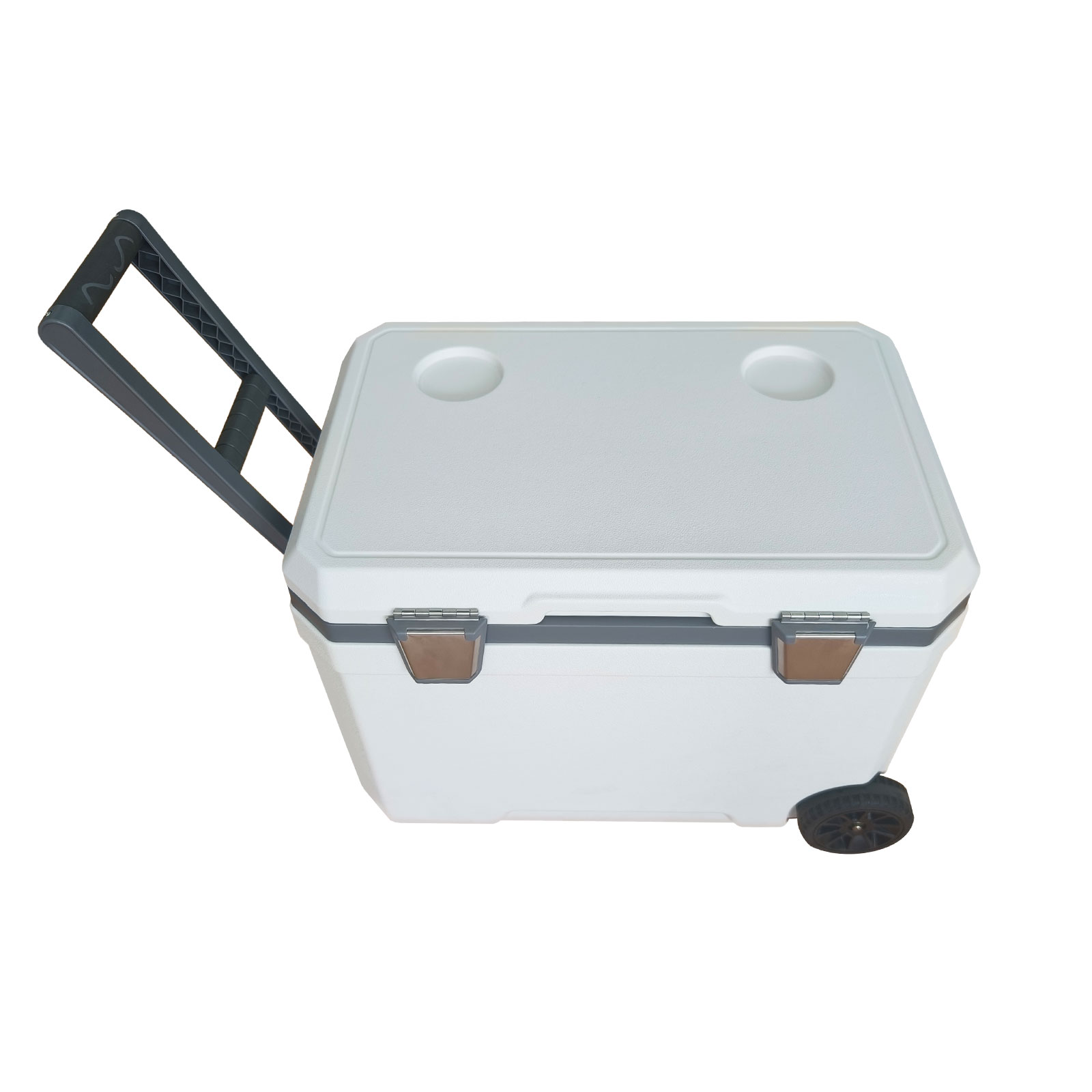
Como comprar caixas isoladas com tecido biológico em 2026?
Se você pesquisou 'fornecedor de caixa isolada de tecidos biológicos', você quer um artigo que reúna educação sobre produtos, ciência térmica, conformidade, and practical buying advice. The best insulated box supplier for biological tissues is never chosen by material alone. It must fit your product, faixa, temperatura alvo, documentation load, e metas de sustentabilidade. Em 2026, buyers also need better evidence: lógica de validação, packout control, and a sourcing brief that can stand up in operations, QA, and procurement meetings. This optimized guide gives you that complete view in one place.
Este artigo responderá
- How to choose the best biological tissue shipping insulated box using buyer logic, route data, and product requirements.
- Which material and refrigerant combinations strengthen UN3373 tissue transport box without overspending.
- What standards, etapas de validação, and documentation reduce risk for biospecimen cold chain packaging.
- How to build a sourcing plan that supports performance, controle de custos, and sustainability in 2026.
How do you define the right job for insulated box supplier for biological tissues before you buy?
The best buying decision begins with a clear shipping definition. Before you compare materials or prices, define the product class, the allowed temperature band, the expected transit window, the delay margin, and the receiving action at destination. Isso parece simples, but it is the step that separates useful packaging programs from expensive guessing. When teams skip this definition, they usually overspend on easy lanes and still under-protect the hard ones.
For biological tissue transport, your packaging brief should also capture payload mass, SKU mix, tempo de preparação, route handoffs, and how often the box will be opened before delivery. Those details change thermal behavior and labor effort at the same time. They also determine whether the best solution is a simple disposable shipper, a premium long-hold system, or a reusable loop. Good packaging starts with operational truth, não com uma página de catálogo.
Use a one-page packaging definition
A one-page definition should answer five things: what is being shipped, how cold or warm it must stay, how long the route can realistically take, what conditions make the shipment unacceptable, and what the receiver must do when it arrives. If you build your sourcing process around those five items, every later decision becomes easier. That is especially true for insulated box supplier biological tissues, where the difference between a safe, economical packout and a wasteful one is often route definition rather than material alone.
| Decision input | Por que isso importa | If you ignore it | O que isso significa para você |
| Banda de temperatura | Sets the true thermal target | Wrong coolant or wrong wall design | You choose a system that matches product reality. |
| Route and delay margin | Defines required hold time | Tests that pass on paper but fail in transit | You buy resilience instead of optimism. |
| Payload mass and mix | Changes heat absorption and cavity fit | Inconsistent performance between SKUs | You keep results relevant after launch. |
| Receiving action | Protects the shipment after arrival | Good package left unopened too long | You preserve product quality beyond transit. |
Dicas práticas e recomendações
- Define pass/fail early: do not wait until after testing to decide what counts as success.
- Group similar lanes: fácil, moderado, and hard routes rarely need the same design.
- Include operations in the brief: the team packing the box knows where execution really varies.
Exemplo ilustrativo: The strongest buying teams treat packaging definition like a mini risk assessment. That one habit usually reduces rework later because suppliers respond to a clear problem instead of guessing what matters most.
Quais materiais, refrigerantes, and packout geometry create the safest thermal result?
An insulated shipper performs as a system. Wall material, internal fit, qualidade de fechamento, tipo de refrigerante, and payload mass all interact. That is why one material cannot be declared ‘best’ without context. Foam may be the practical answer on one lane, a reusable EPP system may win on another, and VIP or a hybrid design may make sense when product value or route uncertainty rises. The correct choice is the one that protects temperature with the least operational friction.
Coolant selection should follow the same logic. Os pacotes de gel são flexíveis. PCM packs help narrow the temperature band when conditioning is tightly controlled. Dry ice is powerful for frozen or deep-cold routes, but it raises handling and compliance needs. The packout layout also matters because uneven placement, grandes vazios, or poor lid sealing can undermine an otherwise good design. For insulated box supplier for biological tissues, thermal science becomes practical when you translate it into three rules: reduce heat paths, balance coolant, and keep the build repeatable.
The best design is stable, not dramatic
Buyers are often impressed by boxes that feel colder or heavier during sampling, but those impressions do not always predict success in real routes. A stable design is one that keeps working when packing is slightly rushed, a handoff is delayed, or the receiver is slower than planned. That is the standard worth paying for. Na maioria das operações, a repeatable moderate design beats an extreme design that only works under perfect preparation.
| System element | Best question to ask | High-value signal | O que isso significa para você |
| Material de isolamento | What route and duration was it chosen for? | The supplier explains why this material fits your lane class | You avoid material decisions based on fashion or habit. |
| Tipo de refrigerante | What band and preparation method does it support? | There is a clear conditioning SOP | You protect temperature without adding chaos. |
| Packout geometry | How is headspace reduced and product stabilized? | The cavity design matches real SKU shapes | You gain performance without extra material. |
| Método de fechamento | How is sealing controlled during packing? | The closure pattern is simple and repeatable | You protect real-world hold time, not just lab performance. |
Dicas práticas e recomendações
- Test the build, não apenas a caixa: the same box can perform differently under different packout methods.
- Use realistic payloads: surrogate loads should behave like the products you actually ship.
- Balance thermal and labor goals: a technically good design that operators hate often fails later.
Exemplo ilustrativo: In route trials, the winning design is often the one with the best fit and the clearest packout sheet, not necessarily the one with the thickest wall or the most coolant.
How should you validate and monitor insulated box supplier for biological tissues in daily operations?
A validação deve responder a uma pergunta: can this system protect the product on the real lane, with normal people using it? That means checking the route profile, the season or ambient stress, a carga útil, the refrigerant conditioning, and the packout steps together. Once the design passes, translate the result into an SOP and use targeted logger work to confirm that operations stay aligned. This is how technical confidence turns into operational confidence.
Not every organization needs a heavy validation framework, but every organization needs clear assumptions. Know what route class was represented, what pass range applies, who reviews the data, and what happens if a shipment falls outside that range. These basics matter in food, assistência médica, biospecimens, produtos químicos, and sustainable packaging projects alike because the box is only one part of a repeatable shipping system. The other part is disciplined execution.
Use data to improve, not just to archive
Loggers are most valuable on new lanes, seasonal changes, higher-risk SKUs, comparações de fornecedores, and investigations. Pair each logger trace with shipment facts such as packout version, carga útil, dispatch time, and unusual dwell. Quando você faz isso, the data becomes a decision tool. Quando você não, it becomes a graph that nobody fully trusts. For insulated box supplier biological tissues, targeted monitoring often reveals where you can remove waste safely and where you need more margin.
| Validation layer | O que confirmar | Weak habit to avoid | O que isso significa para você |
| Qualificação de rota | Lane class, delay margin, e estresse ambiental | Approving one generic route for all shipments | You keep evidence tied to real business conditions. |
| Pacote SOP | Exact build sequence and coolant prep | Relying on memory or tribal knowledge | You protect consistency across shifts and sites. |
| Revisão de dados | Who checks results and what counts as a pass | Collecting data with no disposition rule | You turn monitoring into action. |
| Periodic review | Seasonal drift, new SKUs, and exception trends | Freezing the spec for years | You keep the package aligned with current operations. |
Dicas práticas e recomendações
- Validate the hardest realistic lane first: success there often covers easier routes.
- Give the SOP to operators early: a design is only approved when the team can repeat it.
- Use exceptions as design feedback: each issue can refine route segmentation or packout discipline.
Exemplo ilustrativo: The best packaging programs learn continuously. They do not treat qualification as a one-time event, but as the starting point for operational control.
What compliance framework should guide insulated box supplier for biological tissues?
Compliance works best when it becomes a short packaging checklist. For diagnostic and tissue shipments, thermal packaging is only one part of compliance. If the shipment falls under UN 3373 Category B rules, the packout must follow triple-packaging logic and the primary receptacle or secondary packaging must meet the 95 kPa requirement where applicable. Absorbent material, embalagem externa rígida, rotulagem, and chain-of-custody records are not optional details. They are part of the core design, because protecting the sample means protecting the people handling it too.
The right framework depends on the product and route. Food teams care about safe temperature thresholds, saneamento, rotulagem, e rastreabilidade. Pharma and medical teams add route qualification and GDP-style documentation. Tissue and diagnostic shipments may also need pressure resistance, material absorvente, and Category B packaging logic. Chemical shipments can require compatibility review and dangerous-goods controls. Whatever the category, the practical goal is the same: build the rules into the shipper specification instead of bolting them on later.
A short compliance checklist beats a long policy file
Turn the rules that matter into daily questions. What temperature band applies? What packaging classification or material-compatibility rule applies? What labels or documents must travel with the shipment? What receiving action is required? When a supplier can answer those questions clearly for insulated box supplier biological tissues, you are much closer to a box that will survive audits and daily handling alike. Clear compliance thinking also reduces internal friction because QA, Compras, and operations can work from the same page.
| Foco na conformidade | O que confirmar | Operational response | O que isso significa para você |
| Packaging class | Confirm whether UN 3373 or another classification applies | Assuming all specimens are handled the same way | Correct classification drives the whole packout. |
| Prevenção de vazamentos | Use primary, secundário, absorvente, and rigid outer packaging correctly | Skipping absorbent or using weak secondary packaging | You protect people, amostras, e conformidade. |
| Pressure resistance | Verify the 95 kPa requirement where applicable | Using a thermal box without compliant secondary components | Temperature protection does not replace biosafety rules. |
| Chain of custody | Document collection, pacote, expedição, and receipt | Loose paperwork or unlabeled inner contents | You preserve specimen identity and usability. |
Dicas práticas e recomendações
- Start with the product label or protocol: it defines the real packaging target.
- Build one-page checks into launch: if the team cannot use the rules daily, the rules are too abstract.
- Update the checklist yearly: regulamentos, clientes, and routes do not stay still.
Exemplo ilustrativo: The most reliable packaging decisions usually come from teams that convert regulations into practical launch checks rather than leaving compliance buried in separate documents.
How do you compare suppliers on cost, sustentabilidade, e execução?
A supplier should be judged on total program fit, not only on the quoted carton. You need to compare route logic, sample evidence, simplicidade da embalagem, QC discipline, tempo de espera, commercial flexibility, and sustainability credibility together. That broader view is important because the cheapest sample can become the most expensive rollout if the packout is slow, inconsistente, or weak on difficult lanes. Packaging value is created at dispatch and delivery, not just at purchase order approval.
Use a structured RFQ with the same route, carga útil, and pass criteria for every bidder. Then score the proposals on technical fit, daily usability, qualidade da documentação, e custo total no destino. Sustainability should be part of that score, but in a specific way: dimensionamento correto, lógica de reutilização, redução de resíduos, or precise material claims. That keeps the buying process honest and makes it easier to defend the final choice internally.
Procurement should reward evidence that operations can actually use
Suppliers earn trust when they explain failure modes clearly, provide simple packout steps, and show how production will stay aligned with the tested sample. If you are evaluating insulated box supplier for biological tissues, ask what happens when the route runs late, when a new SKU enters the box, or when summer heat raises ambient stress. Those answers reveal whether you are buying a real shipping system or only a polished sample. Robust execution is usually the most undervalued part of packaging ROI.
| Supplier criterion | Strong answer looks like | Weak answer looks like | O que isso significa para você |
| Ajuste de rota | Explains why the design matches your lane class | Offers one generic hold-time claim | You see whether the shipper was built for your business. |
| Facilidade operacional | Provides a short, repeatable packout SOP | Requires many operator judgments | You lower execution drift at scale. |
| Controle de mudanças | Shows QC, rastreabilidade de lote, and revision discipline | Cannot explain how production stays consistent | You reduce mismatch between sample and mass production. |
| Credibilidade da sustentabilidade | Uses precise claims and route-aware waste logic | Uses broad green language with no evidence | You protect both brand trust and product integrity. |
Dicas práticas e recomendações
- Use weighted scoring: technical fit and operational ease deserve real weight, not token weight.
- Pilot before full rollout: a short real-world test reveals execution issues quickly.
- Review the reverse side of cost: embalagem mais lenta, reenvio, and storage are packaging costs too.
Exemplo ilustrativo: The best supplier decisions often come from mixed review teams, because procurement sees cost, QA sees evidence, and operations sees whether the packout will really survive peak workload.
Qual deve ser o seu 2026 action plan look like for insulated box supplier for biological tissues?
The most effective 2026 strategy is disciplined simplicity. For biospecimens and diagnostic samples, o 2026 trend is standardization. Collection networks want fewer packaging variations, easier receiving checks, and more reliable chain-of-custody records. That favors insulated systems with cleaner labeling, clearer secondary-packaging logic, and straightforward frozen versus refrigerated workflows. High-value specimens are also pushing more teams toward better logger use and better escalation rules when a shipment is delayed.
Your action plan should include four steps. Reclassify the network into lane groups. Recheck the current packout against today’s product mix and customer expectations. Update the compliance and receiving checklist. Then compare suppliers using a route-specific RFQ rather than a price-only renewal. That sequence combines the strongest ideas from buyer guidance, ciência térmica, and operating strategy into one practical workflow. It is also the fastest way to improve performance without making the system harder to run.
A practical roadmap
If you do only one thing this quarter, review the routes that produce the most complaints, desvios, ou desperdício. That is where the packaging specification usually needs attention first. For insulated box supplier biological tissues, the next big improvement is rarely hidden in a complicated innovation. It is more often found in better route fit, POPs mais claros, documentação mais limpa, and more honest supplier comparison.
Dicas práticas e recomendações
- Reclassify lanes by difficulty before renewing or redesigning the shipper.
- Refresh the packout SOP and receiving instructions at the same time as the box spec.
- Pilot sustainable or lower-cost changes on a few representative lanes first.
- Use route data and exception records as the main input to the next RFQ.
Exemplo ilustrativo: The teams that improve fastest are the ones that review packaging as a live operating system, not as a box specification that was solved once and never revisited.
Perguntas frequentes
What is the first thing to define before buying insulated box supplier biological tissues?
Define the required temperature band, realistic route time, delay margin, carga útil, and receiving action. Those five inputs shape every later packaging decision.
How do you know whether a supplier’s test result is useful?
The result is useful when the payload, perfil ambiente, refrigerant conditioning, and pass criteria match your real lane. A generic hold-time claim is not enough.
Should one company use different packouts for different routes?
Geralmente sim. Segmenting easy, moderado, and hard lanes is one of the fastest ways to improve protection and lower overspecification at the same time.
How should you judge sustainability claims on insulated boxes?
Judge them by route fit, material definition, waste reduction logic, e realidade de descarte. Preciso, evidence-based claims are more valuable than broad green language.
What records make the packaging program stronger after launch?
Keep route class, packout version, coolant condition, notas de exceção, and any targeted logger results. Those records show whether the specification still fits the lane.
Qual é o melhor 2026 packaging improvement strategy?
Use a route-specific review that combines technical fit, conformidade, operating ease, e custo total no destino. The strongest packaging systems are the ones your team can prove and repeat.
Resumo e recomendações
The best answer for insulated box supplier for biological tissues combines four ideas: define the route clearly, choose materials and coolant as a system, validate with practical evidence, and buy from suppliers who can support daily execution as well as thermal performance. That integrated approach improves protection, lowers unnecessary cost, and keeps compliance and sustainability discussions grounded in real operating data. It is the strongest path for a 2026 packaging program.
Use this guide as a working checklist. Reclassify your network, refresh your compliance and receiving SOP, and ask suppliers for route-specific evidence using one common RFQ template. That sequence will help you improve packaging performance quickly without making the system harder for your team to operate.
Sobre Tempk
E tempk, we focus on practical temperature-controlled packaging decisions rather than one-size-fits-all claims. We look at lane conditions, packout repeatability, sensibilidade do produto, and commercial fit so you can choose an insulated box system that works in real operations. Our approach emphasizes clear communication, route-aware configuration, and packaging options that can support food, assistência médica, laboratório, and industrial cold-chain needs.
Use your current lane data, requisitos de temperatura do produto, and packaging pain points as the basis for the next supplier conversation. When those inputs are clear, expert advice becomes far more useful and the resulting packout is usually faster to approve and easier to run.
Guia do melhor produtor de caixas isoladas para hospitais para 2026
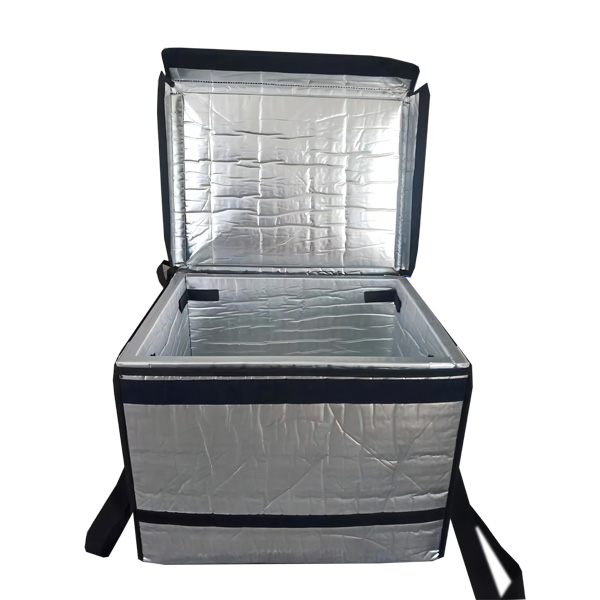
Canônico sugerido: /resources/insulated-box-producer-hospital/
Páginas internas sugeridas:
- Hospital receiving checklist for temp-sensitive supplies
- Reusable transport packaging for healthcare campuses
- How to standardize hospital pack-outs
- Temperature logger SOP for hospital deliveries
Guia do melhor produtor de caixas isoladas para hospitais para 2026
When buyers look for insulated box producer hospital, the smart question is not simply price. It is whether the pack-out can protect value from pack bench to final handoff. A good system holds surgical kits, diagnostic supplies, and reagents in range across central warehouse to hospital, campus transfers, and urgent replenishment routes, stays practical for warehouse teams, and supports cleaner cost and quality control. Em 2026, buyers also expect clearer sustainability claims, cleaner validation files, and faster decisions from suppliers.
Este artigo responderá:
- How to choose the best hospital insulated supply box setup for your lane, carga útil, e orçamento
- Quais verificações técnicas e regulatórias devem ser incluídas em cada decisão de compra
- Como alinhar a seleção de fornecedores, validação, e sustentabilidade em um único fluxo de trabalho
- O que 2026 mudanças de mercado significam para o seu próximo projeto de embalagem
Why does Insulated Box Producer for Hospitals matter for hospital logistics packaging in 2026?
The best insulated box producer for hospitals choice buys reliable temperature time, manuseio mais limpo, e menor atrito operacional. Muitas equipes comparam primeiro uma caixa isolada pela espessura da parede ou pelo preço da amostra. Em operações reais, what matters is whether the pack-out can protect surgical kits, diagnostic supplies, and reagents at 2–8°C, 15–25ºC, and frozen for selected products across central warehouse to hospital, campus transfers, and urgent replenishment routes while still being fast to build and easy to receive. For hospital supply chain teams, sterile processing buyers, and healthcare distributors, a caixa vencedora é aquela que sua equipe consegue repetir no dia mais movimentado sem improvisar.
É por isso que os compradores fortes começam com o perfil da rota, perfil do pedido, e comportamento de transferência. If your lane includes dock congestion, transferências rápidas, and space limits in receiving areas, o desempenho médio diário não é suficiente. Você precisa de um design que ainda funcione em uma tarde quente, uma entrega atrasada, ou uma doca de recepção lotada. Dimensionamento correto, colocação disciplinada de refrigerante, e uma sequência simples de empacotamento geralmente é mais importante do que adicionar mais material. Um fornecedor inteligente falará sobre ajuste de carga útil, POPs de embalagem, e testes sazonais antes de falar sobre reivindicações de catálogo.
How hospital insulated supply box turns into a repeatable operating standard
Pense na caixa como um cronômetro, não apenas uma concha. O cronômetro inicia no momento em que a carga sai do armazenamento controlado, e continua passando pela colheita, encenação, transporte, e recebimento final. Se você deixar muito ar vazio ao redor da carga útil, use a massa de refrigerante errada, ou deixe a equipe empacotar maneiras diferentes em turnos diferentes, esse cronômetro encurta rápido. Os melhores sistemas mantêm as regras simples o suficiente para que sua equipe de armazém possa executá-las de forma consistente, mesmo quando o volume aumenta..
| Perfil de rota | Estilo de caixa recomendado | Por que cabe | O que isso significa para você |
| Pista curta controlada | Caixa passiva compacta | Rota previsível e baixa variação | Bom para pedidos repetidos com embalagem disciplinada |
| Pista regional 24–48 horas | Sistema isolado de meia duração | Balanço sazonal moderado | Cria um equilíbrio prático entre custo e proteção |
| Pista longa crítica | Remetente qualificado de alto desempenho | Janela de alto valor ou longa exposição | Adiciona margem de segurança quando a falha é cara |
Dicas práticas que você pode usar
- Mapeie seus três comprimentos de pista mais comuns antes de comparar as cotações das caixas.
- Peça aos fornecedores uma sequência de embalagem que um novo operador possa seguir em uma sessão de treinamento.
- Separe os pacotes de pista curta e de pior caso, em vez de forçar um projeto a fazer mal cada trabalho.
Exemplo: A hospital network shifted to color-coded inserts and standard labels for three common replenishment flows. Dock teams identified priority products faster, and fewer deliveries sat too long before put-away.
Which materials and coolant choices make the most sense for insulated box producer for hospitals?
A escolha do material consiste em combinar a resistência térmica, durabilidade, e custo para a pista real em vez de escolher a opção mais avançada por padrão. EPS continua popular porque é econômico e amplamente disponível. EPP adiciona durabilidade e potencial de reutilização. Projetos à base de poliuretano ou poliisocianurato podem fornecer mais isolamento em menos espessura. Sistemas baseados em VIP impulsionam o desempenho ainda mais, mas custam mais e exigem um manuseio cuidadoso. A melhor resposta depende de quanto tempo dura o percurso, quão difícil é o manuseio, e quão caro seria o fracasso.
A escolha do refrigerante é igualmente importante. Os pacotes de gel são simples e flexíveis. Os materiais de mudança de fase proporcionam um controle mais rígido quando você precisa de um alvo mais estreito. O gelo seco suporta programas de congelamento e ultracongelamento, mas introduz rotulagem, segurança, e planejamento de esgotamento. Quando os compradores misturam bem o material e o refrigerante, eles reduzem o risco e o excesso de embalagem. Quando eles adivinham, muitas vezes acabam pagando por muito isolamento em pistas fáceis e pouca proteção em pistas difíceis.
O que os dados dos materiais significam em operações reais
Não compare materiais apenas pelas afirmações do folheto. Pergunte como eles se comportam após a vibração, compressão, exposição à umidade, e manuseio repetido. Um painel muito eficiente perde valor se o operador puder danificá-lo facilmente. Uma concha reutilizável só ganha seu sustento quando o ciclo de logística reversa é real. O material certo é aquele que ainda funciona após o seu padrão de manuseio real, não aquele com a história de laboratório mais impressionante.
| Material ou refrigerante | O que faz bem | O que assistir | O que isso significa para você |
| EPS + pacotes de gel | Forte valor em muitas pistas de rotina | Pode se tornar volumoso em rotas longas e quentes | Uma base prática para uma distribuição sensível aos custos |
| PPE + PCM reutilizável | Durável e adequado para uso repetido | Precisa de logística de devolução e controle de limpeza | Bom para circuitos fechados com curvas consistentes |
| PU/PIR + PCM | Maior desempenho em espaços mais apertados | Custo mais alto que a espuma básica | Útil quando o cubo é caro ou o tempo de espera é mais curto |
| VIP + PCM ou gelo seco | Desempenho de longa duração em dimensões compactas | Custo premium e cuidados de manuseio | Melhor quando o valor da carga útil justifica a proteção extra |
Dicas práticas que você pode usar
- Escolha o material depois de definir a pista e a carga útil, não antes.
- Compare materiais com dados térmicos e de trânsito do mesmo plano de teste sempre que possível.
- Proteja pastilhas de alto desempenho contra danos nas bordas durante o manuseio e armazenamento.
Exemplo: Duas caixas podem parecer semelhantes em uma mesa de amostra, mas se comportar de maneira muito diferente após a vibração, queda de canto, e atraso de preparação. A seleção de materiais só se torna significativa quando está vinculada à pista e ao método de teste.
How do you validate insulated box producer for hospitals before you scale volume?
Se você não puder mostrar as condições de teste, resultados do registrador, e regras de aprovação ou reprovação, você ainda não possui um sistema de embalagem qualificado. A validação transforma um conceito de embalagem em um método operacional controlado. Você define as suposições de rota, condicionar as amostras, construa o pacote exatamente como está escrito, e medir a temperatura interna ao longo do tempo. Em seguida, você combina isso com testes de abuso no estilo de trânsito para que a caixa não seja apenas termicamente sólida, mas também fisicamente durável. É aqui que normas como ASTM D3103, ASTM D4169, ASTM D4332, e os perfis térmicos ISTA modernos tornam-se valiosos.
As equipes de saúde e de biotecnologia muitas vezes vão um passo além ao qualificar perfis de rotas, documentando a colocação do registrador, e bloquear pacotes sazonais sob controle de alterações. As equipes de alimentação devem fazer a mesma disciplina mesmo quando a linguagem é mais simples. O objetivo é sempre o mesmo: provar que a embalagem mantém o produto dentro do alcance para a rota pretendida, e provar que a operação pode ser repetida após o lançamento. Em 2026, os compradores esperam cada vez mais esta evidência antes de aprovarem um novo fornecedor.
What a clean validation file for hospital insulated supply box should include
No mínimo, mantenha o desenho do pacote, especificação de materiais, protocolo de teste, detalhes de condicionamento, instruções de embalagem, mapa do registrador, Critérios de aceitação, e relatório final. Se você alterar a espessura da parede, resina, tipo de refrigerante, geometria da carga útil, ou resistência externa da caixa, avaliar se a requalificação é necessária. Essa disciplina protege você contra desvios silenciosos de desempenho após mudanças de redução de custos ou substituições de matéria-prima.
| Elemento do arquivo de validação | O que isso prova | Quem usa | O que isso significa para você |
| Desenho de pacote e BOM | Exatamente o que foi testado | Compras, qualidade, fornecedores | Evita confusões posteriores sobre o que conta como aprovado |
| Relatório de teste térmico | Desempenho de tempo de espera em relação ao intervalo alvo | Qualidade e operações | Mostra se o pack-out funciona no papel e na prática |
| Relatório de durabilidade de trânsito | Resistência a quedas, vibração, e compressão | Operações e engenharia | Impede que o sucesso térmico seja desfeito ao lidar com danos |
Dicas práticas que você pode usar
- Teste pelo menos uma pista curta e uma pista de pior caso, em vez de confiar em um único perfil médio.
- Registre a colocação do registrador no protocolo para que testes futuros sejam comparáveis.
- Acione uma revisão sempre que o desenho, material, refrigerante, ou alterações na geometria da carga útil.
Exemplo: Um arquivo de validação formal geralmente acelera a compra em vez de retardá-la. Uma vez que a evidência existe, as equipes gastam menos tempo discutindo opiniões e mais tempo decidindo como lançar.
Quais padrões, regulamentos, and handling rules shape insulated box producer for hospitals?
O conjunto de regras certo depende do que você envia, como você envia, e quais riscos a remessa cria se o controle falhar. É por isso que a conformidade deve ser definida no início do projeto, não depois que a embalagem já estiver selecionada. As remessas de alimentos precisam de transporte sanitário e lógica de controle de temperatura. Tecidos biológicos e muitas remessas de amostras podem exigir embalagem tripla, E 3373 marcação, e rotulagem de gelo seco quando relevante. Os fluxos médicos e biotecnológicos necessitam de sistemas qualificados que protejam a qualidade dos produtos e a rastreabilidade ao longo da cadeia de abastecimento.
Padrões e regulamentos também influenciam a documentação. Para algumas rotas, um relatório de trânsito e térmico pode ser suficiente. Para outros, você pode precisar de registros de classificação, POPS, arquivos de registro, etapas da cadeia de custódia, ou evidência de qualificação de rota. Bons fornecedores entendem onde o design da embalagem, rotulagem, e documentação se encontram. Eles ajudam você a criar uma solução que pode passar na revisão operacional, não apenas sobreviver a um teste de amostra.
How to match the rule set to hospital insulated supply box
Comece com a categoria do produto, o modo de envio, a meta de temperatura, e o mercado de destino. Em seguida, defina a construção mínima do pacote, rótulos, documentação, e monitoramento que você precisa. Quando as equipes pulam esta etapa, muitas vezes descobrem no final do projeto que a caixa escolhida não possui as evidências corretas ou não pode apoiar o processo exigido.
| Regra ou estrutura | O que governa | Implicação da embalagem | O que isso significa para você |
| Protocolo de qualificação | Define limites de aprovação/reprovação e suposições de rota | Transforma uma ideia de embalagem em um padrão operacional repetível | |
| ASTM / Teste ISTA | Trânsito e evidência térmica | Mostra se o design resiste ao manuseio real e ao estresse ambiental | |
| Alterar registros de controle | Protege a qualidade após alterações de material ou desenho | Evita que desvios silenciosos nas especificações prejudiquem o desempenho |
Dicas práticas que você pode usar
- Escreva a classe do produto, modo de envio, e meta de temperatura no resumo da embalagem no primeiro dia.
- Peça aos fornecedores que indiquem quais padrões e métodos de teste seus relatórios realmente seguem.
- Rotulagem de tratamento, planejamento de gelo seco, e etapas da cadeia de custódia como parte do design da embalagem, não como papelada separada.
Exemplo: Erros de conformidade raramente são dramáticos no início. Eles geralmente parecem um rótulo faltando, um SOP pouco claro, ou um relatório com o método de teste errado. Capturar esses detalhes antecipadamente é muito mais barato do que corrigi-los após o lançamento.
Como a sustentabilidade pode fortalecer, não enfraquecer, insulated box producer for hospitals performance?
As embalagens sustentáveis só funcionam quando a reivindicação ambiental é apoiada por um desempenho adequado à faixa de rodagem. Os compradores têm razão em pedir menos desperdício, menos espaço vazio, e reivindicações materiais mais confiáveis. Mas uma caixa isolada sustentável ainda precisa proteger primeiro o produto. Se um design de aparência mais ecológica causar mais falhas de temperatura, mais deterioração, ou mais pacotes de emergência, a pegada total geralmente piora. É por isso que as equipes inteligentes tratam a sustentabilidade como um problema de otimização de design, não é um exercício de branding.
Na prática, the biggest wins often come from nestable or stackable formats, reusable closed-loop totes, and reduced packaging bulk at receiving. Essas mudanças reduzem o uso de materiais e a carga de frete sem exigir que o sistema térmico faça algo irrealista. Os reguladores e as equipes de compras também estão prestando mais atenção à vaga linguagem verde. Nos Estados Unidos, as afirmações de marketing ambiental precisam ser verdadeiras e bem fundamentadas, e na Europa as novas regras de embalagem estão a empurrar os designers para uma abordagem mais clara, escolhas de materiais mais defensáveis. Em 2026, isso significa que os compradores devem pedir provas, não slogans.
How to cut waste in hospital insulated supply box without creating new risk
Comece com dados de tamanho do pedido, dados de duração da pista, e dados de taxa de retorno. Esses três números indicam se o dimensionamento correto, reutilizar, ou a substituição material tem o retorno mais forte. Se você administra uma rede fechada com retornos consistentes, conchas reutilizáveis podem funcionar muito bem. Se o seu fluxo for um pacote unidirecional, cubo inferior e instruções de descarte mais claras podem ser mais importantes do que reutilização. O objetivo é reduzir o desperdício de uma forma que sua operação possa realmente sustentar.
| Movimento de sustentabilidade | Principal benefício | Vigilância principal | O que isso significa para você |
| Dimensione a caixa corretamente | Menos ar de carga e menos refrigerante | Precisa de dados reais sobre o tamanho do pedido | Geralmente a maneira mais rápida de reduzir custos e desperdícios juntos |
| Use reutilização apenas em loops verdadeiros | Menor desperdício por viagem quando as curvas permanecem altas | Falha se as taxas de retorno forem baixas | A reutilização funciona melhor quando você pode medir o retorno, limpeza, e perda |
| Qualifique as reivindicações ecológicas | Reduz o risco legal e de reputação | Requer evidências e redação clara | Alegações honestas geram confiança e sobrevivem à análise de compras |
Dicas práticas que você pode usar
- Meça a proporção de espaço vazio em seus principais tamanhos de pedido antes de alterar os materiais.
- Qualifique qualquer reivindicação de conteúdo reciclável ou reciclado com o texto exato que você pode apoiar.
- Use a reutilização somente quando as taxas de devolução, limpeza, e o rastreamento de ativos já são práticos.
Exemplo: As equipes geralmente obtêm mais valor com o dimensionamento correto e melhor disciplina na embalagem do que com a busca primeiro por uma mudança de material da moda. Essa ordem de operações protege o desempenho e a credibilidade.
2026 developments and trends for insulated box producers for hospitals
Em 2026, insulated box producer for hospitals projects are being shaped by three big changes: tighter documentation, more route-specific qualification, and rising pressure to cut waste without weakening protection. Healthcare air cargo programs continue to prioritize time- and temperature-sensitive handling, while buyers of passive boxes are asking for cleaner validation files, better chain-of-custody support, and stronger escalation plans for delays. The market is rewarding packaging systems that make audits easier, not just shipments colder.
Visão geral dos últimos turnos
- Route qualification and seasonal pack-outs are moving from a nice extra to a standard expectation.
- Digital logger data and cleaner deviation handling are becoming part of the buying conversation.
- Sustainable temperature-control solutions are gaining attention, but only when performance evidence is clear.
WHO guidance still points buyers toward qualified shipping containers and route profiling, while IATA and specialist healthcare cargo programs continue to emphasize clear time-and-temperature control. Para você, that means supplier conversations are becoming more evidence-led. If a supplier cannot explain their test logic, documentação, e controle de mudança, they will feel risky even if the sample box looks fine.
Perguntas frequentes
What makes a strong insulated box producer for hospitals supplier?
Um fornecedor forte oferece mais do que estoque de catálogo. Você quer recomendações com reconhecimento de rota, desenhos controlados, suporte de validação, compromissos claros de prazo de entrega, e comunicação realista sobre reivindicações e limitações de sustentabilidade.
Is a thicker wall always better for insulated box producer for hospitals?
Não. Melhor ajuste, uso mais inteligente de refrigerante, e uma correspondência de tamanho de pedido mais restrita geralmente supera uma parede cegamente mais espessa. A espessura adicional só ajuda quando resolve um problema real de rota, em vez de ocultar um design de empacotamento ruim.
When is a reusable insulated box producer for hospitals the smart option?
A reutilização funciona quando você controla o loop de retorno, processo de limpeza, rastreamento de ativos, e taxa de giro. Sem essas condições, uma caixa reutilizável pode parecer sustentável no papel, mas ter um desempenho ruim em operações reais.
How should you test insulated box producer for hospitals before launch?
Use um protocolo escrito que cubra o condicionamento de amostras, instruções de embalagem, posicionamento do registrador, duração da rota, e abuso de trânsito. Teste a via fácil e a via difícil para saber onde o design funciona e onde o escalonamento é necessário.
Resumo e recomendações
The strongest insulated box producer for hospitals strategy is simple to explain and hard to misuse. Você define a rota, escolha o material e o sistema de refrigeração corretos, validar o pack-out, e comprar de um fornecedor que possa oferecer suporte à execução controlada ao longo do tempo. Quando essas peças se alinham, você reduz o dano, controlar melhor os custos, e tornar as avaliações de qualidade muito mais fáceis.
Seu próximo passo deve ser prático. Liste suas principais pistas, principais tamanhos de pedido, metas de temperatura, e as exceções que mais te machucam hoje. Em seguida, compare os fornecedores com esse briefing real, não é uma folha de catálogo genérica. Um breve piloto com regras claras de aprovação ou reprovação lhe dirá muito mais do que outra rodada de troca de amostras.
Sobre Tempk
E tempk, nos concentramos em embalagens passivas de cadeia de frio projetadas em torno de rotas reais, padrões reais de manuseio, e restrições operacionais reais. Trabalhamos em formatos de caixas isoladas, inserções personalizadas, e suporte de qualificação para que os compradores possam combinar o nível de proteção com a dificuldade da pista, em vez de comprar demais ou subproteger.
Traga o perfil da sua pista, tamanhos de pedido, e temperatura alvo para a conversa. Uma boa discussão sobre embalagens começa com sua realidade operacional, e essa é a maneira mais rápida de passar de caixas de amostras para um padrão de envio repetível.
Como comprar caixas isoladas para restaurantes em 2026?

Como comprar caixas isoladas para restaurantes em 2026?
If you searched for ‘insulated box producer restaurant’, você quer um artigo que reúna educação sobre produtos, ciência térmica, conformidade, and practical buying advice. The best insulated box producer for restaurant operations is never chosen by material alone. It must fit your product, faixa, temperatura alvo, documentation load, e metas de sustentabilidade. Em 2026, buyers also need better evidence: lógica de validação, packout control, and a sourcing brief that can stand up in operations, QA, and procurement meetings. This optimized guide gives you that complete view in one place.
Este artigo responderá
- How to choose the best restaurant cold delivery insulated box using buyer logic, route data, and product requirements.
- Which material and refrigerant combinations strengthen foodservice insulated shipping box without overspending.
- What standards, etapas de validação, and documentation reduce risk for catering cold chain packaging.
- How to build a sourcing plan that supports performance, controle de custos, and sustainability in 2026.
How do you define the right job for insulated box producer for restaurant operations before you buy?
The best buying decision begins with a clear shipping definition. Before you compare materials or prices, define the product class, the allowed temperature band, the expected transit window, the delay margin, and the receiving action at destination. Isso parece simples, but it is the step that separates useful packaging programs from expensive guessing. When teams skip this definition, they usually overspend on easy lanes and still under-protect the hard ones.
For restaurant and foodservice cold chain, your packaging brief should also capture payload mass, SKU mix, tempo de preparação, route handoffs, and how often the box will be opened before delivery. Those details change thermal behavior and labor effort at the same time. They also determine whether the best solution is a simple disposable shipper, a premium long-hold system, or a reusable loop. Good packaging starts with operational truth, não com uma página de catálogo.
Use a one-page packaging definition
A one-page definition should answer five things: what is being shipped, how cold or warm it must stay, how long the route can realistically take, what conditions make the shipment unacceptable, and what the receiver must do when it arrives. If you build your sourcing process around those five items, every later decision becomes easier. That is especially true for insulated box producer restaurant, where the difference between a safe, economical packout and a wasteful one is often route definition rather than material alone.
| Decision input | Por que isso importa | If you ignore it | O que isso significa para você |
| Banda de temperatura | Sets the true thermal target | Wrong coolant or wrong wall design | You choose a system that matches product reality. |
| Route and delay margin | Defines required hold time | Tests that pass on paper but fail in transit | You buy resilience instead of optimism. |
| Payload mass and mix | Changes heat absorption and cavity fit | Inconsistent performance between SKUs | You keep results relevant after launch. |
| Receiving action | Protects the shipment after arrival | Good package left unopened too long | You preserve product quality beyond transit. |
Dicas práticas e recomendações
- Define pass/fail early: do not wait until after testing to decide what counts as success.
- Group similar lanes: fácil, moderado, and hard routes rarely need the same design.
- Include operations in the brief: the team packing the box knows where execution really varies.
Exemplo ilustrativo: The strongest buying teams treat packaging definition like a mini risk assessment. That one habit usually reduces rework later because suppliers respond to a clear problem instead of guessing what matters most.
Quais materiais, refrigerantes, and packout geometry create the safest thermal result?
An insulated shipper performs as a system. Wall material, internal fit, qualidade de fechamento, tipo de refrigerante, and payload mass all interact. That is why one material cannot be declared ‘best’ without context. Foam may be the practical answer on one lane, a reusable EPP system may win on another, and VIP or a hybrid design may make sense when product value or route uncertainty rises. The correct choice is the one that protects temperature with the least operational friction.
Coolant selection should follow the same logic. Os pacotes de gel são flexíveis. PCM packs help narrow the temperature band when conditioning is tightly controlled. Dry ice is powerful for frozen or deep-cold routes, but it raises handling and compliance needs. The packout layout also matters because uneven placement, grandes vazios, or poor lid sealing can undermine an otherwise good design. For insulated box producer for restaurant operations, thermal science becomes practical when you translate it into three rules: reduce heat paths, balance coolant, and keep the build repeatable.
The best design is stable, not dramatic
Buyers are often impressed by boxes that feel colder or heavier during sampling, but those impressions do not always predict success in real routes. A stable design is one that keeps working when packing is slightly rushed, a handoff is delayed, or the receiver is slower than planned. That is the standard worth paying for. Na maioria das operações, a repeatable moderate design beats an extreme design that only works under perfect preparation.
| System element | Best question to ask | High-value signal | O que isso significa para você |
| Material de isolamento | What route and duration was it chosen for? | The supplier explains why this material fits your lane class | You avoid material decisions based on fashion or habit. |
| Tipo de refrigerante | What band and preparation method does it support? | There is a clear conditioning SOP | You protect temperature without adding chaos. |
| Packout geometry | How is headspace reduced and product stabilized? | The cavity design matches real SKU shapes | You gain performance without extra material. |
| Método de fechamento | How is sealing controlled during packing? | The closure pattern is simple and repeatable | You protect real-world hold time, not just lab performance. |
Dicas práticas e recomendações
- Test the build, não apenas a caixa: the same box can perform differently under different packout methods.
- Use realistic payloads: surrogate loads should behave like the products you actually ship.
- Balance thermal and labor goals: a technically good design that operators hate often fails later.
Exemplo ilustrativo: In route trials, the winning design is often the one with the best fit and the clearest packout sheet, not necessarily the one with the thickest wall or the most coolant.
How should you validate and monitor insulated box producer for restaurant operations in daily operations?
A validação deve responder a uma pergunta: can this system protect the product on the real lane, with normal people using it? That means checking the route profile, the season or ambient stress, a carga útil, the refrigerant conditioning, and the packout steps together. Once the design passes, translate the result into an SOP and use targeted logger work to confirm that operations stay aligned. This is how technical confidence turns into operational confidence.
Not every organization needs a heavy validation framework, but every organization needs clear assumptions. Know what route class was represented, what pass range applies, who reviews the data, and what happens if a shipment falls outside that range. These basics matter in food, assistência médica, biospecimens, produtos químicos, and sustainable packaging projects alike because the box is only one part of a repeatable shipping system. The other part is disciplined execution.
Use data to improve, not just to archive
Loggers are most valuable on new lanes, seasonal changes, higher-risk SKUs, comparações de fornecedores, and investigations. Pair each logger trace with shipment facts such as packout version, carga útil, dispatch time, and unusual dwell. Quando você faz isso, the data becomes a decision tool. Quando você não, it becomes a graph that nobody fully trusts. For insulated box producer restaurant, targeted monitoring often reveals where you can remove waste safely and where you need more margin.
| Validation layer | O que confirmar | Weak habit to avoid | O que isso significa para você |
| Qualificação de rota | Lane class, delay margin, e estresse ambiental | Approving one generic route for all shipments | You keep evidence tied to real business conditions. |
| Pacote SOP | Exact build sequence and coolant prep | Relying on memory or tribal knowledge | You protect consistency across shifts and sites. |
| Revisão de dados | Who checks results and what counts as a pass | Collecting data with no disposition rule | You turn monitoring into action. |
| Periodic review | Seasonal drift, new SKUs, and exception trends | Freezing the spec for years | You keep the package aligned with current operations. |
Dicas práticas e recomendações
- Validate the hardest realistic lane first: success there often covers easier routes.
- Give the SOP to operators early: a design is only approved when the team can repeat it.
- Use exceptions as design feedback: each issue can refine route segmentation or packout discipline.
Exemplo ilustrativo: The best packaging programs learn continuously. They do not treat qualification as a one-time event, but as the starting point for operational control.
What compliance framework should guide insulated box producer for restaurant operations?
Compliance works best when it becomes a short packaging checklist. In foodservice and protein logistics, temperature protection and sanitary handling go together. FDA food guidance keeps cold-holding near 41°F / 5°C, while USDA safety guidance reinforces 40°F / 4°C for refrigerated foods and 0°F / -18° C para alimentos congelados. That does not mean every package must be built the same way. It means you need a packout, processo de recebimento, and label set that keep food in the safe zone during the route you actually run. As traceability expectations rise, clean lot records and exception notes matter more than they did a few years ago.
The right framework depends on the product and route. Food teams care about safe temperature thresholds, saneamento, rotulagem, e rastreabilidade. Pharma and medical teams add route qualification and GDP-style documentation. Tissue and diagnostic shipments may also need pressure resistance, material absorvente, and Category B packaging logic. Chemical shipments can require compatibility review and dangerous-goods controls. Whatever the category, the practical goal is the same: build the rules into the shipper specification instead of bolting them on later.
A short compliance checklist beats a long policy file
Turn the rules that matter into daily questions. What temperature band applies? What packaging classification or material-compatibility rule applies? What labels or documents must travel with the shipment? What receiving action is required? When a supplier can answer those questions clearly for insulated box producer restaurant, you are much closer to a box that will survive audits and daily handling alike. Clear compliance thinking also reduces internal friction because QA, Compras, and operations can work from the same page.
| Foco na conformidade | O que confirmar | Operational response | O que isso significa para você |
| Alvo de temperatura | Define chilled vs frozen acceptance before launch | Using one packout for every SKU | You avoid avoidable spoilage and false confidence. |
| Saneamento | Verify food-contact compatibility and clean handling | Treating the box as purely a freight item | Packaging hygiene affects product safety and brand trust. |
| Labeling and receiving | Mark perishable handling clearly and train the receiver | No receiving action plan | A good box still fails if the receiver leaves it unopened. |
| Rastreabilidade | Record ship date, muito, rota, and exception data | Scattered records across teams | Faster traceability means faster decisions when something goes wrong. |
Dicas práticas e recomendações
- Start with the product label or protocol: it defines the real packaging target.
- Build one-page checks into launch: if the team cannot use the rules daily, the rules are too abstract.
- Update the checklist yearly: regulamentos, clientes, and routes do not stay still.
Exemplo ilustrativo: The most reliable packaging decisions usually come from teams that convert regulations into practical launch checks rather than leaving compliance buried in separate documents.
How do you compare suppliers on cost, sustentabilidade, e execução?
A supplier should be judged on total program fit, not only on the quoted carton. You need to compare route logic, sample evidence, simplicidade da embalagem, QC discipline, tempo de espera, commercial flexibility, and sustainability credibility together. That broader view is important because the cheapest sample can become the most expensive rollout if the packout is slow, inconsistente, or weak on difficult lanes. Packaging value is created at dispatch and delivery, not just at purchase order approval.
Use a structured RFQ with the same route, carga útil, and pass criteria for every bidder. Then score the proposals on technical fit, daily usability, qualidade da documentação, e custo total no destino. Sustainability should be part of that score, but in a specific way: dimensionamento correto, lógica de reutilização, redução de resíduos, or precise material claims. That keeps the buying process honest and makes it easier to defend the final choice internally.
Procurement should reward evidence that operations can actually use
Suppliers earn trust when they explain failure modes clearly, provide simple packout steps, and show how production will stay aligned with the tested sample. If you are evaluating insulated box producer for restaurant operations, ask what happens when the route runs late, when a new SKU enters the box, or when summer heat raises ambient stress. Those answers reveal whether you are buying a real shipping system or only a polished sample. Robust execution is usually the most undervalued part of packaging ROI.
| Supplier criterion | Strong answer looks like | Weak answer looks like | O que isso significa para você |
| Ajuste de rota | Explains why the design matches your lane class | Offers one generic hold-time claim | You see whether the shipper was built for your business. |
| Facilidade operacional | Provides a short, repeatable packout SOP | Requires many operator judgments | You lower execution drift at scale. |
| Controle de mudanças | Shows QC, rastreabilidade de lote, and revision discipline | Cannot explain how production stays consistent | You reduce mismatch between sample and mass production. |
| Credibilidade da sustentabilidade | Uses precise claims and route-aware waste logic | Uses broad green language with no evidence | You protect both brand trust and product integrity. |
Dicas práticas e recomendações
- Use weighted scoring: technical fit and operational ease deserve real weight, not token weight.
- Pilot before full rollout: a short real-world test reveals execution issues quickly.
- Review the reverse side of cost: embalagem mais lenta, reenvio, and storage are packaging costs too.
Exemplo ilustrativo: The best supplier decisions often come from mixed review teams, because procurement sees cost, QA sees evidence, and operations sees whether the packout will really survive peak workload.
Qual deve ser o seu 2026 action plan look like for insulated box producer for restaurant operations?
The most effective 2026 strategy is disciplined simplicity. Em 2026, buyers in food and restaurant cold chain are paying more attention to traceability, receiving discipline, and waste control. FDA traceability guidance keeps pushing the market toward faster identification and removal of affected food, which makes clean shipment records more valuable. Ao mesmo tempo, freight and labor pressure are pushing teams to remove empty space, simplify packouts, and test sustainable formats where the lane is stable. The winning designs are not the most complex ones. They are the ones operators can execute accurately every day.
Your action plan should include four steps. Reclassify the network into lane groups. Recheck the current packout against today’s product mix and customer expectations. Update the compliance and receiving checklist. Then compare suppliers using a route-specific RFQ rather than a price-only renewal. That sequence combines the strongest ideas from buyer guidance, ciência térmica, and operating strategy into one practical workflow. It is also the fastest way to improve performance without making the system harder to run.
A practical roadmap
If you do only one thing this quarter, review the routes that produce the most complaints, desvios, ou desperdício. That is where the packaging specification usually needs attention first. For insulated box producer restaurant, the next big improvement is rarely hidden in a complicated innovation. It is more often found in better route fit, POPs mais claros, documentação mais limpa, and more honest supplier comparison.
Dicas práticas e recomendações
- Reclassify lanes by difficulty before renewing or redesigning the shipper.
- Refresh the packout SOP and receiving instructions at the same time as the box spec.
- Pilot sustainable or lower-cost changes on a few representative lanes first.
- Use route data and exception records as the main input to the next RFQ.
Exemplo ilustrativo: The teams that improve fastest are the ones that review packaging as a live operating system, not as a box specification that was solved once and never revisited.
Perguntas frequentes
What is the first thing to define before buying insulated box producer restaurant?
Define the required temperature band, realistic route time, delay margin, carga útil, and receiving action. Those five inputs shape every later packaging decision.
How do you know whether a supplier’s test result is useful?
The result is useful when the payload, perfil ambiente, refrigerant conditioning, and pass criteria match your real lane. A generic hold-time claim is not enough.
Should one company use different packouts for different routes?
Geralmente sim. Segmenting easy, moderado, and hard lanes is one of the fastest ways to improve protection and lower overspecification at the same time.
How should you judge sustainability claims on insulated boxes?
Judge them by route fit, material definition, waste reduction logic, e realidade de descarte. Preciso, evidence-based claims are more valuable than broad green language.
What records make the packaging program stronger after launch?
Keep route class, packout version, coolant condition, notas de exceção, and any targeted logger results. Those records show whether the specification still fits the lane.
Qual é o melhor 2026 packaging improvement strategy?
Use a route-specific review that combines technical fit, conformidade, operating ease, e custo total no destino. The strongest packaging systems are the ones your team can prove and repeat.
Resumo e recomendações
The best answer for insulated box producer for restaurant operations combines four ideas: define the route clearly, choose materials and coolant as a system, validate with practical evidence, and buy from suppliers who can support daily execution as well as thermal performance. That integrated approach improves protection, lowers unnecessary cost, and keeps compliance and sustainability discussions grounded in real operating data. It is the strongest path for a 2026 packaging program.
Use this guide as a working checklist. Reclassify your network, refresh your compliance and receiving SOP, and ask suppliers for route-specific evidence using one common RFQ template. That sequence will help you improve packaging performance quickly without making the system harder for your team to operate.
Sobre Tempk
E tempk, we focus on practical temperature-controlled packaging decisions rather than one-size-fits-all claims. We look at lane conditions, packout repeatability, sensibilidade do produto, and commercial fit so you can choose an insulated box system that works in real operations. Our approach emphasizes clear communication, route-aware configuration, and packaging options that can support food, assistência médica, laboratório, and industrial cold-chain needs.
Use your current lane data, requisitos de temperatura do produto, and packaging pain points as the basis for the next supplier conversation. When those inputs are clear, expert advice becomes far more useful and the resulting packout is usually faster to approve and easier to run.
O melhor guia de caixa isolada OEM para produtos agrícolas para 2026

Canônico sugerido: /resources/insulated-box-oem-agricultural-products/
Páginas internas sugeridas:
- Managing field heat in packed produce
- How to reduce bruising in insulated produce boxes
- Moisture control options for agricultural packaging
- OEM packaging development checklist
O melhor guia de caixa isolada OEM para produtos agrícolas para 2026
A strong insulated box OEM agricultural products program is built around hold time, lidar com risco, e ajuste operacional, not foam thickness alone. A good system holds berries, folhas verdes, and seedlings in range across farm to packhouse, packhouse to wholesaler, and export distribution, stays practical for warehouse teams, and supports cleaner cost and quality control. Em 2026, buyers also expect clearer sustainability claims, cleaner validation files, and faster decisions from suppliers.
Este artigo responderá:
- How to choose the best OEM insulated box for produce setup for your lane, carga útil, e orçamento
- Quais verificações técnicas e regulatórias devem ser incluídas em cada decisão de compra
- Como alinhar a seleção de fornecedores, validação, e sustentabilidade em um único fluxo de trabalho
- O que 2026 mudanças de mercado significam para o seu próximo projeto de embalagem
Why does OEM Insulated Box for Agricultural Products matter for agricultural product cold chain packaging in 2026?
The best oem insulated box for agricultural products choice buys reliable temperature time, manuseio mais limpo, e menor atrito operacional. Muitas equipes comparam primeiro uma caixa isolada pela espessura da parede ou pelo preço da amostra. Em operações reais, what matters is whether the pack-out can protect berries, folhas verdes, and seedlings at close-to-0°C chilled, controlled cool, and ambient-protected lanes across farm to packhouse, packhouse to wholesaler, and export distribution while still being fast to build and easy to receive. For agri-packaging buyers, produce marketers, and OEM/private-label sourcing teams, a caixa vencedora é aquela que sua equipe consegue repetir no dia mais movimentado sem improvisar.
É por isso que os compradores fortes começam com o perfil da rota, perfil do pedido, e comportamento de transferência. If your lane includes field heat, condensação, e hematomas, o desempenho médio diário não é suficiente. Você precisa de um design que ainda funcione em uma tarde quente, uma entrega atrasada, ou uma doca de recepção lotada. Dimensionamento correto, colocação disciplinada de refrigerante, e uma sequência simples de empacotamento geralmente é mais importante do que adicionar mais material. Um fornecedor inteligente falará sobre ajuste de carga útil, POPs de embalagem, e testes sazonais antes de falar sobre reivindicações de catálogo.
How OEM insulated box for produce turns into a repeatable operating standard
Pense na caixa como um cronômetro, não apenas uma concha. O cronômetro inicia no momento em que a carga sai do armazenamento controlado, e continua passando pela colheita, encenação, transporte, e recebimento final. Se você deixar muito ar vazio ao redor da carga útil, use a massa de refrigerante errada, ou deixe a equipe empacotar maneiras diferentes em turnos diferentes, esse cronômetro encurta rápido. Os melhores sistemas mantêm as regras simples o suficiente para que sua equipe de armazém possa executá-las de forma consistente, mesmo quando o volume aumenta..
| Perfil de rota | Estilo de caixa recomendado | Por que cabe | O que isso significa para você |
| Pista curta controlada | Caixa passiva compacta | Rota previsível e baixa variação | Bom para pedidos repetidos com embalagem disciplinada |
| Pista regional 24–48 horas | Sistema isolado de meia duração | Balanço sazonal moderado | Cria um equilíbrio prático entre custo e proteção |
| Pista longa crítica | Remetente qualificado de alto desempenho | Janela de alto valor ou longa exposição | Adiciona margem de segurança quando a falha é cara |
Dicas práticas que você pode usar
- Mapeie seus três comprimentos de pista mais comuns antes de comparar as cotações das caixas.
- Peça aos fornecedores uma sequência de embalagem que um novo operador possa seguir em uma sessão de treinamento.
- Separe os pacotes de pista curta e de pior caso, em vez de forçar um projeto a fazer mal cada trabalho.
Exemplo: A specialty berry program switched to a shallower insert with more even airflow around clamshells. Fruit arrived with less condensation, and the retailer saw better shelf presentation.
Which materials and coolant choices make the most sense for oem insulated box for agricultural products?
A escolha do material consiste em combinar a resistência térmica, durabilidade, e custo para a pista real em vez de escolher a opção mais avançada por padrão. EPS continua popular porque é econômico e amplamente disponível. EPP adiciona durabilidade e potencial de reutilização. Projetos à base de poliuretano ou poliisocianurato podem fornecer mais isolamento em menos espessura. Sistemas baseados em VIP impulsionam o desempenho ainda mais, mas custam mais e exigem um manuseio cuidadoso. A melhor resposta depende de quanto tempo dura o percurso, quão difícil é o manuseio, e quão caro seria o fracasso.
A escolha do refrigerante é igualmente importante. Os pacotes de gel são simples e flexíveis. Os materiais de mudança de fase proporcionam um controle mais rígido quando você precisa de um alvo mais estreito. O gelo seco suporta programas de congelamento e ultracongelamento, mas introduz rotulagem, segurança, e planejamento de esgotamento. Quando os compradores misturam bem o material e o refrigerante, eles reduzem o risco e o excesso de embalagem. Quando eles adivinham, muitas vezes acabam pagando por muito isolamento em pistas fáceis e pouca proteção em pistas difíceis.
O que os dados dos materiais significam em operações reais
Não compare materiais apenas pelas afirmações do folheto. Pergunte como eles se comportam após a vibração, compressão, exposição à umidade, e manuseio repetido. Um painel muito eficiente perde valor se o operador puder danificá-lo facilmente. Uma concha reutilizável só ganha seu sustento quando o ciclo de logística reversa é real. O material certo é aquele que ainda funciona após o seu padrão de manuseio real, não aquele com a história de laboratório mais impressionante.
| Material ou refrigerante | O que faz bem | O que assistir | O que isso significa para você |
| EPS + pacotes de gel | Forte valor em muitas pistas de rotina | Pode se tornar volumoso em rotas longas e quentes | Uma base prática para uma distribuição sensível aos custos |
| PPE + PCM reutilizável | Durável e adequado para uso repetido | Precisa de logística de devolução e controle de limpeza | Bom para circuitos fechados com curvas consistentes |
| PU/PIR + PCM | Maior desempenho em espaços mais apertados | Custo mais alto que a espuma básica | Útil quando o cubo é caro ou o tempo de espera é mais curto |
| VIP + PCM ou gelo seco | Desempenho de longa duração em dimensões compactas | Custo premium e cuidados de manuseio | Melhor quando o valor da carga útil justifica a proteção extra |
Dicas práticas que você pode usar
- Escolha o material depois de definir a pista e a carga útil, não antes.
- Compare materiais com dados térmicos e de trânsito do mesmo plano de teste sempre que possível.
- Proteja pastilhas de alto desempenho contra danos nas bordas durante o manuseio e armazenamento.
Exemplo: Duas caixas podem parecer semelhantes em uma mesa de amostra, mas se comportar de maneira muito diferente após a vibração, queda de canto, e atraso de preparação. A seleção de materiais só se torna significativa quando está vinculada à pista e ao método de teste.
How do you validate oem insulated box for agricultural products before you scale volume?
Se você não puder mostrar as condições de teste, resultados do registrador, e regras de aprovação ou reprovação, você ainda não possui um sistema de embalagem qualificado. A validação transforma um conceito de embalagem em um método operacional controlado. Você define as suposições de rota, condicionar as amostras, construa o pacote exatamente como está escrito, e medir a temperatura interna ao longo do tempo. Em seguida, você combina isso com testes de abuso no estilo de trânsito para que a caixa não seja apenas termicamente sólida, mas também fisicamente durável. É aqui que normas como ASTM D3103, ASTM D4169, ASTM D4332, e os perfis térmicos ISTA modernos tornam-se valiosos.
As equipes de saúde e de biotecnologia muitas vezes vão um passo além ao qualificar perfis de rotas, documentando a colocação do registrador, e bloquear pacotes sazonais sob controle de alterações. As equipes de alimentação devem fazer a mesma disciplina mesmo quando a linguagem é mais simples. O objetivo é sempre o mesmo: provar que a embalagem mantém o produto dentro do alcance para a rota pretendida, e provar que a operação pode ser repetida após o lançamento. Em 2026, os compradores esperam cada vez mais esta evidência antes de aprovarem um novo fornecedor.
What a clean validation file for OEM insulated box for produce should include
No mínimo, mantenha o desenho do pacote, especificação de materiais, protocolo de teste, detalhes de condicionamento, instruções de embalagem, mapa do registrador, Critérios de aceitação, e relatório final. Se você alterar a espessura da parede, resina, tipo de refrigerante, geometria da carga útil, ou resistência externa da caixa, avaliar se a requalificação é necessária. Essa disciplina protege você contra desvios silenciosos de desempenho após mudanças de redução de custos ou substituições de matéria-prima.
| Elemento do arquivo de validação | O que isso prova | Quem usa | O que isso significa para você |
| Desenho de pacote e BOM | Exatamente o que foi testado | Compras, qualidade, fornecedores | Evita confusões posteriores sobre o que conta como aprovado |
| Relatório de teste térmico | Desempenho de tempo de espera em relação ao intervalo alvo | Qualidade e operações | Mostra se o pack-out funciona no papel e na prática |
| Relatório de durabilidade de trânsito | Resistência a quedas, vibração, e compressão | Operações e engenharia | Impede que o sucesso térmico seja desfeito ao lidar com danos |
Dicas práticas que você pode usar
- Teste pelo menos uma pista curta e uma pista de pior caso, em vez de confiar em um único perfil médio.
- Registre a colocação do registrador no protocolo para que testes futuros sejam comparáveis.
- Acione uma revisão sempre que o desenho, material, refrigerante, ou alterações na geometria da carga útil.
Exemplo: Um arquivo de validação formal geralmente acelera a compra em vez de retardá-la. Uma vez que a evidência existe, as equipes gastam menos tempo discutindo opiniões e mais tempo decidindo como lançar.
Quais padrões, regulamentos, and handling rules shape oem insulated box for agricultural products?
O conjunto de regras certo depende do que você envia, como você envia, e quais riscos a remessa cria se o controle falhar. É por isso que a conformidade deve ser definida no início do projeto, não depois que a embalagem já estiver selecionada. As remessas de alimentos precisam de transporte sanitário e lógica de controle de temperatura. Tecidos biológicos e muitas remessas de amostras podem exigir embalagem tripla, E 3373 marcação, e rotulagem de gelo seco quando relevante. Os fluxos médicos e biotecnológicos necessitam de sistemas qualificados que protejam a qualidade dos produtos e a rastreabilidade ao longo da cadeia de abastecimento.
Padrões e regulamentos também influenciam a documentação. Para algumas rotas, um relatório de trânsito e térmico pode ser suficiente. Para outros, você pode precisar de registros de classificação, POPS, arquivos de registro, etapas da cadeia de custódia, ou evidência de qualificação de rota. Bons fornecedores entendem onde o design da embalagem, rotulagem, e documentação se encontram. Eles ajudam você a criar uma solução que pode passar na revisão operacional, não apenas sobreviver a um teste de amostra.
How to match the rule set to OEM insulated box for produce
Comece com a categoria do produto, o modo de envio, a meta de temperatura, e o mercado de destino. Em seguida, defina a construção mínima do pacote, rótulos, documentação, e monitoramento que você precisa. Quando as equipes pulam esta etapa, muitas vezes descobrem no final do projeto que a caixa escolhida não possui as evidências corretas ou não pode apoiar o processo exigido.
| Regra ou estrutura | O que governa | Implicação da embalagem | O que isso significa para você |
| Sanitary transportation | Clean equipment and temperature control | Protects food safety before the product reaches the customer | |
| HACCP or food safety plan alignment | Hazard control logic | Packaging must support, não enfraquecer, the safety program | |
| Transit and thermal testing | Distribution and temperature proof | Gives buyers evidence instead of promises |
Dicas práticas que você pode usar
- Escreva a classe do produto, modo de envio, e meta de temperatura no resumo da embalagem no primeiro dia.
- Peça aos fornecedores que indiquem quais padrões e métodos de teste seus relatórios realmente seguem.
- Rotulagem de tratamento, planejamento de gelo seco, e etapas da cadeia de custódia como parte do design da embalagem, não como papelada separada.
Exemplo: Erros de conformidade raramente são dramáticos no início. Eles geralmente parecem um rótulo faltando, um SOP pouco claro, ou um relatório com o método de teste errado. Capturar esses detalhes antecipadamente é muito mais barato do que corrigi-los após o lançamento.
Como a sustentabilidade pode fortalecer, não enfraquecer, oem insulated box for agricultural products performance?
As embalagens sustentáveis só funcionam quando a reivindicação ambiental é apoiada por um desempenho adequado à faixa de rodagem. Os compradores têm razão em pedir menos desperdício, menos espaço vazio, e reivindicações materiais mais confiáveis. Mas uma caixa isolada sustentável ainda precisa proteger primeiro o produto. Se um design de aparência mais ecológica causar mais falhas de temperatura, mais deterioração, ou mais pacotes de emergência, a pegada total geralmente piora. É por isso que as equipes inteligentes tratam a sustentabilidade como um problema de otimização de design, não é um exercício de branding.
Na prática, the biggest wins often come from lighter pack designs, moisture-resistant materials that avoid rework, and optimized pallet footprints. Essas mudanças reduzem o uso de materiais e a carga de frete sem exigir que o sistema térmico faça algo irrealista. Os reguladores e as equipes de compras também estão prestando mais atenção à vaga linguagem verde. Nos Estados Unidos, as afirmações de marketing ambiental precisam ser verdadeiras e bem fundamentadas, e na Europa as novas regras de embalagem estão a empurrar os designers para uma abordagem mais clara, escolhas de materiais mais defensáveis. Em 2026, isso significa que os compradores devem pedir provas, não slogans.
How to cut waste in OEM insulated box for produce without creating new risk
Comece com dados de tamanho do pedido, dados de duração da pista, e dados de taxa de retorno. Esses três números indicam se o dimensionamento correto, reutilizar, ou a substituição material tem o retorno mais forte. Se você administra uma rede fechada com retornos consistentes, conchas reutilizáveis podem funcionar muito bem. Se o seu fluxo for um pacote unidirecional, cubo inferior e instruções de descarte mais claras podem ser mais importantes do que reutilização. O objetivo é reduzir o desperdício de uma forma que sua operação possa realmente sustentar.
| Movimento de sustentabilidade | Principal benefício | Vigilância principal | O que isso significa para você |
| Dimensione a caixa corretamente | Menos ar de carga e menos refrigerante | Precisa de dados reais sobre o tamanho do pedido | Geralmente a maneira mais rápida de reduzir custos e desperdícios juntos |
| Use reutilização apenas em loops verdadeiros | Menor desperdício por viagem quando as curvas permanecem altas | Falha se as taxas de retorno forem baixas | A reutilização funciona melhor quando você pode medir o retorno, limpeza, e perda |
| Qualifique as reivindicações ecológicas | Reduz o risco legal e de reputação | Requer evidências e redação clara | Alegações honestas geram confiança e sobrevivem à análise de compras |
Dicas práticas que você pode usar
- Meça a proporção de espaço vazio em seus principais tamanhos de pedido antes de alterar os materiais.
- Qualifique qualquer reivindicação de conteúdo reciclável ou reciclado com o texto exato que você pode apoiar.
- Use a reutilização somente quando as taxas de devolução, limpeza, e o rastreamento de ativos já são práticos.
Exemplo: As equipes geralmente obtêm mais valor com o dimensionamento correto e melhor disciplina na embalagem do que com a busca primeiro por uma mudança de material da moda. Essa ordem de operações protege o desempenho e a credibilidade.
2026 developments and trends for OEM insulated boxes for agricultural products
O maior 2026 shift in oem insulated box for agricultural products buying is the move from generic cold packaging to lane-specific food packaging. Food safety rules still focus on preventing unsafe temperature control and poor transport practices, but buyers now also expect faster fulfillment, recepção mais limpa, e menor desperdício de embalagens. That combination is pushing the market toward right-sized formats, simpler pack-outs, and stronger documentation around chilled versus frozen flows.
Visão geral dos últimos turnos
- Mixed-basket and direct-shipping models are increasing pressure on pack-out speed and format flexibility.
- More buyers want evidence that the box supports food safety plans, not just attractive sample performance.
- Waste reduction efforts are focusing on smaller cubes, cleaner liners, and route-matched insulation levels.
Nos Estados Unidos, cold-holding expectations and sanitary transportation practices still set the basic safety floor. The differentiator now is operational fit. The box that wins is often the one that helps your team pack faster, receive faster, and waste less while still protecting shelf life.
Perguntas frequentes
What is the main job of oem insulated box for agricultural products in food logistics?
Its main job is to help keep food in the intended temperature range while protecting cleanliness, estrutura, and receiving efficiency. The best box supports your food safety plan and your labor model at the same time.
Should chilled and frozen food use the same oem insulated box for agricultural products pack-out?
Geralmente não. Chilled and frozen products have different coolant strategies, janelas de risco, and receiving behaviors. Separate pack-outs are easier to validate and usually cheaper than forcing one design to serve both poorly.
How do you reduce leaks in oem insulated box for agricultural products shipments?
Start with payload containment, absorbent or leak-control layers when needed, and an outer box strong enough to keep the lid seal stable in transit. Leak control is a system issue, not just a liner issue.
How do you choose the right size for oem insulated box for agricultural products?
Base the choice on your top order sizes, densidade de carga útil, duração da pista, and the amount of coolant needed. A right-sized box often improves thermal performance because there is less empty air to manage.
Resumo e recomendações
The strongest oem insulated box for agricultural products strategy is simple to explain and hard to misuse. Você define a rota, escolha o material e o sistema de refrigeração corretos, validar o pack-out, e comprar de um fornecedor que possa oferecer suporte à execução controlada ao longo do tempo. Quando essas peças se alinham, você reduz o dano, controlar melhor os custos, e tornar as avaliações de qualidade muito mais fáceis.
Seu próximo passo deve ser prático. Liste suas principais pistas, principais tamanhos de pedido, metas de temperatura, e as exceções que mais te machucam hoje. Em seguida, compare os fornecedores com esse briefing real, não é uma folha de catálogo genérica. Um breve piloto com regras claras de aprovação ou reprovação lhe dirá muito mais do que outra rodada de troca de amostras.
Sobre Tempk
E tempk, nos concentramos em embalagens passivas de cadeia de frio projetadas em torno de rotas reais, padrões reais de manuseio, e restrições operacionais reais. Trabalhamos em formatos de caixas isoladas, inserções personalizadas, e suporte de qualificação para que os compradores possam combinar o nível de proteção com a dificuldade da pista, em vez de comprar demais ou subproteger.
Traga o perfil da sua pista, tamanhos de pedido, e temperatura alvo para a conversa. Uma boa discussão sobre embalagens começa com sua realidade operacional, e essa é a maneira mais rápida de passar de caixas de amostras para um padrão de envio repetível.
Como comprar caixas isoladas farmacêuticas em 2026?
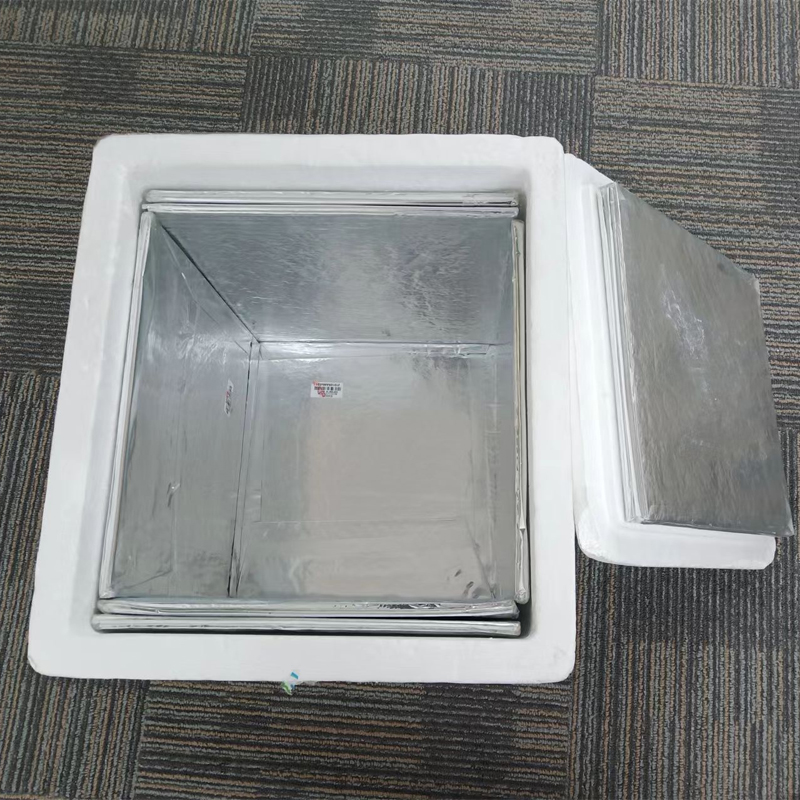
Como comprar caixas isoladas farmacêuticas em 2026?
If you searched for ‘insulated box for pharmaceuticals’, você quer um artigo que reúna educação sobre produtos, ciência térmica, conformidade, and practical buying advice. The best insulated box for pharmaceuticals is never chosen by material alone. It must fit your product, faixa, temperatura alvo, documentation load, e metas de sustentabilidade. Em 2026, buyers also need better evidence: lógica de validação, packout control, and a sourcing brief that can stand up in operations, QA, and procurement meetings. This optimized guide gives you that complete view in one place.
Este artigo responderá
- How to choose the best pharma insulated shipping box using buyer logic, route data, and product requirements.
- Which material and refrigerant combinations strengthen GDP compliant insulated box without overspending.
- What standards, etapas de validação, and documentation reduce risk for cold chain box for pharmaceuticals.
- How to build a sourcing plan that supports performance, controle de custos, and sustainability in 2026.
How do you define the right job for insulated box for pharmaceuticals before you buy?
The best buying decision begins with a clear shipping definition. Before you compare materials or prices, define the product class, the allowed temperature band, the expected transit window, the delay margin, and the receiving action at destination. Isso parece simples, but it is the step that separates useful packaging programs from expensive guessing. When teams skip this definition, they usually overspend on easy lanes and still under-protect the hard ones.
Para distribuição farmacêutica, your packaging brief should also capture payload mass, SKU mix, tempo de preparação, route handoffs, and how often the box will be opened before delivery. Those details change thermal behavior and labor effort at the same time. They also determine whether the best solution is a simple disposable shipper, a premium long-hold system, or a reusable loop. Good packaging starts with operational truth, não com uma página de catálogo.
Use a one-page packaging definition
A one-page definition should answer five things: what is being shipped, how cold or warm it must stay, how long the route can realistically take, what conditions make the shipment unacceptable, and what the receiver must do when it arrives. If you build your sourcing process around those five items, every later decision becomes easier. That is especially true for insulated box for pharmaceuticals, where the difference between a safe, economical packout and a wasteful one is often route definition rather than material alone.
| Decision input | Por que isso importa | If you ignore it | O que isso significa para você |
| Banda de temperatura | Sets the true thermal target | Wrong coolant or wrong wall design | You choose a system that matches product reality. |
| Route and delay margin | Defines required hold time | Tests that pass on paper but fail in transit | You buy resilience instead of optimism. |
| Payload mass and mix | Changes heat absorption and cavity fit | Inconsistent performance between SKUs | You keep results relevant after launch. |
| Receiving action | Protects the shipment after arrival | Good package left unopened too long | You preserve product quality beyond transit. |
Dicas práticas e recomendações
- Define pass/fail early: do not wait until after testing to decide what counts as success.
- Group similar lanes: fácil, moderado, and hard routes rarely need the same design.
- Include operations in the brief: the team packing the box knows where execution really varies.
Exemplo ilustrativo: The strongest buying teams treat packaging definition like a mini risk assessment. That one habit usually reduces rework later because suppliers respond to a clear problem instead of guessing what matters most.
Quais materiais, refrigerantes, and packout geometry create the safest thermal result?
An insulated shipper performs as a system. Wall material, internal fit, qualidade de fechamento, tipo de refrigerante, and payload mass all interact. That is why one material cannot be declared ‘best’ without context. Foam may be the practical answer on one lane, a reusable EPP system may win on another, and VIP or a hybrid design may make sense when product value or route uncertainty rises. The correct choice is the one that protects temperature with the least operational friction.
Coolant selection should follow the same logic. Os pacotes de gel são flexíveis. PCM packs help narrow the temperature band when conditioning is tightly controlled. Dry ice is powerful for frozen or deep-cold routes, but it raises handling and compliance needs. The packout layout also matters because uneven placement, grandes vazios, or poor lid sealing can undermine an otherwise good design. For insulated box for pharmaceuticals, thermal science becomes practical when you translate it into three rules: reduce heat paths, balance coolant, and keep the build repeatable.
The best design is stable, not dramatic
Buyers are often impressed by boxes that feel colder or heavier during sampling, but those impressions do not always predict success in real routes. A stable design is one that keeps working when packing is slightly rushed, a handoff is delayed, or the receiver is slower than planned. That is the standard worth paying for. Na maioria das operações, a repeatable moderate design beats an extreme design that only works under perfect preparation.
| System element | Best question to ask | High-value signal | O que isso significa para você |
| Material de isolamento | What route and duration was it chosen for? | The supplier explains why this material fits your lane class | You avoid material decisions based on fashion or habit. |
| Tipo de refrigerante | What band and preparation method does it support? | There is a clear conditioning SOP | You protect temperature without adding chaos. |
| Packout geometry | How is headspace reduced and product stabilized? | The cavity design matches real SKU shapes | You gain performance without extra material. |
| Método de fechamento | How is sealing controlled during packing? | The closure pattern is simple and repeatable | You protect real-world hold time, not just lab performance. |
Dicas práticas e recomendações
- Test the build, não apenas a caixa: the same box can perform differently under different packout methods.
- Use realistic payloads: surrogate loads should behave like the products you actually ship.
- Balance thermal and labor goals: a technically good design that operators hate often fails later.
Exemplo ilustrativo: In route trials, the winning design is often the one with the best fit and the clearest packout sheet, not necessarily the one with the thickest wall or the most coolant.
How should you validate and monitor insulated box for pharmaceuticals in daily operations?
A validação deve responder a uma pergunta: can this system protect the product on the real lane, with normal people using it? That means checking the route profile, the season or ambient stress, a carga útil, the refrigerant conditioning, and the packout steps together. Once the design passes, translate the result into an SOP and use targeted logger work to confirm that operations stay aligned. This is how technical confidence turns into operational confidence.
Not every organization needs a heavy validation framework, but every organization needs clear assumptions. Know what route class was represented, what pass range applies, who reviews the data, and what happens if a shipment falls outside that range. These basics matter in food, assistência médica, biospecimens, produtos químicos, and sustainable packaging projects alike because the box is only one part of a repeatable shipping system. The other part is disciplined execution.
Use data to improve, not just to archive
Loggers are most valuable on new lanes, seasonal changes, higher-risk SKUs, comparações de fornecedores, and investigations. Pair each logger trace with shipment facts such as packout version, carga útil, dispatch time, and unusual dwell. Quando você faz isso, the data becomes a decision tool. Quando você não, it becomes a graph that nobody fully trusts. For insulated box for pharmaceuticals, targeted monitoring often reveals where you can remove waste safely and where you need more margin.
| Validation layer | O que confirmar | Weak habit to avoid | O que isso significa para você |
| Qualificação de rota | Lane class, delay margin, e estresse ambiental | Approving one generic route for all shipments | You keep evidence tied to real business conditions. |
| Pacote SOP | Exact build sequence and coolant prep | Relying on memory or tribal knowledge | You protect consistency across shifts and sites. |
| Revisão de dados | Who checks results and what counts as a pass | Collecting data with no disposition rule | You turn monitoring into action. |
| Periodic review | Seasonal drift, new SKUs, and exception trends | Freezing the spec for years | You keep the package aligned with current operations. |
Dicas práticas e recomendações
- Validate the hardest realistic lane first: success there often covers easier routes.
- Give the SOP to operators early: a design is only approved when the team can repeat it.
- Use exceptions as design feedback: each issue can refine route segmentation or packout discipline.
Exemplo ilustrativo: The best packaging programs learn continuously. They do not treat qualification as a one-time event, but as the starting point for operational control.
What compliance framework should guide insulated box for pharmaceuticals?
Compliance works best when it becomes a short packaging checklist. In healthcare and pharmaceutical distribution, the product label sets the real temperature requirement. Some products need 2°C to 8°C, some need controlled room temperature, and some need frozen protection. EU GDP guidance, WHO good-distribution thinking, e USP <1079> all push you toward a risk-based approach: define the storage condition, qualify the lane, document the packout, and investigate excursions with evidence rather than opinion. Para remessas aéreas, current IATA temperature-sensitive and dry-ice rules add another layer of operational discipline.
The right framework depends on the product and route. Food teams care about safe temperature thresholds, saneamento, rotulagem, e rastreabilidade. Pharma and medical teams add route qualification and GDP-style documentation. Tissue and diagnostic shipments may also need pressure resistance, material absorvente, and Category B packaging logic. Chemical shipments can require compatibility review and dangerous-goods controls. Whatever the category, the practical goal is the same: build the rules into the shipper specification instead of bolting them on later.
A short compliance checklist beats a long policy file
Turn the rules that matter into daily questions. What temperature band applies? What packaging classification or material-compatibility rule applies? What labels or documents must travel with the shipment? What receiving action is required? When a supplier can answer those questions clearly for insulated box for pharmaceuticals, you are much closer to a box that will survive audits and daily handling alike. Clear compliance thinking also reduces internal friction because QA, Compras, and operations can work from the same page.
| Foco na conformidade | O que confirmar | Operational response | O que isso significa para você |
| Condição de armazenamento | Start with the labeled product requirement | Assuming all medical or pharma SKUs are 2–8°C | You prevent a fundamental specification error. |
| Qualification evidence | Link the box and packout to the route and duration | Relying on brochure hold time only | You buy a qualified system instead of a marketing claim. |
| Documentação | Use SOPs, registros de treinamento, and logger review steps | Packing by memory | Audit-ready packaging reduces deviation friction. |
| Air handling | Check current IATA requirements for temperature-sensitive and dry ice lanes | Ignoring carrier acceptance rules | You reduce shipment refusal and delay risk. |
Dicas práticas e recomendações
- Start with the product label or protocol: it defines the real packaging target.
- Build one-page checks into launch: if the team cannot use the rules daily, the rules are too abstract.
- Update the checklist yearly: regulamentos, clientes, and routes do not stay still.
Exemplo ilustrativo: The most reliable packaging decisions usually come from teams that convert regulations into practical launch checks rather than leaving compliance buried in separate documents.
How do you compare suppliers on cost, sustentabilidade, e execução?
A supplier should be judged on total program fit, not only on the quoted carton. You need to compare route logic, sample evidence, simplicidade da embalagem, QC discipline, tempo de espera, commercial flexibility, and sustainability credibility together. That broader view is important because the cheapest sample can become the most expensive rollout if the packout is slow, inconsistente, or weak on difficult lanes. Packaging value is created at dispatch and delivery, not just at purchase order approval.
Use a structured RFQ with the same route, carga útil, and pass criteria for every bidder. Then score the proposals on technical fit, daily usability, qualidade da documentação, e custo total no destino. Sustainability should be part of that score, but in a specific way: dimensionamento correto, lógica de reutilização, redução de resíduos, or precise material claims. That keeps the buying process honest and makes it easier to defend the final choice internally.
Procurement should reward evidence that operations can actually use
Suppliers earn trust when they explain failure modes clearly, provide simple packout steps, and show how production will stay aligned with the tested sample. If you are evaluating insulated box for pharmaceuticals, ask what happens when the route runs late, when a new SKU enters the box, or when summer heat raises ambient stress. Those answers reveal whether you are buying a real shipping system or only a polished sample. Robust execution is usually the most undervalued part of packaging ROI.
| Supplier criterion | Strong answer looks like | Weak answer looks like | O que isso significa para você |
| Ajuste de rota | Explains why the design matches your lane class | Offers one generic hold-time claim | You see whether the shipper was built for your business. |
| Facilidade operacional | Provides a short, repeatable packout SOP | Requires many operator judgments | You lower execution drift at scale. |
| Controle de mudanças | Shows QC, rastreabilidade de lote, and revision discipline | Cannot explain how production stays consistent | You reduce mismatch between sample and mass production. |
| Credibilidade da sustentabilidade | Uses precise claims and route-aware waste logic | Uses broad green language with no evidence | You protect both brand trust and product integrity. |
Dicas práticas e recomendações
- Use weighted scoring: technical fit and operational ease deserve real weight, not token weight.
- Pilot before full rollout: a short real-world test reveals execution issues quickly.
- Review the reverse side of cost: embalagem mais lenta, reenvio, and storage are packaging costs too.
Exemplo ilustrativo: The best supplier decisions often come from mixed review teams, because procurement sees cost, QA sees evidence, and operations sees whether the packout will really survive peak workload.
Qual deve ser o seu 2026 action plan look like for insulated box for pharmaceuticals?
The most effective 2026 strategy is disciplined simplicity. O maior 2026 shift in healthcare packaging is the expectation for better evidence. Compras, QA, and logistics teams increasingly want lane-specific qualification logic, POPs simples, and clearer logger review instead of generic claims about hold time. IATA’s current 2026 temperature-control manuals keep air-shipment discipline high, while GDP-minded buyers continue to compare not just thermal performance but audit readiness, packaging repeatability, and deviation handling. Em outras palavras, documentation quality is becoming part of product quality.
Your action plan should include four steps. Reclassify the network into lane groups. Recheck the current packout against today’s product mix and customer expectations. Update the compliance and receiving checklist. Then compare suppliers using a route-specific RFQ rather than a price-only renewal. That sequence combines the strongest ideas from buyer guidance, ciência térmica, and operating strategy into one practical workflow. It is also the fastest way to improve performance without making the system harder to run.
A practical roadmap
If you do only one thing this quarter, review the routes that produce the most complaints, desvios, ou desperdício. That is where the packaging specification usually needs attention first. For insulated box for pharmaceuticals, the next big improvement is rarely hidden in a complicated innovation. It is more often found in better route fit, POPs mais claros, documentação mais limpa, and more honest supplier comparison.
Dicas práticas e recomendações
- Reclassify lanes by difficulty before renewing or redesigning the shipper.
- Refresh the packout SOP and receiving instructions at the same time as the box spec.
- Pilot sustainable or lower-cost changes on a few representative lanes first.
- Use route data and exception records as the main input to the next RFQ.
Exemplo ilustrativo: The teams that improve fastest are the ones that review packaging as a live operating system, not as a box specification that was solved once and never revisited.
Perguntas frequentes
What is the first thing to define before buying insulated box for pharmaceuticals?
Define the required temperature band, realistic route time, delay margin, carga útil, and receiving action. Those five inputs shape every later packaging decision.
How do you know whether a supplier’s test result is useful?
The result is useful when the payload, perfil ambiente, refrigerant conditioning, and pass criteria match your real lane. A generic hold-time claim is not enough.
Should one company use different packouts for different routes?
Geralmente sim. Segmenting easy, moderado, and hard lanes is one of the fastest ways to improve protection and lower overspecification at the same time.
How should you judge sustainability claims on insulated boxes?
Judge them by route fit, material definition, waste reduction logic, e realidade de descarte. Preciso, evidence-based claims are more valuable than broad green language.
What records make the packaging program stronger after launch?
Keep route class, packout version, coolant condition, notas de exceção, and any targeted logger results. Those records show whether the specification still fits the lane.
Qual é o melhor 2026 packaging improvement strategy?
Use a route-specific review that combines technical fit, conformidade, operating ease, e custo total no destino. The strongest packaging systems are the ones your team can prove and repeat.
Resumo e recomendações
The best answer for insulated box for pharmaceuticals combines four ideas: define the route clearly, choose materials and coolant as a system, validate with practical evidence, and buy from suppliers who can support daily execution as well as thermal performance. That integrated approach improves protection, lowers unnecessary cost, and keeps compliance and sustainability discussions grounded in real operating data. It is the strongest path for a 2026 packaging program.
Use this guide as a working checklist. Reclassify your network, refresh your compliance and receiving SOP, and ask suppliers for route-specific evidence using one common RFQ template. That sequence will help you improve packaging performance quickly without making the system harder for your team to operate.
Sobre Tempk
E tempk, we focus on practical temperature-controlled packaging decisions rather than one-size-fits-all claims. We look at lane conditions, packout repeatability, sensibilidade do produto, and commercial fit so you can choose an insulated box system that works in real operations. Our approach emphasizes clear communication, route-aware configuration, and packaging options that can support food, assistência médica, laboratório, and industrial cold-chain needs.
Use your current lane data, requisitos de temperatura do produto, and packaging pain points as the basis for the next supplier conversation. When those inputs are clear, expert advice becomes far more useful and the resulting packout is usually faster to approve and easier to run.
Como comprar caixas isoladas de sorvete em 2026?
Como comprar caixas isoladas de sorvete em 2026?
If you searched for ‘insulated box for ice cream’, você quer um artigo que reúna educação sobre produtos, ciência térmica, conformidade, and practical buying advice. The best insulated box for ice cream is never chosen by material alone. It must fit your product, faixa, temperatura alvo, documentation load, e metas de sustentabilidade. Em 2026, buyers also need better evidence: lógica de validação, packout control, and a sourcing brief that can stand up in operations, QA, and procurement meetings. This optimized guide gives you that complete view in one place.
Este artigo responderá
- How to choose the best frozen dessert insulated shipping box using buyer logic, route data, and product requirements.
- Which material and refrigerant combinations strengthen dry ice box for ice cream without overspending.
- What standards, etapas de validação, and documentation reduce risk for ecommerce ice cream packaging.
- How to build a sourcing plan that supports performance, controle de custos, and sustainability in 2026.
How do you define the right job for insulated box for ice cream before you buy?
The best buying decision begins with a clear shipping definition. Before you compare materials or prices, define the product class, the allowed temperature band, the expected transit window, the delay margin, and the receiving action at destination. Isso parece simples, but it is the step that separates useful packaging programs from expensive guessing. When teams skip this definition, they usually overspend on easy lanes and still under-protect the hard ones.
For frozen dessert cold chain, your packaging brief should also capture payload mass, SKU mix, tempo de preparação, route handoffs, and how often the box will be opened before delivery. Those details change thermal behavior and labor effort at the same time. They also determine whether the best solution is a simple disposable shipper, a premium long-hold system, or a reusable loop. Good packaging starts with operational truth, não com uma página de catálogo.
Use a one-page packaging definition
A one-page definition should answer five things: what is being shipped, how cold or warm it must stay, how long the route can realistically take, what conditions make the shipment unacceptable, and what the receiver must do when it arrives. If you build your sourcing process around those five items, every later decision becomes easier. That is especially true for insulated box for ice cream, where the difference between a safe, economical packout and a wasteful one is often route definition rather than material alone.
| Decision input | Por que isso importa | If you ignore it | O que isso significa para você |
| Banda de temperatura | Sets the true thermal target | Wrong coolant or wrong wall design | You choose a system that matches product reality. |
| Route and delay margin | Defines required hold time | Tests that pass on paper but fail in transit | You buy resilience instead of optimism. |
| Payload mass and mix | Changes heat absorption and cavity fit | Inconsistent performance between SKUs | You keep results relevant after launch. |
| Receiving action | Protects the shipment after arrival | Good package left unopened too long | You preserve product quality beyond transit. |
Dicas práticas e recomendações
- Define pass/fail early: do not wait until after testing to decide what counts as success.
- Group similar lanes: fácil, moderado, and hard routes rarely need the same design.
- Include operations in the brief: the team packing the box knows where execution really varies.
Exemplo ilustrativo: The strongest buying teams treat packaging definition like a mini risk assessment. That one habit usually reduces rework later because suppliers respond to a clear problem instead of guessing what matters most.
Quais materiais, refrigerantes, and packout geometry create the safest thermal result?
An insulated shipper performs as a system. Wall material, internal fit, qualidade de fechamento, tipo de refrigerante, and payload mass all interact. That is why one material cannot be declared ‘best’ without context. Foam may be the practical answer on one lane, a reusable EPP system may win on another, and VIP or a hybrid design may make sense when product value or route uncertainty rises. The correct choice is the one that protects temperature with the least operational friction.
Coolant selection should follow the same logic. Os pacotes de gel são flexíveis. PCM packs help narrow the temperature band when conditioning is tightly controlled. Dry ice is powerful for frozen or deep-cold routes, but it raises handling and compliance needs. The packout layout also matters because uneven placement, grandes vazios, or poor lid sealing can undermine an otherwise good design. For insulated box for ice cream, thermal science becomes practical when you translate it into three rules: reduce heat paths, balance coolant, and keep the build repeatable.
The best design is stable, not dramatic
Buyers are often impressed by boxes that feel colder or heavier during sampling, but those impressions do not always predict success in real routes. A stable design is one that keeps working when packing is slightly rushed, a handoff is delayed, or the receiver is slower than planned. That is the standard worth paying for. Na maioria das operações, a repeatable moderate design beats an extreme design that only works under perfect preparation.
| System element | Best question to ask | High-value signal | O que isso significa para você |
| Material de isolamento | What route and duration was it chosen for? | The supplier explains why this material fits your lane class | You avoid material decisions based on fashion or habit. |
| Tipo de refrigerante | What band and preparation method does it support? | There is a clear conditioning SOP | You protect temperature without adding chaos. |
| Packout geometry | How is headspace reduced and product stabilized? | The cavity design matches real SKU shapes | You gain performance without extra material. |
| Método de fechamento | How is sealing controlled during packing? | The closure pattern is simple and repeatable | You protect real-world hold time, not just lab performance. |
Dicas práticas e recomendações
- Test the build, não apenas a caixa: the same box can perform differently under different packout methods.
- Use realistic payloads: surrogate loads should behave like the products you actually ship.
- Balance thermal and labor goals: a technically good design that operators hate often fails later.
Exemplo ilustrativo: In route trials, the winning design is often the one with the best fit and the clearest packout sheet, not necessarily the one with the thickest wall or the most coolant.
How should you validate and monitor insulated box for ice cream in daily operations?
A validação deve responder a uma pergunta: can this system protect the product on the real lane, with normal people using it? That means checking the route profile, the season or ambient stress, a carga útil, the refrigerant conditioning, and the packout steps together. Once the design passes, translate the result into an SOP and use targeted logger work to confirm that operations stay aligned. This is how technical confidence turns into operational confidence.
Not every organization needs a heavy validation framework, but every organization needs clear assumptions. Know what route class was represented, what pass range applies, who reviews the data, and what happens if a shipment falls outside that range. These basics matter in food, assistência médica, biospecimens, produtos químicos, and sustainable packaging projects alike because the box is only one part of a repeatable shipping system. The other part is disciplined execution.
Use data to improve, not just to archive
Loggers are most valuable on new lanes, seasonal changes, higher-risk SKUs, comparações de fornecedores, and investigations. Pair each logger trace with shipment facts such as packout version, carga útil, dispatch time, and unusual dwell. Quando você faz isso, the data becomes a decision tool. Quando você não, it becomes a graph that nobody fully trusts. For insulated box for ice cream, targeted monitoring often reveals where you can remove waste safely and where you need more margin.
| Validation layer | O que confirmar | Weak habit to avoid | O que isso significa para você |
| Qualificação de rota | Lane class, delay margin, e estresse ambiental | Approving one generic route for all shipments | You keep evidence tied to real business conditions. |
| Pacote SOP | Exact build sequence and coolant prep | Relying on memory or tribal knowledge | You protect consistency across shifts and sites. |
| Revisão de dados | Who checks results and what counts as a pass | Collecting data with no disposition rule | You turn monitoring into action. |
| Periodic review | Seasonal drift, new SKUs, and exception trends | Freezing the spec for years | You keep the package aligned with current operations. |
Dicas práticas e recomendações
- Validate the hardest realistic lane first: success there often covers easier routes.
- Give the SOP to operators early: a design is only approved when the team can repeat it.
- Use exceptions as design feedback: each issue can refine route segmentation or packout discipline.
Exemplo ilustrativo: The best packaging programs learn continuously. They do not treat qualification as a one-time event, but as the starting point for operational control.
What compliance framework should guide insulated box for ice cream?
Compliance works best when it becomes a short packaging checklist. In foodservice and protein logistics, temperature protection and sanitary handling go together. FDA food guidance keeps cold-holding near 41°F / 5°C, while USDA safety guidance reinforces 40°F / 4°C for refrigerated foods and 0°F / -18° C para alimentos congelados. That does not mean every package must be built the same way. It means you need a packout, processo de recebimento, and label set that keep food in the safe zone during the route you actually run. As traceability expectations rise, clean lot records and exception notes matter more than they did a few years ago.
The right framework depends on the product and route. Food teams care about safe temperature thresholds, saneamento, rotulagem, e rastreabilidade. Pharma and medical teams add route qualification and GDP-style documentation. Tissue and diagnostic shipments may also need pressure resistance, material absorvente, and Category B packaging logic. Chemical shipments can require compatibility review and dangerous-goods controls. Whatever the category, the practical goal is the same: build the rules into the shipper specification instead of bolting them on later.
A short compliance checklist beats a long policy file
Turn the rules that matter into daily questions. What temperature band applies? What packaging classification or material-compatibility rule applies? What labels or documents must travel with the shipment? What receiving action is required? When a supplier can answer those questions clearly for insulated box for ice cream, you are much closer to a box that will survive audits and daily handling alike. Clear compliance thinking also reduces internal friction because QA, Compras, and operations can work from the same page.
| Foco na conformidade | O que confirmar | Operational response | O que isso significa para você |
| Alvo de temperatura | Define chilled vs frozen acceptance before launch | Using one packout for every SKU | You avoid avoidable spoilage and false confidence. |
| Saneamento | Verify food-contact compatibility and clean handling | Treating the box as purely a freight item | Packaging hygiene affects product safety and brand trust. |
| Labeling and receiving | Mark perishable handling clearly and train the receiver | No receiving action plan | A good box still fails if the receiver leaves it unopened. |
| Rastreabilidade | Record ship date, muito, rota, and exception data | Scattered records across teams | Faster traceability means faster decisions when something goes wrong. |
Dicas práticas e recomendações
- Start with the product label or protocol: it defines the real packaging target.
- Build one-page checks into launch: if the team cannot use the rules daily, the rules are too abstract.
- Update the checklist yearly: regulamentos, clientes, and routes do not stay still.
Exemplo ilustrativo: The most reliable packaging decisions usually come from teams that convert regulations into practical launch checks rather than leaving compliance buried in separate documents.
How do you compare suppliers on cost, sustentabilidade, e execução?
A supplier should be judged on total program fit, not only on the quoted carton. You need to compare route logic, sample evidence, simplicidade da embalagem, QC discipline, tempo de espera, commercial flexibility, and sustainability credibility together. That broader view is important because the cheapest sample can become the most expensive rollout if the packout is slow, inconsistente, or weak on difficult lanes. Packaging value is created at dispatch and delivery, not just at purchase order approval.
Use a structured RFQ with the same route, carga útil, and pass criteria for every bidder. Then score the proposals on technical fit, daily usability, qualidade da documentação, e custo total no destino. Sustainability should be part of that score, but in a specific way: dimensionamento correto, lógica de reutilização, redução de resíduos, or precise material claims. That keeps the buying process honest and makes it easier to defend the final choice internally.
Procurement should reward evidence that operations can actually use
Suppliers earn trust when they explain failure modes clearly, provide simple packout steps, and show how production will stay aligned with the tested sample. If you are evaluating insulated box for ice cream, ask what happens when the route runs late, when a new SKU enters the box, or when summer heat raises ambient stress. Those answers reveal whether you are buying a real shipping system or only a polished sample. Robust execution is usually the most undervalued part of packaging ROI.
| Supplier criterion | Strong answer looks like | Weak answer looks like | O que isso significa para você |
| Ajuste de rota | Explains why the design matches your lane class | Offers one generic hold-time claim | You see whether the shipper was built for your business. |
| Facilidade operacional | Provides a short, repeatable packout SOP | Requires many operator judgments | You lower execution drift at scale. |
| Controle de mudanças | Shows QC, rastreabilidade de lote, and revision discipline | Cannot explain how production stays consistent | You reduce mismatch between sample and mass production. |
| Credibilidade da sustentabilidade | Uses precise claims and route-aware waste logic | Uses broad green language with no evidence | You protect both brand trust and product integrity. |
Dicas práticas e recomendações
- Use weighted scoring: technical fit and operational ease deserve real weight, not token weight.
- Pilot before full rollout: a short real-world test reveals execution issues quickly.
- Review the reverse side of cost: embalagem mais lenta, reenvio, and storage are packaging costs too.
Exemplo ilustrativo: The best supplier decisions often come from mixed review teams, because procurement sees cost, QA sees evidence, and operations sees whether the packout will really survive peak workload.
Qual deve ser o seu 2026 action plan look like for insulated box for ice cream?
The most effective 2026 strategy is disciplined simplicity. Em 2026, buyers in food and restaurant cold chain are paying more attention to traceability, receiving discipline, and waste control. FDA traceability guidance keeps pushing the market toward faster identification and removal of affected food, which makes clean shipment records more valuable. Ao mesmo tempo, freight and labor pressure are pushing teams to remove empty space, simplify packouts, and test sustainable formats where the lane is stable. The winning designs are not the most complex ones. They are the ones operators can execute accurately every day.
Your action plan should include four steps. Reclassify the network into lane groups. Recheck the current packout against today’s product mix and customer expectations. Update the compliance and receiving checklist. Then compare suppliers using a route-specific RFQ rather than a price-only renewal. That sequence combines the strongest ideas from buyer guidance, ciência térmica, and operating strategy into one practical workflow. It is also the fastest way to improve performance without making the system harder to run.
A practical roadmap
If you do only one thing this quarter, review the routes that produce the most complaints, desvios, ou desperdício. That is where the packaging specification usually needs attention first. For insulated box for ice cream, the next big improvement is rarely hidden in a complicated innovation. It is more often found in better route fit, POPs mais claros, documentação mais limpa, and more honest supplier comparison.
Dicas práticas e recomendações
- Reclassify lanes by difficulty before renewing or redesigning the shipper.
- Refresh the packout SOP and receiving instructions at the same time as the box spec.
- Pilot sustainable or lower-cost changes on a few representative lanes first.
- Use route data and exception records as the main input to the next RFQ.
Exemplo ilustrativo: The teams that improve fastest are the ones that review packaging as a live operating system, not as a box specification that was solved once and never revisited.
Perguntas frequentes
What is the first thing to define before buying insulated box for ice cream?
Define the required temperature band, realistic route time, delay margin, carga útil, and receiving action. Those five inputs shape every later packaging decision.
How do you know whether a supplier’s test result is useful?
The result is useful when the payload, perfil ambiente, refrigerant conditioning, and pass criteria match your real lane. A generic hold-time claim is not enough.
Should one company use different packouts for different routes?
Geralmente sim. Segmenting easy, moderado, and hard lanes is one of the fastest ways to improve protection and lower overspecification at the same time.
How should you judge sustainability claims on insulated boxes?
Judge them by route fit, material definition, waste reduction logic, e realidade de descarte. Preciso, evidence-based claims are more valuable than broad green language.
What records make the packaging program stronger after launch?
Keep route class, packout version, coolant condition, notas de exceção, and any targeted logger results. Those records show whether the specification still fits the lane.
Qual é o melhor 2026 packaging improvement strategy?
Use a route-specific review that combines technical fit, conformidade, operating ease, e custo total no destino. The strongest packaging systems are the ones your team can prove and repeat.
Resumo e recomendações
The best answer for insulated box for ice cream combines four ideas: define the route clearly, choose materials and coolant as a system, validate with practical evidence, and buy from suppliers who can support daily execution as well as thermal performance. That integrated approach improves protection, lowers unnecessary cost, and keeps compliance and sustainability discussions grounded in real operating data. It is the strongest path for a 2026 packaging program.
Use this guide as a working checklist. Reclassify your network, refresh your compliance and receiving SOP, and ask suppliers for route-specific evidence using one common RFQ template. That sequence will help you improve packaging performance quickly without making the system harder for your team to operate.
Sobre Tempk
E tempk, we focus on practical temperature-controlled packaging decisions rather than one-size-fits-all claims. We look at lane conditions, packout repeatability, sensibilidade do produto, and commercial fit so you can choose an insulated box system that works in real operations. Our approach emphasizes clear communication, route-aware configuration, and packaging options that can support food, assistência médica, laboratório, and industrial cold-chain needs.
Use your current lane data, requisitos de temperatura do produto, and packaging pain points as the basis for the next supplier conversation. When those inputs are clear, expert advice becomes far more useful and the resulting packout is usually faster to approve and easier to run.
















