


Custo do fabricante da caixa de gelo para cadeia fria: Estratégia de Aquisição e Embalagem
Custo do fabricante da caixa de gelo para cadeia fria: Estratégia de Aquisição e Embalagem
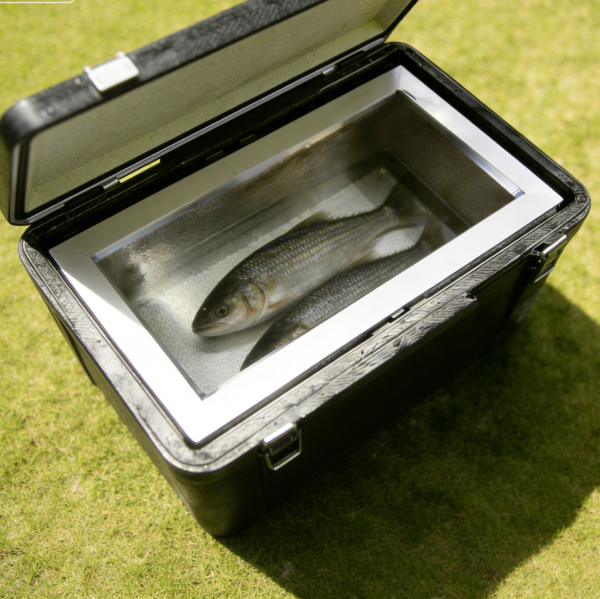
Custo do fabricante da caixa de gelo para cadeia fria: Estratégia de Aquisição e Embalagem
The best cold chain ice box manufacturer cost decision is rarely the box with the highest claimed performance or the lowest price. É o sistema que se adapta à carga útil, rota, operadores, necessidades de documentação, e modelo de retorno com o menor número de suposições não controladas.
O resultado é uma estrutura de seleção integrada. Combina educação de produto, julgamento de engenharia, risco de rota, qualificação de fornecedor, custo total, e sustentabilidade para que um comprador possa emitir uma solicitação mais clara, execute um teste significativo, e aprove uma configuração com menos surpresas.
Use cinco decisões para controlar a compra
A complete cold-chain ice box project can be governed through five decisions. Primeiro, definir o produto protegido e a condição de aceitação. Segundo, caracterizar a pista e suas transferências. Terceiro, projetar o pacote carregado, incluindo refrigerante, barreiras, monitoramento, e espaço utilizável. Quarto, qualificar o fornecedor e comprovar. Quinto, provar que as operações podem reproduzir, limpar, retornar, e manter a configuração.
A sequência é importante. As equipes criam retrabalho quando escolhem uma caixa, em seguida, tente encaixar o produto e direcioná-lo. Começar pelo produto e pela via permite que diversas arquiteturas sejam comparadas em termos iguais. Também torna a negociação de custos mais útil, porque a cotação descreve um trabalho definido em vez de um contêiner genérico.
The central tradeoff is the lowest purchase price may carry higher freight, dano, trabalho, qualificação, ou custos de substituição, while a premium design may be unjustified on a simple short route. A estrutura não remove compensações; isso os torna explícitos. A aquisição pode decidir quais consequências são aceitáveis, a engenharia pode documentar a base técnica, qualidade ou segurança alimentar podem estabelecer evidências, e as operações podem testar se o método é repetível.
Decisão 1 e 2: conectar os requisitos do produto à pista
Write a one-page use-case brief for food, farmacêutico, diagnóstico, biológico, or industrial temperature-sensitive goods. Incluir as instruções atuais do produto, condição inicial, quantidade, dimensões da caixa ou bandeja, sensibilidade ao congelamento, superaquecimento, luz, contaminação, impacto, ou atraso, e o processo de disposição para uma excursão. Evite importar uma linha comum da indústria para um produto que tenha instruções diferentes.
Then map a defined shipping lane with known duration, exposição ambiental, transferências, e condições de devolução. Registrar o tempo decorrido, condições externas sazonais, encenação, ambiente do veículo, abertura de porta, parar contagem, superfícies de transferência, mudanças de custódia, e recebendo armazenamento. Adicione um cenário normal e um desafio realista. O desafio pode ser uma doca quente, receptor atrasado, carga parcial, abertura repetida, ou transferência ao ar livre. Deve representar um dia operacional confiável, não é um pior caso artificial sem probabilidade ou resposta definida.
Atribua cada risco à embalagem, procedimento, equipamento, ou escalada. O isolamento e o líquido refrigerante podem amortecer a exposição ambiental. Um cronograma de rota pode reduzir o tempo de espera. Uma unidade ativa portátil pode ser mais apropriada para alguns movimentos de alto risco. Um compromisso de receptor pode remover uma transferência não controlada. Esta alocação evita que a caixa passiva seja solicitada a compensar cada fraqueza do processo.
Decisão 3: aprovar uma configuração carregada, não é uma caixa nominal
O design carregado deve resolver este problema de capacidade: cost comparisons are meaningful only when gross volume, espaço de carga útil, dimensões externas, and loaded configuration are all stated. Crie um desenho e uma maquete física mostrando a orientação do produto, refrigerante, barreiras, monitoramento, divisores, tolerâncias, e liberação de fechamento. Calcule ou meça o peso embalado esperado. Confirmar veículo, prateleira, palete, carrinho, e porta ajustada com as maçanetas e a tampa em suas posições de operação.
Controle as temperaturas locais definindo a condição e o posicionamento do líquido refrigerante. O projeto deve evitar contato direto não intencional, lacunas de ar não controladas, e componentes que podem mudar. O trabalho de desenvolvimento pode precisar de vários sensores para mapear a carga, mas o monitoramento de rotina deve usar um local fixo que represente a decisão necessária do produto. Cargas parciais precisam de uma alternativa aprovada em vez de uma versão improvisada do pacote completo.
Construction should support shell process, tipo e espessura de isolamento, lid and seal design, hardware, insert complexity, ferramentas, controle de tolerância, and production inspection all influence the quote. Revise a junta da tampa, pontes térmicas, hardware de alta carga, facilidade de limpeza, substituição de componentes, e compatibilidade com luz solar ou produtos químicos quando relevante. Nomes de materiais são entradas, não conclusões. A especificação aprovada deve definir a construção com detalhes suficientes para preservar a função durante a produção.
Decisão 4: qualificar o fornecedor e as evidências em conjunto
Estabelecer quem é o dono do projeto e quem controla a fábrica. A parte comercial pode ser um fabricante, exportador, distribuidor, ou integrador, mas o comprador precisa de um caminho claro para os desenhos, controles de materiais, inspeção, defeitos, e notificação de alteração. Pergunte quais componentes são críticos e como as unidades de produção são comparadas com a amostra aprovada.
The request for quotation should cover tooling, resin or shell material, isolamento, dimensões, acessórios, embalagem, quantidade do pedido, personalização, testing scope, taxas de amostra, Incoterms, e suposições de frete. Normalize a lista de materiais incluída e as condições de entrega antes de comparar preços. Hardware separado, refrigerante, monitoramento, personalização, ferramentas, testando, documentação, embalagem, frete, e peças de reposição. Isso torna os direcionadores de custos visíveis e evita que um preço baixo de caixa vazia seja comparado com um kit pronto para processo.
Request a transparent bill of materials, tooling assumptions, dimensioned specification, lista de acessórios, método de embalagem, escopo de teste, controles de qualidade, and rules for future material or process changes. Leia relatórios de teste para condições, não manchetes. Verifique a carga útil, temperatura inicial, refrigerante, perfil ambiente, duração, aberturas, posições dos sensores, Critérios de aceitação, e se a amostra representava a produção. Registre as lacunas entre essa evidência e a pista pretendida para que a equipe possa decidir que trabalho adicional é proporcional.
| Portão de aprovação | Produção mínima | Razão pela qual o portão existe |
|---|---|---|
| Produto e pista | Resumo do caso de uso com carga útil, doença, rota, exposição, e transferências | Impede que a caixa seja selecionada antes que o trabalho seja definido |
| Configuração carregada | Desenho, lista de componentes, refrigerante, barreiras, sensor, peso, e ajuste | Converte a capacidade nominal em um pacote reproduzível |
| Fornecedor e evidência | Especificação controlada, amostras, relatórios, e mudar regras | Conecta o fornecimento comercial ao projeto aprovado |
| Prontidão operacional | Sop, treinamento, limpeza, recebendo, retornar, e exceções | Mostra que as pessoas podem repetir e manter o método |
| Escala e ciclo de vida | Verificação do primeiro lote, implementação de rota, modelo de custo, rastreamento de ativos, revisar gatilhos | Protege o desempenho e o valor após o lançamento |
As portas de aprovação evitam que um projeto passe diretamente de uma amostra atraente para um pedido em massa. Cada portão cria uma saída tangível e fecha um risco diferente: caso de uso pouco claro, pacote não reproduzível, fornecimento descontrolado, operações fracas, ou um modelo de ciclo de vida não comprovado.
Use orientações regulatórias e técnicas sem reivindicar demais
Orientação confiável ajuda a definir expectativas de controle, mas não transforma uma caixa genérica num sistema aprovado. As instruções do produto e as regras locais aplicáveis permanecem decisivas. Um arquivo técnico deve indicar por que cada referência é relevante e onde testes específicos da rota ou revisão de qualidade ainda são necessários.
A decisão de aprovação deve identificar o envelope operacional testado e as condições que exigem escalonamento. Quando as evidências estão incompletas, converter o desconhecido em uma questão de verificação ou em um limite operacional, em vez de preencher a lacuna com uma afirmação de marketing confiável.
Decisão 5: provar que a organização pode repetir o método
Execute um piloto com os empacotadores reais, motoristas, receptores, pessoal de limpeza, e revisores de qualidade ou segurança alimentar. Observe a identificação do componente, preparação de refrigerante, carregando, monitor placement, encerramento, encenação, elevação, restrição, abertura, entregar, retornar, lavar, secagem, e inspeção. Registrar soluções alternativas; são evidências de que o projeto ou instrução precisa de correção.
O processo de devolução deve implementar este requisito de higiene: cleanability and drying time create recurring labor costs; cantos difíceis, absorbent damage, or nonreplaceable seals can make a low-priced box expensive in operation. Separar sujo, limpar, reparar, quarentena, e situação de aposentado. Definir critérios objetivos de liberação e controlar peças removíveis. Meça o tempo de limpeza e o espaço de armazenamento para que a quantidade da frota reflita os ativos que estão genuinamente disponíveis, não apenas caixas compradas.
Prepare caminhos de exceção antes do lançamento. A equipe precisa saber o que fazer quando falta um componente de refrigeração, o monitor falha, uma tampa não fecha, uma caixa está danificada, um veículo está atrasado, o receptor está ausente, ou o rastreamento do produto mostra uma excursão. Um caminho curto de escalonamento protege o processo aprovado sob pressão de tempo.
Avalie o custo e a sustentabilidade no mesmo ciclo operacional
Crie o custo total a partir da configuração aprovada: hardware, ferramentas, amostras, refrigerante, monitoramento, rótulos, embalagem, frete, obrigações, trabalho, cubo de veículo, retornar, lavar, secagem, armazenar, reparar, perda, substituição, e manutenção de evidências. Informar o custo por viagem bem-sucedida por coorte de rotas. Isto evita uma decisão limitada sobre o preço unitário e uma afirmação não fundamentada de que a reutilização sempre economiza dinheiro.
The sustainability question is reusability creates value only when return rates, inspeção, limpeza, reparar, and asset tracking are controlled; otherwise the business can pay for durable packaging that is used once. Circulação de pista, distância de retorno, perda, reparar, lavar recursos, utilização, e tratamento em fim de vida. Um sistema reutilizável cria valor quando a rede consegue mantê-lo em serviço controlado. Dimensionamento correto, componentes reparáveis, e o empilhamento de retorno eficiente podem ser tão importantes quanto o material de base.
A aprovação comercial pode incluir uma análise de sensibilidade. Examine como o resultado muda quando o retorno cai, dano aumenta, mudanças de demanda, ou uma rota precisa de um tamanho diferente. Isso não requer dados de mercado inventados. It uses the organization's own operating assumptions to identify where the proposal is robust and where a different packaging model should be retained.
Dimensione através de portas controladas e gatilhos de mudança
Portão 1 aprova o resumo do caso de uso e o desenho carregado. Portão 2 aprova amostras de intenção de produção e documentos de fornecedores. Portão 3 aprova térmica relevante, mecânico, limpeza, e evidências de rota. Portão 4 aprova o POP, treinamento, processo de exceção, e loop de retorno. Portão 5 libera produção após verificação do primeiro lote. Cada portão tem um proprietário e critérios de aceitação registrados.
Expandir por coortes de rotas semelhantes. Comece com uma via representativa e um desafio confiável, problemas corretos, em seguida, adicione sites que compartilhem carga útil e exposição. Não presuma que um piloto bem-sucedido cobre um veículo diferente, clima, padrão de parada, produto, ou processo de lavagem. Use uma comparação documentada para decidir se as evidências existentes podem ser estendidas.
Manter um registro de alterações após o lançamento. Caixas de produtos, refrigerante, massa de carga útil, sensor, tempo de rota, química de limpeza, material do fornecedor, selo, hardware, ou mudanças de fábrica podem afetar a linha de base. Atribua níveis de revisão para que pequenas atualizações administrativas não desencadeiem trabalho desnecessário, enquanto as mudanças funcionais recebem comparação ou requalificação apropriada.
Mantenha visíveis as principais não-suposições
Não presuma que a capacidade nominal é igual à capacidade de carga útil, esse isolamento cria a temperatura necessária do produto, que um registrador fornece proteção, ou que um teste sob condições diferentes comprove a pista. Não presuma que durabilidade é igual a adequação alimentar ou farmacêutica, or that one program's approval transfers to another. The specific risk here is comparing two prices that describe different products, accessory sets, suposições de carga útil, or test conditions.
Transforme cada não suposição em um controle. Use um desenho carregado para capacidade, um plano de refrigeração definido para controle térmico, uma posição fixa do sensor para evidências, uma comparação de rotas para transferibilidade, um processo de limpeza e segregação para higiene, e uma especificação controlada para consistência de produção. This makes the article's principles actionable in an RFQ and pilot.
Finalmente, preserve a incerteza honestamente. Quando um parâmetro não é suportado pelas instruções do produto, uma fonte técnica confiável, documentação do fornecedor, ou teste, peça ao fornecedor para confirmar ou planeje uma verificação. Remover um número não suportado é melhor engenharia e melhor aquisição do que apresentar uma precisão que a evidência não pode transmitir.
Perguntas sobre aquisições integradas
Quais informações devem ser enviadas primeiro a um fornecedor?
Envie o tipo de produto e condição necessária, dimensões da caixa ou da carga útil, quantidade, duração da rota, exposição sazonal, padrão de parada e abertura, restrições de veículo ou prateleira, preferência de refrigerante, necessidade de monitoramento, método de limpeza, plano de reutilização, personalização, e volume de pedidos. Marque quaisquer incógnitas para que se tornem questões do projeto em vez de suposições.
Como posso saber se a caixa proposta é muito grande ou muito pequena?
Crie o pacote completo e compare a contagem de carga útil, peso carregado, cubo externo, ajuste do veículo, comportamento de carga parcial, e manuseio. Uma caixa grande pode desperdiçar líquido refrigerante e espaço; um pequeno pode forçar a compressão ou viagens extras. Use perfis de pedidos reais e aprove faixas de carga.
Qual evidência é mais importante antes da produção?
A evidência deve corresponder aos riscos dominantes. No mínimo, dimensões de controle, materiais, componentes, ajuste carregado, manuseio, limpeza, e suposições térmicas relevantes. Cuidados de saúde ou rotas alimentares de alto risco também podem precisar de qualificação, monitoramento calibrado, estudos de rota, registros formais, e aprovação de qualidade ou segurança alimentar.
Como as cotações de custos devem ser comparadas?
Compare a mesma lista de materiais, dimensões, acessórios, refrigerante, monitoramento, personalização, testando, embalagem, quantidade do pedido, condições de entrega, suposições de frete, peças de reposição, e escopo de controle de mudanças. Então modele o trabalho, retornar, limpeza, perda, reparar, e viagens de sucesso. Um preço unitário vazio não é uma comparação completa.
O que deve desencadear a requalificação ou reavaliação?
Alterações nas instruções do produto, carga útil, Carton, refrigerante, sensor, rota, exposição ambiental, padrão de parada, limpeza, material, selo, hardware, processo, ou fábrica pode importar. Defina gatilhos baseados em risco para revisão de documentos, comparação de amostras, testes direcionados, trabalho de rota, ou requalificação total.
Decisão final
Treat cold chain ice box manufacturer cost as a controlled system decision. Defina o produto e a pista, aprovar o pacote carregado, qualificar controles e evidências de fornecedores, provar o processo operacional, e modelar custo e reutilização em viagens bem-sucedidas. Escale somente depois que amostras de intenção de produção e coortes de rota forem revisadas. Esta abordagem preserva as informações úteis da educação sobre o produto, engenharia, conformidade, operações, e sustentabilidade sem depender de reivindicações universais.
Sobre Tempk
Tempk é a marca de embalagens para cadeia de frio da Shanghai Tempk Industrial Co., Ltda. Seu portfólio público inclui embalagens de gel, tijolos de gelo, insulated bags and liners, EPP e outras caixas isoladas, Caixas de gelo médico, Tampas de paletes, e embalagens personalizadas para logística de alimentos e saúde. Os compradores podem fornecer geometria do produto, condição alvo, rota, refrigerante, monitoramento, manuseio, limpeza, identificação, e requisitos comerciais para que Tempk possa propor uma configuração para revisão de amostra, testando, e discussão da amostra até a produção.
Próxima etapa do projeto
Ask Tempk to review your cold-chain ice box manufacturing cost project using the actual payload, rota, pacote, controles operacionais, e suposições de fornecimento antes que uma cotação em massa seja finalizada.
40 Fabricante de caixa de gelo isolada em litro: Uma estrutura baseada em rota

40 Fabricante de caixa de gelo isolada em litro: Uma estrutura baseada em rota
O melhor 40 liter insulated ice box manufacturer decision is rarely the box with the highest claimed performance or the lowest price. É o sistema que se adapta à carga útil, rota, operadores, necessidades de documentação, e modelo de retorno com o menor número de suposições não controladas.
O resultado é uma estrutura de seleção integrada. Combina educação de produto, julgamento de engenharia, risco de rota, qualificação de fornecedor, custo total, e sustentabilidade para que um comprador possa emitir uma solicitação mais clara, execute um teste significativo, e aprove uma configuração com menos surpresas.
Use cinco decisões para controlar a compra
Um completo 40 liter insulated ice box project can be governed through five decisions. Primeiro, definir o produto protegido e a condição de aceitação. Segundo, caracterizar a pista e suas transferências. Terceiro, projetar o pacote carregado, incluindo refrigerante, barreiras, monitoramento, e espaço utilizável. Quarto, qualificar o fornecedor e comprovar. Quinto, provar que as operações podem reproduzir, limpar, retornar, e manter a configuração.
A sequência é importante. As equipes criam retrabalho quando escolhem uma caixa, em seguida, tente encaixar o produto e direcioná-lo. Começar pelo produto e pela via permite que diversas arquiteturas sejam comparadas em termos iguais. Também torna a negociação de custos mais útil, porque a cotação descreve um trabalho definido em vez de um contêiner genérico.
A desvantagem central é que mais isolamento pode melhorar a resistência térmica, mas reduz o espaço interno ou aumenta as dimensões externas e o volume de carga. A estrutura não remove compensações; isso os torna explícitos. A aquisição pode decidir quais consequências são aceitáveis, a engenharia pode documentar a base técnica, qualidade ou segurança alimentar podem estabelecer evidências, e as operações podem testar se o método é repetível.
Decisão 1 e 2: conectar os requisitos do produto à pista
Escreva um resumo de caso de uso de uma página para caixas, bolsas, garrafas, componentes da refeição, amostras, pacotes de gel, Pacotes PCM, ou outros bens sensíveis à temperatura. Incluir as instruções atuais do produto, condição inicial, quantidade, dimensões da caixa ou bandeja, sensibilidade ao congelamento, superaquecimento, luz, contaminação, impacto, ou atraso, e o processo de disposição para uma excursão. Evite importar uma linha comum da indústria para um produto que tenha instruções diferentes.
Em seguida, mapeie os movimentos do armazém para o veículo e para o destino com carregamento, encenação, e riscos de abertura repetidos. Registrar o tempo decorrido, condições externas sazonais, encenação, ambiente do veículo, abertura de porta, parar contagem, superfícies de transferência, mudanças de custódia, e recebendo armazenamento. Adicione um cenário normal e um desafio realista. O desafio pode ser uma doca quente, receptor atrasado, carga parcial, abertura repetida, ou transferência ao ar livre. Deve representar um dia operacional confiável, não é um pior caso artificial sem probabilidade ou resposta definida.
Atribua cada risco à embalagem, procedimento, equipamento, ou escalada. O isolamento e o líquido refrigerante podem amortecer a exposição ambiental. Um cronograma de rota pode reduzir o tempo de espera. Uma unidade ativa portátil pode ser mais apropriada para alguns movimentos de alto risco. Um compromisso de receptor pode remover uma transferência não controlada. Esta alocação evita que a caixa passiva seja solicitada a compensar cada fraqueza do processo.
Decisão 3: aprovar uma configuração carregada, não é uma caixa nominal
O design carregado deve resolver este problema de capacidade: quarenta litros é normalmente uma descrição de tamanho nominal; a carga útil depende das dimensões internas, espessura da parede, colocação de refrigerante, divisores, e a forma das mercadorias. Crie um desenho e uma maquete física mostrando a orientação do produto, refrigerante, barreiras, monitoramento, divisores, tolerâncias, e liberação de fechamento. Calcule ou meça o peso embalado esperado. Confirmar veículo, prateleira, palete, carrinho, e porta ajustada com as maçanetas e a tampa em suas posições de operação.
Controle as temperaturas locais definindo a condição e o posicionamento do líquido refrigerante. O projeto deve evitar contato direto não intencional, lacunas de ar não controladas, e componentes que podem mudar. O trabalho de desenvolvimento pode precisar de vários sensores para mapear a carga, mas o monitoramento de rotina deve usar um local fixo que represente a decisão necessária do produto. Cargas parciais precisam de uma alternativa aprovada em vez de uma versão improvisada do pacote completo.
A construção deve apoiar a continuidade do isolamento da parede e da tampa, compressão de fechamento, carregamento de dobradiça e alça, rigidez básica, empilhar áreas de contato, e geometria interna que evita cantos inutilizáveis. Revise a junta da tampa, pontes térmicas, hardware de alta carga, facilidade de limpeza, substituição de componentes, e compatibilidade com luz solar ou produtos químicos quando relevante. Nomes de materiais são entradas, não conclusões. A especificação aprovada deve definir a construção com detalhes suficientes para preservar a função durante a produção.
Decisão 4: qualificar o fornecedor e as evidências em conjunto
Estabelecer quem é o dono do projeto e quem controla a fábrica. A parte comercial pode ser um fabricante, exportador, distribuidor, ou integrador, mas o comprador precisa de um caminho claro para os desenhos, controles de materiais, inspeção, defeitos, e notificação de alteração. Pergunte quais componentes são críticos e como as unidades de produção são comparadas com a amostra aprovada.
A solicitação de orçamento deverá abranger dimensões internas e externas, peso vazio, design de fechamento e alça, estrutura de isolamento, compatibilidade de refrigerante, acessórios, embalagem cartonada, padrão de palete, personalização, e testar suposições. Normalize a lista de materiais incluída e as condições de entrega antes de comparar preços. Hardware separado, refrigerante, monitoramento, personalização, ferramentas, testando, documentação, embalagem, frete, e peças de reposição. Isso torna os direcionadores de custos visíveis e evita que um preço baixo de caixa vazia seja comparado com um kit pronto para processo.
Solicite desenhos dimensionados, peso vazio, descrições de materiais e isolamento, detalhes de carga e fechamento, consistência da amostra, e condições de teste térmico para qualquer declaração de desempenho. Leia relatórios de teste para condições, não manchetes. Verifique a carga útil, temperatura inicial, refrigerante, perfil ambiente, duração, aberturas, posições dos sensores, Critérios de aceitação, e se a amostra representava a produção. Registre as lacunas entre essa evidência e a pista pretendida para que a equipe possa decidir que trabalho adicional é proporcional.
| Portão de aprovação | Produção mínima | Razão pela qual o portão existe |
|---|---|---|
| Produto e pista | Resumo do caso de uso com carga útil, doença, rota, exposição, e transferências | Impede que a caixa seja selecionada antes que o trabalho seja definido |
| Configuração carregada | Desenho, lista de componentes, refrigerante, barreiras, sensor, peso, e ajuste | Converte a capacidade nominal em um pacote reproduzível |
| Fornecedor e evidência | Especificação controlada, amostras, relatórios, e mudar regras | Conecta o fornecimento comercial ao projeto aprovado |
| Prontidão operacional | Sop, treinamento, limpeza, recebendo, retornar, e exceções | Mostra que as pessoas podem repetir e manter o método |
| Escala e ciclo de vida | Verificação do primeiro lote, implementação de rota, modelo de custo, rastreamento de ativos, revisar gatilhos | Protege o desempenho e o valor após o lançamento |
As portas de aprovação evitam que um projeto passe diretamente de uma amostra atraente para um pedido em massa. Cada portão cria uma saída tangível e fecha um risco diferente: caso de uso pouco claro, pacote não reproduzível, fornecimento descontrolado, operações fracas, ou um modelo de ciclo de vida não comprovado.
Use orientações regulatórias e técnicas sem reivindicar demais
Orientação confiável ajuda a definir expectativas de controle, mas não transforma uma caixa genérica num sistema aprovado. As instruções do produto e as regras locais aplicáveis permanecem decisivas. Um arquivo técnico deve indicar por que cada referência é relevante e onde testes específicos da rota ou revisão de qualidade ainda são necessários.
Para distribuição de alimentos, Os princípios de transporte sanitário da FDA conectam o projeto do equipamento com o controle de temperatura necessário, facilidade de limpeza, e prevenção de contaminação. A caixa deve, portanto, ser revista dentro de toda a operação de segurança alimentar, incluindo separação de produtos, carregando, condições do veículo, recebendo, limpeza, e registros.
Para medicamentos, A orientação do PIB da UE espera que as condições de armazenamento exigidas sejam mantidas durante o transporte através de seleção baseada no risco, equipamento adequado, monitoramento, avaliação de rota, e qualificação quando necessário. Transporte aéreo pode adicionar horário IATA- e procedimentos de carga sensíveis à temperatura. Essas estruturas orientam evidências e responsabilidade; eles não criam adequação universal.
A decisão de aprovação deve identificar o envelope operacional testado e as condições que exigem escalonamento. Quando as evidências estão incompletas, converter o desconhecido em uma questão de verificação ou em um limite operacional, em vez de preencher a lacuna com uma afirmação de marketing confiável.
Decisão 5: provar que a organização pode repetir o método
Execute um piloto com os empacotadores reais, motoristas, receptores, pessoal de limpeza, e revisores de qualidade ou segurança alimentar. Observe a identificação do componente, preparação de refrigerante, carregando, monitor placement, encerramento, encenação, elevação, restrição, abertura, entregar, retornar, lavar, secagem, e inspeção. Registrar soluções alternativas; são evidências de que o projeto ou instrução precisa de correção.
O processo de devolução deve implementar este requisito de higiene: superfícies interiores lisas, componentes removíveis, detalhes de drenagem ou gerenciamento de derramamento, quando apropriado, e o acesso aos cantos determinam se a caixa pode ser limpa de forma consistente. Separar sujo, limpar, reparar, quarentena, e situação de aposentado. Definir critérios objetivos de liberação e controlar peças removíveis. Meça o tempo de limpeza e o espaço de armazenamento para que a quantidade da frota reflita os ativos que estão genuinamente disponíveis, não apenas caixas compradas.
Prepare caminhos de exceção antes do lançamento. A equipe precisa saber o que fazer quando falta um componente de refrigeração, o monitor falha, uma tampa não fecha, uma caixa está danificada, um veículo está atrasado, o receptor está ausente, ou o rastreamento do produto mostra uma excursão. Um caminho curto de escalonamento protege o processo aprovado sob pressão de tempo.
Avalie o custo e a sustentabilidade no mesmo ciclo operacional
Crie o custo total a partir da configuração aprovada: hardware, ferramentas, amostras, refrigerante, monitoramento, rótulos, embalagem, frete, obrigações, trabalho, cubo de veículo, retornar, lavar, secagem, armazenar, reparar, perda, substituição, e manutenção de evidências. Informar o custo por viagem bem-sucedida por coorte de rotas. Isto evita uma decisão limitada sobre o preço unitário e uma afirmação não fundamentada de que a reutilização sempre economiza dinheiro.
A questão da sustentabilidade é um 40 caixa reutilizável de litro pode substituir muitas embalagens descartáveis em loops estáveis, mas distância de retorno, trabalho de limpeza, taxa de dano, espaço de armazenamento, e a utilização do backhaul determinam o resultado real. Circulação de pista, distância de retorno, perda, reparar, lavar recursos, utilização, e tratamento em fim de vida. Um sistema reutilizável cria valor quando a rede consegue mantê-lo em serviço controlado. Dimensionamento correto, componentes reparáveis, e o empilhamento de retorno eficiente podem ser tão importantes quanto o material de base.
A aprovação comercial pode incluir uma análise de sensibilidade. Examine como o resultado muda quando o retorno cai, dano aumenta, mudanças de demanda, ou uma rota precisa de um tamanho diferente. Isso não requer dados de mercado inventados. It uses the organization's own operating assumptions to identify where the proposal is robust and where a different packaging model should be retained.
Dimensione através de portas controladas e gatilhos de mudança
Portão 1 aprova o resumo do caso de uso e o desenho carregado. Portão 2 aprova amostras de intenção de produção e documentos de fornecedores. Portão 3 aprova térmica relevante, mecânico, limpeza, e evidências de rota. Portão 4 aprova o POP, treinamento, processo de exceção, e loop de retorno. Portão 5 libera produção após verificação do primeiro lote. Cada portão tem um proprietário e critérios de aceitação registrados.
Expandir por coortes de rotas semelhantes. Comece com uma via representativa e um desafio confiável, problemas corretos, em seguida, adicione sites que compartilhem carga útil e exposição. Não presuma que um piloto bem-sucedido cobre um veículo diferente, clima, padrão de parada, produto, ou processo de lavagem. Use uma comparação documentada para decidir se as evidências existentes podem ser estendidas.
Manter um registro de alterações após o lançamento. Caixas de produtos, refrigerante, massa de carga útil, sensor, tempo de rota, química de limpeza, material do fornecedor, selo, hardware, ou mudanças de fábrica podem afetar a linha de base. Atribua níveis de revisão para que pequenas atualizações administrativas não desencadeiem trabalho desnecessário, enquanto as mudanças funcionais recebem comparação ou requalificação apropriada.
Mantenha visíveis as principais não-suposições
Não presuma que a capacidade nominal é igual à capacidade de carga útil, esse isolamento cria a temperatura necessária do produto, que um registrador fornece proteção, ou que um teste sob condições diferentes comprove a pista. Não presuma que durabilidade é igual a adequação alimentar ou farmacêutica, or that one program's approval transfers to another. O risco específico aqui é comprar por litros nominais e descobrir que a carga útil real não cabe depois que o sistema térmico é montado.
Transforme cada não suposição em um controle. Use um desenho carregado para capacidade, um plano de refrigeração definido para controle térmico, uma posição fixa do sensor para evidências, uma comparação de rotas para transferibilidade, um processo de limpeza e segregação para higiene, e uma especificação controlada para consistência de produção. This makes the article's principles actionable in an RFQ and pilot.
Finalmente, preserve a incerteza honestamente. Quando um parâmetro não é suportado pelas instruções do produto, uma fonte técnica confiável, documentação do fornecedor, ou teste, peça ao fornecedor para confirmar ou planeje uma verificação. Remover um número não suportado é melhor engenharia e melhor aquisição do que apresentar uma precisão que a evidência não pode transmitir.
Perguntas sobre aquisições integradas
Quais informações devem ser enviadas primeiro a um fornecedor?
Envie o tipo de produto e condição necessária, dimensões da caixa ou da carga útil, quantidade, duração da rota, exposição sazonal, padrão de parada e abertura, restrições de veículo ou prateleira, preferência de refrigerante, necessidade de monitoramento, método de limpeza, plano de reutilização, personalização, e volume de pedidos. Marque quaisquer incógnitas para que se tornem questões do projeto em vez de suposições.
Como posso saber se a caixa proposta é muito grande ou muito pequena?
Crie o pacote completo e compare a contagem de carga útil, peso carregado, cubo externo, ajuste do veículo, comportamento de carga parcial, e manuseio. Uma caixa grande pode desperdiçar líquido refrigerante e espaço; um pequeno pode forçar a compressão ou viagens extras. Use perfis de pedidos reais e aprove faixas de carga.
Qual evidência é mais importante antes da produção?
A evidência deve corresponder aos riscos dominantes. No mínimo, dimensões de controle, materiais, componentes, ajuste carregado, manuseio, limpeza, e suposições térmicas relevantes. Cuidados de saúde ou rotas alimentares de alto risco também podem precisar de qualificação, monitoramento calibrado, estudos de rota, registros formais, e aprovação de qualidade ou segurança alimentar.
Como as cotações de custos devem ser comparadas?
Compare a mesma lista de materiais, dimensões, acessórios, refrigerante, monitoramento, personalização, testando, embalagem, quantidade do pedido, condições de entrega, suposições de frete, peças de reposição, e escopo de controle de mudanças. Então modele o trabalho, retornar, limpeza, perda, reparar, e viagens de sucesso. Um preço unitário vazio não é uma comparação completa.
O que deve desencadear a requalificação ou reavaliação?
Alterações nas instruções do produto, carga útil, Carton, refrigerante, sensor, rota, exposição ambiental, padrão de parada, limpeza, material, selo, hardware, processo, ou fábrica pode importar. Defina gatilhos baseados em risco para revisão de documentos, comparação de amostras, testes direcionados, trabalho de rota, ou requalificação total.
Decisão final
Tratar 40 fabricante de caixa de gelo isolada de litro como uma decisão de sistema controlado. Defina o produto e a pista, aprovar o pacote carregado, qualificar controles e evidências de fornecedores, provar o processo operacional, e modelar custo e reutilização em viagens bem-sucedidas. Escale somente depois que amostras de intenção de produção e coortes de rota forem revisadas. Esta abordagem preserva as informações úteis da educação sobre o produto, engenharia, conformidade, operações, e sustentabilidade sem depender de reivindicações universais.
Sobre Tempk
Tempk é a marca de embalagens para cadeia de frio da Shanghai Tempk Industrial Co., Ltda. Seu portfólio público inclui embalagens de gel, tijolos de gelo, insulated bags and liners, EPP e outras caixas isoladas, Caixas de gelo médico, Tampas de paletes, e embalagens personalizadas para logística de alimentos e saúde. Os compradores podem fornecer geometria do produto, condição alvo, rota, refrigerante, monitoramento, manuseio, limpeza, identificação, e requisitos comerciais para que Tempk possa propor uma configuração para revisão de amostra, testando, e discussão da amostra até a produção.
Próxima etapa do projeto
Peça ao Tempk para revisar seu 40 liter insulated ice boxes project using the actual payload, rota, pacote, controles operacionais, e suposições de fornecimento antes que uma cotação em massa seja finalizada.
30 Fabricante de caixa de gelo médica de litro: Estratégia de Aquisição e Embalagem
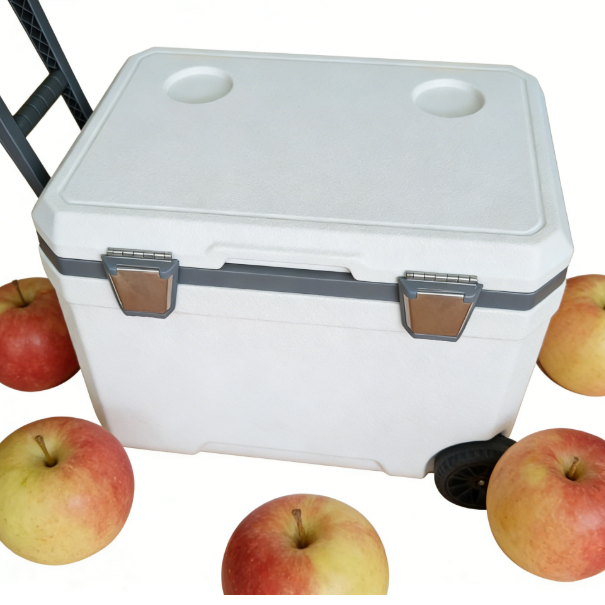
30 Fabricante de caixa de gelo médica de litro: Estratégia de Aquisição e Embalagem
Buyers can avoid most cold-chain packaging errors by defining the loaded use case before selecting the container. Para 30 liter medical ice box manufacturer, isso significa conectar os requisitos do produto, exposição da rota, design de embalagem, manuseio, monitoramento, controles de fornecedores, e custo.
O resultado é uma estrutura de seleção integrada. Combina educação de produto, julgamento de engenharia, risco de rota, qualificação de fornecedor, custo total, e sustentabilidade para que um comprador possa emitir uma solicitação mais clara, execute um teste significativo, e aprove uma configuração com menos surpresas.
Use cinco decisões para controlar a compra
Um completo 30 liter medical ice box project can be governed through five decisions. Primeiro, definir o produto protegido e a condição de aceitação. Segundo, caracterizar a pista e suas transferências. Terceiro, projetar o pacote carregado, incluindo refrigerante, barreiras, monitoramento, e espaço utilizável. Quarto, qualificar o fornecedor e comprovar. Quinto, provar que as operações podem reproduzir, limpar, retornar, e manter a configuração.
A sequência é importante. As equipes criam retrabalho quando escolhem uma caixa, em seguida, tente encaixar o produto e direcioná-lo. Começar pelo produto e pela via permite que diversas arquiteturas sejam comparadas em termos iguais. Também torna a negociação de custos mais útil, porque a cotação descreve um trabalho definido em vez de um contêiner genérico.
The central tradeoff is more coolant and insulation can improve thermal buffering but reduce payload capacity, aumentar o peso, e complicar o manuseio. A estrutura não remove compensações; isso os torna explícitos. A aquisição pode decidir quais consequências são aceitáveis, a engenharia pode documentar a base técnica, qualidade ou segurança alimentar podem estabelecer evidências, e as operações podem testar se o método é repetível.
Decisão 1 e 2: conectar os requisitos do produto à pista
Write a one-page use-case brief for medicine cartons, kits de diagnóstico, amostras, consumíveis sensíveis à temperatura, or controlled medical supplies. Incluir as instruções atuais do produto, condição inicial, quantidade, dimensões da caixa ou bandeja, sensibilidade ao congelamento, superaquecimento, luz, contaminação, impacto, ou atraso, e o processo de disposição para uma excursão. Evite importar uma linha comum da indústria para um produto que tenha instruções diferentes.
Then map packing, encenação, transporte de veículos, entregar, recebendo inspeção, limpeza, e reutilização controlada. Registrar o tempo decorrido, condições externas sazonais, encenação, ambiente do veículo, abertura de porta, parar contagem, superfícies de transferência, mudanças de custódia, e recebendo armazenamento. Adicione um cenário normal e um desafio realista. O desafio pode ser uma doca quente, receptor atrasado, carga parcial, abertura repetida, ou transferência ao ar livre. Deve representar um dia operacional confiável, não é um pior caso artificial sem probabilidade ou resposta definida.
Atribua cada risco à embalagem, procedimento, equipamento, ou escalada. O isolamento e o líquido refrigerante podem amortecer a exposição ambiental. Um cronograma de rota pode reduzir o tempo de espera. Uma unidade ativa portátil pode ser mais apropriada para alguns movimentos de alto risco. Um compromisso de receptor pode remover uma transferência não controlada. Esta alocação evita que a caixa passiva seja solicitada a compensar cada fraqueza do processo.
Decisão 3: aprovar uma configuração carregada, não é uma caixa nominal
O design carregado deve resolver este problema de capacidade: thirty liters should be treated as a starting label; payload fit depends on internal dimensions, caixas originais, refrigerante, barreiras, monitoramento, and the required headspace. Crie um desenho e uma maquete física mostrando a orientação do produto, refrigerante, barreiras, monitoramento, divisores, tolerâncias, e liberação de fechamento. Calcule ou meça o peso embalado esperado. Confirmar veículo, prateleira, palete, carrinho, e porta ajustada com as maçanetas e a tampa em suas posições de operação.
Controle as temperaturas locais definindo a condição e o posicionamento do líquido refrigerante. O projeto deve evitar contato direto não intencional, lacunas de ar não controladas, e componentes que podem mudar. O trabalho de desenvolvimento pode precisar de vários sensores para mapear a carga, mas o monitoramento de rotina deve usar um local fixo que represente a decisão necessária do produto. Cargas parciais precisam de uma alternativa aprovada em vez de uma versão improvisada do pacote completo.
A construção deve apoiar a continuidade do isolamento, vedação da tampa, dobradiças, travas, carrying points, divisórias internas, retentores de refrigerante, and surfaces that support repeatable cleaning. Revise a junta da tampa, pontes térmicas, hardware de alta carga, facilidade de limpeza, substituição de componentes, e compatibilidade com luz solar ou produtos químicos quando relevante. Nomes de materiais são entradas, não conclusões. A especificação aprovada deve definir a construção com detalhes suficientes para preservar a função durante a produção.
Decisão 4: qualificar o fornecedor e as evidências em conjunto
Estabelecer quem é o dono do projeto e quem controla a fábrica. A parte comercial pode ser um fabricante, exportador, distribuidor, ou integrador, mas o comprador precisa de um caminho claro para os desenhos, controles de materiais, inspeção, defeitos, e notificação de alteração. Pergunte quais componentes são críticos e como as unidades de produção são comparadas com a amostra aprovada.
A solicitação de orçamento deverá abranger dimensões internas e externas, peso vazio, manuseio carregado, isolamento, layout do refrigerante, divisores, localização de monitoramento, limpeza, evidência, identificação personalizada, e controles de produção. Normalize a lista de materiais incluída e as condições de entrega antes de comparar preços. Hardware separado, refrigerante, monitoramento, personalização, ferramentas, testando, documentação, embalagem, frete, e peças de reposição. Isso torna os direcionadores de custos visíveis e evita que um preço baixo de caixa vazia seja comparado com um kit pronto para processo.
Request controlled drawings, material and insulation information, layout de embalagem, condições de teste, monitoring guidance, instruções de limpeza, component traceability where needed, e notificação de alteração. Leia relatórios de teste para condições, não manchetes. Verifique a carga útil, temperatura inicial, refrigerante, perfil ambiente, duração, aberturas, posições dos sensores, Critérios de aceitação, e se a amostra representava a produção. Registre as lacunas entre essa evidência e a pista pretendida para que a equipe possa decidir que trabalho adicional é proporcional.
| Portão de aprovação | Produção mínima | Razão pela qual o portão existe |
|---|---|---|
| Produto e pista | Resumo do caso de uso com carga útil, doença, rota, exposição, e transferências | Impede que a caixa seja selecionada antes que o trabalho seja definido |
| Configuração carregada | Desenho, lista de componentes, refrigerante, barreiras, sensor, peso, e ajuste | Converte a capacidade nominal em um pacote reproduzível |
| Fornecedor e evidência | Especificação controlada, amostras, relatórios, e mudar regras | Conecta o fornecimento comercial ao projeto aprovado |
| Prontidão operacional | Sop, treinamento, limpeza, recebendo, retornar, e exceções | Mostra que as pessoas podem repetir e manter o método |
| Escala e ciclo de vida | Verificação do primeiro lote, implementação de rota, modelo de custo, rastreamento de ativos, revisar gatilhos | Protege o desempenho e o valor após o lançamento |
As portas de aprovação evitam que um projeto passe diretamente de uma amostra atraente para um pedido em massa. Cada portão cria uma saída tangível e fecha um risco diferente: caso de uso pouco claro, pacote não reproduzível, fornecimento descontrolado, operações fracas, ou um modelo de ciclo de vida não comprovado.
Use orientações regulatórias e técnicas sem reivindicar demais
Orientação confiável ajuda a definir expectativas de controle, mas não transforma uma caixa genérica num sistema aprovado. As instruções do produto e as regras locais aplicáveis permanecem decisivas. Um arquivo técnico deve indicar por que cada referência é relevante e onde testes específicos da rota ou revisão de qualidade ainda são necessários.
Para medicamentos, A orientação do PIB da UE espera que as condições de armazenamento exigidas sejam mantidas durante o transporte através de seleção baseada no risco, equipamento adequado, monitoramento, avaliação de rota, e qualificação quando necessário. Transporte aéreo pode adicionar horário IATA- e procedimentos de carga sensíveis à temperatura. Essas estruturas orientam evidências e responsabilidade; eles não criam adequação universal.
A decisão de aprovação deve identificar o envelope operacional testado e as condições que exigem escalonamento. Quando as evidências estão incompletas, converter o desconhecido em uma questão de verificação ou em um limite operacional, em vez de preencher a lacuna com uma afirmação de marketing confiável.
Decisão 5: provar que a organização pode repetir o método
Execute um piloto com os empacotadores reais, motoristas, receptores, pessoal de limpeza, e revisores de qualidade ou segurança alimentar. Observe a identificação do componente, preparação de refrigerante, carregando, monitor placement, encerramento, encenação, elevação, restrição, abertura, entregar, retornar, lavar, secagem, e inspeção. Registrar soluções alternativas; são evidências de que o projeto ou instrução precisa de correção.
O processo de devolução deve implementar este requisito de higiene: compatibilidade de limpeza, secagem, inspeção, inserções removíveis, and control of damaged seals or cracked surfaces affect reuse decisions. Separar sujo, limpar, reparar, quarentena, e situação de aposentado. Definir critérios objetivos de liberação e controlar peças removíveis. Meça o tempo de limpeza e o espaço de armazenamento para que a quantidade da frota reflita os ativos que estão genuinamente disponíveis, não apenas caixas compradas.
Prepare caminhos de exceção antes do lançamento. A equipe precisa saber o que fazer quando falta um componente de refrigeração, o monitor falha, uma tampa não fecha, uma caixa está danificada, um veículo está atrasado, o receptor está ausente, ou o rastreamento do produto mostra uma excursão. Um caminho curto de escalonamento protege o processo aprovado sob pressão de tempo.
Avalie o custo e a sustentabilidade no mesmo ciclo operacional
Crie o custo total a partir da configuração aprovada: hardware, ferramentas, amostras, refrigerante, monitoramento, rótulos, embalagem, frete, obrigações, trabalho, cubo de veículo, retornar, lavar, secagem, armazenar, reparar, perda, substituição, e manutenção de evidências. Informar o custo por viagem bem-sucedida por coorte de rotas. Isto evita uma decisão limitada sobre o preço unitário e uma afirmação não fundamentada de que a reutilização sempre economiza dinheiro.
The sustainability question is a mid-size reusable medical box can work well on clinic loops if assets are returned, inspecionado, limpo, and packed to the same controlled configuration each time. Circulação de pista, distância de retorno, perda, reparar, lavar recursos, utilização, e tratamento em fim de vida. Um sistema reutilizável cria valor quando a rede consegue mantê-lo em serviço controlado. Dimensionamento correto, componentes reparáveis, e o empilhamento de retorno eficiente podem ser tão importantes quanto o material de base.
A aprovação comercial pode incluir uma análise de sensibilidade. Examine como o resultado muda quando o retorno cai, dano aumenta, mudanças de demanda, ou uma rota precisa de um tamanho diferente. Isso não requer dados de mercado inventados. It uses the organization's own operating assumptions to identify where the proposal is robust and where a different packaging model should be retained.
Dimensione através de portas controladas e gatilhos de mudança
Portão 1 aprova o resumo do caso de uso e o desenho carregado. Portão 2 aprova amostras de intenção de produção e documentos de fornecedores. Portão 3 aprova térmica relevante, mecânico, limpeza, e evidências de rota. Portão 4 aprova o POP, treinamento, processo de exceção, e loop de retorno. Portão 5 libera produção após verificação do primeiro lote. Cada portão tem um proprietário e critérios de aceitação registrados.
Expandir por coortes de rotas semelhantes. Comece com uma via representativa e um desafio confiável, problemas corretos, em seguida, adicione sites que compartilhem carga útil e exposição. Não presuma que um piloto bem-sucedido cobre um veículo diferente, clima, padrão de parada, produto, ou processo de lavagem. Use uma comparação documentada para decidir se as evidências existentes podem ser estendidas.
Manter um registro de alterações após o lançamento. Caixas de produtos, refrigerante, massa de carga útil, sensor, tempo de rota, química de limpeza, material do fornecedor, selo, hardware, ou mudanças de fábrica podem afetar a linha de base. Atribua níveis de revisão para que pequenas atualizações administrativas não desencadeiem trabalho desnecessário, enquanto as mudanças funcionais recebem comparação ou requalificação apropriada.
Mantenha visíveis as principais não-suposições
Não presuma que a capacidade nominal é igual à capacidade de carga útil, esse isolamento cria a temperatura necessária do produto, que um registrador fornece proteção, ou que um teste sob condições diferentes comprove a pista. Não presuma que durabilidade é igual a adequação alimentar ou farmacêutica, or that one program's approval transfers to another. The specific risk here is assuming a 30 liter medical box is automatically qualified because the volume and appearance resemble an approved unit.
Transforme cada não suposição em um controle. Use um desenho carregado para capacidade, um plano de refrigeração definido para controle térmico, uma posição fixa do sensor para evidências, uma comparação de rotas para transferibilidade, um processo de limpeza e segregação para higiene, e uma especificação controlada para consistência de produção. This makes the article's principles actionable in an RFQ and pilot.
Finalmente, preserve a incerteza honestamente. Quando um parâmetro não é suportado pelas instruções do produto, uma fonte técnica confiável, documentação do fornecedor, ou teste, peça ao fornecedor para confirmar ou planeje uma verificação. Remover um número não suportado é melhor engenharia e melhor aquisição do que apresentar uma precisão que a evidência não pode transmitir.
Perguntas sobre aquisições integradas
Quais informações devem ser enviadas primeiro a um fornecedor?
Envie o tipo de produto e condição necessária, dimensões da caixa ou da carga útil, quantidade, duração da rota, exposição sazonal, padrão de parada e abertura, restrições de veículo ou prateleira, preferência de refrigerante, necessidade de monitoramento, método de limpeza, plano de reutilização, personalização, e volume de pedidos. Marque quaisquer incógnitas para que se tornem questões do projeto em vez de suposições.
Como posso saber se a caixa proposta é muito grande ou muito pequena?
Crie o pacote completo e compare a contagem de carga útil, peso carregado, cubo externo, ajuste do veículo, comportamento de carga parcial, e manuseio. Uma caixa grande pode desperdiçar líquido refrigerante e espaço; um pequeno pode forçar a compressão ou viagens extras. Use perfis de pedidos reais e aprove faixas de carga.
Qual evidência é mais importante antes da produção?
A evidência deve corresponder aos riscos dominantes. No mínimo, dimensões de controle, materiais, componentes, ajuste carregado, manuseio, limpeza, e suposições térmicas relevantes. Cuidados de saúde ou rotas alimentares de alto risco também podem precisar de qualificação, monitoramento calibrado, estudos de rota, registros formais, e aprovação de qualidade ou segurança alimentar.
Como as cotações de custos devem ser comparadas?
Compare a mesma lista de materiais, dimensões, acessórios, refrigerante, monitoramento, personalização, testando, embalagem, quantidade do pedido, condições de entrega, suposições de frete, peças de reposição, e escopo de controle de mudanças. Então modele o trabalho, retornar, limpeza, perda, reparar, e viagens de sucesso. Um preço unitário vazio não é uma comparação completa.
O que deve desencadear a requalificação ou reavaliação?
Alterações nas instruções do produto, carga útil, Carton, refrigerante, sensor, rota, exposição ambiental, padrão de parada, limpeza, material, selo, hardware, processo, ou fábrica pode importar. Defina gatilhos baseados em risco para revisão de documentos, comparação de amostras, testes direcionados, trabalho de rota, ou requalificação total.
Decisão final
Tratar 30 liter medical ice box manufacturer as a controlled system decision. Defina o produto e a pista, aprovar o pacote carregado, qualificar controles e evidências de fornecedores, provar o processo operacional, e modelar custo e reutilização em viagens bem-sucedidas. Escale somente depois que amostras de intenção de produção e coortes de rota forem revisadas. Esta abordagem preserva as informações úteis da educação sobre o produto, engenharia, conformidade, operações, e sustentabilidade sem depender de reivindicações universais.
Sobre Tempk
Tempk é a marca de embalagens para cadeia de frio da Shanghai Tempk Industrial Co., Ltda. Seu portfólio público inclui embalagens de gel, tijolos de gelo, insulated bags and liners, EPP e outras caixas isoladas, Caixas de gelo médico, Tampas de paletes, e embalagens personalizadas para logística de alimentos e saúde. Os compradores podem fornecer geometria do produto, condição alvo, rota, refrigerante, monitoramento, manuseio, limpeza, identificação, e requisitos comerciais para que Tempk possa propor uma configuração para revisão de amostra, testando, e discussão da amostra até a produção.
Próxima etapa do projeto
Peça ao Tempk para revisar seu 30 liter medical ice boxes project using the actual payload, rota, pacote, controles operacionais, e suposições de fornecimento antes que uma cotação em massa seja finalizada.
30 Fornecedor de caixa de gelo comercial de litro: Estratégia de Aquisição e Embalagem
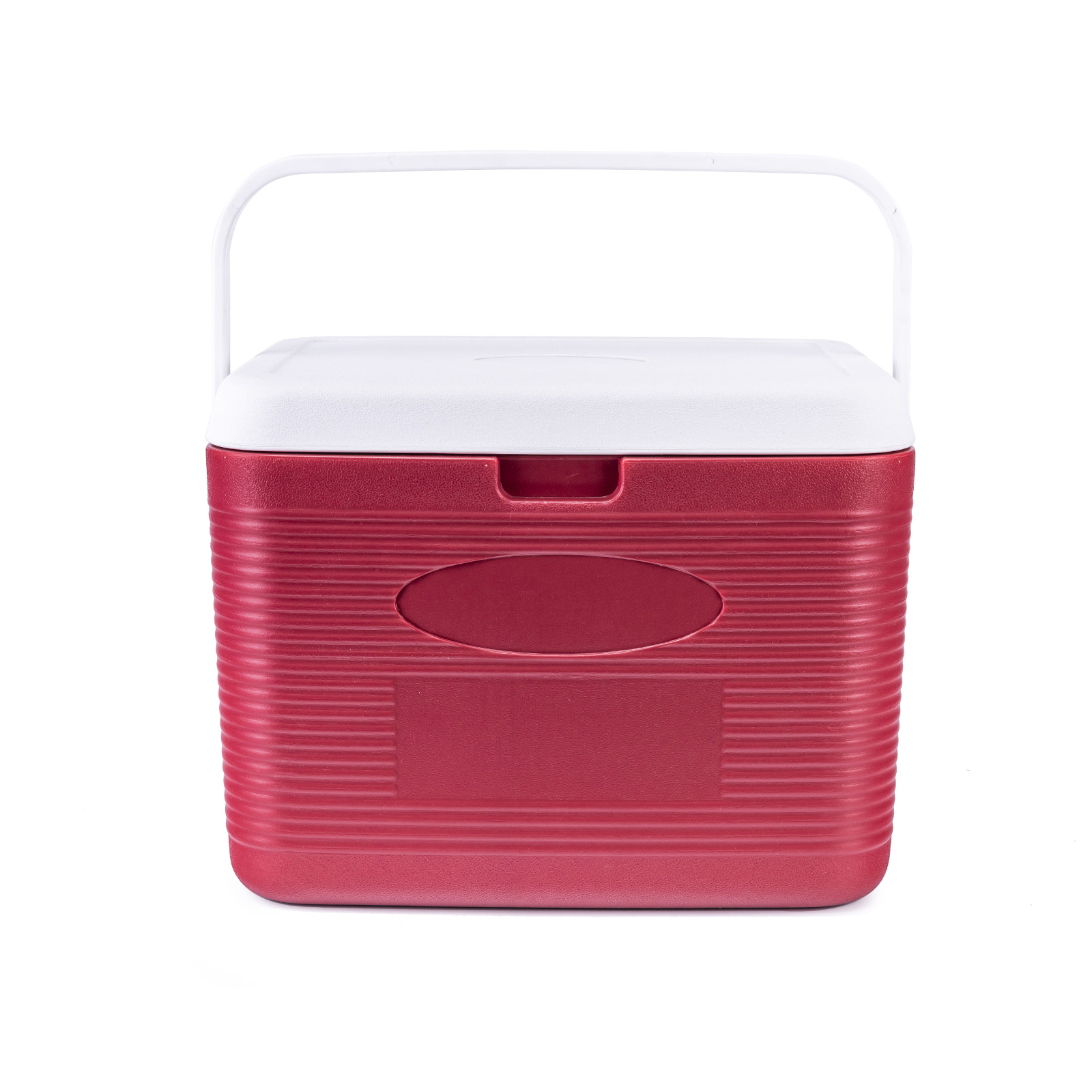
30 Fornecedor de caixa de gelo comercial de litro: Estratégia de Aquisição e Embalagem
Uma decisão sensata sobre 30 liter commercial ice box supplier can be reduced to five linked questions: o que deve ser protegido, em qual rota, com qual configuração carregada, sob cujo controle operacional, e com que evidências.
O resultado é uma estrutura de seleção integrada. Combina educação de produto, julgamento de engenharia, risco de rota, qualificação de fornecedor, custo total, e sustentabilidade para que um comprador possa emitir uma solicitação mais clara, execute um teste significativo, e aprove uma configuração com menos surpresas.
Use cinco decisões para controlar a compra
Um completo 30 projeto de caixa de gelo comercial de litro pode ser governado por meio de cinco decisões. Primeiro, definir o produto protegido e a condição de aceitação. Segundo, caracterizar a pista e suas transferências. Terceiro, projetar o pacote carregado, incluindo refrigerante, barreiras, monitoramento, e espaço utilizável. Quarto, qualificar o fornecedor e comprovar. Quinto, provar que as operações podem reproduzir, limpar, retornar, e manter a configuração.
A sequência é importante. As equipes criam retrabalho quando escolhem uma caixa, em seguida, tente encaixar o produto e direcioná-lo. Começar pelo produto e pela via permite que diversas arquiteturas sejam comparadas em termos iguais. Também torna a negociação de custos mais útil, porque a cotação descreve um trabalho definido em vez de um contêiner genérico.
A compensação central é uma 30 o formato litro pode ser versátil, ainda assim, tentar usá-lo para todos os tamanhos de pedido pode criar espaço vazio, refrigerante extra, ergonomia pobre, ou muitas viagens. A estrutura não remove compensações; isso os torna explícitos. A aquisição pode decidir quais consequências são aceitáveis, a engenharia pode documentar a base técnica, qualidade ou segurança alimentar podem estabelecer evidências, e as operações podem testar se o método é repetível.
Decisão 1 e 2: conectar os requisitos do produto à pista
Escreva um resumo de caso de uso de uma página para bandejas de refeição, pacotes de comida, ingredientes de bebidas, kits de amostra, caixas de remédios, ou outros bens controlados. Incluir as instruções atuais do produto, condição inicial, quantidade, dimensões da caixa ou bandeja, sensibilidade ao congelamento, superaquecimento, luz, contaminação, impacto, ou atraso, e o processo de disposição para uma excursão. Evite importar uma linha comum da indústria para um produto que tenha instruções diferentes.
Em seguida, mapeie a área de embalagem, encenação, veículo, transferência de destino, pilha de retorno, limpeza, e armazenamento. Registrar o tempo decorrido, condições externas sazonais, encenação, ambiente do veículo, abertura de porta, parar contagem, superfícies de transferência, mudanças de custódia, e recebendo armazenamento. Adicione um cenário normal e um desafio realista. O desafio pode ser uma doca quente, receptor atrasado, carga parcial, abertura repetida, ou transferência ao ar livre. Deve representar um dia operacional confiável, não é um pior caso artificial sem probabilidade ou resposta definida.
Atribua cada risco à embalagem, procedimento, equipamento, ou escalada. O isolamento e o líquido refrigerante podem amortecer a exposição ambiental. Um cronograma de rota pode reduzir o tempo de espera. Uma unidade ativa portátil pode ser mais apropriada para alguns movimentos de alto risco. Um compromisso de receptor pode remover uma transferência não controlada. Esta alocação evita que a caixa passiva seja solicitada a compensar cada fraqueza do processo.
Decisão 3: aprovar uma configuração carregada, não é uma caixa nominal
O design carregado deve resolver este problema de capacidade: o 30 o rótulo de litro deve ser verificado em relação ao comprimento interno real, largura, altura, geometria de canto, refrigerante, divisores, e orientação de carga útil. Crie um desenho e uma maquete física mostrando a orientação do produto, refrigerante, barreiras, monitoramento, divisores, tolerâncias, e liberação de fechamento. Calcule ou meça o peso embalado esperado. Confirmar veículo, prateleira, palete, carrinho, e porta ajustada com as maçanetas e a tampa em suas posições de operação.
Controle as temperaturas locais definindo a condição e o posicionamento do líquido refrigerante. O projeto deve evitar contato direto não intencional, lacunas de ar não controladas, e componentes que podem mudar. O trabalho de desenvolvimento pode precisar de vários sensores para mapear a carga, mas o monitoramento de rotina deve usar um local fixo que represente a decisão necessária do produto. Cargas parciais precisam de uma alternativa aprovada em vez de uma versão improvisada do pacote completo.
A construção deve suportar o isolamento, interface da tampa, rigidez da casca, dobradiças, travas, alças, registro de pilha, inserções internas, e superfícies laváveis. Revise a junta da tampa, pontes térmicas, hardware de alta carga, facilidade de limpeza, substituição de componentes, e compatibilidade com luz solar ou produtos químicos quando relevante. Nomes de materiais são entradas, não conclusões. A especificação aprovada deve definir a construção com detalhes suficientes para preservar a função durante a produção.
Decisão 4: qualificar o fornecedor e as evidências em conjunto
Estabelecer quem é o dono do projeto e quem controla a fábrica. A parte comercial pode ser um fabricante, exportador, distribuidor, ou integrador, mas o comprador precisa de um caminho claro para os desenhos, controles de materiais, inspeção, defeitos, e notificação de alteração. Pergunte quais componentes são críticos e como as unidades de produção são comparadas com a amostra aprovada.
A solicitação de orçamento deverá abranger dimensões internas, cubo externo, peso vazio, material, isolamento, hardware, inserções, opções de refrigerante, cores, rótulos, embalagem de papelão e paletes, amostras, e prazo de entrega. Normalize a lista de materiais incluída e as condições de entrega antes de comparar preços. Hardware separado, refrigerante, monitoramento, personalização, ferramentas, testando, documentação, embalagem, frete, e peças de reposição. Isso torna os direcionadores de custos visíveis e evita que um preço baixo de caixa vazia seja comparado com um kit pronto para processo.
Solicite desenhos dimensionados, maquete carregada, detalhes de material e isolamento, especificação de hardware, instruções de limpeza, eficiência de embalagem, suposições de teste, e controles de amostra de produção. Leia relatórios de teste para condições, não manchetes. Verifique a carga útil, temperatura inicial, refrigerante, perfil ambiente, duração, aberturas, posições dos sensores, Critérios de aceitação, e se a amostra representava a produção. Registre as lacunas entre essa evidência e a pista pretendida para que a equipe possa decidir que trabalho adicional é proporcional.
| Portão de aprovação | Produção mínima | Razão pela qual o portão existe |
|---|---|---|
| Produto e pista | Resumo do caso de uso com carga útil, doença, rota, exposição, e transferências | Impede que a caixa seja selecionada antes que o trabalho seja definido |
| Configuração carregada | Desenho, lista de componentes, refrigerante, barreiras, sensor, peso, e ajuste | Converte a capacidade nominal em um pacote reproduzível |
| Fornecedor e evidência | Especificação controlada, amostras, relatórios, e mudar regras | Conecta o fornecimento comercial ao projeto aprovado |
| Prontidão operacional | Sop, treinamento, limpeza, recebendo, retornar, e exceções | Mostra que as pessoas podem repetir e manter o método |
| Escala e ciclo de vida | Verificação do primeiro lote, implementação de rota, modelo de custo, rastreamento de ativos, revisar gatilhos | Protege o desempenho e o valor após o lançamento |
As portas de aprovação evitam que um projeto passe diretamente de uma amostra atraente para um pedido em massa. Cada portão cria uma saída tangível e fecha um risco diferente: caso de uso pouco claro, pacote não reproduzível, fornecimento descontrolado, operações fracas, ou um modelo de ciclo de vida não comprovado.
Use orientações regulatórias e técnicas sem reivindicar demais
Orientação confiável ajuda a definir expectativas de controle, mas não transforma uma caixa genérica num sistema aprovado. As instruções do produto e as regras locais aplicáveis permanecem decisivas. Um arquivo técnico deve indicar por que cada referência é relevante e onde testes específicos da rota ou revisão de qualidade ainda são necessários.
A decisão de aprovação deve identificar o envelope operacional testado e as condições que exigem escalonamento. Quando as evidências estão incompletas, converter o desconhecido em uma questão de verificação ou em um limite operacional, em vez de preencher a lacuna com uma afirmação de marketing confiável.
Decisão 5: provar que a organização pode repetir o método
Execute um piloto com os empacotadores reais, motoristas, receptores, pessoal de limpeza, e revisores de qualidade ou segurança alimentar. Observe a identificação do componente, preparação de refrigerante, carregando, monitor placement, encerramento, encenação, elevação, restrição, abertura, entregar, retornar, lavar, secagem, e inspeção. Registrar soluções alternativas; são evidências de que o projeto ou instrução precisa de correção.
O processo de devolução deve implementar este requisito de higiene: programas comerciais precisam de um processo repetível de lavagem e inspeção, especialmente quando as caixas circulam entre vários locais. Separar sujo, limpar, reparar, quarentena, e situação de aposentado. Definir critérios objetivos de liberação e controlar peças removíveis. Meça o tempo de limpeza e o espaço de armazenamento para que a quantidade da frota reflita os ativos que estão genuinamente disponíveis, não apenas caixas compradas.
Prepare caminhos de exceção antes do lançamento. A equipe precisa saber o que fazer quando falta um componente de refrigeração, o monitor falha, uma tampa não fecha, uma caixa está danificada, um veículo está atrasado, o receptor está ausente, ou o rastreamento do produto mostra uma excursão. Um caminho curto de escalonamento protege o processo aprovado sob pressão de tempo.
Avalie o custo e a sustentabilidade no mesmo ciclo operacional
Crie o custo total a partir da configuração aprovada: hardware, ferramentas, amostras, refrigerante, monitoramento, rótulos, embalagem, frete, obrigações, trabalho, cubo de veículo, retornar, lavar, secagem, armazenar, reparar, perda, substituição, e manutenção de evidências. Informar o custo por viagem bem-sucedida por coorte de rotas. Isto evita uma decisão limitada sobre o preço unitário e uma afirmação não fundamentada de que a reutilização sempre economiza dinheiro.
A questão da sustentabilidade é um 30 caixa reutilizável de litro funciona melhor quando a densidade da rota, empilhamento de retorno, capacidade de limpeza, e a propriedade de ativos apoiam a circulação regular. Circulação de pista, distância de retorno, perda, reparar, lavar recursos, utilização, e tratamento em fim de vida. Um sistema reutilizável cria valor quando a rede consegue mantê-lo em serviço controlado. Dimensionamento correto, componentes reparáveis, e o empilhamento de retorno eficiente podem ser tão importantes quanto o material de base.
A aprovação comercial pode incluir uma análise de sensibilidade. Examine como o resultado muda quando o retorno cai, dano aumenta, mudanças de demanda, ou uma rota precisa de um tamanho diferente. Isso não requer dados de mercado inventados. It uses the organization's own operating assumptions to identify where the proposal is robust and where a different packaging model should be retained.
Dimensione através de portas controladas e gatilhos de mudança
Portão 1 aprova o resumo do caso de uso e o desenho carregado. Portão 2 aprova amostras de intenção de produção e documentos de fornecedores. Portão 3 aprova térmica relevante, mecânico, limpeza, e evidências de rota. Portão 4 aprova o POP, treinamento, processo de exceção, e loop de retorno. Portão 5 libera produção após verificação do primeiro lote. Cada portão tem um proprietário e critérios de aceitação registrados.
Expandir por coortes de rotas semelhantes. Comece com uma via representativa e um desafio confiável, problemas corretos, em seguida, adicione sites que compartilhem carga útil e exposição. Não presuma que um piloto bem-sucedido cobre um veículo diferente, clima, padrão de parada, produto, ou processo de lavagem. Use uma comparação documentada para decidir se as evidências existentes podem ser estendidas.
Manter um registro de alterações após o lançamento. Caixas de produtos, refrigerante, massa de carga útil, sensor, tempo de rota, química de limpeza, material do fornecedor, selo, hardware, ou mudanças de fábrica podem afetar a linha de base. Atribua níveis de revisão para que pequenas atualizações administrativas não desencadeiem trabalho desnecessário, enquanto as mudanças funcionais recebem comparação ou requalificação apropriada.
Mantenha visíveis as principais não-suposições
Não presuma que a capacidade nominal é igual à capacidade de carga útil, esse isolamento cria a temperatura necessária do produto, que um registrador fornece proteção, ou que um teste sob condições diferentes comprove a pista. Não presuma que durabilidade é igual a adequação alimentar ou farmacêutica, or that one program's approval transfers to another. O risco específico aqui é selecionar uma caixa de tamanho médio que pareça versátil, mas que seja ineficiente para a capacidade real de carga útil ou pilha de retorno.
Transforme cada não suposição em um controle. Use um desenho carregado para capacidade, um plano de refrigeração definido para controle térmico, uma posição fixa do sensor para evidências, uma comparação de rotas para transferibilidade, um processo de limpeza e segregação para higiene, e uma especificação controlada para consistência de produção. This makes the article's principles actionable in an RFQ and pilot.
Finalmente, preserve a incerteza honestamente. Quando um parâmetro não é suportado pelas instruções do produto, uma fonte técnica confiável, documentação do fornecedor, ou teste, peça ao fornecedor para confirmar ou planeje uma verificação. Remover um número não suportado é melhor engenharia e melhor aquisição do que apresentar uma precisão que a evidência não pode transmitir.
Perguntas sobre aquisições integradas
Quais informações devem ser enviadas primeiro a um fornecedor?
Envie o tipo de produto e condição necessária, dimensões da caixa ou da carga útil, quantidade, duração da rota, exposição sazonal, padrão de parada e abertura, restrições de veículo ou prateleira, preferência de refrigerante, necessidade de monitoramento, método de limpeza, plano de reutilização, personalização, e volume de pedidos. Marque quaisquer incógnitas para que se tornem questões do projeto em vez de suposições.
Como posso saber se a caixa proposta é muito grande ou muito pequena?
Crie o pacote completo e compare a contagem de carga útil, peso carregado, cubo externo, ajuste do veículo, comportamento de carga parcial, e manuseio. Uma caixa grande pode desperdiçar líquido refrigerante e espaço; um pequeno pode forçar a compressão ou viagens extras. Use perfis de pedidos reais e aprove faixas de carga.
Qual evidência é mais importante antes da produção?
A evidência deve corresponder aos riscos dominantes. No mínimo, dimensões de controle, materiais, componentes, ajuste carregado, manuseio, limpeza, e suposições térmicas relevantes. Cuidados de saúde ou rotas alimentares de alto risco também podem precisar de qualificação, monitoramento calibrado, estudos de rota, registros formais, e aprovação de qualidade ou segurança alimentar.
Como as cotações de custos devem ser comparadas?
Compare a mesma lista de materiais, dimensões, acessórios, refrigerante, monitoramento, personalização, testando, embalagem, quantidade do pedido, condições de entrega, suposições de frete, peças de reposição, e escopo de controle de mudanças. Então modele o trabalho, retornar, limpeza, perda, reparar, e viagens de sucesso. Um preço unitário vazio não é uma comparação completa.
O que deve desencadear a requalificação ou reavaliação?
Alterações nas instruções do produto, carga útil, Carton, refrigerante, sensor, rota, exposição ambiental, padrão de parada, limpeza, material, selo, hardware, processo, ou fábrica pode importar. Defina gatilhos baseados em risco para revisão de documentos, comparação de amostras, testes direcionados, trabalho de rota, ou requalificação total.
Decisão final
Tratar 30 fornecedor de caixa de gelo comercial de litro como uma decisão de sistema controlado. Defina o produto e a pista, aprovar o pacote carregado, qualificar controles e evidências de fornecedores, provar o processo operacional, e modelar custo e reutilização em viagens bem-sucedidas. Escale somente depois que amostras de intenção de produção e coortes de rota forem revisadas. Esta abordagem preserva as informações úteis da educação sobre o produto, engenharia, conformidade, operações, e sustentabilidade sem depender de reivindicações universais.
Sobre Tempk
Tempk é a marca de embalagens para cadeia de frio da Shanghai Tempk Industrial Co., Ltda. Seu portfólio público inclui embalagens de gel, tijolos de gelo, insulated bags and liners, EPP e outras caixas isoladas, Caixas de gelo médico, Tampas de paletes, e embalagens personalizadas para logística de alimentos e saúde. Os compradores podem fornecer geometria do produto, condição alvo, rota, refrigerante, monitoramento, manuseio, limpeza, identificação, e requisitos comerciais para que Tempk possa propor uma configuração para revisão de amostra, testando, e discussão da amostra até a produção.
Próxima etapa do projeto
Peça ao Tempk para revisar seu 30 liter commercial ice boxes project using the actual payload, rota, pacote, controles operacionais, e suposições de fornecimento antes que uma cotação em massa seja finalizada.
20 Fornecedor de caixa de gelo industrial de litro: Uma estrutura baseada em rota
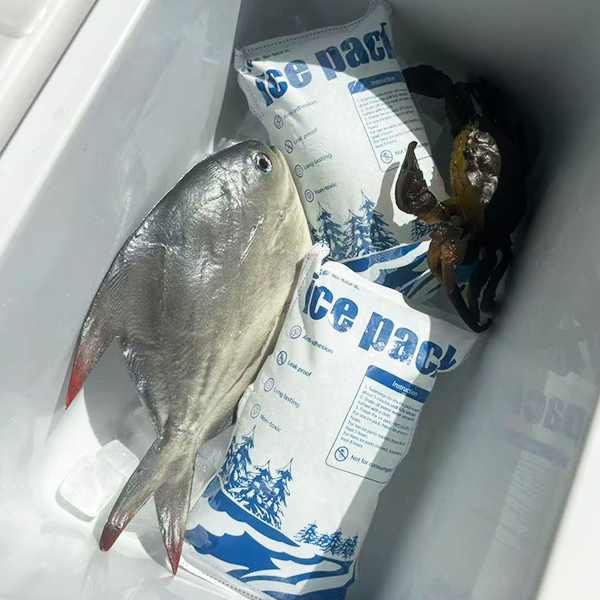
20 Fornecedor de caixa de gelo industrial de litro: Uma estrutura baseada em rota
Uma decisão sensata sobre 20 liter industrial ice box supplier can be reduced to five linked questions: o que deve ser protegido, em qual rota, com qual configuração carregada, sob cujo controle operacional, e com que evidências.
O resultado é uma estrutura de seleção integrada. Combina educação de produto, julgamento de engenharia, risco de rota, qualificação de fornecedor, custo total, e sustentabilidade para que um comprador possa emitir uma solicitação mais clara, execute um teste significativo, e aprove uma configuração com menos surpresas.
Use cinco decisões para controlar a compra
Um completo 20 liter industrial ice box project can be governed through five decisions. Primeiro, definir o produto protegido e a condição de aceitação. Segundo, caracterizar a pista e suas transferências. Terceiro, projetar o pacote carregado, incluindo refrigerante, barreiras, monitoramento, e espaço utilizável. Quarto, qualificar o fornecedor e comprovar. Quinto, provar que as operações podem reproduzir, limpar, retornar, e manter a configuração.
A sequência é importante. As equipes criam retrabalho quando escolhem uma caixa, em seguida, tente encaixar o produto e direcioná-lo. Começar pelo produto e pela via permite que diversas arquiteturas sejam comparadas em termos iguais. Também torna a negociação de custos mais útil, porque a cotação descreve um trabalho definido em vez de um contêiner genérico.
The central tradeoff is a compact unit improves mobility and return logistics, but leaves less room for thermal buffers and packing tolerances. A estrutura não remove compensações; isso os torna explícitos. A aquisição pode decidir quais consequências são aceitáveis, a engenharia pode documentar a base técnica, qualidade ou segurança alimentar podem estabelecer evidências, e as operações podem testar se o método é repetível.
Decisão 1 e 2: conectar os requisitos do produto à pista
Write a one-page use-case brief for small cartons, racks de amostras, garrafas, peças de serviço, ingredientes, refeições, or compact temperature-sensitive kits. Incluir as instruções atuais do produto, condição inicial, quantidade, dimensões da caixa ou bandeja, sensibilidade ao congelamento, superaquecimento, luz, contaminação, impacto, ou atraso, e o processo de disposição para uma excursão. Evite importar uma linha comum da indústria para um produto que tenha instruções diferentes.
Then map vehicle-based field work, inter-building transfers, entrega local, or controlled distribution with frequent manual handling. Registrar o tempo decorrido, condições externas sazonais, encenação, ambiente do veículo, abertura de porta, parar contagem, superfícies de transferência, mudanças de custódia, e recebendo armazenamento. Adicione um cenário normal e um desafio realista. O desafio pode ser uma doca quente, receptor atrasado, carga parcial, abertura repetida, ou transferência ao ar livre. Deve representar um dia operacional confiável, não é um pior caso artificial sem probabilidade ou resposta definida.
Atribua cada risco à embalagem, procedimento, equipamento, ou escalada. O isolamento e o líquido refrigerante podem amortecer a exposição ambiental. Um cronograma de rota pode reduzir o tempo de espera. Uma unidade ativa portátil pode ser mais apropriada para alguns movimentos de alto risco. Um compromisso de receptor pode remover uma transferência não controlada. Esta alocação evita que a caixa passiva seja solicitada a compensar cada fraqueza do processo.
Decisão 3: aprovar uma configuração carregada, não é uma caixa nominal
O design carregado deve resolver este problema de capacidade: um 20 liter designation does not guarantee that the specific rack, altura da garrafa, tray footprint, or coolant arrangement will fit. Crie um desenho e uma maquete física mostrando a orientação do produto, refrigerante, barreiras, monitoramento, divisores, tolerâncias, e liberação de fechamento. Calcule ou meça o peso embalado esperado. Confirmar veículo, prateleira, palete, carrinho, e porta ajustada com as maçanetas e a tampa em suas posições de operação.
Controle as temperaturas locais definindo a condição e o posicionamento do líquido refrigerante. O projeto deve evitar contato direto não intencional, lacunas de ar não controladas, e componentes que podem mudar. O trabalho de desenvolvimento pode precisar de vários sensores para mapear a carga, mas o monitoramento de rotina deve usar um local fixo que represente a decisão necessária do produto. Cargas parciais precisam de uma alternativa aprovada em vez de uma versão improvisada do pacote completo.
Construction should support compact shell geometry, força de canto, alinhamento da tampa, latch protection, lidar com acessório, continuidade do isolamento, and stable base design. Revise a junta da tampa, pontes térmicas, hardware de alta carga, facilidade de limpeza, substituição de componentes, e compatibilidade com luz solar ou produtos químicos quando relevante. Nomes de materiais são entradas, não conclusões. A especificação aprovada deve definir a construção com detalhes suficientes para preservar a função durante a produção.
Decisão 4: qualificar o fornecedor e as evidências em conjunto
Estabelecer quem é o dono do projeto e quem controla a fábrica. A parte comercial pode ser um fabricante, exportador, distribuidor, ou integrador, mas o comprador precisa de um caminho claro para os desenhos, controles de materiais, inspeção, defeitos, e notificação de alteração. Pergunte quais componentes são críticos e como as unidades de produção são comparadas com a amostra aprovada.
The request for quotation should cover true internal dimensions, empty and loaded handling, insulation and shell, handle and latch construction, inserções, compatibilidade de refrigerante, rotulagem, quantidade da caixa, e testes de amostra. Normalize a lista de materiais incluída e as condições de entrega antes de comparar preços. Hardware separado, refrigerante, monitoramento, personalização, ferramentas, testando, documentação, embalagem, frete, e peças de reposição. Isso torna os direcionadores de custos visíveis e evita que um preço baixo de caixa vazia seja comparado com um kit pronto para processo.
Request dimensioned samples, load-bearing details, material and insulation description, component consistency, drop and handling information where available, and a controlled packout recommendation. Leia relatórios de teste para condições, não manchetes. Verifique a carga útil, temperatura inicial, refrigerante, perfil ambiente, duração, aberturas, posições dos sensores, Critérios de aceitação, e se a amostra representava a produção. Registre as lacunas entre essa evidência e a pista pretendida para que a equipe possa decidir que trabalho adicional é proporcional.
| Portão de aprovação | Produção mínima | Razão pela qual o portão existe |
|---|---|---|
| Produto e pista | Resumo do caso de uso com carga útil, doença, rota, exposição, e transferências | Impede que a caixa seja selecionada antes que o trabalho seja definido |
| Configuração carregada | Desenho, lista de componentes, refrigerante, barreiras, sensor, peso, e ajuste | Converte a capacidade nominal em um pacote reproduzível |
| Fornecedor e evidência | Especificação controlada, amostras, relatórios, e mudar regras | Conecta o fornecimento comercial ao projeto aprovado |
| Prontidão operacional | Sop, treinamento, limpeza, recebendo, retornar, e exceções | Mostra que as pessoas podem repetir e manter o método |
| Escala e ciclo de vida | Verificação do primeiro lote, implementação de rota, modelo de custo, rastreamento de ativos, revisar gatilhos | Protege o desempenho e o valor após o lançamento |
As portas de aprovação evitam que um projeto passe diretamente de uma amostra atraente para um pedido em massa. Cada portão cria uma saída tangível e fecha um risco diferente: caso de uso pouco claro, pacote não reproduzível, fornecimento descontrolado, operações fracas, ou um modelo de ciclo de vida não comprovado.
Use orientações regulatórias e técnicas sem reivindicar demais
Orientação confiável ajuda a definir expectativas de controle, mas não transforma uma caixa genérica num sistema aprovado. As instruções do produto e as regras locais aplicáveis permanecem decisivas. Um arquivo técnico deve indicar por que cada referência é relevante e onde testes específicos da rota ou revisão de qualidade ainda são necessários.
A decisão de aprovação deve identificar o envelope operacional testado e as condições que exigem escalonamento. Quando as evidências estão incompletas, converter o desconhecido em uma questão de verificação ou em um limite operacional, em vez de preencher a lacuna com uma afirmação de marketing confiável.
Decisão 5: provar que a organização pode repetir o método
Execute um piloto com os empacotadores reais, motoristas, receptores, pessoal de limpeza, e revisores de qualidade ou segurança alimentar. Observe a identificação do componente, preparação de refrigerante, carregando, monitor placement, encerramento, encenação, elevação, restrição, abertura, entregar, retornar, lavar, secagem, e inspeção. Registrar soluções alternativas; são evidências de que o projeto ou instrução precisa de correção.
O processo de devolução deve implementar este requisito de higiene: portable boxes are often set on floors, veículos, benches, and outdoor surfaces, making a clear exterior and interior cleaning process important. Separar sujo, limpar, reparar, quarentena, e situação de aposentado. Definir critérios objetivos de liberação e controlar peças removíveis. Meça o tempo de limpeza e o espaço de armazenamento para que a quantidade da frota reflita os ativos que estão genuinamente disponíveis, não apenas caixas compradas.
Prepare caminhos de exceção antes do lançamento. A equipe precisa saber o que fazer quando falta um componente de refrigeração, o monitor falha, uma tampa não fecha, uma caixa está danificada, um veículo está atrasado, o receptor está ausente, ou o rastreamento do produto mostra uma excursão. Um caminho curto de escalonamento protege o processo aprovado sob pressão de tempo.
Avalie o custo e a sustentabilidade no mesmo ciclo operacional
Crie o custo total a partir da configuração aprovada: hardware, ferramentas, amostras, refrigerante, monitoramento, rótulos, embalagem, frete, obrigações, trabalho, cubo de veículo, retornar, lavar, secagem, armazenar, reparar, perda, substituição, e manutenção de evidências. Informar o custo por viagem bem-sucedida por coorte de rotas. Isto evita uma decisão limitada sobre o preço unitário e uma afirmação não fundamentada de que a reutilização sempre economiza dinheiro.
The sustainability question is small reusable boxes can be efficient on dense local routes because they are easier to recover and store, although loss rates and cleaning discipline still determine performance. Circulação de pista, distância de retorno, perda, reparar, lavar recursos, utilização, e tratamento em fim de vida. Um sistema reutilizável cria valor quando a rede consegue mantê-lo em serviço controlado. Dimensionamento correto, componentes reparáveis, e o empilhamento de retorno eficiente podem ser tão importantes quanto o material de base.
A aprovação comercial pode incluir uma análise de sensibilidade. Examine como o resultado muda quando o retorno cai, dano aumenta, mudanças de demanda, ou uma rota precisa de um tamanho diferente. Isso não requer dados de mercado inventados. It uses the organization's own operating assumptions to identify where the proposal is robust and where a different packaging model should be retained.
Dimensione através de portas controladas e gatilhos de mudança
Portão 1 aprova o resumo do caso de uso e o desenho carregado. Portão 2 aprova amostras de intenção de produção e documentos de fornecedores. Portão 3 aprova térmica relevante, mecânico, limpeza, e evidências de rota. Portão 4 aprova o POP, treinamento, processo de exceção, e loop de retorno. Portão 5 libera produção após verificação do primeiro lote. Cada portão tem um proprietário e critérios de aceitação registrados.
Expandir por coortes de rotas semelhantes. Comece com uma via representativa e um desafio confiável, problemas corretos, em seguida, adicione sites que compartilhem carga útil e exposição. Não presuma que um piloto bem-sucedido cobre um veículo diferente, clima, padrão de parada, produto, ou processo de lavagem. Use uma comparação documentada para decidir se as evidências existentes podem ser estendidas.
Manter um registro de alterações após o lançamento. Caixas de produtos, refrigerante, massa de carga útil, sensor, tempo de rota, química de limpeza, material do fornecedor, selo, hardware, ou mudanças de fábrica podem afetar a linha de base. Atribua níveis de revisão para que pequenas atualizações administrativas não desencadeiem trabalho desnecessário, enquanto as mudanças funcionais recebem comparação ou requalificação apropriada.
Mantenha visíveis as principais não-suposições
Não presuma que a capacidade nominal é igual à capacidade de carga útil, esse isolamento cria a temperatura necessária do produto, que um registrador fornece proteção, ou que um teste sob condições diferentes comprove a pista. Não presuma que durabilidade é igual a adequação alimentar ou farmacêutica, or that one program's approval transfers to another. The specific risk here is choosing a small box for convenience and then overpacking it until airflow, espaçamento do refrigerante, or closure is compromised.
Transforme cada não suposição em um controle. Use um desenho carregado para capacidade, um plano de refrigeração definido para controle térmico, uma posição fixa do sensor para evidências, uma comparação de rotas para transferibilidade, um processo de limpeza e segregação para higiene, e uma especificação controlada para consistência de produção. This makes the article's principles actionable in an RFQ and pilot.
Finalmente, preserve a incerteza honestamente. Quando um parâmetro não é suportado pelas instruções do produto, uma fonte técnica confiável, documentação do fornecedor, ou teste, peça ao fornecedor para confirmar ou planeje uma verificação. Remover um número não suportado é melhor engenharia e melhor aquisição do que apresentar uma precisão que a evidência não pode transmitir.
Perguntas sobre aquisições integradas
Quais informações devem ser enviadas primeiro a um fornecedor?
Envie o tipo de produto e condição necessária, dimensões da caixa ou da carga útil, quantidade, duração da rota, exposição sazonal, padrão de parada e abertura, restrições de veículo ou prateleira, preferência de refrigerante, necessidade de monitoramento, método de limpeza, plano de reutilização, personalização, e volume de pedidos. Marque quaisquer incógnitas para que se tornem questões do projeto em vez de suposições.
Como posso saber se a caixa proposta é muito grande ou muito pequena?
Crie o pacote completo e compare a contagem de carga útil, peso carregado, cubo externo, ajuste do veículo, comportamento de carga parcial, e manuseio. Uma caixa grande pode desperdiçar líquido refrigerante e espaço; um pequeno pode forçar a compressão ou viagens extras. Use perfis de pedidos reais e aprove faixas de carga.
Qual evidência é mais importante antes da produção?
A evidência deve corresponder aos riscos dominantes. No mínimo, dimensões de controle, materiais, componentes, ajuste carregado, manuseio, limpeza, e suposições térmicas relevantes. Cuidados de saúde ou rotas alimentares de alto risco também podem precisar de qualificação, monitoramento calibrado, estudos de rota, registros formais, e aprovação de qualidade ou segurança alimentar.
Como as cotações de custos devem ser comparadas?
Compare a mesma lista de materiais, dimensões, acessórios, refrigerante, monitoramento, personalização, testando, embalagem, quantidade do pedido, condições de entrega, suposições de frete, peças de reposição, e escopo de controle de mudanças. Então modele o trabalho, retornar, limpeza, perda, reparar, e viagens de sucesso. Um preço unitário vazio não é uma comparação completa.
O que deve desencadear a requalificação ou reavaliação?
Alterações nas instruções do produto, carga útil, Carton, refrigerante, sensor, rota, exposição ambiental, padrão de parada, limpeza, material, selo, hardware, processo, ou fábrica pode importar. Defina gatilhos baseados em risco para revisão de documentos, comparação de amostras, testes direcionados, trabalho de rota, ou requalificação total.
Decisão final
Tratar 20 liter industrial ice box supplier as a controlled system decision. Defina o produto e a pista, aprovar o pacote carregado, qualificar controles e evidências de fornecedores, provar o processo operacional, e modelar custo e reutilização em viagens bem-sucedidas. Escale somente depois que amostras de intenção de produção e coortes de rota forem revisadas. Esta abordagem preserva as informações úteis da educação sobre o produto, engenharia, conformidade, operações, e sustentabilidade sem depender de reivindicações universais.
Sobre Tempk
Tempk é a marca de embalagens para cadeia de frio da Shanghai Tempk Industrial Co., Ltda. Seu portfólio público inclui embalagens de gel, tijolos de gelo, insulated bags and liners, EPP e outras caixas isoladas, Caixas de gelo médico, Tampas de paletes, e embalagens personalizadas para logística de alimentos e saúde. Os compradores podem fornecer geometria do produto, condição alvo, rota, refrigerante, monitoramento, manuseio, limpeza, identificação, e requisitos comerciais para que Tempk possa propor uma configuração para revisão de amostra, testando, e discussão da amostra até a produção.
Próxima etapa do projeto
Peça ao Tempk para revisar seu 20 liter industrial ice boxes project using the actual payload, rota, pacote, controles operacionais, e suposições de fornecimento antes que uma cotação em massa seja finalizada.
Fabricante de caixa de gelo comercial resistente a UV: Da reivindicação externa à vida útil verificada

Fabricante de caixa de gelo comercial resistente a UV: Da reivindicação externa à vida útil verificada
A defensible purchasing program for UV resistant commercial ice box manufacturer follows a sequence: definir o produto e a pista, converter o tamanho nominal em um mapa de carregamento, selecione o pacote completo, revisar evidências específicas de configuração, execute um piloto e bloqueie os controles de produção. Essa sequência é projetada para verificar o sistema completo de intemperismo, não apenas uma reivindicação de resina resistente a UV, mantendo a aquisição, qualidade, operações e finanças sobre os mesmos fatos.
A estrutura integrada abaixo trata cada reivindicação importante como condicional à exata caixa de gelo comercial resistente a UV, refrigerante, carga útil, perfil ambiente e procedimento operacional. Também estabelece portas de mudança para que uma substituição de baixo custo ou revisão de produção não possa afastar silenciosamente o produto entregue das evidências usadas para aprovação.
Crie um requisito de remessa de uma página antes da revisão do fornecedor
Para rotas com luz solar, aquecer, intempéries e exposição repetida à limpeza, o resumo dos requisitos deve indicar os limites do produto, exposição da rota, carga útil e a decisão de recebimento antes que a caixa de gelo comercial resistente a UV seja comparada. A temperatura alvo deve ser definida para o produto real. Uma caixa descrita como embalagem de cadeia de frio não é automaticamente adequada para todos os produtos refrigerados., remessa congelada ou em temperatura ambiente controlada. Defina a faixa de temperatura aceitável, regras de excursão, sensibilidade de congelamento, orientação da carga útil e recebimento de decisão antes de pedir aos fornecedores que recomendem uma configuração. Sem esses limites, uma cotação só pode descrever hardware, não adequação.
Mapeie a rota como uma sequência de exposições em vez de um único tempo de trânsito. Incluir condicionamento e preparação antes do envio, atrasos no carregamento, entrega de veículo ou carga aérea, morada em armazém, alfândega, entrega na última milha e o tempo antes de o destinatário abrir o pacote. A duração máxima estimada deve incluir perturbações realistas, não só a transportadora's planned travel time. Designar um proprietário para aprovar o requisito antes do início do trabalho de design.
Para rotas com luz solar, aquecer, intempéries e exposição repetida à limpeza, também registre dimensões de carga útil, massa térmica, fragilidade da embalagem primária, orientação necessária e o número de vezes que a tampa pode ser aberta. Registre o resultado no briefing de remessa usado para rotas com luz solar, aquecer, intempéries e exposição repetida à limpeza. O tamanho interno declarado não é a carga útil. Refrigerante, divisores, almofadas protetoras, espaço aéreo e um registrador de dados consomem volume, e a geometria restante pode ser mais importante do que os litros principais.
Selecione a arquitetura após a classificação do risco de rota
A durabilidade ao ar livre depende da formulação da resina, pigmento, pacote estabilizador, design de parede e cada componente exposto. Um corpo resistente a UV ainda pode ser limitado por uma tampa, dobradiça, trava, rótulo, junta ou adesivo que se torna quebradiço ou perde adesão. Pergunte se a cor e a formulação oferecidas para produção são as mesmas avaliadas, porque o comportamento de intemperismo pode mudar quando os pigmentos ou aditivos mudam. A construção da caixa de gelo comercial resistente a UV deve ser revisada como um sistema de fluxo de calor e manuseio, e não como um rótulo de material único.
A exposição acelerada aos raios UV pode comparar plásticos sob ciclos controlados de luz, calor e umidade, mas o resultado deve ser relatado com as condições reais. Bloqueie materiais e interfaces essenciais antes de aprovar a produção. Não deve ser convertido numa simples promessa de um número fixo de anos ao ar livre. Os compradores devem definir os modos de falha que importam, como desbotamento, giz, rachaduras, perda de impacto, deformação, danos no selo ou falha na etiqueta, e solicitar medições antes e depois que reflitam essas prioridades.
Danos físicos podem alterar o desempenho térmico antes que se tornem visualmente dramáticos. Um canto esmagado, tampa empenada, painel perfurado, dobradiça solta ou junta permanentemente deformada podem aumentar o vazamento de calor ou criar uma embalagem instável. Programas reutilizáveis precisam de limites de inspeção que os operadores possam aplicar de forma consistente, incluindo regras claras para reparação, quarentena e aposentadoria. Confirme a conclusão sobre a caixa de gelo comercial resistente a UV com intenção de produção, não apenas em uma folha de dados de material.
Transforme a resistência UV em critérios de aceitação mensuráveis
A luz solar é apenas um estresse ao ar livre. Ciclo térmico, chuva, condensação, produtos químicos de limpeza, abrasão, poeira e impacto podem combinar-se com a exposição UV. Cores escuras podem aumentar o aquecimento da superfície; cores claras podem apresentar manchas ou escamação de maneira diferente. Defina o ambiente de serviço real, posição de armazenamento, método de limpeza e aparência esperada antes de escolher um plano de teste. O intemperismo acelerado pode comparar uma resina de produção, pacote de cores e aditivos sob condições de exposição relatadas, mas não deve ser traduzido numa promessa infundada de um número fixo de anos ao ar livre.
Torne o critério específico do tópico parte do registro de design e controle de mudanças. Solicite controle de formulação e rastreabilidade de componentes. Se a resina de produção, lote mestre, cor, dobradiça, mudanças de trava ou junta, evidências de intemperismo anteriores podem não representar mais a caixa entregue. A especificação de compra deve identificar quais atributos exigem aprovação antes da mudança e se novos testes são necessários.
Crie um cartão de inspeção para frotas externas. Procure desbotamento que afete a identificação, rachaduras perto de dobradiças e puxadores, empenamento da tampa, perda de força de travamento, endurecimento da junta, fragilização da superfície e falha do rótulo. Aposentar ou reparar com base em critérios funcionais, não só aparência. Uma caixa desgastada pode parecer aceitável enquanto sua vedação ou resistência ao impacto já diminuiu. Converter o risco específico do tópico em um critério de aceitação mensurável para a geladeira comercial resistente a UV.
Fornecedores selecionados com uma análise de evidências pontuada
A revisão do fabricante deve esclarecer o que é fornecido, what is only recommended and what remains the buyer's qualification responsibility. Um fabricante capaz deve solicitar detalhes de rota e carga útil antes de prometer desempenho. Suporte útil pode incluir desenhos, descrições de materiais, listas de componentes, sugestões de pacotes de amostra, explicações sobre condições de teste, especificações de produção e comunicação de controle de mudanças. O escopo exato varia, portanto, o comprador deve definir quais entregas são necessárias, em vez de presumir que todos os fabricantes fornecem o mesmo serviço de engenharia.
Peça ao fornecedor para distinguir fatos verificados de recomendações. Um desenho dimensional pode ser verificado diretamente. Uma reivindicação térmica precisa da carga útil, configuração de refrigerante, método de condicionamento, localizações dos sensores, perfil ambiente, limites de aceitação e relatório de teste. A statement such as 'grau farmacêutico' is not enough unless it is tied to a defined material, candidatura e documento comprovativo. Aprovar o fornecedor com base nas evidências do produto e na comunicação contínua de mudanças.
A questão mais reveladora é muitas vezes o que levaria o fornecedor a rejeitar a sua própria recomendação. Escreva o limite de suporte acordado na solicitação de cotação e no registro de aprovação do fornecedor. Respostas confiáveis podem incluir uma rota indefinida, carga útil excessiva, pré-condicionamento inadequado, contato direto com refrigerante congelado, uma duração necessária além da evidência disponível, ou um produto químico de limpeza incompatível com o material. Limites mostram julgamento técnico; reivindicações de adequação universal escondem isso.
| Portão de aprovação | Decisão a tomar | Liberar evidências |
|---|---|---|
| Portão 1: requisitos | Produto aprovado, resumo de rota e carga útil para rotas com luz solar, aquecer, intempéries e exposição repetida à limpeza | Proprietário nomeado e entrada assinada |
| Portão 2: escolha de design | Caixa de gelo comercial resistente a UV com intenção de produção e embalagem completa | Desenho, lista de componentes e revisão de riscos |
| Portão 3: evidência | A configuração de teste corresponde à especificação comercial | Protocolo, dados e relatório |
| Portão 4: piloto | Operadores e receptores podem executar o processo | Registro de teste, desvios e ações |
| Portão 5: escalar | Os controles de produção e as regras de mudança permanecem conectados | Especificação de lançamento e revisão contínua |
Este caminho de aprovação integra decisões comerciais e técnicas para o fabricante de caixas de gelo comerciais resistentes a UV; a profundidade da comporta deve permanecer proporcional ao risco de embarque.
Construa uma cadeia de evidências desde o projeto até o envio de rotina
A evidência da caixa de gelo comercial resistente a UV é significativa apenas quando a revisão testada e a configuração comercial são as mesmas. Um relatório térmico útil identifica a revisão exata da caixa, método de refrigeração e condicionamento, carga útil ou simulador, localizações dos sensores, perfil ambiente, duração do teste, faixa de aceitação e resultado. Sem esses detalhes, um tempo de espera declarado não pode ser comparado de forma justa. Pergunte se o relatório representa um teste de design, um teste de qualificação, uma verificação de campo ou uma demonstração de marketing; cada um suporta um nível diferente de confiança.
Perfis térmicos padrão podem apoiar a comparação laboratorial, mas não reproduzem automaticamente as piores condições numa faixa específica. Permanência na rota, atrasos alfandegários, a exposição sazonal e as práticas de transferência ainda precisam de revisão, e programas de alto risco podem exigir qualificação específica para faixa. ISTA 7E can support testing and comparison of insulated shipping containers, enquanto uso com Padrão 20 adiciona uma estrutura definida de qualificação e documentação. Ainda é necessário decidir se um perfil de parcela padrão se ajusta ao modo e ao risco reais. Conecte o relatório de teste aos desenhos, identidades de componentes e controles de compra.
Os requisitos regulatórios e do cliente variam de acordo com o produto, rota e mercado. Vincular o relatório, dados brutos e mapa de sensores para a revisão exata da caixa de gelo comercial resistente a UV. Os compradores devem traduzir esses requisitos em critérios de aceitação mensuráveis, em vez de depender de uma declaração de conformidade genérica.. O equipamento de monitoramento de temperatura deve ser apropriado para a decisão que está sendo tomada, maintained and calibrated under the organization's quality system. O arquivo de dados, base de tempo, identidade do sensor, os limites de alarme e o registro de revisão devem ser mantidos quando o valor da remessa ou o contexto regulatório exigirem evidências.
Passe da amostra para a produção de rotina controlada
Comece com uma amostra representativa, não é uma unidade de showroom. O uso rotineiro da caixa de gelo comercial resistente a UV depende do condicionamento, conjunto, entregar, etapas de recebimento e inspeção que os operadores podem repetir. Verifique as dimensões, alinhamento da tampa, força de travamento, contato da junta, defeitos superficiais, odor, acesso de limpeza, drenagem se presente, adesão da etiqueta e ajuste de cada componente da embalagem. Carregue a carga real ou um equivalente justificado, então execute o condicionamento planejado, processo de embalagem e acompanhamento junto aos operadores que irão utilizá-lo.
A instrução de trabalho deve definir o condicionamento do líquido refrigerante, condicionamento da caixa quando necessário, ordem de carregamento, posição do separador, localização do sensor, verificações de fechamento, posicionamento da etiqueta, entregar, recebendo inspeção e escalonamento de desvio. Use fotografias ou diagramas onde eles reduzam a ambiguidade. O treinamento deve incluir montagens erradas comuns para que a equipe possa reconhecê-las, não apenas a sequência correta. Feche o ciclo de aprovação com treinamento de operadores e recebimento de feedback.
Torne o procedimento prático para quem embala, carregar, limpe e receba a caixa. Ao receber, inspecionar a condição física antes de abrir, capturar status do registrador, verifique o selo ou o indicador de violação, se usado, e registre permanência ou danos incomuns. Uma excursão de temperatura é uma decisão de qualidade, não é uma razão para o operador do armazém adivinhar. As regras de quarentena e escalonamento devem identificar quem analisa os dados, informações do produto e histórico de remessa.
Construir um modelo de custos que a qualidade e o financiamento possam compartilhar
O modelo de custo para a caixa de gelo comercial resistente a UV deve separar o trabalho de projeto único da embalagem recorrente e das despesas operacionais. O custo comercial inclui mais do que a caixa vazia. Elementos recorrentes podem incluir refrigerante, separadores, forros, rótulos, registradores de dados, caixas externas, paletização, limpeza, inspeção, transporte de retorno, armazenamento e substituição. Os custos únicos ou de projeto podem incluir trabalho de design, ferramentas, amostras, desenhos, moldes, dispositivos de teste, estudos térmicos, documentação de qualidade e execuções de qualificação. Peça ao fornecedor para separar essas categorias.
Uma caixa de preço mais baixo pode criar um custo de programa mais alto quando usa mais refrigerante, reduz a carga útil, chega de forma inconsistente, quebra durante o manuseio ou requer mais tempo do operador. Por outro lado, uma construção de custo mais elevado não é automaticamente melhor se o percurso for curto, unidirecional e de baixo risco. Compare opções com a mesma carga útil, perfil ambiente, ciclo de manuseio e critérios de aceitação. Use barreiras de custo para que mudanças comerciais tardias não invalidem o trabalho técnico.
Para programas reutilizáveis, calcular o custo por concluído, remessa aceitável em vez de custo por caixa. Normalize as cotações antes de comparar o valor total da geladeira comercial resistente a UV. Incluir taxa de retorno, perda, trabalho de limpeza, inspeção, reparar, armazenar, reposicionamento e aposentadoria. As reivindicações de sustentabilidade devem usar o mesmo limite do sistema. Um contêiner durável que raramente é devolvido ou transportado de forma ineficiente pode não proporcionar o benefício financeiro ou ambiental esperado.
Perguntas frequentes
Quais são os principais portões de aprovação para fornecimento de fabricantes de caixas de gelo comerciais resistentes a UV?
Use portões separados para requisitos de produto e rota, seleção de projeto, revisão de evidências, execução piloto e liberação de produção. Cada portão deve identificar o proprietário, configuração exata da caixa de gelo comercial resistente a UV, registro necessário e risco não resolvido. Isto evita que o progresso comercial avance mais rapidamente do que a aprovação técnica.
Como o pacote testado pode permanecer conectado à caixa de gelo comercial resistente a UV adquirida para rotas com luz solar, aquecer, intempéries e exposição repetida à limpeza?
Vincule o relatório de teste a desenhos controlados por revisão, lista de materiais, especificação de fonte fria, mapa de carregamento e controles de produção para a caixa de gelo comercial resistente a UV. Pedidos de compra e planos de inspeção para rotas com luz solar, aquecer, intempéries e exposição repetida à limpeza devem referenciar a mesma configuração. Qualquer substituição ou alteração de processo deve ser avaliada antes da aceitação.
O que um piloto deve demonstrar antes da expansão?
O piloto deve mostrar que os operadores podem condicionar os componentes, montar o pacote, carregar a carga útil, coloque o registrador, feche a caixa, gerenciar transferências e concluir a revisão de recebimento de rotas com luz solar, aquecer, intempéries e exposição repetida à limpeza. Registre desvios e converta lições em instruções controladas antes da produção de rotina.
Quais alterações de produção podem invalidar uma revisão de durabilidade externa?
Mudanças na resina, pigmento, pacote estabilizador, seção de parede, tampa, trava, junta, etiqueta ou adesivo pode afetar o comportamento avaliado. O fabricante deve notificar o comprador, avaliar o risco e fornecer novas evidências ou testes quando a montagem revisada não corresponder mais à amostra aprovada.
Qual é a decisão comercial final para a caixa de gelo comercial resistente a UV após aprovação técnica?
Normalizar a configuração, escopo do serviço, evidência, base de embalagem e entrega, então compare o valor total do programa. Selecione o fabricante que pode fornecer consistentemente a caixa de gelo comercial resistente a UV aprovada, comunicar mudanças e apoiar o modelo operacional sem estender as reivindicações além das evidências disponíveis.
Conclusão
O caminho de aprovação integrado para fabricante de caixas de gelo comerciais resistentes a UV é sequencial: definir limites de produtos e rotas, construir o mapa de carregamento, escolha o pacote completo, revisar evidências, executar um piloto, bloquear controles de produção e monitorar o uso rotineiro. Cada portão deve preservar a ligação entre especificação comercial e desempenho técnico.
Trate todas as reivindicações importantes como específicas da configuração e cada material, processo, carga útil ou mudança de rota como motivo para revisar o risco. Essa disciplina torna a caixa de gelo comercial resistente a UV mais fácil de treinar, auditoria, dimensionar e melhorar sem depender de reivindicações universais não suportadas.
Sobre Tempk
Tempk ajuda os compradores a passar de um resumo de rota e carga útil para uma amostra de caixa de gelo comercial resistente a UV e especificações comerciais mais precisas. Its product scope includes medical ice boxes, Formatos de refrigeradores EPP e VIP, fontes frias de gel e mudança de fase, insulated bags and liners, e proteção térmica em nível de palete. A discussão útil começa com a condição alvo, geometria da carga útil, rota, Método de embalagem, modelo de limpeza ou devolução e as evidências exigidas antes da expansão. Para este projeto de fabricante de caixa de gelo comercial resistente a UV, any final recommendation should still be confirmed against the customer's product limits, condições de teste e processo de qualidade.
Envie para Tempk o mapa de carregamento da caixa de gelo comercial resistente a UV, suposições de rota e documentos necessários para construir uma revisão mais precisa da amostra até a produção.
Fornecedor de transporte farmacêutico de caixa de gelo médico: Uma estrutura prática de caminho para aprovação

Fornecedor de transporte farmacêutico de caixa de gelo médico: Uma estrutura prática de caminho para aprovação
A defensible purchasing program for medical ice box pharmaceutical shipping supplier follows a sequence: definir o produto e a pista, converter o tamanho nominal em um mapa de carregamento, selecione o pacote completo, revisar evidências específicas de configuração, execute um piloto e bloqueie os controles de produção. Essa sequência foi projetada para selecionar um fornecedor com base em evidências de embarque e adequação operacional, em vez de linguagem de catálogo, mantendo ao mesmo tempo a aquisição, qualidade, operações e finanças sobre os mesmos fatos.
A estrutura integrada abaixo trata cada reivindicação importante como condicional à caixa de gelo médica exata, refrigerante, carga útil, perfil ambiente e procedimento operacional. Também estabelece portas de mudança para que uma substituição de baixo custo ou revisão de produção não possa afastar silenciosamente o produto entregue das evidências usadas para aprovação.
Crie um requisito de remessa de uma página antes da revisão do fornecedor
Para medicamentos sensíveis à temperatura, Biologics, diagnósticos e materiais clínicos, o resumo dos requisitos deve indicar os limites do produto, exposição da rota, carga útil e a decisão de recebimento antes da caixa de gelo médica ser comparada. Os produtos farmacêuticos não compartilham uma temperatura universal de envio. Uma faixa refrigerada de 2°C a 8°C é comum para alguns produtos, enquanto outros podem exigir temperatura ambiente controlada, congelado, condições ultracongeladas ou específicas do produto. O rótulo, as informações do produto aprovado e a equipe de qualidade devem definir a meta antes da embalagem ser selecionada. Defina a faixa de temperatura aceitável, regras de excursão, sensibilidade de congelamento, orientação da carga útil e recebimento de decisão antes de pedir aos fornecedores que recomendem uma configuração. Sem esses limites, uma cotação só pode descrever hardware, não adequação.
Mapeie a rota como uma sequência de exposições em vez de um único tempo de trânsito. Incluir condicionamento e preparação antes do envio, atrasos no carregamento, entrega de veículo ou carga aérea, morada em armazém, alfândega, entrega na última milha e o tempo antes de o destinatário abrir o pacote. A duração máxima estimada deve incluir perturbações realistas, não só a transportadora's planned travel time. Designar um proprietário para aprovar o requisito antes do início do trabalho de design.
Para medicamentos sensíveis à temperatura, Biologics, diagnósticos e materiais clínicos, também registre dimensões de carga útil, massa térmica, fragilidade da embalagem primária, orientação necessária e o número de vezes que a tampa pode ser aberta. Registre o resultado no resumo de remessa usado para medicamentos sensíveis à temperatura, Biologics, diagnósticos e materiais clínicos. O tamanho interno declarado não é a carga útil. Refrigerante, divisores, almofadas protetoras, espaço aéreo e um registrador de dados consomem volume, e a geometria restante pode ser mais importante do que os litros principais.
Faça do mapa de carregamento uma especificação controlada
A capacidade da caixa de gelo medicinal deve ser aprovada a partir de um mapa de carga física, não apenas do volume do catálogo. O tamanho interno declarado normalmente descreve um envelope interno bruto ou classe de marketing, não o espaço disponível para o produto após a construção de um pacote funcional. Peça comprimento interno, largura e altura nos pontos utilizáveis mais estreitos, incluindo intrusões na tampa, paredes cônicas, poços de roda, alças ou divisórias. Em seguida, crie um mapa de carga em escala com os pacotes primários reais e o refrigerante.
A capacidade utilizável tem uma dimensão térmica. Substituir o produto por ar vazio altera a capacidade de calor e o movimento do ar; a embalagem excessiva pode bloquear a exposição pretendida ao líquido refrigerante ou esmagar a embalagem primária. A carga útil de teste representativa deve corresponder à remessa de produção em geometria, massa e condição inicial tão próximas quanto possível. Uma garrafa de água ou um bloco de metal pode ser conveniente, mas não deve ser tratado como equivalente sem justificativa. Liberar o mapa de carregamento como parte controlada da especificação comercial.
Para distribuição comercial, confirme se a carga útil é uma montagem grande, várias caixas ou um pedido misto. Mantenha o desenho de carga aprovado com as especificações da caixa de gelo medicinal. Divisores, recursos de orientação e visibilidade da etiqueta podem melhorar o manuseio, mas reduzir a capacidade. O desenho aprovado deve mostrar o que pode mudar e o que está fixo, porque uma pequena mudança na posição do líquido refrigerante ou da carga útil pode afetar os resultados e a repetibilidade do sensor.
Use o ajuste de cenário como teste de seleção final
Uma rota local curta com veículo controlado e retorno rápido pode priorizar a limpeza, manuseio e reutilização. Uma rota de exportação unilateral pode priorizar a eficiência da carga útil, duração qualificada e eliminação no destino. Uma rota de serviço de alimentação pode valorizar a drenagem e a limpeza rápida, enquanto a distribuição laboratorial pode priorizar a organização das amostras e os rótulos da cadeia de custódia. O mesmo fornecedor pode oferecer opções adequadas, mas a lógica de decisão deve permanecer específica do cenário. Uma proposta confiável de caixa médica conecta o recinto, fonte fria condicionada, separador, carregar o mapa e a posição do registrador para uma configuração de teste documentada em vez de apresentá-los como acessórios não relacionados.
Torne o critério específico do tópico parte do registro de design e controle de mudanças. Evite transportar requisitos de um cenário para outro sem evidências. Uma caixa que funciona bem quando totalmente carregada pode se comportar de maneira diferente com uma carga útil pequena. Um modelo durável para uso em armazéns secos pode não tolerar empilhamento ao ar livre ou desinfetantes fortes. Um sistema reutilizável pode ser antieconómico quando as taxas de retorno são baixas.
Escreva uma breve declaração de ajuste para a opção selecionada: a carga útil, rota, temporada, pacote, plano de monitoramento, modelo de reutilização e limitações conhecidas. Esta afirmação se torna um limite útil para o treinamento, revisão de mudanças e expansão futura. Converter o risco específico do tópico em um critério de aceitação mensurável para a geladeira médica.
Fornecedores selecionados com uma análise de evidências pontuada
A avaliação do fornecedor deve esclarecer o que é fornecido, what is only recommended and what remains the buyer's qualification responsibility. Um fornecedor capaz deve solicitar detalhes da rota e da carga útil antes de prometer desempenho. Suporte útil pode incluir desenhos, descrições de materiais, listas de componentes, sugestões de pacotes de amostra, explicações sobre condições de teste, especificações de produção e comunicação de controle de mudanças. O escopo exato varia, portanto, o comprador deve definir quais entregas são necessárias, em vez de presumir que todos os fornecedores fornecem o mesmo serviço de engenharia.
Peça ao fornecedor para distinguir fatos verificados de recomendações. Um desenho dimensional pode ser verificado diretamente. Uma reivindicação térmica precisa da carga útil, configuração de refrigerante, método de condicionamento, localizações dos sensores, perfil ambiente, limites de aceitação e relatório de teste. A statement such as 'grau farmacêutico' is not enough unless it is tied to a defined material, candidatura e documento comprovativo. Aprovar o fornecedor com base nas evidências do produto e na comunicação contínua de mudanças.
A questão mais reveladora é muitas vezes o que levaria o fornecedor a rejeitar a sua própria recomendação. Escreva o limite de suporte acordado na solicitação de cotação e no registro de aprovação do fornecedor. Respostas confiáveis podem incluir uma rota indefinida, carga útil excessiva, pré-condicionamento inadequado, contato direto com refrigerante congelado, uma duração necessária além da evidência disponível, ou um produto químico de limpeza incompatível com o material. Limites mostram julgamento técnico; reivindicações de adequação universal escondem isso.
Construa uma cadeia de evidências desde o projeto até o envio de rotina
A evidência para a caixa de gelo médica é significativa apenas quando a revisão testada e a configuração comercial são as mesmas. Um relatório térmico útil identifica a revisão exata da caixa, método de refrigeração e condicionamento, carga útil ou simulador, localizações dos sensores, perfil ambiente, duração do teste, faixa de aceitação e resultado. Sem esses detalhes, um tempo de espera declarado não pode ser comparado de forma justa. Pergunte se o relatório representa um teste de design, um teste de qualificação, uma verificação de campo ou uma demonstração de marketing; cada um suporta um nível diferente de confiança.
Perfis térmicos padrão podem apoiar a comparação laboratorial, mas não reproduzem automaticamente as piores condições numa faixa específica. Permanência na rota, atrasos alfandegários, a exposição sazonal e as práticas de transferência ainda precisam de revisão, e programas de alto risco podem exigir qualificação específica para faixa. ISTA 7E can support testing and comparison of insulated shipping containers, enquanto uso com Padrão 20 adiciona uma estrutura definida de qualificação e documentação. Ainda é necessário decidir se um perfil de parcela padrão se ajusta ao modo e ao risco reais. Conecte o relatório de teste aos desenhos, identidades de componentes e controles de compra.
As boas práticas de distribuição esperam que as condições de transporte permaneçam dentro dos limites definidos para o medicamento e utilizam uma abordagem baseada no risco para as rotas, equipamentos e monitoramento. Vincular o relatório, dados brutos e mapa de sensores para a revisão exata da caixa de gelo médica. A decisão de embalagem necessita, portanto, de provas, procedimentos e tratamento de desvios, em vez de uma ampla reivindicação de conformidade global. O equipamento de monitoramento de temperatura deve ser apropriado para a decisão que está sendo tomada, maintained and calibrated under the organization's quality system. O arquivo de dados, base de tempo, identidade do sensor, os limites de alarme e o registro de revisão devem ser mantidos quando o valor da remessa ou o contexto regulatório exigirem evidências.
| Portão de aprovação | Decisão a tomar | Liberar evidências |
|---|---|---|
| Portão 1: requisitos | Produto aprovado, resumo de rota e carga útil para medicamentos sensíveis à temperatura, Biologics, diagnósticos e materiais clínicos | Proprietário nomeado e entrada assinada |
| Portão 2: escolha de design | Caixa de gelo médica com intenção de produção e embalagem completa | Desenho, lista de componentes e revisão de riscos |
| Portão 3: evidência | A configuração de teste corresponde à especificação comercial | Protocolo, dados e relatório |
| Portão 4: piloto | Operadores e receptores podem executar o processo | Registro de teste, desvios e ações |
| Portão 5: escalar | Os controles de produção e as regras de mudança permanecem conectados | Especificação de lançamento e revisão contínua |
Este caminho de aprovação integra decisões comerciais e técnicas para o fornecedor de transporte farmacêutico de caixas térmicas médicas; a profundidade da comporta deve permanecer proporcional ao risco de embarque.
Passe da amostra para a produção de rotina controlada
Comece com uma amostra representativa, não é uma unidade de showroom. O uso rotineiro da caixa de gelo medicinal depende do condicionamento, conjunto, entregar, etapas de recebimento e inspeção que os operadores podem repetir. Verifique as dimensões, alinhamento da tampa, força de travamento, contato da junta, defeitos superficiais, odor, acesso de limpeza, drenagem se presente, adesão da etiqueta e ajuste de cada componente da embalagem. Carregue a carga real ou um equivalente justificado, então execute o condicionamento planejado, processo de embalagem e acompanhamento junto aos operadores que irão utilizá-lo.
A instrução de trabalho deve definir o condicionamento do líquido refrigerante, condicionamento da caixa quando necessário, ordem de carregamento, posição do separador, localização do sensor, verificações de fechamento, posicionamento da etiqueta, entregar, recebendo inspeção e escalonamento de desvio. Use fotografias ou diagramas onde eles reduzam a ambiguidade. O treinamento deve incluir montagens erradas comuns para que a equipe possa reconhecê-las, não apenas a sequência correta. Feche o ciclo de aprovação com treinamento de operadores e recebimento de feedback.
Torne o procedimento prático para quem embala, carregar, limpe e receba a caixa. Ao receber, inspecionar a condição física antes de abrir, capturar status do registrador, verifique o selo ou o indicador de violação, se usado, e registre permanência ou danos incomuns. Uma excursão de temperatura é uma decisão de qualidade, não é uma razão para o operador do armazém adivinhar. As regras de quarentena e escalonamento devem identificar quem analisa os dados, informações do produto e histórico de remessa.
Construir um modelo de custos que a qualidade e o financiamento possam compartilhar
O modelo de custo para a caixa de gelo medicinal deve separar o trabalho de projeto único da embalagem recorrente e das despesas operacionais. O custo comercial inclui mais do que a caixa vazia. Elementos recorrentes podem incluir refrigerante, separadores, forros, rótulos, registradores de dados, caixas externas, paletização, limpeza, inspeção, transporte de retorno, armazenamento e substituição. Os custos únicos ou de projeto podem incluir trabalho de design, ferramentas, amostras, desenhos, moldes, dispositivos de teste, estudos térmicos, documentação de qualidade e execuções de qualificação. Peça ao fornecedor para separar essas categorias.
Uma caixa de preço mais baixo pode criar um custo de programa mais alto quando usa mais refrigerante, reduz a carga útil, chega de forma inconsistente, quebra durante o manuseio ou requer mais tempo do operador. Por outro lado, uma construção de custo mais elevado não é automaticamente melhor se o percurso for curto, unidirecional e de baixo risco. Compare opções com a mesma carga útil, perfil ambiente, ciclo de manuseio e critérios de aceitação. Use barreiras de custo para que mudanças comerciais tardias não invalidem o trabalho técnico.
Para programas reutilizáveis, calcular o custo por concluído, remessa aceitável em vez de custo por caixa. Normalize as cotações antes de comparar o valor total da geladeira médica. Incluir taxa de retorno, perda, trabalho de limpeza, inspeção, reparar, armazenar, reposicionamento e aposentadoria. As reivindicações de sustentabilidade devem usar o mesmo limite do sistema. Um contêiner durável que raramente é devolvido ou transportado de forma ineficiente pode não proporcionar o benefício financeiro ou ambiental esperado.
Perguntas frequentes
Quais são os principais portões de aprovação para fornecimento de fornecedores de remessas farmacêuticas de caixas de gelo médicas?
Use portões separados para requisitos de produto e rota, seleção de projeto, revisão de evidências, execução piloto e liberação de produção. Cada portão deve identificar o proprietário, configuração exata da caixa de gelo médica, registro necessário e risco não resolvido. Isto evita que o progresso comercial avance mais rapidamente do que a aprovação técnica.
Como a embalagem testada pode permanecer conectada à caixa de gelo médica adquirida para medicamentos sensíveis à temperatura, Biologics, diagnósticos e materiais clínicos?
Vincule o relatório de teste a desenhos controlados por revisão, lista de materiais, especificação de fonte fria, mapa de carregamento e controles de produção para a caixa de gelo medicinal. Pedidos de compra e planos de inspeção para medicamentos sensíveis à temperatura, Biologics, diagnósticos e materiais clínicos devem fazer referência à mesma configuração. Qualquer substituição ou alteração de processo deve ser avaliada antes da aceitação.
O que um piloto deve demonstrar antes da expansão?
O piloto deve mostrar que os operadores podem condicionar os componentes, montar o pacote, carregar a carga útil, coloque o registrador, feche a caixa, gerenciar transferências e concluir a revisão de recebimento de medicamentos sensíveis à temperatura, Biologics, diagnósticos e materiais clínicos. Registre desvios e converta lições em instruções controladas antes da produção de rotina.
O que a qualidade deve aprovar antes que uma caixa farmacêutica seja lançada?
A qualidade deve confirmar os limites do produto, suposições de rota, pacote exato, critérios de aceitação de teste, plano de monitoramento, instrução de operação e processo de desvio. O modelo comercial e a revisão da produção devem corresponder às evidências. Qualquer alteração de material ou configuração deve ser avaliada antes que o sistema revisado seja usado.
Qual a decisão comercial final para a caixa de gelo medicinal após aprovação técnica?
Normalizar a configuração, escopo do serviço, evidência, base de embalagem e entrega, então compare o valor total do programa. Selecione o fornecedor que pode fornecer a caixa de gelo médica aprovada de forma consistente, comunicar mudanças e apoiar o modelo operacional sem estender as reivindicações além das evidências disponíveis.
Conclusão
O caminho de aprovação integrado para fornecedor de remessa farmacêutica de caixas de gelo médicas é sequencial: definir limites de produtos e rotas, construir o mapa de carregamento, escolha o pacote completo, revisar evidências, executar um piloto, bloquear controles de produção e monitorar o uso rotineiro. Cada portão deve preservar a ligação entre especificação comercial e desempenho técnico.
Trate todas as reivindicações importantes como específicas da configuração e cada material, processo, carga útil ou mudança de rota como motivo para revisar o risco. Essa disciplina torna a caixa de gelo médica mais fácil de treinar, auditoria, dimensionar e melhorar sem depender de reivindicações universais não suportadas.
Sobre Tempk
A Tempk ajuda os compradores a passar de um resumo de rota e carga útil para uma amostra de caixa de gelo médica mais precisa e especificações comerciais. Its product scope includes medical ice boxes, Formatos de refrigeradores EPP e VIP, fontes frias de gel e mudança de fase, insulated bags and liners, e proteção térmica em nível de palete. A discussão útil começa com a condição alvo, geometria da carga útil, rota, Método de embalagem, modelo de limpeza ou devolução e as evidências exigidas antes da expansão. Para este projeto de fornecedor de remessa farmacêutica de caixa de gelo médico, any final recommendation should still be confirmed against the customer's product limits, condições de teste e processo de qualidade.
Envie para Tempk o mapa de carregamento da caixa de gelo medicinal, suposições de rota e documentos necessários para construir uma revisão mais precisa da amostra até a produção.
Fornecedor de transporte de vacinas com caixa de gelo isolada: Da lista de fornecedores ao pacote pronto para uso em campo
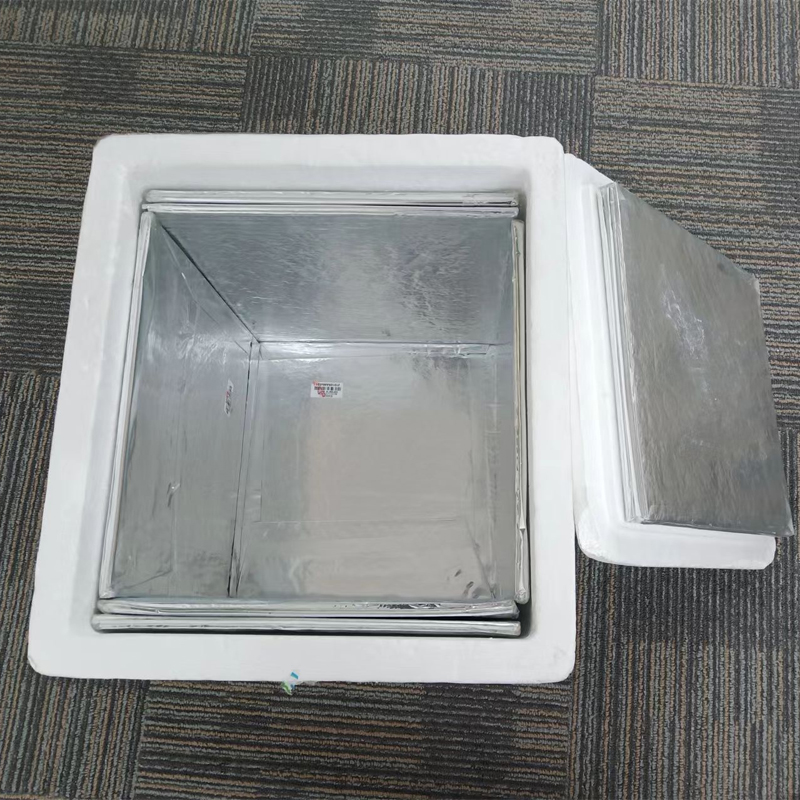
Fornecedor de transporte de vacinas com caixa de gelo isolada: Da lista de fornecedores ao pacote pronto para uso em campo
A defensible purchasing program for insulated ice box vaccine transport supplier follows a sequence: definir o produto e a pista, converter o tamanho nominal em um mapa de carregamento, selecione o pacote completo, revisar evidências específicas de configuração, execute um piloto e bloqueie os controles de produção. That sequence is designed to protect against both heat exposure and accidental freezing through packout discipline while keeping procurement, qualidade, operações e finanças sobre os mesmos fatos.
The integrated framework below treats every important claim as conditional on the exact insulated ice box, refrigerante, carga útil, perfil ambiente e procedimento operacional. Também estabelece portas de mudança para que uma substituição de baixo custo ou revisão de produção não possa afastar silenciosamente o produto entregue das evidências usadas para aprovação.
Crie um requisito de remessa de uma página antes da revisão do fornecedor
Muitos programas de vacinas refrigeradas funcionam em torno de uma faixa de armazenamento de 2°C a 8°C, mas as condições aprovadas para a vacina específica e o mercado devem controlar a embalagem. Alguns produtos são especialmente sensíveis ao congelamento, portanto, adicionar mais líquido refrigerante congelado não é automaticamente mais seguro. Defina a faixa de temperatura aceitável, regras de excursão, sensibilidade de congelamento, orientação da carga útil e recebimento de decisão antes de pedir aos fornecedores que recomendem uma configuração. Sem esses limites, uma cotação só pode descrever hardware, não adequação. For vaccine transport and controlled handover, o resumo dos requisitos deve indicar os limites do produto, exposição da rota, payload and the receiving decision before the insulated ice box is compared.
Designar um proprietário para aprovar o requisito antes do início do trabalho de design. Mapeie a rota como uma sequência de exposições em vez de um único tempo de trânsito. Incluir condicionamento e preparação antes do envio, atrasos no carregamento, entrega de veículo ou carga aérea, morada em armazém, alfândega, entrega na última milha e o tempo antes de o destinatário abrir o pacote. A duração máxima estimada deve incluir perturbações realistas, não só a transportadora's planned travel time.
For vaccine transport and controlled handover, também registre dimensões de carga útil, massa térmica, fragilidade da embalagem primária, orientação necessária e o número de vezes que a tampa pode ser aberta. O tamanho interno declarado não é a carga útil. Refrigerante, divisores, almofadas protetoras, espaço aéreo e um registrador de dados consomem volume, e a geometria restante pode ser mais importante do que os litros principais. Record the result in the shipment brief used for vaccine transport and controlled handover.
Isolamento de equilíbrio, espaço de carga útil e durabilidade de manuseio
Construction of the insulated ice box should be reviewed as a heat-flow and handling system rather than as a single material label. Espumas expandidas, conchas rígidas, painéis de isolamento a vácuo e estruturas compostas oferecem diferentes equilíbrios de resistência térmica, espessura da parede, comportamento de impacto, peso, facilidade de limpeza e custo. O EPP é frequentemente considerado reutilizável, manuseio leve; EPS pode ser adequado para uso unilateral sensível ao custo; estruturas rígidas de plástico e poliuretano podem suportar limpeza e manuseio mais difíceis; Estruturas VIP podem melhorar a eficiência do isolamento quando protegidas contra perfurações e vazamentos nas bordas. None of these material names alone defines a qualified shipper.
As pontes térmicas merecem atenção específica. O calor pode contornar o isolamento principal através das juntas da tampa, alças, drenos, dobradiças, fixadores, bordas do painel e inserções mal ajustadas. Uma parede mais espessa pode não resolver um fechamento fraco. Solicite dimensões internas e externas, construção de parede, interface da tampa e detalhes do componente, em seguida, confirme o desempenho com a montagem de produção exata. Bloqueie materiais e interfaces essenciais antes de aprovar a produção.
Danos físicos podem alterar o desempenho térmico antes que se tornem visualmente dramáticos. Confirm the conclusion on the production-intent insulated ice box, não apenas em uma folha de dados de material. Um canto esmagado, tampa empenada, painel perfurado, dobradiça solta ou junta permanentemente deformada podem aumentar o vazamento de calor ou criar uma embalagem instável. Programas reutilizáveis precisam de limites de inspeção que os operadores possam aplicar de forma consistente, incluindo regras claras para reparação, quarentena e aposentadoria.
Build a vaccine packout around the approved product limits
Vaccine handling is not only a fight against heat. The supplier should explain coolant conditioning, barreiras, payload organization and representative logger placement for the approved vaccine and program instructions rather than offering one universal ice-pack rule. Some refrigerated vaccines may be damaged by freezing, and a box filled with fully frozen packs can create local conditions colder than the target even while the average air temperature appears acceptable. Use the conditioning method, barriers and loading instructions approved for the product and program.
Opening frequency changes the thermal load and can disturb the internal arrangement. Outreach and clinic routes should define how many access events are expected, how long the lid may remain open and how the payload will be organized. A small working inventory near the top may reduce searching, but the thermal effect must be evaluated. Torne o critério específico do tópico parte do registro de design e controle de mudanças.
Convert the topic-specific risk into a measurable acceptance criterion for the insulated ice box. Temperature records need a clear decision pathway. Staff should know how to start or verify the logger, onde está colocado, how to recognize an alarm, who reviews an excursion and where affected vaccine is held while guidance is obtained. Monitoring without a response process produces data but not control.
Crie um portão de aprovação antes das amostras
Um fornecedor capaz deve solicitar detalhes da rota e da carga útil antes de prometer desempenho. Suporte útil pode incluir desenhos, descrições de materiais, listas de componentes, sugestões de pacotes de amostra, explicações sobre condições de teste, especificações de produção e comunicação de controle de mudanças. O escopo exato varia, portanto, o comprador deve definir quais entregas são necessárias, em vez de presumir que todos os fornecedores fornecem o mesmo serviço de engenharia. A avaliação do fornecedor deve esclarecer o que é fornecido, what is only recommended and what remains the buyer's qualification responsibility.
Aprovar o fornecedor com base nas evidências do produto e na comunicação contínua de mudanças. Peça ao fornecedor para distinguir fatos verificados de recomendações. Um desenho dimensional pode ser verificado diretamente. Uma reivindicação térmica precisa da carga útil, configuração de refrigerante, método de condicionamento, localizações dos sensores, perfil ambiente, limites de aceitação e relatório de teste. A statement such as 'grau farmacêutico' is not enough unless it is tied to a defined material, candidatura e documento comprovativo.
A questão mais reveladora é muitas vezes o que levaria o fornecedor a rejeitar a sua própria recomendação. Respostas confiáveis podem incluir uma rota indefinida, carga útil excessiva, pré-condicionamento inadequado, contato direto com refrigerante congelado, uma duração necessária além da evidência disponível, ou um produto químico de limpeza incompatível com o material. Limites mostram julgamento técnico; reivindicações de adequação universal escondem isso. Escreva o limite de suporte acordado na solicitação de cotação e no registro de aprovação do fornecedor.
| Portão de aprovação | Decisão a tomar | Liberar evidências |
|---|---|---|
| Portão 1: requisitos | Produto aprovado, route and payload brief for vaccine transport and controlled handover | Proprietário nomeado e entrada assinada |
| Portão 2: escolha de design | Production-intent insulated ice box and complete packout | Desenho, lista de componentes e revisão de riscos |
| Portão 3: evidência | A configuração de teste corresponde à especificação comercial | Protocolo, dados e relatório |
| Portão 4: piloto | Operadores e receptores podem executar o processo | Registro de teste, desvios e ações |
| Portão 5: escalar | Os controles de produção e as regras de mudança permanecem conectados | Especificação de lançamento e revisão contínua |
This approval path integrates commercial and technical decisions for the insulated ice box vaccine transport supplier; a profundidade da comporta deve permanecer proporcional ao risco de embarque.
Aprovar o sistema por meio de verificação em etapas
Um relatório térmico útil identifica a revisão exata da caixa, método de refrigeração e condicionamento, carga útil ou simulador, localizações dos sensores, perfil ambiente, duração do teste, faixa de aceitação e resultado. Sem esses detalhes, um tempo de espera declarado não pode ser comparado de forma justa. Pergunte se o relatório representa um teste de design, um teste de qualificação, uma verificação de campo ou uma demonstração de marketing; cada um suporta um nível diferente de confiança. Evidence for the insulated ice box is meaningful only when the tested revision and the commercial configuration are the same.
Conecte o relatório de teste aos desenhos, identidades de componentes e controles de compra. Perfis térmicos padrão podem apoiar a comparação laboratorial, mas não reproduzem automaticamente as piores condições numa faixa específica. Permanência na rota, atrasos alfandegários, a exposição sazonal e as práticas de transferência ainda precisam de revisão, e programas de alto risco podem exigir qualificação específica para faixa. ISTA 7E can support testing and comparison of insulated shipping containers, enquanto uso com Padrão 20 adiciona uma estrutura definida de qualificação e documentação. Ainda é necessário decidir se um perfil de parcela padrão se ajusta ao modo e ao risco reais.
Os programas de vacinação devem alinhar as instruções de transporte com as orientações atuais do produto, requisitos da autoridade de saúde local e o programa de imunização responsável. Monitoramento de temperatura, o manuseio de excursões e os procedimentos de embalagem documentados fazem parte do sistema operacional, decorações não opcionais. O equipamento de monitoramento de temperatura deve ser apropriado para a decisão que está sendo tomada, maintained and calibrated under the organization's quality system. O arquivo de dados, base de tempo, identidade do sensor, os limites de alarme e o registro de revisão devem ser mantidos quando o valor da remessa ou o contexto regulatório exigirem evidências. Vincular o relatório, raw data and sensor map to the exact insulated ice box revision.
Feche o ciclo com o recebimento de dados
Comece com uma amostra representativa, não é uma unidade de showroom. Verifique as dimensões, alinhamento da tampa, força de travamento, contato da junta, defeitos superficiais, odor, acesso de limpeza, drenagem se presente, adesão da etiqueta e ajuste de cada componente da embalagem. Carregue a carga real ou um equivalente justificado, então execute o condicionamento planejado, processo de embalagem e acompanhamento junto aos operadores que irão utilizá-lo. Routine use of the insulated ice box depends on conditioning, conjunto, entregar, etapas de recebimento e inspeção que os operadores podem repetir.
A instrução de trabalho deve definir o condicionamento do líquido refrigerante, condicionamento da caixa quando necessário, ordem de carregamento, posição do separador, localização do sensor, verificações de fechamento, posicionamento da etiqueta, entregar, recebendo inspeção e escalonamento de desvio. Feche o ciclo de aprovação com treinamento de operadores e recebimento de feedback. Use fotografias ou diagramas onde eles reduzam a ambiguidade. O treinamento deve incluir montagens erradas comuns para que a equipe possa reconhecê-las, não apenas a sequência correta.
Ao receber, inspecionar a condição física antes de abrir, capturar status do registrador, verifique o selo ou o indicador de violação, se usado, e registre permanência ou danos incomuns. Uma excursão de temperatura é uma decisão de qualidade, não é uma razão para o operador do armazém adivinhar. As regras de quarentena e escalonamento devem identificar quem analisa os dados, informações do produto e histórico de remessa. Torne o procedimento prático para quem embala, carregar, limpe e receba a caixa.
Separe o investimento único do custo recorrente
O custo comercial inclui mais do que a caixa vazia. Elementos recorrentes podem incluir refrigerante, separadores, forros, rótulos, registradores de dados, caixas externas, paletização, limpeza, inspeção, transporte de retorno, armazenamento e substituição. Os custos únicos ou de projeto podem incluir trabalho de design, ferramentas, amostras, desenhos, moldes, dispositivos de teste, estudos térmicos, documentação de qualidade e execuções de qualificação. Peça ao fornecedor para separar essas categorias. The cost model for the insulated ice box should separate one-time project work from recurring packout and operating expense.
Use barreiras de custo para que mudanças comerciais tardias não invalidem o trabalho técnico. Uma caixa de preço mais baixo pode criar um custo de programa mais alto quando usa mais refrigerante, reduz a carga útil, chega de forma inconsistente, quebra durante o manuseio ou requer mais tempo do operador. Por outro lado, uma construção de custo mais elevado não é automaticamente melhor se o percurso for curto, unidirecional e de baixo risco. Compare opções com a mesma carga útil, perfil ambiente, ciclo de manuseio e critérios de aceitação.
Para programas reutilizáveis, calcular o custo por concluído, remessa aceitável em vez de custo por caixa. Incluir taxa de retorno, perda, trabalho de limpeza, inspeção, reparar, armazenar, reposicionamento e aposentadoria. As reivindicações de sustentabilidade devem usar o mesmo limite do sistema. Um contêiner durável que raramente é devolvido ou transportado de forma ineficiente pode não proporcionar o benefício financeiro ou ambiental esperado. Normalize quotations before comparing the total value of the insulated ice box.
Perguntas frequentes
What are the main approval gates for insulated ice box vaccine transport supplier sourcing?
Use portões separados para requisitos de produto e rota, seleção de projeto, revisão de evidências, execução piloto e liberação de produção. Cada portão deve identificar o proprietário, exact insulated ice box configuration, registro necessário e risco não resolvido. Isto evita que o progresso comercial avance mais rapidamente do que a aprovação técnica.
How can the tested packout remain connected to the purchased insulated ice box for vaccine transport and controlled handover?
Vincule o relatório de teste a desenhos controlados por revisão, lista de materiais, especificação de fonte fria, loading map and production controls for the insulated ice box. Purchase orders and inspection plans for vaccine transport and controlled handover should reference the same configuration. Qualquer substituição ou alteração de processo deve ser avaliada antes da aceitação.
O que um piloto deve demonstrar antes da expansão?
O piloto deve mostrar que os operadores podem condicionar os componentes, montar o pacote, carregar a carga útil, coloque o registrador, feche a caixa, manage handovers and complete receiving review for vaccine transport and controlled handover. Registre desvios e converta lições em instruções controladas antes da produção de rotina.
What should a vaccine field pilot demonstrate before routine use?
The pilot should show that trained staff can condition the cold sources, assemble barriers, carregar a carga útil, coloque o registrador, feche a caixa, manage planned openings and complete receiving review. Record deviations and confirm that the approved procedure is practical under the route conditions.
What is the final commercial decision for the insulated ice box after technical approval?
Normalizar a configuração, escopo do serviço, evidência, base de embalagem e entrega, então compare o valor total do programa. Select the supplier that can supply the approved insulated ice box consistently, comunicar mudanças e apoiar o modelo operacional sem estender as reivindicações além das evidências disponíveis.
Conclusão
The integrated approval path for insulated ice box vaccine transport supplier is sequential: definir limites de produtos e rotas, construir o mapa de carregamento, escolha o pacote completo, revisar evidências, executar um piloto, bloquear controles de produção e monitorar o uso rotineiro. Cada portão deve preservar a ligação entre especificação comercial e desempenho técnico.
Trate todas as reivindicações importantes como específicas da configuração e cada material, processo, carga útil ou mudança de rota como motivo para revisar o risco. That discipline makes the insulated ice box easier to train, auditoria, dimensionar e melhorar sem depender de reivindicações universais não suportadas.
Sobre Tempk
Tempk helps buyers move from a route and payload brief toward a more precise insulated ice box sample and commercial specification. Its product scope includes medical ice boxes, Formatos de refrigeradores EPP e VIP, fontes frias de gel e mudança de fase, insulated bags and liners, e proteção térmica em nível de palete. A discussão útil começa com a condição alvo, geometria da carga útil, rota, Método de embalagem, modelo de limpeza ou devolução e as evidências exigidas antes da expansão. For this insulated ice box vaccine transport supplier project, any final recommendation should still be confirmed against the customer's product limits, condições de teste e processo de qualidade.
Send Tempk the insulated ice box loading map, suposições de rota e documentos necessários para construir uma revisão mais precisa da amostra até a produção.
Fabricante de remessa farmacêutica de caixa de gelo industrial: Da especificação ao pacote aprovado
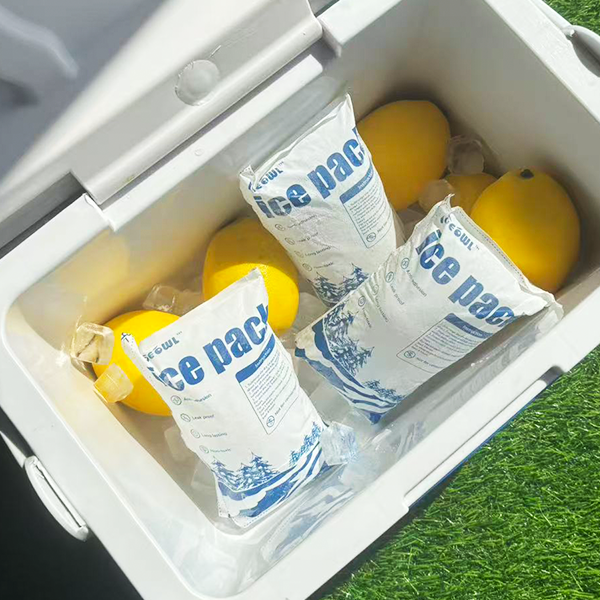
Fabricante de remessa farmacêutica de caixa de gelo industrial: Da especificação ao pacote aprovado
A defensible purchasing program for industrial ice box pharmaceutical shipping manufacturer follows a sequence: definir o produto e a pista, converter o tamanho nominal em um mapa de carregamento, selecione o pacote completo, revisar evidências específicas de configuração, execute um piloto e bloqueie os controles de produção. Essa sequência foi projetada para separar a durabilidade industrial da qualificação térmica e verificar ambas, mantendo a aquisição, qualidade, operações e finanças sobre os mesmos fatos.
A estrutura integrada abaixo trata cada reivindicação importante como condicional à caixa de gelo industrial exata, refrigerante, carga útil, perfil ambiente e procedimento operacional. Também estabelece portas de mudança para que uma substituição de baixo custo ou revisão de produção não possa afastar silenciosamente o produto entregue das evidências usadas para aprovação.
Converta o uso industrial em cargas de projeto mensuráveis
O uso em serviço industrial pode envolver quedas repetidas, arrastando, empilhamento, áreas de carga molhadas, contato de empilhadeira, vibração do veículo, cargas pesadas e limpeza agressiva. Durabilidade industrial e qualificação térmica respondem a diferentes questões: hardware reforçado pode sobreviver ao manuseio e ainda criar pontes térmicas, enquanto um isolamento eficiente pode precisar de proteção contra perfurações ou esmagamento. Definir quais eventos são confiáveis e quais são de uso indevido. A caixa deve ser testada em condições carregadas quando a carga altera a deformação, fechamento ou manuseio. Uma carcaça resistente a danos só tem valor se a tampa, a vedação e o isolamento permanecem funcionais depois.
Os testes mecânicos e térmicos devem ser conectados. Uma sequência de queda ou compressão pode ser seguida por, verificações térmicas e de vazamento para determinar se danos físicos alteraram o desempenho. Isso é mais útil do que declarações separadas de aprovação/reprovação que nunca mostram se a caixa abusada ainda pode proteger a carga útil. Torne o critério específico do tópico parte do registro de design e controle de mudanças.
Converter o risco específico do tópico em um critério de aceitação mensurável para a geladeira industrial. Use hardware substituível onde o modelo operacional suporta manutenção, e mantenha o controle de peças sobressalentes simples. Inspecionar alças, dobradiças, travas, drenos, pés e vedações em intervalos definidos. Um componente que falha de forma segura e visível é mais fácil de gerenciar do que danos ocultos que aumentam lentamente o vazamento de calor.
Crie um requisito de remessa de uma página antes da revisão do fornecedor
Os produtos farmacêuticos não compartilham uma temperatura universal de envio. Uma faixa refrigerada de 2°C a 8°C é comum para alguns produtos, enquanto outros podem exigir temperatura ambiente controlada, congelado, condições ultracongeladas ou específicas do produto. O rótulo, as informações do produto aprovado e a equipe de qualidade devem definir a meta antes da embalagem ser selecionada. Defina a faixa de temperatura aceitável, regras de excursão, sensibilidade de congelamento, orientação da carga útil e recebimento de decisão antes de pedir aos fornecedores que recomendem uma configuração. Sem esses limites, uma cotação só pode descrever hardware, não adequação. Para transporte repetido de produtos farmacêuticos sob condições de manuseio exigentes, o resumo dos requisitos deve indicar os limites do produto, exposição da rota, carga útil e a decisão de recebimento antes da caixa de gelo industrial ser comparada.
Designar um proprietário para aprovar o requisito antes do início do trabalho de design. Mapeie a rota como uma sequência de exposições em vez de um único tempo de trânsito. Incluir condicionamento e preparação antes do envio, atrasos no carregamento, entrega de veículo ou carga aérea, morada em armazém, alfândega, entrega na última milha e o tempo antes de o destinatário abrir o pacote. A duração máxima estimada deve incluir perturbações realistas, não só a transportadora's planned travel time.
Para transporte repetido de produtos farmacêuticos sob condições de manuseio exigentes, também registre dimensões de carga útil, massa térmica, fragilidade da embalagem primária, orientação necessária e o número de vezes que a tampa pode ser aberta. O tamanho interno declarado não é a carga útil. Refrigerante, divisores, almofadas protetoras, espaço aéreo e um registrador de dados consomem volume, e a geometria restante pode ser mais importante do que os litros principais. Registre o resultado no resumo de remessa usado para transporte repetido de produtos farmacêuticos sob condições de manuseio exigentes.
Isolamento de equilíbrio, espaço de carga útil e durabilidade de manuseio
A construção da caixa de gelo industrial deve ser revista como um sistema de fluxo de calor e manuseio, e não como um único rótulo de material. Espumas expandidas, conchas rígidas, painéis de isolamento a vácuo e estruturas compostas oferecem diferentes equilíbrios de resistência térmica, espessura da parede, comportamento de impacto, peso, facilidade de limpeza e custo. O EPP é frequentemente considerado reutilizável, manuseio leve; EPS pode ser adequado para uso unilateral sensível ao custo; estruturas rígidas de plástico e poliuretano podem suportar limpeza e manuseio mais difíceis; Estruturas VIP podem melhorar a eficiência do isolamento quando protegidas contra perfurações e vazamentos nas bordas. None of these material names alone defines a qualified shipper.
As pontes térmicas merecem atenção específica. O calor pode contornar o isolamento principal através das juntas da tampa, alças, drenos, dobradiças, fixadores, bordas do painel e inserções mal ajustadas. Uma parede mais espessa pode não resolver um fechamento fraco. Solicite dimensões internas e externas, construção de parede, interface da tampa e detalhes do componente, em seguida, confirme o desempenho com a montagem de produção exata. Bloqueie materiais e interfaces essenciais antes de aprovar a produção.
Danos físicos podem alterar o desempenho térmico antes que se tornem visualmente dramáticos. Confirme a conclusão sobre a caixa de gelo industrial com intenção de produção, não apenas em uma folha de dados de material. Um canto esmagado, tampa empenada, painel perfurado, dobradiça solta ou junta permanentemente deformada podem aumentar o vazamento de calor ou criar uma embalagem instável. Programas reutilizáveis precisam de limites de inspeção que os operadores possam aplicar de forma consistente, incluindo regras claras para reparação, quarentena e aposentadoria.
Aprovar o sistema por meio de verificação em etapas
Um relatório térmico útil identifica a revisão exata da caixa, método de refrigeração e condicionamento, carga útil ou simulador, localizações dos sensores, perfil ambiente, duração do teste, faixa de aceitação e resultado. Sem esses detalhes, um tempo de espera declarado não pode ser comparado de forma justa. Pergunte se o relatório representa um teste de design, um teste de qualificação, uma verificação de campo ou uma demonstração de marketing; cada um suporta um nível diferente de confiança. A evidência para a caixa de gelo industrial só é significativa quando a revisão testada e a configuração comercial são as mesmas.
Conecte o relatório de teste aos desenhos, identidades de componentes e controles de compra. Perfis térmicos padrão podem apoiar a comparação laboratorial, mas não reproduzem automaticamente as piores condições numa faixa específica. Permanência na rota, atrasos alfandegários, a exposição sazonal e as práticas de transferência ainda precisam de revisão, e programas de alto risco podem exigir qualificação específica para faixa. ISTA 7E can support testing and comparison of insulated shipping containers, enquanto uso com Padrão 20 adiciona uma estrutura definida de qualificação e documentação. Ainda é necessário decidir se um perfil de parcela padrão se ajusta ao modo e ao risco reais.
As boas práticas de distribuição esperam que as condições de transporte permaneçam dentro dos limites definidos para o medicamento e utilizam uma abordagem baseada no risco para as rotas, equipamentos e monitoramento. A decisão de embalagem necessita, portanto, de provas, procedimentos e tratamento de desvios, em vez de uma ampla reivindicação de conformidade global. O equipamento de monitoramento de temperatura deve ser apropriado para a decisão que está sendo tomada, maintained and calibrated under the organization's quality system. O arquivo de dados, base de tempo, identidade do sensor, os limites de alarme e o registro de revisão devem ser mantidos quando o valor da remessa ou o contexto regulatório exigirem evidências. Vincular o relatório, dados brutos e mapa de sensores para a revisão exata da caixa de gelo industrial.
Crie um portão de aprovação antes das amostras
Um fabricante capaz deve solicitar detalhes de rota e carga útil antes de prometer desempenho. Suporte útil pode incluir desenhos, descrições de materiais, listas de componentes, sugestões de pacotes de amostra, explicações sobre condições de teste, especificações de produção e comunicação de controle de mudanças. O escopo exato varia, portanto, o comprador deve definir quais entregas são necessárias, em vez de presumir que todos os fabricantes fornecem o mesmo serviço de engenharia. A revisão do fabricante deve esclarecer o que é fornecido, what is only recommended and what remains the buyer's qualification responsibility.
Aprovar o fornecedor com base nas evidências do produto e na comunicação contínua de mudanças. Peça ao fornecedor para distinguir fatos verificados de recomendações. Um desenho dimensional pode ser verificado diretamente. Uma reivindicação térmica precisa da carga útil, configuração de refrigerante, método de condicionamento, localizações dos sensores, perfil ambiente, limites de aceitação e relatório de teste. A statement such as 'grau farmacêutico' is not enough unless it is tied to a defined material, candidatura e documento comprovativo.
A questão mais reveladora é muitas vezes o que levaria o fornecedor a rejeitar a sua própria recomendação. Respostas confiáveis podem incluir uma rota indefinida, carga útil excessiva, pré-condicionamento inadequado, contato direto com refrigerante congelado, uma duração necessária além da evidência disponível, ou um produto químico de limpeza incompatível com o material. Limites mostram julgamento técnico; reivindicações de adequação universal escondem isso. Escreva o limite de suporte acordado na solicitação de cotação e no registro de aprovação do fornecedor.
Feche o ciclo com o recebimento de dados
Comece com uma amostra representativa, não é uma unidade de showroom. Verifique as dimensões, alinhamento da tampa, força de travamento, contato da junta, defeitos superficiais, odor, acesso de limpeza, drenagem se presente, adesão da etiqueta e ajuste de cada componente da embalagem. Carregue a carga real ou um equivalente justificado, então execute o condicionamento planejado, processo de embalagem e acompanhamento junto aos operadores que irão utilizá-lo. O uso rotineiro da caixa de gelo industrial depende do condicionamento, conjunto, entregar, etapas de recebimento e inspeção que os operadores podem repetir.
A instrução de trabalho deve definir o condicionamento do líquido refrigerante, condicionamento da caixa quando necessário, ordem de carregamento, posição do separador, localização do sensor, verificações de fechamento, posicionamento da etiqueta, entregar, recebendo inspeção e escalonamento de desvio. Feche o ciclo de aprovação com treinamento de operadores e recebimento de feedback. Use fotografias ou diagramas onde eles reduzam a ambiguidade. O treinamento deve incluir montagens erradas comuns para que a equipe possa reconhecê-las, não apenas a sequência correta.
Ao receber, inspecionar a condição física antes de abrir, capturar status do registrador, verifique o selo ou o indicador de violação, se usado, e registre permanência ou danos incomuns. Uma excursão de temperatura é uma decisão de qualidade, não é uma razão para o operador do armazém adivinhar. As regras de quarentena e escalonamento devem identificar quem analisa os dados, informações do produto e histórico de remessa. Torne o procedimento prático para quem embala, carregar, limpe e receba a caixa.
| Portão de aprovação | Decisão a tomar | Liberar evidências |
|---|---|---|
| Portão 1: requisitos | Produto aprovado, Resumo de rota e carga útil para transporte farmacêutico repetido sob condições de manuseio exigentes | Proprietário nomeado e entrada assinada |
| Portão 2: escolha de design | Caixa de gelo industrial com intenção de produção e embalagem completa | Desenho, lista de componentes e revisão de riscos |
| Portão 3: evidência | A configuração de teste corresponde à especificação comercial | Protocolo, dados e relatório |
| Portão 4: piloto | Operadores e receptores podem executar o processo | Registro de teste, desvios e ações |
| Portão 5: escalar | Os controles de produção e as regras de mudança permanecem conectados | Especificação de lançamento e revisão contínua |
Este caminho de aprovação integra decisões comerciais e técnicas para o fabricante industrial de caixas térmicas farmacêuticas; a profundidade da comporta deve permanecer proporcional ao risco de embarque.
Use o pensamento de fracasso antes da aprovação final
O primeiro erro é comparar a duração anunciada sem corresponder ao perfil do ambiente, carga útil e faixa de aceitação. Substitua-o por: Qual configuração exata foi testada, sob qual perfil, e isso representa nossa rota? O segundo erro é comparar o tamanho externo ou litros nominais sem um mapa de carregamento. Substitua-o por: Qual carga utilizável permanece após a instalação de cada componente controlado? Os erros mais caros em projetos de fabricantes de remessas farmacêuticas de caixas térmicas industriais geralmente começam como suposições indefinidas na RFQ ou nas instruções de trabalho.
Atribua ações corretivas e verificação antes que o programa avance. O terceiro erro é tratar um material ou recurso como prova de conformidade. Aditivos UV, Painéis VIP, uma parede grossa, uma declaração de contato com alimentos, um dreno ou uma junta pode ser útil, mas cada um aborda uma questão limitada. Substitua a afirmação ampla por um requisito mensurável e um documento de apoio. O erro quatro é aprovar uma amostra feita à mão sem controles de produção. Pergunte como a fábrica manterá os mesmos materiais, dimensões e montagem.
O erro cinco é ignorar pessoas e transferências. Um pacote tecnicamente forte pode falhar quando o líquido refrigerante é condicionado de forma inconsistente, a tampa fica aberta, o sensor está perdido ou o receptor não possui procedimento de excursão. Incluir operadores em testes de amostra e usar seu feedback para simplificar as instruções de trabalho sem alterar a configuração validada. Substitua a suposição por um proprietário definido, item de evidência ou etapa de verificação.
Perguntas frequentes
Quais são os principais portões de aprovação para fornecimento de fabricantes de remessas farmacêuticas de caixas de gelo industriais?
Use portões separados para requisitos de produto e rota, seleção de projeto, revisão de evidências, execução piloto e liberação de produção. Cada portão deve identificar o proprietário, configuração exata da caixa de gelo industrial, registro necessário e risco não resolvido. Isto evita que o progresso comercial avance mais rapidamente do que a aprovação técnica.
Como a embalagem testada pode permanecer conectada à caixa de gelo industrial adquirida para transporte repetido de produtos farmacêuticos sob condições exigentes de manuseio??
Vincule o relatório de teste a desenhos controlados por revisão, lista de materiais, especificação de fonte fria, mapa de carregamento e controles de produção para a caixa de gelo industrial. Pedidos de compra e planos de inspeção para transporte repetido de produtos farmacêuticos sob condições de manuseio exigentes devem referenciar a mesma configuração. Qualquer substituição ou alteração de processo deve ser avaliada antes da aceitação.
O que um piloto deve demonstrar antes da expansão?
O piloto deve mostrar que os operadores podem condicionar os componentes, montar o pacote, carregar a carga útil, coloque o registrador, feche a caixa, gerenciar entregas e concluir a revisão de recebimento para transporte repetido de produtos farmacêuticos sob condições de manuseio exigentes. Registre desvios e converta lições em instruções controladas antes da produção de rotina.
O que a qualidade deve aprovar antes que uma caixa farmacêutica seja lançada?
A qualidade deve confirmar os limites do produto, suposições de rota, pacote exato, critérios de aceitação de teste, plano de monitoramento, instrução de operação e processo de desvio. O modelo comercial e a revisão da produção devem corresponder às evidências. Qualquer alteração de material ou configuração deve ser avaliada antes que o sistema revisado seja usado.
Qual a decisão comercial final da geladeira industrial após aprovação técnica?
Normalizar a configuração, escopo do serviço, evidência, base de embalagem e entrega, então compare o valor total do programa. Selecione o fabricante que pode fornecer a caixa de gelo industrial aprovada de forma consistente, comunicar mudanças e apoiar o modelo operacional sem estender as reivindicações além das evidências disponíveis.
Conclusão
O caminho de aprovação integrado para fabricante de remessa farmacêutica de caixas térmicas industriais é sequencial: definir limites de produtos e rotas, construir o mapa de carregamento, escolha o pacote completo, revisar evidências, executar um piloto, bloquear controles de produção e monitorar o uso rotineiro. Cada portão deve preservar a ligação entre especificação comercial e desempenho técnico.
Trate todas as reivindicações importantes como específicas da configuração e cada material, processo, carga útil ou mudança de rota como motivo para revisar o risco. Essa disciplina torna a caixa de gelo industrial mais fácil de treinar, auditoria, dimensionar e melhorar sem depender de reivindicações universais não suportadas.
Sobre Tempk
A Tempk ajuda os compradores a passar de um resumo de rota e carga útil para uma amostra de caixa de gelo industrial mais precisa e especificações comerciais. Its product scope includes medical ice boxes, Formatos de refrigeradores EPP e VIP, fontes frias de gel e mudança de fase, insulated bags and liners, e proteção térmica em nível de palete. A discussão útil começa com a condição alvo, geometria da carga útil, rota, Método de embalagem, modelo de limpeza ou devolução e as evidências exigidas antes da expansão. Para este projeto de fabricante de remessa farmacêutica de caixa de gelo industrial, any final recommendation should still be confirmed against the customer's product limits, condições de teste e processo de qualidade.
Envie para Tempk o mapa de carregamento da caixa de gelo industrial, suposições de rota e documentos necessários para construir uma revisão mais precisa da amostra até a produção.
Fabricante de caixa de gelo para cadeia de frio com junta de freezer: Da especificação da vedação ao uso confiável a frio
Fabricante de caixa de gelo para cadeia de frio com junta de freezer: Da especificação da vedação ao uso confiável a frio
A defensible purchasing program for freezer gasket cold chain ice box manufacturer follows a sequence: definir o produto e a pista, converter o tamanho nominal em um mapa de carregamento, selecione o pacote completo, revisar evidências específicas de configuração, execute um piloto e bloqueie os controles de produção. Essa sequência é projetada para tratar a junta como um sistema de vedação projetado com material, controles de compressão e substituibilidade, mantendo a aquisição, qualidade, operações e finanças sobre os mesmos fatos.
The integrated framework below treats every important claim as conditional on the exact freezer-gasket cold chain ice box, refrigerante, carga útil, perfil ambiente e procedimento operacional. Também estabelece portas de mudança para que uma substituição de baixo custo ou revisão de produção não possa afastar silenciosamente o produto entregue das evidências usadas para aprovação.
Crie um requisito de remessa de uma página antes da revisão do fornecedor
A temperatura alvo deve ser definida para o produto real. Para caixas isoladas seladas expostas ao frio, condensação e abertura repetida, o resumo dos requisitos deve indicar os limites do produto, exposição da rota, carga útil e a decisão de recebimento antes da caixa de gelo da cadeia de frio da junta do freezer ser comparada. Uma caixa descrita como embalagem de cadeia de frio não é automaticamente adequada para todos os produtos refrigerados., remessa congelada ou em temperatura ambiente controlada. Defina a faixa de temperatura aceitável, regras de excursão, sensibilidade de congelamento, orientação da carga útil e recebimento de decisão antes de pedir aos fornecedores que recomendem uma configuração. Sem esses limites, uma cotação só pode descrever hardware, não adequação.
Mapeie a rota como uma sequência de exposições em vez de um único tempo de trânsito. Incluir condicionamento e preparação antes do envio, atrasos no carregamento, entrega de veículo ou carga aérea, morada em armazém, alfândega, entrega na última milha e o tempo antes de o destinatário abrir o pacote. A duração máxima estimada deve incluir perturbações realistas, não só a transportadora's planned travel time. Designar um proprietário para aprovar o requisito antes do início do trabalho de design.
Registre o resultado no resumo de remessa usado para caixas isoladas seladas expostas ao frio, condensação e abertura repetida. Para caixas isoladas seladas expostas ao frio, condensação e abertura repetida, também registre dimensões de carga útil, massa térmica, fragilidade da embalagem primária, orientação necessária e o número de vezes que a tampa pode ser aberta. O tamanho interno declarado não é a carga útil. Refrigerante, divisores, almofadas protetoras, espaço aéreo e um registrador de dados consomem volume, e a geometria restante pode ser mais importante do que os litros principais.
Use compensações em vez de rótulos de materiais
A junta não é uma tira adicionada no final do projeto. Faz parte de um sistema de vedação que inclui a formulação de elastômero, corte transversal, geometria da ranhura, rigidez da tampa, forças de dobradiça e trava, raios de canto, acabamento superficial e tolerância dimensional. Uma junta macia pode fechar facilmente, mas requer um conjunto de compressão; uma junta rígida pode resistir à deformação, mas exigir força de travamento excessiva ou não se conformar nos cantos. A construção da caixa de gelo da cadeia de frio da junta do freezer deve ser revisada como um sistema de fluxo e manuseio de calor, e não como um rótulo de material único.
Bloqueie materiais e interfaces essenciais antes de aprovar a produção. As famílias de juntas comuns incluem EPDM, elastômeros de silicone e termoplásticos, mas o nome da família não define flexibilidade em baixas temperaturas, resistência à limpeza, odor, extraíveis ou comportamento de compressão de longo prazo. O composto, cura, dureza e especificação do fornecedor são importantes. Para qualquer aplicação que envolva contato direto ou incidental com alimentos, medicamentos ou embalagens primárias, o comprador deve confirmar a declaração de material aplicável e as limitações de uso pretendido.
Danos físicos podem alterar o desempenho térmico antes que se tornem visualmente dramáticos. Um canto esmagado, tampa empenada, painel perfurado, dobradiça solta ou junta permanentemente deformada podem aumentar o vazamento de calor ou criar uma embalagem instável. Programas reutilizáveis precisam de limites de inspeção que os operadores possam aplicar de forma consistente, incluindo regras claras para reparação, quarentena e aposentadoria. Confirme a conclusão sobre a caixa de gelo da cadeia de frio com junta do freezer com intenção de produção, não apenas em uma folha de dados de material.
Especificar, testar e controlar a junta como um componente crítico
Uma junta veda somente quando a tampa aplica compressão adequada e razoavelmente uniforme em todo o perímetro. Meça a lacuna montada, faixa de compressão e força de trava nos cantos e pontos médios. Marque a caixa vazia e carregada, porque a deflexão da parede ou da tampa pode alterar o contato. Testes de respingos de água podem revelar vazamentos graves, mas não substituem a verificação térmica e dimensional. Flexibilidade em baixas temperaturas, recuperação de compressão, a compatibilidade de limpeza e a documentação de uso pretendido dependem da formulação específica, não apenas em um nome de família como EPDM, silicone ou TPE.
A exposição ao frio pode alterar a rigidez e a recuperação. Torne o critério específico do tópico parte do registro de design e controle de mudanças. Fechamento repetido pode criar conjunto de compressão, enquanto os produtos químicos de limpeza podem causar inchaço, endurecimento, pegajosidade ou danos na superfície. Teste o composto selecionado após condicionamento e envelhecimento que reflitam o uso pretendido. Dureza recorde, dimensões, massa ou outras propriedades relevantes antes e depois, quando essas medições ajudam a detectar mudanças.
Para caixas reutilizáveis, decidir se a junta está colada, retido mecanicamente ou substituível. Uma junta substituível pode prolongar a vida útil, mas somente se a ranhura puder ser limpa, a substituição é controlada e os operadores podem instalá-la sem esticar ou torcer. Mantenha a identificação das peças e o controle de revisão para que um selo visualmente semelhante não seja substituído sem revisão. Converter o risco específico do tópico em um critério de aceitação mensurável para a caixa de gelo da cadeia de frio com junta de freezer.
Uma escada prática de evidências de fornecedores
Um fabricante capaz deve solicitar detalhes de rota e carga útil antes de prometer desempenho. A revisão do fabricante deve esclarecer o que é fornecido, what is only recommended and what remains the buyer's qualification responsibility. Suporte útil pode incluir desenhos, descrições de materiais, listas de componentes, sugestões de pacotes de amostra, explicações sobre condições de teste, especificações de produção e comunicação de controle de mudanças. O escopo exato varia, portanto, o comprador deve definir quais entregas são necessárias, em vez de presumir que todos os fabricantes fornecem o mesmo serviço de engenharia.
Peça ao fornecedor para distinguir fatos verificados de recomendações. Um desenho dimensional pode ser verificado diretamente. Uma reivindicação térmica precisa da carga útil, configuração de refrigerante, método de condicionamento, localizações dos sensores, perfil ambiente, limites de aceitação e relatório de teste. A statement such as 'grau farmacêutico' is not enough unless it is tied to a defined material, candidatura e documento comprovativo. Aprovar o fornecedor com base nas evidências do produto e na comunicação contínua de mudanças.
Escreva o limite de suporte acordado na solicitação de cotação e no registro de aprovação do fornecedor. A questão mais reveladora é muitas vezes o que levaria o fornecedor a rejeitar a sua própria recomendação. Respostas confiáveis podem incluir uma rota indefinida, carga útil excessiva, pré-condicionamento inadequado, contato direto com refrigerante congelado, uma duração necessária além da evidência disponível, ou um produto químico de limpeza incompatível com o material. Limites mostram julgamento técnico; reivindicações de adequação universal escondem isso.
| Portão de aprovação | Decisão a tomar | Liberar evidências |
|---|---|---|
| Portão 1: requisitos | Produto aprovado, resumo de rota e carga útil para caixas isoladas seladas expostas ao frio, condensação e abertura repetida | Proprietário nomeado e entrada assinada |
| Portão 2: escolha de design | Caixa de gelo para cadeia de frio com junta de freezer com intenção de produção e embalagem completa | Desenho, lista de componentes e revisão de riscos |
| Portão 3: evidência | A configuração de teste corresponde à especificação comercial | Protocolo, dados e relatório |
| Portão 4: piloto | Operadores e receptores podem executar o processo | Registro de teste, desvios e ações |
| Portão 5: escalar | Os controles de produção e as regras de mudança permanecem conectados | Especificação de lançamento e revisão contínua |
Este caminho de aprovação integra decisões comerciais e técnicas para o fabricante de caixas de gelo para cadeia fria com juntas para freezer; a profundidade da comporta deve permanecer proporcional ao risco de embarque.
Vincule as condições de teste às especificações comerciais
Um relatório térmico útil identifica a revisão exata da caixa, método de refrigeração e condicionamento, carga útil ou simulador, localizações dos sensores, perfil ambiente, duração do teste, faixa de aceitação e resultado. A evidência da caixa de gelo da cadeia de frio com junta do freezer é significativa apenas quando a revisão testada e a configuração comercial são as mesmas. Sem esses detalhes, um tempo de espera declarado não pode ser comparado de forma justa. Pergunte se o relatório representa um teste de design, um teste de qualificação, uma verificação de campo ou uma demonstração de marketing; cada um suporta um nível diferente de confiança.
Perfis térmicos padrão podem apoiar a comparação laboratorial, mas não reproduzem automaticamente as piores condições numa faixa específica. Permanência na rota, atrasos alfandegários, a exposição sazonal e as práticas de transferência ainda precisam de revisão, e programas de alto risco podem exigir qualificação específica para faixa. ISTA 7E can support testing and comparison of insulated shipping containers, enquanto uso com Padrão 20 adiciona uma estrutura definida de qualificação e documentação. Ainda é necessário decidir se um perfil de parcela padrão se ajusta ao modo e ao risco reais. Conecte o relatório de teste aos desenhos, identidades de componentes e controles de compra.
Vincular o relatório, dados brutos e mapa de sensores para a revisão exata da caixa de gelo da cadeia de frio da junta do freezer. Os requisitos regulatórios e do cliente variam de acordo com o produto, rota e mercado. Os compradores devem traduzir esses requisitos em critérios de aceitação mensuráveis, em vez de depender de uma declaração de conformidade genérica.. O equipamento de monitoramento de temperatura deve ser apropriado para a decisão que está sendo tomada, maintained and calibrated under the organization's quality system. O arquivo de dados, base de tempo, identidade do sensor, os limites de alarme e o registro de revisão devem ser mantidos quando o valor da remessa ou o contexto regulatório exigirem evidências.
Conecte os controles do fornecedor aos controles do operador
O uso rotineiro da caixa de gelo da cadeia fria com junta do freezer depende do condicionamento, conjunto, entregar, etapas de recebimento e inspeção que os operadores podem repetir. Comece com uma amostra representativa, não é uma unidade de showroom. Verifique as dimensões, alinhamento da tampa, força de travamento, contato da junta, defeitos superficiais, odor, acesso de limpeza, drenagem se presente, adesão da etiqueta e ajuste de cada componente da embalagem. Carregue a carga real ou um equivalente justificado, então execute o condicionamento planejado, processo de embalagem e acompanhamento junto aos operadores que irão utilizá-lo.
A instrução de trabalho deve definir o condicionamento do líquido refrigerante, condicionamento da caixa quando necessário, ordem de carregamento, posição do separador, localização do sensor, verificações de fechamento, posicionamento da etiqueta, entregar, recebendo inspeção e escalonamento de desvio. Use fotografias ou diagramas onde eles reduzam a ambiguidade. O treinamento deve incluir montagens erradas comuns para que a equipe possa reconhecê-las, não apenas a sequência correta. Feche o ciclo de aprovação com treinamento de operadores e recebimento de feedback.
Ao receber, inspecionar a condição física antes de abrir, capturar status do registrador, verifique o selo ou o indicador de violação, se usado, e registre permanência ou danos incomuns. Torne o procedimento prático para quem embala, carregar, limpe e receba a caixa. Uma excursão de temperatura é uma decisão de qualidade, não é uma razão para o operador do armazém adivinhar. As regras de quarentena e escalonamento devem identificar quem analisa os dados, informações do produto e histórico de remessa.
Aprove valor por meio de uma visão total do programa
O custo comercial inclui mais do que a caixa vazia. O modelo de custo para a caixa de gelo da cadeia de frio da junta do freezer deve separar o trabalho de projeto único da embalagem recorrente e das despesas operacionais. Elementos recorrentes podem incluir refrigerante, separadores, forros, rótulos, registradores de dados, caixas externas, paletização, limpeza, inspeção, transporte de retorno, armazenamento e substituição. Os custos únicos ou de projeto podem incluir trabalho de design, ferramentas, amostras, desenhos, moldes, dispositivos de teste, estudos térmicos, documentação de qualidade e execuções de qualificação. Peça ao fornecedor para separar essas categorias.
Uma caixa de preço mais baixo pode criar um custo de programa mais alto quando usa mais refrigerante, reduz a carga útil, chega de forma inconsistente, quebra durante o manuseio ou requer mais tempo do operador. Por outro lado, uma construção de custo mais elevado não é automaticamente melhor se o percurso for curto, unidirecional e de baixo risco. Compare opções com a mesma carga útil, perfil ambiente, ciclo de manuseio e critérios de aceitação. Use barreiras de custo para que mudanças comerciais tardias não invalidem o trabalho técnico.
Normalize as cotações antes de comparar o valor total da caixa de gelo da cadeia de frio com junta de freezer. Para programas reutilizáveis, calcular o custo por concluído, remessa aceitável em vez de custo por caixa. Incluir taxa de retorno, perda, trabalho de limpeza, inspeção, reparar, armazenar, reposicionamento e aposentadoria. As reivindicações de sustentabilidade devem usar o mesmo limite do sistema. Um contêiner durável que raramente é devolvido ou transportado de forma ineficiente pode não proporcionar o benefício financeiro ou ambiental esperado.
Perguntas frequentes
Quais são os principais portões de aprovação para fornecimento de fabricantes de caixas de gelo de cadeia fria de juntas de freezer?
Use portões separados para requisitos de produto e rota, seleção de projeto, revisão de evidências, execução piloto e liberação de produção. Cada portão deve identificar o proprietário, configuração exata da caixa de gelo da cadeia fria da junta do freezer, registro necessário e risco não resolvido. Isto evita que o progresso comercial avance mais rapidamente do que a aprovação técnica.
Como a embalagem testada pode permanecer conectada à caixa de gelo da cadeia de frio com junta de freezer adquirida para caixas isoladas seladas expostas ao frio, condensação e abertura repetida?
Vincule o relatório de teste a desenhos controlados por revisão, lista de materiais, especificação de fonte fria, mapa de carregamento e controles de produção para a caixa de gelo da cadeia de frio com junta do freezer. Pedidos de compra e planos de inspeção para caixas isoladas seladas expostas ao frio, condensação e abertura repetida devem referenciar a mesma configuração. Qualquer substituição ou alteração de processo deve ser avaliada antes da aceitação.
O que um piloto deve demonstrar antes da expansão?
O piloto deve mostrar que os operadores podem condicionar os componentes, montar o pacote, carregar a carga útil, coloque o registrador, feche a caixa, gerenciar entregas e concluir a revisão de recebimento de caixas isoladas seladas expostas ao frio, condensação e abertura repetida. Registre desvios e converta lições em instruções controladas antes da produção de rotina.
Quando uma troca de junta deve acionar uma nova revisão térmica?
Revise qualquer alteração no composto, dureza, corte transversal, ajuste de ranhura, compressão ou força de travamento. Mesmo quando o isolamento da parede permanece inalterado, uma vedação diferente pode alterar o vazamento de ar e o contato da tampa. Vincule o número da peça de reposição e os limites dimensionais à montagem aprovada e ao pacote de evidências.
Qual é a decisão comercial final para a caixa de gelo da cadeia de frio com junta de freezer após aprovação técnica?
Normalizar a configuração, escopo do serviço, evidência, base de embalagem e entrega, então compare o valor total do programa. Selecione o fabricante que pode fornecer a caixa de gelo para cadeia de frio com junta de freezer aprovada de forma consistente, comunicar mudanças e apoiar o modelo operacional sem estender as reivindicações além das evidências disponíveis.
Conclusão
O caminho de aprovação integrado para fabricante de caixas de gelo de cadeia fria com juntas de freezer é sequencial: definir limites de produtos e rotas, construir o mapa de carregamento, escolha o pacote completo, revisar evidências, executar um piloto, bloquear controles de produção e monitorar o uso rotineiro. Cada portão deve preservar a ligação entre especificação comercial e desempenho técnico.
Trate todas as reivindicações importantes como específicas da configuração e cada material, processo, carga útil ou mudança de rota como motivo para revisar o risco. Essa disciplina torna a caixa de gelo da cadeia de frio da junta do freezer mais fácil de treinar, auditoria, dimensionar e melhorar sem depender de reivindicações universais não suportadas.
Sobre Tempk
A Tempk ajuda os compradores a passar de um resumo de rota e carga útil para uma amostra de caixa de gelo de cadeia fria de junta de freezer mais precisa e especificação comercial. Its product scope includes medical ice boxes, Formatos de refrigeradores EPP e VIP, fontes frias de gel e mudança de fase, insulated bags and liners, e proteção térmica em nível de palete. A discussão útil começa com a condição alvo, geometria da carga útil, rota, Método de embalagem, modelo de limpeza ou devolução e as evidências exigidas antes da expansão. Para este projeto de fabricante de caixa de gelo com junta de freezer, any final recommendation should still be confirmed against the customer's product limits, condições de teste e processo de qualidade.
Envie para Tempk o mapa de carregamento da caixa de gelo da cadeia de frio da junta do freezer, suposições de rota e documentos necessários para construir uma revisão mais precisa da amostra até a produção.