


Fábrica de caixas térmicas: Da evidência de auditoria à produção estável
Fábrica de caixas térmicas: Da evidência de auditoria à produção estável
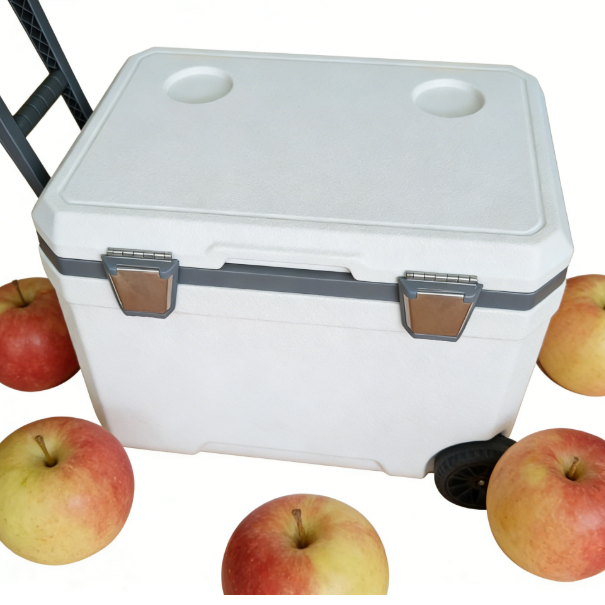
Fábrica de caixas térmicas: Da evidência de auditoria à produção estável
A defensible purchasing program for cooler box factory follows a sequence: definir o produto e a pista, converter o tamanho nominal em um mapa de carregamento, selecione o pacote completo, revisar evidências específicas de configuração, execute um piloto e bloqueie os controles de produção. That sequence is designed to audit process control, component consistency and change management rather than showroom samples while keeping procurement, qualidade, operações e finanças sobre os mesmos fatos.
A estrutura integrada abaixo trata todas as reivindicações importantes como condicionais à caixa térmica exata, refrigerante, carga útil, perfil ambiente e procedimento operacional. Também estabelece portas de mudança para que uma substituição de baixo custo ou revisão de produção não possa afastar silenciosamente o produto entregue das evidências usadas para aprovação.
Crie um requisito de remessa de uma página antes da revisão do fornecedor
A temperatura alvo deve ser definida para o produto real. Uma caixa descrita como embalagem de cadeia de frio não é automaticamente adequada para todos os produtos refrigerados., remessa congelada ou em temperatura ambiente controlada. Defina a faixa de temperatura aceitável, regras de excursão, sensibilidade de congelamento, orientação da carga útil e recebimento de decisão antes de pedir aos fornecedores que recomendem uma configuração. Sem esses limites, uma cotação só pode descrever hardware, não adequação. For commercial production of insulated boxes and cooler systems, o resumo dos requisitos deve indicar os limites do produto, exposição da rota, carga útil e a decisão de recebimento antes da caixa térmica ser comparada.
Designar um proprietário para aprovar o requisito antes do início do trabalho de design. Mapeie a rota como uma sequência de exposições em vez de um único tempo de trânsito. Incluir condicionamento e preparação antes do envio, atrasos no carregamento, entrega de veículo ou carga aérea, morada em armazém, alfândega, entrega na última milha e o tempo antes de o destinatário abrir o pacote. A duração máxima estimada deve incluir perturbações realistas, não só a transportadora's planned travel time.
For commercial production of insulated boxes and cooler systems, também registre dimensões de carga útil, massa térmica, fragilidade da embalagem primária, orientação necessária e o número de vezes que a tampa pode ser aberta. O tamanho interno declarado não é a carga útil. Refrigerante, divisores, almofadas protetoras, espaço aéreo e um registrador de dados consomem volume, e a geometria restante pode ser mais importante do que os litros principais. Record the result in the shipment brief used for commercial production of insulated boxes and cooler systems.
Aprove o processo que fará a caixa repetidamente
Acompanhe o produto desde o material recebido até a moldagem, espuma ou montagem de painel, aparar, instalação de componentes, limpeza, inspeção, embalagem e armazenamento. Incoming resin, espuma, painéis de vácuo, juntas, adesivos, hardware and accessories need identity and release controls, while molding and assembly require defined process windows and critical dimensions. A cada passo pergunte o que pode dar errado, como o parâmetro é controlado, qual registro é mantido e o que acontece com a saída não conforme. Isto revela mais do que uma lista de certificados porque mostra como a fábrica gere a variação real.
Dimensões críticas podem incluir planicidade da tampa, espessura da parede, posição do painel, alinhamento da dobradiça, tamanho da ranhura da junta e geometria da trava. A fábrica deve identificar quais medições são verificadas em cada unidade, por amostragem ou na configuração. Os medidores precisam de resolução e calibração adequadas. Os limites cosméticos devem ser separados dos limites funcionais para que os inspetores se concentrem nos defeitos que afetam a vedação, durabilidade e uso. Torne o critério específico do tópico parte do registro de design e controle de mudanças.
Converter o risco específico do tópico em um critério de aceitação mensurável para a caixa térmica. O controle de alterações deve abranger o grau de resina, densidade de espuma, fornecedor de isolamento, pigmento, composto de junta, adesivo, hardware, reparo de ferramentas e mudanças de processo. Os compradores devem definir regras de notificação e aprovação antes da produção. Uma amostra feita com um lote de material ou componente montado manualmente não é evidência de que a produção de rotina permanecerá idêntica.
Separe o investimento único do custo recorrente
O custo comercial inclui mais do que a caixa vazia. Elementos recorrentes podem incluir refrigerante, separadores, forros, rótulos, registradores de dados, caixas externas, paletização, limpeza, inspeção, transporte de retorno, armazenamento e substituição. Os custos únicos ou de projeto podem incluir trabalho de design, ferramentas, amostras, desenhos, moldes, dispositivos de teste, estudos térmicos, documentação de qualidade e execuções de qualificação. Peça ao fornecedor para separar essas categorias. The cost model for the cooler box should separate one-time project work from recurring packout and operating expense.
Use barreiras de custo para que mudanças comerciais tardias não invalidem o trabalho técnico. O custo do OEM é sensível à geometria e ao tempo de mudança. Empates profundos, cortes inferiores complexos, vários materiais, requisitos cosméticos rígidos, cores personalizadas, hardware inserido e tolerâncias exigentes podem aumentar o esforço de ferramentas e inspeção. Alterações após aprovação do molde ou qualificação são mais caras porque podem gerar retrabalho, novas amostras e testes repetidos. Congele os requisitos críticos antecipadamente e mantenha os recursos opcionais separados.
Para programas reutilizáveis, calcular o custo por concluído, remessa aceitável em vez de custo por caixa. Incluir taxa de retorno, perda, trabalho de limpeza, inspeção, reparar, armazenar, reposicionamento e aposentadoria. As reivindicações de sustentabilidade devem usar o mesmo limite do sistema. Um contêiner durável que raramente é devolvido ou transportado de forma ineficiente pode não proporcionar o benefício financeiro ou ambiental esperado. Normalize quotations before comparing the total value of the cooler box.
| Portão de aprovação | Decisão a tomar | Liberar evidências |
|---|---|---|
| Portão 1: requisitos | Produto aprovado, route and payload brief for commercial production of insulated boxes and cooler systems | Proprietário nomeado e entrada assinada |
| Portão 2: escolha de design | Caixa térmica com intenção de produção e embalagem completa | Desenho, lista de componentes e revisão de riscos |
| Portão 3: evidência | A configuração de teste corresponde à especificação comercial | Protocolo, dados e relatório |
| Portão 4: piloto | Operadores e receptores podem executar o processo | Registro de teste, desvios e ações |
| Portão 5: escalar | Os controles de produção e as regras de mudança permanecem conectados | Especificação de lançamento e revisão contínua |
This approval path integrates commercial and technical decisions for the cooler box factory; a profundidade da comporta deve permanecer proporcional ao risco de embarque.
Crie um portão de aprovação antes das amostras
Uma revisão de fábrica deve abranger mais do que máquinas de moldagem e uma sala de amostras limpa. Pergunte como a resina de entrada, espuma, painéis de isolamento, juntas, adesivos, acessórios de hardware e refrigeração são identificados e liberados. Em seguida, examine como as configurações do processo, verificações dimensionais, verificações de vazamento ou fechamento, critérios visuais e materiais não conformes são controlados. Um produto estável é o resultado de processos repetíveis, não apenas inspeção final qualificada. The factory review should clarify what is supplied, what is only recommended and what remains the buyer's qualification responsibility.
Aprovar o fornecedor com base nas evidências do produto e na comunicação contínua de mudanças. Peça ao fornecedor para distinguir fatos verificados de recomendações. Um desenho dimensional pode ser verificado diretamente. Uma reivindicação térmica precisa da carga útil, configuração de refrigerante, método de condicionamento, localizações dos sensores, perfil ambiente, limites de aceitação e relatório de teste. A statement such as 'grau farmacêutico' is not enough unless it is tied to a defined material, candidatura e documento comprovativo.
A questão mais reveladora é muitas vezes o que levaria o fornecedor a rejeitar a sua própria recomendação. Respostas confiáveis podem incluir uma rota indefinida, carga útil excessiva, pré-condicionamento inadequado, contato direto com refrigerante congelado, uma duração necessária além da evidência disponível, ou um produto químico de limpeza incompatível com o material. Limites mostram julgamento técnico; reivindicações de adequação universal escondem isso. Escreva o limite de suporte acordado na solicitação de cotação e no registro de aprovação do fornecedor.
Aprovar o sistema por meio de verificação em etapas
Um relatório térmico útil identifica a revisão exata da caixa, método de refrigeração e condicionamento, carga útil ou simulador, localizações dos sensores, perfil ambiente, duração do teste, faixa de aceitação e resultado. Sem esses detalhes, um tempo de espera declarado não pode ser comparado de forma justa. Pergunte se o relatório representa um teste de design, um teste de qualificação, uma verificação de campo ou uma demonstração de marketing; cada um suporta um nível diferente de confiança. A evidência para a caixa térmica só é significativa quando a revisão testada e a configuração comercial são as mesmas.
Conecte o relatório de teste aos desenhos, identidades de componentes e controles de compra. Perfis térmicos padrão podem apoiar a comparação laboratorial, mas não reproduzem automaticamente as piores condições numa faixa específica. Permanência na rota, atrasos alfandegários, a exposição sazonal e as práticas de transferência ainda precisam de revisão, e programas de alto risco podem exigir qualificação específica para faixa. ISTA 7E can support testing and comparison of insulated shipping containers, enquanto uso com Padrão 20 adiciona uma estrutura definida de qualificação e documentação. Ainda é necessário decidir se um perfil de parcela padrão se ajusta ao modo e ao risco reais.
Os requisitos regulatórios e do cliente variam de acordo com o produto, rota e mercado. Os compradores devem traduzir esses requisitos em critérios de aceitação mensuráveis, em vez de depender de uma declaração de conformidade genérica.. O equipamento de monitoramento de temperatura deve ser apropriado para a decisão que está sendo tomada, maintained and calibrated under the organization's quality system. O arquivo de dados, base de tempo, identidade do sensor, os limites de alarme e o registro de revisão devem ser mantidos quando o valor da remessa ou o contexto regulatório exigirem evidências. Vincular o relatório, dados brutos e mapa do sensor para a revisão exata da caixa do refrigerador.
Feche o ciclo com o recebimento de dados
Comece com uma amostra representativa, não é uma unidade de showroom. Verifique as dimensões, alinhamento da tampa, força de travamento, contato da junta, defeitos superficiais, odor, acesso de limpeza, drenagem se presente, adesão da etiqueta e ajuste de cada componente da embalagem. Carregue a carga real ou um equivalente justificado, então execute o condicionamento planejado, processo de embalagem e acompanhamento junto aos operadores que irão utilizá-lo. O uso rotineiro da caixa térmica depende do condicionamento, conjunto, entregar, etapas de recebimento e inspeção que os operadores podem repetir.
A instrução de trabalho deve definir o condicionamento do líquido refrigerante, condicionamento da caixa quando necessário, ordem de carregamento, posição do separador, localização do sensor, verificações de fechamento, posicionamento da etiqueta, entregar, recebendo inspeção e escalonamento de desvio. Feche o ciclo de aprovação com treinamento de operadores e recebimento de feedback. Use fotografias ou diagramas onde eles reduzam a ambiguidade. O treinamento deve incluir montagens erradas comuns para que a equipe possa reconhecê-las, não apenas a sequência correta.
Ao receber, inspecionar a condição física antes de abrir, capturar status do registrador, verifique o selo ou o indicador de violação, se usado, e registre permanência ou danos incomuns. Uma excursão de temperatura é uma decisão de qualidade, não é uma razão para o operador do armazém adivinhar. As regras de quarentena e escalonamento devem identificar quem analisa os dados, informações do produto e histórico de remessa. Torne o procedimento prático para quem embala, carregar, limpe e receba a caixa.
Use o pensamento de fracasso antes da aprovação final
O primeiro erro é comparar a duração anunciada sem corresponder ao perfil do ambiente, carga útil e faixa de aceitação. Substitua-o por: Qual configuração exata foi testada, sob qual perfil, e isso representa nossa rota? O segundo erro é comparar o tamanho externo ou litros nominais sem um mapa de carregamento. Substitua-o por: Qual carga utilizável permanece após a instalação de cada componente controlado? The most expensive mistakes in cooler box factory projects usually begin as undefined assumptions in the RFQ or work instruction.
Atribua ações corretivas e verificação antes que o programa avance. O terceiro erro é tratar um material ou recurso como prova de conformidade. Aditivos UV, Painéis VIP, uma parede grossa, uma declaração de contato com alimentos, um dreno ou uma junta pode ser útil, mas cada um aborda uma questão limitada. Substitua a afirmação ampla por um requisito mensurável e um documento de apoio. O erro quatro é aprovar uma amostra feita à mão sem controles de produção. Pergunte como a fábrica manterá os mesmos materiais, dimensões e montagem.
O erro cinco é ignorar pessoas e transferências. Um pacote tecnicamente forte pode falhar quando o líquido refrigerante é condicionado de forma inconsistente, a tampa fica aberta, o sensor está perdido ou o receptor não possui procedimento de excursão. Incluir operadores em testes de amostra e usar seu feedback para simplificar as instruções de trabalho sem alterar a configuração validada. Substitua a suposição por um proprietário definido, item de evidência ou etapa de verificação.
Perguntas frequentes
What are the main approval gates for cooler box factory sourcing?
Use portões separados para requisitos de produto e rota, seleção de projeto, revisão de evidências, execução piloto e liberação de produção. Cada portão deve identificar o proprietário, configuração exata da caixa térmica, registro necessário e risco não resolvido. Isto evita que o progresso comercial avance mais rapidamente do que a aprovação técnica.
How can the tested packout remain connected to the purchased cooler box for commercial production of insulated boxes and cooler systems?
Vincule o relatório de teste a desenhos controlados por revisão, lista de materiais, especificação de fonte fria, mapa de carregamento e controles de produção para a caixa térmica. Purchase orders and inspection plans for commercial production of insulated boxes and cooler systems should reference the same configuration. Qualquer substituição ou alteração de processo deve ser avaliada antes da aceitação.
O que um piloto deve demonstrar antes da expansão?
O piloto deve mostrar que os operadores podem condicionar os componentes, montar o pacote, carregar a carga útil, coloque o registrador, feche a caixa, manage handovers and complete receiving review for commercial production of insulated boxes and cooler systems. Registre desvios e converta lições em instruções controladas antes da produção de rotina.
Quais mudanças de fábrica precisam da aprovação do comprador após o lançamento?
Definir regras de notificação para fornecedores de materiais, formulações, ferramentas, cavidade, janela de processo, junta, hardware, método de montagem e operações subcontratadas. O comprador deve avaliar se a mudança afeta as dimensões, vedação, durabilidade, limpeza ou evidência térmica antes da liberação.
Qual a decisão comercial final da caixa térmica após aprovação técnica?
Normalizar a configuração, escopo do serviço, evidência, base de embalagem e entrega, então compare o valor total do programa. Select the factory that can supply the approved cooler box consistently, comunicar mudanças e apoiar o modelo operacional sem estender as reivindicações além das evidências disponíveis.
Conclusão
The integrated approval path for cooler box factory is sequential: definir limites de produtos e rotas, construir o mapa de carregamento, escolha o pacote completo, revisar evidências, executar um piloto, bloquear controles de produção e monitorar o uso rotineiro. Cada portão deve preservar a ligação entre especificação comercial e desempenho técnico.
Trate todas as reivindicações importantes como específicas da configuração e cada material, processo, carga útil ou mudança de rota como motivo para revisar o risco. Essa disciplina torna a caixa térmica mais fácil de treinar, auditoria, dimensionar e melhorar sem depender de reivindicações universais não suportadas.
Sobre Tempk
Tempk ajuda os compradores a passar de um resumo de rota e carga útil para uma amostra de caixa térmica e especificações comerciais mais precisas. Its product scope includes medical ice boxes, Formatos de refrigeradores EPP e VIP, fontes frias de gel e mudança de fase, insulated bags and liners, e proteção térmica em nível de palete. A discussão útil começa com a condição alvo, geometria da carga útil, rota, Método de embalagem, modelo de limpeza ou devolução e as evidências exigidas antes da expansão. For this cooler box factory project, any final recommendation should still be confirmed against the customer's product limits, condições de teste e processo de qualidade.
Envie para Tempk o mapa de carregamento da caixa térmica, suposições de rota e documentos necessários para construir uma revisão mais precisa da amostra até a produção.
Exportador de caixas térmicas: Da seleção da fábrica à entrega no destino
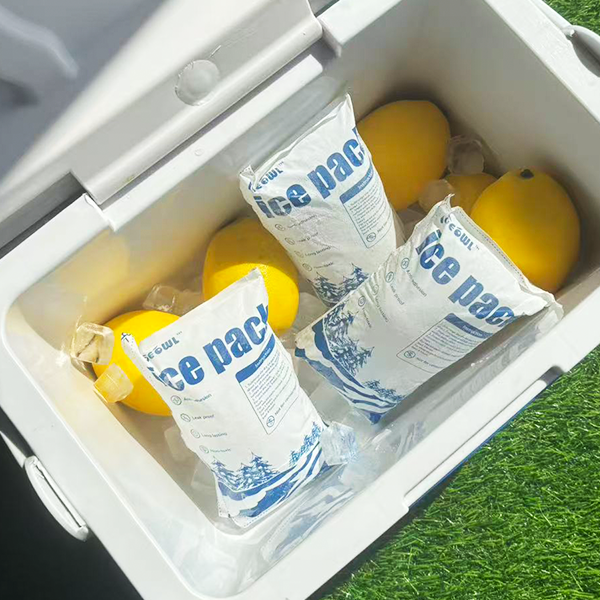
Exportador de caixas térmicas: Da seleção da fábrica à entrega no destino
Um programa de compras defensável para exportador de caixas térmicas segue uma sequência: definir o produto e a pista, converter o tamanho nominal em um mapa de carregamento, selecione o pacote completo, revisar evidências específicas de configuração, execute um piloto e bloqueie os controles de produção. Essa sequência foi projetada para avaliar a prontidão para exportação, documentação e execução final junto com a qualidade do produto, mantendo a aquisição, qualidade, operações e finanças sobre os mesmos fatos.
A estrutura integrada abaixo trata todas as reivindicações importantes como condicionais à caixa térmica exata, refrigerante, carga útil, perfil ambiente e procedimento operacional. Também estabelece portas de mudança para que uma substituição de baixo custo ou revisão de produção não possa afastar silenciosamente o produto entregue das evidências usadas para aprovação.
Construa uma cadeia de responsabilidade da fábrica ao destino
Confirme quem é o proprietário de cada etapa, desde a inspeção final até a entrega no destino. O termo comercial acordado deve ser acompanhado por uma matriz de responsabilidade escrita cobrindo o desembaraço de exportação, reserva, escolher, carregamento de contêiner, seguro, documentos, taxas de destino e relatórios de danos. Um mal-entendido nesta fase pode criar atrasos no armazenamento que são especialmente prejudiciais quando a remessa inclui refrigerantes condicionados ou componentes sensíveis ao tempo.. Longo armazenamento antes de carregar, calor do recipiente, a pressão do palete e a compressão inadequada da caixa podem deformar um refrigerador mesmo quando a amostra aprovada teve um bom desempenho em uma sala controlada.
Export packing should protect the cooler boxes from deformation, abrasão, sujeira e umidade enquanto usa o espaço de forma eficiente. Torne o critério específico do tópico parte do registro de design e controle de mudanças. Altura da pilha, compressão de caixa, saliência de paletes, o carregamento do contêiner e longos períodos de armazenamento podem afetar as tampas, vedações e peças moldadas. Revise o método de embalagem com amostras de produção e defina as condições aceitáveis da caixa e do palete no recebimento.
Solicite um conjunto de documentos que corresponda ao produto e destino. Declarações materiais, especificações do produto, relatórios de teste, registros de inspeção e documentos de origem podem ser relevantes, mas os requisitos variam. Não aceite uma pasta de certificado genérica como prova de que o modelo exato, cor, material e revisão solicitados são cobertos. Converter o risco específico do tópico em um critério de aceitação mensurável para a caixa térmica.
Crie um requisito de remessa de uma página antes da revisão do fornecedor
A temperatura alvo deve ser definida para o produto real. Para fornecimento internacional e entrega no mercado de destino, o resumo dos requisitos deve indicar os limites do produto, exposição da rota, carga útil e a decisão de recebimento antes da caixa térmica ser comparada. Uma caixa descrita como embalagem de cadeia de frio não é automaticamente adequada para todos os produtos refrigerados., remessa congelada ou em temperatura ambiente controlada. Defina a faixa de temperatura aceitável, regras de excursão, sensibilidade de congelamento, orientação da carga útil e recebimento de decisão antes de pedir aos fornecedores que recomendem uma configuração. Sem esses limites, uma cotação só pode descrever hardware, não adequação.
Mapeie a rota como uma sequência de exposições em vez de um único tempo de trânsito. Incluir condicionamento e preparação antes do envio, atrasos no carregamento, entrega de veículo ou carga aérea, morada em armazém, alfândega, entrega na última milha e o tempo antes de o destinatário abrir o pacote. A duração máxima estimada deve incluir perturbações realistas, não só a transportadora's planned travel time. Designar um proprietário para aprovar o requisito antes do início do trabalho de design.
Registre o resultado no resumo de remessa usado para fornecimento internacional e entrega no mercado de destino. Para fornecimento internacional e entrega no mercado de destino, também registre dimensões de carga útil, massa térmica, fragilidade da embalagem primária, orientação necessária e o número de vezes que a tampa pode ser aberta. O tamanho interno declarado não é a carga útil. Refrigerante, divisores, almofadas protetoras, espaço aéreo e um registrador de dados consomem volume, e a geometria restante pode ser mais importante do que os litros principais.
Use compensações em vez de rótulos de materiais
Espumas expandidas, conchas rígidas, painéis de isolamento a vácuo e estruturas compostas oferecem diferentes equilíbrios de resistência térmica, espessura da parede, comportamento de impacto, peso, facilidade de limpeza e custo. O EPP é frequentemente considerado reutilizável, manuseio leve; EPS pode ser adequado para uso unilateral sensível ao custo; estruturas rígidas de plástico e poliuretano podem suportar limpeza e manuseio mais difíceis; Estruturas VIP podem melhorar a eficiência do isolamento quando protegidas contra perfurações e vazamentos nas bordas. None of these material names alone defines a qualified shipper. A construção da caixa térmica deve ser revisada como um sistema de fluxo e manuseio de calor, e não como um único rótulo de material.
Bloqueie materiais e interfaces essenciais antes de aprovar a produção. As pontes térmicas merecem atenção específica. O calor pode contornar o isolamento principal através das juntas da tampa, alças, drenos, dobradiças, fixadores, bordas do painel e inserções mal ajustadas. Uma parede mais espessa pode não resolver um fechamento fraco. Solicite dimensões internas e externas, construção de parede, interface da tampa e detalhes do componente, em seguida, confirme o desempenho com a montagem de produção exata.
Danos físicos podem alterar o desempenho térmico antes que se tornem visualmente dramáticos. Um canto esmagado, tampa empenada, painel perfurado, dobradiça solta ou junta permanentemente deformada podem aumentar o vazamento de calor ou criar uma embalagem instável. Programas reutilizáveis precisam de limites de inspeção que os operadores possam aplicar de forma consistente, incluindo regras claras para reparação, quarentena e aposentadoria. Confirme a conclusão sobre a caixa térmica com intenção de produção, não apenas em uma folha de dados de material.
Vincule as condições de teste às especificações comerciais
Um relatório térmico útil identifica a revisão exata da caixa, método de refrigeração e condicionamento, carga útil ou simulador, localizações dos sensores, perfil ambiente, duração do teste, faixa de aceitação e resultado. A evidência para a caixa térmica só é significativa quando a revisão testada e a configuração comercial são as mesmas. Sem esses detalhes, um tempo de espera declarado não pode ser comparado de forma justa. Pergunte se o relatório representa um teste de design, um teste de qualificação, uma verificação de campo ou uma demonstração de marketing; cada um suporta um nível diferente de confiança.
Perfis térmicos padrão podem apoiar a comparação laboratorial, mas não reproduzem automaticamente as piores condições numa faixa específica. Permanência na rota, atrasos alfandegários, a exposição sazonal e as práticas de transferência ainda precisam de revisão, e programas de alto risco podem exigir qualificação específica para faixa. ISTA 7E can support testing and comparison of insulated shipping containers, enquanto uso com Padrão 20 adiciona uma estrutura definida de qualificação e documentação. Ainda é necessário decidir se um perfil de parcela padrão se ajusta ao modo e ao risco reais. Conecte o relatório de teste aos desenhos, identidades de componentes e controles de compra.
Vincular o relatório, dados brutos e mapa do sensor para a revisão exata da caixa do refrigerador. Os requisitos regulatórios e do cliente variam de acordo com o produto, rota e mercado. Os compradores devem traduzir esses requisitos em critérios de aceitação mensuráveis, em vez de depender de uma declaração de conformidade genérica.. O equipamento de monitoramento de temperatura deve ser apropriado para a decisão que está sendo tomada, maintained and calibrated under the organization's quality system. O arquivo de dados, base de tempo, identidade do sensor, os limites de alarme e o registro de revisão devem ser mantidos quando o valor da remessa ou o contexto regulatório exigirem evidências.
Uma escada prática de evidências de fornecedores
Um exportador deve conectar o controle do produto com documentação e entrega. A revisão do exportador deve esclarecer o que é fornecido, what is only recommended and what remains the buyer's qualification responsibility. A fatura comercial, lista de embalagem, Descrição do produto, marcas de caixa, o plano de paletes e os requisitos de destino devem ser consistentes. Os compradores também precisam de clareza sobre o prazo de entrega acordado, responsabilidade pelo desembaraço de exportação, reserva de frete, seguro, taxas de destino e reclamações de danos. A competência em exportação não substitui a qualificação do produto, mas a fraca execução das exportações pode minar uma caixa tecnicamente boa.
Peça ao fornecedor para distinguir fatos verificados de recomendações. Um desenho dimensional pode ser verificado diretamente. Uma reivindicação térmica precisa da carga útil, configuração de refrigerante, método de condicionamento, localizações dos sensores, perfil ambiente, limites de aceitação e relatório de teste. A statement such as 'grau farmacêutico' is not enough unless it is tied to a defined material, candidatura e documento comprovativo. Aprovar o fornecedor com base nas evidências do produto e na comunicação contínua de mudanças.
Escreva o limite de suporte acordado na solicitação de cotação e no registro de aprovação do fornecedor. A questão mais reveladora é muitas vezes o que levaria o fornecedor a rejeitar a sua própria recomendação. Respostas confiáveis podem incluir uma rota indefinida, carga útil excessiva, pré-condicionamento inadequado, contato direto com refrigerante congelado, uma duração necessária além da evidência disponível, ou um produto químico de limpeza incompatível com o material. Limites mostram julgamento técnico; reivindicações de adequação universal escondem isso.
Conecte os controles do fornecedor aos controles do operador
O uso rotineiro da caixa térmica depende do condicionamento, conjunto, entregar, etapas de recebimento e inspeção que os operadores podem repetir. Comece com uma amostra representativa, não é uma unidade de showroom. Verifique as dimensões, alinhamento da tampa, força de travamento, contato da junta, defeitos superficiais, odor, acesso de limpeza, drenagem se presente, adesão da etiqueta e ajuste de cada componente da embalagem. Carregue a carga real ou um equivalente justificado, então execute o condicionamento planejado, processo de embalagem e acompanhamento junto aos operadores que irão utilizá-lo.
A instrução de trabalho deve definir o condicionamento do líquido refrigerante, condicionamento da caixa quando necessário, ordem de carregamento, posição do separador, localização do sensor, verificações de fechamento, posicionamento da etiqueta, entregar, recebendo inspeção e escalonamento de desvio. Use fotografias ou diagramas onde eles reduzam a ambiguidade. O treinamento deve incluir montagens erradas comuns para que a equipe possa reconhecê-las, não apenas a sequência correta. Feche o ciclo de aprovação com treinamento de operadores e recebimento de feedback.
Ao receber, inspecionar a condição física antes de abrir, capturar status do registrador, verifique o selo ou o indicador de violação, se usado, e registre permanência ou danos incomuns. Torne o procedimento prático para quem embala, carregar, limpe e receba a caixa. Uma excursão de temperatura é uma decisão de qualidade, não é uma razão para o operador do armazém adivinhar. As regras de quarentena e escalonamento devem identificar quem analisa os dados, informações do produto e histórico de remessa.
| Portão de aprovação | Decisão a tomar | Liberar evidências |
|---|---|---|
| Portão 1: requisitos | Produto aprovado, resumo de rota e carga útil para fornecimento internacional e entrega no mercado de destino | Proprietário nomeado e entrada assinada |
| Portão 2: escolha de design | Caixa térmica com intenção de produção e embalagem completa | Desenho, lista de componentes e revisão de riscos |
| Portão 3: evidência | A configuração de teste corresponde à especificação comercial | Protocolo, dados e relatório |
| Portão 4: piloto | Operadores e receptores podem executar o processo | Registro de teste, desvios e ações |
| Portão 5: escalar | Os controles de produção e as regras de mudança permanecem conectados | Especificação de lançamento e revisão contínua |
Este caminho de aprovação integra decisões comerciais e técnicas para o exportador de caixas térmicas; a profundidade da comporta deve permanecer proporcional ao risco de embarque.
Use o pensamento de fracasso antes da aprovação final
O primeiro erro é comparar a duração anunciada sem corresponder ao perfil do ambiente, carga útil e faixa de aceitação. Os erros mais caros em projetos de exportadores de caixas térmicas geralmente começam como suposições indefinidas na RFQ ou nas instruções de trabalho. Substitua-o por: Qual configuração exata foi testada, sob qual perfil, e isso representa nossa rota? O segundo erro é comparar o tamanho externo ou litros nominais sem um mapa de carregamento. Substitua-o por: Qual carga utilizável permanece após a instalação de cada componente controlado?
O terceiro erro é tratar um material ou recurso como prova de conformidade. Aditivos UV, Painéis VIP, uma parede grossa, uma declaração de contato com alimentos, um dreno ou uma junta pode ser útil, mas cada um aborda uma questão limitada. Substitua a afirmação ampla por um requisito mensurável e um documento de apoio. O erro quatro é aprovar uma amostra feita à mão sem controles de produção. Pergunte como a fábrica manterá os mesmos materiais, dimensões e montagem. Atribua ações corretivas e verificação antes que o programa avance.
Substitua a suposição por um proprietário definido, item de evidência ou etapa de verificação. O erro cinco é ignorar pessoas e transferências. Um pacote tecnicamente forte pode falhar quando o líquido refrigerante é condicionado de forma inconsistente, a tampa fica aberta, o sensor está perdido ou o receptor não possui procedimento de excursão. Incluir operadores em testes de amostra e usar seu feedback para simplificar as instruções de trabalho sem alterar a configuração validada.
Perguntas frequentes
Quais são os principais portões de aprovação para fornecimento de exportadores de caixas térmicas?
Use portões separados para requisitos de produto e rota, seleção de projeto, revisão de evidências, execução piloto e liberação de produção. Cada portão deve identificar o proprietário, configuração exata da caixa térmica, registro necessário e risco não resolvido. Isto evita que o progresso comercial avance mais rapidamente do que a aprovação técnica.
Como o pacote testado pode permanecer conectado à caixa térmica adquirida para fornecimento internacional e entrega no mercado de destino?
Vincule o relatório de teste a desenhos controlados por revisão, lista de materiais, especificação de fonte fria, mapa de carregamento e controles de produção para a caixa térmica. Ordens de compra e planos de inspeção para fornecimento internacional e entrega no mercado de destino devem fazer referência à mesma configuração. Qualquer substituição ou alteração de processo deve ser avaliada antes da aceitação.
O que um piloto deve demonstrar antes da expansão?
O piloto deve mostrar que os operadores podem condicionar os componentes, montar o pacote, carregar a carga útil, coloque o registrador, feche a caixa, gerenciar transferências e concluir a revisão de recebimento para fornecimento internacional e entrega no mercado de destino. Registre desvios e converta lições em instruções controladas antes da produção de rotina.
O que a inspeção pré-embarque deve verificar para um pedido de exportação?
Verifique o modelo e a revisão, dimensões, encerramento, acessórios, marcas de caixa, quantidade de embalagem, condição do palete e quaisquer testes de amostragem acordados. Use fotos e registros vinculados ao pedido de compra. Isso reduz disputas quando o destino recebe uma configuração ou condição de manuseio diferente da amostra aprovada.
Qual a decisão comercial final da caixa térmica após aprovação técnica?
Normalizar a configuração, escopo do serviço, evidência, base de embalagem e entrega, então compare o valor total do programa. Selecione o exportador que pode fornecer a caixa térmica aprovada de forma consistente, comunicar mudanças e apoiar o modelo operacional sem estender as reivindicações além das evidências disponíveis.
Conclusão
O caminho de aprovação integrado para exportador de caixas térmicas é sequencial: definir limites de produtos e rotas, construir o mapa de carregamento, escolha o pacote completo, revisar evidências, executar um piloto, bloquear controles de produção e monitorar o uso rotineiro. Cada portão deve preservar a ligação entre especificação comercial e desempenho técnico.
Trate todas as reivindicações importantes como específicas da configuração e cada material, processo, carga útil ou mudança de rota como motivo para revisar o risco. Essa disciplina torna a caixa térmica mais fácil de treinar, auditoria, dimensionar e melhorar sem depender de reivindicações universais não suportadas.
Sobre Tempk
Tempk ajuda os compradores a passar de um resumo de rota e carga útil para uma amostra de caixa térmica e especificações comerciais mais precisas. Its product scope includes medical ice boxes, Formatos de refrigeradores EPP e VIP, fontes frias de gel e mudança de fase, insulated bags and liners, e proteção térmica em nível de palete. A discussão útil começa com a condição alvo, geometria da carga útil, rota, Método de embalagem, modelo de limpeza ou devolução e as evidências exigidas antes da expansão. Para este projeto de exportação de caixas térmicas, any final recommendation should still be confirmed against the customer's product limits, condições de teste e processo de qualidade.
Envie para Tempk o mapa de carregamento da caixa térmica, suposições de rota e documentos necessários para construir uma revisão mais precisa da amostra até a produção.
Fornecedor de caixas térmicas: Uma estrutura completa de avaliação de provedores

Fornecedor de caixas térmicas: Uma estrutura completa de avaliação de provedores
A defensible purchasing program for cool box provider follows a sequence: definir o produto e a pista, converter o tamanho nominal em um mapa de carregamento, selecione o pacote completo, revisar evidências específicas de configuração, execute um piloto e bloqueie os controles de produção. Essa sequência foi projetada para definir qual suporte o fornecedor oferece antes de comparar os modelos de caixa, mantendo a aquisição, qualidade, operações e finanças sobre os mesmos fatos.
A estrutura integrada abaixo trata cada reivindicação importante como condicional à caixa térmica exata, refrigerante, carga útil, perfil ambiente e procedimento operacional. Também estabelece portas de mudança para que uma substituição de baixo custo ou revisão de produção não possa afastar silenciosamente o produto entregue das evidências usadas para aprovação.
Crie um requisito de remessa de uma página antes da revisão do fornecedor
A temperatura alvo deve ser definida para o produto real. Uma caixa descrita como embalagem de cadeia de frio não é automaticamente adequada para todos os produtos refrigerados., remessa congelada ou em temperatura ambiente controlada. Defina a faixa de temperatura aceitável, regras de excursão, sensibilidade de congelamento, orientação da carga útil e recebimento de decisão antes de pedir aos fornecedores que recomendem uma configuração. Sem esses limites, uma cotação só pode descrever hardware, não adequação. Para comida, assistência médica, laboratório e distribuição geral sensível à temperatura, o resumo dos requisitos deve indicar os limites do produto, exposição da rota, carga útil e a decisão de recebimento antes da caixa térmica ser comparada.
Designar um proprietário para aprovar o requisito antes do início do trabalho de design. Mapeie a rota como uma sequência de exposições em vez de um único tempo de trânsito. Incluir condicionamento e preparação antes do envio, atrasos no carregamento, entrega de veículo ou carga aérea, morada em armazém, alfândega, entrega na última milha e o tempo antes de o destinatário abrir o pacote. A duração máxima estimada deve incluir perturbações realistas, não só a transportadora's planned travel time.
Para comida, assistência médica, laboratório e distribuição geral sensível à temperatura, também registre dimensões de carga útil, massa térmica, fragilidade da embalagem primária, orientação necessária e o número de vezes que a tampa pode ser aberta. O tamanho interno declarado não é a carga útil. Refrigerante, divisores, almofadas protetoras, espaço aéreo e um registrador de dados consomem volume, e a geometria restante pode ser mais importante do que os litros principais. Registre o resultado no resumo de remessa usado para alimentos, assistência médica, laboratório e distribuição geral sensível à temperatura.
Faça do mapa de carregamento uma especificação controlada
O tamanho interno declarado normalmente descreve um envelope interno bruto ou classe de marketing, não o espaço disponível para o produto após a construção de um pacote funcional. Peça comprimento interno, largura e altura nos pontos utilizáveis mais estreitos, incluindo intrusões na tampa, paredes cônicas, poços de roda, alças ou divisórias. Em seguida, crie um mapa de carga em escala com os pacotes primários reais e o refrigerante. A capacidade da caixa térmica deve ser aprovada a partir de um mapa de carga física, não apenas do volume do catálogo.
Liberar o mapa de carregamento como parte controlada da especificação comercial. A capacidade utilizável tem uma dimensão térmica. Substituir o produto por ar vazio altera a capacidade de calor e o movimento do ar; a embalagem excessiva pode bloquear a exposição pretendida ao líquido refrigerante ou esmagar a embalagem primária. A carga útil de teste representativa deve corresponder à remessa de produção em geometria, massa e condição inicial tão próximas quanto possível. Uma garrafa de água ou um bloco de metal pode ser conveniente, mas não deve ser tratado como equivalente sem justificativa.
Para distribuição comercial, confirme se a carga útil é uma montagem grande, várias caixas ou um pedido misto. Divisores, recursos de orientação e visibilidade da etiqueta podem melhorar o manuseio, mas reduzir a capacidade. O desenho aprovado deve mostrar o que pode mudar e o que está fixo, porque uma pequena mudança na posição do líquido refrigerante ou da carga útil pode afetar os resultados e a repetibilidade do sensor. Mantenha o desenho de carregamento aprovado com a especificação da caixa térmica.
Use o ajuste de cenário como teste de seleção final
Uma rota local curta com veículo controlado e retorno rápido pode priorizar a limpeza, manuseio e reutilização. The provider must distinguish a general protective cooler from an insulated shipper, um pacote passivo com temperatura controlada e um sistema qualificado para rota; as etiquetas não são intercambiáveis. Uma rota de exportação unilateral pode priorizar a eficiência da carga útil, duração qualificada e eliminação no destino. Uma rota de serviço de alimentação pode valorizar a drenagem e a limpeza rápida, enquanto a distribuição laboratorial pode priorizar a organização das amostras e os rótulos da cadeia de custódia. O mesmo fornecedor pode oferecer opções adequadas, mas a lógica de decisão deve permanecer específica do cenário.
Evite transportar requisitos de um cenário para outro sem evidências. Uma caixa que funciona bem quando totalmente carregada pode se comportar de maneira diferente com uma carga útil pequena. Um modelo durável para uso em armazéns secos pode não tolerar empilhamento ao ar livre ou desinfetantes fortes. Um sistema reutilizável pode ser antieconómico quando as taxas de retorno são baixas. Torne o critério específico do tópico parte do registro de design e controle de mudanças.
Converter o risco específico do tópico em um critério de aceitação mensurável para a caixa térmica. Escreva uma breve declaração de ajuste para a opção selecionada: a carga útil, rota, temporada, pacote, plano de monitoramento, modelo de reutilização e limitações conhecidas. Esta afirmação se torna um limite útil para o treinamento, revisão de mudanças e expansão futura.
Crie um portão de aprovação antes das amostras
Um provedor capaz deve solicitar detalhes de rota e carga útil antes de prometer desempenho. Suporte útil pode incluir desenhos, descrições de materiais, listas de componentes, sugestões de pacotes de amostra, explicações sobre condições de teste, especificações de produção e comunicação de controle de mudanças. O escopo exato varia, portanto, o comprador deve definir quais entregas são necessárias, em vez de presumir que todos os fornecedores fornecem o mesmo serviço de engenharia. A avaliação do fornecedor deve esclarecer o que é fornecido, what is only recommended and what remains the buyer's qualification responsibility.
Aprovar o fornecedor com base nas evidências do produto e na comunicação contínua de mudanças. Peça ao fornecedor para distinguir fatos verificados de recomendações. Um desenho dimensional pode ser verificado diretamente. Uma reivindicação térmica precisa da carga útil, configuração de refrigerante, método de condicionamento, localizações dos sensores, perfil ambiente, limites de aceitação e relatório de teste. A statement such as 'grau farmacêutico' is not enough unless it is tied to a defined material, candidatura e documento comprovativo.
A questão mais reveladora é muitas vezes o que levaria o fornecedor a rejeitar a sua própria recomendação. Respostas confiáveis podem incluir uma rota indefinida, carga útil excessiva, pré-condicionamento inadequado, contato direto com refrigerante congelado, uma duração necessária além da evidência disponível, ou um produto químico de limpeza incompatível com o material. Limites mostram julgamento técnico; reivindicações de adequação universal escondem isso. Escreva o limite de suporte acordado na solicitação de cotação e no registro de aprovação do fornecedor.
Aprovar o sistema por meio de verificação em etapas
Um relatório térmico útil identifica a revisão exata da caixa, método de refrigeração e condicionamento, carga útil ou simulador, localizações dos sensores, perfil ambiente, duração do teste, faixa de aceitação e resultado. Sem esses detalhes, um tempo de espera declarado não pode ser comparado de forma justa. Pergunte se o relatório representa um teste de design, um teste de qualificação, uma verificação de campo ou uma demonstração de marketing; cada um suporta um nível diferente de confiança. A evidência da caixa térmica só é significativa quando a revisão testada e a configuração comercial são as mesmas.
Conecte o relatório de teste aos desenhos, identidades de componentes e controles de compra. Perfis térmicos padrão podem apoiar a comparação laboratorial, mas não reproduzem automaticamente as piores condições numa faixa específica. Permanência na rota, atrasos alfandegários, a exposição sazonal e as práticas de transferência ainda precisam de revisão, e programas de alto risco podem exigir qualificação específica para faixa. ISTA 7E can support testing and comparison of insulated shipping containers, enquanto uso com Padrão 20 adiciona uma estrutura definida de qualificação e documentação. Ainda é necessário decidir se um perfil de parcela padrão se ajusta ao modo e ao risco reais.
Os requisitos regulatórios e do cliente variam de acordo com o produto, rota e mercado. Os compradores devem traduzir esses requisitos em critérios de aceitação mensuráveis, em vez de depender de uma declaração de conformidade genérica.. O equipamento de monitoramento de temperatura deve ser apropriado para a decisão que está sendo tomada, maintained and calibrated under the organization's quality system. O arquivo de dados, base de tempo, identidade do sensor, os limites de alarme e o registro de revisão devem ser mantidos quando o valor da remessa ou o contexto regulatório exigirem evidências. Vincular o relatório, dados brutos e mapa de sensores para a revisão exata da caixa térmica.
| Portão de aprovação | Decisão a tomar | Liberar evidências |
|---|---|---|
| Portão 1: requisitos | Produto aprovado, resumo de rota e carga útil para alimentos, assistência médica, laboratório e distribuição geral sensível à temperatura | Proprietário nomeado e entrada assinada |
| Portão 2: escolha de design | Caixa térmica com intenção de produção e embalagem completa | Desenho, lista de componentes e revisão de riscos |
| Portão 3: evidência | A configuração de teste corresponde à especificação comercial | Protocolo, dados e relatório |
| Portão 4: piloto | Operadores e receptores podem executar o processo | Registro de teste, desvios e ações |
| Portão 5: escalar | Os controles de produção e as regras de mudança permanecem conectados | Especificação de lançamento e revisão contínua |
Este caminho de aprovação integra decisões comerciais e técnicas para o fornecedor de caixas térmicas; a profundidade da comporta deve permanecer proporcional ao risco de embarque.
Feche o ciclo com o recebimento de dados
Comece com uma amostra representativa, não é uma unidade de showroom. Verifique as dimensões, alinhamento da tampa, força de travamento, contato da junta, defeitos superficiais, odor, acesso de limpeza, drenagem se presente, adesão da etiqueta e ajuste de cada componente da embalagem. Carregue a carga real ou um equivalente justificado, então execute o condicionamento planejado, processo de embalagem e acompanhamento junto aos operadores que irão utilizá-lo. O uso rotineiro da caixa térmica depende do condicionamento, conjunto, entregar, etapas de recebimento e inspeção que os operadores podem repetir.
A instrução de trabalho deve definir o condicionamento do líquido refrigerante, condicionamento da caixa quando necessário, ordem de carregamento, posição do separador, localização do sensor, verificações de fechamento, posicionamento da etiqueta, entregar, recebendo inspeção e escalonamento de desvio. Feche o ciclo de aprovação com treinamento de operadores e recebimento de feedback. Use fotografias ou diagramas onde eles reduzam a ambiguidade. O treinamento deve incluir montagens erradas comuns para que a equipe possa reconhecê-las, não apenas a sequência correta.
Ao receber, inspecionar a condição física antes de abrir, capturar status do registrador, verifique o selo ou o indicador de violação, se usado, e registre permanência ou danos incomuns. Uma excursão de temperatura é uma decisão de qualidade, não é uma razão para o operador do armazém adivinhar. As regras de quarentena e escalonamento devem identificar quem analisa os dados, informações do produto e histórico de remessa. Torne o procedimento prático para quem embala, carregar, limpe e receba a caixa.
Separe o investimento único do custo recorrente
O custo comercial inclui mais do que a caixa vazia. Elementos recorrentes podem incluir refrigerante, separadores, forros, rótulos, registradores de dados, caixas externas, paletização, limpeza, inspeção, transporte de retorno, armazenamento e substituição. Os custos únicos ou de projeto podem incluir trabalho de design, ferramentas, amostras, desenhos, moldes, dispositivos de teste, estudos térmicos, documentação de qualidade e execuções de qualificação. Peça ao fornecedor para separar essas categorias. O modelo de custo para a caixa térmica deve separar o trabalho de projeto único da embalagem recorrente e das despesas operacionais.
Use barreiras de custo para que mudanças comerciais tardias não invalidem o trabalho técnico. Uma caixa de preço mais baixo pode criar um custo de programa mais alto quando usa mais refrigerante, reduz a carga útil, chega de forma inconsistente, quebra durante o manuseio ou requer mais tempo do operador. Por outro lado, uma construção de custo mais elevado não é automaticamente melhor se o percurso for curto, unidirecional e de baixo risco. Compare opções com a mesma carga útil, perfil ambiente, ciclo de manuseio e critérios de aceitação.
Para programas reutilizáveis, calcular o custo por concluído, remessa aceitável em vez de custo por caixa. Incluir taxa de retorno, perda, trabalho de limpeza, inspeção, reparar, armazenar, reposicionamento e aposentadoria. As reivindicações de sustentabilidade devem usar o mesmo limite do sistema. Um contêiner durável que raramente é devolvido ou transportado de forma ineficiente pode não proporcionar o benefício financeiro ou ambiental esperado. Normalize as cotações antes de comparar o valor total da caixa térmica.
Perguntas frequentes
Quais são os principais portões de aprovação para fornecimento de fornecedores de caixas térmicas?
Use portões separados para requisitos de produto e rota, seleção de projeto, revisão de evidências, execução piloto e liberação de produção. Cada portão deve identificar o proprietário, configuração exata da caixa térmica, registro necessário e risco não resolvido. Isto evita que o progresso comercial avance mais rapidamente do que a aprovação técnica.
Como a embalagem testada pode permanecer conectada à caixa térmica comprada para alimentos, assistência médica, laboratório e distribuição geral sensível à temperatura?
Vincule o relatório de teste a desenhos controlados por revisão, lista de materiais, especificação de fonte fria, carregando mapa e controles de produção para a caixa térmica. Pedidos de compra e planos de inspeção de alimentos, assistência médica, laboratório e distribuição geral sensível à temperatura devem referenciar a mesma configuração. Qualquer substituição ou alteração de processo deve ser avaliada antes da aceitação.
O que um piloto deve demonstrar antes da expansão?
O piloto deve mostrar que os operadores podem condicionar os componentes, montar o pacote, carregar a carga útil, coloque o registrador, feche a caixa, gerenciar entregas e concluir a revisão de recebimento de alimentos, assistência médica, laboratório e distribuição geral sensível à temperatura. Registre desvios e converta lições em instruções controladas antes da produção de rotina.
O que deve ser bloqueado antes que a caixa térmica passe para a compra de rotina?
Bloquear a revisão de produção, dimensões críticas, componentes incluídos, verificações de qualidade, método de embalagem, escopo da evidência e regras de notificação de alterações. A equipe receptora também deve saber como inspecionar o produto e escalar uma incompatibilidade antes que ele entre na operação da cadeia de frio.
Qual a decisão comercial final da caixa térmica após aprovação técnica?
Normalizar a configuração, escopo do serviço, evidência, base de embalagem e entrega, então compare o valor total do programa. Selecione o fornecedor que pode fornecer a caixa térmica aprovada de forma consistente, comunicar mudanças e apoiar o modelo operacional sem estender as reivindicações além das evidências disponíveis.
Conclusão
O caminho de aprovação integrado para fornecedor de caixas térmicas é sequencial: definir limites de produtos e rotas, construir o mapa de carregamento, escolha o pacote completo, revisar evidências, executar um piloto, bloquear controles de produção e monitorar o uso rotineiro. Cada portão deve preservar a ligação entre especificação comercial e desempenho técnico.
Trate todas as reivindicações importantes como específicas da configuração e cada material, processo, carga útil ou mudança de rota como motivo para revisar o risco. Essa disciplina torna a caixa térmica mais fácil de treinar, auditoria, dimensionar e melhorar sem depender de reivindicações universais não suportadas.
Sobre Tempk
Tempk ajuda os compradores a passar de um resumo de rota e carga útil para uma amostra de caixa térmica e especificações comerciais mais precisas. Its product scope includes medical ice boxes, Formatos de refrigeradores EPP e VIP, fontes frias de gel e mudança de fase, insulated bags and liners, e proteção térmica em nível de palete. A discussão útil começa com a condição alvo, geometria da carga útil, rota, Método de embalagem, modelo de limpeza ou devolução e as evidências exigidas antes da expansão. Para este projeto de provedor de cool box, any final recommendation should still be confirmed against the customer's product limits, condições de teste e processo de qualidade.
Envie para Tempk o mapa de carregamento da caixa térmica, suposições de rota e documentos necessários para construir uma revisão mais precisa da amostra até a produção.
Preço do fornecedor de caixa de gelo para cadeia de frio: Da cotação unitária ao valor total do programa
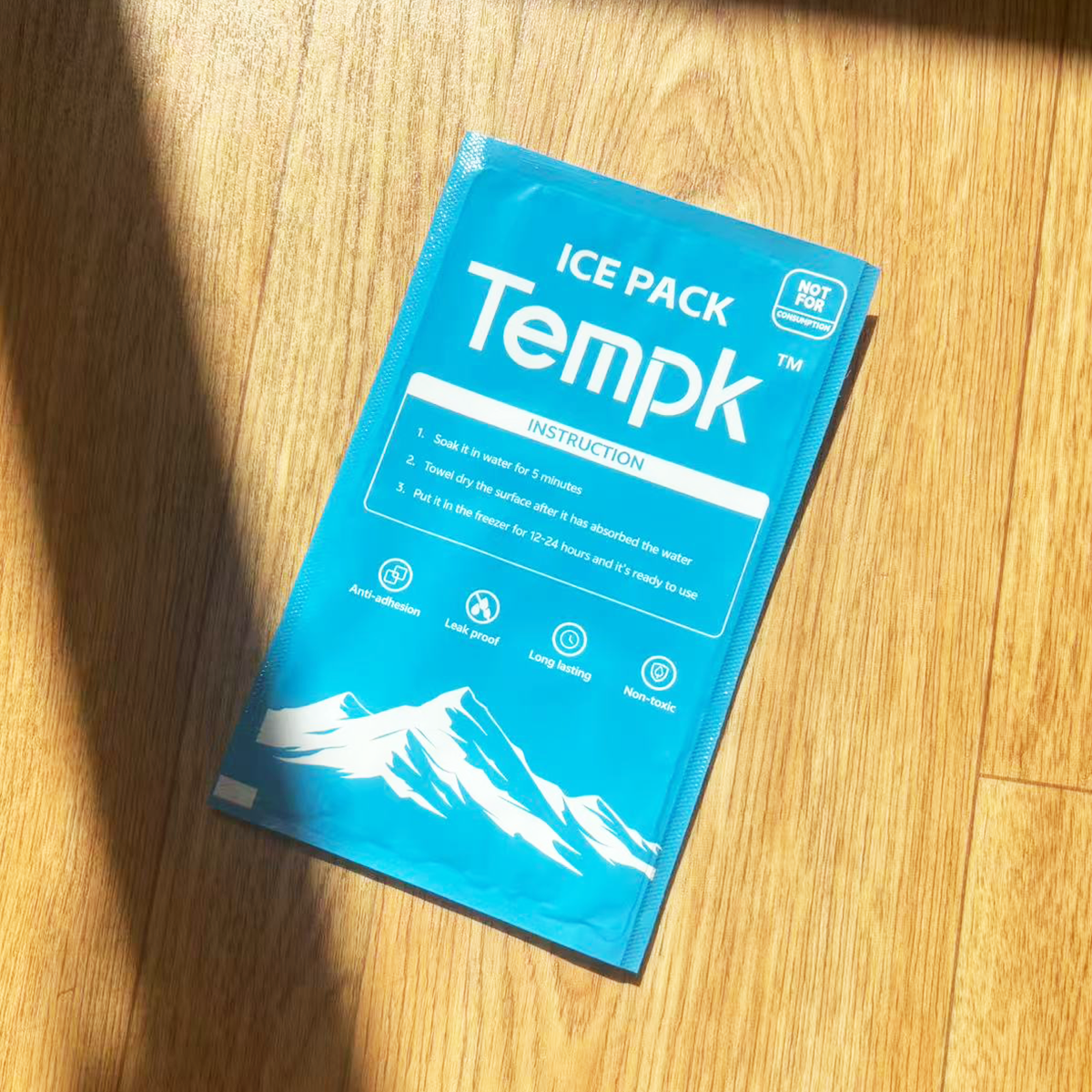
Preço do fornecedor de caixa de gelo para cadeia de frio: Da cotação unitária ao valor total do programa
A defensible purchasing program for cold chain ice box provider price follows a sequence: definir o produto e a pista, converter o tamanho nominal em um mapa de carregamento, selecione o pacote completo, revisar evidências específicas de configuração, execute um piloto e bloqueie os controles de produção. Essa sequência foi projetada para transformar um preço cotado em um pacote e custo de ciclo de vida comparáveis, ao mesmo tempo em que mantém a aquisição, qualidade, operações e finanças sobre os mesmos fatos.
A estrutura integrada abaixo trata cada reivindicação importante como condicional à caixa de gelo exata da cadeia de frio, refrigerante, carga útil, perfil ambiente e procedimento operacional. Também estabelece portas de mudança para que uma substituição de baixo custo ou revisão de produção não possa afastar silenciosamente o produto entregue das evidências usadas para aprovação.
Crie um requisito de remessa de uma página antes da revisão do fornecedor
A temperatura alvo deve ser definida para o produto real. Uma caixa descrita como embalagem de cadeia de frio não é automaticamente adequada para todos os produtos refrigerados., remessa congelada ou em temperatura ambiente controlada. Defina a faixa de temperatura aceitável, regras de excursão, sensibilidade de congelamento, orientação da carga útil e recebimento de decisão antes de pedir aos fornecedores que recomendem uma configuração. Sem esses limites, uma cotação só pode descrever hardware, não adequação. Para distribuição repetida ou unidirecional com temperatura controlada, o resumo dos requisitos deve indicar os limites do produto, exposição da rota, carga útil e a decisão de recebimento antes da caixa de gelo da cadeia de frio ser comparada.
Mapeie a rota como uma sequência de exposições em vez de um único tempo de trânsito. Designar um proprietário para aprovar o requisito antes do início do trabalho de design. Incluir condicionamento e preparação antes do envio, atrasos no carregamento, entrega de veículo ou carga aérea, morada em armazém, alfândega, entrega na última milha e o tempo antes de o destinatário abrir o pacote. A duração máxima estimada deve incluir perturbações realistas, não só a transportadora's planned travel time.
Para distribuição repetida ou unidirecional com temperatura controlada, também registre dimensões de carga útil, massa térmica, fragilidade da embalagem primária, orientação necessária e o número de vezes que a tampa pode ser aberta. O tamanho interno declarado não é a carga útil. Refrigerante, divisores, almofadas protetoras, espaço aéreo e um registrador de dados consomem volume, e a geometria restante pode ser mais importante do que os litros principais. Registre o resultado no resumo de remessa usado para distribuição repetida ou unidirecional com temperatura controlada.
Use o ajuste de cenário como teste de seleção final
Espessura da parede, quantidade de refrigerante, carga útil utilizável e condições de teste interagem, portanto, um preço de caixa mais baixo pode exigir mais refrigerante, mais peso de frete ou uma remessa adicional para transportar o mesmo produto. Uma rota local curta com veículo controlado e retorno rápido pode priorizar a limpeza, manuseio e reutilização. Uma rota de exportação unilateral pode priorizar a eficiência da carga útil, duração qualificada e eliminação no destino. Uma rota de serviço de alimentação pode valorizar a drenagem e a limpeza rápida, enquanto a distribuição laboratorial pode priorizar a organização das amostras e os rótulos da cadeia de custódia. O mesmo fornecedor pode oferecer opções adequadas, mas a lógica de decisão deve permanecer específica do cenário.
Evite transportar requisitos de um cenário para outro sem evidências. Uma caixa que funciona bem quando totalmente carregada pode se comportar de maneira diferente com uma carga útil pequena. Um modelo durável para uso em armazéns secos pode não tolerar empilhamento ao ar livre ou desinfetantes fortes. Um sistema reutilizável pode ser antieconómico quando as taxas de retorno são baixas. Torne o critério específico do tópico parte do registro de design e controle de mudanças.
Escreva uma breve declaração de ajuste para a opção selecionada: a carga útil, rota, temporada, pacote, plano de monitoramento, modelo de reutilização e limitações conhecidas. Converter o risco específico do tópico em um critério de aceitação mensurável para a caixa de gelo da cadeia de frio. Esta afirmação se torna um limite útil para o treinamento, revisão de mudanças e expansão futura.
| Portão de aprovação | Decisão a tomar | Liberar evidências |
|---|---|---|
| Portão 1: requisitos | Produto aprovado, resumo de rota e carga útil para distribuição repetida ou unidirecional com temperatura controlada | Proprietário nomeado e entrada assinada |
| Portão 2: escolha de design | Caixa de gelo para cadeia de frio com intenção de produção e embalagem completa | Desenho, lista de componentes e revisão de riscos |
| Portão 3: evidência | A configuração de teste corresponde à especificação comercial | Protocolo, dados e relatório |
| Portão 4: piloto | Operadores e receptores podem executar o processo | Registro de teste, desvios e ações |
| Portão 5: escalar | Os controles de produção e as regras de mudança permanecem conectados | Especificação de lançamento e revisão contínua |
Este caminho de aprovação integra decisões comerciais e técnicas para o preço do fornecedor de caixas de gelo da cadeia de frio; a profundidade da comporta deve permanecer proporcional ao risco de embarque.
Faça do mapa de carregamento uma especificação controlada
O tamanho interno declarado normalmente descreve um envelope interno bruto ou classe de marketing, não o espaço disponível para o produto após a construção de um pacote funcional. Peça comprimento interno, largura e altura nos pontos utilizáveis mais estreitos, incluindo intrusões na tampa, paredes cônicas, poços de roda, alças ou divisórias. Em seguida, crie um mapa de carga em escala com os pacotes primários reais e o refrigerante. A capacidade da caixa de gelo da cadeia de frio deve ser aprovada a partir de um mapa de carregamento físico, não apenas do volume do catálogo.
A capacidade utilizável tem uma dimensão térmica. Liberar o mapa de carregamento como parte controlada da especificação comercial. Substituir o produto por ar vazio altera a capacidade de calor e o movimento do ar; a embalagem excessiva pode bloquear a exposição pretendida ao líquido refrigerante ou esmagar a embalagem primária. A carga útil de teste representativa deve corresponder à remessa de produção em geometria, massa e condição inicial tão próximas quanto possível. Uma garrafa de água ou um bloco de metal pode ser conveniente, mas não deve ser tratado como equivalente sem justificativa.
Para distribuição comercial, confirme se a carga útil é uma montagem grande, várias caixas ou um pedido misto. Divisores, recursos de orientação e visibilidade da etiqueta podem melhorar o manuseio, mas reduzir a capacidade. O desenho aprovado deve mostrar o que pode mudar e o que está fixo, porque uma pequena mudança na posição do líquido refrigerante ou da carga útil pode afetar os resultados e a repetibilidade do sensor. Mantenha o desenho de carga aprovado com a especificação da caixa de gelo da cadeia de frio.
Crie um pacote de lançamento defensável
Um relatório térmico útil identifica a revisão exata da caixa, método de refrigeração e condicionamento, carga útil ou simulador, localizações dos sensores, perfil ambiente, duração do teste, faixa de aceitação e resultado. Sem esses detalhes, um tempo de espera declarado não pode ser comparado de forma justa. Pergunte se o relatório representa um teste de design, um teste de qualificação, uma verificação de campo ou uma demonstração de marketing; cada um suporta um nível diferente de confiança. A evidência da caixa de gelo da cadeia de frio só é significativa quando a revisão testada e a configuração comercial são as mesmas.
Perfis térmicos padrão podem apoiar a comparação laboratorial, mas não reproduzem automaticamente as piores condições numa faixa específica. Conecte o relatório de teste aos desenhos, identidades de componentes e controles de compra. Permanência na rota, atrasos alfandegários, a exposição sazonal e as práticas de transferência ainda precisam de revisão, e programas de alto risco podem exigir qualificação específica para faixa. ISTA 7E can support testing and comparison of insulated shipping containers, enquanto uso com Padrão 20 adiciona uma estrutura definida de qualificação e documentação. Ainda é necessário decidir se um perfil de parcela padrão se ajusta ao modo e ao risco reais.
Os requisitos regulatórios e do cliente variam de acordo com o produto, rota e mercado. Os compradores devem traduzir esses requisitos em critérios de aceitação mensuráveis, em vez de depender de uma declaração de conformidade genérica.. O equipamento de monitoramento de temperatura deve ser apropriado para a decisão que está sendo tomada, maintained and calibrated under the organization's quality system. O arquivo de dados, base de tempo, identidade do sensor, os limites de alarme e o registro de revisão devem ser mantidos quando o valor da remessa ou o contexto regulatório exigirem evidências. Vincular o relatório, dados brutos e mapa de sensores para a revisão exata da caixa de gelo da cadeia de frio.
Torne a revisão do fornecedor auditável
Um provedor capaz deve solicitar detalhes de rota e carga útil antes de prometer desempenho. Suporte útil pode incluir desenhos, descrições de materiais, listas de componentes, sugestões de pacotes de amostra, explicações sobre condições de teste, especificações de produção e comunicação de controle de mudanças. O escopo exato varia, portanto, o comprador deve definir quais entregas são necessárias, em vez de presumir que todos os fornecedores fornecem o mesmo serviço de engenharia. A avaliação do fornecedor deve esclarecer o que é fornecido, what is only recommended and what remains the buyer's qualification responsibility.
Peça ao fornecedor para distinguir fatos verificados de recomendações. Aprovar o fornecedor com base nas evidências do produto e na comunicação contínua de mudanças. Um desenho dimensional pode ser verificado diretamente. Uma reivindicação térmica precisa da carga útil, configuração de refrigerante, método de condicionamento, localizações dos sensores, perfil ambiente, limites de aceitação e relatório de teste. A statement such as 'grau farmacêutico' is not enough unless it is tied to a defined material, candidatura e documento comprovativo.
A questão mais reveladora é muitas vezes o que levaria o fornecedor a rejeitar a sua própria recomendação. Respostas confiáveis podem incluir uma rota indefinida, carga útil excessiva, pré-condicionamento inadequado, contato direto com refrigerante congelado, uma duração necessária além da evidência disponível, ou um produto químico de limpeza incompatível com o material. Limites mostram julgamento técnico; reivindicações de adequação universal escondem isso. Escreva o limite de suporte acordado na solicitação de cotação e no registro de aprovação do fornecedor.
Crie portas de aprovação para expansão
Comece com uma amostra representativa, não é uma unidade de showroom. Verifique as dimensões, alinhamento da tampa, força de travamento, contato da junta, defeitos superficiais, odor, acesso de limpeza, drenagem se presente, adesão da etiqueta e ajuste de cada componente da embalagem. Carregue a carga real ou um equivalente justificado, então execute o condicionamento planejado, processo de embalagem e acompanhamento junto aos operadores que irão utilizá-lo. O uso rotineiro da caixa de gelo da cadeia de frio depende do condicionamento, conjunto, entregar, etapas de recebimento e inspeção que os operadores podem repetir.
Feche o ciclo de aprovação com treinamento de operadores e recebimento de feedback. A instrução de trabalho deve definir o condicionamento do líquido refrigerante, condicionamento da caixa quando necessário, ordem de carregamento, posição do separador, localização do sensor, verificações de fechamento, posicionamento da etiqueta, entregar, recebendo inspeção e escalonamento de desvio. Use fotografias ou diagramas onde eles reduzam a ambiguidade. O treinamento deve incluir montagens erradas comuns para que a equipe possa reconhecê-las, não apenas a sequência correta.
Ao receber, inspecionar a condição física antes de abrir, capturar status do registrador, verifique o selo ou o indicador de violação, se usado, e registre permanência ou danos incomuns. Uma excursão de temperatura é uma decisão de qualidade, não é uma razão para o operador do armazém adivinhar. As regras de quarentena e escalonamento devem identificar quem analisa os dados, informações do produto e histórico de remessa. Torne o procedimento prático para quem embala, carregar, limpe e receba a caixa.
Use barreiras de custo desde o conceito até a produção
O custo comercial inclui mais do que a caixa vazia. Elementos recorrentes podem incluir refrigerante, separadores, forros, rótulos, registradores de dados, caixas externas, paletização, limpeza, inspeção, transporte de retorno, armazenamento e substituição. Os custos únicos ou de projeto podem incluir trabalho de design, ferramentas, amostras, desenhos, moldes, dispositivos de teste, estudos térmicos, documentação de qualidade e execuções de qualificação. Peça ao fornecedor para separar essas categorias. O modelo de custo para a caixa de gelo da cadeia de frio deve separar o trabalho único do projeto da embalagem recorrente e das despesas operacionais.
O custo do OEM é sensível à geometria e ao tempo de mudança. Use barreiras de custo para que mudanças comerciais tardias não invalidem o trabalho técnico. Empates profundos, cortes inferiores complexos, vários materiais, requisitos cosméticos rígidos, cores personalizadas, hardware inserido e tolerâncias exigentes podem aumentar o esforço de ferramentas e inspeção. Alterações após aprovação do molde ou qualificação são mais caras porque podem gerar retrabalho, novas amostras e testes repetidos. Congele os requisitos críticos antecipadamente e mantenha os recursos opcionais separados.
Para programas reutilizáveis, calcular o custo por concluído, remessa aceitável em vez de custo por caixa. Incluir taxa de retorno, perda, trabalho de limpeza, inspeção, reparar, armazenar, reposicionamento e aposentadoria. As reivindicações de sustentabilidade devem usar o mesmo limite do sistema. Um contêiner durável que raramente é devolvido ou transportado de forma ineficiente pode não proporcionar o benefício financeiro ou ambiental esperado. Normalize as cotações antes de comparar o valor total da geladeira da cadeia de frio.
Perguntas frequentes
Quais são os principais portões de aprovação para fornecimento de preços de fornecedores de caixas de gelo para cadeia de frio?
Use portões separados para requisitos de produto e rota, seleção de projeto, revisão de evidências, execução piloto e liberação de produção. Cada portão deve identificar o proprietário, configuração exata da caixa de gelo da cadeia de frio, registro necessário e risco não resolvido. Isto evita que o progresso comercial avance mais rapidamente do que a aprovação técnica.
Como a embalagem testada pode permanecer conectada à caixa de gelo da cadeia de frio adquirida para distribuição repetida ou unidirecional com temperatura controlada?
Vincule o relatório de teste a desenhos controlados por revisão, lista de materiais, especificação de fonte fria, mapa de carregamento e controles de produção para a caixa de gelo da cadeia de frio. Pedidos de compra e planos de inspeção para distribuição repetida ou unidirecional com temperatura controlada devem fazer referência à mesma configuração. Qualquer substituição ou alteração de processo deve ser avaliada antes da aceitação.
O que um piloto deve demonstrar antes da expansão?
O piloto deve mostrar que os operadores podem condicionar os componentes, montar o pacote, carregar a carga útil, coloque o registrador, feche a caixa, gerenciar transferências e concluir a revisão de recebimento para distribuição repetida ou unidirecional com temperatura controlada. Registre desvios e converta lições em instruções controladas antes da produção de rotina.
Como um processo de aprovação pode controlar os custos do OEM?
Requisitos de liberação, projeto, ferramentas, evidências e etapas piloto separadamente. Em cada portão, confirme a configuração, proprietário, entrega e efeito de uma mudança. Isso evita que revisões cosméticas ou comerciais opcionais sejam misturadas com decisões térmicas e mecânicas críticas após o início de um trabalho caro.
Qual a decisão comercial final para a caixa de gelo da cadeia de frio após aprovação técnica?
Normalizar a configuração, escopo do serviço, evidência, base de embalagem e entrega, então compare o valor total do programa. Selecione o fornecedor que pode fornecer a caixa de gelo da cadeia de frio aprovada de forma consistente, comunicar mudanças e apoiar o modelo operacional sem estender as reivindicações além das evidências disponíveis.
Conclusão
O caminho de aprovação integrado para o preço do fornecedor de caixas de gelo da cadeia de frio é sequencial: definir limites de produtos e rotas, construir o mapa de carregamento, escolha o pacote completo, revisar evidências, executar um piloto, bloquear controles de produção e monitorar o uso rotineiro. Cada portão deve preservar a ligação entre especificação comercial e desempenho técnico.
Trate todas as reivindicações importantes como específicas da configuração e cada material, processo, carga útil ou mudança de rota como motivo para revisar o risco. Essa disciplina torna a caixa de gelo da cadeia de frio mais fácil de treinar, auditoria, dimensionar e melhorar sem depender de reivindicações universais não suportadas.
Sobre Tempk
A Tempk ajuda os compradores a passar de um resumo de rota e carga útil para uma amostra mais precisa de caixa de gelo da cadeia de frio e especificações comerciais. Its product scope includes medical ice boxes, Formatos de refrigeradores EPP e VIP, fontes frias de gel e mudança de fase, insulated bags and liners, e proteção térmica em nível de palete. A discussão útil começa com a condição alvo, geometria da carga útil, rota, Método de embalagem, modelo de limpeza ou devolução e as evidências exigidas antes da expansão. Para este projeto de preço de fornecedor de caixa de gelo para cadeia de frio, any final recommendation should still be confirmed against the customer's product limits, condições de teste e processo de qualidade.
Envie para Tempk o mapa de carregamento da caixa de gelo da cadeia de frio, suposições de rota e documentos necessários para construir uma revisão mais precisa da amostra até a produção.
Custo OEM da caixa de gelo da cadeia fria: Do orçamento conceitual à produção controlada
Custo OEM da caixa de gelo da cadeia fria: Do orçamento conceitual à produção controlada
A defensible purchasing program for cold chain ice box OEM cost follows a sequence: definir o produto e a pista, converter o tamanho nominal em um mapa de carregamento, selecione o pacote completo, revisar evidências específicas de configuração, execute um piloto e bloqueie os controles de produção. Essa sequência foi projetada para criar um orçamento OEM em torno de decisões de design, trabalho de qualificação e custo final em vez do preço unitário apenas, mantendo a aquisição, qualidade, operações e finanças sobre os mesmos fatos.
A estrutura integrada abaixo trata cada reivindicação importante como condicional à caixa de gelo exata da cadeia de frio, refrigerante, carga útil, perfil ambiente e procedimento operacional. Também estabelece portas de mudança para que uma substituição de baixo custo ou revisão de produção não possa afastar silenciosamente o produto entregue das evidências usadas para aprovação.
Crie um requisito de remessa de uma página antes da revisão do fornecedor
A temperatura alvo deve ser definida para o produto real. Uma caixa descrita como embalagem de cadeia de frio não é automaticamente adequada para todos os produtos refrigerados., remessa congelada ou em temperatura ambiente controlada. Defina a faixa de temperatura aceitável, regras de excursão, sensibilidade de congelamento, orientação da carga útil e recebimento de decisão antes de pedir aos fornecedores que recomendem uma configuração. Sem esses limites, uma cotação só pode descrever hardware, não adequação. Para programas de caixa isolada personalizados, o resumo dos requisitos deve indicar os limites do produto, exposição da rota, carga útil e a decisão de recebimento antes da caixa de gelo da cadeia de frio ser comparada.
Mapeie a rota como uma sequência de exposições em vez de um único tempo de trânsito. Designar um proprietário para aprovar o requisito antes do início do trabalho de design. Incluir condicionamento e preparação antes do envio, atrasos no carregamento, entrega de veículo ou carga aérea, morada em armazém, alfândega, entrega na última milha e o tempo antes de o destinatário abrir o pacote. A duração máxima estimada deve incluir perturbações realistas, não só a transportadora's planned travel time.
Para programas de caixa isolada personalizados, também registre dimensões de carga útil, massa térmica, fragilidade da embalagem primária, orientação necessária e o número de vezes que a tampa pode ser aberta. O tamanho interno declarado não é a carga útil. Refrigerante, divisores, almofadas protetoras, espaço aéreo e um registrador de dados consomem volume, e a geometria restante pode ser mais importante do que os litros principais. Registre o resultado no resumo de remessa usado para programas de caixas isoladas personalizadas.
Aprove o processo que fará a caixa repetidamente
O ferramental e a qualificação estão ligados devido a uma alteração tardia na espessura da parede, ajuste da tampa, compressão da junta ou layout interno podem exigir novas amostras, trabalho de molde e testes de desempenho repetidos. Acompanhe o produto desde o material recebido até a moldagem, espuma ou montagem de painel, aparar, instalação de componentes, limpeza, inspeção, embalagem e armazenamento. A cada passo pergunte o que pode dar errado, como o parâmetro é controlado, qual registro é mantido e o que acontece com a saída não conforme. Isto revela mais do que uma lista de certificados porque mostra como a fábrica gere a variação real.
Dimensões críticas podem incluir planicidade da tampa, espessura da parede, posição do painel, alinhamento da dobradiça, tamanho da ranhura da junta e geometria da trava. A fábrica deve identificar quais medições são verificadas em cada unidade, por amostragem ou na configuração. Os medidores precisam de resolução e calibração adequadas. Os limites cosméticos devem ser separados dos limites funcionais para que os inspetores se concentrem nos defeitos que afetam a vedação, durabilidade e uso. Torne o critério específico do tópico parte do registro de design e controle de mudanças.
O controle de alterações deve abranger o grau de resina, densidade de espuma, fornecedor de isolamento, pigmento, composto de junta, adesivo, hardware, reparo de ferramentas e mudanças de processo. Converter o risco específico do tópico em um critério de aceitação mensurável para a caixa de gelo da cadeia de frio. Os compradores devem definir regras de notificação e aprovação antes da produção. Uma amostra feita com um lote de material ou componente montado manualmente não é evidência de que a produção de rotina permanecerá idêntica.
Use barreiras de custo desde o conceito até a produção
O custo comercial inclui mais do que a caixa vazia. Elementos recorrentes podem incluir refrigerante, separadores, forros, rótulos, registradores de dados, caixas externas, paletização, limpeza, inspeção, transporte de retorno, armazenamento e substituição. Os custos únicos ou de projeto podem incluir trabalho de design, ferramentas, amostras, desenhos, moldes, dispositivos de teste, estudos térmicos, documentação de qualidade e execuções de qualificação. Peça ao fornecedor para separar essas categorias. O modelo de custo para a caixa de gelo da cadeia de frio deve separar o trabalho único do projeto da embalagem recorrente e das despesas operacionais.
O custo do OEM é sensível à geometria e ao tempo de mudança. Use barreiras de custo para que mudanças comerciais tardias não invalidem o trabalho técnico. Empates profundos, cortes inferiores complexos, vários materiais, requisitos cosméticos rígidos, cores personalizadas, hardware inserido e tolerâncias exigentes podem aumentar o esforço de ferramentas e inspeção. Alterações após aprovação do molde ou qualificação são mais caras porque podem gerar retrabalho, novas amostras e testes repetidos. Congele os requisitos críticos antecipadamente e mantenha os recursos opcionais separados.
Para programas reutilizáveis, calcular o custo por concluído, remessa aceitável em vez de custo por caixa. Incluir taxa de retorno, perda, trabalho de limpeza, inspeção, reparar, armazenar, reposicionamento e aposentadoria. As reivindicações de sustentabilidade devem usar o mesmo limite do sistema. Um contêiner durável que raramente é devolvido ou transportado de forma ineficiente pode não proporcionar o benefício financeiro ou ambiental esperado. Normalize as cotações antes de comparar o valor total da geladeira da cadeia de frio.
| Portão de aprovação | Decisão a tomar | Liberar evidências |
|---|---|---|
| Portão 1: requisitos | Produto aprovado, resumo de rota e carga útil para programas de caixa isolada personalizados | Proprietário nomeado e entrada assinada |
| Portão 2: escolha de design | Caixa de gelo para cadeia de frio com intenção de produção e embalagem completa | Desenho, lista de componentes e revisão de riscos |
| Portão 3: evidência | A configuração de teste corresponde à especificação comercial | Protocolo, dados e relatório |
| Portão 4: piloto | Operadores e receptores podem executar o processo | Registro de teste, desvios e ações |
| Portão 5: escalar | Os controles de produção e as regras de mudança permanecem conectados | Especificação de lançamento e revisão contínua |
This approval path integrates commercial and technical decisions for the cold chain ice box OEM cost; a profundidade da comporta deve permanecer proporcional ao risco de embarque.
Torne a revisão do fornecedor auditável
Uma revisão de fábrica deve abranger mais do que máquinas de moldagem e uma sala de amostras limpa. Pergunte como a resina de entrada, espuma, painéis de isolamento, juntas, adesivos, acessórios de hardware e refrigeração são identificados e liberados. Em seguida, examine como as configurações do processo, verificações dimensionais, verificações de vazamento ou fechamento, critérios visuais e materiais não conformes são controlados. Um produto estável é o resultado de processos repetíveis, não apenas inspeção final qualificada. A análise do parceiro OEM deve esclarecer o que é fornecido, what is only recommended and what remains the buyer's qualification responsibility.
Peça ao fornecedor para distinguir fatos verificados de recomendações. Aprovar o fornecedor com base nas evidências do produto e na comunicação contínua de mudanças. Um desenho dimensional pode ser verificado diretamente. Uma reivindicação térmica precisa da carga útil, configuração de refrigerante, método de condicionamento, localizações dos sensores, perfil ambiente, limites de aceitação e relatório de teste. A statement such as 'grau farmacêutico' is not enough unless it is tied to a defined material, candidatura e documento comprovativo.
A questão mais reveladora é muitas vezes o que levaria o fornecedor a rejeitar a sua própria recomendação. Respostas confiáveis podem incluir uma rota indefinida, carga útil excessiva, pré-condicionamento inadequado, contato direto com refrigerante congelado, uma duração necessária além da evidência disponível, ou um produto químico de limpeza incompatível com o material. Limites mostram julgamento técnico; reivindicações de adequação universal escondem isso. Escreva o limite de suporte acordado na solicitação de cotação e no registro de aprovação do fornecedor.
Crie um pacote de lançamento defensável
Um relatório térmico útil identifica a revisão exata da caixa, método de refrigeração e condicionamento, carga útil ou simulador, localizações dos sensores, perfil ambiente, duração do teste, faixa de aceitação e resultado. Sem esses detalhes, um tempo de espera declarado não pode ser comparado de forma justa. Pergunte se o relatório representa um teste de design, um teste de qualificação, uma verificação de campo ou uma demonstração de marketing; cada um suporta um nível diferente de confiança. A evidência da caixa de gelo da cadeia de frio só é significativa quando a revisão testada e a configuração comercial são as mesmas.
Perfis térmicos padrão podem apoiar a comparação laboratorial, mas não reproduzem automaticamente as piores condições numa faixa específica. Conecte o relatório de teste aos desenhos, identidades de componentes e controles de compra. Permanência na rota, atrasos alfandegários, a exposição sazonal e as práticas de transferência ainda precisam de revisão, e programas de alto risco podem exigir qualificação específica para faixa. ISTA 7E can support testing and comparison of insulated shipping containers, enquanto uso com Padrão 20 adiciona uma estrutura definida de qualificação e documentação. Ainda é necessário decidir se um perfil de parcela padrão se ajusta ao modo e ao risco reais.
Os requisitos regulatórios e do cliente variam de acordo com o produto, rota e mercado. Os compradores devem traduzir esses requisitos em critérios de aceitação mensuráveis, em vez de depender de uma declaração de conformidade genérica.. O equipamento de monitoramento de temperatura deve ser apropriado para a decisão que está sendo tomada, maintained and calibrated under the organization's quality system. O arquivo de dados, base de tempo, identidade do sensor, os limites de alarme e o registro de revisão devem ser mantidos quando o valor da remessa ou o contexto regulatório exigirem evidências. Vincular o relatório, dados brutos e mapa de sensores para a revisão exata da caixa de gelo da cadeia de frio.
Crie portas de aprovação para expansão
Comece com uma amostra representativa, não é uma unidade de showroom. Verifique as dimensões, alinhamento da tampa, força de travamento, contato da junta, defeitos superficiais, odor, acesso de limpeza, drenagem se presente, adesão da etiqueta e ajuste de cada componente da embalagem. Carregue a carga real ou um equivalente justificado, então execute o condicionamento planejado, processo de embalagem e acompanhamento junto aos operadores que irão utilizá-lo. O uso rotineiro da caixa de gelo da cadeia de frio depende do condicionamento, conjunto, entregar, etapas de recebimento e inspeção que os operadores podem repetir.
Feche o ciclo de aprovação com treinamento de operadores e recebimento de feedback. A instrução de trabalho deve definir o condicionamento do líquido refrigerante, condicionamento da caixa quando necessário, ordem de carregamento, posição do separador, localização do sensor, verificações de fechamento, posicionamento da etiqueta, entregar, recebendo inspeção e escalonamento de desvio. Use fotografias ou diagramas onde eles reduzam a ambiguidade. O treinamento deve incluir montagens erradas comuns para que a equipe possa reconhecê-las, não apenas a sequência correta.
Ao receber, inspecionar a condição física antes de abrir, capturar status do registrador, verifique o selo ou o indicador de violação, se usado, e registre permanência ou danos incomuns. Uma excursão de temperatura é uma decisão de qualidade, não é uma razão para o operador do armazém adivinhar. As regras de quarentena e escalonamento devem identificar quem analisa os dados, informações do produto e histórico de remessa. Torne o procedimento prático para quem embala, carregar, limpe e receba a caixa.
Use o pensamento de fracasso antes da aprovação final
O primeiro erro é comparar a duração anunciada sem corresponder ao perfil do ambiente, carga útil e faixa de aceitação. Substitua-o por: Qual configuração exata foi testada, sob qual perfil, e isso representa nossa rota? O segundo erro é comparar o tamanho externo ou litros nominais sem um mapa de carregamento. Substitua-o por: Qual carga utilizável permanece após a instalação de cada componente controlado? Os erros mais caros em projetos de custos de OEM de caixas de gelo de cadeia de frio geralmente começam como suposições indefinidas na RFQ ou nas instruções de trabalho.
O terceiro erro é tratar um material ou recurso como prova de conformidade. Atribua ações corretivas e verificação antes que o programa avance. Aditivos UV, Painéis VIP, uma parede grossa, uma declaração de contato com alimentos, um dreno ou uma junta pode ser útil, mas cada um aborda uma questão limitada. Substitua a afirmação ampla por um requisito mensurável e um documento de apoio. O erro quatro é aprovar uma amostra feita à mão sem controles de produção. Pergunte como a fábrica manterá os mesmos materiais, dimensões e montagem.
O erro cinco é ignorar pessoas e transferências. Um pacote tecnicamente forte pode falhar quando o líquido refrigerante é condicionado de forma inconsistente, a tampa fica aberta, o sensor está perdido ou o receptor não possui procedimento de excursão. Incluir operadores em testes de amostra e usar seu feedback para simplificar as instruções de trabalho sem alterar a configuração validada. Substitua a suposição por um proprietário definido, item de evidência ou etapa de verificação.
Perguntas frequentes
Quais são as principais portas de aprovação para fornecimento de custos OEM de caixas de gelo para cadeia de frio?
Use portões separados para requisitos de produto e rota, seleção de projeto, revisão de evidências, execução piloto e liberação de produção. Cada portão deve identificar o proprietário, configuração exata da caixa de gelo da cadeia de frio, registro necessário e risco não resolvido. Isto evita que o progresso comercial avance mais rapidamente do que a aprovação técnica.
Como o pacote testado pode permanecer conectado à caixa de gelo da cadeia de frio adquirida para programas de caixa isolada personalizados?
Vincule o relatório de teste a desenhos controlados por revisão, lista de materiais, especificação de fonte fria, mapa de carregamento e controles de produção para a caixa de gelo da cadeia de frio. Pedidos de compra e planos de inspeção para programas de caixas isoladas personalizadas devem fazer referência à mesma configuração. Qualquer substituição ou alteração de processo deve ser avaliada antes da aceitação.
O que um piloto deve demonstrar antes da expansão?
O piloto deve mostrar que os operadores podem condicionar os componentes, montar o pacote, carregar a carga útil, coloque o registrador, feche a caixa, gerenciar transferências e concluir a revisão de recebimento para programas de caixas isoladas personalizadas. Registre desvios e converta lições em instruções controladas antes da produção de rotina.
Quais mudanças de fábrica precisam da aprovação do comprador após o lançamento?
Definir regras de notificação para fornecedores de materiais, formulações, ferramentas, cavidade, janela de processo, junta, hardware, método de montagem e operações subcontratadas. O comprador deve avaliar se a mudança afeta as dimensões, vedação, durabilidade, limpeza ou evidência térmica antes da liberação.
Qual a decisão comercial final para a caixa de gelo da cadeia de frio após aprovação técnica?
Normalizar a configuração, escopo do serviço, evidência, base de embalagem e entrega, então compare o valor total do programa. Selecione o parceiro OEM que pode fornecer a caixa de gelo para cadeia de frio aprovada de forma consistente, comunicar mudanças e apoiar o modelo operacional sem estender as reivindicações além das evidências disponíveis.
Conclusão
O caminho de aprovação integrado para o custo OEM da caixa de gelo da cadeia de frio é sequencial: definir limites de produtos e rotas, construir o mapa de carregamento, escolha o pacote completo, revisar evidências, executar um piloto, bloquear controles de produção e monitorar o uso rotineiro. Cada portão deve preservar a ligação entre especificação comercial e desempenho técnico.
Trate todas as reivindicações importantes como específicas da configuração e cada material, processo, carga útil ou mudança de rota como motivo para revisar o risco. Essa disciplina torna a caixa de gelo da cadeia de frio mais fácil de treinar, auditoria, dimensionar e melhorar sem depender de reivindicações universais não suportadas.
Sobre Tempk
A Tempk ajuda os compradores a passar de um resumo de rota e carga útil para uma amostra mais precisa de caixa de gelo da cadeia de frio e especificações comerciais. Its product scope includes medical ice boxes, Formatos de refrigeradores EPP e VIP, fontes frias de gel e mudança de fase, insulated bags and liners, e proteção térmica em nível de palete. A discussão útil começa com a condição alvo, geometria da carga útil, rota, Método de embalagem, modelo de limpeza ou devolução e as evidências exigidas antes da expansão. Para este projeto de custo OEM de caixa de gelo para cadeia de frio, any final recommendation should still be confirmed against the customer's product limits, condições de teste e processo de qualidade.
Envie para Tempk o mapa de carregamento da caixa de gelo da cadeia de frio, suposições de rota e documentos necessários para construir uma revisão mais precisa da amostra até a produção.
Custo da empresa de caixa de gelo da cadeia de frio: Uma estrutura de custo total baseada em risco
Custo da empresa de caixa de gelo da cadeia de frio: Uma estrutura de custo total baseada em risco
A defensible purchasing program for cold chain ice box company cost follows a sequence: definir o produto e a pista, converter o tamanho nominal em um mapa de carregamento, selecione o pacote completo, revisar evidências específicas de configuração, execute um piloto e bloqueie os controles de produção. Essa sequência é projetada para comparar o custo da empresa através do risco de qualidade, escopo do serviço e esforço total do programa, mantendo a aquisição, qualidade, operações e finanças sobre os mesmos fatos.
The integrated framework below treats every important claim as conditional on the exact cold chain ice box company, refrigerante, carga útil, perfil ambiente e procedimento operacional. Também estabelece portas de mudança para que uma substituição de baixo custo ou revisão de produção não possa afastar silenciosamente o produto entregue das evidências usadas para aprovação.
Crie um requisito de remessa de uma página antes da revisão do fornecedor
Para programas de embalagens de cadeia fria que devem ser escalonados sem custos operacionais ocultos, o resumo dos requisitos deve indicar os limites do produto, exposição da rota, carga útil e a decisão de recebimento antes que a empresa de caixas de gelo da cadeia de frio seja comparada. A temperatura alvo deve ser definida para o produto real. Uma caixa descrita como embalagem de cadeia de frio não é automaticamente adequada para todos os produtos refrigerados., remessa congelada ou em temperatura ambiente controlada. Defina a faixa de temperatura aceitável, regras de excursão, sensibilidade de congelamento, orientação da carga útil e recebimento de decisão antes de pedir aos fornecedores que recomendem uma configuração. Sem esses limites, uma cotação só pode descrever hardware, não adequação.
Mapeie a rota como uma sequência de exposições em vez de um único tempo de trânsito. Incluir condicionamento e preparação antes do envio, atrasos no carregamento, entrega de veículo ou carga aérea, morada em armazém, alfândega, entrega na última milha e o tempo antes de o destinatário abrir o pacote. A duração máxima estimada deve incluir perturbações realistas, não só a transportadora's planned travel time. Designar um proprietário para aprovar o requisito antes do início do trabalho de design.
Para programas de embalagens de cadeia fria que devem ser escalonados sem custos operacionais ocultos, também registre dimensões de carga útil, massa térmica, fragilidade da embalagem primária, orientação necessária e o número de vezes que a tampa pode ser aberta. Registre o resultado no resumo de remessa usado para programas de embalagem da cadeia de frio que devem ser escalonados sem custos operacionais ocultos. O tamanho interno declarado não é a carga útil. Refrigerante, divisores, almofadas protetoras, espaço aéreo e um registrador de dados consomem volume, e a geometria restante pode ser mais importante do que os litros principais.
Use o ajuste de cenário como teste de seleção final
Uma rota local curta com veículo controlado e retorno rápido pode priorizar a limpeza, manuseio e reutilização. Uma rota de exportação unilateral pode priorizar a eficiência da carga útil, duração qualificada e eliminação no destino. Uma rota de serviço de alimentação pode valorizar a drenagem e a limpeza rápida, enquanto a distribuição laboratorial pode priorizar a organização das amostras e os rótulos da cadeia de custódia. O mesmo fornecedor pode oferecer opções adequadas, mas a lógica de decisão deve permanecer específica do cenário. Uma empresa que não consegue manter a identidade dos componentes, dimensões críticas e registros de produção podem criar variabilidade que é invisível em uma amostra de showroom, mas importante no desempenho térmico.
Torne o critério específico do tópico parte do registro de design e controle de mudanças. Evite transportar requisitos de um cenário para outro sem evidências. Uma caixa que funciona bem quando totalmente carregada pode se comportar de maneira diferente com uma carga útil pequena. Um modelo durável para uso em armazéns secos pode não tolerar empilhamento ao ar livre ou desinfetantes fortes. Um sistema reutilizável pode ser antieconómico quando as taxas de retorno são baixas.
Escreva uma breve declaração de ajuste para a opção selecionada: a carga útil, rota, temporada, pacote, plano de monitoramento, modelo de reutilização e limitações conhecidas. Esta afirmação se torna um limite útil para o treinamento, revisão de mudanças e expansão futura. Converter o risco específico do tópico em um critério de aceitação mensurável para a empresa de refrigeração da cadeia de frio.
Construir um modelo de custos que a qualidade e o financiamento possam compartilhar
O modelo de custo para a empresa de caixas de gelo da cadeia de frio deve separar o trabalho de projeto único da embalagem recorrente e das despesas operacionais. O custo comercial inclui mais do que a caixa vazia. Elementos recorrentes podem incluir refrigerante, separadores, forros, rótulos, registradores de dados, caixas externas, paletização, limpeza, inspeção, transporte de retorno, armazenamento e substituição. Os custos únicos ou de projeto podem incluir trabalho de design, ferramentas, amostras, desenhos, moldes, dispositivos de teste, estudos térmicos, documentação de qualidade e execuções de qualificação. Peça ao fornecedor para separar essas categorias.
O custo do OEM é sensível à geometria e ao tempo de mudança. Empates profundos, cortes inferiores complexos, vários materiais, requisitos cosméticos rígidos, cores personalizadas, hardware inserido e tolerâncias exigentes podem aumentar o esforço de ferramentas e inspeção. Alterações após aprovação do molde ou qualificação são mais caras porque podem gerar retrabalho, novas amostras e testes repetidos. Congele os requisitos críticos antecipadamente e mantenha os recursos opcionais separados. Use barreiras de custo para que mudanças comerciais tardias não invalidem o trabalho técnico.
Para programas reutilizáveis, calcular o custo por concluído, remessa aceitável em vez de custo por caixa. Normalize as cotações antes de comparar o valor total da empresa de caixas térmicas da cadeia de frio. Incluir taxa de retorno, perda, trabalho de limpeza, inspeção, reparar, armazenar, reposicionamento e aposentadoria. As reivindicações de sustentabilidade devem usar o mesmo limite do sistema. Um contêiner durável que raramente é devolvido ou transportado de forma ineficiente pode não proporcionar o benefício financeiro ou ambiental esperado.
| Portão de aprovação | Decisão a tomar | Liberar evidências |
|---|---|---|
| Portão 1: requisitos | Produto aprovado, resumo de rota e carga útil para programas de embalagem de cadeia de frio que devem ser escalonados sem custos operacionais ocultos | Proprietário nomeado e entrada assinada |
| Portão 2: escolha de design | Empresa de caixas de gelo para cadeia de frio com intenção de produção e embalagem completa | Desenho, lista de componentes e revisão de riscos |
| Portão 3: evidência | A configuração de teste corresponde à especificação comercial | Protocolo, dados e relatório |
| Portão 4: piloto | Operadores e receptores podem executar o processo | Registro de teste, desvios e ações |
| Portão 5: escalar | Os controles de produção e as regras de mudança permanecem conectados | Especificação de lançamento e revisão contínua |
Este caminho de aprovação integra decisões comerciais e técnicas para o custo da empresa de caixas de gelo da cadeia de frio; a profundidade da comporta deve permanecer proporcional ao risco de embarque.
Fornecedores selecionados com uma análise de evidências pontuada
A revisão do parceiro fornecedor deve esclarecer o que é fornecido, what is only recommended and what remains the buyer's qualification responsibility. Um parceiro fornecedor capaz deve solicitar detalhes da rota e da carga útil antes de prometer desempenho. Suporte útil pode incluir desenhos, descrições de materiais, listas de componentes, sugestões de pacotes de amostra, explicações sobre condições de teste, especificações de produção e comunicação de controle de mudanças. O escopo exato varia, portanto, o comprador deve definir quais entregas são necessárias, em vez de presumir que todos os parceiros fornecedores fornecem o mesmo serviço de engenharia.
Peça ao fornecedor para distinguir fatos verificados de recomendações. Um desenho dimensional pode ser verificado diretamente. Uma reivindicação térmica precisa da carga útil, configuração de refrigerante, método de condicionamento, localizações dos sensores, perfil ambiente, limites de aceitação e relatório de teste. A statement such as 'grau farmacêutico' is not enough unless it is tied to a defined material, candidatura e documento comprovativo. Aprovar o fornecedor com base nas evidências do produto e na comunicação contínua de mudanças.
A questão mais reveladora é muitas vezes o que levaria o fornecedor a rejeitar a sua própria recomendação. Escreva o limite de suporte acordado na solicitação de cotação e no registro de aprovação do fornecedor. Respostas confiáveis podem incluir uma rota indefinida, carga útil excessiva, pré-condicionamento inadequado, contato direto com refrigerante congelado, uma duração necessária além da evidência disponível, ou um produto químico de limpeza incompatível com o material. Limites mostram julgamento técnico; reivindicações de adequação universal escondem isso.
Construa uma cadeia de evidências desde o projeto até o envio de rotina
As evidências para a empresa de caixas de gelo da cadeia de frio são significativas apenas quando a revisão testada e a configuração comercial são as mesmas. Um relatório térmico útil identifica a revisão exata da caixa, método de refrigeração e condicionamento, carga útil ou simulador, localizações dos sensores, perfil ambiente, duração do teste, faixa de aceitação e resultado. Sem esses detalhes, um tempo de espera declarado não pode ser comparado de forma justa. Pergunte se o relatório representa um teste de design, um teste de qualificação, uma verificação de campo ou uma demonstração de marketing; cada um suporta um nível diferente de confiança.
Perfis térmicos padrão podem apoiar a comparação laboratorial, mas não reproduzem automaticamente as piores condições numa faixa específica. Permanência na rota, atrasos alfandegários, a exposição sazonal e as práticas de transferência ainda precisam de revisão, e programas de alto risco podem exigir qualificação específica para faixa. ISTA 7E can support testing and comparison of insulated shipping containers, enquanto uso com Padrão 20 adiciona uma estrutura definida de qualificação e documentação. Ainda é necessário decidir se um perfil de parcela padrão se ajusta ao modo e ao risco reais. Conecte o relatório de teste aos desenhos, identidades de componentes e controles de compra.
Os requisitos regulatórios e do cliente variam de acordo com o produto, rota e mercado. Vincular o relatório, dados brutos e mapa de sensores para a revisão exata da empresa da caixa de gelo da cadeia de frio. Os compradores devem traduzir esses requisitos em critérios de aceitação mensuráveis, em vez de depender de uma declaração de conformidade genérica.. O equipamento de monitoramento de temperatura deve ser apropriado para a decisão que está sendo tomada, maintained and calibrated under the organization's quality system. O arquivo de dados, base de tempo, identidade do sensor, os limites de alarme e o registro de revisão devem ser mantidos quando o valor da remessa ou o contexto regulatório exigirem evidências.
Passe da amostra para a produção de rotina controlada
Comece com uma amostra representativa, não é uma unidade de showroom. O uso rotineiro da empresa de caixas de gelo para cadeia de frio depende do condicionamento, conjunto, entregar, etapas de recebimento e inspeção que os operadores podem repetir. Verifique as dimensões, alinhamento da tampa, força de travamento, contato da junta, defeitos superficiais, odor, acesso de limpeza, drenagem se presente, adesão da etiqueta e ajuste de cada componente da embalagem. Carregue a carga real ou um equivalente justificado, então execute o condicionamento planejado, processo de embalagem e acompanhamento junto aos operadores que irão utilizá-lo.
A instrução de trabalho deve definir o condicionamento do líquido refrigerante, condicionamento da caixa quando necessário, ordem de carregamento, posição do separador, localização do sensor, verificações de fechamento, posicionamento da etiqueta, entregar, recebendo inspeção e escalonamento de desvio. Use fotografias ou diagramas onde eles reduzam a ambiguidade. O treinamento deve incluir montagens erradas comuns para que a equipe possa reconhecê-las, não apenas a sequência correta. Feche o ciclo de aprovação com treinamento de operadores e recebimento de feedback.
Torne o procedimento prático para quem embala, carregar, limpe e receba a caixa. Ao receber, inspecionar a condição física antes de abrir, capturar status do registrador, verifique o selo ou o indicador de violação, se usado, e registre permanência ou danos incomuns. Uma excursão de temperatura é uma decisão de qualidade, não é uma razão para o operador do armazém adivinhar. As regras de quarentena e escalonamento devem identificar quem analisa os dados, informações do produto e histórico de remessa.
Use o pensamento de fracasso antes da aprovação final
Os erros mais caros em projetos de custos de empresas de caixas de gelo da cadeia de frio geralmente começam como suposições indefinidas na RFQ ou nas instruções de trabalho. O primeiro erro é comparar a duração anunciada sem corresponder ao perfil do ambiente, carga útil e faixa de aceitação. Substitua-o por: Qual configuração exata foi testada, sob qual perfil, e isso representa nossa rota? O segundo erro é comparar o tamanho externo ou litros nominais sem um mapa de carregamento. Substitua-o por: Qual carga utilizável permanece após a instalação de cada componente controlado?
O terceiro erro é tratar um material ou recurso como prova de conformidade. Aditivos UV, Painéis VIP, uma parede grossa, uma declaração de contato com alimentos, um dreno ou uma junta pode ser útil, mas cada um aborda uma questão limitada. Substitua a afirmação ampla por um requisito mensurável e um documento de apoio. O erro quatro é aprovar uma amostra feita à mão sem controles de produção. Pergunte como a fábrica manterá os mesmos materiais, dimensões e montagem. Atribua ações corretivas e verificação antes que o programa avance.
O erro cinco é ignorar pessoas e transferências. Substitua a suposição por um proprietário definido, item de evidência ou etapa de verificação. Um pacote tecnicamente forte pode falhar quando o líquido refrigerante é condicionado de forma inconsistente, a tampa fica aberta, o sensor está perdido ou o receptor não possui procedimento de excursão. Incluir operadores em testes de amostra e usar seu feedback para simplificar as instruções de trabalho sem alterar a configuração validada.
Perguntas frequentes
Quais são as principais portas de aprovação para fornecimento de custos de empresas de caixas de gelo da cadeia de frio?
Use portões separados para requisitos de produto e rota, seleção de projeto, revisão de evidências, execução piloto e liberação de produção. Cada portão deve identificar o proprietário, configuração exata da empresa de caixa de gelo para cadeia de frio, registro necessário e risco não resolvido. Isto evita que o progresso comercial avance mais rapidamente do que a aprovação técnica.
Como a embalagem testada pode permanecer conectada à empresa de caixas de gelo da cadeia de frio adquirida para programas de embalagem da cadeia de frio que devem ser escalonados sem custos operacionais ocultos?
Vincule o relatório de teste a desenhos controlados por revisão, lista de materiais, especificação de fonte fria, mapa de carregamento e controles de produção para a empresa de caixas de gelo da cadeia de frio. Pedidos de compra e planos de inspeção para programas de embalagens de cadeia de frio que devem ser escalonados sem custos operacionais ocultos devem fazer referência à mesma configuração. Qualquer substituição ou alteração de processo deve ser avaliada antes da aceitação.
O que um piloto deve demonstrar antes da expansão?
O piloto deve mostrar que os operadores podem condicionar os componentes, montar o pacote, carregar a carga útil, coloque o registrador, feche a caixa, gerenciar transferências e concluir a revisão de recebimento para programas de embalagens da cadeia de frio que devem ser escalonados sem custos operacionais ocultos. Registre desvios e converta lições em instruções controladas antes da produção de rotina.
Como um processo de aprovação pode controlar os custos do OEM?
Requisitos de liberação, projeto, ferramentas, evidências e etapas piloto separadamente. Em cada portão, confirme a configuração, proprietário, entrega e efeito de uma mudança. Isso evita que revisões cosméticas ou comerciais opcionais sejam misturadas com decisões térmicas e mecânicas críticas após o início de um trabalho caro.
Qual a decisão comercial final para a empresa de caixas de gelo da cadeia de frio após aprovação técnica?
Normalizar a configuração, escopo do serviço, evidência, base de embalagem e entrega, então compare o valor total do programa. Selecione o parceiro fornecedor que pode fornecer consistentemente a empresa aprovada de caixas de gelo para cadeia de frio, comunicar mudanças e apoiar o modelo operacional sem estender as reivindicações além das evidências disponíveis.
Conclusão
O caminho de aprovação integrado para o custo da empresa de caixas de gelo da cadeia de frio é sequencial: definir limites de produtos e rotas, construir o mapa de carregamento, escolha o pacote completo, revisar evidências, executar um piloto, bloquear controles de produção e monitorar o uso rotineiro. Cada portão deve preservar a ligação entre especificação comercial e desempenho técnico.
Trate todas as reivindicações importantes como específicas da configuração e cada material, processo, carga útil ou mudança de rota como motivo para revisar o risco. Essa disciplina torna a empresa de caixas de gelo da cadeia de frio mais fácil de treinar, auditoria, dimensionar e melhorar sem depender de reivindicações universais não suportadas.
Sobre Tempk
A Tempk ajuda os compradores a passar de um resumo de rota e carga útil para uma amostra mais precisa da empresa de caixas de gelo para cadeia de frio e especificações comerciais. Its product scope includes medical ice boxes, Formatos de refrigeradores EPP e VIP, fontes frias de gel e mudança de fase, insulated bags and liners, e proteção térmica em nível de palete. A discussão útil começa com a condição alvo, geometria da carga útil, rota, Método de embalagem, modelo de limpeza ou devolução e as evidências exigidas antes da expansão. Para este projeto de custo da empresa de caixa de gelo para cadeia de frio, any final recommendation should still be confirmed against the customer's product limits, condições de teste e processo de qualidade.
Enviar à Tempk o mapa de carregamento da empresa de caixas de gelo da cadeia de frio, suposições de rota e documentos necessários para construir uma revisão mais precisa da amostra até a produção.
25 fornecedor de caixa de gelo para vacina de litro: Do volume adicionado ao uso de campo controlado
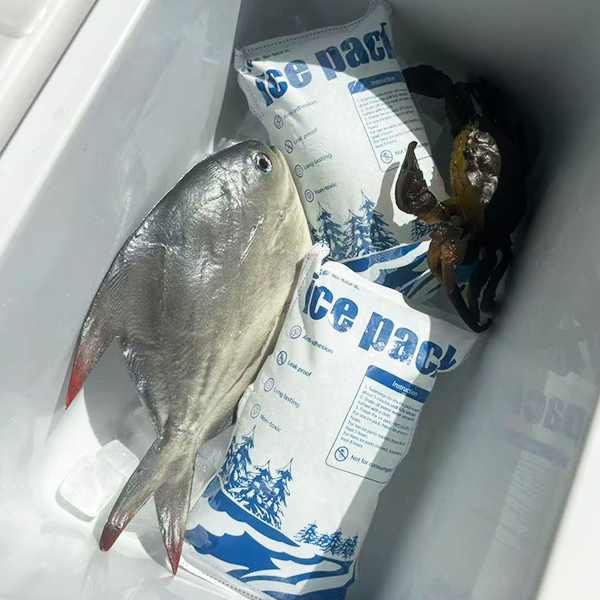
25 fornecedor de caixa de gelo para vacina de litro: Do volume adicionado ao uso de campo controlado
Um programa de compras defensável para 25 liter vaccine ice box supplier follows a sequence: definir o produto e a pista, converter o tamanho nominal em um mapa de carregamento, selecione o pacote completo, revisar evidências específicas de configuração, execute um piloto e bloqueie os controles de produção. Essa sequência foi projetada para usar o volume adicionado com cuidado para que a massa térmica, a ergonomia e o acesso permanecem controlados, mantendo a aquisição, qualidade, operações e finanças sobre os mesmos fatos.
A estrutura integrada abaixo trata cada reivindicação importante como condicional à exata 25 caixa de gelo para vacina de litro, refrigerante, carga útil, perfil ambiente e procedimento operacional. Também estabelece portas de mudança para que uma substituição de baixo custo ou revisão de produção não possa afastar silenciosamente o produto entregue das evidências usadas para aprovação.
Crie um requisito de remessa de uma página antes da revisão do fornecedor
Para cargas portáteis maiores de vacinas em formato nominal de vinte e cinco litros, o resumo dos requisitos deve indicar os limites do produto, exposição da rota, carga útil e a decisão de recebimento antes do 25 caixa de gelo de vacina de litro é comparada. Muitos programas de vacinas refrigeradas funcionam em torno de uma faixa de armazenamento de 2°C a 8°C, mas as condições aprovadas para a vacina específica e o mercado devem controlar a embalagem. Alguns produtos são especialmente sensíveis ao congelamento, portanto, adicionar mais líquido refrigerante congelado não é automaticamente mais seguro. Defina a faixa de temperatura aceitável, regras de excursão, sensibilidade de congelamento, orientação da carga útil e recebimento de decisão antes de pedir aos fornecedores que recomendem uma configuração. Sem esses limites, uma cotação só pode descrever hardware, não adequação.
Mapeie a rota como uma sequência de exposições em vez de um único tempo de trânsito. Incluir condicionamento e preparação antes do envio, atrasos no carregamento, entrega de veículo ou carga aérea, morada em armazém, alfândega, entrega na última milha e o tempo antes de o destinatário abrir o pacote. A duração máxima estimada deve incluir perturbações realistas, não só a transportadora's planned travel time. Designar um proprietário para aprovar o requisito antes do início do trabalho de design.
Para cargas portáteis maiores de vacinas em formato nominal de vinte e cinco litros, também registre dimensões de carga útil, massa térmica, fragilidade da embalagem primária, orientação necessária e o número de vezes que a tampa pode ser aberta. Registre o resultado no resumo de remessa usado para cargas portáteis maiores de vacinas em um formato nominal de vinte e cinco litros. O tamanho nominal de 25 litros não é a carga útil utilizável. Refrigerante, divisores, almofadas protetoras, espaço aéreo e um registrador de dados consomem volume, e a geometria restante pode ser mais importante do que os litros principais.
Use um formato de 25 litros somente após revisão de ajuste de rota
Um formato nominal de 25 litros pode ser conveniente para transporte manual, roteamento de veículos e prateleiras padronizadas, mas o rótulo não define o peso carregado ou a contagem da carga útil. Compare o cubo externo, posição da alça, centro de gravidade e comportamento de empilhamento com o pacote real. Uma caixa compacta com isolamento espesso pode conter menos produto; uma caixa de parede fina pode oferecer mais espaço, mas requer uma estratégia térmica diferente. Uma cavidade maior pode criar mais liberdade para organização, mas também pode aumentar o espaço vazio ou os gradientes térmicos quando a rota transporta uma carga parcial.
Torne o critério específico do tópico parte do registro de design e controle de mudanças. Construa pelo menos dois mapas de carregamento quando o programa tiver tamanhos de pedidos mistos. Uma configuração de carga parcial pode precisar de preenchimento de vazios controlado ou um arranjo de refrigeração diferente para que o produto não se mova e a resposta térmica permaneça representativa. Não deixe os operadores improvisarem adicionando pacotes aleatórios, papel ou caixas vazias.
Confirme como a tampa abre na área de trabalho real e se o usuário pode recuperar o item necessário sem descarregar a caixa inteira. Para rotas de campo ou multiponto, um simples organizador interno pode reduzir o tempo de abertura e lidar com erros, mas torna-se parte da configuração qualificada e deve ser controlado como qualquer outro componente. Converter o risco específico do tópico em um critério de aceitação mensurável para o 25 caixa de gelo para vacina de litro.
| Portão de aprovação | Decisão a tomar | Liberar evidências |
|---|---|---|
| Portão 1: requisitos | Produto aprovado, resumo de rota e carga útil para cargas portáteis maiores de vacinas em um formato nominal de vinte e cinco litros | Proprietário nomeado e entrada assinada |
| Portão 2: escolha de design | Intenção de produção 25 caixa de gelo para vacina de litro e embalagem completa | Desenho, lista de componentes e revisão de riscos |
| Portão 3: evidência | A configuração de teste corresponde à especificação comercial | Protocolo, dados e relatório |
| Portão 4: piloto | Operadores e receptores podem executar o processo | Registro de teste, desvios e ações |
| Portão 5: escalar | Os controles de produção e as regras de mudança permanecem conectados | Especificação de lançamento e revisão contínua |
Este caminho de aprovação integra decisões comerciais e técnicas para o 25 fornecedor de caixa de gelo para vacina de litro; a profundidade da comporta deve permanecer proporcional ao risco de embarque.
Aprovar carga utilizável, não o rótulo de 25 litros
Capacidade para o 25 caixa de gelo para vacina de um litro deve ser aprovada a partir de um mapa de carregamento físico, não apenas do volume do catálogo. O tamanho nominal de 25 litros normalmente descreve um envelope interno bruto ou classe de marketing, não o espaço disponível para o produto após a construção de um pacote funcional. Peça comprimento interno, largura e altura nos pontos utilizáveis mais estreitos, incluindo intrusões na tampa, paredes cônicas, poços de roda, alças ou divisórias. Em seguida, crie um mapa de carga em escala com os pacotes primários reais e o refrigerante.
A capacidade utilizável tem uma dimensão térmica. Substituir o produto por ar vazio altera a capacidade de calor e o movimento do ar; a embalagem excessiva pode bloquear a exposição pretendida ao líquido refrigerante ou esmagar a embalagem primária. A carga útil de teste representativa deve corresponder à remessa de produção em geometria, massa e condição inicial tão próximas quanto possível. Uma garrafa de água ou um bloco de metal pode ser conveniente, mas não deve ser tratado como equivalente sem justificativa. Liberar o mapa de carregamento como parte controlada da especificação comercial.
Para uso em campo de vacinas, o peso carregado e o acesso são tão importantes quanto o volume. Mantenha o desenho de carga aprovado com o 25 especificação de caixa de gelo para vacina de litro. A equipe pode carregar a caixa, abra-o repetidamente, retire pequenas quantidades e devolva a tampa sob pressão do tempo. Uma caixa nominal maior pode aumentar a massa do líquido refrigerante e a carga de manuseio. Avalie a unidade totalmente carregada, sequência de abertura, organização de frasco ou caixa, barreira anticongelante e capacidade de ler rótulos sem deixar a tampa aberta por mais tempo do que o necessário.
Construa uma cadeia de evidências desde o projeto até o envio de rotina
Evidência para o 25 A caixa de gelo para vacina de um litro só faz sentido quando a revisão testada e a configuração comercial são as mesmas. Um relatório térmico útil identifica a revisão exata da caixa, método de refrigeração e condicionamento, carga útil ou simulador, localizações dos sensores, perfil ambiente, duração do teste, faixa de aceitação e resultado. Sem esses detalhes, um tempo de espera declarado não pode ser comparado de forma justa. Pergunte se o relatório representa um teste de design, um teste de qualificação, uma verificação de campo ou uma demonstração de marketing; cada um suporta um nível diferente de confiança.
Perfis térmicos padrão podem apoiar a comparação laboratorial, mas não reproduzem automaticamente as piores condições numa faixa específica. Permanência na rota, atrasos alfandegários, a exposição sazonal e as práticas de transferência ainda precisam de revisão, e programas de alto risco podem exigir qualificação específica para faixa. ISTA 7E can support testing and comparison of insulated shipping containers, enquanto uso com Padrão 20 adiciona uma estrutura definida de qualificação e documentação. Ainda é necessário decidir se um perfil de parcela padrão se ajusta ao modo e ao risco reais. Conecte o relatório de teste aos desenhos, identidades de componentes e controles de compra.
Os programas de vacinação devem alinhar as instruções de transporte com as orientações atuais do produto, requisitos da autoridade de saúde local e o programa de imunização responsável. Vincular o relatório, dados brutos e mapa de sensores para o exato 25 revisão da caixa de gelo para vacina de litro. Monitoramento de temperatura, o manuseio de excursões e os procedimentos de embalagem documentados fazem parte do sistema operacional, decorações não opcionais. O equipamento de monitoramento de temperatura deve ser apropriado para a decisão que está sendo tomada, maintained and calibrated under the organization's quality system. O arquivo de dados, base de tempo, identidade do sensor, os limites de alarme e o registro de revisão devem ser mantidos quando o valor da remessa ou o contexto regulatório exigirem evidências.
Fornecedores selecionados com uma análise de evidências pontuada
A avaliação do fornecedor deve esclarecer o que é fornecido, what is only recommended and what remains the buyer's qualification responsibility. Um fornecedor capaz deve solicitar detalhes da rota e da carga útil antes de prometer desempenho. Suporte útil pode incluir desenhos, descrições de materiais, listas de componentes, sugestões de pacotes de amostra, explicações sobre condições de teste, especificações de produção e comunicação de controle de mudanças. O escopo exato varia, portanto, o comprador deve definir quais entregas são necessárias, em vez de presumir que todos os fornecedores fornecem o mesmo serviço de engenharia.
Peça ao fornecedor para distinguir fatos verificados de recomendações. Um desenho dimensional pode ser verificado diretamente. Uma reivindicação térmica precisa da carga útil, configuração de refrigerante, método de condicionamento, localizações dos sensores, perfil ambiente, limites de aceitação e relatório de teste. A statement such as 'grau farmacêutico' is not enough unless it is tied to a defined material, candidatura e documento comprovativo. Aprovar o fornecedor com base nas evidências do produto e na comunicação contínua de mudanças.
A questão mais reveladora é muitas vezes o que levaria o fornecedor a rejeitar a sua própria recomendação. Escreva o limite de suporte acordado na solicitação de cotação e no registro de aprovação do fornecedor. Respostas confiáveis podem incluir uma rota indefinida, carga útil excessiva, pré-condicionamento inadequado, contato direto com refrigerante congelado, uma duração necessária além da evidência disponível, ou um produto químico de limpeza incompatível com o material. Limites mostram julgamento técnico; reivindicações de adequação universal escondem isso.
Passe da amostra para a produção de rotina controlada
Comece com uma amostra representativa, não é uma unidade de showroom. O uso rotineiro do 25 caixa de gelo para vacina de litro depende do condicionamento, conjunto, entregar, etapas de recebimento e inspeção que os operadores podem repetir. Verifique as dimensões, alinhamento da tampa, força de travamento, contato da junta, defeitos superficiais, odor, acesso de limpeza, drenagem se presente, adesão da etiqueta e ajuste de cada componente da embalagem. Carregue a carga real ou um equivalente justificado, então execute o condicionamento planejado, processo de embalagem e acompanhamento junto aos operadores que irão utilizá-lo.
A instrução de trabalho deve definir o condicionamento do líquido refrigerante, condicionamento da caixa quando necessário, ordem de carregamento, posição do separador, localização do sensor, verificações de fechamento, posicionamento da etiqueta, entregar, recebendo inspeção e escalonamento de desvio. Use fotografias ou diagramas onde eles reduzam a ambiguidade. O treinamento deve incluir montagens erradas comuns para que a equipe possa reconhecê-las, não apenas a sequência correta. Feche o ciclo de aprovação com treinamento de operadores e recebimento de feedback.
Torne o procedimento prático para quem embala, carregar, limpe e receba a caixa. Ao receber, inspecionar a condição física antes de abrir, capturar status do registrador, verifique o selo ou o indicador de violação, se usado, e registre permanência ou danos incomuns. Uma excursão de temperatura é uma decisão de qualidade, não é uma razão para o operador do armazém adivinhar. As regras de quarentena e escalonamento devem identificar quem analisa os dados, informações do produto e histórico de remessa.
Construir um modelo de custos que a qualidade e o financiamento possam compartilhar
O modelo de custo para o 25 A caixa de gelo para vacina de um litro deve separar o trabalho de projeto único da embalagem recorrente e das despesas operacionais. O custo comercial inclui mais do que a caixa vazia. Elementos recorrentes podem incluir refrigerante, separadores, forros, rótulos, registradores de dados, caixas externas, paletização, limpeza, inspeção, transporte de retorno, armazenamento e substituição. Os custos únicos ou de projeto podem incluir trabalho de design, ferramentas, amostras, desenhos, moldes, dispositivos de teste, estudos térmicos, documentação de qualidade e execuções de qualificação. Peça ao fornecedor para separar essas categorias.
Uma caixa de preço mais baixo pode criar um custo de programa mais alto quando usa mais refrigerante, reduz a carga útil, chega de forma inconsistente, quebra durante o manuseio ou requer mais tempo do operador. Por outro lado, uma construção de custo mais elevado não é automaticamente melhor se o percurso for curto, unidirecional e de baixo risco. Compare opções com a mesma carga útil, perfil ambiente, ciclo de manuseio e critérios de aceitação. Use barreiras de custo para que mudanças comerciais tardias não invalidem o trabalho técnico.
Para programas reutilizáveis, calcular o custo por concluído, remessa aceitável em vez de custo por caixa. Normalize as cotações antes de comparar o valor total do 25 caixa de gelo para vacina de litro. Incluir taxa de retorno, perda, trabalho de limpeza, inspeção, reparar, armazenar, reposicionamento e aposentadoria. As reivindicações de sustentabilidade devem usar o mesmo limite do sistema. Um contêiner durável que raramente é devolvido ou transportado de forma ineficiente pode não proporcionar o benefício financeiro ou ambiental esperado.
Perguntas frequentes
Quais são as principais portas de aprovação para 25 fornecimento de fornecedor de caixa de gelo para vacina de litro?
Use portões separados para requisitos de produto e rota, seleção de projeto, revisão de evidências, execução piloto e liberação de produção. Cada portão deve identificar o proprietário, exato 25 configuração de caixa de gelo para vacina de litro, registro necessário e risco não resolvido. Isto evita que o progresso comercial avance mais rapidamente do que a aprovação técnica.
Como o pacote testado pode permanecer conectado ao adquirido 25 caixa de gelo para vacinas de um litro para cargas portáteis maiores de vacinas em um formato nominal de vinte e cinco litros?
Vincule o relatório de teste a desenhos controlados por revisão, lista de materiais, especificação de fonte fria, mapa de carregamento e controles de produção para o 25 caixa de gelo para vacina de litro. Pedidos de compra e planos de inspeção para cargas portáteis maiores de vacinas no formato nominal de vinte e cinco litros devem fazer referência à mesma configuração. Qualquer substituição ou alteração de processo deve ser avaliada antes da aceitação.
O que um piloto deve demonstrar antes da expansão?
O piloto deve mostrar que os operadores podem condicionar os componentes, montar o pacote, carregar a carga útil, coloque o registrador, feche a caixa, gerenciar transferências e concluir a revisão de recebimento para cargas portáteis maiores de vacinas em um formato nominal de vinte e cinco litros. Registre desvios e converta lições em instruções controladas antes da produção de rotina.
Como deve ser aprovado o mapa de carregamento de uma caixa de 25 litros?
Mostre a orientação exata do produto, fontes frias, separadores, peças de controle de vazio e posição do sensor, usando a intenção de produção 25 caixa de gelo para vacina de litro. Vincule o desenho à lista de materiais e ao relatório de teste. Mudanças que alteram a massa da carga útil, espaçamento ou contato com fonte fria devem passar por análise de risco antes do uso rotineiro.
Qual é a decisão comercial final para o 25 caixa de gelo para vacina de litro após aprovação técnica?
Normalizar a configuração, escopo do serviço, evidência, base de embalagem e entrega, então compare o valor total do programa. Selecione o fornecedor que pode fornecer o aprovado 25 caixa de gelo para vacina de litro consistentemente, comunicar mudanças e apoiar o modelo operacional sem estender as reivindicações além das evidências disponíveis.
Conclusão
O caminho de aprovação integrado para 25 fornecedor de caixa de gelo para vacina de litro é sequencial: definir limites de produtos e rotas, construir o mapa de carregamento, escolha o pacote completo, revisar evidências, executar um piloto, bloquear controles de produção e monitorar o uso rotineiro. Cada portão deve preservar a ligação entre especificação comercial e desempenho técnico.
Trate todas as reivindicações importantes como específicas da configuração e cada material, processo, carga útil ou mudança de rota como motivo para revisar o risco. Essa disciplina faz com que 25 caixa de gelo para vacina de litro mais fácil de treinar, auditoria, dimensionar e melhorar sem depender de reivindicações universais não suportadas.
Sobre Tempk
O Tempk ajuda os compradores a passar de um resumo de rota e carga útil para um mais preciso 25 amostra de caixa de gelo de vacina de litro e especificação comercial. Its product scope includes medical ice boxes, Formatos de refrigeradores EPP e VIP, fontes frias de gel e mudança de fase, insulated bags and liners, e proteção térmica em nível de palete. A discussão útil começa com a condição alvo, geometria da carga útil, rota, Método de embalagem, modelo de limpeza ou devolução e as evidências exigidas antes da expansão. Por esta 25 projeto de fornecedor de caixa de gelo para vacina de litro, any final recommendation should still be confirmed against the customer's product limits, condições de teste e processo de qualidade.
Envie para Tempk o 25 mapa de carregamento da caixa de gelo para vacinas de litro, suposições de rota e documentos necessários para construir uma revisão mais precisa da amostra até a produção.
20 fabricante de caixa de gelo para vacina de litro: Da etiqueta de capacidade ao sistema pronto para uso em campo
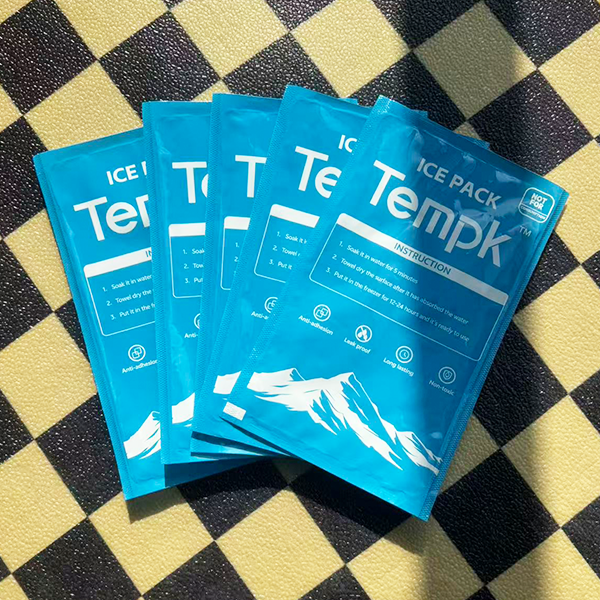
20 fabricante de caixa de gelo para vacina de litro: Da etiqueta de capacidade ao sistema pronto para uso em campo
Um programa de compras defensável para 20 liter vaccine ice box manufacturer follows a sequence: definir o produto e a pista, converter o tamanho nominal em um mapa de carregamento, selecione o pacote completo, revisar evidências específicas de configuração, execute um piloto e bloqueie os controles de produção. Essa sequência é projetada para equilibrar a carga útil, peso carregado, frequência de abertura e prevenção de congelamento, mantendo a aquisição, qualidade, operações e finanças sobre os mesmos fatos.
A estrutura integrada abaixo trata cada reivindicação importante como condicional à exata 20 caixa de gelo para vacina de litro, refrigerante, carga útil, perfil ambiente e procedimento operacional. Também estabelece portas de mudança para que uma substituição de baixo custo ou revisão de produção não possa afastar silenciosamente o produto entregue das evidências usadas para aprovação.
Crie um requisito de remessa de uma página antes da revisão do fornecedor
Muitos programas de vacinas refrigeradas funcionam em torno de uma faixa de armazenamento de 2°C a 8°C, mas as condições aprovadas para a vacina específica e o mercado devem controlar a embalagem. Para distribuição portátil de vacinas em formato nominal de vinte litros, o resumo dos requisitos deve indicar os limites do produto, exposição da rota, carga útil e a decisão de recebimento antes do 20 caixa de gelo de vacina de litro é comparada. Alguns produtos são especialmente sensíveis ao congelamento, portanto, adicionar mais líquido refrigerante congelado não é automaticamente mais seguro. Defina a faixa de temperatura aceitável, regras de excursão, sensibilidade de congelamento, orientação da carga útil e recebimento de decisão antes de pedir aos fornecedores que recomendem uma configuração. Sem esses limites, uma cotação só pode descrever hardware, não adequação.
Mapeie a rota como uma sequência de exposições em vez de um único tempo de trânsito. Incluir condicionamento e preparação antes do envio, atrasos no carregamento, entrega de veículo ou carga aérea, morada em armazém, alfândega, entrega na última milha e o tempo antes de o destinatário abrir o pacote. A duração máxima estimada deve incluir perturbações realistas, não só a transportadora's planned travel time. Designar um proprietário para aprovar o requisito antes do início do trabalho de design.
Registre o resultado no resumo de remessa usado para distribuição portátil de vacinas em formato nominal de vinte litros. Para distribuição portátil de vacinas em formato nominal de vinte litros, também registre dimensões de carga útil, massa térmica, fragilidade da embalagem primária, orientação necessária e o número de vezes que a tampa pode ser aberta. O tamanho nominal de 20 litros não é a carga útil utilizável. Refrigerante, divisores, almofadas protetoras, espaço aéreo e um registrador de dados consomem volume, e a geometria restante pode ser mais importante do que os litros principais.
Aprovar carga utilizável, não o rótulo de 20 litros
O tamanho nominal de 20 litros normalmente descreve um envelope interno bruto ou classe de marketing, não o espaço disponível para o produto após a construção de um pacote funcional. Capacidade para o 20 caixa de gelo para vacina de um litro deve ser aprovada a partir de um mapa de carregamento físico, não apenas do volume do catálogo. Peça comprimento interno, largura e altura nos pontos utilizáveis mais estreitos, incluindo intrusões na tampa, paredes cônicas, poços de roda, alças ou divisórias. Em seguida, crie um mapa de carga em escala com os pacotes primários reais e o refrigerante.
A capacidade utilizável tem uma dimensão térmica. Substituir o produto por ar vazio altera a capacidade de calor e o movimento do ar; a embalagem excessiva pode bloquear a exposição pretendida ao líquido refrigerante ou esmagar a embalagem primária. A carga útil de teste representativa deve corresponder à remessa de produção em geometria, massa e condição inicial tão próximas quanto possível. Uma garrafa de água ou um bloco de metal pode ser conveniente, mas não deve ser tratado como equivalente sem justificativa. Liberar o mapa de carregamento como parte controlada da especificação comercial.
Mantenha o desenho de carga aprovado com o 20 especificação de caixa de gelo para vacina de litro. Para uso em campo de vacinas, o peso carregado e o acesso são tão importantes quanto o volume. A equipe pode carregar a caixa, abra-o repetidamente, retire pequenas quantidades e devolva a tampa sob pressão do tempo. Uma caixa nominal maior pode aumentar a massa do líquido refrigerante e a carga de manuseio. Avalie a unidade totalmente carregada, sequência de abertura, organização de frasco ou caixa, barreira anticongelante e capacidade de ler rótulos sem deixar a tampa aberta por mais tempo do que o necessário.
Use um formato de 20 litros somente após revisão de ajuste de rota
Um formato nominal de 20 litros pode ser conveniente para transporte manual, roteamento de veículos e prateleiras padronizadas, mas o rótulo não define o peso carregado ou a contagem da carga útil. Compare o cubo externo, posição da alça, centro de gravidade e comportamento de empilhamento com o pacote real. Uma caixa compacta com isolamento espesso pode conter menos produto; uma caixa de parede fina pode oferecer mais espaço, mas requer uma estratégia térmica diferente. As embalagens compactas de vacinas são sensíveis ao contato direto com o frio e ao carregamento parcial; barreiras, a organização do refrigerante condicionado e da carga útil precisa permanecer consistente com a configuração avaliada.
Construa pelo menos dois mapas de carregamento quando o programa tiver tamanhos de pedidos mistos. Torne o critério específico do tópico parte do registro de design e controle de mudanças. Uma configuração de carga parcial pode precisar de preenchimento de vazios controlado ou um arranjo de refrigeração diferente para que o produto não se mova e a resposta térmica permaneça representativa. Não deixe os operadores improvisarem adicionando pacotes aleatórios, papel ou caixas vazias.
Confirme como a tampa abre na área de trabalho real e se o usuário pode recuperar o item necessário sem descarregar a caixa inteira. Para rotas de campo ou multiponto, um simples organizador interno pode reduzir o tempo de abertura e lidar com erros, mas torna-se parte da configuração qualificada e deve ser controlado como qualquer outro componente. Converter o risco específico do tópico em um critério de aceitação mensurável para o 20 caixa de gelo para vacina de litro.
Uma escada prática de evidências de fornecedores
Um fabricante capaz deve solicitar detalhes de rota e carga útil antes de prometer desempenho. A revisão do fabricante deve esclarecer o que é fornecido, what is only recommended and what remains the buyer's qualification responsibility. Suporte útil pode incluir desenhos, descrições de materiais, listas de componentes, sugestões de pacotes de amostra, explicações sobre condições de teste, especificações de produção e comunicação de controle de mudanças. O escopo exato varia, portanto, o comprador deve definir quais entregas são necessárias, em vez de presumir que todos os fabricantes fornecem o mesmo serviço de engenharia.
Peça ao fornecedor para distinguir fatos verificados de recomendações. Um desenho dimensional pode ser verificado diretamente. Uma reivindicação térmica precisa da carga útil, configuração de refrigerante, método de condicionamento, localizações dos sensores, perfil ambiente, limites de aceitação e relatório de teste. A statement such as 'grau farmacêutico' is not enough unless it is tied to a defined material, candidatura e documento comprovativo. Aprovar o fornecedor com base nas evidências do produto e na comunicação contínua de mudanças.
Escreva o limite de suporte acordado na solicitação de cotação e no registro de aprovação do fornecedor. A questão mais reveladora é muitas vezes o que levaria o fornecedor a rejeitar a sua própria recomendação. Respostas confiáveis podem incluir uma rota indefinida, carga útil excessiva, pré-condicionamento inadequado, contato direto com refrigerante congelado, uma duração necessária além da evidência disponível, ou um produto químico de limpeza incompatível com o material. Limites mostram julgamento técnico; reivindicações de adequação universal escondem isso.
Vincule as condições de teste às especificações comerciais
Um relatório térmico útil identifica a revisão exata da caixa, método de refrigeração e condicionamento, carga útil ou simulador, localizações dos sensores, perfil ambiente, duração do teste, faixa de aceitação e resultado. Evidência para o 20 A caixa de gelo para vacina de um litro só faz sentido quando a revisão testada e a configuração comercial são as mesmas. Sem esses detalhes, um tempo de espera declarado não pode ser comparado de forma justa. Pergunte se o relatório representa um teste de design, um teste de qualificação, uma verificação de campo ou uma demonstração de marketing; cada um suporta um nível diferente de confiança.
Perfis térmicos padrão podem apoiar a comparação laboratorial, mas não reproduzem automaticamente as piores condições numa faixa específica. Permanência na rota, atrasos alfandegários, a exposição sazonal e as práticas de transferência ainda precisam de revisão, e programas de alto risco podem exigir qualificação específica para faixa. ISTA 7E can support testing and comparison of insulated shipping containers, enquanto uso com Padrão 20 adiciona uma estrutura definida de qualificação e documentação. Ainda é necessário decidir se um perfil de parcela padrão se ajusta ao modo e ao risco reais. Conecte o relatório de teste aos desenhos, identidades de componentes e controles de compra.
Vincular o relatório, dados brutos e mapa de sensores para o exato 20 revisão da caixa de gelo para vacina de litro. Os programas de vacinação devem alinhar as instruções de transporte com as orientações atuais do produto, requisitos da autoridade de saúde local e o programa de imunização responsável. Monitoramento de temperatura, o manuseio de excursões e os procedimentos de embalagem documentados fazem parte do sistema operacional, decorações não opcionais. O equipamento de monitoramento de temperatura deve ser apropriado para a decisão que está sendo tomada, maintained and calibrated under the organization's quality system. O arquivo de dados, base de tempo, identidade do sensor, os limites de alarme e o registro de revisão devem ser mantidos quando o valor da remessa ou o contexto regulatório exigirem evidências.
| Portão de aprovação | Decisão a tomar | Liberar evidências |
|---|---|---|
| Portão 1: requisitos | Produto aprovado, resumo de rota e carga útil para distribuição portátil de vacinas em formato nominal de vinte litros | Proprietário nomeado e entrada assinada |
| Portão 2: escolha de design | Intenção de produção 20 caixa de gelo para vacina de litro e embalagem completa | Desenho, lista de componentes e revisão de riscos |
| Portão 3: evidência | A configuração de teste corresponde à especificação comercial | Protocolo, dados e relatório |
| Portão 4: piloto | Operadores e receptores podem executar o processo | Registro de teste, desvios e ações |
| Portão 5: escalar | Os controles de produção e as regras de mudança permanecem conectados | Especificação de lançamento e revisão contínua |
Este caminho de aprovação integra decisões comerciais e técnicas para o 20 fabricante de caixa de gelo para vacina de litro; a profundidade da comporta deve permanecer proporcional ao risco de embarque.
Conecte os controles do fornecedor aos controles do operador
O uso rotineiro do 20 caixa de gelo para vacina de litro depende do condicionamento, conjunto, entregar, etapas de recebimento e inspeção que os operadores podem repetir. Comece com uma amostra representativa, não é uma unidade de showroom. Verifique as dimensões, alinhamento da tampa, força de travamento, contato da junta, defeitos superficiais, odor, acesso de limpeza, drenagem se presente, adesão da etiqueta e ajuste de cada componente da embalagem. Carregue a carga real ou um equivalente justificado, então execute o condicionamento planejado, processo de embalagem e acompanhamento junto aos operadores que irão utilizá-lo.
A instrução de trabalho deve definir o condicionamento do líquido refrigerante, condicionamento da caixa quando necessário, ordem de carregamento, posição do separador, localização do sensor, verificações de fechamento, posicionamento da etiqueta, entregar, recebendo inspeção e escalonamento de desvio. Use fotografias ou diagramas onde eles reduzam a ambiguidade. O treinamento deve incluir montagens erradas comuns para que a equipe possa reconhecê-las, não apenas a sequência correta. Feche o ciclo de aprovação com treinamento de operadores e recebimento de feedback.
Ao receber, inspecionar a condição física antes de abrir, capturar status do registrador, verifique o selo ou o indicador de violação, se usado, e registre permanência ou danos incomuns. Torne o procedimento prático para quem embala, carregar, limpe e receba a caixa. Uma excursão de temperatura é uma decisão de qualidade, não é uma razão para o operador do armazém adivinhar. As regras de quarentena e escalonamento devem identificar quem analisa os dados, informações do produto e histórico de remessa.
Aprove valor por meio de uma visão total do programa
O custo comercial inclui mais do que a caixa vazia. O modelo de custo para o 20 A caixa de gelo para vacina de um litro deve separar o trabalho de projeto único da embalagem recorrente e das despesas operacionais. Elementos recorrentes podem incluir refrigerante, separadores, forros, rótulos, registradores de dados, caixas externas, paletização, limpeza, inspeção, transporte de retorno, armazenamento e substituição. Os custos únicos ou de projeto podem incluir trabalho de design, ferramentas, amostras, desenhos, moldes, dispositivos de teste, estudos térmicos, documentação de qualidade e execuções de qualificação. Peça ao fornecedor para separar essas categorias.
Uma caixa de preço mais baixo pode criar um custo de programa mais alto quando usa mais refrigerante, reduz a carga útil, chega de forma inconsistente, quebra durante o manuseio ou requer mais tempo do operador. Por outro lado, uma construção de custo mais elevado não é automaticamente melhor se o percurso for curto, unidirecional e de baixo risco. Compare opções com a mesma carga útil, perfil ambiente, ciclo de manuseio e critérios de aceitação. Use barreiras de custo para que mudanças comerciais tardias não invalidem o trabalho técnico.
Normalize as cotações antes de comparar o valor total do 20 caixa de gelo para vacina de litro. Para programas reutilizáveis, calcular o custo por concluído, remessa aceitável em vez de custo por caixa. Incluir taxa de retorno, perda, trabalho de limpeza, inspeção, reparar, armazenar, reposicionamento e aposentadoria. As reivindicações de sustentabilidade devem usar o mesmo limite do sistema. Um contêiner durável que raramente é devolvido ou transportado de forma ineficiente pode não proporcionar o benefício financeiro ou ambiental esperado.
Perguntas frequentes
Quais são as principais portas de aprovação para 20 fornecimento de fabricante de caixa de gelo para vacina de litro?
Use portões separados para requisitos de produto e rota, seleção de projeto, revisão de evidências, execução piloto e liberação de produção. Cada portão deve identificar o proprietário, exato 20 configuração de caixa de gelo para vacina de litro, registro necessário e risco não resolvido. Isto evita que o progresso comercial avance mais rapidamente do que a aprovação técnica.
Como o pacote testado pode permanecer conectado ao adquirido 20 caixa de gelo para vacinas de um litro para distribuição portátil de vacinas em um formato nominal de vinte litros?
Vincule o relatório de teste a desenhos controlados por revisão, lista de materiais, especificação de fonte fria, mapa de carregamento e controles de produção para o 20 caixa de gelo para vacina de litro. Pedidos de compra e planos de inspeção para distribuição portátil de vacinas no formato nominal de vinte litros devem fazer referência à mesma configuração. Qualquer substituição ou alteração de processo deve ser avaliada antes da aceitação.
O que um piloto deve demonstrar antes da expansão?
O piloto deve mostrar que os operadores podem condicionar os componentes, montar o pacote, carregar a carga útil, coloque o registrador, feche a caixa, gerenciar transferências e concluir a revisão de recebimento para distribuição portátil de vacinas em formato nominal de vinte litros. Registre desvios e converta lições em instruções controladas antes da produção de rotina.
Como deve ser aprovado o mapa de carregamento de uma caixa de 20 litros?
Mostre a orientação exata do produto, fontes frias, separadores, peças de controle de vazio e posição do sensor, usando a intenção de produção 20 caixa de gelo para vacina de litro. Vincule o desenho à lista de materiais e ao relatório de teste. Mudanças que alteram a massa da carga útil, espaçamento ou contato com fonte fria devem passar por análise de risco antes do uso rotineiro.
Qual é a decisão comercial final para o 20 caixa de gelo para vacina de litro após aprovação técnica?
Normalizar a configuração, escopo do serviço, evidência, base de embalagem e entrega, então compare o valor total do programa. Selecione o fabricante que pode fornecer o aprovado 20 caixa de gelo para vacina de litro consistentemente, comunicar mudanças e apoiar o modelo operacional sem estender as reivindicações além das evidências disponíveis.
Conclusão
O caminho de aprovação integrado para 20 fabricante de caixa de gelo para vacina de litro é sequencial: definir limites de produtos e rotas, construir o mapa de carregamento, escolha o pacote completo, revisar evidências, executar um piloto, bloquear controles de produção e monitorar o uso rotineiro. Cada portão deve preservar a ligação entre especificação comercial e desempenho técnico.
Trate todas as reivindicações importantes como específicas da configuração e cada material, processo, carga útil ou mudança de rota como motivo para revisar o risco. Essa disciplina faz com que 20 caixa de gelo para vacina de litro mais fácil de treinar, auditoria, dimensionar e melhorar sem depender de reivindicações universais não suportadas.
Sobre Tempk
O Tempk ajuda os compradores a passar de um resumo de rota e carga útil para um mais preciso 20 amostra de caixa de gelo de vacina de litro e especificação comercial. Its product scope includes medical ice boxes, Formatos de refrigeradores EPP e VIP, fontes frias de gel e mudança de fase, insulated bags and liners, e proteção térmica em nível de palete. A discussão útil começa com a condição alvo, geometria da carga útil, rota, Método de embalagem, modelo de limpeza ou devolução e as evidências exigidas antes da expansão. Por esta 20 projeto de fabricante de caixa de gelo para vacina de litro, any final recommendation should still be confirmed against the customer's product limits, condições de teste e processo de qualidade.
Envie para Tempk o 20 mapa de carregamento da caixa de gelo para vacinas de litro, suposições de rota e documentos necessários para construir uma revisão mais precisa da amostra até a produção.
20 fabricante de caixa de gelo farmacêutica de litro: Do tamanho da caixa ao sistema de remessa qualificado
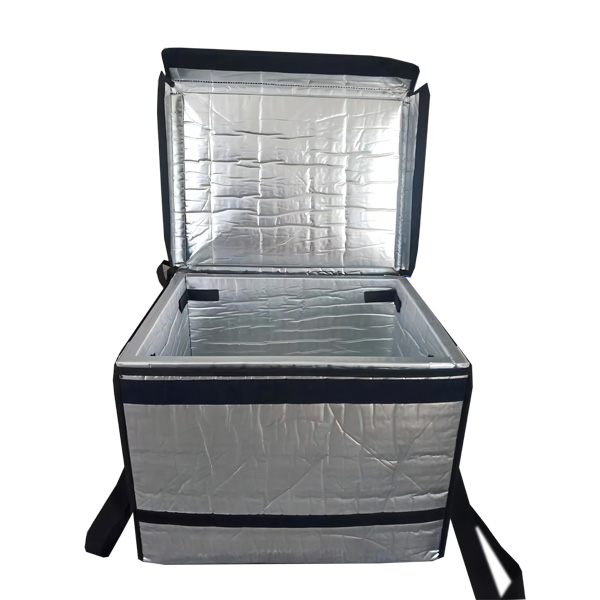
20 fabricante de caixa de gelo farmacêutica de litro: Do tamanho da caixa ao sistema de remessa qualificado
Um programa de compras defensável para 20 liter pharmaceutical ice box manufacturer follows a sequence: definir o produto e a pista, converter o tamanho nominal em um mapa de carregamento, selecione o pacote completo, revisar evidências específicas de configuração, execute um piloto e bloqueie os controles de produção. That sequence is designed to translate a twenty-liter label into a qualified loading map and repeatable SOP while keeping procurement, qualidade, operações e finanças sobre os mesmos fatos.
A estrutura integrada abaixo trata cada reivindicação importante como condicional à exata 20 caixa de gelo farmacêutica de litro, refrigerante, carga útil, perfil ambiente e procedimento operacional. Também estabelece portas de mudança para que uma substituição de baixo custo ou revisão de produção não possa afastar silenciosamente o produto entregue das evidências usadas para aprovação.
Use um formato de 20 litros somente após revisão de ajuste de rota
The usable cavity, massa térmica da carga útil, estado do refrigerante, separators and sensor location should be mapped as one configuration because compact systems react strongly to small packing changes. Um formato nominal de 20 litros pode ser conveniente para transporte manual, roteamento de veículos e prateleiras padronizadas, mas o rótulo não define o peso carregado ou a contagem da carga útil. Compare o cubo externo, posição da alça, centro de gravidade e comportamento de empilhamento com o pacote real. Uma caixa compacta com isolamento espesso pode conter menos produto; uma caixa de parede fina pode oferecer mais espaço, mas requer uma estratégia térmica diferente.
Construa pelo menos dois mapas de carregamento quando o programa tiver tamanhos de pedidos mistos. Uma configuração de carga parcial pode precisar de preenchimento de vazios controlado ou um arranjo de refrigeração diferente para que o produto não se mova e a resposta térmica permaneça representativa. Não deixe os operadores improvisarem adicionando pacotes aleatórios, papel ou caixas vazias. Torne o critério específico do tópico parte do registro de design e controle de mudanças.
Confirme como a tampa abre na área de trabalho real e se o usuário pode recuperar o item necessário sem descarregar a caixa inteira. Converter o risco específico do tópico em um critério de aceitação mensurável para o 20 caixa de gelo farmacêutica de litro. Para rotas de campo ou multiponto, um simples organizador interno pode reduzir o tempo de abertura e lidar com erros, mas torna-se parte da configuração qualificada e deve ser controlado como qualquer outro componente.
Crie um requisito de remessa de uma página antes da revisão do fornecedor
Os produtos farmacêuticos não compartilham uma temperatura universal de envio. Uma faixa refrigerada de 2°C a 8°C é comum para alguns produtos, enquanto outros podem exigir temperatura ambiente controlada, congelado, condições ultracongeladas ou específicas do produto. O rótulo, as informações do produto aprovado e a equipe de qualidade devem definir a meta antes da embalagem ser selecionada. Defina a faixa de temperatura aceitável, regras de excursão, sensibilidade de congelamento, orientação da carga útil e recebimento de decisão antes de pedir aos fornecedores que recomendem uma configuração. Sem esses limites, uma cotação só pode descrever hardware, não adequação. For compact medicine, biológico, diagnostic and sample shipments, o resumo dos requisitos deve indicar os limites do produto, exposição da rota, carga útil e a decisão de recebimento antes do 20 liter pharmaceutical ice box is compared.
Mapeie a rota como uma sequência de exposições em vez de um único tempo de trânsito. Designar um proprietário para aprovar o requisito antes do início do trabalho de design. Incluir condicionamento e preparação antes do envio, atrasos no carregamento, entrega de veículo ou carga aérea, morada em armazém, alfândega, entrega na última milha e o tempo antes de o destinatário abrir o pacote. A duração máxima estimada deve incluir perturbações realistas, não só a transportadora's planned travel time.
For compact medicine, biológico, diagnostic and sample shipments, também registre dimensões de carga útil, massa térmica, fragilidade da embalagem primária, orientação necessária e o número de vezes que a tampa pode ser aberta. O tamanho nominal de 20 litros não é a carga útil utilizável. Refrigerante, divisores, almofadas protetoras, espaço aéreo e um registrador de dados consomem volume, e a geometria restante pode ser mais importante do que os litros principais. Record the result in the shipment brief used for compact medicine, biológico, diagnostic and sample shipments.
Aprovar carga utilizável, não o rótulo de 20 litros
O tamanho nominal de 20 litros normalmente descreve um envelope interno bruto ou classe de marketing, não o espaço disponível para o produto após a construção de um pacote funcional. Peça comprimento interno, largura e altura nos pontos utilizáveis mais estreitos, incluindo intrusões na tampa, paredes cônicas, poços de roda, alças ou divisórias. Em seguida, crie um mapa de carga em escala com os pacotes primários reais e o refrigerante. Capacidade para o 20 liter pharmaceutical ice box should be approved from a physical loading map, não apenas do volume do catálogo.
A capacidade utilizável tem uma dimensão térmica. Liberar o mapa de carregamento como parte controlada da especificação comercial. Substituir o produto por ar vazio altera a capacidade de calor e o movimento do ar; a embalagem excessiva pode bloquear a exposição pretendida ao líquido refrigerante ou esmagar a embalagem primária. A carga útil de teste representativa deve corresponder à remessa de produção em geometria, massa e condição inicial tão próximas quanto possível. Uma garrafa de água ou um bloco de metal pode ser conveniente, mas não deve ser tratado como equivalente sem justificativa.
Para distribuição comercial, confirme se a carga útil é uma montagem grande, várias caixas ou um pedido misto. Divisores, recursos de orientação e visibilidade da etiqueta podem melhorar o manuseio, mas reduzir a capacidade. O desenho aprovado deve mostrar o que pode mudar e o que está fixo, porque uma pequena mudança na posição do líquido refrigerante ou da carga útil pode afetar os resultados e a repetibilidade do sensor. Mantenha o desenho de carga aprovado com o 20 liter pharmaceutical ice box specification.
Crie um pacote de lançamento defensável
Um relatório térmico útil identifica a revisão exata da caixa, método de refrigeração e condicionamento, carga útil ou simulador, localizações dos sensores, perfil ambiente, duração do teste, faixa de aceitação e resultado. Sem esses detalhes, um tempo de espera declarado não pode ser comparado de forma justa. Pergunte se o relatório representa um teste de design, um teste de qualificação, uma verificação de campo ou uma demonstração de marketing; cada um suporta um nível diferente de confiança. Evidência para o 20 liter pharmaceutical ice box is meaningful only when the tested revision and the commercial configuration are the same.
Perfis térmicos padrão podem apoiar a comparação laboratorial, mas não reproduzem automaticamente as piores condições numa faixa específica. Conecte o relatório de teste aos desenhos, identidades de componentes e controles de compra. Permanência na rota, atrasos alfandegários, a exposição sazonal e as práticas de transferência ainda precisam de revisão, e programas de alto risco podem exigir qualificação específica para faixa. ISTA 7E can support testing and comparison of insulated shipping containers, enquanto uso com Padrão 20 adiciona uma estrutura definida de qualificação e documentação. Ainda é necessário decidir se um perfil de parcela padrão se ajusta ao modo e ao risco reais.
As boas práticas de distribuição esperam que as condições de transporte permaneçam dentro dos limites definidos para o medicamento e utilizam uma abordagem baseada no risco para as rotas, equipamentos e monitoramento. A decisão de embalagem necessita, portanto, de provas, procedimentos e tratamento de desvios, em vez de uma ampla reivindicação de conformidade global. O equipamento de monitoramento de temperatura deve ser apropriado para a decisão que está sendo tomada, maintained and calibrated under the organization's quality system. O arquivo de dados, base de tempo, identidade do sensor, os limites de alarme e o registro de revisão devem ser mantidos quando o valor da remessa ou o contexto regulatório exigirem evidências. Vincular o relatório, dados brutos e mapa de sensores para o exato 20 liter pharmaceutical ice box revision.
Torne a revisão do fornecedor auditável
Um fabricante capaz deve solicitar detalhes de rota e carga útil antes de prometer desempenho. Suporte útil pode incluir desenhos, descrições de materiais, listas de componentes, sugestões de pacotes de amostra, explicações sobre condições de teste, especificações de produção e comunicação de controle de mudanças. O escopo exato varia, portanto, o comprador deve definir quais entregas são necessárias, em vez de presumir que todos os fabricantes fornecem o mesmo serviço de engenharia. A revisão do fabricante deve esclarecer o que é fornecido, what is only recommended and what remains the buyer's qualification responsibility.
Peça ao fornecedor para distinguir fatos verificados de recomendações. Aprovar o fornecedor com base nas evidências do produto e na comunicação contínua de mudanças. Um desenho dimensional pode ser verificado diretamente. Uma reivindicação térmica precisa da carga útil, configuração de refrigerante, método de condicionamento, localizações dos sensores, perfil ambiente, limites de aceitação e relatório de teste. A statement such as 'grau farmacêutico' is not enough unless it is tied to a defined material, candidatura e documento comprovativo.
A questão mais reveladora é muitas vezes o que levaria o fornecedor a rejeitar a sua própria recomendação. Respostas confiáveis podem incluir uma rota indefinida, carga útil excessiva, pré-condicionamento inadequado, contato direto com refrigerante congelado, uma duração necessária além da evidência disponível, ou um produto químico de limpeza incompatível com o material. Limites mostram julgamento técnico; reivindicações de adequação universal escondem isso. Escreva o limite de suporte acordado na solicitação de cotação e no registro de aprovação do fornecedor.
Crie portas de aprovação para expansão
Comece com uma amostra representativa, não é uma unidade de showroom. Verifique as dimensões, alinhamento da tampa, força de travamento, contato da junta, defeitos superficiais, odor, acesso de limpeza, drenagem se presente, adesão da etiqueta e ajuste de cada componente da embalagem. Carregue a carga real ou um equivalente justificado, então execute o condicionamento planejado, processo de embalagem e acompanhamento junto aos operadores que irão utilizá-lo. O uso rotineiro do 20 liter pharmaceutical ice box depends on conditioning, conjunto, entregar, etapas de recebimento e inspeção que os operadores podem repetir.
Feche o ciclo de aprovação com treinamento de operadores e recebimento de feedback. A instrução de trabalho deve definir o condicionamento do líquido refrigerante, condicionamento da caixa quando necessário, ordem de carregamento, posição do separador, localização do sensor, verificações de fechamento, posicionamento da etiqueta, entregar, recebendo inspeção e escalonamento de desvio. Use fotografias ou diagramas onde eles reduzam a ambiguidade. O treinamento deve incluir montagens erradas comuns para que a equipe possa reconhecê-las, não apenas a sequência correta.
Ao receber, inspecionar a condição física antes de abrir, capturar status do registrador, verifique o selo ou o indicador de violação, se usado, e registre permanência ou danos incomuns. Uma excursão de temperatura é uma decisão de qualidade, não é uma razão para o operador do armazém adivinhar. As regras de quarentena e escalonamento devem identificar quem analisa os dados, informações do produto e histórico de remessa. Torne o procedimento prático para quem embala, carregar, limpe e receba a caixa.
| Portão de aprovação | Decisão a tomar | Liberar evidências |
|---|---|---|
| Portão 1: requisitos | Produto aprovado, route and payload brief for compact medicine, biológico, diagnostic and sample shipments | Proprietário nomeado e entrada assinada |
| Portão 2: escolha de design | Intenção de produção 20 liter pharmaceutical ice box and complete packout | Desenho, lista de componentes e revisão de riscos |
| Portão 3: evidência | A configuração de teste corresponde à especificação comercial | Protocolo, dados e relatório |
| Portão 4: piloto | Operadores e receptores podem executar o processo | Registro de teste, desvios e ações |
| Portão 5: escalar | Os controles de produção e as regras de mudança permanecem conectados | Especificação de lançamento e revisão contínua |
Este caminho de aprovação integra decisões comerciais e técnicas para o 20 fabricante de caixa de gelo farmacêutica de litro; a profundidade da comporta deve permanecer proporcional ao risco de embarque.
Use o pensamento de fracasso antes da aprovação final
O primeiro erro é comparar a duração anunciada sem corresponder ao perfil do ambiente, carga útil e faixa de aceitação. Substitua-o por: Qual configuração exata foi testada, sob qual perfil, e isso representa nossa rota? O segundo erro é comparar o tamanho externo ou litros nominais sem um mapa de carregamento. Substitua-o por: Qual carga utilizável permanece após a instalação de cada componente controlado? The most expensive mistakes in 20 liter pharmaceutical ice box manufacturer projects usually begin as undefined assumptions in the RFQ or work instruction.
O terceiro erro é tratar um material ou recurso como prova de conformidade. Atribua ações corretivas e verificação antes que o programa avance. Aditivos UV, Painéis VIP, uma parede grossa, uma declaração de contato com alimentos, um dreno ou uma junta pode ser útil, mas cada um aborda uma questão limitada. Substitua a afirmação ampla por um requisito mensurável e um documento de apoio. O erro quatro é aprovar uma amostra feita à mão sem controles de produção. Pergunte como a fábrica manterá os mesmos materiais, dimensões e montagem.
O erro cinco é ignorar pessoas e transferências. Um pacote tecnicamente forte pode falhar quando o líquido refrigerante é condicionado de forma inconsistente, a tampa fica aberta, o sensor está perdido ou o receptor não possui procedimento de excursão. Incluir operadores em testes de amostra e usar seu feedback para simplificar as instruções de trabalho sem alterar a configuração validada. Substitua a suposição por um proprietário definido, item de evidência ou etapa de verificação.
Perguntas frequentes
Quais são as principais portas de aprovação para 20 liter pharmaceutical ice box manufacturer sourcing?
Use portões separados para requisitos de produto e rota, seleção de projeto, revisão de evidências, execução piloto e liberação de produção. Cada portão deve identificar o proprietário, exato 20 liter pharmaceutical ice box configuration, registro necessário e risco não resolvido. Isto evita que o progresso comercial avance mais rapidamente do que a aprovação técnica.
Como o pacote testado pode permanecer conectado ao adquirido 20 liter pharmaceutical ice box for compact medicine, biológico, diagnostic and sample shipments?
Vincule o relatório de teste a desenhos controlados por revisão, lista de materiais, especificação de fonte fria, mapa de carregamento e controles de produção para o 20 caixa de gelo farmacêutica de litro. Purchase orders and inspection plans for compact medicine, biológico, diagnostic and sample shipments should reference the same configuration. Qualquer substituição ou alteração de processo deve ser avaliada antes da aceitação.
O que um piloto deve demonstrar antes da expansão?
O piloto deve mostrar que os operadores podem condicionar os componentes, montar o pacote, carregar a carga útil, coloque o registrador, feche a caixa, manage handovers and complete receiving review for compact medicine, biológico, diagnostic and sample shipments. Registre desvios e converta lições em instruções controladas antes da produção de rotina.
Como deve ser aprovado o mapa de carregamento de uma caixa de 20 litros?
Mostre a orientação exata do produto, fontes frias, separadores, peças de controle de vazio e posição do sensor, usando a intenção de produção 20 caixa de gelo farmacêutica de litro. Vincule o desenho à lista de materiais e ao relatório de teste. Mudanças que alteram a massa da carga útil, espaçamento ou contato com fonte fria devem passar por análise de risco antes do uso rotineiro.
Qual é a decisão comercial final para o 20 liter pharmaceutical ice box after technical approval?
Normalizar a configuração, escopo do serviço, evidência, base de embalagem e entrega, então compare o valor total do programa. Selecione o fabricante que pode fornecer o aprovado 20 liter pharmaceutical ice box consistently, comunicar mudanças e apoiar o modelo operacional sem estender as reivindicações além das evidências disponíveis.
Conclusão
O caminho de aprovação integrado para 20 liter pharmaceutical ice box manufacturer is sequential: definir limites de produtos e rotas, construir o mapa de carregamento, escolha o pacote completo, revisar evidências, executar um piloto, bloquear controles de produção e monitorar o uso rotineiro. Cada portão deve preservar a ligação entre especificação comercial e desempenho técnico.
Trate todas as reivindicações importantes como específicas da configuração e cada material, processo, carga útil ou mudança de rota como motivo para revisar o risco. Essa disciplina faz com que 20 liter pharmaceutical ice box easier to train, auditoria, dimensionar e melhorar sem depender de reivindicações universais não suportadas.
Sobre Tempk
O Tempk ajuda os compradores a passar de um resumo de rota e carga útil para um mais preciso 20 liter pharmaceutical ice box sample and commercial specification. Its product scope includes medical ice boxes, Formatos de refrigeradores EPP e VIP, fontes frias de gel e mudança de fase, insulated bags and liners, e proteção térmica em nível de palete. A discussão útil começa com a condição alvo, geometria da carga útil, rota, Método de embalagem, modelo de limpeza ou devolução e as evidências exigidas antes da expansão. Por esta 20 liter pharmaceutical ice box manufacturer project, any final recommendation should still be confirmed against the customer's product limits, condições de teste e processo de qualidade.
Envie para Tempk o 20 liter pharmaceutical ice box loading map, suposições de rota e documentos necessários para construir uma revisão mais precisa da amostra até a produção.
20 fabricante de caixa de gelo para cadeia de frio de litro: Do volume nominal à remessa repetível

20 fabricante de caixa de gelo para cadeia de frio de litro: Do volume nominal à remessa repetível
Um programa de compras defensável para 20 liter cold chain ice box manufacturer follows a sequence: definir o produto e a pista, converter o tamanho nominal em um mapa de carregamento, selecione o pacote completo, revisar evidências específicas de configuração, execute um piloto e bloqueie os controles de produção. That sequence is designed to treat twenty liters as a starting envelope and calculate usable payload after coolant and separators while keeping procurement, qualidade, operações e finanças sobre os mesmos fatos.
A estrutura integrada abaixo trata cada reivindicação importante como condicional à exata 20 liter cold chain ice box, refrigerante, carga útil, perfil ambiente e procedimento operacional. Também estabelece portas de mudança para que uma substituição de baixo custo ou revisão de produção não possa afastar silenciosamente o produto entregue das evidências usadas para aprovação.
Crie um requisito de remessa de uma página antes da revisão do fornecedor
A temperatura alvo deve ser definida para o produto real. For refrigerated goods that need a nominal twenty-liter format, o resumo dos requisitos deve indicar os limites do produto, exposição da rota, carga útil e a decisão de recebimento antes do 20 liter cold chain ice box is compared. Uma caixa descrita como embalagem de cadeia de frio não é automaticamente adequada para todos os produtos refrigerados., remessa congelada ou em temperatura ambiente controlada. Defina a faixa de temperatura aceitável, regras de excursão, sensibilidade de congelamento, orientação da carga útil e recebimento de decisão antes de pedir aos fornecedores que recomendem uma configuração. Sem esses limites, uma cotação só pode descrever hardware, não adequação.
Mapeie a rota como uma sequência de exposições em vez de um único tempo de trânsito. Incluir condicionamento e preparação antes do envio, atrasos no carregamento, entrega de veículo ou carga aérea, morada em armazém, alfândega, entrega na última milha e o tempo antes de o destinatário abrir o pacote. A duração máxima estimada deve incluir perturbações realistas, não só a transportadora's planned travel time. Designar um proprietário para aprovar o requisito antes do início do trabalho de design.
Record the result in the shipment brief used for refrigerated goods that need a nominal twenty-liter format. For refrigerated goods that need a nominal twenty-liter format, também registre dimensões de carga útil, massa térmica, fragilidade da embalagem primária, orientação necessária e o número de vezes que a tampa pode ser aberta. O tamanho nominal de 20 litros não é a carga útil utilizável. Refrigerante, divisores, almofadas protetoras, espaço aéreo e um registrador de dados consomem volume, e a geometria restante pode ser mais importante do que os litros principais.
Freeze the approved configuration before scale-up
A passive temperature-controlled system stores thermal energy in coolant and slows heat transfer with insulation. Pacotes de gel, Pacotes PCM, ice bricks or other cold sources must be selected and conditioned for the target range. Their placement, quantity and starting condition matter. More coolant can extend thermal capacity, mas também pode reduzir o espaço de carga útil, increase freight weight or create a cold-contact hazard. For refrigerated goods that need a nominal twenty-liter format, a fonte fria, separador, payload and logger position create the working packout; the empty enclosure does not.
Separate the product from cold sources when direct contact could damage it, and keep the loading pattern stable with dividers or void control. Release one controlled packout and define which change would require review. The right separator is not simply extra insulation; it should prevent local cold spots without blocking the intended heat-flow path. Verify the effect through testing rather than judging by touch.
Monitoring should represent payload risk. A sensor against the wall, on top of a coolant pack or inside an empty air pocket may report an extreme that does not represent the product, or it may miss the slowest-warming location. Use mapping studies to select positions, document the placement, protect the device from movement and define how the receiver downloads, reviews and escalates the data. Keep the cold-source state and loading order consistent with the evaluated refrigerated goods that need a nominal twenty-liter format configuration.
| Portão de aprovação | Decisão a tomar | Liberar evidências |
|---|---|---|
| Portão 1: requisitos | Produto aprovado, route and payload brief for refrigerated goods that need a nominal twenty-liter format | Proprietário nomeado e entrada assinada |
| Portão 2: escolha de design | Intenção de produção 20 liter cold chain ice box and complete packout | Desenho, lista de componentes e revisão de riscos |
| Portão 3: evidência | A configuração de teste corresponde à especificação comercial | Protocolo, dados e relatório |
| Portão 4: piloto | Operadores e receptores podem executar o processo | Registro de teste, desvios e ações |
| Portão 5: escalar | Os controles de produção e as regras de mudança permanecem conectados | Especificação de lançamento e revisão contínua |
Este caminho de aprovação integra decisões comerciais e técnicas para o 20 fabricante de caixa de gelo para cadeia de frio de litro; a profundidade da comporta deve permanecer proporcional ao risco de embarque.
Aprovar carga utilizável, não o rótulo de 20 litros
O tamanho nominal de 20 litros normalmente descreve um envelope interno bruto ou classe de marketing, não o espaço disponível para o produto após a construção de um pacote funcional. Capacidade para o 20 liter cold chain ice box should be approved from a physical loading map, não apenas do volume do catálogo. Peça comprimento interno, largura e altura nos pontos utilizáveis mais estreitos, incluindo intrusões na tampa, paredes cônicas, poços de roda, alças ou divisórias. Em seguida, crie um mapa de carga em escala com os pacotes primários reais e o refrigerante.
A capacidade utilizável tem uma dimensão térmica. Substituir o produto por ar vazio altera a capacidade de calor e o movimento do ar; a embalagem excessiva pode bloquear a exposição pretendida ao líquido refrigerante ou esmagar a embalagem primária. A carga útil de teste representativa deve corresponder à remessa de produção em geometria, massa e condição inicial tão próximas quanto possível. Uma garrafa de água ou um bloco de metal pode ser conveniente, mas não deve ser tratado como equivalente sem justificativa. Liberar o mapa de carregamento como parte controlada da especificação comercial.
Mantenha o desenho de carga aprovado com o 20 liter cold chain ice box specification. Para distribuição comercial, confirme se a carga útil é uma montagem grande, várias caixas ou um pedido misto. Divisores, recursos de orientação e visibilidade da etiqueta podem melhorar o manuseio, mas reduzir a capacidade. O desenho aprovado deve mostrar o que pode mudar e o que está fixo, porque uma pequena mudança na posição do líquido refrigerante ou da carga útil pode afetar os resultados e a repetibilidade do sensor.
Vincule as condições de teste às especificações comerciais
Um relatório térmico útil identifica a revisão exata da caixa, método de refrigeração e condicionamento, carga útil ou simulador, localizações dos sensores, perfil ambiente, duração do teste, faixa de aceitação e resultado. Evidência para o 20 liter cold chain ice box is meaningful only when the tested revision and the commercial configuration are the same. Sem esses detalhes, um tempo de espera declarado não pode ser comparado de forma justa. Pergunte se o relatório representa um teste de design, um teste de qualificação, uma verificação de campo ou uma demonstração de marketing; cada um suporta um nível diferente de confiança.
Perfis térmicos padrão podem apoiar a comparação laboratorial, mas não reproduzem automaticamente as piores condições numa faixa específica. Permanência na rota, atrasos alfandegários, a exposição sazonal e as práticas de transferência ainda precisam de revisão, e programas de alto risco podem exigir qualificação específica para faixa. ISTA 7E can support testing and comparison of insulated shipping containers, enquanto uso com Padrão 20 adiciona uma estrutura definida de qualificação e documentação. Ainda é necessário decidir se um perfil de parcela padrão se ajusta ao modo e ao risco reais. Conecte o relatório de teste aos desenhos, identidades de componentes e controles de compra.
Vincular o relatório, dados brutos e mapa de sensores para o exato 20 liter cold chain ice box revision. Os requisitos regulatórios e do cliente variam de acordo com o produto, rota e mercado. Os compradores devem traduzir esses requisitos em critérios de aceitação mensuráveis, em vez de depender de uma declaração de conformidade genérica.. O equipamento de monitoramento de temperatura deve ser apropriado para a decisão que está sendo tomada, maintained and calibrated under the organization's quality system. O arquivo de dados, base de tempo, identidade do sensor, os limites de alarme e o registro de revisão devem ser mantidos quando o valor da remessa ou o contexto regulatório exigirem evidências.
Uma escada prática de evidências de fornecedores
Um fabricante capaz deve solicitar detalhes de rota e carga útil antes de prometer desempenho. A revisão do fabricante deve esclarecer o que é fornecido, what is only recommended and what remains the buyer's qualification responsibility. Suporte útil pode incluir desenhos, descrições de materiais, listas de componentes, sugestões de pacotes de amostra, explicações sobre condições de teste, especificações de produção e comunicação de controle de mudanças. O escopo exato varia, portanto, o comprador deve definir quais entregas são necessárias, em vez de presumir que todos os fabricantes fornecem o mesmo serviço de engenharia.
Peça ao fornecedor para distinguir fatos verificados de recomendações. Um desenho dimensional pode ser verificado diretamente. Uma reivindicação térmica precisa da carga útil, configuração de refrigerante, método de condicionamento, localizações dos sensores, perfil ambiente, limites de aceitação e relatório de teste. A statement such as 'grau farmacêutico' is not enough unless it is tied to a defined material, candidatura e documento comprovativo. Aprovar o fornecedor com base nas evidências do produto e na comunicação contínua de mudanças.
Escreva o limite de suporte acordado na solicitação de cotação e no registro de aprovação do fornecedor. A questão mais reveladora é muitas vezes o que levaria o fornecedor a rejeitar a sua própria recomendação. Respostas confiáveis podem incluir uma rota indefinida, carga útil excessiva, pré-condicionamento inadequado, contato direto com refrigerante congelado, uma duração necessária além da evidência disponível, ou um produto químico de limpeza incompatível com o material. Limites mostram julgamento técnico; reivindicações de adequação universal escondem isso.
Conecte os controles do fornecedor aos controles do operador
O uso rotineiro do 20 liter cold chain ice box depends on conditioning, conjunto, entregar, etapas de recebimento e inspeção que os operadores podem repetir. Comece com uma amostra representativa, não é uma unidade de showroom. Verifique as dimensões, alinhamento da tampa, força de travamento, contato da junta, defeitos superficiais, odor, acesso de limpeza, drenagem se presente, adesão da etiqueta e ajuste de cada componente da embalagem. Carregue a carga real ou um equivalente justificado, então execute o condicionamento planejado, processo de embalagem e acompanhamento junto aos operadores que irão utilizá-lo.
A instrução de trabalho deve definir o condicionamento do líquido refrigerante, condicionamento da caixa quando necessário, ordem de carregamento, posição do separador, localização do sensor, verificações de fechamento, posicionamento da etiqueta, entregar, recebendo inspeção e escalonamento de desvio. Use fotografias ou diagramas onde eles reduzam a ambiguidade. O treinamento deve incluir montagens erradas comuns para que a equipe possa reconhecê-las, não apenas a sequência correta. Feche o ciclo de aprovação com treinamento de operadores e recebimento de feedback.
Ao receber, inspecionar a condição física antes de abrir, capturar status do registrador, verifique o selo ou o indicador de violação, se usado, e registre permanência ou danos incomuns. Torne o procedimento prático para quem embala, carregar, limpe e receba a caixa. Uma excursão de temperatura é uma decisão de qualidade, não é uma razão para o operador do armazém adivinhar. As regras de quarentena e escalonamento devem identificar quem analisa os dados, informações do produto e histórico de remessa.
Aprove valor por meio de uma visão total do programa
O custo comercial inclui mais do que a caixa vazia. O modelo de custo para o 20 liter cold chain ice box should separate one-time project work from recurring packout and operating expense. Elementos recorrentes podem incluir refrigerante, separadores, forros, rótulos, registradores de dados, caixas externas, paletização, limpeza, inspeção, transporte de retorno, armazenamento e substituição. Os custos únicos ou de projeto podem incluir trabalho de design, ferramentas, amostras, desenhos, moldes, dispositivos de teste, estudos térmicos, documentação de qualidade e execuções de qualificação. Peça ao fornecedor para separar essas categorias.
Uma caixa de preço mais baixo pode criar um custo de programa mais alto quando usa mais refrigerante, reduz a carga útil, chega de forma inconsistente, quebra durante o manuseio ou requer mais tempo do operador. Por outro lado, uma construção de custo mais elevado não é automaticamente melhor se o percurso for curto, unidirecional e de baixo risco. Compare opções com a mesma carga útil, perfil ambiente, ciclo de manuseio e critérios de aceitação. Use barreiras de custo para que mudanças comerciais tardias não invalidem o trabalho técnico.
Normalize as cotações antes de comparar o valor total do 20 liter cold chain ice box. Para programas reutilizáveis, calcular o custo por concluído, remessa aceitável em vez de custo por caixa. Incluir taxa de retorno, perda, trabalho de limpeza, inspeção, reparar, armazenar, reposicionamento e aposentadoria. As reivindicações de sustentabilidade devem usar o mesmo limite do sistema. Um contêiner durável que raramente é devolvido ou transportado de forma ineficiente pode não proporcionar o benefício financeiro ou ambiental esperado.
Perguntas frequentes
Quais são as principais portas de aprovação para 20 liter cold chain ice box manufacturer sourcing?
Use portões separados para requisitos de produto e rota, seleção de projeto, revisão de evidências, execução piloto e liberação de produção. Cada portão deve identificar o proprietário, exato 20 liter cold chain ice box configuration, registro necessário e risco não resolvido. Isto evita que o progresso comercial avance mais rapidamente do que a aprovação técnica.
Como o pacote testado pode permanecer conectado ao adquirido 20 liter cold chain ice box for refrigerated goods that need a nominal twenty-liter format?
Vincule o relatório de teste a desenhos controlados por revisão, lista de materiais, especificação de fonte fria, mapa de carregamento e controles de produção para o 20 liter cold chain ice box. Purchase orders and inspection plans for refrigerated goods that need a nominal twenty-liter format should reference the same configuration. Qualquer substituição ou alteração de processo deve ser avaliada antes da aceitação.
O que um piloto deve demonstrar antes da expansão?
O piloto deve mostrar que os operadores podem condicionar os componentes, montar o pacote, carregar a carga útil, coloque o registrador, feche a caixa, manage handovers and complete receiving review for refrigerated goods that need a nominal twenty-liter format. Registre desvios e converta lições em instruções controladas antes da produção de rotina.
Como deve ser aprovado o mapa de carregamento de uma caixa de 20 litros?
Mostre a orientação exata do produto, fontes frias, separadores, peças de controle de vazio e posição do sensor, usando a intenção de produção 20 liter cold chain ice box. Vincule o desenho à lista de materiais e ao relatório de teste. Mudanças que alteram a massa da carga útil, espaçamento ou contato com fonte fria devem passar por análise de risco antes do uso rotineiro.
Qual é a decisão comercial final para o 20 liter cold chain ice box after technical approval?
Normalizar a configuração, escopo do serviço, evidência, base de embalagem e entrega, então compare o valor total do programa. Selecione o fabricante que pode fornecer o aprovado 20 liter cold chain ice box consistently, comunicar mudanças e apoiar o modelo operacional sem estender as reivindicações além das evidências disponíveis.
Conclusão
O caminho de aprovação integrado para 20 liter cold chain ice box manufacturer is sequential: definir limites de produtos e rotas, construir o mapa de carregamento, escolha o pacote completo, revisar evidências, executar um piloto, bloquear controles de produção e monitorar o uso rotineiro. Cada portão deve preservar a ligação entre especificação comercial e desempenho técnico.
Trate todas as reivindicações importantes como específicas da configuração e cada material, processo, carga útil ou mudança de rota como motivo para revisar o risco. Essa disciplina faz com que 20 liter cold chain ice box easier to train, auditoria, dimensionar e melhorar sem depender de reivindicações universais não suportadas.
Sobre Tempk
O Tempk ajuda os compradores a passar de um resumo de rota e carga útil para um mais preciso 20 liter cold chain ice box sample and commercial specification. Its product scope includes medical ice boxes, Formatos de refrigeradores EPP e VIP, fontes frias de gel e mudança de fase, insulated bags and liners, e proteção térmica em nível de palete. A discussão útil começa com a condição alvo, geometria da carga útil, rota, Método de embalagem, modelo de limpeza ou devolução e as evidências exigidas antes da expansão. Por esta 20 liter cold chain ice box manufacturer project, any final recommendation should still be confirmed against the customer's product limits, condições de teste e processo de qualidade.
Envie para Tempk o 20 liter cold chain ice box loading map, suposições de rota e documentos necessários para construir uma revisão mais precisa da amostra até a produção.