


Fabricante de caixa de gelo farmacêutica com slot de amarração: Guia de especificações
Fabricante de caixa de gelo farmacêutica com slot de amarração: Guia de especificações
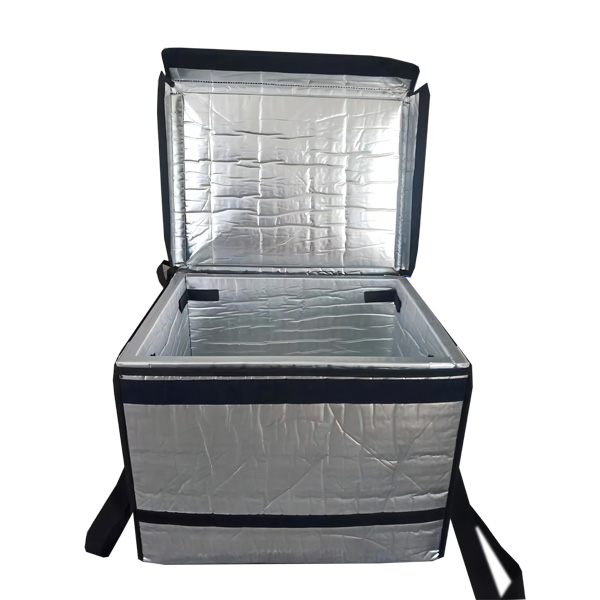
Selecting a Tie-Down Slot Pharmaceutical Ice Box Manufacturer: Um guia de requisitos para evidências
The most useful way to select a tie-down slot pharmaceutical ice box manufacturer is to move through a requirement-to-evidence sequence. Primeiro defina o produto e a temperatura necessária. Em seguida, modele a carga útil e o espaço de refrigeração, mapear a rota e lidar com os riscos, selecione construção, e decidir quais testes ou documentação devem apoiar a aprovação. Esta sequência mantém as discussões comerciais ancoradas na aplicação e não em reivindicações amplas sobre litros, isolamento, duração, ou preço.
Para distribuição farmacêutica, suprimentos clínicos, healthcare delivery, transporte de veículos, and controlled handovers, Compras, operações, engenharia, e as equipes de qualidade devem trabalhar a partir do mesmo briefing controlado. Tie-down slots improve restraint only when designed and used correctly. They do not make an ice box a qualified pharmaceutical shipping system by themselves. As seções abaixo combinam o comprador, engenharia, operacional, e perspectivas de controle de fornecedores em um único caminho de decisão, terminando com verificações de implementação que ajudam a amostra aprovada a permanecer representativa da produção e do uso real.
| Resposta de decisão: Select the pharmaceutical ice box with tie-down slots only after confirming the payload, geometria utilizável, exigência de temperatura, rota, refrigerante, manuseio, evidência, e controles de produção. Tie-down slots improve restraint only when designed and used correctly. They do not make an ice box a qualified pharmaceutical shipping system by themselves. |
|---|
Passe da necessidade à evidência em uma sequência controlada
Uma decisão controlada pode ser organizada em quatro portas. O portão um define o produto e a condição necessária. O portão dois confirma essa carga útil, refrigerante, geometria interna, manuseio, e rota se ajustam à caixa proposta. Portão três avalia evidências, incluindo desenhos, dados materiais, relatórios de teste, controles de fabricação, e limites de aplicação. Portão quatro aprova implementação, incluindo instruções, monitoramento, recebendo, controle de mudanças, e responsabilidades do fornecedor. Um projeto não deve avançar apenas porque um portão parece forte enquanto outro permanece indefinido.
Os portões também criam propriedade útil. As operações podem definir a rota e o método de trabalho; engenharia pode revisar geometria, materiais, e modos de falha; a qualidade pode estabelecer evidências e regras de desvio; a aquisição pode comparar o escopo e os termos comerciais. Para logística farmacêutica, qualidade, engenheiros de embalagens, fleet operators, e equipes de compras, esta estrutura compartilhada reduz esclarecimentos repetidos e torna as citações comparáveis. Também expõe quando uma solicitação ainda é um conceito e não uma especificação pronta para compra. O registro de aprovação final deve mostrar o que foi confirmado, por quem, usando quais evidências, e para qual limite de aplicação.
- Portão 1 – Produto, condição de temperatura, sensibilidade, e consequência do fracasso
- Portão 2 – Payload envelope, refrigerante, rota, manuseio, higiene, e ajuste do usuário
- Portão 3 – Materiais, desenhos, testes, controles de qualidade, e limitações declaradas
- Portão 4 – Piloto, instruções, monitoramento, recebendo, controle de mudanças, e aprovação de lançamento
Uma especificação útil começa com o trabalho
Escreva um requisito do usuário que outra equipe possa aplicar sem ouvir a discussão de vendas original. Identifique a carga útil, embalagem, condição inicial, condição de temperatura necessária, tempo máximo, subsídio de atraso, exposição ambiental, aberturas, veículo ou transportador, manuseio, limpeza, e recebendo decisão. Para distribuição farmacêutica, suprimentos clínicos, healthcare delivery, transporte de veículos, and controlled handovers, também indique a consequência de uma falha e se a remessa pode ser substituída, em quarentena, ou investigados sem grandes perturbações.
Turn the primary objective – combine a controlled thermal packout with secure restraint that does not damage the box, disturb the lid, or create an unverified claim of compliance – into measurable acceptance points. Funções separadas fornecidas pelo contêiner físico daquelas fornecidas pelo refrigerante, monitoramento, work instructions, a transportadora, e recebendo. Em seguida, atribua proprietários para suposições não resolvidas. Um requisito controlado do usuário evita que a aprovação final dependa de frases vagas, como durável, médico, qualidade alimentar, à prova de vazamentos, duradouro, ou adequado para cadeia de frio.
- Carga útil definida, embalagem, quantidade, massa, e condição de temperatura
- Pista normal mais atraso, sazonal, abertura, e suposições de transferência
- Componentes do pacote, condicionamento, colocação, e configuração carregada
- Manuseio, restrição, higiene, rótulos, monitoramento, e receber decisões
- Desenhos necessários, evidência de teste, controles de produção, e mudar de propriedade
Transforme os riscos únicos em critérios de aprovação
O registro de aprovação deve resolver os riscos específicos do projeto antes do lançamento comercial: placing a strap over the lid seal, concentrating load on weak walls, confusing restraint with qualification, and failing to test the loaded system. It should also state how the proposed configuration will combine a controlled thermal packout with secure restraint that does not damage the box, disturb the lid, or create an unverified claim of compliance. Estes não são comentários de fundo; são requisitos que precisam de um proprietário, evidência, e uma decisão de aceitação. Quando uma condição ainda não pode ser comprovada, o registro deve identificar o teste restante, piloto, ou ação de qualidade.
Use an application matrix that connects reinforced slot geometry, stress distribution, wall and lid stiffness, continuidade do isolamento, resistência à abrasão, and seal protection with the route, manuseio, higiene, monitoramento, e controles de fornecedores. Inclua os três pontos decisivos: Route strap forces through reinforced geometry without pulling the lid out of alignment or crushing insulated walls. Validate strap angle, tension, anchor points, abrasão, vibração, braking loads, and access in the actual vehicle setup. Keep qualification, monitoramento, pacote, and GDP responsibilities separate from the mechanical restraint feature. A escolha final deve ser explicável ao setor de compras, qualidade, operações, e o fornecedor sem depender de apresentação de vendas ou memória pessoal.
Engineer the Restraint Load Path
O registro de aprovação deve preencher três lacunas específicas da aplicação antes que o projeto passe para produção ou lançamento.
- Requisito de aprovação: Route strap forces through reinforced geometry without pulling the lid out of alignment or crushing insulated walls.
- Requisito de aprovação: Validate strap angle, tension, anchor points, abrasão, vibração, braking loads, and access in the actual vehicle setup.
- Requisito de aprovação: Keep qualification, monitoramento, pacote, and GDP responsibilities separate from the mechanical restraint feature.
Atribuir um proprietário e evidências de apoio para cada requisito. Se alguém permanecer incerto, mantê-lo como um item de aprovação aberto em vez de esconder a incerteza dentro de uma ampla reclamação do fornecedor.
| Portão de decisão | Confirmação específica do projeto | Evidência aceitável | Proprietário |
|---|---|---|---|
| Requisito do produto | Combine a controlled thermal packout with secure restraint that does not damage the box, disturb the lid, or create an unverified claim of compliance | Requisitos aprovados do usuário e informações do produto | Equipes de produto e qualidade |
| Ajuste físico e operacional | Application-defined; slot geometry, strap angle, caminho de carregamento, edge radius, visibilidade do rótulo, acesso à tampa, empilhamento, and vehicle anchor compatibility | Desenho de embalagem, teste de amostra, observação de rota, e revisão de limpeza | Engenharia e operações |
| Limite de desempenho | Tie-down slots improve restraint only when designed and used correctly. They do not make an ice box a qualified pharmaceutical shipping system by themselves. | Térmica rastreável, mecânico, monitoramento, e evidência de aplicação | Engenharia e qualidade |
| Controle de fornecedores | Dimensioned restraint design, material and structural tests, loaded transport simulation, thermal test data, instruções de embalagem, registros de calibração, e controle de mudança | Plano de controle, registros, evidência de auditoria, e alterar acordo | Aquisição e qualidade |
| Implementação | Validate strap angle, tension, anchor points, abrasão, vibração, braking loads, and access in the actual vehicle setup. | Piloto aprovado, instruções, treinamento, recebendo, e plano de escalonamento | Operações e qualidade |
| Decisão do ciclo de vida | engenharia, ferramentas, structural and thermal tests, straps and anchors, vehicle installation, inspeção, prevenção de danos, e suporte de qualificação; reduced transport damage, durable restraint interfaces, replaceable straps, controlled reuse, and fewer product excursions | Caso de negócios comparável e revisão periódica de desempenho | Aquisições e operações |
Defina o desempenho da temperatura com condições anexadas
Converta reivindicações térmicas em declarações de aprovação com condições anexadas. A especificação deve identificar a gama de produtos necessária, revisão do pacote, faixa de carga útil, refrigerante e condicionamento, perfil ambiente, duração e margem de atraso, aberturas, plano de sensores, e critério de aceitação. Onde diferentes estações usam pacotes diferentes, aprovar cada configuração explicitamente em vez de tratá-las como ajustes informais do operador.
Crie uma escada de evidências. Comece com cálculos de projeto ou comparação de desenvolvimento, mudar para testes laboratoriais representativos, adicionar qualificação de pista quando o risco exigir, e usar monitoramento operacional para verificar o uso controlado. Cada etapa responde a uma pergunta diferente. A aprovação deve ser baseada no nível que corresponde ao valor do produto, sensibilidade, contexto regulatório, recuperabilidade, e variabilidade de rota, não no nome de certificado mais impressionante de uma proposta.
A capacidade deve ser comprovada com um pacote
Converta a descrição do catálogo em um envelope de carga útil controlado. Solicitar comprimento interno claro, largura, e altura nos pontos onde a carga realmente fica, em seguida, coloque o refrigerante pretendido, separadores, prateleiras, monitor, e produto em desenho ou teste físico. Uma classificação de volume de catálogo descreve o espaço nominal; não indica quantas unidades vendáveis, caixas de vacina, espécimes, ou embalagens de laticínios podem ser carregadas sem perturbar o arranjo aprovado.
A aprovação deve abranger a área externa e a massa carregada, bem como o ajuste interno. O contêiner proposto deve entrar no veículo, passar pelas portas, sente-se com segurança, permitir que a tampa feche sem compressão, e permanecer gerenciável na entrega. Onde os pacotes de verão e inverno diferem, documentar ambos. A especificação aceita deve indicar a carga útil para a configuração definida e identificar qualquer tolerância dimensional que possa alterar a embalagem, restrição, ou desempenho térmico.
Crie uma escada de evidências para a decisão
Organize as evidências de aprovação pela decisão que ela suporta. Desenhos e registros de materiais estabelecem o que é o produto. Testes mecânicos abordam manuseio e restrição. Testes de desenvolvimento térmico comparam projetos. A qualificação testa um pacote definido em relação a um requisito aprovado. Monitoramento de rota mostra como o método controlado se comporta sob variabilidade operacional. O registro de aprovação deve identificar qual nível é necessário e por que, em vez de aceitar uma coleção de relatórios não relacionados.
Antes de confiar em qualquer relatório, compare a versão testada, carga útil, refrigerante, condicionamento, temperaturas iniciais, perfil ambiente, duração, aberturas, orientação, sensores, Critérios de aceitação, e desvios com o uso planejado. Registre as lacunas e decida se são aceitáveis, requer análise, ou exigir testes adicionais. Um nome de relatório ou declaração de aprovação não é suficiente. A conclusão apoiada deve permanecer rastreável à configuração de que a aquisição e a produção realmente comprarão.
Selecione o fornecedor e o sistema de controle juntos
Avalie o fabricante proposto em relação ao requisito aprovado, não contra um questionário genérico do fornecedor. Confirme se a oferta cobre apenas a caixa ou um escopo mais amplo que inclui refrigerante, inserções, desenhos de embalagem, testando, suporte de qualificação, monitoramento, rótulos, peças de reposição, treinamento, e assistência ao desvio. Request dimensioned restraint design, material and structural tests, loaded transport simulation, thermal test data, instruções de embalagem, registros de calibração, e controle de mudança. Toda reivindicação importante deve apontar para um documento controlado, amostra, condição de teste, ou controle de produção.
Concluir due diligence comercial e de qualidade juntos. Revise as fontes de materiais aprovadas, processos críticos, registros de inspeção, calibração, manutenção de ferramentas, não conformidade, ação corretiva, componentes subcontratados, e notificação de alteração de engenharia. Combine quem possui os desenhos, moldes, revisões de produtos, registros, e retestar decisões. Um fornecedor está pronto para aprovação quando pode recriar a configuração aceita e explicar como as alterações serão avaliadas antes de chegarem à remessa.
- Escopo de fornecimento, documentação, testando, qualificação, e suporte
- Especificação controlada, amostra aprovada, lista de materiais, e link de revisão
- Processos críticos, inspeções, registros, calibração, e ação corretiva
- Controle do subcontratado, manutenção de ferramentas, substituições, e notificação de alteração
- Responsabilidade comercial por defeitos, retrabalhar, peças de reposição, e pedidos futuros
Uma implementação controlada evita surpresas caras
A implementação deve passar de uma amostra representativa para um piloto controlado antes da produção total ou do lançamento da rota. Confirme a lista exata de materiais, desenhos, cores, marcações, acessórios, embalagem, e instruções. Use o piloto para testar o tempo de embalagem, erros do usuário, ergonomia carregada, ajuste do veículo, restrição, limpeza, monitoramento, e recebendo. Para uma aplicação com temperatura controlada, verificar se o piloto segue a configuração pretendida do refrigerante e da carga útil, em vez de uma configuração de demonstração mais fácil.
Após aprovação, congelar a especificação crítica e definir o controle de mudanças. Empacotadores de trem, motoristas, Correios, produtos de limpeza, e receptores nas partes do processo que eles possuem. Estabeleça uma revisão da primeira produção e monitore remessas antecipadas em busca de problemas recorrentes. Um lançamento deve incluir contatos de escalonamento e um método para segregar caixas ou componentes suspeitos. Revisão periódica pode causar danos, desvio, retornar, limpeza, e dados de temperatura para refinar o sistema sem enfraquecer o limite qualificado ou aprovado.
Construa um modelo de custo em torno de risco e utilização
Crie um caso de negócios ajustado ao risco com resultados únicos, recorrente, e custos de falha separados. Itens únicos podem incluir design, ferramentas, amostras, validação, e lançamento. Itens recorrentes podem incluir unidades, refrigerante, monitoramento, trabalho, limpeza, frete, inspeção, armazenar, e substituição. Os custos de falha podem incluir retenção de produto, reenvio, investigação de desvio, interrupção do cliente, e perda de capacidade de rota. Use dados do projeto ou suposições claramente identificadas em vez de uma porcentagem genérica de economia.
Compare alternativas no mesmo escopo aprovado. Um preço unitário mais baixo não significa um custo mais baixo se o espaço utilizável for insuficiente, cubo de frete é alto, o trabalho da embalagem é lento, ou fugas de qualidade são frequentes. Um projeto tecnicamente mais forte não é automaticamente melhor se agregar custos sem abordar um risco de rota. A equipe de aprovação deve documentar o compromisso que está aceitando e a medida operacional que mostrará se o valor esperado foi alcançado.
Aplicando o Caminho de Decisão a um Projeto Típico
Aplicar o caminho de decisão completo a um projeto típico. A fleet team adds straps to prevent movement, but the original route placed compression across the lid. The restraint reduced sliding while creating a seal and thermal risk. A equipe multifuncional primeiro aprova o requisito do usuário, em seguida, confirma a carga útil e o ajuste do líquido refrigerante com uma amostra física. Ele registra o manuseio carregado, exposição da rota, higiene, monitoramento, e receber necessidades antes de selecionar o nível de evidência e o escopo comercial.
O fabricante escolhido fornece desenhos controlados, materiais, relatórios de teste, e um lote piloto. Aquisição compara a cotação com o escopo aprovado; verificações de qualidade, controle de mudanças e critérios de aceitação; operações executa o piloto com usuários normais. O lançamento ocorre somente depois que as lacunas não resolvidas têm proprietários e datas. O registro final vincula o requisito, configuração, evidência, instruções, e versão de produção para que alterações futuras possam ser avaliadas de forma coerente.
Perguntas finais sobre aquisição
O que deve ser aprovado antes da liberação do pedido de compra?
Aprovar o requisito do usuário, revisão do produto, dimensões internas e externas, materiais, componentes do pacote, base de teste ou qualificação, critérios críticos de inspeção, rótulos, embalagem, documentação, escopo comercial, e responsabilidades de controle de mudanças. Para uso sensível à temperatura, também aprovar a carga útil, condicionamento de refrigerante, suposições de ambiente e duração, plano de sensores, instruções de operação, critérios de recebimento, e limitações não resolvidas.
Como uma amostra aprovada é mantida consistente com a produção?
Vincule a amostra a desenhos controlados, lista de materiais, fontes de materiais aprovadas, configurações de processo, dimensões críticas, métodos de inspeção, e um lote piloto. Guarde uma amostra de referência sempre que for útil, mas não confie apenas na aparência. O fornecedor deve notificar o comprador antes de alterações nas ferramentas, resina, isolamento, hardware, selo, inserir, refrigerante, subcontratado, processo, ou embalagem que possa afetar o funcionamento.
Quem é o responsável pelas decisões de qualificação e conformidade?
A responsabilidade deve ser alocada no acordo do projeto. O fornecedor pode fornecer dados precisos do produto, amostras, relatórios, e suporte técnico; o comprador normalmente define os limites do produto, faixa, Critérios de aceitação, sistema de qualidade, e obrigações de mercado aplicáveis. Um fabricante contratado ou laboratório de testes pode realizar trabalhos, mas isso não elimina a necessidade do proprietário do produto e da equipe de qualidade aprovarem a adequação.
Quando um design personalizado é justificado?
A personalização é justificada quando um produto padrão não consegue atender à geometria crítica da carga útil, capacidade utilizável, restrição, limpeza, marca, rota, acessório, ou necessidades operacionais. Compare o valor com ferramentas, tempo de desenvolvimento, Quantidade mínima, risco de mudança, requisitos de teste, peças de reposição, e revisões futuras. Um formato personalizado deve resolver um requisito documentado em vez de adicionar complexidade que pode ser tratada com uma inserção ou alteração de processo.
Do tie-down slots make an ice box pharmaceutical compliant?
Não. Tie-down slots are a mechanical restraint feature. They must transfer strap loads without crushing insulation, distorting the lid, hiding labels, or interfering with the packout. Pharmaceutical suitability still depends on product limits, a qualified thermal configuration where required, monitoramento calibrado, instruções controladas, gestão de risco de transporte, recebendo, and applicable GDP or local quality requirements.
Conclusão: Aprove um sistema que você possa explicar e repetir
A suitable tie-down slot pharmaceutical ice box manufacturer is the result of disciplined specification rather than a single feature. A decisão mais confiável conecta carga útil, condição de temperatura, rota, espaço utilizável, construção, refrigerante, manuseio, higiene, evidência, controle de produção, e propriedade operacional. Quando esses elementos são explícitos, o departamento de compras pode comparar ofertas de forma justa e as operações podem repetir o método aprovado sem depender de memória ou linguagem de vendas ampla.
- Comece com o produto e a pista, em seguida, confirme o ajuste físico e a embalagem.
- Combine as evidências necessárias com o risco e o limite da aplicação.
- Aprovar controles de fornecedores, implementação, monitoramento, e gerenciamento de mudanças juntos.
- Mantenha um link rastreável desde o requisito até a evidência e a instrução operacional.
Sobre Tempk
Tempk works from Shanghai on cold-chain packaging products and solutions and has operated since 2011. The company’s public product categories include ice packs, caixas isoladas, vacuum-insulated packaging, sacos e forros, Tampas de paletes, e equipamentos de monitoramento de temperatura. Em vez de selecionar apenas a capacidade, um comprador pode compartilhar o produto, condição necessária, carga útil, rota, temporada, manuseio, e recebendo detalhes para uma discussão mais relevante. Qualquer aplicação sensível à temperatura ainda deve ser confirmada através de testes apropriados, documentação, e revisão de qualidade.
Preparando uma consulta útil
Compartilhe sua carga útil, rota, exigência de temperatura, and expected order scope with Tempk to discuss a practical pharmaceutical ice box with tie-down slots configuration.
Fabricante de amostras de laboratório de caixas de gelo industriais: Guia de especificações
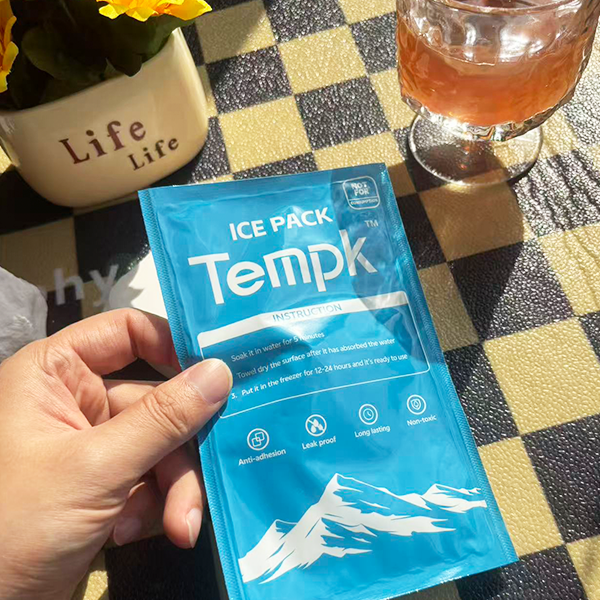
Selecting a Industrial Ice Box Laboratory Samples Manufacturer: Um guia de requisitos para evidências
The most useful way to select a industrial ice box laboratory samples manufacturer is to move through a requirement-to-evidence sequence. Primeiro defina o produto e a temperatura necessária. Em seguida, modele a carga útil e o espaço de refrigeração, mapear a rota e lidar com os riscos, selecione construção, e decidir quais testes ou documentação devem apoiar a aprovação. Esta sequência mantém as discussões comerciais ancoradas na aplicação e não em reivindicações amplas sobre litros, isolamento, duração, ou preço.
Para clínica, pesquisar, ambiental, comida, veterinário, and industrial sample transport, Compras, operações, engenharia, e as equipes de qualidade devem trabalhar a partir do mesmo briefing controlado. The insulated box manages heat transfer. It does not replace primary and secondary containment, dangerous-goods classification, rotulagem, cadeia de custódia, or laboratory acceptance procedures. As seções abaixo combinam o comprador, engenharia, operacional, e perspectivas de controle de fornecedores em um único caminho de decisão, terminando com verificações de implementação que ajudam a amostra aprovada a permanecer representativa da produção e do uso real.
| Resposta de decisão: Select the laboratory sample ice box only after confirming the payload, geometria utilizável, exigência de temperatura, rota, refrigerante, manuseio, evidência, e controles de produção. The insulated box manages heat transfer. It does not replace primary and secondary containment, dangerous-goods classification, rotulagem, cadeia de custódia, or laboratory acceptance procedures. |
|---|
Passe da necessidade à evidência em uma sequência controlada
Uma decisão controlada pode ser organizada em quatro portas. O portão um define o produto e a condição necessária. O portão dois confirma essa carga útil, refrigerante, geometria interna, manuseio, e rota se ajustam à caixa proposta. Portão três avalia evidências, incluindo desenhos, dados materiais, relatórios de teste, controles de fabricação, e limites de aplicação. Portão quatro aprova implementação, incluindo instruções, monitoramento, recebendo, controle de mudanças, e responsabilidades do fornecedor. Um projeto não deve avançar apenas porque um portão parece forte enquanto outro permanece indefinido.
Os portões também criam propriedade útil. As operações podem definir a rota e o método de trabalho; engenharia pode revisar geometria, materiais, e modos de falha; a qualidade pode estabelecer evidências e regras de desvio; a aquisição pode comparar o escopo e os termos comerciais. For laboratory managers, clinical operations, equipes de qualidade, Correios, e especialistas em compras, esta estrutura compartilhada reduz esclarecimentos repetidos e torna as citações comparáveis. Também expõe quando uma solicitação ainda é um conceito e não uma especificação pronta para compra. O registro de aprovação final deve mostrar o que foi confirmado, por quem, usando quais evidências, e para qual limite de aplicação.
- Portão 1 – Produto, condição de temperatura, sensibilidade, e consequência do fracasso
- Portão 2 – Payload envelope, refrigerante, rota, manuseio, higiene, e ajuste do usuário
- Portão 3 – Materiais, desenhos, testes, controles de qualidade, e limitações declaradas
- Portão 4 – Piloto, instruções, monitoramento, recebendo, controle de mudanças, e aprovação de lançamento
Uma especificação útil começa com o trabalho
Escreva um requisito do usuário que outra equipe possa aplicar sem ouvir a discussão de vendas original. Identifique a carga útil, embalagem, condição inicial, condição de temperatura necessária, tempo máximo, subsídio de atraso, exposição ambiental, aberturas, veículo ou transportador, manuseio, limpeza, e recebendo decisão. Para clínica, pesquisar, ambiental, comida, veterinário, and industrial sample transport, também indique a consequência de uma falha e se a remessa pode ser substituída, em quarentena, ou investigados sem grandes perturbações.
Turn the primary objective – protect sample condition while keeping thermal control separate from primary containment, controles de perigo, cadeia de custódia, and analytical requirements – into measurable acceptance points. Funções separadas fornecidas pelo contêiner físico daquelas fornecidas pelo refrigerante, monitoramento, work instructions, a transportadora, e recebendo. Em seguida, atribua proprietários para suposições não resolvidas. Um requisito controlado do usuário evita que a aprovação final dependa de frases vagas, como durável, médico, qualidade alimentar, à prova de vazamentos, duradouro, ou adequado para cadeia de frio.
- Carga útil definida, embalagem, quantidade, massa, e condição de temperatura
- Pista normal mais atraso, sazonal, abertura, e suposições de transferência
- Componentes do pacote, condicionamento, colocação, e configuração carregada
- Manuseio, restrição, higiene, rótulos, monitoramento, e receber decisões
- Desenhos necessários, evidência de teste, controles de produção, e mudar de propriedade
Transforme os riscos únicos em critérios de aprovação
O registro de aprovação deve resolver os riscos específicos do projeto antes do lançamento comercial: treating the ice box as leakproof specimen packaging, using the wrong temperature condition, losing chain-of-custody information, and allowing coolant to damage labels or samples. It should also state how the proposed configuration will protect sample condition while keeping thermal control separate from primary containment, controles de perigo, cadeia de custódia, and analytical requirements. Estes não são comentários de fundo; são requisitos que precisam de um proprietário, evidência, e uma decisão de aceitação. Quando uma condição ainda não pode ser comprovada, o registro deve identificar o teste restante, piloto, ou ação de qualidade.
Use an application matrix that connects cleanable shell, continuidade do isolamento, internal rack fit, secondary-containment compatibility, fechamento seguro, and resistance to courier handling with the route, manuseio, higiene, monitoramento, e controles de fornecedores. Inclua os três pontos decisivos: Define the sample stability condition and maximum time outside controlled storage before selecting coolant and packout. Keep thermal packaging separate from leakproof containment, absorvente, Marcas, documentos, and any classification requirements. Place the monitor and paperwork so that data and identity remain recoverable even if coolant shifts or condensation occurs. A escolha final deve ser explicável ao setor de compras, qualidade, operações, e o fornecedor sem depender de apresentação de vendas ou memória pessoal.
Protect the Sample and the Evidence Around It
O registro de aprovação deve preencher três lacunas específicas da aplicação antes que o projeto passe para produção ou lançamento.
- Requisito de aprovação: Define the sample stability condition and maximum time outside controlled storage before selecting coolant and packout.
- Requisito de aprovação: Keep thermal packaging separate from leakproof containment, absorvente, Marcas, documentos, and any classification requirements.
- Requisito de aprovação: Place the monitor and paperwork so that data and identity remain recoverable even if coolant shifts or condensation occurs.
Atribuir um proprietário e evidências de apoio para cada requisito. Se alguém permanecer incerto, mantê-lo como um item de aprovação aberto em vez de esconder a incerteza dentro de uma ampla reclamação do fornecedor.
| Portão de decisão | Confirmação específica do projeto | Evidência aceitável | Proprietário |
|---|---|---|---|
| Requisito do produto | Protect sample condition while keeping thermal control separate from primary containment, controles de perigo, cadeia de custódia, and analytical requirements | Requisitos aprovados do usuário e informações do produto | Equipes de produto e qualidade |
| Ajuste físico e operacional | Sample-defined; upright orientation where needed, evidência de adulteração, protected documents, restrição, controlled opening, and safe unpacking | Desenho de embalagem, teste de amostra, observação de rota, e revisão de limpeza | Engenharia e operações |
| Limite de desempenho | The insulated box manages heat transfer. It does not replace primary and secondary containment, dangerous-goods classification, rotulagem, cadeia de custódia, or laboratory acceptance procedures. | Térmica rastreável, mecânico, monitoramento, e evidência de aplicação | Engenharia e qualidade |
| Controle de fornecedores | Packing diagrams, compatibilidade de materiais, sample stability requirements, método de monitoramento, transport records, and applicable dangerous-goods documentation | Plano de controle, registros, evidência de auditoria, e alterar acordo | Aquisição e qualidade |
| Implementação | Keep thermal packaging separate from leakproof containment, absorvente, Marcas, documentos, and any classification requirements. | Piloto aprovado, instruções, treinamento, recebendo, e plano de escalonamento | Operações e qualidade |
| Decisão do ciclo de vida | sample value, recollection risk, atraso do correio, consumíveis, monitoramento, limpeza, and receiving investigation time; reusable outer boxes where decontamination and return are controlled, while retaining single-use safety components when required | Caso de negócios comparável e revisão periódica de desempenho | Aquisições e operações |
Defina o desempenho da temperatura com condições anexadas
Converta reivindicações térmicas em declarações de aprovação com condições anexadas. A especificação deve identificar a gama de produtos necessária, revisão do pacote, faixa de carga útil, refrigerante e condicionamento, perfil ambiente, duração e margem de atraso, aberturas, plano de sensores, e critério de aceitação. Onde diferentes estações usam pacotes diferentes, aprovar cada configuração explicitamente em vez de tratá-las como ajustes informais do operador.
Crie uma escada de evidências. Comece com cálculos de projeto ou comparação de desenvolvimento, mudar para testes laboratoriais representativos, adicionar qualificação de pista quando o risco exigir, e usar monitoramento operacional para verificar o uso controlado. Cada etapa responde a uma pergunta diferente. A aprovação deve ser baseada no nível que corresponde ao valor do produto, sensibilidade, contexto regulatório, recuperabilidade, e variabilidade de rota, não no nome de certificado mais impressionante de uma proposta.
A capacidade deve ser comprovada com um pacote
Converta a descrição do catálogo em um envelope de carga útil controlado. Solicitar comprimento interno claro, largura, e altura nos pontos onde a carga realmente fica, em seguida, coloque o refrigerante pretendido, separadores, prateleiras, monitor, e produto em desenho ou teste físico. Uma classificação de volume de catálogo descreve o espaço nominal; não indica quantas unidades vendáveis, caixas de vacina, espécimes, ou embalagens de laticínios podem ser carregadas sem perturbar o arranjo aprovado.
A aprovação deve abranger a área externa e a massa carregada, bem como o ajuste interno. O contêiner proposto deve entrar no veículo, passar pelas portas, sente-se com segurança, permitir que a tampa feche sem compressão, e permanecer gerenciável na entrega. Onde os pacotes de verão e inverno diferem, documentar ambos. A especificação aceita deve indicar a carga útil para a configuração definida e identificar qualquer tolerância dimensional que possa alterar a embalagem, restrição, ou desempenho térmico.
Crie uma escada de evidências para a decisão
Organize as evidências de aprovação pela decisão que ela suporta. Desenhos e registros de materiais estabelecem o que é o produto. Testes mecânicos abordam manuseio e restrição. Testes de desenvolvimento térmico comparam projetos. A qualificação testa um pacote definido em relação a um requisito aprovado. Monitoramento de rota mostra como o método controlado se comporta sob variabilidade operacional. O registro de aprovação deve identificar qual nível é necessário e por que, em vez de aceitar uma coleção de relatórios não relacionados.
Antes de confiar em qualquer relatório, compare a versão testada, carga útil, refrigerante, condicionamento, temperaturas iniciais, perfil ambiente, duração, aberturas, orientação, sensores, Critérios de aceitação, e desvios com o uso planejado. Registre as lacunas e decida se são aceitáveis, requer análise, ou exigir testes adicionais. Um nome de relatório ou declaração de aprovação não é suficiente. A conclusão apoiada deve permanecer rastreável à configuração de que a aquisição e a produção realmente comprarão.
Selecione o fornecedor e o sistema de controle juntos
Avalie o fabricante proposto em relação ao requisito aprovado, não contra um questionário genérico do fornecedor. Confirme se a oferta cobre apenas a caixa ou um escopo mais amplo que inclui refrigerante, inserções, desenhos de embalagem, testando, suporte de qualificação, monitoramento, rótulos, peças de reposição, treinamento, e assistência ao desvio. Request packing diagrams, compatibilidade de materiais, sample stability requirements, método de monitoramento, transport records, and applicable dangerous-goods documentation. Toda reivindicação importante deve apontar para um documento controlado, amostra, condição de teste, ou controle de produção.
Concluir due diligence comercial e de qualidade juntos. Revise as fontes de materiais aprovadas, processos críticos, registros de inspeção, calibração, manutenção de ferramentas, não conformidade, ação corretiva, componentes subcontratados, e notificação de alteração de engenharia. Combine quem possui os desenhos, moldes, revisões de produtos, registros, e retestar decisões. Um fornecedor está pronto para aprovação quando pode recriar a configuração aceita e explicar como as alterações serão avaliadas antes de chegarem à remessa.
- Escopo de fornecimento, documentação, testando, qualificação, e suporte
- Especificação controlada, amostra aprovada, lista de materiais, e link de revisão
- Processos críticos, inspeções, registros, calibração, e ação corretiva
- Controle do subcontratado, manutenção de ferramentas, substituições, e notificação de alteração
- Responsabilidade comercial por defeitos, retrabalhar, peças de reposição, e pedidos futuros
Piloto, Aprovar, Lançar, e revisão
A implementação deve passar de uma amostra representativa para um piloto controlado antes da produção total ou do lançamento da rota. Confirme a lista exata de materiais, desenhos, cores, marcações, acessórios, embalagem, e instruções. Use o piloto para testar o tempo de embalagem, erros do usuário, ergonomia carregada, ajuste do veículo, restrição, limpeza, monitoramento, e recebendo. Para uma aplicação com temperatura controlada, verificar se o piloto segue a configuração pretendida do refrigerante e da carga útil, em vez de uma configuração de demonstração mais fácil.
Após aprovação, congelar a especificação crítica e definir o controle de mudanças. Empacotadores de trem, motoristas, Correios, produtos de limpeza, e receptores nas partes do processo que eles possuem. Estabeleça uma revisão da primeira produção e monitore remessas antecipadas em busca de problemas recorrentes. Um lançamento deve incluir contatos de escalonamento e um método para segregar caixas ou componentes suspeitos. Revisão periódica pode causar danos, desvio, retornar, limpeza, e dados de temperatura para refinar o sistema sem enfraquecer o limite qualificado ou aprovado.
Construa um modelo de custo em torno de risco e utilização
Crie um caso de negócios ajustado ao risco com resultados únicos, recorrente, e custos de falha separados. Itens únicos podem incluir design, ferramentas, amostras, validação, e lançamento. Itens recorrentes podem incluir unidades, refrigerante, monitoramento, trabalho, limpeza, frete, inspeção, armazenar, e substituição. Os custos de falha podem incluir retenção de produto, reenvio, investigação de desvio, interrupção do cliente, e perda de capacidade de rota. Use dados do projeto ou suposições claramente identificadas em vez de uma porcentagem genérica de economia.
Compare alternativas no mesmo escopo aprovado. Um preço unitário mais baixo não significa um custo mais baixo se o espaço utilizável for insuficiente, cubo de frete é alto, o trabalho da embalagem é lento, ou fugas de qualidade são frequentes. Um projeto tecnicamente mais forte não é automaticamente melhor se agregar custos sem abordar um risco de rota. A equipe de aprovação deve documentar o compromisso que está aceitando e a medida operacional que mostrará se o valor esperado foi alcançado.
Aplicando o Caminho de Decisão a um Projeto Típico
Aplicar o caminho de decisão completo a um projeto típico. A laboratory collects multiple specimen types on one route. Some require refrigeration, others must not be frozen, and all require unambiguous identification at receiving. A equipe multifuncional primeiro aprova o requisito do usuário, em seguida, confirma a carga útil e o ajuste do líquido refrigerante com uma amostra física. Ele registra o manuseio carregado, exposição da rota, higiene, monitoramento, e receber necessidades antes de selecionar o nível de evidência e o escopo comercial.
O fabricante escolhido fornece desenhos controlados, materiais, relatórios de teste, e um lote piloto. Aquisição compara a cotação com o escopo aprovado; verificações de qualidade, controle de mudanças e critérios de aceitação; operações executa o piloto com usuários normais. O lançamento ocorre somente depois que as lacunas não resolvidas têm proprietários e datas. O registro final vincula o requisito, configuração, evidência, instruções, e versão de produção para que alterações futuras possam ser avaliadas de forma coerente.
Perguntas finais sobre aquisição
O que deve ser aprovado antes da liberação do pedido de compra?
Aprovar o requisito do usuário, revisão do produto, dimensões internas e externas, materiais, componentes do pacote, base de teste ou qualificação, critérios críticos de inspeção, rótulos, embalagem, documentação, escopo comercial, e responsabilidades de controle de mudanças. Para uso sensível à temperatura, também aprovar a carga útil, condicionamento de refrigerante, suposições de ambiente e duração, plano de sensores, instruções de operação, critérios de recebimento, e limitações não resolvidas.
Como uma amostra aprovada é mantida consistente com a produção?
Vincule a amostra a desenhos controlados, lista de materiais, fontes de materiais aprovadas, configurações de processo, dimensões críticas, métodos de inspeção, e um lote piloto. Guarde uma amostra de referência sempre que for útil, mas não confie apenas na aparência. O fornecedor deve notificar o comprador antes de alterações nas ferramentas, resina, isolamento, hardware, selo, inserir, refrigerante, subcontratado, processo, ou embalagem que possa afetar o funcionamento.
Quem é o responsável pelas decisões de qualificação e conformidade?
A responsabilidade deve ser alocada no acordo do projeto. O fornecedor pode fornecer dados precisos do produto, amostras, relatórios, e suporte técnico; o comprador normalmente define os limites do produto, faixa, Critérios de aceitação, sistema de qualidade, e obrigações de mercado aplicáveis. Um fabricante contratado ou laboratório de testes pode realizar trabalhos, mas isso não elimina a necessidade do proprietário do produto e da equipe de qualidade aprovarem a adequação.
Quando um design personalizado é justificado?
A personalização é justificada quando um produto padrão não consegue atender à geometria crítica da carga útil, capacidade utilizável, restrição, limpeza, marca, rota, acessório, ou necessidades operacionais. Compare o valor com ferramentas, tempo de desenvolvimento, Quantidade mínima, risco de mudança, requisitos de teste, peças de reposição, e revisões futuras. Um formato personalizado deve resolver um requisito documentado em vez de adicionar complexidade que pode ser tratada com uma inserção ou alteração de processo.
Does an insulated laboratory ice box replace specimen containment?
Não. The ice box manages heat transfer but does not replace the required primary container, contenção secundária, absorbent where applicable, identificação da amostra, cadeia de custódia, classificação de perigo, Marcas, documentos, or trained shipping procedure. The laboratory should define the specimen stability condition and compliant containment first, then design the coolant and insulated outer packout around that system.
Conclusão: Aprove um sistema que você possa explicar e repetir
A suitable industrial ice box laboratory samples manufacturer is the result of disciplined specification rather than a single feature. A decisão mais confiável conecta carga útil, condição de temperatura, rota, espaço utilizável, construção, refrigerante, manuseio, higiene, evidência, controle de produção, e propriedade operacional. Quando esses elementos são explícitos, o departamento de compras pode comparar ofertas de forma justa e as operações podem repetir o método aprovado sem depender de memória ou linguagem de vendas ampla.
- Comece com o produto e a pista, em seguida, confirme o ajuste físico e a embalagem.
- Combine as evidências necessárias com o risco e o limite da aplicação.
- Aprovar controles de fornecedores, implementação, monitoramento, e gerenciamento de mudanças juntos.
- Mantenha um link rastreável desde o requisito até a evidência e a instrução operacional.
Sobre Tempk
Estabelecido em 2011 e com sede em Xangai, Tempk develops and supplies cold-chain packaging products such as coolant packs, EPP and plastic ice boxes, soluções de transporte isoladas, forros, bolsas, Tampas de paletes, e monitoramento de produtos. O ponto de partida prático é o resumo da remessa: produto, exigência de temperatura, carga útil, rota, exposição sazonal, transferências, e recebendo. A Tempk pode usar essas informações para discutir opções padrão ou personalizadas adequadas, mantendo as reivindicações de desempenho vinculadas ao pacote final e às evidências exigidas pelo comprador..
Próximo passo
Discuta o produto planejado, refrigerante, rota, temporada, monitoramento, e processo de recebimento com Tempk antes de passar da amostra para a produção.
Fornecedor OEM de caixa de gelo: Guia de especificações
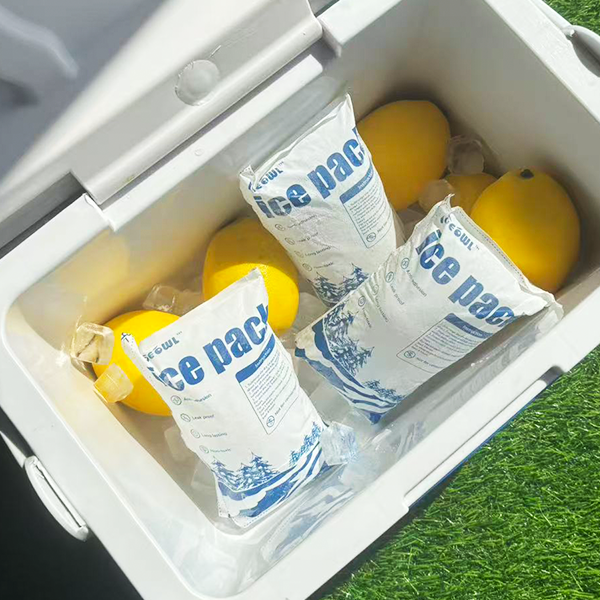
Selecionando um fornecedor OEM de caixa de gelo: Um guia de requisitos para evidências
The most useful way to select a ice chest OEM supplier is to move through a requirement-to-evidence sequence. Primeiro defina o produto e a temperatura necessária. Em seguida, modele a carga útil e o espaço de refrigeração, mapear a rota e lidar com os riscos, selecione construção, e decidir quais testes ou documentação devem apoiar a aprovação. Esta sequência mantém as discussões comerciais ancoradas na aplicação e não em reivindicações amplas sobre litros, isolamento, duração, ou preço.
Para varejo de marca própria, programas comerciais, equipamento de campo de marca, serviço de alimentação, apoio médico, e linhas de produtos promocionais, Compras, operações, engenharia, e as equipes de qualidade devem trabalhar a partir do mesmo briefing controlado. A personalização do OEM pode alterar a geometria e a marca, mas não cria desempenho térmico verificado, a menos que o projeto final e o pacote sejam testados sob condições definidas. As seções abaixo combinam o comprador, engenharia, operacional, e perspectivas de controle de fornecedores em um único caminho de decisão, terminando com verificações de implementação que ajudam a amostra aprovada a permanecer representativa da produção e do uso real.
| Resposta de decisão: Selecione a caixa de gelo OEM somente após confirmar a carga útil, geometria utilizável, exigência de temperatura, rota, refrigerante, manuseio, evidência, e controles de produção. A personalização do OEM pode alterar a geometria e a marca, mas não cria desempenho térmico verificado, a menos que o projeto final e o pacote sejam testados sob condições definidas. |
|---|
Use um caminho de decisão do requisito à evidência
Uma decisão controlada pode ser organizada em quatro portas. O portão um define o produto e a condição necessária. O portão dois confirma essa carga útil, refrigerante, geometria interna, manuseio, e rota se ajustam à caixa proposta. Portão três avalia evidências, incluindo desenhos, dados materiais, relatórios de teste, controles de fabricação, e limites de aplicação. Portão quatro aprova implementação, incluindo instruções, monitoramento, recebendo, controle de mudanças, e responsabilidades do fornecedor. Um projeto não deve avançar apenas porque um portão parece forte enquanto outro permanece indefinido.
Os portões também criam propriedade útil. As operações podem definir a rota e o método de trabalho; engenharia pode revisar geometria, materiais, e modos de falha; a qualidade pode estabelecer evidências e regras de desvio; a aquisição pode comparar o escopo e os termos comerciais. Para proprietários de marcas, gerentes de produto, importadores, distribuidores, e engenheiros de sourcing, esta estrutura compartilhada reduz esclarecimentos repetidos e torna as citações comparáveis. Também expõe quando uma solicitação ainda é um conceito e não uma especificação pronta para compra. O registro de aprovação final deve mostrar o que foi confirmado, por quem, usando quais evidências, e para qual limite de aplicação.
- Portão 1 – Produto, condição de temperatura, sensibilidade, e consequência do fracasso
- Portão 2 – Payload envelope, refrigerante, rota, manuseio, higiene, e ajuste do usuário
- Portão 3 – Materiais, desenhos, testes, controles de qualidade, e limitações declaradas
- Portão 4 – Piloto, instruções, monitoramento, recebendo, controle de mudanças, e aprovação de lançamento
Transforme os riscos únicos em critérios de aprovação
O registro de aprovação deve resolver os riscos específicos do projeto antes do lançamento comercial: iniciar o ferramental antes que os requisitos estejam estáveis, aprovando aparência sem função de teste, propriedade pouco clara dos desenhos, e substituições descontroladas. Deve também indicar como a configuração proposta traduzirá uma exigência do mercado em uma especificação de produto controlada que possa ser fabricada consistentemente em escala. Estes não são comentários de fundo; são requisitos que precisam de um proprietário, evidência, e uma decisão de aceitação. Quando uma condição ainda não pode ser comprovada, o registro deve identificar o teste restante, piloto, ou ação de qualidade.
Use uma matriz de aplicação que conecte a escolha da resina, sistema de isolamento, rascunho de ferramentas e controle de parede, hardware, vedação, decoração, e resistência ambiental com a rota, manuseio, higiene, monitoramento, e controles de fornecedores. Inclua os três pontos decisivos: Aprovar requisitos funcionais, dimensões críticas, materiais, limite térmico, rótulos, e métodos de teste antes do lançamento das ferramentas. Use protótipos e uma execução piloto para expor a montagem, vedação, aparência, embalagem, e lidar com problemas antes da expansão. Definir propriedade das ferramentas, desenhos, moldes, ativos de marca, e futuras mudanças de engenharia no acordo comercial. A escolha final deve ser explicável ao setor de compras, qualidade, operações, e o fornecedor sem depender de apresentação de vendas ou memória pessoal.
Comece com um requisito claro do usuário
Escreva um requisito do usuário que outra equipe possa aplicar sem ouvir a discussão de vendas original. Identifique a carga útil, embalagem, condição inicial, condição de temperatura necessária, tempo máximo, subsídio de atraso, exposição ambiental, aberturas, veículo ou transportador, manuseio, limpeza, e recebendo decisão. Para varejo de marca própria, programas comerciais, equipamento de campo de marca, serviço de alimentação, apoio médico, e linhas de produtos promocionais, também indique a consequência de uma falha e se a remessa pode ser substituída, em quarentena, ou investigados sem grandes perturbações.
Turn the primary objective – translate a market requirement into a controlled product specification that can be manufactured consistently at scale – into measurable acceptance points. Funções separadas fornecidas pelo contêiner físico daquelas fornecidas pelo refrigerante, monitoramento, work instructions, a transportadora, e recebendo. Em seguida, atribua proprietários para suposições não resolvidas. Um requisito controlado do usuário evita que a aprovação final dependa de frases vagas, como durável, médico, qualidade alimentar, à prova de vazamentos, duradouro, ou adequado para cadeia de frio.
- Carga útil definida, embalagem, quantidade, massa, e condição de temperatura
- Pista normal mais atraso, sazonal, abertura, e suposições de transferência
- Componentes do pacote, condicionamento, colocação, e configuração carregada
- Manuseio, restrição, higiene, rótulos, monitoramento, e receber decisões
- Desenhos necessários, evidência de teste, controles de produção, e mudar de propriedade
A aquisição deve testar o processo do fornecedor
Avalie o fabricante proposto em relação ao requisito aprovado, não contra um questionário genérico do fornecedor. Confirme se a oferta cobre apenas a caixa ou um escopo mais amplo que inclui refrigerante, inserções, desenhos de embalagem, testando, suporte de qualificação, monitoramento, rótulos, peças de reposição, treinamento, e assistência ao desvio. Solicitar documento de requisitos do produto, desenhos controlados, lista de materiais, amostra dourada, plano de teste, critérios de inspeção, e processo de mudança de engenharia. Toda reivindicação importante deve apontar para um documento controlado, amostra, condição de teste, ou controle de produção.
Concluir due diligence comercial e de qualidade juntos. Revise as fontes de materiais aprovadas, processos críticos, registros de inspeção, calibração, manutenção de ferramentas, não conformidade, ação corretiva, componentes subcontratados, e notificação de alteração de engenharia. Combine quem possui os desenhos, moldes, revisões de produtos, registros, e retestar decisões. Um fornecedor está pronto para aprovação quando pode recriar a configuração aceita e explicar como as alterações serão avaliadas antes de chegarem à remessa.
- Escopo de fornecimento, documentação, testando, qualificação, e suporte
- Especificação controlada, amostra aprovada, lista de materiais, e link de revisão
- Processos críticos, inspeções, registros, calibração, e ação corretiva
- Controle do subcontratado, manutenção de ferramentas, substituições, e notificação de alteração
- Responsabilidade comercial por defeitos, retrabalhar, peças de reposição, e pedidos futuros
| Portão de decisão | Confirmação específica do projeto | Evidência aceitável | Proprietário |
|---|---|---|---|
| Requisito do produto | Traduzir uma exigência do mercado em uma especificação de produto controlada que possa ser fabricada consistentemente em escala | Requisitos aprovados do usuário e informações do produto | Equipes de produto e qualidade |
| Ajuste físico e operacional | Capacidade personalizada; ergonomia, travas, dobradiças, alças, restrições, empilhamento, embalagens de varejo, e instruções para o usuário final | Desenho de embalagem, teste de amostra, observação de rota, e revisão de limpeza | Engenharia e operações |
| Limite de desempenho | A personalização do OEM pode alterar a geometria e a marca, mas não cria desempenho térmico verificado, a menos que o projeto final e o pacote sejam testados sob condições definidas. | Térmica rastreável, mecânico, monitoramento, e evidência de aplicação | Engenharia e qualidade |
| Controle de fornecedores | Documento de requisitos do produto, desenhos controlados, lista de materiais, amostra dourada, plano de teste, critérios de inspeção, e processo de mudança de engenharia | Plano de controle, registros, evidência de auditoria, e alterar acordo | Aquisição e qualidade |
| Implementação | Use protótipos e uma execução piloto para expor a montagem, vedação, aparência, embalagem, e lidar com problemas antes da expansão. | Piloto aprovado, instruções, treinamento, recebendo, e plano de escalonamento | Operações e qualidade |
| Decisão do ciclo de vida | trabalho de design, ferramentas, amostras, Quantidade mínima, material, decoração, embalagem, frete, inspeção, e mudanças de engenharia; design para longa vida, componentes substituíveis, menor desperdício de material, embalagem eficiente, e planejamento realista de fim de vida | Caso de negócios comparável e revisão periódica de desempenho | Aquisições e operações |
Transforme recursos críticos em controles mensuráveis
O planejamento da qualidade deve identificar as características do produto que podem alterar a função. Candidatos típicos incluem dimensões internas, alinhamento de parede e tampa, continuidade do isolamento, compromisso de encerramento, compressão de vedação, lidar ou amarrar integridade, ajuste de hardware, condição da superfície, marcações, e embalagens de exportação. Nem todos os recursos exigem a mesma frequência de inspeção, mas os itens críticos para a qualidade precisam de um método de medição, tolerância, plano de amostragem, regra de reação, e registro rastreável.
A amostra aprovada deve ser apoiada por desenhos controlados e uma lista de materiais, em vez de servir como a única definição de qualidade. As amostras podem ocultar a variação interna, e a aparência não revela vazios de isolamento ou caminhos de carga fracos. Use a produção piloto para confirmar se a fábrica pode repetir o projeto nas configurações normais do processo. Em seguida, conecte a inspeção de entrada, verificações em processo, inspeção final, e alterar o controle dos riscos identificados durante o desenvolvimento.
Crie uma escada de evidências para a decisão
Organize as evidências de aprovação pela decisão que ela suporta. Desenhos e registros de materiais estabelecem o que é o produto. Testes mecânicos abordam manuseio e restrição. Testes de desenvolvimento térmico comparam projetos. A qualificação testa um pacote definido em relação a um requisito aprovado. Monitoramento de rota mostra como o método controlado se comporta sob variabilidade operacional. O registro de aprovação deve identificar qual nível é necessário e por que, em vez de aceitar uma coleção de relatórios não relacionados.
Antes de confiar em qualquer relatório, compare a versão testada, carga útil, refrigerante, condicionamento, temperaturas iniciais, perfil ambiente, duração, aberturas, orientação, sensores, Critérios de aceitação, e desvios com o uso planejado. Registre as lacunas e decida se são aceitáveis, requer análise, ou exigir testes adicionais. Um nome de relatório ou declaração de aprovação não é suficiente. A conclusão apoiada deve permanecer rastreável à configuração de que a aquisição e a produção realmente comprarão.
A capacidade deve ser comprovada com um pacote
Converta a descrição do catálogo em um envelope de carga útil controlado. Solicitar comprimento interno claro, largura, e altura nos pontos onde a carga realmente fica, em seguida, coloque o refrigerante pretendido, separadores, prateleiras, monitor, e produto em desenho ou teste físico. Uma classificação de volume de catálogo descreve o espaço nominal; não indica quantas unidades vendáveis, caixas de vacina, espécimes, ou embalagens de laticínios podem ser carregadas sem perturbar o arranjo aprovado.
A aprovação deve abranger a área externa e a massa carregada, bem como o ajuste interno. O contêiner proposto deve entrar no veículo, passar pelas portas, sente-se com segurança, permitir que a tampa feche sem compressão, e permanecer gerenciável na entrega. Onde os pacotes de verão e inverno diferem, documentar ambos. A especificação aceita deve indicar a carga útil para a configuração definida e identificar qualquer tolerância dimensional que possa alterar a embalagem, restrição, ou desempenho térmico.
Uma implementação controlada evita surpresas caras
A implementação deve passar de uma amostra representativa para um piloto controlado antes da produção total ou do lançamento da rota. Confirme a lista exata de materiais, desenhos, cores, marcações, acessórios, embalagem, e instruções. Use o piloto para testar o tempo de embalagem, erros do usuário, ergonomia carregada, ajuste do veículo, restrição, limpeza, monitoramento, e recebendo. Para uma aplicação com temperatura controlada, verificar se o piloto segue a configuração pretendida do refrigerante e da carga útil, em vez de uma configuração de demonstração mais fácil.
Após aprovação, congelar a especificação crítica e definir o controle de mudanças. Empacotadores de trem, motoristas, Correios, produtos de limpeza, e receptores nas partes do processo que eles possuem. Estabeleça uma revisão da primeira produção e monitore remessas antecipadas em busca de problemas recorrentes. Um lançamento deve incluir contatos de escalonamento e um método para segregar caixas ou componentes suspeitos. Revisão periódica pode causar danos, desvio, retornar, limpeza, e dados de temperatura para refinar o sistema sem enfraquecer o limite qualificado ou aprovado.
Construa um modelo de custo em torno de risco e utilização
Crie um caso de negócios ajustado ao risco com resultados únicos, recorrente, e custos de falha separados. Itens únicos podem incluir design, ferramentas, amostras, validação, e lançamento. Itens recorrentes podem incluir unidades, refrigerante, monitoramento, trabalho, limpeza, frete, inspeção, armazenar, e substituição. Os custos de falha podem incluir retenção de produto, reenvio, investigação de desvio, interrupção do cliente, e perda de capacidade de rota. Use dados do projeto ou suposições claramente identificadas em vez de uma porcentagem genérica de economia.
Compare alternativas no mesmo escopo aprovado. Um preço unitário mais baixo não significa um custo mais baixo se o espaço utilizável for insuficiente, cubo de frete é alto, o trabalho da embalagem é lento, ou fugas de qualidade são frequentes. Um projeto tecnicamente mais forte não é automaticamente melhor se agregar custos sem abordar um risco de rota. A equipe de aprovação deve documentar o compromisso que está aceitando e a medida operacional que mostrará se o valor esperado foi alcançado.
Congelar o requisito antes de congelar as ferramentas
O registro de aprovação deve preencher três lacunas específicas da aplicação antes que o projeto passe para produção ou lançamento.
- Requisito de aprovação: Aprovar requisitos funcionais, dimensões críticas, materiais, limite térmico, rótulos, e métodos de teste antes do lançamento das ferramentas.
- Requisito de aprovação: Use protótipos e uma execução piloto para expor a montagem, vedação, aparência, embalagem, e lidar com problemas antes da expansão.
- Requisito de aprovação: Definir propriedade das ferramentas, desenhos, moldes, ativos de marca, e futuras mudanças de engenharia no acordo comercial.
Atribuir um proprietário e evidências de apoio para cada requisito. Se alguém permanecer incerto, mantê-lo como um item de aprovação aberto em vez de esconder a incerteza dentro de uma ampla reclamação do fornecedor.
Aplicando o Caminho de Decisão a um Projeto Típico
Aplicar o caminho de decisão completo a um projeto típico. O proprietário de uma marca solicita um formato distinto e uma grande área de logotipo. A mudança parece simples, ainda altera a espessura da parede, carga da dobradiça, empilhamento, volume utilizável, e risco de ferramentas. A equipe multifuncional primeiro aprova o requisito do usuário, em seguida, confirma a carga útil e o ajuste do líquido refrigerante com uma amostra física. Ele registra o manuseio carregado, exposição da rota, higiene, monitoramento, e receber necessidades antes de selecionar o nível de evidência e o escopo comercial.
O fabricante escolhido fornece desenhos controlados, materiais, relatórios de teste, e um lote piloto. Aquisição compara a cotação com o escopo aprovado; verificações de qualidade, controle de mudanças e critérios de aceitação; operações executa o piloto com usuários normais. O lançamento ocorre somente depois que as lacunas não resolvidas têm proprietários e datas. O registro final vincula o requisito, configuração, evidência, instruções, e versão de produção para que alterações futuras possam ser avaliadas de forma coerente.
Perguntas finais sobre aquisição
O que deve ser aprovado antes da liberação do pedido de compra?
Aprovar o requisito do usuário, revisão do produto, dimensões internas e externas, materiais, componentes do pacote, base de teste ou qualificação, critérios críticos de inspeção, rótulos, embalagem, documentação, escopo comercial, e responsabilidades de controle de mudanças. Para uso sensível à temperatura, também aprovar a carga útil, condicionamento de refrigerante, suposições de ambiente e duração, plano de sensores, instruções de operação, critérios de recebimento, e limitações não resolvidas.
Como uma amostra aprovada é mantida consistente com a produção?
Vincule a amostra a desenhos controlados, lista de materiais, fontes de materiais aprovadas, configurações de processo, dimensões críticas, métodos de inspeção, e um lote piloto. Guarde uma amostra de referência sempre que for útil, mas não confie apenas na aparência. O fornecedor deve notificar o comprador antes de alterações nas ferramentas, resina, isolamento, hardware, selo, inserir, refrigerante, subcontratado, processo, ou embalagem que possa afetar o funcionamento.
Quem é o responsável pelas decisões de qualificação e conformidade?
A responsabilidade deve ser alocada no acordo do projeto. O fornecedor pode fornecer dados precisos do produto, amostras, relatórios, e suporte técnico; o comprador normalmente define os limites do produto, faixa, Critérios de aceitação, sistema de qualidade, e obrigações de mercado aplicáveis. Um fabricante contratado ou laboratório de testes pode realizar trabalhos, mas isso não elimina a necessidade do proprietário do produto e da equipe de qualidade aprovarem a adequação.
Quando um design personalizado é justificado?
A personalização é justificada quando um produto padrão não consegue atender à geometria crítica da carga útil, capacidade utilizável, restrição, limpeza, marca, rota, acessório, ou necessidades operacionais. Compare o valor com ferramentas, tempo de desenvolvimento, Quantidade mínima, risco de mudança, requisitos de teste, peças de reposição, e revisões futuras. Um formato personalizado deve resolver um requisito documentado em vez de adicionar complexidade que pode ser tratada com uma inserção ou alteração de processo.
O que deve ser aprovado antes do lançamento das ferramentas OEM?
Aprovar o requisito do usuário, desenhos controlados, dimensões críticas, materiais, isolamento, hardware, vedação, marca, rótulos, embalagem, testes, critérios de inspeção, propriedade de ferramentas, e processo de mudança. Use protótipos para verificar a função e um piloto para verificar a capacidade de fabricação. Não congele as ferramentas durante a geometria da carga útil, empilhabilidade, limite térmico, ou as exigências do mercado ainda estão mudando.
Conclusão: Aprove um sistema que você possa explicar e repetir
Um fornecedor OEM de caixa de gelo adequado é o resultado de especificações disciplinadas, e não de um único recurso. A decisão mais confiável conecta carga útil, condição de temperatura, rota, espaço utilizável, construção, refrigerante, manuseio, higiene, evidência, controle de produção, e propriedade operacional. Quando esses elementos são explícitos, o departamento de compras pode comparar ofertas de forma justa e as operações podem repetir o método aprovado sem depender de memória ou linguagem de vendas ampla.
- Comece com o produto e a pista, em seguida, confirme o ajuste físico e a embalagem.
- Combine as evidências necessárias com o risco e o limite da aplicação.
- Aprovar controles de fornecedores, implementação, monitoramento, e gerenciamento de mudanças juntos.
- Mantenha um link rastreável desde o requisito até a evidência e a instrução operacional.
Sobre Tempk
Tempk works from Shanghai on cold-chain packaging products and solutions and has operated since 2011. The company’s public product categories include ice packs, caixas isoladas, vacuum-insulated packaging, sacos e forros, Tampas de paletes, e equipamentos de monitoramento de temperatura. Em vez de selecionar apenas a capacidade, um comprador pode compartilhar o produto, condição necessária, carga útil, rota, temporada, manuseio, e recebendo detalhes para uma discussão mais relevante. Qualquer aplicação sensível à temperatura ainda deve ser confirmada através de testes apropriados, documentação, e revisão de qualidade.
Próximo passo
Compartilhe sua carga útil, rota, exigência de temperatura, e escopo de pedido esperado com a Tempk para discutir uma configuração prática de caixa de gelo OEM.
Fornecedor de caixas térmicas: Guia de especificações

Selecting a Cooler Box Supplier: Um guia de requisitos para evidências
The most useful way to select a cooler box supplier is to move through a requirement-to-evidence sequence. Primeiro defina o produto e a temperatura necessária. Em seguida, modele a carga útil e o espaço de refrigeração, mapear a rota e lidar com os riscos, selecione construção, e decidir quais testes ou documentação devem apoiar a aprovação. Esta sequência mantém as discussões comerciais ancoradas na aplicação e não em reivindicações amplas sobre litros, isolamento, duração, ou preço.
For commercial food, apoio médico, entrega, serviço de campo, varejo, e transporte isolado geral, Compras, operações, engenharia, e as equipes de qualidade devem trabalhar a partir do mesmo briefing controlado. A supplier can provide an insulated box and accessories, but temperature performance must be assessed in the intended packout and route. As seções abaixo combinam o comprador, engenharia, operacional, e perspectivas de controle de fornecedores em um único caminho de decisão, terminando com verificações de implementação que ajudam a amostra aprovada a permanecer representativa da produção e do uso real.
| Resposta de decisão: Select the cooler box only after confirming the payload, geometria utilizável, exigência de temperatura, rota, refrigerante, manuseio, evidência, e controles de produção. A supplier can provide an insulated box and accessories, but temperature performance must be assessed in the intended packout and route. |
|---|
Use um caminho de decisão do requisito à evidência
Uma decisão controlada pode ser organizada em quatro portas. O portão um define o produto e a condição necessária. O portão dois confirma essa carga útil, refrigerante, geometria interna, manuseio, e rota se ajustam à caixa proposta. Portão três avalia evidências, incluindo desenhos, dados materiais, relatórios de teste, controles de fabricação, e limites de aplicação. Portão quatro aprova implementação, incluindo instruções, monitoramento, recebendo, controle de mudanças, e responsabilidades do fornecedor. Um projeto não deve avançar apenas porque um portão parece forte enquanto outro permanece indefinido.
Os portões também criam propriedade útil. As operações podem definir a rota e o método de trabalho; engenharia pode revisar geometria, materiais, e modos de falha; a qualidade pode estabelecer evidências e regras de desvio; a aquisição pode comparar o escopo e os termos comerciais. Para compradores atacadistas, importadores, distribuidores, equipes de compras, e gerentes de operações, esta estrutura compartilhada reduz esclarecimentos repetidos e torna as citações comparáveis. Também expõe quando uma solicitação ainda é um conceito e não uma especificação pronta para compra. O registro de aprovação final deve mostrar o que foi confirmado, por quem, usando quais evidências, e para qual limite de aplicação.
- Portão 1 – Produto, condição de temperatura, sensibilidade, e consequência do fracasso
- Portão 2 – Payload envelope, refrigerante, rota, manuseio, higiene, e ajuste do usuário
- Portão 3 – Materiais, desenhos, testes, controles de qualidade, e limitações declaradas
- Portão 4 – Piloto, instruções, monitoramento, recebendo, controle de mudanças, e aprovação de lançamento
Uma especificação útil começa com o trabalho
Escreva um requisito do usuário que outra equipe possa aplicar sem ouvir a discussão de vendas original. Identifique a carga útil, embalagem, condição inicial, condição de temperatura necessária, tempo máximo, subsídio de atraso, exposição ambiental, aberturas, veículo ou transportador, manuseio, limpeza, e recebendo decisão. For commercial food, apoio médico, entrega, serviço de campo, varejo, e transporte isolado geral, também indique a consequência de uma falha e se a remessa pode ser substituída, em quarentena, ou investigados sem grandes perturbações.
Turn the primary objective – supply a consistent box and accessory system with clear specifications, reliable production, and appropriate application boundaries – into measurable acceptance points. Funções separadas fornecidas pelo contêiner físico daquelas fornecidas pelo refrigerante, monitoramento, work instructions, a transportadora, e recebendo. Em seguida, atribua proprietários para suposições não resolvidas. Um requisito controlado do usuário evita que a aprovação final dependa de frases vagas, como durável, médico, qualidade alimentar, à prova de vazamentos, duradouro, ou adequado para cadeia de frio.
- Carga útil definida, embalagem, quantidade, massa, e condição de temperatura
- Pista normal mais atraso, sazonal, abertura, e suposições de transferência
- Componentes do pacote, condicionamento, colocação, e configuração carregada
- Manuseio, restrição, higiene, rótulos, monitoramento, e receber decisões
- Desenhos necessários, evidência de teste, controles de produção, e mudar de propriedade
O Registro de Decisão Específico do Projeto
O registro de aprovação deve resolver os riscos específicos do projeto antes do lançamento comercial: comparing only quoted price, ignoring tolerances and change control, and accepting broad temperature claims without packout evidence. It should also state how the proposed configuration will supply a consistent box and accessory system with clear specifications, reliable production, and appropriate application boundaries. Estes não são comentários de fundo; são requisitos que precisam de um proprietário, evidência, e uma decisão de aceitação. Quando uma condição ainda não pode ser comprovada, o registro deve identificar o teste restante, piloto, ou ação de qualidade.
Use an application matrix that connects resin or shell specification, tipo de isolamento, molded geometry, hinge and latch life, seal fit, and color consistency with the route, manuseio, higiene, monitoramento, e controles de fornecedores. Inclua os três pontos decisivos: Create an approved specification that covers dimensions, materiais, critical fit points, rotulagem, embalagem, e inspeção. Agree how material, ferramentas, componente, and process changes will be communicated before production. Use production samples and records to confirm that bulk units match the approved reference. A escolha final deve ser explicável ao setor de compras, qualidade, operações, e o fornecedor sem depender de apresentação de vendas ou memória pessoal.
A capacidade deve ser comprovada com um pacote
Converta a descrição do catálogo em um envelope de carga útil controlado. Solicitar comprimento interno claro, largura, e altura nos pontos onde a carga realmente fica, em seguida, coloque o refrigerante pretendido, separadores, prateleiras, monitor, e produto em desenho ou teste físico. Uma classificação de volume de catálogo descreve o espaço nominal; não indica quantas unidades vendáveis, caixas de vacina, espécimes, ou embalagens de laticínios podem ser carregadas sem perturbar o arranjo aprovado.
A aprovação deve abranger a área externa e a massa carregada, bem como o ajuste interno. O contêiner proposto deve entrar no veículo, passar pelas portas, sente-se com segurança, permitir que a tampa feche sem compressão, e permanecer gerenciável na entrega. Onde os pacotes de verão e inverno diferem, documentar ambos. A especificação aceita deve indicar a carga útil para a configuração definida e identificar qualquer tolerância dimensional que possa alterar a embalagem, restrição, ou desempenho térmico.
| Portão de decisão | Confirmação específica do projeto | Evidência aceitável | Proprietário |
|---|---|---|---|
| Requisito do produto | Supply a consistent box and accessory system with clear specifications, reliable production, and appropriate application boundaries | Requisitos aprovados do usuário e informações do produto | Equipes de produto e qualidade |
| Ajuste físico e operacional | Multi-size; resistência da caixa, paletização, empilhamento, alças, fechamentos, aninhamento, peças de reposição, e instruções para o usuário final | Desenho de embalagem, teste de amostra, observação de rota, e revisão de limpeza | Engenharia e operações |
| Limite de desempenho | A supplier can provide an insulated box and accessories, but temperature performance must be assessed in the intended packout and route. | Térmica rastreável, mecânico, monitoramento, e evidência de aplicação | Engenharia e qualidade |
| Controle de fornecedores | Amostras aprovadas, especificações, control plans, incoming material records, verificações em processo, and final inspection data | Plano de controle, registros, evidência de auditoria, e alterar acordo | Aquisição e qualidade |
| Implementação | Agree how material, ferramentas, componente, and process changes will be communicated before production. | Piloto aprovado, instruções, treinamento, recebendo, e plano de escalonamento | Operações e qualidade |
| Decisão do ciclo de vida | preço unitário, ferramentas, embalagem, frete, defeitos, inspeção, peças de reposição, and supplier-management effort; consistent long-life products, reduced damage, embalagem eficiente, peças reparáveis, and realistic reuse systems | Caso de negócios comparável e revisão periódica de desempenho | Aquisições e operações |
Supplier Consistency Protects the Buyer’s Specification
O registro de aprovação deve preencher três lacunas específicas da aplicação antes que o projeto passe para produção ou lançamento.
- Requisito de aprovação: Create an approved specification that covers dimensions, materiais, critical fit points, rotulagem, embalagem, e inspeção.
- Requisito de aprovação: Agree how material, ferramentas, componente, and process changes will be communicated before production.
- Requisito de aprovação: Use production samples and records to confirm that bulk units match the approved reference.
Atribuir um proprietário e evidências de apoio para cada requisito. Se alguém permanecer incerto, mantê-lo como um item de aprovação aberto em vez de esconder a incerteza dentro de uma ampla reclamação do fornecedor.
Defina o desempenho da temperatura com condições anexadas
Converta reivindicações térmicas em declarações de aprovação com condições anexadas. A especificação deve identificar a gama de produtos necessária, revisão do pacote, faixa de carga útil, refrigerante e condicionamento, perfil ambiente, duração e margem de atraso, aberturas, plano de sensores, e critério de aceitação. Onde diferentes estações usam pacotes diferentes, aprovar cada configuração explicitamente em vez de tratá-las como ajustes informais do operador.
Crie uma escada de evidências. Comece com cálculos de projeto ou comparação de desenvolvimento, mudar para testes laboratoriais representativos, adicionar qualificação de pista quando o risco exigir, e usar monitoramento operacional para verificar o uso controlado. Cada etapa responde a uma pergunta diferente. A aprovação deve ser baseada no nível que corresponde ao valor do produto, sensibilidade, contexto regulatório, recuperabilidade, e variabilidade de rota, não no nome de certificado mais impressionante de uma proposta.
A aquisição deve testar o processo do fornecedor
Avalie o fabricante proposto em relação ao requisito aprovado, não contra um questionário genérico do fornecedor. Confirme se a oferta cobre apenas a caixa ou um escopo mais amplo que inclui refrigerante, inserções, desenhos de embalagem, testando, suporte de qualificação, monitoramento, rótulos, peças de reposição, treinamento, e assistência ao desvio. Request approved samples, especificações, control plans, incoming material records, verificações em processo, and final inspection data. Toda reivindicação importante deve apontar para um documento controlado, amostra, condição de teste, ou controle de produção.
Concluir due diligence comercial e de qualidade juntos. Revise as fontes de materiais aprovadas, processos críticos, registros de inspeção, calibração, manutenção de ferramentas, não conformidade, ação corretiva, componentes subcontratados, e notificação de alteração de engenharia. Combine quem possui os desenhos, moldes, revisões de produtos, registros, e retestar decisões. Um fornecedor está pronto para aprovação quando pode recriar a configuração aceita e explicar como as alterações serão avaliadas antes de chegarem à remessa.
- Escopo de fornecimento, documentação, testando, qualificação, e suporte
- Especificação controlada, amostra aprovada, lista de materiais, e link de revisão
- Processos críticos, inspeções, registros, calibração, e ação corretiva
- Controle do subcontratado, manutenção de ferramentas, substituições, e notificação de alteração
- Responsabilidade comercial por defeitos, retrabalhar, peças de reposição, e pedidos futuros
Crie uma escada de evidências para a decisão
Organize as evidências de aprovação pela decisão que ela suporta. Desenhos e registros de materiais estabelecem o que é o produto. Testes mecânicos abordam manuseio e restrição. Testes de desenvolvimento térmico comparam projetos. A qualificação testa um pacote definido em relação a um requisito aprovado. Monitoramento de rota mostra como o método controlado se comporta sob variabilidade operacional. O registro de aprovação deve identificar qual nível é necessário e por que, em vez de aceitar uma coleção de relatórios não relacionados.
Antes de confiar em qualquer relatório, compare a versão testada, carga útil, refrigerante, condicionamento, temperaturas iniciais, perfil ambiente, duração, aberturas, orientação, sensores, Critérios de aceitação, e desvios com o uso planejado. Registre as lacunas e decida se são aceitáveis, requer análise, ou exigir testes adicionais. Um nome de relatório ou declaração de aprovação não é suficiente. A conclusão apoiada deve permanecer rastreável à configuração de que a aquisição e a produção realmente comprarão.
Uma implementação controlada evita surpresas caras
A implementação deve passar de uma amostra representativa para um piloto controlado antes da produção total ou do lançamento da rota. Confirme a lista exata de materiais, desenhos, cores, marcações, acessórios, embalagem, e instruções. Use o piloto para testar o tempo de embalagem, erros do usuário, ergonomia carregada, ajuste do veículo, restrição, limpeza, monitoramento, e recebendo. Para uma aplicação com temperatura controlada, verificar se o piloto segue a configuração pretendida do refrigerante e da carga útil, em vez de uma configuração de demonstração mais fácil.
Após aprovação, congelar a especificação crítica e definir o controle de mudanças. Empacotadores de trem, motoristas, Correios, produtos de limpeza, e receptores nas partes do processo que eles possuem. Estabeleça uma revisão da primeira produção e monitore remessas antecipadas em busca de problemas recorrentes. Um lançamento deve incluir contatos de escalonamento e um método para segregar caixas ou componentes suspeitos. Revisão periódica pode causar danos, desvio, retornar, limpeza, e dados de temperatura para refinar o sistema sem enfraquecer o limite qualificado ou aprovado.
Construa um modelo de custo em torno de risco e utilização
Crie um caso de negócios ajustado ao risco com resultados únicos, recorrente, e custos de falha separados. Itens únicos podem incluir design, ferramentas, amostras, validação, e lançamento. Itens recorrentes podem incluir unidades, refrigerante, monitoramento, trabalho, limpeza, frete, inspeção, armazenar, e substituição. Os custos de falha podem incluir retenção de produto, reenvio, investigação de desvio, interrupção do cliente, e perda de capacidade de rota. Use dados do projeto ou suposições claramente identificadas em vez de uma porcentagem genérica de economia.
Compare alternativas no mesmo escopo aprovado. Um preço unitário mais baixo não significa um custo mais baixo se o espaço utilizável for insuficiente, cubo de frete é alto, o trabalho da embalagem é lento, ou fugas de qualidade são frequentes. Um projeto tecnicamente mais forte não é automaticamente melhor se agregar custos sem abordar um risco de rota. A equipe de aprovação deve documentar o compromisso que está aceitando e a medida operacional que mostrará se o valor esperado foi alcançado.
Aplicando o Caminho de Decisão a um Projeto Típico
Aplicar o caminho de decisão completo a um projeto típico. An importer wants one supplier for several sizes. The greatest risk is not choosing the wrong color; it is allowing dimensions, foam structure, hardware, or packout assumptions to drift after approval. A equipe multifuncional primeiro aprova o requisito do usuário, em seguida, confirma a carga útil e o ajuste do líquido refrigerante com uma amostra física. Ele registra o manuseio carregado, exposição da rota, higiene, monitoramento, e receber necessidades antes de selecionar o nível de evidência e o escopo comercial.
O fabricante escolhido fornece desenhos controlados, materiais, relatórios de teste, e um lote piloto. Aquisição compara a cotação com o escopo aprovado; verificações de qualidade, controle de mudanças e critérios de aceitação; operações executa o piloto com usuários normais. O lançamento ocorre somente depois que as lacunas não resolvidas têm proprietários e datas. O registro final vincula o requisito, configuração, evidência, instruções, e versão de produção para que alterações futuras possam ser avaliadas de forma coerente.
Perguntas finais sobre aquisição
O que deve ser aprovado antes da liberação do pedido de compra?
Aprovar o requisito do usuário, revisão do produto, dimensões internas e externas, materiais, componentes do pacote, base de teste ou qualificação, critérios críticos de inspeção, rótulos, embalagem, documentação, escopo comercial, e responsabilidades de controle de mudanças. Para uso sensível à temperatura, também aprovar a carga útil, condicionamento de refrigerante, suposições de ambiente e duração, plano de sensores, instruções de operação, critérios de recebimento, e limitações não resolvidas.
Como uma amostra aprovada é mantida consistente com a produção?
Vincule a amostra a desenhos controlados, lista de materiais, fontes de materiais aprovadas, configurações de processo, dimensões críticas, métodos de inspeção, e um lote piloto. Guarde uma amostra de referência sempre que for útil, mas não confie apenas na aparência. O fornecedor deve notificar o comprador antes de alterações nas ferramentas, resina, isolamento, hardware, selo, inserir, refrigerante, subcontratado, processo, ou embalagem que possa afetar o funcionamento.
Quem é o responsável pelas decisões de qualificação e conformidade?
A responsabilidade deve ser alocada no acordo do projeto. O fornecedor pode fornecer dados precisos do produto, amostras, relatórios, e suporte técnico; o comprador normalmente define os limites do produto, faixa, Critérios de aceitação, sistema de qualidade, e obrigações de mercado aplicáveis. Um fabricante contratado ou laboratório de testes pode realizar trabalhos, mas isso não elimina a necessidade do proprietário do produto e da equipe de qualidade aprovarem a adequação.
Quando um design personalizado é justificado?
A personalização é justificada quando um produto padrão não consegue atender à geometria crítica da carga útil, capacidade utilizável, restrição, limpeza, marca, rota, acessório, ou necessidades operacionais. Compare o valor com ferramentas, tempo de desenvolvimento, Quantidade mínima, risco de mudança, requisitos de teste, peças de reposição, e revisões futuras. Um formato personalizado deve resolver um requisito documentado em vez de adicionar complexidade que pode ser tratada com uma inserção ou alteração de processo.
What is the most important limitation of a cooler box?
A supplier can provide an insulated box and accessories, but temperature performance must be assessed in the intended packout and route. O comprador deve, portanto, evitar tratar uma etiqueta de capacidade, nome do material, ou duração genérica como uma declaração de desempenho completa. Confirme a carga útil, refrigerante, rota, aberturas, exposição ambiental, manuseio, monitoramento, condições de teste, e receber decisão que defina o uso pretendido.
Conclusão: Aprove um sistema que você possa explicar e repetir
A suitable cooler box supplier is the result of disciplined specification rather than a single feature. A decisão mais confiável conecta carga útil, condição de temperatura, rota, espaço utilizável, construção, refrigerante, manuseio, higiene, evidência, controle de produção, e propriedade operacional. Quando esses elementos são explícitos, o departamento de compras pode comparar ofertas de forma justa e as operações podem repetir o método aprovado sem depender de memória ou linguagem de vendas ampla.
- Comece com o produto e a pista, em seguida, confirme o ajuste físico e a embalagem.
- Combine as evidências necessárias com o risco e o limite da aplicação.
- Aprovar controles de fornecedores, implementação, monitoramento, e gerenciamento de mudanças juntos.
- Mantenha um link rastreável desde o requisito até a evidência e a instrução operacional.
Sobre Tempk
Tempk is a Shanghai-based cold-chain packaging company established in 2011. Its publicly presented range includes gel and water-based ice packs, EPP and plastic insulated boxes, soluções isoladas a vácuo, insulated bags and liners, Tampas de paletes, e produtos de monitoramento de temperatura. Para um projeto, Tempk pode revisar o tipo de produto, condição de temperatura necessária, carga útil, rota, temporada, manuseio, e processo de recebimento antes de discutir uma configuração padrão ou personalizada. A adequação final ainda depende da análise da solicitação do comprador, testando, qualificação, e controles operacionais.
Preparando uma consulta útil
Compartilhe sua carga útil, rota, exigência de temperatura, and expected order scope with Tempk to discuss a practical cooler box configuration.
Provedor de caixa térmica: Guia de especificações
Selecionando um fornecedor de caixa térmica: Um guia de requisitos para evidências
The most useful way to select a cooler box provider is to move through a requirement-to-evidence sequence. Primeiro defina o produto e a temperatura necessária. Em seguida, modele a carga útil e o espaço de refrigeração, mapear a rota e lidar com os riscos, selecione construção, e decidir quais testes ou documentação devem apoiar a aprovação. Esta sequência mantém as discussões comerciais ancoradas na aplicação e não em reivindicações amplas sobre litros, isolamento, duração, ou preço.
Para comida, farmacêutico, laboratório, entrega, comercial ao ar livre, e logística geral sensível à temperatura, Compras, operações, engenharia, e as equipes de qualidade devem trabalhar a partir do mesmo briefing controlado. Um fornecedor pode fornecer componentes e apoiar a seleção, mas o comprador continua responsável pela definição do produto, rota, Critérios de aceitação, e necessidades de qualificação. As seções abaixo combinam o comprador, engenharia, operacional, e perspectivas de controle de fornecedores em um único caminho de decisão, terminando com verificações de implementação que ajudam a amostra aprovada a permanecer representativa da produção e do uso real.
| Resposta de decisão: Selecione o portfólio da caixa térmica somente após confirmar a carga útil, geometria utilizável, exigência de temperatura, rota, refrigerante, manuseio, evidência, e controles de produção. Um fornecedor pode fornecer componentes e apoiar a seleção, mas o comprador continua responsável pela definição do produto, rota, Critérios de aceitação, e necessidades de qualificação. |
|---|
A decisão tem quatro portas conectadas
Uma decisão controlada pode ser organizada em quatro portas. O portão um define o produto e a condição necessária. O portão dois confirma essa carga útil, refrigerante, geometria interna, manuseio, e rota se ajustam à caixa proposta. Portão três avalia evidências, incluindo desenhos, dados materiais, relatórios de teste, controles de fabricação, e limites de aplicação. Portão quatro aprova implementação, incluindo instruções, monitoramento, recebendo, controle de mudanças, e responsabilidades do fornecedor. Um projeto não deve avançar apenas porque um portão parece forte enquanto outro permanece indefinido.
Os portões também criam propriedade útil. As operações podem definir a rota e o método de trabalho; engenharia pode revisar geometria, materiais, e modos de falha; a qualidade pode estabelecer evidências e regras de desvio; a aquisição pode comparar o escopo e os termos comerciais. Para compradores que comparam fornecedores em vez de um único modelo de catálogo, esta estrutura compartilhada reduz esclarecimentos repetidos e torna as citações comparáveis. Também expõe quando uma solicitação ainda é um conceito e não uma especificação pronta para compra. O registro de aprovação final deve mostrar o que foi confirmado, por quem, usando quais evidências, e para qual limite de aplicação.
- Portão 1 – Produto, condição de temperatura, sensibilidade, e consequência do fracasso
- Portão 2 – Payload envelope, refrigerante, rota, manuseio, higiene, e ajuste do usuário
- Portão 3 – Materiais, desenhos, testes, controles de qualidade, e limitações declaradas
- Portão 4 – Piloto, instruções, monitoramento, recebendo, controle de mudanças, e aprovação de lançamento
Escreva o requisito em linguagem operacional
Escreva um requisito do usuário que outra equipe possa aplicar sem ouvir a discussão de vendas original. Identifique a carga útil, embalagem, condição inicial, condição de temperatura necessária, tempo máximo, subsídio de atraso, exposição ambiental, aberturas, veículo ou transportador, manuseio, limpeza, e recebendo decisão. Para comida, farmacêutico, laboratório, entrega, comercial ao ar livre, e logística geral sensível à temperatura, também indique a consequência de uma falha e se a remessa pode ser substituída, em quarentena, ou investigados sem grandes perturbações.
Turn the primary objective – match the box, isolamento, refrigerante, acessórios, documentação, e fornecer serviço para um caso de uso definido – into measurable acceptance points. Funções separadas fornecidas pelo contêiner físico daquelas fornecidas pelo refrigerante, monitoramento, work instructions, a transportadora, e recebendo. Em seguida, atribua proprietários para suposições não resolvidas. Um requisito controlado do usuário evita que a aprovação final dependa de frases vagas, como durável, médico, qualidade alimentar, à prova de vazamentos, duradouro, ou adequado para cadeia de frio.
- Carga útil definida, embalagem, quantidade, massa, e condição de temperatura
- Pista normal mais atraso, sazonal, abertura, e suposições de transferência
- Componentes do pacote, condicionamento, colocação, e configuração carregada
- Manuseio, restrição, higiene, rótulos, monitoramento, e receber decisões
- Desenhos necessários, evidência de teste, controles de produção, e mudar de propriedade
Transforme os riscos únicos em critérios de aprovação
O registro de aprovação deve resolver os riscos específicos do projeto antes do lançamento comercial: selecionando um fornecedor a partir de uma foto de produto, assuming every insulated box is a qualified shipper, e não conseguir comparar a profundidade do serviço. Deve também indicar como a configuração proposta irá corresponder à caixa, isolamento, refrigerante, acessórios, documentação, e fornecer serviço para um caso de uso definido. Estes não são comentários de fundo; são requisitos que precisam de um proprietário, evidência, e uma decisão de aceitação. Quando uma condição ainda não pode ser comprovada, o registro deve identificar o teste restante, piloto, ou ação de qualidade.
Use uma matriz de aplicação que conecte o relacionamento entre o material da casca, tipo de isolamento, geometria da parede, projeto de fechamento, e compatibilidade de acessórios com a rota, manuseio, higiene, monitoramento, e controles de fornecedores. Inclua os três pontos decisivos: Pergunte quem é o dono do design da embalagem, testando, documentação, notificação de alteração, e solução de problemas pós-venda. Disponibilidade de catálogo separada do suporte de engenharia e do suporte formal de qualificação. Verifique se as amostras, desenhos, acessórios, peças de reposição, e os dados de produção permanecem consistentes em todos os pedidos. A escolha final deve ser explicável ao setor de compras, qualidade, operações, e o fornecedor sem depender de apresentação de vendas ou memória pessoal.
Converta o volume nominal em espaço utilizável
Converta a descrição do catálogo em um envelope de carga útil controlado. Solicitar comprimento interno claro, largura, e altura nos pontos onde a carga realmente fica, em seguida, coloque o refrigerante pretendido, separadores, prateleiras, monitor, e produto em desenho ou teste físico. Uma classificação de volume de catálogo descreve o espaço nominal; não indica quantas unidades vendáveis, caixas de vacina, espécimes, ou embalagens de laticínios podem ser carregadas sem perturbar o arranjo aprovado.
A aprovação deve abranger a área externa e a massa carregada, bem como o ajuste interno. O contêiner proposto deve entrar no veículo, passar pelas portas, sente-se com segurança, permitir que a tampa feche sem compressão, e permanecer gerenciável na entrega. Onde os pacotes de verão e inverno diferem, documentar ambos. A especificação aceita deve indicar a carga útil para a configuração definida e identificar qualquer tolerância dimensional que possa alterar a embalagem, restrição, ou desempenho térmico.
| Portão de decisão | Confirmação específica do projeto | Evidência aceitável | Proprietário |
|---|---|---|---|
| Requisito do produto | Combine a caixa, isolamento, refrigerante, acessórios, documentação, e fornecer serviço para um caso de uso definido | Requisitos aprovados do usuário e informações do produto | Equipes de produto e qualidade |
| Ajuste físico e operacional | Multicapacidade; compatibilidade de carregamento, alças, fechamentos, empilhabilidade, aninhamento, rótulos, restrições, e gerenciamento de retorno | Desenho de embalagem, teste de amostra, observação de rota, e revisão de limpeza | Engenharia e operações |
| Limite de desempenho | Um fornecedor pode fornecer componentes e apoiar a seleção, mas o comprador continua responsável pela definição do produto, rota, Critérios de aceitação, e necessidades de qualificação. | Térmica rastreável, mecânico, monitoramento, e evidência de aplicação | Engenharia e qualidade |
| Controle de fornecedores | Desenhos de portfólio, dados de amostra, registros de controle de alterações, relatórios de teste, planos de qualidade, e declarações claras sobre o que está e o que não está incluído | Plano de controle, registros, evidência de auditoria, e alterar acordo | Aquisição e qualidade |
| Implementação | Disponibilidade de catálogo separada do suporte de engenharia e do suporte formal de qualificação. | Piloto aprovado, instruções, treinamento, recebendo, e plano de escalonamento | Operações e qualidade |
| Decisão do ciclo de vida | racionalização de portfólio, despesa de amostra, esforço de gestão de fornecedores, frete, peças de reposição, e capacidade de resposta a falhas; menos tamanhos desnecessários, sistemas reutilizáveis onde a logística de retorno funciona, peças reparáveis, e opções documentadas de fim de vida | Caso de negócios comparável e revisão periódica de desempenho | Aquisições e operações |
A capacidade do fornecedor vai além da gama de produtos
O registro de aprovação deve preencher três lacunas específicas da aplicação antes que o projeto passe para produção ou lançamento.
- Requisito de aprovação: Pergunte quem é o dono do design da embalagem, testando, documentação, notificação de alteração, e solução de problemas pós-venda.
- Requisito de aprovação: Disponibilidade de catálogo separada do suporte de engenharia e do suporte formal de qualificação.
- Requisito de aprovação: Verifique se as amostras, desenhos, acessórios, peças de reposição, e os dados de produção permanecem consistentes em todos os pedidos.
Atribuir um proprietário e evidências de apoio para cada requisito. Se alguém permanecer incerto, mantê-lo como um item de aprovação aberto em vez de esconder a incerteza dentro de uma ampla reclamação do fornecedor.
Defina o desempenho da temperatura com condições anexadas
Converta reivindicações térmicas em declarações de aprovação com condições anexadas. A especificação deve identificar a gama de produtos necessária, revisão do pacote, faixa de carga útil, refrigerante e condicionamento, perfil ambiente, duração e margem de atraso, aberturas, plano de sensores, e critério de aceitação. Onde diferentes estações usam pacotes diferentes, aprovar cada configuração explicitamente em vez de tratá-las como ajustes informais do operador.
Crie uma escada de evidências. Comece com cálculos de projeto ou comparação de desenvolvimento, mudar para testes laboratoriais representativos, adicionar qualificação de pista quando o risco exigir, e usar monitoramento operacional para verificar o uso controlado. Cada etapa responde a uma pergunta diferente. A aprovação deve ser baseada no nível que corresponde ao valor do produto, sensibilidade, contexto regulatório, recuperabilidade, e variabilidade de rota, não no nome de certificado mais impressionante de uma proposta.
A aquisição deve testar o processo do fornecedor
Avalie o fabricante proposto em relação ao requisito aprovado, não contra um questionário genérico do fornecedor. Confirme se a oferta cobre apenas a caixa ou um escopo mais amplo que inclui refrigerante, inserções, desenhos de embalagem, testando, suporte de qualificação, monitoramento, rótulos, peças de reposição, treinamento, e assistência ao desvio. Solicite desenhos de portfólio, dados de amostra, registros de controle de alterações, relatórios de teste, planos de qualidade, e declarações claras sobre o que está e o que não está incluído. Toda reivindicação importante deve apontar para um documento controlado, amostra, condição de teste, ou controle de produção.
Concluir due diligence comercial e de qualidade juntos. Revise as fontes de materiais aprovadas, processos críticos, registros de inspeção, calibração, manutenção de ferramentas, não conformidade, ação corretiva, componentes subcontratados, e notificação de alteração de engenharia. Combine quem possui os desenhos, moldes, revisões de produtos, registros, e retestar decisões. Um fornecedor está pronto para aprovação quando pode recriar a configuração aceita e explicar como as alterações serão avaliadas antes de chegarem à remessa.
- Escopo de fornecimento, documentação, testando, qualificação, e suporte
- Especificação controlada, amostra aprovada, lista de materiais, e link de revisão
- Processos críticos, inspeções, registros, calibração, e ação corretiva
- Controle do subcontratado, manutenção de ferramentas, substituições, e notificação de alteração
- Responsabilidade comercial por defeitos, retrabalhar, peças de reposição, e pedidos futuros
Crie uma escada de evidências para a decisão
Organize as evidências de aprovação pela decisão que ela suporta. Desenhos e registros de materiais estabelecem o que é o produto. Testes mecânicos abordam manuseio e restrição. Testes de desenvolvimento térmico comparam projetos. A qualificação testa um pacote definido em relação a um requisito aprovado. Monitoramento de rota mostra como o método controlado se comporta sob variabilidade operacional. O registro de aprovação deve identificar qual nível é necessário e por que, em vez de aceitar uma coleção de relatórios não relacionados.
Antes de confiar em qualquer relatório, compare a versão testada, carga útil, refrigerante, condicionamento, temperaturas iniciais, perfil ambiente, duração, aberturas, orientação, sensores, Critérios de aceitação, e desvios com o uso planejado. Registre as lacunas e decida se são aceitáveis, requer análise, ou exigir testes adicionais. Um nome de relatório ou declaração de aprovação não é suficiente. A conclusão apoiada deve permanecer rastreável à configuração de que a aquisição e a produção realmente comprarão.
Piloto, Aprovar, Lançar, e revisão
A implementação deve passar de uma amostra representativa para um piloto controlado antes da produção total ou do lançamento da rota. Confirme a lista exata de materiais, desenhos, cores, marcações, acessórios, embalagem, e instruções. Use o piloto para testar o tempo de embalagem, erros do usuário, ergonomia carregada, ajuste do veículo, restrição, limpeza, monitoramento, e recebendo. Para uma aplicação com temperatura controlada, verificar se o piloto segue a configuração pretendida do refrigerante e da carga útil, em vez de uma configuração de demonstração mais fácil.
Após aprovação, congelar a especificação crítica e definir o controle de mudanças. Empacotadores de trem, motoristas, Correios, produtos de limpeza, e receptores nas partes do processo que eles possuem. Estabeleça uma revisão da primeira produção e monitore remessas antecipadas em busca de problemas recorrentes. Um lançamento deve incluir contatos de escalonamento e um método para segregar caixas ou componentes suspeitos. Revisão periódica pode causar danos, desvio, retornar, limpeza, e dados de temperatura para refinar o sistema sem enfraquecer o limite qualificado ou aprovado.
Construa um modelo de custo em torno de risco e utilização
Crie um caso de negócios ajustado ao risco com resultados únicos, recorrente, e custos de falha separados. Itens únicos podem incluir design, ferramentas, amostras, validação, e lançamento. Itens recorrentes podem incluir unidades, refrigerante, monitoramento, trabalho, limpeza, frete, inspeção, armazenar, e substituição. Os custos de falha podem incluir retenção de produto, reenvio, investigação de desvio, interrupção do cliente, e perda de capacidade de rota. Use dados do projeto ou suposições claramente identificadas em vez de uma porcentagem genérica de economia.
Compare alternativas no mesmo escopo aprovado. Um preço unitário mais baixo não significa um custo mais baixo se o espaço utilizável for insuficiente, cubo de frete é alto, o trabalho da embalagem é lento, ou fugas de qualidade são frequentes. Um projeto tecnicamente mais forte não é automaticamente melhor se agregar custos sem abordar um risco de rota. A equipe de aprovação deve documentar o compromisso que está aceitando e a medida operacional que mostrará se o valor esperado foi alcançado.
Aplicando o Caminho de Decisão a um Projeto Típico
Aplicar o caminho de decisão completo a um projeto típico. Uma equipe de compras precisa de um fornecedor para caixas de entrega de alimentos e uma embalagem documentada separada para amostras sensíveis à temperatura, então o escopo do serviço é tão importante quanto a amplitude do catálogo. A equipe multifuncional primeiro aprova o requisito do usuário, em seguida, confirma a carga útil e o ajuste do líquido refrigerante com uma amostra física. Ele registra o manuseio carregado, exposição da rota, higiene, monitoramento, e receber necessidades antes de selecionar o nível de evidência e o escopo comercial.
O fabricante escolhido fornece desenhos controlados, materiais, relatórios de teste, e um lote piloto. Aquisição compara a cotação com o escopo aprovado; verificações de qualidade, controle de mudanças e critérios de aceitação; operações executa o piloto com usuários normais. O lançamento ocorre somente depois que as lacunas não resolvidas têm proprietários e datas. O registro final vincula o requisito, configuração, evidência, instruções, e versão de produção para que alterações futuras possam ser avaliadas de forma coerente.
Perguntas finais sobre aquisição
O que deve ser aprovado antes da liberação do pedido de compra?
Aprovar o requisito do usuário, revisão do produto, dimensões internas e externas, materiais, componentes do pacote, base de teste ou qualificação, critérios críticos de inspeção, rótulos, embalagem, documentação, escopo comercial, e responsabilidades de controle de mudanças. Para uso sensível à temperatura, também aprovar a carga útil, condicionamento de refrigerante, suposições de ambiente e duração, plano de sensores, instruções de operação, critérios de recebimento, e limitações não resolvidas.
Como uma amostra aprovada é mantida consistente com a produção?
Vincule a amostra a desenhos controlados, lista de materiais, fontes de materiais aprovadas, configurações de processo, dimensões críticas, métodos de inspeção, e um lote piloto. Guarde uma amostra de referência sempre que for útil, mas não confie apenas na aparência. O fornecedor deve notificar o comprador antes de alterações nas ferramentas, resina, isolamento, hardware, selo, inserir, refrigerante, subcontratado, processo, ou embalagem que possa afetar o funcionamento.
Quem é o responsável pelas decisões de qualificação e conformidade?
A responsabilidade deve ser alocada no acordo do projeto. O fornecedor pode fornecer dados precisos do produto, amostras, relatórios, e suporte técnico; o comprador normalmente define os limites do produto, faixa, Critérios de aceitação, sistema de qualidade, e obrigações de mercado aplicáveis. Um fabricante contratado ou laboratório de testes pode realizar trabalhos, mas isso não elimina a necessidade do proprietário do produto e da equipe de qualidade aprovarem a adequação.
Quando um design personalizado é justificado?
A personalização é justificada quando um produto padrão não consegue atender à geometria crítica da carga útil, capacidade utilizável, restrição, limpeza, marca, rota, acessório, ou necessidades operacionais. Compare o valor com ferramentas, tempo de desenvolvimento, Quantidade mínima, risco de mudança, requisitos de teste, peças de reposição, e revisões futuras. Um formato personalizado deve resolver um requisito documentado em vez de adicionar complexidade que pode ser tratada com uma inserção ou alteração de processo.
O que distingue um fornecedor de um simples revendedor de produtos?
Um provedor pode apoiar a análise do aplicativo, seleção de tamanho, acessórios, desenvolvimento de pacotes, amostras, coordenação de testes, documentação, controle de mudanças, peças de reposição, e resolução de problemas além de fornecer caixas. Confirme o escopo exato por escrito. Um catálogo amplo por si só não comprova suporte de engenharia ou capacidade de qualificação, e esses serviços não devem ser assumidos a menos que estejam incluídos na oferta.
Conclusão: Aprove um sistema que você possa explicar e repetir
Um fornecedor de caixas térmicas adequado é o resultado de especificações disciplinadas, e não de um único recurso. A decisão mais confiável conecta carga útil, condição de temperatura, rota, espaço utilizável, construção, refrigerante, manuseio, higiene, evidência, controle de produção, e propriedade operacional. Quando esses elementos são explícitos, o departamento de compras pode comparar ofertas de forma justa e as operações podem repetir o método aprovado sem depender de memória ou linguagem de vendas ampla.
- Comece com o produto e a pista, em seguida, confirme o ajuste físico e a embalagem.
- Combine as evidências necessárias com o risco e o limite da aplicação.
- Aprovar controles de fornecedores, implementação, monitoramento, e gerenciamento de mudanças juntos.
- Mantenha um link rastreável desde o requisito até a evidência e a instrução operacional.
Sobre Tempk
Estabelecido em 2011 e com sede em Xangai, Tempk develops and supplies cold-chain packaging products such as coolant packs, EPP and plastic ice boxes, soluções de transporte isoladas, forros, bolsas, Tampas de paletes, e monitoramento de produtos. O ponto de partida prático é o resumo da remessa: produto, exigência de temperatura, carga útil, rota, exposição sazonal, transferências, e recebendo. A Tempk pode usar essas informações para discutir opções padrão ou personalizadas adequadas, mantendo as reivindicações de desempenho vinculadas ao pacote final e às evidências exigidas pelo comprador..
Discussão do Projeto
Discuta o produto planejado, refrigerante, rota, temporada, monitoramento, e processo de recebimento com Tempk antes de passar da amostra para a produção.
Preço da caixa legal: Guia de especificações
Preço da caixa legal: Uma especificação de requisito para custo
A maneira mais útil de avaliar o preço da caixa térmica é passar por uma sequência de requisito até custo e evidência. Primeiro defina o produto e a temperatura necessária. Em seguida, modele a carga útil e o espaço de refrigeração, mapear a rota e lidar com os riscos, selecione construção, e decidir quais testes ou documentação devem apoiar a aprovação. Esta sequência mantém as discussões comerciais ancoradas na aplicação e não em reivindicações amplas sobre litros, isolamento, duração, ou preço.
Para compras comerciais, fornecimento por atacado, marca própria, entrega de comida, apoio médico, e uso isolado geral, Compras, operações, engenharia, e as equipes de qualidade devem trabalhar a partir do mesmo briefing controlado. Preço não estabelece adequação. Uma cotação baixa pode se tornar cara se o volume utilizável, desempenho térmico, consistência de qualidade, frete, ou a vida útil é ruim. As seções abaixo combinam o comprador, engenharia, operacional, e perspectivas de controle de fornecedores em um único caminho de decisão, terminando com verificações de implementação que ajudam a amostra aprovada a permanecer representativa da produção e do uso real.
| Resposta de decisão: Selecione a caixa térmica somente após confirmar a carga útil, geometria utilizável, exigência de temperatura, rota, refrigerante, manuseio, evidência, e controles de produção. Preço não estabelece adequação. Uma cotação baixa pode se tornar cara se o volume utilizável, desempenho térmico, consistência de qualidade, frete, ou a vida útil é ruim. |
|---|
Use um caminho de decisão do requisito à evidência
Uma decisão controlada pode ser organizada em quatro portas. O portão um define o produto e a condição necessária. O portão dois confirma essa carga útil, refrigerante, geometria interna, manuseio, e rota se ajustam à caixa proposta. Portão três avalia evidências, incluindo desenhos, dados materiais, relatórios de teste, controles de fabricação, e limites de aplicação. Portão quatro aprova implementação, incluindo instruções, monitoramento, recebendo, controle de mudanças, e responsabilidades do fornecedor. Um projeto não deve avançar apenas porque um portão parece forte enquanto outro permanece indefinido.
Os portões também criam propriedade útil. As operações podem definir a rota e o método de trabalho; engenharia pode revisar geometria, materiais, e modos de falha; a qualidade pode estabelecer evidências e regras de desvio; a aquisição pode comparar o escopo e os termos comerciais. Para compradores que estão tentando entender as cotações e o custo total no destino, esta estrutura compartilhada reduz esclarecimentos repetidos e torna as citações comparáveis. Também expõe quando uma solicitação ainda é um conceito e não uma especificação pronta para compra. O registro de aprovação final deve mostrar o que foi confirmado, por quem, usando quais evidências, e para qual limite de aplicação.
- Portão 1 – Produto, condição de temperatura, sensibilidade, e consequência do fracasso
- Portão 2 – Payload envelope, refrigerante, rota, manuseio, higiene, e ajuste do usuário
- Portão 3 – Materiais, desenhos, testes, controles de qualidade, e limitações declaradas
- Portão 4 – Piloto, instruções, monitoramento, recebendo, controle de mudanças, e aprovação de lançamento
Construa um modelo de custo em torno de risco e utilização
Crie um caso de negócios ajustado ao risco com resultados únicos, recorrente, e custos de falha separados. Itens únicos podem incluir design, ferramentas, amostras, validação, e lançamento. Itens recorrentes podem incluir unidades, refrigerante, monitoramento, trabalho, limpeza, frete, inspeção, armazenar, e substituição. Os custos de falha podem incluir retenção de produto, reenvio, investigação de desvio, interrupção do cliente, e perda de capacidade de rota. Use dados do projeto ou suposições claramente identificadas em vez de uma porcentagem genérica de economia.
Compare alternativas no mesmo escopo aprovado. Um preço unitário mais baixo não significa um custo mais baixo se o espaço utilizável for insuficiente, cubo de frete é alto, o trabalho da embalagem é lento, ou fugas de qualidade são frequentes. Um projeto tecnicamente mais forte não é automaticamente melhor se agregar custos sem abordar um risco de rota. A equipe de aprovação deve documentar o compromisso que está aceitando e a medida operacional que mostrará se o valor esperado foi alcançado.
Transforme os riscos únicos em critérios de aprovação
O registro de aprovação deve resolver os riscos específicos do projeto antes do lançamento comercial: comparar preços unitários com diferentes dimensões ou materiais, ignorando ferramentas e frete, assumindo que o isolamento barato tem o mesmo desempenho, e ignorando o custo do ciclo de vida. It should also state how the proposed configuration will compare price on a like-for-like specification rather than treating all cool boxes as interchangeable. Estes não são comentários de fundo; são requisitos que precisam de um proprietário, evidência, e uma decisão de aceitação. Quando uma condição ainda não pode ser comprovada, o registro deve identificar o teste restante, piloto, ou ação de qualidade.
Use uma matriz de aplicação que conecte a qualidade do material, sistema de isolamento, geometria da parede, hardware, decoração, embalagem, e volume de produção com a rota, manuseio, higiene, monitoramento, e controles de fornecedores. Inclua os três pontos decisivos: Normalize dimensões internas e externas, materiais, isolamento, acessórios, embalagem, quantidade do pedido, e condições de entrega. Separe os custos únicos de ferramentas e desenvolvimento dos custos unitários recorrentes e frete. Estimar custos operacionais, como limpeza, dano, substituição, refrigerante, trabalho, e exposição ao risco do produto. A escolha final deve ser explicável ao setor de compras, qualidade, operações, e o fornecedor sem depender de apresentação de vendas ou memória pessoal.
Escreva o requisito em linguagem operacional
Escreva um requisito do usuário que outra equipe possa aplicar sem ouvir a discussão de vendas original. Identifique a carga útil, embalagem, condição inicial, condição de temperatura necessária, tempo máximo, subsídio de atraso, exposição ambiental, aberturas, veículo ou transportador, manuseio, limpeza, e recebendo decisão. Para compras comerciais, fornecimento por atacado, marca própria, entrega de comida, apoio médico, e uso isolado geral, também indique a consequência de uma falha e se a remessa pode ser substituída, em quarentena, ou investigados sem grandes perturbações.
Turn the primary objective – compare price on a like-for-like specification rather than treating all cool boxes as interchangeable – into measurable acceptance points. Funções separadas fornecidas pelo contêiner físico daquelas fornecidas pelo refrigerante, monitoramento, work instructions, a transportadora, e recebendo. Em seguida, atribua proprietários para suposições não resolvidas. Um requisito controlado do usuário evita que a aprovação final dependa de frases vagas, como durável, médico, qualidade alimentar, à prova de vazamentos, duradouro, ou adequado para cadeia de frio.
- Carga útil definida, embalagem, quantidade, massa, e condição de temperatura
- Pista normal mais atraso, sazonal, abertura, e suposições de transferência
- Componentes do pacote, condicionamento, colocação, e configuração carregada
- Manuseio, restrição, higiene, rótulos, monitoramento, e receber decisões
- Desenhos necessários, evidência de teste, controles de produção, e mudar de propriedade
| Portão de decisão | Confirmação específica do projeto | Evidência aceitável | Proprietário |
|---|---|---|---|
| Requisito do produto | Compare o preço com base em especificações iguais, em vez de tratar todas as caixas térmicas como intercambiáveis | Requisitos aprovados do usuário e informações do produto | Equipes de produto e qualidade |
| Ajuste físico e operacional | Dependente do tamanho; cubo de embalagem, quantidade de paletes, aninhamento, proteção contra danos, ergonomia carregada, e peças de reposição | Desenho de embalagem, teste de amostra, observação de rota, e revisão de limpeza | Engenharia e operações |
| Limite de desempenho | Preço não estabelece adequação. Uma cotação baixa pode se tornar cara se o volume utilizável, desempenho térmico, consistência de qualidade, frete, ou a vida útil é ruim. | Térmica rastreável, mecânico, monitoramento, e evidência de aplicação | Engenharia e qualidade |
| Controle de fornecedores | Cotação detalhada, especificação controlada, aprovação de amostra, plano de embalagem, escopo de teste, plano de inspeção, e termos de garantia | Plano de controle, registros, evidência de auditoria, e alterar acordo | Aquisição e qualidade |
| Implementação | Separe os custos únicos de ferramentas e desenvolvimento dos custos unitários recorrentes e frete. | Piloto aprovado, instruções, treinamento, recebendo, e plano de escalonamento | Operações e qualidade |
| Decisão do ciclo de vida | especificação, materiais, ferramentas, quantidade, decoração, inspeção, embalagem, frete, obrigação, dano, trabalho, e vida útil; uso total de material, eficiência de frete, durabilidade, reparar, taxa de reutilização, e evitou a perda do produto em vez de um preço de compra barato | Caso de negócios comparável e revisão periódica de desempenho | Aquisições e operações |
Converta o volume nominal em espaço utilizável
Converta a descrição do catálogo em um envelope de carga útil controlado. Solicitar comprimento interno claro, largura, e altura nos pontos onde a carga realmente fica, em seguida, coloque o refrigerante pretendido, separadores, prateleiras, monitor, e produto em desenho ou teste físico. Uma classificação de volume de catálogo descreve o espaço nominal; não indica quantas unidades vendáveis, caixas de vacina, espécimes, ou embalagens de laticínios podem ser carregadas sem perturbar o arranjo aprovado.
A aprovação deve abranger a área externa e a massa carregada, bem como o ajuste interno. O contêiner proposto deve entrar no veículo, passar pelas portas, sente-se com segurança, permitir que a tampa feche sem compressão, e permanecer gerenciável na entrega. Onde os pacotes de verão e inverno diferem, documentar ambos. A especificação aceita deve indicar a carga útil para a configuração definida e identificar qualquer tolerância dimensional que possa alterar a embalagem, restrição, ou desempenho térmico.
A aquisição deve testar o processo do fornecedor
Avalie o fabricante proposto em relação ao requisito aprovado, não contra um questionário genérico do fornecedor. Confirme se a oferta cobre apenas a caixa ou um escopo mais amplo que inclui refrigerante, inserções, desenhos de embalagem, testando, suporte de qualificação, monitoramento, rótulos, peças de reposição, treinamento, e assistência ao desvio. Solicite cotação detalhada, especificação controlada, aprovação de amostra, plano de embalagem, escopo de teste, plano de inspeção, e termos de garantia. Toda reivindicação importante deve apontar para um documento controlado, amostra, condição de teste, ou controle de produção.
Concluir due diligence comercial e de qualidade juntos. Revise as fontes de materiais aprovadas, processos críticos, registros de inspeção, calibração, manutenção de ferramentas, não conformidade, ação corretiva, componentes subcontratados, e notificação de alteração de engenharia. Combine quem possui os desenhos, moldes, revisões de produtos, registros, e retestar decisões. Um fornecedor está pronto para aprovação quando pode recriar a configuração aceita e explicar como as alterações serão avaliadas antes de chegarem à remessa.
- Escopo de fornecimento, documentação, testando, qualificação, e suporte
- Especificação controlada, amostra aprovada, lista de materiais, e link de revisão
- Processos críticos, inspeções, registros, calibração, e ação corretiva
- Controle do subcontratado, manutenção de ferramentas, substituições, e notificação de alteração
- Responsabilidade comercial por defeitos, retrabalhar, peças de reposição, e pedidos futuros
Crie uma escada de evidências para a decisão
Organize as evidências de aprovação pela decisão que ela suporta. Desenhos e registros de materiais estabelecem o que é o produto. Testes mecânicos abordam manuseio e restrição. Testes de desenvolvimento térmico comparam projetos. A qualificação testa um pacote definido em relação a um requisito aprovado. Monitoramento de rota mostra como o método controlado se comporta sob variabilidade operacional. O registro de aprovação deve identificar qual nível é necessário e por que, em vez de aceitar uma coleção de relatórios não relacionados.
Antes de confiar em qualquer relatório, compare a versão testada, carga útil, refrigerante, condicionamento, temperaturas iniciais, perfil ambiente, duração, aberturas, orientação, sensores, Critérios de aceitação, e desvios com o uso planejado. Registre as lacunas e decida se são aceitáveis, requer análise, ou exigir testes adicionais. Um nome de relatório ou declaração de aprovação não é suficiente. A conclusão apoiada deve permanecer rastreável à configuração de que a aquisição e a produção realmente comprarão.
Uma implementação controlada evita surpresas caras
A implementação deve passar de uma amostra representativa para um piloto controlado antes da produção total ou do lançamento da rota. Confirme a lista exata de materiais, desenhos, cores, marcações, acessórios, embalagem, e instruções. Use o piloto para testar o tempo de embalagem, erros do usuário, ergonomia carregada, ajuste do veículo, restrição, limpeza, monitoramento, e recebendo. Para uma aplicação com temperatura controlada, verificar se o piloto segue a configuração pretendida do refrigerante e da carga útil, em vez de uma configuração de demonstração mais fácil.
Após aprovação, congelar a especificação crítica e definir o controle de mudanças. Empacotadores de trem, motoristas, Correios, produtos de limpeza, e receptores nas partes do processo que eles possuem. Estabeleça uma revisão da primeira produção e monitore remessas antecipadas em busca de problemas recorrentes. Um lançamento deve incluir contatos de escalonamento e um método para segregar caixas ou componentes suspeitos. Revisão periódica pode causar danos, desvio, retornar, limpeza, e dados de temperatura para refinar o sistema sem enfraquecer o limite qualificado ou aprovado.
Crie uma planilha de custos comparável antes de negociar
O registro de aprovação deve preencher três lacunas específicas da aplicação antes que o projeto passe para produção ou lançamento.
- Requisito de aprovação: Normalize dimensões internas e externas, materiais, isolamento, acessórios, embalagem, quantidade do pedido, e condições de entrega.
- Requisito de aprovação: Separe os custos únicos de ferramentas e desenvolvimento dos custos unitários recorrentes e frete.
- Requisito de aprovação: Estimar custos operacionais, como limpeza, dano, substituição, refrigerante, trabalho, e exposição ao risco do produto.
Atribuir um proprietário e evidências de apoio para cada requisito. Se alguém permanecer incerto, mantê-lo como um item de aprovação aberto em vez de esconder a incerteza dentro de uma ampla reclamação do fornecedor.
Aplicando o Caminho de Decisão a um Projeto Típico
Aplicar o caminho de decisão completo a um projeto típico. Dois fornecedores citam tamanhos externos semelhantes. Um inclui paredes mais grossas, hardware mais forte, inspeção documentada, e melhor densidade de paletes; o outro cita apenas um preço unitário básico. A equipe multifuncional primeiro aprova o requisito do usuário, em seguida, confirma a carga útil e o ajuste do líquido refrigerante com uma amostra física. Ele registra o manuseio carregado, exposição da rota, higiene, monitoramento, e receber necessidades antes de selecionar o nível de evidência e o escopo comercial.
O fabricante escolhido fornece desenhos controlados, materiais, relatórios de teste, e um lote piloto. Aquisição compara a cotação com o escopo aprovado; verificações de qualidade, controle de mudanças e critérios de aceitação; operações executa o piloto com usuários normais. O lançamento ocorre somente depois que as lacunas não resolvidas têm proprietários e datas. O registro final vincula o requisito, configuração, evidência, instruções, e versão de produção para que alterações futuras possam ser avaliadas de forma coerente.
Perguntas finais sobre aquisição
O que deve ser aprovado antes da liberação do pedido de compra?
Aprovar o requisito do usuário, revisão do produto, dimensões internas e externas, materiais, componentes do pacote, base de teste ou qualificação, critérios críticos de inspeção, rótulos, embalagem, documentação, escopo comercial, e responsabilidades de controle de mudanças. Para uso sensível à temperatura, também aprovar a carga útil, condicionamento de refrigerante, suposições de ambiente e duração, plano de sensores, instruções de operação, critérios de recebimento, e limitações não resolvidas.
Como uma amostra aprovada é mantida consistente com a produção?
Vincule a amostra a desenhos controlados, lista de materiais, fontes de materiais aprovadas, configurações de processo, dimensões críticas, métodos de inspeção, e um lote piloto. Guarde uma amostra de referência sempre que for útil, mas não confie apenas na aparência. O fornecedor deve notificar o comprador antes de alterações nas ferramentas, resina, isolamento, hardware, selo, inserir, refrigerante, subcontratado, processo, ou embalagem que possa afetar o funcionamento.
Quem é o responsável pelas decisões de qualificação e conformidade?
A responsabilidade deve ser alocada no acordo do projeto. O fornecedor pode fornecer dados precisos do produto, amostras, relatórios, e suporte técnico; o comprador normalmente define os limites do produto, faixa, Critérios de aceitação, sistema de qualidade, e obrigações de mercado aplicáveis. Um fabricante contratado ou laboratório de testes pode realizar trabalhos, mas isso não elimina a necessidade do proprietário do produto e da equipe de qualidade aprovarem a adequação.
Quando um design personalizado é justificado?
A personalização é justificada quando um produto padrão não consegue atender à geometria crítica da carga útil, capacidade utilizável, restrição, limpeza, marca, rota, acessório, ou necessidades operacionais. Compare o valor com ferramentas, tempo de desenvolvimento, Quantidade mínima, risco de mudança, requisitos de teste, peças de reposição, e revisões futuras. Um formato personalizado deve resolver um requisito documentado em vez de adicionar complexidade que pode ser tratada com uma inserção ou alteração de processo.
Por que duas caixas térmicas de aparência semelhante podem ter preços diferentes?
A aparência externa não revela geometria interna utilizável, especificação de casca e isolamento, hardware, qualidade das ferramentas, controles de produção, escopo de teste, embalagem, eficiência de frete, ou suporte de serviço. Uma citação também pode incluir desenvolvimento, inspeção, acessórios, ou documentação que outro exclui. Normalize as especificações e os termos de entrega antes de decidir que um preço unitário é genuinamente mais baixo.
Conclusão: Aprove um sistema que você possa explicar e repetir
Um preço de caixa térmica adequado é o resultado de especificações disciplinadas, e não de um único recurso. A decisão mais confiável conecta carga útil, condição de temperatura, rota, espaço utilizável, construção, refrigerante, manuseio, higiene, evidência, controle de produção, e propriedade operacional. Quando esses elementos são explícitos, o departamento de compras pode comparar ofertas de forma justa e as operações podem repetir o método aprovado sem depender de memória ou linguagem de vendas ampla.
- Comece com o produto e a pista, em seguida, confirme o ajuste físico e a embalagem.
- Combine as evidências necessárias com o risco e o limite da aplicação.
- Aprovar controles de fornecedores, implementação, monitoramento, e gerenciamento de mudanças juntos.
- Mantenha um link rastreável desde o requisito até a evidência e a instrução operacional.
Sobre Tempk
Estabelecido em 2011 e com sede em Xangai, Tempk develops and supplies cold-chain packaging products such as coolant packs, EPP and plastic ice boxes, soluções de transporte isoladas, forros, bolsas, Tampas de paletes, e monitoramento de produtos. O ponto de partida prático é o resumo da remessa: produto, exigência de temperatura, carga útil, rota, exposição sazonal, transferências, e recebendo. A Tempk pode usar essas informações para discutir opções padrão ou personalizadas adequadas, mantendo as reivindicações de desempenho vinculadas ao pacote final e às evidências exigidas pelo comprador..
Discussão do Projeto
Para uma cotação mais útil, forneça a Tempk as dimensões do pacote, pista de operação, condições de manuseio, necessidades de documentação, e prioridades de personalização.
Fábrica de caixas térmicas: Guia de especificações

Selecionando uma fábrica de Cool Box: Um guia de requisitos para evidências
The most useful way to select a cool box factory is to move through a requirement-to-evidence sequence. Primeiro defina o produto e a temperatura necessária. Em seguida, modele a carga útil e o espaço de refrigeração, mapear a rota e lidar com os riscos, selecione construção, e decidir quais testes ou documentação devem apoiar a aprovação. Esta sequência mantém as discussões comerciais ancoradas na aplicação e não em reivindicações amplas sobre litros, isolamento, duração, ou preço.
Para atacado, marca própria, distribuição comercial, uso alimentar, apoio médico, e transporte isolado geral, Compras, operações, engenharia, e as equipes de qualidade devem trabalhar a partir do mesmo briefing controlado. A capacidade de fábrica suporta a consistência do produto; não comprova o desempenho de temperatura específico da rota, a menos que o produto e a embalagem sejam testados. As seções abaixo combinam o comprador, engenharia, operacional, e perspectivas de controle de fornecedores em um único caminho de decisão, terminando com verificações de implementação que ajudam a amostra aprovada a permanecer representativa da produção e do uso real.
| Resposta de decisão: Selecione a caixa térmica somente após confirmar a carga útil, geometria utilizável, exigência de temperatura, rota, refrigerante, manuseio, evidência, e controles de produção. A capacidade de fábrica suporta a consistência do produto; não comprova o desempenho de temperatura específico da rota, a menos que o produto e a embalagem sejam testados. |
|---|
Passe da necessidade à evidência em uma sequência controlada
Uma decisão controlada pode ser organizada em quatro portas. O portão um define o produto e a condição necessária. O portão dois confirma essa carga útil, refrigerante, geometria interna, manuseio, e rota se ajustam à caixa proposta. Portão três avalia evidências, incluindo desenhos, dados materiais, relatórios de teste, controles de fabricação, e limites de aplicação. Portão quatro aprova implementação, incluindo instruções, monitoramento, recebendo, controle de mudanças, e responsabilidades do fornecedor. Um projeto não deve avançar apenas porque um portão parece forte enquanto outro permanece indefinido.
Os portões também criam propriedade útil. As operações podem definir a rota e o método de trabalho; engenharia pode revisar geometria, materiais, e modos de falha; a qualidade pode estabelecer evidências e regras de desvio; a aquisição pode comparar o escopo e os termos comerciais. Para equipes de sourcing, importadores, distribuidores, proprietários de marcas, e auditores de qualidade, esta estrutura compartilhada reduz esclarecimentos repetidos e torna as citações comparáveis. Também expõe quando uma solicitação ainda é um conceito e não uma especificação pronta para compra. O registro de aprovação final deve mostrar o que foi confirmado, por quem, usando quais evidências, e para qual limite de aplicação.
- Portão 1 – Produto, condição de temperatura, sensibilidade, e consequência do fracasso
- Portão 2 – Payload envelope, refrigerante, rota, manuseio, higiene, e ajuste do usuário
- Portão 3 – Materiais, desenhos, testes, controles de qualidade, e limitações declaradas
- Portão 4 – Piloto, instruções, monitoramento, recebendo, controle de mudanças, e aprovação de lançamento
Transforme os riscos únicos em critérios de aprovação
O registro de aprovação deve resolver os riscos específicos do projeto antes do lançamento comercial: auditando apenas o showroom, contando com uma amostra de ouro sem controles de processo, ignorando peças subcontratadas, e notificação de alteração fraca. Deve também indicar como a configuração proposta converterá uma especificação de caixa térmica aprovada em uma produção consistente através de materiais controlados., ferramentas, moldagem, conjunto, inspeção, e embalagem. Estes não são comentários de fundo; são requisitos que precisam de um proprietário, evidência, e uma decisão de aceitação. Quando uma condição ainda não pode ser comprovada, o registro deve identificar o teste restante, piloto, ou ação de qualidade.
Use uma matriz de aplicação que conecte a consistência da resina, processo de espuma ou isolamento, dimensões moldadas, empenamento, interfaces de montagem, cor, decoração, e embalagem de proteção com a rota, manuseio, higiene, monitoramento, e controles de fornecedores. Inclua os três pontos decisivos: Rastreie materiais e componentes críticos desde as especificações aprovadas até os registros de recebimento e produção. Observe como a fábrica controla as dimensões, empenamento, preenchimento de isolamento, ajuste de hardware, aparência, e embalagem final. Revise a não conformidade, ação corretiva, calibração, manutenção de ferramentas, e procedimentos de mudança de engenharia. A escolha final deve ser explicável ao setor de compras, qualidade, operações, e o fornecedor sem depender de apresentação de vendas ou memória pessoal.
Escreva o requisito em linguagem operacional
Escreva um requisito do usuário que outra equipe possa aplicar sem ouvir a discussão de vendas original. Identifique a carga útil, embalagem, condição inicial, condição de temperatura necessária, tempo máximo, subsídio de atraso, exposição ambiental, aberturas, veículo ou transportador, manuseio, limpeza, e recebendo decisão. Para atacado, marca própria, distribuição comercial, uso alimentar, apoio médico, e transporte isolado geral, também indique a consequência de uma falha e se a remessa pode ser substituída, em quarentena, ou investigados sem grandes perturbações.
Turn the primary objective – convert an approved cool-box specification into consistent production through controlled materials, ferramentas, moldagem, conjunto, inspeção, e embalagem – into measurable acceptance points. Funções separadas fornecidas pelo contêiner físico daquelas fornecidas pelo refrigerante, monitoramento, work instructions, a transportadora, e recebendo. Em seguida, atribua proprietários para suposições não resolvidas. Um requisito controlado do usuário evita que a aprovação final dependa de frases vagas, como durável, médico, qualidade alimentar, à prova de vazamentos, duradouro, ou adequado para cadeia de frio.
- Carga útil definida, embalagem, quantidade, massa, e condição de temperatura
- Pista normal mais atraso, sazonal, abertura, e suposições de transferência
- Componentes do pacote, condicionamento, colocação, e configuração carregada
- Manuseio, restrição, higiene, rótulos, monitoramento, e receber decisões
- Desenhos necessários, evidência de teste, controles de produção, e mudar de propriedade
A aquisição deve testar o processo do fornecedor
Avalie o fabricante proposto em relação ao requisito aprovado, não contra um questionário genérico do fornecedor. Confirme se a oferta cobre apenas a caixa ou um escopo mais amplo que inclui refrigerante, inserções, desenhos de embalagem, testando, suporte de qualificação, monitoramento, rótulos, peças de reposição, treinamento, e assistência ao desvio. Solicitar fluxo de processo, lista de materiais, fornecedores aprovados, plano de controle, registros de inspeção, calibração, tratamento de não conformidade, e procedimento de controle de mudanças. Toda reivindicação importante deve apontar para um documento controlado, amostra, condição de teste, ou controle de produção.
Concluir due diligence comercial e de qualidade juntos. Revise as fontes de materiais aprovadas, processos críticos, registros de inspeção, calibração, manutenção de ferramentas, não conformidade, ação corretiva, componentes subcontratados, e notificação de alteração de engenharia. Combine quem possui os desenhos, moldes, revisões de produtos, registros, e retestar decisões. Um fornecedor está pronto para aprovação quando pode recriar a configuração aceita e explicar como as alterações serão avaliadas antes de chegarem à remessa.
- Escopo de fornecimento, documentação, testando, qualificação, e suporte
- Especificação controlada, amostra aprovada, lista de materiais, e link de revisão
- Processos críticos, inspeções, registros, calibração, e ação corretiva
- Controle do subcontratado, manutenção de ferramentas, substituições, e notificação de alteração
- Responsabilidade comercial por defeitos, retrabalhar, peças de reposição, e pedidos futuros
| Portão de decisão | Confirmação específica do projeto | Evidência aceitável | Proprietário |
|---|---|---|---|
| Requisito do produto | Converta uma especificação de caixa térmica aprovada em produção consistente por meio de materiais controlados, ferramentas, moldagem, conjunto, inspeção, e embalagem | Requisitos aprovados do usuário e informações do produto | Equipes de produto e qualidade |
| Ajuste físico e operacional | Gama de fábrica; luminárias de produção, força de montagem, ajuste de hardware, design de caixa, paletização, empilhamento de armazém, e proteção de transporte | Desenho de embalagem, teste de amostra, observação de rota, e revisão de limpeza | Engenharia e operações |
| Limite de desempenho | A capacidade de fábrica suporta a consistência do produto; não comprova o desempenho de temperatura específico da rota, a menos que o produto e a embalagem sejam testados. | Térmica rastreável, mecânico, monitoramento, e evidência de aplicação | Engenharia e qualidade |
| Controle de fornecedores | Fluxo do processo, lista de materiais, fornecedores aprovados, plano de controle, registros de inspeção, calibração, tratamento de não conformidade, e procedimento de controle de mudanças | Plano de controle, registros, evidência de auditoria, e alterar acordo | Aquisição e qualidade |
| Implementação | Observe como a fábrica controla as dimensões, empenamento, preenchimento de isolamento, ajuste de hardware, aparência, e embalagem final. | Piloto aprovado, instruções, treinamento, recebendo, e plano de escalonamento | Operações e qualidade |
| Decisão do ciclo de vida | rendimento do processo, manutenção de ferramentas, uso de materiais, trabalho, inspeção, embalagem, danos no frete, e fugas de qualidade; processos estáveis, sucata inferior, design de produto durável, caixas eficientes, e manuseio de materiais documentado | Caso de negócios comparável e revisão periódica de desempenho | Aquisições e operações |
Transforme recursos críticos em controles mensuráveis
O planejamento da qualidade deve identificar as características do produto que podem alterar a função. Candidatos típicos incluem dimensões internas, alinhamento de parede e tampa, continuidade do isolamento, compromisso de encerramento, compressão de vedação, lidar ou amarrar integridade, ajuste de hardware, condição da superfície, marcações, e embalagens de exportação. Nem todos os recursos exigem a mesma frequência de inspeção, mas os itens críticos para a qualidade precisam de um método de medição, tolerância, plano de amostragem, regra de reação, e registro rastreável.
A amostra aprovada deve ser apoiada por desenhos controlados e uma lista de materiais, em vez de servir como a única definição de qualidade. As amostras podem ocultar a variação interna, e a aparência não revela vazios de isolamento ou caminhos de carga fracos. Use a produção piloto para confirmar se a fábrica pode repetir o projeto nas configurações normais do processo. Em seguida, conecte a inspeção de entrada, verificações em processo, inspeção final, e alterar o controle dos riscos identificados durante o desenvolvimento.
Crie uma escada de evidências para a decisão
Organize as evidências de aprovação pela decisão que ela suporta. Desenhos e registros de materiais estabelecem o que é o produto. Testes mecânicos abordam manuseio e restrição. Testes de desenvolvimento térmico comparam projetos. A qualificação testa um pacote definido em relação a um requisito aprovado. Monitoramento de rota mostra como o método controlado se comporta sob variabilidade operacional. O registro de aprovação deve identificar qual nível é necessário e por que, em vez de aceitar uma coleção de relatórios não relacionados.
Antes de confiar em qualquer relatório, compare a versão testada, carga útil, refrigerante, condicionamento, temperaturas iniciais, perfil ambiente, duração, aberturas, orientação, sensores, Critérios de aceitação, e desvios com o uso planejado. Registre as lacunas e decida se são aceitáveis, requer análise, ou exigir testes adicionais. Um nome de relatório ou declaração de aprovação não é suficiente. A conclusão apoiada deve permanecer rastreável à configuração de que a aquisição e a produção realmente comprarão.
Converta o volume nominal em espaço utilizável
Converta a descrição do catálogo em um envelope de carga útil controlado. Solicitar comprimento interno claro, largura, e altura nos pontos onde a carga realmente fica, em seguida, coloque o refrigerante pretendido, separadores, prateleiras, monitor, e produto em desenho ou teste físico. Uma classificação de volume de catálogo descreve o espaço nominal; não indica quantas unidades vendáveis, caixas de vacina, espécimes, ou embalagens de laticínios podem ser carregadas sem perturbar o arranjo aprovado.
A aprovação deve abranger a área externa e a massa carregada, bem como o ajuste interno. O contêiner proposto deve entrar no veículo, passar pelas portas, sente-se com segurança, permitir que a tampa feche sem compressão, e permanecer gerenciável na entrega. Onde os pacotes de verão e inverno diferem, documentar ambos. A especificação aceita deve indicar a carga útil para a configuração definida e identificar qualquer tolerância dimensional que possa alterar a embalagem, restrição, ou desempenho térmico.
Uma implementação controlada evita surpresas caras
A implementação deve passar de uma amostra representativa para um piloto controlado antes da produção total ou do lançamento da rota. Confirme a lista exata de materiais, desenhos, cores, marcações, acessórios, embalagem, e instruções. Use o piloto para testar o tempo de embalagem, erros do usuário, ergonomia carregada, ajuste do veículo, restrição, limpeza, monitoramento, e recebendo. Para uma aplicação com temperatura controlada, verificar se o piloto segue a configuração pretendida do refrigerante e da carga útil, em vez de uma configuração de demonstração mais fácil.
Após aprovação, congelar a especificação crítica e definir o controle de mudanças. Empacotadores de trem, motoristas, Correios, produtos de limpeza, e receptores nas partes do processo que eles possuem. Estabeleça uma revisão da primeira produção e monitore remessas antecipadas em busca de problemas recorrentes. Um lançamento deve incluir contatos de escalonamento e um método para segregar caixas ou componentes suspeitos. Revisão periódica pode causar danos, desvio, retornar, limpeza, e dados de temperatura para refinar o sistema sem enfraquecer o limite qualificado ou aprovado.
Construa um modelo de custo em torno de risco e utilização
Crie um caso de negócios ajustado ao risco com resultados únicos, recorrente, e custos de falha separados. Itens únicos podem incluir design, ferramentas, amostras, validação, e lançamento. Itens recorrentes podem incluir unidades, refrigerante, monitoramento, trabalho, limpeza, frete, inspeção, armazenar, e substituição. Os custos de falha podem incluir retenção de produto, reenvio, investigação de desvio, interrupção do cliente, e perda de capacidade de rota. Use dados do projeto ou suposições claramente identificadas em vez de uma porcentagem genérica de economia.
Compare alternativas no mesmo escopo aprovado. Um preço unitário mais baixo não significa um custo mais baixo se o espaço utilizável for insuficiente, cubo de frete é alto, o trabalho da embalagem é lento, ou fugas de qualidade são frequentes. Um projeto tecnicamente mais forte não é automaticamente melhor se agregar custos sem abordar um risco de rota. A equipe de aprovação deve documentar o compromisso que está aceitando e a medida operacional que mostrará se o valor esperado foi alcançado.
Audite o processo que recria a amostra
O registro de aprovação deve preencher três lacunas específicas da aplicação antes que o projeto passe para produção ou lançamento.
- Requisito de aprovação: Rastreie materiais e componentes críticos desde as especificações aprovadas até os registros de recebimento e produção.
- Requisito de aprovação: Observe como a fábrica controla as dimensões, empenamento, preenchimento de isolamento, ajuste de hardware, aparência, e embalagem final.
- Requisito de aprovação: Revise a não conformidade, ação corretiva, calibração, manutenção de ferramentas, e procedimentos de mudança de engenharia.
Atribuir um proprietário e evidências de apoio para cada requisito. Se alguém permanecer incerto, mantê-lo como um item de aprovação aberto em vez de esconder a incerteza dentro de uma ampla reclamação do fornecedor.
Aplicando o Caminho de Decisão a um Projeto Típico
Aplicar o caminho de decisão completo a um projeto típico. Um comprador aprova uma amostra bem feita, mas as unidades a granel mais tarde mostram desalinhamento da tampa devido à temperatura do ferramental, tempo de resfriamento, ou as tolerâncias dos componentes não foram controladas. A equipe multifuncional primeiro aprova o requisito do usuário, em seguida, confirma a carga útil e o ajuste do líquido refrigerante com uma amostra física. Ele registra o manuseio carregado, exposição da rota, higiene, monitoramento, e receber necessidades antes de selecionar o nível de evidência e o escopo comercial.
O fabricante escolhido fornece desenhos controlados, materiais, relatórios de teste, e um lote piloto. Aquisição compara a cotação com o escopo aprovado; verificações de qualidade, controle de mudanças e critérios de aceitação; operações executa o piloto com usuários normais. O lançamento ocorre somente depois que as lacunas não resolvidas têm proprietários e datas. O registro final vincula o requisito, configuração, evidência, instruções, e versão de produção para que alterações futuras possam ser avaliadas de forma coerente.
Perguntas finais sobre aquisição
O que deve ser aprovado antes da liberação do pedido de compra?
Aprovar o requisito do usuário, revisão do produto, dimensões internas e externas, materiais, componentes do pacote, base de teste ou qualificação, critérios críticos de inspeção, rótulos, embalagem, documentação, escopo comercial, e responsabilidades de controle de mudanças. Para uso sensível à temperatura, também aprovar a carga útil, condicionamento de refrigerante, suposições de ambiente e duração, plano de sensores, instruções de operação, critérios de recebimento, e limitações não resolvidas.
Como uma amostra aprovada é mantida consistente com a produção?
Vincule a amostra a desenhos controlados, lista de materiais, fontes de materiais aprovadas, configurações de processo, dimensões críticas, métodos de inspeção, e um lote piloto. Guarde uma amostra de referência sempre que for útil, mas não confie apenas na aparência. O fornecedor deve notificar o comprador antes de alterações nas ferramentas, resina, isolamento, hardware, selo, inserir, refrigerante, subcontratado, processo, ou embalagem que possa afetar o funcionamento.
Quem é o responsável pelas decisões de qualificação e conformidade?
A responsabilidade deve ser alocada no acordo do projeto. O fornecedor pode fornecer dados precisos do produto, amostras, relatórios, e suporte técnico; o comprador normalmente define os limites do produto, faixa, Critérios de aceitação, sistema de qualidade, e obrigações de mercado aplicáveis. Um fabricante contratado ou laboratório de testes pode realizar trabalhos, mas isso não elimina a necessidade do proprietário do produto e da equipe de qualidade aprovarem a adequação.
Quando um design personalizado é justificado?
A personalização é justificada quando um produto padrão não consegue atender à geometria crítica da carga útil, capacidade utilizável, restrição, limpeza, marca, rota, acessório, ou necessidades operacionais. Compare o valor com ferramentas, tempo de desenvolvimento, Quantidade mínima, risco de mudança, requisitos de teste, peças de reposição, e revisões futuras. Um formato personalizado deve resolver um requisito documentado em vez de adicionar complexidade que pode ser tratada com uma inserção ou alteração de processo.
O que uma auditoria de fábrica de caixas térmicas deve examinar?
Siga o processo que recria a amostra aprovada: recebimento de materiais, controle de fornecedores, moldar ou moldar, isolamento, conjunto, dimensões críticas, ajuste de hardware, aparência, calibração, inspeção, não conformidade, ação corretiva, manutenção de ferramentas, embalagem, e controle de mudança. Confirme quais etapas são subcontratadas. Um showroom e uma amostra de ouro não provam que a produção normal é controlada.
Conclusão: Aprove um sistema que você possa explicar e repetir
Uma fábrica de caixas térmicas adequada é o resultado de especificações disciplinadas, e não de um único recurso. A decisão mais confiável conecta carga útil, condição de temperatura, rota, espaço utilizável, construção, refrigerante, manuseio, higiene, evidência, controle de produção, e propriedade operacional. Quando esses elementos são explícitos, o departamento de compras pode comparar ofertas de forma justa e as operações podem repetir o método aprovado sem depender de memória ou linguagem de vendas ampla.
- Comece com o produto e a pista, em seguida, confirme o ajuste físico e a embalagem.
- Combine as evidências necessárias com o risco e o limite da aplicação.
- Aprovar controles de fornecedores, implementação, monitoramento, e gerenciamento de mudanças juntos.
- Mantenha um link rastreável desde o requisito até a evidência e a instrução operacional.
Sobre Tempk
Tempk is a Shanghai-based cold-chain packaging company established in 2011. Its publicly presented range includes gel and water-based ice packs, EPP and plastic insulated boxes, soluções isoladas a vácuo, insulated bags and liners, Tampas de paletes, e produtos de monitoramento de temperatura. Para um projeto, Tempk pode revisar o tipo de produto, condição de temperatura necessária, carga útil, rota, temporada, manuseio, e processo de recebimento antes de discutir uma configuração padrão ou personalizada. A adequação final ainda depende da análise da solicitação do comprador, testando, qualificação, e controles operacionais.
Próximo passo
Compartilhe sua carga útil, rota, exigência de temperatura, e escopo de pedido esperado com Tempk para discutir uma configuração prática de caixa térmica.
Envio com temperatura controlada de caixa de gelo comercial: Guia de especificações
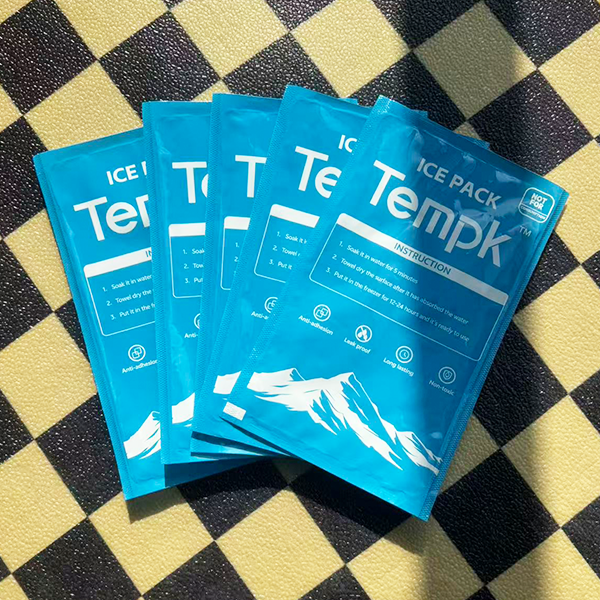
Commercial Ice Box Temperature-Controlled Shipping: Guia de especificações
The most useful way to plan commercial ice box temperature controlled shipping is to move through a requirement-to-evidence sequence. Primeiro defina o produto e a temperatura necessária. Em seguida, modele a carga útil e o espaço de refrigeração, mapear a rota e lidar com os riscos, selecione construção, e decidir quais testes ou documentação devem apoiar a aprovação. Esta sequência mantém as discussões comerciais ancoradas na aplicação e não em reivindicações amplas sobre litros, isolamento, duração, ou preço.
Para comida, farmacêutico, laboratório, especialidade química, and other temperature-sensitive commercial shipments, Compras, operações, engenharia, e as equipes de qualidade devem trabalhar a partir do mesmo briefing controlado. Temperature-controlled shipping is a system outcome. The commercial ice box alone cannot guarantee the result. As seções abaixo combinam o comprador, engenharia, operacional, e perspectivas de controle de fornecedores em um único caminho de decisão, terminando com verificações de implementação que ajudam a amostra aprovada a permanecer representativa da produção e do uso real.
| Resposta de decisão: Select the commercial insulated shipping system only after confirming the payload, geometria utilizável, exigência de temperatura, rota, refrigerante, manuseio, evidência, e controles de produção. Temperature-controlled shipping is a system outcome. The commercial ice box alone cannot guarantee the result. |
|---|
Passe da necessidade à evidência em uma sequência controlada
Uma decisão controlada pode ser organizada em quatro portas. O portão um define o produto e a condição necessária. O portão dois confirma essa carga útil, refrigerante, geometria interna, manuseio, e rota se ajustam à caixa proposta. Portão três avalia evidências, incluindo desenhos, dados materiais, relatórios de teste, controles de fabricação, e limites de aplicação. Portão quatro aprova implementação, incluindo instruções, monitoramento, recebendo, controle de mudanças, e responsabilidades do fornecedor. Um projeto não deve avançar apenas porque um portão parece forte enquanto outro permanece indefinido.
Os portões também criam propriedade útil. As operações podem definir a rota e o método de trabalho; engenharia pode revisar geometria, materiais, e modos de falha; a qualidade pode estabelecer evidências e regras de desvio; a aquisição pode comparar o escopo e os termos comerciais. Para gestores da cadeia de frio, engenheiros de embalagens, equipes de qualidade, expedidores, and procurement professionals, esta estrutura compartilhada reduz esclarecimentos repetidos e torna as citações comparáveis. Também expõe quando uma solicitação ainda é um conceito e não uma especificação pronta para compra. O registro de aprovação final deve mostrar o que foi confirmado, por quem, usando quais evidências, e para qual limite de aplicação.
- Portão 1 – Produto, condição de temperatura, sensibilidade, e consequência do fracasso
- Portão 2 – Payload envelope, refrigerante, rota, manuseio, higiene, e ajuste do usuário
- Portão 3 – Materiais, desenhos, testes, controles de qualidade, e limitações declaradas
- Portão 4 – Piloto, instruções, monitoramento, recebendo, controle de mudanças, e aprovação de lançamento
Escreva o requisito em linguagem operacional
Escreva um requisito do usuário que outra equipe possa aplicar sem ouvir a discussão de vendas original. Identifique a carga útil, embalagem, condição inicial, condição de temperatura necessária, tempo máximo, subsídio de atraso, exposição ambiental, aberturas, veículo ou transportador, manuseio, limpeza, e recebendo decisão. Para comida, farmacêutico, laboratório, especialidade química, and other temperature-sensitive commercial shipments, também indique a consequência de uma falha e se a remessa pode ser substituída, em quarentena, ou investigados sem grandes perturbações.
Turn the primary objective – maintain a defined product temperature condition through a specified route using an integrated box, refrigerante, pacote, monitoramento, e processo operacional – into measurable acceptance points. Funções separadas fornecidas pelo contêiner físico daquelas fornecidas pelo refrigerante, monitoramento, work instructions, a transportadora, e recebendo. Em seguida, atribua proprietários para suposições não resolvidas. Um requisito controlado do usuário evita que a aprovação final dependa de frases vagas, como durável, médico, qualidade alimentar, à prova de vazamentos, duradouro, ou adequado para cadeia de frio.
- Carga útil definida, embalagem, quantidade, massa, e condição de temperatura
- Pista normal mais atraso, sazonal, abertura, e suposições de transferência
- Componentes do pacote, condicionamento, colocação, e configuração carregada
- Manuseio, restrição, higiene, rótulos, monitoramento, e receber decisões
- Desenhos necessários, evidência de teste, controles de produção, e mudar de propriedade
O Registro de Decisão Específico do Projeto
O registro de aprovação deve resolver os riscos específicos do projeto antes do lançamento comercial: treating the box as the whole system, applying a generic duration to every lane, choosing coolant without product limits, and failing to define acceptance criteria. It should also state how the proposed configuration will maintain a defined product temperature condition through a specified route using an integrated box, refrigerante, pacote, monitoramento, e processo operacional. Estes não são comentários de fundo; são requisitos que precisam de um proprietário, evidência, e uma decisão de aceitação. Quando uma condição ainda não pode ser comprovada, o registro deve identificar o teste restante, piloto, ou ação de qualidade.
Use uma matriz de aplicação que conecte a continuidade do isolamento, compatibilidade de refrigerante, vapor and moisture behavior, proteção estrutural, projeto de fechamento, and dimensional repeatability with the route, manuseio, higiene, monitoramento, e controles de fornecedores. Inclua os três pontos decisivos: Define product range, limites de temperatura, duração da rota, subsídio de atraso, carga útil, exposição sazonal, and receiving criteria before selecting hardware. Controlar o condicionamento do líquido refrigerante, ordem de embalagem, posição do monitor, encerramento, rótulos, and release checks through written instructions. Use development testing and lane qualification appropriately; a generic laboratory test does not guarantee every real route. A escolha final deve ser explicável ao setor de compras, qualidade, operações, e o fornecedor sem depender de apresentação de vendas ou memória pessoal.
Treat the Packout as a Controlled Process
O registro de aprovação deve preencher três lacunas específicas da aplicação antes que o projeto passe para produção ou lançamento.
- Requisito de aprovação: Define product range, limites de temperatura, duração da rota, subsídio de atraso, carga útil, exposição sazonal, and receiving criteria before selecting hardware.
- Requisito de aprovação: Controlar o condicionamento do líquido refrigerante, ordem de embalagem, posição do monitor, encerramento, rótulos, and release checks through written instructions.
- Requisito de aprovação: Use development testing and lane qualification appropriately; a generic laboratory test does not guarantee every real route.
Atribuir um proprietário e evidências de apoio para cada requisito. Se alguém permanecer incerto, mantê-lo como um item de aprovação aberto em vez de esconder a incerteza dentro de uma ampla reclamação do fornecedor.
| Portão de decisão | Confirmação específica do projeto | Evidência aceitável | Proprietário |
|---|---|---|---|
| Requisito do produto | Maintain a defined product temperature condition through a specified route using an integrated box, refrigerante, pacote, monitoramento, e processo operacional | Requisitos aprovados do usuário e informações do produto | Equipes de produto e qualidade |
| Ajuste físico e operacional | Shipment-defined; repetibilidade do pacote, encerramento, rótulos, orientação, restrição, carrier compatibility, e recebendo instruções | Desenho de embalagem, teste de amostra, observação de rota, e revisão de limpeza | Engenharia e operações |
| Limite de desempenho | Temperature-controlled shipping is a system outcome. The commercial ice box alone cannot guarantee the result. | Térmica rastreável, mecânico, monitoramento, e evidência de aplicação | Engenharia e qualidade |
| Controle de fornecedores | User requirements, thermal model or test plan, perfil de rota, configuração de carga útil, condicionamento de refrigerante, monitoramento calibrado, relatório de qualificação, e instruções de operação | Plano de controle, registros, evidência de auditoria, e alterar acordo | Aquisição e qualidade |
| Implementação | Controlar o condicionamento do líquido refrigerante, ordem de embalagem, posição do monitor, encerramento, rótulos, and release checks through written instructions. | Piloto aprovado, instruções, treinamento, recebendo, e plano de escalonamento | Operações e qualidade |
| Decisão do ciclo de vida | embalagem, refrigerante, monitoramento, qualificação, trabalho, frete, atrasos, valor do produto, investigação de desvio, e planejamento de recuperação; right-sized systems, reusable options where return and cleaning work, lower coolant waste, and prevention of product loss | Caso de negócios comparável e revisão periódica de desempenho | Aquisições e operações |
Defina o desempenho da temperatura com condições anexadas
Converta reivindicações térmicas em declarações de aprovação com condições anexadas. A especificação deve identificar a gama de produtos necessária, revisão do pacote, faixa de carga útil, refrigerante e condicionamento, perfil ambiente, duração e margem de atraso, aberturas, plano de sensores, e critério de aceitação. Onde diferentes estações usam pacotes diferentes, aprovar cada configuração explicitamente em vez de tratá-las como ajustes informais do operador.
Crie uma escada de evidências. Comece com cálculos de projeto ou comparação de desenvolvimento, mudar para testes laboratoriais representativos, adicionar qualificação de pista quando o risco exigir, e usar monitoramento operacional para verificar o uso controlado. Cada etapa responde a uma pergunta diferente. A aprovação deve ser baseada no nível que corresponde ao valor do produto, sensibilidade, contexto regulatório, recuperabilidade, e variabilidade de rota, não no nome de certificado mais impressionante de uma proposta.
A capacidade deve ser comprovada com um pacote
Converta a descrição do catálogo em um envelope de carga útil controlado. Solicitar comprimento interno claro, largura, e altura nos pontos onde a carga realmente fica, em seguida, coloque o refrigerante pretendido, separadores, prateleiras, monitor, e produto em desenho ou teste físico. Uma classificação de volume de catálogo descreve o espaço nominal; não indica quantas unidades vendáveis, caixas de vacina, espécimes, ou embalagens de laticínios podem ser carregadas sem perturbar o arranjo aprovado.
A aprovação deve abranger a área externa e a massa carregada, bem como o ajuste interno. O contêiner proposto deve entrar no veículo, passar pelas portas, sente-se com segurança, permitir que a tampa feche sem compressão, e permanecer gerenciável na entrega. Onde os pacotes de verão e inverno diferem, documentar ambos. A especificação aceita deve indicar a carga útil para a configuração definida e identificar qualquer tolerância dimensional que possa alterar a embalagem, restrição, ou desempenho térmico.
Crie uma escada de evidências para a decisão
Organize as evidências de aprovação pela decisão que ela suporta. Desenhos e registros de materiais estabelecem o que é o produto. Testes mecânicos abordam manuseio e restrição. Testes de desenvolvimento térmico comparam projetos. A qualificação testa um pacote definido em relação a um requisito aprovado. Monitoramento de rota mostra como o método controlado se comporta sob variabilidade operacional. O registro de aprovação deve identificar qual nível é necessário e por que, em vez de aceitar uma coleção de relatórios não relacionados.
Antes de confiar em qualquer relatório, compare a versão testada, carga útil, refrigerante, condicionamento, temperaturas iniciais, perfil ambiente, duração, aberturas, orientação, sensores, Critérios de aceitação, e desvios com o uso planejado. Registre as lacunas e decida se são aceitáveis, requer análise, ou exigir testes adicionais. Um nome de relatório ou declaração de aprovação não é suficiente. A conclusão apoiada deve permanecer rastreável à configuração de que a aquisição e a produção realmente comprarão.
A aquisição deve testar o processo do fornecedor
Avalie o fabricante proposto em relação ao requisito aprovado, não contra um questionário genérico do fornecedor. Confirme se a oferta cobre apenas a caixa ou um escopo mais amplo que inclui refrigerante, inserções, desenhos de embalagem, testando, suporte de qualificação, monitoramento, rótulos, peças de reposição, treinamento, e assistência ao desvio. Request user requirements, thermal model or test plan, perfil de rota, configuração de carga útil, condicionamento de refrigerante, monitoramento calibrado, relatório de qualificação, e instruções de operação. Toda reivindicação importante deve apontar para um documento controlado, amostra, condição de teste, ou controle de produção.
Concluir due diligence comercial e de qualidade juntos. Revise as fontes de materiais aprovadas, processos críticos, registros de inspeção, calibração, manutenção de ferramentas, não conformidade, ação corretiva, componentes subcontratados, e notificação de alteração de engenharia. Combine quem possui os desenhos, moldes, revisões de produtos, registros, e retestar decisões. Um fornecedor está pronto para aprovação quando pode recriar a configuração aceita e explicar como as alterações serão avaliadas antes de chegarem à remessa.
- Escopo de fornecimento, documentação, testando, qualificação, e suporte
- Especificação controlada, amostra aprovada, lista de materiais, e link de revisão
- Processos críticos, inspeções, registros, calibração, e ação corretiva
- Controle do subcontratado, manutenção de ferramentas, substituições, e notificação de alteração
- Responsabilidade comercial por defeitos, retrabalhar, peças de reposição, e pedidos futuros
Uma implementação controlada evita surpresas caras
A implementação deve passar de uma amostra representativa para um piloto controlado antes da produção total ou do lançamento da rota. Confirme a lista exata de materiais, desenhos, cores, marcações, acessórios, embalagem, e instruções. Use o piloto para testar o tempo de embalagem, erros do usuário, ergonomia carregada, ajuste do veículo, restrição, limpeza, monitoramento, e recebendo. Para uma aplicação com temperatura controlada, verificar se o piloto segue a configuração pretendida do refrigerante e da carga útil, em vez de uma configuração de demonstração mais fácil.
Após aprovação, congelar a especificação crítica e definir o controle de mudanças. Empacotadores de trem, motoristas, Correios, produtos de limpeza, e receptores nas partes do processo que eles possuem. Estabeleça uma revisão da primeira produção e monitore remessas antecipadas em busca de problemas recorrentes. Um lançamento deve incluir contatos de escalonamento e um método para segregar caixas ou componentes suspeitos. Revisão periódica pode causar danos, desvio, retornar, limpeza, e dados de temperatura para refinar o sistema sem enfraquecer o limite qualificado ou aprovado.
Construa um modelo de custo em torno de risco e utilização
Crie um caso de negócios ajustado ao risco com resultados únicos, recorrente, e custos de falha separados. Itens únicos podem incluir design, ferramentas, amostras, validação, e lançamento. Itens recorrentes podem incluir unidades, refrigerante, monitoramento, trabalho, limpeza, frete, inspeção, armazenar, e substituição. Os custos de falha podem incluir retenção de produto, reenvio, investigação de desvio, interrupção do cliente, e perda de capacidade de rota. Use dados do projeto ou suposições claramente identificadas em vez de uma porcentagem genérica de economia.
Compare alternativas no mesmo escopo aprovado. Um preço unitário mais baixo não significa um custo mais baixo se o espaço utilizável for insuficiente, cubo de frete é alto, o trabalho da embalagem é lento, ou fugas de qualidade são frequentes. Um projeto tecnicamente mais forte não é automaticamente melhor se agregar custos sem abordar um risco de rota. A equipe de aprovação deve documentar o compromisso que está aceitando e a medida operacional que mostrará se o valor esperado foi alcançado.
Aplicando o Caminho de Decisão a um Projeto Típico
Aplicar o caminho de decisão completo a um projeto típico. A shipper wants one box for a forty-eight-hour service, but carrier cutoffs, atraso de fim de semana, massa de carga útil, exposição ambiental sazonal, and receiving availability all affect the required design margin. A equipe multifuncional primeiro aprova o requisito do usuário, em seguida, confirma a carga útil e o ajuste do líquido refrigerante com uma amostra física. Ele registra o manuseio carregado, exposição da rota, higiene, monitoramento, e receber necessidades antes de selecionar o nível de evidência e o escopo comercial.
O fabricante escolhido fornece desenhos controlados, materiais, relatórios de teste, e um lote piloto. Aquisição compara a cotação com o escopo aprovado; verificações de qualidade, controle de mudanças e critérios de aceitação; operações executa o piloto com usuários normais. O lançamento ocorre somente depois que as lacunas não resolvidas têm proprietários e datas. O registro final vincula o requisito, configuração, evidência, instruções, e versão de produção para que alterações futuras possam ser avaliadas de forma coerente.
Perguntas finais sobre aquisição
O que deve ser aprovado antes da liberação do pedido de compra?
Aprovar o requisito do usuário, revisão do produto, dimensões internas e externas, materiais, componentes do pacote, base de teste ou qualificação, critérios críticos de inspeção, rótulos, embalagem, documentação, escopo comercial, e responsabilidades de controle de mudanças. Para uso sensível à temperatura, também aprovar a carga útil, condicionamento de refrigerante, suposições de ambiente e duração, plano de sensores, instruções de operação, critérios de recebimento, e limitações não resolvidas.
Como uma amostra aprovada é mantida consistente com a produção?
Vincule a amostra a desenhos controlados, lista de materiais, fontes de materiais aprovadas, configurações de processo, dimensões críticas, métodos de inspeção, e um lote piloto. Guarde uma amostra de referência sempre que for útil, mas não confie apenas na aparência. O fornecedor deve notificar o comprador antes de alterações nas ferramentas, resina, isolamento, hardware, selo, inserir, refrigerante, subcontratado, processo, ou embalagem que possa afetar o funcionamento.
Quem é o responsável pelas decisões de qualificação e conformidade?
A responsabilidade deve ser alocada no acordo do projeto. O fornecedor pode fornecer dados precisos do produto, amostras, relatórios, e suporte técnico; o comprador normalmente define os limites do produto, faixa, Critérios de aceitação, sistema de qualidade, e obrigações de mercado aplicáveis. Um fabricante contratado ou laboratório de testes pode realizar trabalhos, mas isso não elimina a necessidade do proprietário do produto e da equipe de qualidade aprovarem a adequação.
Quando um design personalizado é justificado?
A personalização é justificada quando um produto padrão não consegue atender à geometria crítica da carga útil, capacidade utilizável, restrição, limpeza, marca, rota, acessório, ou necessidades operacionais. Compare o valor com ferramentas, tempo de desenvolvimento, Quantidade mínima, risco de mudança, requisitos de teste, peças de reposição, e revisões futuras. Um formato personalizado deve resolver um requisito documentado em vez de adicionar complexidade que pode ser tratada com uma inserção ou alteração de processo.
What turns an ice box into a temperature-controlled shipping system?
A controlled system combines a defined product temperature condition, carga útil, refrigerante ou PCM, condicionamento, pacote, ambient and duration profile, design margin, monitoramento, encerramento, rótulos, manuseio, critérios de recebimento, and appropriate testing or qualification. The box supplies insulation and structural protection, but the shipping outcome comes from the complete configuration and repeatable operating process.
Conclusão: Aprove um sistema que você possa explicar e repetir
A suitable commercial ice box temperature controlled shipping is the result of disciplined specification rather than a single feature. A decisão mais confiável conecta carga útil, condição de temperatura, rota, espaço utilizável, construção, refrigerante, manuseio, higiene, evidência, controle de produção, e propriedade operacional. Quando esses elementos são explícitos, o departamento de compras pode comparar ofertas de forma justa e as operações podem repetir o método aprovado sem depender de memória ou linguagem de vendas ampla.
- Comece com o produto e a pista, em seguida, confirme o ajuste físico e a embalagem.
- Combine as evidências necessárias com o risco e o limite da aplicação.
- Aprovar controles de fornecedores, implementação, monitoramento, e gerenciamento de mudanças juntos.
- Mantenha um link rastreável desde o requisito até a evidência e a instrução operacional.
Sobre Tempk
Tempk works from Shanghai on cold-chain packaging products and solutions and has operated since 2011. The company’s public product categories include ice packs, caixas isoladas, vacuum-insulated packaging, sacos e forros, Tampas de paletes, e equipamentos de monitoramento de temperatura. Em vez de selecionar apenas a capacidade, um comprador pode compartilhar o produto, condição necessária, carga útil, rota, temporada, manuseio, e recebendo detalhes para uma discussão mais relevante. Qualquer aplicação sensível à temperatura ainda deve ser confirmada através de testes apropriados, documentação, e revisão de qualidade.
Preparando uma consulta útil
Compartilhe sua carga útil, rota, exigência de temperatura, and expected order scope with Tempk to discuss a practical commercial insulated shipping system configuration.
Fabricante comercial de logística de laticínios com caixa de gelo: Guia de especificações
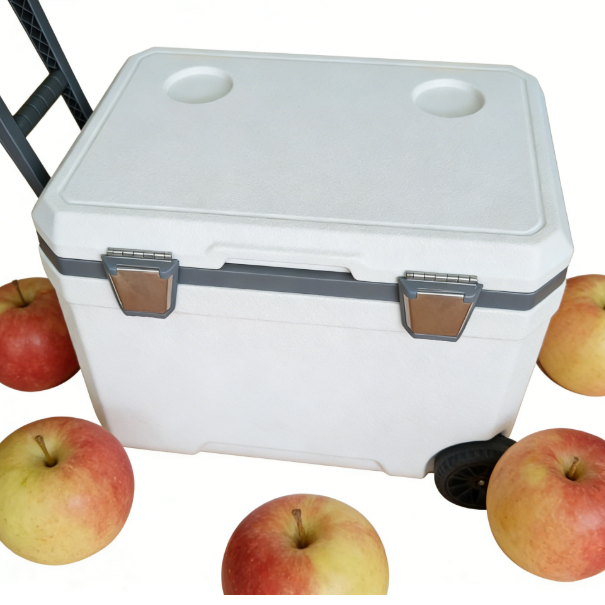
Selecionando um fabricante comercial de logística de laticínios para caixas de gelo: Um guia de requisitos para evidências
The most useful way to select a commercial ice box dairy logistics manufacturer is to move through a requirement-to-evidence sequence. Primeiro defina o produto e a temperatura necessária. Em seguida, modele a carga útil e o espaço de refrigeração, mapear a rota e lidar com os riscos, selecione construção, e decidir quais testes ou documentação devem apoiar a aprovação. Esta sequência mantém as discussões comerciais ancoradas na aplicação e não em reivindicações amplas sobre litros, isolamento, duração, ou preço.
Para leite, iogurte, queijo, produtos cultivados, ingredientes, amostras, e operações de entrega por rota, Compras, operações, engenharia, e as equipes de qualidade devem trabalhar a partir do mesmo briefing controlado. A geladeira comercial é uma parte da cadeia de frio dos laticínios. Limites do produto, refrigerante, tempo de rota, comportamento de abertura, condições do veículo, e os controles de recebimento determinam o desempenho. As seções abaixo combinam o comprador, engenharia, operacional, e perspectivas de controle de fornecedores em um único caminho de decisão, terminando com verificações de implementação que ajudam a amostra aprovada a permanecer representativa da produção e do uso real.
| Resposta de decisão: Selecione a caixa de gelo para logística de laticínios comercial somente após confirmar a carga útil, geometria utilizável, exigência de temperatura, rota, refrigerante, manuseio, evidência, e controles de produção. A geladeira comercial é uma parte da cadeia de frio dos laticínios. Limites do produto, refrigerante, tempo de rota, comportamento de abertura, condições do veículo, e os controles de recebimento determinam o desempenho. |
|---|
Use um caminho de decisão do requisito à evidência
Uma decisão controlada pode ser organizada em quatro portas. O portão um define o produto e a condição necessária. O portão dois confirma essa carga útil, refrigerante, geometria interna, manuseio, e rota se ajustam à caixa proposta. Portão três avalia evidências, incluindo desenhos, dados materiais, relatórios de teste, controles de fabricação, e limites de aplicação. Portão quatro aprova implementação, incluindo instruções, monitoramento, recebendo, controle de mudanças, e responsabilidades do fornecedor. Um projeto não deve avançar apenas porque um portão parece forte enquanto outro permanece indefinido.
Os portões também criam propriedade útil. As operações podem definir a rota e o método de trabalho; engenharia pode revisar geometria, materiais, e modos de falha; a qualidade pode estabelecer evidências e regras de desvio; a aquisição pode comparar o escopo e os termos comerciais. Para processadores de laticínios, distribuidores, operadores de rotas, equipes de qualidade, e compras de logística alimentar, esta estrutura compartilhada reduz esclarecimentos repetidos e torna as citações comparáveis. Também expõe quando uma solicitação ainda é um conceito e não uma especificação pronta para compra. O registro de aprovação final deve mostrar o que foi confirmado, por quem, usando quais evidências, e para qual limite de aplicação.
- Portão 1 – Produto, condição de temperatura, sensibilidade, e consequência do fracasso
- Portão 2 – Payload envelope, refrigerante, rota, manuseio, higiene, e ajuste do usuário
- Portão 3 – Materiais, desenhos, testes, controles de qualidade, e limitações declaradas
- Portão 4 – Piloto, instruções, monitoramento, recebendo, controle de mudanças, e aprovação de lançamento
Uma especificação útil começa com o trabalho
Escreva um requisito do usuário que outra equipe possa aplicar sem ouvir a discussão de vendas original. Identifique a carga útil, embalagem, condição inicial, condição de temperatura necessária, tempo máximo, subsídio de atraso, exposição ambiental, aberturas, veículo ou transportador, manuseio, limpeza, e recebendo decisão. Para leite, iogurte, queijo, produtos cultivados, ingredientes, amostras, e operações de entrega por rota, também indique a consequência de uma falha e se a remessa pode ser substituída, em quarentena, ou investigados sem grandes perturbações.
Turn the primary objective – preserve the product-specific refrigerated condition while supporting hygienic, manuseio comercial repetitivo – into measurable acceptance points. Funções separadas fornecidas pelo contêiner físico daquelas fornecidas pelo refrigerante, monitoramento, work instructions, a transportadora, e recebendo. Em seguida, atribua proprietários para suposições não resolvidas. Um requisito controlado do usuário evita que a aprovação final dependa de frases vagas, como durável, médico, qualidade alimentar, à prova de vazamentos, duradouro, ou adequado para cadeia de frio.
- Carga útil definida, embalagem, quantidade, massa, e condição de temperatura
- Pista normal mais atraso, sazonal, abertura, e suposições de transferência
- Componentes do pacote, condicionamento, colocação, e configuração carregada
- Manuseio, restrição, higiene, rótulos, monitoramento, e receber decisões
- Desenhos necessários, evidência de teste, controles de produção, e mudar de propriedade
O Registro de Decisão Específico do Projeto
O registro de aprovação deve resolver os riscos específicos do projeto antes do lançamento comercial: assumindo que o isolamento sozinho controla a temperatura, ignorando o tempo de permanência nas transferências, permitindo água derretida ou armadilhas de solo, e selecionando uma caixa que retarda o trabalho da rota. Deve também indicar como a configuração proposta preservará a condição refrigerada específica do produto e, ao mesmo tempo, apoiará a higiene, manuseio comercial repetitivo. Estes não são comentários de fundo; são requisitos que precisam de um proprietário, evidência, e uma decisão de aceitação. Quando uma condição ainda não pode ser comprovada, o registro deve identificar o teste restante, piloto, ou ação de qualidade.
Use uma matriz de aplicação que conecte materiais de revestimento limpáveis, estrutura de isolamento fechada, projeto de vedação, detalhes de drenagem, durabilidade ao impacto, e resistência aos detergentes com a rota, manuseio, higiene, monitoramento, e controles de fornecedores. Inclua os três pontos decisivos: Interrupção da doca do mapa, temperatura do veículo, parar contagem, horário de abertura, e atraso no recebimento antes de escolher a caixa e o refrigerante. Priorize detalhes laváveis e rápido, carregamento repetível porque as rotas leiteiras são operacionalmente repetitivas. Confirmar os requisitos específicos de temperatura e saneamento do produto de acordo com as regras aplicáveis de laticínios e segurança alimentar. A escolha final deve ser explicável ao setor de compras, qualidade, operações, e o fornecedor sem depender de apresentação de vendas ou memória pessoal.
Converta o volume nominal em espaço utilizável
Converta a descrição do catálogo em um envelope de carga útil controlado. Solicitar comprimento interno claro, largura, e altura nos pontos onde a carga realmente fica, em seguida, coloque o refrigerante pretendido, separadores, prateleiras, monitor, e produto em desenho ou teste físico. Uma classificação de volume de catálogo descreve o espaço nominal; não indica quantas unidades vendáveis, caixas de vacina, espécimes, ou embalagens de laticínios podem ser carregadas sem perturbar o arranjo aprovado.
A aprovação deve abranger a área externa e a massa carregada, bem como o ajuste interno. O contêiner proposto deve entrar no veículo, passar pelas portas, sente-se com segurança, permitir que a tampa feche sem compressão, e permanecer gerenciável na entrega. Onde os pacotes de verão e inverno diferem, documentar ambos. A especificação aceita deve indicar a carga útil para a configuração definida e identificar qualquer tolerância dimensional que possa alterar a embalagem, restrição, ou desempenho térmico.
| Portão de decisão | Confirmação específica do projeto | Evidência aceitável | Proprietário |
|---|---|---|---|
| Requisito do produto | Preservar a condição refrigerada específica do produto e, ao mesmo tempo, apoiar a higiene, manuseio comercial repetitivo | Requisitos aprovados do usuário e informações do produto | Equipes de produto e qualidade |
| Ajuste físico e operacional | Tamanho da rota; carregamento rápido, empilhamento estável, fechamentos seguros, restrição de veículo, rótulos de rota, e transporte seguro quando molhado | Desenho de embalagem, teste de amostra, observação de rota, e revisão de limpeza | Engenharia e operações |
| Limite de desempenho | A geladeira comercial é uma parte da cadeia de frio dos laticínios. Limites do produto, refrigerante, tempo de rota, comportamento de abertura, condições do veículo, e os controles de recebimento determinam o desempenho. | Térmica rastreável, mecânico, monitoramento, e evidência de aplicação | Engenharia e qualidade |
| Controle de fornecedores | Declarações materiais, revisão de limpeza, dimensões, condições de teste de rota, registros de temperatura, e documentação de qualidade de produção | Plano de controle, registros, evidência de auditoria, e alterar acordo | Aquisição e qualidade |
| Implementação | Priorize detalhes laváveis e rápido, carregamento repetível porque as rotas leiteiras são operacionalmente repetitivas. | Piloto aprovado, instruções, treinamento, recebendo, e plano de escalonamento | Operações e qualidade |
| Decisão do ciclo de vida | mão de obra rota, tempo de limpeza, risco de perda de produto, cubo de veículo, substituição de caixa, e o número de tamanhos necessários; alta utilização, reutilização confiável, eficiência de lavagem, retorno compatível com rota, e menor perda de produto | Caso de negócios comparável e revisão periódica de desempenho | Aquisições e operações |
Projete ao redor da rota, Não apenas o produto
O registro de aprovação deve preencher três lacunas específicas da aplicação antes que o projeto passe para produção ou lançamento.
- Requisito de aprovação: Interrupção da doca do mapa, temperatura do veículo, parar contagem, horário de abertura, e atraso no recebimento antes de escolher a caixa e o refrigerante.
- Requisito de aprovação: Priorize detalhes laváveis e rápido, carregamento repetível porque as rotas leiteiras são operacionalmente repetitivas.
- Requisito de aprovação: Confirmar os requisitos específicos de temperatura e saneamento do produto de acordo com as regras aplicáveis de laticínios e segurança alimentar.
Atribuir um proprietário e evidências de apoio para cada requisito. Se alguém permanecer incerto, mantê-lo como um item de aprovação aberto em vez de esconder a incerteza dentro de uma ampla reclamação do fornecedor.
Defina o desempenho da temperatura com condições anexadas
Converta reivindicações térmicas em declarações de aprovação com condições anexadas. A especificação deve identificar a gama de produtos necessária, revisão do pacote, faixa de carga útil, refrigerante e condicionamento, perfil ambiente, duração e margem de atraso, aberturas, plano de sensores, e critério de aceitação. Onde diferentes estações usam pacotes diferentes, aprovar cada configuração explicitamente em vez de tratá-las como ajustes informais do operador.
Crie uma escada de evidências. Comece com cálculos de projeto ou comparação de desenvolvimento, mudar para testes laboratoriais representativos, adicionar qualificação de pista quando o risco exigir, e usar monitoramento operacional para verificar o uso controlado. Cada etapa responde a uma pergunta diferente. A aprovação deve ser baseada no nível que corresponde ao valor do produto, sensibilidade, contexto regulatório, recuperabilidade, e variabilidade de rota, não no nome de certificado mais impressionante de uma proposta.
A aquisição deve testar o processo do fornecedor
Avalie o fabricante proposto em relação ao requisito aprovado, não contra um questionário genérico do fornecedor. Confirme se a oferta cobre apenas a caixa ou um escopo mais amplo que inclui refrigerante, inserções, desenhos de embalagem, testando, suporte de qualificação, monitoramento, rótulos, peças de reposição, treinamento, e assistência ao desvio. Solicitar declarações de materiais, revisão de limpeza, dimensões, condições de teste de rota, registros de temperatura, e documentação de qualidade de produção. Toda reivindicação importante deve apontar para um documento controlado, amostra, condição de teste, ou controle de produção.
Concluir due diligence comercial e de qualidade juntos. Revise as fontes de materiais aprovadas, processos críticos, registros de inspeção, calibração, manutenção de ferramentas, não conformidade, ação corretiva, componentes subcontratados, e notificação de alteração de engenharia. Combine quem possui os desenhos, moldes, revisões de produtos, registros, e retestar decisões. Um fornecedor está pronto para aprovação quando pode recriar a configuração aceita e explicar como as alterações serão avaliadas antes de chegarem à remessa.
- Escopo de fornecimento, documentação, testando, qualificação, e suporte
- Especificação controlada, amostra aprovada, lista de materiais, e link de revisão
- Processos críticos, inspeções, registros, calibração, e ação corretiva
- Controle do subcontratado, manutenção de ferramentas, substituições, e notificação de alteração
- Responsabilidade comercial por defeitos, retrabalhar, peças de reposição, e pedidos futuros
Crie uma escada de evidências para a decisão
Organize as evidências de aprovação pela decisão que ela suporta. Desenhos e registros de materiais estabelecem o que é o produto. Testes mecânicos abordam manuseio e restrição. Testes de desenvolvimento térmico comparam projetos. A qualificação testa um pacote definido em relação a um requisito aprovado. Monitoramento de rota mostra como o método controlado se comporta sob variabilidade operacional. O registro de aprovação deve identificar qual nível é necessário e por que, em vez de aceitar uma coleção de relatórios não relacionados.
Antes de confiar em qualquer relatório, compare a versão testada, carga útil, refrigerante, condicionamento, temperaturas iniciais, perfil ambiente, duração, aberturas, orientação, sensores, Critérios de aceitação, e desvios com o uso planejado. Registre as lacunas e decida se são aceitáveis, requer análise, ou exigir testes adicionais. Um nome de relatório ou declaração de aprovação não é suficiente. A conclusão apoiada deve permanecer rastreável à configuração de que a aquisição e a produção realmente comprarão.
Uma implementação controlada evita surpresas caras
A implementação deve passar de uma amostra representativa para um piloto controlado antes da produção total ou do lançamento da rota. Confirme a lista exata de materiais, desenhos, cores, marcações, acessórios, embalagem, e instruções. Use o piloto para testar o tempo de embalagem, erros do usuário, ergonomia carregada, ajuste do veículo, restrição, limpeza, monitoramento, e recebendo. Para uma aplicação com temperatura controlada, verificar se o piloto segue a configuração pretendida do refrigerante e da carga útil, em vez de uma configuração de demonstração mais fácil.
Após aprovação, congelar a especificação crítica e definir o controle de mudanças. Empacotadores de trem, motoristas, Correios, produtos de limpeza, e receptores nas partes do processo que eles possuem. Estabeleça uma revisão da primeira produção e monitore remessas antecipadas em busca de problemas recorrentes. Um lançamento deve incluir contatos de escalonamento e um método para segregar caixas ou componentes suspeitos. Revisão periódica pode causar danos, desvio, retornar, limpeza, e dados de temperatura para refinar o sistema sem enfraquecer o limite qualificado ou aprovado.
Construa um modelo de custo em torno de risco e utilização
Crie um caso de negócios ajustado ao risco com resultados únicos, recorrente, e custos de falha separados. Itens únicos podem incluir design, ferramentas, amostras, validação, e lançamento. Itens recorrentes podem incluir unidades, refrigerante, monitoramento, trabalho, limpeza, frete, inspeção, armazenar, e substituição. Os custos de falha podem incluir retenção de produto, reenvio, investigação de desvio, interrupção do cliente, e perda de capacidade de rota. Use dados do projeto ou suposições claramente identificadas em vez de uma porcentagem genérica de economia.
Compare alternativas no mesmo escopo aprovado. Um preço unitário mais baixo não significa um custo mais baixo se o espaço utilizável for insuficiente, cubo de frete é alto, o trabalho da embalagem é lento, ou fugas de qualidade são frequentes. Um projeto tecnicamente mais forte não é automaticamente melhor se agregar custos sem abordar um risco de rota. A equipe de aprovação deve documentar o compromisso que está aceitando e a medida operacional que mostrará se o valor esperado foi alcançado.
Aplicando o Caminho de Decisão a um Projeto Típico
Aplicar o caminho de decisão completo a um projeto típico. Um distribuidor de laticínios realiza muitas entregas curtas. Cada abertura é breve, mas exposição acumulada, manuseio molhado, e a reembalagem inconsistente pode criar mais riscos do que apenas o tempo de condução. A equipe multifuncional primeiro aprova o requisito do usuário, em seguida, confirma a carga útil e o ajuste do líquido refrigerante com uma amostra física. Ele registra o manuseio carregado, exposição da rota, higiene, monitoramento, e receber necessidades antes de selecionar o nível de evidência e o escopo comercial.
O fabricante escolhido fornece desenhos controlados, materiais, relatórios de teste, e um lote piloto. Aquisição compara a cotação com o escopo aprovado; verificações de qualidade, controle de mudanças e critérios de aceitação; operações executa o piloto com usuários normais. O lançamento ocorre somente depois que as lacunas não resolvidas têm proprietários e datas. O registro final vincula o requisito, configuração, evidência, instruções, e versão de produção para que alterações futuras possam ser avaliadas de forma coerente.
Perguntas finais sobre aquisição
O que deve ser aprovado antes da liberação do pedido de compra?
Aprovar o requisito do usuário, revisão do produto, dimensões internas e externas, materiais, componentes do pacote, base de teste ou qualificação, critérios críticos de inspeção, rótulos, embalagem, documentação, escopo comercial, e responsabilidades de controle de mudanças. Para uso sensível à temperatura, também aprovar a carga útil, condicionamento de refrigerante, suposições de ambiente e duração, plano de sensores, instruções de operação, critérios de recebimento, e limitações não resolvidas.
Como uma amostra aprovada é mantida consistente com a produção?
Vincule a amostra a desenhos controlados, lista de materiais, fontes de materiais aprovadas, configurações de processo, dimensões críticas, métodos de inspeção, e um lote piloto. Guarde uma amostra de referência sempre que for útil, mas não confie apenas na aparência. O fornecedor deve notificar o comprador antes de alterações nas ferramentas, resina, isolamento, hardware, selo, inserir, refrigerante, subcontratado, processo, ou embalagem que possa afetar o funcionamento.
Quem é o responsável pelas decisões de qualificação e conformidade?
A responsabilidade deve ser alocada no acordo do projeto. O fornecedor pode fornecer dados precisos do produto, amostras, relatórios, e suporte técnico; o comprador normalmente define os limites do produto, faixa, Critérios de aceitação, sistema de qualidade, e obrigações de mercado aplicáveis. Um fabricante contratado ou laboratório de testes pode realizar trabalhos, mas isso não elimina a necessidade do proprietário do produto e da equipe de qualidade aprovarem a adequação.
Quando um design personalizado é justificado?
A personalização é justificada quando um produto padrão não consegue atender à geometria crítica da carga útil, capacidade utilizável, restrição, limpeza, marca, rota, acessório, ou necessidades operacionais. Compare o valor com ferramentas, tempo de desenvolvimento, Quantidade mínima, risco de mudança, requisitos de teste, peças de reposição, e revisões futuras. Um formato personalizado deve resolver um requisito documentado em vez de adicionar complexidade que pode ser tratada com uma inserção ou alteração de processo.
O que deve ser confirmado para a logística da rota láctea?
Confirme a condição refrigerada específica do produto, exposição máxima de doca e entrega, ambiente do veículo, parar contagem, padrão de abertura, método de higiene, e recebimento de atraso de acordo com as regras aplicáveis em alimentos e laticínios. A caixa deve suportar carregamento e limpeza rápidos e repetíveis, sem armadilhas de água ou superfícies danificadas. O isolamento é apenas um controle dentro da cadeia mais ampla de frio de laticínios.
Conclusão: Aprove um sistema que você possa explicar e repetir
Um fabricante comercial de logística de laticínios de caixas de gelo adequado é o resultado de especificações disciplinadas, e não de um único recurso. A decisão mais confiável conecta carga útil, condição de temperatura, rota, espaço utilizável, construção, refrigerante, manuseio, higiene, evidência, controle de produção, e propriedade operacional. Quando esses elementos são explícitos, o departamento de compras pode comparar ofertas de forma justa e as operações podem repetir o método aprovado sem depender de memória ou linguagem de vendas ampla.
- Comece com o produto e a pista, em seguida, confirme o ajuste físico e a embalagem.
- Combine as evidências necessárias com o risco e o limite da aplicação.
- Aprovar controles de fornecedores, implementação, monitoramento, e gerenciamento de mudanças juntos.
- Mantenha um link rastreável desde o requisito até a evidência e a instrução operacional.
Sobre Tempk
Tempk works from Shanghai on cold-chain packaging products and solutions and has operated since 2011. The company’s public product categories include ice packs, caixas isoladas, vacuum-insulated packaging, sacos e forros, Tampas de paletes, e equipamentos de monitoramento de temperatura. Em vez de selecionar apenas a capacidade, um comprador pode compartilhar o produto, condição necessária, carga útil, rota, temporada, manuseio, e recebendo detalhes para uma discussão mais relevante. Qualquer aplicação sensível à temperatura ainda deve ser confirmada através de testes apropriados, documentação, e revisão de qualidade.
Discussão do Projeto
Discuta o produto planejado, refrigerante, rota, temporada, monitoramento, e processo de recebimento com Tempk antes de passar da amostra para a produção.
40 Fornecedor de caixa de gelo isolada por litro: Guia de especificações
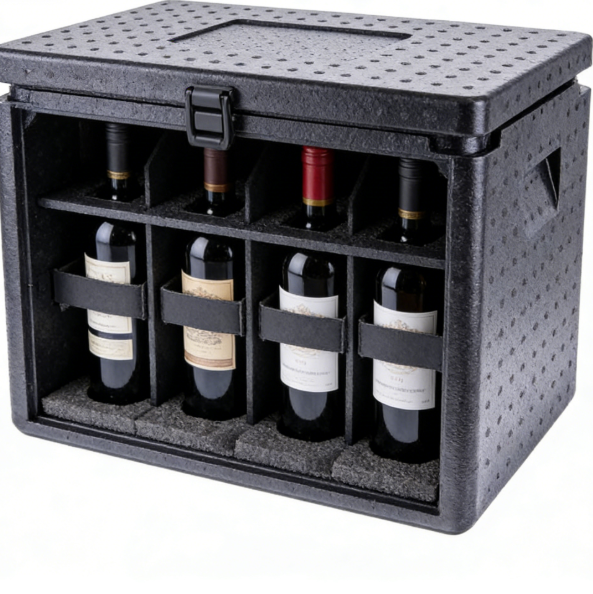
Selecionando um 40 Fornecedor de caixa de gelo isolada por litro: Um guia de requisitos para evidências
A maneira mais útil de selecionar um 40 O fornecedor de caixas de gelo isoladas de um litro deve passar por uma sequência de exigência de evidência. Primeiro defina o produto e a temperatura necessária. Em seguida, modele a carga útil e o espaço de refrigeração, mapear a rota e lidar com os riscos, selecione construção, e decidir quais testes ou documentação devem apoiar a aprovação. Esta sequência mantém as discussões comerciais ancoradas na aplicação e não em reivindicações amplas sobre litros, isolamento, duração, ou preço.
Para entrega comercial, distribuição de alimentos, apoio médico, eventos, trabalho de campo, e transporte regional, Compras, operações, engenharia, e as equipes de qualidade devem trabalhar a partir do mesmo briefing controlado. Quarenta litros descreve o volume interno nominal, não é uma carga útil ou duração térmica garantida. A embalagem completa e a rota determinam o resultado. As seções abaixo combinam o comprador, engenharia, operacional, e perspectivas de controle de fornecedores em um único caminho de decisão, terminando com verificações de implementação que ajudam a amostra aprovada a permanecer representativa da produção e do uso real.
| Resposta de decisão: Select the insulated ice box only after confirming the payload, geometria utilizável, exigência de temperatura, rota, refrigerante, manuseio, evidência, e controles de produção. Quarenta litros descreve o volume interno nominal, não é uma carga útil ou duração térmica garantida. A embalagem completa e a rota determinam o resultado. |
|---|
A decisão tem quatro portas conectadas
Uma decisão controlada pode ser organizada em quatro portas. O portão um define o produto e a condição necessária. O portão dois confirma essa carga útil, refrigerante, geometria interna, manuseio, e rota se ajustam à caixa proposta. Portão três avalia evidências, incluindo desenhos, dados materiais, relatórios de teste, controles de fabricação, e limites de aplicação. Portão quatro aprova implementação, incluindo instruções, monitoramento, recebendo, controle de mudanças, e responsabilidades do fornecedor. Um projeto não deve avançar apenas porque um portão parece forte enquanto outro permanece indefinido.
Os portões também criam propriedade útil. As operações podem definir a rota e o método de trabalho; engenharia pode revisar geometria, materiais, e modos de falha; a qualidade pode estabelecer evidências e regras de desvio; a aquisição pode comparar o escopo e os termos comerciais. For commercial procurement, distribuidores, logistics planners, e proprietários de marcas, esta estrutura compartilhada reduz esclarecimentos repetidos e torna as citações comparáveis. Também expõe quando uma solicitação ainda é um conceito e não uma especificação pronta para compra. O registro de aprovação final deve mostrar o que foi confirmado, por quem, usando quais evidências, e para qual limite de aplicação.
- Portão 1 – Produto, condição de temperatura, sensibilidade, e consequência do fracasso
- Portão 2 – Payload envelope, refrigerante, rota, manuseio, higiene, e ajuste do usuário
- Portão 3 – Materiais, desenhos, testes, controles de qualidade, e limitações declaradas
- Portão 4 – Piloto, instruções, monitoramento, recebendo, controle de mudanças, e aprovação de lançamento
Escreva o requisito em linguagem operacional
Escreva um requisito do usuário que outra equipe possa aplicar sem ouvir a discussão de vendas original. Identifique a carga útil, embalagem, condição inicial, condição de temperatura necessária, tempo máximo, subsídio de atraso, exposição ambiental, aberturas, veículo ou transportador, manuseio, limpeza, e recebendo decisão. Para entrega comercial, distribuição de alimentos, apoio médico, eventos, trabalho de campo, e transporte regional, também indique a consequência de uma falha e se a remessa pode ser substituída, em quarentena, ou investigados sem grandes perturbações.
Turn the primary objective – combine meaningful usable capacity with manageable handling and a thermal design appropriate to the lane – into measurable acceptance points. Funções separadas fornecidas pelo contêiner físico daquelas fornecidas pelo refrigerante, monitoramento, work instructions, a transportadora, e recebendo. Em seguida, atribua proprietários para suposições não resolvidas. Um requisito controlado do usuário evita que a aprovação final dependa de frases vagas, como durável, médico, qualidade alimentar, à prova de vazamentos, duradouro, ou adequado para cadeia de frio.
- Carga útil definida, embalagem, quantidade, massa, e condição de temperatura
- Pista normal mais atraso, sazonal, abertura, e suposições de transferência
- Componentes do pacote, condicionamento, colocação, e configuração carregada
- Manuseio, restrição, higiene, rótulos, monitoramento, e receber decisões
- Desenhos necessários, evidência de teste, controles de produção, e mudar de propriedade
Elimine as lacunas de aprovação específicas do aplicativo
O registro de aprovação deve resolver os riscos específicos do projeto antes do lançamento comercial: overestimating usable capacity, using a generic hold-time claim, overlooking wall or lid thermal bridges, and failing to restrain the box. It should also state how the proposed configuration will combine meaningful usable capacity with manageable handling and a thermal design appropriate to the lane. Estes não são comentários de fundo; são requisitos que precisam de um proprietário, evidência, e uma decisão de aceitação. Quando uma condição ainda não pode ser comprovada, o registro deve identificar o teste restante, piloto, ou ação de qualidade.
Use an application matrix that connects insulation thickness and continuity, construção da tampa, cantos, shell impact resistance, hardware, and closure compression with the route, manuseio, higiene, monitoramento, e controles de fornecedores. Inclua os três pontos decisivos: Confirm internal length, largura, altura, and the payload envelope after coolant placement. Review both hot-ambient and cold-ambient risks when the route or product requires them. Do not accept a duration claim unless the supplier identifies payload, refrigerante, Perfil de teste, aberturas, e critérios de aceitação. A escolha final deve ser explicável ao setor de compras, qualidade, operações, e o fornecedor sem depender de apresentação de vendas ou memória pessoal.
Converta o volume nominal em espaço utilizável
Converta a descrição do catálogo em um envelope de carga útil controlado. Solicitar comprimento interno claro, largura, e altura nos pontos onde a carga realmente fica, em seguida, coloque o refrigerante pretendido, separadores, prateleiras, monitor, e produto em desenho ou teste físico. Uma classificação de 40 litros descreve o espaço nominal; não indica quantas unidades vendáveis, caixas de vacina, espécimes, ou embalagens de laticínios podem ser carregadas sem perturbar o arranjo aprovado.
A aprovação deve abranger a área externa e a massa carregada, bem como o ajuste interno. O contêiner proposto deve entrar no veículo, passar pelas portas, sente-se com segurança, permitir que a tampa feche sem compressão, e permanecer gerenciável na entrega. Onde os pacotes de verão e inverno diferem, documentar ambos. A especificação aceita deve indicar a carga útil para a configuração definida e identificar qualquer tolerância dimensional que possa alterar a embalagem, restrição, ou desempenho térmico.
| Portão de decisão | Confirmação específica do projeto | Evidência aceitável | Proprietário |
|---|---|---|---|
| Requisito do produto | Combine meaningful usable capacity with manageable handling and a thermal design appropriate to the lane | Requisitos aprovados do usuário e informações do produto | Equipes de produto e qualidade |
| Ajuste físico e operacional | 40-litro; levantamento carregado, alças, stack interface, tie-down compatibility, acesso à tampa, and receiving ergonomics | Desenho de embalagem, teste de amostra, observação de rota, e revisão de limpeza | Engenharia e operações |
| Limite de desempenho | Quarenta litros descreve o volume interno nominal, não é uma carga útil ou duração térmica garantida. A embalagem completa e a rota determinam o resultado. | Térmica rastreável, mecânico, monitoramento, e evidência de aplicação | Engenharia e qualidade |
| Controle de fornecedores | Dimensioned specification, dados materiais, Perfil de teste, payload and coolant details, Critérios de aceitação, and lot inspection | Plano de controle, registros, evidência de auditoria, e alterar acordo | Aquisição e qualidade |
| Implementação | Review both hot-ambient and cold-ambient risks when the route or product requires them. | Piloto aprovado, instruções, treinamento, recebendo, e plano de escalonamento | Operações e qualidade |
| Decisão do ciclo de vida | capacidade utilizável, cubo de frete, necessidade de refrigerante, trabalho, suporte de teste, dano, and long-term replacement; pacotes do tamanho certo, maior vida útil do produto, efficient reverse logistics, and reduced coolant or product waste | Caso de negócios comparável e revisão periódica de desempenho | Aquisições e operações |
Capacidade, Isolamento, and Handling Must Be Balanced
O registro de aprovação deve preencher três lacunas específicas da aplicação antes que o projeto passe para produção ou lançamento.
- Requisito de aprovação: Confirm internal length, largura, altura, and the payload envelope after coolant placement.
- Requisito de aprovação: Review both hot-ambient and cold-ambient risks when the route or product requires them.
- Requisito de aprovação: Do not accept a duration claim unless the supplier identifies payload, refrigerante, Perfil de teste, aberturas, e critérios de aceitação.
Atribuir um proprietário e evidências de apoio para cada requisito. Se alguém permanecer incerto, mantê-lo como um item de aprovação aberto em vez de esconder a incerteza dentro de uma ampla reclamação do fornecedor.
Defina o desempenho da temperatura com condições anexadas
Converta reivindicações térmicas em declarações de aprovação com condições anexadas. A especificação deve identificar a gama de produtos necessária, revisão do pacote, faixa de carga útil, refrigerante e condicionamento, perfil ambiente, duração e margem de atraso, aberturas, plano de sensores, e critério de aceitação. Onde diferentes estações usam pacotes diferentes, aprovar cada configuração explicitamente em vez de tratá-las como ajustes informais do operador.
Crie uma escada de evidências. Comece com cálculos de projeto ou comparação de desenvolvimento, mudar para testes laboratoriais representativos, adicionar qualificação de pista quando o risco exigir, e usar monitoramento operacional para verificar o uso controlado. Cada etapa responde a uma pergunta diferente. A aprovação deve ser baseada no nível que corresponde ao valor do produto, sensibilidade, contexto regulatório, recuperabilidade, e variabilidade de rota, não no nome de certificado mais impressionante de uma proposta.
A aquisição deve testar o processo do fornecedor
Avalie o fabricante proposto em relação ao requisito aprovado, não contra um questionário genérico do fornecedor. Confirme se a oferta cobre apenas a caixa ou um escopo mais amplo que inclui refrigerante, inserções, desenhos de embalagem, testando, suporte de qualificação, monitoramento, rótulos, peças de reposição, treinamento, e assistência ao desvio. Request dimensioned specification, dados materiais, Perfil de teste, payload and coolant details, Critérios de aceitação, and lot inspection. Toda reivindicação importante deve apontar para um documento controlado, amostra, condição de teste, ou controle de produção.
Concluir due diligence comercial e de qualidade juntos. Revise as fontes de materiais aprovadas, processos críticos, registros de inspeção, calibração, manutenção de ferramentas, não conformidade, ação corretiva, componentes subcontratados, e notificação de alteração de engenharia. Combine quem possui os desenhos, moldes, revisões de produtos, registros, e retestar decisões. Um fornecedor está pronto para aprovação quando pode recriar a configuração aceita e explicar como as alterações serão avaliadas antes de chegarem à remessa.
- Escopo de fornecimento, documentação, testando, qualificação, e suporte
- Especificação controlada, amostra aprovada, lista de materiais, e link de revisão
- Processos críticos, inspeções, registros, calibração, e ação corretiva
- Controle do subcontratado, manutenção de ferramentas, substituições, e notificação de alteração
- Responsabilidade comercial por defeitos, retrabalhar, peças de reposição, e pedidos futuros
Crie uma escada de evidências para a decisão
Organize as evidências de aprovação pela decisão que ela suporta. Desenhos e registros de materiais estabelecem o que é o produto. Testes mecânicos abordam manuseio e restrição. Testes de desenvolvimento térmico comparam projetos. A qualificação testa um pacote definido em relação a um requisito aprovado. Monitoramento de rota mostra como o método controlado se comporta sob variabilidade operacional. O registro de aprovação deve identificar qual nível é necessário e por que, em vez de aceitar uma coleção de relatórios não relacionados.
Antes de confiar em qualquer relatório, compare a versão testada, carga útil, refrigerante, condicionamento, temperaturas iniciais, perfil ambiente, duração, aberturas, orientação, sensores, Critérios de aceitação, e desvios com o uso planejado. Registre as lacunas e decida se são aceitáveis, requer análise, ou exigir testes adicionais. Um nome de relatório ou declaração de aprovação não é suficiente. A conclusão apoiada deve permanecer rastreável à configuração de que a aquisição e a produção realmente comprarão.
Uma implementação controlada evita surpresas caras
A implementação deve passar de uma amostra representativa para um piloto controlado antes da produção total ou do lançamento da rota. Confirme a lista exata de materiais, desenhos, cores, marcações, acessórios, embalagem, e instruções. Use o piloto para testar o tempo de embalagem, erros do usuário, ergonomia carregada, ajuste do veículo, restrição, limpeza, monitoramento, e recebendo. Para uma aplicação com temperatura controlada, verificar se o piloto segue a configuração pretendida do refrigerante e da carga útil, em vez de uma configuração de demonstração mais fácil.
Após aprovação, congelar a especificação crítica e definir o controle de mudanças. Empacotadores de trem, motoristas, Correios, produtos de limpeza, e receptores nas partes do processo que eles possuem. Estabeleça uma revisão da primeira produção e monitore remessas antecipadas em busca de problemas recorrentes. Um lançamento deve incluir contatos de escalonamento e um método para segregar caixas ou componentes suspeitos. Revisão periódica pode causar danos, desvio, retornar, limpeza, e dados de temperatura para refinar o sistema sem enfraquecer o limite qualificado ou aprovado.
Construa um modelo de custo em torno de risco e utilização
Crie um caso de negócios ajustado ao risco com resultados únicos, recorrente, e custos de falha separados. Itens únicos podem incluir design, ferramentas, amostras, validação, e lançamento. Itens recorrentes podem incluir unidades, refrigerante, monitoramento, trabalho, limpeza, frete, inspeção, armazenar, e substituição. Os custos de falha podem incluir retenção de produto, reenvio, investigação de desvio, interrupção do cliente, e perda de capacidade de rota. Use dados do projeto ou suposições claramente identificadas em vez de uma porcentagem genérica de economia.
Compare alternativas no mesmo escopo aprovado. Um preço unitário mais baixo não significa um custo mais baixo se o espaço utilizável for insuficiente, cubo de frete é alto, o trabalho da embalagem é lento, ou fugas de qualidade são frequentes. Um projeto tecnicamente mais forte não é automaticamente melhor se agregar custos sem abordar um risco de rota. A equipe de aprovação deve documentar o compromisso que está aceitando e a medida operacional que mostrará se o valor esperado foi alcançado.
Aplicando o Caminho de Decisão a um Projeto Típico
Aplicar o caminho de decisão completo a um projeto típico. A medical-support distributor needs a medium box for regional delivery. The same outer size must support summer and winter packouts, which changes coolant and usable payload. A equipe multifuncional primeiro aprova o requisito do usuário, em seguida, confirma a carga útil e o ajuste do líquido refrigerante com uma amostra física. Ele registra o manuseio carregado, exposição da rota, higiene, monitoramento, e receber necessidades antes de selecionar o nível de evidência e o escopo comercial.
O fabricante escolhido fornece desenhos controlados, materiais, relatórios de teste, e um lote piloto. Aquisição compara a cotação com o escopo aprovado; verificações de qualidade, controle de mudanças e critérios de aceitação; operações executa o piloto com usuários normais. O lançamento ocorre somente depois que as lacunas não resolvidas têm proprietários e datas. O registro final vincula o requisito, configuração, evidência, instruções, e versão de produção para que alterações futuras possam ser avaliadas de forma coerente.
Perguntas finais sobre aquisição
O que deve ser aprovado antes da liberação do pedido de compra?
Aprovar o requisito do usuário, revisão do produto, dimensões internas e externas, materiais, componentes do pacote, base de teste ou qualificação, critérios críticos de inspeção, rótulos, embalagem, documentação, escopo comercial, e responsabilidades de controle de mudanças. Para uso sensível à temperatura, também aprovar a carga útil, condicionamento de refrigerante, suposições de ambiente e duração, plano de sensores, instruções de operação, critérios de recebimento, e limitações não resolvidas.
Como uma amostra aprovada é mantida consistente com a produção?
Vincule a amostra a desenhos controlados, lista de materiais, fontes de materiais aprovadas, configurações de processo, dimensões críticas, métodos de inspeção, e um lote piloto. Guarde uma amostra de referência sempre que for útil, mas não confie apenas na aparência. O fornecedor deve notificar o comprador antes de alterações nas ferramentas, resina, isolamento, hardware, selo, inserir, refrigerante, subcontratado, processo, ou embalagem que possa afetar o funcionamento.
Quem é o responsável pelas decisões de qualificação e conformidade?
A responsabilidade deve ser alocada no acordo do projeto. O fornecedor pode fornecer dados precisos do produto, amostras, relatórios, e suporte técnico; o comprador normalmente define os limites do produto, faixa, Critérios de aceitação, sistema de qualidade, e obrigações de mercado aplicáveis. Um fabricante contratado ou laboratório de testes pode realizar trabalhos, mas isso não elimina a necessidade do proprietário do produto e da equipe de qualidade aprovarem a adequação.
Quando um design personalizado é justificado?
A personalização é justificada quando um produto padrão não consegue atender à geometria crítica da carga útil, capacidade utilizável, restrição, limpeza, marca, rota, acessório, ou necessidades operacionais. Compare o valor com ferramentas, tempo de desenvolvimento, Quantidade mínima, risco de mudança, requisitos de teste, peças de reposição, e revisões futuras. Um formato personalizado deve resolver um requisito documentado em vez de adicionar complexidade que pode ser tratada com uma inserção ou alteração de processo.
What is the most important limitation of a insulated ice box?
Quarenta litros descreve o volume interno nominal, não é uma carga útil ou duração térmica garantida. A embalagem completa e a rota determinam o resultado. O comprador deve, portanto, evitar tratar uma etiqueta de capacidade, nome do material, ou duração genérica como uma declaração de desempenho completa. Confirme a carga útil, refrigerante, rota, aberturas, exposição ambiental, manuseio, monitoramento, condições de teste, e receber decisão que defina o uso pretendido.
Conclusão: Aprove um sistema que você possa explicar e repetir
Um adequado 40 liter insulated ice box supplier is the result of disciplined specification rather than a single feature. A decisão mais confiável conecta carga útil, condição de temperatura, rota, espaço utilizável, construção, refrigerante, manuseio, higiene, evidência, controle de produção, e propriedade operacional. Quando esses elementos são explícitos, o departamento de compras pode comparar ofertas de forma justa e as operações podem repetir o método aprovado sem depender de memória ou linguagem de vendas ampla.
- Comece com o produto e a pista, em seguida, confirme o ajuste físico e a embalagem.
- Combine as evidências necessárias com o risco e o limite da aplicação.
- Aprovar controles de fornecedores, implementação, monitoramento, e gerenciamento de mudanças juntos.
- Mantenha um link rastreável desde o requisito até a evidência e a instrução operacional.
Sobre Tempk
Tempk is a Shanghai-based cold-chain packaging company established in 2011. Its publicly presented range includes gel and water-based ice packs, EPP and plastic insulated boxes, soluções isoladas a vácuo, insulated bags and liners, Tampas de paletes, e produtos de monitoramento de temperatura. Para um projeto, Tempk pode revisar o tipo de produto, condição de temperatura necessária, carga útil, rota, temporada, manuseio, e processo de recebimento antes de discutir uma configuração padrão ou personalizada. A adequação final ainda depende da análise da solicitação do comprador, testando, qualificação, e controles operacionais.
Discussão do Projeto
Discuta o produto planejado, refrigerante, rota, temporada, monitoramento, e processo de recebimento com Tempk antes de passar da amostra para a produção.