


Guia farmacêutico do melhor fabricante de caixas isoladas
Guia farmacêutico do melhor fabricante de caixas isoladas

Guia farmacêutico do melhor fabricante de caixas isoladas
Insulated Box Manufacturer Pharmaceuticals is worth treating as a complete shipping system, not a commodity box. The strongest programs align four things at once: the payload requirement, the lane reality, the supplier control model, and the daily packout behavior of the people doing the work.
This optimized article blends the best parts of the strategy view, the buyer guide, and the technical standards approach. It is written to help you make one confident decision instead of switching between commercial, QA, and engineering viewpoints. If you are planning a new program or replacing an underperforming shipper, this is the practical framework to follow.
For pharmaceutical manufacturing and biologics distribution, good results come from clarity more than complexity. When the target range, Método de embalagem, and supplier controls are clear, the packaging becomes easier to qualify, mais fácil de treinar, e mais fácil de melhorar ao longo do tempo.
Este artigo responderá
- Why insulated box manufacturer pharmaceuticals should be chosen as a full packaging system instead of a box-only purchase.
- How to balance materials, evidência térmica, and day-to-day usability without overengineering.
- What supplier framework helps you avoid weak validation, silent substitutions, and scale-up surprises.
- Qual 2026 trends really matter for performance, redução de resíduos, e confiança do cliente.
- How to turn your next packaging brief into a faster, mais limpo, more defensible sourcing decision.
Why is insulated box manufacturer for pharmaceuticals the right packaging system for this type of payload?
The right shipper protects the product and simplifies the operation at the same time. That is why the best Insulated Box Manufacturer Pharmaceuticals programs start with the payload and route, not with a preconceived material. If the design can hold the target range, fit the product well, and be packed the same way by different staff, it is already solving most of the real problem.
This category often serves injectables, vacinas, specialty biologics, and clinical trial kits, with common profiles such as Refrigerated at 2 para 8 C for biologics, vacinas, many injectables; Controlled room temperature at 15 para 25 C for many solid dose and specialty products. But temperature is only one layer of the choice. The package also needs to survive staging, digitalização, manuseio, and the ordinary delays that happen in live distribution. That is what separates a technically acceptable sample from a robust operating solution.
Viewed this way, packaging becomes a risk-management tool. It reduces the chance of temperature excursion during handoff, poor lane mapping, and unqualified packout variation, and it does so in a way that can be trained, audited, e melhorado. When the program is framed like that, cross-functional agreement becomes much easier.
What does the system need to get right from day one?
It needs the correct thermal class, a stable payload layout, a realistic operating SOP, and enough documentation that future teams can reproduce the same result. If one of those is missing, the design may still look good in a pilot while carrying hidden fragility into scale.
| System Need | Question to Answer | Good Sign | Por que isso importa |
| Thermal class | What temperature range must be protected? | Clearly defined product requirement | Prevents wrong coolant logic |
| Ajuste de carga útil | How should the product sit in the cavity? | Stable mapped layout | Reduces local hot or cold spots |
| Packout behavior | Can staff build it the same way every time? | Simple repeatable SOP | Lowers human-error risk |
| Evidence trail | Can the result be explained later? | Controlled documentation | Supports audits and changes |
Dicas práticas e recomendações
- Define the common shipment first: design for the lane you run most often, then manage true exceptions separately.
- Treat packout as part of design: the process is not separate from the package; it is one system.
- Write down what failure means: different payloads justify different safety margins and costs.
Integrated lesson: The package that wins long term is not only thermally capable. It is easy to execute, fácil de explicar, and hard to misuse.
How should you balance temperature control, qualificação, e usabilidade?
Balance beats overdesign. A very powerful shipper that is expensive, lento, or difficult to pack may not be the best answer. Da mesma maneira, a very simple box with weak evidence may look efficient but create hidden risk. The goal is to reach the point where thermal performance, qualidade de validação, and operational ease support one another.
That balance usually comes from a disciplined comparison of pur or vip-based shipper, pcm refrigerants, and corrugated with tamper-evident closure, plus the associated conditioning steps and payload fit. From the technical side, standards such as ASTM D3103 and ISTA 7E are useful because they encourage real-package testing and realistic transport stress. From the operating side, the design should still tolerate normal human variation.
A practical way to buy is to ask: Can this design be conditioned correctly, packed quickly, validated clearly, and monitored sensibly? Se a resposta for sim, you are much closer to a package that will survive scale and scrutiny.
Which trade-offs deserve the most attention?
Pay attention to the trade-off between tighter thermal control and added operational complexity. Also watch the trade-off between smaller cube and higher component cost, and between reusable ambitions and the reality of return logistics. Strong decisions happen when these trade-offs are explicit, not hidden.
| Troca | Pergunta | Balanced Choice | Result for You |
| Performance vs complexity | Can staff execute the design reliably? | Enough margin without unnecessary steps | Melhor consistência |
| Evidence vs speed | Is validation still clear at launch pace? | Fast development with documented assumptions | Fewer surprises later |
| Cube vs margin | Are you overpaying for empty space? | Right-sized design with realistic buffer | Lower landed cost |
| Reuse vs practicality | Will assets truly come back? | Closed-loop reuse where route density supports it | More honest sustainability |
Dicas práticas e recomendações
- Request the packout instructions with the sample: usability should be evaluated immediately, not after technical approval.
- Ask where the logger belongs and why: this reveals how the supplier thinks about local product risk.
- Do not accept evidence without conditions: a test result only matters when the assumptions are visible.
Balanced-buying insight: The best design is often the one that is just strong enough, clearly proven, e fácil de repetir.
What buying framework helps you choose a supplier with fewer surprises?
Use a supplier framework that combines proof, controlar, e suporte. Too many purchasing decisions rely on unit price and sample appearance alone. A better framework asks what evidence exists, how the package is controlled over time, and how the supplier behaves when your route or volume changes.
Para este tópico, the framework should include standards awareness, método de validação, controle de mudanças, packout documentation, prontidão sazonal, e velocidade de resposta. That covers both the technical side and the operational side. It also gives procurement, QA, and operations one shared language for comparing options.
Use a weighted scorecard if needed, but keep it simple. If the supplier can explain the design clearly, show the evidence, and manage revisions cleanly, that usually signals a healthier long-term partner. If the supplier cannot answer basic questions about assumptions and changes, the future exception burden is likely to land on your team.
What questions reveal whether the supplier really understands your program?
Ask what was tested, what assumptions matter most, what components are controlled, what changes have happened recently, and how the packout would be adapted for a longer or hotter route. Suppliers who understand your program answer these questions specifically, not generically.
| Framework Area | Strong Supplier Signal | Sinal fraco | Why It Predicts Success |
| Validação | Specific protocol, suposições, and result logic | Broad hold-time claim only | Evidence quality shapes trust |
| Controle de mudanças | Documented revision path | Informal substitutions | Protege a estabilidade a longo prazo |
| Orientação de embalagem | Visual controlled SOP | Ad hoc verbal instruction | Melhora a repetibilidade |
| Seasonal planning | Defined summer/winter approach | One profile for everything | Reduces route mismatch |
| Support model | Clear contact and issue process | Unclear ownership | Faster correction and scaling |
Dicas práticas e recomendações
- Choose the partner, not just the package: revision control and responsiveness are part of product performance.
- Keep the scorecard visible: it helps the team resist late-stage subjective switching.
- Review after pilot: the best supplier should improve the design with you, not disappear after the first shipment.
Framework reminder: Surprises usually come from hidden assumptions, weak change control, or poor support — not from lack of foam alone.
Como 2026 trends improve performance without inflating cost or waste?
O melhor 2026 programs are getting smarter, not just bigger. Buyers are using more route-specific thinking, more temperature evidence, and more disciplined packout control instead of simply adding thickness or coolant to every shipment. That shift creates better performance with less unnecessary material and less freight penalty.
Nesta categoria, the most relevant signals are WHO updated vaccine air-shipping guidance in 2025, IATA issued the 2026 14th edition TCR for temperature-sensitive cargo, and FDA DSCSA work is pushing more traceability discipline across U.S. pharmaceutical flows. These trends reward suppliers who can connect design logic, documentação, and field feedback. They also help buyers avoid the old habit of treating sustainability, custo, and performance as separate conversations.
The practical wins usually come from use right-sized insulation instead of blanket overdesign, separate reusable outer assets from disposable sanitary components, and measure total cost per successful delivered dose, not only box cost. Those actions reduce waste because they prevent spoilage, excesso de refrigerante, excess cube, or uncontrolled redesign. Em outras palavras, a smarter packaging brief often becomes the most sustainable packaging decision.
What should your next packaging refresh look like?
It should be evidence-backed, tamanho certo, route-aware, and easy to train. That does not require a complicated program. It requires a clear brief, a disciplined comparison, and a supplier who treats performance and operating reality as one problem.
| 2026 Prioridade | Smarter Practice | What It Replaces | Beneficiar |
| Route awareness | Design around route families | One generic box for all jobs | Better fit and lower waste |
| Evidence loop | Use logger and validation data thoughtfully | Assumption-driven redesigns | Melhoria mais rápida |
| Usability focus | Simplify packout where possible | Hidden labor burden | More repeatable operations |
| Honest sustainability | Measure avoided loss and excess material | Cosmetic green claims | More defensible results |
Dicas práticas e recomendações
- Refresh with data: use live-lane learning to refine, not to panic.
- Keep the brief cross-functional: Compras, QA, and operations should sign off on the same target.
- Choose improvements that survive reality: the right change still works during peak season and staff turnover.
Optimized conclusion: Em 2026, the best packaging programs reduce temperature risk, operating friction, and waste together — because they were designed as systems from the start.
2026 Developments and Trends for Insulated Box Manufacturer Pharmaceuticals
Em 2026, the conversation around insulated box manufacturer pharmaceuticals is getting more evidence-driven. Buyers want lane-specific qualification, simpler packout control, documentação mais clara, and a packaging strategy that fits how products are actually shipped. That shift mirrors the latest guidance environment: WHO updated vaccine air-shipping guidance in 2025, IATA released the 2026 Temperature Control Regulations edition, and sectors such as food, pesquisar, and pharmaceuticals are placing more emphasis on temperature records and process discipline than before.
Últimos desenvolvimentos de vista
- Who updated vaccine air-shipping guidance in 2025: WHO updated vaccine air-shipping guidance in 2025.
- Iata issued the 2026 14th edition tcr for temperature-sensitive cargo: IATA issued the 2026 14th edition TCR for temperature-sensitive cargo.
- Fda dscsa work: FDA DSCSA work is pushing more traceability discipline across U.S. pharmaceutical flows.
Market demand is also becoming more segmented. Some buyers want premium documentation and qualification support, while others want a simpler cost-efficient design for stable regional lanes. De qualquer jeito, suppliers that can connect design, testando, and operating SOPs are gaining ground over vendors who only sell foam volume or generic hold-time charts. Para você, that means the best sourcing conversations now sound more like technical-commercial workshops than commodity price calls.
Perguntas frequentes
What is the most important factor when choosing insulated box manufacturer pharmaceuticals?
The biggest factor is fit between the package and your real lane. Start with the target temperature, massa de carga útil, e duração do trânsito, then check whether the design is easy to pack correctly every day. A box that looks stronger on paper but is hard to execute can fail more often than a simpler, well-controlled design.
Should insulated box manufacturer pharmaceuticals be validated before scale-up?
Sim. Use a qualification approach that reflects the real shipment, including component conditioning, arranjo de carga útil, and seasonal ambient stress. For higher-risk programs, documented testing and a clear packout SOP are worth far more than an unverified hold-time promise.
Which temperature range is common for this type of program?
Um ponto de partida comum é 2 para 8 C for biologics, vacinas, many injectables. Ainda, your correct range depends on the payload, not the package category alone. Separate refrigerated, ambiente, congelado, and deep-frozen flows early so you do not force one design into jobs it cannot reliably do.
Are reusable options always better than single-use insulated box manufacturer pharmaceuticals?
Nem sempre. Reuse only pays off when return logistics, inspeção, and cleaning are dependable. On dense closed loops, reusable assets can work very well. On fragmented or consumer-facing routes, a right-sized single-use system may be more practical and less wasteful overall.
How can you lower cost without weakening insulated box manufacturer pharmaceuticals performance?
Concentre-se no tamanho certo, packout simplification, and lane-specific design. Many teams overspend by shipping extra empty space and extra coolant. If you reduce void space, standardize approved components, and validate the common lane, you can often lower cost while improving consistency.
What should you ask a supplier of insulated box manufacturer for pharmaceuticals?
Ask what was tested, what standards or operating rules informed the design, how change control works, and how the packout is documented. Also ask what happens under delay, substituição, or seasonal stress. Clear answers show maturity; vague answers usually predict future exceptions.
Resumo e recomendações
Insulated Box Manufacturer Pharmaceuticals works best when you treat it as a full cold-chain system rather than a simple carton. The most reliable programs define the temperature target, right-size the cavity, validar o pacote, and keep supplier change control visible. They also measure success by delivered product integrity, not by box cost alone.
Seu próximo passo é simples: map the real lane, rank the failure modes, choose the design family that fits the common shipment, and validate before you scale. Turn your requirements into a lane-based packaging brief, then validate the final design before scale-up. That approach gives you a better result than chasing the thickest wall or the cheapest quote.
Sobre Tempk
E tempk, we support pharmaceutical programs with insulated shipper design, lane-focused validation planning, and documentation-ready packout systems. We focus on practical insulated packaging for temperature-sensitive products, with attention to dimensional control, usabilidade do pacote, and qualification-ready design logic. That means helping you bridge the gap between an engineering sample and a repeatable daily operation.
If you are planning a new packaging program, prepare a short brief with your temperature target, janela de trânsito, detalhes da carga útil, and key failure concerns. That gives any serious supplier the information needed to recommend a more accurate starting design.
Guia completo de bolsa OEM de caixa isolada

Guia completo de bolsa OEM de caixa isolada
Insulated Box OEM Pouch is worth treating as a complete shipping system, not a commodity box. The strongest programs align four things at once: the payload requirement, the lane reality, the supplier control model, and the daily packout behavior of the people doing the work.
This optimized article blends the best parts of the strategy view, the buyer guide, and the technical standards approach. It is written to help you make one confident decision instead of switching between commercial, QA, and engineering viewpoints. If you are planning a new program or replacing an underperforming shipper, this is the practical framework to follow.
For compact temperature-controlled pouch systems, good results come from clarity more than complexity. When the target range, Método de embalagem, and supplier controls are clear, the packaging becomes easier to qualify, mais fácil de treinar, e mais fácil de melhorar ao longo do tempo.
Este artigo responderá
- Why insulated box OEM pouch should be chosen as a full packaging system instead of a box-only purchase.
- How to balance materials, evidência térmica, and day-to-day usability without overengineering.
- What supplier framework helps you avoid weak validation, silent substitutions, and scale-up surprises.
- Qual 2026 trends really matter for performance, redução de resíduos, e confiança do cliente.
- How to turn your next packaging brief into a faster, mais limpo, more defensible sourcing decision.
Why is insulated box OEM pouch the right packaging system for this type of payload?
The right shipper protects the product and simplifies the operation at the same time. That is why the best Insulated Box OEM Pouch programs start with the payload and route, not with a preconceived material. If the design can hold the target range, fit the product well, and be packed the same way by different staff, it is already solving most of the real problem.
This category often serves small meal kits, specialty pharmacy deliveries, kits de diagnóstico, and refrigerated cosmetics, with common profiles such as Short refrigerated lanes at 2 para 8 C for useful for pharmacy and healthcare last mile; Fresh convenience food at 0 para 5 C for snacks, laticínio, and prepared foods on short routes. But temperature is only one layer of the choice. The package also needs to survive staging, digitalização, manuseio, and the ordinary delays that happen in live distribution. That is what separates a technically acceptable sample from a robust operating solution.
Viewed this way, packaging becomes a risk-management tool. It reduces the chance of insufficient coolant mass, customer overconfidence in a soft pouch for long lanes, and seal wear in reuse cycles, and it does so in a way that can be trained, audited, e melhorado. When the program is framed like that, cross-functional agreement becomes much easier.
What does the system need to get right from day one?
It needs the correct thermal class, a stable payload layout, a realistic operating SOP, and enough documentation that future teams can reproduce the same result. If one of those is missing, the design may still look good in a pilot while carrying hidden fragility into scale.
| System Need | Question to Answer | Good Sign | Por que isso importa |
| Thermal class | What temperature range must be protected? | Clearly defined product requirement | Prevents wrong coolant logic |
| Ajuste de carga útil | How should the product sit in the cavity? | Stable mapped layout | Reduces local hot or cold spots |
| Packout behavior | Can staff build it the same way every time? | Simple repeatable SOP | Lowers human-error risk |
| Evidence trail | Can the result be explained later? | Controlled documentation | Supports audits and changes |
Dicas práticas e recomendações
- Define the common shipment first: design for the lane you run most often, then manage true exceptions separately.
- Treat packout as part of design: the process is not separate from the package; it is one system.
- Write down what failure means: different payloads justify different safety margins and costs.
Integrated lesson: The package that wins long term is not only thermally capable. It is easy to execute, fácil de explicar, and hard to misuse.
How should you balance temperature control, qualificação, e usabilidade?
Balance beats overdesign. A very powerful shipper that is expensive, lento, or difficult to pack may not be the best answer. Da mesma maneira, a very simple box with weak evidence may look efficient but create hidden risk. The goal is to reach the point where thermal performance, qualidade de validação, and operational ease support one another.
That balance usually comes from a disciplined comparison of soft insulated pouch body, pouch plus outer box, and pcm sleeve or thin gel format, plus the associated conditioning steps and payload fit. From the technical side, standards such as ASTM D3103 and ISTA 7E are useful because they encourage real-package testing and realistic transport stress. From the operating side, the design should still tolerate normal human variation.
A practical way to buy is to ask: Can this design be conditioned correctly, packed quickly, validated clearly, and monitored sensibly? Se a resposta for sim, you are much closer to a package that will survive scale and scrutiny.
Which trade-offs deserve the most attention?
Pay attention to the trade-off between tighter thermal control and added operational complexity. Also watch the trade-off between smaller cube and higher component cost, and between reusable ambitions and the reality of return logistics. Strong decisions happen when these trade-offs are explicit, not hidden.
| Troca | Pergunta | Balanced Choice | Result for You |
| Performance vs complexity | Can staff execute the design reliably? | Enough margin without unnecessary steps | Melhor consistência |
| Evidence vs speed | Is validation still clear at launch pace? | Fast development with documented assumptions | Fewer surprises later |
| Cube vs margin | Are you overpaying for empty space? | Right-sized design with realistic buffer | Lower landed cost |
| Reuse vs practicality | Will assets truly come back? | Closed-loop reuse where route density supports it | More honest sustainability |
Dicas práticas e recomendações
- Request the packout instructions with the sample: usability should be evaluated immediately, not after technical approval.
- Ask where the logger belongs and why: this reveals how the supplier thinks about local product risk.
- Do not accept evidence without conditions: a test result only matters when the assumptions are visible.
Balanced-buying insight: The best design is often the one that is just strong enough, clearly proven, e fácil de repetir.
What buying framework helps you choose a supplier with fewer surprises?
Use a supplier framework that combines proof, controlar, e suporte. Too many purchasing decisions rely on unit price and sample appearance alone. A better framework asks what evidence exists, how the package is controlled over time, and how the supplier behaves when your route or volume changes.
Para este tópico, the framework should include standards awareness, método de validação, controle de mudanças, packout documentation, prontidão sazonal, e velocidade de resposta. That covers both the technical side and the operational side. It also gives procurement, QA, and operations one shared language for comparing options.
Use a weighted scorecard if needed, but keep it simple. If the supplier can explain the design clearly, show the evidence, and manage revisions cleanly, that usually signals a healthier long-term partner. If the supplier cannot answer basic questions about assumptions and changes, the future exception burden is likely to land on your team.
What questions reveal whether the supplier really understands your program?
Ask what was tested, what assumptions matter most, what components are controlled, what changes have happened recently, and how the packout would be adapted for a longer or hotter route. Suppliers who understand your program answer these questions specifically, not generically.
| Framework Area | Strong Supplier Signal | Sinal fraco | Why It Predicts Success |
| Validação | Specific protocol, suposições, and result logic | Broad hold-time claim only | Evidence quality shapes trust |
| Controle de mudanças | Documented revision path | Informal substitutions | Protege a estabilidade a longo prazo |
| Orientação de embalagem | Visual controlled SOP | Ad hoc verbal instruction | Melhora a repetibilidade |
| Seasonal planning | Defined summer/winter approach | One profile for everything | Reduces route mismatch |
| Support model | Clear contact and issue process | Unclear ownership | Faster correction and scaling |
Dicas práticas e recomendações
- Choose the partner, not just the package: revision control and responsiveness are part of product performance.
- Keep the scorecard visible: it helps the team resist late-stage subjective switching.
- Review after pilot: the best supplier should improve the design with you, not disappear after the first shipment.
Framework reminder: Surprises usually come from hidden assumptions, weak change control, or poor support — not from lack of foam alone.
Como 2026 trends improve performance without inflating cost or waste?
O melhor 2026 programs are getting smarter, not just bigger. Buyers are using more route-specific thinking, more temperature evidence, and more disciplined packout control instead of simply adding thickness or coolant to every shipment. That shift creates better performance with less unnecessary material and less freight penalty.
Nesta categoria, the most relevant signals are urban delivery programs are pushing demand for lighter, hand-carry packaging, buyers want compact branding without losing cold-chain discipline, and OEM pouch projects are expanding from food into pharmacy and wellness categories. These trends reward suppliers who can connect design logic, documentação, and field feedback. They also help buyers avoid the old habit of treating sustainability, custo, and performance as separate conversations.
The practical wins usually come from compact formats can reduce dimensional weight and material use when lanes are short, reusable soft pouches work only when return behavior is predictable, and hybrid pouch-in-box systems can cut waste if the right component is reused. Those actions reduce waste because they prevent spoilage, excesso de refrigerante, excess cube, or uncontrolled redesign. Em outras palavras, a smarter packaging brief often becomes the most sustainable packaging decision.
What should your next packaging refresh look like?
It should be evidence-backed, tamanho certo, route-aware, and easy to train. That does not require a complicated program. It requires a clear brief, a disciplined comparison, and a supplier who treats performance and operating reality as one problem.
| 2026 Prioridade | Smarter Practice | What It Replaces | Beneficiar |
| Route awareness | Design around route families | One generic box for all jobs | Better fit and lower waste |
| Evidence loop | Use logger and validation data thoughtfully | Assumption-driven redesigns | Melhoria mais rápida |
| Usability focus | Simplify packout where possible | Hidden labor burden | More repeatable operations |
| Honest sustainability | Measure avoided loss and excess material | Cosmetic green claims | More defensible results |
Dicas práticas e recomendações
- Refresh with data: use live-lane learning to refine, not to panic.
- Keep the brief cross-functional: Compras, QA, and operations should sign off on the same target.
- Choose improvements that survive reality: the right change still works during peak season and staff turnover.
Optimized conclusion: Em 2026, the best packaging programs reduce temperature risk, operating friction, and waste together — because they were designed as systems from the start.
2026 Developments and Trends for Insulated Box OEM Pouch
Em 2026, the conversation around insulated box OEM pouch is getting more evidence-driven. Buyers want lane-specific qualification, simpler packout control, documentação mais clara, and a packaging strategy that fits how products are actually shipped. That shift mirrors the latest guidance environment: WHO updated vaccine air-shipping guidance in 2025, IATA released the 2026 Temperature Control Regulations edition, and sectors such as food, pesquisar, and pharmaceuticals are placing more emphasis on temperature records and process discipline than before.
Últimos desenvolvimentos de vista
- Urban delivery programs: Urban delivery programs are pushing demand for lighter, hand-carry packaging.
- Buyers want compact branding without losing cold-chain discipline: Buyers want compact branding without losing cold-chain discipline.
- Oem pouch projects: OEM pouch projects are expanding from food into pharmacy and wellness categories.
Market demand is also becoming more segmented. Some buyers want premium documentation and qualification support, while others want a simpler cost-efficient design for stable regional lanes. De qualquer jeito, suppliers that can connect design, testando, and operating SOPs are gaining ground over vendors who only sell foam volume or generic hold-time charts. Para você, that means the best sourcing conversations now sound more like technical-commercial workshops than commodity price calls.
Perguntas frequentes
What is the most important factor when choosing insulated box OEM pouch?
The biggest factor is fit between the package and your real lane. Start with the target temperature, massa de carga útil, e duração do trânsito, then check whether the design is easy to pack correctly every day. A box that looks stronger on paper but is hard to execute can fail more often than a simpler, well-controlled design.
Should insulated box OEM pouch be validated before scale-up?
Sim. Use a qualification approach that reflects the real shipment, including component conditioning, arranjo de carga útil, and seasonal ambient stress. For higher-risk programs, documented testing and a clear packout SOP are worth far more than an unverified hold-time promise.
Which temperature range is common for this type of program?
Um ponto de partida comum é 2 para 8 C for useful for pharmacy and healthcare last mile. Ainda, your correct range depends on the payload, not the package category alone. Separate refrigerated, ambiente, congelado, and deep-frozen flows early so you do not force one design into jobs it cannot reliably do.
Are reusable options always better than single-use insulated box OEM pouch?
Nem sempre. Reuse only pays off when return logistics, inspeção, and cleaning are dependable. On dense closed loops, reusable assets can work very well. On fragmented or consumer-facing routes, a right-sized single-use system may be more practical and less wasteful overall.
How can you lower cost without weakening insulated box OEM pouch performance?
Concentre-se no tamanho certo, packout simplification, and lane-specific design. Many teams overspend by shipping extra empty space and extra coolant. If you reduce void space, standardize approved components, and validate the common lane, you can often lower cost while improving consistency.
What should you ask a supplier of insulated box OEM pouch?
Ask what was tested, what standards or operating rules informed the design, how change control works, and how the packout is documented. Also ask what happens under delay, substituição, or seasonal stress. Clear answers show maturity; vague answers usually predict future exceptions.
Resumo e recomendações
Insulated Box OEM Pouch works best when you treat it as a full cold-chain system rather than a simple carton. The most reliable programs define the temperature target, right-size the cavity, validar o pacote, and keep supplier change control visible. They also measure success by delivered product integrity, not by box cost alone.
Seu próximo passo é simples: map the real lane, rank the failure modes, choose the design family that fits the common shipment, and validate before you scale. Turn your requirements into a lane-based packaging brief, then validate the final design before scale-up. That approach gives you a better result than chasing the thickest wall or the cheapest quote.
Sobre Tempk
E tempk, we design OEM pouch systems and pouch-in-box programs that balance thermal performance, conforto de transporte, and scalable manufacturing. We focus on practical insulated packaging for temperature-sensitive products, with attention to dimensional control, usabilidade do pacote, and qualification-ready design logic. That means helping you bridge the gap between an engineering sample and a repeatable daily operation.
If you are planning a new packaging program, prepare a short brief with your temperature target, janela de trânsito, detalhes da carga útil, and key failure concerns. That gives any serious supplier the information needed to recommend a more accurate starting design.
Guia completo de sorvete de fábrica com caixa isolada

Guia completo de sorvete de fábrica com caixa isolada
Insulated Box Factory Ice Cream is worth treating as a complete shipping system, not a commodity box. The strongest programs align four things at once: the payload requirement, the lane reality, the supplier control model, and the daily packout behavior of the people doing the work.
This optimized article blends the best parts of the strategy view, the buyer guide, and the technical standards approach. It is written to help you make one confident decision instead of switching between commercial, QA, and engineering viewpoints. If you are planning a new program or replacing an underperforming shipper, this is the practical framework to follow.
For frozen dessert manufacturing and distribution, good results come from clarity more than complexity. When the target range, Método de embalagem, and supplier controls are clear, the packaging becomes easier to qualify, mais fácil de treinar, e mais fácil de melhorar ao longo do tempo.
Este artigo responderá
- Why insulated box factory ice cream should be chosen as a full packaging system instead of a box-only purchase.
- How to balance materials, evidência térmica, and day-to-day usability without overengineering.
- What supplier framework helps you avoid weak validation, silent substitutions, and scale-up surprises.
- Qual 2026 trends really matter for performance, redução de resíduos, e confiança do cliente.
- How to turn your next packaging brief into a faster, mais limpo, more defensible sourcing decision.
Why is insulated box factory for ice cream the right packaging system for this type of payload?
The right shipper protects the product and simplifies the operation at the same time. That is why the best Insulated Box Factory Ice Cream programs start with the payload and route, not with a preconceived material. If the design can hold the target range, fit the product well, and be packed the same way by different staff, it is already solving most of the real problem.
This category often serves ice cream pints, barras de novidades, sorvete, and sorbet, with common profiles such as Frozen quality target at 0 F / -18 C or below for foodsafety.gov uses 0 f or below as freezer guidance; Doorstep exposure control at short but critical for final-mile dwell can damage texture even when product does not fully melt. But temperature is only one layer of the choice. The package also needs to survive staging, digitalização, manuseio, and the ordinary delays that happen in live distribution. That is what separates a technically acceptable sample from a robust operating solution.
Viewed this way, packaging becomes a risk-management tool. It reduces the chance of texture damage from partial thaw, dry ice depletion, and carton collapse from condensation, and it does so in a way that can be trained, audited, e melhorado. When the program is framed like that, cross-functional agreement becomes much easier.
What does the system need to get right from day one?
It needs the correct thermal class, a stable payload layout, a realistic operating SOP, and enough documentation that future teams can reproduce the same result. If one of those is missing, the design may still look good in a pilot while carrying hidden fragility into scale.
| System Need | Question to Answer | Good Sign | Por que isso importa |
| Thermal class | What temperature range must be protected? | Clearly defined product requirement | Prevents wrong coolant logic |
| Ajuste de carga útil | How should the product sit in the cavity? | Stable mapped layout | Reduces local hot or cold spots |
| Packout behavior | Can staff build it the same way every time? | Simple repeatable SOP | Lowers human-error risk |
| Evidence trail | Can the result be explained later? | Controlled documentation | Supports audits and changes |
Dicas práticas e recomendações
- Define the common shipment first: design for the lane you run most often, then manage true exceptions separately.
- Treat packout as part of design: the process is not separate from the package; it is one system.
- Write down what failure means: different payloads justify different safety margins and costs.
Integrated lesson: The package that wins long term is not only thermally capable. It is easy to execute, fácil de explicar, and hard to misuse.
How should you balance temperature control, qualificação, e usabilidade?
Balance beats overdesign. A very powerful shipper that is expensive, lento, or difficult to pack may not be the best answer. Da mesma maneira, a very simple box with weak evidence may look efficient but create hidden risk. The goal is to reach the point where thermal performance, qualidade de validação, and operational ease support one another.
That balance usually comes from a disciplined comparison of thick molded foam, dry ice system, and pcm and frozen pack hybrid, plus the associated conditioning steps and payload fit. From the technical side, standards such as ASTM D3103 and ISTA 7E are useful because they encourage real-package testing and realistic transport stress. From the operating side, the design should still tolerate normal human variation.
A practical way to buy is to ask: Can this design be conditioned correctly, packed quickly, validated clearly, and monitored sensibly? Se a resposta for sim, you are much closer to a package that will survive scale and scrutiny.
Which trade-offs deserve the most attention?
Pay attention to the trade-off between tighter thermal control and added operational complexity. Also watch the trade-off between smaller cube and higher component cost, and between reusable ambitions and the reality of return logistics. Strong decisions happen when these trade-offs are explicit, not hidden.
| Troca | Pergunta | Balanced Choice | Result for You |
| Performance vs complexity | Can staff execute the design reliably? | Enough margin without unnecessary steps | Melhor consistência |
| Evidence vs speed | Is validation still clear at launch pace? | Fast development with documented assumptions | Fewer surprises later |
| Cube vs margin | Are you overpaying for empty space? | Right-sized design with realistic buffer | Lower landed cost |
| Reuse vs practicality | Will assets truly come back? | Closed-loop reuse where route density supports it | More honest sustainability |
Dicas práticas e recomendações
- Request the packout instructions with the sample: usability should be evaluated immediately, not after technical approval.
- Ask where the logger belongs and why: this reveals how the supplier thinks about local product risk.
- Do not accept evidence without conditions: a test result only matters when the assumptions are visible.
Balanced-buying insight: The best design is often the one that is just strong enough, clearly proven, e fácil de repetir.
What buying framework helps you choose a supplier with fewer surprises?
Use a supplier framework that combines proof, controlar, e suporte. Too many purchasing decisions rely on unit price and sample appearance alone. A better framework asks what evidence exists, how the package is controlled over time, and how the supplier behaves when your route or volume changes.
Para este tópico, the framework should include standards awareness, método de validação, controle de mudanças, packout documentation, prontidão sazonal, e velocidade de resposta. That covers both the technical side and the operational side. It also gives procurement, QA, and operations one shared language for comparing options.
Use a weighted scorecard if needed, but keep it simple. If the supplier can explain the design clearly, show the evidence, and manage revisions cleanly, that usually signals a healthier long-term partner. If the supplier cannot answer basic questions about assumptions and changes, the future exception burden is likely to land on your team.
What questions reveal whether the supplier really understands your program?
Ask what was tested, what assumptions matter most, what components are controlled, what changes have happened recently, and how the packout would be adapted for a longer or hotter route. Suppliers who understand your program answer these questions specifically, not generically.
| Framework Area | Strong Supplier Signal | Sinal fraco | Why It Predicts Success |
| Validação | Specific protocol, suposições, and result logic | Broad hold-time claim only | Evidence quality shapes trust |
| Controle de mudanças | Documented revision path | Informal substitutions | Protege a estabilidade a longo prazo |
| Orientação de embalagem | Visual controlled SOP | Ad hoc verbal instruction | Melhora a repetibilidade |
| Seasonal planning | Defined summer/winter approach | One profile for everything | Reduces route mismatch |
| Support model | Clear contact and issue process | Unclear ownership | Faster correction and scaling |
Dicas práticas e recomendações
- Choose the partner, not just the package: revision control and responsiveness are part of product performance.
- Keep the scorecard visible: it helps the team resist late-stage subjective switching.
- Review after pilot: the best supplier should improve the design with you, not disappear after the first shipment.
Framework reminder: Surprises usually come from hidden assumptions, weak change control, or poor support — not from lack of foam alone.
Como 2026 trends improve performance without inflating cost or waste?
O melhor 2026 programs are getting smarter, not just bigger. Buyers are using more route-specific thinking, more temperature evidence, and more disciplined packout control instead of simply adding thickness or coolant to every shipment. That shift creates better performance with less unnecessary material and less freight penalty.
Nesta categoria, the most relevant signals are ice cream brands are testing DTC more aggressively but learning that packaging has to be lane-specific, premium frozen products need strong unboxing presentation without sacrificing hold time, and operations teams are comparing dry ice, PCM, and hybrid builds by delivered quality rather than theory. These trends reward suppliers who can connect design logic, documentação, and field feedback. They also help buyers avoid the old habit of treating sustainability, custo, and performance as separate conversations.
The practical wins usually come from right-size dry ice instead of overcharging every carton, improve first-pass delivery to avoid wasted food and wasted coolant, and design for cube efficiency so each pallet and parcel carries more saleable product. Those actions reduce waste because they prevent spoilage, excesso de refrigerante, excess cube, or uncontrolled redesign. Em outras palavras, a smarter packaging brief often becomes the most sustainable packaging decision.
What should your next packaging refresh look like?
It should be evidence-backed, tamanho certo, route-aware, and easy to train. That does not require a complicated program. It requires a clear brief, a disciplined comparison, and a supplier who treats performance and operating reality as one problem.
| 2026 Prioridade | Smarter Practice | What It Replaces | Beneficiar |
| Route awareness | Design around route families | One generic box for all jobs | Better fit and lower waste |
| Evidence loop | Use logger and validation data thoughtfully | Assumption-driven redesigns | Melhoria mais rápida |
| Usability focus | Simplify packout where possible | Hidden labor burden | More repeatable operations |
| Honest sustainability | Measure avoided loss and excess material | Cosmetic green claims | More defensible results |
Dicas práticas e recomendações
- Refresh with data: use live-lane learning to refine, not to panic.
- Keep the brief cross-functional: Compras, QA, and operations should sign off on the same target.
- Choose improvements that survive reality: the right change still works during peak season and staff turnover.
Optimized conclusion: Em 2026, the best packaging programs reduce temperature risk, operating friction, and waste together — because they were designed as systems from the start.
2026 Developments and Trends for Insulated Box Factory Ice Cream
Em 2026, the conversation around insulated box factory ice cream is getting more evidence-driven. Buyers want lane-specific qualification, simpler packout control, documentação mais clara, and a packaging strategy that fits how products are actually shipped. That shift mirrors the latest guidance environment: WHO updated vaccine air-shipping guidance in 2025, IATA released the 2026 Temperature Control Regulations edition, and sectors such as food, pesquisar, and pharmaceuticals are placing more emphasis on temperature records and process discipline than before.
Últimos desenvolvimentos de vista
- Ice cream brands: Ice cream brands are testing DTC more aggressively but learning that packaging has to be lane-specific.
- Premium frozen products need strong unboxing presentation without sacrificing hold time: Premium frozen products need strong unboxing presentation without sacrificing hold time.
- Equipes de operações: Operations teams are comparing dry ice, PCM, and hybrid builds by delivered quality rather than theory.
Market demand is also becoming more segmented. Some buyers want premium documentation and qualification support, while others want a simpler cost-efficient design for stable regional lanes. De qualquer jeito, suppliers that can connect design, testando, and operating SOPs are gaining ground over vendors who only sell foam volume or generic hold-time charts. Para você, that means the best sourcing conversations now sound more like technical-commercial workshops than commodity price calls.
Perguntas frequentes
What is the most important factor when choosing insulated box factory ice cream?
The biggest factor is fit between the package and your real lane. Start with the target temperature, massa de carga útil, e duração do trânsito, then check whether the design is easy to pack correctly every day. A box that looks stronger on paper but is hard to execute can fail more often than a simpler, well-controlled design.
Should insulated box factory ice cream be validated before scale-up?
Sim. Use a qualification approach that reflects the real shipment, including component conditioning, arranjo de carga útil, and seasonal ambient stress. For higher-risk programs, documented testing and a clear packout SOP are worth far more than an unverified hold-time promise.
Which temperature range is common for this type of program?
Um ponto de partida comum é 0 F / -18 C or below for foodsafety.gov uses 0 f or below as freezer guidance. Ainda, your correct range depends on the payload, not the package category alone. Separate refrigerated, ambiente, congelado, and deep-frozen flows early so you do not force one design into jobs it cannot reliably do.
Are reusable options always better than single-use insulated box factory ice cream?
Nem sempre. Reuse only pays off when return logistics, inspeção, and cleaning are dependable. On dense closed loops, reusable assets can work very well. On fragmented or consumer-facing routes, a right-sized single-use system may be more practical and less wasteful overall.
How can you lower cost without weakening insulated box factory ice cream performance?
Concentre-se no tamanho certo, packout simplification, and lane-specific design. Many teams overspend by shipping extra empty space and extra coolant. If you reduce void space, standardize approved components, and validate the common lane, you can often lower cost while improving consistency.
What should you ask a supplier of insulated box factory for ice cream?
Ask what was tested, what standards or operating rules informed the design, how change control works, and how the packout is documented. Also ask what happens under delay, substituição, or seasonal stress. Clear answers show maturity; vague answers usually predict future exceptions.
Resumo e recomendações
Insulated Box Factory Ice Cream works best when you treat it as a full cold-chain system rather than a simple carton. The most reliable programs define the temperature target, right-size the cavity, validar o pacote, and keep supplier change control visible. They also measure success by delivered product integrity, not by box cost alone.
Seu próximo passo é simples: map the real lane, rank the failure modes, choose the design family that fits the common shipment, and validate before you scale. Turn your requirements into a lane-based packaging brief, then validate the final design before scale-up. That approach gives you a better result than chasing the thickest wall or the cheapest quote.
Sobre Tempk
E tempk, we help frozen dessert brands pair box geometry, dry ice or hybrid coolant, and last-mile risk control for better arrival quality. We focus on practical insulated packaging for temperature-sensitive products, with attention to dimensional control, usabilidade do pacote, and qualification-ready design logic. That means helping you bridge the gap between an engineering sample and a repeatable daily operation.
If you are planning a new packaging program, prepare a short brief with your temperature target, janela de trânsito, detalhes da carga útil, and key failure concerns. That gives any serious supplier the information needed to recommend a more accurate starting design.
Guia completo da caixa isolada com pacote de gel personalizado

Guia completo da caixa isolada com pacote de gel personalizado
Custom Gel Pack Insulated Box is worth treating as a complete shipping system, not a commodity box. The strongest programs align four things at once: the payload requirement, the lane reality, the supplier control model, and the daily packout behavior of the people doing the work.
This optimized article blends the best parts of the strategy view, the buyer guide, and the technical standards approach. It is written to help you make one confident decision instead of switching between commercial, QA, and engineering viewpoints. If you are planning a new program or replacing an underperforming shipper, this is the practical framework to follow.
For multi-sector small parcel cold chain, good results come from clarity more than complexity. When the target range, Método de embalagem, and supplier controls are clear, the packaging becomes easier to qualify, mais fácil de treinar, e mais fácil de melhorar ao longo do tempo.
Este artigo responderá
- Why custom gel pack insulated box should be chosen as a full packaging system instead of a box-only purchase.
- How to balance materials, evidência térmica, and day-to-day usability without overengineering.
- What supplier framework helps you avoid weak validation, silent substitutions, and scale-up surprises.
- Qual 2026 trends really matter for performance, redução de resíduos, e confiança do cliente.
- How to turn your next packaging brief into a faster, mais limpo, more defensible sourcing decision.
Why is custom gel pack insulated box the right packaging system for this type of payload?
The right shipper protects the product and simplifies the operation at the same time. That is why the best Custom Gel Pack Insulated Box programs start with the payload and route, not with a preconceived material. If the design can hold the target range, fit the product well, and be packed the same way by different staff, it is already solving most of the real problem.
This category often serves meal kits, kits de diagnóstico, alimentos especiais, and biologic samples, with common profiles such as Refrigerated at 2 para 8 C for vaccines, Biologics, Diagnóstico, many fresh foods; Cool fresh at 0 para 5 C for seafood, laticínio, produce and chef-prepared foods. But temperature is only one layer of the choice. The package also needs to survive staging, digitalização, manuseio, and the ordinary delays that happen in live distribution. That is what separates a technically acceptable sample from a robust operating solution.
Viewed this way, packaging becomes a risk-management tool. It reduces the chance of under-conditioned gel packs, espaço vazio enorme, and lane variation between summer and winter, and it does so in a way that can be trained, audited, e melhorado. When the program is framed like that, cross-functional agreement becomes much easier.
What does the system need to get right from day one?
It needs the correct thermal class, a stable payload layout, a realistic operating SOP, and enough documentation that future teams can reproduce the same result. If one of those is missing, the design may still look good in a pilot while carrying hidden fragility into scale.
| System Need | Question to Answer | Good Sign | Por que isso importa |
| Thermal class | What temperature range must be protected? | Clearly defined product requirement | Prevents wrong coolant logic |
| Ajuste de carga útil | How should the product sit in the cavity? | Stable mapped layout | Reduces local hot or cold spots |
| Packout behavior | Can staff build it the same way every time? | Simple repeatable SOP | Lowers human-error risk |
| Evidence trail | Can the result be explained later? | Controlled documentation | Supports audits and changes |
Dicas práticas e recomendações
- Define the common shipment first: design for the lane you run most often, then manage true exceptions separately.
- Treat packout as part of design: the process is not separate from the package; it is one system.
- Write down what failure means: different payloads justify different safety margins and costs.
Integrated lesson: The package that wins long term is not only thermally capable. It is easy to execute, fácil de explicar, and hard to misuse.
How should you balance temperature control, qualificação, e usabilidade?
Balance beats overdesign. A very powerful shipper that is expensive, lento, or difficult to pack may not be the best answer. Da mesma maneira, a very simple box with weak evidence may look efficient but create hidden risk. The goal is to reach the point where thermal performance, qualidade de validação, and operational ease support one another.
That balance usually comes from a disciplined comparison of water-based gel packs, pcm bricks, and eps or pur insulation, plus the associated conditioning steps and payload fit. From the technical side, standards such as ASTM D3103 and ISTA 7E are useful because they encourage real-package testing and realistic transport stress. From the operating side, the design should still tolerate normal human variation.
A practical way to buy is to ask: Can this design be conditioned correctly, packed quickly, validated clearly, and monitored sensibly? Se a resposta for sim, you are much closer to a package that will survive scale and scrutiny.
Which trade-offs deserve the most attention?
Pay attention to the trade-off between tighter thermal control and added operational complexity. Also watch the trade-off between smaller cube and higher component cost, and between reusable ambitions and the reality of return logistics. Strong decisions happen when these trade-offs are explicit, not hidden.
| Troca | Pergunta | Balanced Choice | Result for You |
| Performance vs complexity | Can staff execute the design reliably? | Enough margin without unnecessary steps | Melhor consistência |
| Evidence vs speed | Is validation still clear at launch pace? | Fast development with documented assumptions | Fewer surprises later |
| Cube vs margin | Are you overpaying for empty space? | Right-sized design with realistic buffer | Lower landed cost |
| Reuse vs practicality | Will assets truly come back? | Closed-loop reuse where route density supports it | More honest sustainability |
Dicas práticas e recomendações
- Request the packout instructions with the sample: usability should be evaluated immediately, not after technical approval.
- Ask where the logger belongs and why: this reveals how the supplier thinks about local product risk.
- Do not accept evidence without conditions: a test result only matters when the assumptions are visible.
Balanced-buying insight: The best design is often the one that is just strong enough, clearly proven, e fácil de repetir.
What buying framework helps you choose a supplier with fewer surprises?
Use a supplier framework that combines proof, controlar, e suporte. Too many purchasing decisions rely on unit price and sample appearance alone. A better framework asks what evidence exists, how the package is controlled over time, and how the supplier behaves when your route or volume changes.
Para este tópico, the framework should include standards awareness, método de validação, controle de mudanças, packout documentation, prontidão sazonal, e velocidade de resposta. That covers both the technical side and the operational side. It also gives procurement, QA, and operations one shared language for comparing options.
Use a weighted scorecard if needed, but keep it simple. If the supplier can explain the design clearly, show the evidence, and manage revisions cleanly, that usually signals a healthier long-term partner. If the supplier cannot answer basic questions about assumptions and changes, the future exception burden is likely to land on your team.
What questions reveal whether the supplier really understands your program?
Ask what was tested, what assumptions matter most, what components are controlled, what changes have happened recently, and how the packout would be adapted for a longer or hotter route. Suppliers who understand your program answer these questions specifically, not generically.
| Framework Area | Strong Supplier Signal | Sinal fraco | Why It Predicts Success |
| Validação | Specific protocol, suposições, and result logic | Broad hold-time claim only | Evidence quality shapes trust |
| Controle de mudanças | Documented revision path | Informal substitutions | Protege a estabilidade a longo prazo |
| Orientação de embalagem | Visual controlled SOP | Ad hoc verbal instruction | Melhora a repetibilidade |
| Seasonal planning | Defined summer/winter approach | One profile for everything | Reduces route mismatch |
| Support model | Clear contact and issue process | Unclear ownership | Faster correction and scaling |
Dicas práticas e recomendações
- Choose the partner, not just the package: revision control and responsiveness are part of product performance.
- Keep the scorecard visible: it helps the team resist late-stage subjective switching.
- Review after pilot: the best supplier should improve the design with you, not disappear after the first shipment.
Framework reminder: Surprises usually come from hidden assumptions, weak change control, or poor support — not from lack of foam alone.
Como 2026 trends improve performance without inflating cost or waste?
O melhor 2026 programs are getting smarter, not just bigger. Buyers are using more route-specific thinking, more temperature evidence, and more disciplined packout control instead of simply adding thickness or coolant to every shipment. That shift creates better performance with less unnecessary material and less freight penalty.
Nesta categoria, the most relevant signals are more buyers ask for lane-specific validation instead of generic hold-time claims, temperature loggers are moving from exception tools to routine qualification tools, and hybrid packouts that combine gel packs with reflective barriers are replacing one-size-fits-all builds. These trends reward suppliers who can connect design logic, documentação, and field feedback. They also help buyers avoid the old habit of treating sustainability, custo, and performance as separate conversations.
The practical wins usually come from right-size the box to reduce coolant mass, switch some lanes from single-use coolant to reusable PCM or reusable shells, and standardize carton sizes so reverse logistics and packout training get easier. Those actions reduce waste because they prevent spoilage, excesso de refrigerante, excess cube, or uncontrolled redesign. Em outras palavras, a smarter packaging brief often becomes the most sustainable packaging decision.
What should your next packaging refresh look like?
It should be evidence-backed, tamanho certo, route-aware, and easy to train. That does not require a complicated program. It requires a clear brief, a disciplined comparison, and a supplier who treats performance and operating reality as one problem.
| 2026 Prioridade | Smarter Practice | What It Replaces | Beneficiar |
| Route awareness | Design around route families | One generic box for all jobs | Better fit and lower waste |
| Evidence loop | Use logger and validation data thoughtfully | Assumption-driven redesigns | Melhoria mais rápida |
| Usability focus | Simplify packout where possible | Hidden labor burden | More repeatable operations |
| Honest sustainability | Measure avoided loss and excess material | Cosmetic green claims | More defensible results |
Dicas práticas e recomendações
- Refresh with data: use live-lane learning to refine, not to panic.
- Keep the brief cross-functional: Compras, QA, and operations should sign off on the same target.
- Choose improvements that survive reality: the right change still works during peak season and staff turnover.
Optimized conclusion: Em 2026, the best packaging programs reduce temperature risk, operating friction, and waste together — because they were designed as systems from the start.
2026 Developments and Trends for Custom Gel Pack Insulated Box
Em 2026, the conversation around custom gel pack insulated box is getting more evidence-driven. Buyers want lane-specific qualification, simpler packout control, documentação mais clara, and a packaging strategy that fits how products are actually shipped. That shift mirrors the latest guidance environment: WHO updated vaccine air-shipping guidance in 2025, IATA released the 2026 Temperature Control Regulations edition, and sectors such as food, pesquisar, and pharmaceuticals are placing more emphasis on temperature records and process discipline than before.
Últimos desenvolvimentos de vista
- More buyers ask for lane-specific validation instead of generic hold-time claims: More buyers ask for lane-specific validation instead of generic hold-time claims.
- Madeireiros de temperatura: Temperature loggers are moving from exception tools to routine qualification tools.
- Hybrid packouts that combine gel packs with reflective barriers: Hybrid packouts that combine gel packs with reflective barriers are replacing one-size-fits-all builds.
Market demand is also becoming more segmented. Some buyers want premium documentation and qualification support, while others want a simpler cost-efficient design for stable regional lanes. De qualquer jeito, suppliers that can connect design, testando, and operating SOPs are gaining ground over vendors who only sell foam volume or generic hold-time charts. Para você, that means the best sourcing conversations now sound more like technical-commercial workshops than commodity price calls.
Perguntas frequentes
What is the most important factor when choosing custom gel pack insulated box?
The biggest factor is fit between the package and your real lane. Start with the target temperature, massa de carga útil, e duração do trânsito, then check whether the design is easy to pack correctly every day. A box that looks stronger on paper but is hard to execute can fail more often than a simpler, well-controlled design.
Should custom gel pack insulated box be validated before scale-up?
Sim. Use a qualification approach that reflects the real shipment, including component conditioning, arranjo de carga útil, and seasonal ambient stress. For higher-risk programs, documented testing and a clear packout SOP are worth far more than an unverified hold-time promise.
Which temperature range is common for this type of program?
Um ponto de partida comum é 2 para 8 C for vaccines, Biologics, Diagnóstico, many fresh foods. Ainda, your correct range depends on the payload, not the package category alone. Separate refrigerated, ambiente, congelado, and deep-frozen flows early so you do not force one design into jobs it cannot reliably do.
Are reusable options always better than single-use custom gel pack insulated box?
Nem sempre. Reuse only pays off when return logistics, inspeção, and cleaning are dependable. On dense closed loops, reusable assets can work very well. On fragmented or consumer-facing routes, a right-sized single-use system may be more practical and less wasteful overall.
How can you lower cost without weakening custom gel pack insulated box performance?
Concentre-se no tamanho certo, packout simplification, and lane-specific design. Many teams overspend by shipping extra empty space and extra coolant. If you reduce void space, standardize approved components, and validate the common lane, you can often lower cost while improving consistency.
What should you ask a supplier of custom gel pack insulated box?
Ask what was tested, what standards or operating rules informed the design, how change control works, and how the packout is documented. Also ask what happens under delay, substituição, or seasonal stress. Clear answers show maturity; vague answers usually predict future exceptions.
Resumo e recomendações
Custom Gel Pack Insulated Box works best when you treat it as a full cold-chain system rather than a simple carton. The most reliable programs define the temperature target, right-size the cavity, validar o pacote, and keep supplier change control visible. They also measure success by delivered product integrity, not by box cost alone.
Seu próximo passo é simples: map the real lane, rank the failure modes, choose the design family that fits the common shipment, and validate before you scale. Turn your requirements into a lane-based packaging brief, then validate the final design before scale-up. That approach gives you a better result than chasing the thickest wall or the cheapest quote.
Sobre Tempk
E tempk, we build insulated box systems that pair gel packs, forros, and carton geometry around the lane you actually ship. We focus on practical insulated packaging for temperature-sensitive products, with attention to dimensional control, usabilidade do pacote, and qualification-ready design logic. That means helping you bridge the gap between an engineering sample and a repeatable daily operation.
If you are planning a new packaging program, prepare a short brief with your temperature target, janela de trânsito, detalhes da carga útil, and key failure concerns. That gives any serious supplier the information needed to recommend a more accurate starting design.
Guia completo de alimentos perecíveis OEM de caixa isolada
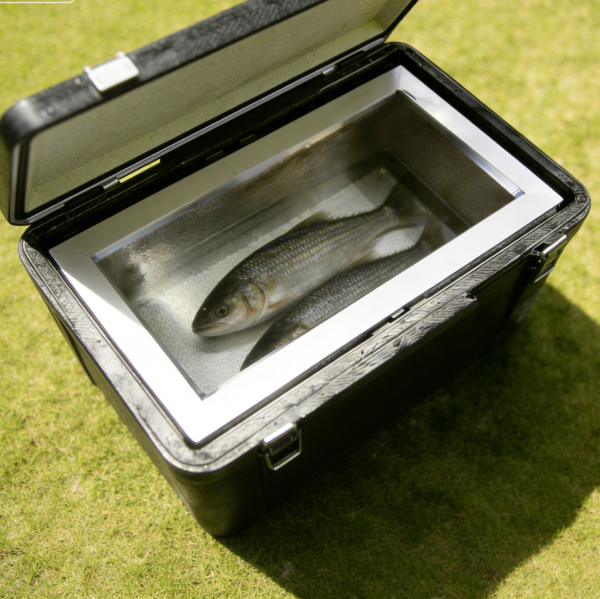
Guia completo de alimentos perecíveis OEM de caixa isolada
Insulated Box OEM Perishable Foods is worth treating as a complete shipping system, not a commodity box. The strongest programs align four things at once: the payload requirement, the lane reality, the supplier control model, and the daily packout behavior of the people doing the work.
This optimized article blends the best parts of the strategy view, the buyer guide, and the technical standards approach. It is written to help you make one confident decision instead of switching between commercial, QA, and engineering viewpoints. If you are planning a new program or replacing an underperforming shipper, this is the practical framework to follow.
For private-label and OEM food packaging, good results come from clarity more than complexity. When the target range, Método de embalagem, and supplier controls are clear, the packaging becomes easier to qualify, mais fácil de treinar, e mais fácil de melhorar ao longo do tempo.
Este artigo responderá
- Why insulated box OEM perishable foods should be chosen as a full packaging system instead of a box-only purchase.
- How to balance materials, evidência térmica, and day-to-day usability without overengineering.
- What supplier framework helps you avoid weak validation, silent substitutions, and scale-up surprises.
- Qual 2026 trends really matter for performance, redução de resíduos, e confiança do cliente.
- How to turn your next packaging brief into a faster, mais limpo, more defensible sourcing decision.
Why is insulated box OEM for perishable foods the right packaging system for this type of payload?
The right shipper protects the product and simplifies the operation at the same time. That is why the best Insulated Box OEM Perishable Foods programs start with the payload and route, not with a preconceived material. If the design can hold the target range, fit the product well, and be packed the same way by different staff, it is already solving most of the real problem.
This category often serves meal kits, fresh snacks, bakery fillings, and protein packs, with common profiles such as Chilled food at 0 para 5 C for used for proteins, laticínio, fresh-prepared foods; Food safety holding at 41 F or below for cold-holding benchmark used in retail and food service. But temperature is only one layer of the choice. The package also needs to survive staging, digitalização, manuseio, and the ordinary delays that happen in live distribution. That is what separates a technically acceptable sample from a robust operating solution.
Viewed this way, packaging becomes a risk-management tool. It reduces the chance of beautiful packaging with weak thermal performance, line packing speed mismatch, and SKU sprawl, and it does so in a way that can be trained, audited, e melhorado. When the program is framed like that, cross-functional agreement becomes much easier.
What does the system need to get right from day one?
It needs the correct thermal class, a stable payload layout, a realistic operating SOP, and enough documentation that future teams can reproduce the same result. If one of those is missing, the design may still look good in a pilot while carrying hidden fragility into scale.
| System Need | Question to Answer | Good Sign | Por que isso importa |
| Thermal class | What temperature range must be protected? | Clearly defined product requirement | Prevents wrong coolant logic |
| Ajuste de carga útil | How should the product sit in the cavity? | Stable mapped layout | Reduces local hot or cold spots |
| Packout behavior | Can staff build it the same way every time? | Simple repeatable SOP | Lowers human-error risk |
| Evidence trail | Can the result be explained later? | Controlled documentation | Supports audits and changes |
Dicas práticas e recomendações
- Define the common shipment first: design for the lane you run most often, then manage true exceptions separately.
- Treat packout as part of design: the process is not separate from the package; it is one system.
- Write down what failure means: different payloads justify different safety margins and costs.
Integrated lesson: The package that wins long term is not only thermally capable. It is easy to execute, fácil de explicar, and hard to misuse.
How should you balance temperature control, qualificação, e usabilidade?
Balance beats overdesign. A very powerful shipper that is expensive, lento, or difficult to pack may not be the best answer. Da mesma maneira, a very simple box with weak evidence may look efficient but create hidden risk. The goal is to reach the point where thermal performance, qualidade de validação, and operational ease support one another.
That balance usually comes from a disciplined comparison of custom-cut liners, gel packs or pcm inserts, and absorbent and leak-barrier components, plus the associated conditioning steps and payload fit. From the technical side, standards such as ASTM D3103 and ISTA 7E are useful because they encourage real-package testing and realistic transport stress. From the operating side, the design should still tolerate normal human variation.
A practical way to buy is to ask: Can this design be conditioned correctly, packed quickly, validated clearly, and monitored sensibly? Se a resposta for sim, you are much closer to a package that will survive scale and scrutiny.
Which trade-offs deserve the most attention?
Pay attention to the trade-off between tighter thermal control and added operational complexity. Also watch the trade-off between smaller cube and higher component cost, and between reusable ambitions and the reality of return logistics. Strong decisions happen when these trade-offs are explicit, not hidden.
| Troca | Pergunta | Balanced Choice | Result for You |
| Performance vs complexity | Can staff execute the design reliably? | Enough margin without unnecessary steps | Melhor consistência |
| Evidence vs speed | Is validation still clear at launch pace? | Fast development with documented assumptions | Fewer surprises later |
| Cube vs margin | Are you overpaying for empty space? | Right-sized design with realistic buffer | Lower landed cost |
| Reuse vs practicality | Will assets truly come back? | Closed-loop reuse where route density supports it | More honest sustainability |
Dicas práticas e recomendações
- Request the packout instructions with the sample: usability should be evaluated immediately, not after technical approval.
- Ask where the logger belongs and why: this reveals how the supplier thinks about local product risk.
- Do not accept evidence without conditions: a test result only matters when the assumptions are visible.
Balanced-buying insight: The best design is often the one that is just strong enough, clearly proven, e fácil de repetir.
What buying framework helps you choose a supplier with fewer surprises?
Use a supplier framework that combines proof, controlar, e suporte. Too many purchasing decisions rely on unit price and sample appearance alone. A better framework asks what evidence exists, how the package is controlled over time, and how the supplier behaves when your route or volume changes.
Para este tópico, the framework should include standards awareness, método de validação, controle de mudanças, packout documentation, prontidão sazonal, e velocidade de resposta. That covers both the technical side and the operational side. It also gives procurement, QA, and operations one shared language for comparing options.
Use a weighted scorecard if needed, but keep it simple. If the supplier can explain the design clearly, show the evidence, and manage revisions cleanly, that usually signals a healthier long-term partner. If the supplier cannot answer basic questions about assumptions and changes, the future exception burden is likely to land on your team.
What questions reveal whether the supplier really understands your program?
Ask what was tested, what assumptions matter most, what components are controlled, what changes have happened recently, and how the packout would be adapted for a longer or hotter route. Suppliers who understand your program answer these questions specifically, not generically.
| Framework Area | Strong Supplier Signal | Sinal fraco | Why It Predicts Success |
| Validação | Specific protocol, suposições, and result logic | Broad hold-time claim only | Evidence quality shapes trust |
| Controle de mudanças | Documented revision path | Informal substitutions | Protege a estabilidade a longo prazo |
| Orientação de embalagem | Visual controlled SOP | Ad hoc verbal instruction | Melhora a repetibilidade |
| Seasonal planning | Defined summer/winter approach | One profile for everything | Reduces route mismatch |
| Support model | Clear contact and issue process | Unclear ownership | Faster correction and scaling |
Dicas práticas e recomendações
- Choose the partner, not just the package: revision control and responsiveness are part of product performance.
- Keep the scorecard visible: it helps the team resist late-stage subjective switching.
- Review after pilot: the best supplier should improve the design with you, not disappear after the first shipment.
Framework reminder: Surprises usually come from hidden assumptions, weak change control, or poor support — not from lack of foam alone.
Como 2026 trends improve performance without inflating cost or waste?
O melhor 2026 programs are getting smarter, not just bigger. Buyers are using more route-specific thinking, more temperature evidence, and more disciplined packout control instead of simply adding thickness or coolant to every shipment. That shift creates better performance with less unnecessary material and less freight penalty.
Nesta categoria, the most relevant signals are brands want retail-grade presentation from shipper to doorstep, OEM projects are moving earlier into product-launch planning, and buyers are asking suppliers to support both packaging development and validation logic. These trends reward suppliers who can connect design logic, documentação, and field feedback. They also help buyers avoid the old habit of treating sustainability, custo, and performance as separate conversations.
The practical wins usually come from separate brand decoration decisions from thermal decisions so both stay efficient, reduce empty headspace and void fill, and design for repeatable packout training across multiple co-pack lines. Those actions reduce waste because they prevent spoilage, excesso de refrigerante, excess cube, or uncontrolled redesign. Em outras palavras, a smarter packaging brief often becomes the most sustainable packaging decision.
What should your next packaging refresh look like?
It should be evidence-backed, tamanho certo, route-aware, and easy to train. That does not require a complicated program. It requires a clear brief, a disciplined comparison, and a supplier who treats performance and operating reality as one problem.
| 2026 Prioridade | Smarter Practice | What It Replaces | Beneficiar |
| Route awareness | Design around route families | One generic box for all jobs | Better fit and lower waste |
| Evidence loop | Use logger and validation data thoughtfully | Assumption-driven redesigns | Melhoria mais rápida |
| Usability focus | Simplify packout where possible | Hidden labor burden | More repeatable operations |
| Honest sustainability | Measure avoided loss and excess material | Cosmetic green claims | More defensible results |
Dicas práticas e recomendações
- Refresh with data: use live-lane learning to refine, not to panic.
- Keep the brief cross-functional: Compras, QA, and operations should sign off on the same target.
- Choose improvements that survive reality: the right change still works during peak season and staff turnover.
Optimized conclusion: Em 2026, the best packaging programs reduce temperature risk, operating friction, and waste together — because they were designed as systems from the start.
2026 Developments and Trends for Insulated Box OEM Perishable Foods
Em 2026, the conversation around insulated box OEM perishable foods is getting more evidence-driven. Buyers want lane-specific qualification, simpler packout control, documentação mais clara, and a packaging strategy that fits how products are actually shipped. That shift mirrors the latest guidance environment: WHO updated vaccine air-shipping guidance in 2025, IATA released the 2026 Temperature Control Regulations edition, and sectors such as food, pesquisar, and pharmaceuticals are placing more emphasis on temperature records and process discipline than before.
Últimos desenvolvimentos de vista
- Brands want retail-grade presentation from shipper to doorstep: Brands want retail-grade presentation from shipper to doorstep.
- Oem projects: OEM projects are moving earlier into product-launch planning.
- Compradores: Buyers are asking suppliers to support both packaging development and validation logic.
Market demand is also becoming more segmented. Some buyers want premium documentation and qualification support, while others want a simpler cost-efficient design for stable regional lanes. De qualquer jeito, suppliers that can connect design, testando, and operating SOPs are gaining ground over vendors who only sell foam volume or generic hold-time charts. Para você, that means the best sourcing conversations now sound more like technical-commercial workshops than commodity price calls.
Perguntas frequentes
What is the most important factor when choosing insulated box OEM perishable foods?
The biggest factor is fit between the package and your real lane. Start with the target temperature, massa de carga útil, e duração do trânsito, then check whether the design is easy to pack correctly every day. A box that looks stronger on paper but is hard to execute can fail more often than a simpler, well-controlled design.
Should insulated box OEM perishable foods be validated before scale-up?
Sim. Use a qualification approach that reflects the real shipment, including component conditioning, arranjo de carga útil, and seasonal ambient stress. For higher-risk programs, documented testing and a clear packout SOP are worth far more than an unverified hold-time promise.
Which temperature range is common for this type of program?
Um ponto de partida comum é 0 para 5 C for used for proteins, laticínio, fresh-prepared foods. Ainda, your correct range depends on the payload, not the package category alone. Separate refrigerated, ambiente, congelado, and deep-frozen flows early so you do not force one design into jobs it cannot reliably do.
Are reusable options always better than single-use insulated box OEM perishable foods?
Nem sempre. Reuse only pays off when return logistics, inspeção, and cleaning are dependable. On dense closed loops, reusable assets can work very well. On fragmented or consumer-facing routes, a right-sized single-use system may be more practical and less wasteful overall.
How can you lower cost without weakening insulated box OEM perishable foods performance?
Concentre-se no tamanho certo, packout simplification, and lane-specific design. Many teams overspend by shipping extra empty space and extra coolant. If you reduce void space, standardize approved components, and validate the common lane, you can often lower cost while improving consistency.
What should you ask a supplier of insulated box OEM for perishable foods?
Ask what was tested, what standards or operating rules informed the design, how change control works, and how the packout is documented. Also ask what happens under delay, substituição, or seasonal stress. Clear answers show maturity; vague answers usually predict future exceptions.
Resumo e recomendações
Insulated Box OEM Perishable Foods works best when you treat it as a full cold-chain system rather than a simple carton. The most reliable programs define the temperature target, right-size the cavity, validar o pacote, and keep supplier change control visible. They also measure success by delivered product integrity, not by box cost alone.
Seu próximo passo é simples: map the real lane, rank the failure modes, choose the design family that fits the common shipment, and validate before you scale. Turn your requirements into a lane-based packaging brief, then validate the final design before scale-up. That approach gives you a better result than chasing the thickest wall or the cheapest quote.
Sobre Tempk
E tempk, we combine OEM development, thermal packout design, and manufacturability review so branded food packaging works on the line and in the lane. We focus on practical insulated packaging for temperature-sensitive products, with attention to dimensional control, usabilidade do pacote, and qualification-ready design logic. That means helping you bridge the gap between an engineering sample and a repeatable daily operation.
If you are planning a new packaging program, prepare a short brief with your temperature target, janela de trânsito, detalhes da carga útil, and key failure concerns. That gives any serious supplier the information needed to recommend a more accurate starting design.
Guia completo da caixa isolada com revestimento de espuma personalizada

Guia completo da caixa isolada com revestimento de espuma personalizada
Custom Foam Lined Insulated Box is worth treating as a complete shipping system, not a commodity box. The strongest programs align four things at once: the payload requirement, the lane reality, the supplier control model, and the daily packout behavior of the people doing the work.
This optimized article blends the best parts of the strategy view, the buyer guide, and the technical standards approach. It is written to help you make one confident decision instead of switching between commercial, QA, and engineering viewpoints. If you are planning a new program or replacing an underperforming shipper, this is the practical framework to follow.
For fragile temperature-sensitive products and lab-grade transport, good results come from clarity more than complexity. When the target range, Método de embalagem, and supplier controls are clear, the packaging becomes easier to qualify, mais fácil de treinar, e mais fácil de melhorar ao longo do tempo.
Este artigo responderá
- Why custom foam lined insulated box should be chosen as a full packaging system instead of a box-only purchase.
- How to balance materials, evidência térmica, and day-to-day usability without overengineering.
- What supplier framework helps you avoid weak validation, silent substitutions, and scale-up surprises.
- Qual 2026 trends really matter for performance, redução de resíduos, e confiança do cliente.
- How to turn your next packaging brief into a faster, mais limpo, more defensible sourcing decision.
Why is custom foam lined insulated box the right packaging system for this type of payload?
The right shipper protects the product and simplifies the operation at the same time. That is why the best Custom Foam Lined Insulated Box programs start with the payload and route, not with a preconceived material. If the design can hold the target range, fit the product well, and be packed the same way by different staff, it is already solving most of the real problem.
This category often serves glass vials, diagnostic instruments, reagentes de laboratório, and high-value specialty food, with common profiles such as Refrigerated at 2 para 8 C for reagents, Biologics, some diagnostics; Controlled room temperature at 15 para 25 C for instruments and selected medical products. But temperature is only one layer of the choice. The package also needs to survive staging, digitalização, manuseio, and the ordinary delays that happen in live distribution. That is what separates a technically acceptable sample from a robust operating solution.
Viewed this way, packaging becomes a risk-management tool. It reduces the chance of poor cavity tolerance, thermal dead zones from bad pack placement, and extra material cost without performance benefit, and it does so in a way that can be trained, audited, e melhorado. When the program is framed like that, cross-functional agreement becomes much easier.
What does the system need to get right from day one?
It needs the correct thermal class, a stable payload layout, a realistic operating SOP, and enough documentation that future teams can reproduce the same result. If one of those is missing, the design may still look good in a pilot while carrying hidden fragility into scale.
| System Need | Question to Answer | Good Sign | Por que isso importa |
| Thermal class | What temperature range must be protected? | Clearly defined product requirement | Prevents wrong coolant logic |
| Ajuste de carga útil | How should the product sit in the cavity? | Stable mapped layout | Reduces local hot or cold spots |
| Packout behavior | Can staff build it the same way every time? | Simple repeatable SOP | Lowers human-error risk |
| Evidence trail | Can the result be explained later? | Controlled documentation | Supports audits and changes |
Dicas práticas e recomendações
- Define the common shipment first: design for the lane you run most often, then manage true exceptions separately.
- Treat packout as part of design: the process is not separate from the package; it is one system.
- Write down what failure means: different payloads justify different safety margins and costs.
Integrated lesson: The package that wins long term is not only thermally capable. It is easy to execute, fácil de explicar, and hard to misuse.
How should you balance temperature control, qualificação, e usabilidade?
Balance beats overdesign. A very powerful shipper that is expensive, lento, or difficult to pack may not be the best answer. Da mesma maneira, a very simple box with weak evidence may look efficient but create hidden risk. The goal is to reach the point where thermal performance, qualidade de validação, and operational ease support one another.
That balance usually comes from a disciplined comparison of cross-linked or polyethylene foam, pur/eps liner, and foam cavity for logger and samples, plus the associated conditioning steps and payload fit. From the technical side, standards such as ASTM D3103 and ISTA 7E are useful because they encourage real-package testing and realistic transport stress. From the operating side, the design should still tolerate normal human variation.
A practical way to buy is to ask: Can this design be conditioned correctly, packed quickly, validated clearly, and monitored sensibly? Se a resposta for sim, you are much closer to a package that will survive scale and scrutiny.
Which trade-offs deserve the most attention?
Pay attention to the trade-off between tighter thermal control and added operational complexity. Also watch the trade-off between smaller cube and higher component cost, and between reusable ambitions and the reality of return logistics. Strong decisions happen when these trade-offs are explicit, not hidden.
| Troca | Pergunta | Balanced Choice | Result for You |
| Performance vs complexity | Can staff execute the design reliably? | Enough margin without unnecessary steps | Melhor consistência |
| Evidence vs speed | Is validation still clear at launch pace? | Fast development with documented assumptions | Fewer surprises later |
| Cube vs margin | Are you overpaying for empty space? | Right-sized design with realistic buffer | Lower landed cost |
| Reuse vs practicality | Will assets truly come back? | Closed-loop reuse where route density supports it | More honest sustainability |
Dicas práticas e recomendações
- Request the packout instructions with the sample: usability should be evaluated immediately, not after technical approval.
- Ask where the logger belongs and why: this reveals how the supplier thinks about local product risk.
- Do not accept evidence without conditions: a test result only matters when the assumptions are visible.
Balanced-buying insight: The best design is often the one that is just strong enough, clearly proven, e fácil de repetir.
What buying framework helps you choose a supplier with fewer surprises?
Use a supplier framework that combines proof, controlar, e suporte. Too many purchasing decisions rely on unit price and sample appearance alone. A better framework asks what evidence exists, how the package is controlled over time, and how the supplier behaves when your route or volume changes.
Para este tópico, the framework should include standards awareness, método de validação, controle de mudanças, packout documentation, prontidão sazonal, e velocidade de resposta. That covers both the technical side and the operational side. It also gives procurement, QA, and operations one shared language for comparing options.
Use a weighted scorecard if needed, but keep it simple. If the supplier can explain the design clearly, show the evidence, and manage revisions cleanly, that usually signals a healthier long-term partner. If the supplier cannot answer basic questions about assumptions and changes, the future exception burden is likely to land on your team.
What questions reveal whether the supplier really understands your program?
Ask what was tested, what assumptions matter most, what components are controlled, what changes have happened recently, and how the packout would be adapted for a longer or hotter route. Suppliers who understand your program answer these questions specifically, not generically.
| Framework Area | Strong Supplier Signal | Sinal fraco | Why It Predicts Success |
| Validação | Specific protocol, suposições, and result logic | Broad hold-time claim only | Evidence quality shapes trust |
| Controle de mudanças | Documented revision path | Informal substitutions | Protege a estabilidade a longo prazo |
| Orientação de embalagem | Visual controlled SOP | Ad hoc verbal instruction | Melhora a repetibilidade |
| Seasonal planning | Defined summer/winter approach | One profile for everything | Reduces route mismatch |
| Support model | Clear contact and issue process | Unclear ownership | Faster correction and scaling |
Dicas práticas e recomendações
- Choose the partner, not just the package: revision control and responsiveness are part of product performance.
- Keep the scorecard visible: it helps the team resist late-stage subjective switching.
- Review after pilot: the best supplier should improve the design with you, not disappear after the first shipment.
Framework reminder: Surprises usually come from hidden assumptions, weak change control, or poor support — not from lack of foam alone.
Como 2026 trends improve performance without inflating cost or waste?
O melhor 2026 programs are getting smarter, not just bigger. Buyers are using more route-specific thinking, more temperature evidence, and more disciplined packout control instead of simply adding thickness or coolant to every shipment. That shift creates better performance with less unnecessary material and less freight penalty.
Nesta categoria, the most relevant signals are buyers increasingly want one qualified system that handles both drop risk and temperature risk, 3D cavity design is becoming a standard part of premium shipper development, and more teams now validate logger position as carefully as insulation thickness. These trends reward suppliers who can connect design logic, documentação, and field feedback. They also help buyers avoid the old habit of treating sustainability, custo, and performance as separate conversations.
The practical wins usually come from use custom foam only where it changes risk, not across the entire box by habit, modular inserts can extend outer-box reuse, and protecting a fragile high-value payload often saves more waste than cutting a few grams of material. Those actions reduce waste because they prevent spoilage, excesso de refrigerante, excess cube, or uncontrolled redesign. Em outras palavras, a smarter packaging brief often becomes the most sustainable packaging decision.
What should your next packaging refresh look like?
It should be evidence-backed, tamanho certo, route-aware, and easy to train. That does not require a complicated program. It requires a clear brief, a disciplined comparison, and a supplier who treats performance and operating reality as one problem.
| 2026 Prioridade | Smarter Practice | What It Replaces | Beneficiar |
| Route awareness | Design around route families | One generic box for all jobs | Better fit and lower waste |
| Evidence loop | Use logger and validation data thoughtfully | Assumption-driven redesigns | Melhoria mais rápida |
| Usability focus | Simplify packout where possible | Hidden labor burden | More repeatable operations |
| Honest sustainability | Measure avoided loss and excess material | Cosmetic green claims | More defensible results |
Dicas práticas e recomendações
- Refresh with data: use live-lane learning to refine, not to panic.
- Keep the brief cross-functional: Compras, QA, and operations should sign off on the same target.
- Choose improvements that survive reality: the right change still works during peak season and staff turnover.
Optimized conclusion: Em 2026, the best packaging programs reduce temperature risk, operating friction, and waste together — because they were designed as systems from the start.
2026 Developments and Trends for Custom Foam Lined Insulated Box
Em 2026, the conversation around custom foam lined insulated box is getting more evidence-driven. Buyers want lane-specific qualification, simpler packout control, documentação mais clara, and a packaging strategy that fits how products are actually shipped. That shift mirrors the latest guidance environment: WHO updated vaccine air-shipping guidance in 2025, IATA released the 2026 Temperature Control Regulations edition, and sectors such as food, pesquisar, and pharmaceuticals are placing more emphasis on temperature records and process discipline than before.
Últimos desenvolvimentos de vista
- Buyers increasingly want one qualified system that handles both drop risk and temperature risk: Buyers increasingly want one qualified system that handles both drop risk and temperature risk.
- 3d cavity design: 3D cavity design is becoming a standard part of premium shipper development.
- More teams now validate logger position as carefully as insulation thickness: More teams now validate logger position as carefully as insulation thickness.
Market demand is also becoming more segmented. Some buyers want premium documentation and qualification support, while others want a simpler cost-efficient design for stable regional lanes. De qualquer jeito, suppliers that can connect design, testando, and operating SOPs are gaining ground over vendors who only sell foam volume or generic hold-time charts. Para você, that means the best sourcing conversations now sound more like technical-commercial workshops than commodity price calls.
Perguntas frequentes
What is the most important factor when choosing custom foam lined insulated box?
The biggest factor is fit between the package and your real lane. Start with the target temperature, massa de carga útil, e duração do trânsito, then check whether the design is easy to pack correctly every day. A box that looks stronger on paper but is hard to execute can fail more often than a simpler, well-controlled design.
Should custom foam lined insulated box be validated before scale-up?
Sim. Use a qualification approach that reflects the real shipment, including component conditioning, arranjo de carga útil, and seasonal ambient stress. For higher-risk programs, documented testing and a clear packout SOP are worth far more than an unverified hold-time promise.
Which temperature range is common for this type of program?
Um ponto de partida comum é 2 para 8 C for reagents, Biologics, some diagnostics. Ainda, your correct range depends on the payload, not the package category alone. Separate refrigerated, ambiente, congelado, and deep-frozen flows early so you do not force one design into jobs it cannot reliably do.
Are reusable options always better than single-use custom foam lined insulated box?
Nem sempre. Reuse only pays off when return logistics, inspeção, and cleaning are dependable. On dense closed loops, reusable assets can work very well. On fragmented or consumer-facing routes, a right-sized single-use system may be more practical and less wasteful overall.
How can you lower cost without weakening custom foam lined insulated box performance?
Concentre-se no tamanho certo, packout simplification, and lane-specific design. Many teams overspend by shipping extra empty space and extra coolant. If you reduce void space, standardize approved components, and validate the common lane, you can often lower cost while improving consistency.
What should you ask a supplier of custom foam lined insulated box?
Ask what was tested, what standards or operating rules informed the design, how change control works, and how the packout is documented. Also ask what happens under delay, substituição, or seasonal stress. Clear answers show maturity; vague answers usually predict future exceptions.
Resumo e recomendações
Custom Foam Lined Insulated Box works best when you treat it as a full cold-chain system rather than a simple carton. The most reliable programs define the temperature target, right-size the cavity, validar o pacote, and keep supplier change control visible. They also measure success by delivered product integrity, not by box cost alone.
Seu próximo passo é simples: map the real lane, rank the failure modes, choose the design family that fits the common shipment, and validate before you scale. Turn your requirements into a lane-based packaging brief, then validate the final design before scale-up. That approach gives you a better result than chasing the thickest wall or the cheapest quote.
Sobre Tempk
E tempk, we design foam-lined insulated boxes around the product geometry, not just the outer dimensions, so cushioning and thermal control work together. We focus on practical insulated packaging for temperature-sensitive products, with attention to dimensional control, usabilidade do pacote, and qualification-ready design logic. That means helping you bridge the gap between an engineering sample and a repeatable daily operation.
If you are planning a new packaging program, prepare a short brief with your temperature target, janela de trânsito, detalhes da carga útil, and key failure concerns. That gives any serious supplier the information needed to recommend a more accurate starting design.
Capas térmicas de remessa para práticas recomendadas de eletrônicos

As capas térmicas de transporte para eletrônicos ajudam a preencher a lacuna entre o armazenamento controlado e o transporte imprevisível no mundo real. Para logística eletrônica, o principal objetivo é proteger os eletrônicos durante percursos marítimos mais longos e transições climáticas que aumentam os riscos de condensação e umidade nas rotas globais. A cobertura não substitui a refrigeração ou a disciplina do processo, mas pode reduzir danos durante mudanças no ponto de orvalho, oscilações de temperatura do contêiner para o armazém, e condensação nas embalagens.
Se você estiver comprando ou especificando uma cobertura de remessa, comece com a pista, não o folheto. Veja o tempo de exposição, temperatura alvo, formato de palete, velocidade de manuseio, e o custo real do fracasso. Na prática, os compradores se preocupam com a durabilidade do transporte global, compatibilidade com embalagens de exportação, e construção com poucos fiapos, não apenas reivindicações de isolamento no papel.
O que este artigo irá responder
- Como as coberturas térmicas para transporte de eletrônicos reduzem o risco em pontos de transferência expostos e protegem a logística de eletrônicos
- Quais recursos de cobertura térmica de remessa para exportação de eletrônicos realmente melhoram o manuseio diário
- Como comparar a cobertura de remessa de controle de condensação para opções de dispositivos por risco, custo, e ajuste operacional
- Que qualidade, conformidade, e as etapas de documentação oferecem suporte à proteção confiável de paletes
- Qual 2026 tendências estão moldando a reutilização, monitoramento, e seleção de fornecedores
Por que as capas térmicas de transporte para eletrônicos merecem muita atenção
O primeiro trabalho de capas térmicas de transporte para eletrônicos é simples: diminuir a taxa na qual a camada externa do palete absorve ou perde calor. Isso é importante porque a maioria das falhas começa na superfície, antes que o núcleo mostre um problema.. Para logística eletrônica, alguns minutos descontrolados podem ser a diferença entre uma mudança rotineira e um evento de qualidade evitável.
Usado corretamente, a tampa ajuda o palete a ficar mais próximo do alvo durante a preparação, carregando, descarregamento, e curtos períodos de espera. Também protege a aparência da embalagem e reduz o número de remessas que precisam de revisão manual na chegada. Essa combinação é a razão pela qual as coberturas térmicas de remessa para eletrônicos geralmente pagam mais rápido do que os compradores esperam.
Qual risco o transporte térmico deve cobrir primeiro para controle eletrônico?
Um erro comum é julgar as capas térmicas de transporte para eletrônicos apenas pela espessura do isolamento. Na realidade, o desempenho também depende do formato do palete, vazamento de fechamento, comprimento da rota, exposição solar, e a rapidez com que a equipe aplica a cobertura. Para eletrônicos, o custo muitas vezes aparece como risco de condensação, absorção de umidade, danos na caixa, ou recebimento de cheques inconsistentes.
| Ponto de risco | O que acontece | Resposta da capa | Por que isso importa para você |
| Tempo de permanência na doca | As caixas ou caixas externas aquecem ou esfriam primeiro | Cria um buffer térmico de curto prazo | Proporciona à sua equipe um tempo de manuseio mais seguro |
| Aberturas de portas e encenação | A troca de ar acelera a deriva da superfície | Reduz a exposição direta às oscilações ambientais | Melhora a consistência em turnos movimentados |
| Transferências entre zonas | Condensação, suando, ou o risco de excursão aumenta | Modera a taxa de transição | Reduz avaliações e perdas de qualidade evitáveis |
Dicas práticas
- Mapeie onde as capas térmicas de remessa para eletrônicos agregam mais valor antes de comprar a granel. A maioria dos ganhos vem das partes expostas da pista, não a câmara fria em si.
- Combine o tamanho da tampa com a pegada real da palete. Um ajuste frouxo enfraquece o desempenho e torna a aplicação mais lenta.
- Use um POP de manuseio simples com responsabilidade nomeada, especialmente durante mudanças de turno e janelas de despacho de alto volume.
Cenário ilustrativo: Um exportador de hardware de rede usou coberturas térmicas de transporte em paletes que se deslocavam entre portos úmidos e centros de distribuição climatizados. As tampas ajudaram a reduzir a condensação da caixa e permitiram inspeções de recebimento mais consistentes.
Como escolher as capas térmicas certas para transporte de eletrônicos para sua pista
Quando você compara capas térmicas de remessa para eletrônicos, comece com a realidade da rota. Pergunte por quanto tempo o palete ficará exposto, quantas vezes a porta se abre, se a carga está em altura total, e se a capa deve sobreviver à reutilização repetida. Um comprador que ignora essas questões geralmente paga por recursos que não resolvem o problema real.
A lista mais forte equilibra cinco coisas ao mesmo tempo: desempenho, facilidade de uso, limpeza, durabilidade, e custo total em ciclos repetidos. É assim que você passa da compra de um produto para a construção de um processo confiável de proteção de paletes. Uma vez que esses cinco se encaixem, o ROI se torna muito mais fácil de justificar.
Quais camadas de material são mais importantes?
As melhores coberturas geralmente combinam uma barreira externa limpa, um isolamento baixo, e compatibilidade com preparação a seco e reforço de borda durável. Cada camada tem um trabalho: refletir, transferência lenta, proteger a estrutura, e mantenha a capa prática para manuseio repetido. Quando um fornecedor não consegue explicar esse trabalho claramente, o design provavelmente é muito genérico.
| Fator de seleção | O que verificar | Sinal de alerta | Valor operacional |
| Ajuste e fechamento | Quão bem ele veda o formato real do palete | Grandes lacunas ou cortina solta | Melhor controle e uso mais rápido |
| Durabilidade dos materiais | Costuras, cantos, e condição de uso repetido | Desgaste rápido após dobrar | Menor custo de reposição |
| Velocidade de manuseio | Com que rapidez as equipes podem aplicá-lo e removê-lo | Fechamentos complexos que retardam o carregamento | Maior conformidade com SOP |
O que perguntar a um fornecedor antes de comprar
- Solicite evidências de teste relevantes para a rota, não é uma declaração genérica de desempenho feita em um tamanho de palete diferente.
- Solicite um pequeno piloto em uma pista real antes da implementação completa. É a maneira mais rápida de ver o ajuste, impacto trabalhista, e registrar resultados juntos.
- Revise como a capa será armazenada, limpo, e devolvido após o uso. Os programas de reutilização falham quando o tratamento reverso é ignorado.
Como construir um processo repetível em torno de capas térmicas de remessa para eletrônicos
O sucesso operacional com coberturas térmicas para transporte de eletrônicos depende do tempo. A cobertura deve ser aplicada o mais próximo possível do ponto de exposição, não horas antes, enquanto o palete ainda estiver em uma zona estável. Isso mantém a proteção focada na janela de risco onde é mais importante.
Seu processo também deve definir quem aplica a cobertura, quando os registradores são colocados, quanto tempo o palete pode esperar, e o que acontece se a rota mudar. A simples clareza da função evita que pequenos atrasos se transformem em exposição descontrolada. Em instalações movimentadas, a disciplina do processo cria tanto valor quanto a própria capa.
Uma lista de verificação de implementação simples
- Qualifique a pista e identifique os pontos exatos de exposição antes da implementação.
- Prepare previamente o tamanho correto da tampa e confirme se o padrão do palete se ajusta ao design escolhido.
- Aplique a cobertura imediatamente antes da janela de exposição e coloque os registradores de temperatura em posições definidas, se necessário.
- Partida recorde, transferir, ou exceções de permanência e escalar qualquer mudança de rota que aumente o tempo nas condições ambientais.
- Inspecionar, limpar, dobrar, e armazene a tampa de maneira consistente para que a reutilização não prejudique o desempenho.
Quais controles de qualidade mantêm o programa confiável?
Conformidade não significa que você precisa de uma papelada interminável, mas isso significa que as capas térmicas de remessa para eletrônicos devem estar dentro de um processo documentado. Você deve saber quais produtos precisam da capa, quais pistas justificam isso, como a equipe lida com exceções, e como o desempenho é avaliado. Essa linha de base transforma a capa de uma boa ideia em um controle auditável.
Para logística eletrônica, os registros mais úteis geralmente são simples: rota, Horário de permanência, resultado do registrador, ID de capa ou lote, e qualquer desvio observado pela equipe. Esses princípios básicos são suficientes para melhorar decisões futuras e apoiar as conversas com os clientes. Sem eles, você não pode dizer se um problema de cobertura foi um problema material ou um problema de execução.
O que sua equipe deve documentar?
- SKU alvo ou família de produtos
- Tamanho de palete aprovado e padrão de empilhamento
- Rota ou faixa onde a cobertura é necessária
- Tempo máximo de exposição permitido
- Verificação de umidade ou controle de umidade antes e depois da mudança
- Limpeza, inspeção, e regra de armazenamento após o uso
2026 tendências que devem influenciar sua decisão
O 2026 a conversa sobre coberturas térmicas de transporte para eletrônicos é mais ampla do que apenas isolamento. Em eletrônica, o maior problema muitas vezes não é a falha clássica da cadeia de frio, mas a condensação, oscilações de umidade, e absorção de umidade durante as transições climáticas. Em 2026, As rotas eletrônicas globais estão se concentrando mais nas transições do ponto de orvalho, proteção climática, e proteção de transporte reutilizável que não solta fibras nem retarda a inspeção.
A sustentabilidade também está se tornando parte da decisão. Muitos compradores agora preferem sistemas reutilizáveis que reduzem o uso de embalagens descartáveis, sobreviver a vários ciclos, e ainda se enquadra nos POPs do site. Isso não significa que todas as rotas devam usar a mesma cobertura, mas significa que o valor do ciclo de vida é mais importante do que antes.
Últimos desenvolvimentos para assistir
- Os expedidores de eletrônicos estão prestando mais atenção ao controle da condensação durante as transições climáticas nas rotas globais.
- Lógica de embalagem seca, consciência de umidade, e a proteção reutilizável com poucos fiapos estão se tornando critérios de seleção mais fortes.
- As equipes de embalagem estão solicitando capas que protejam produtos sensíveis sem interferir na inspeção ou nos procedimentos de reconhecimento de ESD.
Para compradores, o mercado está se movendo em direção a menos, melhores decisões de embalagem. Em vez de pedir a capa mais grossa, as equipes estão perguntando qual sistema melhor se adapta à logística eletrônica, ciclos de reutilização, realidade trabalhista, e custo total de falha. Esse é um padrão de compra mais saudável porque vincula o desempenho às operações, não é linguagem de marketing.
Autoauditoria rápida
- Você conhece a janela de exposição exata em que as capas térmicas de transporte para eletrônicos devem ajudar??
- A cobertura escolhida foi verificada quanto ao tamanho real do palete e padrão de empilhamento??
- Sua equipe pode aplicá-lo e removê-lo com rapidez suficiente durante o pico de carregamento??
- Existe uma regra clara para limpeza, armazenar, e reutilizar após cada viagem?
- Você revisa dados do registrador ou eventos de qualidade após mudanças sazonais de rota?
Perguntas frequentes
Quando as capas térmicas de remessa para eletrônicos fazem a maior diferença?
Eles são mais importantes durante a preparação, carregando, descarregamento, e outras janelas de curta exposição. É aí que as superfícies dos paletes se deslocam mais rapidamente. Se a sua rota já estiver rigidamente controlada, quase sem risco de transferência, o benefício será menor, mas ainda útil para consistência.
As tampas térmicas de transporte para eletrônicos podem substituir um caminhão frigorífico ou uma câmara fria?
Não. Uma cobertura é um buffer passivo, refrigeração não ativa. Isso lhe dá tempo e reduz oscilações curtas, mas deve ser usado com o veículo certo, condição de armazenamento, e operacional SOP.
Como você deve testar uma nova cobertura de palete antes de lançá-la?
Execute um piloto em uma pista real, use o padrão de palete real, e compare os resultados do registrador com e sem a capa. Revise também o impacto trabalhista, qualidade adequada, e como a tampa se comporta após manuseio repetido.
Qual é o erro de compra mais comum?
O erro mais comum é escolher apenas pela espessura ou preço. Ajustar, qualidade de fechamento, velocidade de manuseio, e a correspondência de rotas geralmente têm um efeito maior no desempenho diário do que uma declaração genérica de isolamento.
As capas reutilizáveis são melhores do que as opções descartáveis??
Muitas vezes sim, se a pista se repetir com frequência suficiente e a equipe puder limpar, inspecionar, e guarde as tampas adequadamente. Os reutilizáveis geralmente oferecem melhor valor a longo prazo quando o tratamento reverso é planejado desde o início.
Com que frequência o desempenho da cobertura deve ser revisado?
Revise-o após testes piloto, mudanças sazonais de rota, reclamações de clientes, ou qualquer mudança significativa no processo. Uma simples revisão dos dados do registrador, eventos de dano, e a condição de cobertura geralmente é suficiente para manter o programa saudável.
Resumo e recomendações
As melhores coberturas térmicas de remessa para o programa de eletrônicos não são construídas apenas em torno de uma declaração de produto. É construído em torno do risco de rota, sensibilidade do produto, ajuste de palete, e manuseio consistente. Quando esses quatro elementos se alinham, você reduz o desvio evitável, proteger a qualidade do produto, e tornar o recebimento de resultados mais previsíveis.
Seu próximo passo é simples: identificar as pistas com o maior custo de exposição, executar um piloto controlado, e defina um breve POP que sua equipe possa seguir sempre. Essa abordagem fornece evidências reais, Não é adivinhação. Também torna a comparação de fornecedores muito mais fácil porque você está testando em sua própria operação.
Sobre Tempk
E tempk, nos concentramos em embalagens práticas com controle de temperatura para ambientes reais de transporte. Trabalhamos com coberturas de paletes, caixas isoladas, bolsas térmicas, e outros sistemas de proteção que ajudam a reduzir o risco de excursão sem dificultar as operações. Nossa abordagem é construída em torno do ajuste de rota, manuseio repetível, e desempenho durável.
Se você estiver avaliando uma nova pista, um período de risco sazonal, ou um projeto de embalagem reutilizável, comece com as condições de operação e o custo da falha. Isso lhe dá um caminho mais claro para o design de capa correto, o plano de teste certo, e o valor certo a longo prazo.
Coberturas térmicas de paletes para melhores práticas de transporte
thermal pallet covers for transport help you bridge the gap between controlled storage and unpredictable real-world transport. For temperature-controlled transport operations, the main goal is to add a passive buffer layer that protects pallets during route variability, atrasos no carregamento, and handoffs between temperature zones. A cobertura não substitui a refrigeração ou a disciplina do processo, but it can reduce damage during multi-stop routing, cross-dock dwell time, and mixed-temperature environments.
If you are buying or specifying a pallet cover, comece com a pista, não o folheto. Veja o tempo de exposição, temperatura alvo, formato de palete, velocidade de manuseio, e o custo real do fracasso. Na prática, buyers care about versatility across SKUs, ease of training, and fast deployment, não apenas reivindicações de isolamento no papel.
O que este artigo irá responder
- How thermal pallet covers for transport reduce risk on exposed transfer points and protect temperature-controlled transport operations
- Which thermal pallet cover for transport operations features actually improve day-to-day handling
- How to compare passive pallet thermal cover for logistics options by risk, custo, e ajuste operacional
- Que qualidade, conformidade, e as etapas de documentação oferecem suporte à proteção confiável de paletes
- Qual 2026 tendências estão moldando a reutilização, monitoramento, e seleção de fornecedores
Why thermal pallet covers for transport are worth serious attention
The first job of thermal pallet covers for transport is simple: diminuir a taxa na qual a camada externa do palete absorve ou perde calor. Isso é importante porque a maioria das falhas começa na superfície, antes que o núcleo mostre um problema.. For temperature-controlled transport operations, alguns minutos descontrolados podem ser a diferença entre uma mudança rotineira e um evento de qualidade evitável.
Usado corretamente, a tampa ajuda o palete a ficar mais próximo do alvo durante a preparação, carregando, descarregamento, e curtos períodos de espera. Também protege a aparência da embalagem e reduz o número de remessas que precisam de revisão manual na chegada. That combination is why thermal pallet covers for transport often pay back faster than buyers expect.
What risk should thermal pallet covers for transport control first?
A common mistake is to judge thermal pallet covers for transport only by insulation thickness. Na realidade, o desempenho também depende do formato do palete, vazamento de fechamento, comprimento da rota, exposição solar, e a rapidez com que a equipe aplica a cobertura. For industrial freight, the cost can show up as viscosity drift, package stress, wet labels, or extra receiving delays.
| Ponto de risco | O que acontece | Resposta da capa | Por que isso importa para você |
| Tempo de permanência na doca | As caixas ou caixas externas aquecem ou esfriam primeiro | Cria um buffer térmico de curto prazo | Proporciona à sua equipe um tempo de manuseio mais seguro |
| Aberturas de portas e encenação | A troca de ar acelera a deriva da superfície | Reduz a exposição direta às oscilações ambientais | Melhora a consistência em turnos movimentados |
| Transferências entre zonas | Condensação, suando, ou o risco de excursão aumenta | Modera a taxa de transição | Reduz avaliações e perdas de qualidade evitáveis |
Dicas práticas
- Map where thermal pallet covers for transport add the most value before you buy in bulk. A maioria dos ganhos vem das partes expostas da pista, não a câmara fria em si.
- Combine o tamanho da tampa com a pegada real da palete. Um ajuste frouxo enfraquece o desempenho e torna a aplicação mais lenta.
- Use um POP de manuseio simples com responsabilidade nomeada, especialmente durante mudanças de turno e janelas de despacho de alto volume.
Cenário ilustrativo: A third-party logistics operator standardized thermal pallet covers on mixed routes where refrigerated freight often paused in ambient staging. The covers reduced short spikes during loading windows and made dock teams more consistent.
How to choose the right thermal pallet covers for transport for your lane
When you compare thermal pallet covers for transport, comece com a realidade da rota. Pergunte por quanto tempo o palete ficará exposto, quantas vezes a porta se abre, se a carga está em altura total, e se a capa deve sobreviver à reutilização repetida. Um comprador que ignora essas questões geralmente paga por recursos que não resolvem o problema real.
A lista mais forte equilibra cinco coisas ao mesmo tempo: desempenho, facilidade de uso, limpeza, durabilidade, e custo total em ciclos repetidos. É assim que você passa da compra de um produto para a construção de um processo confiável de proteção de paletes. Uma vez que esses cinco se encaixem, o ROI se torna muito mais fácil de justificar.
Quais camadas de material são mais importantes?
The best covers usually combine a balanced insulation-to-weight ratio, a reflective exterior, and foldable construction and multi-size availability. Cada camada tem um trabalho: refletir, transferência lenta, proteger a estrutura, e mantenha a capa prática para manuseio repetido. Quando um fornecedor não consegue explicar esse trabalho claramente, o design provavelmente é muito genérico.
| Fator de seleção | O que verificar | Sinal de alerta | Valor operacional |
| Ajuste e fechamento | Quão bem ele veda o formato real do palete | Grandes lacunas ou cortina solta | Melhor controle e uso mais rápido |
| Durabilidade dos materiais | Costuras, cantos, e condição de uso repetido | Desgaste rápido após dobrar | Menor custo de reposição |
| Velocidade de manuseio | Com que rapidez as equipes podem aplicá-lo e removê-lo | Fechamentos complexos que retardam o carregamento | Maior conformidade com SOP |
O que perguntar a um fornecedor antes de comprar
- Solicite evidências de teste relevantes para a rota, não é uma declaração genérica de desempenho feita em um tamanho de palete diferente.
- Solicite um pequeno piloto em uma pista real antes da implementação completa. É a maneira mais rápida de ver o ajuste, impacto trabalhista, e registrar resultados juntos.
- Revise como a capa será armazenada, limpo, e devolvido após o uso. Os programas de reutilização falham quando o tratamento reverso é ignorado.
How to build a repeatable process around thermal pallet covers for transport
Operational success with thermal pallet covers for transport depends on timing. A cobertura deve ser aplicada o mais próximo possível do ponto de exposição, não horas antes, enquanto o palete ainda estiver em uma zona estável. Isso mantém a proteção focada na janela de risco onde é mais importante.
Seu processo também deve definir quem aplica a cobertura, quando os registradores são colocados, quanto tempo o palete pode esperar, e o que acontece se a rota mudar. A simples clareza da função evita que pequenos atrasos se transformem em exposição descontrolada. Em instalações movimentadas, a disciplina do processo cria tanto valor quanto a própria capa.
Uma lista de verificação de implementação simples
- Qualifique a pista e identifique os pontos exatos de exposição antes da implementação.
- Prepare previamente o tamanho correto da tampa e confirme se o padrão do palete se ajusta ao design escolhido.
- Aplique a cobertura imediatamente antes da janela de exposição e coloque os registradores de temperatura em posições definidas, se necessário.
- Partida recorde, transferir, ou exceções de permanência e escalar qualquer mudança de rota que aumente o tempo nas condições ambientais.
- Inspecionar, limpar, dobrar, e armazene a tampa de maneira consistente para que a reutilização não prejudique o desempenho.
Quais controles de qualidade mantêm o programa confiável?
Conformidade não significa que você precisa de uma papelada interminável, but it does mean thermal pallet covers for transport should sit inside a documented process. Você deve saber quais produtos precisam da capa, quais pistas justificam isso, como a equipe lida com exceções, e como o desempenho é avaliado. Essa linha de base transforma a capa de uma boa ideia em um controle auditável.
For temperature-controlled transport operations, os registros mais úteis geralmente são simples: rota, Horário de permanência, resultado do registrador, ID de capa ou lote, e qualquer desvio observado pela equipe. Esses princípios básicos são suficientes para melhorar decisões futuras e apoiar as conversas com os clientes. Sem eles, você não pode dizer se um problema de cobertura foi um problema material ou um problema de execução.
O que sua equipe deve documentar?
- SKU alvo ou família de produtos
- Tamanho de palete aprovado e padrão de empilhamento
- Rota ou faixa onde a cobertura é necessária
- Tempo máximo de exposição permitido
- Colocação do registrador ou expectativa de monitoramento
- Limpeza, inspeção, e regra de armazenamento após o uso
2026 tendências que devem influenciar sua decisão
O 2026 conversation around thermal pallet covers for transport is broader than insulation alone. Passive pallet covers are increasingly used to protect the exposed sections of the trip: carregando, esperando, cross-docking, and mixed-temperature transfers. O 2026 a direção é clara: operators want repeatable, reutilizável, easy-to-train tools that reduce avoidable drift at every handoff point.
A sustentabilidade também está se tornando parte da decisão. Muitos compradores agora preferem sistemas reutilizáveis que reduzem o uso de embalagens descartáveis, sobreviver a vários ciclos, e ainda se enquadra nos POPs do site. Isso não significa que todas as rotas devam usar a mesma cobertura, mas significa que o valor do ciclo de vida é mais importante do que antes.
Últimos desenvolvimentos para assistir
- Transport networks are measuring handoff time more closely and treating it as a controllable risk window.
- Cross-dock and mixed-lane operators are combining passive covers with simpler dock SOPs and clearer accountability.
- Buyers prefer covers that work across routes without heavy retraining or complicated closure systems.
Para compradores, o mercado está se movendo em direção a menos, melhores decisões de embalagem. Em vez de pedir a capa mais grossa, teams are asking which system best fits temperature-controlled transport operations, ciclos de reutilização, realidade trabalhista, e custo total de falha. Esse é um padrão de compra mais saudável porque vincula o desempenho às operações, não é linguagem de marketing.
Autoauditoria rápida
- Do you know the exact exposure window where thermal pallet covers for transport are supposed to help?
- A cobertura escolhida foi verificada quanto ao tamanho real do palete e padrão de empilhamento??
- Sua equipe pode aplicá-lo e removê-lo com rapidez suficiente durante o pico de carregamento??
- Existe uma regra clara para limpeza, armazenar, e reutilizar após cada viagem?
- Você revisa dados do registrador ou eventos de qualidade após mudanças sazonais de rota?
Perguntas frequentes
When do thermal pallet covers for transport make the biggest difference?
Eles são mais importantes durante a preparação, carregando, descarregamento, e outras janelas de curta exposição. É aí que as superfícies dos paletes se deslocam mais rapidamente. Se a sua rota já estiver rigidamente controlada, quase sem risco de transferência, o benefício será menor, mas ainda útil para consistência.
Can thermal pallet covers for transport replace a reefer truck or a cold room?
Não. Uma cobertura é um buffer passivo, refrigeração não ativa. Isso lhe dá tempo e reduz oscilações curtas, mas deve ser usado com o veículo certo, condição de armazenamento, e operacional SOP.
Como você deve testar uma nova cobertura de palete antes de lançá-la?
Execute um piloto em uma pista real, use o padrão de palete real, e compare os resultados do registrador com e sem a capa. Revise também o impacto trabalhista, qualidade adequada, e como a tampa se comporta após manuseio repetido.
Qual é o erro de compra mais comum?
O erro mais comum é escolher apenas pela espessura ou preço. Ajustar, qualidade de fechamento, velocidade de manuseio, e a correspondência de rotas geralmente têm um efeito maior no desempenho diário do que uma declaração genérica de isolamento.
As capas reutilizáveis são melhores do que as opções descartáveis??
Muitas vezes sim, se a pista se repetir com frequência suficiente e a equipe puder limpar, inspecionar, e guarde as tampas adequadamente. Os reutilizáveis geralmente oferecem melhor valor a longo prazo quando o tratamento reverso é planejado desde o início.
Com que frequência o desempenho da cobertura deve ser revisado?
Revise-o após testes piloto, mudanças sazonais de rota, reclamações de clientes, ou qualquer mudança significativa no processo. Uma simples revisão dos dados do registrador, eventos de dano, e a condição de cobertura geralmente é suficiente para manter o programa saudável.
Resumo e recomendações
The best thermal pallet covers for transport program is not built around a product claim alone. É construído em torno do risco de rota, sensibilidade do produto, ajuste de palete, e manuseio consistente. Quando esses quatro elementos se alinham, você reduz o desvio evitável, proteger a qualidade do produto, e tornar o recebimento de resultados mais previsíveis.
Seu próximo passo é simples: identificar as pistas com o maior custo de exposição, executar um piloto controlado, e defina um breve POP que sua equipe possa seguir sempre. Essa abordagem fornece evidências reais, Não é adivinhação. Também torna a comparação de fornecedores muito mais fácil porque você está testando em sua própria operação.
Sobre Tempk
E tempk, nos concentramos em embalagens práticas com controle de temperatura para ambientes reais de transporte. Trabalhamos com coberturas de paletes, caixas isoladas, bolsas térmicas, e outros sistemas de proteção que ajudam a reduzir o risco de excursão sem dificultar as operações. Nossa abordagem é construída em torno do ajuste de rota, manuseio repetível, e desempenho durável.
Se você estiver avaliando uma nova pista, um período de risco sazonal, ou um projeto de embalagem reutilizável, comece com as condições de operação e o custo da falha. Isso lhe dá um caminho mais claro para o design de capa correto, o plano de teste certo, e o valor certo a longo prazo.
Coberturas térmicas de paletes para práticas recomendadas de cross docking

thermal pallet covers for cross docking are one of the simplest ways to protect cross-docking operations from short but expensive temperature swings. For cross-docking operations, the main goal is to control the most unstable handoff point in the chain, where product leaves one temperature environment before entering another. A cobertura não substitui a refrigeração ou a disciplina do processo, but it can reduce damage during staged freight queues, dock door cycling, and misrouted pallets.
If you are buying or specifying a pallet cover, comece com a pista, não o folheto. Veja o tempo de exposição, temperatura alvo, formato de palete, velocidade de manuseio, e o custo real do fracasso. Na prática, buyers care about very fast on/off handling, clear SKU visibility, and durability under repeated touches, não apenas reivindicações de isolamento no papel.
O que este artigo irá responder
- How thermal pallet covers for cross docking reduce risk on exposed transfer points and protect cross-docking operations
- Which thermal pallet cover for cross docking features actually improve day-to-day handling
- How to compare reusable thermal cover for hub transfers options by risk, custo, e ajuste operacional
- Que qualidade, conformidade, e as etapas de documentação oferecem suporte à proteção confiável de paletes
- Qual 2026 tendências estão moldando a reutilização, monitoramento, e seleção de fornecedores
Why thermal pallet covers for cross docking are worth serious attention
The first job of thermal pallet covers for cross docking is simple: diminuir a taxa na qual a camada externa do palete absorve ou perde calor. Isso é importante porque a maioria das falhas começa na superfície, antes que o núcleo mostre um problema.. For cross-docking operations, alguns minutos descontrolados podem ser a diferença entre uma mudança rotineira e um evento de qualidade evitável.
Usado corretamente, a tampa ajuda o palete a ficar mais próximo do alvo durante a preparação, carregando, descarregamento, e curtos períodos de espera. Também protege a aparência da embalagem e reduz o número de remessas que precisam de revisão manual na chegada. That combination is why thermal pallet covers for cross docking often pay back faster than buyers expect.
What risk should thermal pallet covers for cross docking control first?
A common mistake is to judge thermal pallet covers for cross docking only by insulation thickness. Na realidade, o desempenho também depende do formato do palete, vazamento de fechamento, comprimento da rota, exposição solar, e a rapidez com que a equipe aplica a cobertura. For industrial freight, the cost can show up as viscosity drift, package stress, wet labels, or extra receiving delays.
| Ponto de risco | O que acontece | Resposta da capa | Por que isso importa para você |
| Tempo de permanência na doca | As caixas ou caixas externas aquecem ou esfriam primeiro | Cria um buffer térmico de curto prazo | Proporciona à sua equipe um tempo de manuseio mais seguro |
| Aberturas de portas e encenação | A troca de ar acelera a deriva da superfície | Reduz a exposição direta às oscilações ambientais | Melhora a consistência em turnos movimentados |
| Transferências entre zonas | Condensação, suando, ou o risco de excursão aumenta | Modera a taxa de transição | Reduz avaliações e perdas de qualidade evitáveis |
Dicas práticas
- Map where thermal pallet covers for cross docking add the most value before you buy in bulk. A maioria dos ganhos vem das partes expostas da pista, não a câmara fria em si.
- Combine o tamanho da tampa com a pegada real da palete. Um ajuste frouxo enfraquece o desempenho e torna a aplicação mais lenta.
- Use um POP de manuseio simples com responsabilidade nomeada, especialmente durante mudanças de turno e janelas de despacho de alto volume.
Cenário ilustrativo: A multi-client hub used thermal pallet covers on freight that waited between inbound and outbound vehicles. The simple change supported faster transfer discipline and reduced avoidable temperature drift during high-volume periods.
How to choose the right thermal pallet covers for cross docking for your lane
When you compare thermal pallet covers for cross docking, comece com a realidade da rota. Pergunte por quanto tempo o palete ficará exposto, quantas vezes a porta se abre, se a carga está em altura total, e se a capa deve sobreviver à reutilização repetida. Um comprador que ignora essas questões geralmente paga por recursos que não resolvem o problema real.
A lista mais forte equilibra cinco coisas ao mesmo tempo: desempenho, facilidade de uso, limpeza, durabilidade, e custo total em ciclos repetidos. É assim que você passa da compra de um produto para a construção de um processo confiável de proteção de paletes. Uma vez que esses cinco se encaixem, o ROI se torna muito mais fácil de justificar.
Quais camadas de material são mais importantes?
The best covers usually combine a quick-release closures, a tough exterior, and flexible sizing and high-visibility handles. Cada camada tem um trabalho: refletir, transferência lenta, proteger a estrutura, e mantenha a capa prática para manuseio repetido. Quando um fornecedor não consegue explicar esse trabalho claramente, o design provavelmente é muito genérico.
| Fator de seleção | O que verificar | Sinal de alerta | Valor operacional |
| Ajuste e fechamento | Quão bem ele veda o formato real do palete | Grandes lacunas ou cortina solta | Melhor controle e uso mais rápido |
| Durabilidade dos materiais | Costuras, cantos, e condição de uso repetido | Desgaste rápido após dobrar | Menor custo de reposição |
| Velocidade de manuseio | Com que rapidez as equipes podem aplicá-lo e removê-lo | Fechamentos complexos que retardam o carregamento | Maior conformidade com SOP |
O que perguntar a um fornecedor antes de comprar
- Solicite evidências de teste relevantes para a rota, não é uma declaração genérica de desempenho feita em um tamanho de palete diferente.
- Solicite um pequeno piloto em uma pista real antes da implementação completa. É a maneira mais rápida de ver o ajuste, impacto trabalhista, e registrar resultados juntos.
- Revise como a capa será armazenada, limpo, e devolvido após o uso. Os programas de reutilização falham quando o tratamento reverso é ignorado.
How to build a repeatable process around thermal pallet covers for cross docking
Operational success with thermal pallet covers for cross docking depends on timing. A cobertura deve ser aplicada o mais próximo possível do ponto de exposição, não horas antes, enquanto o palete ainda estiver em uma zona estável. Isso mantém a proteção focada na janela de risco onde é mais importante.
Seu processo também deve definir quem aplica a cobertura, quando os registradores são colocados, quanto tempo o palete pode esperar, e o que acontece se a rota mudar. A simples clareza da função evita que pequenos atrasos se transformem em exposição descontrolada. Em instalações movimentadas, a disciplina do processo cria tanto valor quanto a própria capa.
Uma lista de verificação de implementação simples
- Qualifique a pista e identifique os pontos exatos de exposição antes da implementação.
- Prepare previamente o tamanho correto da tampa e confirme se o padrão do palete se ajusta ao design escolhido.
- Aplique a cobertura imediatamente antes da janela de exposição e coloque os registradores de temperatura em posições definidas, se necessário.
- Partida recorde, transferir, ou exceções de permanência e escalar qualquer mudança de rota que aumente o tempo nas condições ambientais.
- Inspecionar, limpar, dobrar, e armazene a tampa de maneira consistente para que a reutilização não prejudique o desempenho.
Quais controles de qualidade mantêm o programa confiável?
Conformidade não significa que você precisa de uma papelada interminável, but it does mean thermal pallet covers for cross docking should sit inside a documented process. Você deve saber quais produtos precisam da capa, quais pistas justificam isso, como a equipe lida com exceções, e como o desempenho é avaliado. Essa linha de base transforma a capa de uma boa ideia em um controle auditável.
For cross-docking operations, os registros mais úteis geralmente são simples: rota, Horário de permanência, resultado do registrador, ID de capa ou lote, e qualquer desvio observado pela equipe. Esses princípios básicos são suficientes para melhorar decisões futuras e apoiar as conversas com os clientes. Sem eles, você não pode dizer se um problema de cobertura foi um problema material ou um problema de execução.
O que sua equipe deve documentar?
- SKU alvo ou família de produtos
- Tamanho de palete aprovado e padrão de empilhamento
- Rota ou faixa onde a cobertura é necessária
- Tempo máximo de exposição permitido
- Colocação do registrador ou expectativa de monitoramento
- Limpeza, inspeção, e regra de armazenamento após o uso
2026 tendências que devem influenciar sua decisão
O 2026 conversation around thermal pallet covers for cross docking is broader than insulation alone. The best operators combine covers with route planning, sensor data, and simple dock SOPs. O 2026 a direção é clara: operators want repeatable, reutilizável, easy-to-train tools that reduce avoidable drift at every handoff point.
A sustentabilidade também está se tornando parte da decisão. Muitos compradores agora preferem sistemas reutilizáveis que reduzem o uso de embalagens descartáveis, sobreviver a vários ciclos, e ainda se enquadra nos POPs do site. Isso não significa que todas as rotas devam usar a mesma cobertura, mas significa que o valor do ciclo de vida é mais importante do que antes.
Últimos desenvolvimentos para assistir
- Transport networks are measuring handoff time more closely and treating it as a controllable risk window.
- Cross-dock and mixed-lane operators are combining passive covers with simpler dock SOPs and clearer accountability.
- Buyers prefer covers that work across routes without heavy retraining or complicated closure systems.
Para compradores, o mercado está se movendo em direção a menos, melhores decisões de embalagem. Em vez de pedir a capa mais grossa, teams are asking which system best fits cross-docking operations, ciclos de reutilização, realidade trabalhista, e custo total de falha. Esse é um padrão de compra mais saudável porque vincula o desempenho às operações, não é linguagem de marketing.
Autoauditoria rápida
- Do you know the exact exposure window where thermal pallet covers for cross docking are supposed to help?
- A cobertura escolhida foi verificada quanto ao tamanho real do palete e padrão de empilhamento??
- Sua equipe pode aplicá-lo e removê-lo com rapidez suficiente durante o pico de carregamento??
- Existe uma regra clara para limpeza, armazenar, e reutilizar após cada viagem?
- Você revisa dados do registrador ou eventos de qualidade após mudanças sazonais de rota?
Perguntas frequentes
When do thermal pallet covers for cross docking make the biggest difference?
Eles são mais importantes durante a preparação, carregando, descarregamento, e outras janelas de curta exposição. É aí que as superfícies dos paletes se deslocam mais rapidamente. Se a sua rota já estiver rigidamente controlada, quase sem risco de transferência, o benefício será menor, mas ainda útil para consistência.
Can thermal pallet covers for cross docking replace a reefer truck or a cold room?
Não. Uma cobertura é um buffer passivo, refrigeração não ativa. Isso lhe dá tempo e reduz oscilações curtas, mas deve ser usado com o veículo certo, condição de armazenamento, e operacional SOP.
Como você deve testar uma nova cobertura de palete antes de lançá-la?
Execute um piloto em uma pista real, use o padrão de palete real, e compare os resultados do registrador com e sem a capa. Revise também o impacto trabalhista, qualidade adequada, e como a tampa se comporta após manuseio repetido.
Qual é o erro de compra mais comum?
O erro mais comum é escolher apenas pela espessura ou preço. Ajustar, qualidade de fechamento, velocidade de manuseio, e a correspondência de rotas geralmente têm um efeito maior no desempenho diário do que uma declaração genérica de isolamento.
As capas reutilizáveis são melhores do que as opções descartáveis??
Muitas vezes sim, se a pista se repetir com frequência suficiente e a equipe puder limpar, inspecionar, e guarde as tampas adequadamente. Os reutilizáveis geralmente oferecem melhor valor a longo prazo quando o tratamento reverso é planejado desde o início.
Com que frequência o desempenho da cobertura deve ser revisado?
Revise-o após testes piloto, mudanças sazonais de rota, reclamações de clientes, ou qualquer mudança significativa no processo. Uma simples revisão dos dados do registrador, eventos de dano, e a condição de cobertura geralmente é suficiente para manter o programa saudável.
Resumo e recomendações
The best thermal pallet covers for cross docking program is not built around a product claim alone. É construído em torno do risco de rota, sensibilidade do produto, ajuste de palete, e manuseio consistente. Quando esses quatro elementos se alinham, você reduz o desvio evitável, proteger a qualidade do produto, e tornar o recebimento de resultados mais previsíveis.
Seu próximo passo é simples: identificar as pistas com o maior custo de exposição, executar um piloto controlado, e defina um breve POP que sua equipe possa seguir sempre. Essa abordagem fornece evidências reais, Não é adivinhação. Também torna a comparação de fornecedores muito mais fácil porque você está testando em sua própria operação.
Sobre Tempk
E tempk, nos concentramos em embalagens práticas com controle de temperatura para ambientes reais de transporte. Trabalhamos com coberturas de paletes, caixas isoladas, bolsas térmicas, e outros sistemas de proteção que ajudam a reduzir o risco de excursão sem dificultar as operações. Nossa abordagem é construída em torno do ajuste de rota, manuseio repetível, e desempenho durável.
Se você estiver avaliando uma nova pista, um período de risco sazonal, ou um projeto de embalagem reutilizável, comece com as condições de operação e o custo da falha. Isso lhe dá um caminho mais claro para o design de capa correto, o plano de teste certo, e o valor certo a longo prazo.
Cobertores térmicos de paletes para melhores práticas de frutas frescas
thermal pallet blankets for fresh fruit can lower excursion risk, melhorar a aparência do produto, e torne seu processo em nível de palete mais repetível. For fresh fruit distribution, the main goal is to slow temperature rise and moisture stress so fruit arrives with better firmness, aparência, e prazo de validade. A cobertura não substitui a refrigeração ou a disciplina do processo, but it can reduce damage during dock heat, exposição solar, e condensação.
If you are buying or specifying a thermal blanket, comece com a pista, não o folheto. Veja o tempo de exposição, temperatura alvo, formato de palete, velocidade de manuseio, e o custo real do fracasso. Na prática, buyers care about breathable handling process, quick application, and light weight, não apenas reivindicações de isolamento no papel.
O que este artigo irá responder
- How thermal pallet blankets for fresh fruit reduce risk on exposed transfer points and protect fresh fruit distribution
- Which insulated pallet blanket for fresh fruit export features actually improve day-to-day handling
- How to compare fruit pallet cover for dock protection options by risk, custo, e ajuste operacional
- Que qualidade, conformidade, e as etapas de documentação oferecem suporte à proteção confiável de paletes
- Qual 2026 tendências estão moldando a reutilização, monitoramento, e seleção de fornecedores
Why thermal pallet blankets for fresh fruit are worth serious attention
The first job of thermal pallet blankets for fresh fruit is simple: diminuir a taxa na qual a camada externa do palete absorve ou perde calor. Isso é importante porque a maioria das falhas começa na superfície, antes que o núcleo mostre um problema.. For fresh fruit distribution, alguns minutos descontrolados podem ser a diferença entre uma mudança rotineira e um evento de qualidade evitável.
Usado corretamente, a tampa ajuda o palete a ficar mais próximo do alvo durante a preparação, carregando, descarregamento, e curtos períodos de espera. Também protege a aparência da embalagem e reduz o número de remessas que precisam de revisão manual na chegada. That combination is why thermal pallet blankets for fresh fruit often pay back faster than buyers expect.
What risk should thermal pallet blankets for fresh fruit control first?
A common mistake is to judge thermal pallet blankets for fresh fruit only by insulation thickness. Na realidade, o desempenho também depende do formato do palete, vazamento de fechamento, comprimento da rota, exposição solar, e a rapidez com que a equipe aplica a cobertura. For food and beverage loads, the damage may show up as shelf-life loss, mudança de textura, condensação, or poorer appearance at receiving.
| Ponto de risco | O que acontece | Resposta da capa | Por que isso importa para você |
| Tempo de permanência na doca | As caixas ou caixas externas aquecem ou esfriam primeiro | Cria um buffer térmico de curto prazo | Proporciona à sua equipe um tempo de manuseio mais seguro |
| Aberturas de portas e encenação | A troca de ar acelera a deriva da superfície | Reduz a exposição direta às oscilações ambientais | Melhora a consistência em turnos movimentados |
| Transferências entre zonas | Condensação, suando, ou o risco de excursão aumenta | Modera a taxa de transição | Reduz avaliações e perdas de qualidade evitáveis |
Dicas práticas
- Map where thermal pallet blankets for fresh fruit add the most value before you buy in bulk. A maioria dos ganhos vem das partes expostas da pista, não a câmara fria em si.
- Combine o tamanho da tampa com a pegada real da palete. Um ajuste frouxo enfraquece o desempenho e torna a aplicação mais lenta.
- Use um POP de manuseio simples com responsabilidade nomeada, especialmente durante mudanças de turno e janelas de despacho de alto volume.
Cenário ilustrativo: A produce shipper used thermal pallet blankets during staging before reefer loading. A tampa não substituiu a refrigeração, but it helped the outer cartons stay more stable and reduced visible condensation on arrival.
How to choose the right thermal pallet blankets for fresh fruit for your lane
When you compare thermal pallet blankets for fresh fruit, comece com a realidade da rota. Pergunte por quanto tempo o palete ficará exposto, quantas vezes a porta se abre, se a carga está em altura total, e se a capa deve sobreviver à reutilização repetida. Um comprador que ignora essas questões geralmente paga por recursos que não resolvem o problema real.
A lista mais forte equilibra cinco coisas ao mesmo tempo: desempenho, facilidade de uso, limpeza, durabilidade, e custo total em ciclos repetidos. É assim que você passa da compra de um produto para a construção de um processo confiável de proteção de paletes. Uma vez que esses cinco se encaixem, o ROI se torna muito mais fácil de justificar.
Quais camadas de material são mais importantes?
The best covers usually combine a lightweight reflective shell, a insulated quilt layer, and tear-resistant corners and easy-fold design. Cada camada tem um trabalho: refletir, transferência lenta, proteger a estrutura, e mantenha a capa prática para manuseio repetido. Quando um fornecedor não consegue explicar esse trabalho claramente, o design provavelmente é muito genérico.
| Fator de seleção | O que verificar | Sinal de alerta | Valor operacional |
| Ajuste e fechamento | Quão bem ele veda o formato real do palete | Grandes lacunas ou cortina solta | Melhor controle e uso mais rápido |
| Durabilidade dos materiais | Costuras, cantos, e condição de uso repetido | Desgaste rápido após dobrar | Menor custo de reposição |
| Velocidade de manuseio | Com que rapidez as equipes podem aplicá-lo e removê-lo | Fechamentos complexos que retardam o carregamento | Maior conformidade com SOP |
O que perguntar a um fornecedor antes de comprar
- Solicite evidências de teste relevantes para a rota, não é uma declaração genérica de desempenho feita em um tamanho de palete diferente.
- Solicite um pequeno piloto em uma pista real antes da implementação completa. É a maneira mais rápida de ver o ajuste, impacto trabalhista, e registrar resultados juntos.
- Revise como a capa será armazenada, limpo, e devolvido após o uso. Os programas de reutilização falham quando o tratamento reverso é ignorado.
How to build a repeatable process around thermal pallet blankets for fresh fruit
Operational success with thermal pallet blankets for fresh fruit depends on timing. A cobertura deve ser aplicada o mais próximo possível do ponto de exposição, não horas antes, enquanto o palete ainda estiver em uma zona estável. Isso mantém a proteção focada na janela de risco onde é mais importante.
Seu processo também deve definir quem aplica a cobertura, quando os registradores são colocados, quanto tempo o palete pode esperar, e o que acontece se a rota mudar. A simples clareza da função evita que pequenos atrasos se transformem em exposição descontrolada. Em instalações movimentadas, a disciplina do processo cria tanto valor quanto a própria capa.
Uma lista de verificação de implementação simples
- Qualifique a pista e identifique os pontos exatos de exposição antes da implementação.
- Prepare previamente o tamanho correto da tampa e confirme se o padrão do palete se ajusta ao design escolhido.
- Aplique a cobertura imediatamente antes da janela de exposição e coloque os registradores de temperatura em posições definidas, se necessário.
- Partida recorde, transferir, ou exceções de permanência e escalar qualquer mudança de rota que aumente o tempo nas condições ambientais.
- Inspecionar, limpar, dobrar, e armazene a tampa de maneira consistente para que a reutilização não prejudique o desempenho.
Quais controles de qualidade mantêm o programa confiável?
Conformidade não significa que você precisa de uma papelada interminável, but it does mean thermal pallet blankets for fresh fruit should sit inside a documented process. Você deve saber quais produtos precisam da capa, quais pistas justificam isso, como a equipe lida com exceções, e como o desempenho é avaliado. Essa linha de base transforma a capa de uma boa ideia em um controle auditável.
For fresh fruit distribution, os registros mais úteis geralmente são simples: rota, Horário de permanência, resultado do registrador, ID de capa ou lote, e qualquer desvio observado pela equipe. Esses princípios básicos são suficientes para melhorar decisões futuras e apoiar as conversas com os clientes. Sem eles, você não pode dizer se um problema de cobertura foi um problema material ou um problema de execução.
O que sua equipe deve documentar?
- SKU alvo ou família de produtos
- Tamanho de palete aprovado e padrão de empilhamento
- Rota ou faixa onde a cobertura é necessária
- Tempo máximo de exposição permitido
- Colocação do registrador ou expectativa de monitoramento
- Limpeza, inspeção, e regra de armazenamento após o uso
2026 tendências que devem influenciar sua decisão
O 2026 conversation around thermal pallet blankets for fresh fruit is broader than insulation alone. Produce and chilled-protein shippers are focusing on the exposed parts of the journey: encenação, aberturas de portas, waiting queues, and short transfer legs. O 2026 trend is not just colder transport. It is smarter transfer control, faster exception response, and better route design for fragile perishables.
A sustentabilidade também está se tornando parte da decisão. Muitos compradores agora preferem sistemas reutilizáveis que reduzem o uso de embalagens descartáveis, sobreviver a vários ciclos, e ainda se enquadra nos POPs do site. Isso não significa que todas as rotas devam usar a mesma cobertura, mas significa que o valor do ciclo de vida é mais importante do que antes.
Últimos desenvolvimentos para assistir
- Food and beverage networks are giving more attention to dock exposure, saneamento, and traceability-ready handling.
- Operators are combining active cooling with passive pallet protection for the most exposed parts of the route.
- Reusable solutions are gaining ground where they lower waste without slowing loading and receiving.
Para compradores, o mercado está se movendo em direção a menos, melhores decisões de embalagem. Em vez de pedir a capa mais grossa, teams are asking which system best fits fresh fruit distribution, ciclos de reutilização, realidade trabalhista, e custo total de falha. Esse é um padrão de compra mais saudável porque vincula o desempenho às operações, não é linguagem de marketing.
Autoauditoria rápida
- Do you know the exact exposure window where thermal pallet blankets for fresh fruit are supposed to help?
- A cobertura escolhida foi verificada quanto ao tamanho real do palete e padrão de empilhamento??
- Sua equipe pode aplicá-lo e removê-lo com rapidez suficiente durante o pico de carregamento??
- Existe uma regra clara para limpeza, armazenar, e reutilizar após cada viagem?
- Você revisa dados do registrador ou eventos de qualidade após mudanças sazonais de rota?
Perguntas frequentes
When do thermal pallet blankets for fresh fruit make the biggest difference?
Eles são mais importantes durante a preparação, carregando, descarregamento, e outras janelas de curta exposição. É aí que as superfícies dos paletes se deslocam mais rapidamente. Se a sua rota já estiver rigidamente controlada, quase sem risco de transferência, o benefício será menor, mas ainda útil para consistência.
Can thermal pallet blankets for fresh fruit replace a reefer truck or a cold room?
Não. Uma cobertura é um buffer passivo, refrigeração não ativa. Isso lhe dá tempo e reduz oscilações curtas, mas deve ser usado com o veículo certo, condição de armazenamento, e operacional SOP.
Como você deve testar uma nova cobertura de palete antes de lançá-la?
Execute um piloto em uma pista real, use o padrão de palete real, e compare os resultados do registrador com e sem a capa. Revise também o impacto trabalhista, qualidade adequada, e como a tampa se comporta após manuseio repetido.
Qual é o erro de compra mais comum?
O erro mais comum é escolher apenas pela espessura ou preço. Ajustar, qualidade de fechamento, velocidade de manuseio, e a correspondência de rotas geralmente têm um efeito maior no desempenho diário do que uma declaração genérica de isolamento.
As capas reutilizáveis são melhores do que as opções descartáveis??
Muitas vezes sim, se a pista se repetir com frequência suficiente e a equipe puder limpar, inspecionar, e guarde as tampas adequadamente. Os reutilizáveis geralmente oferecem melhor valor a longo prazo quando o tratamento reverso é planejado desde o início.
Com que frequência o desempenho da cobertura deve ser revisado?
Revise-o após testes piloto, mudanças sazonais de rota, reclamações de clientes, ou qualquer mudança significativa no processo. Uma simples revisão dos dados do registrador, eventos de dano, e a condição de cobertura geralmente é suficiente para manter o programa saudável.
Resumo e recomendações
The best thermal pallet blankets for fresh fruit program is not built around a product claim alone. É construído em torno do risco de rota, sensibilidade do produto, ajuste de palete, e manuseio consistente. Quando esses quatro elementos se alinham, você reduz o desvio evitável, proteger a qualidade do produto, e tornar o recebimento de resultados mais previsíveis.
Seu próximo passo é simples: identificar as pistas com o maior custo de exposição, executar um piloto controlado, e defina um breve POP que sua equipe possa seguir sempre. Essa abordagem fornece evidências reais, Não é adivinhação. Também torna a comparação de fornecedores muito mais fácil porque você está testando em sua própria operação.
Sobre Tempk
E tempk, nos concentramos em embalagens práticas com controle de temperatura para ambientes reais de transporte. Trabalhamos com coberturas de paletes, caixas isoladas, bolsas térmicas, e outros sistemas de proteção que ajudam a reduzir o risco de excursão sem dificultar as operações. Nossa abordagem é construída em torno do ajuste de rota, manuseio repetível, e desempenho durável.
Se você estiver avaliando uma nova pista, um período de risco sazonal, ou um projeto de embalagem reutilizável, comece com as condições de operação e o custo da falha. Isso lhe dá um caminho mais claro para o design de capa correto, o plano de teste certo, e o valor certo a longo prazo.
















