


Mantas térmicas de paletes para hemoderivados, Qualificado
Mantas térmicas de paletes para hemoderivados, Qualificado
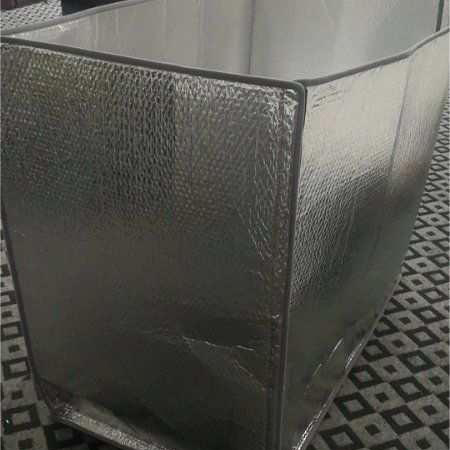
Mantas térmicas de paletes para hemoderivados em um sistema logístico qualificado
The safest way to buy thermal pallet blankets for blood products is to stop treating the blanket as the temperature-control system. É um componente passivo externo. Pode retardar a entrada ou saída de calor de um palete, mas apenas o completo, configuração qualificada pode ser avaliada em relação aos requisitos de um componente sanguíneo. Refrigeração, pacotes congelados, manipulação de plaquetas, monitoramento, rastreabilidade, e a liberação de qualidade permanecem controles separados.
Um método de seleção prático conecta um estado de componente a uma pista e um envelope operacional. Em seguida, passa por sete portões: exigência, papel, geometria, projeto térmico, evidência, operação de rotina, e controle do ciclo de vida. Se uma proposta não puder passar por um portão, um pedido maior deve esperar.
Portão 1: nomeie o componente e seu estado
Não comece uma especificação com “palete de sangue”. Escreva o componente completo e o estado: sangue total armazenado, glóbulos vermelhos líquidos, plaquetas sob seu processo aprovado, plasma congelado, plasma descongelado, ou outro componente especificamente rotulado. Processamento ou modificação de notas que afetem as condições. Indique o rótulo aplicável, procedimento de estabelecimento de sangue, regras nacionais, e requisitos de destino.
A orientação da cadeia de frio do sangue da OMS distingue sangue total refrigerado e glóbulos vermelhos, plaquetas mantidas sob condições controladas com agitação durante o armazenamento, e plasma congelado. NÓS. Os regulamentos da FDA também especificam as condições produto por produto; os números e os contextos não são idênticos a todas as declarações de formação da OMS ou às regras de outro país. Isso é esperado. Um programa de logística global precisa de uma matriz de requisitos, não é uma temperatura universal copiada em todos os protocolos.
A matriz deve incluir intervalo permitido ou critério de estado congelado, tempo máximo de processo, quando aplicável, agitação ou outras necessidades não relacionadas à temperatura, restrições de embalagem e rotulagem, inspeção visual, monitoramento, e autoridade de disposição. Deve também indicar se o requisito se aplica ao armazenamento, remessa, processamento, retenção pós-degelo, ou emitir para transfusão. Estas fases não devem ser confundidas.
Cargas de componentes mistos geralmente falham nesta porta, a menos que os produtos compartilhem, condições aprovadas e segregação física. Uma cobertura externa reflexiva não pode tornar os glóbulos vermelhos refrigerados compatíveis com plaquetas em temperatura ambiente controlada ou com um pacote de plasma congelado com gelo seco.
Portão 2: atribua um trabalho estreito à manta
Escreva uma frase que descreva a tarefa do cobertor sem usar “manter” ou “controlar”, a menos que seja apoiada por evidências do sistema. Por exemplo: “Forneça uma camada isolante externa avaliada em torno de caixas de transporte de glóbulos vermelhos qualificadas durante a preparação em docas internas e carregamento de veículos.” A frase nomeia a configuração protegida e a exposição.
Possíveis trabalhos incluem armazenar em buffer uma transferência planejada, adicionando uma camada externa avaliada a um pacote de paletes passivo, reduzindo a carga radiante durante uma breve transferência, ou apoiar um movimento de emergência pré-qualificado. Trabalhos inadequados incluem a substituição de uma geladeira de banco de sangue, armazenar plaquetas sem agitação necessária, convertendo um caminhão comum em um veículo refrigerado, mantendo o plasma congelado apenas com isolamento, ou estender um atraso além da duração qualificada.
Defina a ação de falha no mesmo conjunto de frases. Se a encenação atingir o seu limite, o palete retorna ao equipamento aprovado, transferências para uma alternativa validada, ou entra em uma escalação decidida pelo procedimento de qualidade. A cobertura não tem permissão para criar um período de carência indefinido.
Essa atribuição restrita também ajuda na linguagem de conformidade. A configuração completa pode ser qualificada para um uso específico; o cobertor em si não deve ser chamado universalmente de “compatível com a FDA,” “A OMS aprovou,”Ou adequado para todos os produtos sanguíneos. Peça aos fornecedores que declarem a construção e os testes de apoio com precisão.
Portão 3: capture o palete e a pista reais
Os desenhos dos paletes devem refletir a carga de produção embalada. Registre as dimensões externas, altura mínima e máxima, layout da caixa, saliência, placas de canto, vazios, faixa total de carga útil, rótulos, selos, locais de refrigerante, e base. Um palete completo e meio palete podem ter diferentes proporções entre área de superfície e massa e caminhos de ar internos, então ambos podem precisar de avaliação.
Mapeie a pista minuto a minuto, do último ponto controlado até o próximo ponto controlado. Incluir reconciliação de despacho, elevador espera, preparação de doca, ciclos de porta, segurança, carregando, pré-condicionamento de veículos, aceitação do aeroporto, transferir, alfândega, recebendo, e recuperação de registrador. Marque as superfícies abaixo do palete e as exposições radiantes acima dele. Identifique o atraso credível mais longo e o caminho de recuperação.
A temperatura do ar por si só pode não representar o desafio. Sol direto, um telhado quente, um deck de metal frio, vento, precipitação, e cargas congeladas adjacentes podem criar efeitos locais. Se o uso ao ar livre for possível, examinar a segurança, comportamento da água, e manuseio seguro. Uma saia larga ou um cobertor saturado pode ser um risco para o trabalhador e de contaminação.
Fatores humanos pertencem ao arquivo da pista. Quem instala a capa? Que roupas de proteção são usadas? Uma pessoa pode chegar ao topo? Os rótulos são visíveis? As empilhadeiras podem entrar sem tocar na saia? A remoção corre o risco de atingir caixas frágeis de plasma congelado? Experimente essas tarefas com o pessoal e o equipamento pretendidos.
Portão 4: projetar todos os caminhos de calor e fontes internas
Condução, convecção, e a radiação ocorrem simultaneamente. O núcleo isolante da manta resiste ao calor através dos seus painéis. Uma superfície reflexiva pode reduzir a troca radiante sob condições relevantes. Abas e saias podem limitar o movimento do ar. Costuras, lacunas, dobras comprimidas, e a base descoberta pode ignorar essas funções.
Pense no palete como um limite de seis lados. Uma tampa de cinco lados deixa a parte inferior conectada ao palete e ao piso. Uma base pode reduzir esse caminho, mas pode afetar a estabilidade, higiene, acesso de garfo, e qualificação. Faça essa escolha antes que a configuração de teste seja congelada.
A manta também interage com refrigerantes internos. Pacotes frios ou materiais de mudança de fase absorvem energia, mas podem criar pontos frios se estiverem muito frios, mal condicionado, ou colocado contra caixas de glóbulos vermelhos. Dry ice supports certain frozen systems but releases carbon dioxide gas and brings dangerous-goods, ventilação, manuseio, e preocupações de compatibilidade de material. O isolamento pode prolongar a influência desejada e indesejada de um refrigerante.
As plaquetas novamente requerem lógica separada. Uma manta não pode proporcionar agitação contínua no armazenamento. Também não deve obstruir o fluxo de ar controlado em torno do equipamento de plaquetas. Qualquer configuração de transporte deve seguir o processo de plaquetas aprovado; adding generic chilled gel packs would be an unsafe assumption.
A umidade faz parte do design. Uma palete fria que entra em ar húmido pode acumular condensação. A água pode enfraquecer as caixas, etiquetas de danos, esconder vazamentos, criar pisos escorregadios, ou entre no isolamento através de costuras danificadas. Definir local de instalação, considerações sobre vapor e água, drenagem, secagem, e inspeção. “À prova d'água” não responde ao comportamento de condensação.
Solicite uma descrição completa da construção: camada externa, isolamento, reforço, forro interno, costuras, fechamentos, alças, dimensões, tolerâncias, e orientação. Os valores dos cupons materiais suportam a comparação, mas não prevêem a duração do sistema completo. Teste a manta acabada em torno da carga proposta.
Portão 5: criar evidências que correspondam à afirmação
O plano de evidência deve passar do ajuste para o teste térmico controlado e depois para a confirmação operacional. Um teste de ajuste pode eliminar conceitos inseguros ou mal dimensionados antes de trabalhos caros na câmara. Deve desafiar todas as alturas de paletes aprovadas, rótulos, liberação de equipamentos, alcance de fechamento, tempo de instalação, e remoção.
O protocolo térmico indica o critério do componente, justificativa substituta, faixa de carga útil, distribuição inicial, embalagem e condicionamento de refrigerante, configuração de manta e base, perfil ambiental, duração, manipulação de eventos, sistema de sensores, colocação, repete, e regras de aceitação. Deve incluir riscos de calor e frio, quando aplicável.
| Evidência necessária | O que deve identificar | Decisão que apoia |
|---|---|---|
| Registro de construção | Camadas acabadas, costuras, fechamentos, dimensões, tolerâncias, identidade de produção | Se as unidades testadas e fornecidas são comparáveis |
| Perfil da pista ou instalação | Tempo, ambiente, umidade quando relevante, superfícies, radiação, transferências, atrasos | Se o desafio representa o uso pretendido |
| Protocolo e relatório de qualificação | Carga útil, pacote, sensores, calibração, perfis, repetições, critérios, Resultados | Se a configuração completa suporta o envelope operacional |
| Avaliação de manuseio | Instalação, segurança, rótulos, alcance do trabalhador, interação de equipamentos | Se o método é repetível e seguro |
| Acordo de controle de mudanças | Mudanças internas e de fornecedores que exigem revisão | Se a evidência permanece aplicável após a mudança |
A colocação do sensor deve investigar extremos. Incluir regiões externas superiores e de canto, a interface do piso inferior, posições perto de refrigerantes, fechamentos, e o núcleo de carga conforme justificado. Um registrador de ambiente interpreta o desafio; não representa a temperatura do produto. Calibração, faixa, resposta, resolução, intervalo, sincronização de tempo, e o método de fixação devem ser documentados.
Perfis térmicos e processos de qualificação ISTA podem informar certos estudos de embalagens. Seu escopo oficial deve ser verificado. Os perfis de entrega de encomendas não representam automaticamente sangue paletizado na plataforma de um aeroporto ou em estadias hospitalares. Uma referência padrão é útil somente quando o artigo de teste, perfil, método, e desvios são divulgados.
Uma passagem sob um perfil ambiental não prova todas as estações e pistas. Estabelecer se o agrupamento ou testes sazonais separados são cientificamente justificados. Se um fornecedor oferecer uma duração, mantenha a carga útil, critério, condição inicial, perfil, e locais de sensores anexados a ele.
Portão 6: tornar a operação de rotina observável
A qualificação só será bem-sucedida se o envio e o recebimento reproduzirem a configuração crítica. Converta o relatório em um pequeno pacote de instruções com fotografias, etapas numeradas, e limites claros. Controlar o condicionamento do líquido refrigerante, arranjo de caixa, padrão de palete, base, orientação da manta, sequência de fechamento, posição do registrador, bolsa de etiqueta, selo, e carimbos de data/hora.
No envio, a equipe verifica o status do componente, família de carga aprovada, condição inicial, identidade geral e inspeção, prontidão do registrador, e documentação de embarque. A cada entrega, tempo e custódia são registrados. A manta permanece fechada a menos que o SOP defina o acesso. Se um atraso, localização, ou condição física sai do envelope operacional, a escalação nomeada começa.
Ao receber, a equipe inspeciona o palete coberto antes de desmontar, registrar danos ou umidade, reconciliar unidades componentes, recuperar dados, e coloque o produto no equipamento controlado correto. A revisão dos dados segue o procedimento do serviço de sangue. Um indicador verde, cobertor intacto, ou refrigerante restante não é uma decisão de liberação independente.
Para uma exceção, colocar em quarentena conforme necessário e preservar todos os registros. Revise a calibração e o posicionamento do registrador, história do tempo, integridade do cobertor e da embalagem, estado do refrigerante, etiqueta do produto, observações físicas, e critérios regulatórios aplicáveis. Somente pessoal autorizado decide a liberação, reedição, avaliação adicional, ou descartar.
O treinamento deve incluir exemplos de uso incorreto. A equipe precisa reconhecer uma manta selecionada para o componente errado, uma borda inferior aberta, contato direto com refrigerante, um rótulo oculto, um núcleo molhado, calibração expirada do registrador, e um atraso além do envelope. Os exercícios periódicos são especialmente úteis para configurações de emergência que raramente são usadas.
Portão 7: controlar a reutilização, mudar, e fim de vida
Um cobertor reutilizável passa a fazer parte do conjunto de ativos de suporte à qualidade. Forneça a ele um ID exclusivo quando apropriado e estabeleça um ambiente pronto para limpeza, publicado, voltou, limpeza, secagem, reparar, quarentena, e status de aposentado. Definir agentes e métodos de limpeza compatíveis, iluminação de inspeção, critérios de costura e fechamento, regras de isolamento úmido, reparos permitidos, e retenção de registros.
Nenhuma contagem universal de reutilização pode substituir a inspeção e a verificação. Abrasão altera superfícies reflexivas; dobras comprimem o isolamento; fechamentos coletam detritos; a limpeza pode afetar os títulos; reparos podem criar pontes térmicas. Selecione unidades antigas para revisão técnica periódica com base na gravidade do uso, falhas, e risco. Aposentar unidades que não podem ser restauradas à condição aprovada.
O controle de mudanças de fornecedores é igualmente importante. Um novo filme, espuma alternativa, adesivo diferente, fechamento realocado, ponto alterado, ou tolerância dimensional pode afetar o desempenho ou a segurança. Concorde quais alterações exigem aviso prévio e quais evidências apoiam a equivalência. Internamente, mudanças nas caixas, carga de paletes, refrigerantes, madeireiros, veículos, ou rotas podem exigir revisão.
A sustentabilidade deve ser calculada por conclusão bem-sucedida, movimento de paletes em conformidade. Contagem de fabricação, embalagem, logística reversa, limpeza, secagem, reparar, perda, monitoramento, qualificação, e descarte. Compare essas cargas com um sistema de uso único na mesma função. Ciclos hospitalares fechados podem favorecer a reutilização; As rotas internacionais ou de emergência de sentido único não podem.
Acompanhe os ciclos reais, taxa de retorno, dano, reparar, recursos de limpeza, perda, e causa de aposentadoria. Verifique se os recicladores locais aceitam os materiais montados. Uma reivindicação material teórica não é um programa de fim de vida. Sobretudo, não reduza o monitoramento ou a garantia térmica para melhorar uma métrica ambiental; a perda de um componente sanguíneo doado acarreta suas próprias consequências clínicas e de recursos.
Conclusão: O pacote de aprovação final
Antes da expansão, a ficha técnica deve responder quatro perguntas sem depender da linguagem de vendas:
Qual componente, estado, configuração de paletes, faixa, e condições sazonais são aprovadas?
Qual função exata o cobertor desempenha, e quais funções permanecem com outros equipamentos?
Qual protocolo e dados suportam o envelope operacional, incluindo locais quentes e frios?
Como a equipe inspeciona, instalar, monitor, receber, investigar, limpar, reparar, e aposentar o sistema?
Se alguma resposta estiver faltando, a próxima etapa da compra pode ser uma amostra, exercício de mapeamento, ou execução de qualificação em vez de uma ordem de produção.
Mantas térmicas para produtos sanguíneos podem ser úteis nos limites vulneráveis de uma rede de sangue. Seu valor mais seguro vem da precisão: um estado de componente definido, uma faixa representativa, uma configuração completa, e um processo operacional controlado. Essa precisão evita que uma camada passiva seja confundida com equipamento de armazenamento de sangue e dá às equipes de qualidade evidências de que podem defender.
Sobre Tempk
Xangai Tempk Industrial Co., Ltda. opera Tempk, a provider of cold-chain packaging solutions. Its official products include thermal pallet covers, insulated packaging and boxes, refrigerantes, e PCMs. O conteúdo oficial da solução cobre a revisão do pacote, planejamento de posição do registrador, e suporte ao plano de validação, dando-nos uma base definida para uma discussão sobre embalagem de componente para linha para um uso declarado de logística de sangue. Tempk não aprova requisitos de sangue, qualificação, conformidade, procedimentos de monitoramento, status de reutilização, ou disposição do produto; esses controles permanecem com o serviço de sangue responsável.
Envie a matriz de estado do componente, configuração completa de paletes, perfil de rota, lógica de monitoramento, e reutilizar o limite para Tempk. Podemos discutir quais questões de embalagem o plano de avaliação precisa responder.
Coberturas térmicas de paletes para armazenamento a granel adequadas ao trabalho
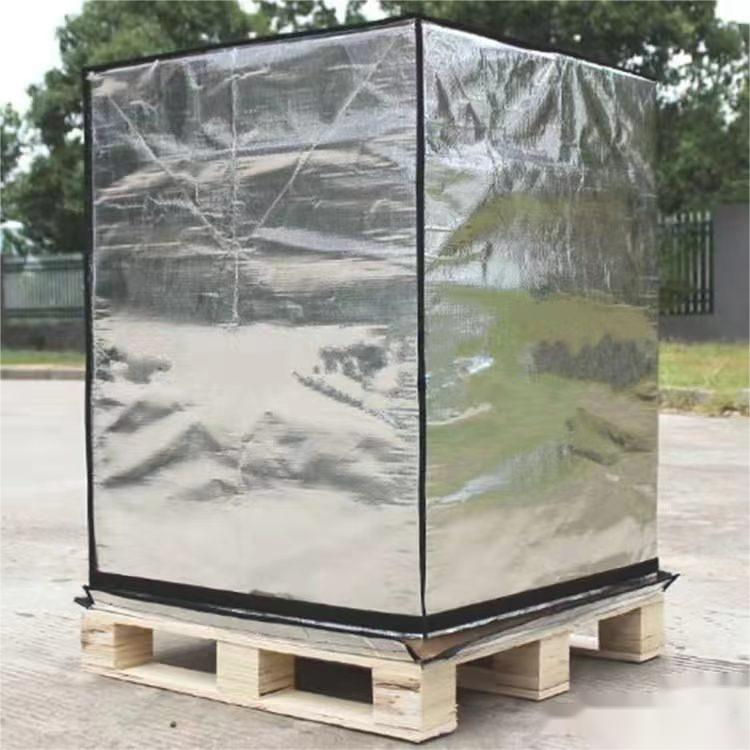
Coberturas térmicas de paletes para armazenamento a granel que se ajustam à carga, Site, e Processo
The best pallet thermal covers for bulk storage are not chosen by thickness alone. Eles são escolhidos combinando um conjunto completo de cobertura com um palete conhecido, uma exposição conhecida, e um processo de armazém repetível. A cobertura então retarda a troca de calor indesejada para aquele evento definido. Não gera resfriamento, manter um ponto de ajuste exato indefinidamente, ou substitua uma câmara fria, veículo refrigerado, ou decisão sobre a qualidade do produto.
Essa abordagem de envelope operacional resolve muitos erros comuns de compra. Em vez de perguntar qual cobertura é “mais isolada,” você pergunta qual configuração permanece utilizável e apoiada por evidências em seu dock, no seu chão, em torno de sua carga, e através do atraso você realmente precisa gerenciar.
Desenhe o limite antes de nomear a solução
Comece com um desenho de limite simples. Coloque o palete no centro e rotule tudo que possa trocar calor ou umidade com ele: ar ambiente, rascunhos de porta, telhado e luzes, cargas adjacentes, concreto ou aço abaixo do palete, e qualquer exposição ao ar livre. Adicione a rota e o tempo. Esta imagem muitas vezes revela que a solicitação de compra não é realmente “armazenamento em massa”. Pode ser uma saída de sala controlada, uma doca espere, uma transferência entre edifícios, um rack de transbordamento, ou uma retenção de emergência.
Agora adicione o limite do produto. Registre a condição de armazenamento aprovada, se o congelamento ou o superaquecimento são especialmente prejudiciais, quão uniforme é a carga quando sai do espaço controlado, e quem decide se uma excursão é aceitável. Os requisitos variam entre os alimentos, medicação, produtos químicos, eletrônica, e materiais industriais. A temperatura impressa em uma ordem de serviço de armazém pode não ser o critério de qualidade completo.
Finalmente, adicione o limite operacional. Observe as dimensões do palete após embrulhar, saliência da caixa, frequência de carga parcial, equipamento de movimentação de materiais, rotulagem, controles de fogo, necessidades de saneamento, e alcance do trabalhador. Uma cobertura que parece termicamente capaz, mas não pode ser instalada de forma segura ou consistente, não é um controle eficaz.
A saída é uma breve declaração do problema. Por exemplo: “Armazenar uma família definida de paletes pré-condicionados durante a preparação de saída interna ao lado da Porta 4, incluindo uma condição de atraso documentada, sem obstruir identificações ou acesso de porta-paletes.” Isso é muito mais útil para um fornecedor e uma equipe de teste do que “Precisa de uma manta térmica de 48 horas”. Ele afirma uma função sem inventar um resultado.
Decida se uma capa é o controle certo
Passive pallet covers are attractive because they require no power and can be deployed around existing loads. Essas vantagens não os tornam apropriados para todos os riscos. Use uma hierarquia de controle baseada na gravidade e duração da exposição.
Se as mercadorias exigirem armazenamento contínuo refrigerado ou congelado, o controle primário normalmente deve ser um equipamento projetado, monitorado, e mantido para essa condição. Se uma transferência exceder regularmente a capacidade do isolamento passivo, melhorar o agendamento, adicionar teste controlado, ou use um gabinete apropriado com temperatura controlada. Se a exposição for breve, previsível, e moderado o suficiente para estudar, uma cobertura pode ser uma camada secundária proporcional.
Uma cobertura também pode apoiar um plano de contingência, mas somente depois que o plano identificar o ponto em que as mercadorias passam para a refrigeração de reserva ou outra solução qualificada. A resistência passiva pode retardar uma mudança de temperatura; não pode dizer se o produto permanece liberável. Dados, critérios aprovados, e a revisão da qualidade desempenham esse papel.
Rejeite a opção de cobertura quando ela criar um perigo maior. Os exemplos incluem material solto perto das rodas do veículo, interferência com sprinklers de rack, incapacidade de ver rótulos regulamentados, riscos de contaminação incompatíveis, ou condições externas que possam levantar ou encharcar o gabinete. Redesenhar o trabalho pode ser mais seguro do que forçar uma capa de tecido nele.
Traduza a cobertura em zonas funcionais
Uma cobertura acabada pode ser entendida como cinco zonas funcionais. Esta visualização torna as comparações de fornecedores mais claras do que uma lista de nomes comerciais de materiais.
Zona radiante: A face externa encontra luzes, superfícies do telhado, sol, ou ambientes frios. Propriedades reflexivas podem reduzir a troca radiante, mas apenas na orientação e condição relevantes. Sujeira, contato direto, danos no revestimento, e dobras podem alterar o efeito.
Zona resistiva: O núcleo isolante retarda o fluxo de calor condutivo através do painel. Sua eficácia depende da estrutura, grossura, compressão, umidade, costuras, e envelhecimento. Os dados nominais do painel não são iguais ao desempenho da cobertura acabada.
Zona de controle aéreo: Saias, sobreposições, abas, e fechamentos limitam o movimento do ar. Uma pequena lacuna contínua pode dominar uma pequena diferença entre os núcleos de isolamento, especialmente no fluxo de vento ou ventilador.
Zona de contato: A palete, chão, prateleira, ou plataforma de reboque forma o limite inferior. Uma capa de cinco lados deixa esse caminho distinto. Qualquer base isolada torna-se parte da estabilidade da carga, higiene, e qualificação.
Zona de interface humana: Alças, rótulos, fechamentos, linhas de dobra, e pontos de aderência determinam se os trabalhadores instalam o sistema corretamente. Esses detalhes também influenciam os danos e a reutilização.
As explicações sobre transferência de calor do Departamento de Energia identificam a condução, convecção, e radiação como modos básicos. Uma revisão da zona funcional conecta esses princípios aos detalhes do armazém. Também evita que a camada reflexiva externa receba toda a atenção enquanto a lacuna inferior, isolamento úmido, ou fechamento com falha controla o resultado.
A umidade atravessa várias zonas. Uma carga fria que entra no ar úmido pode sofrer condensação mesmo sob uma cobertura resistente à água. A água pode enfraquecer as embalagens, rótulos obscuros, tornar o chão escorregadio, ou insira um laminado danificado. Defina quando a tampa será instalada, como as unidades úmidas são manuseadas, onde eles secam, e como a entrada oculta de água é detectada.
Crie evidências em camadas
As evidências de desempenho devem amadurecer à medida que a compra passa do conceito à escala. Cada etapa responde a uma pergunta diferente.
| Estágio de evidência | Pergunta principal | Saída útil |
|---|---|---|
| Revisão de documentos | A construção é identificável e adequada para triagem?? | Descrição da camada, dimensões, tolerâncias, informações sobre materiais e segurança, limites declarados |
| Teste de ajuste e manuseio | Os trabalhadores podem usá-lo com segurança em todas as famílias de cargas aprovadas?? | Observações de instalação, mapa de lacunas, liberação de equipamentos, visibilidade do rótulo, notas de danos |
| Estudo térmico controlado | A configuração armazena em buffer o desafio definido? | Protocolo, dados do sensor calibrado, gradientes, repetir resultados, observações de umidade e integridade |
| Piloto do local | O processo funciona sob transferências e atrasos reais? | Conformidade, dados de permanência, exceções, feedback do operador, resultados de controle de ativos |
| Verificação de rotina | O desempenho aprovado permanece confiável ao longo do tempo? | Inspeção de entrada, revisão de alterações, cheques de cobertura antiga, registros de tendências e desvios |
Esta sequência evita dois extremos. Não exige um programa térmico caro para uma cobertura que falha no primeiro teste de ajuste, e não confunde um ajuste confortável com prova térmica. A evidência cresce com risco e comprometimento.
ISTA publica padrões oficiais de testes térmicos e perfis de transporte, including Standard 7E for parcel-delivery thermal transport packaging and Standard 20 processes for insulated shipping containers. Essas estruturas podem orientar o pensamento disciplinado, mas o seu âmbito deve ser respeitado. Uma cobertura de palete usada para armazenamento estacionário não é validada apenas porque um relatório menciona um perfil ISTA. Determine se o método representa a aplicação real e quais modificações foram feitas.
Para um estudo controlado, especifique a construção do palete, temperaturas iniciais, configuração de cobertura, perfil ambiental, limite do piso, movimento do ar, umidade quando relevante, manipulação de eventos, sistema de sensores, duração, e critérios de aceitação. Mapeie prováveis pontos quentes e frios. Não coloque todas as sondas no centro, onde a massa térmica fornece o maior buffer. Documente as regras de dados ausentes e repita o raciocínio antes de ver os resultados.
Seja cauteloso com a duração declarada do fornecedor. Perguntar: duração a que critério, sob qual padrão ambiental, com que carga útil, em qual condição inicial, usando quais posições do sensor? Um teste pode ser completamente válido para sua configuração e ainda assim ser irrelevante para a sua.
Escreva as instruções de trabalho sobre os modos de falha
Uma instrução deve mostrar mais do que como puxar uma tampa sobre um palete. Deve evitar as formas previsíveis de falha do controle.
Antes da instalação, o operador verifica a identidade do palete, família de carga aprovada, status de lançamento inicial, ID da capa, secura, limpeza, costuras, isolamento, fechamentos, e arranjos de rótulos. A tampa é instalada na orientação especificada no local definido. Todas as abas e saias estão seguras, com material livre de rodas e trilhas para caminhada. O relógio de permanência começa de acordo com um gatilho declarado.
Durante a preparação, a palete permanece apenas nas posições aprovadas. A abertura é evitada a menos que o procedimento permita; se o acesso ocorrer, a equipe registra ou reinicia a regra definida pela equipe de qualidade. Uma mudança para uma porta não aprovada, avental ao ar livre, local iluminado pelo sol, ou deck de metal desencadeia escalada em vez de continuação casual.
No final, a equipe remove a tampa com segurança, inspecionar a carga conforme necessário, capturar dados de monitoramento, e direcione a tampa para limpar o retorno, limpeza, reparar, quarentena, ou aposentadoria. Uma cobertura danificada nunca é aceitável simplesmente duplicando-a com outra cobertura não avaliada. Duas camadas podem alterar o manuseio, umidade, comportamento do fogo, e encerramento sem uma base de desempenho conhecida.
Os recursos visuais devem mostrar lacunas inferiores aceitáveis, ordem de fechamento, exibição correta da etiqueta, e danos comuns. Os supervisores devem observar o desempenho durante o turno mais movimentado e durante as estações frias ou quentes. Um processo concebido num teste silencioso pode falhar quando os operadores manuseiam vários paletes ao mesmo tempo.
As informações sobre manuseio de materiais em armazéns da OSHA nos Estados Unidos destacam passagens desobstruídas e liberação segura de equipamentos. As leis locais e as regras das instalações variam, mas a lição operacional é ampla: o isolamento deve caber no sistema de movimento seguro. Fogo, prédio, segurador, e revisões de saneamento também podem ser necessárias dependendo do produto e do arranjo de armazenamento.
Compre o programa, não só os painéis
A aquisição em massa amplia pequenas ambiguidades. Uma mudança dimensional de um centímetro, um fechamento realocado, ou um laminado substituído pode se tornar centenas de instalações inconsistentes. O pedido de orçamento deverá indicar a geometria e construção aprovadas, tolerâncias críticas, rotulagem, embalagem, inspeção de entrada, notificação de alteração, e documentar expectativas.
Peça aos fornecedores para separarem os fatos em três grupos:
Características identificadas: materiais, conjunto, dimensões, fechamentos, e controles de mão de obra.
Desempenho suportado: resultados vinculados a um espécime nomeado, carga útil, perfil, e critério de aceitação.
Suposições de aplicação: condições que o comprador deve confirmar através de sua própria análise ou qualificação.
Esta separação recompensa a franqueza. Um fornecedor que estabeleça claramente os limites pode ser um parceiro mais forte do que aquele que oferece declarações universais de temperatura.
Avalie a consistência da amostra até a produção. Mantenha uma amostra aprovada ou especificação detalhada, e definir quais cheques recebidos verificam. Para um programa reutilizável, solicitar limitações de limpeza, critérios de inspeção, método de reparo permitido, e indicadores de aposentadoria. Pergunte o que acontece se um componente ficar indisponível. Uma substituição de material não deve entrar em produção antes que seu impacto seja analisado.
Evite reivindicações inventadas de retorno sobre o investimento. Em vez de, construir um modelo de custo específico do local contendo aquisição, frete, armazenar, mão de obra para instalar e remover, limpeza, secagem, reparos, logística reversa, perda, monitoramento, qualificação, e descarte. Compare-o com o método atual no mesmo número de eventos de palete. Inclui falhas de serviço e estoque vinculado ao ciclo de retorno.
Torne a reutilização e a sustentabilidade mensuráveis
Capas reutilizáveis podem reduzir compras de proteção descartável em circuitos fechados estáveis. Eles também podem viajar vazios por longas distâncias, requerem limpeza com uso intensivo de recursos, desaparecer nas entregas, ou tornar-se inutilizável após contaminação. O desempenho ambiental é um resultado do sistema, não é uma etiqueta anexada ao produto.
Defina uma comparação funcional, como um evento de palete corretamente protegido dentro da exposição aprovada. Acompanhe os ciclos reais, taxa de retorno, frequência de limpeza, material de reparo, perda, e causas de aposentadoria. Determine se o conjunto da tampa pode entrar em um fluxo de reciclagem local real ou se as camadas mistas impedem isso. “Reciclável” sem rota de coleta e processamento oferece pouco valor operacional.
As escolhas de design podem melhorar o resultado. Propriedade clara e IDs exclusivos reduzem perdas. Famílias de carga padrão reduzem danos causados por mau ajuste. Tampas substituíveis e reparos controlados podem prolongar o serviço. Um método de dobrar e armazenar pode proteger a face reflexiva e o isolamento. No entanto, todo reparo ou condição antiga deve permanecer dentro do programa de inspeção e verificação.
Revise os dados após um piloto. Se as coberturas forem tecnicamente eficazes, mas raramente devolvidas, o plano de sustentabilidade precisa de trabalho logístico. Se a maior parte dos danos ocorrer em um canto agudo, construção de paletes ou reforço pode precisar de ajuste. Se as filas de limpeza causam escassez, cobrir inventário ou métodos de higiene precisam ser redesenhados. As evidências devem mudar o programa.
Conclusão: Um envelope operacional pronto para liberação
Antes da implantação completa, resumir o uso aprovado em uma página. Incluir famílias de carga cobertas, condição inicial, locais permitidos, permanência máxima avaliada, condições sazonais, configuração básica, fotografias de instalação, monitoramento necessário, critérios de inspeção, exposições proibidas, e ações de escalonamento. Consulte o estudo de apoio e a especificação controlada.
Este envelope de uma página permite que os operadores tomem decisões rápidas enquanto preservam o arquivo técnico mais profundo. Ele também mantém o buffer passivo distinto do controle ativo de temperatura. Quando um atraso, localização, condição da capa, ou o produto cai fora do envelope, a ação correta é escalação, não otimismo.
As coberturas térmicas de paletes para armazenamento a granel podem melhorar a resiliência nos limites de preparação e transferência quando a sua função é deliberadamente limitada. Defina a exposição primeiro, examine todos os seis lados da carga, testar a configuração finalizada, e controlar pessoas e materiais por meio de aumento de escala. É assim que uma simples cobertura se torna uma parte credível das operações do armazém sem ser solicitada a realizar o trabalho de refrigeração..
Sobre Tempk
Operado pela Shanghai Tempk Industrial Co., Ltda., Tempk is a cold-chain packaging brand whose product pages include thermal pallet covers, insulated packaging and boxes, refrigerantes, e PCMs. Nas páginas de solução, o suporte declarado abrange a revisão do pacote, planejamento de posição do registrador, e planejamento de validação. Para planejamento de implantação, podemos relacionar essas atividades para carregar famílias, exposição do site, manuseio de capa, monitoramento, e reutilizar suposições. O cliente ainda deve definir o envelope operacional do armazém, aprovar os critérios de aceitação, e decidir se as evidências para a configuração completa proposta são suficientes.
Use seu mapa de exposição e matriz de família de carga para abrir a discussão com Tempk. Adicione limites de manipulação e expectativas de evidências para que a revisão permaneça focada na implantação.
Mantas Térmicas de Paletes para Transporte de Materiais Perigosos: Método das Cinco Portas
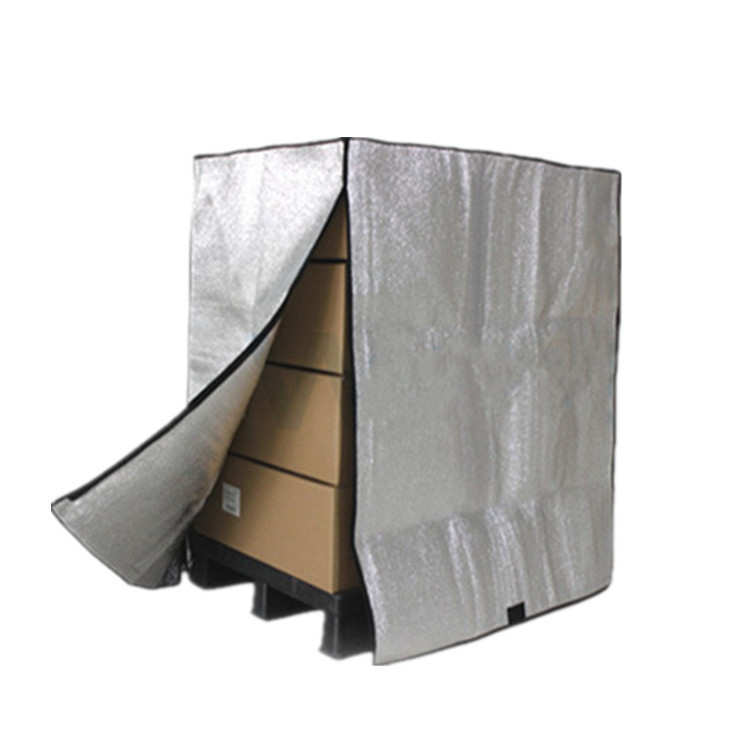
Um método de cinco portas para mantas térmicas de paletes para transporte de materiais perigosos
Uma cobertura térmica nunca deve ser o primeiro item aprovado em um palete de materiais perigosos. As primeiras aprovações dizem respeito ao material, embalagem autorizada, comunicação de perigo, rota, e transportadora. Only then can pallet thermal blankets for hazardous materials shipping be assessed as secondary protection against defined ambient exposure. Eles não podem substituir embalagens com especificações da ONU quando necessário, classificação, segregação, Marcas, rótulos, documentação, treinamento, arranjos de emergência, ou aceitação da transportadora.
As equipes de compras podem gerenciar a decisão por meio de cinco portas: adequação legal, necessidade térmica, integração física, evidência, e controle operacional. Um candidato avança apenas quando passa por todos os portões. Este método evita que um forte resultado térmico oculte um defeito de mercadoria perigosa e evita que uma embalagem vazia e compatível seja embrulhada em uma capa mal projetada.
Portão 1: A unidade concluída é legal e operacionalmente admissível?
Congelar a discussão geral até que uma pessoa responsável treinada tenha definido os produtos perigosos. Registre o número da ONU ou de identificação, quando aplicável, Nome de envio adequado, classe ou divisão, perigo subsidiário, grupo de embalagem quando atribuído, quantidade, estado físico, concentração, e modo. Confirme as instruções de embalagem autorizadas, disposições especiais, limites de quantidade, restrições de rota, e quaisquer variações de operadora ou operadora.
De acordo com os Regulamentos de Materiais Perigosos dos Estados Unidos, o ofertante é responsável pela classificação e descrição adequadas e por determinar se a embalagem é autorizada. Os principais requisitos de comunicação aparecem em 49 Parte cfr 172 e requisitos de embalagem do remetente na Parte 173, com regras adicionais para transporte aéreo, navio, e modos de rodovia. Os Regulamentos de Mercadorias Perigosas da IATA orientam as remessas aéreas e incluem variações de transportadora e requisitos de aceitação. O ADR e as regras nacionais podem aplicar-se aos movimentos rodoviários europeus. Sempre use as disposições atuais para a pista real.
Agora inspecione a montagem coberta proposta. Perguntar:
Todas as marcas exigidas, Etiqueta de perigo, marca de orientação, identificação, e a bolsa para documentos permanecem visíveis?
Se a informação estiver oculta, os requisitos aplicáveis de marcação e rotulagem da embalagem foram atendidos corretamente?
A tampa interfere nas aberturas de ventilação, válvulas, dispositivos de alívio de pressão, fechamentos, pontos de elevação, amarrações, ou acesso de emergência?
A consolidação é permitida, e os requisitos de compatibilidade e segregação ainda são atendidos?
A transportadora aceitou a cobertura, método de fixação, acesso de inspeção, e apresentação concluída?
Nos Estados Unidos, 49 Cfr 173.25 trata de sobreembalagens autorizadas e da reprodução de marcas e rótulos exigidos quando não estiverem visíveis, incluindo o uso da marcação “OVERPACK” em situações declaradas. A determinação exata depende da montagem. Não trate um bolso transparente ou uma etiqueta copiada como uma solução universal.
Portão 1 falha se a tampa ocultar a comunicação, altera uma configuração autorizada sem aprovação, bloqueia um recurso de segurança do pacote, ou não pode ser aceito pela operadora. Os testes térmicos não devem prosseguir até que esses problemas sejam corrigidos.
Portão 2: Qual exposição exata a cobertura deve ser moderada?
Escreva uma declaração de uso de uma frase. Um bom exemplo é: “A cobertura destina-se a retardar o ganho de calor durante o acúmulo de carga aérea ao ar livre e um atraso na perda de conexão após um palete sair de um caminhão controlado.” Um mau exemplo é: “A tampa mantém os produtos químicos na temperatura certa.” O primeiro pode ser testado. O segundo não tem limite de produto definido, condição ambiente, duração, ou segmento de rota.
Crie um registro de exposição ordenado por tempo. Incluir pré-teste, carregando, segurança, permanência em cross-dock, alfândega, transferência entre ativos controlados, aberturas de portas, períodos de contêiner sem energia, inspeções de transportadoras, atrasos, e recebendo. Use dados de pista, observações de instalações, registros meteorológicos, e entrada de portadora quando disponível. Separe a exposição ambiente sombreada da carga solar direta e observe o contato condutivo com pisos ou equipamentos.
Defina por que a temperatura é importante para o material. Qualidade do produto, pressão do pacote, viscosidade, fragilidade, comportamento de fase, e a segurança dos transportes são preocupações diferentes. Os limites devem vir de uma avaliação aprovada de produtos e mercadorias perigosas. Um fornecedor de capas não deve selecioná-los.
Algumas mercadorias perigosas possuem controle especializado ou temperaturas de emergência, pode gerar calor, ou necessitar de ventilação. O isolamento passivo não é um sistema de resfriamento ativo e pode reter o calor gerado internamente. Esses materiais exigem uma abordagem regulatória e de segurança de processo específica. Portão 2 falha se a organização estiver tentando usar o isolamento como substituto do controle ativo exigido, estabilização aprovada, refrigeração, ventilação, ou um plano de emergência.
Portão 3: A tampa cabe no palete e suas funções de segurança?
Meça a carga unitária concluída. As dimensões nominais do palete omitem a altura, saliência, caixas abauladas, anéis de tambor, protetores de canto, dobras de estiramento, principais irregularidades, localizações das etiquetas, e autorizações de acesso. Registre as dimensões normais e máximas de produção. Especifique se uma base ou saia faz parte do design.
Cada característica de construção deve responder a um risco:
| Recurso em análise | Decisão que deve apoiar | Falha em procurar |
|---|---|---|
| Exterior reflexivo | Reduza a exposição radiante definida | Sujeira, abrasão, orientação errada, reivindicação de desempenho não suportada |
| Camada isolante | Resistir à condução através de rostos | Compressão, molhar, espessura inconsistente, derramamento |
| Costura e fechamento | Limite a troca de ar e fique protegido | Ponte térmica, brecha, obstáculo, abertura não planejada |
| Superfície interna | Proteja as embalagens externas durante o uso | Abrasão, incompatibilidade, contaminação, preocupação estática |
| Tratamento básico | Resolva o vazamento de ar na borda inferior ou no caminho do piso | Interferência de empilhadeira, líquido preso, saia instável |
| Zona de acesso e etiqueta | Preservar a inspeção e a comunicação | Marcas cobertas, válvulas bloqueadas, documentos inacessíveis |
A revisão do projeto deve incluir vazamentos previsíveis. Uma manta térmica geral não é contenção de derramamento. Determine se seu material pode reagir com, absorver, espalhar, ou ocultar conteúdos escapados e como os respondentes os removeriam ou isolariam. Atmosferas inflamáveis, operações sensíveis à estática, fontes de ignição, e o descarte de cobertura contaminada exigem local- e avaliação específica do material.
A ergonomia faz parte do ajuste. Uma cobertura pesada ou alta que exige que a equipe suba, alcançar os tambores, ou ficar em faixas de empilhadeiras cria um risco diferente. Realizar uma observação da tarefa com trabalhadores representativos e equipamentos de proteção individual. Portão 3 falha se for seguro, instalação repetível não pode ser demonstrada.
Portão 4: A evidência corresponde à afirmação?
Traduzir a instrução de uso em um protocolo. Identifique a revisão da capa, construção de produção, palete e carga útil, condição inicial, perfil ambiente, componente solar, se relevante, duração, aberturas, mapa de sensores, status de calibração, intervalo de registro, repetições, configuração de controle, e critérios de aceitação. Aprove o protocolo antes de executá-lo.
O calor se move através da radiação, convecção, e condução. Superfícies reflexivas abordam principalmente a troca radiante; camadas isolantes resistem a caminhos condutores e ao movimento interno do ar; fechos e saias afetam a troca de ar. Cantos, costuras, fixadores, e áreas comprimidas atuam como pontes. A base do palete pode se comportar de maneira diferente nas laterais. Um estudo confiável mede o sistema montado em vez de extrapolar a partir de uma camada.
Use cargas úteis que representem a massa da carga pretendida, capacidade térmica, geometria, e embalagem. Uma palete de líquidos densos pode responder lentamente, enquanto um palete de baixa massa com grandes vazios pode responder mais rapidamente. Se um substituto for usado, justificar por que é conservador ou representativo.
Mapeie prováveis pontos quentes ou frios, bem como uma referência central. Capture a exposição ambiente e, quando o risco solar é importante, uma superfície apropriada ou indicador radiante. Sincronizar sensores. Um registrador é uma ferramenta de evidência, não proteção térmica. Sua leitura representa sua localização e precisão; não certifica todos os pacotes.
Os padrões térmicos podem fornecer disciplina. ISTA Standard 7E includes profiles for thermal testing of parcel-delivery insulated shipping containers, e Padrão 20 fornece um processo de design e qualificação. Uma cobertura flexível para paletes completos pode exigir um protocolo justificado diferente ou uma qualificação específica da rota. Citar um nome padrão sem demonstrar o escopo não é suficiente.
Leia as afirmações literalmente. “Ganho de calor reduzido na configuração testada” pode ser suportado. “Protege todos os materiais perigosos por um número fixo de horas” quase nunca resulta de um estudo. Portão 4 falhará se o relatório omitir a carga útil, perfil, sensores, configuração de cobertura, ou critérios de aceitação; depende apenas de dados de materiais planos; ou transforma um teste limitado em uma garantia universal.
Portão 5: As operações podem manter o estado aprovado?
A aprovação existe no papel; o controle existe no dock. Escreva um POP que identifique a cobertura e a revisão aprovadas, limites de paletes, orientação, inspeção pré-uso, sequência de instalação, fechamentos, zonas de rótulo, pontos de acesso, colocação do sensor, uso de selo, remoção, e armazenamento. Incluir condições claras de parada para rasgos, molhar, contaminação, delaminação, tags ausentes, dimensões erradas, comunicação oculta, condições de liberação quente ou fria, ou mudanças de rota.
Adicionar uma verificação de liberação de unidade concluída por equipe treinada em mercadorias perigosas. Inspecione depois que a manta estiver totalmente instalada. Confirme a condição da embalagem, Marcas, rótulos, orientação, tratamento de overpack quando aplicável, documentos, segregação, aberturas, válvulas, fechamentos, alças, e apresentação da operadora. Este pedido detecta problemas que uma inspeção de paletes vazios deixa passar.
Definir propriedade de exceção. A logística lida com conexões perdidas e eventos de equipamentos; especialistas em mercadorias perigosas lidam com desvios de embalagem e comunicação; qualidade avalia excursões termais e escopo de qualificação; segurança gerencia vazamentos ou exposição; a transportadora decide a aceitação de acordo com suas regras. Uma lista telefônica não é suficiente. Escreva as informações que cada função precisa e a autoridade para reter ou rejeitar uma remessa.
No recebimento, inspecionar antes de descartar evidências. Condição da capa do disco, aberturas ou vedações quebradas, dano ao pacote, vazamento, protuberante, legibilidade do rótulo, status do registrador, e temperaturas exigidas pelo plano aprovado. Uma leitura estável do sensor não autoriza a aceitação de um pacote de materiais perigosos danificado. Uma capa danificada não significa automaticamente que o produto falhou; siga a avaliação definida.
Portão 5 falha quando o sistema depende de conhecimento não escrito, não é possível rastrear a revisão da capa, não tem resposta a danos, ou proteção de créditos durante trechos de rota onde a cobertura é removida.
A licitação deve definir reutilização, Regras de parada, e um resultado controlado
Uma vez definidas as portas, o pedido de orçamento torna-se mais útil. Fornecer ao fornecedor o envelope do palete, etiqueta e mapa de acesso, exposição da rota, lidar com restrições, usar modelo, expectativas de limpeza, e objetivo de teste proposto. Não divulgue informações confidenciais sobre mercadorias perigosas além do apropriado, mas forneça o suficiente para uma revisão técnica segura.
Exigir uma lista de materiais de construção ou uma descrição da camada controlada, tolerâncias dimensionais, detalhes de costura e fechamento, pontos de inspeção de produção, e processo de notificação de alterações. Solicite evidências térmicas em todo o contexto, nem um único resultado de título. Solicite informações relevantes sobre inflamabilidade, estático, compatibilidade química, comportamento de umidade, limpeza, e descarte para que especialistas internos possam avaliá-lo. Estes documentos não conferem aprovação de mercadorias perigosas; eles apoiam a avaliação do comprador.
Avalie a consistência da amostra até a produção. Verifique as dimensões finalizadas, massa onde for útil, colocação de costura, força de fechamento, condição da superfície, janelas de rótulos, e identificação. Concordar com reparos e defeitos aceitáveis antes do fornecimento em volume. Uma mudança aparentemente pequena no filme, espuma, adesivo, fio, ou o fechamento pode alterar o comportamento térmico ou a adequação de segurança.
As comparações comerciais devem incluir mão de obra de instalação, volume de armazenamento, manuseio de transportadora, limpeza, transporte de retorno, perda, inspeção, reparar, e aposentadoria. Evite assumir uma contagem de reutilização não verificada ou uma duração térmica fixa. Compare as opções com a mesma função aprovada.
Reutilização e sustentabilidade passam pelas mesmas portas
A reutilização pode reduzir o material descartado em um circuito fechado, mas também pode adicionar frete de retorno, limpeza, perdas, e laminados complexos. Defina a unidade funcional como uma unidade protegida com sucesso, movimentação de paletes compatível. Depois contabilize a fabricação da capa, viagens realmente alcançadas, rede de retorno, limpeza, reparos, peças de reposição, e rota de fim de vida.
Toda reutilização começa com inspeção. Estabeleça limites para as lágrimas, isolamento esmagado, manchas, exposição química, refletividade danificada, falha de costura, fechamentos ausentes, e identidade ilegível. Uma cobertura contaminada deve entrar no processo de resposta a materiais perigosos e resíduos apropriado ao contaminante, não é um fluxo de roupa comum.
Rastreie coberturas individuais se o risco e o valor justificarem. A identidade ajuda a vincular a inspeção, reparos, limpeza, e revisão. Não substitui o exame físico nem comprova o desempenho. Uma capa reutilizada ainda deve passar por Gates 1 através 5 para o envio pretendido.
Quatro decisões de parada automática
Algumas condições devem impedir a liberação sem debate sobre benefício térmico:
As mercadorias perigosas não estão classificadas corretamente, descrito, embalado, marcado, rotulado, documentado, ou aceito para o modo.
A tampa bloqueia a comunicação necessária, ventilação, alívio de pressão, manuseio, inspeção, ou acesso de emergência.
O material tem um requisito de controle de temperatura crítico para a segurança e a configuração passiva proposta não foi especificamente aprovada para atender.
A reivindicação térmica não pode ser atribuída a uma configuração representativa e perfil relevante.
Essas paradas mantêm a hierarquia intacta. O objetivo de uma cobertura térmica é adicionar margem a uma remessa sólida, nunca fazer uma remessa incorreta parecer completa.
Conclusão: Uma decisão de liberação que pode sobreviver à auditoria
As mantas térmicas de paletes para transporte de materiais perigosos estarão prontas para uso somente quando a organização puder responder cinco perguntas com registros: A unidade concluída é admissível? A exposição está definida? A tampa se integra com segurança? As evidências apoiam a afirmação limitada? As operações podem preservar o estado aprovado?
Se a resposta a qualquer pergunta for incerta, segure o projeto naquele portão. O resultado disciplinado é um caso de uso mais restrito, mas mais defensável: uma capa especificada, aplicado a um palete especificado, para uma condição de rota especificada, sob um SOP que protege todas as obrigações relativas a mercadorias perigosas.
Sobre Tempk
Xangai Tempk Industrial Co., Ltda. operates Tempk as a cold-chain packaging brand. Our official product information includes thermal pallet covers, insulated packaging and boxes, refrigerantes, e PCMs, enquanto as páginas de solução descrevem a revisão do pacote, planejamento de posição do registrador, e suporte ao plano de validação. Para transporte de materiais perigosos, este escopo pode informar a avaliação de uma camada térmica externa em relação à geometria e exposição definidas. Não se estende à classificação, embalagens autorizadas para mercadorias perigosas, Marcas, documentos, roteamento, resposta de emergência, ou aprovação da transportadora; partes de remessa qualificadas retêm essas decisões.
Comece com a declaração de uso proposta, desenho completo de paletes, regras de acesso, e limite de teste. Tempk pode então discutir uma revisão de embalagens térmicas com escopo restrito.
Coberturas de isolamento de paletes para distribuição farmacêutica: Implantação
Coberturas de isolamento de paletes para distribuição farmacêutica: Uma estrutura de implantação
A pergunta útil não é “Quantas horas esta cobertura mantém a temperatura?” mas “Qual exposição esta palete enfrentará, e quais evidências mostram que o processo pode gerenciá-lo?” Pallet insulation covers for pharmaceutical distribution can slow thermal change at docks, rampas, cross-docks, porões alfandegários, e entrega final. Eles são passivos, proteção secundária – resfriamento não ativo, um sistema autoqualificado, ou um substituto para monitoramento, qualificação de pista, procedimentos, documentação, ou revisão de qualidade.
Com esse limite claro, compras podem comparar recursos, engenheiros podem testar a configuração completa, as operações podem aplicá-lo de forma consistente, e a qualidade podem decidir se a evidência é suficiente.
Dê à capa um trabalho claro
Comece com uma declaração de uso pretendido de uma frase. Deve nomear o grupo de produtos, configuração de paletes, segmento de pista, desafio ambiental, controles primários, e função de cobertura. Por exemplo:
A cobertura destina-se a reduzir a taxa de troca térmica em torno de uma configuração de palete definida durante transferências externas e não controladas entre instalações controladas aprovadas e veículos em rotas aéreas selecionadas.
Esta declaração evita deliberadamente prometer a temperatura ou duração do produto. Eles pertencem a critérios de qualificação apoiados por informações de produto e rota. Também deixa claro que as instalações e os transportes controlados continuam a ser o principal ambiente.
Agora escreva as exclusões. A cobertura não se destina a substituir um veículo com temperatura controlada, adicione refrigerante não aprovado, proteger uma carga mista incompatível, justificar um atraso aduaneiro indefinido, ou liberar produto após uma excursão. Pode não ser adequado para coleta parcial de paletes, transporte não controlado de vários dias, ou um palete fora do envelope dimensional aprovado. Exclusões não são uma fraqueza; eles evitam desvios operacionais.
As condições farmacêuticas exigidas devem vir das informações do produto aprovado, instruções do fabricante, conhecimento de estabilidade, acordo de qualidade, e requisitos de mercado aplicáveis. Não existe uma gama única para todos os medicamentos. Os limites de armazenamento e transporte podem ser diferentes, e a sensibilidade ao congelamento pode ser crítica mesmo em uma pista que o pessoal descreve casualmente como “fria”. O uso pretendido deve, portanto, referir-se a uma categoria ou requisito de produto aprovado, não uma afirmação genérica como “para produtos farmacêuticos”.
Crie um orçamento de exposição de porta em porta
Um mapa de rotas geralmente mostra cidades e trechos de transporte. Um orçamento de exposição mostra cada intervalo durante o qual o palete pode estar fora do seu ambiente primário controlado. Iniciar o relógio na primeira saída do armazenamento aprovado e pará-lo somente quando a carga entrar no armazenamento aprovado no destino. Divida a jornada em encenação, movimento de doca, carregando, transporte local, transferência de hub, atividade de avental, movimento de aeronaves ou transporte em linha, alfândega, recarregando, entrega final, e recebendo.
Para cada intervalo, registro:
duração atrasada planeada e credível;
perfil de temperatura ambiente e incerteza sazonal;
exposição solar, vento, precipitação, e contato superficial quando relevante;
se o palete está em um ambiente controlado, modificado por temperatura, ou espaço não controlado;
quem tem a custódia e quem pode abrir ou remover a tampa;
disponibilidade de armazenamento temporário adequado;
dados de monitoramento e marcos que podem confirmar o que aconteceu;
gatilho de escalonamento se a suposição falhar.
Este exercício muitas vezes revela que o trecho de transporte mais longo não é o motivador do projeto. Um palete pode passar horas em um compartimento de aeronave ou veículo controlado, mas enfrenta um desafio ainda maior durante uma curta espera sob a luz do sol. Por outro lado, uma transferência de doca levemente desafiada pode não justificar uma cobertura se um trecho rodoviário posterior não controlado for muito severo para proteção secundária passiva. O orçamento de exposição mostra se uma cobertura preenche uma lacuna real ou apenas cria garantias.
As boas práticas de distribuição da UE apoiam esta visão baseada no risco. Exige que as condições exigidas do produto sejam mantidas, risco de rota para orientar os controles de temperatura, atenção ao descarregamento e armazenamento em trânsito, equipamento adequado e qualificado, quando apropriado, monitoramento, e procedimentos para excursões. O modelo de orientação da OMS também trata o perfil de temperatura do transporte como uma sequência de condições ambientais e durações previstas e fornece orientação técnica sobre o perfil da rota e a qualificação do contêiner de transporte.
Não transforme uma previsão meteorológica num perfil de qualificação. Dados meteorológicos podem informar um estudo, mas não capta o sol em uma superfície metálica, vazamento causado pelo vento, uma placa de doca quente, uma cama de rolo frio, práticas operacionais de terminal, ou transferência de custódia atrasada. Use observações de rota, monitoramento, informações da instalação, casos sazonais, e justificou suposições conservadoras para criar o desafio.
Defina a configuração controlada
O objeto de teste e o objeto adquirido devem ter a mesma configuração controlada. Anote todos os componentes e condições que afetam a resposta térmica:
material e dimensões da palete;
padrão de caso, altura de carga, faixa de massa, vazios, e envoltório elástico;
produto ou simulador justificado e sua condição inicial;
construção e orientação da tampa superior e lateral;
base, palete isolada, ou ausência explícita de isolamento inferior;
fechamentos, sobreposições, alças, painéis de acesso, e selos;
rótulos de manuseio e armazenamento;
tipos de registrador, posições, configurações, e método de ativação;
aplicativo, abertura, religamento, e procedimento de remoção.
A base merece linha própria. Uma tampa de cinco lados deixa um caminho através do palete e da superfície de suporte. Se a qualificação usar um bloco base, as operações devem usar a mesma base especificada. Se o processo real não tem base, o teste não deve adicionar silenciosamente um. A mesma lógica se aplica ao envoltório elástico, saliência de paletes, e lacunas de caso.
O ajuste é um atributo controlado, não é uma preferência cosmética. Uma capa curta pode expor a borda inferior; uma tampa apertada pode abrir nos cantos; um grande pode criar dobras, interferir no acesso da empilhadeira, ou arraste pela água. Defina o envelope interno utilizável e as tolerâncias dimensionais usando paletes de produção reais, incluindo variação esperada e saliências.
O fechamento também faz parte do limite térmico. A configuração deve mostrar qual aba se sobrepõe a qual, como os zíperes ou seções de velcro se envolvem, onde as tiras ficam, e como é um estado fechado aceitável. A photograph or line drawing in the work instruction can make the difference between a qualified configuration and an operator's approximation.
Combine as funções do material com a exposição
A pilha de camadas deve responder ao orçamento de exposição em vez de seguir uma hierarquia genérica de “mais camadas é melhor”. O calor atravessa o palete coberto por radiação, convecção, e condução.
Uma superfície metálica de baixa emissividade pode reduzir a troca radiante, que pode ser útil sob exposição solar ou em superfícies quentes próximas. Emissividade é uma propriedade da superfície que descreve a capacidade de emitir radiação térmica. O resultado depende da superfície acabada, orientação, espaço adjacente, limpeza, e danos. Não interrompe o calor transportado pelo ar ou transferido por contato. A refletividade por si só não pode apoiar uma reivindicação de duração.
A camada isolante resiste ao fluxo de calor através das faces largas. Características relevantes podem incluir identidade material, grossura, densidade ou estrutura, condutividade térmica sob condições declaradas, comportamento de compressão, e resposta à umidade. Um teste de material plano ajuda a caracterizar a camada, mas não representa costuras, cantos, fechamentos, a base, ou um palete completo. Pergunte como o processo de conversão controla a espessura, ligação, e continuidade.
Costuras e penetrações podem se comportar como pontes térmicas ou caminhos de vazamento. Costurado, soldado, gravado, ou construções coladas exigem controle e inspeção de processo. Bolsas e aberturas não devem interromper o envelope protetor sem avaliação. Dobras repetidas podem concentrar danos em locais previsíveis, portanto, projetos reutilizáveis precisam de critérios de inspeção vinculados a esses modos de falha.
A umidade combina preocupações térmicas e de proteção do produto. A resistência à chuva não prova o controle do vapor, e um resultado de material em folha não prova as costuras acabadas. A condensação pode ficar presa nas caixas, o líquido de limpeza pode permanecer dentro das camadas, e a sujeira pode alterar uma superfície reflexiva. Definir o tratamento da exposição úmida, limpeza, secagem, segregação, e rejeição, em vez de confiar na palavra “à prova d'água”.
Crie uma cadeia de evidências, Não é um certificado de teste
A cadeia de evidências mais útil conecta os requisitos do produto à rota, o caminho para o perfil do desafio, o perfil para a configuração testada, e a configuração testada para produção e operações de rotina.
| Decisão | Evidência necessária | Proprietário típico | Falha em evitar |
|---|---|---|---|
| O que deve ser protegido? | Condições de produto aprovadas, sensibilidades, e lógica de aceitação | Qualidade do produto | Aplicando uma gama a cada produto farmacêutico |
| Onde está o risco? | Perfil de rota, mapa de transferência, casos sazonais e de atraso | Logística e qualidade | Usando apenas o tempo total de trânsito ou o clima da cidade |
| Qual é o sistema? | Lista de materiais controlada, envelope de palete, detalhes de fechamento e base | Engenharia de embalagens | Qualificar um protótipo diferente da produção |
| Ele executa? | Protocolo aprovado, sensores calibrados, dados brutos, desvios, e relatório | Equipe de qualificação | Tratar um cupom material ou uma remessa como prova |
| Pode permanecer no controle? | Notificação de mudança de fornecedor, cheques recebidos, treinamento, monitoramento, análise | Qualidade e operações | Ignorando o desvio após o lançamento |
Esta tabela também é um mapa de responsabilidades. Nenhum documento do fornecedor pode responder a todas as linhas porque o expedidor possui conhecimento do produto, a rede logística, e decisões finais de qualidade. Um fornecedor pode fornecer design, material, produção, e informações de teste, but the customer's quality system must decide applicability.
A orientação técnica da OMS descreve o design, operacional, e qualificação de desempenho para contêineres. Esses estágios oferecem uma disciplina útil. Durante a qualificação do projeto, requisitos de revisão de equipes, riscos, desenhos, materiais, fechamentos, e evidências preliminares. A qualificação operacional desafia configurações definidas em casos quentes e frios aprovados, incluindo carga útil e limites de condição inicial. A qualificação de desempenho demonstra que a produção cobre, operadores treinados, procedimentos reais, e vias representativas trabalham juntas.
Os recursos ISTA podem apoiar o planejamento de testes, mas o escopo é importante. Padrão ISTA 20 é um processo para qualificação de contêineres isolados usado com perfis ISTA 7E, enquanto o ISTA identifica 7E com sistemas de entrega de encomendas. Uma cobertura de palete movimentada através de frete unitizado pode precisar de um teste diferente ou personalizado justificado pelo seu ambiente de distribuição. Os testes térmicos também podem precisar ser combinados com a avaliação mecânica do manuseio, vibração, compressão, e estabilidade de carga. Nomear um padrão não é suficiente; o procedimento, objeto de teste, laboratório, perfil, e a reivindicação resultante deve estar alinhada.
Monitoramento de projeto em torno de decisões
O monitoramento deve informar à organização se as suposições são mantidas e o que fazer caso não sejam. Não é um acessório adicionado após qualificação.
Sensores ambientais podem caracterizar o desafio em torno do palete. Sensores de carga útil podem mostrar a resposta térmica em posições selecionadas. Um registador próximo do exterior pode reagir rapidamente; alguém profundamente dentro de uma carga densa pode responder lentamente. A qualificação deve usar sensores suficientes, colocado através de uma justificativa documentada, para identificar locais vulneráveis e de resposta lenta. O monitoramento de rotina pode usar um plano justificado diferente quando sua finalidade estiver claramente definida.
Review the logger's calibrated accuracy, faixa de medição, resposta, intervalo de gravação, controle de relógio, configuração de alarme, adequação da bateria, integridade de dados, e fluxo de trabalho de recuperação. Evite copiar configurações de outra faixa sem considerar a duração da viagem e as necessidades de decisão. A orientação da OMS aborda o monitoramento de contêineres passivos e ativos, revisão de chegada, calibração, registros, e sistemas de monitoramento de transporte. O PIB da UE também enfatiza equipamentos de monitoramento e procedimentos de excursão mantidos e calibrados.
O site receptor precisa de um caminho de dados viável. Defina quem para ou lê o dispositivo, quais softwares e permissões são necessários, como os fusos horários são tratados, onde o arquivo é retido, e o que desencadeia a quarentena. Um alarme de temperatura não destrói automaticamente o produto, e a ausência de um alarme não corrige um pacote inválido. A disposição pertence ao processo de qualidade aprovado usando as informações relevantes do produto.
Para frete aéreo, o monitoramento acompanha a comunicação de manuseio correto. IATA's Temperature Control Regulations address pharmaceutical transport and include the Time and Temperature Sensitive label. Verifique a edição atual, regras da operadora e do governo, informações de reserva, marcações, e requisitos de mercadorias perigosas, conforme aplicável. A capa não deve esconder rótulos essenciais, e rótulos não devem ser confundidos com proteção física.
Converta a amostra aprovada em uma implantação controlada
Bloqueie a especificação de fornecimento
A expansão é uma transferência de alto risco. A amostra testada pela engenharia pode ter sido feita com uma folha específica, núcleo isolante, adesivo, padrão de costura, encerramento, e nível de atenção. A compra de produção precisa de uma especificação que torne esses atributos repetíveis.
Crie desenhos aprovados e uma lista de materiais. Definir dimensões e tolerâncias internas, identidades de camada, atributos críticos de construção, locais de costura e fechamento, marcações de orientação, limpeza, rotulagem, embalagem para entrega, e qualquer rastreabilidade necessária. Combine como a matéria-prima, formulação, revestimento, adesivo, processo, ferramenta, subcontratado, ou alterações no local de fabricação serão comunicadas e avaliadas antes do fornecimento.
A inspeção recebida deve verificar os atributos vinculados à adequação, encerramento, integridade, e limpeza. Verificações periódicas podem ser apropriadas para características que não podem ser testadas em todas as unidades. Mantenha uma referência de produção controlada em vez de depender de uma amostra não medida do showroom. Se o fornecedor declarar um resultado térmico, solicitar o protocolo e o contexto do relatório: Perfil de teste, carga útil, condição inicial, montagem completa, localizações dos sensores, duração, critérios, desvios, e revisão da unidade.
Nos Estados Unidos, os regulamentos atuais de boas práticas de fabricação exigem condições de armazenamento apropriadas e procedimentos escritos de armazenamento e distribuição. A orientação da FDA em contextos específicos de produtos reforça a proteção durante o armazenamento, manuseio, e envio de acordo com as condições rotuladas. Esses princípios apoiam especificações e procedimentos controlados; eles não criam um status universal de “aprovado pela FDA” ou “em conformidade com a FDA” para uma cobertura de palete.
Torne as transferências reproduzíveis
A cobertura terá sucesso ou falhará nas mãos do armazém e do pessoal de terra. Treine com um palete real e observe a tarefa. Os operadores podem identificar a revisão correta? Uma ou duas pessoas podem encaixá-lo com segurança sem arrastá-lo? Os cantos são óbvios? Todo fechamento pode ser alcançado? Os rótulos permanecem visíveis? As aberturas das empilhadeiras estão desobstruídas? A tampa pode ser restaurada após inspeção?
Escreva o contrato de entrega em instruções de trabalho e acordos de qualidade:
quem aplica e verifica a cobertura;
quando o relógio de exposição ou pausa controlada começa;
quem pode abri-lo e em que condições;
como a proteção temporária é mantida durante a inspeção;
como o fechamento correto é restaurado e registrado;
o que fazer com molhado, rasgado, ausente, ou unidades contaminadas;
onde um palete atrasado pode ser movido;
quem analisa os dados de monitoramento e decide a disposição.
Considere uma remessa que chega à alfândega com uma aba inferior destacada após a inspeção. A primeira questão não é se o material ainda parece reflexivo. A equipe precisa saber por quanto tempo o palete ficou aberto, as condições ambientais, se a base permaneceu protegida, o que o logger mostra, se o armazenamento controlado estava disponível, e qual função de qualidade detém a decisão. Um processo maduro pode reconstruir esses fatos. Um imaturo cola a aba e continua sem registro.
Escolha o modelo de reutilização com dados operacionais
Capas descartáveis e reutilizáveis podem ser válidas. A rede de rotas determina quais podem ser controladas e quais podem ter o melhor perfil ambiental.
Um programa reutilizável precisa de logística reversa, pontos de coleta, identificação de ativos quando justificado, limpeza, secagem, inspeção, regras de reparo, armazenar, gestão de perdas, e aposentadoria. A qualificação deve levar em conta a condição em que uma unidade pode retornar ao serviço. Evite prometer um número fixo de viagens sem evidências; os históricos de danos e manuseio variam.
Um programa de uso único evita devolução e reforma, mas transfere a responsabilidade de descarte para o destinatário. Pergunte se a construção multicamadas pode ser separada e se existe realmente uma recuperação adequada nos mercados de destino. “Reciclável” em teoria não garante recuperação na prática.
Experimente qualquer modelo com resultados mensuráveis. Para reutilização, acompanhar retornos, inversão de marcha, distância de transporte e cubo, limpeza, dano, rejeição, e viagens reais. Para uso único, acompanhar o consumo de materiais, dano, recebendo fardo, e rotas reais de descarte. Incluir o desempenho de proteção do produto na comparação. Prevenir perdas relacionadas à temperatura faz parte da gestão ambiental, portanto, a redução de material não deve enfraquecer o controle qualificado.
Use um portão Go/No-Go antes do lançamento
Uma pista só estará pronta quando as seguintes afirmações puderem ser respondidas com evidências controladas:
As condições do produto e o processo de decisão da excursão são aprovados.
The cover's intended role and exclusions are explicit.
O perfil da rota inclui transferências, sazonalidade, atrasos, e radiante relevante, ar, umidade, e exposições superficiais.
A palete exata, base, cobrir, encerramento, rótulos, e a configuração de monitoramento é definida.
A qualificação apoia o envelope operacional aprovado e os critérios de aceitação.
As unidades de produção estão vinculadas ao projeto testado por meio de especificações, controle de entrada, e notificação de alteração.
Funcionários podem se inscrever, inspecionar, abrir, restaurar, e remova a tampa de acordo com as instruções aprovadas.
Os dados de monitoramento podem ser recuperados, retido, e agiu no recebimento.
Contingências identificam armazenamento seguro, contatos de escalonamento, e ações de desvio.
O ciclo de vida descartável ou reutilizável pode ser operado conforme projetado.
Um “não” nem sempre significa abandonar o disfarce. Pode significar estreitar a pista, melhorando um fechamento, adicionando uma base, revisão do plano de monitoramento, protegendo o espaço controlado do hub, executando outro caso de qualificação, ou escolhendo controle ativo ou passivo baseado em refrigerante. A porta impede que o volume de compras ultrapasse o conhecimento de qualidade.
Conclusão: Coloque a capa em seu devido lugar
Uma cobertura térmica para paletes é valiosa quando retarda a transferência de calor através de uma exposição definida que o sistema logístico primário não consegue eliminar. Seu desempenho vem da configuração completa: ajustar, superfície de baixa emissividade, quando relevante, camada isolante, costuras, fechamentos, base, condição de umidade, carga útil, temperatura inicial, e ações do operador. Sua credibilidade vem dos dados da rota, um teste aprovado, consistência de produção, monitoramento, registros, e controle de mudança.
Use um contêiner ou veículo ativo quando for necessária regulação elétrica. Use um sistema passivo baseado em refrigerante qualificado quando a pista exigir uma reserva térmica fechada. Melhorar a instalação ou a transferência quando o verdadeiro problema for evitável.. Uma cobertura deve resolver o risco atribuído, não esconder uma lacuna na cadeia de frio.
Sobre Tempk
Tempk, Xangai Tempk Industrial Co., Ltd.’s cold-chain packaging brand, lists thermal pallet covers, insulated packaging and boxes, refrigerantes, e PCMs em suas páginas oficiais de produtos. Suas páginas de solução descrevem a revisão do pacote, planejamento de posição do registrador, e suporte ao plano de validação. Podemos usar esse escopo definido para discutir uma implantação de cobertura de palete desde o uso pretendido até a geometria da carga, exposição da rota, e um esboço de avaliação. Limites de produtos farmacêuticos, aprovação do protocolo, procedimentos operacionais, controles de fornecedores, tratamento de desvios, e as decisões de liberação permanecem regidas pelo sistema de qualidade do cliente.
Forneça a declaração de uso pretendido, envelope de palete, casos de desafio sazonal, restrições de base e fechamento, e provas exigidas. Tempk pode então discutir um caminho de revisão de amostra focado.
Como especificar coberturas isoladas de paletes para cargas de peixes
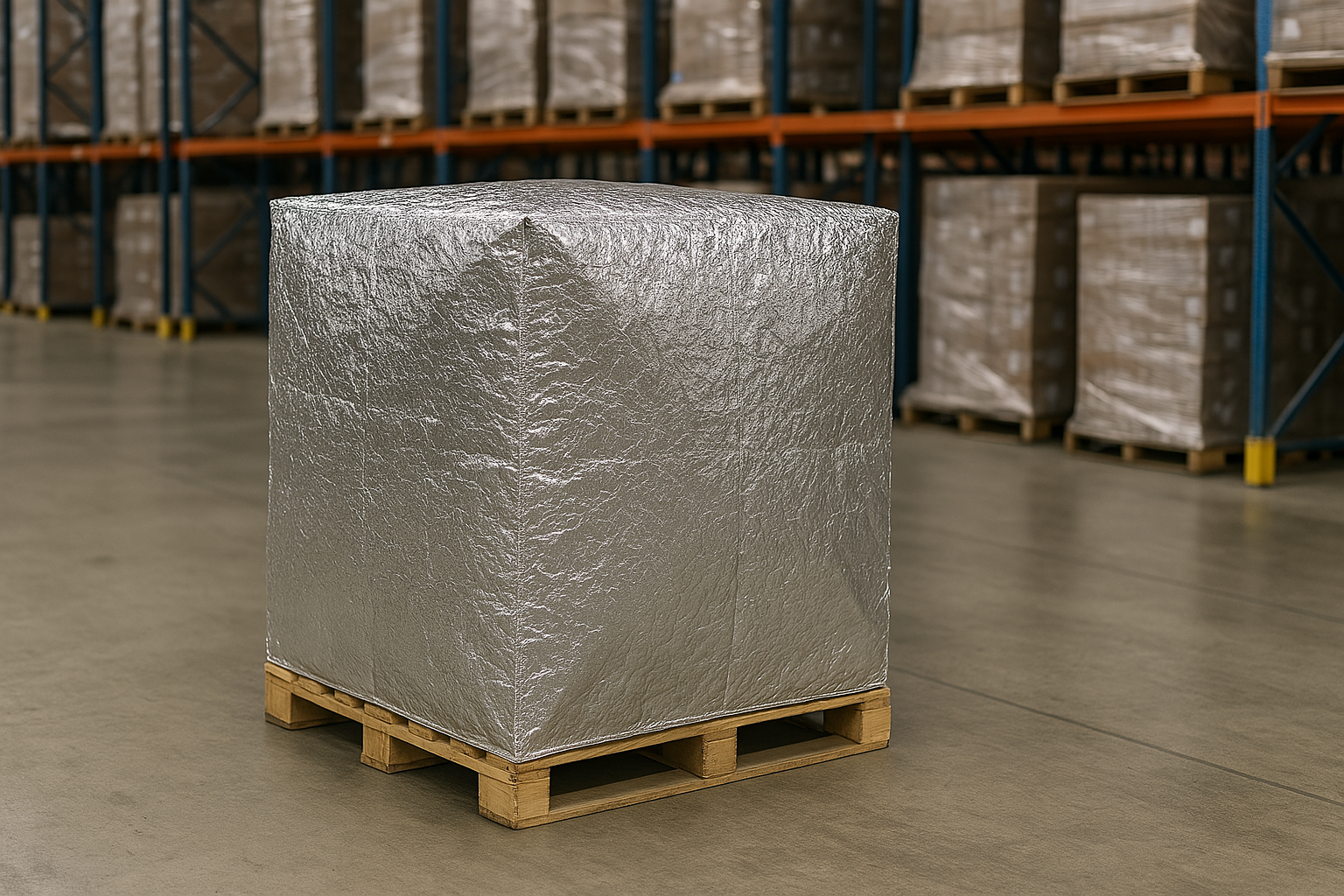
Como especificar capas de paletes isoladas para peixes da remessa para trás
Não comece um projeto de cobertura de paletes de peixes comparando camadas de papel alumínio. Comece recebendo: em que condições os frutos do mar devem estar, que evidências apoiarão a aceitação, e quais eventos de exposição podem ameaçar esse resultado? Insulated pallet covers for fish can then be designed as a secondary barrier that slows heat flow during those events. Eles não refrigeram a carga, peixe fresco e quente, substitua o gelo ou um pacote de refrigerante qualificado, criar um controle HACCP, ou qualifique todas as rotas.
Trabalhar retroativamente a partir da decisão de recebimento cria uma especificação. Ele conecta a análise de perigos de frutos do mar, estado do produto, palete, ativo refrigerado, dados de rota, construção de cobertura, monitoramento, e procedimento do operador. Cada conexão deve ser explícita antes que a capa ganhe um lugar no envio de rotina.
Decisão 1: Defina o estado de chegada aceitável
Escreva declarações de aceitação separadas para segurança alimentar, qualidade, e condição física. A declaração de segurança alimentar deve provir da análise de perigos do processador responsável e do plano HACCP. A declaração de qualidade pode incluir temperatura específica do produto, estado congelado, gelo restante, critérios sensoriais ou de prazo de validade, e requisitos do cliente. A aceitação física pode abordar selos, integridade da embalagem a vácuo, caixas, esmalte, vazamento, contaminação, e etiquetas.
Essa separação evita um erro comum: usando uma leitura do registrador principal como resposta para cada pergunta. Um rastreamento de temperatura pode apoiar uma avaliação de tempo-temperatura. Não pode mostrar se uma embalagem a vácuo vazou, uma caixa desabou, ou a água do degelo contaminou o palete. As observações físicas não podem reconstruir um histórico de temperatura invisível.
Processadores de frutos do mar dos Estados Unidos cobertos por 21 Parte cfr 123 deve realizar uma análise de perigos e implementar um plano HACCP quando houver probabilidade razoável de ocorrência de perigos para a segurança alimentar. As Orientações sobre Riscos e Controles de Peixes e Produtos Pesqueiros da FDA fornecem produtos- e informações de controle específicas de perigo. Espécies formadoras de histamina, produtos refrigerados cozidos, frutos do mar crus prontos para consumo, e peixes embalados com oxigênio reduzido podem exigir estratégias diferentes. Um fabricante de coberturas para paletes nunca deve atribuir o limite crítico.
O Código Alimentar da FDA é um contexto útil para varejo e serviços de alimentação, incluindo retenção a frio de controle de tempo/temperatura para alimentos seguros, mas é um código modelo e não uma especificação internacional universal para paletes de peixe. Exportar, atacado, processamento, e produtos especializados podem seguir outros controles validados e regras jurisdicionais. Documente quais autoridades e especificações do cliente se aplicam.
Decisão 2: Identifique a lacuna térmica, Minuto a Minuto
Divida a pista em segmentos controlados e expostos. Os segmentos controlados podem incluir uma câmara fria, freezer, caminhão refrigerado, ou contêiner alimentado. Os segmentos expostos incluem preparação, carregando, cross-docking, inspeção, acúmulo de carga aérea, alfândega, conexão de energia, descarregamento, e recebendo.
Para cada segmento exposto, duração da captura, temperatura ambiente sombreada, radiação direta, fluxo de ar do vento ou ventilador, contato com o chão, posição da porta, e qualquer abertura da tampa. Use dados de rotina e um caso de atraso confiável. Evite projetar apenas para a viagem média. Uma conexão perdida ou uma fila de dock podem dominar o risco mesmo quando a maior parte da rota está bem controlada.
Em seguida, declare o trabalho da capa em linguagem mensurável. Por exemplo: “Reduce heat gain at the upper and outer packages of a frozen-fish pallet during transfer from cold storage to a powered export container, incluindo um atraso de energia definido.” Esta declaração identifica a localização, estado do produto, evento, e objetivo. Não promete que a capa possa manter uma condição congelada ilimitada.
Se a exposição for causada por uma falha de processo corrigível, corrija primeiro. Tempo de doca mais curto, um veículo pré-resfriado, melhor disciplina de porta, encenação motorizada, ou uma consulta revisada pode superar o isolamento extra. A cobertura deve adicionar resiliência depois que o processo primário estiver sólido.
Decisão 3: Escolha a fonte fria primária
O isolamento reduz a taxa de transferência de calor; não remove o calor recebido indefinidamente. Defina a fonte que estabelece e mantém a condição do produto.
Para peixe fresco, o resfriamento aprovado pode depender de gelo, água do mar refrigerada, refrigeração mecânica, ou outro método controlado. A orientação da FAO enfatiza consistentemente o resfriamento imediato e o uso adequado de gelo em muitos sistemas de pescado fresco. Aplicar uma cobertura somente depois que o produto atingir sua condição aprovada, a menos que o processo validado inclua explicitamente a cobertura durante o resfriamento.
Para frutos do mar embalados resfriados, o sistema primário geralmente é armazenamento e transporte refrigerado, potencialmente suportado por um arranjo de refrigeração qualificado para segmentos expostos. Os refrigerantes precisam de posicionamento deliberado. Excessively cold packs can create local freezing, enquanto embalagens insuficientes ou mal distribuídas podem deixar zonas quentes. A condensação e a compatibilidade do pacote pertencem ao design.
Para peixe congelado, o freezer e o veículo ou contêiner refrigerado mantêm a condição de congelamento especificada do produto. Uma capa pode moderar a exposição de transferência curta. Não deve ser usado para planejar uma longa viagem sem energia.
Onde a regra de transporte sanitário da FDA se aplica, as partes cobertas têm responsabilidades relacionadas às práticas sanitárias, equipamento de transporte adequado, e controle de temperatura adequado para alimentos que necessitam dele para segurança. Um palete coberto dentro de um veículo inadequado ou mal operado continua sendo uma remessa inadequada.
Decisão 4: Projete a interface física
Meça o palete acabado em sua maior configuração aprovada. Incluir saliência, alças, envoltório elástico, placas de canto, forma superior, rótulos, drenos, aberturas, e entradas de empilhadeiras. Registre as cargas aprovadas mais baixas e mais altas se for esperado que uma família de cobertura caiba em diversas alturas.
A superfície externa, isolamento, face interna, costuras, fechamentos, e basear cada um para realizar um trabalho diferente. Um exterior reflexivo pode reduzir a troca radiante quando exposto e em condições adequadas. O núcleo de isolamento resiste à condução e ao movimento interno do ar. Os fechamentos limitam a troca de ar descontrolada. Costuras e cantos comprimidos são pontes térmicas. A base pode admitir ar, coletar água, ou conduzir calor do chão.
Projete o comportamento da umidade deliberadamente. Peixe fresco gelado pode gerar água derretida. Paletes congeladas podem condensar quando expostas ao ar úmido. Uma saia longa pode tocar o chão sujo; uma base selada pode acumular água; uma camada porosa pode reter odor ou contaminação. Concordo com a drenagem, remoção, limpeza, secagem, e armazenamento com saneamento e operações.
A capa normalmente está fora dos pacotes de remessa selados. Se pudesse entrar em contato com peixes expostos, gelo que entra em contato com peixes, ou uma superfície de contato com alimentos, revisar o material para o uso pretendido. "Impermeável,” “não tóxico,” ou “logística alimentar” não substitui uma determinação de contato com alimentos.
| Interface | Pergunta de especificação | Evidência de aprovação |
|---|---|---|
| Envelope de palete | A tampa se ajusta a todas as alturas aprovadas sem esmagamento ou grandes lacunas? | Estudo dimensional e tolerâncias de produção |
| Fluxo de ar refrigerado | A tampa impedirá o resfriamento necessário ou bloqueará a circulação do veículo?? | Teste do plano de carga com a tampa instalada |
| Umidade e drenagem | Para onde irá a condensação ou a água derretida? | Observação de manuseio úmido e revisão de saneamento |
| Etiquetas e recebimento de acesso | A equipe pode identificar, inspecionar, e abra a carga corretamente? | Teste operacional e fotografias SOP |
| Reutilizar superfície | A unidade pode ser limpa, seco, inspecionado, e armazenado? | Procedimento aprovado e critérios de aposentadoria |
A tabela força as decisões térmicas e sanitárias na mesma revisão de projeto. Uma tampa não deve passar porque a curva da câmara parece boa enquanto o manuseio da água ou o fluxo de ar permanecem sem solução.
Decisão 5: Crie evidências que reflitam a remessa
Inicie o protocolo com a declaração de uso e critérios de aceitação. Identifique o produto ou substituto justificado, embalagem, tipo de palete, revisão da capa, condição inicial, fonte primária de frio, perfil ambiente, carga solar, se relevante, fluxo de ar, duração, aberturas, e atrasar. Use coberturas representativas da produção e defina quantas execuções são necessárias para o risco e a variabilidade.
Coloque os sensores de acordo com os caminhos de calor. Um sensor superior pode mostrar exposição radiante; sensores de borda e canto inferior podem revelar vazamento de ar; um sensor de base pode revelar condução no chão; o núcleo fornece uma referência de resposta lenta. Sensores ambientais e de veículos descrevem o desafio. Sensores de produto ou pacote descrevem a resposta. Nenhum ponto único representa toda a palete.
Registrar a identidade do sensor, status de calibração ou verificação, precisão, intervalo de registro, localização, método de fixação, e hora sincronizada. Retenha dados brutos e documente desvios. Relate apenas a precisão que os instrumentos suportam.
Use um controle quando ele responder à pergunta. Um palete descoberto pode apresentar proteção incremental durante um teste de desenvolvimento seguro. A cobertura atualmente aprovada pode servir de referência para uma revisão proposta. Para um teste operacional, aberturas de portas de toras, eventos de refrigeração, remoção da tampa, e localização para que o traço térmico tenha contexto.
Qualificação é a conclusão documentada de que a evidência total apoia um uso definido. Não é uma propriedade inerente ao isolamento. O escopo deve nomear a família de produtos, gama de paletes, rota ou perfil, temporada quando relevante, construção de cobertura, instalação, refrigeração primária, e critérios de aceitação. Mudanças fora desse escopo requerem avaliação.
Decisão 6: Conecte a capa ao HACCP e aos registros de qualidade
Decida se os dados relacionados à cobertura estão sendo monitorados, verificação, suporte de validação, ou informações gerais de qualidade. Esses termos têm funções diferentes. Sob o HACCP de frutos do mar, registros de monitoramento mostram se um ponto crítico de controle permaneceu sob controle; verificação verifica se o sistema funciona conforme pretendido; validação ou suporte científico estabelece que as medidas de controle podem controlar o perigo. O processador responsável deve atribuir essas funções.
Um registrador de paletes pode ser valioso sem ser um registro HACCP. Se o negócio fizer parte de um controle crítico, o plano precisa de procedimentos definidos, freqüência, pessoa responsável, revisão de registro, verificações de calibração ou precisão, desvios, e ações corretivas conforme apropriado. Não adicione um registrador aos materiais de marketing e presuma que ele atenda a esses elementos.
O recebimento deve ter um caminho de escalonamento. O receptor deve saber como interpretar os registros do veículo, dados de paletes, medidas do produto, e observações físicas. Um alarme deve acionar a avaliação aprovada, não aceitação ou rejeição automática, a menos que o plano o diga explicitamente. Preservar a rastreabilidade entre o palete, cobrir, registrador, remessa, e muito.
Para frutos do mar importados nos Estados Unidos, as obrigações do importador no âmbito da estrutura HACCP de frutos do mar podem adicionar registros e considerações afirmativas. As rotas globais também envolvem requisitos de destino e especificações do cliente. Mantenha o registro da capa conectado a, mas distinto de, o arquivo regulatório mais amplo.
Decisão 7: Torne a repetição segura, Adquirível, e responsável
Converta a configuração aprovada em um breve, visual, POP controlado. Mostrar o número de peça e a revisão corretos da capa, orientação, gama de paletes, sequência de aplicação, fechamentos, zona de etiqueta, localização do sensor, inspeção, remoção, e armazenamento. Incluir condições de parada para liberação a quente, tamanho errado, lágrimas, costuras abertas, isolamento esmagado, interior molhado ou contaminado, odor, mofo, identidade perdida, e reparos não aprovados.
Treine as pessoas que realmente trabalham na doca e observe-as durante os primeiros embarques. Verifique se as luvas para câmaras frigoríficas podem operar o fechamento, a capa prende nos cantos, funcionários entram nas pistas de empilhadeiras, e a unidade acabada se adapta a veículos e equipamentos terminais. Ajuste o design ou método de trabalho antes da escala.
No recebimento, separar quatro decisões: condição de frutos do mar, condição do pacote, condição da capa, e integridade dos dados. Um produto pode ser aceitável enquanto uma cobertura reutilizável exige a descontinuação. Uma cobertura sonora não resgata frutos do mar danificados. Documente cada resultado.
O controle de alterações deve incluir película externa, isolamento, forro interno, adesivo, costura, fita de costura, encerramento, dimensão, local de produção, material de reparo, altura da palete, pacote de produtos, veículo, rota, e fonte primária de frio. A aquisição deve exigir notificação antes de mudanças de fornecedor. A qualidade e a segurança alimentar decidem se a revisão, testes direcionados, ou requalificação é necessária.
Perguntas de compra que expõem propostas fracas
Peça ao fornecedor para fornecer as condições completas por trás de qualquer reclamação térmica. Qual palete, carga útil, temperatura inicial, perfil ambiente, sensores, duração, aberturas, e critérios de aceitação foram usados? A radiação direta foi incluída? A capa estava seca? Havia uma almofada de base presente? Os resultados foram repetidos?
Pergunte como as unidades de produção são controladas em relação à unidade testada. Dimensões, construção de camadas, espaçamento entre costuras, local de fechamento, e substituições materiais podem ser importantes. Solicite uma comparação entre amostra e produção e um plano de inspeção de entrada.
Pergunte como a umidade e a limpeza afetam a capa. Qual química e método são aprovados? Como seca? Que dano desencadeia reparo ou retirada? O que acontece após o contato com frutos do mar vazados ou água derretida? Evite uma contagem de reutilização fixa não suportada.
Finalmente, pergunte como funciona a proposta com o ativo refrigerado, plano de segurança alimentar, método de recebimento, e rede de fim de vida. Um preço unitário baixo pode ser compensado por uma aplicação lenta, fluxo de ar bloqueado, trabalho de limpeza, frete de retorno, ou capas perdidas.
Sustentabilidade é um requisito de design, Não é um rótulo
Defina a função que está sendo comparada: um palete de peixe entregue nas condições aprovadas em uma rota específica. Compare opções descartáveis e reutilizáveis com a mesma função. Incluir material e fabricação, peso e volume da carga, limpeza, secagem, retorna, reparos, perdas, vida útil real, e descarte ou reciclagem.
Vias de circuito fechado podem apoiar a reutilização porque as devoluções são planejadas e a inspeção pode ser centralizada. As rotas de exportação unidirecionais podem favorecer um design mais leve se a recuperação não for realista. As coberturas multicamadas podem ter um bom desempenho, mas são difíceis de reciclar; estruturas mais simples podem melhorar as opções de fim de vida, mas podem alterar a durabilidade ou o isolamento. Teste a compensação em vez de presumir que o recurso que parece mais ecológico vence.
O desperdício de produto pertence à avaliação, mas use dados medidos. Se uma cobertura reduz os desvios de temperatura ou a rejeição de frutos do mar em uma rota, documentar a linha de base e o resultado. Não atribua uma percentagem de poupança de resíduos sem provas.
Conclusão: A especificação em uma frase
Um programa defensável pode ser resumido desta forma: usar uma revisão de cobertura controlada em um produto de peixe e palete definidos, após resfriamento aprovado, durante eventos expostos identificados, com refrigeração adequada, manuseio higiênico, monitoramento mapeado, Critérios de aceitação, um operador SOP, e controle de mudanças documentado.
As coberturas isoladas de paletes para peixes são valiosas precisamente porque o seu papel é limitado e testável. Eles retardam o fluxo de calor. O sistema HACCP da indústria alimentar, refrigeração, método de resfriamento aprovado, saneamento, registros, e pessoas qualificadas protegem a cadeia de abastecimento de frutos do mar como um todo.
Sobre Tempk
Tempk é Shanghai Tempk Industrial Co., Ltd.’s cold-chain packaging brand. Product pages include thermal pallet covers, insulated packaging and boxes, refrigerantes, e PCMs; páginas de solução descrevem a revisão do pacote, planejamento para posições de registradores, e suporte ao plano de validação. Podemos colocar esses recursos em torno de uma paleta de peixes definida pelo cliente, método de resfriamento primário, e desafio de rota para apoiar uma discussão estruturada sobre embalagens. O processador ou outra empresa alimentar responsável ainda possui análises de perigo, Controles HACCP, saneamento, critérios do produto, e liberar decisões, e uma tampa não deve ser apresentada como refrigeração.
Compartilhe o requisito de chegada, geometria da palete, fonte de resfriamento, regras de higiene, e pior exposição credível. Tempk pode discutir o que uma comparação controlada deve incluir antes de qualquer implantação mais ampla.
Coberturas térmicas de carga para produtos químicos industriais: Plano
Coberturas térmicas de carga para produtos químicos industriais: Construa o controle antes de comprar a capa
Thermal cargo covers for industrial chemicals are easy to buy and surprisingly easy to misuse. Um reflexivo, o invólucro isolado pode reduzir a taxa de ganho ou perda de calor em torno de um palete, no entanto, essa capacidade só é útil dentro de um controle completo: o produto começa nas condições certas, a exposição da rota é limitada, a capa cabe, operadores aplicam-no corretamente, informações sobre mercadorias perigosas permanecem disponíveis, and an exception plan takes over when delays exceed the passive layer's role. Começar com esta cadeia de controle evita que um atalho de compra se torne uma afirmação de temperatura sem suporte.
Comece com a consequência, Não é o catálogo
Anote o que a temperatura pode causar ao produto específico. A resposta pode envolver viscosidade que prejudica a descarga, cristais que requerem recondicionamento controlado, separação de fases, degradação, mudança de pressão, ou um mecanismo de segurança associado a uma classificação de mercadorias perigosas. Não escolha entre essas possibilidades com base no conhecimento geral do setor. Use a ficha de dados de segurança atual, especificações do fabricante, estabilidade ou informações de processo, e o julgamento do proprietário do produto.
Próximo, definir a consequência de um limite ser aproximado ou excedido. A remessa poderia ser avaliada e liberada por meio de um processo de qualidade aprovado? Exigiria amostragem, retrabalhar, quarentena, ou descarte? A condição poderia afetar o manuseio seguro? Existe uma temperatura de controle regulatória ou outra disposição sobre mercadorias perigosas? A consequência define o nível de evidência, monitoramento, contingência, e atenção da gestão.
A FDS é indispensável, mas não é toda a decisão de transporte. OSHA exige informações de manuseio e armazenamento, incluindo incompatibilidades, no quadro da ficha de dados de segurança para produtos químicos perigosos. A classificação do transporte e as regras específicas do modo exigem uma revisão competente separada. Nos EUA. comércio, PHMSA administra os Regulamentos de Materiais Perigosos. ADR, processos de mercadorias perigosas de companhias aéreas com base nas regras da IATA, and the IMO's IMDG Code may govern other movements. Um fornecedor de capas não deve ser solicitado a fazer essa determinação legal apenas com base no nome do produto.
Finalmente, descrever a margem térmica sem inventar certeza. O produto's required condition, condição inicial, sensibilidade à duração, distribuição de carga, e eventos ambientais credíveis formam um envelope de risco. Se essas entradas forem desconhecidas, o projeto não está pronto para uma promessa de desempenho. Procurement ainda pode explorar amostras, mas a aprovação deve aguardar as questões técnicas.
A cadeia de controle mínimo tem sete links
Primeiro é o pré-condicionamento. O produto e a embalagem devem atingir o estado inicial pretendido através de um processo controlado. Uma cobertura retarda o movimento para longe desse estado; não puxa de forma confiável um palete quente ou frio em direção à condição desejada.
Em segundo lugar está a integridade da embalagem. Fechamentos, receptáculos primários, amortecimento, embalagem combinada, restrição de paletes, e quaisquer funções de overpack regulamentadas já devem estar corretas. A camada térmica não pode compensar um vazamento no tambor, contêiner intermediário para granel danificado, fecho solto, ou carga instável.
Terceiro está em forma. A tampa aprovada deve corresponder à geometria carregada, incluindo tampa superior, saliências, proteção de canto, e base. Tecido de tamanho grande pode deixar passagens de ar e riscos de manuseio. Uma capa subdimensionada pode esticar as costuras ou expor a carga inferior.
Em quarto lugar está o controle de exposição. O proprietário da rota mapeia as docas, jardas, equipamento, transferências, atraso, sol, ar frio, e recebendo. Sempre que possível, mudanças operacionais devem reduzir a exposição antes que o isolamento seja solicitado a absorvê-la.
Quinto é a verificação. A evidência da cobertura acabada deve representar o palete, estado inicial, sequência de exposição, método de aplicação, e objetivo de medição. Uma amostra material ou uma demonstração de marketing encenada não é suficiente.
O sexto é a execução. Operadores treinados inspecionam os pacotes e cobrem, aplique a configuração documentada, preservar as marcas e rótulos exigidos, registrar transferências, e responder a danos.
O sétimo é o gerenciamento de exceções. A equipe define o ponto em que a propriedade protegida, controle de temperatura ativo, revisão técnica, ou a parada da remessa substitui o trabalho normal. Sem esse link, a cobertura pode apenas atrasar o reconhecimento de um evento não controlado.
Fraqueza em qualquer elo pode dominar o resultado. Uma cobertura de alto desempenho colocada sobre uma carga mal condicionada não pode recuperar o estado inicial. Excelentes dados laboratoriais não compensam um fechamento aberto no terminal. O controle deve ser revisado de ponta a ponta.
Escolha a menor solução que cubra o risco confiável
A cobertura passiva de paletes é uma opção em uma hierarquia, não é a resposta padrão. Às vezes, o melhor controle é processual: mova a pista de preparação para dentro de casa, carregar em uma doca protegida, reservar uma janela de partida, ou crie uma escalação de atraso com a transportadora. Essas alterações removem a exposição em vez de retardar seu efeito.
Uma cobertura térmica é apropriada quando a exposição restante é limitada, o produto tem margem suficiente, e a configuração pode ser verificada. É particularmente plausível para transferências e rotas onde um buffer no nível do palete se adapta à operação. Torna-se menos persuasivo à medida que a duração da exposição e a incerteza aumentam, margem do produto diminui, ou requisitos de acesso abrem repetidamente a fronteira.
Um sistema de remessa passiva qualificado oferece um pacote mais integrado, muitas vezes combinando isolamento, arranjo de carga útil definido, e armazenamento de energia térmica, quando apropriado. Ainda depende do pré-condicionamento, conjunto, e as condições qualificadas. It should not be confused with a loose pallet cover.
O transporte ativo com gerenciamento de temperatura utiliza controle motorizado e pode ser adequado quando um ambiente estável deve ser mantido durante movimentos mais longos ou menos previsíveis. Equipamentos ativos também requerem configuração correta, manutenção, fluxo de ar, carregando, monitoramento, gerenciamento de energia ou combustível, e contingência. "Active" não significa livre de risco.
Algumas remessas exigem equipamentos ou procedimentos específicos devido à sua classificação de mercadorias perigosas. Certas substâncias auto-reagentes e peróxidos orgânicos podem estar sujeitos a controle e provisões de temperatura de emergência. Nesses casos, não use uma comparação genérica de cobertura passiva para decidir a conformidade. A equipe responsável por mercadorias perigosas deve aplicar as regras atuais para o modo e a rota.
O princípio de seleção é conservador: usar o controle menos complexo que tenha autoridade verificada suficiente sobre o evento confiável, mas não economize complexidade transferindo riscos desconhecidos para o produto.
Use uma escada de evidências para testar as reivindicações do fornecedor
As informações do fornecedor chegam em diferentes formas. Classifique-o de acordo com o quão próximo ele representa sua decisão, e não pela qualidade da apresentação.
| Nível de evidência | O que isso pode lhe dizer razoavelmente | O que não pode estabelecer sozinho | Resposta do comprador |
|---|---|---|---|
| Descrição da camada | Materiais e funções pretendidas | Desempenho de capa acabada | Confirme detalhes de construção e compatibilidade |
| Teste de propriedade material | Comportamento de uma amostra sob condições declaradas | Costura, ajustar, base, e efeitos de palete | Método de verificação, condições, e link de produção |
| Teste de tampa vazia concluído | Acabamento e comportamento térmico limitado | Resposta de palete carregado | Solicitar evidências representativas da carga útil |
| Demonstração genérica carregada | Desempenho para uma configuração | Seu produto, rota, ou critério de aceitação | Comparar geometria, massa, começar, perfil, e sensores |
| Teste comparativo representativo de rota | Efeito para uma configuração e exposição definidas | Atrasos ilimitados ou mudança de faixa | Limites de documentos e controles de implementação |
| Uso operacional monitorado | Se as condições de campo correspondem às suposições nos pontos medidos | Cada localização de produto ou rota futura | Exceções de tendências e manter o controle de mudanças |
Esta escada não significa que todos os projetos precisam do mesmo estudo. Torna as reivindicações proporcionais. Uma aplicação de doca curta para um produto robusto pode necessitar de um pacote de evidências diferente de uma rota de exportação de alta consequência. A equipe técnica responsável deve documentar porque o nível selecionado responde à decisão.
Ao revisar um relatório, olhe além do gráfico de resumo. Identifique a construção exata da cobertura, dimensões da palete, massa de carga e propriedades térmicas, condições iniciais, programa ambiental, condições radiantes e de fluxo de ar, arranjo básico, mapa de sensores, status do dispositivo, número de corridas, desvios, e regra de aceitação. Pergunte se o item testado veio de produção normal. Se o relatório omitir uma condição de limite principal, não preencha a lacuna com otimismo.
Avoid generic "maintains temperature for" idioma, a menos que a declaração inclua um intervalo definido, configurar, perfil, ponto de medição, e método de aceitação apoiado por evidências confiáveis. Mesmo assim, publicar a limitação. A duração térmica não é uma propriedade apenas do tecido.
Passe as compras pelos portões, Não é uma pontuação de recurso
Uma matriz de recursos pode classificar os fornecedores e, ao mesmo tempo, ocultar uma incompatibilidade fatal. Em vez disso, use portões de decisão. Um candidato avança apenas quando passa por cada portão relevante para a inscrição.
O portão um é segurança e adequação legal. A configuração deve preservar embalagens autorizadas, comunicação de perigo, inspeção de pacotes, manuseio, e obrigações específicas do modo. Os materiais de cobertura e os procedimentos de reutilização exigem revisão quanto a resíduos químicos, incompatibilidade, ignição, eletrostático, proteção contra incêndio, e regras de instalação, quando relevante. Unsupported labels such as "chemical proof" or "anti-static" não são substitutos para evidências definidas.
O portão dois está em boa forma física. Avalie o palete carregado, dimensões não nominais. Verifique o topo, base, acesso de empilhadeira, restrição, fechamentos, saliências, e alcance do operador. Confirme as marcas exigidas, rótulos, documentos, e os pontos de inspeção permanecem acessíveis da forma aprovada.
O portão três é a relevância térmica. A construção e as evidências devem abordar a exposição dominante. Uma superfície externa reflexiva pode ajudar no ganho radiante, mas não elimina a condução e a convecção. O isolamento pode retardar o fluxo de calor, mas não pode criar uma duração ilimitada. Costuras e aberturas devem ser incluídas na avaliação final.
A porta quatro é a repetibilidade operacional. Pessoal representativo se inscreve, digitalizar, abrir, reajustar, mover, e remova as tampas das amostras. Grave etapas lentas, ambíguo, ou provavelmente será ignorado. If the correct result depends on a laboratory technician's careful wrapping, redesenhar o produto ou processo.
O portão cinco é o controle de abastecimento. Especifique as dimensões, camadas, construção de costura e fechamento, mão de obra, identidade, documentação, e variação permitida. Pergunte como os materiais de produção são controlados e como as alterações são notificadas. Decida o que é verificado no recebimento e o que é verificado periodicamente.
O portão seis é o controle de fim de uso. Para capas descartáveis, estabelecer o tratamento de resíduos e contaminação. Para capas reutilizáveis, definir identificação, retornar, segregação, limpeza, secagem, inspeção, limites de reparo, e aposentadoria. Um item reutilizável que não pode ser devolvido com segurança por um destinatário de produtos químicos não é um sistema de reutilização funcional.
Os termos comerciais vêm depois desses portões. Preço, quantidade do pedido, tempo de espera, personalização, e o inventário ainda importa, mas devem ser solicitados como fatos específicos do fornecedor, em vez de referências inventadas. Compare o custo operacional total em todo o volume e rota pretendidos, incluindo testes, trabalho, armazenar, retornar, limpeza, perda, e tratamento de exceções.
Projete a resposta ao atraso antes da primeira remessa
Imagine que um palete hipotético de recipientes químicos selados é aprovado para uma via regional usando uma tampa instalada. O estudo de rota e o teste comparativo apoiam a exposição normal de doca e trânsito, e o monitoramento está incluído durante o lançamento. Um veículo então quebra perto de um ponto de transferência, e a recuperação esperada fica fora da janela de exposição aprovada.
A weak procedure tells the driver to "keep the cover closed" e espere. Isso trata a desaceleração da troca de calor como proteção indefinida. Um plano mais forte nomeia o coordenador, identifica opções de retenção protegidas próximas, declara quais informações de remessa e registrador devem ser relatadas, define um horário para escalonamento técnico, e impede a remoção ou abertura não autorizada. O proprietário do produto decide se deseja continuar, transferência para equipamento gerenciado, retornar, ou aguarde para avaliação.
A cobertura ainda agrega valor durante a resposta, diminuindo a taxa de mudança. Seu valor é o tempo de resiliência, não é uma promessa de que o evento não importa mais. O registro de monitoramento, contexto ambiental, informações sobre estabilidade do produto, e processo de disposição aprovado, em seguida, apoiar a decisão.
Crie respostas semelhantes para uma capa rasgada, faltando fechamento, rótulo bloqueado, superfície molhada, suspeita de vazamento, falha do registrador, retenção alfandegária não planejada, recusa de entrega, ou mudança de meio de transporte. Alguns eventos são térmicos; outros são questões de segurança ou conformidade que exigem uma cadeia de comando diferente. Os operadores devem ser capazes de identificar a categoria sem diagnosticar o produto químico.
Depois de um evento, revisar se as suposições originais estavam erradas ou se a execução falhou. Atualizar o perfil da rota, instrução de portador, desenho da capa, treinamento, monitoramento, ou seleção de controle de transporte. Não redefina silenciosamente o caso de uso bem-sucedido para incluir a excursão.
Mantenha o palete visível para o sistema de segurança
A falha de cobertura mais grave pode não ter nada a ver com a temperatura. Um palete coberto pode esconder uma mancha, pacote inchado, tambor deslocado, rótulo incorreto, ou combinação não autorizada. A inspeção pré-cobertura deve, portanto, ser explícita, e os procedimentos de entrega devem preservar as verificações das condições.
As marcas e rótulos obrigatórios de mercadorias perigosas comunicam os perigos às pessoas que não projetaram o programa térmico. Não coloque a conveniência à frente dessa comunicação. Se um painel de acesso, janela, ou marcação duplicada é proposta, pessoal competente deve confirmar que o acordo satisfaz os requisitos aplicáveis atuais. Companhia aérea, operadora, porta, e os procedimentos das instalações podem adicionar restrições práticas.
A própria tampa pode ficar contaminada. Um respondente precisa saber de qual área química veio, se o resíduo é conhecido, e qual procedimento controla o contato, limpeza, transporte, ou descarte. Capas reutilizáveis não devem circular anonimamente. A identificação e a quarentena são recursos de segurança, embora não melhorem o isolamento.
Os controles de armazém continuam a ser aplicados. Condições de armazenamento e incompatibilidades da FDS, ventilação, controles de ignição, contenção secundária quando necessário, acesso de inspeção, proteção contra incêndio, e o manuseio seguro de materiais não pode ser trocado por proteção térmica. Uma cobertura instalada dentro de uma instalação deve ser revisada quanto ao seu efeito nesses controles.
Mantenha as aprovações regulatórias e térmicas separadas, mas conectadas. Um relatório térmico pode apoiar a escolha de usar uma cobertura; não pode autorizar um pacote ou classificação. Uma revisão de mercadorias perigosas pode aprovar um acordo; não prova que o produto químico permanece em sua condição de qualidade. Ambas as decisões devem apontar para a mesma configuração e instrução de trabalho.
Aprovar um uso definido, Então defenda seus limites
Um forte programa de cobertura térmica termina com uma declaração concisa de uso aprovado: qual produto ou família de produtos, construção de embalagens e paletes, item de capa, condição inicial, rota ou exposição, método de aplicação, monitoramento, e plano de exceção estão incluídos. Também identifica exclusões. Essa declaração é mais valiosa do que uma afirmação ampla porque as operações podem aplicá-la e os auditores podem testá-la.
Revise o desempenho por meio de observações de campo, monitoramento quando justificado, qualidade do fornecedor, registros de danos e contaminação, desvios de rota, e exceções de produto. Reavaliar após mudanças materiais, geometria alterada da palete, nova operadora ou modo, FDS revista, nova pista, ou regulamento atualizado. Se o limite passivo for repetidamente excedido, melhorar a rota ou adotar um controle com maior autoridade.
Perguntas frequentes sobre decisões
Quando uma cobertura térmica de carga claramente não é suficiente?
Não é suficiente quando as regras sobre produtos ou mercadorias perigosas exigem equipamento de controle de temperatura ativo ou especificado, quando a exposição credível excede a capacidade passiva verificada, quando a condição de partida não pode ser controlada, ou quando a tampa impede as funções necessárias de segurança e manuseio. A elevada incerteza e as elevadas consequências também favorecem um controlo mais autoritário.
Uma cobertura isolada pode ser chamada de sistema de remessa qualificado?
Não automaticamente. Um sistema qualificado é suportado para uma carga útil definida, configuração, critério de temperatura, perfil ambiente, duração, conjunto, e usar. Uma cobertura pode ser um componente de um acordo avaliado mais amplo, mas a construção do material ou um teste genérico não qualifica todas as paletes e pistas. Pergunte sobre o escopo e as limitações.
O que deve ser incluído em um teste de amostra?
Use uma palete representativa totalmente construída. Incluir contenção normal, tampa superior, rótulos, verificações, inspeção, movimento de empilhadeira, aberturas esperadas, e remoção. Faça com que os operadores reais apliquem a cobertura e registrem os problemas de ajuste. Teste térmico, se necessário, deve então usar a configuração aprovada em vez de uma amostra especialmente ajustada.
Quem deve aprovar o uso da cobertura?
A aprovação normalmente é multifuncional. O pessoal do produto ou da qualidade possui o critério de condição; ambiente, saúde, e a equipe de segurança abordam os riscos químicos e no local de trabalho; especialistas em mercadorias perigosas analisam a conformidade do transporte; logística é dona da rota; operações confirma o trabalho executável; e compras controlam as especificações do fornecedor. As funções variam de acordo com a organização, mas nenhuma alegação de marketing deve substituí-los.
Sobre Tempk
The relevant Tempk context is temperature-controlled packaging and cold-chain solutions. Nosso papel em um projeto de cobertura de produtos químicos industriais pode ser ajudar a transformar informações sobre rotas e paletes em uma discussão prática sobre embalagens passivas. Privilegiamos condições de utilização claramente definidas, verificações de adequação representativas, e evidências que são lidas com suas limitações. O fabricante de produtos químicos, remetente, e suas equipes qualificadas de segurança e conformidade permanecem responsáveis pelos requisitos do produto, decisões sobre mercadorias perigosas, aprovação operacional, e disposição da remessa.
Peça à Tempk para revisar uma configuração específica de palete e lacuna de exposição. Compartilhando o desenho de carga, etapas da rota, lidar com restrições, e os critérios de decisão tornarão a discussão mais útil do que solicitar uma classificação de cobertura universal.
Coberturas de paletes com controle de temperatura para decisões de armazenamento com temperatura controlada
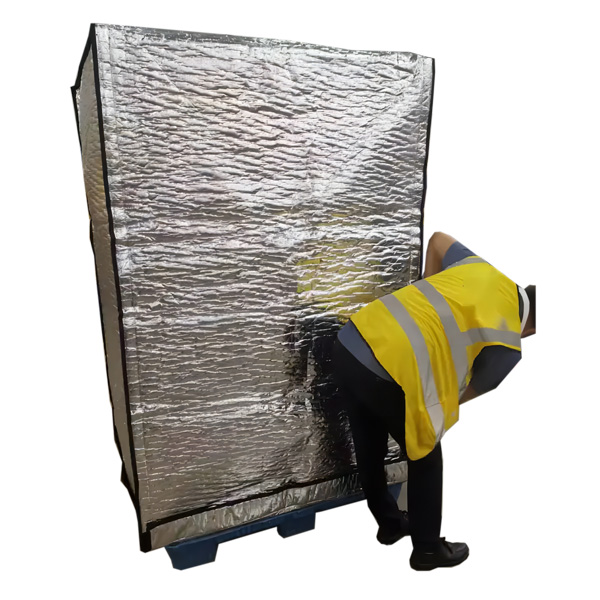
Coberturas de paletes com controle de temperatura para armazenamento com temperatura controlada: Elimine a lacuna de controle correta
Uma cobertura de palete deve merecer o seu lugar na estratégia de controle. Temperature control pallet covers for temperature-controlled warehousing are most credible when they address a named, exposição limitada no tempo que a instalação e o fluxo de trabalho não podem eliminar razoavelmente. São barreiras passivas, então eles alteram a taxa de transferência de calor em vez de controlar uma temperatura. Essa distinção transforma uma compra vaga em uma decisão de engenharia e operações: definir a lacuna, comparar opções de controle, especifique a capa completa, verifique-o no contexto, e governar seu uso.
Este método é útil se a palete contém produtos farmacêuticos, comida, materiais de laboratório, or another temperature-sensitive product. A condição exigida sempre vem do produto e do sistema de qualidade aplicável, não do catálogo de capas.
Nomeie a lacuna de controle antes de nomear o produto
Escreva o problema como um evento. "Warm dock" é apenas um local. "Released pallets may wait between the monitored dispatch room and a confirmed vehicle while exterior air enters during door cycles" descreve um evento que pode ser observado. Ele identifica o estado de carga, etapa do processo, limite, e atraso que um controle deve abordar.
Próximo, identificar por que o evento existe. Pode resultar da programação do trailer, tempo de inspeção, preparação protegida insuficiente, uma longa transferência entre edifícios, operação intermitente da porta, ou uma contingência de emergência. As causas são importantes porque uma correção de processo ou instalação pode superar um acessório. Se os paletes forem chamados muito cedo, uma regra de liberação poderia evitar a espera. Se a exposição solar atingir uma baía marcada, blindagem ou realocação poderia proteger todas as cargas. Se o controle for perdido porque a capacidade de refrigeração é inadequada, uma capa não deve legitimar o armazenamento continuado.
Defina a consequência sem assumi-la. A temperatura ambiente fora da faixa exigida não prova automaticamente que a temperatura do produto excedeu seu limite; massa térmica do produto e embalagem influenciam a resposta. O inverso também é importante: uma leitura de sala dentro do alcance pode não representar um palete próximo a uma porta ou fonte radiante. Usar mapeamento, monitoramento de rotina, informações do produto, e avaliação de risco para decidir quais medidas e respostas são relevantes.
Em seguida, defina o limite. Indique a duração normal do evento, atraso credível, configurações de produtos e paletes, condição inicial, preocupações com a estação ou clima, e a ação desencadeada quando o limite é excedido. Não transforme o resultado de um teste em um tempo de exposição universal permitido. A equipe de qualidade deve manter autoridade sobre o impacto e os desvios do produto.
Escolha a camada de controle com o menor número de etapas frágeis
Os controles diferem na dependência da ação humana. Um protegido, a sala de preparação com temperatura controlada atua em cada palete corretamente colocada. Uma regra de agendamento pode evitar interrupções desnecessárias, mas depende da coordenação. Uma cobertura instalada pode transportar uma carga individual, mas deve estar disponível, intacto, orientado corretamente, fechado, removido, e recuperado. A resposta mais adequada pode combinar camadas, ainda assim, cada camada deve ter uma razão.
Avalie as opções de forma prática. A exposição pode ser eliminada alterando o tempo ou a rota? A engenharia pode reduzi-lo através de um gabinete, gerenciamento de portas, mudança de fluxo de ar, ou espaço controlado adicionado? Os controles administrativos podem limitar a permanência e melhorar o escalonamento?? Se a exposição residual permanecer, uma cobertura passiva poderia adicionar um buffer significativo? Esta não é uma hierarquia regulatória rígida para todas as instalações; é uma forma de evitar o uso de um item portátil para compensar um problema evitável do sistema.
Considere a visibilidade da falha. Um alarme de armazém é projetado para sinalizar uma condição de instalação. Uma tampa rasgada ou parcialmente aberta pode falhar silenciosamente, a menos que o operador perceba. Uma capa reutilizável pode aparecer enquanto suas costuras ou fechamento não cabem mais. Inspeção, treinamento, e a supervisão devem corresponder a esse modo de falha.
Considere também se a cobertura de conflitos com o design de armazenamento primário. As câmaras frigoríficas podem depender do fluxo de ar em torno das cargas e do espaçamento definido entre paletes. As tampas podem obstruir a inspeção visual, leitura de código de barras, observação de pragas, padrões de sprinklers, ou status do estoque. A cobertura estacionária de longo prazo deve, portanto, ser revista separadamente da utilização em transferências de curta duração. Nunca deve ser adotado simplesmente porque a capa já foi adquirida.
Escreva um requisito que os fornecedores possam responder honestamente
Um requisito do usuário deve descrever a função e o contexto antes de solicitar uma construção. Evite prescrever uma pilha de camadas moderna sem compreender o caminho do calor. Forneça aos fornecedores informações suficientes para propor uma adequação, ao mesmo tempo que protege detalhes confidenciais do produto através de um processo apropriado de compartilhamento de dados.
| Campo de requisitos | O que o comprador deve definir | O que uma resposta útil deve mostrar |
|---|---|---|
| Evento pretendido | Rota do armazém, atividade de preparação, uso normal, caso de atraso, e direção de exposição | Uma declaração clara de uso adequado e inadequado |
| Carregar envelope | Pegada de palete, faixa de altura, saliência, tampa superior, enrolar, rótulos, e necessidades de acesso | Ajuste interno, arranjo de fechamento, e uma amostra em uma carga representativa |
| Finalidade térmica | Blindagem radiante, troca convectiva reduzida, resistência adicional, ou uma combinação | Justificativa de construção e evidências relevantes de cobertura completa |
| Manuseio | Área de aplicação, pessoal, equipamento, digitalização, movimento, e remoção | Sequência de trabalho segura sem material solto nos caminhos de deslocamento |
| Controles de qualidade | Identificação, inspeção, documentação, limpeza, armazenar, e notificação de alteração | Controles definidos de material e construção, além de pontos de avaliação do comprador |
| Verificação | Desafio, carga útil, sensores, repetições, regra de aceitação, e relatar expectativas | Condições e limites de teste transparentes, não é uma promessa incondicional de desempenho |
| Fim do uso | Descarte unilateral ou recuperação reutilizável, limpeza, reparar, e aposentadoria | Instruções práticas e informações materiais para o mercado de destino |
A tabela cria uma solicitação comparável sem forçar cada fornecedor a fazer uma reclamação sem suporte. Se um campo ainda não puder ser preenchido, essa lacuna pertence ao plano do projeto. Não deve ser substituído por uma dimensão adivinhada, tempo de espera assumido, or generic request for "GDP certification."
Os detalhes do material ainda são importantes. Pergunte o que controla as propriedades radiantes, o que fornece isolamento, como as costuras e cantos são formados, e como a saia fecha em torno de uma carga irregular. Solicitar tolerâncias de produção e práticas de notificação de alterações apropriadas ao risco. Se a capa incluir uma janela ou aba, avaliar a construção da borda e o comportamento após acessos repetidos. Se for reutilizável, confirme a compatibilidade de limpeza, secagem, identificação, inspeção, e reparar limites.
A evidência de desempenho deve descrever uma configuração completa. Cupons de painel não capturam costuras, ajustar, compressão, ou vazamento de ar. Um teste de fornecedor com um palete diferente, carga útil, condição inicial, ou desafio ambiental pode ser um pano de fundo útil, mas não uma prova direta. Perfis e processos térmicos ISTA podem informar certos trabalhos de embalagem de transporte, ainda assim, uma transferência de armazém deve ser representada por condições relevantes para essa transferência. A aplicabilidade faz parte da verificação.
Pilote o processo, Não apenas a capa
Um piloto eficaz começa antes do primeiro sensor ser colocado. Operações, qualidade, engenharia, segurança, e a aquisição devem chegar a acordo sobre a decisão a ser tomada. O protocolo identifica coberturas e cargas representativas da produção, condição de referência, lógica do sensor, status de calibração do instrumento, medições ambientais, sequência de manuseio, desvios, repetições, e critérios de aceitação. Registre fotografias ou diagramas de ajuste quando permitido, porque um gráfico sozinho não pode mostrar uma saia aberta ou um canto comprimido.
Use operadores dos turnos pretendidos após a instrução inicial. A aplicação cronometrada pode informar a equipe, mas a velocidade não é a única medida. Observe alcances estranhos, rótulos bloqueados, bainhas soltas, lágrimas, erros de fechamento, movimento de carga, e remoção no destino. Verifique se os trabalhadores entendem o ponto de parada: uma cobertura não autoriza uma prorrogação quando o veículo está atrasado, um alarme soa, ou o palete está mal direcionado.
Considere uma hipotética transferência de campus. Um armazém mapeado e monitorizado envia paletes de alturas mistas para outro edifício controlado através de uma passagem coberta mas não condicionada. A equipe do projeto espera que a cobertura amorteça a exposição variável ao ar. Durante o piloto, traços térmicos são aceitáveis para as cargas testadas, mas as tampas curtas ficam acima do deck de paletes em configurações mais altas e deixam uma lacuna. A resposta correta não é calcular a média de todas as execuções e aprovar o produto. A equipe pode restringir a faixa de altura aprovada, adicione um tamanho, redesenhar o fechamento, ou alterar o processo de transferência, em seguida, teste a configuração controlada novamente.
Leia os dados por local e evento. Os sensores de borda e de topo podem responder mais rapidamente do que os locais centrais. As leituras ambientais ajudam a explicar o desafio, mas não equivalem à temperatura do produto. As médias podem esconder a pior posição. Investigue valores discrepantes, manipulação de notas, diferenças iniciais, e movimento do sensor antes de concluir que o material foi bem-sucedido ou falhou. Predeterminar como os desvios do protocolo serão avaliados.
A aprovação deve indicar exatamente o que foi estabelecido: identificador de capa, construção, faixa de carga, etapa do processo, método de aplicação, condições relevantes, e limites. Deve também nomear o que não foi estabelecido. This concise boundary is more useful to future operators and auditors than a broad claim that the cover "passed."
Mantenha o estado aprovado intacto
O controle da rotina começa com a disponibilidade. Armazene capas onde o procedimento possa ser seguido sem pesquisa, enquanto mantém os itens limpos e usados separados quando necessário. Identifique claramente o tamanho e o status. Inspecionar fechamentos, costuras, painéis, Windows, rótulos, e contaminação antes do uso. Definir quarentena e retirada para que as unidades danificadas não retornem porque o estoque de reposição é inconveniente.
Para capas reutilizáveis, construir o ciclo de retorno no lançamento. Decida quem verifica ou conta as devoluções, onde as tampas são limpas, qual método é permitido, como a secagem é confirmada, se os reparos são permitidos, e como um item não devolvido é investigado. As declarações de reutilização devem ser baseadas em dados reais de recuperação e condição, não em um máximo teórico. Projetos de uso único precisam de instruções de descarte e informações sobre materiais que tenham em conta o destino; a reciclabilidade teórica não garante a aceitação local.
Monitore o processo e também o ambiente. Perguntas úteis de revisão incluem se as coberturas foram aplicadas quando necessário, se os fechamentos permaneceram fechados, se os rótulos estavam acessíveis, por que as unidades foram rejeitadas, e se ocorreram atrasos não planejados. Essas descobertas podem desencadear um retreinamento, alterações de inventário, redesenhar, ou uma correção de fluxo de trabalho mais fundamental.
O controle de alterações protege as evidências. Um material diferente, costura, encerramento, janela, site do fornecedor, altura da palete, padrão de caso, método de envoltório elástico, rota de transferência, horário da porta, ou produtos químicos de limpeza podem afetar o estado aprovado. Avalie a significância por meio de riscos e testes, em vez de assumir que todas as mudanças são iguais. As orientações da Organização Mundial da Saúde e os princípios de Boas Práticas de Distribuição da UE reforçam a necessidade mais ampla de armazenamento qualificado, monitoramento adequado, áreas mapeadas, equipamento mantido, procedimentos, e controle baseado em risco. A capa continua sendo uma parte documentada desse sistema.
Set a review trigger for major facility or workflow changes and a sensible periodic review under the site's quality system. A equipe deve confirmar que as cargas aprovadas, cobrir inventário, prática do operador, e as condições de desafio permanecem atuais. A reverificação deve ser orientada pelo risco; a repetição de rotina sem nenhuma decisão anexada não substitui a observação das variáveis que podem realmente alterar o desempenho.
Perguntas frequentes sobre decisões
Qual é o sinal mais forte de que um projeto de cobertura está mal definido?
Um pedido de duração garantida sem produto, carga útil, estado inicial, desafio ambiental, ou regra de aceitação é um sinal de alerta. A duração é o resultado de uma configuração completa e de uma condição de teste, não é uma promessa inerente ao tecido. Converta a solicitação em um evento definido e pergunte quais evidências o representam.
Uma cobertura pode compensar um ponto quente de monitoramento??
Não deveria ser a resposta automática. Um ponto de acesso mapeado pode influenciar o posicionamento do monitoramento, restrições de armazenamento, investigação de fluxo de ar, manutenção, ou layout. Uma cobertura pode ser avaliada para uma transferência específica ou exposição residual, mas não pode tornar o espaço subjacente controlado de maneira uniforme ou substituir ações corretivas aprovadas pelas equipes de instalação e qualidade.
Quando a aquisição deve rejeitar uma amostra apesar de bons dados térmicos?
Rejeite ou redesenhe se o uso seguro e consistente não for realista. Os exemplos incluem uma saia que entra nos caminhos do equipamento, rótulos de liberação bloqueados, tensão excessiva de montagem, mau acesso ao fechamento, limpeza incompatível, ou mudanças de construção descontroladas. A resposta térmica é necessária apenas quando a proteção térmica é o objetivo; não é suficiente para a adequação do armazém.
O uso de um registrador de dados faz com que a temperatura do palete coberto seja controlada??
Não. Um registrador registra as condições em seu local de detecção; não protege a carga nem regula a temperatura. O monitoramento pode verificar e investigar, enquanto a instalação e o processo qualificado fornecem controle. Seleção de sensores, colocação, calibração, intervalo, revisão de dados, e o uso do alarme deve corresponder à decisão e aos requisitos do produto.
Conclusão: Uma afirmação restrita pode apoiar um controle forte
O programa de cobertura de paletes mais defensável faz uma afirmação modesta e apoia-a bem. Nomeie a exposição, compare camadas de controle mais fortes, especificar ajuste e função, pilotar todo o processo, aprovar uma configuração limitada, e mantê-lo através de inspeção, treinamento, registros, e controle de mudança.
As tampas de paletes com controle de temperatura para armazenamento com temperatura controlada são passivas, controles suplementares. Eles não são um substituto para um edifício controlado, mapeamento representativo, monitoramento contínuo, HVAC ou refrigeração, requisitos de armazenamento específicos do produto, qualificação, planejamento de contingência, ou avaliação de qualidade. Use-os para fechar a lacuna certa, não esconder um maior.
Sobre Tempk
Tempk is a name associated with temperature-controlled packaging for cold-chain applications. Podemos ajudar os compradores a transformar uma exposição de armazém numa discussão mais precisa sobre o ajuste da cobertura, construção, manuseio, reutilizar, e necessidades de verificação. Não inferimos desempenho ou conformidade universal de uma categoria de produto. The selected approach should be reviewed against the buyer's pallet configuration, instalação, monitoramento, controles de processo, e expectativas de qualidade.
Envie ao Tempk o evento que você precisa gerenciar, juntamente com o envelope de carga e restrições operacionais, comparar um caminho prático a seguir. Planeje a verificação independente ou específica do local conforme necessário antes da implantação.
Coberturas de paletes de controle de temperatura para plano de remessa de produtos químicos a granel
Tampas de paletes de controle de temperatura para remessa de produtos químicos a granel: Um sistema de decisão que se sustenta
Temperature control pallet covers for bulk chemical shipping should be approved through a decision system, não adquirido como uma promessa independente. O sistema conecta um requisito químico documentado com uma exposição mapeada, uma tampa passiva instalada, evidência representativa, etapas operacionais seguras, e uma saída clara para um controlo mais forte. Esta abordagem evita dois erros comuns: esperando que o isolamento reflexivo regule um ponto de ajuste, e permitir que uma cobertura interfira na embalagem de mercadorias perigosas ou na comunicação de perigos. O resultado é um uso definido que a aquisição pode especificar, os operadores podem repetir, e as equipes de qualidade e segurança podem revisar.
Prepare dois arquivos antes de solicitar amostras
O primeiro arquivo é o resumo do produto e pacote. Identifica o produto químico ou família aprovada, ficha de dados de segurança atual, critérios de condição do produto, mecanismos conhecidos de resposta à temperatura, determinação de mercadorias perigosas, contêineres autorizados, construção de paletes, restrição, e acesso necessário. Deve distinguir os requisitos de qualidade das condições seguras de armazenamento e dos controlos regulamentares de transporte..
Osha's safety data sheet framework includes precautions for safe handling and conditions for safe storage, incluindo incompatibilidades. Essas informações devem permanecer centrais para o processo no local de trabalho. Um especialista em transporte ainda precisa determinar os requisitos para a remessa real. As regras da PHMSA regem os EUA relevantes. movimentos de materiais perigosos; ADR, Processos de mercadorias perigosas da IATA, and the IMO's IMDG Code apply in their respective road, ar, e contextos marítimos.
The brief should also resolve the word "bulk." Se isso significar um pedido comercial em massa de contêineres menores, afirmar que. Se a remessa utilizar um contêiner intermediário para granel ou outra forma considerada embalagem a granel pelas regras aplicáveis, registre a categoria real. A capa não altera o status da embalagem, limites de quantidade, ou funções de comunicação.
O segundo arquivo é o resumo de rota e operações. Mapeia a remessa desde o condicionamento até o recebimento, incluindo todos os pontos de permanência, meios de transporte, condições sazonais, sol direto ou fluxo de ar frio, contato com o chão, aberturas, mudanças de custódia, e atrasos. Ele nomeia o que pode ser controlado em cada ponto e as opções protegidas disponíveis quando o cronograma falha.
Junto, os arquivos fornecem aos fornecedores um problema solucionável. Sem eles, os fornecedores são empurrados para descrições genéricas porque ninguém definiu a carga ou a exposição. Eles também fornecem aos revisores internos uma base estável: quando o produto, pacote, ou mudanças de rota, a empresa pode ver quais premissas de aprovação precisam ser revisadas.
Desenhe o limite em torno do que a capa possui
A capa deve possuir uma exposição específica, não toda a cadeia de frio ou temperatura. Uma declaração de limite pode atribuí-lo à preparação de saída e a um trailer regional ambiental, enquanto a holding protegida possui atraso estendido e o armazém possui condicionamento do produto. Todo risco deve ter um controle com autoridade suficiente.
| Questão de limite | Resposta que suporta uso passivo | Responda que sinaliza escalada | Proprietário a envolver |
|---|---|---|---|
| O produto começa na condição aprovada? | Processo de partida medido ou controlado | Condição central desconhecida ou liberação no limite | Equipes de produto e qualidade |
| A exposição é limitada e representada por evidências? | Estágios definidos com atraso e backup confiáveis | Retenção não controlada ou variabilidade de rota não observada | Logística e transportadora |
| A configuração do palete é estável?? | Pacotes aprovados, padrão de carga, restrição, e ajuste | Compilações mistas ou alteradas sem revisão | Embalagem e operações |
| A tampa pode permanecer corretamente fechada? | As vagas são limitadas, simulado, e verificado novamente | Inspeção frequente ou verificação de falhas no fechamento | Operações e manipuladores |
| A comunicação e inspeção de perigos são preservadas?? | O arranjo exato tem aprovação competente | Marcas, rótulos, fechamentos, ou danos estão ocultos | Mercadorias perigosas e equipes de segurança |
| O buffer passivo é suficiente para a consequência? | Margem verificada e contingência viável | Alta consequência, margem estreita, ou controle ativo necessário | Proprietários técnicos e de conformidade |
Esta tabela é uma tela de governança. Evita que uma característica material favorável anule uma rota inadequada. Uma única resposta de escalonamento nem sempre encerra o projeto, mas deve ser resolvido através do controle de rota, mudança de projeto, embalagem mais forte, ou equipamento ativo.
O limite deve incluir a parte inferior. Uma cobertura que envolva apenas as laterais e a parte superior pode deixar caminhos condutivos e convectivos na base do palete. Se um painel inferior, saia, ou interface de piso é usada, deve permanecer compatível com empilhadeiras, porta-paletes, restrição, drenagem, e manuseio seguro. Os arranjos testados e enviados devem corresponder.
O limite também deve incluir o tempo fora do movimento normal. Fechamentos de fim de semana, transferências perdidas, inspeção de segurança, porões alfandegários, avarias de veículos, recusa de entrega, e falhas de energia ou de equipamentos em locais protegidos podem transferir a responsabilidade. Dê a cada evento confiável um proprietário e uma resposta.
Selecione uma arquitetura, Não apenas uma camada isolante
A arquitetura da cobertura inclui a face externa, núcleo isolante, face interna, costuras, cantos, encerramento, principal, base, acesso, identificação, e integração com o palete. Cada parte pode alterar o fluxo de calor ou a execução. Os fornecedores devem explicar a função pretendida sem converter as propriedades dos componentes em garantias de sistema acabado.
Um exterior reflexivo é útil contra o ganho radiante sob condições relevantes. Não impede o calor movido pelo ar ou por contato. O isolamento retarda a condução, mas pode ser contornado por lacunas e áreas comprimidas. Um ajuste justo pode reduzir a troca de ar, mas pode obstruir as etiquetas ou a inspeção. Uma aba de acesso apoia as operações, mas cria um fechamento que deve ser restaurado de forma consistente.
Para uso químico, arquitetura também inclui comportamento de contaminação. Superfícies lisas podem ser mais fáceis de inspecionar, ainda assim, costuras e bordas podem reter resíduos. Alguns materiais podem ser atacados pelo produto químico ou agente de limpeza aprovado. Solicite informações exatas sobre o material e evidências de compatibilidade do escopo. Se o comportamento do fogo, controle estático, ou resistência a líquidos é importante, especifique o cenário e o método de teste. Não confie em adjetivos não qualificados.
Escolha o tamanho do envelope do palete carregado e o método de trabalho. Incluir tolerâncias de pacote, protuberância, placas de canto, tampa superior, alças, e projeções. Verifique o alcance do operador e o manuseio mecânico. Um ajuste personalizado pode melhorar a consistência, mas aumenta a complexidade do item; um ajuste ajustável pode suportar várias construções, mas cria variação. O equilíbrio correto depende do portfólio de paletes e das consequências do uso indevido.
Determine se a capa é descartável, reutilização limitada, ou parte de um circuito fechado gerenciado. A arquitetura de reutilização pode precisar de superfícies duráveis, unidades identificáveis, recursos reparáveis, e resistência à limpeza definida. Mas a durabilidade por si só não cria um circuito seguro. O destinatário, logística reversa, segregação, e o processo de quarentena tem que existir.
Exija evidências em camadas
Comece com a documentação dos componentes para entender a construção, em seguida, vá em direção à cobertura finalizada e às evidências de rota. Um cupom de material pode apoiar uma comparação entre camadas. Um teste de cobertura acabada revela costuras e geometria. Uma comparação carregada mostra como a carga altera a resposta. Um protocolo representativo de rota conecta a configuração à decisão. O monitoramento operacional verifica se o uso real permanece dentro das premissas.
Em cada camada, pergunte o que foi testado e qual inferência é justificada. Registrar lote de material ou identidade de capa, status de produção, dimensões, carregar, estado inicial, perfil externo, radiação e fluxo de ar quando relevante, piso e base, localizações dos sensores, calibração do dispositivo, intervalo de dados, número de corridas, desvios, e regra de aceitação. Se o resultado for confidencial, organizar uma revisão técnica controlada em vez de aceitar apenas um título.
Teste contra um comparador apropriado. An uncovered but otherwise equivalent pallet can quantify the cover's incremental effect. Outra cobertura ou um controle operacional pode apoiar uma decisão alternativa. Garanta condições iniciais e exposição comparáveis. Uma palete de controle mais quente pode fazer com que a cobertura proposta tenha uma aparência melhor sem que a cobertura seja responsável.
Meça quantidades que atendam à decisão do produto. Ar oculto, superfície do recipiente, produto, e temperaturas substitutas não são intercambiáveis. Use um mapa de sensores documentado e dispositivos calibrados apropriados para a finalidade. Preservar dados brutos e horários de eventos. Declare como a incerteza e a variação espacial afetam a aceitação.
Não transforme um resultado em uma duração incondicional. Uma reivindicação se aplica apenas à configuração e às condições de contorno que ela representa. Se o teste suportar exposição de rotina, mas não um longo atraso, registrar ambas as descobertas. O atraso pertence ao plano de exceção, não para palavras criativas.
Use padrões oficiais ou reconhecidos apenas dentro do escopo. ISTA publica recursos de teste de transporte térmico para sistemas de distribuição definidos, mas um perfil orientado para encomendas pode não descrever o frete químico paletizado. Um método padrão melhora a repetibilidade quando apropriado; não substitui o critério químico, geometria da palete, ou modelo de rota.
Coloque o controle do fornecedor na aprovação técnica
A qualificação do fornecedor para uma cobertura passiva deve focar nos atributos que sustentam a evidência. Crie uma especificação de compra para materiais ou construção definida, dimensões e tolerâncias, métodos de costura e fechamento, locais de acesso, base, identificação, mão de obra, reparos permitidos, armazenar, e cuidado. Inclua o item de produção exato vinculado ao teste.
Peça ao fornecedor para descrever o controle de material recebido, verificações em processo, inspeção concluída, tratamento de não conformidade, rastreabilidade adequada ao produto, e notificação de alteração. Não invente certificações que o fornecedor deva possuir, a menos que a empresa tenha um requisito verificado. Uma questão de auditoria útil é como o fornecedor evitaria que um filme substituto aparentemente semelhante, espuma, encerramento, ou adesivo entre em produção sem revisão.
Solicite amostras de produção antes do lançamento do volume ou estabeleça outra verificação de primeiro artigo apropriada ao risco. Compare-os com a configuração aprovada para ajuste, materiais, mão de obra, fechamentos, acesso, e identidade. Um belo protótipo de uma bancada de desenvolvimento não demonstra produção repetível.
Definir controles de recebimento que os operadores podem realizar. Confirme o item e o tamanho, inspecionar se há lágrimas, delaminação, costuras incompletas, fechamentos danificados, contaminação, umidade, e identificação incorreta. A amostragem dimensional pode ser apropriada. A verificação térmica pode ocorrer periodicamente ou após alterações de acordo com o risco, e não em cada recebimento.
Tornar o dimensionamento comercial condicional. Preço, quantidades mínimas de pedido, tempo de espera, personalização, salvo, embalagem, e o cronograma de entrega são questões específicas do fornecedor. Adicione os custos internos de treinamento, aplicativo, armazenar, inspeção, limpeza, retorna, perdas, monitoramento, e tratamento de exceções. O preço de cobertura mais baixo pode criar o custo de processo mais alto se o ajuste for inconsistente.
Pilote o processo operacional, Em seguida, libere o produto
Um piloto deve começar no ponto de condicionamento ou escala e terminar após o recebimento, não na porta do laboratório. Operadores representativos constroem e inspecionam o palete, aplique a capa, escaneie e mova-o, realizar transferências esperadas, abra-o se necessário, reequipar, e remova-o. Observadores de qualidade e segurança registram soluções alternativas, problemas de visibilidade, dano, e pressão do tempo.
Use o monitoramento de lançamento quando justificado para comparar a exposição em campo com o modelo de teste. O plano define a localização dos dispositivos, status de calibração, amostragem, download, critérios de alarme ou revisão, tratamento de dados perdidos, e autoridade de decisão. O monitoramento não substitui a proteção e não deve criar problemas elétricos ou de acesso descontrolados em torno do produto químico..
Treine as pessoas sobre o motivo de cada etapa crítica. "Close the flap fully" é mais fácil de seguir quando os manipuladores entendem que um caminho aberto altera o limite testado. "Do not cover a stained drum" conecta o processo térmico à segurança da embalagem. Evite pedir aos operadores que decidam a estabilidade do produto; forneça-lhes condições de parada observáveis e contatos de escalonamento.
A documentação de lançamento deve incluir o produto e pacote aprovados, desenho de paletes, item de capa, instrução de aplicação, acesso necessário, processo de condição inicial, pistas ou etapas aprovadas, monitoramento, e fluxo de exceção. Deve também indicar exclusões, como alturas de paletes não aprovadas, produtos mistos, mercadorias perigosas especificadas, rotas de exportação não controladas, ou tampas contaminadas, conforme aplicável.
O feedback de campo deve ser revisado antecipadamente. Um problema aparentemente menor, como um fecho que abre durante uma varredura, pode invalidar suposições térmicas. Corrija o design ou fluxo de trabalho antes de expandir o programa. Um rastreamento de temperatura bem-sucedido não justifica uma etiqueta bloqueada ou uma inspeção insegura.
Uma ruptura revela se o sistema é real
Considere uma remessa hipotética de lançamento de tambores paletizados em uma pista rodoviária aprovada. A capa cabe, os rótulos permanecem acessíveis, e as evidências da rota apoiam o movimento rotineiro. Em um cross-dock, um transportador troca de equipamento e o palete perde a conexão. A provável permanência excederá o limite de uso passivo.
A instrução de envio nomeia este evento. O terminal coloca a palete numa área protegida revista sem retirar a tampa, registra o tempo e a condição da cobertura, e alerta o proprietário da rota. A equipe técnica analisa as informações de exposição e monitoramento. Se a opção protegida não estiver disponível, o plano identifica uma decisão de recuperação ou retorno controlada pela temperatura. O motorista ou estivador não é solicitado a adivinhar a adequação do produto.
Durante a inspeção, um manipulador percebe umidade perto de um tambor. A resposta muda imediatamente do atraso térmico para o procedimento de incidente químico. O pessoal isola o palete e segue a FDS, processo de emergência no local, e medidas de proteção necessárias. A capa é tratada como potencialmente contaminada. O desempenho térmico não é mais a prioridade.
Depois do evento, a equipe confirma se a mudança de operadora era previsível, se as instruções do terminal estavam acessíveis, e se o arquivo de uso aprovado precisa de revisão. It reviews data without claiming that one sensor proves every drum's condition. A disposição do produto permanece com a função autorizada.
Este cenário expõe o valor de um sistema em camadas. A capa compra margem passiva, o local protegido controla um atraso, monitoramento informa revisão, e procedimentos de segurança assumem em caso de suspeita de vazamento. No single component is asked to perform another's job.
Rejeitar reivindicações que anulam distinções importantes
"Temperature controlled" está incompleto se o produto for passivo. Pergunte se isso apenas retarda a troca de calor ou usa regulação ativa. "Maintains temperature" está incompleto sem um intervalo, carregar, estado inicial, perfil, duração, ponto de medição, e regra de aceitação. "Tested" está incompleto sem o protocolo e o link de produção.
"Suitable for chemicals" é muito amplo. Pergunte quais superfícies foram avaliadas em relação a quais substâncias, concentrações, modos de contato, durações, e temperaturas. "Waterproof" não prova compatibilidade química, and "reusable" não estabelece capacidade de limpeza após um derramamento. "Anti-static" or "fire resistant" precisa de um método relevante e construção completa.
"Compliant" é especialmente arriscado. A capa não classifica o produto químico, autorizar o receptáculo, criar treinamento, preparar documentos de envio, ou satisfazer todas as marcas, rótulo, cartaz, estiva, segregação, ou regra de controle de temperatura. A conformidade pertence ao embarque e operação sob os requisitos aplicáveis, não para um acessório de palete genérico.
"Bulk shipping" também deve ser descompactado. Uma frase de marketing sobre volume não resolve se os recipientes reais são embalagens regulatórias a granel. Ask the shipper's dangerous-goods professional to document the determination.
Finalmente, rejeitar reivindicações ambientais sem limites. O material reciclável pode não ser aceito localmente. Material reutilizável pode não retornar. Um peso menor do produto pode não compensar perdas ou limpeza. Exigir uma comparação definida antes de publicar porcentagens ou declarações absolutas.
Conclua com um memorando de aprovação que as operações podem usar
A decisão final deve caber em uma página de aprovação concisa apoiada por evidências. Ele nomeia o produto, pacote, palete, cobrir, etapas da rota, processo inicial, aberturas permitidas, referência de evidência, monitoramento, limite operacional, contingência, rota de reutilização ou descarte, proprietários, e alterar gatilhos. Este é o controle que acompanha o item físico.
Aprove apenas o que as evidências apoiam. Expanda posteriormente por meio de revisão deliberada. Se uma nova faixa tiver mais tempo de espera, uma carga diferente, ou outro modo de transporte, trate isso como uma mudança, não é uma extensão administrativa. Se os eventos se aproximarem repetidamente do limite, melhorar a rota ou mudar para um sistema com maior autoridade de controle.
Perguntas frequentes sobre aprovação
Qual é a pergunta mais importante para uma primeira reunião com fornecedores?
Peça ao fornecedor para explicar qual configuração de cobertura acabada e condições de teste suportam o uso proposto em seu palete e rota reais. Isso abre a discussão sobre materiais, ajustar, carga útil, perfil, localizações dos sensores, e limitações. Um fornecedor que começa com essas condições fornece informações mais úteis do que aquele que começa com uma duração universal.
As coberturas de paletes podem substituir o pré-condicionamento?
Não. Uma cobertura passiva preserva um estado inicial apenas retardando a mudança. Não se pode confiar nele para trazer o produto químico à condição correta. Definir como o produto e a embalagem são acondicionados, como o tempo adequado é estabelecido, e qual medição ou verificação de liberação confirma o estado inicial.
Quando a tampa deve ser testada novamente?
Novos testes ou outras revisões técnicas podem ser necessários após alterações nos materiais, costuras, dimensões, fechamentos, geometria da palete, pacote, carga útil, processo inicial, limpeza, rota, operadora, modo, ou perfil ambiente. O nível de trabalho depende do risco e da relação com evidências anteriores. Defina gatilhos no controle de mudanças antes do lançamento.
Quem possui uma decisão de excursão?
O produto autorizado ou função de qualidade deve possuir disposição usando o procedimento aprovado e conhecimento relevante do produto. Logística fornece eventos de rota, monitoramento de condições medidas de suprimentos, e o pessoal de segurança ou de mercadorias perigosas aborda os perigos e a conformidade. Um fornecedor ou motorista de cobertura não deve declarar de forma independente o produto químico afetado como aceitável.
Sobre Tempk
Para compradores que estão construindo este sistema de decisão, Tempk is associated with temperature-controlled packaging and cold-chain solutions and can help explore passive pallet-cover configurations. Podemos trabalhar a partir de uma palete e rota definidas de forma adequada, acesso, construção de cobertura, e as questões de verificação permanecem concretas. Não posicionamos uma capa como um sistema de envio automático qualificado, um dispositivo de conformidade com mercadorias perigosas, ou um substituto para requisitos de SDS e aprovação interna de produto.
Compartilhe seu resumo de produto e pacote e resumo de rota e operações com Tempk para iniciar uma discussão de capa focada antes das amostras, testando, ou compras em volume.
Seleção de mantas de paletes isoladas para entrega na última milha

Seleção de mantas de paletes isoladas para entrega na última milha
Insulated pallet blankets for last mile delivery make sense when a team can identify a temporary exposure that needs passive, proteção suplementar. They are poorly suited to vague assignments such as "maintain the cold chain" or "cover any delay." Um cobertor pode retardar a troca de calor enquanto um palete atravessa uma doca, espera por uma transferência planejada, ou passa por uma transferência curta. Não pode resfriar a carga, substituir um veículo refrigerado ou expedidor qualificado, comprovar a condição do produto, substituir requisitos específicos do produto, ou qualificar uma pista. A seleção deve, portanto, começar com um limite de decisão, não é uma amostra de tecido.
Decida se a lacuna é adequada para um cobertor
A primeira decisão é se o problema é realmente uma exposição temporária. Se um palete passar a maior parte do percurso dentro de um veículo controlado apropriado e precisar de proteção adicional durante o movimento entre esse veículo e uma instalação controlada, um cobertor pode ter um papel de apoio lógico. Se a rota não tiver um controle primário confiável, é improvável que a cobertura passiva seja o ponto de partida certo.
Descreva a lacuna como um evento. "Outbound pallet waits beside an open dock while the controlled vehicle backs into position" é acionável. "Last mile gets warm" não é. A descrição do evento deve nomear o local, produto, manipulador responsável, ambiente circundante, processo esperado, e a razão pela qual a exposição ocorre.
Em seguida, pergunte se a lacuna pode ser removida. Melhor coordenação de compromissos, encenação interna, uma regra pronta antes do lançamento, papelada pré-compensada, ou a comunicação direta com o receptor pode impedir a exposição. Um cobertor ainda pode apoiar o processo revisado, mas não deve preservar um atraso que as operações possam eliminar.
Se a lacuna permanecer, confirme a exigência do produto. Use produtos aprovados e informações de qualidade, não é uma gama genérica de cadeia de frio. A sensibilidade do produto determina se o buffer passivo é apropriado e quais evidências são necessárias. Uma cobertura usada em torno de ingredientes estáveis não pode ser considerada adequada para medicamentos, Biologics, produtos de diagnóstico, ou alimentos que requerem controle de temperatura para segurança.
Identifique o controle primário a seguir. Veículos com temperatura controlada, expedidores passivos qualificados, contêineres ativos, e pacotes aprovados realizam trabalhos diferentes. Uma manta de palete fica fora desses sistemas e pode alterar sua exposição ou fluxo de ar. A equipe responsável pelo projeto do transporte deve decidir se a combinação é apropriada.
Finalmente, estabelecer uma regra de parada. O que acontece se o veículo atrasar, o receptor está fechado, o cobertor está danificado, a carga começa fora de sua condição, ou monitoramento indica uma preocupação? A proteção passiva não deve converter um atraso inesperado em espera ilimitada. A rota precisa de uma contingência autorizada e de um proprietário de escalonamento.
Este limite de decisão também é um filtro de compra. Um fornecedor que entenda o uso deve perguntar sobre a exposição, palete, e processo. A promise that the blanket alone will keep every product "at temperature" ignora as informações necessárias para uma recomendação confiável.
Escolha o controle que corresponde ao modo de falha
Nem todas as preocupações com a temperatura do último quilómetro são resolvidas com a adição de isolamento. Diferentes modos de falha exigem diferentes intervenções, e vários controles podem ser combinados após uma análise de risco. O comprador's task is to match the control to the failure rather than select the easiest item to purchase.
| Modo de falha observado | Direção de controle mais relevante | Função potencial para uma manta de palete | Suposição para evitar |
|---|---|---|---|
| Breve transferência através de uma doca ou pátio não controlado | Coordenar a transferência e manter o sistema de transporte primário aprovado | Adicione cobertura passiva durante o movimento definido | A capa torna o tempo de transferência irrelevante |
| O compartimento do veículo não consegue manter as condições exigidas | Reparar, substituir, qualificar, ou redesenhar o veículo principal ou sistema de remessa | Nenhum como substituto; possível uso suplementar posterior após o problema principal ser resolvido | Mais isolamento corrige falhas de refrigeração |
| A abertura repetida da porta afeta os paletes restantes | Revise a ordem da rota, uso do compartimento, fluxo de ar, acesso, e monitoramento | Reduza a troca direta de ambiente se for demonstrado acesso e ajuste seguros | Cobrir o palete prova que o produto permaneceu aceitável |
| Receptor atrasa descarga | Melhore o controle de compromissos e defina um processo de espera e escalação | Armazene a transferência planejada enquanto o receptor está pronto | O motorista pode esperar indefinidamente porque a carga está coberta |
| Casos individuais precisam de controle de temperatura validado | Use um remetente qualificado ou embalagem apropriada ao produto | Possível blindagem externa somente se avaliada com a configuração completa | Uma tampa de palete qualifica cada caixa dentro dela |
| A condição é desconhecida após o parto | Use um processo adequado de monitoramento e revisão | Sem função de monitoramento; pode ser usado junto com o monitoramento | O isolamento cria evidências ou decide a liberação do produto |
A tabela traça uma linha entre proteção, controlar, e evidências. Uma manta pertence principalmente à coluna de proteção. Refrigeration or qualified thermal packaging may provide the primary control, enquanto o monitoramento e os registros apoiam as evidências. Tratar essas funções como intercambiáveis cria riscos.
Esta comparação também evita um erro orçamental comum. Um cobertor pode parecer mais barato do que redesenhar uma rota, mas as duas opções podem não resolver o mesmo problema. Se o veículo for inadequado ou o receptor criar rotineiramente longas esperas descontroladas, comprar capas pode adicionar custos sem corrigir o modo de falha.
Às vezes a melhor decisão é um controle combinado. Um veículo controlado adequadamente pode suportar a principal carga térmica, uma manta ajustada pode proteger o palete durante a transferência, um registrador pode fornecer os dados necessários, e um processo de nomeação pode limitar a permanência. A combinação deve ser avaliada como um sistema operacional completo, com responsabilidade clara por cada componente.
The same logic applies when the product is already in qualified shippers. Um cobertor ao redor do palete pode reduzir a exposição externa, mas muda o contexto testado. A equipe de qualidade deve decidir se a qualificação existente cobre esse acordo ou se é necessária uma avaliação adicional. O isolamento adicionado não é automaticamente inofensivo; pode influenciar o condicionamento, fluxo de ar, manuseio, e acesso.
Especifique uma cobertura que os operadores possam realmente usar
Assim que a função pretendida for aprovada, convertê-lo em uma especificação operacional. Uma especificação útil cobre o ajuste, construção, manuseio, cuidado, identificação, evidência, e controle de mudança. Não são necessários números de desempenho inventados para ser preciso.
Comece com a geometria do palete. Forneça a pegada carregada, faixa de altura, forma superior, saliências, padrão de envoltório, proteção de canto, e manuseio de aberturas. Confirme se se espera que a mesma cobertura caiba em paletes completos e parciais. Uma amostra deve ser colocada sobre a carga real para que a equipe possa ver as lacunas, excesso de material, fechamentos, e acesso à etiqueta.
O ajuste deve suportar um manuseio seguro. A tampa não deve ficar perto das rodas, block a driver's view, ocultar danos, interferir na segurança da carga, ou exigir escalada insegura. Se os manipuladores precisarem de acesso durante a entrega, o projeto deve permitir esse acesso sem deixar todo o palete exposto ou incentivar cortes e dobras improvisados.
Revise a construção completa. Peça ao fornecedor para explicar a estrutura isolante, superfícies externas e internas, costuras, fechamentos, abas, reforço, e recursos de identificação. Evite traduzir o nome de um material em uma conclusão térmica não suportada. O desempenho depende da montagem e das condições de instalação.
Definir necessidades ambientais e de higiene. A capa encontrará chuva, condensação, docas sujas, resíduos alimentares, ou limpeza repetida? Resistência à umidade, compatibilidade de limpeza, secagem, segregação, e armazenamento devem ser abordados com informações do fornecedor e procedimentos locais. Do not assume that "reusable" significa fácil de higienizar ou adequado para cada categoria de produto.
A identificação merece mais atenção do que normalmente recebe. As operações podem precisar distinguir o tamanho, uso pretendido, status limpo, propriedade, ou estado de inspeção. Rótulos ou marcações devem permanecer legíveis durante o processo de manuseio esperado. Se o rastreamento serializado for desejado, confirmar como os identificadores são anexados e se a limpeza ou dobra os afeta.
Critérios de fiscalização e aposentadoria precisam de forma prática. Lágrimas, perfurações, separação de costura, fechamentos danificados, contaminação, umidade retida, perda de identificação, ou isolamento deformado pode exigir segregação. Os limites exatos de aceitação devem ser baseados no projeto, orientação do fornecedor, and buyer's risk process. Uma contagem de reutilização assumida não substitui a verificação da condição.
Solicite controle de alterações antes de aprovar o fornecimento em massa. Uma mudança posterior no material, grossura, costura, encerramento, revestimento, ou dimensões podem alterar a configuração revisada mesmo quando o nome do produto permanece o mesmo. Estabelecer como o fornecedor comunica as alterações e como o recebimento verifica se as unidades de produção correspondem ao item aprovado.
Finalmente, indicar as evidências esperadas com o produto. Isso pode incluir especificações, instruções de cuidados, orientação de inspeção, declarações de materiais relevantes para o uso, e dados térmicos contextuais. A lista de evidências deve seguir os riscos reais e os procedimentos da empresa, não é uma demanda genérica para cada certificado que um fornecedor pode fornecer.
Prove o caso de uso sem transformar um piloto em uma promessa
Um piloto deve responder a uma pergunta limitada: este cobertor específico pode ser usado com segurança e consistência nesta transferência definida, and does the complete process meet the product team's acceptance criteria? Não deve ser projetado para gerar uma ampla duração de marketing.
Escreva o uso pretendido e os critérios de aceitação antes do piloto. Incluir o produto ou carga representativa, configuração de paletes, instalação de cobertura, controle de transporte primário, etapa da rota, processo de recebimento, finalidade de monitoramento, responsabilidades, e caminho de desvio. Se as condições do teste mudarem, registrar a alteração em vez de tratar discretamente a execução como equivalente.
Use uma comparação somente quando for ética e operacionalmente segura. Uma configuração de controle não deve colocar produtos sensíveis em risco intencionalmente. Dependendo do sistema de qualidade, a equipe pode usar simuladores de produto, trabalho ambiental controlado, testes operacionais monitorados, ou outros métodos aprovados. O desenho do estudo pertence a pessoal técnico qualificado e de qualidade.
Os cargos de monitoramento devem ser escolhidos para responder às perguntas formuladas. Um sensor externo pode caracterizar a exposição perto da tampa, enquanto outra posição pode representar a carga. Adequação do dispositivo, status de calibração, abordagem de amostragem, ativação, recuperação, e revisão de dados é importante. Um rastreamento não deve ser generalizado para todos os locais de paletes ou produtos.
Registre dados do processo, bem como dados de temperatura. Prontidão do veículo, hora de envio, instalação de cobertura, abertura de porta, início da transferência, aceitação do receptor, remoção, eventos ambientais, e desvios ajudam a explicar o registro térmico. Sem esses detalhes, um resultado pode mostrar que algo aconteceu sem revelar o porquê.
Cenário hipotético: Um fornecedor de laboratório usa um veículo controlado para entregar materiais de diagnóstico paletizados para vários locais urbanos. A transferência final em um prédio passa por um pátio de serviço descoberto. A equipe avalia um cobertor ajustado apenas para essa transferência. Durante o piloto, handlers discover that the receiver's scan label sits beneath a closed flap, então eles abrem a tampa ao ar livre antes que a porta do prédio esteja pronta. A manta pode ter propriedades materiais aceitáveis, mas o fluxo de trabalho ainda não é adequado. A equipe move as informações digitalizadas para uma bolsa de documentos acessível, retreina a transferência, repete a avaliação, e mantém o veículo controlado como o controle térmico primário durante todo.
Revise as descobertas negativas para o valor do processo. Ajuste ruim, fechamento difícil, levantamento inseguro, armazenamento úmido, identificação ilegível, ou instalação inconsistente são razões válidas para rejeitar ou redesenhar a opção, mesmo quando um teste de câmara parece favorável. A confiabilidade operacional faz parte do desempenho real.
A aprovação deve definir limites. Liste o formato do palete, não interferir, controle primário, instalação, monitoramento, limpeza, inspeção, e gatilhos de mudança cobertos pela decisão. Novas rotas, produtos, veículos, revisões de capa, temporadas, ou as condições de recebimento podem exigir revisão. O objetivo é o uso controlado, not a permanent declaration that the blanket is "qualified" em isolamento.
Dimensione as compras sem perder a configuração aprovada
Pedidos em massa apresentam riscos que uma amostra bem-sucedida não pode revelar. A organização precisa preservar a identidade do item, consistência de produção, treinamento, manutenção, e evidências à medida que o cobertor passa de uma ferramenta de teste para um equipamento de rotina.
A aquisição deve vincular a especificação de compra à amostra revisada. Dimensões, construção, fechamentos, marcações, documentos, embalagem, e as expectativas de notificação de alterações devem ser claras. Se substitutos forem permitidos, defina quem os aprova. Uma cobertura visualmente semelhante não deve ser automaticamente aceite para uma utilização controlada.
A inspeção recebida pode ser proporcional, mas significativa. Confirme a identidade do item, doença, rotulagem, construção esperada, dimensões principais, e documentação. Sample-based checks may be appropriate under the buyer's quality system, mas o método deve ser estabelecido e não improvisado após a chegada de uma remessa.
Planejar o status do inventário. Novo, lançado, em uso, aguardando limpeza, danificado, e cobertores aposentados não devem se tornar uma pilha indistinguível. O armazenamento deve proteger as tampas limpas da sujeira, umidade, esmagamento, bordas afiadas, e tráfego. As instruções de dobra podem ajudar a preservar o ajuste consistente se forem compatíveis com o design.
O treinamento deve usar a configuração aprovada e o ambiente real de manuseio. Incluir envio, armazém, motoristas, receptores sempre que possível, pessoal de limpeza, e qualquer pessoa que revise desvios. As pessoas precisam entender o que o cobertor faz e o que não faz. Esse conhecimento os ajuda a escalar, em vez de confiar em uma falsa sensação de segurança.
A logística reversa pode determinar se a reutilização funciona economicamente. Decida quem recolhe a capa, onde retorna, como seu status é marcado, e quem presta atenção quando um item desaparece. Um cobertor durável que raramente volta pode não fornecer o valor esperado. Um processo de devolução que mistura itens contaminados e limpos pode criar um problema operacional maior.
Monitore o processo após o lançamento. Revise os erros de instalação, capas danificadas, atrasos do receptor, retornos perdidos, falhas de limpeza, eventos do registrador, e desvios. As tendências podem apontar para um problema do fornecedor, lacuna de treinamento, fraqueza da rota, ou uso pretendido irrealista. Corrija a fonte em vez de tratar cada problema como um motivo para adicionar outra capa.
A comparação de custos deve incluir todo o ciclo de vida: comprar, manuseio, armazenar, limpeza, inspeção, retornar, perda, reparar onde for permitido, e aposentadoria. Evite uma reivindicação de poupança não suportada. Use the organization's own route volume, processo trabalhista, experiência de perda, e custos de qualidade para determinar se a opção vale a pena.
A gestão de fornecedores continua após a compra. Confirme periodicamente se as especificações e o status de fabricação permanecem controlados, especialmente após notificações ou diferenças observadas. Se uma mudança puder afetar o ajuste, manuseio, higiene, ou comportamento térmico, avalie-o antes do uso rotineiro.
Perguntas frequentes
Como posso saber se minha rota precisa de uma manta isolada para paletes?
Mapeie cada transição entre espaços controlados e identifique a exposição ambiental temporária. Se o sistema de transporte primário for adequado e uma transferência específica permanecer vulnerável, um cobertor pode valer a pena avaliar. Se a rota não tiver controle de temperatura confiável, tem permanência aberta, ou tem requisitos de produto incertos, corrija esses problemas primeiro, em vez de esperar que a cobertura passiva os resolva.
Que documentação um comprador deve solicitar ao fornecedor?
Solicite documentos relevantes para o uso pretendido, como uma especificação de item, detalhes de construção e dimensão, instruções de instalação e cuidados, orientação de inspeção, informações de controle de alterações, e suporte contextual para qualquer reivindicação térmica. Pergunte quais configurações e condições foram testadas. Um título de certificado ou uma declaração de desempenho isolada não é suficiente para estabelecer a adequação para seu palete e rota.
Um cobertor pode estender o prazo de entrega permitido?
Não automaticamente. Qualquer duração de rota permitida ou limite de transferência deve vir do projeto de transporte aprovado e das evidências de apoio. Um cobertor pode reduzir a exposição sob condições definidas, mas não deve ser usado para prolongar o tempo de espera por suposição. Se o processo operacional mudar, a equipe responsável pela qualidade ou segurança alimentar deve analisar o efeito e decidir se é necessária uma avaliação adicional.
Ainda preciso de monitoramento de temperatura?
Use o monitoramento de acordo com o produto, rota, acordo de qualidade, e requisitos aplicáveis. Um cobertor não tem função de registro e não pode demonstrar a condição do produto. O monitoramento também não fornece proteção térmica, então as duas ferramentas não são substitutas. Definir a adequação do dispositivo, colocação, recuperação, análise, e resposta à excursão dentro do plano de transporte.
Quando um cobertor reutilizável deve ser retirado?
A aposentadoria deve seguir critérios de condição aprovados com base no design do produto, orientação do fornecedor, necessidades de higiene, and buyer's risk assessment. Danos ao isolamento, costuras, fechamentos, superfícies, ou identificação; contaminação persistente; umidade retida; ou perda de ajuste pode exigir segregação. Não confie apenas na aparência ou em uma suposta contagem de reutilização.
Conclusão
A seleção de uma manta isolada para paletes é uma decisão do sistema disfarçada de compra de produto. A cobertura pode ser valiosa quando reduz uma exposição temporária específica e se enquadra com segurança num plano de transporte já sólido. Não é refrigeração, um expedidor qualificado, monitoramento, aprovação do produto, ou qualificação de pista.
Defina a lacuna, eliminar atrasos evitáveis, preservar o controle primário, e definir uma regra de parada. Em seguida, especifique o ajuste, manuseio, construção, higiene, identificação, inspeção, evidência, e controle de mudança. Use um piloto limitado para confirmar se as pessoas podem repetir o processo pretendido e se a configuração completa atende aos critérios aprovados.
Ao comprar balanças, manter intacta a configuração revisada por meio do controle do fornecedor, inspeção de entrada, treinamento, gerenciamento de status, retornar, e revisão contínua. Um cobertor ganha seu lugar apoiando uma transferência controlada, não carregando reivindicações que o produto passivo não pode suportar.
Sobre Tempk
Tempk's connection to temperature-controlled packaging and cold-chain solutions shapes a system-level view of pallet blankets. Abordamos cada manta como uma possível camada suplementar em torno de uma remessa definida. Requisitos do produto, controle de transporte primário, ajuste de palete, exposição temporária, monitoramento, manuseio, e as evidências da pista ainda regem a decisão. Tempk não posiciona um cobertor como substituto da refrigeração, embalagem térmica qualificada, instruções específicas do produto, ou qualificação de pista; the proposed use should be assessed within the customer's actual process.
Compartilhe seu ponto de exposição, construção de paletes, e método de transporte primário com Tempk para enquadrar as perguntas certas sobre amostras e fornecedores.
Coberturas de paletes de cadeia fria para planos de armazenamento com temperatura controlada

Coberturas de paletes de cadeia fria para armazenamento com temperatura controlada: Um plano de controle desde a liberação até o recebimento
O momento mais seguro para decidir o que significa uma cobertura de palete é antes que um palete coberto chegue à doca. Cold chain pallet covers for temperature-controlled warehousing should sit inside a release-to-receipt control plan with defined readiness gates, proprietários, limites, e evidências. A capa em si é passiva: retarda alguma transferência de calor, mas não detecta nem regula a temperatura. A sua presença não pode autorizar um atraso indefinido ou substituir um espaço controlado.
Esta abordagem de plano de controle muda a conversa de compra. Em vez de pedir um tempo de proteção universal, a equipe define a transferência, escolhe a capa daquele evento, verifica uma configuração representativa, e indica exatamente quando o fluxo normal deve parar.
Comece com a promessa do produto, Não é a reivindicação de cobertura
O requisito do produto é a âncora. As condições de armazenamento e transferência podem vir da rotulagem, informações de estabilidade, um acordo de qualidade do cliente, controles de segurança alimentar, ou outra especificação aprovada. Eles podem variar de acordo com o produto e o mercado. A warehouse should not adopt a general "cold-chain range" e espere uma cobertura para satisfazer cada carga.
Traduzir o requisito em obrigações de processo. Qual sala é aprovada para armazenamento? Quais condições ambientais são monitoradas? O que prepara um veículo ou a próxima zona? Como é verificado o status do produto e do palete? Quais dados são revisados antes da divulgação? Quem é dono de uma espera inesperada? Estas questões definem o controle independentemente de qualquer acessório.
Em seguida, indique a reivindicação de cobertura de forma restrita. Pode ter como objetivo reduzir a exposição radiante e convectiva de curto prazo durante o movimento de uma área de expedição monitorada para um veículo pronto. Pode fornecer um buffer passivo enquanto o pessoal recebe uma verificação de identidade planejada em uma baía protegida. Cada afirmação nomeia uma operação e uma finalidade térmica sem prometer que a tampa mantém uma temperatura universal por um tempo universal.
Evite mesclar funções distintas. HVAC ou refrigeração controla o armazém. O mapeamento de temperatura caracteriza o comportamento espacial e ajuda a posicionar dispositivos de monitoramento. Condições de registros de monitoramento. Um registrador mede em seu sensor. Uma tampa resiste ao fluxo de calor. O conhecimento da estabilidade do produto apoia a avaliação de impacto. A qualificação mostra que um processo ou sistema definido é adequado para o uso pretendido. Nenhum elemento executa todos esses trabalhos.
Esta separação também é prática durante um evento. Um alarme de sala não pode ser descartado porque uma carga está coberta. Uma leitura favorável do registrador não pode provar que todos os casos foram protegidos. Uma capa danificada não significa automaticamente falha do produto. Cada sinal entra no processo de desvio, onde evidências relevantes e requisitos do produto apoiam a decisão.
Use cinco portas de prontidão na transferência
A primeira porta é a elegibilidade. Confirme se o produto, formato de palete, configuração de cobertura, rota, e o evento pretendido se enquadram no uso aprovado. Cargas mistas requerem atenção especial porque o requisito aplicável mais restritivo pode moldar o manuseio, enquanto diferentes massas térmicas podem responder de maneira diferente.
O segundo portão é a prontidão do destino. Não libere um palete apenas porque a tampa está disponível. A sala de recepção, veículo, posição de preparação, funcionários, e a documentação deve estar pronta de acordo com o procedimento. Este portão remove a permanência evitável em vez de pedir ao isolamento para absorvê-la.
A terceira porta é a prontidão da cobertura. Selecione o tamanho e status corretos. Inspecionar painéis, costuras, saia, fechamentos, recursos de acesso, identificação, limpeza, e secura conforme relevante. Confirme se os rótulos e qualquer monitor necessário permanecem acessíveis. Instale a tampa sem desestabilizar a carga ou criar material em um corredor ou caminho do equipamento.
O quarto portão é o movimento controlado. Propriedade do horário de início, siga a rota aprovada, limitar paradas desnecessárias, manter os fechamentos no estado exigido, e proteger contra condições não abordadas pela cobertura, como precipitação ou vento inseguro. Se a transferência exceder seu limite, seguir a escalada em vez de estendê-la silenciosamente.
O quinto portão é o recebimento e o fechamento. O proprietário receptor confirma a chegada, registra as informações necessárias, remove ou retém a tampa de acordo com o procedimento, inspeciona a carga, e encaminha a tampa para descarte, retornar, limpeza, ou quarentena. A responsabilidade não termina quando a empilhadeira ultrapassa o limite.
Essas portas podem ser simples em uma operação de baixo risco e mais formais em uma operação regulamentada. Seu valor é que eles tornam as suposições visíveis. Uma cobertura passiva é mais forte quando a disponibilidade do destino e a propriedade do tempo já são fortes.
Verifique a configuração exata que a equipe irá operar
A qualificação ou verificação deve responder a uma decisão, não produzir um gráfico atraente. Escreva a declaração de uso pretendido, avaliação de risco, protocolo, Critérios de aceitação, e alterar o limite antes de fazer pedidos em grande escala. O nível de formalidade deve refletir o produto, operação, e requisitos de qualidade aplicáveis.
| Pergunta de verificação | Evidências para coletar | Decisão que apoia |
|---|---|---|
| A tampa se adapta às cargas aprovadas? | Alturas representativas, saliência, tampas superiores, envoltório elástico, fechamentos, e observação de acesso | Define o envelope de palete utilizável e o método de montagem seguro |
| Ele aborda o caminho de calor relevante? | Testes de cobertura completa com ambiente medido, radiante, fluxo de ar, e contexto de contato, conforme aplicável | Suporta uma reivindicação de finalidade térmica limitada |
| O resultado é relevante para o produto? | Carga útil ou simulador justificado, estado inicial, mapa de sensores, instrumentos calibrados, e regra de aceitação | Conecta a resposta térmica à decisão pretendida do produto ou processo |
| A equipe pretendida pode aplicá-lo de forma consistente? | Teste de manuseio representativo de turno, digitalizações de etiquetas, tempo, segurança, e verificações de fechamento | Apoia a instrução de trabalho e o modelo de pessoal |
| A tampa pode permanecer controlada? | Cheques recebidos, identificação, limpeza ou descarte, critérios de dano, e notificação de alteração | Suporta fornecimento de rotina, reutilizar, e governança do ciclo de vida |
| O que acontece fora do plano? | Atraso, dano, alarme, rota errada, e discussões ou exercícios sobre desafios de cobertura perdida | Define regras de parada e resposta de desvio |
A tabela combina deliberadamente evidências térmicas e operacionais. Uma tampa que funciona em uma câmara, mas não pode ser fechada após a digitalização, não é verificada para esse fluxo de trabalho. Uma cobertura fácil de instalar, mas sem evidência térmica relevante, não pode sustentar a alegação térmica pretendida.
Os artigos de teste devem representar materiais de produção, costuras, fechamentos, Windows, e dimensões. A palete, carga útil, arranjo de caso, tampa superior, e o envoltório deve representar uma variação de rotina aprovada. Meça o desafio local em vez de confiar apenas no ponto de ajuste do armazém. As posições dos sensores devem incluir locais justificados pelo risco, e cada canal deve ser identificado como ar, superfície, simulador, ou medição relevante para o produto.
Revise os traços individuais antes das médias. Procure curvas que mudam cedo, assimetria, eventos de flap, movimento do sensor, e variabilidade entre corridas. Exclusões de documentos e desvios de protocolo. Se as condições de partida forem diferentes, não afirme que a cobertura causou toda a diferença na resposta.
Métodos externos podem informar o plano quando aplicável. Os padrões térmicos ISTA abordam contextos definidos de embalagens de transporte, enquanto os suplementos técnicos da Organização Mundial da Saúde abordam a qualificação, mapeamento, monitoramento, e tempo- and temperature-sensitive product systems. As boas práticas de distribuição da UE abordam o mapeamento representativo do armazenamento, equipamento adequado de monitoramento e controle, e proteção no recebimento e expedição. Nada elimina a necessidade de mostrar que um método se ajusta a esta paleta, transferência de armazém, e decisão.
Torne os desvios acionáveis antes que aconteçam
Escreva regras de parada em linguagem operacional simples. Os exemplos incluem o tamanho errado da capa, fechamento aberto ou com falha, rasgar, cobertura molhada ou contaminada, rótulo de status oculto, carga instável, veículo despreparado, rota bloqueada, alarme de instalação, limite de tempo perdido, exposição inesperada ao ar livre, problema de sensor, ou chegada na zona errada. Vincule cada evento a uma ação imediata segura e a um proprietário de escalonamento.
A ação imediata protege o produto e as pessoas sem decidir mais do que o operador sabe. Isso pode significar manter a carga em armazenamento aprovado, devolvendo-o para uma área controlada, pausando o movimento, substituindo uma tampa, garantindo a rota, ou notificando a qualidade. O operador não deve decidir a aceitabilidade do produto com base na sensação ambiente, aparência da capa, ou uma única leitura ao vivo, a menos que um procedimento aprovado atribua especificamente essa decisão.
Considere um hipotético despacho farmacêutico. Uma transferência coberta qualificada começa somente depois que o veículo for reportado como pronto. A meio caminho da baía, o veículo falha na verificação de pré-carregamento e a rota volta. O operador segue a regra de parada e devolve o palete à sala de expedição monitorada em vez de estacioná-lo sob a cobertura. O tempo e as leituras relevantes são registradas, a tampa é inspecionada, e a qualidade determina se uma avaliação adicional é necessária. O controle funcionou porque o plano evitou que a cobertura virasse depósito.
Root-cause review should look beyond "operator error." O status de prontidão do veículo era confiável?? A tampa foi difícil de fechar? O tamanho aprovado estava disponível? Uma etiqueta exigiu reabertura? A variação da produção excedeu o envelope de carga especificado? A contratação de pessoal ou o pico de fluxo tornaram o procedimento irrealista?? Corrija o sistema que produziu o erro.
A avaliação do produto deve usar evidências e processos definidos pelo sistema responsável de qualidade ou segurança alimentar. Condições ambientais, dados de produto ou superfície, quando disponíveis, duração, conhecimento de estabilidade do produto, embalagem, e o histórico de eventos podem ser importantes. A cobertura da palete pode influenciar a exposição, mas não toma a decisão de disposição.
Controle o fornecimento e o ciclo de vida após a aprovação
Uma amostra aprovada não garante equivalência contínua. A especificação de compra deve identificar materiais e construção controlados, dimensões, costuras, fechamentos, recursos de acesso, marcações, mão de obra, embalagem recebida, e alterar notificação apropriada ao risco. Definir o que o recebimento pode inspecionar e quais registros do fornecedor ou evidências de teste podem ser revisados.
Dimensione com cuidado quando a personalização estiver envolvida. Impressão, Windows, bolsos de etiqueta, alças reforçadas, mudanças de fechamento, e ajustes de tamanho podem afetar o vazamento de ar, pontes térmicas, ajustar, limpeza, e manuseio. Uma mudança visual da marca ainda pode precisar de avaliação técnica. O sistema de qualidade deve decidir se a revisão da documentação, confirmação de ajuste, ou retrabalho térmico é garantido.
As capas reutilizáveis precisam de um loop de identidade e condição. Estabeleça limpeza, publicado, usado, limpeza, secagem, quarentena, reparar, e estados aposentados. Defina quem é o proprietário de cada transição. Um reparo não deve ser improvisado com fita ou costura desconhecida se isso puder afetar a limpeza, isolamento, comportamento do vapor, ou ajuste. Os critérios de aposentadoria devem ser práticos o suficiente para que a equipe possa reconhecer uma unidade inadequada.
Para coberturas unidirecionais, conheça o destino. Composição material, revestimentos, camadas mistas, contaminação, e a infraestrutura local de resíduos afetam o descarte ou a reciclagem. As alegações de sustentabilidade devem corresponder aos limites verificados. Reutilizável não reduz automaticamente o impacto quando o retorno é fraco, e reciclável não significa que o item será reciclado.
Revise os indicadores do processo com um propósito: uso correto, estoque faltando, tipo de dano, erro de fechamento, retornar, rejeição de limpeza, permanência não planejada, e desvios. As tendências podem aparecer quando o design de uma capa, fornecedor, rota, ou o treinamento não suporta mais o estado aprovado. Eles também podem mostrar que uma melhoria no processo eliminou a necessidade original.
O controle de mudanças deve abranger tanto o produto quanto a operação. Um novo material de capa, processo do fornecedor, altura da palete, configuração do caso, padrão de envoltório elástico, rota, layout da doca, plano de monitoramento, agente de limpeza, ou a transferência do veículo pode alterar o desempenho. Avalie o impacto antes de tratar as evidências antigas como atuais.
Perguntas frequentes sobre plano de controle
Cada palete coberta deve ter um registrador de dados?
Não automaticamente. A estratégia de monitoramento depende do risco do produto, requisitos de qualidade, evidência de processo, e o propósito da medição. Monitoramento de armazém, registradores de paletes ou remessas, e sensores de estudo respondem a diferentes perguntas. Se um registrador for usado, definir sua localização, status de calibração, configurar, análise, e regras de ação. Os registros do registrador; não oferece proteção.
Um teste de verão bem-sucedido pode cobrir o uso no inverno?
Somente se as evidências aprovadas e a avaliação de risco justificarem ambas as direções de exposição. O inverno pode apresentar risco de resfriamento ou congelamento, movimento de ar diferente, comportamento de condensação após reentrada, e diferentes manuseios de materiais. Condições sazonais representativas podem exigir trabalho de desafio separado ou evidências adicionais.
E se o fornecedor da capa alterar uma costura ou fecho?
Avalie a mudança em relação à configuração aprovada. Costuras e fechamentos podem afetar o vazamento, pontes térmicas, ajustar, comportamento do operador, limpeza, e durabilidade. A resposta pode variar desde a revisão da documentação até testes de ajuste e térmicos, dependendo do risco. Não presuma que a alteração é inofensiva porque o material do painel principal permanece inalterado.
A cobertura faz parte da qualificação do armazém?
Pode fazer parte da qualificação para um processo específico de transferência ou controle operacional, dependendo do sistema de qualidade. Não qualifica o próprio armazém. Qualificação de instalações, mapeamento, monitoramento, HVAC ou refrigeração, manutenção, e procedimentos operacionais mantêm seus próprios propósitos e evidências.
Conclusão: Libere apenas em uma transferência pronta
Um plano confiável de cobertura de paletes começa com os requisitos do produto e a disponibilidade do destino. Usar elegibilidade, cobertura, movimento, e portões de recebimento; verifique a configuração exata; escrever regras de parada; e controlar mudanças no fornecimento e no ciclo de vida. Esta estrutura transforma uma cobertura portátil em um elemento de processo limitado, em vez de uma permissão informal para esperar..
As coberturas de paletes da cadeia de frio para armazenamento com temperatura controlada são passivas, controles suplementares. Eles não podem substituir instalações controladas, mapeamento representativo, monitoramento de rotina, HVAC ou refrigeração, requisitos específicos do produto, transporte adequado, avaliação de qualidade, ou qualificação. O seu papel é reduzir uma exposição definida entre controlos mais fortes.
Sobre Tempk
Tempk works in the area of temperature-controlled packaging and cold-chain solutions. Podemos ajudar a estruturar uma discussão sobre a cobertura de paletes em torno dos portões de prontidão, ajuste de carga, fechamento e acesso, evidência de verificação, e controle rotineiro do ciclo de vida. Evitamos tratar uma cobertura como armazenamento universal ou presumir que uma declaração geral de material se aplica a todos os produtos e rotas. O comprador's facility, monitoramento, procedimentos, revisão de qualidade, e os limites operacionais permanecem decisivos.
Dê ao Tempk a transferência planejada e as condições que devem impedi-la. Esses detalhes apoiam uma recomendação de cobertura mais útil e um caminho mais claro para verificação antes do lançamento de rotina.