


Caixa de transporte VIP para transporte de produtos biológicos Melhor Guia
Caixa de transporte VIP para transporte de produtos biológicos Melhor Guia
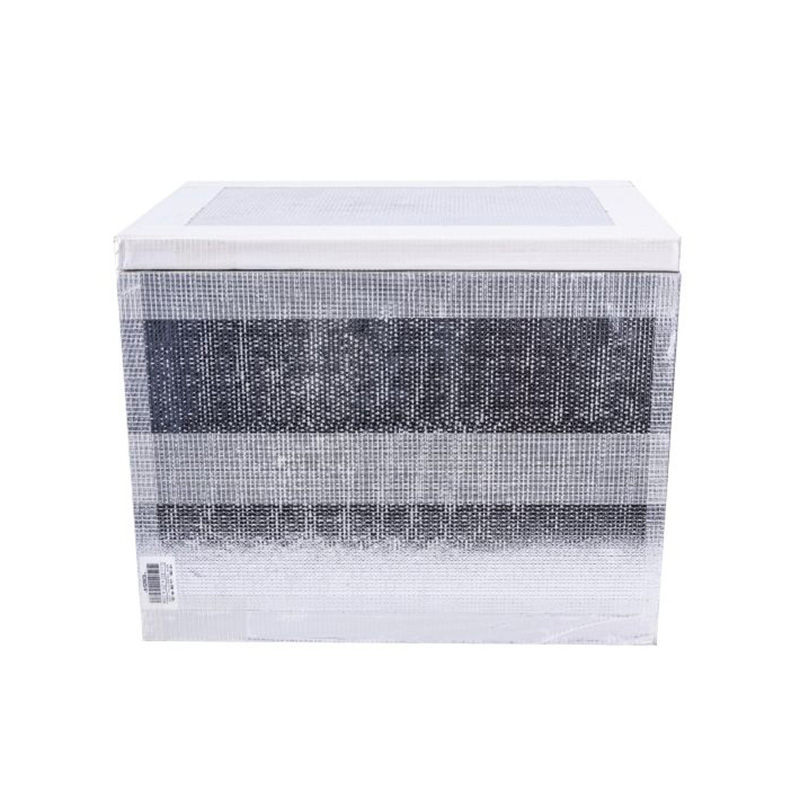
VIP transport box for biologics transport is most powerful when you treat it as a complete cold chain solution instead of a premium box. The strongest programs combine VIP insulation, correctly tuned refrigerant, route-specific validation, practical monitoring, and a clear response plan for delays or excursions. That is the approach that protects both product quality and operating margin in 2026.
This optimized guide combines the buyer-view, the engineering view, and the market view into one article. If you need to decide quickly and still make a high-quality packaging choice, it will help you focus on what really determines success: estabilidade de temperatura, simplicidade de manuseio, documented evidence, and total program fit.
Este artigo responderá
- how to decide whether VIP transport box for biologics transport is the right fit for your lane and payload
- which engineering details drive hold time, proteção de carga útil, e repetibilidade
- how compliance, visibilidade, and sustainability should influence your packaging program
- o que 2026 market trends suggest for future-proofing biopharma cold chain integrity operations
Why is VIP transport box for biologics transport the right solution for some lanes but not all?
The best packaging choice is always contextual. VIP transport box for biologics transport is strongest when you need a mix of high insulation, reasonable operational simplicity, and enough evidence to trust the shipment at arrival. It is not automatically the right answer for every lane, but it becomes compelling when the product is valuable, the route is variable, or dimensional efficiency matters.
The key is to judge the shipper as a system. That means looking at thermal design, refrigerant tuning, arranjo de carga útil, qualificação de rota, monitoramento, e custo total juntos. When those pieces are aligned, a VIP program can protect quality, simplify release, and improve economics at the same time.
Ferramenta de decisão rápida
1. If your lane carries monoclonal antibodies, proteínas recombinantes, cell-based materials, vacinas, biossimilares, and clinical biologic batches and a single failure would be costly, lean toward higher insulation quality and stronger monitoring.
2. If your route repeats often and you can recover packaging, evaluate a reusable program with asset inspection and reverse logistics.
3. If your route is irregular or remote, prioritize simple packout execution and larger delay margin over overly complex smart features.
4. If dimensional weight or payload space is a major cost driver, compare usable volume and freight footprint, not only carton price.
5. If QA release speed matters, choose a solution that produces clean, reviewable data at delivery.
| <forte>Ponto de decisão</forte> | <forte>Better choice when…</forte> | <forte>Cuidado com</forte> | <forte>Resultado</forte> |
| De uso único ou reutilizável | Use reusable when lanes repeat and reverse logistics are realistic | Do not force reuse where returns fail | You protect margin and sustainability at the same time. |
| Basic logger or live tracking | Use live visibility for high-value or claim-prone lanes | Data without response rules adds little value | You catch problems earlier and release faster. |
| Thicker box or better insulation | Use VIP when payload space, duração, or dimensional weight matters | Damaged panels erase the advantage | Você compra desempenho, not just bulk. |
How should you design the thermal system around VIP transport box for biologics transport?
Start from the payload and the route. Define the true ship condition, the allowed temperature window, the worst-case season, and the most likely delay pattern. Only then choose panel design, tipo de refrigerante, massa refrigerante, and packout geometry. This sequence prevents the common mistake of buying a premium box and then forcing the product to fit the box instead of the other way around.
Próximo, protect repeatability. The engineered result should survive routine operations, not only ideal pilot conditions. That means visual work instructions, controlled refrigerant conditioning, simple loading order, and monitoring devices positioned where they represent product risk. A strong system is one that ordinary teams can execute well on ordinary days.
The engineering details that matter most
- Fresco, undamaged VIP panels can reach thermal conductivity around 0.004 S/m·K, roughly one-fifth that of common foam insulation in engineering references.
- Refrigerant must be tuned to most often 2-8°C, congelado, or ultra-cold depending on formulation and stability data and to the product’s tolerance for both warming and overcooling.
- Internal geometry matters because empty space and poor symmetry can shift temperature patterns inside the box.
- Reusable assets need inspection criteria so aging, dano, or seal wear do not quietly degrade performance.
How should compliance, visibilidade, and quality review fit together?
For regulated temperature-sensitive goods, the packaging decision should sit inside a documented quality process. Anexo da OMS 9 frames time- and temperature-sensitive pharmaceutical products around predefined environmental conditions and makes documentation central to safe distribution. EU GDP guidance expects validated temperature-control systems and temperature data that can demonstrate compliance during transit. That means your VIP transport box for biologics transport should be qualified for the lane, loaded through a controlled SOP, and backed by data you can review after delivery.
The most important compliance question is whether the shipper, the refrigerant set, and the packout method have been qualified for the real route. That includes worst-case seasonality, realistic dwell times, monitored handoffs, and clear disposition rules when temperature data shows an excursion.
Visibility should support the quality decision, not distract from it. A basic logger may be enough for stable low-risk lanes. Higher-risk lanes may justify real-time sensors or GPS-linked alerts. The important point is that the monitoring choice should reflect the product, a rota, and the response capability of your team.
What a strong release-ready data set includes
- a route-qualified packout with clear pre-conditioning rules
- shipment data that shows both in-range performance and remaining thermal reserve
- documented exception handling tied to product stability and quality ownership
- traceable records for reusable asset inspection or one-way shipment identification
What does total cost really look like for VIP transport box for biologics transport?
Carton price is only one piece of total cost. The full picture includes freight footprint, tempo de trabalho, qualification effort, logística de retorno, taxa de dano, reship frequency, product write-offs, and the time quality teams spend investigating exceptions. When product value is high, preventing a few failures can outweigh a large difference in packaging unit cost.
Sustainability should be viewed through the same operational lens. A reusable VIP system can be excellent when the lane supports enough turns and the shipper is easy to inspect and recover. A one-way solution can still be the better choice when returns are unreliable or the network is too fragmented. The honest answer comes from the lane economics, not from marketing language.
Three questions finance and operations both understand
- How many failures must this system prevent to pay back the premium over standard foam?
- How much freight or payload efficiency does the smaller wall thickness create over a year?
- Can the lane support reuse often enough to convert a sustainability goal into a measurable operating result?
How should you implement VIP transport box for biologics transport without creating new operational risk?
Implementation should move in steps. Start with the highest-risk or highest-value lanes, qualify them properly, and train the teams who actually do the packout and receiving work. Then review the early data, tighten the SOP, and only after that extend the program to more regions or more SKUs. This staged rollout prevents a good design from being undermined by rushed adoption.
It also helps you define ownership. Procurement can handle commercial terms, operations can own execution, and quality can own release logic and deviation review. When those roles are explicit, the packaging program becomes much easier to sustain. When they are vague, even a well-qualified shipper can get stuck in internal debate after the first exception.
A practical rollout path
1. Choose one or two representative lanes and qualify them with realistic worst-case assumptions.
2. Train packout and receiving teams with visual instructions and a short verification checklist.
3. Review early shipment data jointly across operations and quality, then adjust the SOP if needed.
4. Expand only after the program shows repeatable execution, clean data, and acceptable cost.
How should receiving sites and downstream partners use the shipper data?
A packaging program is only as strong as the handoff at the receiving end. Sites should know what to look for when the carton arrives, how to check the logger or tracker, and when to escalate a suspected excursion instead of improvising. That simple training prevents routine uncertainty from turning into unnecessary quarantine or unsafe release.
Downstream partners also need clear rules for reusable assets, retorna, and damage reporting. If a shipper is returned late, stacked incorrectly, or sent back with hidden damage, the next cycle begins with more risk than anyone realizes. Strong programs close that loop with defined receipt checks, damage photos, and fast communication between sender and receiver.
Receiving-site priorities
- know the expected arrival condition and the first acceptance checks
- retrieve and review the data in the same way every time
- escalate clear exceptions quickly instead of storing questionable product and deciding later
2026 panorama: what should you build for next, not just for now?
The programs that will age best are the ones designed for change. Routes change, products launch, regulamentos apertam, e as expectativas dos clientes aumentam. The packaging choice you make now should therefore be easy to requalify, easy to explain to quality teams, and flexible enough to support better data or greener operations later.
Industry forecasts point to more cold-chain launches, especially in complex specialty therapies that demand stricter handling and clearer evidence. More specialty launches and biologics volume are making validated passive packaging central to commercial distribution. The EU Packaging and Packaging Waste Regulation starts applying from mid-2026 and pushes packaging programs toward better recyclability and practical reuse. The message for 2026 is not that every shipper must become more complicated. It is that every shipper must be easier to defend with evidence, easier to execute consistently, and easier to align with broader business goals.
Últimos desenvolvimentos de vista
- more new therapies are entering cold-chain distribution, raising the bar for packaging quality
- route qualification is moving closer to commercial launch planning instead of being left until late
- packaging teams are under pressure to protect product while reducing waste and dimensional weight
Perguntas frequentes
Why are biologics harder to ship than many other medicines?
Because large biological molecules are sensitive to heat, frio, and repeated temperature cycling. Damage is not always visible, but it can still affect quality.
Do all biologics ship at 2-8°C?
Não. Some are refrigerated, some frozen, and some ultra-cold. The product label and stability data always come first.
What happens after an excursion?
Quality teams usually review the temperature data against stability limits and time out of range. That review can delay release even if the product still looks normal.
Why use reusable VIP boxes for biologics?
They can provide strong thermal performance, consistent packout, and good economics on repeated lanes where reverse logistics works.
What data should QA ask for?
Ask for route qualification, instruções de embalagem, lógica de posicionamento do sensor, dados do registrador, and a clear deviation process tied to product stability.
Resumo e recomendações
The strongest VIP transport box for biologics transport program does four things well: it protects the payload inside the right temperature window, fits the actual route, produces evidence the quality team can trust, and makes operational sense at scale. When any one of those pieces is weak, the shipper may still look good in a brochure but disappoint in field use. The winning decision is rarely the cheapest carton or the highest headline hold-time claim by itself. It is the design that keeps working when real transit conditions are less tidy than the sales sheet suggests.
Seu próximo passo deve ser prático. Defina a pista, a carga útil, the allowed temperature range, the likely delay margin, and the monitoring level you really need. Then compare candidate systems against that brief and run a route-based qualification before full rollout. That disciplined approach will protect both product quality and budget far better than buying on insulation claims alone. If you already have a shipper in service, use post-delivery data, histórico de reclamações, and excursion review to refine the program instead of waiting for a major failure to force change.
Sobre Tempk
E tempk, we focus on temperature-controlled packaging for cold chain logistics, including VIP-based shippers, PCM integration, and route-aware packaging design. Our work is centered on practical performance: protecting sensitive products, simplifying packout, and making qualification easier to understand.
If you are comparing packaging options, the best next move is to align the shipper with your real lane and product profile, then review the data with operations and quality together. That creates a packaging decision that is easier to defend internally and more reliable in day-to-day use.
Embalagem isolada VIP para isolamento de alto desempenho

VIP insulated packaging for high performance insulation is most powerful when you treat it as a complete cold chain solution instead of a premium box. The strongest programs combine VIP insulation, correctly tuned refrigerant, route-specific validation, practical monitoring, and a clear response plan for delays or excursions. That is the approach that protects both product quality and operating margin in 2026.
This optimized guide combines the buyer-view, the engineering view, and the market view into one article. If you need to decide quickly and still make a high-quality packaging choice, it will help you focus on what really determines success: estabilidade de temperatura, simplicidade de manuseio, documented evidence, and total program fit.
Este artigo responderá
- how to decide whether VIP insulated packaging for high performance insulation is the right fit for your lane and payload
- which engineering details drive hold time, proteção de carga útil, e repetibilidade
- how compliance, visibilidade, and sustainability should influence your packaging program
- o que 2026 market trends suggest for future-proofing advanced thermal packaging design operations
Why is VIP insulated packaging for high performance insulation the right solution for some lanes but not all?
The best packaging choice is always contextual. VIP insulated packaging for high performance insulation is strongest when you need a mix of high insulation, reasonable operational simplicity, and enough evidence to trust the shipment at arrival. It is not automatically the right answer for every lane, but it becomes compelling when the product is valuable, the route is variable, or dimensional efficiency matters.
The key is to judge the shipper as a system. That means looking at thermal design, refrigerant tuning, arranjo de carga útil, qualificação de rota, monitoramento, e custo total juntos. When those pieces are aligned, a VIP program can protect quality, simplify release, and improve economics at the same time.
Ferramenta de decisão rápida
1. If your lane carries pharmaceuticals, especialidades químicas, high-value foods, materiais de laboratório, and other space-sensitive shipments and a single failure would be costly, lean toward higher insulation quality and stronger monitoring.
2. If your route repeats often and you can recover packaging, evaluate a reusable program with asset inspection and reverse logistics.
3. If your route is irregular or remote, prioritize simple packout execution and larger delay margin over overly complex smart features.
4. If dimensional weight or payload space is a major cost driver, compare usable volume and freight footprint, not only carton price.
5. If QA release speed matters, choose a solution that produces clean, reviewable data at delivery.
| <forte>Ponto de decisão</forte> | <forte>Better choice when…</forte> | <forte>Cuidado com</forte> | <forte>Resultado</forte> |
| De uso único ou reutilizável | Use reusable when lanes repeat and reverse logistics are realistic | Do not force reuse where returns fail | You protect margin and sustainability at the same time. |
| Basic logger or live tracking | Use live visibility for high-value or claim-prone lanes | Data without response rules adds little value | You catch problems earlier and release faster. |
| Thicker box or better insulation | Use VIP when payload space, duração, or dimensional weight matters | Damaged panels erase the advantage | Você compra desempenho, not just bulk. |
How should you design the thermal system around VIP insulated packaging for high performance insulation?
Start from the payload and the route. Define the true ship condition, the allowed temperature window, the worst-case season, and the most likely delay pattern. Only then choose panel design, tipo de refrigerante, massa refrigerante, and packout geometry. This sequence prevents the common mistake of buying a premium box and then forcing the product to fit the box instead of the other way around.
Próximo, protect repeatability. The engineered result should survive routine operations, not only ideal pilot conditions. That means visual work instructions, controlled refrigerant conditioning, simple loading order, and monitoring devices positioned where they represent product risk. A strong system is one that ordinary teams can execute well on ordinary days.
The engineering details that matter most
- Fresco, undamaged VIP panels can reach thermal conductivity around 0.004 S/m·K, roughly one-fifth that of common foam insulation in engineering references.
- Refrigerant must be tuned to the exact target range chosen for the payload, achieved with minimal wall thickness and low heat leak and to the product’s tolerance for both warming and overcooling.
- Internal geometry matters because empty space and poor symmetry can shift temperature patterns inside the box.
- Reusable assets need inspection criteria so aging, dano, or seal wear do not quietly degrade performance.
How should compliance, visibilidade, and quality review fit together?
For regulated temperature-sensitive goods, the packaging decision should sit inside a documented quality process. Anexo da OMS 9 frames time- and temperature-sensitive pharmaceutical products around predefined environmental conditions and makes documentation central to safe distribution. EU GDP guidance expects validated temperature-control systems and temperature data that can demonstrate compliance during transit. That means your VIP insulated packaging for high performance insulation should be qualified for the lane, loaded through a controlled SOP, and backed by data you can review after delivery.
The most important compliance question is whether the shipper, the refrigerant set, and the packout method have been qualified for the real route. That includes worst-case seasonality, realistic dwell times, monitored handoffs, and clear disposition rules when temperature data shows an excursion.
Visibility should support the quality decision, not distract from it. A basic logger may be enough for stable low-risk lanes. Higher-risk lanes may justify real-time sensors or GPS-linked alerts. The important point is that the monitoring choice should reflect the product, a rota, and the response capability of your team.
What a strong release-ready data set includes
- a route-qualified packout with clear pre-conditioning rules
- shipment data that shows both in-range performance and remaining thermal reserve
- documented exception handling tied to product stability and quality ownership
- traceable records for reusable asset inspection or one-way shipment identification
What does total cost really look like for VIP insulated packaging for high performance insulation?
Carton price is only one piece of total cost. The full picture includes freight footprint, tempo de trabalho, qualification effort, logística de retorno, taxa de dano, reship frequency, product write-offs, and the time quality teams spend investigating exceptions. When product value is high, preventing a few failures can outweigh a large difference in packaging unit cost.
Sustainability should be viewed through the same operational lens. A reusable VIP system can be excellent when the lane supports enough turns and the shipper is easy to inspect and recover. A one-way solution can still be the better choice when returns are unreliable or the network is too fragmented. The honest answer comes from the lane economics, not from marketing language.
Three questions finance and operations both understand
- How many failures must this system prevent to pay back the premium over standard foam?
- How much freight or payload efficiency does the smaller wall thickness create over a year?
- Can the lane support reuse often enough to convert a sustainability goal into a measurable operating result?
How should you implement VIP insulated packaging for high performance insulation without creating new operational risk?
Implementation should move in steps. Start with the highest-risk or highest-value lanes, qualify them properly, and train the teams who actually do the packout and receiving work. Then review the early data, tighten the SOP, and only after that extend the program to more regions or more SKUs. This staged rollout prevents a good design from being undermined by rushed adoption.
It also helps you define ownership. Procurement can handle commercial terms, operations can own execution, and quality can own release logic and deviation review. When those roles are explicit, the packaging program becomes much easier to sustain. When they are vague, even a well-qualified shipper can get stuck in internal debate after the first exception.
A practical rollout path
1. Choose one or two representative lanes and qualify them with realistic worst-case assumptions.
2. Train packout and receiving teams with visual instructions and a short verification checklist.
3. Review early shipment data jointly across operations and quality, then adjust the SOP if needed.
4. Expand only after the program shows repeatable execution, clean data, and acceptable cost.
How should receiving sites and downstream partners use the shipper data?
A packaging program is only as strong as the handoff at the receiving end. Sites should know what to look for when the carton arrives, how to check the logger or tracker, and when to escalate a suspected excursion instead of improvising. That simple training prevents routine uncertainty from turning into unnecessary quarantine or unsafe release.
Downstream partners also need clear rules for reusable assets, retorna, and damage reporting. If a shipper is returned late, stacked incorrectly, or sent back with hidden damage, the next cycle begins with more risk than anyone realizes. Strong programs close that loop with defined receipt checks, damage photos, and fast communication between sender and receiver.
Receiving-site priorities
- know the expected arrival condition and the first acceptance checks
- retrieve and review the data in the same way every time
- escalate clear exceptions quickly instead of storing questionable product and deciding later
2026 panorama: what should you build for next, not just for now?
The programs that will age best are the ones designed for change. Routes change, products launch, regulamentos apertam, e as expectativas dos clientes aumentam. The packaging choice you make now should therefore be easy to requalify, easy to explain to quality teams, and flexible enough to support better data or greener operations later.
Buyers increasingly compare total cost, peso dimensional, taxa de carga útil, and reusability instead of headline insulation claims alone. Sustainability pressure is pushing buyers to ask not only whether a shipper works, but whether it works with less material and less waste. The EU Packaging and Packaging Waste Regulation starts applying from mid-2026 and pushes packaging programs toward better recyclability and practical reuse. The message for 2026 is not that every shipper must become more complicated. It is that every shipper must be easier to defend with evidence, easier to execute consistently, and easier to align with broader business goals.
Últimos desenvolvimentos de vista
- buyers are comparing payload ratio and dimensional weight alongside hold time
- reusability and material circularity are being discussed earlier in packaging design
- qualification packages are expected to be clearer, more visual, and more route-specific
Perguntas frequentes
Why is VIP called high-performance insulation?
Because it blocks heat far better per thickness than standard foam. That lets you build smaller walls for the same thermal goal or extend hold time in the same carton.
Can VIP panels be cut after manufacturing?
Não. Cutting a standard VIP destroys the vacuum and the performance. That is why sizing and structural protection must be planned upfront.
What is the hidden downside of VIP?
Cost and damage sensitivity. If the design does not protect the panel edges and surfaces, the performance advantage can be wasted.
When is premium insulation worth paying for?
When product value is high, the lane is harsh, dimensional weight matters, or payload space is limited. Nesses casos, better insulation changes the economics.
Does better insulation always mean lower total cost?
Não automaticamente. You still need to compare recovery rates, taxas de danos, custo de frete, and packout labor to see the real business result.
Resumo e recomendações
The strongest VIP insulated packaging for high performance insulation program does four things well: it protects the payload inside the right temperature window, fits the actual route, produces evidence the quality team can trust, and makes operational sense at scale. When any one of those pieces is weak, the shipper may still look good in a brochure but disappoint in field use. The winning decision is rarely the cheapest carton or the highest headline hold-time claim by itself. It is the design that keeps working when real transit conditions are less tidy than the sales sheet suggests.
Seu próximo passo deve ser prático. Defina a pista, a carga útil, the allowed temperature range, the likely delay margin, and the monitoring level you really need. Then compare candidate systems against that brief and run a route-based qualification before full rollout. That disciplined approach will protect both product quality and budget far better than buying on insulation claims alone. If you already have a shipper in service, use post-delivery data, histórico de reclamações, and excursion review to refine the program instead of waiting for a major failure to force change.
Sobre Tempk
E tempk, we focus on temperature-controlled packaging for cold chain logistics, including VIP-based shippers, PCM integration, and route-aware packaging design. Our work is centered on practical performance: protecting sensitive products, simplifying packout, and making qualification easier to understand.
If you are comparing packaging options, the best next move is to align the shipper with your real lane and product profile, then review the data with operations and quality together. That creates a packaging decision that is easier to defend internally and more reliable in day-to-day use.
VIP insulated container for dry ice shipping Best Guide
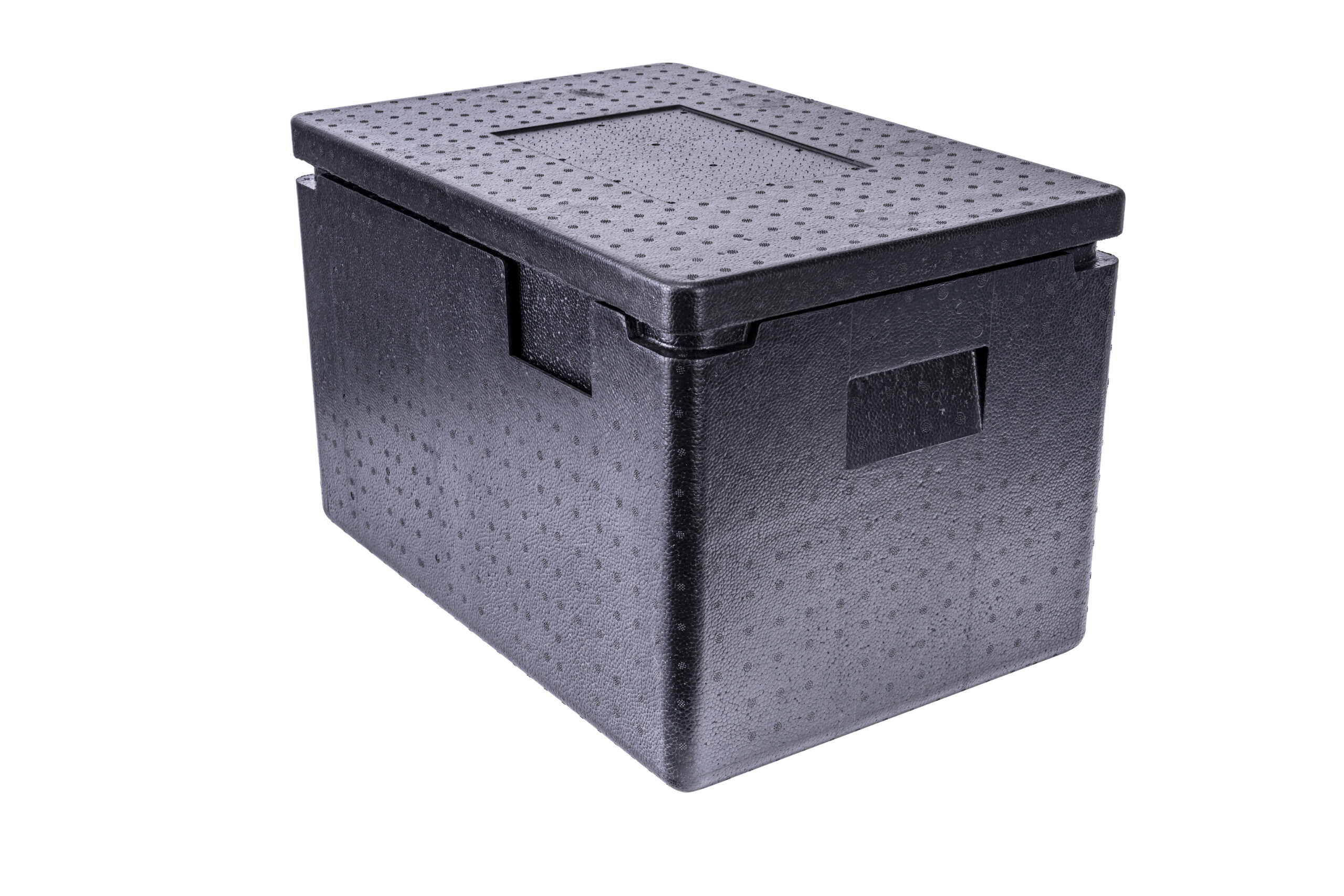
VIP insulated container for dry ice shipping is most powerful when you treat it as a complete cold chain solution instead of a premium box. The strongest programs combine VIP insulation, correctly tuned refrigerant, route-specific validation, practical monitoring, and a clear response plan for delays or excursions. That is the approach that protects both product quality and operating margin in 2026.
This optimized guide combines the buyer-view, the engineering view, and the market view into one article. If you need to decide quickly and still make a high-quality packaging choice, it will help you focus on what really determines success: estabilidade de temperatura, simplicidade de manuseio, documented evidence, and total program fit.
Este artigo responderá
- how to decide whether VIP insulated container for dry ice shipping is the right fit for your lane and payload
- which engineering details drive hold time, proteção de carga útil, e repetibilidade
- how compliance, visibilidade, and sustainability should influence your packaging program
- o que 2026 market trends suggest for future-proofing frozen air logistics operations
Why is VIP insulated container for dry ice shipping the right solution for some lanes but not all?
The best packaging choice is always contextual. VIP insulated container for dry ice shipping is strongest when you need a mix of high insulation, reasonable operational simplicity, and enough evidence to trust the shipment at arrival. It is not automatically the right answer for every lane, but it becomes compelling when the product is valuable, the route is variable, or dimensional efficiency matters.
The key is to judge the shipper as a system. That means looking at thermal design, refrigerant tuning, arranjo de carga útil, qualificação de rota, monitoramento, e custo total juntos. When those pieces are aligned, a VIP program can protect quality, simplify release, and improve economics at the same time.
Ferramenta de decisão rápida
1. If your lane carries frozen biologics, genomic materials, ultra-cold specimens, materiais de apoio à terapia celular e genética, and specialty laboratory reagents and a single failure would be costly, lean toward higher insulation quality and stronger monitoring.
2. If your route repeats often and you can recover packaging, evaluate a reusable program with asset inspection and reverse logistics.
3. If your route is irregular or remote, prioritize simple packout execution and larger delay margin over overly complex smart features.
4. If dimensional weight or payload space is a major cost driver, compare usable volume and freight footprint, not only carton price.
5. If QA release speed matters, choose a solution that produces clean, reviewable data at delivery.
| <forte>Ponto de decisão</forte> | <forte>Better choice when…</forte> | <forte>Cuidado com</forte> | <forte>Resultado</forte> |
| De uso único ou reutilizável | Use reusable when lanes repeat and reverse logistics are realistic | Do not force reuse where returns fail | You protect margin and sustainability at the same time. |
| Basic logger or live tracking | Use live visibility for high-value or claim-prone lanes | Data without response rules adds little value | You catch problems earlier and release faster. |
| Thicker box or better insulation | Use VIP when payload space, duração, or dimensional weight matters | Damaged panels erase the advantage | Você compra desempenho, not just bulk. |
How should you design the thermal system around VIP insulated container for dry ice shipping?
Start from the payload and the route. Define the true ship condition, the allowed temperature window, the worst-case season, and the most likely delay pattern. Only then choose panel design, tipo de refrigerante, massa refrigerante, and packout geometry. This sequence prevents the common mistake of buying a premium box and then forcing the product to fit the box instead of the other way around.
Próximo, protect repeatability. The engineered result should survive routine operations, not only ideal pilot conditions. That means visual work instructions, controlled refrigerant conditioning, simple loading order, and monitoring devices positioned where they represent product risk. A strong system is one that ordinary teams can execute well on ordinary days.
The engineering details that matter most
- Fresco, undamaged VIP panels can reach thermal conductivity around 0.004 S/m·K, roughly one-fifth that of common foam insulation in engineering references.
- Refrigerant must be tuned to deep-frozen transport below about -60°C using dry ice or other frozen media and to the product’s tolerance for both warming and overcooling.
- Internal geometry matters because empty space and poor symmetry can shift temperature patterns inside the box.
- Reusable assets need inspection criteria so aging, dano, or seal wear do not quietly degrade performance.
How should compliance, visibilidade, and quality review fit together?
For regulated temperature-sensitive goods, the packaging decision should sit inside a documented quality process. Anexo da OMS 9 frames time- and temperature-sensitive pharmaceutical products around predefined environmental conditions and makes documentation central to safe distribution. EU GDP guidance expects validated temperature-control systems and temperature data that can demonstrate compliance during transit. That means your VIP insulated container for dry ice shipping should be qualified for the lane, loaded through a controlled SOP, and backed by data you can review after delivery.
Dry ice brings dangerous-goods obligations even when the payload itself is not otherwise regulated. The pack must vent carbon dioxide, the documentation should identify UN1845 and the net dry ice weight, and airline acceptance can depend on accurate booking detail. If specimens are also involved, specimen rules and dry ice rules have to work together rather than being handled as separate checklists.
Visibility should support the quality decision, not distract from it. A basic logger may be enough for stable low-risk lanes. Higher-risk lanes may justify real-time sensors or GPS-linked alerts. The important point is that the monitoring choice should reflect the product, a rota, and the response capability of your team.
What a strong release-ready data set includes
- a route-qualified packout with clear pre-conditioning rules
- shipment data that shows both in-range performance and remaining thermal reserve
- documented exception handling tied to product stability and quality ownership
- traceable records for reusable asset inspection or one-way shipment identification
What does total cost really look like for VIP insulated container for dry ice shipping?
Carton price is only one piece of total cost. The full picture includes freight footprint, tempo de trabalho, qualification effort, logística de retorno, taxa de dano, reship frequency, product write-offs, and the time quality teams spend investigating exceptions. When product value is high, preventing a few failures can outweigh a large difference in packaging unit cost.
Sustainability should be viewed through the same operational lens. A reusable VIP system can be excellent when the lane supports enough turns and the shipper is easy to inspect and recover. A one-way solution can still be the better choice when returns are unreliable or the network is too fragmented. The honest answer comes from the lane economics, not from marketing language.
Three questions finance and operations both understand
- How many failures must this system prevent to pay back the premium over standard foam?
- How much freight or payload efficiency does the smaller wall thickness create over a year?
- Can the lane support reuse often enough to convert a sustainability goal into a measurable operating result?
How should you implement VIP insulated container for dry ice shipping without creating new operational risk?
Implementation should move in steps. Start with the highest-risk or highest-value lanes, qualify them properly, and train the teams who actually do the packout and receiving work. Then review the early data, tighten the SOP, and only after that extend the program to more regions or more SKUs. This staged rollout prevents a good design from being undermined by rushed adoption.
It also helps you define ownership. Procurement can handle commercial terms, operations can own execution, and quality can own release logic and deviation review. When those roles are explicit, the packaging program becomes much easier to sustain. When they are vague, even a well-qualified shipper can get stuck in internal debate after the first exception.
A practical rollout path
1. Choose one or two representative lanes and qualify them with realistic worst-case assumptions.
2. Train packout and receiving teams with visual instructions and a short verification checklist.
3. Review early shipment data jointly across operations and quality, then adjust the SOP if needed.
4. Expand only after the program shows repeatable execution, clean data, and acceptable cost.
How should receiving sites and downstream partners use the shipper data?
A packaging program is only as strong as the handoff at the receiving end. Sites should know what to look for when the carton arrives, how to check the logger or tracker, and when to escalate a suspected excursion instead of improvising. That simple training prevents routine uncertainty from turning into unnecessary quarantine or unsafe release.
Downstream partners also need clear rules for reusable assets, retorna, and damage reporting. If a shipper is returned late, stacked incorrectly, or sent back with hidden damage, the next cycle begins with more risk than anyone realizes. Strong programs close that loop with defined receipt checks, damage photos, and fast communication between sender and receiver.
Receiving-site priorities
- know the expected arrival condition and the first acceptance checks
- retrieve and review the data in the same way every time
- escalate clear exceptions quickly instead of storing questionable product and deciding later
2026 panorama: what should you build for next, not just for now?
The programs that will age best are the ones designed for change. Routes change, products launch, regulamentos apertam, e as expectativas dos clientes aumentam. The packaging choice you make now should therefore be easy to requalify, easy to explain to quality teams, and flexible enough to support better data or greener operations later.
Air carriers and shippers are paying closer attention to dry ice documentation, booking detail, and route-specific sublimation loss. Biológicos congelados, terapias avançadas, and long-haul lab logistics are making dry ice planning more exact and more visible. The EU Packaging and Packaging Waste Regulation starts applying from mid-2026 and pushes packaging programs toward better recyclability and practical reuse. The message for 2026 is not that every shipper must become more complicated. It is that every shipper must be easier to defend with evidence, easier to execute consistently, and easier to align with broader business goals.
Últimos desenvolvimentos de vista
- courier-style medical logistics are growing, which increases the value of compact validated passive packaging
- documentation accuracy is under more scrutiny for air and cross-border lanes
- operators are using route data more actively to size refrigerant and delay margin
Perguntas frequentes
Can I seal a dry ice shipper airtight?
Não. Dry ice turns into carbon dioxide gas, so the package must vent safely. A tight seal can create dangerous pressure build-up.
Quanto gelo seco devo carregar?
Enough to cover the expected transit plus realistic delay. The right amount depends on route length, temporada, qualidade de isolamento, massa de carga útil, and airline handling.
Does dry ice change the packaging rules?
Sim. Dry ice can trigger dangerous-goods documentation and marking, even if the payload itself is not otherwise regulated.
Can VIP reduce dry ice consumption?
Muitas vezes sim. Better insulation slows heat gain, so you can preserve temperature longer or use the same dry ice load with more safety margin.
What is the biggest dry ice mistake?
Planning for nominal transit only. The better method is to size for the route you hope for and the delay you know can happen.
Resumo e recomendações
The strongest VIP insulated container for dry ice shipping program does four things well: it protects the payload inside the right temperature window, fits the actual route, produces evidence the quality team can trust, and makes operational sense at scale. When any one of those pieces is weak, the shipper may still look good in a brochure but disappoint in field use. The winning decision is rarely the cheapest carton or the highest headline hold-time claim by itself. It is the design that keeps working when real transit conditions are less tidy than the sales sheet suggests.
Seu próximo passo deve ser prático. Defina a pista, a carga útil, the allowed temperature range, the likely delay margin, and the monitoring level you really need. Then compare candidate systems against that brief and run a route-based qualification before full rollout. That disciplined approach will protect both product quality and budget far better than buying on insulation claims alone. If you already have a shipper in service, use post-delivery data, histórico de reclamações, and excursion review to refine the program instead of waiting for a major failure to force change.
Sobre Tempk
E tempk, we focus on temperature-controlled packaging for cold chain logistics, including VIP-based shippers, PCM integration, and route-aware packaging design. Our work is centered on practical performance: protecting sensitive products, simplifying packout, and making qualification easier to understand.
If you are comparing packaging options, the best next move is to align the shipper with your real lane and product profile, then review the data with operations and quality together. That creates a packaging decision that is easier to defend internally and more reliable in day-to-day use.
Caixa isolada VIP para 2-8 envio de graduação Melhor Guia
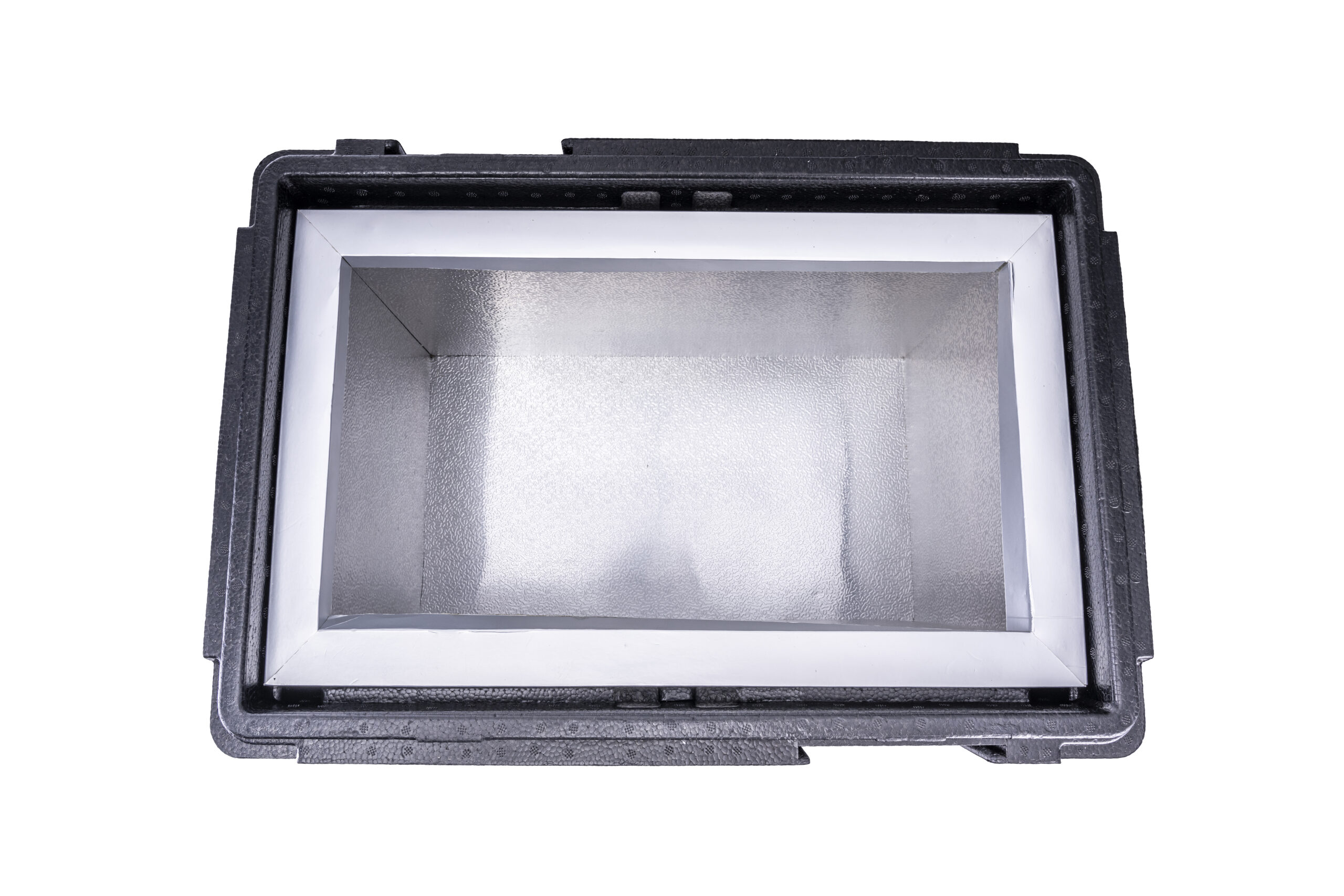
Caixa isolada VIP para 2-8 degree shipping is most powerful when you treat it as a complete cold chain solution instead of a premium box. The strongest programs combine VIP insulation, correctly tuned refrigerant, route-specific validation, practical monitoring, and a clear response plan for delays or excursions. That is the approach that protects both product quality and operating margin in 2026.
This optimized guide combines the buyer-view, the engineering view, and the market view into one article. If you need to decide quickly and still make a high-quality packaging choice, it will help you focus on what really determines success: estabilidade de temperatura, simplicidade de manuseio, documented evidence, and total program fit.
Este artigo responderá
- how to decide whether VIP insulated box for 2-8 degree shipping is the right fit for your lane and payload
- which engineering details drive hold time, proteção de carga útil, e repetibilidade
- how compliance, visibilidade, and sustainability should influence your packaging program
- o que 2026 market trends suggest for future-proofing refrigerated pharmaceutical shipping operations
Why is VIP insulated box for 2-8 degree shipping the right solution for some lanes but not all?
The best packaging choice is always contextual. Caixa isolada VIP para 2-8 degree shipping is strongest when you need a mix of high insulation, reasonable operational simplicity, and enough evidence to trust the shipment at arrival. It is not automatically the right answer for every lane, but it becomes compelling when the product is valuable, the route is variable, or dimensional efficiency matters.
The key is to judge the shipper as a system. That means looking at thermal design, refrigerant tuning, arranjo de carga útil, qualificação de rota, monitoramento, e custo total juntos. When those pieces are aligned, a VIP program can protect quality, simplify release, and improve economics at the same time.
Ferramenta de decisão rápida
1. If your lane carries vaccines, Biologics, injetáveis, blood-derived products, reagentes, and temperature-sensitive clinical materials and a single failure would be costly, lean toward higher insulation quality and stronger monitoring.
2. If your route repeats often and you can recover packaging, evaluate a reusable program with asset inspection and reverse logistics.
3. If your route is irregular or remote, prioritize simple packout execution and larger delay margin over overly complex smart features.
4. If dimensional weight or payload space is a major cost driver, compare usable volume and freight footprint, not only carton price.
5. If QA release speed matters, choose a solution that produces clean, reviewable data at delivery.
| <forte>Ponto de decisão</forte> | <forte>Better choice when…</forte> | <forte>Cuidado com</forte> | <forte>Resultado</forte> |
| De uso único ou reutilizável | Use reusable when lanes repeat and reverse logistics are realistic | Do not force reuse where returns fail | You protect margin and sustainability at the same time. |
| Basic logger or live tracking | Use live visibility for high-value or claim-prone lanes | Data without response rules adds little value | You catch problems earlier and release faster. |
| Thicker box or better insulation | Use VIP when payload space, duração, or dimensional weight matters | Damaged panels erase the advantage | Você compra desempenho, not just bulk. |
How should you design the thermal system around VIP insulated box for 2-8 envio de diploma?
Start from the payload and the route. Define the true ship condition, the allowed temperature window, the worst-case season, and the most likely delay pattern. Only then choose panel design, tipo de refrigerante, massa refrigerante, and packout geometry. This sequence prevents the common mistake of buying a premium box and then forcing the product to fit the box instead of the other way around.
Próximo, protect repeatability. The engineered result should survive routine operations, not only ideal pilot conditions. That means visual work instructions, controlled refrigerant conditioning, simple loading order, and monitoring devices positioned where they represent product risk. A strong system is one that ordinary teams can execute well on ordinary days.
The engineering details that matter most
- Fresco, undamaged VIP panels can reach thermal conductivity around 0.004 S/m·K, roughly one-fifth that of common foam insulation in engineering references.
- Refrigerant must be tuned to a stable refrigerated window between 2°C and 8°C and to the product’s tolerance for both warming and overcooling.
- Internal geometry matters because empty space and poor symmetry can shift temperature patterns inside the box.
- Reusable assets need inspection criteria so aging, dano, or seal wear do not quietly degrade performance.
How should compliance, visibilidade, and quality review fit together?
For regulated temperature-sensitive goods, the packaging decision should sit inside a documented quality process. Anexo da OMS 9 frames time- and temperature-sensitive pharmaceutical products around predefined environmental conditions and makes documentation central to safe distribution. EU GDP guidance expects validated temperature-control systems and temperature data that can demonstrate compliance during transit. That means your VIP insulated box for 2-8 degree shipping should be qualified for the lane, loaded through a controlled SOP, and backed by data you can review after delivery.
The most important compliance question is whether the shipper, the refrigerant set, and the packout method have been qualified for the real route. That includes worst-case seasonality, realistic dwell times, monitored handoffs, and clear disposition rules when temperature data shows an excursion.
Visibility should support the quality decision, not distract from it. A basic logger may be enough for stable low-risk lanes. Higher-risk lanes may justify real-time sensors or GPS-linked alerts. The important point is that the monitoring choice should reflect the product, a rota, and the response capability of your team.
What a strong release-ready data set includes
- a route-qualified packout with clear pre-conditioning rules
- shipment data that shows both in-range performance and remaining thermal reserve
- documented exception handling tied to product stability and quality ownership
- traceable records for reusable asset inspection or one-way shipment identification
What does total cost really look like for VIP insulated box for 2-8 envio de diploma?
Carton price is only one piece of total cost. The full picture includes freight footprint, tempo de trabalho, qualification effort, logística de retorno, taxa de dano, reship frequency, product write-offs, and the time quality teams spend investigating exceptions. When product value is high, preventing a few failures can outweigh a large difference in packaging unit cost.
Sustainability should be viewed through the same operational lens. A reusable VIP system can be excellent when the lane supports enough turns and the shipper is easy to inspect and recover. A one-way solution can still be the better choice when returns are unreliable or the network is too fragmented. The honest answer comes from the lane economics, not from marketing language.
Three questions finance and operations both understand
- How many failures must this system prevent to pay back the premium over standard foam?
- How much freight or payload efficiency does the smaller wall thickness create over a year?
- Can the lane support reuse often enough to convert a sustainability goal into a measurable operating result?
How should you implement VIP insulated box for 2-8 degree shipping without creating new operational risk?
Implementation should move in steps. Start with the highest-risk or highest-value lanes, qualify them properly, and train the teams who actually do the packout and receiving work. Then review the early data, tighten the SOP, and only after that extend the program to more regions or more SKUs. This staged rollout prevents a good design from being undermined by rushed adoption.
It also helps you define ownership. Procurement can handle commercial terms, operations can own execution, and quality can own release logic and deviation review. When those roles are explicit, the packaging program becomes much easier to sustain. When they are vague, even a well-qualified shipper can get stuck in internal debate after the first exception.
A practical rollout path
1. Choose one or two representative lanes and qualify them with realistic worst-case assumptions.
2. Train packout and receiving teams with visual instructions and a short verification checklist.
3. Review early shipment data jointly across operations and quality, then adjust the SOP if needed.
4. Expand only after the program shows repeatable execution, clean data, and acceptable cost.
How should receiving sites and downstream partners use the shipper data?
A packaging program is only as strong as the handoff at the receiving end. Sites should know what to look for when the carton arrives, how to check the logger or tracker, and when to escalate a suspected excursion instead of improvising. That simple training prevents routine uncertainty from turning into unnecessary quarantine or unsafe release.
Downstream partners also need clear rules for reusable assets, retorna, and damage reporting. If a shipper is returned late, stacked incorrectly, or sent back with hidden damage, the next cycle begins with more risk than anyone realizes. Strong programs close that loop with defined receipt checks, damage photos, and fast communication between sender and receiver.
Receiving-site priorities
- know the expected arrival condition and the first acceptance checks
- retrieve and review the data in the same way every time
- escalate clear exceptions quickly instead of storing questionable product and deciding later
2026 panorama: what should you build for next, not just for now?
The programs that will age best are the ones designed for change. Routes change, products launch, regulamentos apertam, e as expectativas dos clientes aumentam. The packaging choice you make now should therefore be easy to requalify, easy to explain to quality teams, and flexible enough to support better data or greener operations later.
Rising biologics volume and direct-to-care-site distribution are increasing demand for compact 2-8°C parcel solutions. As more launches require cold storage, simple refrigerated parcel shipping is getting more demanding rather than easier. The EU Packaging and Packaging Waste Regulation starts applying from mid-2026 and pushes packaging programs toward better recyclability and practical reuse. The message for 2026 is not that every shipper must become more complicated. It is that every shipper must be easier to defend with evidence, easier to execute consistently, and easier to align with broader business goals.
Últimos desenvolvimentos de vista
- more new therapies are entering cold-chain distribution, raising the bar for packaging quality
- route qualification is moving closer to commercial launch planning instead of being left until late
- packaging teams are under pressure to protect product while reducing waste and dimensional weight
Perguntas frequentes
What is the ideal range for 2-8°C shipping?
The target is simple: stay between 2°C and 8°C for the full shipment. The harder part is preventing both overheating and freezing when the lane or dwell time changes.
Can gel packs freeze the product?
Sim. If they are too cold, too close, or poorly separated from the payload, they can drive local freezing even when the box average looks acceptable.
How long can a passive VIP box hold 2-8°C?
Hold time depends on payload mass, perfil ambiente, carga de refrigerante, and opening behavior. Use route-qualified data instead of catalog claims when product value is high.
Why is payload placement important?
The warmest and coldest points in a box are rarely identical. Good spacing and bracing reduce local hotspots and cold spots around the payload.
Should I choose reusable or single-use?
Choose reusable when lanes repeat and returns are practical. Choose single-use when geography, higiene, or recovery costs make returns unrealistic.
Resumo e recomendações
The strongest VIP insulated box for 2-8 degree shipping program does four things well: it protects the payload inside the right temperature window, fits the actual route, produces evidence the quality team can trust, and makes operational sense at scale. When any one of those pieces is weak, the shipper may still look good in a brochure but disappoint in field use. The winning decision is rarely the cheapest carton or the highest headline hold-time claim by itself. It is the design that keeps working when real transit conditions are less tidy than the sales sheet suggests.
Seu próximo passo deve ser prático. Defina a pista, a carga útil, the allowed temperature range, the likely delay margin, and the monitoring level you really need. Then compare candidate systems against that brief and run a route-based qualification before full rollout. That disciplined approach will protect both product quality and budget far better than buying on insulation claims alone. If you already have a shipper in service, use post-delivery data, histórico de reclamações, and excursion review to refine the program instead of waiting for a major failure to force change.
Sobre Tempk
E tempk, we focus on temperature-controlled packaging for cold chain logistics, including VIP-based shippers, PCM integration, and route-aware packaging design. Our work is centered on practical performance: protecting sensitive products, simplifying packout, and making qualification easier to understand.
If you are comparing packaging options, the best next move is to align the shipper with your real lane and product profile, then review the data with operations and quality together. That creates a packaging decision that is easier to defend internally and more reliable in day-to-day use.
Melhor guia de contêiner VIP para cadeia de frio habilitada para IoT
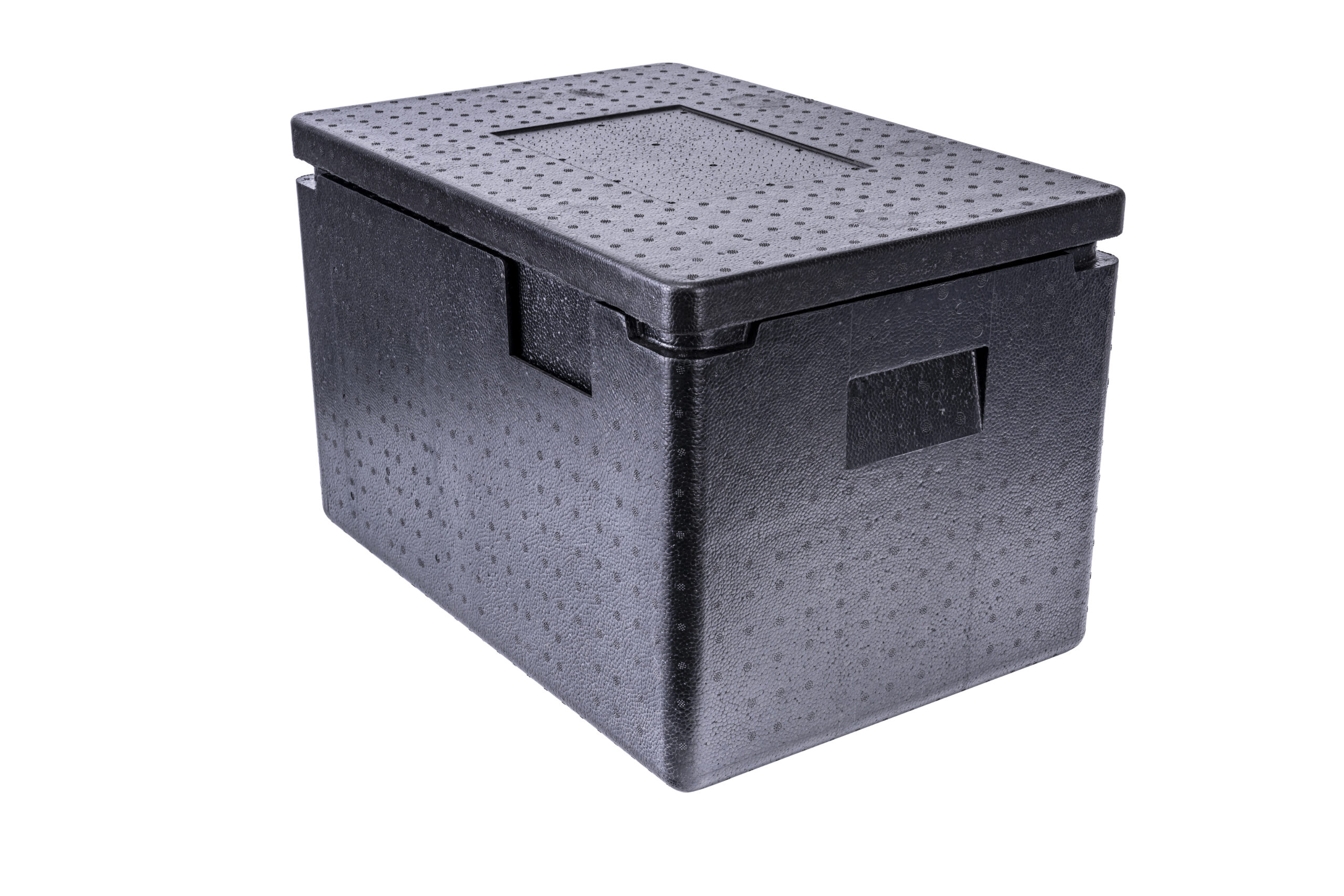
VIP container for IoT enabled cold chain is most powerful when you treat it as a complete cold chain solution instead of a premium box. The strongest programs combine VIP insulation, correctly tuned refrigerant, route-specific validation, practical monitoring, and a clear response plan for delays or excursions. That is the approach that protects both product quality and operating margin in 2026.
This optimized guide combines the buyer-view, the engineering view, and the market view into one article. If you need to decide quickly and still make a high-quality packaging choice, it will help you focus on what really determines success: estabilidade de temperatura, simplicidade de manuseio, documented evidence, and total program fit.
Este artigo responderá
- how to decide whether VIP container for IoT enabled cold chain is the right fit for your lane and payload
- which engineering details drive hold time, proteção de carga útil, e repetibilidade
- how compliance, visibilidade, and sustainability should influence your packaging program
- o que 2026 market trends suggest for future-proofing smart cold chain visibility operations
Why is VIP container for IoT enabled cold chain the right solution for some lanes but not all?
The best packaging choice is always contextual. VIP container for IoT enabled cold chain is strongest when you need a mix of high insulation, reasonable operational simplicity, and enough evidence to trust the shipment at arrival. It is not automatically the right answer for every lane, but it becomes compelling when the product is valuable, the route is variable, or dimensional efficiency matters.
The key is to judge the shipper as a system. That means looking at thermal design, refrigerant tuning, arranjo de carga útil, qualificação de rota, monitoramento, e custo total juntos. When those pieces are aligned, a VIP program can protect quality, simplify release, and improve economics at the same time.
Ferramenta de decisão rápida
1. If your lane carries biologics, specialty medicines, reagentes de diagnóstico, kits de ensaios clínicos, and premium perishables and a single failure would be costly, lean toward higher insulation quality and stronger monitoring.
2. If your route repeats often and you can recover packaging, evaluate a reusable program with asset inspection and reverse logistics.
3. If your route is irregular or remote, prioritize simple packout execution and larger delay margin over overly complex smart features.
4. If dimensional weight or payload space is a major cost driver, compare usable volume and freight footprint, not only carton price.
5. If QA release speed matters, choose a solution that produces clean, reviewable data at delivery.
| <forte>Ponto de decisão</forte> | <forte>Better choice when…</forte> | <forte>Cuidado com</forte> | <forte>Resultado</forte> |
| De uso único ou reutilizável | Use reusable when lanes repeat and reverse logistics are realistic | Do not force reuse where returns fail | You protect margin and sustainability at the same time. |
| Basic logger or live tracking | Use live visibility for high-value or claim-prone lanes | Data without response rules adds little value | You catch problems earlier and release faster. |
| Thicker box or better insulation | Use VIP when payload space, duração, or dimensional weight matters | Damaged panels erase the advantage | Você compra desempenho, not just bulk. |
How should you design the thermal system around VIP container for IoT enabled cold chain?
Start from the payload and the route. Define the true ship condition, the allowed temperature window, the worst-case season, and the most likely delay pattern. Only then choose panel design, tipo de refrigerante, massa refrigerante, and packout geometry. This sequence prevents the common mistake of buying a premium box and then forcing the product to fit the box instead of the other way around.
Próximo, protect repeatability. The engineered result should survive routine operations, not only ideal pilot conditions. That means visual work instructions, controlled refrigerant conditioning, simple loading order, and monitoring devices positioned where they represent product risk. A strong system is one that ordinary teams can execute well on ordinary days.
The engineering details that matter most
- Fresco, undamaged VIP panels can reach thermal conductivity around 0.004 S/m·K, roughly one-fifth that of common foam insulation in engineering references.
- Refrigerant must be tuned to 2-8°C, 15-25°C, or frozen lanes depending on the payload and to the product’s tolerance for both warming and overcooling.
- Internal geometry matters because empty space and poor symmetry can shift temperature patterns inside the box.
- Reusable assets need inspection criteria so aging, dano, or seal wear do not quietly degrade performance.
How should compliance, visibilidade, and quality review fit together?
For regulated temperature-sensitive goods, the packaging decision should sit inside a documented quality process. Anexo da OMS 9 frames time- and temperature-sensitive pharmaceutical products around predefined environmental conditions and makes documentation central to safe distribution. EU GDP guidance expects validated temperature-control systems and temperature data that can demonstrate compliance during transit. That means your VIP container for IoT enabled cold chain should be qualified for the lane, loaded through a controlled SOP, and backed by data you can review after delivery.
The most important compliance question is whether the shipper, the refrigerant set, and the packout method have been qualified for the real route. That includes worst-case seasonality, realistic dwell times, monitored handoffs, and clear disposition rules when temperature data shows an excursion.
Visibility should support the quality decision, not distract from it. A basic logger may be enough for stable low-risk lanes. Higher-risk lanes may justify real-time sensors or GPS-linked alerts. The important point is that the monitoring choice should reflect the product, a rota, and the response capability of your team.
What a strong release-ready data set includes
- a route-qualified packout with clear pre-conditioning rules
- shipment data that shows both in-range performance and remaining thermal reserve
- documented exception handling tied to product stability and quality ownership
- traceable records for reusable asset inspection or one-way shipment identification
What does total cost really look like for VIP container for IoT enabled cold chain?
Carton price is only one piece of total cost. The full picture includes freight footprint, tempo de trabalho, qualification effort, logística de retorno, taxa de dano, reship frequency, product write-offs, and the time quality teams spend investigating exceptions. When product value is high, preventing a few failures can outweigh a large difference in packaging unit cost.
Sustainability should be viewed through the same operational lens. A reusable VIP system can be excellent when the lane supports enough turns and the shipper is easy to inspect and recover. A one-way solution can still be the better choice when returns are unreliable or the network is too fragmented. The honest answer comes from the lane economics, not from marketing language.
Three questions finance and operations both understand
- How many failures must this system prevent to pay back the premium over standard foam?
- How much freight or payload efficiency does the smaller wall thickness create over a year?
- Can the lane support reuse often enough to convert a sustainability goal into a measurable operating result?
How should you implement VIP container for IoT enabled cold chain without creating new operational risk?
Implementation should move in steps. Start with the highest-risk or highest-value lanes, qualify them properly, and train the teams who actually do the packout and receiving work. Then review the early data, tighten the SOP, and only after that extend the program to more regions or more SKUs. This staged rollout prevents a good design from being undermined by rushed adoption.
It also helps you define ownership. Procurement can handle commercial terms, operations can own execution, and quality can own release logic and deviation review. When those roles are explicit, the packaging program becomes much easier to sustain. When they are vague, even a well-qualified shipper can get stuck in internal debate after the first exception.
A practical rollout path
1. Choose one or two representative lanes and qualify them with realistic worst-case assumptions.
2. Train packout and receiving teams with visual instructions and a short verification checklist.
3. Review early shipment data jointly across operations and quality, then adjust the SOP if needed.
4. Expand only after the program shows repeatable execution, clean data, and acceptable cost.
How should receiving sites and downstream partners use the shipper data?
A packaging program is only as strong as the handoff at the receiving end. Sites should know what to look for when the carton arrives, how to check the logger or tracker, and when to escalate a suspected excursion instead of improvising. That simple training prevents routine uncertainty from turning into unnecessary quarantine or unsafe release.
Downstream partners also need clear rules for reusable assets, retorna, and damage reporting. If a shipper is returned late, stacked incorrectly, or sent back with hidden damage, the next cycle begins with more risk than anyone realizes. Strong programs close that loop with defined receipt checks, damage photos, and fast communication between sender and receiver.
Receiving-site priorities
- know the expected arrival condition and the first acceptance checks
- retrieve and review the data in the same way every time
- escalate clear exceptions quickly instead of storing questionable product and deciding later
2026 panorama: what should you build for next, not just for now?
The programs that will age best are the ones designed for change. Routes change, products launch, regulamentos apertam, e as expectativas dos clientes aumentam. The packaging choice you make now should therefore be easy to requalify, easy to explain to quality teams, and flexible enough to support better data or greener operations later.
Cold chain tracking and monitoring platforms are expanding quickly as shippers adopt cloud dashboards, predictive alerts, and GPS-linked exception handling. The shift from post-trip proof to live intervention is reshaping high-value cold chain programs. The EU Packaging and Packaging Waste Regulation starts applying from mid-2026 and pushes packaging programs toward better recyclability and practical reuse. The message for 2026 is not that every shipper must become more complicated. It is that every shipper must be easier to defend with evidence, easier to execute consistently, and easier to align with broader business goals.
Últimos desenvolvimentos de vista
- live visibility is replacing arrival-only logging on high-value lanes
- cloud dashboards and automated alerts are becoming easier to integrate with quality workflows
- battery-efficient sensors are making one-way smart shipments more practical
Perguntas frequentes
What should a smart cold chain shipper monitor?
No mínimo, monitor temperature and location. For more critical lanes, add shock, luz, or door-open events so you can distinguish a simple delay from a true handling problem.
Can live sensors replace route qualification?
Não. A live sensor helps you react during transit, but it does not replace validation. You still need evidence that the packout can survive the expected lane and season.
How often should data be uploaded?
That depends on battery life, risco, e velocidade de resposta. High-value lanes often benefit from frequent updates, while low-risk lanes may only need event-based or periodic reporting.
When is GPS worth the extra cost?
GPS earns its keep when the shipment is valuable, sujeito a reclamações, or routed through multiple handoffs. The cost is easier to justify when a single lost parcel would be expensive.
What is the biggest mistake in IoT packaging?
Treating the tracker like a magic solution. Without escalation rules, contact names, and weekend response coverage, a great signal still turns into a late reaction.
Resumo e recomendações
The strongest VIP container for IoT enabled cold chain program does four things well: it protects the payload inside the right temperature window, fits the actual route, produces evidence the quality team can trust, and makes operational sense at scale. When any one of those pieces is weak, the shipper may still look good in a brochure but disappoint in field use. The winning decision is rarely the cheapest carton or the highest headline hold-time claim by itself. It is the design that keeps working when real transit conditions are less tidy than the sales sheet suggests.
Seu próximo passo deve ser prático. Defina a pista, a carga útil, the allowed temperature range, the likely delay margin, and the monitoring level you really need. Then compare candidate systems against that brief and run a route-based qualification before full rollout. That disciplined approach will protect both product quality and budget far better than buying on insulation claims alone. If you already have a shipper in service, use post-delivery data, histórico de reclamações, and excursion review to refine the program instead of waiting for a major failure to force change.
Sobre Tempk
E tempk, we focus on temperature-controlled packaging for cold chain logistics, including VIP-based shippers, PCM integration, and route-aware packaging design. Our work is centered on practical performance: protecting sensitive products, simplifying packout, and making qualification easier to understand.
If you are comparing packaging options, the best next move is to align the shipper with your real lane and product profile, then review the data with operations and quality together. That creates a packaging decision that is easier to defend internally and more reliable in day-to-day use.
Caixa de cadeia de frio VIP para cadeia de frio cosmética Melhor Guia
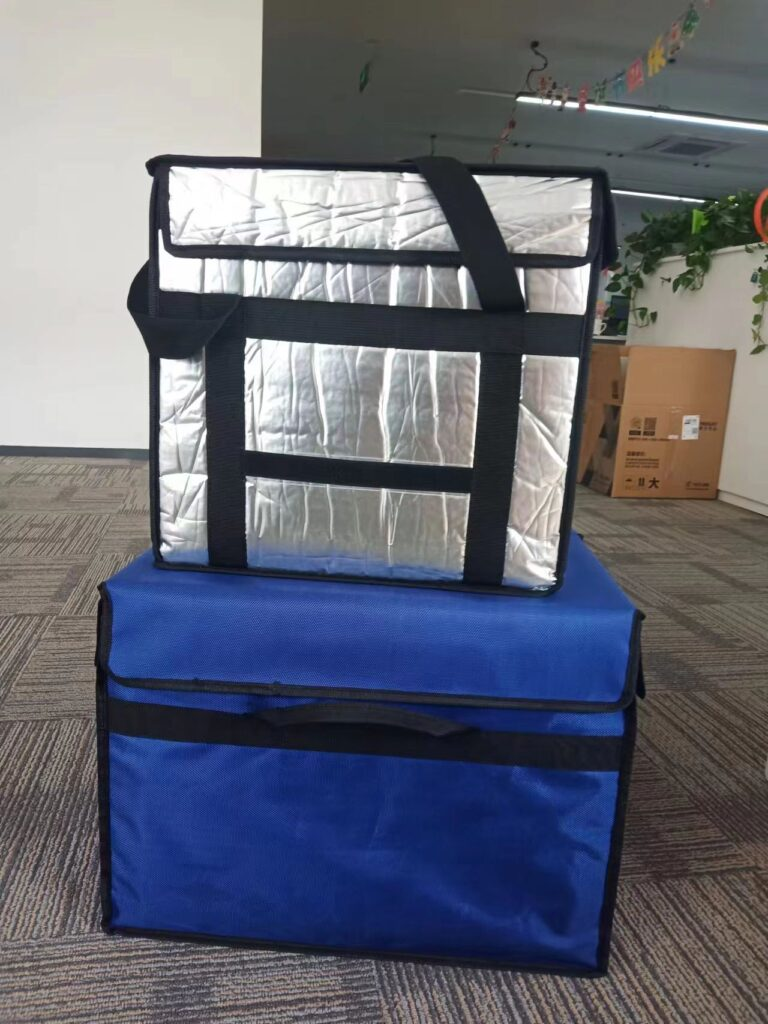
VIP cold chain box for cosmetic cold chain is most powerful when you treat it as a complete cold chain solution instead of a premium box. The strongest programs combine VIP insulation, correctly tuned refrigerant, route-specific validation, practical monitoring, and a clear response plan for delays or excursions. That is the approach that protects both product quality and operating margin in 2026.
This optimized guide combines the buyer-view, the engineering view, and the market view into one article. If you need to decide quickly and still make a high-quality packaging choice, it will help you focus on what really determines success: estabilidade de temperatura, simplicidade de manuseio, documented evidence, and total program fit.
Este artigo responderá
- how to decide whether VIP cold chain box for cosmetic cold chain is the right fit for your lane and payload
- which engineering details drive hold time, proteção de carga útil, e repetibilidade
- how compliance, visibilidade, and sustainability should influence your packaging program
- o que 2026 market trends suggest for future-proofing premium beauty temperature control operations
Why is VIP cold chain box for cosmetic cold chain the right solution for some lanes but not all?
The best packaging choice is always contextual. VIP cold chain box for cosmetic cold chain is strongest when you need a mix of high insulation, reasonable operational simplicity, and enough evidence to trust the shipment at arrival. It is not automatically the right answer for every lane, but it becomes compelling when the product is valuable, the route is variable, or dimensional efficiency matters.
The key is to judge the shipper as a system. That means looking at thermal design, refrigerant tuning, arranjo de carga útil, qualificação de rota, monitoramento, e custo total juntos. When those pieces are aligned, a VIP program can protect quality, simplify release, and improve economics at the same time.
Ferramenta de decisão rápida
1. If your lane carries vitamin C serums, peptide ampoules, probiotic skincare, máscaras de folha, produtos de spa, and other heat-sensitive beauty formats and a single failure would be costly, lean toward higher insulation quality and stronger monitoring.
2. If your route repeats often and you can recover packaging, evaluate a reusable program with asset inspection and reverse logistics.
3. If your route is irregular or remote, prioritize simple packout execution and larger delay margin over overly complex smart features.
4. If dimensional weight or payload space is a major cost driver, compare usable volume and freight footprint, not only carton price.
5. If QA release speed matters, choose a solution that produces clean, reviewable data at delivery.
| <forte>Ponto de decisão</forte> | <forte>Better choice when…</forte> | <forte>Cuidado com</forte> | <forte>Resultado</forte> |
| De uso único ou reutilizável | Use reusable when lanes repeat and reverse logistics are realistic | Do not force reuse where returns fail | You protect margin and sustainability at the same time. |
| Basic logger or live tracking | Use live visibility for high-value or claim-prone lanes | Data without response rules adds little value | You catch problems earlier and release faster. |
| Thicker box or better insulation | Use VIP when payload space, duração, or dimensional weight matters | Damaged panels erase the advantage | Você compra desempenho, not just bulk. |
How should you design the thermal system around VIP cold chain box for cosmetic cold chain?
Start from the payload and the route. Define the true ship condition, the allowed temperature window, the worst-case season, and the most likely delay pattern. Only then choose panel design, tipo de refrigerante, massa refrigerante, and packout geometry. This sequence prevents the common mistake of buying a premium box and then forcing the product to fit the box instead of the other way around.
Próximo, protect repeatability. The engineered result should survive routine operations, not only ideal pilot conditions. That means visual work instructions, controlled refrigerant conditioning, simple loading order, and monitoring devices positioned where they represent product risk. A strong system is one that ordinary teams can execute well on ordinary days.
The engineering details that matter most
- Fresco, undamaged VIP panels can reach thermal conductivity around 0.004 S/m·K, roughly one-fifth that of common foam insulation in engineering references.
- Refrigerant must be tuned to often controlled ambient or chilled conditions, with some actives needing refrigeration and to the product’s tolerance for both warming and overcooling.
- Internal geometry matters because empty space and poor symmetry can shift temperature patterns inside the box.
- Reusable assets need inspection criteria so aging, dano, or seal wear do not quietly degrade performance.
How should compliance, visibilidade, and quality review fit together?
For regulated temperature-sensitive goods, the packaging decision should sit inside a documented quality process. Anexo da OMS 9 frames time- and temperature-sensitive pharmaceutical products around predefined environmental conditions and makes documentation central to safe distribution. EU GDP guidance expects validated temperature-control systems and temperature data that can demonstrate compliance during transit. That means your VIP cold chain box for cosmetic cold chain should be qualified for the lane, loaded through a controlled SOP, and backed by data you can review after delivery.
Cosmetics usually live under quality and GMP expectations rather than pharmaceutical GDP, but that does not make the shipping window optional. ISO 22716 covers the production, controlar, armazenar, and shipment of cosmetic products. Na prática, that means your thermal shipper should reflect stability studies, warehouse controls, rastreabilidade de lote, and clear release criteria for products that can separate, vazar, or lose sensory quality in heat.
Visibility should support the quality decision, not distract from it. A basic logger may be enough for stable low-risk lanes. Higher-risk lanes may justify real-time sensors or GPS-linked alerts. The important point is that the monitoring choice should reflect the product, a rota, and the response capability of your team.
What a strong release-ready data set includes
- a route-qualified packout with clear pre-conditioning rules
- shipment data that shows both in-range performance and remaining thermal reserve
- documented exception handling tied to product stability and quality ownership
- traceable records for reusable asset inspection or one-way shipment identification
What does total cost really look like for VIP cold chain box for cosmetic cold chain?
Carton price is only one piece of total cost. The full picture includes freight footprint, tempo de trabalho, qualification effort, logística de retorno, taxa de dano, reship frequency, product write-offs, and the time quality teams spend investigating exceptions. When product value is high, preventing a few failures can outweigh a large difference in packaging unit cost.
Sustainability should be viewed through the same operational lens. A reusable VIP system can be excellent when the lane supports enough turns and the shipper is easy to inspect and recover. A one-way solution can still be the better choice when returns are unreliable or the network is too fragmented. The honest answer comes from the lane economics, not from marketing language.
Three questions finance and operations both understand
- How many failures must this system prevent to pay back the premium over standard foam?
- How much freight or payload efficiency does the smaller wall thickness create over a year?
- Can the lane support reuse often enough to convert a sustainability goal into a measurable operating result?
How should you implement VIP cold chain box for cosmetic cold chain without creating new operational risk?
Implementation should move in steps. Start with the highest-risk or highest-value lanes, qualify them properly, and train the teams who actually do the packout and receiving work. Then review the early data, tighten the SOP, and only after that extend the program to more regions or more SKUs. This staged rollout prevents a good design from being undermined by rushed adoption.
It also helps you define ownership. Procurement can handle commercial terms, operations can own execution, and quality can own release logic and deviation review. When those roles are explicit, the packaging program becomes much easier to sustain. When they are vague, even a well-qualified shipper can get stuck in internal debate after the first exception.
A practical rollout path
1. Choose one or two representative lanes and qualify them with realistic worst-case assumptions.
2. Train packout and receiving teams with visual instructions and a short verification checklist.
3. Review early shipment data jointly across operations and quality, then adjust the SOP if needed.
4. Expand only after the program shows repeatable execution, clean data, and acceptable cost.
How should receiving sites and downstream partners use the shipper data?
A packaging program is only as strong as the handoff at the receiving end. Sites should know what to look for when the carton arrives, how to check the logger or tracker, and when to escalate a suspected excursion instead of improvising. That simple training prevents routine uncertainty from turning into unnecessary quarantine or unsafe release.
Downstream partners also need clear rules for reusable assets, retorna, and damage reporting. If a shipper is returned late, stacked incorrectly, or sent back with hidden damage, the next cycle begins with more risk than anyone realizes. Strong programs close that loop with defined receipt checks, damage photos, and fast communication between sender and receiver.
Receiving-site priorities
- know the expected arrival condition and the first acceptance checks
- retrieve and review the data in the same way every time
- escalate clear exceptions quickly instead of storing questionable product and deciding later
2026 panorama: what should you build for next, not just for now?
The programs that will age best are the ones designed for change. Routes change, products launch, regulamentos apertam, e as expectativas dos clientes aumentam. The packaging choice you make now should therefore be easy to requalify, easy to explain to quality teams, and flexible enough to support better data or greener operations later.
Beauty brands are shipping more active-rich and experience-led products, which makes thermal protection part of brand trust. High-activity skincare and premium DTC beauty brands are treating temperature control as part of product quality, not just logistics. The EU Packaging and Packaging Waste Regulation starts applying from mid-2026 and pushes packaging programs toward better recyclability and practical reuse. The message for 2026 is not that every shipper must become more complicated. It is that every shipper must be easier to defend with evidence, easier to execute consistently, and easier to align with broader business goals.
Últimos desenvolvimentos de vista
- premium skincare brands are segmenting packaging by product sensitivity and destination climate
- summer e-commerce peaks are pushing brands to tighten ship windows and exception rules
- sustainability messaging now has to match real product-protection performance
Perguntas frequentes
Do cosmetics really need cold chain shipping?
Alguns fazem, especially premium formulas with sensitive actives, unstable textures, or a luxury presentation standard. Others are fine at controlled ambient.
What usually goes wrong first in heat?
Textura, fragrance balance, risco de vazamento, and the stability of sensitive actives are common early failures. The product may still look sellable but feel wrong to the customer.
Why use VIP for beauty products?
VIP can protect the product with slimmer walls and a more premium package size. That matters when brand presentation and parcel efficiency both count.
Should every e-commerce order use a premium shipper?
Nem sempre. Segment by product sensitivity, clima de destino, and order value. Your highest-risk SKUs deserve the strongest thermal spend.
What quality data should beauty brands keep?
Keep stability assumptions, seasonal shipping rules, registros de exceção, and customer complaint data. Those records show whether your packaging strategy actually works.
Resumo e recomendações
The strongest VIP cold chain box for cosmetic cold chain program does four things well: it protects the payload inside the right temperature window, fits the actual route, produces evidence the quality team can trust, and makes operational sense at scale. When any one of those pieces is weak, the shipper may still look good in a brochure but disappoint in field use. The winning decision is rarely the cheapest carton or the highest headline hold-time claim by itself. It is the design that keeps working when real transit conditions are less tidy than the sales sheet suggests.
Seu próximo passo deve ser prático. Defina a pista, a carga útil, the allowed temperature range, the likely delay margin, and the monitoring level you really need. Then compare candidate systems against that brief and run a route-based qualification before full rollout. That disciplined approach will protect both product quality and budget far better than buying on insulation claims alone. If you already have a shipper in service, use post-delivery data, histórico de reclamações, and excursion review to refine the program instead of waiting for a major failure to force change.
Sobre Tempk
E tempk, we focus on temperature-controlled packaging for cold chain logistics, including VIP-based shippers, PCM integration, and route-aware packaging design. Our work is centered on practical performance: protecting sensitive products, simplifying packout, and making qualification easier to understand.
If you are comparing packaging options, the best next move is to align the shipper with your real lane and product profile, then review the data with operations and quality together. That creates a packaging decision that is easier to defend internally and more reliable in day-to-day use.
Caixa VIP para rastreamento GPS Melhor Guia
VIP box for GPS tracking is most powerful when you treat it as a complete cold chain solution instead of a premium box. The strongest programs combine VIP insulation, correctly tuned refrigerant, route-specific validation, practical monitoring, and a clear response plan for delays or excursions. That is the approach that protects both product quality and operating margin in 2026.
This optimized guide combines the buyer-view, the engineering view, and the market view into one article. If you need to decide quickly and still make a high-quality packaging choice, it will help you focus on what really determines success: estabilidade de temperatura, simplicidade de manuseio, documented evidence, and total program fit.
Este artigo responderá
- how to decide whether VIP box for GPS tracking is the right fit for your lane and payload
- which engineering details drive hold time, proteção de carga útil, e repetibilidade
- how compliance, visibilidade, and sustainability should influence your packaging program
- o que 2026 market trends suggest for future-proofing location visibility and shipment control operations
Why is VIP box for GPS tracking the right solution for some lanes but not all?
The best packaging choice is always contextual. VIP box for GPS tracking is strongest when you need a mix of high insulation, reasonable operational simplicity, and enough evidence to trust the shipment at arrival. It is not automatically the right answer for every lane, but it becomes compelling when the product is valuable, the route is variable, or dimensional efficiency matters.
The key is to judge the shipper as a system. That means looking at thermal design, refrigerant tuning, arranjo de carga útil, qualificação de rota, monitoramento, e custo total juntos. When those pieces are aligned, a VIP program can protect quality, simplify release, and improve economics at the same time.
Ferramenta de decisão rápida
1. If your lane carries high-value pharmaceuticals, amostras clínicas, specialty devices, alimentos premium, and security-sensitive shipments and a single failure would be costly, lean toward higher insulation quality and stronger monitoring.
2. If your route repeats often and you can recover packaging, evaluate a reusable program with asset inspection and reverse logistics.
3. If your route is irregular or remote, prioritize simple packout execution and larger delay margin over overly complex smart features.
4. If dimensional weight or payload space is a major cost driver, compare usable volume and freight footprint, not only carton price.
5. If QA release speed matters, choose a solution that produces clean, reviewable data at delivery.
| <forte>Ponto de decisão</forte> | <forte>Better choice when…</forte> | <forte>Cuidado com</forte> | <forte>Resultado</forte> |
| De uso único ou reutilizável | Use reusable when lanes repeat and reverse logistics are realistic | Do not force reuse where returns fail | You protect margin and sustainability at the same time. |
| Basic logger or live tracking | Use live visibility for high-value or claim-prone lanes | Data without response rules adds little value | You catch problems earlier and release faster. |
| Thicker box or better insulation | Use VIP when payload space, duração, or dimensional weight matters | Damaged panels erase the advantage | Você compra desempenho, not just bulk. |
How should you design the thermal system around VIP box for GPS tracking?
Start from the payload and the route. Define the true ship condition, the allowed temperature window, the worst-case season, and the most likely delay pattern. Only then choose panel design, tipo de refrigerante, massa refrigerante, and packout geometry. This sequence prevents the common mistake of buying a premium box and then forcing the product to fit the box instead of the other way around.
Próximo, protect repeatability. The engineered result should survive routine operations, not only ideal pilot conditions. That means visual work instructions, controlled refrigerant conditioning, simple loading order, and monitoring devices positioned where they represent product risk. A strong system is one that ordinary teams can execute well on ordinary days.
The engineering details that matter most
- Fresco, undamaged VIP panels can reach thermal conductivity around 0.004 S/m·K, roughly one-fifth that of common foam insulation in engineering references.
- Refrigerant must be tuned to whatever target range the payload needs, supported by insulation plus location visibility and to the product’s tolerance for both warming and overcooling.
- Internal geometry matters because empty space and poor symmetry can shift temperature patterns inside the box.
- Reusable assets need inspection criteria so aging, dano, or seal wear do not quietly degrade performance.
How should compliance, visibilidade, and quality review fit together?
For regulated temperature-sensitive goods, the packaging decision should sit inside a documented quality process. Anexo da OMS 9 frames time- and temperature-sensitive pharmaceutical products around predefined environmental conditions and makes documentation central to safe distribution. EU GDP guidance expects validated temperature-control systems and temperature data that can demonstrate compliance during transit. That means your VIP box for GPS tracking should be qualified for the lane, loaded through a controlled SOP, and backed by data you can review after delivery.
The most important compliance question is whether the shipper, the refrigerant set, and the packout method have been qualified for the real route. That includes worst-case seasonality, realistic dwell times, monitored handoffs, and clear disposition rules when temperature data shows an excursion.
Visibility should support the quality decision, not distract from it. A basic logger may be enough for stable low-risk lanes. Higher-risk lanes may justify real-time sensors or GPS-linked alerts. The important point is that the monitoring choice should reflect the product, a rota, and the response capability of your team.
What a strong release-ready data set includes
- a route-qualified packout with clear pre-conditioning rules
- shipment data that shows both in-range performance and remaining thermal reserve
- documented exception handling tied to product stability and quality ownership
- traceable records for reusable asset inspection or one-way shipment identification
What does total cost really look like for VIP box for GPS tracking?
Carton price is only one piece of total cost. The full picture includes freight footprint, tempo de trabalho, qualification effort, logística de retorno, taxa de dano, reship frequency, product write-offs, and the time quality teams spend investigating exceptions. When product value is high, preventing a few failures can outweigh a large difference in packaging unit cost.
Sustainability should be viewed through the same operational lens. A reusable VIP system can be excellent when the lane supports enough turns and the shipper is easy to inspect and recover. A one-way solution can still be the better choice when returns are unreliable or the network is too fragmented. The honest answer comes from the lane economics, not from marketing language.
Three questions finance and operations both understand
- How many failures must this system prevent to pay back the premium over standard foam?
- How much freight or payload efficiency does the smaller wall thickness create over a year?
- Can the lane support reuse often enough to convert a sustainability goal into a measurable operating result?
How should you implement VIP box for GPS tracking without creating new operational risk?
Implementation should move in steps. Start with the highest-risk or highest-value lanes, qualify them properly, and train the teams who actually do the packout and receiving work. Then review the early data, tighten the SOP, and only after that extend the program to more regions or more SKUs. This staged rollout prevents a good design from being undermined by rushed adoption.
It also helps you define ownership. Procurement can handle commercial terms, operations can own execution, and quality can own release logic and deviation review. When those roles are explicit, the packaging program becomes much easier to sustain. When they are vague, even a well-qualified shipper can get stuck in internal debate after the first exception.
A practical rollout path
1. Choose one or two representative lanes and qualify them with realistic worst-case assumptions.
2. Train packout and receiving teams with visual instructions and a short verification checklist.
3. Review early shipment data jointly across operations and quality, then adjust the SOP if needed.
4. Expand only after the program shows repeatable execution, clean data, and acceptable cost.
How should receiving sites and downstream partners use the shipper data?
A packaging program is only as strong as the handoff at the receiving end. Sites should know what to look for when the carton arrives, how to check the logger or tracker, and when to escalate a suspected excursion instead of improvising. That simple training prevents routine uncertainty from turning into unnecessary quarantine or unsafe release.
Downstream partners also need clear rules for reusable assets, retorna, and damage reporting. If a shipper is returned late, stacked incorrectly, or sent back with hidden damage, the next cycle begins with more risk than anyone realizes. Strong programs close that loop with defined receipt checks, damage photos, and fast communication between sender and receiver.
Receiving-site priorities
- know the expected arrival condition and the first acceptance checks
- retrieve and review the data in the same way every time
- escalate clear exceptions quickly instead of storing questionable product and deciding later
2026 panorama: what should you build for next, not just for now?
The programs that will age best are the ones designed for change. Routes change, products launch, regulamentos apertam, e as expectativas dos clientes aumentam. The packaging choice you make now should therefore be easy to requalify, easy to explain to quality teams, and flexible enough to support better data or greener operations later.
The tracking market is growing because location, temperatura, and event data together reduce investigation time, reivindicações de apoio, and improve route design. Shippers want location data that can trigger action, not just produce a map after the shipment is already compromised. The EU Packaging and Packaging Waste Regulation starts applying from mid-2026 and pushes packaging programs toward better recyclability and practical reuse. The message for 2026 is not that every shipper must become more complicated. It is that every shipper must be easier to defend with evidence, easier to execute consistently, and easier to align with broader business goals.
Últimos desenvolvimentos de vista
- live visibility is replacing arrival-only logging on high-value lanes
- cloud dashboards and automated alerts are becoming easier to integrate with quality workflows
- battery-efficient sensors are making one-way smart shipments more practical
Perguntas frequentes
What does GPS add beyond a temperature logger?
GPS shows where the shipment is, not just what happened inside it. That helps you spot misroutes, stolen parcels, and missed handoffs earlier.
Should every shipment use GPS?
Não. Match GPS to risk. It is most valuable when the product is expensive, time-sensitive, or likely to move through complex handoffs.
What is a geofence in cold chain shipping?
A geofence is a virtual location boundary. When the shipment enters or leaves a site unexpectedly, the system can trigger an alert for review or intervention.
Can GPS improve claim handling?
Sim. Location history can show whether a loss or delay happened in a specific handoff or facility, which makes investigations faster and clearer.
What is the common mistake with tracked boxes?
Buying the tracker without building the workflow. If nobody owns the alert, location data becomes interesting history instead of active control.
Resumo e recomendações
The strongest VIP box for GPS tracking program does four things well: it protects the payload inside the right temperature window, fits the actual route, produces evidence the quality team can trust, and makes operational sense at scale. When any one of those pieces is weak, the shipper may still look good in a brochure but disappoint in field use. The winning decision is rarely the cheapest carton or the highest headline hold-time claim by itself. It is the design that keeps working when real transit conditions are less tidy than the sales sheet suggests.
Seu próximo passo deve ser prático. Defina a pista, a carga útil, the allowed temperature range, the likely delay margin, and the monitoring level you really need. Then compare candidate systems against that brief and run a route-based qualification before full rollout. That disciplined approach will protect both product quality and budget far better than buying on insulation claims alone. If you already have a shipper in service, use post-delivery data, histórico de reclamações, and excursion review to refine the program instead of waiting for a major failure to force change.
Sobre Tempk
E tempk, we focus on temperature-controlled packaging for cold chain logistics, including VIP-based shippers, PCM integration, and route-aware packaging design. Our work is centered on practical performance: protecting sensitive products, simplifying packout, and making qualification easier to understand.
If you are comparing packaging options, the best next move is to align the shipper with your real lane and product profile, then review the data with operations and quality together. That creates a packaging decision that is easier to defend internally and more reliable in day-to-day use.
recipiente de painel a vácuo para envio de vinho Melhor Guia
vacuum panel container for wine shipping is most powerful when you treat it as a complete cold chain solution instead of a premium box. The strongest programs combine VIP insulation, correctly tuned refrigerant, route-specific validation, practical monitoring, and a clear response plan for delays or excursions. That is the approach that protects both product quality and operating margin in 2026.
This optimized guide combines the buyer-view, the engineering view, and the market view into one article. If you need to decide quickly and still make a high-quality packaging choice, it will help you focus on what really determines success: estabilidade de temperatura, simplicidade de manuseio, documented evidence, and total program fit.
Este artigo responderá
- how to decide whether vacuum panel container for wine shipping is the right fit for your lane and payload
- which engineering details drive hold time, proteção de carga útil, e repetibilidade
- how compliance, visibilidade, and sustainability should influence your packaging program
- o que 2026 market trends suggest for future-proofing beverage quality protection operations
Why is vacuum panel container for wine shipping the right solution for some lanes but not all?
The best packaging choice is always contextual. vacuum panel container for wine shipping is strongest when you need a mix of high insulation, reasonable operational simplicity, and enough evidence to trust the shipment at arrival. It is not automatically the right answer for every lane, but it becomes compelling when the product is valuable, the route is variable, or dimensional efficiency matters.
The key is to judge the shipper as a system. That means looking at thermal design, refrigerant tuning, arranjo de carga útil, qualificação de rota, monitoramento, e custo total juntos. When those pieces are aligned, a VIP program can protect quality, simplify release, and improve economics at the same time.
Ferramenta de decisão rápida
1. If your lane carries premium still wines, sparkling wines, limited releases, collector shipments, and subscription-club allocations and a single failure would be costly, lean toward higher insulation quality and stronger monitoring.
2. If your route repeats often and you can recover packaging, evaluate a reusable program with asset inspection and reverse logistics.
3. If your route is irregular or remote, prioritize simple packout execution and larger delay margin over overly complex smart features.
4. If dimensional weight or payload space is a major cost driver, compare usable volume and freight footprint, not only carton price.
5. If QA release speed matters, choose a solution that produces clean, reviewable data at delivery.
| <forte>Ponto de decisão</forte> | <forte>Better choice when…</forte> | <forte>Cuidado com</forte> | <forte>Resultado</forte> |
| De uso único ou reutilizável | Use reusable when lanes repeat and reverse logistics are realistic | Do not force reuse where returns fail | You protect margin and sustainability at the same time. |
| Basic logger or live tracking | Use live visibility for high-value or claim-prone lanes | Data without response rules adds little value | You catch problems earlier and release faster. |
| Thicker box or better insulation | Use VIP when payload space, duração, or dimensional weight matters | Damaged panels erase the advantage | Você compra desempenho, not just bulk. |
How should you design the thermal system around vacuum panel container for wine shipping?
Start from the payload and the route. Define the true ship condition, the allowed temperature window, the worst-case season, and the most likely delay pattern. Only then choose panel design, tipo de refrigerante, massa refrigerante, and packout geometry. This sequence prevents the common mistake of buying a premium box and then forcing the product to fit the box instead of the other way around.
Próximo, protect repeatability. The engineered result should survive routine operations, not only ideal pilot conditions. That means visual work instructions, controlled refrigerant conditioning, simple loading order, and monitoring devices positioned where they represent product risk. A strong system is one that ordinary teams can execute well on ordinary days.
The engineering details that matter most
- Fresco, undamaged VIP panels can reach thermal conductivity around 0.004 S/m·K, roughly one-fifth that of common foam insulation in engineering references.
- Refrigerant must be tuned to a stable transport range, with wine commonly benefiting from roughly 10°C to 20°C during long-distance movement and to the product’s tolerance for both warming and overcooling.
- Internal geometry matters because empty space and poor symmetry can shift temperature patterns inside the box.
- Reusable assets need inspection criteria so aging, dano, or seal wear do not quietly degrade performance.
How should compliance, visibilidade, and quality review fit together?
For regulated temperature-sensitive goods, the packaging decision should sit inside a documented quality process. Anexo da OMS 9 frames time- and temperature-sensitive pharmaceutical products around predefined environmental conditions and makes documentation central to safe distribution. EU GDP guidance expects validated temperature-control systems and temperature data that can demonstrate compliance during transit. That means your vacuum panel container for wine shipping should be qualified for the lane, loaded through a controlled SOP, and backed by data you can review after delivery.
Wine shipping is driven more by quality assurance, satisfação do cliente, and route management than by pharma-style GDP rules. The smart approach is to define seasonal ship windows, set internal acceptance criteria for arrival temperature and presentation, and keep enough shipment evidence to investigate claims related to heat, atraso, ou manuseio brusco.
Visibility should support the quality decision, not distract from it. A basic logger may be enough for stable low-risk lanes. Higher-risk lanes may justify real-time sensors or GPS-linked alerts. The important point is that the monitoring choice should reflect the product, a rota, and the response capability of your team.
What a strong release-ready data set includes
- a route-qualified packout with clear pre-conditioning rules
- shipment data that shows both in-range performance and remaining thermal reserve
- documented exception handling tied to product stability and quality ownership
- traceable records for reusable asset inspection or one-way shipment identification
What does total cost really look like for vacuum panel container for wine shipping?
Carton price is only one piece of total cost. The full picture includes freight footprint, tempo de trabalho, qualification effort, logística de retorno, taxa de dano, reship frequency, product write-offs, and the time quality teams spend investigating exceptions. When product value is high, preventing a few failures can outweigh a large difference in packaging unit cost.
Sustainability should be viewed through the same operational lens. A reusable VIP system can be excellent when the lane supports enough turns and the shipper is easy to inspect and recover. A one-way solution can still be the better choice when returns are unreliable or the network is too fragmented. The honest answer comes from the lane economics, not from marketing language.
Three questions finance and operations both understand
- How many failures must this system prevent to pay back the premium over standard foam?
- How much freight or payload efficiency does the smaller wall thickness create over a year?
- Can the lane support reuse often enough to convert a sustainability goal into a measurable operating result?
How should you implement vacuum panel container for wine shipping without creating new operational risk?
Implementation should move in steps. Start with the highest-risk or highest-value lanes, qualify them properly, and train the teams who actually do the packout and receiving work. Then review the early data, tighten the SOP, and only after that extend the program to more regions or more SKUs. This staged rollout prevents a good design from being undermined by rushed adoption.
It also helps you define ownership. Procurement can handle commercial terms, operations can own execution, and quality can own release logic and deviation review. When those roles are explicit, the packaging program becomes much easier to sustain. When they are vague, even a well-qualified shipper can get stuck in internal debate after the first exception.
A practical rollout path
1. Choose one or two representative lanes and qualify them with realistic worst-case assumptions.
2. Train packout and receiving teams with visual instructions and a short verification checklist.
3. Review early shipment data jointly across operations and quality, then adjust the SOP if needed.
4. Expand only after the program shows repeatable execution, clean data, and acceptable cost.
How should receiving sites and downstream partners use the shipper data?
A packaging program is only as strong as the handoff at the receiving end. Sites should know what to look for when the carton arrives, how to check the logger or tracker, and when to escalate a suspected excursion instead of improvising. That simple training prevents routine uncertainty from turning into unnecessary quarantine or unsafe release.
Downstream partners also need clear rules for reusable assets, retorna, and damage reporting. If a shipper is returned late, stacked incorrectly, or sent back with hidden damage, the next cycle begins with more risk than anyone realizes. Strong programs close that loop with defined receipt checks, damage photos, and fast communication between sender and receiver.
Receiving-site priorities
- know the expected arrival condition and the first acceptance checks
- retrieve and review the data in the same way every time
- escalate clear exceptions quickly instead of storing questionable product and deciding later
2026 panorama: what should you build for next, not just for now?
The programs that will age best are the ones designed for change. Routes change, products launch, regulamentos apertam, e as expectativas dos clientes aumentam. The packaging choice you make now should therefore be easy to requalify, easy to explain to quality teams, and flexible enough to support better data or greener operations later.
Wine shippers are relying more on seasonal lane planning, protective insulation, and delayed-ship strategies during heat spikes. Climate volatility and premium DTC wine growth are making temperature protection a commercial necessity instead of a luxury add-on. The EU Packaging and Packaging Waste Regulation starts applying from mid-2026 and pushes packaging programs toward better recyclability and practical reuse. The message for 2026 is not that every shipper must become more complicated. It is that every shipper must be easier to defend with evidence, easier to execute consistently, and easier to align with broader business goals.
Últimos desenvolvimentos de vista
- wineries are using seasonal release windows more strategically during hot periods
- premium DTC programs are investing more in presentation-safe, temperature-stable packaging
- route-risk planning is becoming part of customer service, not just logistics
Perguntas frequentes
What temperature is best for shipping wine?
Wine generally travels best when temperatures stay stable and roughly within the 10°C to 20°C comfort zone. Big spikes are more dangerous than small controlled variation.
Can summer shipping ruin wine?
Sim. Extended heat can flatten aroma, shift flavor, and in severe cases raise pressure under the closure. Presentation damage also becomes more likely.
Why use vacuum panel insulation for wine?
It gives stronger thermal protection without a bulky carton. That helps premium bottles arrive in better condition while keeping package size manageable.
Does wine only need protection from heat?
Heat is the main concern, but vibration, vazamento, dano na etiqueta, and long dwell times matter too. Good packaging supports the whole shipping experience.
Should wineries delay shipments during heat waves?
Muitas vezes sim. The best packaging in the world cannot make reckless timing look smart. Seasonal ship holds are part of a good quality program.
Resumo e recomendações
The strongest vacuum panel container for wine shipping program does four things well: it protects the payload inside the right temperature window, fits the actual route, produces evidence the quality team can trust, and makes operational sense at scale. When any one of those pieces is weak, the shipper may still look good in a brochure but disappoint in field use. The winning decision is rarely the cheapest carton or the highest headline hold-time claim by itself. It is the design that keeps working when real transit conditions are less tidy than the sales sheet suggests.
Seu próximo passo deve ser prático. Defina a pista, a carga útil, the allowed temperature range, the likely delay margin, and the monitoring level you really need. Then compare candidate systems against that brief and run a route-based qualification before full rollout. That disciplined approach will protect both product quality and budget far better than buying on insulation claims alone. If you already have a shipper in service, use post-delivery data, histórico de reclamações, and excursion review to refine the program instead of waiting for a major failure to force change.
Sobre Tempk
E tempk, we focus on temperature-controlled packaging for cold chain logistics, including VIP-based shippers, PCM integration, and route-aware packaging design. Our work is centered on practical performance: protecting sensitive products, simplifying packout, and making qualification easier to understand.
If you are comparing packaging options, the best next move is to align the shipper with your real lane and product profile, then review the data with operations and quality together. That creates a packaging decision that is easier to defend internally and more reliable in day-to-day use.
caixa isolada a vácuo para guia de envio de amostras de laboratório

vacuum insulated box for lab specimen shipping is most powerful when you treat it as a complete cold chain solution instead of a premium box. The strongest programs combine VIP insulation, correctly tuned refrigerant, route-specific validation, practical monitoring, and a clear response plan for delays or excursions. That is the approach that protects both product quality and operating margin in 2026.
This optimized guide combines the buyer-view, the engineering view, and the market view into one article. If you need to decide quickly and still make a high-quality packaging choice, it will help you focus on what really determines success: estabilidade de temperatura, simplicidade de manuseio, documented evidence, and total program fit.
Este artigo responderá
- how to decide whether vacuum insulated box for lab specimen shipping is the right fit for your lane and payload
- which engineering details drive hold time, proteção de carga útil, e repetibilidade
- how compliance, visibilidade, and sustainability should influence your packaging program
- o que 2026 market trends suggest for future-proofing specimen integrity and compliance operations
Why is vacuum insulated box for lab specimen shipping the right solution for some lanes but not all?
The best packaging choice is always contextual. vacuum insulated box for lab specimen shipping is strongest when you need a mix of high insulation, reasonable operational simplicity, and enough evidence to trust the shipment at arrival. It is not automatically the right answer for every lane, but it becomes compelling when the product is valuable, the route is variable, or dimensional efficiency matters.
The key is to judge the shipper as a system. That means looking at thermal design, refrigerant tuning, arranjo de carga útil, qualificação de rota, monitoramento, e custo total juntos. When those pieces are aligned, a VIP program can protect quality, simplify release, and improve economics at the same time.
Ferramenta de decisão rápida
1. If your lane carries whole blood, sérum, plasma, cotonetes, microbiology samples, and reference specimens and a single failure would be costly, lean toward higher insulation quality and stronger monitoring.
2. If your route repeats often and you can recover packaging, evaluate a reusable program with asset inspection and reverse logistics.
3. If your route is irregular or remote, prioritize simple packout execution and larger delay margin over overly complex smart features.
4. If dimensional weight or payload space is a major cost driver, compare usable volume and freight footprint, not only carton price.
5. If QA release speed matters, choose a solution that produces clean, reviewable data at delivery.
| <forte>Ponto de decisão</forte> | <forte>Better choice when…</forte> | <forte>Cuidado com</forte> | <forte>Resultado</forte> |
| De uso único ou reutilizável | Use reusable when lanes repeat and reverse logistics are realistic | Do not force reuse where returns fail | You protect margin and sustainability at the same time. |
| Basic logger or live tracking | Use live visibility for high-value or claim-prone lanes | Data without response rules adds little value | You catch problems earlier and release faster. |
| Thicker box or better insulation | Use VIP when payload space, duração, or dimensional weight matters | Damaged panels erase the advantage | Você compra desempenho, not just bulk. |
How should you design the thermal system around vacuum insulated box for lab specimen shipping?
Start from the payload and the route. Define the true ship condition, the allowed temperature window, the worst-case season, and the most likely delay pattern. Only then choose panel design, tipo de refrigerante, massa refrigerante, and packout geometry. This sequence prevents the common mistake of buying a premium box and then forcing the product to fit the box instead of the other way around.
Próximo, protect repeatability. The engineered result should survive routine operations, not only ideal pilot conditions. That means visual work instructions, controlled refrigerant conditioning, simple loading order, and monitoring devices positioned where they represent product risk. A strong system is one that ordinary teams can execute well on ordinary days.
The engineering details that matter most
- Fresco, undamaged VIP panels can reach thermal conductivity around 0.004 S/m·K, roughly one-fifth that of common foam insulation in engineering references.
- Refrigerant must be tuned to commonly 2-8°C, congelado, or ambient depending on specimen type and test method and to the product’s tolerance for both warming and overcooling.
- Internal geometry matters because empty space and poor symmetry can shift temperature patterns inside the box.
- Reusable assets need inspection criteria so aging, dano, or seal wear do not quietly degrade performance.
How should compliance, visibilidade, and quality review fit together?
For regulated temperature-sensitive goods, the packaging decision should sit inside a documented quality process. Anexo da OMS 9 frames time- and temperature-sensitive pharmaceutical products around predefined environmental conditions and makes documentation central to safe distribution. EU GDP guidance expects validated temperature-control systems and temperature data that can demonstrate compliance during transit. That means your vacuum insulated box for lab specimen shipping should be qualified for the lane, loaded through a controlled SOP, and backed by data you can review after delivery.
For Category B specimen lanes, PI650 matters. The package needs a primary receptacle, a leakproof or siftproof secondary, and a rigid outer pack. One packaging layer must withstand a 95 kPa pressure differential for air transport, the UN3373 mark and proper shipping name must be shown, e gelo seco, se usado, must stay outside the secondary while the pack vents carbon dioxide safely.
Visibility should support the quality decision, not distract from it. A basic logger may be enough for stable low-risk lanes. Higher-risk lanes may justify real-time sensors or GPS-linked alerts. The important point is that the monitoring choice should reflect the product, a rota, and the response capability of your team.
What a strong release-ready data set includes
- a route-qualified packout with clear pre-conditioning rules
- shipment data that shows both in-range performance and remaining thermal reserve
- documented exception handling tied to product stability and quality ownership
- traceable records for reusable asset inspection or one-way shipment identification
What does total cost really look like for vacuum insulated box for lab specimen shipping?
Carton price is only one piece of total cost. The full picture includes freight footprint, tempo de trabalho, qualification effort, logística de retorno, taxa de dano, reship frequency, product write-offs, and the time quality teams spend investigating exceptions. When product value is high, preventing a few failures can outweigh a large difference in packaging unit cost.
Sustainability should be viewed through the same operational lens. A reusable VIP system can be excellent when the lane supports enough turns and the shipper is easy to inspect and recover. A one-way solution can still be the better choice when returns are unreliable or the network is too fragmented. The honest answer comes from the lane economics, not from marketing language.
Three questions finance and operations both understand
- How many failures must this system prevent to pay back the premium over standard foam?
- How much freight or payload efficiency does the smaller wall thickness create over a year?
- Can the lane support reuse often enough to convert a sustainability goal into a measurable operating result?
How should you implement vacuum insulated box for lab specimen shipping without creating new operational risk?
Implementation should move in steps. Start with the highest-risk or highest-value lanes, qualify them properly, and train the teams who actually do the packout and receiving work. Then review the early data, tighten the SOP, and only after that extend the program to more regions or more SKUs. This staged rollout prevents a good design from being undermined by rushed adoption.
It also helps you define ownership. Procurement can handle commercial terms, operations can own execution, and quality can own release logic and deviation review. When those roles are explicit, the packaging program becomes much easier to sustain. When they are vague, even a well-qualified shipper can get stuck in internal debate after the first exception.
A practical rollout path
1. Choose one or two representative lanes and qualify them with realistic worst-case assumptions.
2. Train packout and receiving teams with visual instructions and a short verification checklist.
3. Review early shipment data jointly across operations and quality, then adjust the SOP if needed.
4. Expand only after the program shows repeatable execution, clean data, and acceptable cost.
How should receiving sites and downstream partners use the shipper data?
A packaging program is only as strong as the handoff at the receiving end. Sites should know what to look for when the carton arrives, how to check the logger or tracker, and when to escalate a suspected excursion instead of improvising. That simple training prevents routine uncertainty from turning into unnecessary quarantine or unsafe release.
Downstream partners also need clear rules for reusable assets, retorna, and damage reporting. If a shipper is returned late, stacked incorrectly, or sent back with hidden damage, the next cycle begins with more risk than anyone realizes. Strong programs close that loop with defined receipt checks, damage photos, and fast communication between sender and receiver.
Receiving-site priorities
- know the expected arrival condition and the first acceptance checks
- retrieve and review the data in the same way every time
- escalate clear exceptions quickly instead of storing questionable product and deciding later
2026 panorama: what should you build for next, not just for now?
The programs that will age best are the ones designed for change. Routes change, products launch, regulamentos apertam, e as expectativas dos clientes aumentam. The packaging choice you make now should therefore be easy to requalify, easy to explain to quality teams, and flexible enough to support better data or greener operations later.
As decentralized testing grows, more specimens travel through parcel and courier networks instead of only through dedicated medical routes. Lab networks are pushing more sample movement through courier systems, so specimen packaging must balance compliance, estabilidade, e velocidade operacional. The EU Packaging and Packaging Waste Regulation starts applying from mid-2026 and pushes packaging programs toward better recyclability and practical reuse. The message for 2026 is not that every shipper must become more complicated. It is that every shipper must be easier to defend with evidence, easier to execute consistently, and easier to align with broader business goals.
Últimos desenvolvimentos de vista
- courier-style medical logistics are growing, which increases the value of compact validated passive packaging
- documentation accuracy is under more scrutiny for air and cross-border lanes
- operators are using route data more actively to size refrigerant and delay margin
Perguntas frequentes
Can all lab specimens be frozen?
Não. Some specimens are freeze-sensitive, especially certain whole-blood formats. Always follow the assay or laboratory handling instructions.
What does triple packaging mean?
It means a primary receptacle, a sealed secondary, and a rigid outer pack. The system is designed to contain leaks and protect the sample during transport.
Por que 95 kPa matter?
For many air specimen shipments, one packaging layer must withstand a 95 kPa pressure differential without leaking. It is a safety and compliance requirement.
Can a VIP box help specimen quality?
Sim. Better insulation can preserve the target temperature longer and protect specimen integrity when courier timelines slip.
What is the biggest specimen shipping risk?
Using a generic shipper for a test-specific sample. The wrong temperature can change the analyte before the laboratory ever receives it.
Resumo e recomendações
The strongest vacuum insulated box for lab specimen shipping program does four things well: it protects the payload inside the right temperature window, fits the actual route, produces evidence the quality team can trust, and makes operational sense at scale. When any one of those pieces is weak, the shipper may still look good in a brochure but disappoint in field use. The winning decision is rarely the cheapest carton or the highest headline hold-time claim by itself. It is the design that keeps working when real transit conditions are less tidy than the sales sheet suggests.
Seu próximo passo deve ser prático. Defina a pista, a carga útil, the allowed temperature range, the likely delay margin, and the monitoring level you really need. Then compare candidate systems against that brief and run a route-based qualification before full rollout. That disciplined approach will protect both product quality and budget far better than buying on insulation claims alone. If you already have a shipper in service, use post-delivery data, histórico de reclamações, and excursion review to refine the program instead of waiting for a major failure to force change.
Sobre Tempk
E tempk, we focus on temperature-controlled packaging for cold chain logistics, including VIP-based shippers, PCM integration, and route-aware packaging design. Our work is centered on practical performance: protecting sensitive products, simplifying packout, and making qualification easier to understand.
If you are comparing packaging options, the best next move is to align the shipper with your real lane and product profile, then review the data with operations and quality together. That creates a packaging decision that is easier to defend internally and more reliable in day-to-day use.
Remetente térmico VIP para contêiner reutilizável: o completo 2026 guia

VIP thermal shipping container for reusable thermal container is most useful when you treat it as a complete control system rather than a premium carton. Em abril 2026, as equipes de cadeia de frio com melhor desempenho usam isolamento VIP porque ele pode criar uma margem térmica significativa em um formato compacto, mas eles só aprovam um projeto depois que ele se comprova contra a estabilidade do produto, variabilidade de rota, comportamento do operador, e recebendo a realidade. Esse é o padrão que você também deve usar.
Este guia funde a lógica do comprador, detalhe de engenharia, e a direção atual do mercado para que você possa decidir quando esta abordagem de embalagem vale a pena, como qualificá-lo, que provas solicitar, e onde reutilizar, rentabilidade, Reciclabalidade, e a visibilidade digital mudam a economia. O objetivo é simples: ajudá-lo a reduzir o risco do produto sem pagar pela complexidade que sua pista não precisa.
O que este guia o ajudará a responder
- How to decide whether VIP thermal shipping container for reusable thermal container is the right packaging strategy for your lane
- Como projetar um pacote qualificado usando limites reais de estabilidade e dados de rota
- Quais registros, padrões, e evidências do registrador que você deve exigir antes da aprovação
- Como reduzir o custo total de entrega e, ao mesmo tempo, preservar a proteção do produto
- Quais tendências atuais em rastreabilidade, reutilizar, e reciclabilidade significam para sua próxima decisão de embalagem
What makes VIP thermal shipper for reusable container the right fit for your lane?
The right reason to choose VIP thermal shipping container for reusable thermal container is not that it sounds advanced. A razão certa é que sua remessa precisa de uma margem térmica mais controlável do que o isolamento comum pode fornecer, e você quer essa margem em um formato que seus operadores possam realmente empacotar, enviar, receber, e revise consistentemente. Quando essas condições são verdadeiras, a VIP-based design can protect pharma products, kits de diagnóstico, kits de refeições, and recurring lane shipments with predictable returns with better resilience and less wasted space than many generic alternatives.
O motivo errado é a simples lógica da marca. O isolamento premium não resgata um mapa de rotas fraco, instruções de trabalho vagas, ou má disciplina de recebimento. O remetente deve ajustar o produto, a pista, o formato da embalagem, e o processo de qualidade ao mesmo tempo. This format is a passive thermal shipper engineered to buffer external heat or cold for longer, more variable lanes. It usually wins when you need useful autonomy, broad route flexibility, and room for reusable or modular components. The main trade-off is that benefits disappear if lane data, projeto de refrigerante, and reset procedures are weak. Na prática, it fits best for premium lanes where passive performance must survive real-world variability. Sua primeira tarefa é, portanto, julgar adequado, não assumir superioridade.
A categoria do produto muda a lógica de decisão. Produtos frescos se preocupam com aparência e prazo de validade. Cuidados de saúde regulamentados se preocupam com controle de temperatura rotulado e revisão documentada. Reagentes e materiais biotecnológicos preocupam-se com a retenção de atividade, cadeia de custódia, e decisões de recebimento rápido. Programas reutilizáveis e retornáveis se preocupam com a inspeção, recuperação, e total de viagens por ativo. A melhor escolha de embalagem reflete claramente essas prioridades.
Scorecard de ajuste rápido
Use o scorecard abaixo para decidir se você realmente precisa de proteção passiva premium, que nível de evidência você deve exigir, e se os recursos do ciclo de vida, como reutilização ou reciclabilidade, provavelmente ajudarão sua operação.
Scorecard para decidir se a estratégia de embalagem é adequada
| <forte>Lente de decisão</forte> | <forte>Como é o ajuste forte</forte> | <forte>O que boas equipes fazem a seguir</forte> | <forte>Por que isso importa para você</forte> |
| Risco do produto | A remessa contém produtos de alto valor ou sensíveis à qualidade | Use proteção passiva premium somente quando as consequências da falha justificarem | Você gasta mais onde é importante e menos onde não é |
| Gravidade da pista | O percurso inclui transferências, risco de atraso, ou extremos sazonais | Qualifique-se pela família de rotas reais, não pelo tempo médio de trânsito | Você compra um desempenho que corresponde à realidade |
| Ajuste operacional | Os operadores podem montar e os destinatários podem interpretar a remessa de forma consistente | Simplifique a embalagem, rótulos, e regras de revisão do registrador | Você reduz erros humanos evitáveis |
| Qualidade da evidência | O fornecedor pode mostrar, processo, e registros de controle de alterações | Aprovar o sistema, não apenas os materiais | Você protege auditorias, desvios, e dimensionamento |
| Lógica do ciclo de vida | Reutilizar, retornar, ou a reciclagem pode ser executada em operações normais | Custo modelo por viagem e fim de uso antes do lançamento | Você melhora a economia e a sustentabilidade juntos |
Ações práticas antes de solicitar um orçamento
- Medir o custo por viagem concluída, não custa por unidade enviada. Recuperação e remodelação decidem a verdadeira economia.
- Escreva regras de inspeção para danos no projétil, condição de trava, proteção de borda do painel, e reinicialização do líquido refrigerante antes de escalar.
- Torne as instruções de devolução ou descarte óbvias. A sustentabilidade falha rapidamente quando o receptor não sabe o próximo passo.
A hospital distribution loop adopted a VIP thermal shipping container with replaceable coolants and a reusable shell. Freight stayed predictable, the packout team had fewer assembly errors, and the network could measure real cost per completed rotation instead of cost per carton.
Como você projeta proteção de temperatura que sobrevive à pista real?
Projetar uma remessa que sobreviva à rota começa com um modelo térmico disciplinado. Defina a gama de produtos permitida, o perfil de atraso realista, a massa da carga útil, os pontos fracos dentro do pacote, e a condição exata do refrigerante na montagem. Em seguida, projete a cavidade de modo que o produto fique em uma zona térmica controlada, em vez de entrar em contato direto com as superfícies mais quentes ou mais frias.. É daí que vem o verdadeiro desempenho.
A camada de isolamento é apenas uma parte da resposta. A literatura recente ainda coloca a condutividade VIP saudável na faixa de superisolamento, aproximadamente ao redor 0.003 para 0.006 S/m·K, mas o desempenho do painel pode variar se as películas de barreira estiverem danificadas ou se as bordas não estiverem protegidas. Em condições de campo, seu resultado é regido pela combinação da saúde do painel, layout do refrigerante, espaço vazio, consistência do operador, e velocidade de recepção.
Para a maioria das cadeias de frio não alimentares, o objetivo do projeto é o controle repetível. Isso significa que o pacote deve funcionar em mãos normais sob pressão normal de tempo. Um projeto um pouco menos agressivo e mais fácil de executar pode superar um projeto otimizado em laboratório que os operadores montam de forma inconsistente.
Como deve ser o refrigerante, espaçamento de carga útil, e espere o tempo ser dimensionado?
Dimensione-os em relação à verdadeira rota do pior caso, não é uma média conveniente. Mantenha a carga útil na zona interna mais estável, controlar o contato direto com fontes frias, e usar a lógica sazonal quando a rota mudar significativamente ao longo do ano. Se sua pista for altamente variável, adicione margem através do design em vez de improvisações de última hora.
What compliance evidence should you require before approving VIP thermal shipper for reusable container?
Before approving VIP thermal shipping container for reusable thermal container, exigir evidências em três camadas. Primeiro, exigir evidência térmica: resultados de testes ou resumos de qualificação que se assemelham à sua pista e carga útil. Segundo, exigir evidências do processo: desenhos de embalagem, work instructions, regras de condicionamento de refrigerante, e lógica de posicionamento do registrador. Terceiro, exigir evidências de governança: controle de mudanças, rastreabilidade de componentes, e uma regra clara sobre como os resultados ao vivo são revisados e dispostos.
Para categorias mais amplas de cadeia de frio, o mesmo princípio vale. As evidências devem vincular as necessidades do produto, suposições de rota, e o operador entra em um arquivo defensável. Se o fornecedor não puder explicar como o projeto foi desafiado, montado, monitorado, e revisado quando os componentes mudam, o pacote não está pronto para implantação séria.
Os padrões ajudam a fornecer essa estrutura de evidências. A ISTA agora direciona os compradores para o Padrão 7E como a mais nova estrutura de transporte térmico para transportadores isolados. A OMS continua a enfatizar dispositivos de monitoramento de temperatura para remessas internacionais de produtos de saúde. Os padrões de eventos do sensor GS1 agora facilitam a conexão entre a condição da embalagem e o histórico de remessas. Nenhuma dessas referências substitui a lógica específica do seu produto, mas juntos eles aumentam a qualidade da conversa.
Quais registros separam os fornecedores qualificados dos esperançosos?
Fornecedores qualificados podem mostrar o que foi testado, como foi embalado, quais componentes foram usados, o que acontece quando esses componentes mudam, e como as equipes receptoras devem analisar os resultados. Fornecedores esperançosos geralmente retornam à linguagem genérica de tempo de espera e às vagas afirmações de marketing quando você pergunta sobre controle de mudanças ou suposições de operação ativa.
Como você reduz o custo total sem aumentar o risco de desvio?
A maneira mais rápida de reduzir custos sem aumentar o risco é eliminar o desperdício de incompatibilidade. Pacotes superdimensionados desperdiçam cubo de frete. O excesso de líquido refrigerante adiciona peso e pode aumentar o risco de congelamento. Muitas variantes personalizadas criam sobrecarga de treinamento. Poucas variantes podem empurrar pacotes fracos para pistas difíceis. O ponto ideal comercial é uma pequena família de soluções qualificadas dimensionadas para famílias de rotas reais.
Use o custo total no destino em vez do preço de compra. Contar perda de produto, trabalho de desvio, reclamações de clientes, logística reversa, e tempo do operador. Quando você faz isso, um remetente melhor muitas vezes se paga, não por ser mais barato para comprar, mas por ser mais barato de operar e mais fácil de defender. Essa lógica é importante especialmente quando falhas nas remessas desencadeiam revisões regulatórias ou falhas no serviço.
Para reutilizável, retornável, ou programas recicláveis, escolha o modelo de ciclo de vida que sua rede pode realmente executar. A reutilização ganha quando a inspeção e a recuperação são disciplinadas. Ativos retornáveis ganham quando a contagem de ciclos e a velocidade de retorno são visíveis. Os designs recicláveis ganham quando os destinatários são diversos e é pouco provável que devolvam os bens. A sustentabilidade só se torna credível quando o modelo operacional é credível.
Quando reutilizável, retornável, ou modelos recicláveis ganham?
Eles ganham quando o modelo operacional os apoia. A reutilização precisa de reviravoltas e inspeções previsíveis. Ativos retornáveis precisam de visibilidade e forte recuperação. Projetos recicláveis precisam de separação fácil e instruções claras. Escolha a estratégia de ciclo de vida que reduza o desperdício sem criar novos problemas de qualidade ou de logística.
O que 2026 trends should shape your next VIP thermal shipper for reusable container decision?
Diversos 2026 tendências devem moldar sua próxima decisão. A rastreabilidade digital está se expandindo, o que significa que a embalagem precisa trabalhar com dados de eventos e não apenas com câmaras de temperatura. O suporte do sensor no GS1 EPCIS facilita o alinhamento da localização, atraso, e informações de temperatura. A recente orientação DSCSA da FDA reforça o valor da informação electrónica ao nível da embalagem na distribuição de medicamentos elegíveis. Ao mesmo tempo, A OMS e a IATA continuam a manter o monitoramento da temperatura e o manejo disciplinado de carga aérea em foco.
Os padrões e as políticas também estão puxando as embalagens da cadeia de frio para escolhas de ciclo de vida mais transparentes. O Regulamento de Embalagens e Resíduos de Embalagens da UE entrou em vigor em 2025 e geralmente se aplica a partir de agosto 2026, o que aumenta a pressão por embalagens de transporte mais recicláveis, mais reutilizável, ou pelo menos mais fácil de explicar. Os compradores perguntam cada vez mais não apenas se o expedidor trabalha, mas também como será devolvido, reparado, ou separados no final do uso.
A principal percepção do mercado é que as embalagens estão se tornando mais responsáveis. Os compradores querem menos reclamações e mais evidências, menos variantes e melhor treinamento, proteção mais forte e menos desperdício. As soluções da cadeia de frio que se destacarão são aquelas que facilitam essas compensações, não é mais difícil.
Últimos desenvolvimentos de vista
- A qualificação específica da rota está substituindo as reivindicações genéricas de desempenho.
- A visibilidade digital está passando do simples registro para a interpretação conectada de eventos.
- A pressão política está aumentando o valor dos recicláveis, reutilizável, e sistemas de embalagem mais fáceis de explicar.
- A simplicidade do treinamento está se tornando uma grande vantagem competitiva na execução da cadeia de frio.
Perguntas frequentes
How do I know whether VIP thermal shipping container for reusable thermal container is the right fit for my shipment?
Verifique a consequência do produto, gravidade da rota, capacidade do operador, e as evidências que sua equipe de qualidade exigirá. Se a falha for cara e a rota for variável, proteção passiva premium geralmente faz sentido. Se o caminho for fácil, embalagens mais simples podem ser suficientes.
O que devo perguntar a um fornecedor antes de aprovar um pacote?
Peça o resumo da qualificação, desenho de embalagem, instruções de condicionamento de refrigerante, plano de registrador, especificação do componente, e política de controle de mudanças. Se o design for reutilizável, peça também critérios de fiscalização e aposentadoria.
Quantas variantes de embalagem uma rede normalmente deve manter?
Tão pouco quanto prático, mas o suficiente para combinar famílias de faixas claramente diferentes. Muitas variantes criam problemas de treinamento. Poucas forças ajustam mal a rota. Uma pequena família controlada de pacotes aprovados é geralmente o modelo mais forte.
O mais novo padrão ou tecnologia de sensor é suficiente para garantir o desempenho?
Não. Padrões e sensores melhoram a estrutura e a visibilidade, mas eles não substituem o design específico da rota, montagem disciplinada, ou regras de recebimento claras. A execução forte ainda decide o sucesso em campo.
Qual é a maior razão oculta pela qual os pacotes da cadeia de frio falham?
Em muitos programas, a razão oculta é a variação do operador, e não a fraqueza bruta do isolamento. O pacote pode parecer forte no laboratório, mas falhar no campo porque a montagem, encenação, ou o comportamento do recebimento altera a realidade térmica.
Como devo pensar sobre a reutilização ou reciclabilidade para esta abordagem de embalagem??
Trate a escolha do ciclo de vida como uma decisão do modelo operacional. Reutilização precisa de recuperação e disciplina de inspeção. A reciclabilidade requer separação simples de materiais e instruções claras. Escolha o modelo que sua rede pode realmente suportar.
Resumo e recomendações
The best way to evaluate VIP thermal shipping container for reusable thermal container is to ask one question: isso torna sua remessa real mais fácil de proteger, mais fácil de operar, e mais fácil de defender? Quando a resposta é sim, As embalagens VIP podem agregar grande valor ao adicionar margem térmica, melhorando a evidência, e apoiando escolhas de ciclo de vida mais inteligentes. Quando a resposta é não, isolamento premium só pode adicionar custo.
Comece com um plano de qualificação específico para cada pista, solicite evidências que correspondam ao seu produto e rota, e construir uma pequena família de pacotes controlados que seus operadores possam executar de forma consistente. Então escolha reutilizar, rentabilidade, ou reciclabilidade com base no que sua rede pode realmente suportar. É assim que você obtém o resultado mais forte das embalagens da cadeia de frio em 2026.
Sobre Tempk
E tempk, construímos embalagens para cadeia de frio em torno de condições operacionais reais, em vez de reivindicações genéricas de catálogo. Nosso foco é combinar uma forte engenharia térmica com uma clara disciplina de embalagem, suporte prático de qualificação, e opções de embalagem que são mais fáceis de implantar nas operações diárias. Trabalhamos com equipes que precisam de controle confiável para processos regulamentados, frágil, ou remessas de alto valor sem complexidade desnecessária.
Fale com nossa equipe se quiser ajuda para comparar rotas, conceitos de embalagem, ou opções reutilizáveis versus opções de uso único para seu próximo programa de cadeia de frio.
















