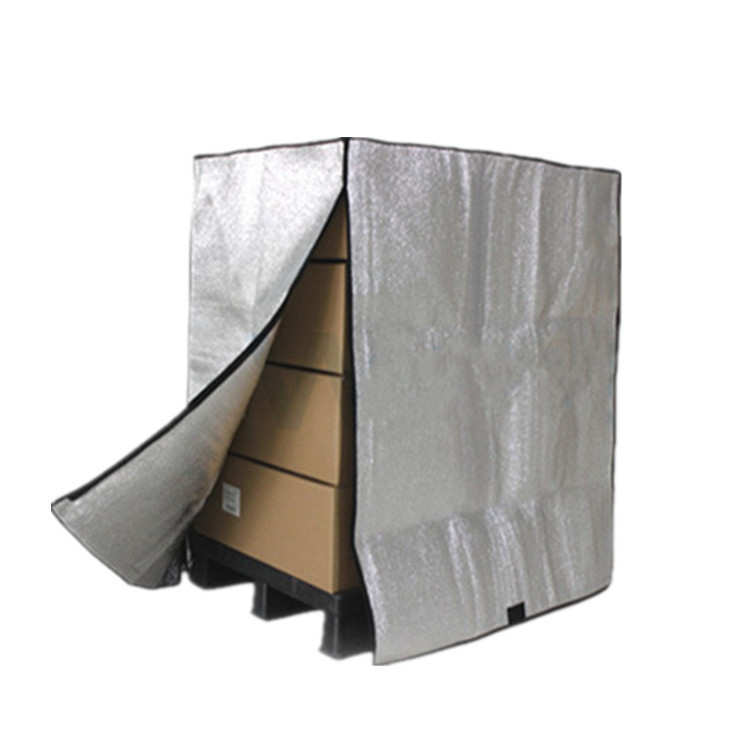
Um método de cinco portas para mantas térmicas de paletes para transporte de materiais perigosos
Uma cobertura térmica nunca deve ser o primeiro item aprovado em um palete de materiais perigosos. As primeiras aprovações dizem respeito ao material, embalagem autorizada, comunicação de perigo, rota, e transportadora. Só então pode mantas térmicas de paletes para o transporte de materiais perigosos seja avaliado como proteção secundária contra exposição ambiental definida. Eles não podem substituir embalagens com especificações da ONU quando necessário, classificação, segregação, Marcas, rótulos, documentação, treinamento, arranjos de emergência, ou aceitação da transportadora.
As equipes de compras podem gerenciar a decisão por meio de cinco portas: adequação legal, necessidade térmica, integração física, evidência, e controle operacional. Um candidato avança apenas quando passa por todos os portões. Este método evita que um forte resultado térmico oculte um defeito de mercadoria perigosa e evita que uma embalagem vazia e compatível seja embrulhada em uma capa mal projetada.
Portão 1: A unidade concluída é legal e operacionalmente admissível?
Congelar a discussão geral até que uma pessoa responsável treinada tenha definido os produtos perigosos. Registre o número da ONU ou de identificação, quando aplicável, Nome de envio adequado, classe ou divisão, perigo subsidiário, grupo de embalagem quando atribuído, quantidade, estado físico, concentração, e modo. Confirme as instruções de embalagem autorizadas, disposições especiais, limites de quantidade, restrições de rota, e quaisquer variações de operadora ou operadora.
De acordo com os Regulamentos de Materiais Perigosos dos Estados Unidos, o ofertante é responsável pela classificação e descrição adequadas e por determinar se a embalagem é autorizada. Os principais requisitos de comunicação aparecem em 49 Parte cfr 172 e requisitos de embalagem do remetente na Parte 173, com regras adicionais para transporte aéreo, navio, e modos de rodovia. Os Regulamentos de Mercadorias Perigosas da IATA orientam as remessas aéreas e incluem variações de transportadora e requisitos de aceitação. O ADR e as regras nacionais podem aplicar-se aos movimentos rodoviários europeus. Sempre use as disposições atuais para a pista real.
Agora inspecione a montagem coberta proposta. Perguntar:
Todas as marcas exigidas, Etiqueta de perigo, marca de orientação, identificação, e a bolsa para documentos permanecem visíveis?
Se a informação estiver oculta, os requisitos aplicáveis de marcação e rotulagem da embalagem foram atendidos corretamente?
A tampa interfere nas aberturas de ventilação, válvulas, dispositivos de alívio de pressão, fechamentos, pontos de elevação, amarrações, ou acesso de emergência?
A consolidação é permitida, e os requisitos de compatibilidade e segregação ainda são atendidos?
A transportadora aceitou a cobertura, método de fixação, acesso de inspeção, e apresentação concluída?
Nos Estados Unidos, 49 Cfr 173.25 trata de sobreembalagens autorizadas e da reprodução de marcas e rótulos exigidos quando não estiverem visíveis, incluindo o uso da marcação “OVERPACK” em situações declaradas. A determinação exata depende da montagem. Não trate um bolso transparente ou uma etiqueta copiada como uma solução universal.
Portão 1 falha se a tampa ocultar a comunicação, altera uma configuração autorizada sem aprovação, bloqueia um recurso de segurança do pacote, ou não pode ser aceito pela operadora. Os testes térmicos não devem prosseguir até que esses problemas sejam corrigidos.
Portão 2: Qual exposição exata a cobertura deve ser moderada?
Escreva uma declaração de uso de uma frase. Um bom exemplo é: “A cobertura destina-se a retardar o ganho de calor durante o acúmulo de carga aérea ao ar livre e um atraso na perda de conexão após um palete sair de um caminhão controlado.” Um mau exemplo é: “A tampa mantém os produtos químicos na temperatura certa.” O primeiro pode ser testado. O segundo não tem limite de produto definido, condição ambiente, duração, ou segmento de rota.
Crie um registro de exposição ordenado por tempo. Incluir pré-teste, carregando, segurança, permanência em cross-dock, alfândega, transferência entre ativos controlados, aberturas de portas, períodos de contêiner sem energia, inspeções de transportadoras, atrasos, e recebendo. Use dados de pista, observações de instalações, registros meteorológicos, e entrada de portadora quando disponível. Separe a exposição ambiente sombreada da carga solar direta e observe o contato condutivo com pisos ou equipamentos.
Defina por que a temperatura é importante para o material. Qualidade do produto, pressão do pacote, viscosidade, fragilidade, comportamento de fase, e a segurança dos transportes são preocupações diferentes. Os limites devem vir de uma avaliação aprovada de produtos e mercadorias perigosas. Um fornecedor de capas não deve selecioná-los.
Algumas mercadorias perigosas possuem controle especializado ou temperaturas de emergência, pode gerar calor, ou necessitar de ventilação. O isolamento passivo não é um sistema de resfriamento ativo e pode reter o calor gerado internamente. Esses materiais exigem uma abordagem regulatória e de segurança de processo específica. Portão 2 falha se a organização estiver tentando usar o isolamento como substituto do controle ativo exigido, estabilização aprovada, refrigeração, ventilação, ou um plano de emergência.
Portão 3: A tampa cabe no palete e suas funções de segurança?
Meça a carga unitária concluída. As dimensões nominais do palete omitem a altura, saliência, caixas abauladas, anéis de tambor, protetores de canto, dobras de estiramento, principais irregularidades, localizações das etiquetas, e autorizações de acesso. Registre as dimensões normais e máximas de produção. Especifique se uma base ou saia faz parte do design.
Cada característica de construção deve responder a um risco:
| Recurso em análise | Decisão que deve apoiar | Falha em procurar |
|---|---|---|
| Exterior reflexivo | Reduza a exposição radiante definida | Sujeira, abrasão, orientação errada, reivindicação de desempenho não suportada |
| Camada isolante | Resistir à condução através de rostos | Compressão, molhar, espessura inconsistente, derramamento |
| Costura e fechamento | Limite a troca de ar e fique protegido | Ponte térmica, brecha, obstáculo, abertura não planejada |
| Superfície interna | Proteja as embalagens externas durante o uso | Abrasão, incompatibilidade, contaminação, preocupação estática |
| Tratamento básico | Resolva o vazamento de ar na borda inferior ou no caminho do piso | Interferência de empilhadeira, líquido preso, saia instável |
| Zona de acesso e etiqueta | Preservar a inspeção e a comunicação | Marcas cobertas, válvulas bloqueadas, documentos inacessíveis |
A revisão do projeto deve incluir vazamentos previsíveis. Uma manta térmica geral não é contenção de derramamento. Determine se seu material pode reagir com, absorver, espalhar, ou ocultar conteúdos escapados e como os respondentes os removeriam ou isolariam. Atmosferas inflamáveis, operações sensíveis à estática, fontes de ignição, e o descarte de cobertura contaminada exigem local- e avaliação específica do material.
A ergonomia faz parte do ajuste. Uma cobertura pesada ou alta que exige que a equipe suba, alcançar os tambores, ou ficar em faixas de empilhadeiras cria um risco diferente. Realizar uma observação da tarefa com trabalhadores representativos e equipamentos de proteção individual. Portão 3 falha se for seguro, instalação repetível não pode ser demonstrada.
Portão 4: A evidência corresponde à afirmação?
Traduzir a instrução de uso em um protocolo. Identifique a revisão da capa, construção de produção, palete e carga útil, condição inicial, perfil ambiente, componente solar, se relevante, duração, aberturas, mapa de sensores, status de calibração, intervalo de registro, repetições, configuração de controle, e critérios de aceitação. Aprove o protocolo antes de executá-lo.
O calor se move através da radiação, convecção, e condução. Superfícies reflexivas abordam principalmente a troca radiante; camadas isolantes resistem a caminhos condutores e ao movimento interno do ar; fechos e saias afetam a troca de ar. Cantos, costuras, fixadores, e áreas comprimidas atuam como pontes. A base do palete pode se comportar de maneira diferente nas laterais. Um estudo confiável mede o sistema montado em vez de extrapolar a partir de uma camada.
Use cargas úteis que representem a massa da carga pretendida, capacidade térmica, geometria, e embalagem. Uma palete de líquidos densos pode responder lentamente, enquanto um palete de baixa massa com grandes vazios pode responder mais rapidamente. Se um substituto for usado, justificar por que é conservador ou representativo.
Mapeie prováveis pontos quentes ou frios, bem como uma referência central. Capture a exposição ambiente e, quando o risco solar é importante, uma superfície apropriada ou indicador radiante. Sincronizar sensores. Um registrador é uma ferramenta de evidência, não proteção térmica. Sua leitura representa sua localização e precisão; não certifica todos os pacotes.
Ferramentas úteis de decisão
Verifique os detalhes antes de escolher a embalagem
Essas ferramentas rápidas podem ajudá-lo a comparar o risco da rota, necessidades de dimensionamento, escolhas de refrigerante, e detalhes da embalagem antes de solicitar um orçamento.
Verificador de risco de rota
Revise as condições da pista antes de selecionar a embalagem para requisitos operacionais reais.
Verifique o risco da rotaReferência de material de isolamento
Compare as opções de materiais de isolamento para diferentes necessidades de embalagens da cadeia de frio.
Compare materiaisCalculadora de bolsa de gelo
Estime a quantidade de bolsas de gelo em gel para remessas refrigeradas e planejamento prático de rotas.
Estimar bolsas de geloOs padrões térmicos podem fornecer disciplina. O padrão ISTA 7E inclui perfis para testes térmicos de entrega de encomendas contêineres isolados, e Padrão 20 fornece um processo de design e qualificação. Uma cobertura flexível para paletes completos pode exigir um protocolo justificado diferente ou uma qualificação específica da rota. Citar um nome padrão sem demonstrar o escopo não é suficiente.
Leia as afirmações literalmente. “Ganho de calor reduzido na configuração testada” pode ser suportado. “Protege todos os materiais perigosos por um número fixo de horas” quase nunca resulta de um estudo. Portão 4 falhará se o relatório omitir a carga útil, perfil, sensores, configuração de cobertura, ou critérios de aceitação; depende apenas de dados de materiais planos; ou transforma um teste limitado em uma garantia universal.
Portão 5: As operações podem manter o estado aprovado?
A aprovação existe no papel; o controle existe no dock. Escreva um POP que identifique a cobertura e a revisão aprovadas, limites de paletes, orientação, inspeção pré-uso, sequência de instalação, fechamentos, zonas de rótulo, pontos de acesso, colocação do sensor, uso de selo, remoção, e armazenamento. Incluir condições claras de parada para rasgos, molhar, contaminação, delaminação, tags ausentes, dimensões erradas, comunicação oculta, condições de liberação quente ou fria, ou mudanças de rota.
Adicionar uma verificação de liberação de unidade concluída por equipe treinada em mercadorias perigosas. Inspecione depois que a manta estiver totalmente instalada. Confirme a condição da embalagem, Marcas, rótulos, orientação, tratamento de overpack quando aplicável, documentos, segregação, aberturas, válvulas, fechamentos, alças, e apresentação da operadora. Este pedido detecta problemas que uma inspeção de paletes vazios deixa passar.
Definir propriedade de exceção. A logística lida com conexões perdidas e eventos de equipamentos; especialistas em mercadorias perigosas lidam com desvios de embalagem e comunicação; qualidade avalia excursões termais e escopo de qualificação; segurança gerencia vazamentos ou exposição; a transportadora decide a aceitação de acordo com suas regras. Uma lista telefônica não é suficiente. Escreva as informações que cada função precisa e a autoridade para reter ou rejeitar uma remessa.
No recebimento, inspecionar antes de descartar evidências. Condição da capa do disco, aberturas ou vedações quebradas, dano ao pacote, vazamento, protuberante, legibilidade do rótulo, status do registrador, e temperaturas exigidas pelo plano aprovado. Uma leitura estável do sensor não autoriza a aceitação de um pacote de materiais perigosos danificado. Uma capa danificada não significa automaticamente que o produto falhou; siga a avaliação definida.
Portão 5 falha quando o sistema depende de conhecimento não escrito, não é possível rastrear a revisão da capa, não tem resposta a danos, ou proteção de créditos durante trechos de rota onde a cobertura é removida.
A licitação deve definir reutilização, Regras de parada, e um resultado controlado
Uma vez definidas as portas, o pedido de orçamento torna-se mais útil. Fornecer ao fornecedor o envelope do palete, etiqueta e mapa de acesso, exposição da rota, lidar com restrições, usar modelo, expectativas de limpeza, e objetivo de teste proposto. Não divulgue informações confidenciais sobre mercadorias perigosas além do apropriado, mas forneça o suficiente para uma revisão técnica segura.
Exigir uma lista de materiais de construção ou uma descrição da camada controlada, tolerâncias dimensionais, detalhes de costura e fechamento, pontos de inspeção de produção, e processo de notificação de alterações. Solicite evidências térmicas em todo o contexto, nem um único resultado de título. Solicite informações relevantes sobre inflamabilidade, estático, compatibilidade química, comportamento de umidade, limpeza, e descarte para que especialistas internos possam avaliá-lo. Estes documentos não conferem aprovação de mercadorias perigosas; eles apoiam a avaliação do comprador.
Avalie a consistência da amostra até a produção. Verifique as dimensões finalizadas, massa onde for útil, colocação de costura, força de fechamento, condição da superfície, janelas de rótulos, e identificação. Concordar com reparos e defeitos aceitáveis antes do fornecimento em volume. Uma mudança aparentemente pequena no filme, espuma, adesivo, fio, ou o fechamento pode alterar o comportamento térmico ou a adequação de segurança.
As comparações comerciais devem incluir mão de obra de instalação, volume de armazenamento, manuseio de transportadora, limpeza, transporte de retorno, perda, inspeção, reparar, e aposentadoria. Evite assumir uma contagem de reutilização não verificada ou uma duração térmica fixa. Compare as opções com a mesma função aprovada.
Reutilização e sustentabilidade passam pelas mesmas portas
A reutilização pode reduzir o material descartado em um circuito fechado, mas também pode adicionar frete de retorno, limpeza, perdas, e laminados complexos. Defina a unidade funcional como uma unidade protegida com sucesso, movimentação de paletes compatível. Depois contabilize a fabricação da capa, viagens realmente alcançadas, rede de retorno, limpeza, reparos, peças de reposição, e rota de fim de vida.
Toda reutilização começa com inspeção. Estabeleça limites para as lágrimas, isolamento esmagado, manchas, exposição química, refletividade danificada, falha de costura, fechamentos ausentes, e identidade ilegível. Uma cobertura contaminada deve entrar no processo de resposta a materiais perigosos e resíduos apropriado ao contaminante, não é um fluxo de roupa comum.
Rastreie coberturas individuais se o risco e o valor justificarem. A identidade ajuda a vincular a inspeção, reparos, limpeza, e revisão. Não substitui o exame físico nem comprova o desempenho. Uma capa reutilizada ainda deve passar por Gates 1 através 5 para o envio pretendido.
Quatro decisões de parada automática
Algumas condições devem impedir a liberação sem debate sobre benefício térmico:
As mercadorias perigosas não estão classificadas corretamente, descrito, embalado, marcado, rotulado, documentado, ou aceito para o modo.
A tampa bloqueia a comunicação necessária, ventilação, alívio de pressão, manuseio, inspeção, ou acesso de emergência.
O material tem um requisito de controle de temperatura crítico para a segurança e a configuração passiva proposta não foi especificamente aprovada para atender.
A reivindicação térmica não pode ser atribuída a uma configuração representativa e perfil relevante.
Essas paradas mantêm a hierarquia intacta. O objetivo de uma cobertura térmica é adicionar margem a uma remessa sólida, nunca fazer uma remessa incorreta parecer completa.
Conclusão: Uma decisão de liberação que pode sobreviver à auditoria
As mantas térmicas de paletes para transporte de materiais perigosos estarão prontas para uso somente quando a organização puder responder cinco perguntas com registros: A unidade concluída é admissível? A exposição está definida? A tampa se integra com segurança? As evidências apoiam a afirmação limitada? As operações podem preservar o estado aprovado?
Se a resposta a qualquer pergunta for incerta, segure o projeto naquele portão. O resultado disciplinado é um caso de uso mais restrito, mas mais defensável: uma capa especificada, aplicado a um palete especificado, para uma condição de rota especificada, sob um SOP que protege todas as obrigações relativas a mercadorias perigosas.
Sobre Tempk
Xangai Tempk Industrial Co., Ltda. opera Tempk como um embalagem da cadeia de frio marca. Nossas informações oficiais do produto incluem capas térmicas para paletes, embalagem isolada e caixas, refrigerantes, e PCMs, enquanto as páginas de solução descrevem a revisão do pacote, planejamento de posição do registrador, e suporte ao plano de validação. Para transporte de materiais perigosos, este escopo pode informar a avaliação de uma camada térmica externa em relação à geometria e exposição definidas. Não se estende à classificação, embalagens autorizadas para mercadorias perigosas, Marcas, documentos, roteamento, resposta de emergência, ou aprovação da transportadora; partes de remessa qualificadas retêm essas decisões.
Comece com a declaração de uso proposta, desenho completo de paletes, regras de acesso, e limite de teste. Tempk pode então discutir uma revisão de embalagens térmicas com escopo restrito.