caixa fria médica passiva: Guia Prático de Seleção de Cadeia de Frio
A passive medical cold box should be chosen as part of a cold-chain system, não como um autônomo Recipiente isolado. A decisão prática começa com a exigência de temperatura do produto, em seguida, passa para o tamanho da carga útil, exposição da rota, configuração de refrigerante, disciplina de manejo, recebendo cheques, e evidências do fornecedor. Este artigo otimizado reúne essas peças para compradores B2B que precisam de uma maneira clara de comparar opções sem depender de declarações amplas de folhetos. Também explica quando a caixa é adequada, quando qualificação adicional é necessária, e o que o Tempk pode ajudá-lo a esclarecer antes de fazer o pedido.
Resposta prática: Treat a passive medical cold box as one component of a qualified or controlled packaging setup. Confirme a faixa de temperatura necessária, tempo de exposição esperado, perfil de rota, plano de refrigeração, volume utilizável, e necessidades de documentação antes de comparar preço ou aparência.
Start with the role of the passive medical cold box
Antes de comparar materiais, define what the passive medical cold box is expected to do. Está protegendo a qualidade dos alimentos refrigerados durante algumas paradas de entrega?, movimentação de medicamentos entre instalações, segurando vacinas durante a divulgação, ou apoiando uma via farmacêutica documentada? Cada caso muda o padrão de evidência. Para entrega de alimentos, limpeza, durabilidade, conveniência de carga, e a transferência do cliente pode dominar. Para logística médica, requisitos de rótulo do produto, evidência de temperatura, e a revisão da qualidade tornam-se mais importantes.
Esta distinção evita um erro de compra comum: tratar cada contêiner isolado como um sistema de transporte com temperatura controlada. Uma caixa pode ser isolada e ainda assim não ser qualificada para sua pista. Um material de alto desempenho pode estar presente e ainda assim falhar se o líquido refrigerante estiver errado. UM caixa reutilizável pode reduzir o desperdício de embalagens e ainda criar riscos se forem devolvidas danificadas ou sujas. O objetivo prático é combinar a função da caixa com o risco do produto, exposição da rota, e carga de documentação.
Do mapa de rotas à decisão de embalagem
O mapeamento de rotas é a ponte entre um requisito de produto e uma escolha de embalagem. Anote onde fica a caixa embalada antes do envio, como viaja, se muda de veículo, quanto tempo espera em cada transferência, se a tampa pode ser aberta, e o que o receptor faz na chegada. This map shows whether the passive medical cold box needs only practical insulation for a short controlled route or whether it needs a documented packout and qualification plan.
Para remessas médicas e relacionadas a vacinas, muitos compradores também precisam de um plano de monitoramento de temperatura. Um registrador não protege o produto, mas cria evidências para revisão. A colocação do registrador, status de calibração, limites de alarme, e o processo de recuperação de dados deve ser definido antes do início da rota. Para entrega de comida e farmácia, o monitoramento pode ser menos formal, mas as verificações de envio e recebimento ainda ajudam as equipes a detectar pontos fracos antes que apareçam reclamações ou retenções de produtos.
Compensações materiais que afetam as operações diárias
Os materiais influenciam mais do que o desempenho térmico. Eles afetam o manuseio do trabalhador, limpeza, eficiência de retorno, espaço de armazenamento, rotulagem, inspeção de danos, e a quantidade de treinamento necessária para um pacote repetível. passive insulated construction that may include EPP, PU, Painéis VIP, pacotes de gel, pacotes de água, PCM, ou outros materiais de armazenamento térmico. Para compradores, essa descrição só é útil quando é traduzida em operações: quão pesada a unidade embalada parece, com que facilidade a equipe pode limpá-lo, quão visível é o dano, se a tampa fecha sempre da mesma maneira, e quanto espaço de carga resta após o refrigerante.
As equipes de compras mais fortes comparam materiais através das condições de uso. Eles perguntam se a caixa será aberta durante a entrega, se será empilhado, se será devolvido vazio, se pode ser exposto à chuva ou ao sol direto, e se uma equipe de qualidade revisará os registros de temperatura. Esses detalhes mantêm a seleção de materiais vinculada ao risco, em vez de transformá-la em um exercício de catálogo.
Matriz do comprador antes de selecionar fornecedores
Use esta matriz de comprador antes de perguntar o preço. Mantém a discussão focada no risco da cadeia de frio em vez de descrições de catálogo.
| Ponto de verificação | O que verificar | Por que isso importa |
|---|---|---|
| Faixa de temperatura | Confirme os requisitos do produto antes de escolher o líquido refrigerante ou o material da caixa | Uma caixa não pode ser julgada sem critérios de aceitação |
| Exposição da rota | Envio de mapa, esperando, transporte, entregar, e recibo | Os minutos de maior risco acontecem frequentemente fora dos veículos |
| Carga útil utilizável | Meça o espaço interno após o refrigerante, divisores, e documentação estão incluídos | O volume bruto pode exagerar o que realmente pode ser enviado |
| Plano de reutilização | Definir limpeza, retornar, inspeção de danos, e regras de aposentadoria | Reutilizar sem controle pode se transformar em risco oculto |
| Evidência do fornecedor | Peça condições de teste, consistência da amostra, e processo de controle de mudanças | A aquisição precisa de prova de que a produção corresponde à amostra aprovada |
A tabela não substitui uma revisão de qualidade, mas ajuda a alinhar as aquisições, operações, e equipes técnicas antes que as amostras sejam encomendadas. Também torna as conversas com fornecedores mais precisas. Em vez de pedir o tempo de espera mais longo ou o preço mais baixo, você pode perguntar se a evidência por trás da caixa corresponde ao seu produto, rota, carga útil, e condições de manuseio.
O que confirmar antes de passar da amostra para o pedido em massa
O dimensionamento é onde muitas decisões de embalagem se tornam operacionais. Uma amostra manual pode parecer correta, mas o uso em massa revela se a tampa fecha repetidamente, se a equipe pode fazer as malas rapidamente, se os rótulos permanecem legíveis, se as caixas são empilhadas com segurança, e se os acessórios são fáceis de gerenciar. Antes de fazer um pedido maior, definir exatamente o que foi aprovado.
Confirme os seguintes pontos:
– Dimensões aprovadas, projeto de fechamento, material de isolamento, inserções, e acessórios.
- Espaço de carga útil após refrigeração, partições, rótulos, e documentação estão incluídos.
- Perfil de teste ou evidência de desempenho e as condições sob as quais foi gerado.
- Limpeza, inspeção, e regras de retirada para caixas reutilizáveis.
- Consistência de produção, comunicação de controle de mudança, e embalagem de unidades acabadas antes da entrega.
- Quem possui as instruções do pacote, Treinamento da equipe, e recebendo cheques após a chegada das caixas.
Esta revisão protege tanto o comprador quanto o fornecedor. Dá ao fornecedor uma meta mais clara e dá ao comprador um registro para comparar as unidades entregues com a configuração aprovada.
Ferramentas úteis de decisão
Verifique os detalhes antes de escolher a embalagem
Essas ferramentas rápidas podem ajudá-lo a comparar o risco da rota, necessidades de dimensionamento, escolhas de refrigerante, e detalhes da embalagem antes de solicitar um orçamento.
Forro de caixa & Dimensionamento da cobertura de paletes
Verifique a lógica de dimensionamento do forro da caixa e da tampa do palete para projetos de embalagens isoladas.
Dimensionamento estimadoVerificador de risco de rota
Revise as condições da pista antes de selecionar a embalagem para requisitos operacionais reais.
Verifique o risco da rotaCalculadora de gelo seco
Estime as necessidades de gelo seco para remessas congeladas ou ultrafrias antes de embalar.
Estimar gelo secoSinais de alerta durante a avaliação
- Um número sem condições: Uma reivindicação de tempo de espera está incompleta, a menos que você conheça o perfil do ambiente, carga útil, refrigerante, e faixa de aceitação.
- Material como única evidência: EPP, VIP, PU, ou EPS descreve isolamento, não é qualificação de rota por si só.
- Incompatibilidade de amostra: As unidades de produção devem corresponder à amostra aprovada em material, encerramento, inserções, e acessórios.
- Nenhum processo de recebimento: Se ninguém verificar o pacote na chegada, problemas podem ser descobertos após o atraso no descarte do produto.
- Nenhum plano para reutilização: Limpeza, secagem, monitorando, e inspeção de danos fazem parte do sistema de caixa.
Esses erros são evitáveis porque são, em sua maioria, problemas de processo, e não mistérios da ciência do isolamento.. A passive medical cold box becomes more reliable when operations define how the box is prepared, quem verifica, e quando deve ser retirado de uso. Quanto mais sensível o produto, mais formal esse processo deve ser.
Ajustar limites a serem acordados antes da aprovação
A passive medical cold box is a strong fit for short or planned medical distribution, clinic transfers, amostras de laboratório, and medicine shipments where route qualification is achievable. It becomes more questionable for unpredictable routes, products requiring active control, or any shipment without documented acceptance criteria. Este limite é importante porque embalagem da cadeia de frio as decisões geralmente falham nos casos extremos. Uma caixa que é fácil de justificar em um curto espaço de tempo, rota controlada pode ser a escolha errada em uma rota longa com preparação exposta, transferências repetidas, ou um receptor que não consegue analisar rapidamente as evidências de temperatura.
Se o caso de uso for de baixo risco, o comprador pode se concentrar na durabilidade, facilidade de limpeza, treinamento de usuários, e se a caixa pode ser embalada da mesma forma todos os dias. Se o caso de uso for de maior risco, o comprador deve aumentar o nível de evidência. Isso pode incluir informações de teste do fornecedor, um pacote escrito, Monitoramento de temperatura, revisão de rota, e aprovação de qualidade. A decisão não é tornar cada remessa complicada. Trata-se de aumentar o controle quando o valor do produto, expectativa regulatória, ou a exposição à rota torna as suposições caras.
Uma situação do comprador que esclarece a decisão
Consider a buyer selecting a passive medical cold box for recurring clinic deliveries. A remessa não é um pacote único; repete semanalmente, com o mesmo site de expedição, várias transferências, e um receptor que deve tomar decisões rápidas sobre o produto. O comprador compara duas caixas. Um tem um preço mais baixo e uma especificação simples. O outro tem instruções de embalagem mais claras, melhor consistência de fechamento, e um fornecedor disposto a discutir condições de teste e controles da amostra até a produção.
A escolha mais forte pode não ser a caixa com a afirmação mais impressionante. É a opção que o comprador pode operar de forma consistente. Se a rota mudar posteriormente, o comprador deve revisar o pacote novamente em vez de presumir que a aprovação original ainda se aplica.
O recebimento de cheques completa a decisão de embalagem
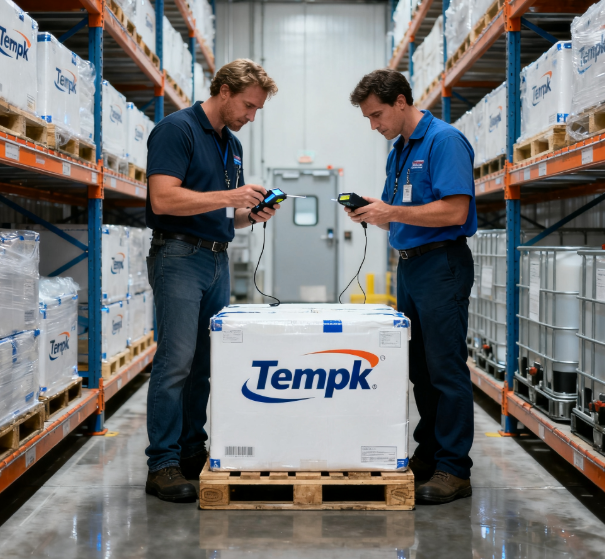
The shipment is not finished when the passive medical cold box leaves the dispatch table. O receptor tem que saber o que fazer quando a caixa chegar. Para mercadorias sensíveis, isso pode significar verificar a condição física da caixa, confirmando rótulos, revisando um registro de temperatura, anotando a hora do recebimento, e mover a carga de volta para o armazenamento controlado sem demora. Para operações reutilizáveis, a caixa vazia então entra em outro processo: retornar, limpeza, secagem, verificação de acessórios, e inspeção antes de ser usado novamente.
Esta etapa de recebimento geralmente revela se a caixa foi bem escolhida. Se a tampa for difícil de fechar, se o layout interno confunde o receptor, se o logger for difícil de encontrar, ou se a caixa devolvida for difícil de inspecionar, a embalagem está adicionando risco operacional. Um comprador prático deve, portanto, perguntar como a caixa se comporta no final do percurso, não apenas como fica antes do envio. Uma boa embalagem protege o produto e facilita a próxima decisão para quem o manuseia.
Perguntas frequentes
How do I know whether a passive medical cold box is suitable for my shipment?
Comece com a faixa de temperatura necessária, duração da rota, pontos de transferência, tamanho da carga útil, e necessidades de documentação. Em seguida, compare o material da caixa, plano de refrigeração, instruções de embalagem, e evidências do fornecedor. A adequação não é uma especificação única; é uma correspondência entre o sistema de caixa e sua pista.
O que devo perguntar antes de solicitar amostras?
Solicite dimensões internas e externas, volume utilizável após refrigerante, detalhes de material e fechamento, pacote recomendado, condições de teste, requisitos de limpeza, e qualquer processo de controle de mudanças. Para rotas médicas, envolver revisores de qualidade antes de aprovar a amostra.
Uma caixa reutilizável é sempre melhor do que uma caixa descartável?
Não. A reutilização funciona melhor quando você pode recuperar, limpar, inspecionar, e reimplantar caixas de forma consistente. Uma rota de exportação só de ida ou entrega de última milha não controlada pode justificar um modelo de embalagem diferente.
Posso confiar na reclamação de tempo de espera de um fornecedor?
Trate isso como um ponto de partida. Pergunte qual perfil de ambiente, carga útil, refrigerante, e faixa de aceitação foram usados. Se a sua rota for diferente, testes adicionais ou um pacote revisado podem ser necessários.
Conclusão
The right passive medical cold box is the one that fits the product requirement, exposição da rota, carga útil, plano de refrigeração, padrão de manuseio, e nível de evidência. Comece definindo a faixa de temperatura e o processo de envio, em seguida, compare materiais e fornecedores com essa realidade. Use amostras para testar o ajuste e o fluxo de trabalho, não só aparência. Para rotas médicas ou relacionadas a vacinas, manter a linguagem de qualificação cautelosa e envolver revisores de qualidade antes da expansão. Para operações reutilizáveis, tratar a limpeza, retornar, e inspeção de danos como parte do sistema de embalagem.
Sobre Tempk
Tempk fornece embalagem isolada opções e discussões sobre embalagens personalizadas da cadeia de frio para alimentos, farmácia, medicamento, vacina, e cenários de remessa sensíveis à temperatura. When buyers evaluate a passive medical cold box, Tempk pode ajudar a comparar EPP, VIP, VPU, e outros formatos isolados contra rota, carga útil, refrigerante, e necessidades de reutilização. Mantemos a conversa prática: o que a caixa deve proteger, como será embalado, como isso será tratado, e quais evidências o comprador deve verificar antes de dimensionar.
Discuta sua rota, carga útil, faixa de temperatura alvo, e reutilize o plano com Tempk antes de solicitar amostras, então a primeira recomendação de embalagem está mais próxima da remessa que você realmente precisa executar.