Cadeia de frio farmacêutica logística refere-se ao armazenamento e transporte especializado de medicamentos sensíveis à temperatura, vacinas, terapias biológicas e baseadas em genes. Em 2025 as apostas são maiores do que nunca: medicamentos biológicos e terapias celulares estão surgindo, o escrutínio regulamentar está a tornar-se mais rigoroso e as perturbações induzidas pelo clima estão a aumentar. O próprio mercado global de logística da cadeia de frio valia aproximadamente USD 436.3 bilhão em 2025, e os analistas esperam que suba para USD 1.36 trilhão por 2034, expandindo em um taxa composta de crescimento anual (Cagr) de 13.46%. Ao mesmo tempo, pesquisas sugerem até 50% das vacinas são desperdiçadas globalmente porque a cadeia de frio quebra durante o transporte ou armazenamento. Em outras palavras, A gestão eficaz da cadeia de frio não é apenas uma oportunidade de negócio – é fundamental para a saúde pública. Este guia detalha como o indústria de logística da cadeia de frio farmacêutica está evoluindo em 2025, quais desafios persistem e como você pode se adaptar.
Por que a logística da cadeia de frio é tão crucial para as vacinas, produtos biológicos e terapias genéticas?
Quais são as tendências de mercado e impulsionadores de crescimento mais significativos em 2025?
Quais tecnologias – desde sensores IoT até inteligência artificial – estão transformando a logística farmacêutica?
Como as empresas podem cumprir as Boas Práticas de Distribuição (PIB) enquanto reduz a pegada de carbono?
Quais são as etapas práticas para construir uma estratégia resiliente da cadeia de frio farmacêutica?
Compreendendo a cadeia de frio farmacêutica: Tamanho e importância do mercado
A cadeia de frio farmacêutica está se expandindo rapidamente. De acordo com a Pesquisa de Precedência, o mercado global de logística da cadeia de frio – que inclui alimentos, produtos farmacêuticos e outros produtos com temperatura controlada – é avaliado em USD 436.30 bilhão em 2025 e tem previsão de atingir USD 1.359 trilhão por 2034. Dentro deste mercado mais amplo, o segmento de logística farmacêutica foi avaliado em USD 66.39 bilhão em 2024 e está projetado para atingir USD 98.09 bilhão em 2025, então USD 140.13 bilhão por 2032. Outros pesquisadores estimam que só a logística da cadeia de frio farmacêutica atingiu USD 18.61 bilhão em 2024 e poderia crescer até USD 27.11 bilhão por 2033. A discrepância entre os relatórios reflete diferentes definições e segmentações, mas a trajetória é clara: os serviços da cadeia de frio para medicamentos estão a expandir-se significativamente.
Por que a cadeia de frio é importante para os produtos farmacêuticos?
Medicamentos sensíveis à temperatura perdem potência rapidamente quando expostos a temperaturas fora da faixa especificada. Por exemplo, as vacinas geralmente requerem armazenamento entre 2 °C e 8 °C e deve manter essa faixa em todos os pontos da cadeia de abastecimento; alguns produtos biológicos e terapias celulares e genéticas precisam de condições ultrabaixas, frequentemente entre –20 °C e –80 °C. Se essas condições não forem atendidas, a droga se degrada e se torna insegura. Pesquisa do Programa das Nações Unidas para o Meio Ambiente (PNUMA) observa que até 50% das vacinas são desperdiçadas globalmente todos os anos devido em grande parte ao fraco controle de temperatura e logística quebrada. Estudos também sugerem que sobre 20% das remessas de produtos biológicos são perdidas todos os anos devido a falhas na cadeia de frio, enquanto até 20% de todos os produtos farmacêuticos sensíveis à temperatura podem ser comprometidos durante o transporte. Estas falhas não só desperdiçam milhares de milhões de dólares, mas também atrasam o acesso dos pacientes a tratamentos que salvam vidas..
Setores-chave da cadeia de frio farmacêutico
A cadeia de frio farmacêutica serve uma gama de produtos, cada um com requisitos de temperatura distintos:
Vacinas e imunoterapias: A maioria das vacinas necessita de armazenamento entre 2 e 8 °C. Novos medicamentos para perda de peso baseados em análogos do GLP1 também se enquadram nesta categoria e devem ser mantidos dentro de intervalos estreitos para permanecerem eficazes..
Anticorpos biológicos e monoclonais: Esses medicamentos de moléculas grandes são sensíveis às flutuações de temperatura e muitas vezes requerem refrigeração. (2–8 ° C.). Alguns novos produtos biológicos, como vacinas de mRNA e terapias genéticas, precisar armazenamento ultrafrio (–60 °C a –80 °C).
Terapias celulares e genéticas (CGTs): Porque esses tratamentos envolvem células vivas, eles normalmente requerem temperaturas criogênicas, às vezes abaixo de –150 °C durante o transporte. O mercado CGT está crescendo; A GlobalData estima que o setor irá ultrapassar USD 81 bilhão por 2029, tornando essencial uma infraestrutura robusta de cadeia de frio.
Intermediários biofarmacêuticos e APIs: Esses produtos podem exigir temperatura ambiente controlada (15–25ºC) ou condições refrigeradas. De acordo com a Pesquisa de Precedência, logística biofarmacêutica de terceiros valia dólares 152.89 bilhão em 2025 e espera-se que atinja USD 271.76 bilhão por 2034.
Consequências da falha da cadeia de frio
Os lapsos da cadeia de frio têm impactos de longo alcance. Além da perda de produtos e da erosão de receitas, eles podem desencadear penalidades regulatórias e minar a confiança pública. Por exemplo, Organização Mundial de Saúde (QUEM) estimativas mostram que pré-COVID, até 50% das vacinas foram perdidas devido ao controle de temperatura e logística inadequados. Durante a pandemia, apenas 14% das vacinas planejadas contra a COVID19 chegaram aos países mais pobres devido a gargalos na cadeia de suprimentos e restrições de fabricação. De forma similar, a Associação Internacional de Transporte Aéreo observou que em volta 20% das remessas de produtos biológicos são perdidas a cada ano de falhas na cadeia de frio. Estas estatísticas sublinham os altos riscos da logística farmacêutica – cada variação de temperatura tem consequências humanas.
Componentes de uma cadeia de frio farmacêutica confiável
Embalagem e isolamento com temperatura controlada
Selecionar a embalagem certa é a primeira linha de defesa contra variações de temperatura. A embalagem deve manter a faixa de temperatura especificada do produto durante o transporte, incluindo atrasos imprevistos. As inovações incluem materiais de mudança de fase que mantêm as temperaturas por mais tempo, painéis isolados a vácuo para proteção térmica leve, e reutilizável expedidores térmicos que reduzem o desperdício. O mercado de embalagens logísticas da cadeia de frio farmacêutico atingiu USD 5.48 bilhão em 2024 e está projetado para exceder USD 13.64 bilhão por 2034, crescendo em um CAGR de 9.55%. A maior parte do crescimento é impulsionada pela procura de soluções sustentáveis, embalagem reutilizável e pelo crescente volume de produtos biológicos e vacinas. Ao escolher a embalagem, considere a duração (curto versus. longo curso), condições ambientais e logística de devolução para recipientes reutilizáveis.
Modos e equipamentos de transporte
Produtos farmacêuticos se movimentam via aérea, estrada, ferroviário e marítimo. Cada modo apresenta riscos únicos – choque de temperatura durante o carregamento de carga aérea, atrasos no congestionamento rodoviário, ou porões alfandegários nas fronteiras. Boas Práticas de Distribuição (PIB) exige que os veículos de transporte sejam validados e equipados com sistemas de refrigeração calibrados. A Pesquisa de Precedência observa que espera-se que o transporte refrigerado cresça a um CAGR de 13.0% entre 2025 e 2034. As empresas utilizam cada vez mais gelo seco e pacotes de gel para remessas congeladas, e alguns implantam carregadores de vapor seco de nitrogênio líquido para terapias celulares. Adoção de caminhões refrigerados autônomos e unidades refrigeradas elétricas está aumentando à medida que as frotas buscam reduzir as emissões.
Infraestrutura de armazenamento e automação de armazém
A infraestrutura do armazém deve fornecer controle de temperatura consistente, isolamento robusto, energia de reserva e segregação de produtos por zona de temperatura. Muitas instalações ainda dependem de processos manuais; estudos mostram aproximadamente 80% dos armazéns permanecem não automatizados. No entanto, a automação está acelerando em 2025 à medida que as empresas implantam sistemas automatizados de armazenamento e recuperação (AS/RS), movimentadores robóticos de paletes e sistemas de gerenciamento de armazéns habilitados para IA. A automação melhora o rendimento e reduz os custos de mão de obra, abordando a escassez de mão de obra da indústria. Também garante um controle consistente da temperatura, minimizando as aberturas das portas e simplificando o manuseio do produto.
Monitoramento ambiental e registro de dados
O monitoramento contínuo é inegociável. As diretrizes do PIB exigem registradores de dados calibrados e monitoramento de temperatura em tempo real. No entanto, muitos sistemas ainda dependem de registradores manuais revisados após a entrega, que é reativo. Incorporar soluções modernas Sensores IoT em embalagens, paletes ou veículos; esses dispositivos transmitem temperatura, umidade, dados de choque e localização para plataformas em nuvem. Caso as temperaturas se desviem, alertas são enviados às equipes de logística para intervir imediatamente. Plataformas em nuvem geram relatórios prontos para auditoria, apoiar a conformidade regulatória e fornecer rastreabilidade completa. Os analistas prevêem que 75% das remessas farmacêuticas usarão rastreamento baseado em IoT por 2030 – um salto dramático em relação às atuais taxas de adoção.
Boas Práticas de Distribuição (PIB) e sistemas de qualidade
O PIB é a pedra angular da conformidade regulatória. Exige a manutenção da integridade dos medicamentos durante toda a distribuição, com documentação rigorosa e sistemas de qualidade. Os princípios-chave incluem:
Controle de temperatura: A maioria dos produtos farmacêuticos da cadeia de frio deve ser mantida entre 2 °C e 8 °C; produtos que requerem outras gamas devem ser claramente rotulados.
Equipamento qualificado: Veículos refrigerados, armazéns com temperatura controlada e registradores de dados devem ser validados e calibrados regularmente.
Monitoramento e documentação contínua: As leituras de temperatura devem ser registradas durante o armazenamento e transporte.
Gestão de risco: As empresas devem identificar riscos potenciais (por exemplo, falhas de energia, atrasos alfandegários) e implementar planos de contingência.
Treinamento de pessoal: Todo o pessoal envolvido deve ser treinado nos requisitos do GDP e nos procedimentos de emergência.
Na prática, conformidade envolve o desenvolvimento procedimentos operacionais padrão (POPS), verificação de fornecedores e transportadoras, usando embalagens validadas e realizando auditorias regulares. As diretrizes atualizadas do PIB da União Europeia (implementado em 2014) e os EUA. Lei de Segurança da Cadeia de Abastecimento de Medicamentos (DSCSA) requer serialização, rastreabilidade e documentação eletrônica em toda a cadeia de abastecimento. A conformidade pode parecer onerosa, mas protege as empresas de repercussões legais e garante que os pacientes recebam medicamentos seguros.
Inovações tecnológicas moldando a cadeia de frio farmacêutico em 2025
Monitoramento em tempo real com sensores IoT
Internet das coisas (IoT) a tecnologia transformou a logística da cadeia de frio. Em vez de registradores de dados passivos revisados após o trânsito, lugar de sistemas modernos sensores sem fio dentro da embalagem, paletes ou veículos. Esses sensores medem a temperatura, umidade, exposição à luz, choque e coordenadas GPS. Os dados fluem para plataformas de nuvem seguras que fornecem painéis remotos, Arquivos de registros compatíveis com GDP e rastreabilidade completa. Se ocorrer um desvio de temperatura, alertas automatizados permitem intervenção rápida. Além do monitoramento imediato, a análise de dados de longo prazo ajuda a identificar pontos críticos de rota e transportadoras não confiáveis.
O monitoramento em tempo real reduz o desperdício e melhora a conformidade. Plataformas IoT registram automaticamente dados de temperatura, gerar relatórios prontos para auditoria e oferecer rastreabilidade digital. Isto apoia estruturas regulatórias como FDA 21 Parte cfr 11, PIB da UE e diretrizes da OMS. No longo prazo, a análise preditiva irá prever falhas de equipamentos ou atrasos de rota, permitindo a mitigação proativa de riscos.
Inteligência artificial e análise preditiva
A IA está deixando de ser uma palavra da moda para se tornar uma ferramenta prática na logística farmacêutica. Analisando dados históricos e feeds de sensores em tempo real, Algoritmos de IA otimizar rotas, demanda prevista e prever necessidades de manutenção de equipamentos. A IA pode identificar padrões que sugerem variações ou atrasos de temperatura e recomendar ações corretivas antes que os produtos estraguem. Por exemplo, Sistemas de planejamento de rotas baseados em IA avaliam padrões de tráfego, previsões meteorológicas e requisitos regulamentares, então proponha o mais rápido, rota mais segura. Algoritmos de manutenção preditiva analisam o desempenho da unidade de refrigeração para programar a manutenção antes de panes. Esses recursos reduzem o desperdício e melhoram a confiabilidade.
Robótica e automação de armazém
A automação está se expandindo além da fabricação, chegando ao armazenamento e ao atendimento de pedidos. Sistemas automatizados de armazenamento e recuperação (AS/RS) e manuseio robótico são cada vez mais comuns em instalações de armazenamento a frio. Os robôs minimizam o erro humano no rastreamento de estoque e manuseio de produtos, enquanto os transportadores automatizados reduzem as aberturas das portas, mantendo a estabilidade da temperatura. A robótica também ajuda a resolver a escassez de mão de obra e a reduzir custos. Com cerca de 80% de armazéns ainda sem automação, o potencial para ganhos de eficiência é significativo.
Blockchain e gêmeos digitais
Tecnologias emergentes como blockchain e gêmeos digitais prometem maior transparência e modelagem de risco. Blockchain fornece registros imutáveis de cada transação, garantindo a integridade da cadeia de custódia. Gêmeos digitais – modelos virtuais de ativos físicos – permitem que equipes de logística testem cenários e otimizem o desempenho do sistema sem arriscar produtos reais. O Gartner prevê que 2030, 75% das remessas farmacêuticas usarão rastreamento IoT; a integração do blockchain aumentará ainda mais a confiança e a conformidade regulatória. Enquanto isso, gêmeos digitais podem simular perfis de temperatura em rotas, ajudando a planejar estratégias de embalagem e transporte para novas terapias.
Embalagens inteligentes e materiais sustentáveis
A sustentabilidade é um valor fundamental na 2025. Consumidores e reguladores esperam que as empresas reduzam as emissões de carbono e os resíduos. As inovações incluem materiais biodegradáveis e recicláveis para embalagem térmica, carregadores multiuso reutilizáveis e rótulos inteligentes que mudam de cor se os limites de temperatura forem violados. Sistemas de refrigeração energeticamente eficientes, a geração de energia renovável no local e o melhor isolamento reduzem o impacto ambiental. Os fabricantes também estão desenvolvendo embalagens inteligentes autorreguláveis com sensores integrados e unidades de microrrefrigeração, melhorando ainda mais o controle de temperatura.
Marcos Regulatórios e Conformidade Global
A cadeia de frio farmacêutica abrange múltiplas jurisdições, cada um com regulamentos exclusivos. Navegar nesta colcha de retalhos é complexo, mas essencial.
União Europeia
As diretrizes do PIB da UE, atualizado em 2013 e aplicado pela Agência Europeia de Medicamentos (Ema), requerem controle rigoroso sobre a temperatura, documentação e cadeia de custódia. As empresas devem validar todos os equipamentos, realizar avaliações de risco e garantir rastreabilidade total desde o fabricante até a farmácia. As diretrizes enfatizam a qualificação dos equipamentos da cadeia de frio e das condições de transporte, incluindo remessas experimentais e análise sazonal de rotas.
Estados Unidos
Nos EUA, o Lei de Segurança da Cadeia de Abastecimento de Medicamentos (DSCSA) exige serialização e documentação de transação eletrônica. Esta lei visa detectar e prevenir medicamentos falsificados, rastreando os produtos ao longo de toda a cadeia de abastecimento. Os prazos de conformidade estendem-se até 2025. NÓS. as diretrizes também enfatizam o armazenamento validado, monitoramento contínuo de temperatura e planejamento de contingência.
Outras regiões
Organização Central de Controle de Padrões de Drogas da Índia (CDSCO) está alinhado com as diretrizes da OMS e exige rotulagem e documentação específicas. Muitos países da Ásia e da América Latina carecem de regulamentações harmonizadas, forçando as empresas a se adaptarem às regras locais e a manterem múltiplos sistemas de qualidade. A colaboração entre reguladores e a indústria está em andamento para alinhar os requisitos e reduzir a complexidade.
Garantia de qualidade e auditorias
Independentemente da jurisdição, a garantia de qualidade gira em torno auditorias regulares, documentação e treinamento. As empresas devem auditar fornecedores e parceiros de transporte para verificar a conformidade com o PIB. Os programas de treinamento devem abranger o gerenciamento de temperatura, procedimentos de resposta e documentação de emergência. Implementando ferramentas de auditoria digital, como códigos QR vinculados a blockchain em pacotes, pode agilizar as inspeções e reduzir o erro humano.
Drivers de crescimento e dinâmica de mercado
Aumento da demanda por produtos biológicos, vacinas e terapias personalizadas
Os produtos biológicos e as terapias genéticas representam alguns dos segmentos de crescimento mais rápido na área da saúde. De acordo com GlobalData, em volta 20% dos novos medicamentos em desenvolvimento são terapias genéticas e celulares. Essas terapias geralmente exigem armazenamento ultrafrio e têm vida útil curta, impulsionando a demanda por logística especializada da cadeia de frio. O mercado de CGT deverá ultrapassar USD 81 bilhão por 2029. Enquanto isso, a popularidade dos medicamentos para perda de peso GLP1 e das vacinas de mRNA continua a crescer, reforçando a demanda por logística refrigerada.
Ferramentas úteis de decisão
Verifique os detalhes antes de escolher a embalagem
Essas ferramentas rápidas podem ajudá-lo a comparar o risco da rota, necessidades de dimensionamento, escolhas de refrigerante, e detalhes da embalagem antes de solicitar um orçamento.
Refrigerante & Referência PCM
Compare as opções de refrigerante e PCM quando uma rota precisar de suporte adicional de temperatura.
Comparar opçõesCalculadora de gelo seco
Estime as necessidades de gelo seco para remessas congeladas ou ultrafrias antes de embalar.
Estimar gelo secoReferência de material de isolamento
Compare as opções de materiais de isolamento para diferentes necessidades de embalagens da cadeia de frio.
Compare materiaisGlobalização das cadeias de abastecimento farmacêutico
Os produtos farmacêuticos viajam frequentemente através dos continentes, passando por vários provedores de logística e regimes regulatórios. O mercado de logística farmacêutica deve ultrapassar USD 135.5 bilhão por 2025, com a logística da cadeia de frio que deverá impulsionar o crescimento. Mais do que 30% dos produtos farmacêuticos globais exigem manuseio na cadeia de frio, refletindo a crescente participação de produtos biológicos e vacinas no pipeline geral de medicamentos. Espera-se que a Ásia-Pacífico lidere o crescimento, apoiado pela produção nacional e investimentos em infraestrutura de cadeia de frio. A América do Norte e a Europa continuam dominantes em volume e rigor regulatório.
Expansão do comércio eletrônico e entrega direta ao paciente
A pandemia acelerou o comércio eletrônico e os modelos de entrega direta ao paciente. Como resultado, cadeia de frio logistics now extend beyond wholesale distribution to lastmile delivery. Vendas globais de comércio eletrônico alcançadas USD 870 bilhão nos EUA. em 2021, com os gastos com alimentos on-line disparando 30% na China. Os consumidores esperam uma entrega conveniente ao domicílio de medicamentos sensíveis à temperatura, incentivando os provedores de logística a desenvolverem soluções eficientes, soluções lastmile rastreáveis.
Pressões de sustentabilidade e incentivos regulatórios
As preocupações ambientais estão a levar as empresas a adotar práticas mais ecológicas. A cadeia global de frio alimentar é responsável por cerca de 2% do total de emissões de CO₂, e a perda de alimentos devido à falta de refrigeração contribui significativamente para a emissão de gases de efeito estufa. Muitos governos oferecem agora incentivos para sistemas de refrigeração energeticamente eficientes, embalagens reutilizáveis e integração de energia renovável. Por exemplo, energia renovável e melhor isolamento reduzem a exposição a custos de energia voláteis. As empresas que investem na sustentabilidade não só reduzem a sua pegada de carbono, mas também fortalecem a reputação da marca e cumprem as regulamentações ambientais emergentes..
Aumentando a aplicação regulatória
Os reguladores estão reforçando os controles sobre produtos sensíveis à temperatura. Inspeções de PIB mais rigorosas e aplicação dos prazos de serialização DSCSA nos EUA. incentivar as empresas a investir em rastreabilidade e documentação digital. A não conformidade pode levar a recalls de produtos, multas e danos à reputação. O escrutínio intensificado também impulsiona a adoção de tecnologias como blockchain e sensores IoT para fornecer registros invioláveis.
Desafios enfrentados pela logística da cadeia de frio farmacêutica
Excursões na cadeia de frio e perda de produtos
Apesar dos avanços tecnológicos, excursões na cadeia de frio continuam comuns. Até 20% das remessas de produtos biológicos são perdidas devido a falhas no controle de temperatura, e sobre 20% de produtos farmacêuticos sensíveis à temperatura podem ser comprometidos em trânsito. As excursões podem resultar de atrasos no trânsito, porões alfandegários, falha de equipamento ou erro humano. Mesmo um 30desvio minuto do 2 A faixa de °C a 8 °C pode tornar as vacinas inutilizáveis. A entrega Lastmile é particularmente vulnerável, já que os entregadores podem não ter equipamento e treinamento especializados.
Regulamentações fragmentadas e complexidade de conformidade
A logística farmacêutica global deve cumprir uma colcha de retalhos de regulamentações. PIB europeu, NÓS. As regras DSCSA e específicas da região diferem nos formatos de documentação, requisitos de rotulagem e padrões de serialização. As empresas que operam em todo o mundo precisam de múltiplos sistemas de qualidade e devem formar pessoal para lidar com os requisitos específicos da região. Regulamentações fragmentadas podem causar atrasos nas alfândegas e aumentar os custos administrativos. A harmonização das regulamentações é um esforço contínuo, mas continua a ser um desafio.
Lacunas de infraestrutura e escassez de mão de obra
Muitas regiões carecem de infraestrutura adequada de armazenamento refrigerado, particularmente nos mercados emergentes. As zonas rurais podem não ter fontes de alimentação estáveis ou pessoal qualificado para gerir as operações da cadeia de frio. Mesmo nos países desenvolvidos, em volta 80% dos armazéns não são automatizados, levando a ineficiências. A indústria também enfrenta uma escassez de trabalhadores qualificados com formação em PIB e gestão de temperatura, agravando o risco de erro humano.
Pressões de custos e consumo de energia
Maintaining the cadeia de frio is energyintensive and expensive. Equipamento de refrigeração, isolamento, combustível e procedimentos de conformidade aumentam custos. A Pesquisa de Precedência observa que os altos custos de energia e os investimentos de capital são restrições significativas para a indústria da cadeia de frio. O aumento dos preços dos combustíveis e a necessidade de reduzir as emissões de carbono aumentam ainda mais a pressão. Para permanecer competitivo, as empresas devem equilibrar a eficiência de custos com a conformidade regulatória e a sustentabilidade.
Falsificação e segurança da cadeia de suprimentos
Medicamentos falsificados são uma ameaça crescente. Medicamentos para perda de peso e produtos biológicos populares são particularmente visados, e os criminosos exploram frequentemente controlos fracos da cadeia de frio. Em resposta, fornecedores de logística estão usando embalagens invioláveis, serialização e blockchain para garantir a integridade da cadeia de custódia. Manter a segurança requer uma estreita colaboração entre os fabricantes, transportadoras e órgãos reguladores.
Construindo uma Estratégia Resiliente para a Cadeia de Frio Farmacêutica
Avalie os requisitos do seu produto
Comece mapeando a faixa de temperatura de cada produto, prazo de validade, e sensibilidade à vibração ou luz. As vacinas requerem refrigeração consistente, enquanto as terapias celulares exigem condições criogênicas. Entenda os requisitos regulatórios para cada produto e região.
Escolha soluções adequadas de embalagem e transporte
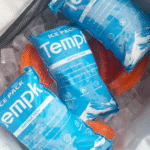
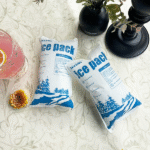
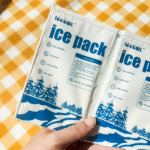
Materiais com mudança de fase e isolamento a vácuo: Para remessas que exigem proteção térmica estendida. Esses materiais mantêm a temperatura durante atrasos e reduzem a necessidade de gelo seco.
Recipientes reutilizáveis: Reduza desperdícios e custos. Garantir que a logística de devolução seja eficiente.
Veículos validados: Garanta caminhões, contêineres e aeronaves atendem aos padrões GDP para controle de temperatura. Selecione operadoras com desempenho comprovado e cobertura de seguro.
Implementar monitoramento em tempo real
Implante sensores IoT em embalagens, contêineres e veículos para capturar a temperatura, umidade, dados de localização e choque em tempo real. Integre esses dados em um painel central para identificar anomalias e intervir rapidamente. Configure alertas automatizados para notificar as equipes de logística quando as condições saírem dos limites aceitáveis.
Aproveite a IA para planejamento preditivo
Use algoritmos de IA para otimizar rotas com base no tráfego, clima, restrições regulatórias e dados em tempo real. A análise preditiva também pode prever falhas de equipamentos, permitindo manutenção preventiva e reduzindo o tempo de inatividade.
Desenvolver planos de contingência
Prepare-se para quedas de energia, atrasos alfandegários ou avarias de veículos. Identifique rotas alternativas, embalagens de backup e transportadores de emergência. Mantenha suprimentos extras de gelo seco ou unidades de refrigeração alimentadas por bateria para lidar com atrasos não planejados. Treine a equipe para implementar esses planos rapidamente e manter a documentação.
Treine e audite regularmente
Garantir que todo o pessoal entenda os requisitos do GDP, procedimentos de manuseio adequados e protocolos de emergência. Realizar auditorias internas regulares e avaliações de terceiros para identificar pontos fracos. Incentive uma cultura de melhoria contínua e conformidade.
Invista em sustentabilidade
Adote refrigeração energeticamente eficiente, Iluminação LED e fontes de energia renováveis. Use embalagens recicláveis ou biodegradáveis. Otimize rotas para reduzir o consumo de combustível e as emissões de CO₂. Considerar programas de compensação de carbono para neutralizar as emissões restantes. Práticas sustentáveis não apenas reduzem o impacto ambiental, mas também reduzem os custos operacionais ao longo do tempo.
Colabore em toda a cadeia de suprimentos
Forme parcerias estratégicas com fabricantes, fornecedores de embalagens, operadoras e provedores de tecnologia. A colaboração melhora a visibilidade e garante que todas as partes cumpram os mesmos padrões de qualidade. A padronização de dados e os contêineres inteligentes melhoram a integração em toda a cadeia de suprimentos.
2025 Tendências e perspectivas futuras
Automação e robótica ocupam o centro do palco
A automação está transformando instalações de armazenamento refrigerado. Sistemas automatizados de armazenamento e recuperação (AS/RS), manipuladores de paletes robóticos e correias transportadoras agilizam as operações, reduzir custos de mão de obra e minimizar erros. Com 80% de armazéns ainda não automatizados, há espaço significativo para adoção. Espere que os investimentos em robótica acelerem à medida que a escassez de mão de obra persistir.
Sustentabilidade como valor fundamental
As preocupações ambientais e as regulamentações mais rigorosas estão a colocar a sustentabilidade em primeiro plano. Refrigeração energeticamente eficiente, fontes de energia renováveis e embalagens recicláveis não são mais opcionais. A cadeia global de frio alimentar contribui atualmente com cerca de 2% das emissões globais de CO₂. A redução da pegada de carbono através de atualizações tecnológicas e redução de resíduos será um foco principal.
Visibilidade ponta a ponta e rastreamento em tempo real
Dispositivos IoT avançados fornecem visibilidade contínua da localização, temperatura e outros parâmetros. O rastreamento em tempo real permite a otimização da rota, reduz a deterioração e garante a conformidade regulatória. Hardware domina o mercado de rastreamento e monitoramento da cadeia de frio, contenção sobre 76.4% de participação de mercado. Espere uma maior integração de sensores, plataformas em nuvem e análise preditiva.
Modernizando a infraestrutura
Muitas instalações de armazenamento refrigerado estão envelhecendo e consomem muita energia. A modernização inclui a atualização do isolamento, sistemas de refrigeração, coleta de dados e energia renovável no local. O investimento em infraestruturas modernas reduz os custos de energia e melhora a consistência da temperatura. As atualizações também incorporam sensores e automação para monitorar continuamente o desempenho.
Crescimento na cadeia de frio farmacêutica
O setor farmacêutico continua a ser um dos principais impulsionadores da expansão da cadeia de frio. Demanda por produtos biológicos, vacinas e terapias genéticas continuam a crescer, e 20% dos novos medicamentos são terapias genéticas e celulares exigindo armazenamento ultrafrio. Os analistas esperam que o mercado global da cadeia de frio farmacêutico atinja USD 1.454 trilhão por 2029, crescendo em um CAGR de 4.71% de 2024 para 2029. O investimento em infraestruturas de cadeia de frio para produtos farmacêuticos permanecerá robusto.
Investimento em logística de alimentos frescos e entrega lastmile
Embora este artigo se concentre em produtos farmacêuticos, it’s noteworthy that investment in fresh food cadeia de frio and lastmile delivery is also accelerating. Espera-se que o mercado de logística da cadeia de frio alimentar da América do Norte atinja USD 86.67 bilhão em 2025. O crescimento nos pedidos on-line aumentou as vendas diretas ao consumidor, forçando armazéns e varejistas a repensar estratégias lastmile. As lições do setor alimentar – como a otimização de rotas e inovações em embalagens – são transferíveis para a logística farmacêutica.
Parcerias estratégicas e integração da cadeia de abastecimento
A colaboração em toda a cadeia de abastecimento é essencial para a resiliência. Parcerias entre fabricantes, fornecedores de embalagens e empresas de tecnologia facilitam o desenvolvimento de produtos e agilizam as operações. A padronização de dados e contêineres inteligentes permitem uma integração perfeita. Por 2025, os pesquisadores esperam 74% de dados logísticos a serem padronizados, aumentando a transparência e a colaboração.
Perguntas frequentes
Q1: Por que as vacinas e os produtos biológicos precisam de logística da cadeia de frio?
Vacinas e medicamentos biológicos são sensíveis às flutuações de temperatura. Muitos devem permanecer entre 2 °C e 8 °C; terapias genéticas podem exigir condições ultrafrias (–60 °C ou menos). Manter essas faixas durante o transporte preserva a potência e a segurança, reduzindo o desperdício e prevenindo danos ao paciente.
Q2: How does realtime monitoring improve cadeia de frio performance?
O monitoramento em tempo real usa sensores IoT para monitorar continuamente a temperatura, umidade e localização. Quando as condições se desviam, alertas automatizados notificam as equipes de logística para intervir imediatamente. Esta abordagem proativa evita a deterioração, garante conformidade regulatória e fornece documentação pronta para auditoria.
Q3: O que são boas práticas de distribuição (PIB) requisitos para produtos farmacêuticos?
As diretrizes do PIB determinam que os medicamentos sensíveis à temperatura sejam armazenados e transportados dentro dos limites especificados, geralmente 2 °C–8 °C. Os equipamentos devem ser validados e calibrados, e é necessário monitoramento contínuo com documentação adequada. O pessoal que manuseia os produtos deve ser treinado nos requisitos do GDP.
Q4: Quais fatores de mercado estão impulsionando o crescimento na logística da cadeia de frio farmacêutica?
O crescimento decorre da crescente participação de produtos biológicos e terapias genéticas, globalização das cadeias de abastecimento farmacêutico, expansão do comércio eletrônico e entrega direta ao paciente, e aplicação regulatória mais rigorosa. Relatórios indicam que mais do que 30% dos produtos farmacêuticos globais exigem manuseio na cadeia de frio e que o mercado poderia ultrapassar USD 135.5 bilhão por 2025.
Q5: Como as empresas podem tornar as suas operações da cadeia de frio mais sustentáveis?
Adote sistemas de refrigeração energeticamente eficientes, fontes de energia renováveis, e embalagens recicláveis ou reutilizáveis. Otimize rotas para reduzir o consumo de combustível e as emissões de carbono. Invista em automação e sensores IoT para minimizar desperdícios e evitar variações de temperatura.
Q6: Qual o papel da IA na logística da cadeia de frio?
IA analisa dados históricos e em tempo real para otimizar rotas, prever a demanda e prever a manutenção do equipamento. Pode identificar riscos precocemente, como atrasos no trânsito ou mau funcionamento da refrigeração, e recomendar ações corretivas. Sistemas orientados por IA melhoram a eficiência, reduzir o desperdício e melhorar a tomada de decisões.
Resumo e recomendações
Effective pharmaceutical cadeia de frio logistics are vital for delivering lifesaving therapies safely, confiável e sustentável. O mercado está se expandindo rapidamente, com estimativas que vão desde USD 98 bilhão em 2025 para USD 1.36 trilhão por 2034. Aumento da demanda por produtos biológicos, terapias genéticas e vacinas impulsionam o crescimento, enquanto a globalização e o comércio eletrônico adicionam complexidade. Ao mesmo tempo, falhas na cadeia de frio podem desperdiçar até 50% de vacinas e 20% de remessas de produtos biológicos. Para ter sucesso neste ambiente, as organizações devem investir em embalagens com temperatura controlada, transporte validado, monitoramento em tempo real e análises orientadas por IA. A conformidade com o PIB e as regulamentações regionais é inegociável; auditorias regulares e treinamento são essenciais. A sustentabilidade deve ser integrada em todas as decisões, desde refrigeração energeticamente eficiente até embalagens recicláveis. Finalmente, a colaboração em toda a cadeia de abastecimento desbloqueará eficiências operacionais e resiliência.
ACTO ACEDIVO PRÓXIMO PASSOS
Conduza uma auditoria da cadeia de frio: Mapeie todos os produtos sensíveis à temperatura, condições de armazenamento e rotas de transporte. Identifique lacunas na conformidade e monitoramento.
Atualizar sistemas de monitoramento: Implante sensores IoT e painéis em nuvem para visibilidade em tempo real e alertas automatizados.
Treine sua equipe: Desenvolver programas de formação que abranjam o PIB, resposta a emergências e operação de equipamentos.
Colabore com parceiros: Estabeleça acordos de qualidade claros com as transportadoras, fornecedores de embalagens e armazéns. Compartilhe dados para melhorar o desempenho.
Invista em soluções sustentáveis: Opte por embalagens reutilizáveis, refrigeração energeticamente eficiente e otimização de rotas. Monitore a pegada de carbono e estabeleça metas de redução.
Sobre Tempk
A Tempk é uma empresa de tecnologia especializada em soluções de cadeia de frio para produtos farmacêuticos e ciências da vida. Nós fornecemos sistemas de monitoramento em tempo real, serviços validados de consultoria em embalagem e logística para ajudar os clientes a manter a conformidade e proteger a integridade do produto. Nossas soluções integram Sensores IoT e análises de IA, permitindo o gerenciamento proativo de riscos e relatórios regulatórios contínuos. Com uma rede global de parceiros e um compromisso com a sustentabilidade, A Tempk ajuda as organizações a fornecer medicamentos que salvam vidas com segurança e eficiência.
Chamado à ação: Se você está pronto para modernizar sua logística farmacêutica, entre em contato conosco para uma avaliação gratuita. Nossos especialistas analisarão seus processos atuais e recomendarão uma estratégia personalizada de cadeia de frio para melhorar a confiabilidade, reduzir o desperdício e melhorar a conformidade.