Distribuição Farmacêutica da Cadeia de Frio: Protegendo Medicamentos
O distribuição farmacêutica da cadeia de frio sistema garante que as vacinas, produtos biológicos e outros medicamentos sensíveis à temperatura mantêm sua potência desde a produção até o paciente. Em 2024 o mercado global de logística da cadeia de frio farmacêutico atingiu US$ 18,61 bilhões e tem previsão de crescer para US$ 27,11 bilhões por 2033. Com produtos biológicos respondendo por cerca de 30 % de todas as drogas e 85 % destes requerem refrigeração ou congelamento, Mantendo faixas estritas de temperatura (muitas vezes 2 °C–8 °C para produtos refrigerados e tão baixo quanto –20 °C a –80 °C para terapias congeladas) é inegociável. Este guia, atualizado em novembro 2025, explains the unique requirements of pharmaceutical cadeia de frio distribution, discute desafios comuns, analisa tecnologias de monitoramento, descreve os principais regulamentos e destaca inovações que transformam a cadeia de abastecimento.
What makes pharmaceutical cadeia de frio distribution unique and why precise temperature control is critical
The stages of the cadeia de frio, desde o desenvolvimento do processo até a embalagem e distribuição, com conselhos práticos
Principais desafios enfrentados pelos CDMOs e fornecedores de logística, incluindo validação de equipamentos, gestão de riscos e custos
Tecnologias modernas de monitoramento (Sensores de IoT, RFID, GPS, blockchain) que protegem a integridade do produto
Regulamentações importantes, como as diretrizes da OMS, USP <1079>, GDP and IATA rules that govern cadeia de frio compliance
Inovações e tendências para 2025 incluindo otimização de rotas assistida por IA, armazenamento movido a energia solar, freezers criogênicos portáteis e rastreabilidade blockchain
Frequently asked questions about pharmaceutical cadeia de frio logistics and actionable tips for your operations
What Makes Pharmaceutical cadeia de frio Distribution Unique?
Pharmaceutical cadeia de frio distribution is more than transporting drugs in refrigerated trucks; ele fornece controle de temperatura de ponta a ponta em todo o desenvolvimento, fabricação, armazenamento e distribuição. Ao contrário de alimentos ou bens de consumo, produtos biológicos e terapias celulares geralmente têm janelas de temperatura muito estreitas – a maioria dos produtos biológicos deve permanecer entre 2 °C e 8 °C, enquanto as terapias celulares e genéticas podem exigir –80 °C a –150 °C. Com aproximadamente 85 % of biologic drugs needing cadeia de frio management, infraestrutura especializada (suítes com temperatura controlada, freezers criogênicos e câmaras de armazenamento validadas) and realtime monitoring distinguish pharmaceutical cadeia de frios from general logistics.
Understanding the stages of the cadeia de frio
The pharmaceutical cadeia de frio starts long before a product leaves the factory. Cada estágio tem requisitos específicos de temperatura e pontos de risco:
| Estágio | Principais atividades | Importância para você |
| Desenvolvimento de Processos & Transferência de tecnologia | Determine as condições ideais de armazenamento para matérias-primas e intermediários; taxas de resfriamento de documentos, ciclos de congelamento-descongelamento e tempos de espera durante a expansão. | Early documentation prevents deviations when scaling up and sets the parameters for the entire cadeia de frio. |
| Operações de Fabricação | Manter as temperaturas durante a cultura celular (~36–37 °C), colheita e purificação; armazenar intermediários a 2–8 °C e substâncias medicamentosas a –60 °C a –80 °C. | O controle preciso evita a degradação; equipamentos e procedimentos validados são essenciais. |
| Controle de qualidade & Teste de estabilidade | Realizar estudos de estabilidade em câmaras validadas; monitorar continuamente a temperatura com sistemas de alarme e energia reserva. | A integridade dos dados é crítica para submissões regulatórias e para garantir a potência do medicamento. |
| Armazenar & Gerenciamento de inventário | Zonas segregadas para diferentes requisitos de temperatura; use sistemas de armazém para rastrear a localização, histórico de temperatura e datas de validade. | Sistemas digitais garantem cadeia de custódia completa e rotação eficiente de estoque. |
| Embalagem & Distribuição | Validar embalagens térmicas (remetentes isolados, materiais de mudança de fase) e fazer parceria com fornecedores de logística usando contêineres refrigerados e rastreamento GPS em tempo real. | A embalagem adequada atenua variações de temperatura durante o transporte e garante um manuseio consistente. |
Dicas práticas para estágios iniciais
Documente parâmetros críticos: Capture taxas de resfriamento, ciclos de congelamento-descongelamento e tempos de espera durante o desenvolvimento e transferência de tecnologia.
Invista em infraestrutura integrada: Escolha instalações com suítes com temperatura controlada e armazenamento de nitrogênio líquido.
Use sistemas de monitoramento qualificados: Implante sensores e registradores de dados em tempo real que fornecem registros contínuos de temperatura e alarmes.
Planeje testes globais: Coordene todas as zonas climáticas e garanta que sua rede possa lidar com remessas transfronteiriças com visibilidade em tempo real.
Exemplo: Um fabricante contratado que preparava uma terapia CART personalizada documentou cada etapa sensível à temperatura e armazenou a substância medicamentosa em –80 °C. Recipientes isolados com materiais de mudança de fase e sensores IoT mantiveram o alcance necessário durante o transporte e alertaram a equipe quando ocorreu um atraso na alfândega, preservando a potência terapêutica.
Quais desafios os CDMOs e os provedores de logística enfrentam?
Pharmaceutical cadeia de frio distribution presents complex technical, desafios operacionais e financeiros. Os produtos biológicos exigem controle preciso das taxas de resfriamento e dos ciclos de congelamento e descongelamento, enquanto a qualificação do equipamento exige instalação, validação operacional e de desempenho (IR/WH/PQ) e mapeamento de temperatura. A coordenação da cadeia de abastecimento está repleta de riscos porque qualquer transferência entre fornecedores, parceiros logísticos e distribuidores podem comprometer o controle de temperatura.
Principais pontos problemáticos
Complexidade do processo: Processos sensíveis à temperatura requerem estudos sofisticados para definir taxas de resfriamento seguras e ciclos de congelamento e descongelamento.
Validação de equipamento: Cada freezer, câmara fria e contêiner de transporte deve ser validado com mapeamento de temperatura e energia de backup.
Coordenação da cadeia de suprimentos: Vários parceiros devem manter embalagens validadas, monitoramento em tempo real e procedimentos de contingência; quedas de energia ou atrasos podem causar variações de temperatura.
Custos crescentes: Equipamentos com uso intensivo de energia, embalagens especializadas e serviços logísticos qualificados aumentam os custos operacionais.
Conformidade regulatória: Diversas regulamentações entre regiões exigem documentação contínua, preparação para treinamento e auditoria.
Enfrentando desafios com gerenciamento de risco
Implementar um sistema robusto de gestão da qualidade (SGQ) que inclui avaliações de risco, auditorias de fornecedores e ações corretivas e preventivas. Manter geradores de backup e freezers secundários para quedas de energia. Treine a equipe em monitoramento de temperatura, documentação e procedimentos de emergência. Colabore com fornecedores de logística que oferecem embalagens validadas, rastreamento em tempo real e planos de contingência para garantir transferências perfeitas.
Quais tecnologias de monitoramento protegem a integridade do produto?
Os indicadores passivos tradicionais revelam violações de temperatura somente após a ocorrência de danos. Tecnologias modernas de monitoramento – sensores IoT, Tags RFID, Rastreadores GPS e análises preditivas — permitem visibilidade em tempo real e intervenção precoce. Para produtos biológicos, mesmo pequenas mudanças fora dos intervalos validados, como +2 °C a +8 °C ou –20 °C a –80 °C pode reduzir a eficácia. Relatórios da indústria estimam que até 20 % das remessas de produtos biológicos são perdidas todos os anos devido a falhas na cadeia de frio, tornando o monitoramento proativo crucial.
Componentes principais do monitoramento habilitado para IoT
Redes de sensores embarcados: Sensores sem fio embutidos em embalagens ou recipientes medem a temperatura, umidade, exposição à luz, choque e coordenadas GPS, criando um registro digital contínuo.
Plataformas baseadas em nuvem: Fluxos de dados de sensores para sistemas em nuvem seguros que oferecem arquivos de registros compatíveis com GDP, painéis remotos e registros de rastreabilidade para investigações de qualidade.
Análise preditiva e alertas automatizados: IA e aprendizado de máquina analisam tendências ambientais para detectar mau funcionamento de equipamentos, prever variações de temperatura e fornecer alertas antecipados.
Alinhamento regulatório: Carimbos de data e hora digitais e trilhas de auditoria apoiam a conformidade com a FDA 21 Parte cfr 11 e requisitos do PIB da UE.
Benefícios da IoT para logística biológica
Transparência de ponta a ponta: As partes interessadas obtêm insights contínuos desde a fabricação até a entrega.
Prevenção de excursões: Alertas em tempo real e modelagem de estabilidade ajudam as equipes a intervir antes que a qualidade do produto seja comprometida.
Eficiência operacional: IoT reduz desperdício, melhora a previsão e apoia estratégias econômicas.
Adoção futura: Os analistas prevêem que 75 % de todas as remessas farmacêuticas usarão rastreamento baseado em IoT por 2030.
Além da IoT: RFID, GPS e blockchain
Identificação por radiofrequência (RFID) tags podem armazenar informações do produto e dados de temperatura, permitindo a identificação automática e reduzindo erros de digitalização manual. Rastreadores GPS fornecem carimbos de localização e hora, permitindo otimização e segurança de rotas. A tecnologia Blockchain oferece registros invioláveis de cada transação, garantindo transparência e integridade de dados em toda a cadeia de abastecimento. Integrando sensores IoT com blockchain, as empresas podem compartilhar registros de temperatura em tempo real com as partes interessadas, garantindo confiança e conformidade.
How Do Regulations Shape cadeia de frio Distribution?
Multiple regulatory frameworks govern pharmaceutical cadeia de frio distribution to ensure product safety and efficacy. Diretrizes da OMS, USP <1079>, Regulamentos da IATA e Boas Práticas de Distribuição regionais (PIB) fornecer requisitos abrangentes para armazenamento e transporte.
Orientação do modelo da OMS
A Organização Mundial da Saúde Modelo de orientação para armazenamento e transporte de produtos farmacêuticos sensíveis ao tempo e à temperatura (Anexo 9) estabelece requisitos para controle de temperatura, monitoramento, sistemas de alarme e qualificação de instalações de armazenamento. Por exemplo, os sistemas de controle de temperatura devem manter continuamente a temperatura do ar dentro dos limites definidos, com sensores com precisão de ±0,5 °C e localizados em pontos quentes e frios determinados por mapeamento de temperatura. Os sistemas de monitoramento devem registrar temperaturas pelo menos seis vezes por hora e operar de forma independente durante falhas de energia. Sistemas de controle e alarme de umidade também são necessários para produtos sensíveis à umidade.
USP <1079> Boas práticas de armazenamento e envio
Capítulo Geral da USP <1079> fornece orientação sobre como manter ambientes de armazenamento adequados para medicamentos sensíveis à temperatura. O capítulo enfatiza que temperatura ambiente armazenamento é 20 °C–25 °C, temperatura ambiente controlada é 20 °C–25 °C, armazenamento legal é 8 °C–15 °C, armazenamento de geladeira é 2 °C–8 °C e armazenamento congelador é de –25 °C a –10 °C. Recomenda o uso de refrigeradores de nível médico com controle de temperatura baseado em microprocessador, circulação forçada e recuperação rápida. Sete recomendações principais incluem testes de estabilidade, testes de uniformidade, teste de recuperação, monitoramento contínuo de temperatura e calibração regular. O capítulo alerta que medicamentos expostos a variações de temperatura podem perder eficácia; por exemplo, epinefrina perde cerca de 64 % da sua eficácia se submetido a aquecimento e resfriamento repetidos. A conformidade evita desperdícios e protege os pacientes.
Ferramentas úteis de decisão
Verifique os detalhes antes de escolher a embalagem
Essas ferramentas rápidas podem ajudá-lo a comparar o risco da rota, necessidades de dimensionamento, escolhas de refrigerante, e detalhes da embalagem antes de solicitar um orçamento.
Seletor de embalagens
Compare opções de embalagens isoladas por produto, rota, e necessidade de temperatura.
Encontre embalagensResistência à queda de material de isolamento
Revise a resistência à queda e os fatores de manuseio antes de escolher materiais de isolamento.
Verifique a resistênciaAvaliador de risco da rota
Revise as condições da pista antes de selecionar a embalagem para requisitos operacionais reais.
Verificar risco da rotaBoas Práticas de Distribuição (PIB) e regulamentos regionais
As diretrizes do PIB exigem que os medicamentos permaneçam dentro das faixas de temperatura especificadas, transportado em equipamentos qualificados e monitorado em toda a cadeia de abastecimento. Autoridades nos EUA, A UE e outras regiões aplicam as regras do PIB e atualizam-nas regularmente. Por exemplo, EU Annex 1 (2023) enfatiza o manuseio limpo e o controle de contaminação durante a fabricação e embalagem. O USP <1079> série foca na gestão de riscos, monitoramento e armazenamento, enquanto Diretrizes da OMS oferecer orientação global com ênfase em países de baixa e média renda. Essas atualizações elevam o nível de documentação, controle de temperatura, treinamento de pessoal e planejamento de riscos.
Regulamentos de controle de temperatura da IATA (TCR)
A Associação Internacional de Transporte Aéreo Etiqueta sensível ao tempo e à temperatura é obrigatório para remessas de saúde e deve indicar a faixa de temperatura externa de transporte. As companhias aéreas e os prestadores de serviços em terra devem seguir a IATA Lista de verificação de aceitação para garantir que remessas sensíveis ao tempo e à temperatura atendam a todos os requisitos do TCR. O TCR também fornece orientações sobre embalagens, rotulagem, documentação e procedimentos de manuseio para carga com temperatura controlada. Centro de Excelência da IATA para Validadores Independentes (CEIV) certifica fornecedores de logística para garantir conformidade e melhorar a transparência.
Risco de não conformidade
Failure to comply with cadeia de frio regulations can have serious consequences. O armazenamento ou transporte inadequado pode tornar os medicamentos ineficazes ou inseguros. As perdas financeiras decorrentes da deterioração e dos recalls de produtos podem ser substanciais. Auditorias regulatórias podem resultar em multas, suspensões de licenças ou perda de acesso ao mercado. Portanto, as empresas devem estabelecer programas robustos de conformidade, incluindo documentação, treinamento e monitoramento contínuo.
Soluções de embalagem e melhores práticas
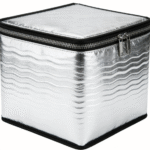
A embalagem eficaz é a proteção final contra variações de temperatura durante o transporte. Farmacêutico embalagem da cadeia de frio as soluções incluem sistemas ativos e passivos usando contêineres isolados, materiais de mudança de fase (PCMs) e painéis isolados a vácuo (VIPs).
Ativo versus. embalagem passiva
Sistemas ativos use refrigeração mecânica ou resfriamento alimentado por bateria para manter temperaturas precisas. Eles são adequados para remessas de longa distância ou de alto valor, mas são mais pesados e mais caros.
Sistemas passivos dependem de isolamento e PCMs para absorver ou liberar calor latente. Esses transportadores são mais leves e ecológicos, mas exigem um pré-condicionamento cuidadoso e têm tempo de espera limitado..
Soluções híbridas combine resfriamento ativo com isolamento passivo, integração de sensores IoT e registradores de dados para monitoramento em tempo real.
Materiais de mudança de fase e isolamento
PCMs, como ceras de parafina ou hidratos de sal, absorvem e liberam calor em temperaturas específicas, permitindo que a embalagem mantenha uma temperatura estável por períodos mais longos. Painéis isolados a vácuo (VIPs) oferecem alta resistência térmica, permitindo embalagens mais finas e leves. Essas tecnologias reduzem o peso da remessa e aumentam o tempo de espera. No entanto, eles podem aumentar o custo e exigir procedimentos de condicionamento especializados.
Validação e condicionamento
Antes do envio, a embalagem deve ser validado para demonstrar que mantém a faixa de temperatura exigida nas piores condições ambientais. A validação normalmente inclui modelagem térmica, teste de estresse (perfis quentes e frios) e testes de envio. Condicionamento envolve pré-resfriamento de bolsas de PCM, pré-resfriar os transportadores e carregar a carga útil em temperaturas controladas. Documente cada etapa e use registradores de dados para confirmar o desempenho. Revise regularmente os dados de validação e atualize os designs das embalagens à medida que os produtos ou as condições ambientais mudam.
Perspectivas de mercado e importância econômica
The pharmaceutical cadeia de frio comprises multiple segments, incluindo serviços de logística, embalagem, monitoramento e equipamentos. Dados recentes do mercado ilustram um crescimento robusto nestes segmentos:
| Segmento | 2024 Valor de mercado | Previsão & Cagr | Principais motivadores | O que isso significa para você |
| Logística da cadeia de frio (serviços) | O mercado de logística da cadeia de frio farmacêutico atingiu US$ 18,61 bilhões em 2024. | Projetado para alcançar US$ 27,11 bilhões por 2033 em um CAGR de 4.3 %. | Aumento das remessas de produtos biológicos e vacinas; crescente demanda por distribuição com temperatura controlada. | Os prestadores de serviços devem investir em capacidade, certificação regulatória e visibilidade digital. |
| Embalagem da cadeia de frio | Avaliado em US$ 8,28 bilhões em 2024. | Espera-se que cresça a partir de US$ 9,26 bilhões em 2025 para US$ 20,83 bilhões por 2032 (Cagr ≈12,3 %). | Crescimento de produtos biológicos, vacinas e medicamentos especiais; conformidade rigorosa com o PIB; demanda por isolamento avançado e PCMs. | Empresas de embalagens devem inovar em materiais ecologicamente corretos, tecnologias de mudança de fase e integração digital. |
| Monitoramento da cadeia de frio | Estimado em US$ 8,31 bilhões em 2025. | Projetado para alcançar US$ 15,04 bilhões por 2030 em um CAGR de 12.6 %. | Adoção de sensores IoT, rastreamento em tempo real e análise preditiva; regulamentos mais rigorosos (por exemplo, FSMA dos EUA, FDA 21 Parte cfr 11). | Oportunidades para fornecedores de software e fabricantes de sensores fornecerem soluções integradas de monitoramento. |
| Infraestrutura da cadeia de frio & logística (em geral) | The broader cadeia de frio logistics market (alimentos e produtos farmacêuticos) foi avaliado em US$ 293,58 bilhões em 2023 e está projetado para crescer a partir US$ 324,85 bilhões em 2024 para US$ 862,33 bilhões por 2032 (Cagr 13 %). | Rápida expansão devido ao comércio eletrônico, alimentos à base de plantas e distribuição global de vacinas. | Investimento em instalações de armazenamento de alta capacidade, automação, sustentabilidade e integração de software. | Garantir a capacidade para remessas farmacêuticas em meio à concorrência de outros setores requer parcerias estratégicas e planejamento de rede. |
2025 Últimos Desenvolvimentos e Tendências
Visão geral da tendência
Enquanto olhamos para 2025, several technology and market trends are reshaping pharmaceutical cadeia de frio distribution:
Maior visibilidade através de gêmeos digitais e IA: O investimento continua em software que proporciona visibilidade ponta a ponta, análise preditiva e gêmeos digitais para simular cenários logísticos. A otimização de rotas baseada em IA combina dados meteorológicos e de tráfego em tempo real para reduzir o tempo de trânsito e evitar variações de temperatura.
Blockchain para rastreabilidade: Blockchain garante registros invioláveis e melhora a integridade da cadeia de suprimentos. As empresas podem monitorar remessas de vacinas com dados de temperatura e localização em tempo real compartilhados entre as partes interessadas.
Armazenamento refrigerado movido a energia solar: Unidades movidas a energia solar oferecem soluções sustentáveis em regiões com eletricidade não confiável. Taxas solares comerciais entre 3.2 centavos e 15.5 centavos por kWh proporcionam economia de custos em comparação com o preço médio da eletricidade comercial de 13.1 centavos em 2024.
Congeladores criogênicos portáteis: Os freezers portáteis mantêm temperaturas tão baixas quanto –80 °C a –150 °C para terapias celulares e genéticas, permitindo o transporte ultrafrio em ambientes desafiadores.
Sensores inteligentes habilitados para IoT: Dispositivos IoT com funcionalidade GPS fornecem rastreamento de posição em tempo real e alertas de temperatura; eles notificam automaticamente os usuários quando surgem condições inseguras.
Manutenção preditiva com tecnologia de IA: A combinação de análises preditivas com sensores IoT permite que as empresas identifiquem possíveis variações de temperatura e acionem intervenção imediata.
Reutilizável e embalagem sustentável: O impulso para a sustentabilidade ambiental e a eficiência de custos impulsiona a adoção de recipientes isolados reutilizáveis e materiais ecológicos.
Último progresso em um olhar
Resiliência do mercado: Apesar das perturbações geopolíticas e dos desafios de capacidade, the cadeia de frio logistics industry remains resilient. Maersk reports that cadeia de frio capacity is prepared for increasing demand in 2025.
Infraestrutura atualizada: Envelhecimento instalações de armazenamento a frio estão sendo substituídos por automatizados, armazéns energeticamente eficientes para atender a regulamentações mais rigorosas sobre refrigerantes.
Produtos emergentes: Crescimento de proteínas vegetais, alimentos especiais e produtos biológicos introduzem novos requisitos de temperatura e impulsionam a demanda por fornecedores especializados de logística.
Expansão regional: AsiaPacific is projected to register the highest growth in cadeia de frio monitoring due to rising demand for perishable food and pharmaceuticals.
Insights de mercado
A demanda dos consumidores por produtos biológicos e medicamentos personalizados alimenta a necessidade de sistemas de distribuição especializados. The pharmaceutical cadeia de frio packaging market is driven by rising vaccination initiatives, ensaios clínicos e supervisão regulatória rigorosa. No entanto, altos custos de capital, infra-estruturas complexas e consumo de energia podem dificultar o crescimento. Os avanços na IoT e na IA criam oportunidades para melhorar a rastreabilidade, automação e sustentabilidade. Investimentos em energias renováveis e embalagem reutilizável apoiar metas de sustentabilidade corporativa.
Perguntas frequentes
What temperature range is considered “refrigerated” in pharmaceutical cadeia de frios?
O armazenamento refrigerado normalmente requer 2 °C a 8 °C. Esta faixa se aplica à maioria das vacinas, produtos biológicos e de insulina e evita a perda de potência devido ao calor ou congelamento..
Por que os produtos biológicos são tão sensíveis às flutuações de temperatura?
Produtos biológicos são moléculas complexas derivadas de células vivas. Mesmo pequenas mudanças de temperatura podem causar desnaturação ou agregação, tornando a terapia ineficaz. Por exemplo, terapias celulares podem exigir armazenamento em –80 °C a –150 °C.
O que acontece se uma droga sofrer uma variação de temperatura?
As excursões de temperatura podem causar perda de eficácia, degradação ou contaminação. USP <1079> observa que a epinefrina exposta a aquecimento e resfriamento repetitivos pode perder 64 % da sua eficácia. Produtos expostos a condições fora da faixa podem precisar ser descartados, levando a perdas financeiras e possíveis danos ao paciente.
Como a IoT melhora o monitoramento da cadeia de frio?
Sensores IoT fornecem temperatura contínua, dados de umidade e localização, permitindo alertas em tempo real e análises preditivas. Isto permite que as equipes de logística intervenham antes que uma variação de temperatura comprometa a qualidade do produto.
Which regulatory frameworks govern pharmaceutical cadeia de frio distribution?
Os principais quadros incluem o da OMS Modelo de orientação para armazenamento e transporte de produtos farmacêuticos sensíveis ao tempo e à temperatura, USP <1079> Boas práticas de armazenamento e envio, Diretrizes do PIB aplicadas pelas autoridades regionais e pelos regulamentos de controle de temperatura da IATA que exigem o rótulo sensível ao tempo e à temperatura.
How can companies reduce the environmental impact of cadeia de frio logistics?
Adotando unidades de armazenamento movidas a energia solar, recipientes isolados reutilizáveis e refrigerantes ecológicos reduzem o consumo de energia e o desperdício. A otimização de rotas com IA e o uso de análises preditivas minimizam o uso de combustível e as emissões de carbono.
Resumo e recomendações
Takeaways -chave: Pharmaceutical cadeia de frio distribution requires endtoend temperature control across multiple stages, do desenvolvimento à distribuição. Faixas rigorosas de temperatura (2 °C–8 °C para produtos refrigerados; –20 °C a –80 °C ou menos para terapias congeladas) deve ser mantido. Os principais desafios incluem processos complexos, validação de equipamento, coordenação da cadeia de abastecimento e custos crescentes. Tecnologias modernas de monitoramento (Sensores de IoT, plataformas em nuvem e análise preditiva) fornecer visibilidade em tempo real e intervenção precoce. Marcos regulatórios da OMS, USP <1079>, GDP e IATA estabelecem requisitos rigorosos para armazenamento, transporte e documentação. Dados de mercado mostram crescimento robusto em logística, segmentos de embalagem e monitoramento.
Conselhos acionáveis:
Conduza avaliações de risco abrangentes across the entire cadeia de frio and implement a quality management system with continuous improvement. Documente parâmetros críticos durante o desenvolvimento e valide completamente o equipamento.
Invista em monitoramento habilitado para IoT e análise preditiva para obter visibilidade em tempo real, detectar possíveis excursões e manter a conformidade. Prepare-se para uma adoção generalizada à medida que a IoT se torna a norma, 2030.
Escolha validado soluções de embalagem usando materiais de mudança de fase, painéis isolados a vácuo ou sistemas híbridos. Revise regularmente os dados de validação e atualize os designs das embalagens com base nas condições ambientais e nos requisitos do produto.
Treine o pessoal e estabeleça POPs claros para monitoramento de temperatura, gravação de dados, planejamento de contingência e conformidade regulatória. Garantir que as equipes multifuncionais entendam os requisitos do PIB e as regulamentações regionais.
Plano para a sustentabilidade integrando armazenamento movido a energia solar, recipientes reutilizáveis e refrigerantes ecológicos. Otimize rotas com IA para reduzir emissões e custos.
Sobre Tempk
A Tempk é especialista em soluções de cadeia de frio para produtos farmacêuticos, alimentos e outros produtos sensíveis à temperatura. Fornecemos embalagens validadas, sistemas de monitoramento em tempo real e serviços logísticos personalizados para ajudá-lo a manter a conformidade com o PIB, OMS e USP <1079> diretrizes. Nossos recipientes isolados reutilizáveis e materiais de mudança de fase proporcionam temperaturas estáveis enquanto reduzem o desperdício. Com nossa abordagem baseada em dados e rede global, capacitamos os clientes a proteger a integridade do produto e alcançar eficiência operacional.
Contate-nos to learn how Tempk can support your pharmaceutical cadeia de frio distribution needs and provide expert guidance on compliance and innovation.