Caixa isolada VIP para remessa neutra em carbono: Guia Prático de Seleção
O melhor uso de um Caixa isolada VIP para o transporte marítimo neutro em carbono é conectar a proteção térmica a um plano operacional claro. Comece com os requisitos do produto, então defina a rota, carga útil, refrigerante, evidências de monitoramento, e recebendo decisão. O isolamento VIP pode ser valioso para remessas difíceis ou de alto valor na cadeia de frio, mas deve ser selecionado através de evidências, não suposição. Este guia pronto para publicação traz ao comprador, técnico, e questões operacionais em uma estrutura prática.
Resposta rápida: use caixa isolada VIP para remessa neutra em carbono quando a remessa precisar de um isolamento passivo mais forte, controle de pacote definido, e evidências práticas para o receptor. Não use isso como um substituto para qualificação de rota, condicionamento correto do refrigerante, ou revisão de qualidade. O contêiner deve ser considerado um componente de um sistema completo de cadeia de frio.
Para a maioria dos compradores, a questão prática é: de que evidências precisamos antes de confiarmos neste pacote em grande escala? Essa evidência pode ser um resumo de qualificação, uma folha de dados do fornecedor, uma instrução de pacote, uma amostra de revisão, uma recomendação de posicionamento do registrador, ou uma aprovação de qualidade interna. O objetivo não é coletar documentos por si só. O objetivo é reduzir a incerteza antes que o produto real seja colocado em risco.
Um caminho de decisão prático para a solução VIP certa
O melhor caminho de decisão não é puramente técnico nem puramente comercial. Uma caixa isolada VIP para remessa neutra em carbono deve ser avaliada pela forma como ela atende aos requisitos do produto, exposição da pista, repetibilidade do pacote, evidências de monitoramento, e suporte ao fornecedor. Um material premium ainda pode decepcionar se a carga útil não couber, o refrigerante está condicionado incorretamente, ou o receptor não consegue interpretar o relatório do registrador. Um design mais simples pode funcionar bem se a pista for curta, estável, e documentado.
VIP significa painel isolado a vácuo, um componente de isolamento de alto desempenho construído em torno de um núcleo evacuado selado dentro de um envelope de barreira. Em embalagem da cadeia de frio, Os painéis VIP são geralmente protegidos por camadas estruturais internas e externas porque o painel em si não foi projetado para suportar abusos diretamente. O valor prático não é que o painel seja mágico; é que a transferência de calor reduzida pode dar ao pacote mais margem térmica ou preservar mais espaço de carga útil interno do que uma parede de espuma convencional mais espessa. Os compradores ainda precisam confirmar o pacote completo, porque o isolamento por si só não define a faixa de temperatura necessária, condicionamento de refrigerante, ou critérios de recebimento.
As reivindicações de sustentabilidade precisam de um limite definido. Uma caixa VIP reutilizável pode reduzir o desperdício de embalagens descartáveis em uma rota controlada, mas o resultado depende da taxa real de reutilização, logística reversa, limpeza, reparar, perda de ativos, cubo de frete, e tratamento em fim de vida. O envio neutro em carbono não deve ser reivindicado apenas porque uma caixa é reutilizável ou bem isolada. A abordagem mais segura é descrever como a embalagem apoia um programa de menor desperdício, em seguida, verifique a contabilização de carbono com um método aceito pela sua organização.
Proteção de temperatura separada, monitoramento, e prova de conformidade
Um remetente VIP normalmente é um embalagem passiva com temperatura controlada componente, a menos que esteja emparelhado com refrigeração elétrica. Passivo significa que o sistema depende de isolamento, refrigerante pré-condicionado, material de mudança de fase, gelo seco onde apropriado, e um método de carregamento repetível. Não se resfria ativamente após a partida. Esta distinção é importante em RFQs porque alguns compradores usam palavras como refrigerado, inteligente, e temperatura controlada na mesma frase. Um fornecedor precisa saber se você espera proteção passiva, refrigeração ativa, Monitoramento de temperatura, ou um fluxo de trabalho logístico híbrido.
O monitoramento da temperatura deve ser tratado como evidência, não como proteção térmica. Um registrador pode mostrar se uma remessa ficou dentro da faixa exigida e pode ajudar a equipe a investigar um desvio, mas não pode corrigir um pacote fraco. O posicionamento do registrador também é importante. Um sensor colocado contra um congelado pacote de refrigerante, perto de uma parede quente, ou em uma bolsa de ar pode não representar a condição da carga útil. Para remessas importantes, o plano de monitoramento deve ser revisado com o mesmo cuidado que o mapa do refrigerante.
Esta separação evita dois erros comuns. A primeira é acreditar que um data logger protege o produto. A segunda é acreditar que o isolamento por si só prova uma remessa controlada. Proteção térmica, evidências de monitoramento, e a documentação de conformidade estão conectadas, mas cada um tem um trabalho diferente. Um pacote forte deve tornar estes empregos visíveis.
Um programa de cadeia de frio de menor impacto geralmente resulta de diversas decisões trabalhando em conjunto: embalagem do tamanho certo, redução do desperdício de refrigerante, reutilização repetível, menos reenvios de emergência, e melhor consolidação onde o risco do produto permite. O isolamento VIP pode ajudar reduzindo a espessura da parede ou melhorando a margem térmica, mas qualquer reivindicação de carbono deve ser apoiada pelos limites contábeis da própria empresa. O artigo deveria, portanto, falar sobre o apoio a metas neutras em carbono, neutralidade de carbono não automática.
Combine o contêiner com a carga útil, faixa, e recebendo decisão
For temperature-sensitive goods shipped through repeatable or returnable cadeia de frio routes, o contêiner deve corresponder à carga útil e à pista ao mesmo tempo. A revisão da carga útil inclui dimensões, massa, sensibilidade, embalagem secundária, e se o produto está danificado por congelamento, aquecimento, vibração, ou contato com refrigerante. A revisão da pista inclui a duração planejada, transferências, exposição ambiental, alfândega ou residência central, e recebendo prontidão. Se qualquer um dos lados for vago, a recomendação da embalagem será vaga.
As reivindicações de sustentabilidade precisam de um limite definido. Uma caixa VIP reutilizável pode reduzir o desperdício de embalagens descartáveis em uma rota controlada, mas o resultado depende da taxa real de reutilização, logística reversa, limpeza, reparar, perda de ativos, cubo de frete, e tratamento em fim de vida. O envio neutro em carbono não deve ser reivindicado apenas porque uma caixa é reutilizável ou bem isolada. A abordagem mais segura é descrever como a embalagem apoia um programa de menor desperdício, em seguida, verifique a contabilização de carbono com um método aceito pela sua organização.
Tabela de evidências de RFQ
| Item de solicitação de cotação | Detalhe mínimo útil | Valor de decisão |
|---|---|---|
| Descrição da carga útil | Tipo de produto, massa, dimensões, e sensibilidade | Ajuda a dimensionar o recipiente e evitar mau ajuste |
| Requisito de temperatura | Regra necessária de alcance e manuseio de excursão | Define a meta de aceitação |
| Faixa de transporte | Origem, destino, modo, temporada, e transferências | Vincula a escolha do pacote à exposição real |
| Design de embalagem | Tipo de refrigerante, condicionamento, colocação, divisores, e fechamento | Torna o resultado repetível |
| Fluxo de trabalho de monitoramento | Posição do registrador, processo de iniciar/parar, formato de relatório, e avaliar o proprietário | Transforma dados de temperatura em evidências utilizáveis |
| Controles de aumento de escala | Equivalência de amostra, consistência de produção, e notificação de alteração | Reduz surpresas após aprovação |
Esta tabela é útil porque transforma uma consulta geral do produto em perguntas verificáveis. Também evita que os compradores tratem um contêiner VIP como uma especificação única quando a decisão real depende da rota completa, carga útil, refrigerante, monitoramento, e fluxo de trabalho de documentação.
Evidências a serem solicitadas antes de passar da amostra à produção
A qualificação é a ponte entre uma reclamação de produto e uma decisão real de envio. Ele faz uma pergunta simples: sob um perfil definido, com uma carga útil definida e um pacote definido, o sistema manteve as condições exigidas? Se uma dessas entradas mudar, a prova pode não ser mais diretamente transferível. É por isso que os compradores devem perguntar se o desempenho declarado reflete a massa da sua carga útil, layout interno, quantidade de refrigerante, duração da rota, e condições ambientais esperadas.
Antes de dimensionar, peça evidências que reflitam a configuração aprovada. A etapa de amostragem deve testar mais do que a aparência visual. Confirme se a construção, encerramento, Proteção do painel VIP, plano de refrigeração, layout interno, e as instruções podem ser repetidas na produção. Se um fornecedor alterar um material, estrutura da parede, ou componente após aprovação, o comprador deve saber como essa mudança é comunicada e avaliada.
Disciplina operacional após a caixa sair de suas instalações
A caixa sai de suas instalações, mas o processo continua. Pré-condicionamento, preparação do produto, posicionamento da etiqueta, ativação do registrador, fechamento da tampa, retirada da transportadora, manuseio em trânsito, e receber inspeção afetam o resultado. Um contêiner VIP pode retardar a transferência de calor, ainda assim, não é possível corrigir uma carga quente carregada com atraso, uma coleta perdida, ou um receptor que esquece de baixar o logger. Disciplina operacional transforma design de embalagem em controle de remessa.
Ferramentas úteis de decisão
Verifique os detalhes antes de escolher a embalagem
Essas ferramentas rápidas podem ajudá-lo a comparar o risco da rota, necessidades de dimensionamento, escolhas de refrigerante, e detalhes da embalagem antes de solicitar um orçamento.
Referência de material de isolamento
Compare as opções de materiais de isolamento para diferentes necessidades de embalagens da cadeia de frio.
Compare materiaisGerador de lista de verificação de conformidade
Crie uma lista de verificação prática para revisão de embalagens, envio, e documentação.
Lista de verificação de construçãoVerificador de risco de rota
Revise as condições da pista antes de selecionar a embalagem para requisitos operacionais reais.
Verifique o risco da rotaUm bom conjunto de instruções deve ser curto o suficiente para ser usado e específico o suficiente para evitar improvisações.. Deve mostrar a ordem de embalagem, colocação de refrigerante, localização do registrador, método de fechamento, posição da etiqueta, e recebimento de cheques. Para unidades reutilizáveis, também deve mostrar as etapas de inspeção e limpeza antes da próxima remessa.
Notas finais do comprador para uma RFQ mais segura
Um RFQ mais seguro estabelece as condições em vez de solicitar uma caixa premium genérica. Incluir o intervalo necessário, carga útil, dimensões, rota, duração, temporada, modo de transporte, necessidades de monitoramento, reutilizar expectativas, e necessidades de documentação. Peça aos fornecedores que declarem as suposições por trás de qualquer afirmação de desempenho. Se eles não puderem declarar as suposições, tratar a reclamação como um ponto de partida e não como uma base de decisão.
Finalmente, decidir o que tornaria a opção inaceitável. Pode ser muito pouco volume utilizável, posicionamento pouco claro do registrador, proteção fraca do painel, nenhuma instrução de embalagem, nenhuma conversa de controle de mudança, ou mau ajuste com o loop de retorno. Os critérios de rejeição tornam a avaliação mais objetiva e evitam que as equipes aprovem um container simplesmente porque o material parece avançado.
Da aprovação da amostra ao envio repetível
A aprovação de amostra para caixa isolada VIP para remessa neutra em carbono não deve parar na aparência. A equipe deve confirmar que a amostra pode ser embalada por pessoal normal, que a carga útil se ajuste após a colocação do refrigerante e do registrador, esse fechamento é repetível, e que o destinatário possa inspecionar e documentar a chegada sem confusão. Uma amostra forte que não pode ser repetida na produção não é uma amostra estável solução para cadeia de frio.
Ao mudar para repetir remessas, definir expectativas de controle de mudanças. Se o fornecedor alterar o material do painel, projeto de concha, estrutura da tampa, divisor, ou pacote recomendado, o comprador deve ser notificado antes que a mudança afete as remessas reais. Isto é especialmente importante para produtos farmacêuticos, clínico, biológico, e produtos de alto valor onde pequenas alterações na embalagem podem alterar o perfil de risco.
Porque este tópico envolve metas neutras em carbono ou de menor impacto, os compradores devem separar os fatos operacionais da linguagem de marketing. Acompanhe a taxa real de reutilização, distância de retorno, método de limpeza, taxa de dano, e frequência de substituição antes de fazer reivindicações ambientais. A embalagem pode apoiar um programa de sustentabilidade, mas o programa deve gerar a prova.
Perguntas frequentes
Uma caixa isolada VIP pode tornar o transporte neutro em carbono?
Não por si só. Um camarote VIP pode apoiar programas de menor desperdício ou menor impacto, especialmente quando reutilizado em rotas controladas, mas o transporte marítimo neutro em carbono requer um limite contábil definido e dados verificados. Taxa de reutilização, transporte de retorno, limpeza, perda, substituição, e a eficiência do frete influenciam o resultado.
Que evidências um fornecedor deve fornecer?
Peça evidências que correspondam à sua decisão. Isso pode incluir informações relevantes, instruções de embalagem, resumos de testes ou qualificação, orientação sobre posicionamento do registrador, instruções de limpeza e reutilização, e controles da amostra até a produção. Se uma reclamação afetar a qualidade ou conformidade, pergunte qual documento o suporta.
A embalagem VIP é suficiente para remessas clínicas ou farmacêuticas??
A embalagem VIP pode ser uma parte da resposta, mas o sistema completo é importante. As equipes de qualidade geralmente se preocupam com os limites de temperatura do produto, evidência de qualificação, monitoramento calibrado, risco de rota, Ajuste do POP, e tratamento de desvio. As embalagens devem ser selecionadas para apoiar esses controles, não os substitua.
Como devo comparar duas opções de camarote VIP?
Compare o espaço de carga útil, repetibilidade do pacote, compatibilidade de refrigerante, proteção do painel, confiabilidade de fechamento, durabilidade de manuseio, layout de monitoramento, suporte de documentação, e custo operacional total. Um preço unitário mais baixo pode ser enganoso se a caixa criar erros de embalagem, frete extra, ou fraca recepção de evidências.
Conclusão: Faça a escolha VIP com base em evidências
Uma caixa isolada VIP para remessa neutra em carbono é mais valiosa quando o comprador vincula o contêiner aos limites do produto, exposição da rota, repetibilidade do pacote, evidências de monitoramento, e receber decisões. O isolamento VIP é um componente forte, mas não é todo o processo da cadeia de frio.
Para uma RFQ mais segura, peça as evidências por trás de cada reclamação e confirme como a amostra será dimensionada para remessas repetidas. A escolha final deve ser prática para quem embala, transporte, receber, inspecionar, e aprove o produto.
Notas Adicionais para Revisão Interna
Outro ponto que vale a pena verificar para caixa isolada VIP para remessa neutra em carbono é o comportamento de recebimento. Uma remessa não está completa quando chega ao endereço; está completo quando o receptor pode inspecioná-lo, interpretar a evidência de temperatura, e tome a decisão de aceitação correta. Se o design do pacote dificultar a recuperação do registrador ou ocultar a condição da carga útil, o receptor pode criar um desvio mesmo quando o projeto térmico for adequado. Instruções simples de recebimento reduzem esse risco.
O armazenamento antes do envio também faz parte do processo da cadeia de frio. Condicionamento de refrigerante, preparação do produto, armazenamento de caixa vazia, e a temperatura ambiente da embalagem podem influenciar a condição inicial. Se um local for embalado em uma sala controlada e outro for embalado ao lado de uma doca de carga, a mesma caixa pode iniciar a pista com condições térmicas diferentes. Os compradores devem padronizar as etapas de preparação antes de julgar o desempenho do contêiner.
Sobre Tempk
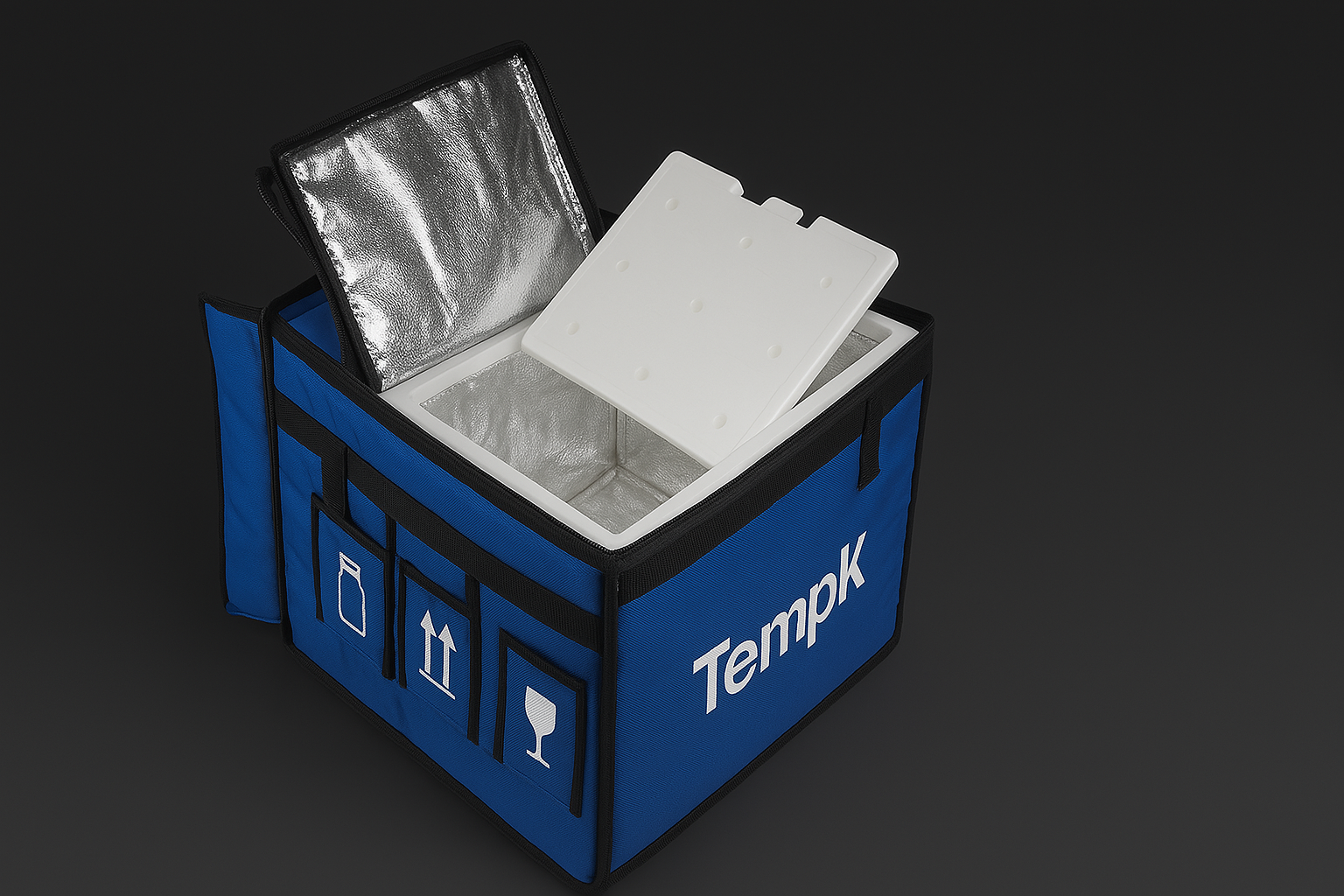
Tempk fornece cadeia de frio soluções de embalagem incluindo VIP caixas mais frias e conceitos de isolamento reutilizáveis para logística sensível à temperatura. Para compradores que exploram programas reutilizáveis ou com menor desperdício, o suporte relevante é prático: ajuste de carga útil, tratamento de devolução, expectativas de limpeza, proteção do painel, e pacote repetível. A Tempk pode ajudar a enquadrar a discussão sobre embalagens em torno do modelo de rota e reutilização, em vez de depender de amplas reivindicações ambientais.
Discuta a frequência da sua rota, ciclo de retorno, e limite de sustentabilidade com Tempk antes de usar mensagens neutras em carbono.