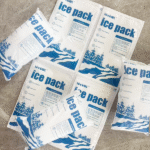
Envio de framboesas por correio, mercado, or ecommerce lanes requires a product-specific cadeia de frio plan because freshness loss is not caused by temperature alone. Umidade, pressão da caixa, fluxo de ar, pré-resfriamento, colocação de refrigerante, e o tempo de permanência afetam a qualidade da chegada.
As framboesas são mais macias que os morangos e menos indulgentes que os mirtilos. Eles não toleram movimentos soltos, alta pressão vertical, ou tampas de concha molhadas. Uma embalagem genérica de produtos frescos pode manter a caixa fria, mas ainda pode falhar se criar condensação, bloqueia aberturas de ventilação, esmaga o pacote de varejo, ou usa refrigerante muito frio para o produto.
Recommended cadeia de frio range
Para planejamento de rotas, framboesas devem ser manuseadas 0-1 C com umidade relativa ao redor 90-95% RH. Esses valores são intervalos de planejamento baseados nas orientações de armazenamento de produtos comerciais e devem ser verificados em relação às especificações do produto do fornecedor., formato de caixa, estágio de maturidade, e clima de destino.
A regra prática mais importante é remover o calor do campo antes de embalar. Um expedidor isolado foi projetado para retardar o ganho de calor durante o trânsito; não é um substituto para o pré-resfriamento.
Comparação com produtos frescos semelhantes
| Produto | Temperatura de planejamento | Umidade relativa | Sensibilidade a danos | Pré-resfriamento | Prioridade de pacote |
|---|---|---|---|---|---|
| Framboesas | 0-1 C | 90-95% | Muito alto | Resfriamento rápido com ar forçado | Suporte clamshell e compressão muito baixa |
| Morangos | 0-4 C | 90-95% | Alto | Pré-resfrie antes de embalar | Controle de umidade e proteção contra hematomas |
| Mirtilos | 0-1 C | 90-95% | Médio | Pré-resfrie e mantenha seco | Alinhamento de ventilação e controle de movimento de frutas pequenas |
Tabela de planejamento de rotas e pacotes
| Variável de rota | Requisito específico do produto | Resposta do pacote temporário |
|---|---|---|
| Temperatura | 0-1 C | Selecione a espessura do isolamento e o líquido refrigerante condicionado ou PCM para a pista testada. |
| Umidade | 90-95% RH | Use separadores, controle absorvente, ventilação, ou barreiras contra umidade com base na embalagem de varejo. |
| Pré-resfriamento | Resfriamento rápido com ar forçado antes de embalar; bagas quentes não devem ser carregadas no transportador isolado. | Não confie no remetente para remover o calor do campo; deve preservar a condição inicial. |
| Pressão de embalagem | Muito baixo. Framboesas precisam de suporte rígido em forma de concha, força de empilhamento limitada, e nenhum refrigerante pesado acima da fruta. | Suporte de caixa correspondente, preenchimento vazio, e posição do líquido refrigerante de acordo com a sensibilidade ao esmagamento do produto. |
| Posição do refrigerante | Pacotes de gel condicionado ou PCM resfriado colocados ao redor da zona do produto, separados por bolsos de forro, almofadas onduladas, ou uma camada absorvente. | Mantenha o líquido refrigerante longe do contato direto com a embalagem de varejo e teste a temperatura do espaço do produto. |
| Duração do trânsito | Melhor para pistas noturnas e 24 horas. 24-48 remessas de hora em hora devem ser validadas com um registrador colocado próximo à concha de frutas vermelhas. | Valide a rota em tempo de permanência real, manuseio de depósito, e exposição à porta. |
Como escolher um pacote para 24, 48, e 72 rotas horárias
| Tipo de envio | Lógica de pacote | O que verificar |
|---|---|---|
| Local no mesmo dia | Use uma sacola ou caixa compacta e isolada com líquido refrigerante condicionado e posicionamento firme em forma de concha. | Verifique a umidade da tampa e o movimento dos frutos após o parto. |
| 24-correio de hora | Use um transportador com isolamento rígido, refrigerante posicionado lateralmente, e um separador seco sobre a zona clamshell. | Coloque um registrador perto da fruta, não contra a parede externa. |
| 24-48 horas | Aumente o isolamento e a massa do líquido refrigerante somente após o teste; mais refrigerante não é útil se criar condensação. | Teste a permanência do depósito quente e o atraso na porta antes da expansão. |
Para rotas mais longas, evite resolver todos os problemas adicionando mais congelados pacotes de gel. Líquido refrigerante extra pode criar pontos frios, marcas de água, fluxo de ar bloqueado, ou pressão do produto. A melhor abordagem é ajustar o isolamento, condicionamento de refrigerante, projeto do separador, ajuste da caixa, e tempo de rota juntos.
Padrões de perda comuns
As principais perdas de trânsito a observar são os frutos moles, coloração de suco, crescimento de mofo, tampas molhadas, células esmagadas, e vida útil curta. Esses problemas geralmente vêm do tempo de permanência quente, pré-resfriamento insuficiente, má separação do refrigerante, caixas esmagadas, ventilação bloqueada, ou condensação dentro da embalagem de varejo.
Ferramentas úteis de decisão
Verifique os detalhes antes de escolher a embalagem
Essas ferramentas rápidas podem ajudá-lo a comparar o risco da rota, necessidades de dimensionamento, escolhas de refrigerante, e detalhes da embalagem antes de solicitar um orçamento.
Calculadora de bolsa de gelo
Estime a quantidade de bolsas de gelo em gel para remessas refrigeradas e planejamento prático de rotas.
Estimar bolsas de geloSeletor de embalagens
Compare opções de embalagens isoladas por produto, rota, e necessidade de temperatura.
Encontre embalagensRefrigerante & Referência PCM
Compare as opções de refrigerante e PCM quando uma rota precisar de suporte adicional de temperatura.
Comparar opçõesAo revisar uma remessa com falha, inspecionar o produto e a embalagem juntos. Etiquetas molhadas podem indicar condensação; hematomas podem indicar pressão vertical; temperatura irregular pode indicar má colocação do líquido refrigerante; e bons dados do registrador com aparência ruim podem indicar pressão ou umidade da embalagem em vez de temperatura.
Recomendação de embalagem Tempk
Uma caixa isolada rígida ou forro isolado, pacotes de gel condicionado, suporte para bandeja tipo concha, separador absorvente, e validação de registrador para rotas de estação quente. Para uso comercial, o pacote deve ser testado com o peso real da carga útil, pacote de varejo, tamanho da caixa, duração da rota, e a pista de entrega mais quente esperada.
Tempk pode suportar seleção de pacotes com caixas isoladas, forros isolados, pacotes de gel, Pacotes PCM, camadas de separação para controle de umidade, suporte de caixa, e validação de rota. O design final deve proteger tanto a faixa de temperatura alvo quanto a qualidade visível do produto no varejo..
Lista de verificação de validação antes do dimensionamento
- Confirme a polpa inicial do produto ou a temperatura do espaço do produto antes de embalar.
- Coloque um registrador de temperatura próximo ao produto, não apenas contra a parede externa do remetente.
- Execute o teste através da linha de entrega real, incluindo coleta, residência no depósito, carregamento de van, e hora da porta.
- Inspecione a umidade, odor, contusões, condição da haste ou ponta, resistência da caixa, condição do rótulo, e aparência da embalagem de varejo após desembalar.
- Repita a validação quando temporada, operadora, contagem de caixas, peso da carga útil, ou alterações no prazo de entrega.
Informações a enviar antes de solicitar um pacote
Para recomendar um pacote Tempk prático, compartilhe o peso do produto por remessa, tipo de pacote de varejo, dimensões da caixa, temperatura inicial, duração da rota desejada, clima de destino, temperatura ambiente máxima esperada, e se a remessa é parcela, entrega de mercearia, frete aéreo, ou correio local.
Base de dados
Os intervalos de planejamento acima são baseados no Manual de Agricultura do USDA-ARS 66 orientação de armazenamento de mercadorias, prática comum de manejo pós-colheita, e métodos de validação de pacote isolado Tempk. As configurações finais da remessa devem ser confirmadas por testes de rota ao vivo.
Chamado à ação
Se você enviar framboesas por correio quente, mercado, ou vias de comércio eletrônico, Tempk pode revisar sua carga útil, tamanho da caixa, prazo de entrega, e exposição climática para recomendar uma embalagem isolada para teste.