Caixa de polipropileno expandido reciclável de qualidade alimentar: Guia Prático de Seleção
A maneira mais segura de escolher um Caixa EPP é definir o trabalho que deve realizar antes de discutir o tamanho, cor, logotipo, ou preço unitário. Um produto alimentar reciclável caixa de polipropileno expandido deve proteger os alimentos preparados, ingredientes selados, kits de refeições, produtos de panificação, produzir, itens refrigerados, ou pacotes de varejo durante a entrega em circuito fechado, distribuição de serviços de alimentação, logística de mercearia, e manipulação de alimentos no atacado. Também deve se adequar à forma como os funcionários embalam, elevador, pilha, rótulo, limpar, e devolva o contêiner. Este artigo explica como avaliar a caixa como uma ferramenta operacional, não apenas como um produto de espuma isolado, para que você possa evitar erros comuns de especificação antes de solicitar amostras ou passar para a compra em massa.
Resposta prática: Uma caixa de polipropileno expandido reciclável de qualidade alimentar funciona melhor quando o formato do produto, duração da rota, caminho de manipulação, e o ciclo de limpeza são conhecidos antes da caixa ser selecionada. O material pode suportar isolamento e amortecimento, mas os controles diários do processo decidem se o resultado é confiável.
Comece com o trabalho da caixa de polipropileno expandido reciclável de qualidade alimentar
Uma caixa de polipropileno expandido reciclável de qualidade alimentar deve ser avaliada pelo trabalho que realiza. Para este tópico, o trabalho é usar embalagens EPP reutilizáveis onde as expectativas de contato com alimentos, regras de limpeza, e reclamações de fim de vida devem ser tratadas com cuidado. Isso inclui proteção do produto, velocidade de manuseio, buffer térmico, limpeza, e repita o uso. Se você definir apenas o tamanho da caixa, você deixa muitas decisões para a equipe durante o envio.
O melhor ponto de partida é escrever uma breve descrição operacional: o que vai dentro, como está embalado, quem carrega isso, onde espera, com que frequência é aberto, em que condições o produto deve chegar, e como a caixa volta. Esta descrição fornece informações úteis ao fornecedor e dá à sua equipe uma maneira de julgar as amostras de maneira justa.
O EPP pode ser uma escolha forte porque combina baixo peso, amortecimento, e isolamento. No entanto, não deve ser vendido em excesso. UM caixa de espuma não cria por si só uma cadeia de frio validada. Ele suporta um pacote e um fluxo de trabalho que ainda precisa corresponder ao produto e à rota.
Qualidade alimentar e reciclável são reivindicações separadas; ambos devem ser documentados em vez de assumidos.
As quatro verificações de ajuste que evitam a maioria dos erros
A primeira verificação de adequação é a adequação do produto. Coloque a embalagem real do produto dentro da amostra, incluindo bandejas, bolsas, caixas, divisores, e qualquer refrigerante ou inserções. Verifique se os alimentos preparados, ingredientes selados, kits de refeições, produtos de panificação, produzir, itens refrigerados, ou embalagens de varejo podem ser embaladas sem forçar a tampa ou deixar grandes espaços instáveis.
A segunda verificação de ajuste é o ajuste de manuseio. Mova a caixa carregada pelo caminho real: mesa de produção, prateleira de preparação, veículo, entrega do cliente, armazenamento de retorno, e área de limpeza. Preste atenção ao conforto da pegada, equilíbrio, empilhamento, e se a caixa bloqueia a visibilidade ou o movimento em espaços apertados.
A terceira verificação de ajuste é o ajuste térmico. Definir se o objetivo é simplesmente retardar a mudança de temperatura durante uma rota curta ou apoiar um pacote mais controlado. Para produtos com requisitos rigorosos, a caixa precisa de refrigerante de suporte, monitoramento, e prova específica da rota. Para alimentos menos sensíveis, testes práticos de rota podem ser suficientes para confirmar a adequação.
A quarta verificação de ajuste é o ajuste para reutilização. Decida como a caixa será recuperada, limpo, seco, inspecionado, armazenado, e aposentado. A reutilização não é apenas uma propriedade material; é uma rotina de gestão.
- Confirme como os alimentos são preparados, ingredientes selados, kits de refeições, produtos de panificação, produzir, itens refrigerados, ou pacotes de varejo são embalados antes de entrarem na caixa.
- Verifique se a equipe consegue levantar e fechar o contêiner com segurança quando ele estiver cheio.
- Separe a proteção direta do produto do isolamento térmico passivo de acordo com sua especificação.
- Escreva uma regra simples de limpeza e inspeção antes da primeira compra em massa.
O que confirmar antes de passar da amostra para o pedido em massa
Passar da amostra para o pedido em massa requer um nível diferente de disciplina. O exemplo informa se o conceito pode funcionar. Um pedido em grandes quantidades precisa de confiança de que as mesmas dimensões, qualidade da superfície, ajuste da tampa, cor, inserir ajuste, e o método de embalagem será repetido.
Peça ao fornecedor para confirmar as dimensões internas e externas, informações materiais, documentos de contato com alimentos, se relevante, cores disponíveis, embalagem de papelão, abordagem de inspeção, e o que acontece se as ferramentas ou materiais mudarem. Se sua aplicação depende de pastilhas, rótulos, ou tampas especiais, confirme esses acessórios como parte da mesma análise, e não como uma reflexão tardia.
A tabela abaixo resume as verificações que geralmente evitam os erros mais caros.
| Pergunta adequada | O que confirmar | Risco se ignorado |
|---|---|---|
| A caixa corresponde à carga? | Meça os alimentos preparados, ingredientes selados, kits de refeições, produtos de panificação, produzir, itens refrigerados, ou pacotes de varejo com todos os separadores ou refrigerante | Movimento de mercadorias soltas; cargas apertadas são esmagadas |
| A equipe pode lidar com isso completamente? | Levantamento de teste, escadaria, prateleiras de van, e transferência | Uma boa amostra vazia pode falhar durante uma rota movimentada |
| O papel térmico é realista? | Confirme se você só precisa fornecer isolamento enquanto o comprador verifica a adequação do contato direto ou indireto com os alimentos e os caminhos de reciclagem ou uma embalagem qualificada | O isolamento por si só pode não atender aos requisitos de produtos sensíveis |
| O fornecedor pode repetir? | Revise a tolerância de produção, embalagem, e controle de mudança | Pedidos em grandes quantidades podem desviar-se da amostra aprovada |
Essas verificações são simples, mas eles forçam a discussão para longe de afirmações vagas. Em vez de perguntar se a caixa é forte, pergunte quais cargas e condições de manuseio ele se destina a suportar. Em vez de perguntar se mantém a temperatura, pergunte sob quais condições de embalagem e rota a declaração é significativa.
Um cenário típico e como avaliá-lo
Um operador de entrega de supermercado pode querer caixas isoladas reutilizáveis que reduzam as embalagens descartáveis. O plano de embalagem ainda precisa de documentação de contato com alimentos, procedimentos de limpeza, e uma rota de fim de vida que corresponda às opções locais de reciclagem.
Para avaliar esse cenário, o comprador não deve começar apenas com uma comparação de catálogo. A equipe deve embalar as mercadorias reais, feche a tampa, carregue a caixa pelo caminho da rota, deixe-o na área de preparação esperada, abra-o como a equipe faria durante a entrega, e inspecione o recipiente devolvido após a limpeza.
Durante o julgamento, observe problemas que são fáceis de ignorar: rótulos de produtos esfregando na parede, coleta de condensação nos cantos, pessoal enchendo demais a caixa, alças pressionando nas mãos, tampas sendo colocadas em pisos sujos, ou caixas retornando com conteúdo misto. Esses detalhes revelam se o design selecionado pode se tornar um padrão repetível.
Se o produto for frágil, caro, ou sensível à temperatura, adicione mais cautela. Um breve teste visual pode não ser suficiente. A equipe pode precisar de registro de temperatura controlada, posicionamento definido do refrigerante, descartar ou manusear cheques, e receber critérios de inspeção antes de aprovar a caixa para uma implementação mais ampla.
Quando a caixa precisa do suporte de uma embalagem mais completa
Uma caixa de polipropileno expandido reciclável de qualidade alimentar pode precisar do suporte de outros componentes da embalagem. As inserções podem controlar a posição do produto. Separadores podem reduzir a fricção. Pacotes de gel ou pacotes de mudança de fase podem suportar rotas refrigeradas quando selecionados corretamente. Os forros podem ajudar na limpeza ou separação. As etiquetas podem apoiar a rastreabilidade e o controle de devolução.
Ferramentas úteis de decisão
Verifique os detalhes antes de escolher a embalagem
Essas ferramentas rápidas podem ajudá-lo a comparar o risco da rota, necessidades de dimensionamento, escolhas de refrigerante, e detalhes da embalagem antes de solicitar um orçamento.
Calculadora de bolsa de gelo
Estime a quantidade de bolsas de gelo em gel para remessas refrigeradas e planejamento prático de rotas.
Estimar bolsas de geloVerificador de risco de rota
Revise as condições da pista antes de selecionar a embalagem para requisitos operacionais reais.
Verifique o risco da rotaForro de caixa & Dimensionamento da cobertura de paletes
Verifique a lógica de dimensionamento do forro da caixa e da tampa do palete para projetos de embalagens isoladas.
Dimensionamento estimadoO risco é assumir que adicionar componentes sempre melhora o desempenho. Mais líquido refrigerante pode danificar alguns produtos se criar congelamento ou condensação localizada. Uma inserção pode proteger um produto e dificultar a limpeza. Um forro pode ajudar a conter derramamentos, mas pode retardar a secagem ou adicionar resíduos. Cada componente deve ter um motivo.
É também aqui que a comunicação entre compradores e fornecedores é importante. Compartilhe a rota, formato do produto, meta de embalagem, e restrições operacionais. Uma boa recomendação depende se a remessa é uma entrega unidirecional, um loop reutilizável, uma corrida de catering, uma rota de padaria, um programa de assinatura de refeição, ou um projeto de fornecimento por atacado.
Não escreva reciclável em uma folha de especificações, a menos que você saiba a qual fluxo de material e mercado a declaração se refere.
Notas adicionais do comprador antes da aprovação final
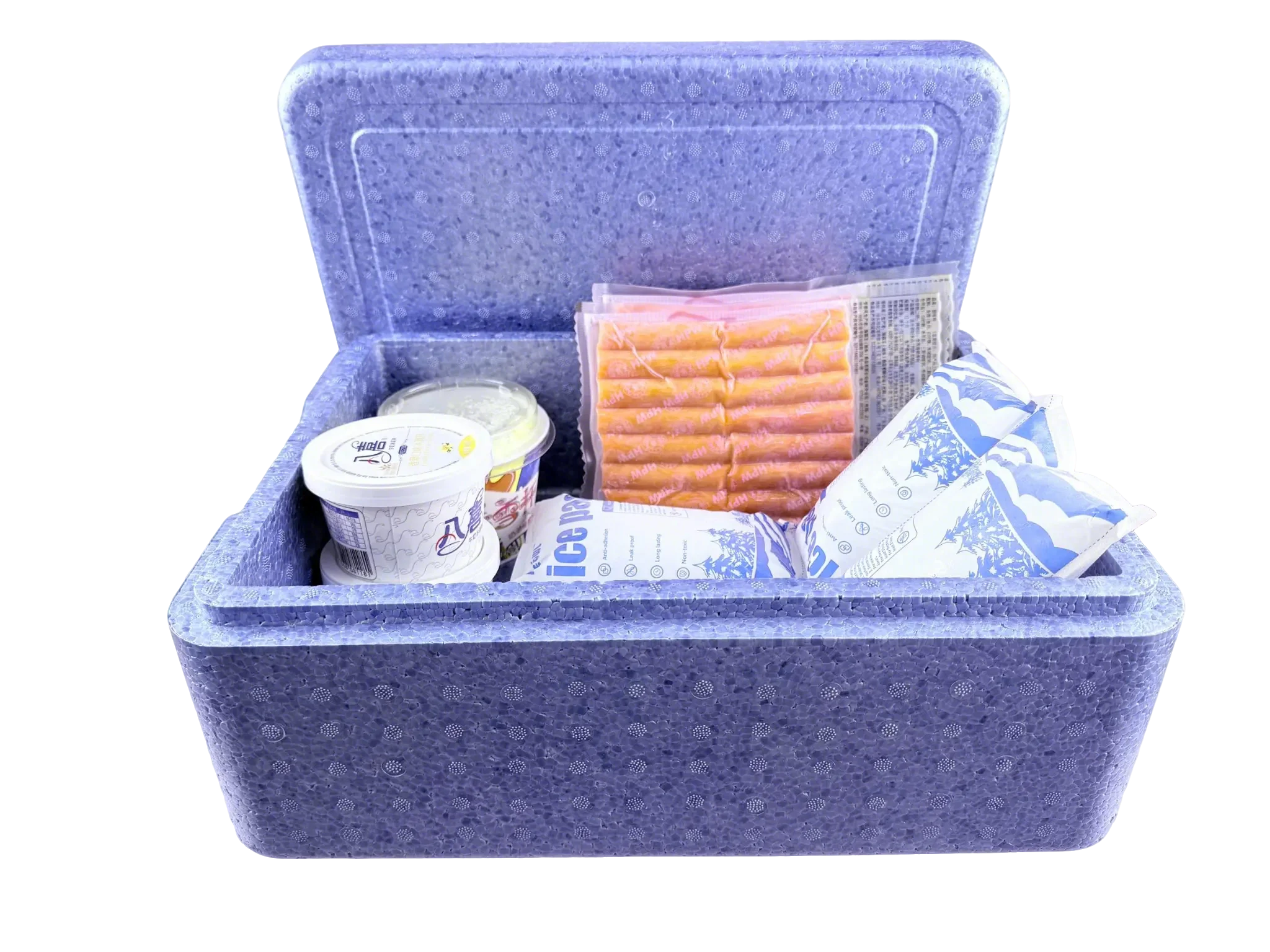
O polipropileno expandido é uma espuma de célula fechada feita de esferas de polipropileno. Na embalagem, essa estrutura é útil porque o material pode ser leve, resiliente, e isolante térmico ao mesmo tempo. Para uma caixa de polipropileno expandido reciclável de qualidade alimentar, essas propriedades são apenas o ponto de partida. O design moldado, interface da tampa, perfil de parede, ajuste de carga útil, e a rotina de limpeza decidem se a caixa funciona bem após semanas de manuseio.
Um recipiente EPP reutilizável também deve ser descrito pela sua função. Pode ser um contêiner de manuseio, uma caixa externa protetora, uma caixa isolada para transporte de alimentos, ou uma parte de um pacote passivo com temperatura controlada. Essas funções se sobrepõem, mas eles não são idênticos. Se o produto for sensível à temperatura, o comprador ainda precisa definir a condição inicial do produto, duração da rota, exposição ambiental, escolha do refrigerante, frequência de abertura, e recebendo inspeção.
Para aplicações alimentícias, a linguagem material deve ser precisa. A adequação à qualidade alimentar não é comprovada apenas pela palavra EPP. Os compradores devem solicitar documentos adequados ao mercado e à situação de contato com alimentos, especialmente se alimentos não embalados, superfícies gordurosas, itens quentes, ou lavagens repetidas estão envolvidas. Se os produtos estiverem sempre em embalagens de varejo lacradas, a documentação e o risco de limpeza podem ser diferentes do contato direto com alimentos.
A reciclabilidade também precisa de limites práticos. O polipropileno está associado a fluxos de resinas recicláveis em muitos mercados, e o EPP é frequentemente promovido como reciclável, mas a rota real do fim da vida depende da coleta local, nível de contaminação, cor, rótulos, e se o operador pode consolidar as caixas devolvidas. Um plano que prioriza a reutilização normalmente tem um valor operacional mais forte do que uma declaração vaga de reciclagem no final da vida útil.
Perguntas sobre fornecedores que vale a pena fazer
- Quais são as dimensões internas, e eles incluem cantos cônicos ou arredondados?
- Quais produtos, bandejas, inserções, ou pacotes de refrigerante foram considerados ao recomendar este tamanho?
- Quais documentos apoiam alegações de contato com alimentos ou materiais para o mercado-alvo?
- Como a caixa deve ser limpa, seco, inspecionado, e armazenado entre usos?
- As unidades de produção corresponderão à amostra aprovada no ajuste da tampa, qualidade da superfície, dimensões, e acessórios?
- Como são embaladas as caixas para exportação ou entrega nacional para que não cheguem deformadas?
- Qual é o processo para aprovar uma alteração no material, ferramentas, cor, inserir, ou embalagem de papelão?
Notas de revisão de campo para implementação
Finalmente, envolva as pessoas que usarão a caixa. Motoristas, pessoal da cozinha, selecionadores de armazém, e os receptores muitas vezes percebem problemas que o setor de compras não consegue ver em uma folha de especificações. Seu feedback sobre aderência, velocidade da tampa, altura da pilha, odor, resíduo, e o padrão de carregamento podem evitar que uma compra ruim se repita em uma frota completa.
A caixa também deve se adequar à sua realidade de armazenamento. Algumas operações têm bastante espaço; outros trabalham em pequenas cozinhas, bastidores estreitos, ou veículos onde cada centímetro importa. Armazenamento em caixa vazia, espaço de secagem, e quarentena de caixa danificada fazem parte da decisão de compra, mesmo que raramente sejam mostrados em fotos de catálogo.
A rotulagem merece a mesma atenção. Uma caixa reciclável de polipropileno expandido de qualidade alimentar pode passar pela produção, expedição, carregamento de veículos, entrega do cliente, e armazenamento de retorno. Se a área da etiqueta não estiver clara, a equipe pode colar fita adesiva ou adesivos em superfícies difíceis de limpar. Uma zona de rótulo definida, prática de etiqueta removível, ou sistema de etiqueta reutilizável pode reduzir resíduos e confusão.
A inspeção de recebimento é muitas vezes esquecida. Quando uma caixa chega da entrega em circuito fechado, distribuição de serviços de alimentação, logística de mercearia, e manipulação de alimentos no atacado, alguém deve decidir se está limpo o suficiente para ser reutilizado, precisa de lavagem, precisa de secagem, ou deve ser removido do serviço. Esta decisão protege a próxima remessa. Se recipientes sujos e limpos forem misturados, mesmo uma caixa bem projetada pode criar risco operacional.
Perguntas frequentes
Qual é a primeira coisa a verificar para uma caixa de polipropileno expandido de qualidade alimentar reciclável?
Verifique se a caixa se ajusta ao produto e rota reais. Meça o produto embalado, etapas de manuseio, espaço do veículo, e processo de devolução antes de focar na cor ou logotipo. Uma caixa que se ajusta à descrição do catálogo, mas não ao fluxo de trabalho, causará atrito diário.
Quando uma caixa EPP isolada não é suficiente?
Pode não ser suficiente quando o produto requer uma faixa de temperatura rigorosa, qualificação documentada, exposição longa e descontrolada, ou abertura frequente. Nesses casos, a caixa deve ser avaliada como parte de uma embalagem completa com refrigerante, monitoramento, e testes específicos de rota.
Como comparar fornecedores sem depender apenas de preço?
Compare a qualidade da amostra, dimensões internas, documentos materiais, ajuste da tampa, comportamento de empilhamento, orientação de limpeza, consistência de produção, e a disposição do fornecedor em discutir sua rota. O baixo preço unitário pode ser caro se a caixa falhar durante o manuseio ou exigir substituição frequente.
Devo personalizar a caixa?
Personalize apenas quando a necessidade for clara. Inserções, logotipos, cores, lidar com mudanças, e tamanhos especiais podem melhorar o fluxo de trabalho, mas também podem adicionar custos e atrasos. Valide a versão padrão primeiro, em seguida, personalize de acordo com um requisito operacional comprovado.
Conclusão
Uma caixa reciclável de polipropileno expandido de qualidade alimentar deve ser escolhida como ativo operacional, não como uma caixa de espuma genérica. Defina a carga, rota, caminho de manipulação, expectativa térmica, ciclo de limpeza, e prova do fornecedor antes de aprovar uma amostra.
Uma vez que esses detalhes estejam claros, a escolha final fica mais fácil. Você pode comparar designs por ajuste, repetibilidade, e documentação, em vez de confiar apenas em declarações de marketing amplas ou apenas no preço unitário.
Sobre Tempk
Tempk é a embalagem da cadeia de frio marca da Shanghai Tempk Industrial Co., Ltda. Fornecemos formatos de produtos como caixas isoladas em EPP, bolsas de gelo em gel, bolsas de gelo cheias de água, sacos isolados, forros de caixa, e capas térmicas para paletes. Para compradores que avaliam uma caixa de polipropileno expandido reciclável de qualidade alimentar, podemos ajudar a comparar opções práticas em relação à carga útil, condições da rota, planejamento de reutilização, e documentação do fornecedor.
Para uma recomendação prática, compartilhe sua carga útil, meta de temperatura, comprimento da rota, etapas de manuseio, e previsão de volume com a Tempk antes de selecionar uma caixa de polipropileno expandido reciclável de qualidade alimentar.