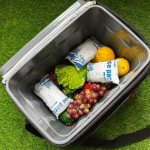
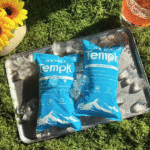
Quando você manuseia produtos sensíveis à temperatura, escolher o contêiner certo não é opcional – é de missão crítica. UM reciclável meio isolado da caixa EPP oferece resistência leve, isolamento duradouro e benefícios ambientais genuínos. Este guia foi atualizado para dezembro 2025 explica como um PPE (polipropileno expandido) caixa funciona, por que ele supera os materiais descartáveis e como ajuda você a atender às regulamentações mais rigorosas. Ao final do primeiro 50 palavras que você já conhece a estrela do show: o meio isolado reciclável da caixa EPP—uma inovação que mantém os produtos frios por 72 a 96 horas e sobrevive por mais de 500 ciclos de reutilização. Ele foi projetado para proteger seus produtos e o planeta.
Este artigo responde:
O que faz com que uma caixa de EPP isolada reciclável supere o EPS e o EPE? Comparamos isolamento, durabilidade e custo total de propriedade.
Como diferentes indústrias usam soluções médias de caixa EPP isoladas recicláveis? Descubra aplicações que vão desde produtos farmacêuticos e kits de refeição até logística industrial.
Quais opções de design maximizam a vida útil da sua caixa? Aprenda como a densidade, dimensionamento, refrigerantes e ergonomia impactam o desempenho.
Quais são os 2025 tendências de mercado moldando embalagens da cadeia de frio? Obtenha insights sobre regulamentações, expectativas do consumidor e inovações tecnológicas.
Como funciona a responsabilidade estendida do produtor (Epr) as leis e o PPWR da UE influenciam as escolhas de embalagem? Explore as políticas que impulsionam a reciclabilidade.
Perguntas frequentes sobre a seleção, usando e mantendo uma caixa de EPP isolada reciclável.
Como uma caixa EPP isolada reciclável mantém os produtos na temperatura certa?
Um meio de caixa EPP isolado reciclável mantém temperaturas frias por mais tempo do que as espumas tradicionais porque retém o ar em uma estrutura de célula fechada e emparelha com placas eutéticas. As folhas de dados mostram condutividade térmica em torno de 0,25–0,26 W/m·K (R ≈ 3.9), permitindo estabilidade de temperatura de 72 a 96 horas. O material permanece estável de –40 °C a +110 °C, o que significa que uma única caixa pode conter vacinas congeladas, frutos do mar resfriados ou refeições quentes.
Quando você abre um meio isolado reciclável da caixa EPP você vê uma rede de pequenas bolsas de ar presas dentro de paredes rígidas de plástico. Esses bolsos retardam a transferência de calor e absorvem choques. Classes de alta densidade (40–60 kg/m³) aumentar a força, mas adicionar peso. Baixa absorção de água (<5 %) e a resistência a óleos e produtos químicos protegem o conteúdo contra umidade e mofo. Porque o EPP não é poroso, pode ser limpo após cada viagem sem se degradar – um recurso fundamental para ciclos de reutilização.
Comparando EPP com EPS, EPE e PUR: Isolamento, Durabilidade e Custo
Uma caixa de EPP isolada reciclável é construída para uso repetido. Em comparações cara a cara:
| Material | Isolamento & Faixa de temperatura | Durabilidade & Reutilizar | Impacto Ambiental |
| PPE | Mantém frio por 72–96 horas com placas eutéticas; opera a partir de –40 °C a +110 °C | Suporta quedas de 1.5 m e cargas compressivas de 11–15 psi; reutilizável para 500+ viagens | Termoplástico totalmente reciclável; sem agentes de expansão químicos |
| EPS (Poliestireno) | Retenção de frio 24–48 horas; faixa de temperatura mais estreita | Frágil; racha facilmente; embalagens descartáveis | Difícil de reciclar devido à contaminação; muitas vezes enviado para aterro |
| EPE (Polietileno) | Isolamento moderado; requer paredes mais grossas | Flexível, mas oferece menos rigidez estrutural; menos ciclos de reutilização | Pode ser reciclado, mas a infraestrutura é limitada |
| Pur (Poliuretano) | Excelente isolamento, mas pesado | Não é facilmente reciclável; emite gases tóxicos se descartado incorretamente | Alto impacto ambiental devido à composição química |
Conclusão importante: usando a meio isolado reciclável da caixa EPP proporciona longevidade térmica, resistência ao choque e conformidade com os regulamentos da economia circular, enquanto EPS e EPE ficam atrás em durabilidade e sustentabilidade.
Ciência dos materiais por trás do EPP
A espuma EPP de alta densidade possui bolsas seladas que retêm o ar e amortecem as vibrações. Testes mecânicos mostram resistência à compressão de 0,3–2,5 MPa e absorção de energia de 20–40 kJ/m². A absorção de água permanece abaixo 0.3 %, permitindo que a caixa resista à umidade e ataques químicos. Estas propriedades permitem meio isolado reciclável da caixa EPP para ser esterilizado ou autoclavado, tornando-o adequado para entregas de produtos farmacêuticos e refeições quentes.
Resumidamente, a combinação de uma estrutura de espuma de células fechadas e densidade personalizável significa que você pode personalizar o isolamento, resistência e peso para sua aplicação específica – algo que não é possível com EPS ou caixas de papelão ondulado básicas.
Dicas Práticas e Orientações
Selecione a densidade certa: Para cargas pesadas ou viagens longas, escolha espuma de alta densidade (40–60 kg/m³). Cargas mais leves se beneficiam de densidades médias para reduzir o peso.
Tamanho é importante: Use uma caixa que caiba perfeitamente no seu produto; excesso de espaço vazio aumenta as perdas térmicas.
Combine com refrigerante adequado: Pacotes de gel ou materiais de mudança de fase (PCMs) manter 2–8 °C para produtos farmacêuticos; gelo seco serve produtos congelados; painéis de vácuo ou alça de resfriamento ativo biológicos ultrafrios.
Garanta a vedação adequada: Escolha caixas com tampas e juntas embutidas para reduzir o vazamento de ar.
Implementar programas de retorno: Os sistemas de depósito podem recuperar até 80 % de caixas, melhorando a circularidade e reduzindo os custos de substituição.
Caso do mundo real: Um distribuidor farmacêutico adotou caixas EPP compactas com sensores IoT e placas eutéticas. Mais de um ano, a empresa alcançou 72–Estabilidade de temperatura de 96 horas, reduzir a deterioração da vacina US$ 1,2 milhão a zero e reduziu a rejeição de frutos do mar por 15 %. Reutilizando caixas mais de 500 vezes salvou aproximadamente 60 % sobre custos de embalagem.
Aplicações industriais de meio de caixa EPP isolado reciclável
Logística de Alimentos e Bebidas: Frescura sem desperdício
Serviços de entrega de comida, mercearias e fornecedores de kits de refeição contam com o meio isolado reciclável da caixa EPP para manter itens perecíveis dentro das faixas de temperatura exigidas. Os varejistas de alimentos que usam caixas EPP compactas e placas eutéticas mantêm o frescor por até 96 horas, garantindo a satisfação do cliente mesmo quando os cronogramas de entrega falham. A durabilidade e a fácil limpeza da espuma EPP a tornam ideal para uso repetido em frutos do mar, logística de carne e laticínios. Os clientes apreciam o design leve e os programas de devolução suaves, que se alinham com as metas de sustentabilidade.
Farmacêuticos e biotecnologia: Atendendo às demandas regulatórias
Vacinas, insulina, anticorpos monoclonais e terapias genéticas devem permanecer dentro de janelas apertadas de temperatura. O meio isolado reciclável da caixa EPP fornece o isolamento consistente e a resistência ao choque necessários para um transporte seguro. As caixas acomodam sensores IoT e rastreadores GPS, permitindo visibilidade em tempo real e garantindo a conformidade com as diretrizes de Boas Práticas de Distribuição da FDA e da UE. Em 2024, farmacêuticos contabilizados 45 % das receitas de embalagens da cadeia de frio, sublinhando a importância de recipientes reutilizáveis confiáveis.
Comércio eletrônico e kits de refeição: Leve, Envio ecológico
Os serviços de mercearia e kits de refeição diretos ao consumidor precisam de embalagens que minimizem os custos de envio e, ao mesmo tempo, protejam ingredientes delicados. O meio isolado reciclável da caixa EPP é leve, maximiza a eficiência do espaço e atrai consumidores conscientes da sustentabilidade. À medida que o mercado de embalagens da cadeia de frio da Ásia-Pacífico cresce 12 % Cagr, a adoção de recipientes EPP reutilizáveis diferencia as marcas e reduz o desperdício de embalagens.
Logística Especializada e Usos Industriais
Além de alimentos e produtos farmacêuticos, indústrias usam o meio isolado reciclável da caixa EPP para transporte de produtos químicos, amostras de laboratório, eletrônica de precisão e adesivos sensíveis à temperatura. Projetos personalizáveis incluem partições, inserções de absorção de choque e fechos seguros. Como o EPP tolera temperaturas de até +110 °C, as caixas podem ser esterilizadas ou autoclavadas, expandindo sua utilidade em ambientes industriais.
Conselho Orientado ao Usuário: Maximizando o valor
Fornecedores de kits de refeição: Use caixas EPP dobráveis para economizar até 60 % de espaço na logística de retorno. Insira divisórias removíveis para proteger produtos frágeis e escolha espuma de densidade média para reduzir o peso do transporte.
Gerentes de suprimentos farmacêuticos: Integre sensores IoT e registradores de dados; ferramentas de autoavaliação ajudam a selecionar a configuração de caixa correta.
Exportadores de frutos do mar: Higienize as caixas com água e sabão neutro; a superfície não porosa evita o crescimento bacteriano. Implementar sistemas de depósito para incentivar devoluções de caixas.
Exemplo: Uma startup de kit de refeição usou uma calculadora de tamanho para projetar caixas EPP personalizadas de alta densidade. As caixas mantinham os ingredientes seguros para 48 horas e reduziu os custos de envio, eliminando preenchimentos de vazios.
Projetando para Durabilidade: Tamanho da caixa, Escolhas de densidade e refrigerante
A vida útil do seu meio isolado reciclável da caixa EPP depende de decisões de design inteligentes. Selecione a densidade e o tamanho corretos com base no peso do produto, duração da viagem e faixa de temperatura. Combine a caixa com refrigerantes apropriados – PCMs ou pacotes de gel para produtos refrigerados, gelo seco para itens congelados, e painéis isolados a vácuo para remessas ultrafrias. Garanta uma vedação hermética com tampas embutidas e alças ergonômicas.
Programas de devolução e protocolos de limpeza prolongam a vida útil da caixa. Ofereça incentivos de depósito para recuperar até 80 % de caixas e lave as caixas após cada viagem para evitar odores e mofo. Monitore o desgaste e descarte as unidades danificadas em fluxos de reciclagem.
Ferramentas interativas para melhores decisões
As plataformas modernas de cadeia de frio fornecem elementos interativos que melhoram o envolvimento do usuário e ajudam você a escolher o melhor meio isolado reciclável da caixa EPP:
Calculadora de tamanho: Insira as dimensões do produto e a duração da temperatura desejada para receber as dimensões recomendadas da caixa e a densidade da espuma.
Lista de verificação de autoavaliação: Responda perguntas sobre fragilidade do produto, faixa de temperatura, duração da viagem e metas de sustentabilidade para obter uma recomendação de embalagem personalizada.
Seletor de complemento de monitoramento: Escolha sensores IoT e registradores de dados com base em requisitos regulatórios e orçamento.
Essas ferramentas não apenas simplificam a tomada de decisões, mas também incentivam a exploração, reduzindo as taxas de rejeição e sinalizando aos mecanismos de pesquisa que seu conteúdo é envolvente.
Mais recente 2025 Desenvolvimentos e tendências em embalagens da cadeia de frio
Perspectivas e crescimento do mercado
A pesquisa de mercado prevê Caixa de isolamento EPP setor valerá a pena US$ 2 bilhões em 2025 e crescer em 7 % CAGR através 2033. O mercado global de embalagens da cadeia de frio está em US$ 32,29 bilhões em 2025 e está projetado para atingir US$ 48,93 bilhões por 2030, refletindo um 8.67 % Cagr. Os dispositivos de monitoramento de temperatura são o segmento que mais cresce 12.95 % Cagr. Inovações como placas eutéticas avançadas, designs dobráveis e contêineres integrados à IoT estão aumentando a vantagem competitiva do EPP.
O mercado circular de embalagens da cadeia de frio para alimentos frescos e congelados deverá crescer a partir de USD 820 milhões em 2026 para USD 1,959.1 milhão por 2036 (Cagr 9.1 %), com PPE, HDPE e espumas de isolamento dominando 50 % da parcela de material e caixas isoladas reutilizáveis capturando 45 % do segmento de formato de embalagem. As embalagens farmacêuticas da cadeia de frio são avaliadas em US$ 28,9 bilhões em 2025 e espera-se que alcance US$ 75 bilhões por 2032 (Cagr 14.6 %), com pequenas caixas e carregadores isolados representando cerca de 38 % do mercado.
Inovações tecnológicas
Vários avanços estão remodelando a logística da cadeia de frio em 2025:
Otimização de rotas orientada por IA: Algoritmos analisam o tráfego, condições meteorológicas e janelas de entrega para reduzir o uso de combustível e melhorar a confiabilidade da entrega.
Blockchain para rastreabilidade: Livros-razão imutáveis registram cada etapa da jornada de um produto, aumentando a transparência e a conformidade.
Refrigeração movida a energia solar: Soluções solares de cadeia de frio permitem remessas em regiões com eletricidade limitada, reduzindo o desperdício e expandindo o acesso.
Sensores IoT e embalagens ativas: Os contêineres integram sensores para monitorar a temperatura, umidade e localização em tempo real.
Materiais ecológicos: Empresas adotam espumas compostáveis e aditivos de base biológica para polipropileno, alinhamento com a demanda do consumidor.
Estas inovações sinalizam um futuro onde as embalagens da cadeia de frio serão mais inteligentes, mais verde e mais resiliente.
Preferências do consumidor e motivadores regulatórios
A sustentabilidade agora não é negociável. UM 2025 pesquisa com consumidores descobriu que 75 % dos compradores priorizam higiene e segurança alimentar, 67 % enfatizar a vida útil, 55 % se preocupam com a durabilidade e 51 % considere o impacto ambiental ao escolher a embalagem. Regulamentos reforçam essas expectativas: o Regulamento de Embalagens e Resíduos de Embalagens da UE (PP) exige que todas as embalagens do mercado sejam reciclável por 2030 e aumenta o uso de plásticos reciclados. Responsabilidade Estendida do Produtor (Epr) as leis agora vivem na Califórnia, Colorado, Óregon, Maryland e Maine transferem custos de reciclagem dos contribuintes para os produtores. As taxas são avaliadas por peso e material; materiais facilmente reciclados pagam as taxas mais baixas, embora embalagens difíceis de reciclar possam custar 3–6× mais por tonelada. Essas políticas incentivam as empresas a adotar materiais recicláveis como o EPP.
Em 2025, Maryland e Washington tornou-se o sexto e sétimo dos EUA. estados aprovarão leis EPR para embalagens. A lei de Maryland permite múltiplas organizações de responsabilidade do produtor e incentiva recicláveis, embalagens reutilizáveis ou compostáveis. O programa de Washington concentra-se em embalagens de consumo e expandirá os serviços de coleta para residências carentes, com conformidade do produtor começando em 2028. Projetos de lei de avaliação de necessidades no Havaí e em Rhode Island direcionam os estados para estudar o que é necessário para implementar programas de EPR. Estes desenvolvimentos demonstram que o impulso regulamentar em direção à circularidade está a acelerar.
Dinâmica de Mercado: Quem lidera e onde
Plásticos, particularmente EPP e EPS, dominar o mercado de embalagens farmacêuticas da cadeia de frio com 74 % participação material. Pequenas caixas e carregadores isolados são responsáveis por 38 % da participação do tipo de produto, padrão para ensaios clínicos e distribuição de pequenos lotes. A América do Norte lidera com 31 % participação regional devido à fabricação biofarmacêutica avançada e à adoção de embalagens habilitadas para IoT. A Europa segue com 27 % compartilhar, impulsionado por regulamentações rigorosas do PIB e pela demanda por embalagens térmicas premium. Leste Asiático, no 19 %, está crescendo rapidamente graças à expansão da distribuição de vacinas e ao aumento das exportações da China, Coreia do Sul e Japão.
Perguntas frequentes
Q1: Por que escolher uma caixa EPP isolada reciclável em vez de um refrigerador de isopor?
Isopor (EPS) os refrigeradores geralmente quebram após uma viagem e oferecem apenas 24–48 horas retenção de frio. UM meio isolado reciclável da caixa EPP dura 500+ viagens, mantém frio por 72–96 horas e é totalmente reciclável. Você economizará dinheiro e reduzirá o desperdício a longo prazo.
Q2: Como faço para limpar e reutilizar uma caixa EPP?
Use água e sabão neutro; A superfície não porosa do EPP resiste a bactérias e não absorve umidade. Inspecione se há rachaduras e descarte as caixas danificadas em fluxos de reciclagem.
Q3: Uma caixa EPP pode lidar com remessas ultrafrias, como vacinas de mRNA?
Sim. A espuma EPP permanece estável até –40ºC, e quando combinado com painéis de gelo seco ou vácuo, ele atende aos requisitos de ultrafrio. Para temperaturas abaixo de –60 °C, suplemento com resfriamento ativo.
Q4: As caixas EPP são aceitas em sistemas de reciclagem existentes??
Muitos países europeus e EUA. estados agora têm redes de reciclagem EPP. As peças EPP podem ser trituradas e usadas em novos produtos, às vezes contendo 25 % ou mais conteúdo reciclado pós-consumo. Verifique programas locais e faça parceria com produtores que oferecem serviços de devolução.
Q5: Como as leis EPR afetarão meus custos de embalagem?
Se você vende em estados com leis EPR, você pagará taxas com base no peso e material. Embalagens facilmente recicladas como EPP pagam as taxas mais baixas, embora materiais difíceis de reciclar possam custar 3–6× mais. Reduzir o peso do material e aumentar a reciclabilidade pode minimizar as taxas.
Resumo e recomendações
Escolhendo um meio isolado reciclável da caixa EPP não é mais uma decisão de nicho – é um movimento estratégico. A espuma EPP supera EPS e EPE em isolamento, durabilidade e impacto ambiental. Uma única caixa pode manter os produtos frios por 72–96 horas, sobreviver mais do que 500 viagens, e cumprir rigorosamente 2025 regulamentos. Selecionando a densidade certa, tamanho e refrigerante, implementação de programas de regresso e utilização de ferramentas interativas, você maximiza a vida útil da caixa e reduz o custo total de propriedade. Esta história de sustentabilidade repercute tanto nos consumidores quanto nos reguladores.
ACTO ACEDIVO PRÓXIMO PASSOS
Avalie sua embalagem atual: Faça uma autoavaliação para identificar onde um meio isolado reciclável da caixa EPP pode substituir alternativas descartáveis.
Escolha a densidade e o tamanho apropriados: Use uma calculadora de tamanho para combinar as dimensões da caixa e a densidade da espuma com seus produtos.
Integre tecnologia de monitoramento: Adicione sensores IoT e registradores de dados para melhorar a rastreabilidade e a conformidade.
Implementar programas de devolução e limpeza: Ofereça incentivos de depósito e estabeleça protocolos de limpeza para prolongar a vida útil da caixa.
Fique à frente dos regulamentos: Monitore as leis EPR e atualizações do PPWR; escolha materiais recicláveis como EPP para minimizar taxas e garantir a conformidade.
Seguindo estas etapas, você protege seus produtos, reduzir o desperdício e manter uma vantagem competitiva no cenário em evolução da cadeia de frio.
Sobre Tempk
Nós em Tempk especializar-se em projetar e fabricar soluções reutilizáveis para cadeia de frio. Nosso meio isolado reciclável da caixa EPP e acessórios complementares, como placas eutéticas e pacotes de gel, ajudar os clientes a manter o controle preciso da temperatura em produtos farmacêuticos, comida, comércio eletrônico e logística industrial. Mantemos rigorosos padrões de qualidade e investimos em R&D para criar durável, embalagens recicláveis que atendem às mais recentes EU PPWR e NÓS. Epr requisitos. Nossa experiência garante que você obtenha o produto certo para suas necessidades, apoiado por um compromisso com a sustentabilidade e atendimento ao cliente.
Chamado à ação: Contate-nos para explorar personalizado meio isolado reciclável da caixa EPP soluções, agende uma consulta ou solicite uma amostra. Vamos trabalhar juntos para construir uma cadeia de frio resiliente e ecológica.