Como as bolsas de gelo seco reutilizáveis transformam o envio de vacinas?
Manter a potência da vacina durante o trânsito não é negociável. Pacotes de gelo seco reutilizáveis para envio de vacinas provide ultra cold temperatures without messy meltwater and offer repeatable performance. Using them correctly can keep vaccines safe, meet regulatory requirements and cut shipping waste. Recent market shifts and innovations make 2025 the ideal time to adopt these packs. In this guide you’ll learn why reusable dry ice packs matter, how to use them safely and sustainably, and what trends to watch.

What are reusable dry ice packs for vaccine shipping and how do they differ from other cold packs?
How should you pack and handle vaccines with reusable dry ice packs to stay compliant?
Why does sustainability matter in 2025, and how can reusable packs lower costs and waste?
Which innovations and market trends are shaping reusable dry ice packs for vaccines?
What alternatives exist when dry ice isn’t appropriate?
What Are Reusable Dry Ice Packs for Vaccine Shipping and How Do They Work?
Reusable dry ice packs are specialized refrigerant blocks designed to hold dry ice or incorporate phase change materials that mimic dry ice temperatures. Unlike disposable dry ice pellets, these packs combine a durable outer shell with insulating materials and can be recharged through freezing. Dry ice itself is solid carbon dioxide that sublimates at −78.5 °C, delivering ultra low temperatures ideal for keeping vaccines like mRNA formulations below −70 °C. Reusable packs capture these benefits while reducing waste, making them ideal for repeated shipments.
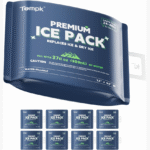
Reusable packs use super absorbent polymers or phase change materials encapsulated in leak proof films. When soaked and frozen, they form a stable gel capable of maintaining low temperatures for extended periods. Because they remain somewhat flexible after freezing, these packs can conform around vials and reduce air gaps. Their non toxic composition means accidental leakage won’t contaminate shipments. Low purchase cost and the ability to reuse them repeatedly make them attractive for high volume vaccine programs.
Differences Between Reusable Dry Ice Packs and Other Cold Packs
Reusable dry ice packs fill a unique niche between dry ice pellets and gel or water packs. The table below contrasts their core characteristics using data from independent testing and industry case studies:
| Propriedade | Pacotes de gelo seco reutilizáveis | Gel/Water Packs | Benefício prático |
| Minimum temperature | ≈ −78 °C (dry ice equivalent) | ≈ −30 °C | Enables ultra cold shipments for mRNA vaccines without risk of thawing |
| Cold hold time | 72–120 hours at −20 °C | 24–48 horas | Fewer rush shipments and better buffer against delays |
| Ciclos de reutilização | 50+ ciclos | 5–10 cycles | Lower cost per shipment and reduced waste |
| Ativação | Requires pre freezing and proper conditioning | Pronto para usar | Better temperature control through preparation |
Practical Tips for Choosing the Right Pack
Corresponder às necessidades de temperatura: For vaccines requiring <−50 °C, choose packs designed for dry ice temperatures. Para 2 - 8 Remessas °C, pacotes de gel podem ser suficientes.
Inspecione quanto a danos: Reusable packs can endure 50–200 cycles, but replace any punctured units to avoid contamination.
Planeje a logística de devolução: Because reusables need to be cleaned and refrozen, integrate a reverse logistics process for customers or clinics to return used packs.
Caso real: A European vaccine distributor cut spoilage from 12 % para 1 % by switching from gel packs to reusable dry ice bricks and optimizing their packout. Deles 200 L shipments now maintain −70 °C for 96 hours across multiple countries.
How to Pack and Use Reusable Dry Ice Packs for Vaccine Shipping Safely?
Proper packing ensures vaccines remain within strict temperature ranges and comply with transport regulations. Dry ice can overcool vaccines if used incorrectly; most vaccines should not be exposed to temperatures below −50 °C. The CDC advises against using dry ice for routine vaccine transport except for ultra cold products like Pfizer’s mRNA vaccine. Para resfriado (2 - 8 °C) vacinas, gel or water packs are preferred.
When dry ice packs are appropriate, they must be packed carefully:
Use o recipiente certo: A well insulated box (two inch urethane walls) slows sublimation and keeps the payload cold.
Calcule a quantidade de gelo seco: Para cada período de 24 horas, plan 5–10 lbs of dry ice depending on container quality. Larger shipments require proportional increases.
Camada estrategicamente: Lugar 60 % of packs at the bottom and 40 % no topo; cold air sinks and circulates around vials.
Preencher vazios: Use crumpled paper or foam to eliminate empty spaces; voids accelerate sublimation.
Monitorar temperaturas: Use continuous data loggers to track temperatures; record the time vaccines leave storage and when they are returned.
Best Packing Practices and Temperature Monitoring
Below is a simplified guide to determine dry ice amounts for different vaccine loads based on Cardinal Health recommendations. Adjust for container quality and external temperature.
| Peso da remessa (libras) | Dry ice per 24 hr (libras) | Significado para você |
| 1 Libra (0.45 kg) | 4 - 10 libras | Suitable for individual clinic shipments; ensures 24–36 hr transit |
| 5 libras (2.3 kg) | 8 - 10 libras | For medium batches; maintain frozen state for up to 36 hr |
| 10 libras (4.5 kg) | 10 - 20 libras | Required for large consignments or extended transit times |
Dicas e conselhos práticos
Pré-condicione tudo: Pacotes de congelamento 48 hours in advance and refrigerate vaccine vials before packing to reduce thermal shock.
Use combination coolants wisely: Combining dry ice and gel packs can extend transit time by several days if products can tolerate short thawing periods.
Follow airline regulations: Ao enviar por via aérea, verify weight limits and ventilation requirements; dry ice releases CO₂ gas and must be declared.
Caso real: Independent tests showed that optimized mixed loads (vaccines and diagnostic samples) maintained −70 °C for 110 horas, comparado com 78 hours in standard packouts. That extra 32 hour buffer prevented losses when flights were delayed.
Sustainability and Reuse: Why Reusable Dry Ice Packs Matter in 2025?
Switching from single use dry ice to reusable packs reduces waste, lowers costs, and aligns with rising environmental mandates. Dry ice consumption has been rising about 5 % por ano, mas a oferta de CO₂ só cresceu 0.5 % anualmente. This mismatch has led to volatile dry ice prices and supply constraints. Using reusable packs and phase change materials (PCMs) helps shippers reduce reliance on scarce CO₂ and stabilize costs.
Recent innovations have improved the sustainability of reusable dry ice packs:
Plant based shells: Packs using corn starch or other bio materials decompose within 90 dias.
Recaptura co₂: Novos designs Trap 30 % de gás sublimado para reutilização.
Closed loop programs: Manufacturers collect used packs, higienize e congele-os novamente, fostering a circular economy.
Leve, materiais duráveis: Improved rip stop layers reduce plastic use by 20 % without sacrificing strength.
Economics also favor reusables. Durable dry ice packs last 50 - 200 cycles and cut purchasing costs by 90 % compared with disposables. As CO₂ prices doubled since 2023, shippers have prioritized reusable packs; a recent study found 68 % of shippers now prefer reusable dry ice packs over single use alternatives, representando um 200 % Surre desde então 2022. Geada & Sullivan forecasts that the reusable dry ice pack market will reach US$1.2 billion by 2026.
Innovation and Market Trends for Reusable Dry Ice Packs
Industry advancements and regulatory pressures shape the future of reusable dry ice packs. The table below summarizes key innovations and their benefits:
| Inovação | Descrição | Benefício para você |
| Aerogel cores & phase change tiles | Premium packs incorporate aerogel insulation and customizable PCM tiles with melting points ranging from −20 °C to −80 °C. | Prevents temperature spikes and extends cold durations, garantindo a integridade da vacina. |
| IoT and RFID monitoring | Some packs include RFID tags and IoT sensors that report real time temperature and location. | Enables continuous compliance monitoring and simplifies auditing. |
| Blockchain & regulatory tracking | New FDA rules require trackable temperature history for biologics. Blockchain enabled packs automatically record data for regulators. | Reduces administrative burden and expedites shipment release. |
| PCM alternatives | For less temperature critical vaccines, reusable PCM shippers are gaining traction, reducing dry ice usage without compromising compliance. | Cuts dependence on CO₂ and minimizes supercooling risk. |
Dicas e conselhos práticos
Join reuse programs: Collaborate with suppliers offering closed loop collection to minimize waste.
Mantenha-se informado sobre os regulamentos: Many countries have introduced taxes on single use shipping coolants. Adopting reusables helps avoid penalties.
Prepare for CO₂ volatility: Diversify your coolant mix (por exemplo, PCMs) to mitigate supply fluctuations.
Caso real: A seafood exporter switched to reusable dry ice packs with aerogel cores and achieved 98 % entrega no prazo. The company reduced landfill waste by 75 % and saved over US$5,200 per year on disposal costs.
Alternatives and Complementary Cold Chain Technologies
Reusable dry ice packs are powerful tools, but they’re not always appropriate. Here’s when to consider alternatives:
Gel packs and water packs: For vaccines that must stay between 2 °C e 8 °C, gel or water packs provide sufficient cooling and avoid freezing. Eles são baratos, seguro, and easy to dispose of. Pacotes de água, em particular, are cost effective and simple to use.
Conditioned water bottles: In emergency transport, the CDC recommends using conditioned frozen water bottles instead of dry ice. This method is safe and avoids supercooling.
Remetentes PCM reutilizáveis: Para medicamentos menos críticos em termos de temperatura, reusable PCM containers maintain desired ranges without relying on CO₂.
Below is a concise comparison of common cold chain refrigerants:
| Tipo de refrigerante | Melhor caso de uso | Notas |
| Pacotes de gelo seco | Vacinas ultrafrias (−50 °C to −80 °C) | Perigoso; requires ventilation and handling training. |
| Gel/water packs | Vacinas refrigeradas (2 °C – 8 °C) | Safe for pharma; avoid freezing sensitive products. |
| PCM shippers | Temperature controlled biologics (15 °C – 25 °C or customised) | Reutilizável, less reliance on CO₂. |
| Conditioned water bottles | Emergency transport | Recommended by the CDC as a last resort. |
Dicas e conselhos práticos
Combine o refrigerante com o produto: Avoid using dry ice when shipping vaccines that must not freeze; overcooling can destroy potency.
Validar embalagem: Conduct pre shipment tests to ensure the chosen coolant and container maintain the required temperature for the entire transit.
Considere soluções híbridas: Combining dry ice with gel packs can extend duration but only when temporary thawing is acceptable.
Caso real: Durante um 2024 clinic relocation, staff used conditioned water bottles as a temporary coolant per CDC guidance and successfully transported vaccines without dry ice.
2025 Desenvolvimentos e Tendências Futuras
Visão geral das tendências
O mercado de gelo seco está crescendo rapidamente, but supply constraints and sustainability pressures are reshaping strategy. Dry ice consumption is growing ~5 % por ano, enquanto a oferta de CO₂ cresce apenas cerca de 0.5 %. This imbalance has caused dry ice prices to surge up to 300 % durante a escassez. O mercado global de gelo seco foi avaliado em USD 1.54 bilhão em 2024 e está projetado para atingir USD 1.66 bilhão em 2025 e dólares americanos 2.73 bilhão por 2032, refletindo um 7.4 % Cagr. Asia–Pacific leads with about 32 % market share due to booming cold chain logistics.
Último progresso em um olhar
Advanced barrier technologies: Pharma companies are experimenting with barrier layers that slow CO₂ gas release and prevent supercooling.
Visibilidade em tempo real: RFID and IoT enabled packs transmit temperature and location data, permitindo uma intervenção proativa.
Momento regulatório: New FDA and international rules mandate trackable temperature history for biologics, driving adoption of smart, embalagens reutilizáveis.
Insights de mercado
The reusable dry ice pack market is riding multiple tailwinds. Sustainability policies, rising CO₂ costs, and improved pack durability mean that reuse is no longer niche. Geada & Sullivan estimates a US$1.2 billion market by 2026. Enquanto isso, the global cold chain packaging market overall is forecast to grow from US$31.69 billion in 2024 to US$36.02 billion in 2025, refletindo uma taxa composta de crescimento anual de 13.6 % (de acordo com relatórios da indústria). Because vaccines represent a critical portion of this market, solutions that balance ultra cold performance with sustainability will be in high demand.
Perguntas frequentes
Q1: Are reusable dry ice packs safe for vaccine shipping?
Sim. High quality reusable dry ice packs are made from non toxic materials and include leak proof liners. They deliver the extreme cold needed for ultra cold vaccines without leaving residual moisture, and when used correctly they maintain consistent temperatures for days.
Q2: How many times can I reuse a dry ice pack?
Premium packs withstand 50–200 cycles before replacement. Inspect packs after each use; replace them if the outer shell is punctured or if the pack shows more than 10 % perda de peso. Proper sanitization and refreezing extend lifespan.
Q3: Can dry ice overcool vaccines?
Sim. Most routine vaccines must never be exposed to temperatures below −50 °C. The CDC warns against using dry ice for routine vaccine storage; the only exception is transporting ultra cold vaccines like Pfizer’s mRNA formulation.
Q4: What is the right amount of dry ice per shipment?
Para cada período de 24 horas, plan to use 5–10 lbs of dry ice for a 15 quart container; adjust upwards for larger containers. Use a combination of dry ice and gel packs when a short thaw is acceptable.
Q5: How do I ensure compliance with new regulations?
Select reusable packs equipped with temperature and location sensors. New regulations require trackable temperature histories for biologics, so choose systems that automatically log and transmit data. Work with suppliers who offer documentation and training.
Resumo e recomendações
Reusable dry ice packs provide ultra cold performance, long hold times, and a sustainable alternative to single use dry ice. As principais conclusões incluem: (1) choose the right pack based on temperature range; (2) follow meticulous packing practices to maintain temperature and safety; (3) embrace sustainability by adopting reusable packs, aerogel insulation and IoT monitoring; (4) leverage alternatives like gel packs or PCMs when appropriate; e (5) stay informed about regulatory shifts and market trends.
Orientação acionável
Avalie seu portfólio de vacinas: Determine which products require ultra cold shipping and which can be transported with gel or PCM packs.
Design smart packouts: Use contêineres validados, pre conditioned reusable packs, and proper layering. Combine dry ice and gel packs only when products can tolerate minor temperature fluctuations.
Invista em monitoramento: Deploy RFID or IoT enabled packs to capture temperature history and ensure compliance with emerging regulations.
Join sustainability programs: Partner with suppliers offering closed loop recycling for reusable packs and explore plant based materials.
Fique à frente das tendências: Follow industry reports on CO₂ supply, market growth and regulatory changes to adjust logistics strategies accordingly.
Sobre Tempk
A Tempk é líder em soluções de embalagem para cadeia de frio, offering reusable dry ice packs, insulated containers and smart monitoring technologies. Nós engineer our products to maintain −78 °C for up to 120 hours while reducing waste and cost through durable, Materiais recicláveis. Our closed loop program collects and sanitizes used packs for reuse, supporting your sustainability goals. With patented phase change materials, aerogel cores and optional RFID tracking, Tempk solutions deliver reliable performance for vaccine shippers worldwide.
Entre em contato
Ready to optimize your vaccine shipments? Consulte nossos especialistas hoje to design a reusable dry ice pack solution tailored to your needs. We’ll help you choose the right packs, implement smart monitoring and set up a sustainable return program.