Guia de embalagem de cadeia de frio de vieiras para entrega de frutos do mar
Embalagem da cadeia de frio guia para vieiras, cobrindo a temperatura gelada, controle de umidade, textura delicada, separação de refrigerante, duração do trânsito, perdas comuns, e seleção de pacote Tempk.
Por que as vieiras precisam de uma embalagem específica de frutos do mar
As vieiras são mais sensíveis à pressão do que muitos filés de peixe. O controle de temperatura deve ser combinado com proteção física, porque uma bandeja fria, mas achatada, ainda pode ser rejeitada. As embalagens de frutos do mar devem proteger a temperatura e a qualidade visível do recebimento juntas. Um pacote pode chegar frio, mas ainda assim falhar se vazar, cheira quente, esmaga produto delicado, ou molha a embalagem exterior.
A embalagem deve partir de um produto frio, use um revestimento interno adequado para frutos do mar, mantenha o refrigerante separado do pacote de frutos do mar, e inclui o recebimento de verificações de temperatura, odor, pingar, textura, e condição da caixa.
Ferramentas úteis de decisão
Verifique os detalhes antes de escolher a embalagem
Essas ferramentas rápidas podem ajudá-lo a comparar o risco da rota, necessidades de dimensionamento, escolhas de refrigerante, e detalhes da embalagem antes de solicitar um orçamento.
Calculadora de bolsa de gelo
Estime a quantidade de bolsas de gelo em gel para remessas refrigeradas e planejamento prático de rotas.
Estimar bolsas de geloCalculadora de gelo seco
Estime as necessidades de gelo seco para remessas congeladas ou ultrafrias antes de embalar.
Estimar gelo secoResistência à queda de material de isolamento
Revise a resistência à queda e os fatores de manuseio antes de escolher materiais de isolamento.
Verifique a resistênciaTabela de requisitos de embalagem
| Fator de cadeia de frio | Requisito de vieiras |
|---|---|
| Temperatura alvo | 0-2 C resfriado para vieiras frescas |
| Umidade e condensação | Alta sensibilidade à umidade; proteger embalagens e rótulos de varejo contra gotejamento e condensação |
| Pré-resfriamento | Pré-resfrie as vieiras e a embalagem interna antes de carregar |
| Pressão de embalagem | Alto. Contusão de vieiras, achatar, ou liberar líquido quando pressionado por refrigerante ou pacotes pesados |
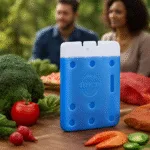
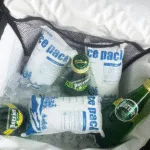
| Posição do refrigerante | Use pacotes de gel superiores ou laterais com um separador rígido para que o líquido refrigerante não pressione o produto |
| Duração do trânsito | Preferencialmente pistas curtas e refrigeradas; 24-48 h rotas requerem validação com recebimento de cheques |
| Perdas comuns | Excesso de gotejamento, carne achatada, odor azedo, caixas molhadas, suavização de textura, e danos de apresentação |
| Resposta de embalagem temporária | Remetente isolado Tempk com revestimento à prova de vazamentos, camada absorvente, suporte de bandeja, pacotes de gel separados, e registrador em nível de produto |
Notas de design de rota
Mapeie cada ponto quente na rota: hora da bancada de embalagem, transferência de operadora, permanência no centro de classificação, morada do veículo de entrega, e atraso do receptor. Frutos do mar com alta umidade ou embalagem pequena podem aquecer e vazar mais rápido do que filés densos, então o layout interno deve ser aprovado com o pacote de varejo real.
Use forros selados, camadas absorventes, suporte de bandeja, e separados pacotes de gel onde necessário. Para frutos do mar vivos, evite contato gelado e água parada. Para frutos do mar processados refrigerados, foco na temperatura do produto, controle de gotejamento, controle de odor, e secura da embalagem.
Recomendação temporária
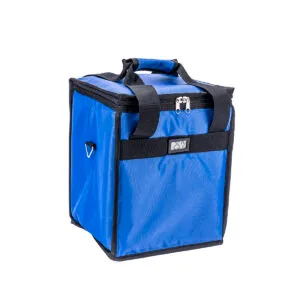
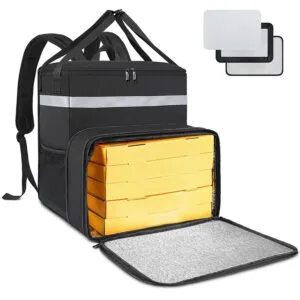
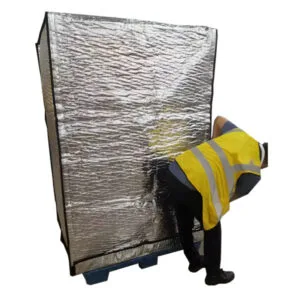
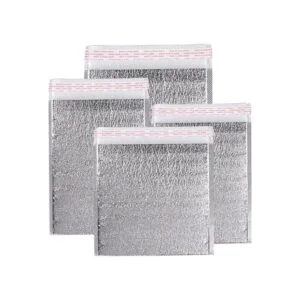
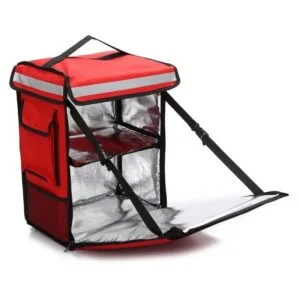
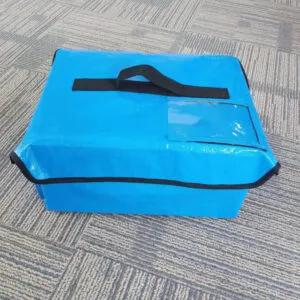
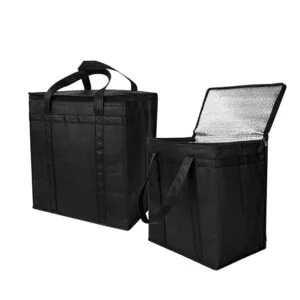
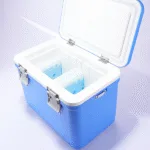
Uma embalagem típica de frutos do mar Tempk usa um expedidor isolado, pacotes de gel condicionado ou frutos do mar bolsas de gelo, forro à prova de vazamento, almofada absorvente, divisor de produto, separador de refrigerante, e um registrador em nível de produto. Aprove a embalagem após verificar a temperatura, odor, pingar, textura, danos na casca ou bandeja, e secura da caixa após a rota real.