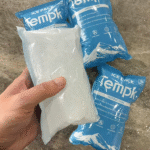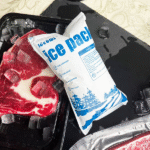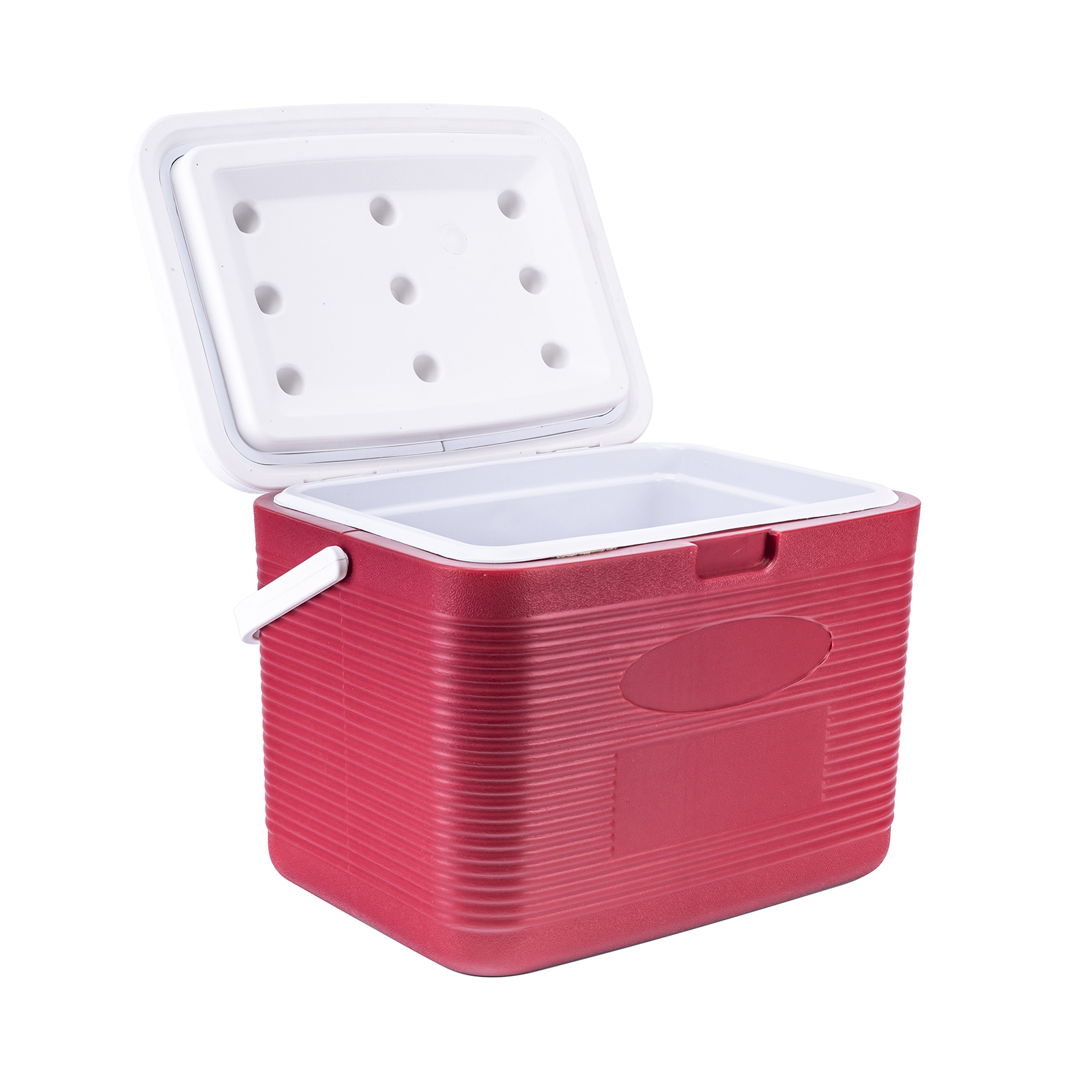
A Practical Framework for Choosing a Phase Change Corrugated Plastic Container Provider for Meat Packaging
The right phase change corrugated recipiente de plástico não é o modelo com a lista de recursos mais longa. É o modelo cujos limites são visíveis e administráveis. A corrugated plastic shell and a phase change material are separate parts of a passive system. The container is not temperature controlled until the complete packout has been defined, testado, monitorado, and operated correctly. A estrutura abaixo combina design, Compras, validação, e controles operacionais em um único caminho de decisão.
Defina o trabalho, Consequências, e linhas vermelhas
Write the job of the phase change corrugated plastic container in one sentence: protect and organize sealed fresh meat, chilled processed meat, pacotes de carne congelada, amostras de teste, and secondary-packaged protein products while moving through product chilling, Condicionamento PCM, montagem de embalagem, encenação em câmara fria, transporte, recebendo, revisão de dados, limpeza, and PCM reconditioning. Em seguida, escreva o que não deve ser assumido que faça. Dependendo da rota, que pode incluir esterilidade, aprovação para contato com alimentos, contenção de vazamento, embalagens para mercadorias perigosas, ou controle de temperatura. Este limite de duas linhas evita que o projeto colete expectativas incompatíveis sob um nome de produto.
Rank the credible consequences for passive temperature-managed movement of sealed meat products using a corrugated plastic shell and PCM-based packout. Considere danos ao produto, contaminação, empilhamento instável, lesão do trabalhador, falta de rastreabilidade, recebimento atrasado, excursão termal, rejeição de rota, e perda do ativo reutilizável. A maior consequência nem sempre é o evento mais frequente. Uma especificação prática dá prioridade à combinação de severidade, probabilidade, e detectabilidade em vez do recurso mais fácil de citar.
Defina linhas vermelhas antes de comparar fornecedores. Uma linha vermelha pode ser uma duração térmica não suportada, sem rastreabilidade de material, uma junta impuro, nenhum aviso de alteração de produção, uma pilha de carga mista instável, ou um design que não pode ser devolvido economicamente. As linhas vermelhas aceleram a lista porque separam a incerteza desqualificante dos recursos que podem ser otimizados posteriormente. For passive temperature-managed movement of sealed meat products using a corrugated plastic shell and PCM-based packout, decide what control addresses the failure mode 'placing very pacotes frios against chilled meat'.
Crie uma especificação de requisitos de cinco blocos
Construa a especificação em cinco blocos: carga útil, geometria, ambiente, operação, e evidências. A carga útil cobre dimensões, peso, fragilidade, contato, e sensibilidade à temperatura. A geometria cobre o espaço utilizável, encerramento, pilha, manuseio, e interfaces. O ambiente cobre o tempo, temperatura, umidade, produtos químicos, e ultravioleta. A operação cobre a embalagem, transporte, limpeza, retornar, e aposentadoria. Evidências cobrem desenhos, declarações, testes, inspeção, e controle de mudança. The controlled specification should also make conditioning instructions visible.
Traduza a discussão do design nos recursos que importam aqui: rigidez do painel, corner joint integrity, liner retention, PCM pocket design, compressão da tampa, and stack support. Para cada recurso, registrar o benefício pretendido e um possível efeito colateral. Uma ventilação pode melhorar o fluxo de ar, mas reduzir a contenção. Uma redução gradual pode melhorar o aninhamento, mas reduzir o volume. Uma junta pode controlar a infiltração, mas adiciona limpeza e substituição. Uma inserção isolada pode melhorar o desempenho térmico, mas reduz a carga útil e complica o carregamento. Apply the requirement to the actual passive temperature-managed movement of sealed meat products using a corrugated plastic shell and PCM-based packout workflow.
Mantenha as questões materiais igualmente específicas: corrugated shell resin, isolamento, PCM formulation documentation, PCM enclosure film or shell, cold and wet durability, and food-contact separation. Peça a evidência do produto acabado que corresponda à afirmação. Um nome de resina apoia a identificação do material; isso não prova um apoio, dobradiça, soldar, vedação de borda, rótulo, ou tampa montada. Da mesma maneira, um desenho dimensional suporta ajuste; não estabelece a vida útil da pilha, vazamento, facilidade de limpeza, ou um perfil de temperatura. Documente como o projeto aborda o modo de falha listado: quoting hold time without test conditions.
Writing the Phase Change Corrugated Plastic Container Brief for Meat Packaging
The phase change corrugated plastic container should be described by function, não por adjetivos. Suas funções verificadas podem incluir o transporte, empilhamento, aninhar ou dobrar, resistindo ao manuseio definido, rótulos de suporte, aceitando inserções, e apresentação de superfícies para limpeza. Reivindicações como à prova d'água, médico, qualidade alimentar, farmacêutico, térmico, ou com temperatura controlada requerem definições e evidências adicionais. O termo nunca deve implicar uma aprovação do sistema mais ampla do que o fornecedor pode demonstrar.
As aplicações em alimentos exigem evidências do contato pretendido e das condições de transporte. NÓS. as regras de transporte sanitário abordam as práticas das partes na cadeia de transporte, e os controles de contato com alimentos da UE abordam a composição plástica e a migração de artigos aplicáveis. Os compradores ainda precisam confirmar a construção finalizada, aditivos, método de limpeza, tipo de comida, temperatura, e requisitos de destino. For this meat packaging project, record the related acceptance condition on the approved phase change corrugated plastic container.
Use padrões como ferramentas dentro do plano de evidências. Compressão, empilhamento, vibração, derrubar, e perfis térmicos podem tornar os resultados do fornecedor comparáveis quando a amostra, carga útil, condicionamento, e os critérios de aceitação são os mesmos. Um nome padrão em um folheto não é suficiente, e um resultado aprovado não garante uma rota diferente. A equipe de qualidade ou engenharia do comprador deve decidir como o teste suporta o uso pretendido. Connect the requirement to lid compression and a representative payload.
| Portão | Pergunta de aprovação | Produção mínima | Proprietário |
|---|---|---|---|
| 1. Caso de uso | Qual trabalho e limite são definidos? | Resumo de requisitos aprovados | Operações e qualidade |
| 2. Projeto | A amostra se ajusta e lida com a carga útil? | Revisão de desenho e amostra | Engenharia |
| 3. Evidência | As reivindicações estão vinculadas às condições de teste? | Relatórios e documentos materiais | Qualidade |
| 4. Piloto | Funciona no loop real? | Registro piloto e lista de questões abertas | Operações |
| 5. Produção | A produção corresponde à amostra aprovada? | Plano de inspeção e controle de mudanças | Aquisição e fornecedor |
| 6. Vida útil | Como está a limpeza, reparar, perda, e aposentadoria controlada? | SOP e métricas da frota | Proprietário do programa |
Treat each gate for passive temperature-managed movement of sealed meat products using a corrugated plastic shell and PCM-based packout as a decision record. Progresso somente quando o proprietário, evidência, e os riscos não resolvidos são visíveis para a equipe multifuncional.
Tome uma decisão separada sobre controle térmico
Primeiro decida se o controle de temperatura pertence ao projeto da caixa. Se o veículo ou sala já fornecer controle confiável e a carga útil estiver protegida em cada transferência, a caixa pode precisar apenas de fluxo de ar e compatibilidade mecânica. Se existirem lacunas, um forro isolado, mais frio, cobertura de palete, pacote de gel condicionado, Pacote pcm, sistema de gelo seco, ou solução ativa pode ser necessária. A resposta deve seguir a especificação do produto e o risco da pista. For passive temperature-managed movement of sealed meat products using a corrugated plastic shell and PCM-based packout, verify ambient profile and logger location under the stated payload and ambient profile.
Se for necessária proteção passiva, define product-specific range, PCM transition point, protocolo de condicionamento, PCM mass and placement, continuidade do isolamento, and ambient profile and logger location before selecting components. O projeto deve levar em conta a temperatura inicial da carga útil, espaço vazio, pontes de isolamento, condicionamento de refrigerante, separação de produtos, exposição ambiental, e abrindo. Qualquer mudança nessas variáveis pode alterar o desempenho. A configuração testada de um fornecedor só é útil quando o pacote proposto é genuinamente comparável. Keep the claim conditional until the tested configuration covers insulation continuity.
A qualificação e o monitoramento de rotina atendem a propósitos diferentes. Os testes de desenvolvimento estabelecem se um pacote controlado pode atender ao critério de aceitação sob um perfil definido. O monitoramento de rota verifica o que aconteceu em uso. Um registrador pode apoiar a liberação ou investigação, mas não pode compensar uma falta pacote de refrigerante, uma carga quente, uma tampa aberta, ou uma rota não qualificada. As instruções de recebimento devem conectar os dados a um processo de decisão claro. The operating instruction should make PCM mass and placement clear to packers and receivers.
Use uma hierarquia de evidências para selecionar fornecedores
Shortlist the provider by the quality of its evidence. Solicite um desenho aprovado, declaração de materiais, relatório de dimensão crítica, amostra de intenção de produção, relatórios de teste relevantes, instruções de limpeza ou embalagem, identificação de lote, e termos de controle de alterações. Para esta aplicação, also review PCM technical documentation, instruções de condicionamento, desenho de embalagem, test report conditions, rastreabilidade de lote, e notificação de alteração. Os documentos devem identificar a configuração e as condições, não simplesmente repetir uma afirmação de marketing. Treat batch traceability as part of the evidence package, não é uma garantia verbal.
Use uma hierarquia de evidências. Uma declaração verbal é mais baixa. Uma folha de dados genérica é melhor, mas pode não corresponder à montagem. Um teste do fornecedor na configuração proposta é mais forte. Um relatório de laboratório independente ou acreditado pode acrescentar confiança quando o método e a amostra são relevantes. A maior evidência prática é um piloto controlado na rota do comprador, apoiado por unidades de produção rastreáveis e um plano de inspeção contínua. The supplier review should define how test report conditions remains controlled after scale-up.
Desafie os modos de falha diretamente: choosing PCM by color or name, using unconditioned packs, placing very cold packs against chilled meat, ignoring payload variation, and quoting hold time without test conditions. Pergunte qual recurso de design impede cada evento, como esse recurso foi testado, e como as verificações de produção o preservam. Se o fornecedor não puder responder, converter a incerteza em um teste de amostra ou remover a afirmação da especificação. Isso mantém a negociação comercial vinculada ao risco, e não à contagem de recursos. The procurement file should make packout drawing traceable.
Ferramentas úteis de decisão
Verifique os detalhes antes de escolher a embalagem
Essas ferramentas rápidas podem ajudá-lo a comparar o risco da rota, necessidades de dimensionamento, escolhas de refrigerante, e detalhes da embalagem antes de solicitar um orçamento.
Seletor de embalagens
Compare opções de embalagens isoladas por produto, rota, e necessidade de temperatura.
Encontre embalagensVerificador de risco de rota
Revise as condições da pista antes de selecionar a embalagem para requisitos operacionais reais.
Verifique o risco da rotaForro de caixa & Dimensionamento da cobertura de paletes
Verifique a lógica de dimensionamento do forro da caixa e da tampa do palete para projetos de embalagens isoladas.
Dimensionamento estimadoReturn and Fleet Control for the Phase Change Corrugated Plastic Container
Use quatro portas de aprovação. O portão um está apto: a carga útil carrega, fecha, descarrega, e permanece identificável. O portão dois é um teste controlado: mecânico, limpeza, vazamento, ou testes térmicos abordam os riscos definidos. O portão três é um piloto operacional: a equipe normal usa as unidades de intenção de produção em todo o ciclo. Portão quatro é lançamento de produção: a inspeção de entrada e o controle de alterações mostram que as unidades dimensionadas correspondem ao projeto aprovado. The pilot should track damaged-pack disposal as a lifecycle variable.
O registro do piloto deve incluir exceções, não apenas médias. Observe as cargas mais pesadas e mais leves, aberturas difíceis, retornos molhados, entregas atrasadas, pilhas mistas, acessórios faltando, dano, lavar novamente, e qualquer excursão de temperatura. Exceções revelam margem de design e lacunas de treinamento. Um programa que registra apenas viagens bem-sucedidas pode dimensionar uma fraqueza oculta. For this meat packaging program, include conditioning energy in the operating model.
Após o lançamento, gerenciar o contêiner como um ativo. Atribua IDs quando apropriado, registrar motivos de danos, componentes reparáveis separados, definir o status de lavagem e inspeção, manter estoque de reposição, e aposentar unidades inseguras. Revise os dados de campo antes de aprovar alterações de fornecedores ou componentes. O controle do ciclo de vida é a etapa que transforma uma ideia reutilizável em um programa confiável. The fleet review should show how shell and liner separation affects cost and reliability.
Substitua cinco suposições caras por provas
Suposição um: o volume declarado é igual ao espaço de carga útil. Pode não ser depois da redução gradual, tampas, divisores, isolamento, e refrigerante. Suposição dois: um nome de material comprova desempenho. Não prova a geometria acabada. Suposição três: uma classificação de pilha cobre todas as durações e temperaturas. Pode vir de um teste diferente. Cada suposição deve ser substituída por um desenho, amostra, e condição de teste relevante. For passive temperature-managed movement of sealed meat products using a corrugated plastic shell and PCM-based packout, decide what control addresses the failure mode 'placing very cold packs against chilled meat'.
Suposição quatro: um formato reutilizável é automaticamente sustentável. A distância de retorno, perda, limpeza, reparar, e a rota de aposentadoria determinam o resultado. Suposição cinco: uma etiqueta térmica comprova o controle de temperatura. O sistema completo, condições iniciais, perfil ambiente, pacote, e disciplina operacional determinam o resultado. Essas suposições são caras porque geralmente falham após a compra de ferramentas ou da frota. Do not close the review until evidence or a process control addresses the failure mode 'ignoring payload variation'.
The project-specific warning signs are choosing PCM by color or name, using unconditioned packs, placing very cold packs against chilled meat, ignoring payload variation, and quoting hold time without test conditions. Coloque-os na lista de verificação de revisão de amostras. Uma equipe multifuncional tem maior probabilidade de capturá-los porque as operações, qualidade, engenharia, saneamento, e a logística veem diferentes partes do risco. A lista de verificação deve ser curta, controlado, e amarrado a uma disposição: aceitar, rever, teste, quarentena, ou rejeitar. The supplier discussion should connect the failure mode 'quoting hold time without test conditions' to a feature, teste, e disposição.
Execute um workshop de amostra multifuncional
A cross-functional workshop for passive temperature-managed movement of sealed meat products using a corrugated plastic shell and PCM-based packout can be completed around one production-intent sample. Coloque a carga representativa, rótulos, esteiras, componentes térmicos, se necessário, e manuseio de ferramentas na mesa. Peça às operações para embalá-lo, logística para movê-lo e empilhá-lo, qualidade para inspecionar as evidências, e saneamento para limpá-lo e secá-lo. Registre onde o processo depende de julgamento ou solução alternativa.
Em seguida, simule um desvio confiável: uma entrega atrasada, carga parcial, retorno molhado, impacto frio, tampa faltando, ou inspeção inesperada. A equipe deve decidir se o design contém o evento, se a condição é detectável, e que instrução segue. Este exercício expõe frequentemente um requisito mais útil do que outra reivindicação genérica de durabilidade. Durante o exercício, observe especificamente o modo de falha listado: choosing PCM by color or name.
Fechar o workshop com ações nomeadas, pontos de desenho revisados, testes, proprietários, e datas de aceitação. O fornecedor recebe uma lista controlada em vez de comentários conflitantes de diferentes departamentos. Quando a próxima amostra chegar, a mesma equipe pode verificar as alterações e decidir se o projeto está pronto para um piloto de rota. Use the scenario to decide how the team will respond to the failure mode 'using unconditioned packs'.
Perguntas frequentes
What is the first document to prepare before contacting a phase change corrugated plastic container provider for meat packaging?
Prepare um resumo conciso do caso de uso cobrindo a carga útil, dimensões utilizáveis, carga máxima, rota, exposição ambiental, manuseio, limpeza, retornar, identificação, e qualquer exigência de temperatura. Adicione as reivindicações que devem ser apoiadas e as condições que desqualificariam um projeto. Isto dá aos fornecedores uma base comum para cotação. Para este projeto, manter a rastreabilidade do lote rastreável até a amostra aprovada.
Como faço para separar um requisito de caixa de um requisito de cadeia de frio?
Atribuir manuseio mecânico, empilhamento, encerramento, higiene, e identificação na caixa. Atribuir isolamento, refrigerante, resfriamento ativo, pacote, pré -condicionamento, monitoramento, e qualificação térmica para o sistema de controle de temperatura. Eles devem interagir corretamente, mas um não deve ser usado como prova do outro. For this meat packaging project, confirme a resposta em uma amostra de intenção de produção em vez de assumir a equivalência do catálogo.
Quais evidências do fornecedor devem ter mais peso?
Dê mais peso aos desenhos específicos da configuração, documentos materiais, amostras de intenção de produção, relatórios de teste com condições completas, e um piloto de rota bem sucedido do que brochuras genéricas. Testes independentes podem aumentar a confiança quando o método e a amostra são relevantes. O controle de mudanças é essencial para que as evidências permaneçam conectadas à produção. Para este projeto, keep PCM technical documentation traceable to the approved sample.
Quantas amostras são necessárias antes da compra de uma frota?
Não existe um número universal. Use amostras suficientes para verificar o ajuste, variação de produção, manuseio, limpeza, e os modos de falha credíveis. Um piloto deve incluir unidades com intenção de produção e operadores normais. O plano de amostragem deve ser baseado no risco e acordado pela engenharia ou pela qualidade, em vez de ser escolhido apenas por conveniência. Base the decision on hot and cold ambient profiles under the intended route and load.
O que deve acontecer depois que o contêiner entrar em serviço?
Identificação de controle, status de limpeza, inspeção, reparar, substituição de acessórios, codificação de danos, perda, e aposentadoria. Revise os dados de campo e as alterações do fornecedor periodicamente. A embalagem reutilizável permanece confiável somente quando o sistema operacional preserva a condição e a configuração que foram originalmente aprovadas. For this meat packaging project, confirme a resposta em uma amostra de intenção de produção em vez de assumir a equivalência do catálogo.
Decisão final
Select a phase change corrugated plastic container provider for meat packaging through a controlled sequence: defina o trabalho e as linhas vermelhas, verificar geometria utilizável e evidências de materiais, decidir se o controle térmico é necessário, testar os modos de falha relevantes, pilotar todo o circuito operacional, e preservar o projeto aprovado por meio de inspeção e controle de alterações. Mantenha cada reivindicação vinculada às suas condições e ao proprietário.
Sobre Tempk
Suprimentos temporários embalagem da cadeia de frio componentes como pacotes de gel, tijolos de gelo, Pacotes PCM, forros e sacos isolados, EPP e outras caixas isoladas, caixas de transporte frio, e capas térmicas para paletes. Aqui, the practical focus is supporting PCM and gel-pack selection, forros isolados, caixas de transporte frio, and packout planning for meat shipments. Requisitos específicos do produto, qualificação de rota, e a avaliação da qualidade do cliente continuam sendo a base para qualquer seleção final.
Solicite uma revisão prática
Para uma revisão integrada de contêineres e cadeia de frio, share the meat format, faixa necessária, carga útil, perfil de rota, and conditioning resources to discuss a testable passive packout.