Selecionando um fornecedor de caixas isoladas para produtos agrícolas: Estrutura de Aquisições
A direita caixa isolada vendor for agricultural products is a supplier whose proposed packout, evidência, controles de produção, e suporte operacional correspondem ao produto, carga útil, rota, temporada, e recebendo a realidade. Um forte processo de aquisição, portanto, começa com requisitos, converte-os em um pacote, testa o pacote sob condições definidas, e controla-o após o lançamento. Este artigo combina a térmica, operacional, fornecedor, and quality decisions needed for fresh produce, flores, mudas, sementes, breeding materials, culturas especiais, and selected agricultural samples without treating insulation as a universal guarantee.
Converta o problema de envio em uma especificação controlada
Um requisito útil nomeia o produto, condição aprovada, faixa de carga útil, rota, janela operacional máxima, exposição sazonal, processo de recebimento, e consequência do fracasso. Também afirma o que não se deve esperar que a embalagem faça. Para esta aplicação, insulation buffers external conditions but does not remove field heat, manage respiration indefinitely, or replace commodity-specific postharvest practices. Essa frase evita desvios de escopo e torna visíveis os controles ausentes antes que as cotações sejam comparadas.
O requisito deve distinguir insumos fixos de variáveis. Entradas fixas podem incluir limites de tamanho externo, um pacote interno regulamentado, uma caixa de produto, ou um procedimento de destino. As variáveis podem incluir o tipo de isolamento, arranjo de refrigerante, inserção de carga útil, encerramento, caixa externa, e plano de monitoramento. Permitir que os fornecedores proponham alternativas pode melhorar o design, mas cada alternativa deve ser avaliada de acordo com os mesmos critérios de aceitação.
Agricultural products have commodity-specific temperature and humidity needs; some tropical produce can be damaged by temperatures that are safe for temperate crops. Registre a fonte e o proprietário desse requisito do produto. Uma equipe de compras não deve criar uma faixa de temperatura apenas para facilitar a comparação de fornecedores.
- Qual produto ou família de produtos será enviado, e quem detém a decisão de estabilidade?
- Quais são as cargas úteis mínimas e máximas, incluindo dimensões físicas e condição inicial?
- Qual é a duração total da embalagem até o armazenamento, incluindo contingência e atraso no recebimento?
- Que calor, frio, mecânico, umidade, higiene, e exposições regulatórias podem ocorrer?
- Que evidências, instruções de operação, controles de produção, e suporte pós-lançamento são necessários?
Selecione a arquitetura por restrição
Comece com a restrição dominante. Uma remessa expressa unidirecional pode priorizar baixa massa, durabilidade do pacote, e embalagem simples. Um hospital reutilizável ou circuito de distribuição pode priorizar a resistência ao impacto, facilidade de limpeza, componentes substituíveis, e eficiência de retorno. Uma rota de exportação de biotecnologia pode priorizar uma longa janela de contingência, espaço de documentação, compatibilidade com gelo seco, ou alta eficiência de isolamento dentro do limite de tamanho da companhia aérea. A arquitetura segue a restrição.
Caixas de papelão ondulado revestidas de espuma podem ser práticas para muitas rotas descartáveis. EPS moldado fornece isolamento moldado com massa relativamente baixa. O EPP pode suportar manuseio repetido onde o modelo operacional justifica devolução e inspeção. Os sistemas de painel podem suportar dimensões personalizadas. Projetos baseados em VIP podem economizar espessura de isolamento, mas exigem bordas cuidadosas, punção, envelhecimento, e controles de qualidade. Nenhuma escolha de material elimina a necessidade de testar a embalagem acabada.
A geometria deve ser revista junto com o frete. Mais isolamento e refrigeração podem aumentar as dimensões externas e reduzir o espaço de carga útil. Uma solução menor de alto desempenho pode reduzir o custo dimensional, mas pode adicionar complexidade material. Uma solução maior e simples pode ser mais fácil de embalar, mas cara para armazenar e enviar. Compare o programa inteiro em vez de um preço unitário isolado.
Construa o sistema térmico em torno de condições de partida controladas
Um sistema passivo funciona a partir da energia térmica armazenada e da resistência ao fluxo de calor. Produto, refrigerante, isolamento, espaço aéreo, e a exposição externa interagem. Se o produto for carregado quente, o refrigerante deve remover esse calor antes de poder amortecer a rota. Se a carga útil for muito pequena, pode responder rapidamente a gradientes locais. Se o líquido refrigerante for colocado diretamente contra um item sensível, a embalagem pode criar danos causados pelo frio enquanto resiste com sucesso ao calor externo.
A especificação do pacote deve identificar o refrigerante exato ou PCM, estado de condicionamento necessário, quantidade, colocação, barreiras, limites de carga útil, método de preenchimento de vazios, monitorar localização, e fechamento. Os componentes devem ser restringidos para que o manuseio de pacotes não possa reorganizar a geometria testada. Para aplicações de gelo seco, liberação de gás, compatibilidade de materiais, segurança do trabalhador, regras do modo de transporte, e o tratamento do destino precisam de revisão dedicada.
Considere a capacidade operacional completa. Congeladores condicionadores, espaço de preparação, bancos de embalagem, tempo da equipe, refrigerantes de reserva, e as regras de corte de despacho podem limitar um programa mesmo quando a caixa funciona bem. Um projeto que requer mais componentes congelados do que o local pode preparar de forma consistente não é operacionalmente robusto.
A qualificação deve responder à pergunta sobre o uso pretendido
Solicite evidências vinculadas à construção e embalagem propostas. O relatório deve identificar a versão do pacote, materiais, dimensões, refrigerante, condicionamento, carga útil, localizações dos sensores, perfil ambiente, duração, eventos de abertura, se houver, e critérios de aceitação. Um perfil de parcela padronizado pode apoiar a comparação, enquanto o perfil específico da pista pode melhorar a relevância. Nenhum dos dois é significativo se a unidade de produção fornecida for diferente do projeto testado.
Revise as cargas úteis mínimas e máximas e as condições sazonais de calor e frio onde elas representam riscos diferentes. Sistemas de uso repetido podem precisar de avaliação de envelhecimento ou reutilização. Testes mecânicos podem ser apropriados quando quedas, compressão, vibração, ou a fragilidade do saco congelado pode alterar a geometria ou danificar o produto. As evidências térmicas e mecânicas devem refletir como a embalagem é realmente manuseada.
O relatório apoia uma decisão; não toma a decisão sozinho. The quality or product owner evaluates whether the observed profile is acceptable for fresh produce, flores, mudas, sementes, breeding materials, culturas especiais, and selected agricultural samples. Quando ocorre um desvio, a equipe deve comparar as condições reais de envio com o envelope qualificado e o processo de excursão aprovado do produto.
A consistência da produção merece sua própria revisão
Um protótipo polido pode esconder um fraco controle de produção. Pergunte como o fornecedor gerencia a identidade do material, dimensões, tolerâncias, conjunto, ajuste de fechamento, impressão, inspeção final, unidades não conformes, rastreabilidade, e mudanças. Para produtos personalizados, aprovar um desenho, lista de materiais, obra de arte, pacote, e amostra dourada. Definir quais substituições ou alterações de processo exigem notificação e se testes adicionais são necessários.
Assess support for commodity temperature, pré-resfriamento, respiração, umidade, ventilação, sensibilidade ao frio, densidade de carga útil, multi-stop handling, and export inspection requirements. A resposta deve mostrar conhecimento da aplicação sem cruzar com produtos não suportados ou reivindicações regulatórias. Um fornecedor pode fornecer detalhes de construção, amostras, desenhos de embalagem, relatórios de teste, auxiliares de treinamento, e alterar registros. O comprador mantém a responsabilidade pelos requisitos do produto, decisões de rota, conformidade local, e disposição de qualidade.
Os termos comerciais devem refletir o escopo controlado. Comparar ferramentas, amostras, trabalho de teste, refrigerantes, inserções, caixas, rótulos, expectativas mínimas de pedido, suposições de prazo de entrega, armazenar, peças de reposição, e gerenciamento de mudanças. Onde um valor ainda não é conhecido, declare isso como uma pergunta em vez de inventar um número para o caso de negócios.
Living products keep producing heat and moisture
Fresh produce continues to respire after harvest. That biological activity generates heat and water vapor, and its rate can change with temperature, maturidade, dano, and gas composition. A fully sealed insulated box may therefore create condensation or an unsuitable atmosphere for some commodities. Ventilação, materiais absorventes, perforated liners, pré-resfriamento, and load density should be selected for the actual crop rather than copied from a pharmaceutical shipper.
Ferramentas úteis de decisão
Verifique os detalhes antes de escolher a embalagem
Essas ferramentas rápidas podem ajudá-lo a comparar o risco da rota, necessidades de dimensionamento, escolhas de refrigerante, e detalhes da embalagem antes de solicitar um orçamento.
Seletor de embalagens
Compare opções de embalagens isoladas por produto, rota, e necessidade de temperatura.
Encontre embalagensVerificador de risco de rota
Revise as condições da pista antes de selecionar a embalagem para requisitos operacionais reais.
Verifique o risco da rotaRefrigerante & Referência PCM
Compare as opções de refrigerante e PCM quando uma rota precisar de suporte adicional de temperatura.
Comparar opçõesEste problema deve estar visível na revisão do projeto, procedimento operacional, e avaliação de fornecedores. Não é uma nota de aplicação menor. Muda quais componentes são aceitáveis, o que a equipe deve verificar, e como uma remessa é liberada ou escalada.
Chilling injury is another important boundary. Bananas, mangas, pepinos, and other sensitive commodities can lose quality when held too cold even though they are not frozen. The vendor should ask for the product, variedade, harvest condition, maturidade, rota, and target shelf life. For seeds, mudas, floral products, or biological agricultural samples, the priorities may shift toward moisture control, orientação, proteção contra luz, or regulatory documentation.
Pilote as pessoas e o processo, não só o pacote
Um piloto deve passar pela equipe normal, equipamento, tempos de corte, transferências de transportadora, locais de recebimento, e sistemas de dados. Observe o condicionamento, Escolha, embalagem, rotulagem, expedição, recibo, desempacotando, monitoramento, limpeza, e retorna. Registre confusão e soluções alternativas. Um pacote que só funciona quando o engenheiro está ao lado do operador não está pronto para uso rotineiro.
Definir critérios de liberação para o piloto. Isso pode incluir a seleção correta de componentes, conclusão do pacote, integridade do fechamento, qualidade de digitalização e etiqueta, resultados de temperatura, dano ao pacote, hora de recebimento, recuperação de dados, e feedback da equipe. Quando ocorrem falhas, separar a fraqueza do projeto do desvio do processo e da interrupção da rota antes de selecionar uma ação corretiva.
Após o lançamento, proteger o estado aprovado. Novos produtos, dimensões de carga útil, fornecedores, materiais, refrigerantes, obra de arte, transportadoras, destinos, temporadas, ou produtos químicos de limpeza podem afetar o desempenho. Uma revisão de controle de mudanças decide se a documentação será atualizada, testes adicionais, treinamento, ou requalificação são necessárias.
Revisão do modo de falha antes da aprovação da compra
| Modo de falha | Pergunta antes da aprovação | Controle possível |
|---|---|---|
| Excursão quente | A rota é mais longa ou mais quente do que a evidência? | Revisar perfil, capacidade, serviço, regra de despacho, ou contingência. |
| Excursão fria | O líquido refrigerante ou a exposição ao inverno podem resfriar demais a carga útil? | Condição do refrigerante, adicionar barreiras, revisar posicionamento, e testar o risco da estação fria. |
| Espaço de carga útil insuficiente | O volume utilizável foi medido com cada componente instalado? | Aprovar um desenho de embalagem e uma amostra de ajuste físico. |
| Variação do processo | Os operadores podem confundir componentes ou pular uma etapa crítica? | Peças do kit, simplificar instruções, usar controles visuais, e embalagem de auditoria. |
| Danos no pacote | Pode cair, compressão, umidade, ou reutilizar alterar a geometria? | Fortalecer o invólucro ou fechamento, inspecionar unidades, e incluem testes mecânicos. |
| Atraso no recebimento | Quem recebe, descompacta, lojas, e analisa a remessa? | Confirmar horário, enviar alertas, definir instruções, e adicionar contingência. |
| Reivindicação não suportada | A declaração identifica condições e evidências? | Solicite o relatório completo ou reescreva o requisito como ponto de verificação. |
O valor desta revisão é sua especificidade. “Embalagem confiável” não é um requisito testável, enquanto os modos de falha listados podem ser vinculados a desenhos, relatórios, work instructions, e responsabilidades. Adicione itens específicos do aplicativo quando necessário, especially assuming colder is always better and ignoring respiration, lesão por frio, umidade, ventilação, sensibilidade ao etileno, and product maturity.
A revisão também pode evitar overdesign desnecessário. Uma vez controlados os modos de falha dominantes e as evidências mostram margem adequada, a equipe pode avaliar se o excesso de material, refrigerante, frete, ou a complexidade do processo pode ser reduzida através de uma mudança documentada.
Um caminho de decisão prático
An exporter packs tropical fruit with frozen pacotes de gel to survive a hot airport transfer. The pulp near the packs becomes overcooled while fruit in the center remains warm, demonstrating why coolant placement and commodity tolerance must be balanced. Comece verificando os requisitos do produto e mapeando cada minuto desde a embalagem até o recebimento controlado. Selecione uma arquitetura candidata que atenda à carga útil e às restrições operacionais. Crie um pacote definido, teste-o em condições representativas, e execute um piloto através da rede real. Revise as evidências com qualidade, logística, operações, e aquisição antes da aprovação.
Se a remessa mudar, retornar à etapa afetada em vez de reiniciar cegamente. Uma nova etiqueta pode exigir apenas uma revisão do documento. Uma carga útil maior, refrigerante diferente, rota mais longa, perfil de inverno mais frio, ou novo processo alfandegário pode exigir testes adicionais. Este caminho baseado em risco mantém o programa controlado sem tratar todas as alterações como idênticas.
Perguntas que as equipes de compras e qualidade costumam fazer
What is the first step in evaluating an insulated box vendor for agricultural products?
Confirme os requisitos do produto e mapeie a via operacional completa. Definir carga útil, condição inicial, tempo máximo de embalagem até armazenamento, exposição sazonal, transferências, processo de recebimento, e consequência da falha. Esses dados criam uma base justa para comparação de projetos e evitam que o fornecedor adivinhe o que significa “frio” ou “longa duração”.
Qual é a evidência mais importante a ser solicitada?
Solicite um relatório para a construção proposta e embalagem que identifique os componentes, condicionamento, carga útil, posições dos sensores, perfil ambiente, duração, e critérios de aceitação. Combine com desenhos, uma lista de materiais, e controles de produção. A evidência é mais forte quando a unidade testada e a unidade fornecida são comprovadamente iguais.
A aquisição deve escolher o refrigerante ou o fornecedor?
A escolha deve ser colaborativa. O proprietário do produto define a condição aceitável; especialistas em embalagens avaliam fluxo de calor e gradientes; operações comprovam capacidade de condicionamento e praticidade de embalagem; equipes de segurança e conformidade analisam restrições de transporte; e o fornecedor propõe componentes compatíveis. Nenhuma parte deve decidir sem as restrições dos outros.
Como posso saber se a personalização requer novo teste?
Avalie se a mudança pode afetar o fluxo de calor, capacidade de refrigeração, geometria da carga útil, encerramento, durabilidade mecânica, monitoramento, ou o processo operacional. A arte por si só pode não afetar o desempenho térmico, enquanto uma dimensão, material, tampa, refrigerante, ou a mudança de carga muitas vezes merece uma revisão mais profunda. Documente a decisão sob controle de mudanças.
O que deve ser incluído em uma especificação de compra?
Incluir desenhos aprovados, materiais, dimensões e tolerâncias, espaço de carga útil, encerramento, lista de componentes, instruções de embalagem, evidência de teste, inspeção de produção, rotulagem, embalagem para entrega, notificação de alteração, tratamento de não conformidade, e quaisquer requisitos de limpeza ou reutilização. Marque suposições que ainda exigem confirmação em vez de transformá-las em fatos sem suporte.
Conclusão
Select an insulated box vendor for agricultural products through a controlled sequence: confirme a exigência do produto, mapear a rota, comparar arquiteturas propostas, revisar evidências, qualificar os controles de produção, pilotar a operação, e proteger o estado aprovado por meio do controle de alterações. Esta abordagem dá às aquisições, qualidade, e operações uma base comum para selecionar o fornecedor e a embalagem.
Sobre Tempk
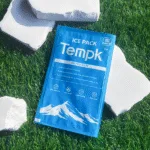
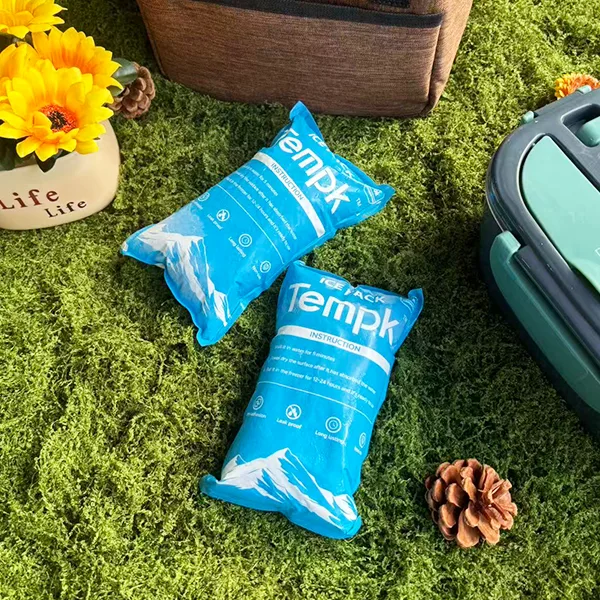
Tempk é a embalagem da cadeia de frio marca da Shanghai Tempk Industrial Co., Ltda. Its product range includes gel packs, sacos isolados e forros, Caixas EPP, VIP caixas térmicas médicas, e componentes de embalagem passiva relacionados. Dependendo do produto selecionado, os compradores podem discutir o tamanho, estrutura de isolamento, correspondência de refrigerante, marca, embalagem de papelão, e requisitos de fornecimento a granel. Qualquer reivindicação de temperatura ou duração deve estar vinculada a uma embalagem definida, carga útil, perfil ambiente, e provas de teste de apoio.
Próximo passo
Tell Tempk the agricultural product, harvest condition, método de pré-resfriamento, rota, carga útil, necessidades de ventilação, and receiving plan to review an embalagem isolada abordagem.