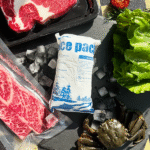
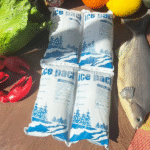
O envio de produtos sensíveis à temperatura requer um planejamento preciso, especialmente ao lidar com gelo seco. Quer você esteja enviando refeições congeladas, produtos farmacêuticos, ou sobremesas sofisticadas, o uso de bolsas de gelo seco garante que seus produtos permaneçam na temperatura ideal. Este guia irá ajudá-lo a escolher a bolsa de gelo seco certa, otimizar custos, e conhecer 2025 regulamentos de segurança, garantindo a entrega segura de seus itens.
-
What are the essential supplies for shipping dry ice?
-
Como você calcula a quantidade certa de gelo seco para envio?
-
Quais são as últimas tendências e opções ecológicas no transporte de gelo seco para 2025?
-
Como você garante segurança e conformidade ao enviar gelo seco?
O que são bolsas de gelo seco e por que são usadas no transporte marítimo?
Bolsas de gelo seco são dióxido de carbono sólido (Co₂) que sublimam diretamente de um sólido para um gás a -78,5°C (-109.3°F). Esta propriedade única os torna ideais para manter produtos congelados durante remessas longas.. Ao contrário do gelo regular, gelo seco não deixa água para trás, making it perfect for industries like pharmaceuticals, comida, e biotecnologia.
What Shipping Supplies Do You Need for Dry Ice Packs?
Shipping dry ice requires the right materials to maintain temperature control and ensure safety. Aqui está o que você precisa:
-
Recipiente Externo: Use corrugated fiberboard, plástico, or wooden boxes rated for the weight and durability requirements.
-
Isolamento: Poliestireno expandido (EPS), polipropileno expandido (PPE), ou painéis isolados a vácuo (VIP) help reduce sublimation rates.
-
Gelo Seco: Available in pellets, blocos, ou folhas. Choose based on the shipment’s duration and size.
-
Venting Mechanism: Ensure proper venting to allow CO₂ gas to escape and prevent pressure buildup.
How Do You Calculate the Right Amount of Dry Ice for Shipping?
To calculate the required amount of dry ice, use esta fórmula:
Gelo Seco (libras) = Peso do produto (libras) × 0.6 × Transit days × Temperature factor
Por exemplo, envio 20 pounds of frozen seafood for 2 days might need 12-14 libras de gelo seco. Adjust based on product sensitivity and packaging.
What Are the Latest Trends in Dry Ice Shipping for 2025?
Aumento da demanda por soluções sustentáveis
Eco-friendly options like biodegradable reflective liners and smart sensors are becoming popular. These innovations help reduce waste and improve temperature monitoring.
Tecnologia avançada de monitoramento
Em 2025, the integration of smart sensors allows for real-time tracking of temperature and CO₂ levels during shipping, providing better control over sensitive shipments.
Emerging E-Commerce Use Cases
Com a ascensão do comércio eletrônico, more businesses are using dry ice to ship perishable items directly to consumers. Dry ice is now a common solution for food boxes and pharmaceutical deliveries.
How Do You Ensure Safety When Handling Dry Ice?
O gelo seco pode ser perigoso se não for manuseado corretamente. Aqui estão dicas essenciais de segurança:
-
Use equipamento de proteção: Always use insulated gloves to avoid frostbite.
-
Ventilação: Always handle dry ice in well-ventilated areas to prevent CO₂ buildup.
-
Embalagem adequada: Ensure containers allow for CO₂ venting to avoid pressure build-up.
How Do You Pack Dry Ice for Shipping?
Follow these steps to pack dry ice properly:
-
Escolha a caixa certa: Select a strong, vented outer container (like corrugated fiberboard or plastic).
-
Adicionar isolamento: Insert EPS or VIP liners to trap cold and reduce sublimation.
-
Embale o produto: Place your items in the container and add cushioning to prevent shifting.
-
Add Dry Ice: Place dry ice on top of or around the product. Do not seal dry ice in airtight bags.
-
Selar e etiquetar: Ensure all venting mechanisms are open and label the package with “Dry Ice/UN 1845” and the correct hazard markings.
What Are the Regulations for Shipping Dry Ice in 2025?
Shipping dry ice requires compliance with various regulations, incluindo:
-
Air Cargo (Aqui está Pi 954): Até 200 kg per package with proper venting and labeling.
-
Transporte terrestre: No specific weight limit, but venting is required.
-
Passenger Baggage (TSA/FAA): 2.5 kg por passageiro, with proper declaration.
Always check your carrier’s requirements to ensure compliance.
How Do You Choose the Right Dry Ice Pack for Your Needs?
Para remessas de curta distância, hydrate dry ice packs or pellets may suffice. Para viagens longas, opt for dry ice blocks or reusable packs. Para produtos sensíveis, ensure the dry ice maintains the required sub-zero temperature throughout.
2025 Shipping Supplies Trends and Innovations
2025 has seen rapid innovation in the cold chain industry. Vacuum-insulated panels and hybrid coolants have gained popularity for reducing dry ice usage and improving carbon efficiency. Adicionalmente, digital air waybills and smart sensors are becoming essential tools for real-time monitoring and improving compliance.
Principais Desenvolvimentos
-
Sensores inteligentes: Integrated into containers to track temperature and CO₂ levels in real-time.
-
Embalagens ecológicas: Reflective liners and biodegradable materials are now being used more widely for short-distance shipments.
-
Automated Packing: Robotic packers are being used to streamline dry ice shipments, ensuring accuracy and reducing labor costs.
Perguntas frequentes
Q1: Quanto gelo seco eu preciso para o envio?
Use 5–10 pounds of dry ice per 24 horas de trânsito. Adjust based on insulation quality and shipment duration.
Q2: Can I ship dry ice with USPS?
Sim, mas as remessas aéreas são limitadas a 5 pounds per mailpiece. Use rigid packaging and include proper labeling.
Q3: What happens if my dry ice package isn’t vented?
Improper venting can cause pressure buildup, levando à ruptura do recipiente. Always ensure proper venting.
Conclusão e recomendações
Selecting the right dry ice pack is critical for maintaining product integrity during shipping. By understanding the necessary supplies, regulamentos, e protocolos de segurança, you can ensure the successful and cost-effective transport of temperature-sensitive goods. Stay ahead of the curve by embracing 2025’s trends and innovations in the cold chain industry.
Chamado à ação:
Ready to enhance your shipping strategy? Contact us for personalized solutions and stay updated on the latest trends in dry ice shipping. Let’s ensure your products reach their destination in perfect condition!