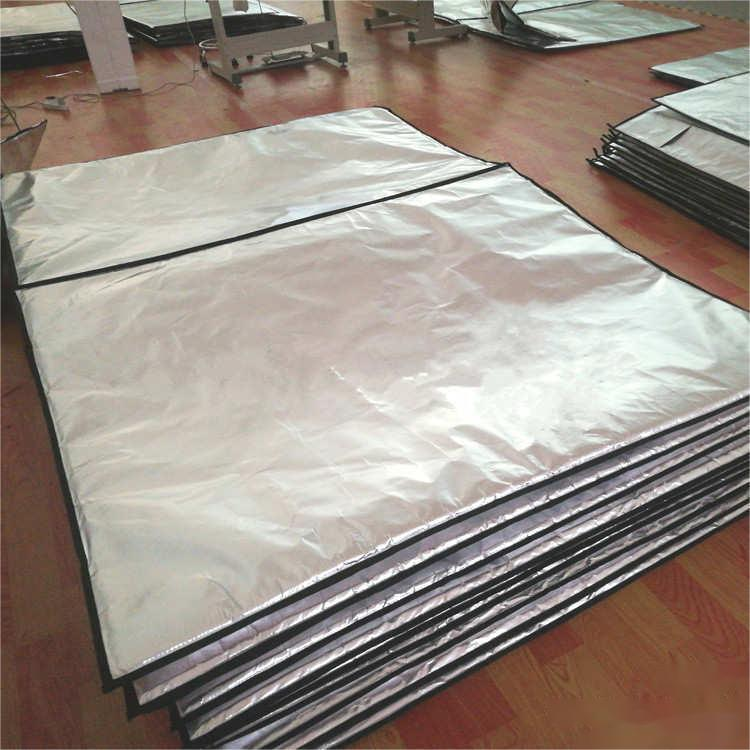
Como especificar coberturas de carga isoladas para agricultura
A questão útil não é se uma cobertura de palete “funciona”. A questão útil é se ele controla uma exposição nomeada sem criar outro problema. Coberturas de carga isoladas para a agricultura pode retardar o ganho ou a perda de calor em torno de uma carga unitizada durante o preparo, transferir, inspeção, ou recebendo. Eles não podem remover o calor do campo, alimentar uma cadeia de frio, ou provar que uma mercadoria permaneceu aceitável. Uma especificação forte, portanto, começa com uma lacuna no processo, não é um material. Ele conecta a necessidade de colheita, condição da palete, ambiente, desenho da capa, regra operacional, e evidências em uma decisão que os trabalhadores podem repetir e as equipes de qualidade podem revisar.
Defina uma lacuna térmica antes de definir o produto
Comece com uma frase que descreva o uso pretendido. Por exemplo: “Proteja os produtos paletizados pré-resfriados enquanto eles passam do armazenamento controlado através de uma área de carregamento exposta para transporte refrigerado.”Isso é mais valioso do que “Fornecer uma cobertura isolada para paletes de exportação” porque indica a condição inicial, formatar, localização, e controle de destino.
Agora teste a frase em relação à rota. O palete também aguarda inspeção? O carregamento pode parar? O sol direto é possível? O vento levanta abas soltas? A cobertura permanecerá no veículo refrigerado? Quem remove? Se se espera que a tampa atenda a várias lacunas, documente cada um separadamente. Um design pode ser adequado para mais de um uso, mas a aprovação não deve expandir-se silenciosamente.
A abordagem da lacuna do processo também expõe situações em que uma cobertura é o primeiro investimento errado. Se o produto não for pré-resfriado adequadamente, melhorar a remoção de calor. Se o fluxo de ar do refrigerador for bloqueado por empilhamento inadequado, configuração de carga correta. Se os paletes esperarem porque o agendamento de compromissos falhou, reduzir o tempo de permanência. Se uma base exposta for o caminho de calor dominante, isolamento lateral por si só não resolverá. A embalagem deve seguir o modo de falha diagnosticado.
Existem três portões iniciais:
Portão do produto: Que condição a mercadoria exige, e quais variações de temperatura, umidade, ou ventilação pode tolerar?
Portão de rota: Qual exposição não controlada é importante sob operação normal e sob um atraso confiável?
Portão de controle: Uma cobertura passiva é capaz de suportar esse intervalo, ou é refrigeração ativa, movimento mais rápido, sombra, uma sala de buffer controlada, ou um pacote diferente necessário?
Não prossiga com a comparação de fornecedores até que as três portas sejam respondidas suficientemente bem para um breve exemplo.
Preservar a condição do produto sem bloquear a cadeia de frio
A gestão da temperatura agrícola começa antes de uma palete ser coberta. Tempo de colheita, sombra, pré-resfriamento, embalagem, armazenamento refrigerado, e transporte refrigerado estabelecem e mantêm a condição do produto. A orientação da FAO descreve a cadeia de frio como atividades ligadas a montante e a jusante, enquanto a orientação pós-colheita enfatiza o fluxo de ar através das embalagens de produtos agrícolas e cargas empilhadas. Uma capa deve ser inserida sem contradizer esses controles.
Um erro recorrente é aplicar o isolamento muito cedo. O produto quente pode continuar a respirar e liberar calor, enquanto a tampa retarda a remoção de calor. Outra é deixar a tampa ao redor das caixas ventiladas dentro de um refrigerador sem confirmar o efeito do fluxo de ar. Em ambos os casos, um produto destinado a reduzir a exposição externa pode interferir no processo planejado.
Escreva pontos de aplicação e remoção na especificação:
O status de liberação do produto necessário antes de cobrir
O local onde a tampa está instalada
A geometria máxima da palete permitida
A verificação de fechamento
Os locais aprovados onde a palete coberta pode esperar
O evento que desencadeia a remoção
A ação tomada durante um atraso
A disposição de recebimento ou devolução
A cobertura não deve se tornar permissão para estender uma permanência não controlada. Uma regra de atraso pode direcionar o palete de volta para o armazenamento refrigerado, em um buffer com temperatura controlada, ou por meio de outra resposta aprovada. A ação exata depende da operação. O que importa é que os trabalhadores não inventem isso ao lado do cais.
Converta a transferência de calor em opções de design
Cada cobertura gerencia uma combinação de três caminhos externos de transferência de calor. Camadas isolantes retardam a condução através da montagem. Fechamentos e sobreposições reduzem a troca indesejada de ar quente. Um exterior reflexivo pode reduzir a carga de calor radiante quando enfrenta o espaço aéreo relevante e a exposição. A carga útil, pilha de papelão, base de paletes, e o ar interno determinam como essas cargas externas afetam a temperatura do produto.
Nenhuma camada descreve o resultado final. Um núcleo grosso com uma saia curta pode deixar as caixas inferiores expostas. Um rosto altamente reflexivo pode fazer pouco contra a exposição prolongada ao ar quente se as costuras permanecerem abertas. Um design confortável pode melhorar a cobertura, mas demorar muito para instalar ou obstruir a ventilação necessária. A seleção de materiais e a geometria devem ser revisadas em conjunto.
A descrição mínima do projeto deve incluir:
dimensões utilizáveis acabadas e tolerâncias dimensionais;
principal, lado, canto, e cobertura inferior;
descrição funcional da face externa, isolamento, e forro interno;
construção de costura e borda;
tipo de fechamento, sobreposição, e localização;
etiqueta ou acesso à digitalização quando necessário;
peso, tamanho da dobra, e recursos de manuseio;
Ferramentas úteis de decisão
Verifique os detalhes antes de escolher a embalagem
Essas ferramentas rápidas podem ajudá-lo a comparar o risco da rota, necessidades de dimensionamento, escolhas de refrigerante, e detalhes da embalagem antes de solicitar um orçamento.
Calculadora de bolsa de gelo
Estime a quantidade de bolsas de gelo em gel para remessas refrigeradas e planejamento prático de rotas.
Estimar bolsas de geloGerador de lista de verificação de conformidade
Crie uma lista de verificação prática para revisão de embalagens, envio, e documentação.
Lista de verificação de construçãoCalculadora de gelo seco
Estime as necessidades de gelo seco para remessas congeladas ou ultrafrias antes de embalar.
Estimar gelo secométodo de limpeza e secagem compatível para produtos reutilizáveis;
identificação e marcação do lote de produção;
critérios de reparo e retirada aprovados, se disponível.
Evite usar “à prova d'água” ou “qualidade alimentar” sem uma definição precisa e documentação de apoio para o uso pretendido. Uma face resistente à água ainda pode ter costuras permeáveis. Uma tampa que toca apenas caixas de transporte tem uma situação de contato diferente do material que toca alimentos não embalados. As equipes de qualidade e regulatórias devem avaliar a interface real.
Especifique coberturas de carga isoladas para agricultura contra modos de falha
Uma revisão em modo de falha é mais produtiva do que uma longa lista de recursos. Ele pergunta como o controle pretendido poderia falhar e transforma a resposta em um projeto, processo, ou exigência de evidência.
| Modo de falha | Consequência provável | Especificação ou resposta operacional |
|---|---|---|
| O produto é coberto antes que o condicionamento esteja completo | O calor é retido e o resfriamento posterior pode ser retardado | Vincule o aplicativo ao lançamento documentado do produto ou ao status de pré-resfriamento |
| A tampa é muito pequena para a protuberância ou saliência do palete | As lacunas expõem as caixas e os fechos não podem encaixar | Meça paletes de produção aceitáveis na pior das hipóteses e defina dimensões internas utilizáveis |
| O topo ou a base são deixados fora do limite térmico | Carga térmica irregular ignora a proteção lateral | Indique quais superfícies devem ser cobertas e se uma solução base faz parte do sistema |
| A cobertura bloqueia a ventilação planejada | O fluxo de ar refrigerado através das caixas ou pilhas é reduzido | Defina o ponto de remoção ou demonstre compatibilidade com o plano de fluxo de ar real |
| A exposição solar é representada apenas por um teste de temperatura do ar | A carga radiante não é abordada pelas evidências | Incluir exposição radiante relevante ou limitar claramente a reivindicação |
| Os trabalhadores levantam a tampa repetidamente para digitalizar as etiquetas | A proteção é interrompida e a tampa está danificada | Adicione um recurso de acesso colocado corretamente ou revise a sequência de digitalização |
| A capa reutilizável retorna molhada ou contaminada | Odor, deterioração, ou risco de higiene se desenvolve | Estabelecer segregação, limpeza, secagem completa, inspeção, e liberar etapas |
| O fornecedor altera uma camada ou fechamento sem revisão | Ajustar, durabilidade, facilidade de limpeza, ou o comportamento térmico pode mudar | Exigir especificações controladas, notificação, e regras de reavaliação |
A resposta nem sempre precisa ser uma cobertura mais complexa. Às vezes, uma mudança de rota ou instrução de trabalho é o controle mais eficaz. A tabela também evita um problema comum de aquisição: pedir a uma propriedade material para resolver falhas causadas por operações.
Crie evidências em camadas
As evidências devem se tornar mais representativas à medida que a compra passa da ideia à implantação. Um programa disciplinado pode usar quatro camadas.
Camada 1: Revisão de documentos
Revise a construção proposta, dimensões, uso pretendido, instruções de manuseio, declarações materiais, e qualquer relatório de teste existente. Um relatório útil identifica o item testado, carga útil ou simulador, condições iniciais, perfil ambiental, duração, configuração de medição, e critérios de aceitação. Resumos de marketing sem esses detalhes podem apoiar a triagem, mas não uma decisão de rota.
Camada 2: Teste de ajuste e usabilidade
Aplique a amostra em um palete representativo e no maior palete aceitável. Inclui saliência da caixa, alças, placas de canto, e etiquetas. Aplicação e remoção de tempo, observar pontos de dificuldade, fechamentos de teste, verifique o acesso da empilhadeira, e praticar armazenamento. Execute o teste com operadores reais durante um período de trabalho realista.
Camada 3: Comparação térmica controlada
Compare a configuração coberta proposta com a linha de base relevante sob condições documentadas. O desenho da comparação deve refletir a decisão. Uma transferência direta ao sol requer exposição diferente de uma espera interna quente. A colocação do sensor e o equipamento de medição devem ser planejados, mas a interpretação dos dados deve usar os critérios de produto do proprietário da mercadoria.
Camada 4: Confirmação de rota e revisão de exceções
Quando o risco justifica, revise a pista completa ou um piloto representativo. Incluir transferências e o processo de atraso, não apenas o tempo normal. Um piloto bem-sucedido em uma pista não aprova todos os climas, plantações, formatos de paletes, ou temporadas. Registre os limites para que as equipes posteriores saibam o que foi estabelecido.
ISTA 7E pode aparecer na literatura do fornecedor, mas é projetado para térmica embalagem de transporte em sistemas de entrega de encomendas. Não é uma qualificação universal para Tampas de paletes ou pistas agrícolas. Use padrões cujo escopo corresponda à decisão, e complementá-los com trabalho específico da rota, quando apropriado.
Torne o controle visível em cada transferência
Um programa de cobertura eficaz possui controle físico e informativo. O controle físico é a tampa corretamente ajustada. O controle informativo informa à próxima pessoa qual é o palete, que status ele tem, quando ele tiver sido coberto, onde deveria ir, e o que fazer se o plano mudar.
Para uma capa descartável, as informações podem fazer parte de uma etiqueta de remessa e instruções de trabalho. Para uma capa reutilizável, o item em si pode conter um identificador de ativo exclusivo, além de um tamanho visível e uma marca de status. Mantenha a rastreabilidade do produto e o rastreamento de ativos de cobertura distintos: o identificador da palete segue as mercadorias, enquanto o identificador do ativo segue a capa.
Ao receber, o destinatário não deve usar a condição de cobertura como único sinal de aceitação. Uma tampa deslocada ou danificada é uma evidência relevante, mas uma capa intacta não prova a condição do produto. Revise os registros de temperatura, histórico de remessa, estado da embalagem, e inspeção do produto de acordo com o procedimento estabelecido.
Se a remessa se enquadrar nos requisitos de transporte de alimentos, funções e registros aplicáveis devem ser considerados separadamente. Nos Estados Unidos, Os requisitos de transporte sanitário da FDA abordam veículos, operações, treinamento, registros, e proteção contra riscos de segurança alimentar dentro do seu âmbito. Uma capa pode apoiar o procedimento, não substitua isso.
Decida se a reutilização se adapta à rede
A reutilização é atrativa quando os fluxos agrícolas são previsíveis, mas a época das colheitas torna o desequilíbrio dos activos especialmente provável. O caso económico e ambiental depende dos retornos reais, durabilidade não teórica.
Desenhe a rota inversa. As capas podem retornar no mesmo caminhão, consolidar em um centro de distribuição, ou passar por um pool de terceiros. Cada opção precisa de propriedade, verificar eventos, responsabilidade de limpeza, espaço de secagem, buffers de inventário, e tratamento de perdas. Se nenhuma das partes aceitar a responsabilidade no destino, o loop de retorno pretendido pode nunca começar.
O pensamento do ciclo de vida é mais credível do que uma simples declaração “reutilizável é sustentável”. A estrutura de gestão sustentável de materiais da EPA enfatiza o uso produtivo de materiais em todo o ciclo de vida. Aplique essa ideia à capa considerando a quantidade de material, fabricação, transporte de ida e volta, limpeza, reparar, perda, utilização, e fim da vida.
As regras de destino também são importantes. O Regulamento de Embalagens e Resíduos de Embalagens da União Europeia geralmente começa a ser aplicado a partir de 12 Agosto 2026 e introduz requisitos em todo o ciclo de vida da embalagem, com aplicação dependendo do operador e formato da embalagem. Os exportadores agrícolas que servem os mercados da UE deverão obter, aconselhamento específico para a situação. Não presuma que uma etiqueta reutilizável ou uma declaração de material estabeleça conformidade.
Um produto de mão única pode continuar a ser a melhor escolha operacional para uma rota de exportação aberta. Um design reutilizável durável pode ser mais forte em uma rota doméstica fechada. A conclusão correta vem da rede, não de uma hierarquia universal.
Passe da amostra para a produção controlada
Antes de dimensionar, converter a amostra aprovada em uma especificação controlada. Guarde fotografias, desenhos, descrições de camadas, detalhes de fechamento, rótulos, e tolerâncias. Combine os pontos de inspeção e a notificação de alterações. Decida se o primeiro lote de produção precisa de inspeção aprimorada ou de um novo teste de ajuste.
O treinamento deve ser curto e visual. Mostrar a orientação correta, sequência de fechamento, tratamento inferior, acesso à etiqueta, e método de remoção. Incluir defeitos que exigem segregação. Os supervisores devem ser capazes de observar o uso correto sem desmontar o palete.
Use dados de implantação antecipada para melhorar o sistema. Rastrear capas perdidas, tempo de aplicação, locais de danos, retornos molhados, erros de tamanho, e exceções. Esses dados revelam se o design ou o processo precisa de atenção. Não devem ser transformadas em afirmações de desempenho sem um estudo adequado.
O controle de alterações continua após o lançamento. Revisar a decisão quando houver uma nova mercadoria, Carton, padrão de palete, rota, clima, veículo, método de limpeza, material do fornecedor, ou exigência do cliente. O isolamento faz parte de um processo de distribuição viva.
Perguntas frequentes
Por quanto tempo uma cobertura isolada de carga agrícola protegerá um palete?
Não existe uma duração universal responsável. O resultado depende da condição inicial do produto, massa térmica, configuração de paletes, exposição ambiental, sol e vento, construção de cobertura, ajustar, base, e critério de aceitação. Solicite todas as condições por trás de qualquer reivindicação de duração, em seguida, decida se testes adicionais são necessários para sua rota.
A cobertura total do fundo é sempre necessária?
Nem sempre, mas a base deve ser considerada. O calor pode entrar através do contato com uma superfície quente ou ar ao redor de uma saia aberta. Alguns sistemas usam uma base isolada, folha de palete, ou superfície de preparação controlada. Definir a condição base e incluí-la na avaliação em vez de assumir que a cobertura lateral e superior representa todo o palete.
A tampa pode permanecer colocada durante o transporte refrigerado?
Somente se o produto, ventilação da caixa, fluxo de ar do veículo, e avaliou o suporte de configuração que usa. Muitas cargas de produtos frescos dependem da movimentação do ar através de aberturas de ventilação da embalagem e canais de paletes alinhados. Uma tampa usada durante a transferência externa pode precisar ser removida antes do carregamento final. Coloque o ponto de remoção na instrução de trabalho.
Qual é o documento mais importante do fornecedor?
Nenhum documento responde a todas as perguntas. A especificação do produto controlado estabelece o que será fornecido, enquanto um relatório de teste detalhado explica qualquer evidência térmica. Instruções de limpeza, documentação material, termos de controle de alterações, e registros de inspeção de produção também podem ser importantes. Juntos eles conectam a amostra, alegar, e lote de produção.
Quando uma capa reutilizável deve ser retirada?
Utilize critérios observáveis apoiados pelo fornecedor e pelo seu processo de higiene e qualidade. Os exemplos podem incluir tampas danificadas, costuras abertas, isolamento perfurado ou molhado, delaminação, contaminação que não pode ser removida, perda de ajuste, ou um reparo não aprovado. Evite assumir um número fixo de viagens, a menos que seja compatível com as condições reais.
Conclusão
Uma especificação de cobertura agrícola defensável começa com uma lacuna do processo e segue até a condição do produto, fluxo de ar, transferência de calor, geometria, manuseio, evidência, e propriedade. A cobertura deverá preservar uma condição estabelecida pela cadeia de frio, não ocultar um controle ausente. Teste em camadas, manter as reivindicações vinculadas à sua configuração, e definir a resposta de atraso antes da implantação. Para designs reutilizáveis, prove o ciclo de retorno tão cuidadosamente quanto o produto físico. Este método baseado em rota produz um menor, reivindicação mais clara e uma operação mais confiável.
Sobre Tempk
Tempk é um B2B embalagem da cadeia de frio fornecedor cujas ofertas relevantes incluem paletes isolados e coberturas térmicas e relacionados embalagem com temperatura controlada. Podemos ajudar os compradores a transformar uma descrição de rota em uma discussão de capa que aborde dimensões utilizáveis, cobertura, fechamentos, tratamento de acesso, e reutilização pretendida. A exigência de produtos agrícolas, estratégia de qualificação, e a aprovação operacional permanecem sob responsabilidade do expedidor e de sua equipe de qualidade. O ponto de partida mais útil do Tempk não é, portanto, uma duração genérica solicitada, mas uma paleta representativa e uma descrição clara da exposição que a capa deve gerenciar.
Compartilhe sua mercadoria, geometria da palete, sequência de transferência, exposição ambiental, e plano de retorno com Tempk. Use essas informações para solicitar uma amostra focada e revisão de evidências antes do dimensionamento.