Pacote de gelo seco do fornecedor para entrega de leite: Como escolher o pacote certo
Um fornecedor pacote de gelo seco for milk delivery is worth buying only when it matches the product, a rota, e a evidência que você precisa após o parto. Para leite, a questão prática não é simplesmente quão fria está a mochila. Os compradores devem confirmar se precisam de gelo seco sólido de CO2, um pacote reutilizável tipo gelo seco, PCM, pacotes de gel, ou um qualificado expedidor isolado, em seguida, verifique o desempenho dessa escolha com a carga útil real e as condições de manuseio.
A decisão prática em um parágrafo
Para leite, não comece com o pacote mais frio. Comece com a condição permitida do produto, em seguida, escolha a fonte de frio de menor risco que possa suportar a rota. Dry-ice-style packs may help hot last-mile lanes only if they are not placed directly against milk containers and the packout is designed for chilled performance, while solid CO2 dry ice is usually too cold for milk delivery and can create freezing damage if used without a validated barrier system. O fornecedor deve ajudá-lo a verificar este ajuste com a caixa real, carga útil, e processo de manuseio.
Defina o que significa bolsa de gelo seco em seu resumo de compra
A frase bolsa de gelo seco deve ser esclarecida em cada briefing de compra. Se isso significa gelo seco de dióxido de carbono sólido, o comprador deve se planejar para frio extremo, ventilação de gás, marcações de gelo seco, segurança no manuseio, e aceitação da transportadora. Se isso significar um pacote reutilizável de gelo seco, o comprador deve confirmar o material, método de hidratação ou congelamento, comportamento do refrigerante, qualidade de vedação, e se a embalagem se destina a refrigeração, congelado, ou uso bufferizado.
Esta definição não é um detalhe de redação. Para leite, afeta a segurança do produto, seleção de embalagens, trabalho de armazém, instruções do cliente, e custo logístico. Um fornecedor que não consegue explicar a diferença ainda pode vender um pacote, mas o comprador terá que descobrir a limitação durante as reclamações, entregas rejeitadas, ou uma remessa de teste com falha.
Os melhores resumos de compra descrevem o produto, a condição exigida na entrega, o comprimento do percurso, o isolamento já planejado, a exposição ambiental esperada, e qualquer documentação que a equipe receptora precise. Com essa informação, um fornecedor pode recomendar uma direção de embalagem em vez de citar um tamanho de embalagem genérico.
Match the packout to milk risk, não a uma reivindicação genérica de duração
Muitos compradores pedem uma bolsa de gelo seco que dure um certo número de horas. Essa pergunta é compreensível, mas está incompleto. O tempo de espera depende da caixa, massa de carga útil, quantidade do pacote, perfil ambiente, posição da embalagem, como o pacote é selado, e como o receptor lida com isso. Um número de uma ficha técnica do fornecedor pode ser útil para triagem, mas não deve ser tratado como uma garantia para todas as pistas.
A melhor pergunta é: what condition must the milk meet at the end of the route, e quais evidências irão provar isso? Uma vez que isso esteja definido, a equipe de embalagem pode comparar gelo seco, pacotes estilo gelo seco, pacotes de gel, Pacotes PCM, e opções de isolamento com menos suposições. Esta abordagem também torna mais fácil explicar o pacote ao pessoal de operações.
Para leite, o packout deve ser projetado para controlar o fluxo de calor, não apenas para adicionar mais massa fria. Camadas de buffer, colocação de produto, preenchimento de caixa, disciplina de fechamento, e o pré-condicionamento são muitas vezes tão importantes quanto a própria embalagem.
Tabela de decisão para a revisão de compras
| Pergunta antes de fazer o pedido | Melhor resposta do comprador | Risco se ignorado |
|---|---|---|
| O que o pacote realmente contém? | CO2 sólido, pacote tipo gelo seco hidratado, gel, ou PCM | Manuseio errado e suposição de temperatura errada |
| Qual condição do produto deve chegar? | Refrigerado, congelado, ultra-frio, ou simplesmente legal | Danos por congelamento ou entrega quente |
| Qual caixa e carga útil foram testadas? | Mesmo isolamento, massa do produto, e posição da embalagem planejada para uso | O tempo de espera do fornecedor pode não ser aplicado |
| Quem trata da documentação? | Qualidade, logística, operadora, e recebendo equipes | Remessas rejeitadas ou evidências faltantes |
| A amostra pode ser repetida? | Especificação bloqueada e controle de produção | O pedido em grandes quantidades varia da amostra aprovada |
A tabela não se destina a substituir um pacote de teste. Ajuda os compradores a fazerem as perguntas certas antes de uma amostra ser solicitada, então o primeiro teste está mais próximo das condições reais de operação. Quando um fornecedor não consegue responder a um destes pontos, trate-o como um item para verificação e não como uma razão para adivinhar.
Uma lista de verificação de compra para controle da amostra até a produção
Uma amostra pode parecer bem-sucedida porque foi embalada cuidadosamente por uma pessoa experiente. As execuções de produção são diferentes. Mais trabalhadores estão envolvidos, o tempo de congelamento da embalagem pode variar, substituições de caixa podem acontecer, e os prazos de envio podem encurtar o processo. Para leite, os compradores devem decidir como o teste bem-sucedido será traduzido em uma instrução de trabalho repetível.
- Bloqueie o tipo de pacote, tamanho, descrição do material, e método de condicionamento antes da ordem de produção.
- Registre o remetente isolado, forro, massa de carga útil, e posição da embalagem usada no teste.
- Confirme se o mesmo pacote funciona nas estações quentes e frias ou precisa de ajuste sazonal.
- Treinar empacotadores sobre camadas de separação e restrições de contato direto.
- Definir o que as equipes receptoras devem inspecionar e quais evidências devem manter.
Esta lista de verificação é especialmente importante para avaliação de fornecedores porque o custo da inconsistência geralmente aparece depois que o pedido sai do armazém. Uma embalagem mais barata que requer um manuseio pouco claro pode ser mais cara do que uma embalagem um pouco mais estruturada.
Use declarações cautelosas quando equipes de qualidade ou regulatórias estiverem envolvidas
Para leite, fortes alegações de embalagem devem ser tratadas com cuidado. Um fornecedor pode descrever os materiais da embalagem, uso pretendido, etapas de condicionamento, e suporte de teste disponível, mas a decisão final depende da exigência do produto e do processo de envio. Isto é particularmente importante quando uma remessa atinge áreas médicas, farmacêutico, ou distribuição de vacinas, onde documentação e revisão de qualidade podem ser necessárias.
Para gelo seco real, o expedidor deve verificar as mercadorias perigosas e os requisitos da transportadora antes do envio. As embalagens geralmente precisam permitir a liberação de gás, e marcações podem ser exigidas para transporte aéreo. Para embalagens de gelo seco sem CO2, o comprador ainda deve verificar as instruções de congelamento, limitações de contato direto, e se o pacote foi testado no remetente pretendido.
A linguagem mais segura do fornecedor é prática e condicional. Explica onde o pacote é apropriado, o que deve ser verificado, e o que não deve ser assumido. Esse tipo de formulação pode parecer menos dramático do que uma ampla promessa de desempenho, mas protege tanto o comprador quanto o usuário final.
Um exemplo prático de como evitar a fonte de frio errada
Uma equipe de compras solicita uma solução de gelo seco porque remessas anteriores aqueceram durante o transporte. Depois de revisar os requisitos do produto, the team discovers that the milk must remain cool but should not be exposed to extreme freezing. Em vez de mudar diretamente para gelo seco real, a equipe pede aos fornecedores que comparem embalagens de gelo seco, pacotes de gel, Pacotes PCM, e mudanças de isolamento.
A proposta do fornecedor com melhor desempenho não é necessariamente a mais fria. É aquele que explica a separação dos produtos, condicionamento de embalagem, ajuste de caixa, risco de rota, e evidências necessárias para aprovação. A equipe realiza um teste com a carga útil real e registra a condição de recebimento antes de liberar o pedido em massa.
Este exemplo mostra por que a disciplina do comprador é importante. O objetivo não é adicionar um refrigerante mais forte; o objetivo é proteger o produto de forma que o armazém, operadora, receptor, e equipe de qualidade pode repetir.
Sinais de alerta em propostas de fornecedores
A proposal for milk should raise concern if it promises universal suitability, evita definir o tipo de pacote, fornece um número de tempo de espera sem condições de teste, ou ignora a diferença entre refrigerado, congelado, e requisitos ultrabaixos. Também deverá ser preocupante se o fornecedor não puder explicar como a embalagem deve ser armazenada, condicionado, e separado da carga útil.
Ferramentas úteis de decisão
Verifique os detalhes antes de escolher a embalagem
Essas ferramentas rápidas podem ajudá-lo a comparar o risco da rota, necessidades de dimensionamento, escolhas de refrigerante, e detalhes da embalagem antes de solicitar um orçamento.
Avaliador de risco da rota
Revise as condições da pista antes de selecionar a embalagem para requisitos operacionais reais.
Verificar risco da rotaForro de caixa & Dimensionamento da cobertura de paletes
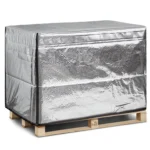
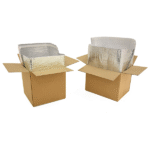
Verifique a lógica de dimensionamento do forro da caixa e da tampa do palete para projetos de embalagens isoladas.
Dimensionamento estimadoCalculadora de acumuladores de frio
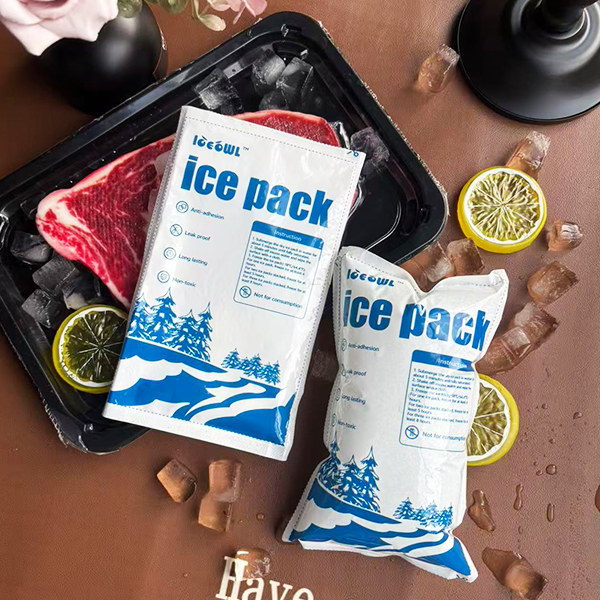
Estime a quantidade de bolsas de gelo em gel para remessas refrigeradas e planejamento prático de rotas.
Estimar bolsas de geloOutra bandeira vermelha é uma proposta que trata a documentação como uma reflexão tardia. Mesmo para rotas alimentares, os compradores podem precisar receber notas de inspeção, apoio à investigação de reivindicações, ou registros de pacotes simples. Para rotas médicas e farmacêuticas, as expectativas de documentação podem ser mais formais e devem ser definidas antecipadamente.
Uma proposta forte geralmente é mais específica. Descreve o uso pretendido, os limites, o que deve ser testado, e quais informações o comprador deve fornecer antes de fazer o pedido. Isso torna a decisão de compra mais segura mesmo quando o fornecedor não pode garantir o resultado de todas as rotas.
Perguntas frequentes
How should I compare suppliers for supplier dry ice pack for milk delivery?
Compare com que clareza cada fornecedor define o tipo de embalagem, uso de temperatura pretendido, método de condicionamento, layout de embalagem, evidência de teste, e consistência de produção. Um fornecedor que pergunta sobre sua rota e risco do produto geralmente fornece uma recomendação mais segura do que aquele que cita apenas por tamanho de embalagem.
Que informações devo dar ao fornecedor?
Forneça o tipo de produto, condição alvo na entrega, Tamanho da caixa, peso da carga útil, comprimento da rota, modo de operadora, provável exposição ambiental, e se a documentação é necessária. Para leite, também explique qualquer sensibilidade ao congelamento, umidade, pressão, ou danos de apresentação.
Posso confiar em um tempo de espera declarado?
Use-o apenas como ponto de triagem inicial, a menos que o fornecedor explique as condições do teste. Mantenha as mudanças de tempo com isolamento, carga útil, quantidade do pacote, temperatura ambiente, eventos de abertura, e comportamento do receptor.
One reason buyers struggle with milk packaging is that temperature risk is not visible at the time of packing. A caixa pode parecer correta, a mochila pode ficar fria, e a caixa pode ser selada perfeitamente, ainda assim, o produto ainda pode ser exposto a um ponto frio local ou a um período de transferência quente. Um método de embalagem por escrito ajuda a converter uma verificação visual em um processo controlável.
A apresentação do produto faz parte do valor da cadeia de frio. Caixas molhadas, etiquetas distorcidas, invólucros turvos, vazamento de cargas úteis, ou marcas de gelo podem prejudicar a confiança do cliente, mesmo quando o produto permanece utilizável. Para leite, a embalagem deve proteger tanto a condição técnica quanto a aparência da remessa quando recebida.
Ao comparar propostas, peça a cada fornecedor para separar fatos comprovados de suposições. Fatos comprovados podem incluir descrição material, dimensões do pacote, instruções de condicionamento, ou um teste realizado sob condições definidas. As suposições incluem desempenho em uma nova rota, em uma caixa diferente, ou com uma carga útil diferente.
Uma conversa com o fornecedor também deve incluir o armazenamento antes da embalagem. Pacotes que requerem congelamento ou condicionamento precisam de tempo suficiente, Espaço no congelador, e fluxo de ar para atingir o estado pretendido. Se o armazém remover os pacotes muito cedo ou empilhá-los com muita força antes do uso, a embalagem testada em uma amostra pode não corresponder à embalagem usada na produção.
Para pedidos repetidos, manter um registro de revisão. Se o material do filme, tamanho do pacote, formulação de gel, design de caixa, fonte do fornecedor, ou alterações no posicionamento do pacote, o teste anterior pode não representar mais o pacote atual. O controle de mudanças não é apenas uma ideia farmacêutica; também é uma disciplina prática de embalagem.
Para compradores fornecedores, a comunicação da embalagem pode se tornar um custo oculto. Se as equipes de vendas, pessoal do armazém, e os clientes usam a frase bolsa de gelo seco de maneira diferente, o programa pode desviar. Defina se o produto é gelo seco de CO2 sólido, um pacote hidratado, um pacote de gel, ou um pacote estilo PCM em todos os documentos internos.
The vocabulary around milk delivery, dairy logistics, entrega refrigerada, last-mile cadeia de frio can be confusing, portanto, o comprador deve usar descrições simples no resumo de compra. Descreva o produto, a rota, a condição de entrega, e as restrições de manuseio. Deixe o fornecedor recomendar a fonte fria somente depois que esses fatos forem conhecidos.
Não trate um registrador de dados como proteção de temperatura. Um registrador registra o que aconteceu; não evita ganho de calor ou congelamento. É útil quando o comprador precisa de evidências, mas deve ser combinada com uma embalagem que tenha uma chance razoável de manter o produto nas condições pretendidas.
O remetente isolado merece tanta atenção quanto o refrigerante. Materiais de parede, fechamento da tampa, ajuste do forro, espaço vazio, arranjo de produto, e a condição da caixa influenciam o ganho de calor. Adicionar mais refrigerante a um transportador fraco pode aumentar o custo e o risco do produto sem resolver o problema térmico subjacente.
Quando devo evitar gelo seco real?
Evite gelo seco real quando o produto não deve congelar, quando a transportadora não pode aceitá-lo, quando a equipe não consegue lidar com isso com segurança, ou quando a embalagem não consegue liberar gás dióxido de carbono. Considere pacotes de gel, Pacotes PCM, ou um método de envio diferente.
Conclusão
A supplier dry ice pack for milk delivery is a practical purchase when the buyer treats it as one part of a controlled packout. Defina a condição necessária do produto, confirmar se o gelo seco é apropriado, verifique o isolamento e a posição da embalagem, e peça evidências que correspondam à sua rota. A decisão mais segura geralmente é aquela com limites claros, não é a maior reivindicação de resfriamento.
Sobre Tempk
Tempk é o embalagem da cadeia de frio marca da Shanghai Tempk Industrial Co., Ltda. Apoiamos compradores que precisam de opções práticas de embalagens para alimentos, farmacêutico, médico, e outras remessas sensíveis à temperatura. Para leite, nosso papel é ajudar a conectar a fonte fria, embalagem isolada, carga útil, e processo de manuseio para que o comprador possa passar da revisão da amostra para um plano de pedido mais repetível.
Envie para Tempk sua necessidade de produto, perfil de rota, carga útil, e estágio de compra. Podemos ajudá-lo a comparar opções práticas de embalagem antes de passar da amostra para o pedido em massa.