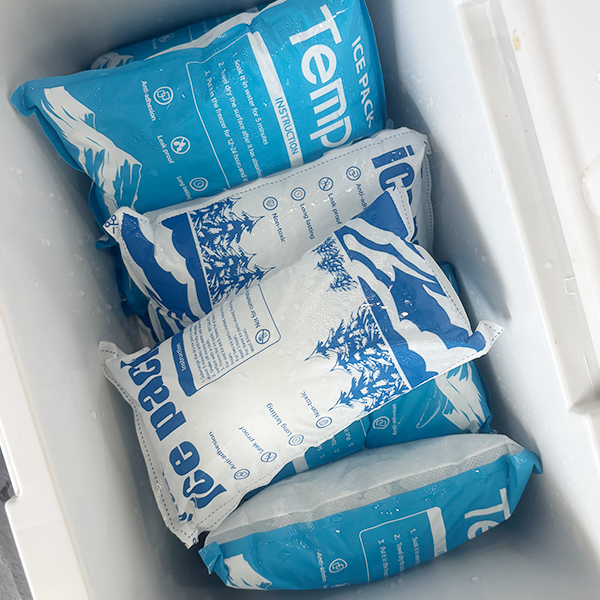
Cinco portas para um pacote de gelo seco de fornecedor para logística farmacêutica
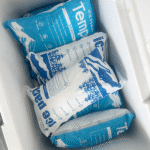
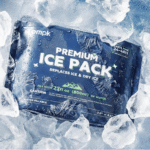
Antes de aprovar um fornecedor pacote de gelo seco para logística farmacêutica, passe o componente proposto por cinco portas: identidade, exigência do produto, evidência de embalagem, reprodutibilidade operacional, e controle do ciclo de vida. A primeira porta evita um erro de nomenclatura perigoso. A bolsa de gelo seco de hidratação da Tempk é uma folha de refrigerante congelado ativada por água; não é dióxido de carbono sólido ou gelo seco UN1845. As outras portas evitam um erro técnico igualmente importante: tratar um componente refrigerante como se fosse um completo, sistema de remessa universalmente qualificado. A aprovação deve estar associada a uma configuração exata e a um processo controlado para um medicamento e via definidos.
Portão Um: Estabeleça a identidade exata do refrigerante
Nomes como bolsa de gelo seco, manta de gelo, folha de gel, e o pacote de mudança de fase são usados de forma inconsistente em todo o mercado. Um registro de compras precisa de mais precisão. Identifique o produto por código, revisão, construção, layout de célula, dimensões, método de ativação, estado de condicionamento pretendido, e método de manuseio aprovado pelo fornecedor.
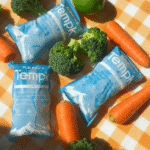
Para uma folha de hidratação Tempk, água é adicionada antes de congelar. Isso o distingue de um pré-preenchido Pacote de gel, uma placa PCM rígida, e dióxido de carbono. Cada alternativa impõe demandas diferentes ao armazenamento, preparação, geometria da embalagem, e pessoal. O dióxido de carbono também introduz perigos e controles de transporte que não deveriam ser transferidos para uma folha sem CO2 simplesmente por causa de um nome semelhante.
O inverso é tão importante. Não se deve presumir que um refrigerante sem CO2 reproduza a temperatura ou o comportamento de sublimação do gelo seco sólido. Não adquire desempenho ultracongelado do termo comercial. Qualquer faixa de temperatura e duração exigidas devem ser mostradas na embalagem isolada proposta.
Escreva a identidade nas especificações e nos materiais de treinamento. Se uma transportadora, empacotador, revisor de qualidade, ou receptor poderia razoavelmente confundir o componente com dióxido de carbono, melhorar o texto. A identidade clara suporta o manuseio correto, declarações precisas, avaliação de risco útil, e comparação significativa entre fornecedores.
Portão Dois: Converta o medicamento e a pista em um resumo testável
O refrigerante não pode definir o alvo. Comece com informações aprovadas sobre o produto e os requisitos de qualidade da organização. Documente os limites de temperatura aceitáveis, apresentação do produto, sensibilidade ao congelamento ou outras condições ambientais, faixa de carga útil, e qualquer processo de excursão justificado.
Em seguida, mapeie a pista. Uma rota é maior que o tempo de trânsito programado. Incluir preparação de armazém, carregando, coleção local, centros, tratamento de aeroporto ou fronteira, alfândega, entrega final, e recibo. Considere as estações quentes e frias quando relevante. Identifique interrupções credíveis e o atraso máximo que se espera que o design da embalagem cubra. Contingência ilimitada não é uma condição de teste; é um sinal de que os controles operacionais também precisam de trabalho.
O resultado deve ser um requisito de envio que engenheiros e fornecedores possam interpretar da mesma maneira. No mínimo, deveria responder:
Quais limites exatos de produto regem a remessa?
Quais são as apresentações de carga útil mínima e máxima?
Qual caixa externa e isolamento são fixos, e que ainda são candidatos?
Quais condições iniciais se aplicam ao medicamento, refrigerante, e expedidor?
Quais exposições ambientais representam o ambiente de distribuição pretendido?
Onde estão os prováveis pontos quentes e frios?
Como as temperaturas serão monitoradas e as excursões avaliadas?
Quais etapas devem ser viáveis em cada local de embalagem?
Evite adotar uma faixa de temperatura farmacêutica familiar. Muitos medicamentos usam condições rotuladas comuns, mas nenhuma faixa única se aplica a todos os produtos. As boas práticas de distribuição centram-se na manutenção das condições autorizadas para o medicamento específico.
Portão Três: Exija evidências para o sistema completo
Uma folha de hidratação absorve o calor à medida que a água congelada aquece e derrete. O isolamento retarda a transferência de calor. A carga útil adiciona massa térmica. Lacunas, costuras, pontos de contato, e gradientes de temperatura em forma de headspace. Nenhum desses elementos funciona de forma independente em uma parcela real.
Este comportamento do sistema cria duas direções de falha. Muito pouco resfriamento ou entrada excessiva de calor podem aumentar a temperatura do produto. Contato direto, refrigerante sobrecarregado, ou um estado de condicionamento inadequado pode levar a uma posição local do produto abaixo do seu limite inferior. A carga de refrigerante mais forte não é necessariamente a mais segura.
Peça contexto suficiente para interpretar qualquer afirmação térmica:
produto e quantidade exatos de refrigerante;
método de hidratação e condicionamento;
material de isolamento e construção completa de contêineres;
tipo de carga útil, massa, arranjo, e temperatura inicial;
perfil e duração da temperatura ambiente;
tipo de sonda, calibração, colocação, e apego;
temperatura do produto ou do ar medida;
critérios de aceitação predefinidos;
Ferramentas úteis de decisão
Verifique os detalhes antes de escolher a embalagem
Essas ferramentas rápidas podem ajudá-lo a comparar o risco da rota, necessidades de dimensionamento, escolhas de refrigerante, e detalhes da embalagem antes de solicitar um orçamento.
Referência de material de isolamento
Compare as opções de materiais de isolamento para diferentes necessidades de embalagens da cadeia de frio.
Compare materiaisVerificador de risco de rota
Revise as condições da pista antes de selecionar a embalagem para requisitos operacionais reais.
Verifique o risco da rotaResistência à queda de material de isolamento
Revise a resistência à queda e os fatores de manuseio antes de escolher materiais de isolamento.
Verifique a resistênciadesvios e resultados completos, não apenas um gráfico de resumo.
A orientação da OMS trata um sistema de transporte passivo como uma combinação de material isolado e meio estabilizador de temperatura e enfatiza a qualificação de ambos contêiner de transporte e rota. Da mesma forma, as boas práticas de distribuição da UE esperam que as condições definidas do produto sejam mantidas no transporte e utilizam a avaliação de risco da rota para determinar os controles apropriados. Perfis térmicos ISTA e métodos de teste de pacote ASTM podem fornecer estruturas legítimas, mas seus nomes nunca devem substituir uma revisão do teste real.
Use um livro de decisões
| Portão de decisão | Sinal verde | Sinal de cuidado | Sinal de parada |
|---|---|---|---|
| Identidade | O produto exato e a revisão são controlados | Nome de família genérico usado na discussão inicial | Dióxido de carbono e folha de hidratação são confusos |
| Produto e pista | Os limites aprovados e o perfil de rota confiável estão documentados | Alguns dados de transferência ou carga útil permanecem abertos | A meta genérica de temperatura é assumida |
| Evidência térmica | Pacote exato passa por aprovação, protocolo relevante | O relatório do fornecedor suporta apenas o desenvolvimento | O tempo de espera é reivindicado sem contexto de teste |
| Operações | Sites podem reproduzir ativação, condicionamento, embalagem, e monitoramento | Piloto revela lacunas de treinamento gerenciáveis | A capacidade necessária do freezer ou do processo está ausente |
| Vida útil | Rastreabilidade de lote, revisão de alterações, continuidade, e os desvios são controlados | Acordos ainda estão sendo concluídos | Substituição silenciosa ou estoque não rastreável é aceita |
O livro-razão torna a incerteza visível. Um sinal de cautela não é automaticamente uma rejeição; é um alerta para desenvolvimento ou evidência adicional. Um sinal de parada identifica um equívoco ou falha de controle que deve ser corrigido antes do preço, volume, ou cronograma impulsiona o projeto.
Portão Quatro: Prove que as operações podem reproduzir o pacote
O sucesso do laboratório pode ser prejudicado na bancada de empacotamento. Folhas de hidratação criam etapas específicas do processo: armazenamento seco, ativação com água, drenagem, condicionamento de freezer, gerenciamento de estoque preparado, inspeção, colocação, e descarte ou reutilização controlada. Cada etapa deve ser viável sob taxa de transferência normal.
Execute um piloto representativo da produção antes da expansão. Use operadores pretendidos, freezers, prateleiras, estações de hidratação, work instructions, caixas de produtos, madeireiros, e áreas de preparação. Veja o que realmente acontece. As folhas ficam grudadas no freezer? As células se expandem para o espaço reservado para a carga útil? A equipe consegue ver quando a hidratação é irregular?? Existe um local controlado para drenagem? Por quanto tempo as folhas condicionadas ficam expostas enquanto uma embalagem espera por um item perdido?
O piloto deve desafiar a instrução escrita. Se a equipe treinada interpretar uma fotografia de orientação de maneira diferente, melhore. Se uma folha dobrada se mover durante a distribuição simulada, adicione uma restrição controlada ou revisite a geometria. Se as cargas úteis mínimas e máximas exigirem layouts de refrigeração diferentes, tornar as variantes inconfundíveis em vez de pedir aos operadores que exerçam um julgamento informal.
A instrumentação também precisa funcionar operacionalmente. Um registrador de dados de temperatura registra condições; não protege o medicamento. Confirme seu alcance, precisão, calibração, intervalo, iniciar lógica, colocação, e processo de recuperação de dados. Decida quem analisa os dados, o que constitui um alerta ou excursão, e como o produto é mantido enquanto se aguarda a avaliação de qualidade. Um receptor não deve liberar ou rejeitar medicamentos simplesmente porque uma folha de refrigeração parece congelada ou descongelada.
Exemplo prático: o pacote que passou, mas não conseguiu escalar
Imagine que um engenheiro de desenvolvimento prepara folhas de hidratação individualmente, congela-os com ampla separação, e monta um estudo térmico de sucesso. O programa então se move para um movimentado depósito regional. Operadores hidratam múltiplas folhas juntas, empilhe-os enquanto estiver molhado, e carregar um freezer lotado. Algumas células se condicionam de forma desigual e várias folhas aderem umas às outras. Para manter o envio dentro do cronograma, a equipe os separa dobrando as costuras congeladas e colocando o que permanece intacto no remetente.
O relatório de teste não se tornou falso; o processo rotineiro tornou-se diferente. A organização responde pausando a expansão, mapeando a capacidade do freezer, definindo o espaçamento do rack, esclarecendo lotes de hidratação, estabelecimento de critérios de prontidão e danos, e repetindo um piloto representativo. A qualificação pode precisar ser complementada se o método de rotina controlada diferir do estudo original.
A lição é mais ampla do que lençóis de hidratação. Um projeto qualificado só é útil quando a rede operacional pode reproduzi-lo.
Portão Cinco: Controle o fornecimento desde o primeiro lote até o uso final
A compra em massa apresenta variação ao longo do tempo. A descrição comercial e a especificação do componente qualificado devem apontar para o mesmo item. Código do produto, revisão, padrão de célula, tolerâncias permitidas, materiais, configuração de costura, embalagem, rotulagem, e o status de uso pretendido precisam de controle apropriado.
A rastreabilidade do lote apoia as investigações. A inspeção recebida pode verificar a identidade, integridade visível, secura ou outra condição de armazenamento, rotulagem, dimensões, e documentação de acordo com o risco. Os planos de amostragem e os critérios de aceitação devem ser estabelecidos pelo sistema de qualidade do comprador, em vez de inventados durante o recebimento.
A notificação de alterações é uma questão crítica do fornecedor. Alterando filme, meio absorvente, geometria celular, processo de costura, local de fabricação, ou método de embalagem pode afetar a absorção de água, expansão, força, ou comportamento térmico. O comprador precisa de informações antecipadas suficientes para avaliar o impacto e determinar se as atualizações do documento, Trials, ou requalificação são garantidas.
O planejamento de continuidade deve evitar substituição descontrolada. Uma placa de refrigeração de reserva pode parecer semelhante, mas diferir na distribuição de massa ou na geometria. Pré-avaliar alternativas onde o risco de fornecimento o justifique, e documentar quais testes de comparabilidade seriam necessários. A conveniência não torna dois componentes tecnicamente equivalentes.
Finalmente, gerenciar o componente após a entrega. Lençóis secos precisam de armazenamento protegido. Folhas preparadas precisam de condicionamento controlado e status de estoque. Reutilizar, se proposto e apoiado para o formato escolhido, precisa de retorno definido, limpeza, inspeção, reidratação, desempenho, e regras de aposentadoria. Sem esse sistema, "reutilizável" é uma aspiração e não uma reivindicação operacional.
Economia de compras além do preço unitário
O fornecimento plano e seco pode ser atraente porque as folhas não ativadas ocupam menos volume do que alguns formatos de refrigerante pré-preenchidos. Essa vantagem deve ser avaliada juntamente com o trabalho transferido para o local de embalagem. O ajuste operacional total inclui o manuseio de água, espaço de drenagem, energia e capacidade do freezer, prateleiras, trabalho, buffers de estoque preparado, controles de qualidade, treinamento, e componentes rejeitados.
As comparações de preços devem usar o pacote aprovado, nem uma folha versus um pacote rígido. As configurações podem exigir quantidades diferentes, isolamento, preparação, ou envio em massa. Eles também podem criar diferentes riscos de atraso ou erro de processo. Uma decisão de aquisição torna-se mais defensável quando o custo está vinculado a uma configuração que atende aos requisitos térmicos e operacionais.
Faça perguntas comerciais como variáveis, a menos que o fornecedor tenha fornecido respostas verificadas: quantidade mínima de pedido, prazo de produção, quantidades de embalagem, implicações de impressão personalizada, compromissos previstos, termos de amostra, e suporte de contingência. Não deixe que um recurso personalizado atraente entre no sistema qualificado sem uma razão técnica e uma especificação controlada.
Recebendo, Excursões, e Revisão Periódica
A cadeia de frio não termina quando o transportador marca uma encomenda como entregue. As instruções de recebimento devem abranger a inspeção de danos ou vazamentos, transferência imediata para armazenamento aprovado, manipulação de registrador, retenção de registros, e escalada. Se o pacote chegar atrasado ou o monitor disparar, o produto deve ser gerenciado de acordo com o procedimento de excursão da organização.
Uma excursão é uma decisão de qualidade informada por dados de estabilidade específicos do produto, histórico de exposição, informações do instrumento, e procedimentos aprovados. A aparência do refrigerante não pode resolver isso. Nem uma suposição não qualificada de que um breve desvio é inofensivo também pode.
Após o lançamento, revisar o desempenho real. Procure pontos de atraso recorrentes, desvios de embalagem, folhas danificadas, variabilidade de hidratação, monitoramento de alarmes, diferenças sazonais, reclamações, e mudanças de fornecedores. A verificação da pista e a análise de tendências podem mostrar se a avaliação de risco original permanece representativa. Principais mudanças no produto, carga útil, refrigerante, isolamento, local de embalagem, rota, ou equipamento deve desencadear uma avaliação de impacto documentada.
Perguntas frequentes
Qual o primeiro documento a solicitar ao fornecedor?
Comece com uma especificação controlada do produto ou uma descrição técnica equivalente para a amostra exata oferecida. Deve distinguir a folha de hidratação do dióxido de carbono e identificar a configuração, materiais, dimensões, layout de célula, ativação, condicionamento, inspeção, e revisão. Os relatórios térmicos são úteis somente depois que você pode confirmar que eles se aplicam exatamente ao componente.
Uma qualificação pode abranger diferentes medicamentos?
Somente se a organização tiver uma abordagem de escalonamento ou plataforma justificada científica e processualmente que cubra os limites de cada medicamento, apresentação, carga útil, e risco. Uma embalagem que protege um produto não protege automaticamente outro, mesmo quando ambos são chamados de refrigerados. A aprovação de qualidade deve definir o produto permitido e o escopo da configuração.
As folhas de refrigeração devem ser condicionadas à mesma temperatura para cada embalagem?
Nenhuma instrução de condicionamento universal deve ser assumida. O condicionamento afeta o estado inicial do líquido refrigerante e o risco do lado frio. Siga as informações técnicas do fornecedor durante o desenvolvimento e o método exato estabelecido pela embalagem qualificada. Se o método mudar, avaliar o impacto antes do uso rotineiro.
Quais alterações de fornecedor merecem notificação?
Mudanças na composição do material, estrutura absorvente, tamanho ou contagem de células, desenho de costura, dimensões, processo de fabricação ou local, código do produto, rotulagem, embalagem, e instruções de manuseio podem ser relevantes. O acordo de qualidade ou os controles de compra devem definir as expectativas de notificação e permitir que o comprador avalie o impacto antes que o produto alterado entre em um processo qualificado.
Como sabemos se vale a pena reutilizar?
Avalie a taxa de retorno alcançada, viabilidade de limpeza e inspeção, comportamento de reidratação, integridade física, consistência térmica, rastreabilidade, logística reversa, e descarte. A reutilização deve preservar a configuração qualificada e ser controlada por procedimento. A capacidade de uma planilha congelar novamente não é, por si só, uma avaliação do ciclo de vida suficiente.
Conclusão: A aprovação é uma cadeia de evidências
Os cinco portões criam uma cadeia de aprovação prática. Identifique o refrigerante corretamente. Defina o medicamento e a pista. Teste o pacote completo. Prove que os locais de embalagem podem reproduzi-lo. Então controle muitos, mudanças, continuidade, recebendo, e revisar.
Esta abordagem permite que uma folha de hidratação seja avaliada pelos seus pontos fortes reais, como armazenamento plano e seco e geometria celular flexível, sem transformar esses recursos em alegações farmacêuticas não comprovadas. O melhor relacionamento com o fornecedor é aquele em que as suposições são expostas antecipadamente e as evidências permanecem anexadas ao sistema exato que será usado..
Sobre Tempk
A Tempk fornece lâminas de refrigeração de hidratação baseadas em células que são ativadas com água e congeladas antes do uso em embalagens isoladas de cadeia de frio. Podemos ajudar os compradores de logística farmacêutica a comparar layouts, esclarecer as etapas de manuseio, e preparar amostras de componentes para desenvolvimento em nível de sistema. Nossa contribuição deve estar dentro do produto aprovado pelo cliente, rota, qualificação, e quadro de qualidade. Tempk não trata a frase "pacote de gelo seco" como prova de identidade UN1845, uma faixa de temperatura universal, ou desempenho da rota; esses pontos devem ser definidos e demonstrados para a aplicação exata.
Compartilhe os limites aprovados do seu medicamento, faixa de carga útil, projeto do remetente, perfil da pista, e recursos de local de embalagem com Tempk. Use essas informações para solicitar um plano de amostragem específico e as informações técnicas necessárias para a revisão da qualificação.