Garantir que os produtos permaneçam frios desde a fábrica até o consumidor é mais do que um requisito técnico – é a força vital das modernas ciências da vida e das indústrias alimentícias. Em 2025 o mercado de logística da cadeia de frio está crescendo; analistas estimam que atingirá US$ 361,37 bilhões e poderia exceder US$ 1,3 trilhão por 2034, refletindo um taxa composta de crescimento anual de cerca de 13 %. Este crescimento é impulsionado pelo comércio eletrônico, comércio global e padrões de segurança mais elevados. Ao mesmo tempo, as partes interessadas enfrentam custos crescentes de energia, escassez de mão de obra e regulamentações rígidas. Para ter sucesso, você precisa ferramentas de automação da cadeia de suprimentos que oferecem dados em tempo real, inteligência preditiva e sustentabilidade, enquanto permanece amigável e compatível. Este artigo - atualizado para 2025 - explica como você pode aproveitar a automação para construir um ambiente mais inteligente, cadeia de frio mais verde.

Quais são os itens obrigatórios automation tools for cadeia de frio management? Examinaremos sensores IoT, análise preditiva, plataformas em nuvem e muito mais.
Como essas ferramentas resolvem desafios comuns da cadeia de frio? Veremos excursões de temperatura, conformidade regulatória, falhas de equipamentos e escassez de mão de obra.
Which market trends are shaping cadeia de frio automation in 2025? Entenda como a IA, iniciativas de robótica e sustentabilidade estão transformando as operações.
Como você pode adotar essas ferramentas de forma eficaz? Oferecemos dicas práticas, exemplos do mundo real e sugestões de links internos.
Sensores IoT e monitoramento em tempo real: Você pode ver tudo?
Visão geral: Realtime monitoring is the foundation of cadeia de frio automation. Sensores IoT medem temperatura, umidade e outros fatores ambientais, fornecendo alertas instantâneos quando as condições divergem. Os registradores de dados conectados enviam essas informações para painéis na nuvem para que você possa agir rapidamente. Ferramentas como SafetyCulture e Roambee oferecem visibilidade baseada em sensores em armazéns, frigoríficos e veículos de entrega.
Por que isso importa: As cadeias de frio falham quando as variações de temperatura passam despercebidas. O monitoramento contínuo permite corrigir problemas antes que estraguem os produtos. Os dados em tempo real também fornecem trilhas de auditoria digital que simplificam os relatórios para os reguladores. Em 2024, sensores ajudaram a reduzir perda de alimentos nos EUA, onde 31 % dos alimentos no varejo e no consumidor são desperdiçados (≈US$ 161 bilhões). Detectando desvios antecipadamente, você minimiza o desperdício e protege as receitas.
Como funciona o monitoramento de IoT
| Componente | Descrição | Por que isso importa |
| Sensores | Dispositivos colocados em armazéns, refrigeradores e embalagens registram temperatura, umidade, luz e choque | Alertas em tempo real permitem intervenção rápida |
| Registradores de dados & portais | Colete dados do sensor e transmita-os pela rede celular, Redes WiFi ou Bluetooth | Centraliza dados para análise e conformidade |
| Painéis de nuvem | Plataformas web ou móveis exibem dados e análises em tempo real | Os gerentes acessam um única fonte de verdade for the entire cadeia de frio |
| Alertas & notificações | Os limites acionam alertas por SMS ou aplicativos quando as temperaturas excedem os limites | Evita a deterioração, solicitando ação imediata |
Dicas práticas
Coloque sensores em pontos críticos: Anexe sensores a paletes, dentro de contêineres e nas portas dos veículos para capturar condições precisas.
Defina limites personalizados: Estabeleça faixas de temperatura com base nas necessidades do produto; definir alertas para desvios.
Integre com análises: Conecte sensores a plataformas de análise preditiva para prever problemas antes que eles aconteçam.
Exemplo do mundo real: Um distribuidor farmacêutico equipou sua frota com sensores IoT que transmitem dados de temperatura e localização para um painel na nuvem. Durante o trânsito, um sensor detectou um pico de temperatura devido a um refrigerador com defeito. O sistema alertou o motorista e os despachantes imediatamente. Redirecionando para uma instalação de manutenção próxima, a equipe evitou a deterioração e evitou uma dispendiosa perda de produto.
GPS e TelemáticaVeículos Integrados: Você sabe onde estão seus produtos?
Visão geral: GPS e telemática transformam veículos de ativos passivos em dispositivos inteligentes. Esses sistemas rastreiam a localização do veículo, comportamento de direção e dados ambientais. Com cerca geográfica, você pode criar limites virtuais em torno de armazéns ou rotas de alto risco; o sistema envia alertas quando os veículos entram ou saem dessas zonas. Dados telemáticos integram-se com algoritmos de otimização de rotas, ajudando a reduzir o tempo de trânsito, consumo de energia e emissões de carbono.
Por que isso importa: As falhas na cadeia de frio resultam frequentemente de atrasos ou paragens não autorizadas. GPS permite agendamento preciso, enquanto a telemática revela hábitos do motorista que podem impactar a carga. Quando integrado com sensores IoT, a telemática garante que as condições ambientais permaneçam estáveis durante o trânsito. Os dados de localização em tempo real também melhoram a satisfação do cliente, fornecendo estimativas de entrega precisas.
Principais capacidades e benefícios
| Recurso | Descrição | Beneficiar |
| Rastreamento em tempo real | Dados contínuos de GPS identificam a localização e a rota do veículo | Melhora o planejamento de rotas e reduz atrasos |
| Cerca geográfica | Os limites virtuais acionam notificações quando os veículos saem ou chegam a áreas designadas | Melhora a segurança e garante entregas pontuais |
| Monitoramento do comportamento do motorista | Dispositivos telemáticos registram velocidade, padrões de frenagem e marcha lenta | Incentiva a condução segura e a eficiência de combustível |
| Dados ambientais integrados | Sensores comunicam dados de temperatura para unidades telemáticas | Garante que as unidades de refrigeração mantenham os pontos de ajuste e alerta os motoristas caso surjam problemas |
Dicas práticas
Combine telemática com alertas de sensores: Integre dados de IoT com painéis de GPS para que os motoristas vejam o status da localização e da temperatura.
Use cercas geográficas para conformidade: Crie zonas ao redor dos armazéns, portos e fronteiras internacionais para monitorar os requisitos regulatórios.
Analise os dados do motorista: Revise relatórios telemáticos regularmente para detectar padrões de direção arriscados e agendar treinamentos.
Exemplo do mundo real: Um exportador de produtos frescos instalou dispositivos GPS e telemáticos na sua frota. Cercas geográficas ao redor dos centros de distribuição notificaram automaticamente a equipe de expedição quando os caminhões chegaram, permitindo descarregamento rápido e reduzindo o tempo de permanência. Os relatórios de comportamento de direção também identificaram altos tempos de inatividade, levando ao treinamento de motoristas que economizou combustível e reduziu emissões.
Tecnologia Avançada de Refrigeração e Reefer: Você consegue manter a precisão?
Visão geral: Reliable refrigeration is the backbone of cadeia de frios. Contêineres frigoríficos modernos apresentam controle de temperatura multizona, descongelamento automático e isolamento melhorado. Unidades inteligentes integram registradores de dados e compressores energeticamente eficientes para manter condições precisas e reduzir a produção de carbono.
Impacto ambiental: As operações refrigeradas consomem energia significativa. Um único recipiente refrigerado utiliza 4–5,8 kW por hora, aproximadamente 96–139 kWh por dia, que é várias vezes o consumo de eletricidade de uma casa típica. Nos terminais de contêineres, os frigoríficos muitas vezes são responsáveis por até 40 % do uso total de energia. Os refrigerantes tradicionais, como os HFC, têm um elevado potencial de aquecimento global (PAG) e pode vazar, amplificando o impacto climático. Escolhendo equipamentos energeticamente eficientes e refrigerantes ecológicos (por exemplo, Sistemas baseados em CO₂) é essencial.
Como funciona a moderna tecnologia Reefer
| Componente | Descrição | Impacto na sustentabilidade |
| Controle multizona | Permite que diferentes compartimentos mantenham temperaturas distintas | Adapta-se a carga mista (por exemplo, congelado e refrigerado) e evita o resfriamento excessivo |
| Compressores inteligentes & ventiladores de velocidade variável | Ajuste a intensidade de resfriamento com base na carga | Reduz o consumo de energia e evita excesso de temperatura |
| Isolamento avançado | Painéis de vácuo ou espuma aprimorados minimizam a perda de calor | Diminui a carga de refrigeração e kWh por dia |
| Refrigerantes de baixo GWP | Co₂ (R744) e a amônia têm um impacto climático muito menor em comparação com os HFCs | Reduz as emissões do ciclo de vida e se alinha às regulamentações ambientais |
| Monitoramento remoto de condições (RCM) | ISO 10368 define interfaces para monitoramento remoto de alarmes, ciclos de degelo e uso de energia | Permite ajustes remotos e reduz o tempo de inatividade |
Dicas práticas
Avalie o consumo de energia: Ao adquirir refrigeradores, pergunte aos fornecedores sobre kWh/dia medidos para pontos de ajuste típicos e zonas climáticas.
Implementar monitoramento remoto: Use RCM para ajustar pontos de ajuste, acione o degelo e programe a manutenção remotamente.
Transição para refrigerantes de baixo GWP: Escolha unidades que usam CO₂ ou outros fluidos de baixo GWP para reduzir o risco regulatório.
Otimize o planejamento de carga: Evite o resfriamento excessivo e garanta que a carga seja carregada adequadamente para manter o fluxo de ar e reduzir picos de energia.
Exemplo do mundo real: Um operador portuário atualizou sua frota refrigerada para incluir compressores de velocidade variável e refrigerantes de baixo GWP. O monitoramento remoto permitiu à operadora escalonar startups, reduzindo picos de carga elétrica. As contas de energia caíram 15 % mantendo a qualidade da carga.
Embalagem e isolamento inteligentes: A embalagem pode proteger seus produtos?
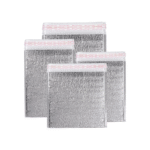
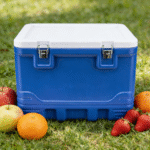
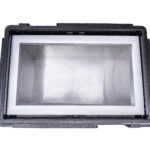
Visão geral: A embalagem é a primeira linha de defesa contra flutuações de temperatura. Inteligente materiais de isolamento como materiais de mudança de fase (PCMs) e painéis isolados a vácuo (VIPs) manter os produtos dentro da faixa de temperatura desejada. Soluções de embalagens inteligentes incorporam indicadores de temperatura e chips NFC que permitem que os manipuladores verifiquem as condições instantaneamente. Reutilizável recipientes isolados melhorar a sustentabilidade e reduzir o desperdício.
Por que isso importa: A embalagem determina o tempo de espera e a integridade do produto, especialmente durante entregas lastmile. A escolha da embalagem certa reduz a dependência de refrigeração constante e apoia a conformidade.
Principais recursos a serem considerados
| Recurso | Propósito | Beneficiar |
| Isolamento multicamadas | Combina materiais para manter as temperaturas por longos períodos | Mantém os produtos frios durante interrupções no trânsito |
| Materiais de mudança de fase | Absorva ou libere calor em temperaturas específicas | Estabiliza o ambiente interno em diversas condições ambientais |
| Indicadores de temperatura integrados | Fornece sinais visuais ou digitais se as temperaturas se desviarem | Permite verificações rápidas sem abrir pacotes |
| Design reutilizável | Recipientes duráveis adequados para múltiplas viagens | Reduz a pegada ambiental e os custos operacionais |
| Conformidade regulatória | Os materiais devem atender ao FDA, Padrões da OMS ou do PIB | Garante segurança e evita penalidades |
Dicas práticas
Combine a embalagem com o roteiro: Para viagens longas ou climas extremos, escolha combinações VIP ou PCM de alto desempenho.
Planeje a reutilização: Implementar logística de devolução para contêineres reutilizáveis para obter economia de custos e benefícios de sustentabilidade.
Incorporar indicadores inteligentes: Use etiquetas RFID ou NFC que registram o histórico de temperatura e simplificam as auditorias.
Exemplo do mundo real: Uma empresa de kits de refeição mudou de uso único caixas de espuma para recipientes isolados reutilizáveis com PCMs e indicadores termocrômicos integrados. A nova solução manteve a temperatura por 48 horas e reduziu o desperdício de embalagens 60 %, melhorando a satisfação do cliente e a reputação da marca.
Automação de Armazéns e Manuseio Robótico: Você está pronto para a revolução da robótica?
Visão geral: Com escassez de mão de obra e crescentes demandas de comércio eletrônico, automação e robótica estão no centro das atenções instalações de armazenamento a frio. Sistemas automatizados de armazenamento e recuperação (AS/RS) e robôs móveis autônomos (RAM) manusear mercadorias em temperaturas extremas sem interrupções, minimizando erros e custos de mão de obra. Estudos indicam que cerca de 80 % dos armazéns não são automatizados, destacando um potencial de crescimento significativo.
Benefícios: Os robôs operam 24 horas por dia e mantêm uma qualidade de manuseio consistente. A automação reduz a exposição humana a ambientes abaixo de zero, aumentando a segurança do trabalhador. Também melhora o rendimento, precisão e visibilidade do inventário, habilitando firstinfirstout (FIFO) rotação e melhor aproveitamento do espaço.
Principais tecnologias de automação
| Tecnologia | Função | Impacto |
| AS/RS | Guindastes e transportadores automatizados recuperam e armazenam paletes | Aumenta a densidade e reduz o tempo de manuseio |
| Robôs móveis autônomos (RAM) | Navegue pelos corredores para movimentar mercadorias entre zonas | Reduza o trabalho manual e opere em ambientes frios |
| Paletizadores/despaletizadores robóticos | Automatize o empilhamento e a carga/descarga | Melhorar a segurança e a velocidade |
| Sistemas automatizados de classificação e embalagem | Classifique os itens por destino e monte os pedidos | Melhore a precisão e o rendimento dos pedidos |
| Visão de máquina & leitores de código de barras | Identifique produtos e capture dados | Garanta a rastreabilidade e reduza erros |
Dicas práticas
Avalie o ROI: Avalie os períodos de retorno com base na economia de mão de obra, erros reduzidos e maior rendimento.
Plano de integração: Garanta que os robôs possam se comunicar com os sistemas de gerenciamento de armazém (WMS) e controles de refrigeração.
Foco na escalabilidade: Comece com processos de alto impacto (por exemplo, seleção e recuperação) e expandir à medida que as operações crescem.
Exemplo do mundo real: Um armazém de alimentos congelados implantou guindastes AS/RS capazes de operar a -25 °C. O sistema aumentou a capacidade de armazenamento em 25 %, reduzir o tempo de separação de pedidos em 40 % e maior precisão do inventário. Os trabalhadores foram transferidos para funções de controle de qualidade, Aumentando a eficiência geral.
Inteligência Artificial e Análise Preditiva: Como os dados podem antecipar problemas?
Visão geral: A IA e a análise preditiva analisam dados históricos e em tempo real para prever falhas de equipamentos, otimizar rotas, prever a demanda e identificar possíveis interrupções. Nas cadeias de abastecimento, Ferramentas de otimização de rotas com tecnologia de IA consideram o tráfego, custos de combustível e clima para garantir entregas pontuais. Modelos de manutenção preditiva detectam padrões em desvios de temperatura ou desempenho de equipamentos, permitindo reparos antes que ocorram avarias.
Benefícios: A IA reduz o desperdício ao prever riscos de deterioração e ajustar as remessas. Ajuda a mitigar a volatilidade da cadeia de abastecimento, prevendo picos de procura e orientando decisões de inventário. A análise preditiva faz a transição das operações do gerenciamento reativo para o proativo, aumentando a confiabilidade do serviço e reduzindo custos.
AI Applications in cadeia de frio
| Aplicativo | Descrição | Beneficiar |
| Previsão de demanda | Usa vendas históricas, sazonalidade e tendências de mercado para prever pedidos | Reduz rupturas e excesso de estoque |
| Otimização de rota | A IA avalia o tráfego e o clima em tempo real para escolher os caminhos ideais | Reduz os prazos de entrega e economiza combustível |
| Manutenção preditiva | O aprendizado de máquina identifica padrões que indicam falhas de equipamentos | Evita tempo de inatividade e perda de produto |
| Detecção de anomalias | Algoritmos sinalizam leituras incomuns de temperatura ou umidade | Permite uma intervenção rápida antes da deterioração |
| Otimização de estoque | A IA aloca estoque entre locais com base na demanda prevista | Melhora o volume de negócios e reduz os custos de manutenção |
Dicas práticas
Integre a IA aos dados existentes: Combine dados de sensores IoT, telemática e previsões de vendas para análise abrangente.
Comece pequeno: Pilotar ferramentas de IA em uma região ou categoria de produto antes de escalar.
Invista em treinamento: Equipar a equipe para interpretar insights de IA e agir de acordo com as recomendações.
Exemplo do mundo real: Um fabricante de vacinas usou análises preditivas para rastrear históricos de temperatura em suas remessas globais. O sistema identificou padrões de variação de temperatura em uma determinada faixa e recomendou ajustes de rota. Depois de implementar as mudanças, a empresa reduziu as variações de temperatura em 30 % e evitou possíveis recalls de produtos.
Software de gerenciamento de conformidade e auditoria: Você pode provar seu processo?
Visão geral: As operações da cadeia de frio estão sujeitas a regulamentações rigorosas, como a Lei de Modernização da Segurança Alimentar (FSMA), Boas Práticas de Distribuição (PIB) e Análise de perigos e pontos críticos de controle (HACCP). Software de conformidade automatiza a documentação, captura de dados de sensores, sistemas telemáticos e de armazém para gerar trilhas de auditoria digitais. Esses sistemas sinalizam não conformidades e criam registros de ações corretivas, garantindo a prontidão para inspeções.
Por que isso importa: Registros imprecisos podem levar a recalls, penalidades e danos à reputação. Automatizar a conformidade reduz erros humanos e simplifica a geração de relatórios. Também suporta padrões globais em todos os mercados.
Principais recursos das ferramentas de conformidade
| Recurso | Propósito | Beneficiar |
| Captura automática de dados | Agrega dados de sensores e telemática em registros digitais | Garante precisão, registros com carimbo de data/hora |
| Geração de trilha de auditoria | Produz relatórios para agências reguladoras (FDA, Ema, USDA) | Simplifica as inspeções e reduz a burocracia |
| Alertas de não conformidade | Sinaliza desvios e atribui ações corretivas | Permite resposta rápida e melhoria contínua |
| Gestão de documentos | Armazena POPs, registros de treinamento e registros de manutenção | Centraliza informações e apoia a gestão da qualidade |
| Controles de acesso do usuário | Restringe o acesso aos dados e rastreia alterações | Mantém a integridade e a segurança dos dados |
Dicas práticas
Mapeie seus requisitos regulatórios: Identifique os padrões aplicáveis e garanta que o software esteja alinhado com eles.
Automatize registros de temperatura: Evite entradas manuais; integrar sensores para contínuo, registros invioláveis.
Revise as não conformidades imediatamente: Use painéis para rastrear problemas não resolvidos e atribuir ações corretivas.
Exemplo do mundo real: Um distribuidor de frutos do mar implementou um software de conformidade que compilou automaticamente registros de temperatura de sua frota. Quando ocorreu uma auditoria, a empresa gerou relatórios digitais para cada remessa, demonstrando adesão às diretrizes HACCP e evitando penalidades.
Rastreabilidade Baseada em Blockchain: Seus dados são imutáveis?
Visão geral: A tecnologia Blockchain cria registros imutáveis de transações e eventos, enabling endtoend traceability in cadeia de frios. Cada participante - produtores, transportadoras, armazéns e varejistas – registra dados verificados em um livro-razão compartilhado. Quando integrado com sensores IoT e sistemas empresariais, blockchain garante que registros de temperatura, manipulação de eventos e detalhes da cadeia de custódia não podem ser alterados.
Benefícios: Blockchain reduz disputas e impede fraudes. Fornece aos consumidores informações verificáveis sobre origem e manuseio, aumentando a confiança na marca. Em produtos farmacêuticos, registros imutáveis ajudam a evitar que produtos falsificados entrem na cadeia de abastecimento. Blockchain também simplifica o gerenciamento de recall; se for detectada contaminação, as partes interessadas podem rastrear lotes afetados rapidamente.
Componentes principais
| Componente | Descrição | Beneficiar |
| Razão distribuída | Banco de dados descentralizado compartilhado entre as partes interessadas | Garante que os dados não possam ser alterados retroativamente |
| Contratos inteligentes | Acordos automatizados que impõem regras e desencadeiam ações quando as condições são atendidas | Reduz a intervenção manual e acelera os pagamentos |
| Integração com IoT | Sensores gravam dados de temperatura e localização no blockchain | Fornece registros verificáveis das condições ambientais |
| Gerenciamento de identidade | Cada participante possui uma identidade digital única | Garante responsabilidade e rastreabilidade |
Dicas práticas
Comece com um projeto piloto: Escolha uma linha de produtos e parceiros para testar a rastreabilidade do blockchain.
Integre-se com sistemas existentes: Conecte o blockchain ao seu ERP, Plataformas WMS e IoT.
Comunicar benefícios aos clientes: Use códigos QR nas embalagens para permitir que os consumidores verifiquem a procedência.
Ferramentas úteis de decisão
Verifique os detalhes antes de escolher a embalagem
Essas ferramentas rápidas podem ajudá-lo a comparar o risco da rota, necessidades de dimensionamento, escolhas de refrigerante, e detalhes da embalagem antes de solicitar um orçamento.
Verificador de risco de rota
Revise as condições da pista antes de selecionar a embalagem para requisitos operacionais reais.
Verifique o risco da rotaForro de caixa & Dimensionamento da cobertura de paletes
Verifique a lógica de dimensionamento do forro da caixa e da tampa do palete para projetos de embalagens isoladas.
Dimensionamento estimadoResistência à queda de material de isolamento
Revise a resistência à queda e os fatores de manuseio antes de escolher materiais de isolamento.
Verifique a resistênciaExemplo do mundo real: Uma cooperativa de laticínios implementou um sistema blockchain que registrava a temperatura do leite em cada etapa — fazenda, petroleiro, planta de processamento e varejista. Os clientes poderiam escanear um código QR para ver a jornada do leite, aumentando a confiança na qualidade e origem do produto.
CloudBased cadeia de frio Management Platforms: Você consegue ver a imagem completa?
Visão geral: Plataformas centralizadas consolidam dados de temperatura, Informações GPS, relatórios e análises de energia em uma única interface. Esses sistemas baseados em nuvem suportam colaboração multipartidária, permitindo que fornecedores, operadoras e clientes acessem informações compartilhadas. Eles também automatizam o planejamento de rotas, seleção de operadora e relatórios de conformidade.
Benefícios: As plataformas em nuvem quebram os silos de dados e melhoram a tomada de decisões em tempo real. Integrando IA e análise preditiva, eles otimizam o planejamento de carga, uso de energia e utilização de ativos. Recursos de colaboração reduzem atrasos, falta de comunicação e papelada, levando a operações mais suaves.
Principais capacidades
| Capacidade | Descrição | Beneficiar |
| Painel unificado | Combina dados de sensores, telemática, sistemas de armazém e medidores de energia | Fornece visibilidade completa e simplifica o gerenciamento |
| Roteamento dinâmico | Seleciona automaticamente rotas ideais com base em condições e restrições em tempo real | Reduz o tempo de trânsito e o consumo de combustível |
| Correspondência de transportadora e carga | Combina remessas com capacidade disponível para reduzir milhas vazias | Aumenta a utilização e reduz custos |
| Ferramentas de colaboração | Compartilha documentos, mensagens e atualizações de status com parceiros | Melhora a coordenação e reduz mal-entendidos |
| Conformidade automatizada | Gera registros de temperatura, registros de manutenção e relatórios de auditoria | Simplifica a adesão regulatória |
Dicas práticas
Garanta escalabilidade: Escolha uma plataforma que se integre facilmente ao seu software existente e que possa crescer junto com o seu negócio.
Priorize a experiência do usuário: Procure interfaces intuitivas e acesso móvel para incentivar a adoção.
Aproveite a análise: Use ferramentas de IA integradas para descobrir tendências e otimizar processos.
Exemplo do mundo real: A global food retailer adopted a cloudbased cadeia de frio platform that consolidated data from hundreds of sensors and vehicles. O sistema reduziu a papelada manual, melhoraram as taxas de entrega dentro do prazo e permitiram a colaboração entre vários fornecedores, resultando em um 12 % diminuição da deterioração do produto.
Sistemas digitais de correspondência de frete e gerenciamento de transporte: Suas cargas estão otimizadas?
Visão geral: Combinar remessas com capacidade de transportadora disponível é um desafio. Correspondência digital de frete (DFM) plataformas emparelham automaticamente cargas com transportadoras em tempo real, reduzindo milhas vazias e otimizando a utilização do caminhão. Enquanto isso, Sistemas de gerenciamento de transporte baseados em nuvem (EMT) automatizar o planejamento de carga, seleção de transportadora e rastreamento de remessa.
Benefícios: As soluções DFM e TMS reduzem os tempos de reserva, melhorar a transparência das taxas e minimizar a coordenação manual. Quando combinado com IoT e IA, eles fornecem visibilidade em tempo real das remessas, ajudando você a se ajustar rapidamente às interrupções.
Principais recursos
| Recurso | Descrição | Beneficiar |
| Correspondência de carga automatizada | Corresponde as remessas às transportadoras com base na capacidade, localização e preferências | Reduz execuções vazias e aumenta a utilização de ativos |
| Preços dinâmicos | Ajusta as taxas com base na demanda, capacidade e tendências do mercado | Melhora o gerenciamento de custos |
| Integração TMS | Conecta plataformas DFM ao TMS para automação de fluxo de trabalho de ponta a ponta | Simplifica as operações |
| Rastreamento de remessa em tempo real | Fornece atualizações de localização e status para todas as partes | Aumenta a visibilidade e a satisfação do cliente |
Dicas práticas
Avalie as operadoras com cuidado: Use o DFM para examinar o histórico de conformidade e as capacidades dos equipamentos das transportadoras.
Integrar com ERP: Garanta que os pedidos dos sistemas ERP fluam diretamente para as plataformas TMS e DFM.
Monitore métricas de desempenho: Acompanhe a entrega no prazo, custo por milha e confiabilidade da transportadora para refinar parcerias.
Exemplo do mundo real: Uma rede regional de supermercados usou uma plataforma DFM para combinar suas cargas refrigeradas com transportadoras. O sistema reduziu as milhas mortas em 18 % e reduzir custos de frete 10 %, mantendo taxas de entrega dentro do prazo.
Sistemas de Gestão de Energia e Sustentabilidade: Você pode reduzir sua pegada?
Visão geral: A logística da cadeia de frio consome energia significativa e contribui para as emissões de gases com efeito de estufa. Ferramentas de gerenciamento de energia medem o consumo de energia em armazéns e veículos e usam IA para otimizar o uso. Eles programam ciclos de degelo, ajustar as configurações do compressor e recomendar balanceamento de carga, reduzindo custos e emissões.
Urgência ambiental: UM 2025 estudo da FAO e do Instituto Internacional de Refrigeração estimou que agrifood system cadeia de frios generated 1.32 gigatoneladas de emissões equivalentes de CO₂ em 2022. As emissões indiretas do uso de energia foram mais que o dobro das emissões diretas dos refrigerantes. These findings highlight the need for energy efficiency and sustainable practices across cadeia de frios.
Componentes principais
| Componente | Descrição | Beneficiar |
| Medição de energia | Mede o uso de eletricidade para unidades de refrigeração, iluminação e climatização | Identifica zonas de alto consumo e oportunidades de economia |
| Otimização de IA | Algoritmos ajustam as velocidades do compressor, programações de degelo e sequenciamento de carga | Reduz kWh por dia e reduz a demanda de pico |
| Integração renovável | Conecta geração solar ou eólica a sistemas de refrigeração | Diminui a dependência de combustíveis fósseis |
| Painéis de sustentabilidade | Acompanhe as emissões de CO₂, intensidade energética e economia de custos | Alinha as operações com metas e relatórios ambientais |
Dicas práticas
Realizar auditorias energéticas: Identifique ineficiências e priorize atualizações como iluminação LED e unidades de velocidade variável.
Adote soluções renováveis: Use painéis solares ou armazenamento de energia para alimentar instalações de armazenamento refrigerado.
Treinar a equipe em práticas energéticas: Incentive o desligamento de equipamentos não utilizados e o agendamento de manutenção para manter a eficiência.
Exemplo do mundo real: Uma empresa de processamento de frutos do mar instalou dispositivos de monitoramento de energia em suas instalações frigoríficas. Os algoritmos de IA reduziram o tempo de funcionamento do compressor, otimizando os ciclos de degelo e alinhando as operações com as tarifas de eletricidade fora do horário de pico. A instalação reduziu o consumo de energia em 20 % e economizou custos significativos ao mesmo tempo em que reduziu sua pegada de carbono.
Parcerias Estratégicas e Padronização de Dados: Você está colaborando de forma eficaz?
Visão geral: As cadeias de frio envolvem múltiplas partes interessadas – produtores, transportadoras, fornecedores de embalagens e reguladores. Parcerias estratégicas e integração de dados são cruciais para o sucesso. Colaborações entre fabricantes, fornecedores de embalagens e fornecedores de tecnologia melhoram o desenvolvimento de produtos e simplificam as cadeias de fornecimento. A padronização de dados permite uma integração perfeita; por 2025, 74 % espera-se que os dados logísticos sejam padronizados.
Benefícios: A integração reduz silos de informações, aumenta a resiliência e amplia o alcance do mercado. Os dados padronizados também facilitam a conformidade regulatória e apoiam a análise de IA.
Dicas práticas
Estabeleça padrões interoperáveis: Adote formatos de dados e APIs comuns entre seus parceiros.
Compartilhe dados com segurança: Use criptografia e controles de acesso para proteger informações confidenciais.
Desenvolver projetos conjuntos de inovação: Colabore com fornecedores e empresas de tecnologia para testar novos sensores, ferramentas de empacotamento ou análise.
Exemplo do mundo real: Um fornecedor de logística global fez parceria com um fabricante de sensores e uma empresa de IA para desenvolver uma solução de rastreamento unificada. Dados padronizados permitiram que todas as partes compartilhassem informações de forma integrada, melhorando a visibilidade e reduzindo atrasos durante o transporte transfronteiriço.
Tamanho e crescimento do mercado: Quão grande é a oportunidade?
O setor da cadeia de frio está em rápida expansão, impulsionado pelo comércio eletrônico, comércio global e inovação farmacêutica. As principais estatísticas do mercado incluem:
| Métrica | 2025 Valor | Previsão/Insight | Fonte |
| Mercado global de logística da cadeia de frio | US$ 361,37 bilhões | Espera-se que atinja mais de US$ 1,3 trilhão até 2034 (CAGR ~13 %) | Estimativas da indústria |
| Mercado de monitoramento da cadeia de frio | US$ 8,31 bilhões | Projetado para crescer até US$ 15,04 bilhões por 2030 (Cagr 12.6 %) | Mercados e Mercados |
| Mercado de contêineres refrigerados | US$ 4,5 bilhões em 2024 | Espera-se que quase dobrar para US$ 9 bilhões em 2033 | Identec Soluções |
| Mercado de logística da cadeia de frio alimentar da América do Norte | US$ 86,67 bilhões | Previsão para 2025 | Trackonomia |
| Mercado farmacêutico da cadeia de frio | - | Espera-se alcançar US$ 1.454 bilhões por 2029 (Cagr 4.71 %) | Trackonomia |
| Agrifood cadeia de frio GHG emissions | 1.32 Gt CO₂ eq. (2022) | As emissões indiretas do uso de energia são mais que o dobro das emissões diretas de refrigerante | Estudo FAO/IIR |
These figures illustrate the massive opportunity for automation and sustainability solutions in cadeia de frio logistics.
2025 Tendências e Inovações: O que vem a seguir?
Visão geral das tendências
A indústria da cadeia de frio em 2025 é moldado por várias tendências que se cruzam:
Automação e Robótica: O aumento dos custos trabalhistas e a escassez de mão de obra impulsionam a adoção de AS/RS e AMRs em instalações de armazenamento refrigerado.
Sustentabilidade: As empresas estão investindo em sistemas de refrigeração energeticamente eficientes, energia renovável e refrigerantes de baixo GWP. Metas e regulamentos de sustentabilidade (por exemplo, O objetivo da IMO de reduzir as emissões do transporte marítimo em 50 % por 2050) adicionar urgência.
Visibilidade em tempo real: Dispositivos de rastreamento IoT e plataformas em nuvem oferecem visibilidade de ponta a ponta, melhorando a tomada de decisões e a satisfação do cliente.
Inteligência Artificial e Análise Preditiva: IA otimiza rotas, prevê a demanda e prevê falhas de equipamentos.
Crescimento Farmacêutico: A pandemia estimulou a expansão do armazenamento ultrafrio, e 20 % dos novos medicamentos são terapias genéticas ou celulares exigindo controle rigoroso de temperatura.
Logística de Alimentos Frescos: Produtos vegetais e orgânicos impulsionam a demanda por transporte refrigerado e melhoram a entrega final. A América do Norte cadeia de frio alimentar mercado está pronto para alcançar US$ 86,67 bilhões em 2025.
Padronização e Integração de Dados: Colaborações crescentes e formatos de dados padronizados permitem a integração entre parceiros da cadeia de fornecimento.
Parcerias Estratégicas: Alianças entre fabricantes, fornecedores de tecnologia e empresas de logística promovem inovação e resiliência.
Instantâneo dos últimos desenvolvimentos
Otimização de rota orientada por AI: Novas ferramentas de IA consideram o clima, preços de tráfego e combustível para traçar o mais rápido, caminhos mais seguros.
Sistemas de refrigeração sustentáveis: Fabricantes introduzem refrigeradores com refrigerantes à base de CO₂ e compressores de velocidade variável para reduzir emissões.
Embalagem inteligente habilitada para IoT: Materiais de embalagem agora incluem indicadores de temperatura e chips NFC para verificação instantânea.
Barbear com Pico de Energia: Plataformas de monitoramento remoto programam plug-ins refrigerados para evitar picos de energia simultâneos, reduzindo custos de serviços públicos.
Insights de mercado
Os consumidores exigem cada vez mais transparência e sustentabilidade. Os regulamentos estão ficando mais rígidos, incentivando as empresas a adotarem registros digitais e sistemas energeticamente eficientes. Ásia-Pacífico, impulsionado pela rápida urbanização e comércio eletrônico, will be the fastestgrowing cadeia de frio market. As empresas que investem em automação e tecnologia sustentável ganharão vantagem competitiva e resiliência.
Perguntas frequentes
Q1: O que é uma cadeia de frio e por que é importante?
A cadeia de frio is a temperaturecontrolled supply network that preserves perishable products like food, farmacêuticos e biológicos. É vital porque mesmo pequenos desvios de temperatura podem causar deterioração ou reduzir a eficácia do medicamento.
Q2: Como os sensores IoT melhoram o gerenciamento da cadeia de frio?
Sensores IoT medem temperatura, umidade e outros fatores em tempo real. Eles enviam alertas quando as condições divergem, permitindo ações corretivas rápidas e fornecendo registros digitais para conformidade.
Q3: Qual o papel da IA na logística da cadeia de frio?
IA analisa dados de sensores, telemática e vendas para prever falhas de equipamentos, otimizar rotas e prever a demanda. Isso ajuda a reduzir o desperdício, melhorar a eficiência e aumentar a satisfação do cliente.
Q4: Por que a sustentabilidade é um foco importante na 2025?
As operações da cadeia de frio consomem grandes quantidades de energia e utilizam refrigerantes com alto GWP. Studies show agrifood cadeia de frios produced 1.32 Emissões Gt CO₂ eq em 2022. Equipamento energeticamente eficiente, energia renovável e refrigerantes ecológicos são essenciais para cumprir as metas climáticas.
Q5: Como o blockchain pode melhorar a rastreabilidade?
Blockchain cria imutável, registros compartilhados de jornadas de produtos. Cada parte interessada adiciona dados verificados, garantindo que os registros de temperatura e eventos de manipulação não possam ser alterados. Isso melhora a transparência e simplifica recalls.
Q6: What challenges do cadeia de frios face and how can automation help?
Os principais desafios incluem conformidade regulatória, perturbações relacionadas com o clima, lacunas de visibilidade e falhas de equipamentos. Ferramentas de automação – como sensores, telemática, Software de IA e conformidade — reduza esses riscos fornecendo dados em tempo real, insights preditivos e documentação digital.
Resumo e recomendações
Takeaways -chave:
The cadeia de frio industry is expanding quickly, com o tamanho do mercado esperado ultrapassar US$ 361 bilhões em 2025 e ultrapassar US$ 1,3 trilhão em 2034. Ferramentas de automação são essenciais para gerenciar esse crescimento. Sensores IoT e telemática fornecer visibilidade em tempo real; tecnologia avançada de frigoríficos e embalagens inteligentes manter a estabilidade da temperatura; IA e análise preditiva transformar dados em decisões proativas; software de conformidade e blockchain garantir rastreabilidade e aderência; plataformas em nuvem e correspondência digital de frete agilizar operações; e sistemas de gestão de energia reduzir o impacto ambiental. Parcerias estratégicas e dados padronizados permitem uma colaboração perfeita.
PRÓXIMOS PASSOS:
Avalie sua cadeia de frio atual: Identifique lacunas no monitoramento, visibilidade, automação e conformidade.
Priorize ferramentas de alto impacto: Comece com sensores IoT e telemática para obter visibilidade imediata.
Invista em IA e análise preditiva: Use dados para otimizar rotas, prever a demanda e evitar falhas.
Adote soluções sustentáveis: Atualize para refrigeração energeticamente eficiente, refrigerantes ecológicos e energia renovável.
Colabore estrategicamente: Faça parceria com fornecedores de tecnologia e partes interessadas da cadeia de suprimentos para padronizar dados e inovar.
Treine sua equipe: Educar a equipe sobre o uso de novas ferramentas, interpretar análises e aderir às melhores práticas.
Seguindo estas etapas, sua organização pode construir um ambiente resiliente, efficient and sustainable cadeia de frio ready for the challenges and opportunities of 2025.
Sobre Tempk
Tempk é um fornecedor líder de embalagem da cadeia de frio e soluções logísticas. Somos especializados em caixas isoladas, bolsas de gelo, e reutilizável bolsas térmicas adaptado para comida, remessas farmacêuticas e de biotecnologia. Nossos produtos utilizam materiais avançados para manter a integridade da temperatura durante o transporte. Com um R dedicado&Centro D, inovamos continuamente em embalagens ecológicas que reduzem o desperdício e melhoram o desempenho. Além de soluções de hardware, we offer industry insights and knowledge resources to help businesses navigate the evolving cadeia de frio landscape.
Chamado à ação: Pronto para otimizar sua cadeia de frio? Entre em contato com a Tempk para discutir soluções de embalagens personalizadas, explore nosso programa de contêineres reutilizáveis ou solicite uma consulta com nossos especialistas.