Seleção de tampas de paletes com controle de temperatura para chocolate por carga, Faixa, e evidências
A direita tampas de paletes de controle de temperatura para chocolate são especificados a partir da remessa de volta. Comece com a condição de que barras de chocolate acabadas, produtos moldados, chocolates, salgadinhos revestidos, sortimentos de presentes sazonais, e ingredientes sensíveis ao calor, frio, umidade, e o odor deve manter, identificar o segmento não controlado que o ameaça, e decidir se uma cobertura passiva pode reduzir esse risco sem interferir no equipamento ativo, manuseio, segurança, ou conformidade. Uma cobertura de palete pode retardar o aquecimento ou o resfriamento, mas não consegue resfriar ativamente um palete quente, prevenir todas as formas de floração, ou compensar uma rota que mantém o chocolate em condições prejudiciais por muito tempo. Um bom processo de compra combina, portanto, mapeamento de rotas, ajuste de palete, revisão de material e fechamento, evidência representativa, e um procedimento operacional claro.
O lugar mais defensável da cobertura na pista
O caso de uso mais forte é uma exposição definida entre etapas controladas. Na logística de chocolate e confeitaria, que a exposição pode envolver derretimento ou amolecimento, flor de gordura ou açúcar, condensação, arranhões na embalagem, captação de odores, e exposição sazonal ao calor durante as docas, injeção de encomendas, ou transporte de temperatura mista. Uma tampa pode retardar a resposta do palete enquanto a equipe conclui o carregamento, transferir, inspeção, ou recebendo. É menos convincente quando a rota carece de controle de temperatura adequado por um longo período ou quando o produto arranca fora da condição exigida..
Esta distinção apoia uma decisão simples. Use isolamento passivo para gerenciar um desafio térmico limitado que permanece após a implementação de bons controles de processo. Use refrigeração ativa, aquecimento, armazenamento condicionado, ou um serviço diferente quando o ambiente deve ser controlado em vez de meramente armazenado em buffer. Use o monitoramento quando for necessária evidência de exposição. Essas ferramentas podem se complementar, mas eles não desempenham a mesma função.
A exigência de carga deve ser específica. O chocolate contém uma fase gordurosa estruturada e também é sensível à umidade. O calor pode amolecer ou desestabilizar o produto; o ciclo de temperatura e a condensação podem afetar a aparência e a textura. Formulação, inclusões, design de pacote, e a geometria do produto alteram a resposta. O expedidor deverá definir a condição inicial aceitável, política de excursões, preocupação com qualidade ou segurança, e recebendo decisão. Sem essa informação, o fornecedor pode oferecer apenas uma cobertura genérica, e o comprador não pode determinar se o resultado é adequado.
O perfil da rota vem antes da seleção do material
Desenhe a rota como uma sequência de ambientes em vez de uma linha entre cidades. Marcar o condicionamento do produto, construção de paletes, armazenamento controlado, preparação de doca, carregando, permanência terminal, inspeção alfandegária ou de segurança, transporte de linha, transferir, preparação de destino, e recebendo. Para cada etapa, registre o provável desafio ambiental, duração normal, atraso credível, custódia, e se a tampa está fechada, aberto, ou removido.
A exposição crítica pode ser curta e intensa ou longa e moderada. O sol direto no topo de um palete pode criar um problema de design diferente de um piso frio, vento em um aeroporto, umidade dentro de um recipiente, ou um atraso de fim de semana em um terminal LTL. Uma única temperatura ambiente média esconde essas diferenças. A especificação deve focar no pior segmento plausível que a cobertura pretende abordar.
Identifique também o próximo ambiente. Se o palete entrar em refrigeração ativa, a tampa pode precisar abrir ou sair para permitir o fluxo de ar. Se um palete frio entrar em ar quente e úmido, a remoção pode precisar ser adiada ou gerenciada para limitar a condensação. Se os inspetores exigirem acesso, a tampa precisa de um método repetível de abertura e fechamento. O processo posterior faz parte do design da capa.
Meça o palete acabado e inspecione cada abertura
Meça o palete carregado acabado. As dimensões básicas padrão não capturam o balanço de carga, empilhamento irregular, placas de canto, tampas superiores, ou mudanças de altura. A tampa precisa de sobreposição suficiente para fechar de forma consistente, sem arrastar excessivamente ou bloquear o acesso da empilhadeira. Se forem esperadas múltiplas construções de paletes, decida se um design ajustável ou vários tamanhos dedicados produzem melhor controle.
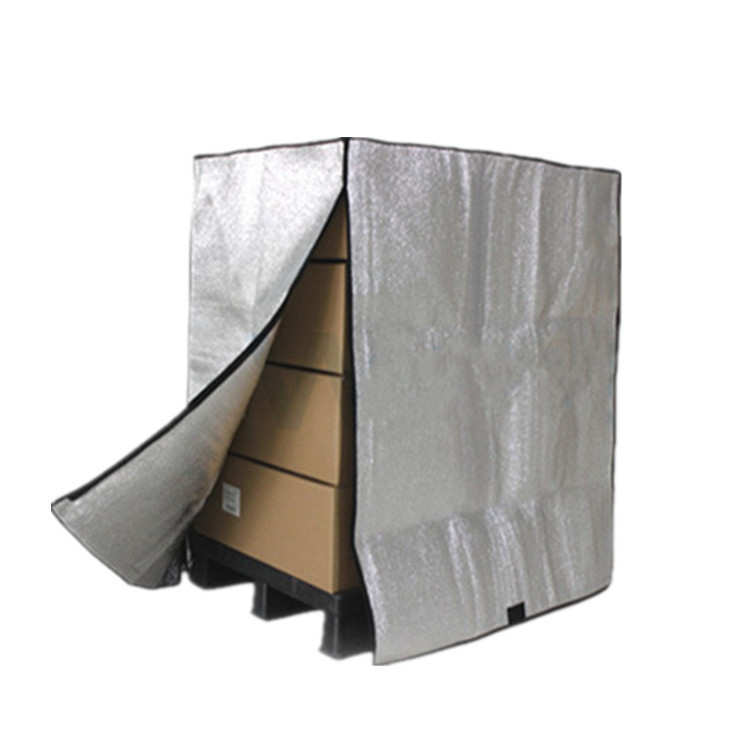
Examine a capa como um artigo acabado. Olhe para as costuras, cantos, Windows, alças, abas, extremidades do zíper, áreas de gancho e laço, e o perímetro inferior. Esses locais concentram o estresse mecânico e podem se tornar caminhos de fluxo de calor. Aplique a capa com as alças planejadas, envoltório elástico, redes, ou fixação do contêiner de modo que a compressão e o travamento sejam visíveis antes da aprovação.
O acesso é outra compensação. Uma janela pode preservar a leitura do código de barras, mas pode precisar de reforço e pode diferir termicamente do painel circundante. Uma aba pode apoiar a inspeção, mas somente se os manipuladores souberem como fechá-lo. Uma tampa unidirecional selada pode ser mais simples, enquanto um design reutilizável pode justificar fechos reparáveis. Selecione recursos que resolvam tarefas conhecidas em vez de adicionar complexidade por conveniência hipotética.
Evite escolher pelo brilho, grossura, ou peso sozinho
Uma superfície reflexiva, camada de espuma, estrutura de bolha, ou têxteis pesados não estabelecem de forma independente o desempenho da remessa. As camadas reflexivas abordam principalmente o calor radiante sob orientação e condições apropriadas. Camadas isolantes reduzem o fluxo de calor condutivo, mas podem perder eficácia quando comprimidas ou molhadas. O reforço melhora a durabilidade, mas pode adicionar rigidez, costuras, e peso. A cobertura acabada deve equilibrar a resistência térmica com a aplicação, acesso, limpeza, e segurança de rota.
Solicite uma descrição clara da camada e pergunte o que pode mudar entre a amostra e a produção. Adesivos, filmes, espumas, revestimentos, fio, fechamentos, e as dimensões do painel podem afetar o comportamento. Um acordo de controle de alterações é especialmente importante para pedidos repetidos ou aplicações qualificadas. A inspeção de entrada pode incluir dimensões, condição da costura, função de fechamento, limpeza, odor, defeitos visíveis, e quaisquer declarações materiais críticas.
Higiene alimentar, rastreabilidade de alérgenos e lote, instruções de armazenamento específicas do produto, transporte sanitário, e receber inspeção permanecem essenciais. Os limites de qualidade do chocolate podem ser mais rígidos do que os requisitos básicos de segurança alimentar e devem partir das especificações do fabricante.. Os limites específicos do produto e os requisitos atuais de transporte devem ser verificados pelo responsável pela qualidade, regulatório, segurança alimentar, EHS, ou equipe de mercadorias perigosas. A linguagem mais segura do fornecedor descreve a construção da tampa e as condições de teste sem implicar aprovação universal.
Transforme fatos sobre carga e pista em uma especificação controlada
| Área de especificação | Informações a fornecer | Evidência ou decisão necessária |
|---|---|---|
| Requisito de carga | Produto, pacote, condição inicial, exposição aceitável, e consequência do desvio | Critérios de envio e recebimento aprovados pelo proprietário |
| Palete carregada | Pegada finalizada, faixa de altura, saliência, distribuição de peso, cantos, enrolar, e contenção | Verificação de adequação física em um palete representativo |
| Exposição da rota | Perfil ambiente, exposição solar ou eólica, habitar, atraso, contato com o chão, e mudanças de modo | Mapa de pista normal e pior plausível |
| Desenho da capa | Camadas, dimensões acabadas, encerramento, sobreposição, acesso, Windows, proteção de base e topo | Amostras aprovadas e tolerâncias de produção |
| Evidência de desempenho | Carga útil, condição inicial, teste ambiental, sensores, aberturas, e regra de aceitação | Comparação representativa, estudo de câmara, ou piloto |
| Operação e reutilização | Aplicativo, remoção, inspeção, limpeza, secagem, reparar, armazenar, retornar, e aposentadoria | Sop, treinamento, e propriedade |
Esta estrutura ajuda a evitar compras por um único número. Condutividade térmica, grossura, ou uma duração declarada pode informar a decisão, mas nada é suficiente sem o contexto de teste e montagem. O setor de compras deve ser capaz de rastrear cada reivindicação importante até um desenho do produto, declaração de materiais, condição de teste, ou regra operacional.
Teste, monitoramento, e proteção respondem a perguntas diferentes
Use testes que correspondam à decisão. Um estudo de triagem lado a lado pode mostrar qual cobertura retarda a mudança de temperatura de forma mais eficaz sob uma exposição controlada. Um estudo de câmara pode reproduzir um perfil ambiental definido e atrasar. Um piloto monitorado pode mostrar se os funcionários aplicam a cobertura corretamente e se a rota inclui aberturas não planejadas. Remessas de alto risco podem exigir uma abordagem mais formal, qualificação documentada sob o sistema de qualidade do proprietário.
Ferramentas úteis de decisão
Verifique os detalhes antes de escolher a embalagem
Essas ferramentas rápidas podem ajudá-lo a comparar o risco da rota, necessidades de dimensionamento, escolhas de refrigerante, e detalhes da embalagem antes de solicitar um orçamento.
Verificador de risco de rota
Revise as condições da pista antes de selecionar a embalagem para requisitos operacionais reais.
Verifique o risco da rotaResistência à queda de material de isolamento
Revise a resistência à queda e os fatores de manuseio antes de escolher materiais de isolamento.
Verifique a resistênciaCalculadora de bolsa de gelo
Estime a quantidade de bolsas de gelo em gel para remessas refrigeradas e planejamento prático de rotas.
Estimar bolsas de geloQualquer teste deve documentar a carga útil, condição inicial, dimensões da palete, amostra de capa, desafio ambiental, contato com o chão, localizações dos sensores, eventos de abertura, e critérios de aceitação. As curvas de temperatura sem este contexto são difíceis de interpretar. Um tempo de proteção declarado nunca deve ser separado das condições que o produziram.
O monitoramento não substitui a proteção, e proteção não é evidência de condição. Decida o que os sensores pretendem mostrar. Um sensor ambiente suporta análise de rota; um sensor de superfície mostra a borda exposta; um sensor central pode responder lentamente; um simulador de produto pode aproximar o comportamento térmico. O processo de disposição deve indicar quem analisa os dados e como eles se relacionam com a aceitação do produto.
Origem, trânsito, e receber precisa de um procedimento conectado
Na origem, verificar se o produto e o palete estão prontos para fechamento. Verifique a identidade e condição da capa, aplique-o na orientação definida, feche todas as sobreposições, mantenha os rótulos e marcas obrigatórias visíveis, coloque dispositivos de monitoramento conforme aprovado, e inspecione a base e os cantos. Registrar a aplicação quando os procedimentos de rastreabilidade ou qualidade assim o exigirem.
Durante o transporte, especificar se os manipuladores podem abrir a tampa e o que devem fazer depois. Forneça uma regra de escalonamento para lágrimas, molhar, contaminação, vazamentos, conexões perdidas, permanência prolongada, falha do equipamento ativo, ou uma carga encontrada fora do ambiente planejado. A instrução deve direcionar a remessa para um controle adequado, em vez de confiar na cobertura além do seu uso avaliado.
No destino, inspecionar antes de abrir, siga qualquer procedimento de aclimatação ou fluxo de ar, avaliar registros de temperatura ou condição, e segregar capas reutilizáveis danificadas ou contaminadas. Limpe e seque as tampas de acordo com um método aprovado, inspecionar fechamentos e isolamento, registrar reparos, se necessário, e retirar unidades que não podem fornecer ajuste ou higiene consistente.
Erros comuns para remover do pedido de compra
- Solicitar um número fixo de horas de proteção sem definir a carga útil e o perfil do ambiente.
- Especificar apenas a base do palete ignorando a altura carregada, saliência, sobreposição de fechamento, e acesso.
- Tratando a aparência reflexiva, grossura, ou linguagem “reutilizável” como prova de desempenho final.
- Deixando rótulos, restrição, fluxo de ar, inspeção, saneamento, ou interação com mercadorias perigosas para operações descobrirem mais tarde.
- Aprovar uma amostra sem controlar os materiais de produção, dimensões, costuras, e fechamentos.
- Executando um teste de temperatura, mas não registrando eventos de manuseio ou condições visíveis.
- Usar a cobertura para justificar uma exposição mais longa em vez de escalar a remessa quando as condições excederem o plano.
Uma aplicação realista
Uma empresa de confeitaria envia caixas de presente premium durante a estação quente. Os paletes são mantidos em uma sala climatizada, coberto imediatamente antes do carregamento, e transferido para transporte adequado. A capa reduz a curta exposição ao ar livre e na doca, enquanto o calendário de remessa e o plano de atraso limitam o risco de calor prolongado.
Esta aplicação só terá sucesso se a cobertura permanecer como um controle definido dentro da faixa mais ampla. A condição inicial, transporte ativo, tempo de entrega, inspeção, e o processo de escalonamento continuam a assumir a responsabilidade pela proteção do produto.
Perguntas do comprador antes da aprovação
- Que temperatura, umidade, e os critérios de aparência se aplicam exatamente ao produto de chocolate?
- O palete está totalmente condicionado antes de a tampa ser fechada??
- Onde pode ocorrer exposição solar ou permanência terminal quente?
- Como o destinatário evitará a condensação ao abrir uma remessa fria?
- Os materiais de cobertura têm baixo odor, limpar, e compatível com operações de embalagem de alimentos?
Perguntas frequentes
Uma cobertura térmica para paletes pode evitar o florescimento do chocolate??
Pode reduzir a rápida mudança de temperatura, mas florescer tem múltiplas causas, incluindo histórico de calor, ciclagem de temperatura, umidade, e formulação. A cobertura faz parte de um plano mais amplo de armazenamento e transporte.
Devem ser adicionadas bolsas de gelo sob uma cobertura de palete de chocolate?
Não sem um pacote projetado e testado. O superresfriamento e a condensação localizados podem criar novos problemas, e refrigerantes soltos podem não ser aceitáveis no sistema de manuseio. Use uma solução projetada quando o resfriamento ativo for necessário.
O filme reflexivo é suficiente para remessas no verão?
Superfícies reflexivas podem reduzir o ganho de calor radiante em condições adequadas, mas o desempenho geral também depende das camadas de isolamento, costuras, ajustar, fluxo de ar, exposição, e massa do palete. Uma superfície brilhante por si só não é garantia de desempenho.
Como deve ser recebido o chocolate após o transporte a frio?
Siga o procedimento de aclimatação e inspeção do fabricante. Abrir uma carga fria imediatamente em ar quente e úmido pode estimular a condensação, portanto, o momento e o ambiente da remoção da cobertura são importantes.
Conclusão
Escolha tampas de paletes com controle de temperatura para chocolate conectando cinco coisas: a exigência de carga, o segmento de rota exposto, a geometria da palete acabada, o processo operacional, e evidências que representam o uso pretendido. Uma cobertura é mais defensável quando tem uma, função explícita e quando suas limitações estão escritas no plano de embarque.
A próxima etapa não é um pedido em massa. É uma amostra representativa na palete real, seguido por revisão de ajuste e manuseio e uma comparação térmica apropriada ou piloto. Depois que a equipe entender o desempenho da cobertura e como os funcionários a utilizam, a aquisição pode dimensionar uma especificação controlada em vez de uma afirmação de marketing.
Sobre Tempk
Suprimentos temporários embalagem da cadeia de frio e cobertura térmica para paletes opções para aplicações de remessa B2B. Para paletes de chocolate que precisam de proteção contra o calor sazonal, transições rápidas, condensação, e lidar com danos, podemos ajudar a organizar uma discussão sobre o tamanho do palete, construção de materiais, fechamentos, acesso, uso unidirecional ou reutilizável, e avaliação da amostra. Não tratamos uma cobertura passiva como um substituto aos controles de transporte exigidos pelo cliente ou à qualificação específica do produto.
Compartilhe sua construção de paletes, exigência de carga, exposição da rota, e processo de manuseio com Tempk para comparar uma amostra prática e definir as verificações necessárias antes da produção.