Fabricante de caixas plásticas com temperatura controlada para importação médica: Um guia prático de compra
UM caixa de plástico com temperatura controlada fabricante de importação médica deve ajudar sua equipe a movimentar mercadorias através de importação médica com menos incerteza, não apenas adicionar outro contêiner ao armazém. A decisão certa começa por definir o que a unidade de plástico é responsável e o que não é. Pode melhorar o manuseio, segregação, empilhamento, logística de retorno, ou higiene. Pode suportar um fluxo de trabalho com temperatura controlada. Mas se as mercadorias exigirem uma gama definida, o contêiner deve ser avaliado como parte de um sistema completo que inclui a rota, carga útil, isolamento ou refrigerante, se usado, monitoramento, e recebendo revisão.
Defina o limite de uso antes de perguntar o preço
Uma caixa plástica usada para importação médica deve ser especificada por função, não apenas pelo nome. Em um projeto, pode ser uma unidade de manuseio externa limpa. Em outro caso, pode fazer parte de um pacote térmico passivo com isolamento, refrigerante, esteiras, rótulos, e um dispositivo de monitoramento. A distinção é importante porque um invólucro de plástico moldado pode organizar, proteger, pilha, ninho, ou ventilar mercadorias, mas não prova o controle da temperatura por si só. Para compradores de suprimentos médicos, equipes de logística hospitalar, coordenadores de importação, e supervisores de qualidade, o ponto de partida mais seguro é anotar a condição do produto, rota, sequência de transferência, e evidências de aceitação antes de comparar as descrições do catálogo.
Um limite de uso claro pode ser escrito em poucas linhas. Deve explicar o que são as mercadorias, se o recipiente entra em contato direto com o produto ou apenas com embalagens seladas, onde a unidade será armazenada, como será carregado, e o que acontece após o parto. Para importação médica, este limite também deve mencionar a limpeza, rotulagem, retornar, e qualquer exigência de temperatura ou documentação. Sem isso, um fornecedor pode cotar um contêiner que é tecnicamente bom, mas operacionalmente errado.
O limite também ajuda sua própria equipe. Procurement vê custo e prazo de entrega. Operações vêem velocidade e espaço de manuseio. A qualidade vê evidências e riscos. Finanças vê vida útil dos ativos e custo de retorno. Quando todas as equipes usam o mesmo limite, a discussão se torna mais factual. Se eles não, uma equipe pode aprovar um recurso que cria problemas para outra.
Valor de manuseio separado da prova de temperatura
Os produtos médicos podem variar de dispositivos ambientais a reagentes refrigerados e suprimentos sensíveis à temperatura. O comprador deve confirmar se o produto precisa de um recipiente protetor limpo, um expedidor isolado, controle de temperatura ativo, ou monitorar evidências. É por isso que os compradores devem evitar tratar as palavras temperatura controlada, térmico, isolado, ventilado, ou empilhável como prova de desempenho. A evidência real vem de todo o sistema: a geometria do contêiner, qualquer isolamento ou refrigerante, o método de condicionamento, a carga útil, a exposição ambiental, a duração do percurso, e os critérios de aceitação. Se a remessa for reservada como tempo- e carga de saúde sensível à temperatura, o rótulo, documentação, e responsabilidade entre o expedidor, operadora, e o receptor também podem precisar de revisão. Os dados de temperatura são úteis somente quando a localização do registrador, limites de alarme, e o processo de recuperação correspondem ao risco que está sendo gerenciado.
Essa separação é o cerne de uma boa decisão de compra. Um contêiner empilhável pode melhorar a estabilidade do palete. Uma caixa ventilada pode suportar fluxo de ar ou secagem. Uma unidade dobrável ou dobrável pode reduzir o volume de retorno vazio. Uma bolsa térmica pode retardar a transferência de calor quando projetada com isolamento adequado. Estes são benefícios reais, mas não são o mesmo que provar que as mercadorias permaneceram dentro de uma faixa aprovada.
Se o projeto envolver bens sensíveis à temperatura, anote qual componente é responsável pela temperatura. É uma sala refrigerada, um veículo, um expedidor isolado, refrigerante, para PCM, gelo seco, uma capa de palete, ou um pacote validado? Um registrador de dados é usado como prova, ou a temperatura é verificada no envio e recebimento? Quem analisa um desvio? Essas questões tornam a especificação do contêiner mais segura porque evitam suposições amplas.
Detalhes de design que importam no trabalho diário
As falhas mais comuns são geralmente operacionais e não dramáticas. A caixa de plástico pode ser forte o suficiente, mas difícil de limpar. Pode empilhar-se no armazém, mas tornar-se instável quando molhado, carregado de forma desigual, ou manuseado por uma equipe de doca apressada. Pode conter um rótulo em uma amostra seca, mas perder a rastreabilidade após a condensação. Na importação médica, o principal perfil de risco inclui confundir o manuseio limpo com a qualificação da temperatura, rotulagem deficiente, rastreabilidade fraca, e embalagens que não podem ser inspecionadas rapidamente na chegada. Uma boa especificação transforma esses riscos em verificações visíveis: para onde vão os rótulos, como a tampa fecha, como a unidade drena, como os vazios retornam, e o que a equipe de recebimento deve inspecionar antes da aceitação da mercadoria.
O manuseio diário revela mais do que uma foto de amostra. Um recipiente que parece eficiente pode retardar a linha se as alças forem difíceis de usar com luvas. Uma tampa pode fechar bem quando vazia, mas mudar quando a unidade estiver cheia. As aberturas de ventilação podem ajudar o fluxo de ar, mas criam problemas de limpeza ou retenção de itens. Um aro empilhável pode funcionar num armazém seco, mas torna-se instável quando a condensação, paletes danificadas, ou aparecem cargas mistas. Esses detalhes são os motivos pelos quais o teste piloto deve usar o fluxo de trabalho real.
Para importação médica, preste muita atenção às superfícies e ao controle de status. A equipe pode ver se a unidade está limpa, sujo, danificado, carregado, vazio, lançado, ou em quarentena? Os rótulos podem sobreviver ao meio ambiente? A equipe receptora pode identificar o conteúdo sem abrir a unidade desnecessariamente?? Essas perguntas são pequenas, mas eles influenciam a qualidade do produto, velocidade do trabalhador, e decisões de aceitação.
Uma lista de verificação do comprador para aprovação de amostra
| Antes da aprovação, confirmar | Evidência ou ação aceitável | Valor de decisão |
|---|---|---|
| Função do contêiner | Declaração de uso aprovada pela aquisição, operações, e qualidade | Impede que a equipe trate um contêiner de movimentação como um sistema térmico |
| Ajuste de produto e rota | Carga útil, rota, exposição, condição de armazenamento, e recebimento de cheques são anotados | Mantém as recomendações do fornecedor relevantes |
| Limpeza e reutilização | Método de limpeza, secagem, inspeção, e remoção da unidade danificada são definidos | Suporta higiene e controle de ativos |
| Responsabilidade pela temperatura | Isolamento, refrigerante, refrigeração, monitoramento, ou os controles da sala são atribuídos claramente | Evita promessas de temperatura não suportadas |
| Controle de fornecedores | ID da amostra, desenhos, notas materiais, e a comunicação da mudança são registradas | Protege pedidos em grandes quantidades contra variações silenciosas |
Use esta lista de verificação para manter o arquivo de aprovação honesto. Não exige que cada fornecedor produza um grande dossiê técnico, mas exige que a equipe registre o que está confirmado, o que é assumido, e o que ainda precisa de testes. Esse registro se torna importante quando a primeira amostra parece boa, mas o uso em massa expõe um problema.
Avaliação de fornecedores além da cotação
Uma conversa séria com o fabricante deve ir além do preço, cor, e tamanho nominal. Pergunte se a revisão do desenho corresponde à amostra que você recebeu. Pergunte o que o fornecedor considera volume interno bruto versus espaço de carga útil. Pergunte como a caixa de plástico se comporta após a limpeza, aninhamento, dobrável, empilhamento, ou manuseio repetido. Se a evidência de temperatura fizer parte do projeto, pergunte se o desempenho declarado é baseado na mesma carga útil, configuração de refrigerante, perfil ambiente, e limites de aceitação que você planeja usar. Um fornecedor que consegue explicar claramente esses limites é geralmente mais seguro do que aquele que faz promessas amplas sem um caminho de verificação.
A avaliação do fornecedor deve incluir a qualidade da resposta. Um fornecedor útil fará perguntas esclarecedoras e explicará as limitações. Um fornecedor arriscado pode concordar com todos os pedidos com o mesmo texto. Para cadeia de frio, comida, médico, laboratório, vacina, e usos de biotecnologia, limitações não são uma fraqueza. Eles mostram que o fornecedor entende a diferença entre um recipiente de plástico, um sistema isolado, um procedimento de transporte, e um registro de qualidade.
Pergunte como o fornecedor oferece suporte à personalização, se necessário. Cor personalizada, logotipo, zonas de rótulo, divisores, tampas, forros, padrões de ventilação, ou bulas podem ajudar no fluxo de trabalho, mas cada alteração deve permanecer ligada ao uso aprovado. Um recurso personalizado que parece atraente pode complicar a limpeza, reduzir o volume utilizável, ou interferir no empilhamento. A melhor customização melhora o percurso ao invés de decorar o produto.
Ferramentas úteis de decisão
Verifique os detalhes antes de escolher a embalagem
Essas ferramentas rápidas podem ajudá-lo a comparar o risco da rota, necessidades de dimensionamento, escolhas de refrigerante, e detalhes da embalagem antes de solicitar um orçamento.
Calculadora de gelo seco
Estime as necessidades de gelo seco para remessas congeladas ou ultrafrias antes de embalar.
Estimar gelo secoSeletor de embalagens
Compare opções de embalagens isoladas por produto, rota, e necessidade de temperatura.
Encontre embalagensReferência de material de isolamento
Compare as opções de materiais de isolamento para diferentes necessidades de embalagens da cadeia de frio.
Compare materiaisPilote um ciclo completo antes de dimensionar
Por exemplo, imagine um comprador testando uma caixa de plástico com temperatura controlada antes de um lançamento mais amplo. A primeira amostra parece aceitável em uma mesa de conferência, mas a verdadeira questão aparece durante o piloto: a equipe pode carregá-lo em velocidade normal, leia o rótulo após a condensação, limpe-o sem prender resíduos, empilhe-o com segurança na carga mais pesada esperada, e confirme que a mesma revisão será fornecida após aprovação? Este piloto prático não precisa se tornar um programa laboratorial complicado para cada projeto, mas deve reproduzir a condição de manuseio normal mais difícil. O resultado é uma decisão baseada na adequação operacional, não a confiança do folheto.
Um piloto útil não precisa ser grande. Precisa ser realista. Incluir a pessoa que carrega a mercadoria, a pessoa que os recebe, a pessoa que limpa ou devolve o recipiente, e a pessoa que aprova a documentação. Execute a unidade pela sequência esperada: armazenar, carregando, rotulagem, encenação, transferir, recebendo, esvaziando, limpeza, inspeção, e retornar. Grave onde o processo parece lento, arriscado, ou pouco claro.
Se a temperatura fizer parte da reivindicação, não confie em um resultado genérico. Combine o piloto com a carga pretendida, exposição da rota, configuração de refrigerante ou isolamento, e critérios de aceitação. Se você ainda não pode testar a pista exata, trate o resultado como preliminar e evite escrevê-lo como garantia final. Esta redação cautelosa protege tanto o comprador quanto o fornecedor.
Controle de custos sem enfraquecer a proteção
O contêiner mais barato pode ficar caro se causar rejeição de mercadorias, limpeza extra, pilhas quebradas, rótulos perdidos, ou compras de reposição. A unidade mais cara também pode estar errada se resolver um problema que você não tem. Uma análise prática de custos deve comparar o valor total do fluxo de trabalho: velocidade de manuseio, eficiência de retorno, redução de danos, esforço de limpeza, espaço de armazenamento, prontidão da documentação, e consistência do fornecedor.
Para compras em grandes quantidades, considere também como o design afeta o treinamento. Se os trabalhadores precisarem de instruções especiais para dobrar, ninho, limpar, ou trave a unidade, o POP deve ser simples e visível. Se o contêiner for usado em vários sites, o design deve ser consistente o suficiente para evitar soluções alternativas site por site. O controle de custos não é apenas o preço unitário. É a capacidade de repetir o mesmo processo seguro todos os dias.
Quando reconsiderar o design escolhido
Reconsidere o projeto se o piloto apresentar danos repetidos na etiqueta, limpeza difícil, empilhamento instável, controle de retorno vazio deficiente, confusão entre unidades limpas e sujas, ou incerteza sobre o papel da temperatura. Esses problemas raramente melhoram em escala. Eles geralmente se tornam mais visíveis à medida que mais pessoas, rotas, e cargas estão envolvidas.
Reconsidere também o projeto se o fornecedor não puder explicar a consistência da amostra até a produção. Se o primeiro pedido após aprovação chegar com fechamentos diferentes, superfícies, dimensões, ou comportamento material, sua equipe pode precisar repetir parte da revisão. Um acordo de compra melhor define como as alterações são comunicadas antes que as alterações na produção cheguem ao seu armazém.
Perguntas frequentes
Qual o primeiro passo para escolher este tipo de container?
Defina o limite de uso. Diga quais são as mercadorias, como eles estão embalados, onde o contêiner viaja, como é limpo, e quais evidências são necessárias. Esta etapa evita confusão entre um contêiner de manuseio, um expedidor isolado, e um sistema de controle de temperatura qualificado.
Posso usar o mesmo recipiente de plástico para vários departamentos?
Às vezes, mas somente depois de verificar as diferenças na carga útil, limpeza, rotulagem, exigência de temperatura, e processo de inspeção. Um projeto que funciona para produtos em ambiente selado pode não funcionar para produtos refrigerados., médico, laboratório, ou alimentos. Uso compartilhado deverá ser aprovado por cenário, não presumido a partir da aparência do produto.
O que devo perguntar a um fornecedor antes de fazer um pedido em massa?
Peça limites de uso pretendido, dimensões, informações materiais, orientação de limpeza, revisão de amostra, opções de personalização, e qualquer informação de teste relevante para a rota. Se o contêiner fizer parte de um fluxo de trabalho sensível à temperatura, pergunte quais evidências apoiam o pacote e o que resta para sua equipe verificar.
Como evito a compra excessiva de recursos?
Comece com a falha que você precisa evitar. Se o problema for volume de retorno vazio, a colapsabilidade pode ser importante. Se o problema for o fluxo de ar, a ventilação pode ser importante. Se o problema for exposição à temperatura, todo o sistema térmico é importante. Não compre recursos porque parecem avançados; compre controles que abordem o risco real da rota.
Quando uma equipe de qualidade deve estar envolvida?
Envolva a qualidade antes da aprovação da amostra quando os produtos forem sensíveis à temperatura, regulamentado, importado, exportado, relacionado à alimentação, médico, laboratório, vacina, ou biotecnologia. A entrada de qualidade ajuda a definir a documentação, limpeza, tratamento de desvios, e critérios de aceitação antes que a decisão de compra se torne difícil de mudar.
Conclusão
Um fabricante de caixas plásticas com temperatura controlada para importação médica é uma boa escolha quando se adapta ao caminho, não só a citação. Defina o limite de uso, valor de manuseio separado da prova de temperatura, verificar a capacidade de limpeza e o ajuste do fluxo de trabalho, e registrar evidências do fornecedor antes de dimensionar. O resultado é uma decisão de contêiner que a aquisição pode comprar, operações podem usar, e a qualidade podem aprovar sem depender de reivindicações não comprovadas.
Sobre Tempk
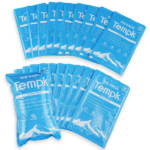
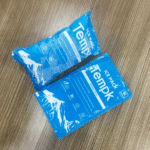
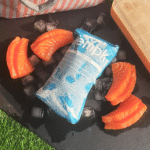
A Tempk oferece suporte a compradores da cadeia de frio B2B com opções de embalagem que incluem bolsas de gelo, pacotes estilo gelo seco, Caixas isoladas em EPP, caixas de transporte frio, forros isolados, bolsas térmicas, Tampas de paletes, e materiais relacionados. Em um projeto de importação médica, a conversa mais útil não é apenas sobre a caixa ou sacola; trata-se de como o contêiner se ajusta à carga útil, pontos de transferência, exigência de temperatura, e procedimento de recebimento. É aí que uma recomendação cuidadosa pode reduzir tentativas e erros evitáveis..
Se você está comparando opções agora, forneça seu tipo de produto médico, rota de importação, processo de inspeção de recebimento, e condição de armazenamento para conselhos de embalagem. A Tempk pode ajudá-lo a restringir a discussão antes da aprovação da amostra ou aquisição em massa.