Fabricante europeu de pacote de gel terapêutico: Como escolher o fornecedor e a embalagem certos
The best answer to therapeutic gel pack Europe manufacturer is not a single product specification. É uma combinação entre o pacote de gel terapêutico, a carga útil, o pacote isolado, a rota e as necessidades de documentação do comprador. For European therapy brands, distribuidores médicos, sports recovery companies and private-label buyers, um bom fornecedor deve facilitar a análise da amostra, não esconda os detalhes que afetam o desempenho. Este guia editado concentra-se nas verificações importantes antes que um comprador passe da consulta para a repetição do pedido.
Comprando resposta: Selecione fornecedores perguntando como o produto é envasado, selado, condicionado, embalado, testado e documentado. O preço é importante, mas a decisão maior é se a mesma qualidade da amostra pode ser repetida na produção e se o refrigerante se adapta à sua linha específica, em vez de uma reivindicação genérica da cadeia de frio.
Para fornecimento europeu, os compradores devem ter cuidado com a linguagem médica ou terapêutica. Uma embalagem reutilizável pode suportar aplicações frias ou quentes, mas a rotulagem do produto acabado, a colocação no mercado e as reivindicações devem ser analisadas de acordo com o canal de venda e as regras locais.
Para produtos terapêuticos, evite promessas médicas não comprovadas. O pacote pode fornecer suporte para aplicações quentes ou frias quando usado de acordo com as instruções, mas o produto final de varejo ou clínico deve ter avisos claros, orientação sobre tempo de uso e linguagem de proteção da pele apropriada ao mercado-alvo.
A decisão em uma frase
Choose therapeutic gel pack Europe manufacturer only after the pack has been matched to the product, Carton, rota, processo de condicionamento e necessidades de documentação. The product should solve a specific operational problem such as reusable therapy support where comfort, leakage resistance and clear instructions matter, mas não deve ser solicitado que faça o trabalho de isolamento, controle de rota ou documentação de conformidade por si só.
Esta distinção protege o comprador de dois erros comuns. O primeiro é a subcompra, onde se espera que um componente refrigerante barato proteja uma remessa que realmente precisa de uma embalagem diferente. A segunda é comprar demais, onde o excesso de massa de resfriamento é adicionado sem entender se o ponto fraco está no preparo, isolamento, geometria ou manuseio da caixa. Um bom fornecedor ajuda a identificar qual problema você está realmente resolvendo.
A adequação do produto começa com a rota, não a foto do catálogo
Uma imagem de catálogo pode informar o formato geral de pacotes de gel terapêutico, mas não pode dizer se o produto se adapta ao seu caminho. A rota inclui mais do que tempo de trânsito. Inclui preparação em câmara fria, carregamento de caminhão, alfândega ou entrega de transportadora, tempo de permanência no armazém, risco de fim de semana, exposição ambiental sazonal e como as equipes de recebimento inspecionam o pacote. Um pacote que funciona bem em uma pista pode ser muito fraco, muito pesado ou muito bagunçado em outro.
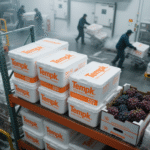
Comece com a carga útil. Produtos densos respondem de maneira diferente da luz, caixas cheias de ar. Uma caixa compacta de frutos do mar, uma caixa de presente floral, um remetente de amostra de tecido e um kit de terapia de varejo não compartilham o mesmo comportamento térmico. Se a carga útil for sensível ao congelamento, a embalagem pode precisar de um separador ou de uma estratégia diferente de controle de temperatura. Se a carga útil estiver molhada ou sensível a odores, vazamento e compatibilidade do filme tornam-se mais importantes. Se a carga útil for voltada para o cliente, condensação e danos no rótulo podem afetar a percepção da marca mesmo quando o produto permanece frio.
Em seguida, revise o padrão de manuseio. Os trabalhadores congelam as embalagens planas ou empilhadas? As embalagens são preparadas em temperatura ambiente antes do carregamento? O armazém pode controlar a contagem de embalagens por tamanho de caixa?, ou a operação precisa de codificação por cores ou instruções impressas? Os empacotadores são pagos pela velocidade, precisão ou ambos? Estas pequenas questões operacionais muitas vezes decidem se um componente refrigerante teoricamente bom fornece resultados repetíveis.
A abordagem mais segura é definir uma janela prática de aceitação antes de fazer o pedido. Para remessas de alimentos, muitas operações usam um limite refrigerado, como 40 Para 4 C como parte de um plano de segurança alimentar, mas o limite real deve vir do proprietário do produto, rota e requisitos locais. Para remessas de saúde ou laboratório, a faixa exigida pode ser mais estreita e deve ser confirmada pela equipe de qualidade ou pelo laboratório receptor. O fornecedor da embalagem não deve adivinhar isso para você.
Escolhas de materiais que alteram o desempenho e o manuseio
A formulação do gel afeta o modo como os pacotes de gel terapêutico congelam, descongelamento, distribuir massa fria e comportar-se após uso repetido. A água fornece grande parte da massa térmica em muitas embalagens, enquanto espessantes, polímero superabsorvente, Sistemas do tipo CMC ou outras estruturas de gel podem imobilizar o líquido e reduzir a livre circulação. Isso é importante porque um pacote com preenchimento instável pode inchar, ceder ou criar contato desigual dentro de uma caixa. Também é importante para a fabricação, porque a viscosidade afeta a velocidade de enchimento, precisão de dosagem e risco de contaminação do selo.
A bolsa ou película externa é tão importante quanto o gel. Uma fórmula de gel forte dentro de uma bolsa fraca ainda é um produto fraco. Os compradores devem perguntar sobre a estrutura do filme, largura do selo, resistência da borda, resistência à perfuração, flexibilidade após o congelamento e se a superfície permanece adequada para a aplicação pretendida. Para pacotes de terapia, conforto e sensação de contato com a pele são importantes. Para frutos do mar, logística de carne ou laticínios, vazamento e transferência de odor são preocupações práticas. Para programas de amostras de tecidos, o pacote deve funcionar dentro do método de embalagem de amostras maiores, não substitua.
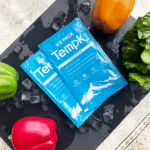
A cor é uma decisão funcional apenas quando ajuda as operações. Um pacote de gel azul pode ser mais fácil de identificar em embalagens de frutos do mar ou alimentos. Uma embalagem impressa sem suor pode ajudar os trabalhadores a distinguir os tamanhos das caixas. Uma bolsa transparente pode facilitar a inspeção da qualidade do enchimento. Nenhuma dessas opções cosméticas comprova o desempenho térmico. Eles suportam o controle do processo somente quando o armazém os utiliza de forma consistente.
Os compradores também precisam separar o comportamento do refrigerante da qualificação da embalagem. Um pacote de gel pode ser reutilizável, flexível, resistente a vazamentos ou projetado para condensação reduzida, no entanto, a remessa finalizada ainda precisa da caixa isolada correta, contagem de pacotes, arranjo de carga útil e evidências de teste. É por isso que análises sérias de compras analisam o refrigerante e a embalagem juntos.
Uma lista de verificação prática para comparar opções
| Área de decisão | Por que isso importa | Ação do comprador |
|---|---|---|
| Ajuste do produto e da carga útil | A embalagem deve corresponder ao produto, não apenas a caixa | Confirme a faixa de temperatura, sensibilidade de congelamento e limites de contato direto |
| Isolamento e colocação de pacotes | O refrigerante funciona apenas dentro de um pacote adequado | Teste com a caixa real, carga útil e método de embalagem |
| Umidade e limpeza | Condensação e vazamento geram reclamações e manuseio de resíduos | Inspecionar rótulos, caixas e carga útil após rotas de amostra |
| Consistência de produção | Uma boa amostra não é suficiente para fornecimento em massa | Pergunte se as unidades a granel usam o mesmo gel, filme e método de vedação |
| Limite da documentação | As reivindicações não devem exceder as evidências disponíveis | Separe os fatos da folha de dados das declarações de desempenho específicas da rota |
Use esta tabela como ferramenta de discussão durante a revisão da amostra. Mantém a conversa longe de afirmações vagas e voltada para fatos observáveis. Quando o fornecedor consegue responder a esses pontos com clareza, Compras, as equipes de operações e qualidade podem tomar uma decisão mais limpa. Quando as respostas estão faltando, é mais seguro tratar a amostra como incompleta em vez de passar diretamente para a compra a granel.
Perguntas dos fornecedores que revelam capacidade real
As conversas mais úteis com fornecedores são específicas. Em vez de perguntar se o pacote de gel terapêutico é "boa qualidade," pergunte como o fornecedor controla os recursos que são importantes para sua rota. Eles podem explicar o sistema de gel em termos práticos? Eles podem descrever as opções de filmes sem fazer afirmações de temperatura não comprovadas?? Eles podem fornecer amostras do mesmo caminho de produção que serão usadas para fornecimento em massa?? Eles podem oferecer suporte à impressão ou embalagem personalizada somente quando isso não interferir no desempenho ou nas necessidades de conformidade??
Pergunte como o fornecedor lida com o controle de mudanças. Se o filme da bolsa, formulação de gel, método de vedação, alterações de corante ou tamanho da embalagem após aprovação da amostra, os compradores serão informados? Em embalagem da cadeia de frio, uma pequena mudança material pode alterar o comportamento de congelamento, flexibilidade, risco de condensação ou vazamento. Para pacotes de terapia, pode afetar a sensação do usuário e a apresentação do varejo. Para logística alimentar ou laboratorial, pode afetar o manuseio e a documentação.
Ferramentas úteis de decisão
Verifique os detalhes antes de escolher a embalagem
Essas ferramentas rápidas podem ajudá-lo a comparar o risco da rota, necessidades de dimensionamento, escolhas de refrigerante, e detalhes da embalagem antes de solicitar um orçamento.
Resistência à queda de material de isolamento
Revise a resistência à queda e os fatores de manuseio antes de escolher materiais de isolamento.
Verifique a resistênciaGerador de lista de conformidade
Crie uma lista de verificação prática para revisão de embalagens, envio, e documentação.
Lista de verificação de construçãoForro de caixa & Dimensionamento da cobertura de paletes
Verifique a lógica de dimensionamento do forro da caixa e da tampa do palete para projetos de embalagens isoladas.
Dimensionamento estimadoPergunte também o que o fornecedor não reivindicará. Um fornecedor cuidadoso não promete tempo de espera universal, conformidade com todos os mercados ou adequação garantida para cada produto. Essa restrição é um sinal positivo. Isso significa que o fornecedor entende a fronteira entre um componente refrigerante e um sistema de remessa qualificado. Também protege o comprador de transformar uma frase de catálogo em uma suposição operacional.
Para compra em massa, o fornecedor deve facilitar a comparação. Eles devem ser capazes de discutir o formato do produto, quantidade de embalagem, paletização, orientação de armazenamento, revisão de amostra, consistência da produção e as informações necessárias para um orçamento. MOQ e prazo de entrega são importantes, mas eles devem ser discutidos depois que a adequação técnica estiver clara. De outra forma, o comprador pode garantir um preço baixo em um produto que não corresponde à faixa.
Verificações operacionais antes da aprovação da amostra
Antes de aprovar um pacote de gel terapêutico, execute a amostra através do mesmo fluxo de trabalho que sua equipe usará após a compra. Comece recebendo. As caixas estão claramente etiquetadas? As unidades são embaladas de forma consistente? Há vazamento visível, danos no filme, preenchimento irregular ou variação de tamanho? Se a embalagem for um item de terapia de varejo, verifique a embalagem externa e as instruções. Se for um componente da cadeia de frio, verifique se o pacote pode ser armazenado, contado e escolhido sem confusão.
Próximo, verifique congelamento e condicionamento. As embalagens devem ser congeladas ou acondicionadas de acordo com as instruções do fornecedor, mas os compradores também devem verificar se essas instruções são realistas para suas instalações. Um freezer sobrecarregado, abertos com frequência ou usados para múltiplas operações podem não condicionar os pacotes uniformemente. Empilhar muitos pacotes flexíveis juntos pode retardar o congelamento. Deixar as embalagens em uma mesa de embalagem quente por muito tempo pode reduzir o resfriamento disponível antes mesmo de a caixa sair do cais.
Em seguida, teste a colocação do pacote. Coloque a embalagem na caixa pretendida com a carga útil pretendida. Procure por pontos de pressão, risco de contato direto, problemas de fechamento da tampa e espaços de ar morto. O contato direto pode ser útil para alguns produtos e arriscado para outros. Para alimentos delicados, materiais florais ou de laboratório, um separador pode ser necessário. Para designs sem suor, observe se a redução de umidade ainda funciona após práticas realistas de congelamento e embalagem.
Finalmente, documentar o processo. Um distribuidor ou fabricante deve ajudá-lo a confirmar o nome do produto, abordagem de lote ou lote, tamanho do pacote, encha o peso se fornecido, instrução de condicionamento, método de embalagem e qualquer evidência de teste disponível. A documentação não precisa ser complicada para cada remessa de alimentos de baixo risco, mas as informações devem ser claras o suficiente para que sua equipe possa repetir a mesma decisão após a primeira compra.
Erros comuns que criam reclamações evitáveis
Um erro comum é adicionar mais material de resfriamento sem consertar o pack-out. Se a caixa tiver muito espaço livre, mau isolamento ou longa estadia quente, pacotes extras de gel terapêutico só podem adicionar peso e custo. Também pode criar pontos frios, esmagar cargas delicadas ou dificultar o fechamento da caixa. O melhor desempenho geralmente vem de um design equilibrado, em vez de simplesmente aumentar o número de embalagens.
Um segundo erro é ignorar a condensação. A umidade da superfície pode enfraquecer as caixas, desfocar rótulos, tornar a desembalagem desagradável e danificar a documentação em papel. Projetos sem suor ou com condensação reduzida podem ajudar na aplicação correta, mas os compradores ainda devem testá-los em condições ambientais e de freezer realistas. Uma embalagem que parece seca em uma amostra de escritório pode se comportar de maneira diferente em uma doca de carga úmida.
Um terceiro erro é aprovar amostras sem envolver operações. A aquisição pode se concentrar no preço e nas condições do fornecedor, enquanto as equipes do armazém sabem se a embalagem pode ser manuseada rapidamente. Incluir empacotadores, pessoal de qualidade e equipes receptoras na revisão da amostra. Seus comentários geralmente identificam problemas que não aparecem em uma folha de especificações.
Um erro final é usar a mesma embalagem para todos os produtos. A pack design still needs market-appropriate labeling and user guidance before it becomes a finished retail product. Quando os produtos, tamanhos de caixas ou rotas mudam, o método de resfriamento deve ser revisado novamente. Mesmo uma embalagem familiar pode se tornar uma escolha errada se for movida para uma faixa de temperatura diferente, formato de rota ou carga útil.
Perguntas frequentes
Um pacote de gel terapêutico é suficiente para envio com temperatura controlada?
Não. Um pacote de gel terapêutico é um componente refrigerante. Precisa de um pacote isolado adequado, contagem correta de pacotes, condicionamento adequado, proteção de carga útil e recebimento de cheques. Para mercadorias sensíveis, a embalagem completa deve ser revisada ou testada antes do uso rotineiro.
O que devo verificar antes de aprovar uma amostra de fornecedor?
Verifique se a amostra corresponde ao produto a granel proposto, se cabe na caixa real, se pode ser congelado e manuseado por sua equipe, e se o fornecedor pode explicar os limites de qualquer reclamação de temperatura ou tempo de espera.
Posso usar o mesmo pacote para produtos diferentes?
Às vezes, mas somente depois de analisar a sensibilidade do produto, tamanho da caixa, massa de carga útil e exposição de rota. Uma embalagem que funcione para um produto refrigerado pode causar congelamento, sudorese ou resfriamento insuficiente em outra aplicação.
Como devo comparar preços entre fornecedores?
Compare o preço com o desempenho utilizável, risco de vazamento, tamanho do pacote, consistência de preenchimento, quantidade de embalagem, eficiência de frete e suporte à documentação. Um preço unitário mais baixo pode tornar-se caro se aumentar as reclamações, reembalagem ou perda do produto.
Conclusão
Choosing therapeutic gel pack Europe manufacturer is a practical packaging decision, não é uma simples correspondência de catálogo. Os fornecedores mais fortes ajudam você a definir a necessidade do produto, revisar a rota, teste a embalagem e evite alegações que vão além das evidências. Concentre-se na rota, carga útil, isolamento, comportamento de umidade, consistência da amostra até a produção e limite de documentação antes de discutir pedidos de grande volume.
For European therapy brands, distribuidores médicos, sports recovery companies and private-label buyers, o próximo passo é transformar a remessa em um resumo claro: qual produto está sendo enviado, qual faixa de temperatura ou condição de qualidade deve ser protegida, que caixa é usada, quanto tempo é o percurso, onde ocorrem as transferências e quais cheques de recebimento são necessários. Com essa informação, um fornecedor pode recomendar uma opção de produto mais realista e um plano de amostra melhor.
Sobre Tempk
A Tempk fornece materiais de embalagem de cadeia de frio para alimentos, assistência médica, laboratório, entrega e aplicações industriais. Nossos grupos de produtos públicos incluem bolsas de gelo em gel, Pacotes de gelo seco, tijolos de gelo, sacos isolados, Caixas EPP, caixas de transporte frio, revestimentos isolados e proteção térmica em nível de palete. For therapeutic gel pack Europe manufacturer buyers, a conversa útil não é apenas sobre o tamanho de um pacote. É sobre a rota, carga útil, etapas de manuseio e verificações de qualidade que tornam a embalagem selecionada prática.
Envie à Tempk os detalhes da sua remessa e peça uma comparação clara de embalagens de gel ou opções de embalagem adequadas.