Exportação de forro de caixa térmica: Como escolher o forro certo para remessas reais
UM forro de caixa térmica deve ser escolhido como parte de um pacote completo de cadeia de frio, não como uma compra de material independente. É uma inserção isolada projetada para caber dentro de uma caixa e retardar a transferência de calor entre o ambiente externo e a carga útil. O revestimento pode reduzir a transferência de calor dentro de uma caixa, mas o resultado do envio depende da caixa, carga útil, refrigerante, duração da rota, exposição sazonal, método de fechamento, e com que consistência os operadores os embalam.
Os compradores que buscam exportação de revestimento térmico para caixas geralmente desejam uma resposta comercial, mas o caminho de compra mais seguro é primeiro o técnico e depois o comercial. Defina o que o liner deve fazer, confirme se a amostra se ajusta à remessa, teste o pacote completo quando o risco de temperatura for importante, e depois compare o preço, Quantidade mínima, tempo de espera, e controles de fornecedores.
O papel simples do forro
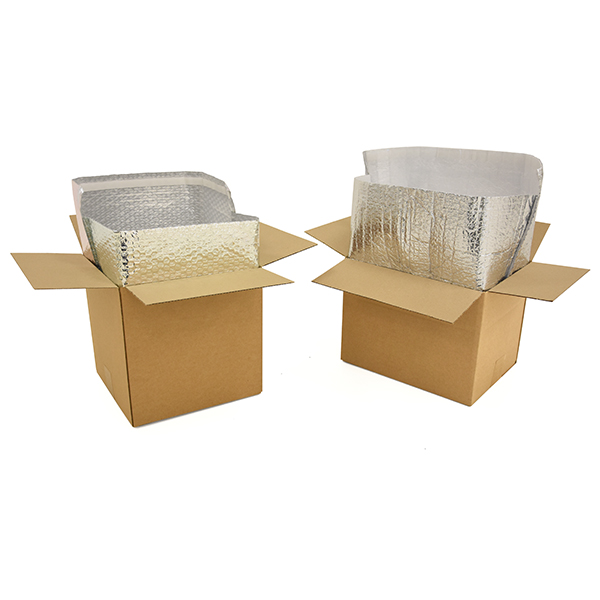
O forro cria uma barreira térmica passiva dentro da embalagem externa. Retarda o ganho de calor em ambientes quentes e pode ajudar a reduzir oscilações de temperatura durante o manuseio. Dependendo da construção, pode usar ar preso, filme reflexivo, camadas de papel ou fibra, espuma, filmes laminados, ou outros materiais isolantes. Seu trabalho é proteger o tempo, não substituir a refrigeração.
Pode ser feito com filme bolha, espuma, voltado para papel, laminado de folha, ou outras estruturas multicamadas, dependendo do equilíbrio alvo de custos, eficiência do cubo, e proteção. A questão útil não é se o revestimento é geralmente bom. A questão útil é se é bom o suficiente para o seu produto, Carton, rota, e processo operacional. Um forro que funciona para uma rota de compras de duas horas pode não ser adequado para uma rota de encomendas de dois dias ou uma remessa regulamentada de saúde.
Comece com o perfil de remessa
Uma especificação prática começa com a faixa de temperatura necessária, tempo máximo de trânsito, temperatura inicial do produto, exposição ambiental, massa de carga útil, tamanho da caixa, tipo de refrigerante, e processo de recebimento. Esses detalhes definem quanto calor a embalagem deve resistir e quanta massa térmica a embalagem necessita. Sem esse perfil, cotações de fornecedores são principalmente suposições.
Para comida, o perfil pode focar no frescor, prevenção de derretimento, experiência do cliente, e controle de vazamento. Para produtos farmacêuticos, Biologics, vacinas, ou amostras, o perfil deve incluir requisitos de temperatura documentados, risco de pista, estratégia de registrador de dados, recebendo inspeção, e aprovação interna de qualidade. Um transatlântico geral não é automaticamente um expedidor qualificado com temperatura controlada.
Compare custo por uso, Não apenas pelo preço unitário
Para compras de exportação, compare a estrutura de custos completa: tamanho da caixa de exportação, embalagem comprimida, rotulagem, documentação, cubo de frete, padrão de inspeção, e reordenar a estabilidade. Um preço unitário mais baixo ainda pode ser a escolha errada se o revestimento reduzir o volume utilizável, requer refrigerante extra, envia de forma ineficiente, retarda a linha de embalagem, ou cria taxas de reclamação mais altas. O preço certo é o preço de uma remessa bem-sucedida, não apenas o preço de um forro.
Peça aos fornecedores para cotarem o mesmo desenho, estrutura material, tamanho, estilo de fechamento, método de embalagem, e referência de amostra. Se duas cotações usarem espessuras diferentes ou designs de dobra diferentes, eles não são equivalentes. Se um fornecedor incluir embalagem de exportação e outro não, a comparação de preços está incompleta.
O volume adequado e utilizável são essenciais
Muitos problemas de revestimento começam com dimensões. Os compradores geralmente fornecem dimensões externas da caixa, mas o revestimento deve caber no espaço interno da caixa. Depois que o forro for instalado, ainda deve haver volume utilizável suficiente para o produto, refrigerante, controle de vazio, e fechamento. Muita espessura do revestimento pode reduzir a carga útil. Pouca cobertura pode criar pontos fracos térmicos.
Projetos de tamanho personalizado e OEM devem usar um desenho que mostre o tamanho aberto, tamanho dobrado, layout do painel, sobreposição de fechamento, e tolerância. A amostra aprovada deve ser embalada com o produto real antes da produção. Se o revestimento for comprimido a vácuo, embalado plano, aninhado, ou pré-formado, o comprador deve testar como se comporta na linha de embalagem.
O desempenho térmico vem do pacote completo
Nenhum liner deve ser julgado fora de sua embalagem. A caixa controla a proteção estrutural. O revestimento retarda a transferência de calor. Pacotes de gel, tijolos de gelo, pacotes estilo gelo seco, ou materiais de mudança de fase fornecem resfriamento ou massa térmica. O fechamento mantém o sistema intacto. O operador segue as instruções. Quando qualquer um desses elementos muda, o resultado térmico pode mudar.
Dados de teste úteis devem descrever o sistema real: Carton, forro, carga útil, refrigerante, temperatura inicial, perfil ambiente, colocação do sensor, e critérios de aceitação. Para rotas rigorosas ou regulamentadas, considerar um processo formal de qualificação e envolver embalagem, logística, e equipes de qualidade. Para rotas de alimentos ou mercearias de menor risco, um ensaio prático controlado pode ser suficiente, mas ainda deve corresponder ao manuseio real.
Lista de verificação de pedidos de exportação para compradores
Uma forte revisão do fornecedor deve incluir dimensões internas e externas, volume utilizável, espessura do revestimento, desenho dobrável, método de fechamento, camadas de materiais, massa de carga útil, compatibilidade de refrigerante, e tolerância da amostra à produção. Pergunte se o fornecedor pode manter a mesma construção desde a amostra até a produção em massa. Pergunte como eles controlam o corte, laminação, dobrável, vedação, contagem de embalagem, e inspeção final. Pergunte o que acontece se uma camada de material, grossura, ou alterações no método de embalagem após aprovação.
Para granel, atacado, exportar, importar, OEM, ou pedidos personalizados, também confirme MOQ, tempo de espera, tempo de amostra, custos de ferramentas ou configuração, aprovação da arte, se aplicável, Dimensões da caixa mestra, paletização, rotulagem, e o plano de inspeção. Um fornecedor que responde claramente a estas perguntas é mais fácil de gerir do que um fornecedor que apenas envia um preço baixo.
Quando um forro não é suficiente
Não cria refrigeração ativa. Produtos sensíveis à temperatura ainda precisam de uma embalagem definida, condições de partida controladas, e refrigerantes apropriados para a rota, quando necessário. Um forro pode ser insuficiente para longos tempos de trânsito, clima extremo, cargas úteis muito pequenas com baixa massa térmica, produtos com sensibilidade ao congelamento, remessas que esperam ao ar livre, ou rotas com controles de recepção deficientes. Nestes casos, o comprador pode precisar de um sistema mais espesso, refrigerante adicional, um expedidor qualificado, um serviço ativo com temperatura controlada, ou uma estratégia de pista diferente.
Ferramentas úteis de decisão
Verifique os detalhes antes de escolher a embalagem
Essas ferramentas rápidas podem ajudá-lo a comparar o risco da rota, necessidades de dimensionamento, escolhas de refrigerante, e detalhes da embalagem antes de solicitar um orçamento.
Refrigerante & Referência PCM
Compare as opções de refrigerante e PCM quando uma rota precisar de suporte adicional de temperatura.
Comparar opçõesResistência à queda de material de isolamento
Revise a resistência à queda e os fatores de manuseio antes de escolher materiais de isolamento.
Verifique a resistênciaVerificador de risco de rota
Revise as condições da pista antes de selecionar a embalagem para requisitos operacionais reais.
Verifique o risco da rotaOs sinais de alerta são fáceis de ignorar. Se o produto chegar perto do limite de sua faixa de temperatura, se os pacotes de gel forem totalmente gastos na entrega, se os clientes relatarem condensação ou danos, ou se os operadores precisarem improvisar durante a embalagem, o programa do liner deve ser revisto. A proteção de temperatura deve ser repetível, não depende da sorte.
Sustentabilidade e Experiência do Cliente
A sustentabilidade depende de mais do que apenas o nome do material. Potencial de reutilização, taxa de dano, cubo de frete, rota de descarte, e o número de remessas falhadas afetam o resultado ambiental real. Considere também a experiência do cliente. Um forro difícil de desdobrar, bagunçado para descartar, ou confundir separar pode reduzir o valor de uma reivindicação de sustentabilidade. Instruções claras e opções realistas de descarte ou devolução são importantes.
Para compradores B2B, a sustentabilidade também deve incluir a eficiência do cubo, peso, taxa de reutilização, taxa de dano, e perda de produto. Um revestimento reciclável que falha frequentemente não é uma escolha responsável. Um revestimento reutilizável que nunca é devolvido pode não proporcionar o benefício pretendido. As equipes de embalagem devem medir todo o sistema.
Uma sequência prática de compra
Primeiro, definir o perfil de envio. Segundo, escolha uma estrutura de revestimento que se ajuste ao risco da rota e à caixa. Terceiro, solicite amostras controladas e embale-as com o produto e refrigerante reais. Quarto, execute um teste de temperatura prático ou formal. Quinto, aprovar um desenho e amostra retida. Sexto, comparar cotações usando a mesma especificação. Sétimo, inspecionar o primeiro lote de produção antes da implementação completa.
Esta sequência protege aquisições e operações. Evita que o preço conduza a decisão antes que o revestimento seja comprovado. Também dá aos fornecedores uma meta clara, o que geralmente melhora a precisão da cotação e reduz as idas e vindas das revisões.
Perguntas frequentes
Qual é a especificação mais importante para um revestimento de caixa térmica?
Não existe uma especificação única. A combinação mais importante é o ajuste interno, construção de materiais, método de fechamento, volume utilizável, compatibilidade de refrigerante, e desempenho comprovado na embalagem pretendida.
O mesmo revestimento pode ser usado para alimentos e produtos farmacêuticos??
O mesmo material pode ser usado em diferentes mercados, mas o processo de aprovação é diferente. Remessas de amostras farmacêuticas ou críticas normalmente precisam de documentação mais robusta, testando, e revisão de qualidade.
Como os compradores podem evitar cotações não confiáveis?
Forneça o mesmo desenho, tamanho da caixa, quantidade, método de embalagem, testar expectativas, e requisitos de qualidade para cada fornecedor. Peça suposições por escrito antes de comparar preços.
Notas de Implementação para Aquisições e Operações
Um comprador pode reduzir o risco transformando o revestimento térmico da caixa em um item de embalagem controlada. Dê ao liner um código de especificação, conecte-o aos tamanhos de caixa aprovados, e definir quais produtos e rotas poderão utilizá-lo. Isso evita que os operadores substituam um revestimento de aparência semelhante quando o tamanho aprovado estiver fora de estoque. Também proporciona ao setor de compras uma base mais sólida para novos pedidos, porque a compra está vinculada a uma embalagem controlada, em vez de a um nome de produto vago..
Um pequeno piloto pode revelar problemas antes de um pedido de volume. Embale vários pedidos reais, cronometrar as etapas de embalagem, inspecionar o ajuste do revestimento, observe a condensação, verifique o posicionamento do refrigerante, e peça à equipe de recebimento para registrar a condição do pacote. Isto não substitui a qualificação para mercadorias de alto risco, mas ajuda o comprador a decidir se o forro é prático antes de se comprometer com o atacado, OEM, importar, exportar, ou quantidades de produção em massa.
O piloto deve incluir pelo menos uma condição difícil, como uma carga útil maior, uma carga útil menor, um período ambiente quente, um tempo de permanência mais longo, ou uma rota com mais handoffs que o normal. O objetivo é saber onde a margem é pequena. Um programa liner é mais forte quando o comprador sabe não apenas quando funciona, mas também quando deve ser atualizado para um transportador mais forte ou um plano de refrigeração diferente.
Após aprovação, manter um registro interno do desenho, fornecedor, descrição do material, data da amostra, caixa aprovada, plano de refrigeração, e quaisquer notas de teste. Se um pedido futuro chegar com uma dobra diferente, sentir, superfície, grossura, ou método de embalagem, a equipe receptora pode compará-lo com o registro antes de liberar o lote. Esta disciplina simples é muitas vezes suficiente para evitar desvios silenciosos nas especificações em programas de compras repetidas.
Como manter o programa estável após o lançamento
Uma vez que o forro esteja em uso diário, revisar o desempenho em intervalos regulares. Veja as reclamações, produtos derretidos ou aquecidos, caixas molhadas, revestimentos danificados, atrasos na embalagem, e perguntas sobre descarte do cliente. Esses sinais geralmente aparecem antes de uma falha completa. Uma revisão pode mostrar se o problema é o revestimento, o refrigerante, a caixa, a rota, a temporada, ou a forma como os operadores estão embalando a caixa.
Para pedidos repetidos, exigir que o fornecedor confirme que o novo lote de produção segue a construção aprovada. Isto é especialmente importante quando os preços das matérias-primas mudam ou quando um fornecedor sugere uma alternativa mais barata.. A economia de custos só é útil quando não altera a margem térmica, ajustar, aparência, ou comportamento de manipulação que tornou a amostra original aceitável.
Sobre Tempk
Projetos e suprimentos Tempk embalagem da cadeia de frio para comida, farmacêutico, e outras remessas sensíveis à temperatura. Nossa linha de produtos listada publicamente inclui bolsas de gelo em gel, pacotes estilo gelo seco, tijolos de gelo congelador, sacos isolados, Caixas isoladas em EPP, caixas de transporte frio, caixas de resfriamento médicas, forros de caixa isolados, capas térmicas para paletes, e materiais relacionados da cadeia de frio. Para projetos de revestimento de caixa térmica, nos concentramos no ajuste prático, compatibilidade de pacotes, e detalhes de produção repetíveis, em vez de tratar um revestimento como um item de tamanho único.
Compartilhe a faixa de temperatura do seu produto, duração da rota, tamanho da caixa, peso da carga útil, e padrão de pedido esperado para discutir uma estrutura de revestimento adequada ou plano de amostra. Para granel, OEM, exportar, ou requisitos de tamanho personalizado, peça uma revisão das especificações antes de fazer um pedido de produção.