Cadeia de frio da vacina: Como proteger a potência e agilizar a logística em 2025
As vacinas são produtos biológicos delicados que podem perder eficácia se forem expostas à temperatura errada, condições de luz ou manuseio. Manter um estábulo cadeia de frio da vacina é crucial para manter cada dose potente e segura. De acordo com a orientação do CDC, a maioria das vacinas deve ser armazenada entre 2 °C e 8 °C, com alguns exigindo condições de congelamento profundo ou até mesmo temperaturas ultrabaixas. No entanto, as estimativas da indústria sugerem que até 50 % das vacinas são descartadas globalmente porque são armazenadas fora da faixa de temperatura correta, causando US$ 20–35 bilhões em perdas a cada ano. Este guia é atualizado para 2025 e ajuda você preservar a potência, reduzir o desperdício e aproveitar as mais recentes tecnologias em logística da cadeia de frio de vacinas.
Quais faixas de temperatura protegem a potência da vacina? – inclui palavras-chave longtail como vaccine cadeia de frio storage temperature range e vacinas ultrafrias.
Como você escolhe e monitora equipamentos de cadeia de frio? – cobertura registradores de dados digitais, Sensores de IoT e refrigeradores específicos.
O que causa perdas no envio e como você pode evitá-las? – focando em cadeia de frio temperature excursions e desvios de micrograus.
Which innovations and market trends will shape vaccine cadeia de frio logistics in 2025? – explorando transparência da blockchain, Otimização de rotas de IA, solar armazenamento refrigerado e outras tecnologias emergentes.
Common questions about vaccine cadeia de frio – abordando consultas de alto volume de pesquisa sobre durações de armazenamento, monitoramento e conformidade regulatória.
Em que faixa de temperatura as vacinas devem ser mantidas para manter a potência?
As vacinas refrigeradas devem permanecer entre 2 °C e 8 °C (36 °F–46 °F). Vacinas congeladas, como varicela e certas formulações contra a COVID-19, requerem –50 °C a –15 °C, e vacinas de mRNA ultrafrias devem ser mantidas entre –90 °C e –60 °C. A exposição a temperaturas fora destes intervalos reduz a potência e pode tornar as vacinas ineficazes. O superaquecimento quebra as proteínas, enquanto o congelamento de certas vacinas forma cristais de gelo que danificam as estruturas moleculares.
Por que o controle de temperatura é inegociável
Quando as vacinas são expostas a condições inadequadas, o dano é irreversível – a potência não pode ser restaurada. Mesmo uma única exposição a temperaturas congelantes (0 °C ou inferior) pode destruir vacinas contendo adjuvantes. Desvios de micrograus de apenas 1–2 °C podem degradar produtos biológicos sensíveis, vacinas ou insulina, então monitoramento contínuo é essencial. De acordo com o kit de ferramentas de armazenamento e manuseio do CDC, dispositivos de monitoramento de temperatura devem ser usados em todas as unidades de armazenamento e transporte.
Intervalos detalhados e exemplos
| Tipo de unidade de armazenamento | Faixa de temperatura | Exemplos de vacinas | Significado prático |
| Refrigerador de qualidade farmacêutica | 2 °C–8 °C | Gripe, DTaP, HPV, MMR e a maioria das vacinas de rotina | Temperaturas refrigeradas estáveis protegem a potência; unidades dedicadas evitam o congelamento causado por compartimentos congeladores compartilhados |
| Congelador médico | –50 °C– –15 °C | Varicela, mpox (Jynneos), algumas vacinas COVID19, como Spikevax da Moderna | Um freezer separado mantém as vacinas congeladas longe do ar quente; unidades de degelo manual requerem manutenção regular |
| Congelador ultrafrio | –90 °C– –60 °C | Vacinas de mRNA, como PfizerBioNTech Comirnaty | Essas unidades especializadas possuem alarmes e energia reserva; eles são vitais para produtos biológicos e terapias genéticas de alto valor |
Dicas práticas para controle de temperatura
Use unidades específicas: Escolha refrigeradores e freezers de qualidade farmacêutica em vez de unidades domésticas ou dormitórios.
Defina os termostatos no ponto médio: Ajuste os refrigeradores para cerca 5 °C e congeladores a cerca de –25 °C para minimizar flutuações.
Organizar inventário: Mantenha as vacinas nas caixas originais para proteger da luz; gire o estoque usando o primeiro expirado, método firstout.
Evite superlotação: Armazene as vacinas no centro das prateleiras e deixe espaço para circulação de ar.
Treine a equipe e desenvolva POPs: As instalações devem manter procedimentos escritos para armazenamento de rotina e de emergência e treinar a equipe anualmente.
Caso do mundo real: Em 2024 uma clínica no norte do estado de Nova York evitou desperdiçar US$ 20.000 nas vacinas quando um freezer falhou porque a equipe tinha uma unidade reserva, documentou que o backup mantido 2 °C–8 °C, e executaram seu plano de emergência rapidamente.
How do you choose and monitor cadeia de frio equipment in 2025?
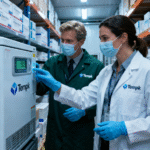
Selecionar o equipamento certo e monitorá-lo continuamente é fundamental para manter a potência da vacina. O CDC recomenda o uso de unidades específicas ou de qualidade farmacêutica para refrigeração e congelamento. Se unidades de qualidade farmacêutica não estiverem disponíveis, unidades domésticas autônomas podem ser usadas, mas a combinação de refrigeradores/freezers e unidades tipo dormitório nunca devem ser usadas. Cada unidade deve ter espaço suficiente para armazenar o estoque da estação mais movimentada sem aglomeração.
Registradores de dados digitais e sensores IoT: Por que eles importam
A orientação do CDC enfatiza que toda unidade de armazenamento deve ter um calibrado registrador de dados digitais (DDL) equipado com uma sonda tamponada, alarme fora de alcance, indicador de bateria fraca e intervalo de registro programável. Um DDL registra temperaturas mínimas e máximas pelo menos a cada 30 minutos e armazena dados por três anos.
A logística moderna da cadeia de frio depende cada vez mais de Internet das coisas (IoT) sensores. Esses dispositivos medem continuamente a temperatura, umidade, vibração e localização GPS, enviando alertas em tempo real quando as excursões começam. Relatórios da indústria estimam que até 20 % das remessas de produtos biológicos são perdidas a cada ano devido a falhas na cadeia de frio, e os sistemas IoT colmatam essa lacuna fornecendo dados contínuos, análise preditiva e documentação automatizada. Os analistas prevêem que por 2030, 75 % de todas as remessas farmacêuticas usarão rastreamento baseado em IoT, ressaltando a necessidade de investir nessas tecnologias agora.
Procedimentos de monitoramento e resposta
Verifique as temperaturas duas vezes ao dia: Registrar as temperaturas mínimas e máximas no início de cada dia de trabalho e antes do fechamento. Se o dispositivo não exibir leituras mín/máx., registrar temperaturas pelo menos duas vezes ao dia.
Manter dispositivos de backup: Mantenha pelo menos um DDL ou TMD sobressalente em caso de falha do dispositivo primário.
Revise os dados regularmente: Baixe e revise os dados DDL pelo menos a cada duas semanas ou imediatamente após uma variação de temperatura.
Desenvolva POPs: Os procedimentos operacionais padrão escritos devem abranger o armazenamento de rotina, procedimentos de emergência, contatos e requisitos de treinamento.
Treine a equipe: Todo o pessoal que manuseia vacinas deve passar por orientação e treinamento anual de atualização.
Rotular e separar as vacinas expostas: Se ocorrer uma excursão de temperatura, rotular os frascos afetados “NÃO USE,”segregue-os e entre em contato com o fabricante ou autoridade sanitária para orientação.
What causes shipping losses in the vaccine cadeia de frio, e como você pode evitá-los?
As perdas no transporte muitas vezes decorrem de excursões de temperatura, atrasos no transporte e embalagens inadequadas. Rotas multimodais e atrasos inesperados aumentam o risco de as vacinas permanecerem fora da janela de temperatura ideal. Isolamento inadequado e proteção contra choques permitir que flutuações térmicas ou danos físicos comprometam a integridade do produto.
Compreendendo o escopo das perdas
Estima-se que o sector farmacêutico perca US$ 20–35 bilhões anualmente devido a falhas na cadeia de frio. Até 50 % de vacinas podem ser descartados globalmente porque são armazenados fora dos limites precisos de temperatura. Os produtos biológicos são responsáveis por aproximadamente 30 % das vendas de medicamentos prescritos, making them particularly vulnerable if cadeia de frio integrity fails. Estas perdas não só prejudicam o retorno do investimento, mas também comprometem a segurança dos pacientes e a confiança do público.
Estratégias para reduzir perdas no envio
Invista em monitoramento inteligente: Sensores IoT fornecem temperatura em tempo real, dados de umidade e localização e emite alertas instantâneos quando ocorrem excursões. Combinado com IA e análise preditiva, eles podem prever riscos e desencadear ações corretivas.
Ferramentas úteis de decisão
Verifique os detalhes antes de escolher a embalagem
Essas ferramentas rápidas podem ajudá-lo a comparar o risco da rota, necessidades de dimensionamento, escolhas de refrigerante, e detalhes da embalagem antes de solicitar um orçamento.
Referência de material de isolamento
Compare as opções de materiais de isolamento para diferentes necessidades de embalagens da cadeia de frio.
Compare materiaisCalculadora de bolsa de gelo
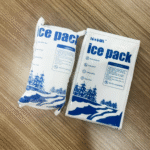
Estime a quantidade de bolsas de gelo em gel para remessas refrigeradas e planejamento prático de rotas.
Estimar bolsas de geloCalculadora de gelo seco
Estime as necessidades de gelo seco para remessas congeladas ou ultrafrias antes de embalar.
Estimar gelo secoOtimize rotas com IA: A inteligência artificial pode analisar dados de tráfego e meteorológicos em tempo real para gerar rotas ideais, reduzindo o tempo de trânsito e a exposição a condições adversas. A análise preditiva e os gêmeos digitais ajudam as equipes de logística a identificar futuras variações de temperatura.
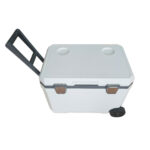
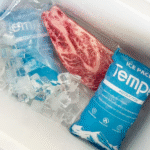
Melhorar a embalagem: Usar caixas de transporte isoladas com materiais de mudança de fase, painéis de vácuo ou sistemas de resfriamento ativos para manter as temperaturas exigidas durante viagens longas. A proteção contra choques e o amortecimento de vibrações são essenciais para produtos biológicos e terapias celulares frágeis.
Planeje-se para atrasos: Crie planos de contingência para condições climáticas severas, eventos geopolíticos ou falhas de infraestrutura. Manter unidades de resfriamento de backup e fontes de alimentação de emergência.
Fortalecer a documentação: Melhore a comunicação em toda a cadeia de abastecimento. Plataformas digitais e rastreamento baseado em blockchain fornecem transparência, registros invioláveis de cada etapa, garantindo confiança e conformidade.
Gestão de micrograu
A potência da vacina pode degradar-se com desvios tão pequenos quanto 1–2ºC. Portanto, monitoramento proativo e intervenção rápida são essenciais. As instalações devem calibrar os dispositivos de monitoramento a cada dois ou três anos e substituí-los se a precisão variar. Considere usar gêmeos digitais – virtual models of your cadeia de frio – to simulate temperature fluctuations and test contingencies before real events occur. Estas ferramentas apoiam um melhor planeamento e reduzem o risco de excursões dispendiosas.
Which innovations and market trends will shape the vaccine cadeia de frio in 2025?
The vaccine cadeia de frio is evolving rapidly, impulsionado por novas tecnologias e pela crescente demanda por produtos biológicos. O mercado global de logística da cadeia de frio na área da saúde está avaliado em USD 59.97 bilhão em 2024 e projetado para alcançar USD 65.14 bilhão em 2025 e USD 137.13 bilhão por 2034, crescendo em um CAGR de 8.63 %. Enquanto isso, espera-se que o mercado apenas para transportadores de vacinas cresça de USD 1.5 bilhão em 2024 para USD 3.5 bilhão por 2033, refletindo a expansão dos programas de imunização.
Principais tendências tecnológicas em 2025
Blockchain para rastreabilidade: Blockchain cria transparência, registros infalsificáveis de movimentos de vacinas. Registros de dados em tempo real sobre temperatura, a umidade e o tempo de viagem podem ser compartilhados com as partes interessadas para garantir a confiança e a conformidade regulatória.
Armazenamento refrigerado movido a energia solar: Em regiões com redes elétricas não confiáveis, unidades movidas a energia solar fornecem, armazenamento refrigerado econômico. Média de eletricidade comercial 13.10 centavos por kWh em 2024, enquanto as taxas solares variaram de 3.2 para 15.5 centavos por kWh, destacando as vantagens econômicas das soluções solares.
Sensores inteligentes habilitados para IoT: Redes IoT medem temperatura, umidade, choque e localização GPS, enviando alertas quando as condições se desviam da faixa segura. Esses dispositivos também permitem análises preditivas e planejamento de rotas assistido por IA.
Otimização de rotas com tecnologia de IA: A IA analisa o tráfego e o clima em tempo real para propor as rotas mais eficientes, reduzindo o tempo de trânsito e o risco. Modelos preditivos podem prever mau funcionamento de equipamentos e recomendar intervenções.
Congeladores criogênicos portáteis: Os freezers emergentes mantêm temperaturas ultrabaixas (–80 °C a –150 °C) para terapias celulares e produtos biológicos avançados, permitindo a implantação em locais remotos.
Cadeia de fornecimento de vacinas digitais (DVSC): O DVSC aproveita tecnologias de informação modernas – incluindo IoT, IA, big data e blockchain – para rastrear e gerenciar vacinas em tempo real, aumentando a transparência e a eficiência. Organizações internacionais como a OMS incentivam os países a adotar estratégias digitais de saúde para fortalecer a logística de vacinas.
Insights de mercado
The cadeia de frio market encompasses not only vaccines but also biologics, produtos sanguíneos, dispositivos médicos e amostras de laboratório. O segmento biofarmacêutico currently generates the largest revenue within healthcare cadeia de frio logistics, enquanto o segmento de vacinas espera-se que registre o crescimento mais rápido durante o período de previsão. A América do Norte lidera o mercado devido à forte demanda por produtos farmacêuticos e biológicos sensíveis à temperatura, e a Ásia-Pacífico é a região que mais cresce. Um separado 2023 análise projeta o mais amplo cadeia de frio farmacêutica mercado para alcançar US$ 24,6 bilhões por 2025eu, impulsionado pelo crescimento de produtos biológicos e medicamentos personalizados.
Common questions about the vaccine cadeia de frio
Q1: Quanto tempo uma vacina de mRNA descongelada pode permanecer na geladeira? Depois de descongelar, a vacina PfizerBioNTech Comirnaty pode ser armazenada entre 2 °C e 8 °C por até 10 semanas. Sempre verifique as instruções do fabricante e registre a data de descongelamento.
Q2: Posso usar uma geladeira doméstica para armazenar vacinas? Se uma unidade construída especificamente não estiver disponível, um refrigerador doméstico independente pode ser aceitável. Nunca use uma unidade estilo dormitório, e nunca use o compartimento do freezer de uma combinação de geladeira/freezer para vacinas.
Q3: O que é uma excursão de temperatura? Uma excursão de temperatura ocorre quando a temperatura cai fora da faixa recomendada por mais de 15 minutos ou gotas abaixo 2 °C. Em tais casos, marque os frascos afetados como “NÃO USE” e consulte sua autoridade de saúde.
Q4: Com que frequência os registradores de dados digitais devem ser calibrados? A calibração garante precisão e deve ser realizada a cada dois a três anos, ou de acordo com recomendações do fabricante.
Q5: Por que as vacinas são descartadas com tanta frequência? Até 50 % das vacinas são descartadas globalmente porque eles são armazenados fora dos limites precisos de temperatura. As causas incluem falhas de equipamento, erro humano, atrasos e monitoramento inadequado.
Resumo e recomendações
Manter um cadeia de frio da vacina requer atenção meticulosa ao controle de temperatura, seleção de equipamentos, monitoramento e melhoria contínua. As vacinas e produtos biológicos devem ser armazenados em faixas de temperatura precisas – geralmente 2 °C–8 °C, –50 °C– –15 °C para formulações congeladas e –90 °C– –60 °C para produtos ultrafrios. Geladeiras e freezers específicos combinados com registradores de dados digitais fornecer ambientes estáveis e monitoramento contínuo. Sensores de IoT, rastreamento de blockchain, Otimização de rotas de IA e unidades movidas a energia solar oferecem ferramentas poderosas para modernizar a logística. Market data shows the healthcare cadeia de frio logistics sector growing rapidly – from USD 59.97 bilhão em 2024 para USD 137.13 bilhão por 2034 – fazer investimentos em infraestrutura e treinamento estratégicos e necessários.
ACTO ACEDIVO PRÓXIMO PASSOS
Avalie a sua preparação atual para a cadeia de frio: Realize uma autoauditoria do equipamento, registros de temperatura, POPs e treinamento de pessoal. Identifique lacunas e priorize atualizações.
Atualizar unidades de armazenamento: Invista em projetos específicos, refrigeradores e freezers de qualidade farmacêutica. Evite unidades tipo dormitório e garanta capacidade suficiente.
Implementar monitoramento digital: Implante registradores de dados digitais calibrados e sensores IoT em todas as unidades de armazenamento e transporte. Defina alarmes e revise os dados regularmente.
Desenvolver e atualizar POPs: Documentar procedimentos para armazenamento de rotina, respostas de emergência, transporte e manutenção. Revise-os anualmente e após qualquer excursão.
Treine sua equipe: Fornecer treinamento abrangente para coordenadores de vacinas, coordenadores de backup, equipe de entrega e médicos. Incluir novas tecnologias e atualizações regulatórias.
Explore inovações: Planejamento de rota baseado em IA piloto, blockchain para rastreabilidade e armazenamento refrigerado alimentado por energia solar para aumentar a resiliência e a sustentabilidade.
Monitore os requisitos regulatórios: Fique atualizado sobre o CDC, FDA, Diretrizes locais e da OMS para armazenamento de vacinas, manuseio e transporte.
Envolva-se com parceiros: Colabore com os fabricantes, logistics providers and technology partners to build a resilient and transparent cadeia de frio.
Sobre Tempk
Tempk é um fornecedor orientado para a tecnologia de embalagem da cadeia de frio, soluções de armazenamento e monitoramento. Somos especializados em caixas isoladas, bolsas de gelo em gel, capas térmicas para paletes e sistemas de registro de dados que ajudam os clientes a manter faixas de temperatura compatíveis de 2 °C a 8 °C até condições ultrafrias. Nosso R&O centro D concentra-se em materiais sustentáveis e designs energeticamente eficientes, e nossos produtos são certificados para segurança alimentar e uso farmacêutico. Ao integrar Sensores de IoT e Análise de IA, nós capacitamos você a proteger vacinas e produtos biológicos de alto valor, reduzir o desperdício e cumprir regulamentações rigorosas. Whether you need a comprehensive vaccine cadeia de frio system, suporte de treinamento ou embalagem personalizada, estamos prontos para fazer parceria com você.
Pronto para assumir o controle da sua cadeia de frio?
Contate nossos especialistas para discutir suas necessidades específicas, agende uma demonstração ou solicite uma solução customizada. Juntos podemos proteger suas vacinas, proteja os pacientes e otimize sua cadeia de suprimentos.