Manter as vacinas eficazes requer mais do que apenas um frigorífico – exige uma cadeia de frio cuidadosamente gerida. Soluções para cadeia de frio de vacinas garantir que cada frasco permaneça dentro da faixa de temperatura recomendada (geralmente 2 °C–8 °C para vacinas de rotina) e evitar o desperdício de milhões de dólares relatado anualmente. Atualizado para 2025, este guia explica a ciência e os sistemas por trás das modernas cadeias de frio, destaca tecnologias emergentes como blockchain e freezers criogênicos portáteis, e oferece etapas práticas para você pode salvaguardar a potência, reduzir o desperdício e atender aos padrões globais.
O que é a cadeia de frio da vacina e por que isso é importante? Compreender o âmbito da cadeia de frio e as perdas associadas às variações de temperatura.
Quais equipamentos de armazenamento e dispositivos de monitoramento são essenciais? Principais faixas de temperatura, tipos de equipamentos e por que os registradores de dados digitais são críticos.
Como você lida com emergências e variações de temperatura? Passos práticos para manter a potência da vacina durante cortes de energia ou transporte.
Que inovações estão moldando a gestão da cadeia de frio em 2025? Visão geral do blockchain, Sensores de IoT, Otimização de rotas orientada por IA, armazenamento refrigerado solar e freezers criogênicos portáteis.
Que tendências e desenvolvimentos de mercado influenciam 2025 logística da cadeia de frio? Insights sobre automação, sustentabilidade, endtoend visibility and market growth.
O que são soluções de cadeia de frio para vacinas e por que são importantes?
Definindo a cadeia de frio e seu significado
A vaccine cadeia de frio is a temperaturecontrolled supply chain that extends from the manufacturer’s storage unit to the patient’s arm. Inclui geladeiras, freezers, recipientes de transporte e procedimentos que mantêm a potência. O CDC enfatiza que os fabricantes, distribuidores, todos os funcionários e prestadores de saúde pública partilham a responsabilidade pela preservação desta cadeia de frio. Na África, até 30 % de vacinas são perdidas anualmente porque as faixas de temperatura não são mantidas, e as perdas globais podem atingir 50 %. Estas falhas traduzem-se em surtos de doenças evitáveis, custos de revacinação e perda de confiança pública.
Manter a cadeia de frio é essencial porque as vacinas são produtos biológicos; a exposição a temperaturas fora das faixas especificadas causa degradação irreversível. Por exemplo, vacinas de rotina, como gripe e sarampo-caxumba-rubéola (MMR) deve permanecer refrigerado e nunca deve ser congelado. Live vaccines like varicella or certain COVID19 vaccines require ultracold conditions. Uma cadeia de frio danificada não é apenas um problema técnico; significa crianças e comunidades desprotegidas.
A usercentric perspective
Imagine que você dirige uma clínica que atende comunidades remotas. Se a porta da geladeira ficar entreaberta durante a noite, a temperatura mínima pode cair para 34 °F (1.1 °C) e máximo para 39 °F (3.9 °C). A equipe que percebe um alarme pode agir rapidamente para mover os frascos para uma unidade de backup, prevenção de desperdícios. Sem sensores e protocolos claros, o mesmo evento pode exigir o descarte de vacinas no valor de milhares de dólares ou a revacinação de dezenas de pacientes. Cada diploma é importante.
Mantendo a potência: faixas de temperatura e equipamentos
Pharmaceuticalgrade refrigerators and freezers are the backbone of the cadeia de frio. O CDC e as diretrizes do setor descrevem três categorias principais de armazenamento:
| Tipo de equipamento | Faixa de temperatura | Implicação prática | Benefício para você |
| Frigorífico (grau farmacêutico) | 2 °C–8 °C (36 °F–46 °F) | Usado para a maioria das vacinas de rotina, por exemplo, gripe, DTaP, HPV e MMR; a standalone unit prevents accidental freezing. | Garante temperaturas estáveis e reduz o risco de congelamento de vacinas sensíveis. |
| Freezer (grau médico) | –50 °C a –15 °C (–58 °F a 5 °F) | Required for varicella and some COVID19 vaccines; separate units avoid crosscontamination. | Permite o armazenamento seguro de vacinas congeladas e simplifica o monitoramento. |
| Congelador ultrafrio | –90 °C a –60 °C (–130 °F a –76 °F) | Necessary for certain mRNA and cellbased vaccines; usa registradores de dados especializados. | Suporta terapias avançadas e medicina personalizada. |
For facilities without pharmaceuticalgrade units, standalone householdgrade refrigerators may be used, but dormitorystyle combined units are não recomendado devido a pontos frios e risco de congelamento. Procure manter os aparelhos no ponto médio de seu alcance (em volta 5 °C para refrigeradores) para minimizar flutuações.
Dicas práticas para armazenar vacinas
Use refrigeradores e freezers específicos. Pharmaceuticalgrade units offer better temperature uniformity and alarms.
Evite superlotação e armazenamento nas portas. Coloque os frascos na prateleira do meio com espaço para circulação de ar; nunca os guarde nas portas da geladeira, onde as temperaturas variam.
Registre as temperaturas duas vezes ao dia. Monitore e registre temperaturas mínimas/máximas usando registradores de dados digitais calibrados (DDLs).
Organize por tipo e data de validade. Keep vaccines in their original boxes to protect from light and track beyonduse dates.
Desenvolver e treinar funcionários em Procedimentos Operacionais Padrão (POPS). Os POPs devem abranger o armazenamento de rotina, ações de emergência e listas de contatos.
Caso do mundo real: Uma farmácia comunitária notou um alarme de registrador de dados digital em 6 SOU. A equipe documentou as temperaturas e encontrou a porta da geladeira entreaberta. A ação imediata significou que as vacinas permaneceram dentro dos limites seguros e nenhuma dose foi desperdiçada.
Como monitorar e gerenciar a cadeia de frio de vacinas?
Monitoramento contínuo e registradores de dados
O monitoramento da temperatura é o coração do gerenciamento da cadeia de frio. Registradores de dados digitais (DDLs) são dispositivos calibrados que registram a temperatura em intervalos regulares e alertam a equipe quando as leituras ficam fora da faixa segura. Eles são mais precisos que os termômetros e fornecem um histórico de temperatura que pode ser baixado para auditorias. Ao selecionar DDLs, considere os seguintes recursos:
| Recurso DDL | Por que isso importa | Benefício para suas instalações |
| Sonda de temperatura tamponada | Protege o sensor contra mudanças repentinas de ar quando as portas se abrem. | Mede a temperatura real da vacina em vez de apenas a temperatura do ar. |
| Alarme fora da faixa | Notificação imediata de excursões. | Permite resposta rápida para evitar perdas. |
| Intervalo de registro programável (≤ 30 minutos) | Determina com que frequência as temperaturas são registradas. | Equilibra os detalhes dos dados com as necessidades de armazenamento. |
| Certificado de calibração (incerteza ± 0.5 °C) | Verifica se o dispositivo atende aos padrões nacionais. | Essencial para auditorias e garantia de qualidade. |
| Dados para download e conectividade em nuvem | Permite acesso remoto e análise de tendências. | Suporta manutenção preditiva e conformidade regulatória. |
Dicas de implementação
Instale um DDL em cada unidade de armazenamento—incluindo contentores de transporte. Use glycol or glassbead–buffered probes to measure vaccine temperatures accurately.
Baixe e revise os dados pelo menos a cada duas semanas e documentar quaisquer excursões.
Mantenha DDLs de backup e substitua as baterias ou recalibre os dispositivos de acordo com as diretrizes do fabricante.
Treine a equipe para responder a alarmes e realizar exercícios práticos. Responsabilidades claras reduzem o erro humano.
Lidando com variações de temperatura e emergências
Mesmo com bons equipamentos, quedas de energia ou erro humano podem levar a variações de temperatura. O kit de ferramentas do CDC recomenda manter energia de reserva por pelo menos 72 horas. Prepare sua clínica com as seguintes etapas:
Identifique um local de armazenamento alternativo que mantém faixas de temperatura apropriadas.
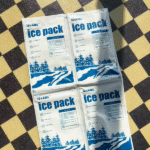
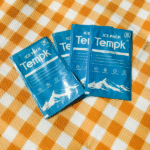
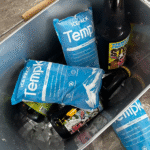
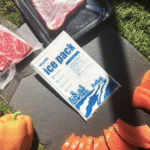
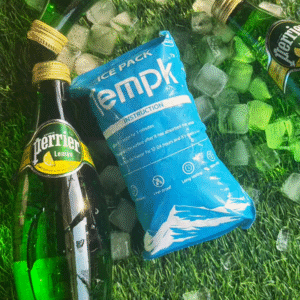
Pack and transport vaccines using conditioned pacotes frios ou materiais de mudança de fase; manter produtos refrigerados e congelados separados.
Mantenha uma lista de contatos de gestão de edifícios, segurança, e departamentos de saúde locais.
Rotule claramente as vacinas como “NÃO use” até que sua viabilidade seja confirmada após uma excursão.
Faça exercícios simulados para que a equipe saiba como agir rapidamente quando os alarmes soarem.
Cenário prático: Durante um 2024 falha no freezer no norte do estado de Nova York, a equipe da clínica seguiu seu plano de emergência. Eles transferiram vacinas para uma unidade reserva e evitaram perder mais $20,000 em estoque.
Quais são os desafios comuns e como superá-los?
Variabilidade e infraestrutura de equipamentos
Muitas clínicas ainda usam unidades domésticas ou combinadas de refrigeradores e freezers que causam temperaturas inconsistentes e episódios de congelamento.. Para superar isso:
Upgrade to standalone, medicalgrade units e planejar orçamentos de capital para substituições.
Realizar manutenção de rotina como limpeza de bobinas e verificação de termostatos.
Especificações da unidade de documento e desempenho para verificar a estabilidade.
Erro humano e fluxo de trabalho
Os funcionários podem inadvertidamente deixar portas abertas ou perder vacinas, e a superlotação restringe o fluxo de ar. As soluções incluem:
Procedimentos Operacionais Padrão (POPS) que atribuem responsabilidades pelas verificações de temperatura, rotação de estoque e ações emergenciais.
Use dicas visuais e rótulos para organizar o armazenamento e evitar erros.
Treinamento regular e responsabilidade para garantir consistência.
Excursões de temperatura durante o transporte
O transporte aumenta o risco de flutuações de temperatura. Para mitigar isso:
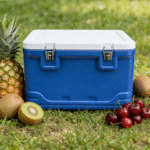
Usar recipientes isolados com condicionado bolsas de gelo ou materiais de mudança de fase.
Coloque DDLs em cada contêiner de transporte para monitorar temperaturas continuamente.
Treinar a equipe sobre procedimentos de embalagem; separar vacinas refrigeradas e congeladas e registrar os horários de abertura dos contêineres.
Inovações que moldam soluções de cadeia de frio de vacinas em 2025
Os rápidos avanços tecnológicos estão transformando a gestão da cadeia de frio. Abaixo estão as principais inovações que remodelam 2025 e além.
Ferramentas úteis de decisão
Verifique os detalhes antes de escolher a embalagem
Essas ferramentas rápidas podem ajudá-lo a comparar o risco da rota, necessidades de dimensionamento, escolhas de refrigerante, e detalhes da embalagem antes de solicitar um orçamento.
Forro de caixa & Dimensionamento da cobertura de paletes
Verifique a lógica de dimensionamento do forro da caixa e da tampa do palete para projetos de embalagens isoladas.
Dimensionamento estimadoGerador de lista de verificação de conformidade
Crie uma lista de verificação prática para revisão de embalagens, envio, e documentação.
Lista de verificação de construçãoReferência de material de isolamento
Compare as opções de materiais de isolamento para diferentes necessidades de embalagens da cadeia de frio.
Compare materiaisBlockchain para rastreabilidade ponta a ponta
Blockchain cria um inviolável, registro cronológico de cada transação na cadeia de suprimentos. Na logística de vacinas, blockchain permite que todas as partes interessadas - de fabricantes a clínicas - share realtime data sobre temperatura, umidade e tempos de trânsito. Esta transparência reduz o risco de produtos falsificados e agiliza as auditorias. Para você, a adoção do blockchain significa alertas instantâneos sobre excursões e um registro imutável de conformidade.
Unidades frigoríficas movidas a energia solar
Em regiões com eletricidade não confiável, solarpowered units provide reliable storage e menores custos de energia. Os EUA. A Energy Information Administration informou que os usuários comerciais pagaram 13.10 centavos por quilowatt-hora em 2024, enquanto o armazenamento solar refrigerado poderia reduzir os custos para 3,2-15,5 centavos. As câmaras frigoríficas solares apoiam os cuidados de saúde rurais e reduzem as pegadas de carbono. In Africa’s Vaccine ColdChain Symposium, os participantes enfatizaram a expansão de soluções solares em centros de saúde rurais para evitar a perda de vacinas.
Sensores inteligentes habilitados para IoT
Internet das coisas (IoT) sensores conectam geladeiras, freezers e contêineres de transporte para a nuvem. These devices collect realtime data on temperature and location and send alerts when conditions drift outside safe parameters. Eles também oferecem rastreamento GPS para redirecionar remessas ou responder a atrasos. Sensores ativos podem reduzir significativamente a perda de produto e melhorar a eficiência operacional.
Inteligência artificial para otimização de rotas e análise preditiva
Inteligência artificial (IA) uses realtime data and historical trends to optimise delivery routes and predict equipment maintenance. AIdriven route optimisation leverages traffic and weather data to shorten transit time and prevent quality degradation. A análise preditiva ajuda a identificar futuras variações de temperatura e permite uma intervenção proativa. No futuro, Os sistemas de IA podem até analisar eventos geopolíticos e entregar medicamentos através de veículos autônomos e drones.
Congeladores criogênicos portáteis
Inovações na tecnologia criogênica produziram freezers portáteis capazes de manter temperaturas tão baixas quanto –80 °C a –150 °C. Essas unidades são vitais para produtos biológicos, terapias celulares e vacinas de mRNA. Portable freezers often include realtime temperature tracking and alarm notifications, permitindo transporte seguro para áreas remotas com infraestrutura limitada. Such technology supports personalised medicine and gene therapies and ensures ultracold products remain potent during distribution.
Soluções de embalagens sustentáveis
As empresas estão adotando recipientes isolados recicláveis, envoltórios térmicos biodegradáveis e compressas frias reutilizáveis. Embalagem sustentável protects temperaturesensitive products while reducing waste and carbon emissions. In broader cadeia de frio logistics, a indústria de embalagens está migrando para transportadores reutilizáveis e designs mais leves, aided by IoT to enable realtime tracking and return logistics. Essas inovações estão alinhadas com a responsabilidade social corporativa e as regulamentações futuras.
Inovações adicionais: drones e integração One Health
No 2025 Vaccine ColdChain Symposium, especialistas destacaram inovações, incluindo entrega de drones para reduzir os tempos de transporte, solarpowered refrigeration for resilience during power outages, AIassisted diagnostics and realtime digital tracking. O simpósio ressaltou que integração de sistemas de vacinação humana e veterinária sob uma abordagem Uma Só Saúde é essencial para a resiliência climática. Investir na formação de engenheiros e trabalhadores da linha de frente garante que estas tecnologias sejam efetivamente implementadas.
Comparando inovações rapidamente
| Inovação | Recurso -chave | Evidência | Benefício prático |
| Blockchain | Cadeia imutável registra temperatura, dados de umidade e trânsito | Reduz o risco de falsificação; provides realtime traceability | Melhora a conformidade e a confiança; apoia auditorias |
| Armazenamento movido a energia solar | Utiliza energia renovável para manter a cadeia de frio | Reduz custos de energia de 13.10 tão baixo quanto 3.2 centavos por kWh | Permite resfriamento confiável em áreas remotas; reduz a pegada de carbono |
| Sensores de IoT | Collect realtime temperature and GPS data | Alerta os usuários sobre desvios; oferece rastreamento de rota | Evita perda de produto; melhora a eficiência |
| Análise de IA | Usa dados para otimizar rotas e prever falhas | Analisa o tráfego e o clima para reduzir o tempo de trânsito | Evita excursões de temperatura; economiza tempo e dinheiro |
| Congeladores criogênicos portáteis | Maintain –80 °C to –150 °C with builtin tracking | Protege produtos biológicos e terapias genéticas durante o transporte | Enables distribution of ultracold vaccines in remote regions |
| Embalagem sustentável | Materiais recicláveis e reutilizáveis | Reduz o desperdício; alinhado com as metas ESG | Apoia a responsabilidade ambiental; reduz custos |
Dicas práticas para adotar inovações
Avalie as necessidades de infraestrutura antes de investir. Solar units make sense for offgrid clinics; blockchain pode exigir suporte de TI robusto.
Comece pequeno—pilot IoT sensors on highvalue shipments, em seguida, aumente à medida que você vê os benefícios.
Treine sua equipe sobre novas tecnologias; invest in digital literacy and problemsolving skills.
Integrar dados across systems to create endtoend visibility, vinculando sensores IoT ao seu software de gerenciamento de inventário.
2025 Desenvolvimentos da cadeia de frio e tendências de mercado
Visão geral da tendência
A indústria da cadeia de frio está evoluindo rapidamente, impulsionado pela inovação tecnológica, mandatos de sustentabilidade e crescimento do mercado. Chave 2025 tendências incluem:
Automação e robótica. Apenas cerca de 20 % de armazéns atualmente uso automação, deixando vantagens significativas para sistemas automatizados de armazenamento e recuperação e manipuladores robóticos.
Sustentabilidade como valor fundamental. A cadeia global de frio alimentar contribui aproximadamente 2 % das emissões globais de CO₂; businesses are investing in energyefficient refrigeration, energia renovável e embalagens ecológicas.
Visibilidade de ponta a ponta com rastreamento em tempo real. Hardware contabilizado 76.4 % do mercado de rastreamento de cadeia de frio em 2022, refletindo a forte adoção de dispositivos IoT e GPS.
Modernização da infraestrutura. Envelhecimento instalações de armazenamento a frio are being upgraded with better insulation and renewable energy systems.
IA e análise preditiva. IA ajuda a otimizar rotas, prever a demanda e prever a manutenção do equipamento.
Crescimento em cadeia de frio farmacêutica. Aproximadamente 20 % de novos medicamentos são terapias genéticas ou celulares que exigem controle rigoroso de temperatura. The global pharmaceutical cadeia de frio market is projected to reach US$ 1,454 trilhão por 2029, crescendo em um 4.71 % Cagr.
Expansão do mercado. O mercado global de logística da cadeia de frio foi avaliado em USD 293.58 bilhão em 2023 e está projetado para crescer até USD 862.33 bilhão por 2032 (13 % Cagr).
Últimos destaques do progresso
Adoção de automação: Com apenas 20 % de armazéns usando automação, a robótica verá um rápido crescimento.
Energia renovável: Solarpowered storage reduces operating costs from 13.10 cents per kilowatthour to as low as 3.2 centavos.
Penetração de rastreamento em tempo real: Hardware contabilizado 76.4 % do mercado de rastreamento em 2022.
Projeções de crescimento: O mercado farmacêutico da cadeia de frio deverá ultrapassar US$ 1,4 trilhão até 2029 e o mercado global de logística pode ultrapassar o USD 862 bilhão por 2032.
Insights de mercado
Fatores geopolíticos e alterações climáticas podem perturbar a logística da cadeia de frio. Emerging products such as plantbased proteins and gene therapies create new demands for specialised cadeia de frio capabilities. As regulamentações estão eliminando gradualmente os refrigerantes nocivos e incentivando o design sustentável. Parcerias logísticas integradas e padronização de dados (esperado para alcançar 74 % de dados logísticos por 2025) ajudar pequenas empresas a entrar nos mercados globais.
Perspectivas futuras: entrega autônoma e embalagem sustentável
Olhando para frente, embalagens inteligentes serão recicláveis, reusable and embedded with IoT sensors for realtime monitoring. A IA permitirá o planejamento preditivo de rotas e o gerenciamento de interrupções, analisando o clima, eventos de trânsito e geopolíticos. Veículos autônomos e drones poderão entregar vacinas diretamente às clínicas rurais na próxima década, enquanto as tecnologias de refrigeração sustentáveis e as energias renováveis reduzirão a pegada de carbono da cadeia de frio. Essas inovações exigirão profissionais qualificados com experiência digital, destacando a importância da formação contínua.
Perguntas frequentes
Em que temperatura as vacinas devem ser armazenadas? Most routine vaccines should be stored in a pharmaceuticalgrade refrigerator between 2 °C e 8 °C. Varicella and some COVID19 vaccines require freezers at –50 °C a –15 °C. Ultracold freezers maintain –90 °C a –60 °C para certos produtos de mRNA. Use registradores de dados digitais para confirmar temperaturas.
Por que não posso armazenar vacinas em geladeiras de “dormitórios” domésticos? Dormitorystyle units have cold spots and risk freezing vaccines. CDC guidelines recommend pharmaceuticalgrade units or standalone household refrigerators (não unidades de combinação).
Como os sensores IoT melhoram o armazenamento de vacinas? IoT sensors collect realtime temperature and location data and send alerts when conditions deviate. Eles permitem o rastreamento por GPS e solicitam ações corretivas, reduzindo a perda de produto e melhorando a eficiência.
O que devo fazer durante uma queda de energia? Prepare um plano de emergência: manter geradores ou bateria reserva por pelo menos 72 horas, identificar instalações de armazenamento alternativas, embalar vacinas usando bolsas frias condicionadas e manter uma lista de contatos para o pessoal-chave.
Por que a cadeia de frio é importante para áreas remotas? Nas regiões rurais, até 30 % das vacinas são perdidas devido a falhas de temperatura. Armazenamento refrigerado movido a energia solar, Sensores IoT e entrega de drones reduzem perdas e garantem imunização oportuna.
Como o blockchain melhora a transparência? Blockchain creates a tamperproof record of every transaction and shares realtime data among stakeholders. Ele alerta você sobre excursões instantaneamente e simplifica as auditorias.
Resumo e recomendações
Takeaways -chave
A cadeia de frio é crítica-falha em manter 2 °C–8 °C for routine vaccines or ultracold conditions for mRNA products causes irreversible degradation and significant waste.
Use equipamentos especialmente desenvolvidos such as pharmaceuticalgrade refrigerators, freezers and ultracold freezers; evite dormitórios e superlotação.
Registradores de dados digitais fornecer históricos precisos de temperatura, alarmes e acesso remoto a dados; instalar um DDL em cada unidade de armazenamento e contêiner de transporte.
Prepare-se para emergências desenvolvendo POPs, planos de backup de energia e transporte.
Adote tecnologias emergentes como blockchain, Sensores de IoT, Otimização de rotas de IA, armazenamento solar e freezers criogênicos portáteis para melhorar a rastreabilidade, eficiência e resiliência.
Mantenha-se informado sobre tendências-automação, sustentabilidade, realtime tracking and market growth will shape the cadeia de frio through 2025 e além.
ACTO ACEDIVO PRÓXIMO PASSOS
Avalie seus sistemas atuais de cadeia de frio. Faça uma auditoria nos equipamentos, dispositivos de monitoramento e SOPs.
Atualize o equipamento conforme necessário. Replace dormitory units with standalone pharmaceuticalgrade refrigerators or freezers. Plan budgets for ultracold units if you store mRNA products.
Implementar DDLs e sensores IoT. Install digital data loggers on all storage and transport units and explore IoT solutions for realtime tracking.
Treine sua equipe. Atualizar regularmente a equipe sobre os POPs, procedimentos de emergência e novas tecnologias.
Explore inovações. Soluções piloto de blockchain para rastreabilidade, adopt solarpowered storage in areas with unreliable electricity and consider portable cryogenic freezers for ultracold products.
Monitore as tendências do setor. Fique atualizado sobre os regulamentos, crescimento do mercado e iniciativas de sustentabilidade. Envolva-se com redes profissionais para compartilhar melhores práticas.
Sobre Tempk
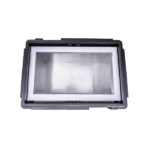
Tempk é a empresa de tecnologia de cadeia de frio specialising in temperaturecontrolled packaging and monitoring solutions. Nós projeto e fabricação caixas isoladas, bolsas de gelo, Caixas de gelo médico and other cadeia de frio products that ensure vaccine potency and safety. Our research and development centre develops ecofriendly packaging with materiais reutilizáveis e recicláveis, ajudando nossos parceiros a reduzir resíduos e emissões de carbono. Focando na qualidade e inovação, Tempk fornece soluções flexíveis de cadeia de frio para produtos farmacêuticos, food delivery and lifescience logistics.
Chamado à ação
Você está pronto para fortalecer sua cadeia de frio de vacinas? Os especialistas da Tempk podem ajudá-lo selecione o equipamento certo, projetar embalagens sustentáveis e integrar soluções avançadas de monitoramento. Contate-nos hoje para discutir como podemos apoiar sua estratégia de cadeia de frio e proteger cada dose.