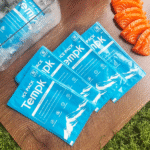
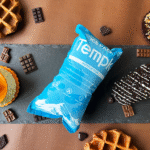
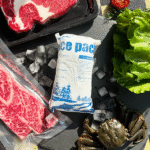
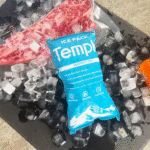
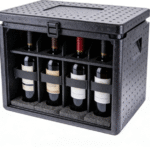
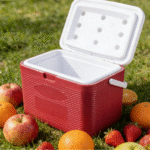
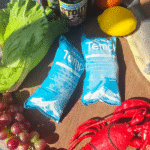
Manter a cadeia de frio é fundamental no transporte de vacinas. UM caixa de gelo para vacina OEM fornece personalizado recipientes isolados que mantêm as vacinas entre +2 °C e +8 °C durante o transporte. A escolha do fabricante certo garante que sua cadeia de suprimentos possa lidar com campanhas de vacinação remotas, suportar temperaturas ambientes extremas e preservar a potência da vacina até o último quilômetro. Este guia explica os recursos essenciais, considerações de design e tendências de mercado para você pode tomar decisões informadas sobre parceiros OEM de caixas térmicas para vacinas.
Este guia cobrirá
O que é uma caixa de gelo para vacina OEM? – Compreender o papel dos fabricantes e como caixas isoladas trabalhar.
Principais recursos e materiais – Aprenda sobre os tipos de isolamento, barreiras e acessórios anticongelantes.
Vida fria e padrões de desempenho – Compare caixas de curto e longo alcance e requisitos de tempo de espera.
Como selecionar um parceiro OEM – Perguntas a serem feitas sobre certificação, métodos de personalização e fabricação.
Mais recente 2026 tendências – Explore inovações como painéis de isolamento a vácuo, materiais de mudança de fase e monitoramento de IoT.
Perguntas frequentes e dicas práticas – Responder a perguntas comuns sobre armazenamento, manuseio e conformidade regulatória.
O que é uma caixa de gelo para vacina OEM e por que você precisa de uma?
Uma caixa de gelo para vacina—também chamado de transportador de vacina ou caixa fria—é um recipiente isolado revestido com pacotes de refrigerante para manter vacinas e diluentes frios durante o transporte. Os porta-vacinas são menores e mais fáceis de transportar do que as caixas frigoríficas e são normalmente usados por profissionais de saúde que viajam a pé ou de bicicleta. Caixas frias comportam volumes maiores (5–25 litros) e são usados para transferências em massa entre centros de armazenamento.
Uma caixa de gelo para vacina OEM (“Fabricante de Equipamento Original”) projeta e produz esses contêineres isolados em nome de marcas ou distribuidores. Os parceiros OEM permitem que você personalize a capacidade, materiais, marca e recursos opcionais sem construir sua própria fábrica. A escolha de um OEM competente garante que seu equipamento atenda Desempenho da OMS, Qualidade e Segurança (PQS) padrões, que exigem tempos de espera de 15 a 30 horas para transportadores de vacinas e de 48 a 96 horas para caixas frias em +43 °C temperatura ambiente.
Como funciona uma caixa térmica para vacina
Resfriamento passivo: Os transportadores de vacinas usam bolsas de gelo ou refrigerante colocadas na caixa para absorver o calor. Porque são dispositivos passivos, não há consumo de energia.
Estrutura isolada: Invólucros de polímero rígido (por exemplo, polipropileno ou polietileno de alta densidade) cercar uma camada de poliuretano (PU) painéis de espuma ou isolamento a vácuo para minimizar a condutividade térmica.
Vedação hermética: Tampas articuladas com juntas e travas de compressão produzem uma vedação hermética para bloquear a transferência de calor por convecção.
Barreira e racks: Uma divisória ou barreira separa os frascos de vacina dos bolsas de gelo, impedindo o contato direto e evitando o congelamento acidental.
Pacotes de refrigerante: As bolsas de gelo são condicionadas a 2–8 °C para vacinas sensíveis ao congelamento. Os transportadores anticongelantes podem usar embalagens congeladas sem condicionamento porque a barreira impede que a vacina toque no gelo.
Esses elementos de design garantem que as vacinas permaneçam dentro da faixa segura de 2 a 8 °C, desde o carregamento até a entrega.
Transportadores de vacinas versus caixas frias – qual você deve escolher?
| Parâmetro | Porta-vacinas | Caixa fria | O que isso significa para você |
| Capacidade de armazenamento | 0.8 - 3.4 L | 5 - 25 L | As operadoras são adequadas para pequenas sessões de divulgação; caixas frias lidam com remessas a granel. |
| Vida fria em +43 °C | Curto alcance: ≥ 15 h; Longo alcance: ≥ 30 h | Curto alcance: ≥ 48 h; Longo alcance: ≥ 96 h | Uma vida mais longa no frio reduz a necessidade de gelo durante viagens de vários dias. |
| Peso | Tipicamente < 8 kg totalmente carregado (para facilitar o transporte) | Pode pesar até 50 kg quando totalmente carregado (requer transporte de veículo) | Escolha com base no modo de transporte (a pé vs veículo). |
| Usuários típicos | Profissionais de saúde individuais, clínicas de extensão | Lojas regionais de vacinas, equipes móveis de imunização | Selecione o equipamento com base na rota e no volume. |
O OEM certo deve oferecer os dois tipos e ajudá-lo a escolher com base na extensão da rota, temperatura ambiente e carga útil.
Materiais e recursos de design que importam
Materiais de isolamento
Poliuretano (PU) espuma: Os transportadores tradicionais usam espuma PU para isolamento porque é leve e tem baixa condutividade térmica. Corpos moldados rotativamente com espuma livre de CFC e HFC são resistentes à corrosão e projetados para operar em temperaturas ambientes quentes (+5 °C a +43 °C). A espuma PU é ecologicamente correta quando fabricada sem produtos químicos que destroem a camada de ozônio.
Painéis de isolamento a vácuo (VIP): As caixas OEM premium incorporam painéis de vácuo que reduzem significativamente a transferência de calor. Um transportador de alto desempenho com material VIP e de mudança de fase pode conter vacinas na faixa de 2 a 8 °C por até 72 horas. As transportadoras baseadas em VIP são mais leves, mas alcançam uma vida útil mais longa no frio, mas podem custar mais.
Polipropileno expandido (EPP) e polietileno de alta densidade (PEAD): Conchas resistentes a impactos, como armadura EPP, proteja o isolamento e sobreviva a quedas de um metro. Os invólucros de PP ou HDPE de qualidade alimentar não são tóxicos, Resistente aos raios UV e fácil de limpar.
Sistemas de barreira e prevenção de congelamento
Operadoras padrão exigem o condicionamento de bolsas de gelo para evitar o congelamento de vacinas sensíveis. Transportadores anticongelantes incluir uma barreira isolada que separa o compartimento da vacina das bolsas de gelo. Este design permite que embalagens congeladas sejam colocadas diretamente no transportador sem condicionamento, simplificando a preparação e economizando tempo. Os modelos anticongelantes têm maior peso e volume, mas eliminar o risco de congelamento da vacina.
Sistema de tampa e fechamento
Articulado, tampas vedadas: Uma vedação hermética reduz a entrada de calor.
Travas de compressão ou fechaduras com chave: Fornecer fechamento e segurança invioláveis.
Juntas substituíveis: Prolongue a vida útil; procure designs de duas camadas que possam ser substituídos facilmente.
Porta-documentos e luzes LED: Algumas caixas premium incluem iluminação LED integrada e suportes para documentos para visibilidade e armazenamento de registros.
Transporte e manuseio
Os transportadores de vacinas OEM são projetados para serem transportados por várias horas por profissionais de saúde vestindo roupas tradicionais. Procure transportadores com alças ou alças confortáveis. Os melhores designs são balanceados para que possam ser amarrados a uma bicicleta ou motocicleta. As caixas frias podem incluir rodas para facilitar a movimentação ou exigir que duas pessoas as carreguem quando totalmente carregadas.
Acessórios e monitoramento
Registradores de dados e bolsos: Os padrões PQS da OMS incentivam bolsos para registradores de dados para permitir o mapeamento de temperatura.
Indicadores codificados por cores: Visual indicators warn when the cadeia de frio is broken.
Sensores de IoT: OEMs premium integram sensores sem fio para monitoramento em tempo real.
Exibições de temperatura: Algumas caixas OEM incluem termômetros digitais para que você possa verificar a temperatura interna sem abrir a tampa.
Sistemas EMS alimentados por bateria: Geladeiras e caixas avançadas movidas a energia solar podem incluir eletrônicos, alarmes e telas de exibição de dados com baterias substituíveis que duram mais 10 dias.
Considerações de sustentabilidade
Espuma sem CFC e refrigerantes verdes: Procure caixas feitas com materiais ecológicos, como Refrigerante R600a e isolamento sem CFC/HFC.
Conchas recicláveis e aditivos químicos mínimos: PP e HDPE de qualidade alimentar são recicláveis; evite plásticos clorados.
Durabilidade: Corpos em polietileno rotomoldado e dobradiças robustas (>10 anos) suportar condições de campo adversas.
Vida fria e padrões de desempenho
Compreendendo a vida fria, vida legal e vida quente
O vida fria de um transportador de vacina é o tempo que o dispositivo mantém as vacinas abaixo +10 °C quando carregado com bolsas de gelo congelado e colocado em um +43 °C ambiente. Vida legal mede quanto tempo as vacinas permanecem abaixo +20 °C ao usar bolsas de água fria. Vida calorosa mede quanto tempo as vacinas congeladas permanecem acima 0 °C em um ambiente de –20 °C.
As directrizes de aquisição da UNICEF distinguem entre curto alcance e longo alcance dispositivos:
Portadores de vacinas: O curto alcance deve proporcionar uma vida fria mínima de 15 horas em +43 ° C ambiente; longo alcance deve atingir pelo menos 30 horas.
Caixas frias: Curto alcance requer uma vida fria mínima de 48 horas; longo alcance deve alcançar 96 horas.
Sempre confirme a vida útil fria a partir dos resultados dos testes do seu OEM. Por exemplo, um 3 Porta-vacina L com isolamento PU e seis água/pacotes de gel pode manter vacinas abaixo +10 °C por mais de 24 horas no +43 ° C ambiente. Caixas frigoríficas premium sem congelamento podem oferecer 72 horas de vida fria usando isolamento mais espesso e design otimizado.
Dicas para maximizar a vida fria
Pacotes de refrigerante pré-condicionados: Congele-os a –20 °C e deixe-os equilibrar a 4 °C antes do carregamento para evitar choque de congelamento.
Carregue rapidamente: Disponha blocos de PCM ou bolsas de água ao redor do compartimento da vacina em uma configuração de “ar frio em cima”.
Minimize as aberturas: Cada vez que você abre a tampa, você reduz o tempo de espera. Planeje sessões para minimizar aberturas nas tampas.
Evite luz solar direta: Mantenha o transportador na sombra ou use capas refletivas para reduzir a entrada térmica.
Use registradores de dados: Monitore a temperatura interna com dispositivos calibrados para garantir que as vacinas permaneçam dentro da faixa.
Como selecionar um parceiro OEM de caixa térmica para vacina
Certificação e conformidade
Qualificação PQS da OMS: Garantir que os designs do OEM apareçam na lista de pré-qualificados da OMS; esses modelos passam por testes rigorosos de resistência ao frio, durabilidade e segurança.
Certificados regulatórios: Procure ISO 9001 gestão da qualidade, Marcação CE, MSDS e outros certificados relevantes.
Sustentabilidade: Verifique o uso de espuma PU sem CFC, plásticos recicláveis e refrigerantes verdes.
Ferramentas úteis de decisão
Verifique os detalhes antes de escolher a embalagem
Essas ferramentas rápidas podem ajudá-lo a comparar o risco da rota, necessidades de dimensionamento, escolhas de refrigerante, e detalhes da embalagem antes de solicitar um orçamento.
Forro de caixa & Dimensionamento da cobertura de paletes
Verifique a lógica de dimensionamento do forro da caixa e da tampa do palete para projetos de embalagens isoladas.
Dimensionamento estimadoSeletor de embalagens
Compare opções de embalagens isoladas por produto, rota, e necessidade de temperatura.
Encontre embalagensResistência à queda de material de isolamento
Revise a resistência à queda e os fatores de manuseio antes de escolher materiais de isolamento.
Verifique a resistênciaModelos anticongelantes: Pergunte se o OEM oferece FPVCs ou FPCBs para facilitar a preparação.
Processos e materiais de fabricação
Rotomoldagem vs moldagem por injeção: A moldagem rotacional cria perfeita, corpos livres de ferrugem com espessura de parede uniforme; moldagem por injeção oferece precisão para transportadores menores. Pergunte sobre o método utilizado e seu impacto na durabilidade.
Opções de isolamento: Determine se o OEM oferece espuma PU padrão, Painéis compostos VIP ou isolamento a vácuo, e compare a vida fria e o peso.
Segurança do material: Verifique se os revestimentos externos são feitos de PP ou HDPE de qualidade alimentar e se os revestimentos internos não são tóxicos e são resistentes a UV.
Selos e fechamentos: Inspecione o design das juntas e travas. Juntas substituíveis e dobradiças robustas (>10 anos) são indicadores de qualidade.
Personalização e marca
Um dos principais motivos para trabalhar com um OEM é a customização. Considere o seguinte:
Personalização de logotipo e cores: Muitos OEMs oferecem opções de serigrafia ou adesivos para exibir seu logotipo.
Capacidade e fator de forma: Escolha entre pequenas operadoras (0.8 L), operadoras médias (1–3L) e caixas frigoríficas até 25 L. Alguns OEMs podem criar capacidades personalizadas para atender à sua cadeia de suprimentos.
Integração de acessórios: Pergunte sobre como adicionar displays de temperatura, registradores digitais ou bandejas PCM.
Embalagem e documentação: Os OEMs devem fornecer instruções manuais e folhas de dados; alguns incluirão suportes de documentos integrados.
Confiabilidade do fornecedor
Capacidade de produção: Confirme a produção anual do OEM e a disponibilidade de fornecimento de longo prazo.
Controle de qualidade: Procure fábricas com processos de controle de qualidade e relatórios de teste rigorosos. Os itens devem passar por testes de vida a frio, testes de queda e testes de vazamento.
Suporte pós-venda: OEMs confiáveis fornecem peças de reposição (por exemplo, juntas) e oferecer garantias (garantia de substituição de dois anos é típica).
Perguntas a serem feitas
Qual é o vida fria avaliada no +43 °C para seus modelos padrão e anticongelantes?
Qual materiais você usa para o invólucro e isolamento, e eles são Sem CFC?
Você pode personalizar capacidade, cor, logotipos e adicionar acessórios como displays de temperatura?
Seus modelos têm Certificação PQS da OMS, e você pode fornecer relatórios de teste?
Qual é o seu quantidade mínima de pedido (Quantidade mínima) e prazo de entrega?
O que garantia e serviços pós-venda você oferece?
Dicas práticas e recomendações
Para pequenas sessões de divulgação: Escolha um transportador de vacina de 1–2 L com uma vida fria mínima de 15–30 horas. Certifique-se de que cabe facilmente numa bicicleta ou que pode ser transportado por um único profissional de saúde.
Para campanhas de vários dias: Opte por transportadores de longo alcance ou caixas frigoríficas com vida fria ≥ 48 horas. Os modelos anticongelantes com barreiras permitem que as embalagens congeladas sejam colocadas diretamente, economizando tempo de preparação.
Para transporte remoto: Considere operadoras VIP/PCM como TempArmour VCT4, que mantêm as vacinas por até 72 horas sem energia. Embora mais caro, eles reduzem o risco de deterioração.
Monitorar temperatura: Sempre use um registrador de dados ou termômetro digital; algumas operadoras têm bolsos projetados para madeireiros.
Treine a equipe: Garantir que os profissionais de saúde entendam a diferença entre os modelos padrão e anticongelantes e usem os pacotes de refrigerante corretos.
Estudo de caso: Durante uma divulgação do COVID19 em 2024, um centro de saúde regional mudou para transportadores anticongelantes. A equipe relatou que poderia carregar bolsas de gelo congeladas diretamente nos transportadores, que salvou 30 minutos de tempo de condicionamento por sessão e redução de incidentes de congelamento de vacinas a zero.
Mais recente 2026 desenvolvimentos e tendências
Crescimento e dinâmica do mercado
O mercado global de transportadores de vacinas e caixas frigoríficas está em rápida expansão. **Analistas de mercado projetam que atingirá aproximadamente $1.5 bilhão em 2025 com um taxa composta de crescimento anual (Cagr) de 5% de 2019 para 2033. O crescimento é impulsionado por programas generalizados de imunização, aumento da prevalência de doenças evitáveis por vacinação, and stricter regulations on cadeia de frio integrity. Os avanços na tecnologia de isolamento e monitoramento de temperatura também contribuem para a expansão do mercado.
Entre 2025 e 2030, prevê-se que as receitas aumentem de $1.575 bilhão em 2025 acabar $2 bilhão por 2030. Economias emergentes, particularmente na Ásia e na África, will account for much of this growth as vaccination coverage expands and cadeia de frio infrastructure improves.
Inovações tecnológicas
Painéis de isolamento a vácuo e materiais de mudança de fase: Operadoras de alto desempenho agora combinam tecnologias VIP e PCM. O TempArmour VCT4 usa painéis PCM e uma caixa isolada a vácuo para manter as vacinas por até 72 horas sem energia. Painéis VIP alcançam condutância térmica abaixo 0.3 S/m·K e reduzir o peso total.
Sensores IoT integrados: OEMs integram monitoramento e rastreamento de temperatura em tempo real. Registradores de dados com conectividade sem fio alertam as equipes de logística se as temperaturas se desviarem da faixa segura.
Acessórios inteligentes: Colorcoded indicators and tamperevident closures help field workers quickly identify whether a cadeia de frio breach has occurred.
Materiais ecológicos: Fabricantes adotam invólucros de EPP recicláveis, Espuma sem CFC e refrigerantes naturais como o R600a para cumprir as metas de sustentabilidade.
Ergonomia aprimorada: Os transportadores modernos apresentam alças ergonômicas, alças e designs equilibrados para transporte confortável em longas distâncias.
Sistemas modulares: Alguns OEMs oferecem transportadores modulares com painéis intercambiáveis para refrigeração (2–8 ° C.) e congelado (< –15ºC) vacinas.
Tendências e desafios do mercado
Diversificação por capacidade: Os produtos variam de pequenos transportadores de dose única a grandes caixas frigoríficas com vários compartimentos. Há também uma adoção crescente de soluções híbridas passivo-ativas que combinam isolamento passivo com refrigeração alimentada por bateria para missões mais longas..
Pressões regulatórias: Conformidade mais rigorosa com os PQS da OMS, Boas Práticas de Distribuição (PIB) e diretrizes nacionais impulsionam a adoção de operadoras de alta qualidade.
Barreiras de acessibilidade: Os elevados custos iniciais e a necessidade de formação podem limitar a adoção em regiões com recursos limitados. Colaborações entre governos, ONGs e OEMs são fundamentais para superar esses obstáculos.
Foco na sustentabilidade: Os clientes exigem cada vez mais materiais ecológicos e designs reutilizáveis. Empresas que reduzem emissões químicas e oferecem embalagens recicláveis ganham vantagem competitiva.
Perguntas frequentes
Q1: Que temperatura uma caixa de gelo para vacina deve manter?
UM caixa de gelo para vacina deve manter as vacinas entre +2 °C e +8 °C. Quando carregado com bolsas de gelo condicionadas, as vacinas não devem ultrapassar +10 °C durante o transporte. As vacinas sensíveis ao congelamento nunca devem tocar diretamente nas embalagens congeladas, portanto, transportadores preventivos contra congelamento são recomendados.
Q2: Por quanto tempo um portador de vacina pode manter as vacinas com segurança?
Portadores de vacinas de curto alcance devem manter uma vida fria por pelo menos 15 horas em +43 °C, enquanto as operadoras de longo alcance precisam 30 horas ou mais. Algumas operadoras premium com painéis VIP e PCM, como TempArmour VCT4, pode conter vacinas para até 72 horas.
Q3: Qual é a diferença entre um transportador de vacina padrão e um transportador de vacina anticongelante?
As operadoras padrão exigem bolsas de gelo condicionadas (resfriado a 2–8 °C) para evitar o congelamento de vacinas, enquanto transportadores anticongelantes ter uma barreira isolada que separa as vacinas das bolsas de gelo. Isto permite a utilização de embalagens congeladas sem condicionamento e reduz o risco de congelamento acidental.
Q4: Quais materiais são comumente usados em caixas de gelo para vacinas?
As cascas externas são normalmente feitas de polipropileno de qualidade alimentar ou polietileno de alta densidade, tanto não tóxico quanto resistente a UV. Usos de isolamento Espuma PU sem CFC ou painéis de isolamento a vácuo (VIP). Os transportadores anticongelantes também podem incorporar material de mudança de fase (PCM) para regular a temperatura.
Q5: Posso personalizar o design ao fazer um pedido de um OEM?
Sim. Os OEMs geralmente permitem a personalização de capacidade, cor, colocação do logotipo, número de bolsas de gelo, exibições de temperatura e tipo de isolamento. Eles também podem adicionar acessórios como registradores de dados ou alças. Pergunte sobre as quantidades mínimas de pedido e confirme se os designs personalizados ainda atendem QUEM PQS padrões.
Resumo e recomendações
A caixa térmica para vacinas é um elo fundamental na cadeia de frio da vacina. Fazendo parceria com o OEM certo, você protege equipamentos confiáveis que atendem aos rigorosos QUEM PQS requisitos, protege a potência da vacina e simplifica a entrega lastmile. Ao avaliar OEMs, foco na qualidade do isolamento, projeto de barreira, vida fria certificada, manuseio ergonômico e sustentabilidade. Os modelos anticongelantes e a tecnologia VIP/PCM são cada vez mais essenciais para manter temperaturas seguras durante transportes de vários dias.
Para 2026 e além, o mercado está definido para crescer de forma constante, impulsionado por campanhas de imunização e inovação tecnológica. Para se manter competitivo, investir em materiais ecológicos, Monitoramento de IoT e tecnologias de mudança de fase. Sempre verifique as certificações, solicite relatórios de teste e solicite opções de personalização para alinhar o equipamento às necessidades do seu programa. Com seleção cuidadosa, o OEM da sua caixa térmica para vacinas se tornará um parceiro confiável na preservação da eficácia da vacina e na proteção da saúde pública.
Sobre Tempk
Tempk é um fornecedor líder de embalagens isoladas e soluções de cadeia de frio. Projetamos e fabricamos alto desempenho caixas de gelo para vacinas que combinam isolamento VIP multicamadas, juntas de silicone de qualidade alimentar e invólucros EPP robustos. Nossas operadoras excedem QUEM PQS benchmarks, oferecendo tempos de espera além 96 horas em +43 ° C ambiente. Com opções de Monitoramento de temperatura IoT, marca personalizada e materiais ecológicos, we help organizations maintain cadeia de frio integrity from production to vaccination. Contate-nos para saber como nossas soluções podem apoiar seus programas de imunização.
Chamado à ação: Pronto para aprimorar sua logística de vacinas? Entre em contato com Tempk para obter orientação especializada, custom OEM solutions and reliable cadeia de frio equipment tailored to your needs.