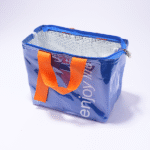
Garantir que as vacinas permaneçam potentes durante o transporte nunca foi tão crítico. À medida que o mercado global de logística da cadeia de frio aumenta USD 341 bilhão em 2024 em direção a um USD estimado 1.19 trilhão por 2034, a demanda por confiável, soluções de resfriamento reutilizáveis crescem com isso. UM caixa de gelo para vacina no atacado program allows you to procure highquality insulated containers capable of maintaining the recommended 2–8 ° C. intervalo para 24–48 horas. Este guia irá ensiná-lo a avaliar, selecione e use esses sistemas de resfriamento passivo para que suas vacinas permaneçam seguras do fabricante ao paciente.
O que é uma solução de atacado para caixa de gelo para vacina? Entenda as definições, capacidades de armazenamento e por que comprar a granel é importante.
Como caixas de gelo para vacinas manter a estabilidade da temperatura? Explorar pacotes de gel, phasechange materials and other cooling agents.
Que fatores você deve considerar ao comprar? Aprenda como combinar a faixa de temperatura, capacidade, durabilidade e recursos de monitoramento de acordo com suas necessidades.
Como você usa e mantém essas caixas adequadamente? Siga as melhores práticas extraídas das diretrizes do CDC e dos padrões do setor.
Quais são as últimas tendências em 2026? Discover innovations such as IoTenabled boxes, ecofriendly materials and market growth forecasts.
Perguntas frequentes sobre a compra no atacado de caixas de gelo para vacinas, coldlife duration and regulatory compliance.
O que é uma solução de atacado para caixa de gelo para vacinas?
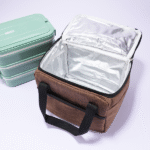
UM caixa de gelo para vacina é um passivo, insulated container designed to keep vaccines and other temperaturesensitive biological products within a specified range (geralmente 2–8 ° C.) durante o transporte. Ao contrário de refrigeradores ou sistemas de refrigeração ativa, essas caixas dependem pacotes de refrigerante, ice plates or phasechange materials para fornecer energia de resfriamento. Eles são frequentemente usados em campanhas de imunização de divulgação, lastmile delivery and emergency situations where electricity is unavailable. Compra no atacado refere-se à aquisição de múltiplas unidades diretamente de fabricantes ou distribuidores autorizados, permitindo que os ministérios da saúde, ONGs e farmácias devem garantir equipamentos padronizados a preços competitivos.
Caixas frias vs.. portadores de vacinas
De acordo com Diretrizes de aquisição do UNICEF, caixas frias e transportadores de vacinas desempenham funções complementares. Caixas frias são contêineres isolados com capacidades entre 5–25 litros; quando revestido com pacotes de refrigerante, mantêm a temperatura das vacinas durante o transporte dos armazéns centrais para as unidades de saúde ou servem como armazenamento temporário quando os frigoríficos estão avariados. Existem dois tipos: curto alcance caixas, oferecendo uma vida fria mínima de 48 horas, e longo alcance caixas com pelo menos 96 horas da vida fria. Portadores de vacinas são menores (0.1–5 litros), recipientes leves usados por profissionais de saúde para transportar vacinas para sessões de divulgação; eles mantêm o conteúdo frio por várias horas até um dia inteiro e são mais fáceis de transportar a pé.
Por que comprar caixas de gelo para vacinas no atacado?
Compras caixa de gelo para vacina no atacado tem várias vantagens:
| Beneficiar | Explicação | Impacto prático |
| Eficiência de custos | Comprar a granel reduz o preço unitário e os custos de envio, o que é crucial para grandes programas de imunização. | Os orçamentos esticam ainda mais, permitindo que você equipe mais equipes. |
| Consistência | Caixas padronizadas garantem treinamento uniforme, manutenção e desempenho em instalações de saúde. | Menos variações de temperatura e treinamento mais fácil da equipe. |
| Disponibilidade | Proteger o estoque com antecedência evita escassez durante campanhas de vacinação ou emergências. | Você evita atrasos causados por interrupções na cadeia de suprimentos. |
| Personalização | Os fornecedores geralmente adaptam pedidos no atacado (por exemplo, marca, capacidade específica, kits de acessórios) quando as quantidades mínimas são atendidas. | Você pode combinar o equipamento com precisão com suas necessidades logísticas. |
| Integração do ecossistema | A aquisição de caixas do mesmo fabricante geralmente inclui pacotes de refrigerante compatíveis, monitores digitais ou dispositivos de rastreamento. | Simplifica a aquisição e a manutenção. |
As compras no atacado ajudam você a construir uma infraestrutura confiável de cadeia de frio que se adapta ao crescimento do programa. Muitos fabricantes também oferecem OEM/ODM serviços, permitindo caixas de marca ou recursos especializados, como isolamento extra, tampas com trava e registradores de dados integrados.
Como as caixas de gelo para vacinas mantêm temperaturas seguras?
O desempenho de resfriamento de uma caixa de gelo para vacina vem de seu materiais de isolamento e o refrigerantes usado dentro. Os fabricantes projetam caixas com highdensity polyethylene or polypropylene shells e núcleos isolantes (por exemplo, espuma de poliuretano) Para minimizar a transferência de calor. Dentro, pacotes de gel, ice plates or phasechange materials (PCMs) absorver o calor ambiente e manter o interior dentro da faixa exigida.
Pacotes de gel e blocos de congelamento
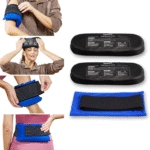
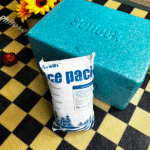
Geltype freezer blocks are widely used in medical logistics. Eles são prefrozen at −20 °C or −10 °C e colocado dentro da caixa isolada. Their waterbased gel content absorbs heat gradually, mantendo o conteúdo frio por 12–48 horas dependendo da configuração e das condições ambientais. Comparado com gelo seco, blocos de gel são não tóxico, reutilizável e mais seguro de manusear; eles podem manter o padrão 2–8 ° C. faixa para transporte de vacinas. As vantagens dos pacotes de gel incluem maior duração de resfriamento, sem condensação, e tamanhos personalizáveis.
Materiais de mudança de fase (PCMs)
Phasechange materials exploit the latent heat absorbed or released when changing between solid and liquid phases. PCMs podem ser adaptados para congelar em temperaturas específicas, como 5 °C, tornando -os ideais para freezesensitive vaccines. Os PCMs congelam sólidos sob refrigeração e depois derretem lentamente na temperatura alvo, garantindo um ambiente interno consistente sem o risco de congelamento das vacinas. Estudos demonstraram que as embalagens de PCM podem substituir o gelo nas caixas frigoríficas tradicionais e manter o resfriamento adequado mesmo em ambientes quentes. No programa piloto da Tunísia, caixas PCM passivas forneceram resfriamento seguro para um dia de trabalho no Saara.
Vacuuminsulated panels and advanced materials
Inovações emergentes envolvem combinar painéis isolados a vácuo (VIPs) com PCMs. VIPs dramatically reduce heat transfer by creating a nearvacuum between layers, enquanto os PCMs fornecem resfriamento direcionado. A análise de mercado observa que materiais de isolamento avançados como PCMs e VIPs são as principais tendências para caixas de vacinas isotérmicas. Essas tecnologias oferecem maior vida útil a frio e maior confiabilidade, embora com custos iniciais mais elevados.
Comparando agentes de resfriamento
A tabela a seguir resume os pontos fortes e as limitações dos agentes de resfriamento comuns para caixas de gelo para vacinas:
| Agente de resfriamento | Vantagens | Desafios | Uso típico |
| Gelo seco | Ultrafrio (–78,5 ° C.); duradouro; sublima em gás, não deixando nenhuma bagunça líquida. | O fornecimento de CO₂ pode ser limitado (produção ~4.600 t/dia com 5 % crescimento anual da demanda); os perigos de manuseio exigem equipamentos de proteção e transporte especial; escassez potencial esperada em 2026. | Frozen vaccines or biologics needing deepfrozen conditions. |
| Pacotes/blocos de gel | Não perigoso; fácil de manusear; reutilizável; manter 2–8 ° C. para 24–48 horas; sem condensação. | Maior custo por ciclo em comparação com gelo seco; not suitable for shipments requiring subzero temperatures; duração limitada para rotas longas. | Transporte rotineiro de vacinas, sangue & remessas de plasma, reagentes de diagnóstico. |
| Materiais de mudança de fase | Mantenha faixas de temperatura específicas (por exemplo, 5 °C for freezesensitive vaccines); pode ser colocado em contato direto com vacinas; reduzir o risco de congelamento. | Custo inicial mais alto; requerem condicionamento cuidadoso; not yet a oneforone replacement for dry ice in extreme cold. | Produtos farmacêuticos de alto valor, longrange vaccine transport in remote areas. |
| Resfriamento de estado sólido (Caixas Peltier/IoT) | Selfrefrigerated boxes using semiconductor devices; manter 2–8 ° C. para 72 horas; pode rastrear temperatura e localização. | Alto investimento inicial; atualmente focado em produtos farmacêuticos; a expansão para alimentos ou programas de massa requer maior desenvolvimento. | Specialty shipments requiring realtime monitoring and return logistics. |
Conclusão importante: ao adquirir caixas de gelo para vacinas no atacado, combine o agente de resfriamento com sua faixa de temperatura, duração do trânsito e requisitos regulamentares.
Fatores a serem considerados ao comprar caixa de gelo para vacina no atacado
Selecionando o certo caixa de gelo para vacina no atacado envolve mais do que comparar preços. Você deve considerar os requisitos de temperatura, capacidade, durabilidade, materiais e conformidade com os padrões globais de saúde.
Faixa de temperatura
As vacinas têm diversos requisitos de armazenamento. A maioria das imunizações de rotina exige 2–8 ° C.; no entanto, some ultracold products need –50 °C a –15 °C ou mesmo –90 °C. Certifique-se de que a caixa possa manter o alcance apropriado durante toda a viagem. O CDC recomenda o uso de refrigeradores portáteis para vacinas ou recipientes qualificados para produtos refrigerados e alerta contra o uso commercially available softsided food coolers porque eles são mal isolados. Se uma geladeira portátil não estiver disponível, recipientes qualificados com materiais de mudança de fase (4–5 ° C.) e um integrado dispositivo de monitoramento de temperatura (DTM) deve ser usado.
Capacidade e dimensões
A capacidade determina quantos frascos você pode transportar. Diretrizes do UNICEF classifique as caixas frigoríficas como curto alcance (≥48 horas de vida fria, 5–25 litros) ou longo alcance (≥96 horas de vida fria). Para atividades de extensão, portadores de vacinas segurar 0.1–5L. O Cadeia de frio Phefon o guia recomenda combinar o tamanho da caixa com o caso de uso: 10–30 litros caixas para visitas de profissionais de saúde e 50 G ou maior para campanhas de vacinação em massa. Comprar no atacado permite que você adquira uma combinação de tamanhos para atender a diferentes cenários.
Materiais e isolamento
Procure caixas com invólucros duráveis em ABS ou HDPE e highdensity insulation como espuma de poliuretano ou VIPs. Para ambientes acidentados com estradas esburacadas, shockresistant outer shells ajudar a prevenir danos. O interior deve usar plástico de engenharia branco com baixa emissividade térmica para reduzir a troca de calor. Labyrinthstyle sealing e paredes duplas melhorar a estanqueidade ao ar e prolongar a vida fria.
Fonte de resfriamento e acessórios
Avalie se a caixa usa duro tijolos de gelo, pacotes de gel ou PCMs; verifique a vida fria (por exemplo, 25 horas para uma faixa de 2–8 °C em 30 °C temperatura ambiente). Certifique-se de que haja pelo menos dois conjuntos de pacotes de refrigerante por caixa para permitir a rotação. Alguns pacotes de atacado incluem registradores de dados digitais, sistemas de alarme, ou Códigos QR para rastrear o histórico de uso.
Monitoramento e conformidade
O monitoramento da temperatura é fundamental. Escolha caixas com integrado DTM ou projete-os para caber em um registrador externo. Para conformidade regulatória, garantir que o equipamento atenda Desempenho da OMS, Qualidade e Segurança (PQS) padrões. O CDC orienta que cada contêiner de transporte deve ter um registro de monitoramento de temperatura e esse tempo total de transporte (incluindo jornada de trabalho na clínica) não deve exceder oito horas a menos que a orientação do fabricante seja diferente.
Considerações sobre logística e fornecedores
Ao solicitar uma caixa de gelo para vacina no atacado, avaliar o tempo de espera, quantidade mínima de pedido e confiabilidade do fornecedor. Muitos fabricantes entregam pedidos em poucos dias úteis; confirme se os tempos de trânsito estão alinhados com a programação da sua campanha. Avalie o suporte ao cliente, termos de garantia e disponibilidade de peças de reposição. Solicite relatórios de teste para verificar a vida a frio sob diversas temperaturas ambientes e condições de carga.
Humancentred design features
Considere a ergonomia: caixas leves com alças confortáveis são essenciais para os profissionais de saúde urbanos que fazem transferências frequentes. As caixas destinadas a áreas remotas devem ter fechaduras duráveis, acessórios de cinta e nonslip bases. Alguns modelos incorporam bujões de drenagem, cestos removíveis, ou colourcoded lids para fácil identificação.
Melhores práticas para uso e manutenção de caixas de gelo para vacinas
O manuseio adequado maximiza o desempenho do seu investimento no atacado em caixa de gelo para vacinas. Desenhe CDC recomendações e padrões da indústria para manter a integridade da cadeia de frio.
Pacotes de refrigerante de condicionamento
Siga as instruções do fabricante para condicionar pacotes de refrigerante. Os pacotes de gel devem ser congelados por pelo menos 12 horas antes de usar. PCMs must be conditioned at their specified phasechange temperature (por exemplo, legal em 5 °C para 24 horas) to avoid under or overcooling.
Girar conjuntos de pacotes: sempre mantenha um segundo conjunto esfriando enquanto o primeiro conjunto estiver em uso. Isso garante que você possa reembalar as caixas rapidamente durante campanhas prolongadas.
Evite pacotes de gel congelados para vacinas refrigeradas: o CDC alerta que embalagens congeladas da embalagem original podem congelar vacinas refrigeradas, mesmo que pareçam “suando”.
Embalagem e transporte
Pré-resfrie a caixa: precool empty boxes with conditioned packs for several hours before loading vaccines to reduce thermal shock.
Posicione os pacotes de refrigerante corretamente: alinhe as paredes e a tampa para criar uma barreira térmica uniforme; evite colocar as embalagens diretamente nos frascos da vacina, a menos que sejam usados PCMs projetados para contato..
Carregue rapidamente e minimize as aberturas das portas: aberturas frequentes encurtam a vida fria. Prepare vacinas e documentação com antecedência para reduzir o tempo aberto.
Ferramentas úteis de decisão
Verifique os detalhes antes de escolher a embalagem
Essas ferramentas rápidas podem ajudá-lo a comparar o risco da rota, necessidades de dimensionamento, escolhas de refrigerante, e detalhes da embalagem antes de solicitar um orçamento.
Forro de caixa & Dimensionamento da cobertura de paletes
Verifique a lógica de dimensionamento do forro da caixa e da tampa do palete para projetos de embalagens isoladas.
Dimensionamento estimadoResistência à queda de material de isolamento
Revise a resistência à queda e os fatores de manuseio antes de escolher materiais de isolamento.
Verifique a resistênciaCalculadora de acumuladores de frio
Estime a quantidade de bolsas de gelo em gel para remessas refrigeradas e planejamento prático de rotas.
Estimar bolsas de geloUse um dispositivo de monitoramento de temperatura (DTM): coloque uma sonda calibrada perto do ponto mais quente dentro da caixa. Registre as temperaturas regularmente e responda aos alarmes imediatamente.
Planejar transporte: o CDC recomenda o transporte de vacinas no habitáculo do veículo, em vez de no porta-malas ou caçamba aberta. Refrigeradores portáteis para vacinas ou recipientes qualificados com PCMs são preferidos; traga apenas as quantidades necessárias para o dia..
Avoid softsided food coolers: eles não têm isolamento adequado e podem comprometer a potência da vacina.
Armazenamento e manutenção
Limpe após cada uso: lave as superfícies internas com detergente neutro e seque bem; evite produtos de limpeza abrasivos que degradam o isolamento.
Inspecione vedações e dobradiças: verifique se há rachaduras, juntas deformadas ou fechos danificados; substitua as peças imediatamente para manter a estanqueidade.
Verifique a integridade do isolamento: isolamento danificado reduz a vida no frio. Muitos fornecedores oferecem serviço de garantia ou painéis de substituição.
Guarde as caixas em local fresco, lugar seco longe da luz solar direta quando não estiver em uso; calor extremo degrada materiais de isolamento.
Calibrar dispositivos de monitoramento regularmente (pelo menos anualmente) e manter os certificados de calibração em arquivo.
Fatores para usar caixas de gelo para vacinas na prática
Garantindo a conformidade durante campanhas de divulgação
As equipes de divulgação geralmente trabalham em áreas remotas sem geladeiras. Portadores de vacinas com capacidades entre 0.1–5 litros permitir que os profissionais de saúde transportem pequenas quantidades de vacina a pé ou de bicicleta. Sempre planeje sua rota e garanta que a viagem total mais a sessão de imunização não exceda a vida fria da transportadora. Em climas quentes, select longrange carriers with extended cold life (≥96 horas).
Preparação para emergências
Durante cortes de energia ou falha do refrigerador, caixas frias fornecem backup crítico. O CDC sugere ter protocolos de transporte de emergência, incluindo a identificação de pessoal treinado e veículos de backup, manter um suprimento de recipientes qualificados e garantir que um refrigerador ou freezer portátil para vacinas esteja disponível. Para vacinas congeladas, recipientes qualificados devem manter –50 °C a –15 °C ou –90 °C a –60 °C durante o transporte; desembale imediatamente após a chegada.
Cenário de uso de exemplo
Caso prático: Uma equipe móvel de imunização viaja para uma região montanhosa com estradas acidentadas. Eles carregam um shockresistant 30 L caixa de gelo para vacina revestido com PCMs congelados em 5 °C. Digital data loggers record the temperature throughout the 14hour journey. Na chegada, they conduct a oneday clinic. Combinando a vida fria da caixa (≥24 horas) e garantindo que os pacotes de PCM foram condicionados adequadamente, as vacinas permanecem dentro 2–8 ° C. durante toda a viagem. A equipe usou um segundo conjunto de PCMs para refazer as malas para a viagem de volta, garantindo a integridade contínua da cadeia de frio.
2026 Últimas inovações em caixas de gelo para vacinas e tendências de mercado
Crescimento e investimento da indústria
O mercado de logística da cadeia de frio continua a expandir-se rapidamente. Um relatório de pesquisa indica que o mercado foi avaliado em USD 341 bilhão em 2024 e está projetado para atingir USD 1.19 trilhão por 2034, crescendo em um taxa composta de crescimento anual (Cagr) de 15.3 %. A integração de IoT, IA e blockchain is transforming the industry by enabling realtime tracking, otimizando rotas e garantindo segurança, transações transparentes. The rise of ecommerce and demand for temperaturesensitive goods is encouraging businesses to invest in warehousing, lastmile delivery and automation.
Outro relatório com foco em caixas isotérmicas para vacinas mostra que este nicho de mercado foi valorizado em USD 209.71 milhões em 2024 e está projetado para atingir USD 357.63 milhão por 2032, refletindo um CAGR de 6.90 %. O mercado é impulsionado pela necessidade de distribuição segura de vacinas, particularmente nas regiões em desenvolvimento.
Reutilização e sustentabilidade
Sustentabilidade é uma grande tendência. Os fabricantes estão caminhando para blocos de freezer reutilizáveis e invólucros de plástico robustos, reducing waste from singleuse ice packs. Novos designs enfatizam durability and leakproof construction, with doublewall molding and ultrasonic sealing to withstand hundreds of freeze–thaw cycles. Adicionalmente, temperaturespecific gels (por exemplo, –5 ° C., –20 °C) permitir que os fornecedores combinem o agente de resfriamento precisamente com os requisitos de cada vacina.
Materiais avançados e recursos inteligentes
A adoção de materiais de mudança de fase e painéis isolados a vácuo aumenta a estabilidade da temperatura. Esses materiais absorvem ou liberam calor em temperaturas específicas e oferecem isolamento superior, reduzindo a dependência de gelo seco.
IoTenabled vaccine boxes with solidstate cooling (Dispositivos Peltier) provide selfrefrigerated transport for up to 72 horas e conectar-se a plataformas em nuvem para rastreamento e logística de devolução. Códigos QR e etiquetas RFID incorporadas em blocos de freezer ajudam a rastrear o histórico de uso e números de lote.
Armazenamento modular e armazéns móveis
Novos designs de caixas são empilhável e modular, permitindo um layout flexível em veículos de transporte e reduzindo os requisitos de espaço. No Senegal, movimentação de caminhões de armazém equipado com contêineres isolados rolantes (capacidade 161 litros) operam como centros de distribuição móvel. Esses contêineres, resfriado por painéis PCM, manter as vacinas em temperaturas adequadas durante uma semana inteira de trabalho e ter capacidade de eight longrange cold boxes. Pequeno, 3–Refrigeradores passivos de 4 litros fornecer até uma semana de resfriamento usando gelo normal sem eletricidade, expandindo a disponibilidade de vacinas em comunas remotas.
Adoção global e foco regional
A Ásia-Pacífico lidera o mercado da cadeia de frio com 35 % compartilhar; países como China e Índia estão investindo pesadamente em armazenamento refrigerado e infraestrutura de distribuição. O mercado de caixas isotérmicas é segmentado por tipo de produto (curto alcance vs.. longo alcance) e materiais (polipropileno, poliestireno, poliuretano e polietileno), com participantes importantes, incluindo B Medical Systems, Embalagem Térmica Polar, Sonoco ThermoSafe e AOV Internacional. Inovações como solar directdrive vaccine refrigerators, energyharvesting systems e longlife icelined refrigerators (por exemplo, SureChill®) garantir a resiliência da cadeia de frio em áreas com eletricidade não confiável.
Desafios e oportunidades do mercado
Os desafios incluem restrições de fornecimento de gelo seco, escassez de mão de obra, altos custos iniciais para tecnologia avançada e complexidades logísticas. O 2026 perspectiva sugere diversificar meios de resfriamento (por exemplo, adopting PCMs and batteryoperated coolers) e fortalecer parcerias com fornecedores para mitigar a escassez de CO₂. O desperdício alimentar devido à má gestão da cadeia de frio custa centenas de milhares de milhões à economia; análise preditiva e monitoramento aprimorado de temperatura são recomendados. Para programas de vacinas, as oportunidades estão em expandindo para mercados emergentes, melhorando segurança da vacina através do monitoramento digital e da adoção materiais ecológicos.
Perguntas frequentes
Q1: Por quanto tempo uma caixa de gelo para vacinas pode manter as vacinas frias?
A maioria das caixas de gelo para vacinas padrão pode manter 2–8 ° C. para 24–48 horas quando devidamente embalado com pacotes de gel condicionados. Longrange cold boxes offer cold life of 96 horas. Sempre verifique a vida fria do fabricante e considere a temperatura ambiente.
Q2: Posso usar um refrigerador de alimentos comum para transporte de vacinas?
Não. O CDC advises against using commercially available softsided food or beverage coolers because they are poorly insulated and sensitive to room or outdoor temperatures. Use portable vaccine refrigerators or qualified containers with phasechange materials and a temperature monitoring device.
Q3: Qual é a diferença entre um porta-vacinas e uma caixa fria?
Portadores de vacinas são pequenos (0.1–5L), recipientes leves projetados para sessões de divulgação, proporcionando uma vida fria de várias horas a um dia. Caixas frias são maiores (5–25 litros), usado para transporte entre lojas ou armazenamento temporário, com vida fria variando de 48 para 96 horas.
Q4: What type of coolant is best for freezesensitive vaccines?
Material de mudança de fase (PCM) pacotes que congela em 5 °C são ideais porque podem ser colocados diretamente contra as vacinas sem congelá-las. Pacotes de gel também podem funcionar, mas devem ser condicionados com cuidado; pacotes de gel congelados correm o risco de congelar vacinas.
Q5: Como escolho o tamanho certo para o meu programa?
Considere seu uso diário. Para pequenas equipes de divulgação, 10– caixas de 30 L são suficientes, enquanto 50 G ou maior caixas apoiam campanhas de vacinação em massa. Avalie o número de frascos, trip duration and whether you need longrange capability (≥96 horas de vida fria).
Resumo e recomendações
Resumo: As soluções de atacado de caixas térmicas para vacinas são essenciais para manter a potência da vacina à medida que o mercado da cadeia de frio se expande. Passive cold boxes and vaccine carriers use conditioned gel packs or phasechange materials to sustain 2–8 ° C. para 24–96 horas. Ao comprar no atacado, considere a faixa de temperatura, capacidade, durabilidade, materiais de isolamento, recursos de monitoramento e confiabilidade do fornecedor. Combine o tamanho da caixa e o agente de resfriamento com as necessidades do seu programa; adote PCMs e VIPs para viagens mais longas. Siga as melhores práticas para embalagem, transporte e manutenção para proteger seu investimento em vacinas. Stay informed about market trends such as the adoption of IoTenabled boxes, materiais reutilizáveis e designs modulares.
Etapas acionáveis:
Avalie as necessidades do seu programa de vacinas (volume, duração da viagem, ambiente) para determinar a combinação apropriada de caixas frigoríficas e transportadoras.
Selecione caixas com vida fria verificada e certificação PQS, e insistir em dispositivos de monitoramento de temperatura integrados ou compatíveis.
Use phasechange materials or gel packs appropriately; condicione-os corretamente e gire os conjuntos para garantir o resfriamento contínuo.
Treinar a equipe em protocolos de embalagem e transporte, emphasizing minimal door openings and proper logkeeping.
Plano para a sustentabilidade adquirindo blocos de congelamento reutilizáveis e explorando soluções inteligentes, caixas modulares que podem ser rastreadas e reutilizadas.
Fique atualizado com as tendências do mercado para alavancar inovações como VIPs, IoT tracking and solarpowered refrigeration.
Sobre Tempk
Tempk é um fornecedor líder de embalagem da cadeia de frio e soluções de logística térmica. Nós combinar extensa pesquisa e desenvolvimento com fabricação sustentável para fornecer Caixas de gelo médico, pacotes de gel, PCMs e contêineres isolados que atendem aos padrões internacionais. Nossos produtos apresentam isolamento robusto, componentes reutilizáveis e designs personalizáveis para apoiar diversos cuidados de saúde, aplicações em alimentos e ciências biológicas. Com foco em inovação, qualidade e suporte ao cliente, we aim to simplify your cadeia de frio operations and protect the integrity of your temperaturesensitive goods.
Pronto para melhorar sua cadeia de frio? Entre em contato com os especialistas da Tempk para obter aconselhamento personalizado sobre soluções de atacado de caixas térmicas para vacinas e descubra como nossa tecnologia pode proteger suas vacinas durante toda a jornada.