recipiente de painel isolado a vácuo para remessa farmacêutica: Guia Prático de Seleção
A maneira mais segura de avaliar um recipiente de painel isolado a vácuo para o transporte farmacêutico é tratá-lo como parte de um sistema de embalagem controlada. O isolamento VIP pode fornecer forte resistência térmica em uma estrutura compacta, mas não pode definir a faixa de temperatura necessária, condicione seu refrigerante, evitar carregamento deficiente, ou escreva seu procedimento de recebimento. Para remessa farmacêutica, a decisão útil é se o contêiner, refrigerante, proteção de carga útil, monitoramento, e a documentação se ajustam à rota que você realmente envia.
Resposta prática antes de selecionar fornecedores
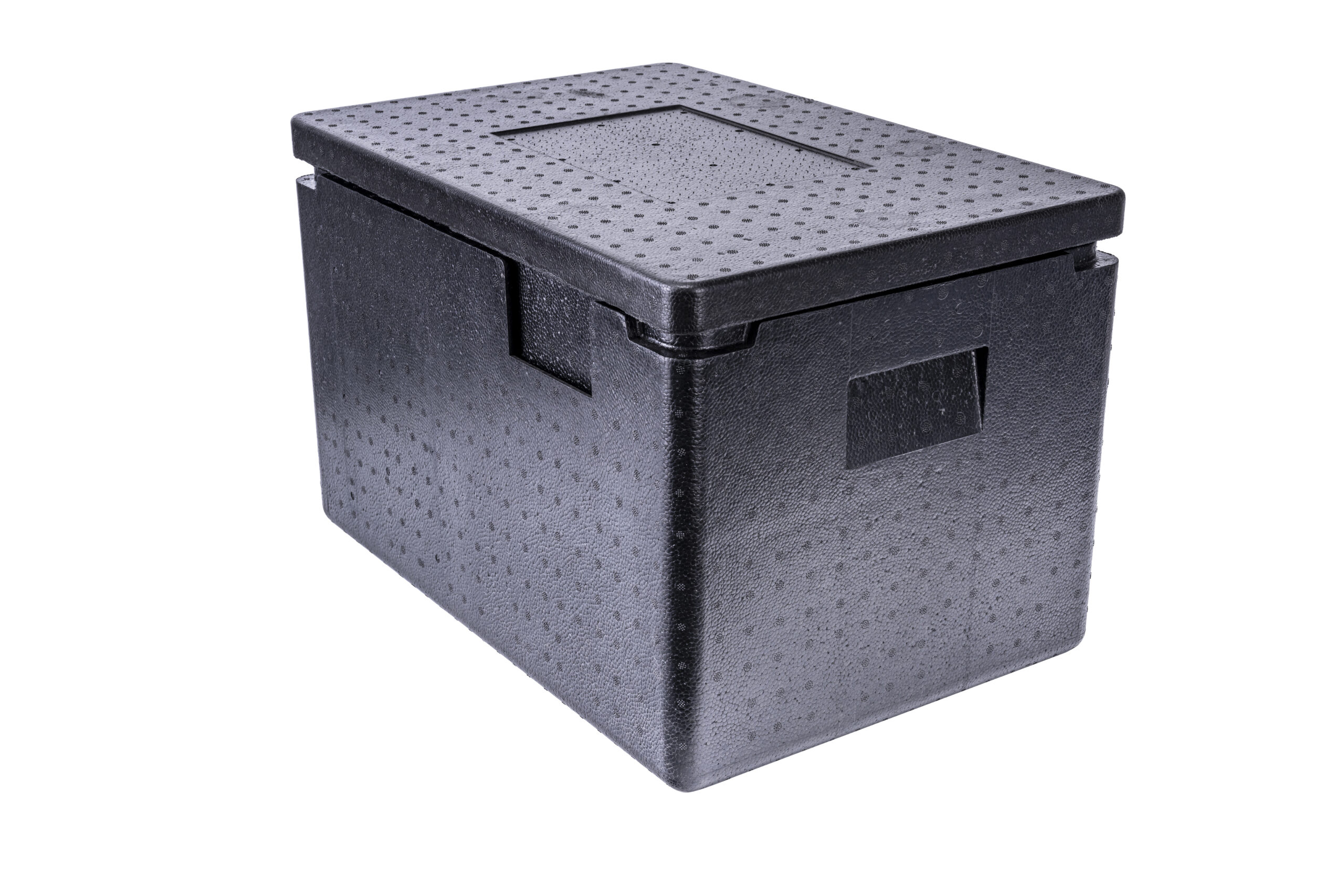
Um contêiner de painel isolado a vácuo para remessa de produtos farmacêuticos é um bom candidato quando sua embalagem atual é muito grande, muito perto dos limites de temperatura, muito fraco nos pontos de transferência, ou muito difícil de documentar. Não é automaticamente a solução certa para cada remessa. A faixa de temperatura necessária, duração da rota, geometria da carga útil, escolha do refrigerante, e as expectativas das evidências devem ser definidas antes de comparar amostras.
Mapeie a remessa antes de aprovar a caixa
A primeira especificação não é a dimensão externa, espessura da parede, ou preço. É a rota. Uma rota inclui tempo de trânsito, tempo de preparação, entregas de veículos ou aeronaves, tempo de permanência na alfândega ou no armazém, exposição sazonal, e o processo de recebimento. Para remessa farmacêutica, esses pontos criam a maior parte do risco prático porque o produto muitas vezes está fora das condições ideais de armazenamento quando as pessoas estão em movimento, verificando, ou esperando.
Um recipiente VIP bem escolhido oferece mais eficiência de isolamento do que muitos recipientes convencionais de espuma ou caixas de plástico no mesmo volume de pacote. Essa vantagem é importante quando o objetivo do seu envio é proteger medicamentos, vacinas, Biologics, ou materiais clínicos dentro da faixa de temperatura especificada, preservando a documentação e a repetibilidade da embalagem. Importa menos quando a remessa é curta, previsível, valor baixo, e já comprovado com um pacote mais simples. O contêiner deve ser selecionado somente depois de você saber onde o pacote atual falha ou onde a próxima rota se tornará mais difícil.
Escreva a pista como uma história operacional simples antes de solicitar uma amostra: produto sai do armazenamento, operadores condicionam o refrigerante, a carga útil é carregada, a tampa está fechada, uma transportadora coleta a caixa, transferências ocorrem, a remessa chega, e o receptor abre. A cada passo, pergunte o que poderia mudar a temperatura, danificar a carga útil, ou enfraquecer a prova. Este exercício geralmente fornece melhores critérios de compra do que uma longa lista de reivindicações genéricas de isolamento.
O transporte farmacêutico exige evidências de temperatura específicas do produto
A remessa farmacêutica começa com a especificação do produto. Alguns produtos são refrigerados, alguns têm temperatura ambiente controlada, alguns estão congelados, e alguns têm regras de excursão definidas por dados de estabilidade. Um recipiente de painel isolado a vácuo deve ser escolhido somente depois que o requisito de temperatura estiver claro.
Para equipes farmacêuticas, o valor prático do isolamento VIP é a capacidade de criar margem térmica em um pacote passivo menor. Isso pode ajudar quando a rota inclui manuseio de carga aérea, entrega de encomendas, tempo de permanência transfronteiriço, ou uma carga útil que não pode tocar no líquido refrigerante congelado. Não elimina a necessidade de evidências de qualificação.
O design deve proteger o produto tanto do calor quanto do frio. Medicamentos sensíveis ao congelamento são frequentemente danificados por um layout de refrigeração agressivo. Uma boa embalagem usa separação, buffer, e monitorar o posicionamento para representar o risco do produto, em vez de apenas registrar o ar próximo a uma parede.
Trate o isolamento VIP como margem térmica, não é uma garantia
Painéis isolados a vácuo ajudam a reduzir a transferência de calor condutiva através das principais superfícies isoladas. Em um contêiner de transporte, que pode criar mais espaço interno utilizável ou um amortecedor térmico mais forte do que uma parede convencional mais espessa. O benefício é especialmente valioso quando a carga útil é de alto valor, a caixa deve ficar compacta, ou o custo do frete é afetado pelo peso dimensional.
A limitação prática é que uma caixa real não é um painel de laboratório. O calor ainda pode entrar pela tampa, cantos, juntas de painel, áreas danificadas, e qualquer espaço onde o operador deixe uma lacuna. O líquido refrigerante também pode se tornar um risco se estiver subcondicionado, supercondicionado, colocado diretamente contra mercadorias sensíveis ao congelamento, ou organizado de modo que o ar não possa se mover conforme pretendido dentro da embalagem.
Para remessa farmacêutica, o pacote deve ser descrito como um sistema: recipiente externo, Camada VIP, forro protetor, refrigerante ou PCM, divisor de carga útil, materiais absorventes ou de barreira quando necessário, monitor de temperatura, rótulo, e instruções. Se uma parte mudar, o desempenho de todo o sistema pode mudar. É por isso que a aprovação da amostra deve incluir como a caixa é embalada, não apenas como é feito.
Crie provas no pacote desde o início
O contêiner não cria conformidade por conta própria. Suporta um processo. Dependendo do produto e do mercado, sua equipe pode precisar de procedimentos escritos, avaliação de risco de rota, embalagem qualificada, Monitoramento de temperatura, recebendo inspeção, e tratamento de desvio. Para remessa farmacêutica, a evidência de embalagem mais útil é aquela que ajuda o destinatário a decidir se a remessa pode ser aceita.
Estruturas de fontes relevantes podem incluir orientações da OMS para produtos farmacêuticos sensíveis ao tempo e à temperatura, EU GDP, Práticas de carga de saúde da IATA, e ISTA embalagem térmica padrões. Estas fontes não se aplicam todas da mesma forma a todas as remessas. Uma rota gastronômica, uma rota médica, e uma rota de comércio eletrônico cosmético pode ter diferentes expectativas legais e de qualidade. O comprador deve confirmar as regras aplicáveis com a qualidade, regulatório, ou equipe de segurança alimentar em vez de pedir ao fornecedor de embalagens que faça uma promessa de conformidade universal.
Um pacote de evidências práticas geralmente inclui requisitos de faixa de temperatura, pacote SOP, relatório de qualificação ou evidência de teste, registro do registrador, avaliação de risco de pista, e procedimento de resposta de desvio. Os registros específicos dependem do seu produto e rota, mas o princípio é estável: não confie em uma declaração de embalagem que não possa ser atribuída a uma embalagem definida e a uma condição operacional definida.
Selecione o contêiner com evidências práticas
| Pergunta do comprador | O que perguntar ao fornecedor | O que uma resposta útil deve mostrar |
|---|---|---|
| Requisito de temperatura | Para qual gama de produtos e regras de excursão o pacote foi projetado? | Uma gama específica de produtos, não é uma afirmação genérica da cadeia de frio |
| Reivindicação de tempo de espera | Qual perfil de ambiente, carga útil, refrigerante, e os critérios de aprovação apoiam a afirmação? | Um contexto de teste ou uma declaração clara de que é necessária qualificação adicional |
| Espaço de carga útil | O volume inclui refrigerante, divisores, e monitorar o posicionamento? | Um desenho ou foto de embalagem carregada, não apenas dimensões internas brutas |
| Compatibilidade com refrigerante | Qual pacote de gel, PCM, gelo, ou caminho de gelo seco destina-se? | Instruções de condicionamento e separação de mercadorias sensíveis |
| Manuseio e reutilização | Como devem os painéis, selos, forros, e fechamentos sejam inspecionados? | Um POP prático que os operadores podem seguir repetidamente |
| Documentação | Quais registros apoiam as decisões de envio e recebimento? | Plano de registrador, lista de verificação de embalagem, etapas de desvio, e critérios de recebimento |
Esta tabela não se destina a desacelerar as compras. Evita que a amostra errada pareça atraente. Para remessa farmacêutica, uma amostra que se ajusta à carga útil, mas não possui instruções claras sobre o refrigerante, pode criar mais risco operacional do que um pacote um pouco maior com melhores evidências.
Use a tabela durante ligações de fornecedores e revisão interna. Se uma resposta não estiver disponível, trate-o como um item de verificação e não como um motivo para rejeitar o fornecedor imediatamente. Boas discussões sobre embalagens geralmente começam com incógnitas; o ponto importante é identificá-los antes das ordens de produção ou remessas ao vivo.
Ferramentas úteis de decisão
Verifique os detalhes antes de escolher a embalagem
Essas ferramentas rápidas podem ajudá-lo a comparar o risco da rota, necessidades de dimensionamento, escolhas de refrigerante, e detalhes da embalagem antes de solicitar um orçamento.
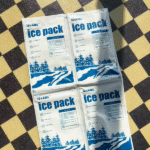
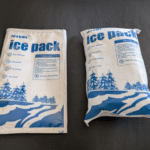
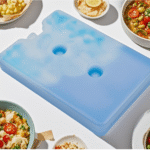
Calculadora de bolsa de gelo
Estime a quantidade de bolsas de gelo em gel para remessas refrigeradas e planejamento prático de rotas.
Estimar bolsas de geloVerificador de risco de rota
Revise as condições da pista antes de selecionar a embalagem para requisitos operacionais reais.
Verifique o risco da rotaForro de caixa & Dimensionamento da cobertura de paletes
Verifique a lógica de dimensionamento do forro da caixa e da tampa do palete para projetos de embalagens isoladas.
Dimensionamento estimadoExemplo: transformar uma solicitação vaga em um resumo utilizável
Uma equipe farmacêutica precisa de um expedidor passivo para um medicamento que não pode congelar e deve sobreviver a vários pontos de entrega antes do recebimento final. A primeira solicitação pode parecer simples: 'Por favor, cite um contêiner de painel isolado a vácuo para remessa de produtos farmacêuticos.' Um resumo melhor descreve o produto, a faixa de temperatura necessária, a quantidade por remessa, a duração do percurso, prováveis pontos de entrega, regras de abertura, e quem verificará a remessa na chegada.
Com esse breve, o fornecedor pode discutir se o isolamento VIP é apropriado, qual família de refrigerantes deve ser considerada, quanto espaço de carga útil resta após o refrigerante e os divisores, e onde o monitor deve ficar. O comprador pode então comparar não apenas o preço, mas também a dificuldade de embalagem, qualidade da evidência, e quanta incerteza de rota o projeto pode tolerar.
Este é um exemplo hipotético, não é uma promessa de desempenho. A embalagem final deve ser verificada em relação aos requisitos reais do produto e, quando necessário, um perfil de teste ou qualificação de pista. O valor do exemplo é a lógica de compra: converta o risco do produto em requisitos de embalagem antes de negociar os detalhes da caixa.
O que confirmar antes de passar de pedidos de amostra para pedidos repetidos
Uma conversa forte com o fornecedor é específica. Pergunte sobre dimensões internas e dimensões externas, mas também pergunte como essas dimensões mudam depois que o refrigerante e os divisores são carregados. Pergunte se a amostra é feita com os mesmos materiais e método de construção das unidades de produção. Pergunte como o dano no painel é detectado, como as tampas e selos são verificados, e quais substituições são permitidas se um componente estiver fora de estoque.
Se o contêiner for reutilizável, o modelo comercial deve incluir logística reversa. Quem é o dono da caixa após a entrega? Quem limpa? Quem inspeciona painéis e fechamentos VIP? O que acontece quando um receptor perde um componente? Embalagens reutilizáveis podem reduzir o desperdício em rotas repetidas, mas somente quando o circuito de retorno é controlado o suficiente para proteger o desempenho e o custo.
Para gerentes de logística farmacêutica, Equipes de controle de qualidade, engenheiros de embalagens, atacadistas, e planejadores de suprimentos clínicos, a melhor lista raramente é o fornecedor com a declaração de desempenho mais dramática. É o fornecedor que pode explicar os limites, mostrar como o packout é montado, e ajude sua equipe a definir o que deve ser verificado antes que o envio se torne rotina.
Evite esses atalhos de aprovação
A maioria das falhas não é causada por um material fraco. Eles vêm de uma incompatibilidade entre as necessidades do produto e a forma como a embalagem é usada. Para remessa farmacêutica, preste atenção especial ao tratar o tempo de espera como universal, refrigerante de subcondicionamento, esquecendo a proteção contra congelamento, usando posicionamento errado do logger, e alterar a carga útil sem verificar novamente as evidências de qualificação.
- Aprovar o contêiner externo sem aprovar o pacote carregado.
- Comparar o volume bruto ignorando quanto espaço o refrigerante, divisores, e monitorar o consumo.
- Usando uma declaração de tempo de espera sem verificar o perfil do ambiente e a carga útil por trás dela.
- Permitir que os operadores alterem a posição do líquido refrigerante porque as instruções não são claras.
- Colocar o registrador de temperatura onde for conveniente, e não onde o risco de carga útil é representado.
- Assumir que um recipiente reutilizável é sustentável sem um retorno realista, limpeza, e processo de inspeção.
Uma maneira simples de reduzir esses erros é congelar a embalagem aprovada como documento operacional. Incluir fotos, instruções de condicionamento de refrigerante, ordem de carregamento, substituições aceitáveis, monitorar localização, método de fechamento, e recebimento de cheques. Se uma mudança for necessária, registrar por que a alteração está sendo feita e se uma revisão adicional é necessária.
Perguntas frequentes
Um contêiner de painel isolado a vácuo para remessa farmacêutica é igual a um contêiner refrigerado ativo??
Não. Na maioria das discussões com compradores, um Caixa de envio VIP ou o contêiner é um pacote com isolamento passivo. Ele usa isolamento de alto desempenho e um refrigerante selecionado ou estratégia PCM, mas não refrigera mecanicamente a carga útil, a menos que um sistema alimentado separado seja especificado. Trate-a como uma embalagem passiva que ainda precisa de design de embalagem, condicionamento, monitoramento, e controle de manuseio.
O que devo verificar antes de aprovar uma amostra de envio VIP?
Verifique a faixa de temperatura necessária, quantidade de carga útil, espaço interno utilizável, tipo de refrigerante, método de condicionamento de refrigerante, monitorar localização, duração da rota, risco de transferência, e critérios de recebimento. Para remessa farmacêutica, também confirmar os riscos específicos do produto que mais importam, como sensibilidade ao congelamento, água derretida, contaminação, estabilidade da fórmula, ou requisitos de documentação.
O tempo de espera declarado de um fornecedor pode ser usado diretamente para minha rota??
Não sem contexto. O tempo de espera depende do perfil do ambiente, carga útil, massa de refrigerante, condicionamento de refrigerante, abertura de caixa, temperatura inicial do produto, e critérios de aceitação. Use os dados de um fornecedor como ponto de partida. Para remessas regulamentadas ou de alto valor, confirmar se testes adicionais, qualificação de pista, ou aprovação de qualidade é necessária.
Quando o isolamento VIP não vale a complexidade extra?
O isolamento VIP pode não ser necessário quando o percurso é curto, o produto é de baixo risco, o pacote existente já está comprovado, ou os operadores não conseguem gerenciar o pacote necessário. Também pode ser inadequado quando remessas sem especificação de temperatura do produto definida, processo de aprovação de qualidade, ou requisitos de evidência. A decisão deve comparar a redução do risco, impacto do frete, controle de reutilização, e necessidades de evidências.
As embalagens VIP reutilizáveis melhoram automaticamente a sustentabilidade?
Não automaticamente. A reutilização pode reduzir o material descartável em faixas repetidas, mas apenas quando a logística de devolução, limpeza, inspeção de componentes, e as taxas de perda são controladas. Um contêiner VIP reutilizável que é frequentemente perdido, danificado, ou enviados de volta de forma ineficiente podem não proporcionar o benefício operacional ou ambiental esperado.
Conclusão
Um contêiner com painel isolado a vácuo para remessa de produtos farmacêuticos pode ser uma escolha forte quando sua remessa precisa de proteção térmica compacta, melhor margem de rota, e evidências mais claras do que um pacote isolado básico pode fornecer. Deve ser selecionado em torno da especificação do produto, condições da rota, estratégia de refrigeração, layout de carga útil, plano de monitoramento, e processo de recebimento. A principal regra de compra é simples: aprovar o sistema, não só a caixa.
Para remessa farmacêutica, a decisão de maior valor é definir o problema da remessa antes de solicitar uma cotação. Quando o risco é claro, O isolamento VIP torna-se uma ferramenta prática. Quando o risco é vago, até mesmo um contêiner de alto desempenho pode se tornar um palpite caro.
Sobre Tempk
Suprimentos temporários embalagem da cadeia de frio soluções para remessas B2B sensíveis à temperatura, incluindo VIP e EPP caixas térmicas médicas, pacotes de gel, Pacotes PCM, caixas isoladas, e opções de embalagem relacionadas. Para remessa farmacêutica, ajudamos os compradores a discutir as condições da rota, faixa de temperatura alvo, ajuste de carga útil, direção do refrigerante, e detalhes da embalagem antes de passarem da revisão da amostra ao planejamento de remessa repetida. Equipes farmacêuticas selecionam contêineres vip, sistemas de refrigeração, camadas de separação, e planos de monitoramento em torno da especificação do produto e da rota, em vez de apenas o tamanho da caixa.
Compartilhe sua rota, carga útil, faixa de temperatura alvo, e limites de manuseio com Tempk para comparar se um contêiner de painel isolado a vácuo para remessa farmacêutica é a direção certa. Uma recomendação prática deve começar com as condições de envio, não é apenas um tamanho de caixa.