Caixa refrigerada VIP para envio de leite: Guia Prático de Seleção
Vale a pena considerar uma caixa refrigerada VIP para transporte de leite quando o isolamento comum deixa pouca margem para a carga útil, rota, ou lidar com riscos. Não é um substituto para o planejamento de rotas, seleção de refrigerante, Monitoramento de temperatura, ou revisão de qualidade. A maneira correta de comprá-lo é tratar a caixa como parte de um sistema passivo de controle de temperatura e verificar como esse sistema se comporta com sua remessa real..
Comece com o trabalho de remessa, não a descrição da caixa
A frase caixa refrigerada VIP para transporte de leite descreve uma categoria de contêiner, mas não define o trabalho. O trabalho é definido pela carga, a faixa de temperatura necessária, a duração da exposição, o volume de carga útil, o número de transferências, e a condição em que a remessa será aceita no recebimento. Para leite fresco, amostras de laticínios, pedidos de laticínios premium, ingredientes refrigerados, e remessas de alimentos refrigerados de pequenos lotes, essas variáveis podem diferir drasticamente de uma rota para outra. Um contêiner que funciona para uma entrega planejada de curta duração pode não ser adequado para uma rota de entrega atrasada ou uma rota com temperaturas mistas.
Um processo seletivo prático começa com cinco informações: qual é a carga útil, quanto espaço interno utilizável ele precisa, qual faixa de temperatura deve ser protegida, por quanto tempo a remessa pode ficar fora do armazenamento controlado, e quem irá inspecionar o pacote no destino. O termo refrigerado também deve ser interpretado com cuidado. Em muitas pesquisas de compra, significa uma caixa passiva destinada a cargas refrigeradas, não é uma unidade alimentada que resfria ativamente o conteúdo.
Esta distinção é importante porque um Caixa VIP retarda a transferência de calor; não cria uma temperatura correta por si só. A fonte fria, o método de pré-condicionamento, a temperatura da carga antes de embalar, a maneira como a tampa está fechada, e o procedimento de recebimento influenciam o resultado final. Se essas etapas não forem controladas, isolamento mais alto pode ocultar operações fracas até que um registro de temperatura ou rejeição do produto revele o problema.
Onde o isolamento VIP ajuda e onde não ajuda
Painéis isolados a vácuo são usados porque a remoção de grande parte do ar do núcleo do painel pode reduzir a transferência de calor por convecção através da camada de isolamento. Na prática, o painel é apenas uma parte da caixa. O calor ainda pode entrar pela tampa, costuras, cantos, áreas de trava, painéis danificados, e ar trocado quando a caixa é aberta. É por isso que o recipiente acabado e a embalagem devem ser avaliados em conjunto.
Para leite fresco, amostras de laticínios, pedidos de laticínios premium, ingredientes refrigerados, e remessas de alimentos refrigerados de pequenos lotes, o benefício geralmente é uma margem térmica extra em um pacote menor ou mais leve, mais espaço de carga útil do que alguns formatos de isolamento volumosos, ou melhor proteção durante curtos períodos de exposição ambiental. O risco é tratar o rótulo VIP como uma promessa. O desempenho declarado de um fornecedor deve ser verificado em relação às condições de teste, suposições de carga útil, perfil ambiente, configuração de refrigerante, e critérios de aceitação.
Os sistemas VIP também exigem conscientização sobre o manuseio. Um painel perfurado ou esmagado pode perder desempenho. Uma borda mal protegida pode se tornar uma ponte térmica. Uma tampa que não fecha sempre da mesma maneira pode criar resultados inconsistentes. Estas não são razões para evitar a tecnologia VIP; são razões para incluir a inspeção, treinamento, e consistência da amostra à produção na decisão de compra.
A mentalidade mais útil é perguntar o que o isolamento está resolvendo. Neste tópico, o principal risco é confundir isolamento com refrigeração ativa, pré-resfriamento ruim, danos por condensação, retenção de odor, limpeza difícil, condicionamento insuficiente do pacote de gel, e atraso no recebimento. Se a caixa não reduzir diretamente esses riscos, um contêiner isolado mais simples, um veículo refrigerado, um contêiner ativo, ou um pacote diferente pode ser mais apropriado.
Quando este tipo de contêiner é a resposta errada
Uma caixa refrigerada VIP para transporte de leite não é automaticamente a escolha mais segura ou econômica. Pode ser a resposta errada quando há longas pistas não refrigeradas, docas de carga quentes, preparação de pacote aberto, ou leite enviado sem revisão de segurança alimentar específica do produto. Também pode ser um ajuste inadequado se a equipe precisar de uma barreira estéril descartável, se o cliente se recusar a devolver a embalagem, ou se a fonte fria necessária para a carga útil não puder ser manuseada com segurança na rota.
Esta verificação de ajuste negativo é valiosa porque evita compras excessivas. Algumas remessas precisam apenas de um revestimento isolado simples, um veículo refrigerado, um cobertura térmica para paletes, ou uma mudança no procedimento de transferência. Outras remessas precisam de um sistema de remessa térmica qualificado com monitoramento e critérios de aceitação documentados. O contêiner deve ser selecionado após a definição do risco, não antes.
Os compradores devem pedir aos fornecedores que declarem o uso pretendido tão claramente quanto as vantagens do produto. Um fornecedor útil pode explicar para que a caixa foi projetada, quais suposições apoiam seu desempenho, e quais condições exigem testes adicionais. Esse tipo de definição de limites costuma ser mais útil do que uma longa lista de recursos promocionais.
As especificações que realmente mudam a decisão de compra
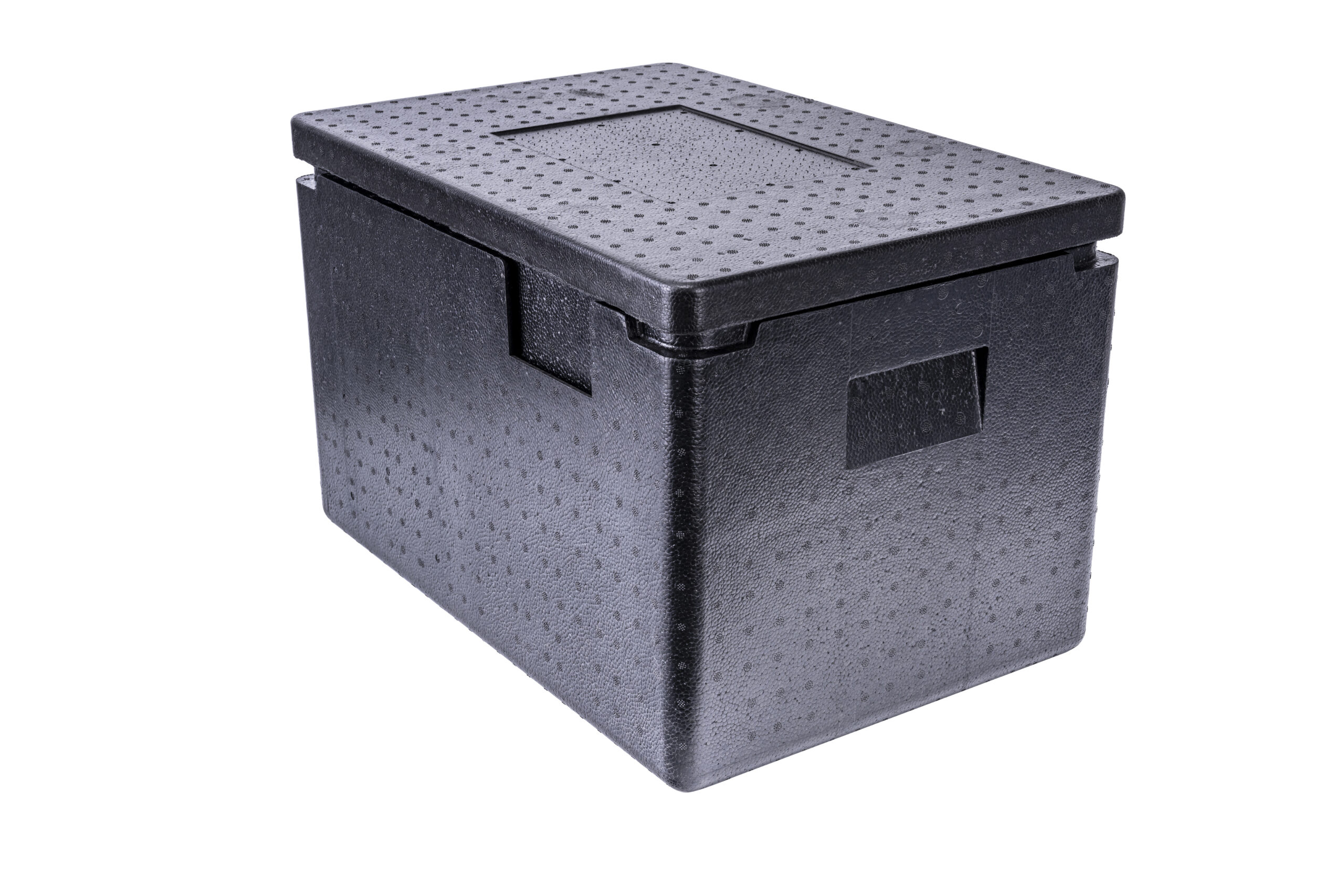
Uma caixa refrigerada VIP para transporte de leite pode parecer tecnicamente forte e ainda assim falhar em uma rota real se a embalagem não corresponder à carga útil. O espaço interno deve permitir que o produto, refrigerante, separadores, documentação, e qualquer registrador de dados para caber sem forçar a tampa ou colocar o produto contra uma parede quente. Os compradores devem solicitar o volume utilizável, não apenas dimensões externas.
A exposição da rota deve ser dividida em partes práticas: pré-resfriamento, embalagem, primeira coleta, transferência de veículo, preparação de armazém, manuseio aéreo ou de encomendas, tentativa de entrega, e recebendo inspeção. Muitas excursões ocorrem nessas interfaces porque a responsabilidade muda de mãos. A seleção da caixa deve, portanto, estar conectada ao mapeamento de rotas, não apenas a uma duração nominal de envio.
| Ponto de verificação do comprador | O que confirmar | Por que isso afeta o desempenho |
|---|---|---|
| Sensibilidade à carga | Limites de temperatura e manuseio específicos do produto | Impede o uso de uma embalagem para produtos incompatíveis |
| Exposição da rota | Tempo esperado fora do armazenamento controlado e prováveis pontos de permanência | Determina a margem térmica necessária além do tempo de trânsito normal |
| Ajuste de carga útil | Volume utilizável após refrigerante, forros, e divisórias | Evita esmagar a carga ou reduzir o fluxo de ar de resfriamento |
| Plano de refrigeração | Pacote de gel, PCM, gelo seco, ou outra fonte de frio, se apropriado | A caixa retarda o ganho de calor; refrigerante fornece a energia térmica |
| Evidência | Relatório de teste, teste de amostra, ou informações de qualificação de pista | Reduz a dependência de afirmações de marketing |
A tabela é deliberadamente estruturada como verificação e não como desempenho garantido. Essa é a maneira mais segura de comparar fornecedores. Se um fornecedor puder explicar as suposições por trás de uma reclamação, os compradores podem decidir se essas suposições se assemelham à sua rota. Se as suposições estiverem faltando, a reivindicação deve ser tratada como um ponto de partida para perguntas, não é uma base de compra.
Para pistas curtas de parcelas, movimentos de amostra de laboratório, entrega refrigerada local, e remessas de laticínios refrigerados direto ao consumidor, o processo de recebimento também é importante. Uma caixa bem construída pode perder valor se o destinatário a deixar fechada em uma área quente, descarta o registro de temperatura, ou devolve o contêiner sem inspeção. Incluir a equipe de destino quando o pacote estiver sendo projetado.
A documentação transforma uma caixa em um processo controlável
Para remessas de alimentos, as decisões de embalagem raramente são julgadas apenas pela aparência. O comprador geralmente precisa de provas de que a remessa foi embalada corretamente, movido sob condições esperadas, e recebido em um estado que suporta liberação ou aceitação. Os compradores de alimentos devem considerar práticas de transporte sanitário, superfícies limpáveis, segregação, controle de vazamento, e práticas de temperatura que evitam que os alimentos se tornem inseguros ou inaceitáveis. Os produtos orgânicos também precisam de disciplina de manuseio que proteja a integridade orgânica e evite a contaminação com resíduos não orgânicos.
Um contêiner VIP passivo pode suportar esse processo, mas isso não torna automaticamente a remessa compatível, qualificado, ou aceitável para todos os mercados. A conformidade depende da categoria do produto, rota, operadora, procedimentos do expedidor, regulamentos locais, e o acordo de qualidade entre as partes. É por isso que uma redação cautelosa é importante: a caixa pode ser adequada para um uso definido após revisão, mas não deve ser descrito como aprovado universalmente.
Documentos úteis podem incluir uma folha de especificações do produto, descrição do material, orientação de limpeza, instrução de embalagem, instrução de pré-condicionamento, resumo do teste, mapa de posicionamento do registrador, lista de verificação de recebimento, e um processo para relatar excursões ou danos. Para uma amostra de alimentos de baixo risco, isso pode ser simples. Para produtos biológicos ou vacinas, a carga de documentação é muitas vezes muito maior e deve ser revisada pela equipe de qualidade.
Ferramentas úteis de decisão
Verifique os detalhes antes de escolher a embalagem
Essas ferramentas rápidas podem ajudá-lo a comparar o risco da rota, necessidades de dimensionamento, escolhas de refrigerante, e detalhes da embalagem antes de solicitar um orçamento.
Seletor de embalagens
Compare opções de embalagens isoladas por produto, rota, e necessidade de temperatura.
Encontre embalagensCalculadora de bolsa de gelo
Estime a quantidade de bolsas de gelo em gel para remessas refrigeradas e planejamento prático de rotas.
Estimar bolsas de geloResistência à queda de material de isolamento
Revise a resistência à queda e os fatores de manuseio antes de escolher materiais de isolamento.
Verifique a resistênciaO objetivo prático não é a papelada por si só. É para evitar disputas ao confundir isolamento com refrigeração ativa, pré-resfriamento ruim, danos por condensação, retenção de odor, limpeza difícil, condicionamento insuficiente do pacote de gel, e atraso no recebimento. Um processo claro informa ao armazém, operadora, receptor, e equipe de compras o que deve acontecer antes que a caixa seja considerada pronta para uso repetido.
O que confirmar antes de passar da amostra para a produção
Para compradores de alimentos, comparando transportadores VIP passivos com veículos refrigerados, sacos isolados, and single-use caixas de espuma, a decisão de compra deve incluir questões operacionais que sejam fáceis de ignorar durante a comparação de amostras. Uma amostra que parece forte em uma mesa pode se comportar de maneira diferente após repetidos manuseios por correio, encenação em câmara fria, condensação, ou transporte de retorno.
- Pergunte se o fornecedor pode explicar a embalagem do leite fresco, amostras de laticínios, pedidos de laticínios premium, ingredientes refrigerados, e remessas de alimentos refrigerados de pequenos lotes, em vez de apenas citar dimensões externas.
- Confirme se o desempenho declarado é baseado em um perfil de teste específico, carga útil, quantidade de refrigerante, e critério de aceitação.
- Compare o espaço interno utilizável com a carga útil real após a refrigeração, divisores, e dispositivos de monitoramento estão incluídos.
- Revise como as tampas, dobradiças, selos, cantos, e as alças sobrevivem ao manuseio repetido se o recipiente for reutilizado.
- Definir quem inspeciona os contêineres devolvidos e quais danos exigem reparo ou remoção de serviço.
- Verifique se as unidades de produção correspondem à amostra aprovada na estrutura de isolamento, projeto de fechamento, material, e área de rotulagem.
Essas perguntas são intencionalmente práticas. Os compradores não precisam que todos os fornecedores façam a mesma escolha de design. Eles precisam de clareza suficiente para comparar o risco. Um recipiente ligeiramente mais pesado pode ser aceitável se melhorar a durabilidade do retorno. Uma caixa mais compacta pode ser melhor se o custo do frete for importante, mas somente se o refrigerante e a carga útil ainda couberem sem compressão. Uma estrutura VIP premium pode ser justificada para cargas de alto valor, mas somente se a operação puder proteger os painéis durante a reutilização.
A aprovação da amostra também deve incluir uma expectativa de controle de mudanças. Se o fornecedor alterar posteriormente o layout do painel, material de forro, estilo de trava, inserção de espuma, ou recomendação de refrigerante, o comprador deve saber antes da entrega dos lotes de produção. Para remessas regulamentadas ou de alto valor, mesmo pequenas mudanças físicas podem exigir revisão.
Exemplo prático: como um comprador pode usar a lista de verificação
Imagine uma equipe de controle de qualidade de laticínios enviando amostras de leite resfriado para um laboratório regional enquanto tenta evitar vazamento de água e transmissão de odores em caixas reutilizáveis. A equipe pode começar solicitando uma caixa refrigerada VIP para envio de leite, mas o nome do contêiner é apenas a primeira camada da decisão. Eles precisam decidir quanto produto vai para cada remessa, onde o refrigerante será posicionado, como a caixa será pré-condicionada, quanto tempo pode esperar durante a transferência, e qual registro o receptor deve manter.
Durante a primeira revisão de amostra, a equipe deve embalar o contêiner exatamente como seria embalado em operação. Isso significa usar a carga real do produto ou um equivalente térmico razoável, a configuração real do refrigerante, o mesmo forro ou divisor, e a posição do registrador de dados planejada para produção. Se um transportador ou equipe de armazém cuidará da remessa, eles devem ser incluídos no estudo porque o tempo de abertura da tampa e o manuseio inadequado podem alterar os resultados.
A decisão pode revelar compensações. A caixa VIP pode proteger melhor a temperatura do que um carregador de espuma básico, mas pode precisar de etiquetas de devolução, espaço de limpeza, e uma maneira de substituir componentes desgastados. Um contêiner menor pode reduzir o custo do frete, mas se não deixar espaço para refrigerante ou criar pressão na carga útil, a economia aparente é falsa. A escolha mais forte é aquela que corresponde tanto à evidência térmica quanto ao comportamento operacional diário.
Erros que criam risco de cadeia de frio após o pedido de compra
Many failures connected with a VIP refrigerated box for milk shipping are not caused by the material de isolamento em si. Eles vêm de decisões tomadas em torno da caixa: embalagem apressada, rotulagem fraca, falta de pré-condicionamento, nenhuma propriedade de retornos, ou nenhum plano para entrega atrasada. Estes são riscos administráveis se forem visíveis precocemente.
- Tratar um tempo de espera publicado como uma promessa universal em vez de perguntar qual perfil de ambiente, carga útil, e pacote foram usados.
- Ignorando a temperatura da carga antes de embalar. Produto quente colocado em uma caixa passiva pode consumir capacidade térmica rapidamente.
- Supondo que um registrador de dados ou rastreador GPS proteja a temperatura. O monitoramento fornece evidências e alertas; não substitui o isolamento ou o líquido refrigerante.
- Usando uma caixa reutilizável sem regra de inspeção de devolução. Um painel VIP danificado ou falta de um componente da tampa pode alterar o desempenho.
- Escolher as dimensões externas antes de verificar o espaço utilizável. O líquido refrigerante e os divisores internos podem reduzir significativamente o espaço de carga útil.
- Deixar a equipe receptora decidir a aceitação informalmente. O recebimento de cheques deve ser definido antes da remessa sair da origem.
O fio condutor é a suposição. Um comprador presume que a caixa cobrirá a incerteza da rota, o armazém assume que o refrigerante foi condicionado corretamente, o mensageiro assume que o destinatário estará pronto, e o receptor assume que os dados do registrador são de responsabilidade de outra pessoa. Para pistas curtas de parcelas, movimentos de amostra de laboratório, entrega refrigerada local, e remessas de laticínios refrigerados direto ao consumidor, cada suposição deve ser convertida em uma etapa simples, proprietário, ou regra de aceitação.
Perguntas frequentes
Uma caixa refrigerada VIP para transporte de leite é igual a um contêiner refrigerado ativo??
Não. Na maioria dos contextos de compra da cadeia de frio, um camarote VIP ou Contêiner refrigerado VIP é um pacote com isolamento passivo. Retarda a transferência de calor e funciona com uma carga útil condicionada, refrigerante, PCM, pacotes de gel, gelo seco quando apropriado, ou uma rota controlada. Ele não resfria ativamente como um refrigerador elétrico, a menos que um sistema ativo separado seja especificado.
Que informações devo fornecer a um fornecedor antes de solicitar um orçamento?
Compartilhe o tipo de carga útil, faixa de temperatura necessária, Duração da remessa, exposição ambiental esperada, dimensões de carga útil, transferências de rota, plano de reutilização, e recebendo requisitos. Para leite fresco, amostras de laticínios, pedidos de laticínios premium, ingredientes refrigerados, e remessas de alimentos refrigerados de pequenos lotes, o fornecedor também precisa entender se a remessa é de baixo risco, relacionado à alimentação, relacionado à saúde, ou sujeito a revisão de qualidade.
Um contêiner VIP pode garantir a conformidade da cadeia de frio??
Nenhum componente da embalagem pode garantir a conformidade por si só. A conformidade depende dos requisitos do produto, procedimentos do expedidor, manuseio de transportadora, monitoramento, documentação, e regras locais. Um contêiner VIP pode fazer parte de um processo compatível ou qualificado quando selecionado, testado, embalado, e usado sob condições definidas.
Como devem ser inspecionadas as caixas VIP reutilizáveis?
As caixas devolvidas devem ser verificadas quanto a painéis danificados, conchas quebradas, travas quebradas, forros sujos, rótulos faltando, odor, áreas molhadas, e mudanças que podem afetar o fechamento. As regras de inspeção devem ser simples o suficiente para serem seguidas pelas equipes do armazém, e qualquer unidade danificada deve ser reparada, testado se necessário, ou removido do serviço.
O que é mais importante para o transporte de leite além da temperatura?
Higiene, controle de vazamento, controle de odor, carregamento rápido, superfícies limpáveis, e recebendo inspeção, tudo importa. Leite e resíduos lácteos podem criar problemas práticos de reutilização, então uma caixa VIP reutilizável deve incluir forros, instruções de limpeza, e um processo para retirar caixas que não podem ser limpas adequadamente.
Conclusão
Uma caixa refrigerada VIP para envio de leite deve ser escolhida como sistema de envio, não como um objeto independente. Comece com a carga útil, faixa de temperatura necessária, exposição da rota, transferências, plano de refrigeração, e processo de recebimento. Em seguida, compare os fornecedores por evidências, volume utilizável, clareza da embalagem, e consistência desde a amostra até a produção.
A decisão mais forte geralmente é conservadora: verificar as alegações que afetam a segurança ou aceitação do produto, evite promessas universais, e definir como o container será embalado, monitorado, recebido, limpo, e reutilizado. Uma caixa melhor pode criar mais margem térmica, mas apenas um processo controlado transforma essa margem em desempenho confiável da cadeia de frio.
Sobre Tempk
Suporte temporário embalagem da cadeia de frio discussões para compradores que precisam de proteção térmica passiva prática, em vez de linguagem genérica de embalagem. Para este tópico, nosso papel é ajudar as equipes a revisar a caixa isolada passiva e a seleção de refrigerante para remessas de laticínios refrigerados que precisam de proteção prática de temperatura e manuseio limpo. Podemos discutir o tamanho da carga útil, exposição da rota, ajuste de refrigerante ou PCM, manuseio reutilizável, e o que deve ser verificado antes de uma amostra ou pedido em grandes quantidades ser aprovado. O objetivo não é afirmar que uma caixa cabe em cada remessa, mas para ajudá-lo a restringir o contêiner e a embalagem que correspondam às suas condições reais de operação.
Compartilhe sua rota, carga útil, faixa de temperatura alvo, e reutilizar expectativas com Tempk. Podemos ajudá-lo a comparar se uma caixa refrigerada VIP para transporte de leite é uma opção sensata ou se outra abordagem de embalagem passiva deve ser revista primeiro.