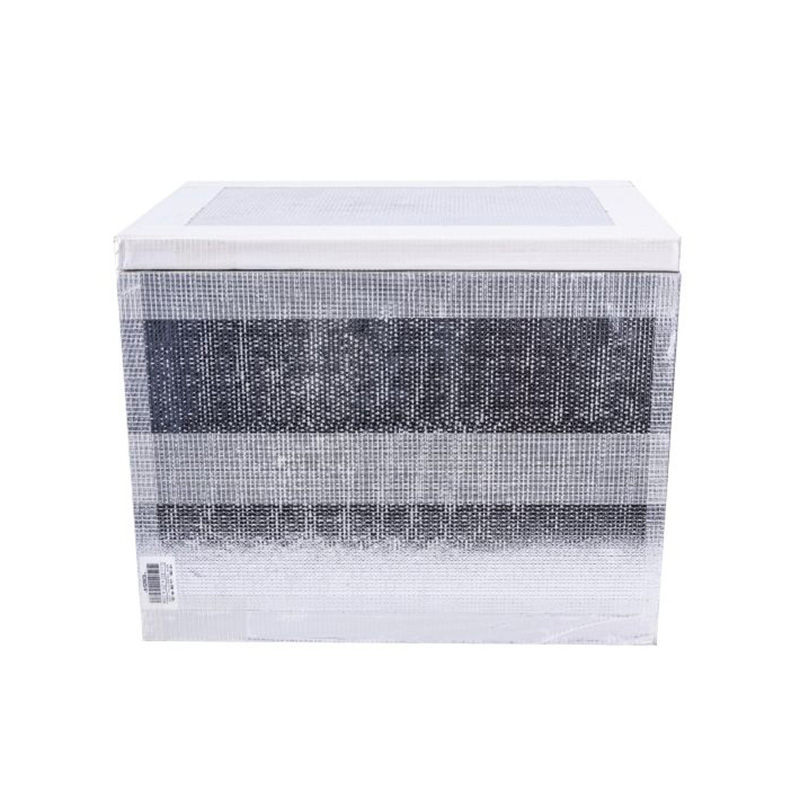
Contêiner refrigerado VIP para embalagens compatíveis com FDA: Guia do comprador para equipes da cadeia de frio
Um comprador que procura um contêiner refrigerado compatível com a FDA geralmente precisa de mais do que uma caixa. UM Contêiner refrigerado VIP para embalagens compatíveis com FDA não devem ser avaliadas apenas pela espessura do isolamento, fotos do catálogo, ou uma afirmação ampla, como reutilizável, reciclável, refrigerado, ou compatível. A questão prática é se o pacote finalizado pode proteger a carga através da rota que você realmente usa. Isso significa confirmar a faixa de temperatura necessária, o volume de carga útil, tipo de refrigerante, condições de transferência, e as evidências que sua equipe de qualidade ou operações precisa após o recebimento. Este artigo analisa a decisão do ponto de vista do comprador, com foco em verificações úteis em vez de linguagem genérica do produto.
O que isso significa para sua equipe
Você não está comprando um cooler genérico. Você está selecionando um sistema de embalagem repetível para remessas farmacêuticas refrigeradas que precisam de isolamento VIP passivo como parte de um processo de embalagem documentado. O caminho seguro é definir a faixa de temperatura necessária, exposição da rota, carga útil, refrigerante, processo de manuseio, e registrar as necessidades antes de finalizar a especificação da caixa.
O que um contêiner refrigerado VIP para embalagens compatíveis com FDA deve provar antes de comprar
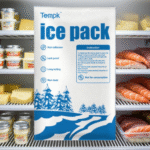
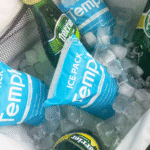
Um contêiner de remessa refrigerado VIP para embalagens compatíveis com FDA geralmente se refere a um contêiner isolado passivo que usa tecnologia de painel isolado a vácuo para reduzir a transferência de calor em torno de uma carga sensível à temperatura.. Passivo significa que o recipiente não cria frio por si só. Funciona com condicionado pacotes de gel, Pacotes PCM, gelo seco quando apropriado, ou outra estratégia de refrigerante. A frase refrigerada, quando usado neste contexto, geralmente significa que o sistema de transporte é projetado para carga refrigerada, não que a caixa contenha uma unidade de refrigeração elétrica.
Essa diferença é importante porque os compradores às vezes comparam as caixas como se apenas o isolamento fosse o fator controlador. Na prática, a caixa é uma parte de um pacote. O refrigerante deve ser condicionado corretamente, a carga útil deve caber sem esmagar o fluxo de ar ou os separadores, e a tampa deve fechar de forma consistente. Se a remessa fizer parte de um produto farmacêutico, diagnóstico, Biotech, ou fluxo de trabalho hospitalar, sua equipe de qualidade também pode precisar de procedimentos documentados, registros de temperatura, regras de desvio, e evidência de que o sistema escolhido é adequado para o produto e a pista.
Uma forma útil de avaliar a embalagem é separar três questões. Primeiro, o que o produto deve experimentar durante o transporte? Segundo, o que o sistema de embalagem pode demonstrar sob condições de teste ou operação relevantes? Terceiro, o que sua equipe deve verificar no envio e recebimento? Manter essas questões separadas evita que afirmações amplas substituam as evidências práticas. Também ajuda a comparar fornecedores sem presumir que cada Caixa VIP se comporta da mesma forma depois de embalado, manipulado, voltou, e reutilizado.
Comece com carga útil, Rota, e evidências
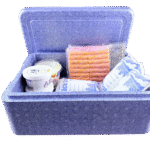
Comece com a carga útil, não a caixa. As dimensões externas informam como o pacote se ajusta a um veículo, rota de correio, ou prateleira de armazenamento, mas o volume interno utilizável informa se o produto e o líquido refrigerante podem caber sem criar pontos de pressão ou atalhos térmicos. Uma cavidade de carga útil estreita pode ser aceitável para pequenos frascos ou kits, enquanto um produto mais volumoso pode precisar de mais espaçamento, separadores, ou um layout de refrigerante diferente. Pergunte se a capacidade listada é o volume interno bruto ou o espaço de carga útil após a instalação do refrigerante e dos divisores.
Próximo, definir a rota. Uma rota não é apenas o tempo de condução ou de voo. Inclui pré-condicionamento, preparação de armazém, carregando, transferência de transportadora, retenção alfandegária, risco de atraso no fim de semana, recebendo tempo de doca, e a primeira inspeção após a entrega. Muitas variações de temperatura ocorrem nessas zonas de transição porque a responsabilidade muda de mãos. Um contêiner de transporte refrigerado VIP para embalagens compatíveis com FDA deve, portanto, ser avaliado em relação ao padrão de exposição realista mais longo, não apenas a janela de trânsito planejada.
Finalmente, decidir quais evidências serão aceitáveis quando algo der errado. Um comprador transportando medicamentos, materiais de diagnóstico, ou produtos de ciências biológicas podem precisar de um relatório de registro, um recorde de pacote, uma foto do pacote fechado, um recorde de condicionamento de refrigerante, ou uma lista de verificação de recebimento. Uma caixa que funciona bem em uma demonstração, mas não suporta documentação repetível, pode gerar trabalho para a equipe de qualidade posteriormente.. A melhor pergunta para comprar não é 'Quão frio está?' mas 'Nossa equipe pode repetir, documento, e inspecione esta embalagem sob pressão normal de operação?'
Lista de verificação do comprador para análise de amostra
| Pergunta do comprador | Por que isso importa | O que perguntar ao fornecedor |
|---|---|---|
| Qual é a faixa de temperatura necessária do produto? | A caixa não pode definir os requisitos do produto. | Pergunte como a embalagem corresponde à faixa declarada e à sensibilidade do produto. |
| Qual é o espaço de carga útil utilizável? | O líquido refrigerante e os separadores reduzem o volume disponível. | Confirme o volume utilizável após o refrigerante, não apenas dimensões internas brutas. |
| Em qual rota o sistema foi avaliado? | Demonstrações de laboratório ou amostras podem não corresponder à sua pista. | Solicite o perfil de teste, suposições de carga útil, exposição ambiental, e critérios de aceitação. |
| Como a caixa é manuseada após o uso? | A reutilização pode alterar o desempenho se o dano for perdido. | Solicite pontos de inspeção, orientação de limpeza, e verificações de danos no painel. |
| Quais registros podem ser fornecidos? | Equipes de qualidade precisam de evidências, não slogans. | Solicite fichas técnicas, instruções de embalagem, e qualquer suporte de qualificação disponível. |
Um comprador pode usar essas perguntas antes de solicitar amostras ou orçamentos. Eles mantêm a discussão focada no ajuste da rota, ajuste de carga útil, e evidências. Isso geralmente produz uma conversa mais útil com o fornecedor do que pedir o maior tempo de espera possível sem explicar o produto e a via..
Materiais VIP, Reutilizar, e reivindicações de recuperação
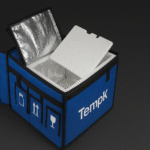
A tecnologia VIP é atraente porque pode fornecer alto isolamento em uma parede mais fina do que muitas espumas convencionais. Isso pode deixar mais espaço de carga útil em uma área externa semelhante. A vantagem é útil quando você envia itens pequenos e valiosos, preciso de uma caixa compacta para envio, ou deseja reduzir a carga de refrigerante. No entanto, paredes mais finas não significam automaticamente uma operação mais fácil. Painéis VIP precisam de proteção contra perfurações, esmagamento, dano de borda, e exposição à umidade. Um painel danificado pode não se comportar como um painel novo, mesmo que a caixa externa ainda pareça aceitável.
Para materiais recicláveis ou programas multiuso, separação de materiais é outra questão prática. Uma caixa pode ter um invólucro externo reciclável, divisórias reutilizáveis, painéis substituíveis, e pacotes de refrigerante que seguem um caminho de recuperação diferente. Todo o sistema de transporte marítimo não deve ser descrito com uma única declaração ambiental, a menos que a declaração possa ser apoiada no mercado onde é vendido ou usado. Se a sustentabilidade faz parte do motivo da compra, pergunte como o fornecedor define reutilização, o que acontece no final da vida, e se a infraestrutura de reciclagem local pode lidar com os componentes relevantes.
A abordagem mais segura é descrever o sistema com precisão. Um camarote VIP pode suportar a redução do uso de material, uso repetido, ou recuperação de componentes selecionados, mas essas são afirmações diferentes. Eles devem ser revisados separadamente do desempenho térmico. A especificação da sua embalagem pode incluir ambos os lados: como o sistema protege produtos sensíveis à temperatura e como eles devem ser devolvidos, inspecionado, limpo, separado, ou aposentado.
Linguagem de conformidade sem promessas exageradas
Para produtos regulamentados pela FDA, a frase embalagem compatível com FDA deve ser usada com cuidado. Uma caixa isolada passiva não é automaticamente compatível simplesmente porque é feita de painéis VIP ou comercializada para medicamentos. As expectativas de embalagem e distribuição relacionadas à FDA estão conectadas a procedimentos escritos, product protection, adequação do material, condições de armazenamento, registros de distribuição, e revisão de qualidade. A embalagem pode apoiar esses procedimentos, mas o remetente ou proprietário do produto ainda precisa confirmar se o sistema se adapta ao produto e ao processo.
É por isso que um contêiner refrigerado VIP para embalagens compatíveis com a FDA deve ser avaliado como uma ferramenta de suporte para um fluxo de trabalho regulamentado pela FDA., não como uma solução regulatória independente. Os compradores devem verificar a faixa de temperatura exigida do produto, se o pacote proposto foi testado sob condições relevantes, como o material de embalagem é controlado, e quais registros estarão disponíveis após o envio. Se um fornecedor usa linguagem de conformidade, pergunte o que exatamente está coberto: informações materiais, controles de fabricação, suporte para validação de pacote, dados de teste, ou apenas adequação geral para uso em cadeia de frio.
Nas compras diárias, isso significa solicitar documentos que correspondam ao nível de risco da remessa. Um alimento de baixo risco ou rota de amostra interna pode precisar de instruções simples de embalagem e cheques de recebimento. Um fluxo de trabalho farmacêutico ou de diagnóstico pode precisar de evidências mais formais, controle de mudanças, e aprovação de qualidade. A frase 'conforme' deve sempre levar a uma pergunta de acompanhamento: compatível com qual procedimento, exigência do produto, base de teste, rota, e mercado?
Ferramentas úteis de decisão
Verifique os detalhes antes de escolher a embalagem
Essas ferramentas rápidas podem ajudá-lo a comparar o risco da rota, necessidades de dimensionamento, escolhas de refrigerante, e detalhes da embalagem antes de solicitar um orçamento.
Calculadora de gelo seco
Estime as necessidades de gelo seco para remessas congeladas ou ultrafrias antes de embalar.
Estimar gelo secoForro de caixa & Dimensionamento da cobertura de paletes
Verifique a lógica de dimensionamento do forro da caixa e da tampa do palete para projetos de embalagens isoladas.
Dimensionamento estimadoVerificador de risco de rota
Revise as condições da pista antes de selecionar a embalagem para requisitos operacionais reais.
Verifique o risco da rotaUma remessa típica onde os detalhes são importantes
Imagine uma equipe preparando uma remessa na tarde de quinta-feira. O produto está embalado corretamente, o refrigerante foi condicionado, e a rota deverá chegar na manhã seguinte. Então o pacote perde a primeira conexão, espera em uma doca, e chega tarde ao receptor. A questão não é se o contêiner refrigerado VIP para embalagens compatíveis com a FDA parecia profissional no envio. A questão é se o pacote foi projetado para um atraso realista, se o destinatário pode inspecionar o pacote imediatamente, e se o registro de temperatura ou o processo de aceitação informam à equipe o que fazer a seguir.
Este cenário típico mostra por que os compradores não devem se concentrar apenas no tempo de trânsito nominal. Um camarote VIP pode comprar margem térmica, mas a margem é consumida pela preparação, abertura, reembalando, fechamento ruim, e exposição ambiental inesperada. Remessas pequenas podem ser especialmente enganosas porque a carga útil tem menos massa térmica. Alguns frascos, kits de teste, ou os frascos de reagentes podem aquecer ou arrefecer mais rapidamente do que uma carga útil mais pesada, mesmo dentro da mesma caixa. Se o pacote foi testado com uma carga útil diferente, o resultado pode não ser transferido de forma limpa.
Para pistas repetidas, a resposta prática é padronizar o fluxo de trabalho. Definir quem condiciona o refrigerante, como a carga útil é organizada, onde o registrador é colocado, se usado, quanto tempo a caixa pode esperar antes da retirada, que etiqueta ou instrução o receptor vê, e o que acontece com embalagens devolvidas. Um simples pacote escrito pode evitar mais falhas do que uma caixa premium usada de forma inconsistente.
Perguntas sobre aquisições que evitam incompatibilidades dispendiosas
Uma análise prática do fornecedor de um contêiner refrigerado VIP para embalagens compatíveis com a FDA deve ser específica o suficiente para que dois fornecedores não possam responder com o mesmo folheto genérico. Solicite dimensões internas e externas, espaço de carga útil após o refrigerante, opções de refrigerante compatíveis, design de fechamento e tampa, orientação de limpeza, reutilizar pontos de inspeção, e documentação disponível. Se um fornecedor apresentar uma reclamação de tempo de espera, pergunte qual perfil de teste, carga útil, carga de refrigerante, e critérios de aceitação foram usados. Se a resposta não estiver disponível, trate a reclamação como uma estimativa inicial em vez de uma decisão de compra.
Para avaliação de amostra, embale a amostra com o produto real ou um substituto realista. Use o processo de condicionamento do líquido refrigerante pretendido. Deixe que as pessoas que irão embalar e receber a remessa manuseiem a caixa, não apenas a equipe de engenharia. Eles podem perceber problemas práticos que uma folha de dados não mostra: uma tampa que é difícil de fechar, uma cavidade de carga útil que incentiva o posicionamento errado, uma área de etiqueta muito pequena, ou uma etapa de limpeza de retorno que não é realista para operações diárias.
Antes de passar da amostra para a produção, confirmar as expectativas de controle de mudanças. O fornecedor irá notificá-lo se a estrutura do painel, material da casca externa, especificação do refrigerante, ou as dimensões mudam? Há peças de reposição disponíveis? As unidades de produção podem corresponder à amostra aprovada? Para cargas regulamentadas ou sensíveis à qualidade, pequenas alterações nos componentes da embalagem podem afetar o comportamento térmico. As compras devem, portanto, funcionar com qualidade, operações, e logística antes de aprovar pedidos em grandes quantidades.
Perguntas frequentes
Um contêiner de remessa refrigerado VIP para embalagens compatíveis com FDA é automaticamente adequado para todas as remessas refrigeradas??
Não. Pode ser adequado para algumas remessas refrigeradas, mas a gama de produtos, carga útil, refrigerante, rota, e os critérios de aceitação devem ser confirmados. Uma caixa VIP passiva retarda a transferência de calor; não define a faixa de temperatura necessária nem elimina a necessidade de validação do pacote. Os compradores devem solicitar documentação que corresponda ao seu produto e faixa.
Uma caixa com isolamento passivo pode ser considerada compatível com a FDA por si só??
Use essa linguagem com cuidado. Os fluxos de trabalho regulamentados pela FDA dependem de procedimentos escritos, adequação do material, condições de armazenamento, controles de distribuição, registros, e revisão de qualidade. Uma caixa pode suportar esses controles, mas não é automaticamente compatível isoladamente. Pergunte ao fornecedor qual documentação ou suporte de embalagem está disponível e peça à sua equipe de qualidade que analise o uso pretendido.
Devo usar pacotes de gel, Pacotes PCM, ou gelo seco com camarote VIP?
A escolha depende da gama de produtos e da rota. Os pacotes de gel podem ser adequados para muitas aplicações refrigeradas ou refrigeradas; Os pacotes PCM são úteis quando é necessário um ponto de mudança de fase mais apertado; gelo seco é usado para algumas aplicações congeladas, mas cria considerações separadas de manuseio e rotulagem. O refrigerante deve corresponder à sensibilidade do produto e às suposições do pacote testado.
Onde um registrador de temperatura deve ser colocado?
O posicionamento do registrador deve refletir o que sua equipe de qualidade precisa saber. Não deve ser colocado onde crie uma leitura enganosa, bloqueia a tampa, ou toca no líquido refrigerante de uma forma que não representa a carga útil. Para remessas de alto risco, defina a posição do registrador nas instruções do packout e mantenha a abordagem consistente.
Como posso comparar fornecedores sem depender de afirmações de marketing?
Dê a cada fornecedor o mesmo cenário de envio e peça as mesmas informações: volume utilizável, configuração de refrigerante, suposições de rota, base de teste, documentação disponível, etapas de inspeção, e expectativas de controle de mudanças. Um claro, uma resposta limitada é muitas vezes mais útil do que uma afirmação ampla que promete desempenho para todas as rotas.
Conclusão
Um contêiner de transporte refrigerado VIP para embalagens compatíveis com FDA pode ser uma forte opção de cadeia de frio quando tratado como parte de um sistema. A caixa retarda a transferência de calor; o refrigerante gerencia a fonte térmica; o layout dos controles do pacote; a rota define a exposição; e o processo de recebimento decide se a remessa pode ser aceita. Os compradores que separam essas funções tomam decisões melhores do que as equipes que dependem de rótulos amplos de produtos.
Antes de fazer o pedido, confirme a faixa necessária do produto, espaço de carga útil, plano de refrigeração, condições da rota, necessidades de evidências, e processo de reutilização ou recuperação. Para produtos sensíveis à qualidade, envolver operações e qualidade desde o início. A escolha de embalagem mais confiável geralmente é aquela que sua equipe pode repetir, inspecionar, e documento em condições normais de trabalho.
Sobre Tempk
Tempk se concentra em embalagem com temperatura controlada soluções como caixas frigoríficas médicas VIP, Caixas frigoríficas EPP, pacotes de gel, Pacotes PCM, e relacionado embalagem da cadeia de frio componentes. Para compradores que avaliam um contêiner refrigerado VIP para embalagens compatíveis com FDA, a conversa útil não é apenas sobre o tamanho da caixa ou o tipo de isolamento. Trata-se de combinar a embalagem com a gama de produtos, carga útil, rota, refrigerante, e processo de manuseio. A Tempk pode ajudar as equipes a comparar opções práticas de embalagem e preparar perguntas mais claras antes de passar de amostras para remessas repetidas.
Compartilhe sua rota, tamanho da carga útil, faixa de temperatura do produto, e reutilizar o alvo com Tempk para comparar contêineres refrigerados VIP práticos para opções de embalagem compatíveis com FDA antes de fazer um pedido em grandes quantidades.