Como escolher uma caixa térmica VIP para envio de produtos perecíveis
Um VIP caixa de transporte térmica para mercadorias perecíveis, o transporte não é automaticamente a resposta certa para todas as remessas da cadeia de frio. É melhor usado quando o valor do produto, exposição da rota, Sensibilidade da carga útil, ou limites de espaço justificam um isolamento passivo mais forte. A questão prática é saber se o expedidor, refrigerante, layout de carga útil, processo de monitoramento, e receber fluxo de trabalho adequado ao seu produto. Este guia editado ajuda você a tomar essa decisão sem comprar demais ou proteger mal a remessa.
Resposta prática: Uma caixa de remessa térmica VIP deve ser aprovada somente após o limite do produto, exposição da rota, pacote, plano de monitoramento, e a regra de recebimento são claras. O isolamento VIP melhora o amortecimento térmico, mas o resultado do envio depende do sistema operacional completo.
Decida primeiro se o VIP é justificado
Uma caixa de remessa térmica VIP merece consideração quando a remessa tem um motivo claro para um isolamento passivo mais forte. Esse motivo pode ser o alto valor da carga útil, tolerância estreita à temperatura, tamanho limitado da caixa externa, longa exposição em trânsito, atrasos repetidos na rota, ou necessidade de manuseio reutilizável. Sem uma razão, As embalagens VIP podem se tornar um hábito caro, em vez de uma ferramenta de controle de risco.
A questão útil não é se uma caixa de remessa térmica VIP para remessa de produtos perecíveis é avançada. A questão útil é se isso resolve o ponto fraco da sua remessa atual. Se suas falhas vêm de mau condicionamento da embalagem, transferências soltas, recebimento de cheques pouco claro, ou agendamento de fim de semana, a caixa por si só não resolverá o processo. Se o ponto fraco for a falta de buffer térmico ou muita espessura de parede em uma caixa restrita, VIP pode valer a pena testar.
Para alimentos perecíveis, amostras refrigeradas, pacotes congelados, ingredientes especiais, kits de refeições, e bens de consumo sensíveis, comece mapeando a condição do produto na embalagem, condição exigida na entrega, exposição esperada da rota, e que prova o destinatário precisa. Isso torna a decisão específica o suficiente para a aquisição, qualidade, e equipes de operações para discutirem juntas.
Defina o limite do produto antes de projetar a embalagem
Produtos perecíveis podem precisar de refrigeração, congelado, ou serviço de proteção contra calor. Referências de segurança alimentar podem orientar o planejamento, mas o requisito final deve corresponder ao produto, mercado, e processo de recebimento. O limite do produto deve ser a linha de partida porque define o que a embalagem tenta proteger. Um produto refrigerado que não deve congelar necessita de uma embalagem diferente de um produto congelado que deve permanecer sólido. Um cosmético sensível ao calor precisa de proteção diferente de um reagente de laboratório, pacote de carne, kit hospitalar, ou caixa de produtos frescos.
É aqui que os compradores devem resistir a respostas genéricas. Um fornecedor pode oferecer uma família de contêineres, mas a embalagem precisa de um alvo específico do produto. Essa meta deve incluir a faixa de temperatura permitida, sensibilidade ao congelamento ou ao calor, tempo máximo fora do armazenamento, tamanho da carga útil, orientação, e se os dados de temperatura são necessários para liberação. Se algum desses itens for desconhecido, eles se tornam pontos de verificação do comprador, em vez de fatos presumidos.
Para remessas regulamentadas de cuidados de saúde, condições rotuladas e procedimentos de qualidade devem orientar as decisões. Para remessas de alimentos, segurança do produto, estado na entrega, e as regras locais devem ser verificadas. Para cosméticos, fórmulas podem ser sensíveis ao calor, congelando, ou condensação, mesmo quando não são regulamentados como medicamentos. A embalagem deve refletir o risco real, em vez de tomar emprestadas regras de outra indústria.
Construa o sistema em torno da rota
Um contêiner VIP é uma parte de um sistema. O sistema inclui refrigerante, colocação de carga útil, divisores, forros, absorvente, registradores de dados, método de fechamento, rótulos, caixa externa, instruções de embalagem, procedimentos de transferência, e recebimento de cheques. Se essas partes não estiverem definidas, a mesma caixa pode produzir resultados diferentes em dias de embalagem diferentes.
O mapeamento de rotas deve incluir mais do que tempo de trânsito. Observe quando o pacote sai do armazenamento controlado, quanto tempo espera antes da retirada, onde está classificado, se muda de veículo, como o destinatário é notificado, e com que rapidez ele é aberto após a entrega. Muitos problemas da cadeia de frio acontecem durante momentos descontrolados curtos, mas repetidos, não apenas durante o longo percurso de transporte.
A temporada também importa. Uma embalagem que passa durante o tempo ameno pode precisar de refrigerante diferente, tempo de envio diferente, ou um recipiente diferente para estações quentes ou frias. Perfis de testes térmicos e testes de pista são úteis porque tornam essas suposições visíveis. O desempenho declarado de um fornecedor deve estar sempre vinculado às condições de teste por trás dele.
Verificações de aquisição antes da aprovação da amostra
| Antes de aprovar amostras | O que gravar | Razão |
|---|---|---|
| Requisito do produto | Intervalo permitido, sensibilidade ao congelamento ou ao calor, tamanho da carga útil | Mantém a embalagem conectada ao produto real |
| Projeto de contêiner | Tamanho externo, tamanho interno utilizável, Proteção do painel VIP, encerramento | Evita surpresas no manuseio de armazéns e transportadoras |
| Empacotar | Tipo de refrigerante, método de condicionamento, colocação, separadores | Torna os testes de amostra repetíveis |
| Evidência | Perfil de teste, teste de pista, dados do registrador, Critérios de aceitação | Separa reivindicações apoiadas de suposições |
| Operações | POP de embalagem, recebendo cheque, processo de limpeza ou devolução | Permite o uso rotineiro após a primeira amostra bem-sucedida |
Esta tabela é intencionalmente prática. Ajuda o comprador a passar de uma amostra do produto para uma decisão controlada de embalagem. Se o contêiner de produção, refrigerante, ou carregando alterações de padrão posteriormente, a equipe deve analisar se as evidências anteriores ainda se aplicam.
Quando um pacote isolado mais simples pode ser melhor
Uma caixa térmica VIP nem sempre é a melhor escolha. Mais simples caixas de espuma, forros isolados, bolsas térmicas, ou Tampas de paletes pode caber em rotas curtas, cargas úteis de baixo valor, amplas tolerâncias de temperatura, ou remessas que não justificam tratamento de devolução. Em muitas operações, a melhor solução é o pacote mais simples que atenda de forma confiável aos requisitos de rota e qualidade.
A embalagem VIP também pode ser a escolha errada quando a equipe não consegue proteger os painéis contra danos, não pode seguir um pacote, não é possível recuperar contêineres reutilizáveis, ou não pode inspecionar o recipiente entre os usos. Materiais de alto desempenho exigem manuseio mais disciplinado. Se a operação não estiver preparada para essa disciplina, um formato de embalagem menos sensível pode produzir menos problemas de campo.
A abordagem mais equilibrada é qualificar as embalagens por faixa e família de produtos. Use VIP onde o risco o justificar. Use embalagens mais simples onde funcionar. Mantenha as instruções da embalagem claras o suficiente para que o pessoal do armazém possa repeti-las sem interpretação. É assim que a embalagem se torna um controle operacional em vez de um experimento de compra.
Fluxo de trabalho típico para passar da consulta à remessa de rotina
Uma equipe de compras que avalia uma caixa de remessa térmica VIP para remessa de produtos perecíveis pode usar um processo em etapas. Primeiro, definir a carga útil e a condição necessária. Segundo, descrever a rota e os pontos de manuseio. Terceiro, solicite uma recomendação de contêiner com detalhes da embalagem, não apenas um preço de caixa. Quarto, testar amostras em condições próximas da remessa real. Quinto, documentar a embalagem aprovada e treinar a equipe de embalagem.
Por exemplo, a equipe pode começar com uma via que tenha tempos de coleta e entrega previsíveis. Eles embalam o produto real ou uma carga representativa, use o refrigerante acordado, coloque o registrador em um local documentado, e registre a condição de recebimento. Se o julgamento expõe um problema, eles ajustam o pacote ou rota antes de escalar. Este processo é mais lento do que comprar caixas de um catálogo, mas reduz surpresas dispendiosas mais tarde.
As remessas de rotina também devem incluir uma mentalidade de controle de mudanças. Se as dimensões da caixa, fornecedor de refrigerante, layout do painel, carga do produto, operadora, ou alterações no tempo da rota, a equipe de embalagem deve perguntar se o resultado aprovado ainda se aplica. Isso evita a deriva silenciosa, onde uma remessa parece usar o mesmo contêiner, mas não usa mais o mesmo sistema.
Ferramentas úteis de decisão
Verifique os detalhes antes de escolher a embalagem
Essas ferramentas rápidas podem ajudá-lo a comparar o risco da rota, necessidades de dimensionamento, escolhas de refrigerante, e detalhes da embalagem antes de solicitar um orçamento.
Referência de material de isolamento
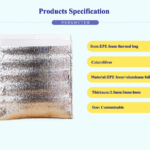
Compare as opções de materiais de isolamento para diferentes necessidades de embalagens da cadeia de frio.
Compare materiaisCalculadora de bolsa de gelo
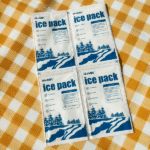
Estime a quantidade de bolsas de gelo em gel para remessas refrigeradas e planejamento prático de rotas.
Estimar bolsas de geloRefrigerante & Referência PCM
Compare as opções de refrigerante e PCM quando uma rota precisar de suporte adicional de temperatura.
Comparar opçõesPerguntas frequentes
O que diferencia uma caixa de remessa térmica VIP de uma caixa padrão expedidor isolado? A principal diferença é o uso de painéis de isolamento a vácuo, que reduzem a transferência de calor através das paredes do recipiente. Isso pode fornecer um buffer térmico mais forte ou mais espaço utilizável em alguns projetos, mas o desempenho ainda depende do pacote completo e da rota.
Como comparo as declarações de desempenho do fornecedor? Pergunte quais condições apoiam a reivindicação: perfil ambiente, duração, carga útil, refrigerante, método de condicionamento, posicionamento do registrador, e critérios de aceitação. As declarações que não descrevem estas condições devem ser tratadas como incompletas para decisões de aquisição.
O mesmo contêiner VIP pode ser reutilizado? Alguns contêineres VIP são projetados para manuseio reutilizável, mas a reutilização depende da inspeção, limpeza, proteção do painel, controle de acessórios, e logística de retorno. Um programa retornável deve ser testado antes do uso rotineiro.
Um registrador de temperatura torna a remessa segura? Não. Um registrador fornece evidências; não cria proteção térmica. É útil quando os dados são revisados de acordo com regras de aceitação claras e vinculados a um processo de recebimento ou desvio.
O que devo enviar a um fornecedor para uma melhor recomendação? Envie o tipo de produto, faixa de temperatura permitida, dimensões de carga útil, Duração da remessa, descrição da rota, preocupações sazonais, restrições de refrigerante, necessidades de monitoramento, e se o contêiner é descartável ou retornável.
Conclusão
Uma caixa de remessa térmica VIP para remessa de produtos perecíveis é mais útil quando escolhida para um problema de remessa definido. Comece com a condição permitida do produto, então mapeie a rota, carga útil, refrigerante, monitoramento, e recebendo fluxo de trabalho. Peça aos fornecedores que conectem as declarações de desempenho às condições de teste, e evite tratar o isolamento VIP como uma garantia universal.
O melhor embalagem da cadeia de frio a decisão geralmente é específica: esta carga útil, esta pista, este pacote, este critério de aceitação. Esse nível de clareza protege a qualidade, ajuda o setor de compras a comparar opções de maneira justa, e dá às operações um processo que pode ser repetido.
Notas de campo antes do dimensionamento
Para compras, a decisão final deve equilibrar a proteção, repetibilidade, e carga operacional. Se o pacote exigir muitas etapas especiais, a equipe pode não seguir o pacote de forma consistente. Se for muito simples para a rota, o risco do produto aumenta. A melhor seleção de caixa térmica VIP é aquela que a organização pode repetir, inspecionar, documento, e melhorar com o tempo.
Uma solicitação de amostra deve ser específica o suficiente para evitar suposições. Em vez de pedir um despachante frio genérico, o comprador deve fornecer dimensões de carga útil, condição alvo, tempo de trânsito, modo de operadora, preocupação sazonal, e se o contêiner será devolvido. Isso ajuda o fornecedor a recomendar um sistema realista em vez de um item de catálogo.
O pacote final deve ser fácil de auditar. Um supervisor deve ser capaz de olhar para um recipiente embalado e dizer se o líquido refrigerante, divisores, registrador, documentos, e fechamento correspondem à instrução. Se a embalagem correta não puder ser reconhecida rapidamente, a qualidade da rotina dependerá muito da memória individual.
Também é útil definir o que acontece quando algo dá errado. Uma caixa danificada, registrador ausente, entrega atrasada, ou condição incorreta do líquido refrigerante deve desencadear uma revisão clara. Essa revisão pode ser simples para alimentos ou bens de consumo e mais formal para cargas úteis de saúde, mas deve existir antes que o programa seja dimensionado.
O comprador deve manter o texto preciso. O isolamento VIP pode melhorar o buffer térmico, mas não garante o lançamento do produto, substituir o planejamento de rotas, ou eliminar a necessidade de procedimentos documentados. Esta distinção protege tanto o fornecedor como o comprador de expectativas irrealistas..
Para lista final de fornecedores, a aprovação da amostra deve criar um ponto de referência para pedidos posteriores. Registre o tamanho da caixa, layout do painel, tipo de refrigerante, orientação de carga útil, lista de acessórios, e método de fechamento. Se a remessa de produção alterar posteriormente algum desses itens, a equipe deve decidir se a amostra anterior ainda representa a verdadeira caixa de remessa térmica VIP para o programa de remessa de produtos perecíveis.
Para lista final de fornecedores, o condicionamento da embalagem merece controle por escrito. O líquido refrigerante muito quente pode reduzir a proteção, enquanto o líquido refrigerante muito frio ou colocado incorretamente pode danificar produtos sensíveis. Para alimentos perecíveis, amostras refrigeradas, pacotes congelados, ingredientes especiais, kits de refeições, e bens de consumo sensíveis, a instrução deve dizer como o refrigerante é preparado, onde está colocado, e qual separação é necessária da carga útil.
Para lista final de fornecedores, a documentação não precisa ser complicada, mas deve ser específico. Uma pequena folha de embalagem com fotos, uma data de revisão, e os critérios de aceitação são muitas vezes mais úteis do que um procedimento genérico longo. O objetivo é permitir que um novo embalador repita a mesma configuração da caixa de remessa térmica VIP sem depender de memória.
Para lista final de fornecedores, a inspeção de reutilização deve fazer parte do projeto da rota quando o contêiner se destina a retornar. A embalagem devolvida deve ser verificada quanto a cantos amassados, tampas danificadas, acessórios faltando, interiores molhados, odor, ou danos no painel antes de voltar ao estoque. Reutilizar sem inspeção pode transformar um bom recipiente em um risco inconsistente.
Sobre Tempk
O portfólio de embalagens de cadeia de frio da Tempk inclui opções de isolamento passivo e acessórios térmicos usados na amostragem de produtos, entrega de comida, logística médica, e programas de distribuição. Para pacotes perecíveis premium, amostras da cadeia de frio, comércio eletrônico de alimentos especiais, e rotas sazonais de alto risco, a conversa útil começa com a condição do produto, exposição da rota, etapas de manuseio, e se uma abordagem reutilizável ou unilateral faz mais sentido.
Antes de passar de remessas de amostras para remessas de rotina, discutir o pacote, necessidades de documentação, e suposições de rota com Tempk.