Guia do distribuidor de bolsa de gelo para injeção de água
Última atualização: Fevereiro 11, 2026 (América/Los_Angeles). Nota de frescura: Atualizado em 2026 usando orientações e padrões para 2024–2026, quando disponíveis; padrões fundamentais mais antigos são citados quando permanecem em vigor.
O que um distribuidor de bolsas de gelo com injeção de água oferece
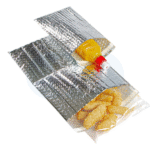
Um distribuidor de bolsas de gelo com injeção de água não é apenas um “movimentador de caixas”. Em escala, seu distribuidor de bolsas de gelo para injeção de água passa a fazer parte de sua equipe de engenharia de embalagem.
Por que? Porque a cadeia de frio passiva funciona apenas quando os pacotes de refrigerante são preparados e carregados corretamente. A orientação global para contêineres passivos enfatiza repetidamente o cumprimento das instruções do fabricante sobre como organizar pacotes de refrigerante condicionado dentro de contêineres isolados.
Um forte distribuidor de bolsas de gelo com injeção de água normalmente oferece quatro tipos de valor:
Correspondência de formato de pacote
Eles ajudam você a escolher a geometria certa (folha, tijolo, pacotes vinculados) e preencha a faixa de volume para o tamanho do seu remetente, carga útil, e pista.
Design de fluxo de trabalho de ativação
Eles fornecem orientação prática para enchimento através da abertura/porta de injeção, tempo de congelamento, encenação, e colocação da embalagem – para que sua “cadeia de frio” seja um processo de turnos repetível, não conhecimento tribal.
Suporte de validação
Eles podem apoiar testes térmicos em protocolos padronizados ou amplamente reconhecidos. Por exemplo, A International Safe Transit Association descreve o Procedimento 7D como um teste de temperatura de desenvolvimento para exposições a temperaturas externas e o Padrão 7E como um padrão mais recente de teste de transporte térmico com perfis construídos a partir de dados de transporte de encomendas do mundo real.
Documentação + controle de mudanças
Eles suportam rastreabilidade de lote, declarações materiais, e uma política de “sem surpresas” quando os filmes, portos, ou os sistemas espessadores internos mudam, porque pequenas mudanças podem alterar as curvas de fusão e as taxas de vazamento.
Como qualificar um distribuidor de bolsas de gelo com injeção de água para conformidade
Conformidade não é uma coisa. Depende do que você envia e para onde você envia. Seu distribuidor de bolsas de gelo para injeção de água deve ser capaz de “mapear” seus produtos e documentos para a sua realidade.
Transporte de alimentos nos Estados Unidos
Os EUA. A regra de transporte sanitário da Food and Drug Administration sob a FSMA exige práticas sanitárias durante o transporte e aborda o controle de temperatura para alimentos que exigem isso. O texto regulatório e os materiais da FDA enfatizam a prevenção de práticas que podem tornar os alimentos inseguros, incluindo falhas na refrigeração adequada e no fornecimento de controle de temperatura adequado.
Um ponto de dados prático para programas alimentares: NÓS. A orientação ao consumidor do Serviço de Inspeção e Segurança Alimentar do Departamento de Agricultura faz referência à temperatura do freezer a 0 ° F (−18ºC) para congelamento seguro, e suas orientações para pedidos por correspondência enfatizam a manutenção de alimentos perecíveis fora da “zona de perigo” por muito tempo. Essas não são receitas prontas, mas ajudam a explicar por que o abuso de temperatura é tratado como uma questão de segurança, não apenas uma questão de gosto.
Envio de vacinas e cuidados de saúde
As orientações de armazenamento e manuseio de vacinas dos Centros de Controle e Prevenção de Doenças incluem cuidados explícitos em relação aos refrigerantes. Para vacinas refrigeradas, alerta contra o uso de pacotes de gel/refrigerante congelados de remessas originais de vacinas e observa que PCMs em torno de 4–5°C podem ser usados para reduzir o risco de congelamento. Este é um exemplo clássico de por que seu distribuidor de bolsas de gelo para injeção de água deve compreender o risco de “muito frio”, não apenas “fique frio”.
Envio aéreo internacional de vacinas
A Organização Mundial da Saúde 2025 diretrizes (7ª edição) posicionar o documento como orientação técnica para ajudar a garantir a qualidade da vacina durante todas as etapas do transporte aéreo internacional, em todo o ecossistema, do fabricante ao país destinatário. Se sua pista toca o ar internacional, seu distribuidor de bolsas de gelo para injeção de água deve estar familiarizado com esse tipo de linguagem de requisitos e como ela se traduz na disciplina de embalagem.
Rotulagem e manuseio de carga aérea
Se você enviar o tempo- e carga de saúde sensível à temperatura por via aérea, A Associação Internacional de Transporte Aéreo publica recursos sobre Regulamentos de Controle de Temperatura e uma página de manuseio farmacêutico que descreve o Tempo & Etiqueta Sensível à Temperatura como obrigatória para remessas reservadas como carga sensível ao tempo e à temperatura, e vincula-o a listas de verificação de aceitação. Mesmo quando você usa remetentes passivos, a linguagem operacional é importante: rótulo + reserva + Alinhamento POP.
O pacote de conformidade que você deve exigir de um distribuidor de bolsas de gelo para injeção de água
Peça ao seu distribuidor de bolsas de gelo para injeção de água um pacote de “uma pasta” que inclui:
Folha de especificações do produto (dimensões, peso vazio, intervalo de preenchimento recomendado, pacote de casos)
Declaração de material para filme externo e espessador interno/sistema PCM
Política de rastreabilidade e retenção de lote/lote
Política de controle de alterações (como você será notificado antes das substituições)
Lidando com POP: preencher, congelar o tempo, encenação, e orientação de posicionamento
Abordagem de teste de vazamento e ruptura e frequência de amostragem
Se o seu distribuidor não puder fornecer este, você não está comprando um componente da cadeia de frio. Você está comprando incerteza.
Desempenho e validação do distribuidor de bolsa de gelo com injeção de água
Você não pode fazer “SEO” para sair do baixo desempenho térmico. Você valida.
Por que a validação é a linha entre um fornecedor e uma solução
Remessas reais apresentam variações de temperatura e tempos de permanência que você não controla. É por isso que existem padrões térmicos. O Padrão 7E da ISTA descreve perfis desenvolvidos a partir de dados de faixas de transporte do mundo real, projetado para representar máximos e mínimos sazonais. O Procedimento 7D da ISTA é posicionado como um teste de desenvolvimento para exposições a temperaturas externas. Seu distribuidor de bolsas de gelo para injeção de água deve ser capaz de traduzir sua pista em um plano de teste.
A validação não precisa ser complicada, mas deve ser explícito:
Defina sua pista (origem→destino, modo, nível de serviço, permanência no pior caso)
Defina sua banda alvo (por exemplo, “manter o produto 2–8°C,”ou“manter congelado,” ou “evite abaixo de zero”)
Crie uma receita de embalagem (contagem de refrigerante, colocação, isolamento)
Corra o verão + perfis de inverno
Documente os resultados e bloqueie a configuração
Uma verificação de sanidade nas reivindicações: a física por trás do resfriamento à base de água
A água é um material comum de mudança de fase. Quando o gelo derrete a 0°C, absorve uma grande quantidade de energia sem aquecer rapidamente acima de 0°C. Textos de referência de física geralmente citam ~334 kJ/kg como o calor latente de fusão do gelo. É por isso que “quanta massa de gelo” e “quão bem colocada” podem ser mais importantes do que marketing.
Agora adicione a parte “injeção”. Muitos projetos de injeção de água dependem de espessantes internos (ou absorventes) então a água cheia se comporta como uma matriz de gel estável, em vez de um líquido espirrando. Isso é importante para a contenção de vazamentos e contato consistente com a superfície. As referências técnicas descrevem duas famílias principais de espessantes usadas em aplicações de embalagens de gel flexíveis: polímeros superabsorventes e éteres de celulose (como carboximetilcelulose).
Um ponto de dados relacionado que você pode usar em reuniões: Os materiais SAP são amplamente descritos como absorvendo água muitas centenas de vezes o seu próprio peso, o que ajuda a explicar por que uma pequena massa de polímero pode estabilizar uma grande massa de água em uma embalagem.
Mesa: opções de refrigerante e como um distribuidor de bolsa de gelo com injeção de água se encaixa
| Opção | O que você executa no dia a dia | Onde brilha | Principal risco operacional | Melhor opção para um distribuidor de bolsas de gelo com injeção de água |
|---|---|---|---|---|
| Bolsas de gelo para injeção de água | Preencher no local → congelar → embalar | Menor frete/cubo de entrada; dimensionamento flexível; amigável com marca própria | Variabilidade de preenchimento e vazamento de porta; requer disciplina de congelamento/preparação | Alimentos de comércio eletrônico de alto volume, kits de refeições, redes multi-DC, exportar programas ativados localmente |
| Pacotes de gel pré-cheios | Armazenar congelado → embalar | Operações simples; peso unitário consistente | Pagando para enviar água; cubo de armazenamento; tratamento de condensação | Operações de baixa complexidade; equipes pequenas; restrições trabalhistas rígidas |
| PCMs sintonizados para +2 a +8°C | Condição por SOP → pack-out | Melhor proteção para itens de saúde sensíveis ao congelamento | Custo mais alto; precisa de condicionamento cuidadoso | Diagnóstico, Biologics, vacinas, vias de saúde regulamentadas |
| Gelo seco | Tratar como DG quando necessário | Requisitos de congelamento ultra-frio | Segurança, sublimação, e restrições aéreas | Pistas especiais ultra-frias com pessoal treinado pela DG |
Sugestão de gráfico sereia para sua página SOP
Definição de pista & risco
Selecione o formato do pacote
Selecione o distribuidor de bolsas de gelo para injeção de água
Preencher & congelar POP
Validador: Teste de perfil ISTA
Receita de embalagem de documentos
Monitorar excursões & melhorar
Operando com um distribuidor de bolsa de gelo com injeção de água
Um distribuidor de bolsas de gelo com injeção de água pode reduzir seu frete de entrada, mas somente se você puder executar o fluxo de trabalho de ativação de maneira confiável. Pense nisso como trocar “custo de envio” por “controle de processo”.
Cenário: você envia 10,000 pedidos por semana
Digamos que seu programa use um 400 mL de bolsa fria equivalente. Se você enviar esse pacote pré-cheio, você está efetivamente enviando cerca de 0,4 kg de água por unidade (mais filme). Sobre 10,000 pacotes, isso é aproximadamente 4,000 kg de água entrou antes mesmo de você tocar no produto. Com um modelo de distribuidor de bolsa de gelo com injeção de água, a maior parte dessa massa é adicionada localmente, então sua entrada é mais leve e muitas vezes você pode armazenar mais embalagens “vazias” por posição de palete. Este é um dos principais argumentos económicos que os distribuidores apresentam.
Mas agora faça a pergunta operacional: seu site pode congelar e preparar 10,000 pacotes por semana sem atalhos? Se não, seu distribuidor de bolsas de gelo para injeção de água não “economizará dinheiro”. Isso adicionará variação.
Cenário: você envia produtos que não devem congelar
Na área da saúde e em alguns alimentos especiais, o congelamento pode ser tão prejudicial quanto o aquecimento. A orientação sobre vacinas do CDC é um forte exemplo disso. Alerta que mesmo pacotes de gel condicionados provenientes de remessas de vacinas ainda podem congelar vacinas refrigeradas, e aponta para PCMs próximos de 4–5°C para um transporte mais seguro. Se a sua pista tiver produtos sensíveis ao congelamento, seu distribuidor de bolsas de gelo para injeção de água deve oferecer uma solução projetada para essa faixa, não é uma bolsa genérica de água e gelo.
Mesa: modos de falha, seu distribuidor de bolsa de gelo para injeção de água deve ajudá-lo a prevenir
| Modo de falha | O que você vê | Causa raiz | O que perguntar ao seu distribuidor de bolsas de gelo para injeção de água |
|---|---|---|---|
| Pacotes mal preenchidos | Tempo de espera curto; chegadas calorosas | Variabilidade de preenchimento; turnos apressados | Especificação de faixa de preenchimento + SOP de verificação rápida de peso + auxiliares de treinamento |
| Pacotes cheios demais | Estresse portuário; explosão do selo | Expansão da água + vedações sobrecarregadas | Orientação de preenchimento máximo + teste de integridade de porta + plano de amostragem |
| Temperatura interna “muito fria” | Danos ao produto; geada | Refrigerante muito frio; condicionamento errado | POP de condicionamento + Opções de PCM + validação para pistas “sem congelamento” |
| Desvio lote a lote | Falhas aleatórias | Substituições sem controle de alterações | Aviso escrito de controle de alterações + rastreabilidade de lote + verificações de controle de qualidade recebidas |
| Não totalmente congelado | Derretimento precoce; temperaturas instáveis | Tempo/espaço insuficiente no congelador | Orientação de tempo de congelamento + modelo de capacidade do freezer + plano de estantes escalonado |
Scorecard de compras para um distribuidor de bolsas de gelo para injeção de água
Se você comparar apenas o preço unitário, você escolhe o distribuidor errado de bolsa de gelo para injeção de água. Use um scorecard que combine desempenho térmico, conformidade, e operações.
Use este scorecard em cada solicitação de solicitação de distribuição de gelo para injeção de água para que sua equipe compare maçãs com maçãs.
Mesa: 100-scorecard do distribuidor de pontos que você pode copiar
| Categoria | Peso | Como é “bom” |
|---|---|---|
| Desempenho térmico validado | 30 | Suporta perfis estilo ISTA ou testes de pista; fornece modelos de planos de teste e orientações sobre posicionamento de registradores |
| Porta + integridade do selo | 15 | Amostragem de taxa de vazamento; teste de explosão; limpar preenchimento máximo; ações corretivas documentadas |
| Documentação + rastreabilidade | 15 | Rastreabilidade de lote, declarações materiais, política de retenção, política de controle de mudanças |
| Capacitação operacional | 15 | Preencher orientação de ferramentas; congelar/preparar SOP; materiais de treinamento; receitas de pacotes sazonais |
| Resiliência da oferta | 10 | Planos de fonte dupla; materiais de filme/porta consistentes; prazos realistas |
| Ajuste comercial | 10 | Quantidade mínima transparente; opções de marca própria; faixas de preços previsíveis |
| Sustentabilidade + fim da vida | 5 | Orientações claras sobre descarte; opções para formatos com menor desperdício; massa de carga de entrada reduzida, quando relevante |
Como usar: avalie cada candidato a distribuidor de bolsas de gelo para injeção de água em uma escala de 0 a 5 por item de linha. Multiplique por peso. Negocie o preço somente depois que os mínimos técnicos e de conformidade forem atendidos.
Perguntas frequentes para escolher um distribuidor de bolsa de gelo com injeção de água
P: O que é um distribuidor de bolsa de gelo com injeção de água?
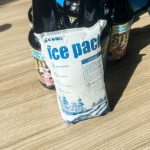
UM: Um distribuidor de bolsas de gelo para injeção de água fornece embalagens projetadas para serem preenchidas com água em suas instalações através de uma porta de injeção, então congelado antes da embalagem. Muitos fornecedores posicionam isso como uma forma de reduzir o peso da carga de entrada e o espaço de armazenamento em comparação com o envio de embalagens totalmente cheias..
P: As bolsas de gelo para injeção de água são reutilizáveis??
UM: Muitos programas de distribuição de bolsas de gelo para injeção de água as tratam como reutilizáveis dentro de uma vida útil pretendida, mas “reutilizável” depende do seu manuseio do SOP, ciclos de congelamento/descongelamento, e integridade do selo. Exigir amostragem de vazamento e controle de alterações do seu distribuidor de bolsas de gelo para injeção de água.
P: Como você enche bolsas de gelo para injeção de água corretamente?
UM: Use a faixa de enchimento e as ferramentas recomendadas pelo distribuidor, em seguida, padronize uma etapa de verificação de peso na linha. A variabilidade de preenchimento é uma das maneiras mais rápidas de perder a consistência do tempo de espera.
P: As bolsas de gelo para injeção de água são seguras para o transporte de alimentos e medicamentos??
UM: Eles podem ser, mas a segurança é condicional. Para alimentos enviados nos EUA, você ainda precisa de práticas de transporte sanitário e controle de temperatura adequado quando necessário. Para cuidados de saúde, você precisa de procedimentos que protejam contra aquecimento e congelamento. Seu distribuidor de bolsas de gelo para injeção de água deve apoiar a documentação e a disciplina SOP exigida por sua categoria.
P: Um distribuidor de bolsa de gelo com injeção de água pode suportar remessas de 2 a 8°C sem risco de congelamento?
UM: Nem sempre. O gelo derrete a ~0°C, que pode ser muito frio para produtos sensíveis ao congelamento, a menos que seja tamponado. A orientação do CDC destaca o risco de congelamento ao usar refrigerantes inadequados para vacinas refrigeradas e menciona PCMs em torno de 4–5°C como uma opção para reduzir esse risco.
P: Que testes devo pedir a um distribuidor de bolsas de gelo para injeção de água para apoiar?
Uma dica: peça ao seu distribuidor de bolsas de gelo para injeção de água que lhe envie um pequeno lote piloto para um teste de pista controlada, não apenas uma caixa de amostra.
UM: Solicite uma abordagem de validação de pista que faça referência a perfis de teste térmico reconhecidos. As descrições do Procedimento 7D e do Padrão 7E da ISTA são pontos de partida úteis para estruturar um plano de teste em torno de exposições do mundo real.
P: Quais são as causas mais comuns de vazamentos?
UM: Encher demais, vedação fraca da porta, e estresse repetido de congelamento/descongelamento são contribuintes frequentes. Seu distribuidor de bolsa de gelo para injeção de água deve fornecer orientação máxima para preenchimento e etapas de amostragem de qualidade.
P: Qual é o maior custo oculto ao mudar para um modelo de distribuidor de bolsa de gelo com injeção de água?
UM: Mão de obra interna e capacidade do freezer. Se as embalagens não estiverem totalmente congeladas ou estiverem mal preparadas, seu tempo de espera diminui e seus custos de deterioração/reclamação aumentam – mesmo que o frete de entrada seja mais barato.
P: Os dados estruturados ajudam a classificação desta página em 2026?
UM: Os dados estruturados ajudam os mecanismos de pesquisa a entender uma página e podem permitir resultados aprimorados, mas o Google afirma que não há garantia de que esses recursos aparecerão. Use dados estruturados para esclarecer o significado e melhorar a legibilidade da máquina, não como um substituto para conteúdo útil.